From adversity to advocacy: The remarkable story of one chronic Graft-Versus-Host Disease patient

2023-07-13T23:01:00

(BPT) – Michael Cramer was just an active teenager, enjoying recreational pursuits such as surfing and sailing. Then one day he was diagnosed with a rare form of cancer. After several different treatment attempts, he was matched with a bone marrow donor and both Cramer and his mother Ashlee hoped that would mean the end of his battle with cancer.

At the time they did not know he would develop chronic Graft-Versus-Host Disease (cGVHD), a rare disease that can impact allogeneic (meaning cells come from a donor) blood and marrow transplant recipients. Depending on the severity of symptoms and number of organs affected, cGVHD can impair a person’s ability to engage in daily activities — and in severe cases may be life-threatening. Symptoms can occur at any time after a transplant when donor cells (the graft) attack the patient’s (the host’s) organs and/or tissues.

While cGVHD can affect people in many different ways, Cramer has experienced fatigue, elevated liver enzymes, jaundice, skin dryness, rashes, mouth dryness and sensitivity, and very fragile skin. His liver symptoms became severe, leading to an extended hospitalization.

Exploring treatment options

With his mother Ashlee by his side, Cramer’s doctors began to treat his cGVHD with various medications, including steroids, without success. Cramer was driven to learn about his condition and scoured the internet to become more informed. That search, along with a long talk with his doctors, led him to Rezurock® (belumosudil), a prescription medicine used to treat adults and children 12 years of age and older with cGVHD after a patient has received at least two prior treatments (systemic therapy) and they did not work.

Given his prior failures on other medications, Cramer worked closely with his care team and was prescribed Rezurock.

“My experience on Rezurock so far has been very good,” Cramer said. “I’m living my new life now, getting back into a rhythm, and I appreciate each and every single moment of it.”

The most common side effects of Rezurock include infections, tiredness or weakness, nausea, diarrhea, shortness of breath, cough, swelling, bleeding, stomach (abdominal) pain, muscle or bone pain, headache, and high blood pressure. Patient experiences on Rezurock may vary so please talk to your doctor when making treatment decisions. Please see additional Important Safety Information in this article.

Turning adversity into advocacy

Wanting to help people who have similar cGVHD stories, Cramer decided to share his experiences through TikTok, where he now has more than 100,000 followers.

“As an advocate, you can explain what it’s like and speak out to help others,” Cramer explained. “Having cGVHD is very lonely, since not everybody knows about it. It’s very important to advocate for yourself and tell your doctors and nurses what you’re experiencing.”

Throughout Cramer’s experience, his mother and caregiver, Ashlee, continues to support him. “Not everyone will get cGVHD, just like each person is different, and each case of cGVHD is different. Being positive or optimistic won’t prevent it, but it does impact how you live your life,” said Ashlee. “You have to adapt because you won’t be able to go back to your ‘previous life.’ Michael won’t be the surfer or sailor he was before cancer and cGVHD, but now we can enjoy walking on the beach after sunset. He can still enjoy things by adapting and staying positive.”

Twenty-one-year-old Cramer is now working towards his undergraduate degree. He exercises indoors on his stationary bike and tries new hobbies like building elaborate Lego sets and is learning to play guitar.

Cramer also continues speaking to patients by hosting a podcast with his mom called “Michael and Mom Talk Cancer” to spread awareness and information about his cancer and cGVHD journey, as well as his mom’s caregiver journey. Together, they know their advocacy will have a positive impact, especially for those experiencing cGVHD who need a community around them. He wants others to know there’s a medication out there that can work, and that there’s hope, even with this diagnosis. “It’s going to be difficult. But because you’re living with cGVHD, that means you’re still alive,” Cramer said. “Be as present as possible and be grateful for your friends, family, and the small moments that remind you that you can get through it.”

Every patient’s experience is unique and results may vary. Remember, your doctor is your best source of information and be sure to ask your doctor any questions you may have. Learn more about cGVHD and a treatment option at www.REZUROCK.com.

USE

REZUROCK® (belumosudil) is a prescription medicine used to treat adults and children 12 years of age and older with chronic graft-versus-host disease (chronic GVHD) after you have received at least 2 prior treatments (systemic therapy) and they did not work. It is not known if REZUROCK is safe and effective in children less than 12 years old.

IMPORTANT SAFETY INFORMATION

Before taking REZUROCK, tell your healthcare provider about all of your medical conditions, including if you:

  • have kidney or liver problems.
  • are pregnant or plan to become pregnant. REZUROCK can harm your unborn baby. If you are able to become pregnant, your healthcare provider will do a pregnancy test before starting treatment with REZUROCK. Tell your healthcare provider if you become pregnant or think you may be pregnant during treatment with REZUROCK.
  • Females who can become pregnant should use effective birth control during treatment with REZUROCK and for at least 1 week after the last dose.
  • Males with female partners who can become pregnant should use effective birth control during treatment with REZUROCK and for at least 1 week after the last dose.
  • are breastfeeding or plan to breastfeed. It is not known if REZUROCK passes into breast milk. Do not breastfeed during treatment with REZUROCK and for at least 1 week after the last dose.

Tell your healthcare provider about all the medicines you take, including prescription and over-the-counter medicines, vitamins, and herbal supplements. REZUROCK may affect the way other medicines work, and other medicines may affect the way REZUROCK works.

Know the medicines you take. Keep a list of them to show your healthcare provider and pharmacist when you get a new medicine.

How should I take REZUROCK?

  • Take REZUROCK exactly as your healthcare provider tells you to take it.
  • Do not change your dose or stop taking REZUROCK without first talking to your healthcare provider.
  • Take REZUROCK 1 time a day with a meal.
  • Take REZUROCK at about the same time each day.
  • Swallow REZUROCK tablets whole with a glass of water.
  • Do not cut, crush, or chew REZUROCK tablets.
  • Your healthcare provider will do blood tests to check your liver at least 1 time a month during treatment with REZUROCK.
  • If you miss a dose of REZUROCK, take it as soon as you remember on the same day. Take your next dose of REZUROCK at your regular time on the next day. Do not take extra doses of REZUROCK to make up for a missed dose.
  • If you take too much REZUROCK, call your healthcare provider or go to the nearest hospital emergency room right away.


What are the possible side effects of REZUROCK?

The most common side effects of REZUROCK include:

  • infections
  • tiredness or weakness
  • nausea
  • diarrhea
  • shortness of breath
  • cough
  • swelling
  • bleeding
  • stomach (abdominal) pain
  • muscle or bone pain
  • headache
  • high blood pressure

Your healthcare provider may change your dose of REZUROCK, temporarily stop, or permanently stop treatment with REZUROCK if you have certain side effects.

REZUROCK may affect fertility in males and females. Talk to your healthcare provider if this is a concern for you.

These are not all the possible side effects of REZUROCK. Call your doctor for medical advice about side effects.

Please see accompanying full Prescribing Information.

You are encouraged to report side effects of prescription drugs to the FDA. Visit www.FDA.gov/medwatch or call 1-800-FDA-1088. You may also contact Kadmon Pharmaceuticals, LLC, at 1-877-377-7862 to report side effects.


Video Games Remain America’s Favorite Pastime With More Than 212 Million Americans Playing Regularly

2023-07-13T07:01:00

(BPT) – The Entertainment Software Association (ESA) released its annual 2023 Essential Facts About the U.S. Video Game Industry report this week. The report reveals the number of Americans playing video games remains strong and encompasses players across all demographics including gender, race, ethnicity and age.

The 2023 Essential Facts report found that 65% of Americans play video games — which equates to about 212.6 million weekly players. Players and non-players alike agree that video games provide value to people’s lives, with 96% of all respondents saying they view video games as beneficial.

“Video games remain a mainstay in American households, as they have for decades. Playing video games has become the norm, as those who first learned to play on early consoles now share their joy of play with their own children and grandchildren, resulting in an expansive and diverse player community,” said Stanley Pierre-Louis, President and CEO of the ESA. “The Essential Facts report demonstrates that video games not only connect us, but also enhance our sense of well-being.”

This year’s report reaffirms that Americans of all ages, genders and races/ethnicities play video games:

  • Across all ages, video game players identify as about half female (46%) and half male (53%), with approximately 1% identifying another way or choosing not to identify for the survey.
  • The average video game player is 32 years old and has been playing video games for 21 years.
  • A quarter of American players are under 18 (26%), 35% are 18-34, 14% are 35-44, 11% are 45-54 and 14% are 55 or older.
  • Of adults who play video games, 72% are White, 10% are Hispanic, 8% are Black, 6% are Asian/Pacific Islander and 4% identified as ‘other.’

Video games bring Americans together and create communities where they otherwise might not be traditionally possible:

  • 80% of video game players play games with others.
  • 71% of players say games do a good job of creating welcoming and inclusive environments.
  • The majority of players (88%) agree that games help expand their social circles, and 82% say video games can introduce people to new friends and new relationships.
  • 76% of U.S. parents play video games with their children.
  • Half (50%) of players have met a good friend, spouse or significant other through games.
  • 87% of players say video games create accessible experiences for people with different physical abilities.

Video games are widely viewed as providing developmental and mental benefits to players:

  • Players believe video games provide mental stimulation (90%) and stress relief (90%) and help improve cognitive skills (88%). All respondents agree that video games can help build problem-solving (81%) and teamwork and collaboration skills (75%).
  • Younger (18 to 24) and older adults (65+) are especially likely to value video games for having fun and passing time, but older adults also say games stimulate thinking and help them relax.
  • According to players, video games also inspire people (80%), help teach kids how to win and lose in a healthy manner (74%), can be used to facilitate or supplement education in the classroom (72%) and help improve creative skills (85%).

Other noteworthy results from the 2023 Essential Facts include:

  • 58% of adult video game players use multiple platforms to play — they use a combination of mobile, consoles and/or PCs.
  • Smartphones remain the most used device for gaming — 64% of active players use a smartphone to play games and 12% of players exclusively use a smartphone to play games.
  • Among U.S. adults, casual genres, including puzzle and arcade games, continue to be the most played.
  • Of players’ total time spent on entertainment (TV, video games, music, etc.), video games account for a quarter of their time and are highly valued. Nearly half of players report that video games provide the most entertainment value for money spent.

Access the 2023 Essential Facts About the U.S. Video Game Industry report at www.theesa.com/facts.

Save money, reduce food waste: 5 tips to extend the life of fresh produce

2023-07-12T10:01:00

(BPT) – If you love fresh produce, nothing’s worse than discovering food you bought just days ago is already going bad. That means changing your meal plan, plus wasting money and good food. Fortunately, you can reduce food waste with a little planning and know-how.

Here are five tips to help you enjoy your groceries longer.

1. Plan before shopping

Create menu plans each week, aiming to use produce with a shorter shelf life first. Chop and freeze some to ensure they’ll last longer. Many veggies like carrots, celery, broccoli and cauliflower and fruits like berries, grapes and mangoes can be prepped and frozen in zip-top bags to extend freshness and simplify meal prep.

Frustrated by lettuce going bad quickly? Mann Packing Co. Inc. offers washed and ready-to-use Better Burger Leaf®, Better Red Leaf®, Better Green Leaf® and Better Romaine® single-cut lettuces to enhance any sandwich, burger or wrap.

Some items last longer than others. For example, Del Monte® citrus fruits last up to two weeks in the fridge from date of purchase — making them ideal to enjoy now or later. To extend fruit further, juice into ice cube trays and freeze.

2. Choose pre-prepped veggies

When you’re busy, chopping veggies can seem too daunting, leading to costly choices like takeout or delivery. According to the Labor Department, restaurant prices have outpaced grocery prices since mid-2021.

Make it easier to use what’s in your fridge with Mann Packing’s Steakhouse Style veggies. Their pre-washed, cut and ready-to-cook Broccolini® baby broccoli, Caulilini® baby cauliflower and fresh asparagus can simplify family meals, so you can easily create home-cooked meals as good — or better — than what you’d get from a restaurant. You can also find tasty prepped veggies and easy-to-use veggie combos like Mann’s Family Favorites® Broccoli, Carrots & Snow Peas — perfect for making stir fry, salads or casseroles — and Mann’s Organic veggies, which are ready for snacking, salads or cooking in your favorite dishes.

3. Reduce produce waste

It’s common to end up throwing away fresh produce simply because it was stored incorrectly. Some veggies last longer than expected if stored properly. For example, Brussels sprouts can last in a refrigerated plastic bag up to 1 week. Wash and place with a damp paper towel in a perforated plastic bag in the crisper drawer to maintain freshness.

To avoid waste, consider freezing some produce before it has a chance to go bad. For instance, peel then freeze fresh Del Monte® Bananas whole (for snacks), mashed (for baked goods) or sliced (for smoothies). Place sliced fruit in a single layer on parchment-lined baking sheets to avoid clumping. Once frozen, slices can be stored in plastic bags or containers.

While Pinkglow® Pineapples are harvested at the peak of ripeness and best eaten immediately, you can store a whole Pinkglow® pineapple in the refrigerator up to 2 days, or on the counter up to 3 days (not in direct sunlight) — or freeze up to 3 months. For the longest shelf life without freezing, place a whole Pinkglow® pineapple in your refrigerator 8-12 hours, then remove the top, bottom and shell and cut into spears or chunks. Place cut pieces in a sealed food storage container and refrigerate up to 7 days from date of purchase. Visit PinkglowPineapple.com for exciting pineapple recipe ideas.

Store Fresh Del Monte® Goodvocado® avocados correctly in a cool, dark place in a paper bag — or in the fridge 2-3 days. To refrigerate cut avocados, rub lemon or lime juice on exposed pulp to prevent discoloration.

4. Give new life to overripe produce

You may be able to use some overripened fruits and veggies. For example:

  • Overripe avocados? Del Monte® Avocados can be used as a better-for-you swap for butter in baked goods. With Del Monte® Goodvocado® avocados, you’ll get an inclusive pack featuring a variety of avocado sizes, perfect for any occasion.
  • Citrus fruit on its way out? Add zest to dressings, sauces, marinades or cocktails for extra zing. Only zest the colorful part of the rind, stopping at the white pith.
  • Grape tomatoes seen better days? Toss with herbs, olive oil, salt and pepper, then roast at 450 degrees for 20-25 minutes until they blister.

Smoothies are another option for fresh fruits and vegetables beginning to turn — and a tasty way to sneak nutrient-rich produce into kids’ diets!

5. Add more produce to meals

Add nutrients to your favorite recipes by incorporating more fruits and veggies into every meal.

  • Want to increase fiber and flavor? Add Mann’s Family Favorites® Rainbow Salad, Power Blend or Broccoli Slaw to pasta sauces, tacos or enchiladas.
  • Can’t finish an entire melon? Whip up some Melon-Avocado Gazpacho. Not only do you get to try a new, delicious recipe, but you can freeze the rest for later.
  • Unsure how to use a whole pineapple? Freeze pineapple cores. When making vegetable stock, add a frozen pineapple core to enhance flavor and create a nutrient-dense broth that, once strained, is perfect for Asian-inspired dishes.
  • Seeking better-for-you swaps? Replace frozen French fries with fresh-cut sweet potato fries like Mann’s™ Better Fries. Sure to please even your pickiest eater, these sweet potato fries are pre-washed, cut and ready to throw in your oven or air fryer. Other great swaps your family will love are Mann’s™ Better Rice, made from cauliflower, and Mann’s™ Better Pasta — fresh veggies noodles made from sweet potatoes.

For more information on Fresh Del Monte and Mann Packing Co. Inc. products, including retail availability and recipes, visit DelMonteFresh.com and VeggiesMadeEasy.com.

Going green: How to make your home more environmentally friendly

2023-07-12T11:01:00

(BPT) – Most recent data shows that in the past five years, 85% of people have shifted their behavior to be more eco-conscious and have started thinking sustainably when making purchases*. For many, the home is a natural place to start incorporating environmentally friendly products and practices.

“From utilizing green building products to incorporating high-efficiency technology, implementing more eco-friendly practices and products at home is a steppingstone towards living a more sustainable lifestyle,” said Judd Larned, President of Culligan Water. “Start with your water. Making eco-friendly choices on how you consume and treat your home’s water can have a big impact.”

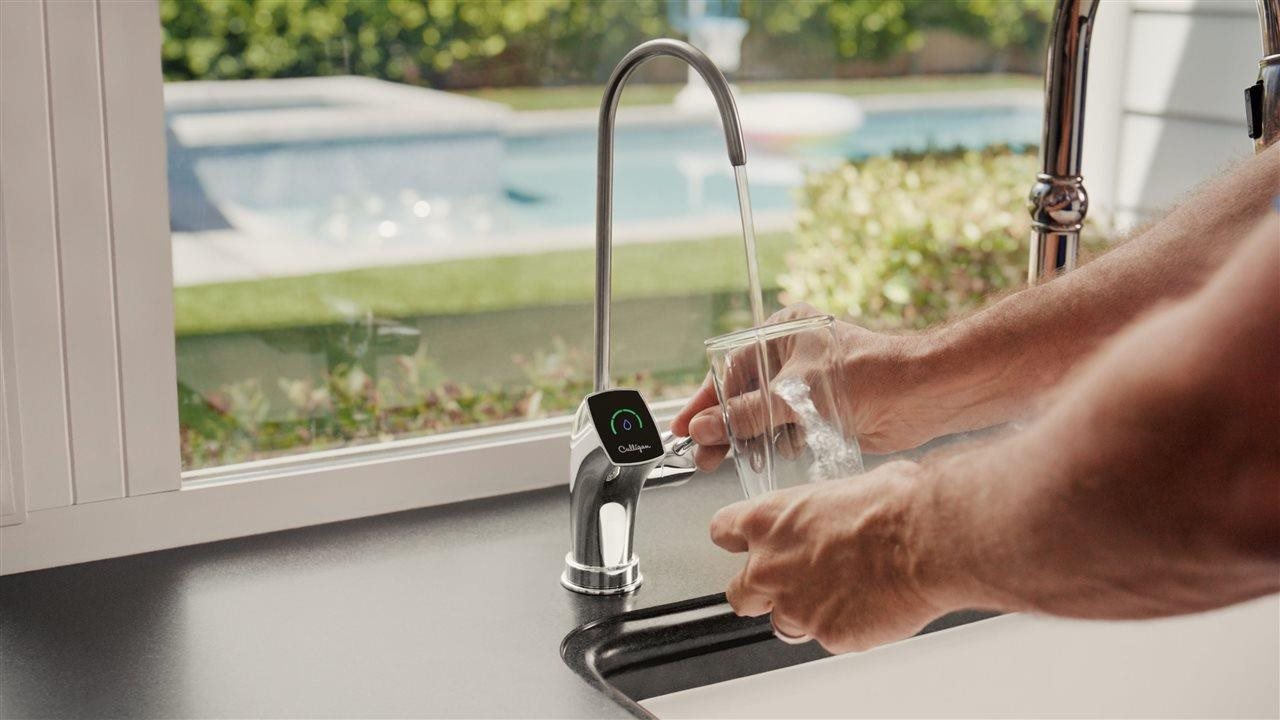
Drinking water from your home tap is a great way to help the environment. Every year, overuse of single-use plastic bottles contributes to pollution, yet many people prefer the taste and quality of bottled water over the tap water in their home. By installing a water treatment solution, such as a reverse osmosis system, homeowners can get cleaner, filtered water directly from the tap and reduce their use of single-serve bottled water. The Culligan Aquasential® Smart Reverse Osmosis Drinking Water System offers 12 different filter options and is certified for the reduction of 59 contaminants which include 15 emerging contaminants including lead, arsenic, pharmaceuticals, volatile organic compounds (VOCs) and PFOA/PFOS.

For a greener solution to traditional water softening, a high-efficiency water softener, like the Aquasential Smart High Efficiency Water Softener, is designed to minimize water and salt usage while effectively softening the water. By selecting a high-efficiency softener, you can reduce water and salt usage. Both the RO and softener also offer a smart device app that gives users intuitive control over each system with water alerts, maintenance needs and tools that track water usage and consumption at your fingertips. You’ll have real-time data to help manage water usage in your home.

Going beyond your water, here are additional tips for creating a more environmentally friendly home:

  • Choose green décor. A simple way to go green with your home is to choose environmentally friendly décor. While natural stones and marbles are on trend, their use is costly to the environment. Instead, homeowners can use man-made materials that mimic the look of natural materials. Using composite materials made from recycled content or natural materials that are sustainably sourced for décor, cabinets, fixtures and countertops is a great way to get the latest trends in home décor without negatively impacting the environment.
  • Opt for energy-efficient appliances. When purchasing new appliances, opt for those with high energy-efficiency ratings. Energy-efficient appliances are designed to accomplish the same tasks with less power, which reduces the need for additional power plants and decreases the extraction of natural resources such as coal, natural gas and oil. By conserving these resources, we can preserve ecosystems, protect habitats and minimize the environmental damage caused by their extraction. On appliances such as refrigerators, dishwashers and laundry machines, look for ENERGY STAR certified products, which meet strict energy-saving standards.
  • Use smart technology to conserve energy. Today, smart home technology is available to help homeowners control and track their energy usage, resulting in improved conservation as well as lower utility bills on the home front. Smart thermostats and lighting, as well as home automation systems, allow you to optimize heating and cooling or create energy-saving routines and schedules whether you’re home or away. Use energy monitoring systems to track usage patterns, identify energy-hungry appliances and provide insights on how to optimize energy efficiency.
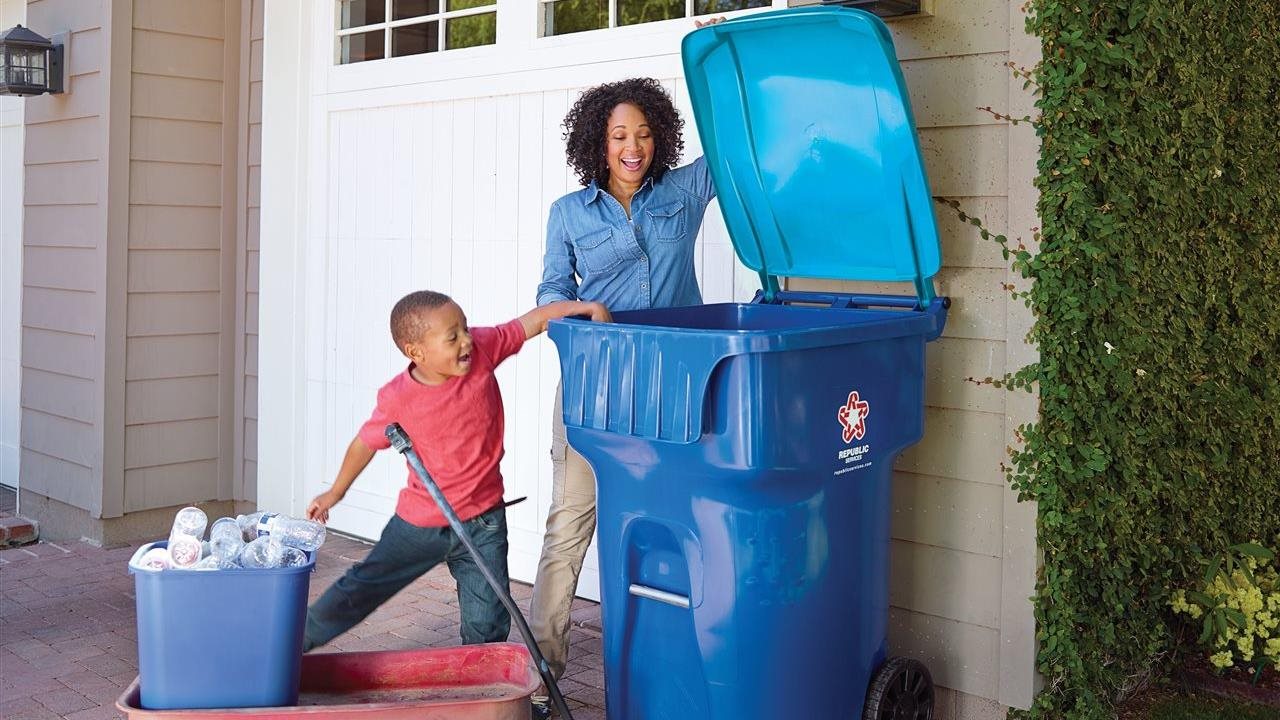
  • Recycle. Recycling is one of the most simple and well-known ways to go green at home as it conserves resources, reduces landfill waste and minimizes the environmental impact of manufacturing new products. Set up a recycling system in your home to separate recyclable materials from general waste. Identify local recycling centers or programs that accept different types of recyclables and ensure proper disposal. Consider going beyond traditional efforts by buying products made from recycled material or from companies dedicated to sustainability.

By implementing these tips, homeowners can contribute to a more sustainable future while creating a healthier and more cost-effective living environment. For more information on in-home water treatment solutions, visit www.culligan.com.

*According to an October 2021 Global Sustainability survey conducted by Simon-Kucher & Partners.

Get into the “Safe Zone” to Prevent a Heart Attack

2023-07-10T12:01:00

(BPT) – Heart disease is the leading cause of death for men and women in the U.S. While it’s often seen as a result of aging, this is a dangerous misconception. Research shows one of the most effective ways to lower the risk of heart attacks or strokes is to reduce your low-density lipoprotein (LDL) cholesterol — also known as “bad” cholesterol — for as long as possible.

Ora Williams, who is in her late 60s, learned she had elevated LDL cholesterol when she was in her 20s, but treatments were limited at that time. Ora knew her family had a long history of heart disease, so she did all she could with what was available to her. Over the years, she lost her father and her 44-year-old brother to heart attacks.

Then, Williams’ son tragically passed from a sudden heart attack. He was just 38 years old.

Soon after Williams discovered she had heart disease and had to have her own heart bypass surgery.

“I knew my family had heart disease,” Williams shared. “I always asked myself — why didn’t I ask more questions or do more before it happened to me?”

According to research from the Family Heart Foundation, a research and advocacy organization helping families navigate their heart health, 7 out of 10 Americans at high risk for cardiovascular disease are not reaching recommended LDL cholesterol levels. This leaves them in danger of a heart attack or stroke.

“Elevated LDL cholesterol is often caused by both genetics and lifestyle,” said Dr. Mary McGowan, chief medical officer at the Family Heart Foundation. “Regardless of its cause, the health risks are severe and consequences can literally be deadly. Our research shows that people at high risk for cardiovascular disease who don’t keep their LDL cholesterol at the recommended level are nearly 50 percent more likely to suffer a cardiac event than those who do.”

The Family Heart Foundation calls the recommended LDL cholesterol level the “Safe Zone.” Today, Williams has finally found the right treatment combination to get to her LDL Safe Zone. As an advocate for the Family Heart Foundation, she helps others make positive changes in their lives.

“I can’t do anything about what happened. But what I can do is take the steps to control my LDL cholesterol. I can tell my story with the hope of saving others from the challenges I faced, and encourage them to get in their Safe Zone.”

While many can lower their LDL cholesterol with a heart-healthy diet, some, like Williams, will need medication to reach their Safe Zone. Some will require more than one medication, known as “combination therapy.” However, only 20% of doctors in the U.S. are using combination therapy for people at high risk for cardiovascular disease. There are many effective therapies available today, and your journey to the LDL Safe Zone might begin with a conversation with your healthcare provider about what will work for you.

Take action now to get to your Safe Zone:

1. Get your cholesterol tested, and ask to see the results before you meet with your healthcare provider.

2. Talk with your healthcare provider about what your results mean, and ask what your recommended LDL cholesterol level is based on your risk.

3. Get to your Safe Zone with effective LDL-lowering treatments and stay there, don’t wait.

4. Make sure you get the correct diagnosis, especially if high cholesterol and heart disease run in your family. You may be at risk for a genetic cholesterol disorder.

To learn more about how to get into the safe zone, visit LDLSafeZone.org.

How to make your home work for you through the years

2023-07-12T07:01:01

(BPT) – Courtesy of Peerless® Faucet

“Aging in place” (aka independent living) is the phenomena of older adults remaining in their homes as they age, rather than relocating or moving into an institutional setting. In fact, about 75% of 50+-year-olds would like to stay in their current homes or communities for as long as possible, compared to about half of 18 to 49-year-olds, according to AARP. With age, lifestyle needs change and if staying in your home is important to you, you may have concerns about getting around your home or getting simple tasks done, including personal care. Whether you’re a future caregiver or a care recipient, find suggestions below that can help with some of these worries along with easy ideas to ensure you have a functional home.

Plan ahead

As you prepare to make this big life step, take the time to sit down and think about the types of help you, a partner or a care recipient may need. Everyone’s situation is different, so it’s important to take the necessary steps now to avoid future issues.

One way to plan ahead is to talk to a doctor. Oftentimes, there may be medical conditions that could affect or complicate the way one ages in place or even hinder mobility around the house. If you’re a caregiver, it can prove helpful to be proactive. While these may be daunting conversations, it’s important to have them with a doctor and discuss best practices for living in your home long-term.

Another way to plan ahead is to create an at-home checklist of simple design updates that’ll allow a safe, independent living experience. The easiest way to identify what to change is to walk around the house and take note of anything that could pose a challenge in the near future. Consider door levers over doorknobs, light switches with a rocker panel versus a toggle switch, or even awning-style windows to make them easier to open and close. Making subtle changes like these can have long-term impacts on your comfortability and ability to stay put.

Tap resources available to you

If one is already having trouble moving around the house, it may be time to outsource assistance. Some people avoid electric scooters or chairs due to the hefty price tag, but what many don’t realize is that some at-home electronic aids are covered by Medicare. Other available resources you can contact if in need of home modifications or low-cost assistive devices include Administration for Community Living, The National Rehabilitation Information Center and AARP.

If you wish to revamp your space with stylish home furnishings that allow for aging in place, having a consultation with an experienced local home designer, or Certified Aging in Place Specialist (CAPS), is your best bet! These professionals are trained in meeting the needs of older adults by assisting with aging-in-place home renovations. Whether you need pocket doors to help with mobility between rooms, wider hallways for wheelchairs, or even a single-story house plan with a complete second suite, these designers can help update a home to adapt to a family — instead of a family adapting to a new home. Resources you can contact for this include Accessible Living, Paul Schumacher Homes and even Care.com.

ADA-compliant and stylish installations

Aging-in-place updates don’t always have to look and feel dull. You can make simple tweaks to make any space look presentable and elegant. An easy place to start implementing these tweaks is in the bathroom! Remodel your bath space the easy, affordable way and fit it with the all-new Precept® ADA Tub & Shower with Hand Shower by Peerless®. Designed for all, this sleek and modern shower trim kit assures everyone has a safe, comfortable showering experience. It also comes in three different finishes (Chrome, Matte Black and Brushed Nickel) to fit almost any bath space and design. Its 5-inch tub spout, handle operations, hand shower, hose and 24-inch grab bar are all ADA-compliant to help you create an accessible space without compromising design or functionality. You can also pair this trim kit with the brand-new accessories within the Precept® Bath Collection for a coordinated, unified look.

Other easy home aging-in-place modifications could be eliminating hard-to-reach areas like high or low cabinets. Instead, opt for darker hued drawers right under your countertop; this way they’re more accessible and can easily match almost any kitchen décor. Need additional aging-in-place thoughtful kitchen inspiration? Introduce a mobile, adjustable kitchen island with lots of storage to avoid excess meal prepping and standing time.

If aging in place is the path forward, it’s important to realize there’s more to it than just staying put. Like every stage in life, it’s important to ensure that plans are thought through, even for the future. When thinking through ways to create a safer and age-friendly home environment, take advantage of resources available to you and prioritize updating rooms you utilize the most. Focus on the basics and create a well-coordinated and accessible space with fixtures that don’t compromise on aesthetics or functionality.

Ways to Make Business Travel Less Stressful During Conference and Events Season

2023-07-11T10:05:00

(BPT) – With conference and events season right around the corner, it’s time to brush up on business travel best practices. The following tips can help ease the stress often associated with business travel, so you can keep your focus on in-person experiences and make the most of career opportunities.

Make a Credit Card Your Best Friend

If you don’t yet have a business credit card, consider applying for one in advance of your next trip. They’re designed to help maximize your rewards on all business-related expenses.

You can also take advantage of a timely new Cardmember offer to help you earn rewards faster. Now until August 28, 2023, new Southwest Rapid Rewards™ Premier Business Credit Card from Chase Cardmembers can earn up to 120,000 Rapid Rewards® points. New Cardmembers can earn 60,000 points after spending $3,000 in the first three months from account opening, then an additional 60,000 points after spending $15,000 in the first nine months. This is a simple, yet effective way to earn points to fuel future work travel.

Think About Your Plans Early

When traveling for your business, mapping out trip logistics in advance can help eliminate the dreaded “what-ifs” of last-minute plans. Understanding your travel itinerary, like when and where you or your team are needed or schedules for presentations and meetings, can help you to select hotel and dining options that are close and convenient.

And, if you plan ahead, you can earn points just by staying at the right hotel. Southwest Rapid Rewards Premier Business Credit Card Cardmembers earn 2X points on every $1 spent on Rapid Rewards hotel partners.

Travel Like a ‘Boss’

It’s no secret that packing for an event can be hard when dressing to impress is important. Prior to arriving, research the dress code to ensure you pack properly for the events you are attending. Consider checking your hotel’s amenities to see if they have any laundering, dry cleaning services, or an in-room steamer to freshen your clothes, depending on the length of your stay. Even better, Southwest® Customers’ bags fly free® (first and second checked bags, weight and size limits apply) so you can bring everything you need no matter how long you’re staying.

And to ease the stress on travel day, consider checking in to your flight in advance and reading up on airline regulations prior to arriving at the airport. Thankfully, Cardmembers receive two EarlyBird Check-Ins® per year, and conference season is the perfect time to redeem this benefit to help minimize delays ahead of your departure.

Make Use of Your Time On-Site

Consider connecting and networking with other attendees leading up to the event so you can use your time on-site wisely by setting up meetings and making meaningful connections. To make the most of your learning experience, review the agenda beforehand, including schedules and programming, to ensure you can attend what you are most interested in.

During downtime, relax and recharge with a coffee, explore the areas around you, and grab a bite to eat with a colleague (or even a new connection!).

Everyone deserves a seamless travel experience, especially ahead of a business trip where you need to be at your best. Leveraging these tips can help you get where you’re going, while using your time wisely to minimize stress and maximize the points you earn the whole time.

*Accounts subject to credit approval. Restrictions and limitations apply. Cards are issued by JPMorgan Chase Bank, N.A. Member FDIC. All Rapid Rewards® rules and regulations apply and can be found at Southwest.com/rrterms.

The chasing arrows have you chasing your tail

2023-07-11T12:31:00

(BPT) – The three-arrowed triangular loop: you see it, and you know it. Or do you? Just about every type of plastic packaging today has that familiar symbol stamped on it, and while common thought links that symbol with recycling, that isn’t always the case. Good intentions can often be wasted by misinterpreting what that symbol actually means.

What many confuse as the recycling symbol on plastic packaging is actually called a resin identification code. Look closely and you will see a number stamped within the three arrows; this number is to help identify the polymer used to make the container, not identify its recyclability. The resin identification code was developed in the late 1980s to ensure a level of consistency in plastics manufacturing. Unfortunately, this symbol has created significant confusion for the everyday consumer as it closely mirrors the real chasing arrows recycling symbol.

Fortunately, over the last few years, with society placing a greater emphasis on recycling and the education behind it, we are seeing more brand owners rethinking the end life of their packaging. One notable change is better labeling. How2Recycle, a program developed by the Sustainable Packaging Coalition, is working to improve the standardized labeling system for recyclables and increasingly, brands are adopting their labeling. When you pick up your next box of your favorite breakfast cereal, look at the bottom and you will likely find two different recycling instructions, one for the box and one for the plastic bag. How2Recycle published findings from a consumer survey that showed the majority of consumers found value and increased trust when brand owners clearly label the materials and their recyclability (or lack thereof).

Not only have brands started the shift, but many states are laying the framework for Truth in Labeling laws that will prohibit the use of chasing-arrows symbols and the term “recyclable” on products that are indeed, not recyclable. This has gained such significant traction that the U.S. Environmental Protection Agency (EPA) is now calling on the Federal Trade Commission to remove the symbol from plastics that can’t be recycled altogether. The FTC has what they call Green Guides, and the EPA, as well as other environmental groups, believe these guides could be used to help educate consumers on recycling best practices.

With better labeling, consumers can recycle with more confidence. Until then, it is best to focus on the characteristics of plastics, rather than memorize a list of numbers. For example, rigid plastic containers, such as water bottles, milk jugs and shampoo bottles, are highly recyclable. These materials are also in demand as more consumer package goods companies implement stronger commitments to using recycled content in their packaging. Unfortunately, today, due to a lack of infrastructure, most plastic water bottles are not recycled into new plastic water bottles again. In many cases, they are downcycled into synthetic fibers for use in things like carpeting or clothing.

Later this year, Republic Services, a leader in the environmental services industry, will open the nation’s first Polymer Center in Las Vegas to meet the growing demand for recycled content. The Polymer Center will be part of a national network of facilities that will create high-quality recycled content that enables true bottle-to-bottle circularity. This means that when you place a water bottle in your recycling bin, it can become a new water bottle again.

Recycling plays an important role in reducing our impact on the planet. While current labeling practices can create confusion, by becoming more informed consumers, we can stop chasing our tails and help create a more sustainable world now, and for future generations.

Clog Monster makes his Hollywood debut: 5 ways you can help defeat him

2023-07-11T11:59:00

Prepare to see the Clog Monster as you’ve never seen him before…the only thing that can stop him is looking for the “Do Not Flush” symbol.

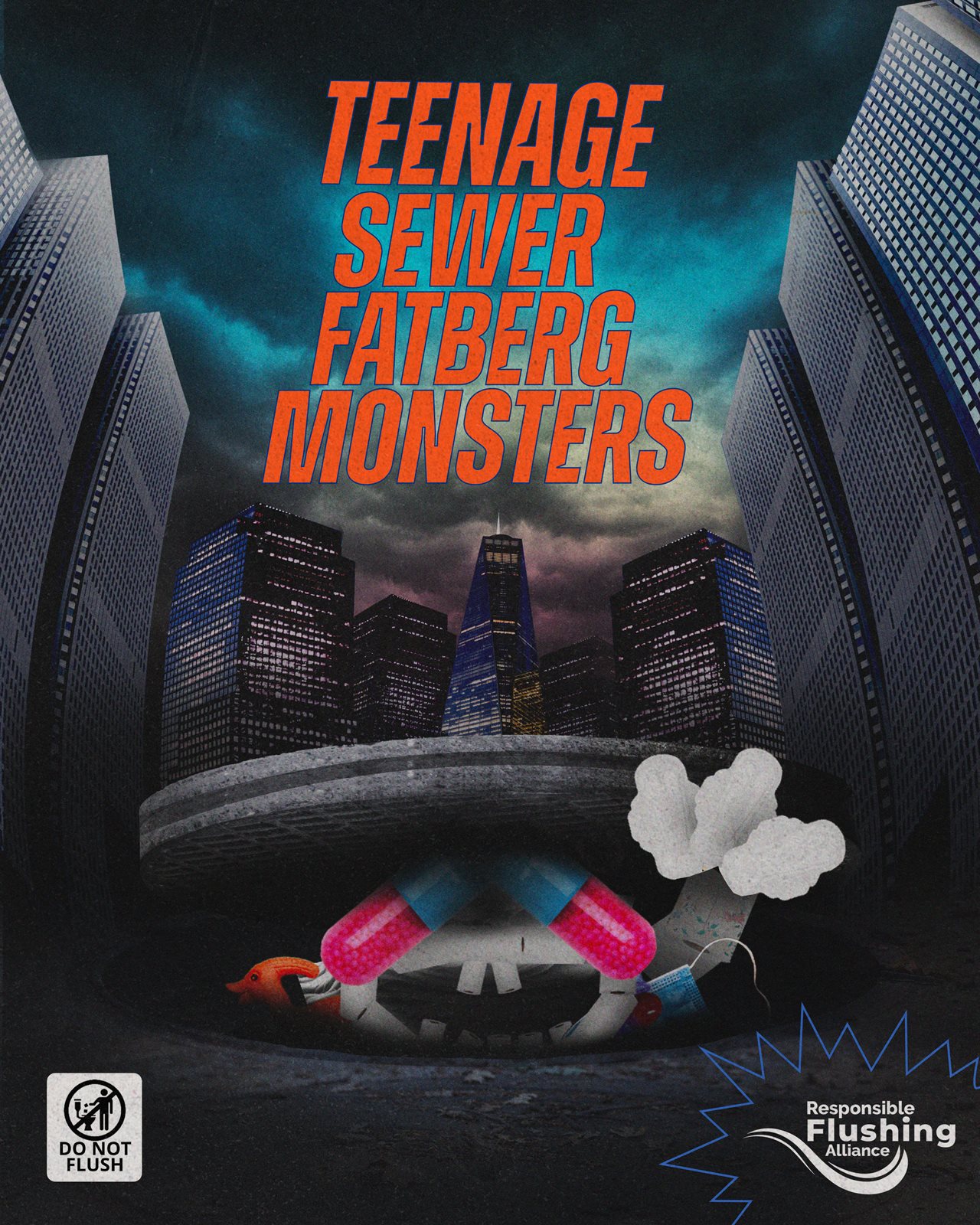
(BPT) – Now playing on a silver screen near you, the Clog Monster is finally making his Hollywood debut. He’s made his way from the dark, dank sewers and is now taking over your favorite films! Not only is the Clog Monster mucking up your movie time, but he and his fatbergs are causing damage to your plumbing and local sewers.

Underneath the city streets is a hidden world where Clog Monsters, fatbergs, and pizza reign supreme. We must all do our part to protect our wastewater systems. Always look for the “Do Not Flush” symbol on wipes packaging.


Without even knowing it, you may be helping feed the Clog Monster. For example, you may think you can flush any wipe down the toilet, but more than 90% of wipes sold are not designed to be flushed. When you dump non-flushables in the toilet, the Clog Monster becomes more powerful!

Experience the legend. Feel the might. Prepare for the return of King…Clog?

However, you can do your part to help stop the Clog Monster. On Flush Smart Day every July (and TBH, every day), be a hero and use these five tips to defeat the Clog Monster!

Let’s keep “artifacts” out of our pipes. Look for the “Do Not Flush” symbol on wipes packaging. That way you can avoid snaking out your drain.


1. Look for the sign

To help defeat the Clog Monster, you need to know how to spot a non-flushable item. You can figure out if an item will help the Clog Monster by looking for the “Do Not Flush” symbol. If you see it, always toss that wipe in the trash, and never the toilet, and keep it out of the villain’s grasp.

In a world where you can be anything, why not be #FlushSmart. Look for the “Do Not Flush” symbol on wipes packaging.

2. Don’t feed the clog monster

The Clog Monster can’t become more powerful if he doesn’t have food. Make sure to keep the following items away from your toilet:

  • Baby wipes
  • Period products
  • Cleaning wipes
  • Makeup wipes
  • Cotton balls, pads or swabs
  • Dental floss
  • Hair
  • Paper towels or rags
  • Trash
  • Cat litter
  • Medicine

By keeping these Clog Monster foods out of the toilet, you can help stop him in his tracks before he can cause more destruction to your city.

What’s that lurking in the shadows and crawling in the sewers? If you look for the “Do Not Flush” symbol on wipes packaging, you don’t have to find out. Keep the clog nightmares away with #FlushSmart habits.

3. Make a trap

What you pour down the toilet and sink can also create fatbergs and help the Clog Monster take over. When fats, oils and greases (FOG) collect in the pipes with non-flushables, they create the Clog Monster’s henchmen, the fatbergs. These large, rock-like foes can grow and grow, eventually clogging pipes and sewers and causing water pollution.

To keep FOG out of the reach of the Clog Monster, make a trap! Grab an empty vegetable or soup can, decorate the outside, and pour cooking oils into it to keep them trapped. You can find instructions on how to make your FOG can here.

I spy a mission that is not so impossible…Keeping our drains wipe-free!

4. Warn others

Many citizens may not know about the Clog Monster, so it’s your job to warn them! When friends and family come to visit, make sure to let them know what they can and can’t flush down the toilet. You can even make signs to put on or near the toilet with pictures of what needs to be thrown away. Once you’ve warned them, they can go on and warn others, so everyone can work together to defeat the Clog Monster.

Clogs find a way of destroying our pipes and sewers. Help make the Clog Monster go extinct by always looking for the “Do Not Flush” symbol on wipes packaging.

5. Better safe than sorry

If you can’t tell if an item is Clog Monster food, read the packaging for disposal instructions. If you’re still unsure, don’t take a chance and accidentally help the villain. When in doubt, throw it out!

Using these five tips, you can be a hero and help defeat the Clog Monster and his fatberg minions and protect your home, the sewers and the environment.

Under the sea…Under the sea…Darling, it’s better, down where there’s no Clog Monsters, under the sea. Keep our environment healthy and sewer systems functioning by using #FlushSmart habits.

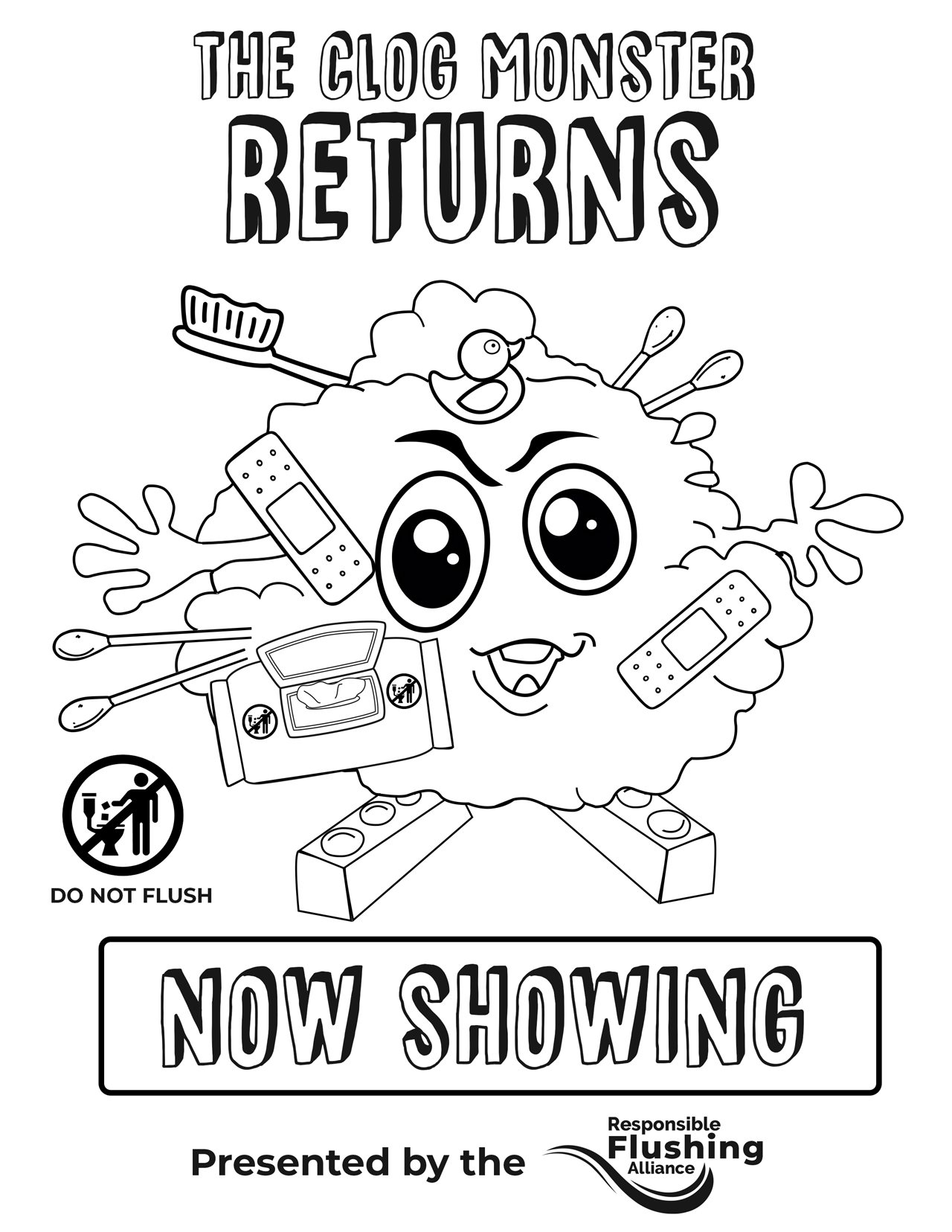
In celebration of Flush Smart Day, watch the Clog Monster movie trailer and make your own movie poster. To see all the movie posters, head to FlushSmart.org/resources, where you can print out a coloring page and unleash your creativity! Once it’s done, have an adult snap a photo and tag @FlushSmart on social media.

Make your own movie poster to stop the Clog Monster! Just print, color, and use the hashtag #FlushSmart when posting to social media.

Remember to help keep the Clog Monster at bay, always look for the “Do Not Flush” symbol on wipes packaging. If you see it, that wipe goes in the trash and never the toilet.