How are you planning to cover college costs?

2023-05-01T09:01:00

(BPT) – Your child has applied for schools, and now your mailbox is flooded with financial aid award letters. Do you have a plan for how to cover the rest? Check out the most common options to finance college costs, from CollegeAve.com.

Four tips for small business success

2023-05-01T10:01:00

(BPT) – Sponsored by Office Depot

More women than ever before are using their energy, passion and insights to create new business ventures. What they’ve learned along the way can provide valuable lessons for anyone dreaming of owning their own business or even those who are farther along on their entrepreneurial journeys.

For more than 35 years, Office Depot has offered innovative solutions and support to help business owners achieve success. In 2020, the company became the premier and founding sponsor of Selfmade, Brit + Co’s interactive virtual community and membership program geared towards connecting women with tools, resources, community and coaching to help them start, manage, and grow their own businesses. Through this collaboration, Office Depot has provided hundreds of female entrepreneurs with the opportunity to participate in the program for free via Office Depot OfficeMax-funded scholarships.

In honor of small business week, here are four tips from some of the dynamic small business owners who took part in the Selfmade program. For more stories, studies and strategies for success, visit Office Depot’s content hub, The Stepping Stone.

1. Home in on the big idea

How does someone know their business idea is good? Most importantly, it should address a problem that needs solving. That’s what led Domeanic Carter-Banks to her great idea. Waiting in a car dealership playroom with her three-year-old, who was diagnosed with non-verbal autism, she saw her daughter become frustrated and irritable.

“There were no appropriate sensory toys to hold her focus and attention,” said Carter-Banks. “I wished there was something I could leave behind to help other autistic children and their parents.”

Carter-Banks applied for an Office Depot OfficeMax scholarship to Selfmade to get feedback from others and hone in on her idea for a sensory toy company. After participating in live workshops with business coaches, one-on-one mentoring and group chats with other entrepreneurs like her, she started Masterpiece Kids Box, a curated subscription box for children with autism that encourages sensory and discovery play.

“My advice to busy moms with an idea is to do what you can in small leaps if you can’t make the big one yet,” said Carter-Banks.

2. Build a network and positive mindset

To help prepare for whatever comes next, it helps to learn from others who are on similar paths. “Being an entrepreneur can be a super lonely journey, so having other people there, especially other people who can understand the highs and the lows, is really helpful,” said Karly Hiser of Crann Organic, which sells 100% GOTS certified organic cotton kids’ clothes for the 9.6 million American kids who suffer from eczema, like Hiser’s son.

And every entrepreneur can feel a bit of doubt at some point, but letting it overcome them in a way that prevents them from moving forward can hinder their success. “It’s very easy to let your feelings and negative emotions get in the way,” said Hiser. “Starting off your day with a little bit of meditation, breathing, yoga, whatever it is, really helps to calm your nervous system so that you can approach your day with a really positive attitude.”

3. Stay organized to avoid burnout

Disorganization in the workplace can have many negative impacts like leading to lower-quality work, missed deadlines, wasted time on unproductive tasks and even burnout. Kinsey Egan-McGee is the founder of Claim Your Roots, a virtual hair care platform for women with textured hair, and she prioritizes organization to help stay productive.

“Whether it’s inside or outside of the business, I try to weigh the importance, immediacy, and level of detail something should be dealt with, so I don’t burn out. I have pretty extensive to-do lists that I have broken down by months and weeks. I’ve loved crossing things off my agenda since elementary school, but I also realized as an adult that it’s great to have a list of completed items that you can reference. You just have to be honest with yourself, whether a task has actually been completed or not,” McGee said.

“I make sure to record meetings … so I can be present and not fixated on taking notes. I also always write down questions/talking points to prepare for a meeting with someone,” said McGee.

4. Nurture creativity when the going gets tough

Being a business owner can be overwhelming. How can an entrepreneur feed the creative passion that inspired their dream? Stay open to new ideas — especially when external circumstances throw curve balls. Jenifer Shwartz owned a wholesale bakery when the pandemic hit. After losing sales from events, catering and restaurants, she had to think creatively and pivot fast.

“I thought, let’s start making Japanese cheesecake,” Shwartz recalled. She sold through food delivery services, then fell ill. She had to pause her business, so she freeze-dried the cake. “When I came back to work, I opened a bag of freeze-dried cheesecake, it literally had the same flavor as the fresh-baked cheesecake.”

Her next step was learning how to sell packaged products in stores for her new business, Freezcake. That’s when she saw an opportunity to apply for an Office Depot OfficeMax scholarship to Selfmade. Shwartz also turned to Office Depot for a new printer and laminator machine to help her run her business more smoothly.

Shwartz finds time to nurture her creativity every day. “I always thought that, as a pastry chef, I have to constantly be making new things,” said Shwartz. “But there’s so much creativity in the decision making and different parts of running a business.”

And as a mother of five, she finds ways to be creative at home with her kids as well. “We have lots of coloring, painting, clay. It’s a good way for me to get my creative juices out. I was an artist before I was a pastry chef. Now instead of clay, my medium is flour, sugar and butter!”

Small business giveaway — Lessons in Success

The path to success can get a little bumpy, but the lessons learned along the way can help entrepreneurs take the biggest steps forward. Small business owners can share some of the biggest lessons they’ve learned as a business owner and enter the Office Depot Lessons in Success Small Business Giveaway for a chance to win a $250 Office Depot OfficeMax card to help them achieve their business goals. Winners will be selected at random on or about 5/28/23. Complete the form to enter online at officedepot.com/giveaways.

Small business owners can find innovative products and solutions to help them be successful online at officedepot.com and at Office Depot and OfficeMax stores. They can also take advantage of exclusive benefits and everyday savings on products like furniture, paper and cleaning supplies through the Office Depot® OfficeMax® Business Select program. Now through June 3, a first-year Business Select membership is just $49.

What a dietitian eats in a day, including the best sources of protein

2023-05-01T10:31:00

(BPT) – If you’re searching for tips on how to improve what you eat, you’ll often be met with information that’s more confusing than helpful. To help solve this mystery, Registered Dietitian and Nutritionist Amy Shapiro shares not only what she advises her clients to eat, but what she reaches for each day, including her favorite sources of protein.

Up your protein intake at meals

Your body needs protein to help maintain, build, and repair muscle, bones, skin, hair and other basic functions, so it’s important to look for ways to boost your intake at every meal. But what are the best sources of protein?

“My favorite protein sources include cold water fish like tuna, which provides omega 3 fatty acids, plus organic poultry, grass-fed beef, beans and legumes, organic tofu, tempeh, eggs, Greek yogurt and cottage cheese,” Shapiro notes. “All of them provide roughly 7 grams of protein per ounce and contain limited amounts of saturated fat, which you want to eat less of, because saturated fat causes cholesterol to increase, which can lead to heart disease.”

Snacks are an underused opportunity to boost protein

Protein is digested slowly to keep you feeling satisfied longer, without increasing blood sugar levels. By integrating more protein into your snacks, you’ll have more energy and will feel fuller between meals, which can help prevent cravings and overeating.

While you may not immediately think of protein sources when snack time rolls around, Shapiro offers several suggestions for easy, tasty, and portable options that can help add more essential nutrients to your day.

“The best snack choices provide the perfect balance of convenience, nutrition and quality,” says Shapiro.

For busy families, Shapiro recommends protein snacks that can easily be taken on-the-go including:

  • Beef jerky
  • Beef sticks
  • Sealed pack tuna
  • Whole grain and seed crackers
  • Greek yogurt
  • Hard-boiled eggs
  • Cheese sticks
  • Crunchy edamame

Pair proteins with fresh produce

To get the nutrients your body needs to thrive, Shapiro recommends including as many different colors of fresh produce as you can, every day.

“Fill up your crisper drawers. You can find fresh herbs, vegetables and fruit at most grocers, but I love a good farmers market haul where the food tastes fresh and the seasonal ingredients are abundant,” says Shapiro. “Pair your proteins and produce, such as hummus and veggies, for a hit of fiber, or a beef stick with bright citrus fruit to support hunger and cravings.”

Choosing the best meat-based proteins

When it comes to beef, there are two main options: grain-fed and grass-fed. Shapiro says that the benefit of choosing 100% grass-fed beef is that it is leaner and has a lower saturated fat content than grain-fed beef. Due to its lower fat content, grass-fed beef is also lower in calories than grain-fed options. Grass-fed beef also has higher omega-3 fatty acids that could help lower bad cholesterol and decrease inflammation. Options include 100% lean ground beef, 100% grass-fed steak and 100% grass-fed beef jerky.

For snacking in-transit, Shapiro opts for protein snacks from Lorissa’s Kitchen, including their 100% grass-fed Beef Sticks (Original and Jalapeno flavors) and Beef Strips (Original and Korean Barbecue flavors). Lorissa’s Kitchen snacks are a good source of protein, gluten free and contain no preservatives, added nitrites or nitrates. Even better, they deliver on the taste, nutrition and convenience families are looking for. Stock up on their Mini Beef Stick Snack Packs or 1-ounce single serve sticks for a lightweight snack that’s ready to go wherever you’re going, whether that’s work or a workout, a sporting event or a road trip.

“Beef jerky and sticks made from grass-fed beef are an easy, on-the-go snack option that can help fuel you throughout the day, and are good for post-workout recovery,” adds Shapiro. “Whole foods are a must, but when convenience and ease are top of mind, portable snacks like jerky and beef sticks made with grass-fed beef are great choices.”

Looking for more snacking tips? Visit LorissasKitchen.com/blog.

Having ALS Doesn’t Stop Me from Living My Best Life Every Day

2023-05-01T09:01:00

(BPT) – This content is sponsored by Mitsubishi Tanabe Pharma America, Inc. (MTPA) and is intended for U.S. audiences only. Debra is an actual patient who is taking RADICAVA® (edaravone).

The information provided here is general in nature and is not intended to be a substitute for professional medical advice, diagnosis, or treatment. You are strongly encouraged to seek the advice of your doctor or other qualified health care provider with any questions regarding a medical condition.

Individual results may vary. Please see Important Safety Information below, full Prescribing Information and Patient Information on Radicava.com.

Who I Am and How I Find Joy

I retired after working for 30 years in the medical field. I’m used to being the one everyone turns to for care, so having ALS and accepting help has been a real adjustment for me.

I try to focus on the important things beyond my ALS. One thing that brings me much joy is spending time with my new grandbaby. She’s 20 months old and being with her reminds me how precious every day on this earth really is.

My Journey to ALS Diagnosis

Around six months prior to being diagnosed, I’d lost 60 pounds and couldn’t swallow. My doctor in Nashville did a scope to see what the diagnosis could be. After the scope she woke me right up and said, “Debra, I think it’s ALS.” So, mentally I prepared myself to hear the news as best as I could — but I don’t think you can truly be ready for that kind of diagnosis.

My husband was with me the day I was diagnosed, and he asked the physician “What can we do?” The physician told him “You just need to take her home and enjoy every minute.” My husband is very supportive, and my family has been right there with me at every step.

Learning How to “Embrace My Now” and Live My Life with ALS

I have Bulbar ALS, so my speech is affected, which I sometimes feel insecure about. But that doesn’t stop me from living my life and doing the things that make me happy. I “Embrace My Now” by enjoying being outside, tending to the garden, and planting new seeds. Today, I’m lucky that I’m still able to drive and do everything I need to do.

Thankfully, I get a lot of support from important people in my life, like the nurse practitioner I see for my ALS care. She’s somebody who really listens, and I’m so happy with the help she gives me. And after my diagnosis, my sister and I have become very close. She’s my go-to person who listens when I need to talk, and she’s been a huge source of support. She’s my ride-or-die partner.

How I Chose to Focus on Fighting

I went back to work the day after I was diagnosed and didn’t really accept that I had ALS. But being in the medical field for over 30 years helped me research the disease and options available. It was then that I chose to fight every day and not quit. Everybody’s journey is different, but I decided to get up every day and keep going.

How I Found RADICAVA® and Started on RADICAVA ORS® (edaravone)

In my research about ALS treatments, I found out about RADICAVA®. I spoke to my doctor about wanting to try it, and she agreed it would be a good option for me, so I began taking Radicava® IV infusions in 2019.

Talk to your doctor to see if RADICAVA® is right for you.

I kept up with the latest research and knew when the oral form — RADICAVA ORS® — got approved. I was very excited by the news, so I contacted my doctor and asked her if I was a candidate to switch. She said yes, and I recently started RADICAVA ORS®.

RADICAVA ORS® really fits into my life’s routines. I’d encourage people with ALS to talk with their doctor about RADICAVA®.

Want to learn more about RADICAVA® Watch the How RADICAVA® May Help video at HowRadicavaMayHelp.com.

Individual results may vary. RADICAVA® is shown to slow the loss of physical function as measured by the ALS Functional Rating Scale-Revised (ALSFRS-R).

Talk to your doctor about all the benefits and risks associated with treatment.

RADICAVA IV and RADICAVA ORS are indicated for the treatment of amyotrophic lateral sclerosis (ALS).

Do not receive RADICAVA (edaravone) IV or RADICAVA ORS (edaravone) if you are allergic to edaravone or any of the ingredients in RADICAVA IV and RADICAVA ORS.

Please See Important Safety Information below and full Prescribing Information and Patient Information on RADICAVA.com.

My Experience with RADICAVA ORS®

Knowing that a lot of people with ALS already use RADICAVA® made me feel more comfortable to start treatment. My doctor tells me how much RADICAVA ORS® to take and how often to take it. I follow the same schedule I did with infusions — 10 days on and then off for 2 weeks. With the oral treatment, I don’t have to sit and wait for an infusion to go in, so I think it’s a lot more comfortable for me. I also like that it shakes up well and is convenient for me to take at home. If I could sum up the experience of switching from RADICAVA® IV to RADICAVA ORS®, it would be streamlined administration.

I make sure to follow these instructions my doctor told me:

  • Take RADICAVA ORS® first thing every morning after fasting overnight
  • Wait at least 1 hour after taking it before eating or drinking anything except water
  • RADICAVA ORS® should be stored upright at room temperature between 68°F-77°F and protected from light
  • Read the Instructions for Use before you take RADICAVA ORS®

My Advice to Others Living with ALS

Talk to your doctor or healthcare professional about what options are available to you. Everybody’s journey is different with ALS, and everybody progresses at different levels. I don’t know any other people that have ALS, so hearing others’ stories was really helpful for me to not feel so alone. I wanted to share my story because I know it will help people like me who need to hear others’ experiences.

If you want to hear more from me, you can watch my video at DebraALSStory.com.

Sharing My Story
When I was diagnosed with ALS, I was lucky to have people in my personal life, like my sister and husband, that I could talk to about my thoughts and feelings. I’m grateful for their support but hearing from others living with ALS about their treatment experience through the Share Your Story program has been comforting. The Share Your Story program allows real people living with ALS and/or their caregivers to share their own experiences of living with ALS and why treatment with RADICAVA® or RADICAVA ORS® matters to them.

Interested in sharing your story about ALS and RADICAVA®? Learn more about participating in the Share Your Story program at ShareYourALSStory.com.

IMPORTANT SAFETY INFORMATION

Do not receive RADICAVA (edaravone) or RADICAVA ORS (edaravone) if you are allergic to edaravone or any of the ingredients in RADICAVA and RADICAVA ORS.

Before you take RADICAVA or RADICAVA ORS, tell your healthcare provider about all of your medical conditions, including if you:

  • have asthma.
  • are allergic to other medicines.
  • are pregnant or plan to become pregnant. It is not known if RADICAVA or RADICAVA ORS will harm your unborn baby.
  • are breastfeeding or plan to breastfeed. It is not known if RADICAVA or RADICAVA ORS passes into your breastmilk. You and your healthcare provider should decide if you will receive RADICAVA or RADICAVA ORS or breastfeed.

Tell your healthcare provider about all the medicines you take, including prescription and over-the-counter medicines, vitamins, and herbal supplements.

What are the possible side effects of RADICAVA and RADICAVA ORS?

RADICAVA and RADICAVA ORS may cause serious side effects, including hypersensitivity (allergic) reactions and sulfite allergic reactions.

  • Hypersensitivity reactions have happened in people receiving RADICAVA or taking RADICAVA ORS and can happen after your medicine has been given.
  • RADICAVA and RADICAVA ORS contain sodium bisulfite, a sulfite that may cause a type of allergic reaction that can be serious and life-threatening. Sodium bisulfite can also cause less severe asthma episodes in certain people. Sulfite sensitivity can happen more often in people who have asthma than in people who do not have asthma.
  • Tell your healthcare provider right away or go to the nearest emergency room if you have any of the following symptoms: hives; swelling of the lips, tongue, or face; fainting; breathing problems; wheezing; trouble swallowing; dizziness; itching; or an asthma attack (in people with asthma).

Your healthcare provider will monitor you during treatment to watch for signs and symptoms of all the serious side effects and allergic reactions.

The most common side effects include bruising (contusion), problems walking (gait disturbance), and headache.

These are not all the possible side effects of RADICAVA or RADICAVA ORS. Call your doctor for medical advice about side effects. You may report side effects to FDA at 1-800-FDA-1088. You may also report side effects to www.fda.gov/medwatch or Mitsubishi Tanabe Pharma America, Inc. at 1-888-292-0058.

INDICATION
RADICAVA and RADICAVA ORS are indicated for the treatment of amyotrophic lateral sclerosis (ALS).

For more information, including full Prescribing Information, please visit www.RADICAVA.com.

RADICAVA® and RADICAVA ORS® are registered trademarks of Mitsubishi Tanabe Pharma Corporation.

© 2023 Mitsubishi Tanabe Pharma America, Inc. All rights reserved.

CP-OE-US-0494 4/23

What You Need to Know About Endometrial Cancer and a Potential Treatment Option

2023-04-28T00:00:00

(BPT) – Sponsored by GSK — An estimated 948,000 women will be diagnosed with cancer this year.[i] While breast and cervical cancer may come to mind, a lesser-known, but equally important disease is endometrial cancer, which affects the lining of the uterus. Endometrial cancer is the most common gynecologic malignancy in the US.[ii] Approximately 1 out of 4 people with endometrial cancer have either advanced or recurrent cancer.[iii]

Until recently, people with advanced or recurrent endometrial cancer had limited options.[iv] Unlike breast or cervical cancer, there are no standardized screening tests or exams to detect endometrial cancer early.[v] In addition, advancements in treatment have been slower, especially for recurrent or advanced forms of the disease and for those with specific biomarkers.[vi] A biomarker is a biological marker found in blood, tissue, or cells in the body.[vii] Biomarkers can help your doctor diagnose cancer and may help decide which treatment options may be right for you.[viii] For approximately 25% of people with endometrial cancer, one particular biomarker is mismatch repair deficiency, or dMMR.[ix]

In normal cells, mismatch repair (MMR) is a process that ensures DNA is copied without errors during natural cell growth and replication.[ix] When a repair mechanism is defective, it is known as mismatch repair deficient (dMMR). A dMMR system results in the accumulation of errors, which may lead to an increased risk of cancer.[ix]

To date, there have been limited Food and Drug Administration (FDA)-approved treatment options for those with dMMR recurrent or advanced endometrial cancer whose disease progresses on or after initial treatment with platinum-based chemotherapy; and the prognosis for these patients is poor.[ix] However, with new cases rising and increased attention given to awareness and research, progress is being made for patients.[x]

In 2021, the FDA approved a treatment option, known as JEMPERLI (dostarlimab-gxly for injection 500 mg), for this population of patients with high unmet need, as well as for those with dMMR recurrent or advanced solid tumors.

JEMPERLI is a prescription medicine used to treat adults with certain cancers that have been shown by a laboratory test to be dMMR, and your cancer has returned, or it has spread (advanced cancer). JEMPERLI may be used when:

  • you have a kind of uterine cancer called endometrial cancer, and you have received chemotherapy that contains platinum and it did not work or is no longer working and your cancer cannot be treated by surgery or radiation.
  • you have a solid tumor that progressed during treatment or after treatment, and you have no satisfactory treatment options. This use is approved based on how many patients responded to treatment and how long they responded. Studies are ongoing to confirm the clinical benefit of JEMPERLI for this use.

JEMPERLI is a medicine that may treat certain cancers by working with your immune system. JEMPERLI can cause your immune system to attack normal organs and tissues in any area of your body and can affect the way they work. These problems can sometimes become severe or life-threatening and can lead to death. You can have more than one of these problems at the same time. These problems may happen anytime during treatment or even after your treatment has ended.

Please see below for additional Important Safety Information and full Prescribing Information.

Endometrial cancer has the highest rate of dMMR across all types of tumors.[xi] Tumors with dMMR have certain properties that may make them more likely to respond to an immunotherapy like JEMPERLI.[xii]

For those with dMMR recurrent or advanced endometrial cancer, this treatment may give them, as well as their providers, more tools in their arsenal to face this disease.

As research continues to progress, awareness of the disease and the patients it affects remains important.

JEMPERLI is being studied in other types of cancers. JEMPERLI was studied in 209 patients with dMMR recurrent or advanced solid tumors who had progressed on or following systemic therapy and had no satisfactory alternative treatment options. Some of the dMMR tumor types studied included the following: colorectal cancer, small intestinal cancer, gastric cancers, pancreatic carcinoma, biliary neoplasm, liver cancer, ovarian cancer, adrenal cortical cancer, breast cancer, esophageal cancer, malignant neoplasm of the female genitals, pleural cancer and renal cell carcinoma. It is a positive step forward to see treatments being developed for eligible patients who need them.

Those impacted by dMMR recurrent or advanced solid tumors, including endometrial cancer, should talk to their doctors about potentially available treatment options, such as JEMPERLI and visit jemperli.com to learn more.

Approved Uses

JEMPERLI is a prescription medicine used to treat adults with certain cancers that have been shown by a laboratory test to be mismatch repair deficient (dMMR), and your cancer has returned, or it has spread (advanced cancer).

JEMPERLI may be used when:

  • you have a kind of uterine cancer called endometrial cancer, and you have received chemotherapy that contains platinum and it did not work or is no longer working and your cancer cannot be treated by surgery or radiation.
  • you have a solid tumor that progressed during treatment or after treatment, and you have no satisfactory treatment options. This use is approved based on how many patients responded to treatment and how long they responded. Studies are ongoing to confirm the clinical benefit of JEMPERLI for this use.

It is not known if JEMPERLI is safe and effective in children.

Important Safety Information

JEMPERLI is a medicine that may treat certain cancers by working with your immune system. JEMPERLI can cause your immune system to attack normal organs and tissues in any area of your body and can affect the way they work. These problems can sometimes become severe or life-threatening and can lead to death. You can have more than one of these problems at the same time. These problems may happen anytime during treatment or even after your treatment has ended.

Call or see your healthcare provider (HCP) right away if you develop any new or worsening signs or symptoms, including:

Lung problems. Signs and symptoms may include cough, shortness of breath, or chest pain.

Intestinal problems. Signs and symptoms may include diarrhea or more bowel movements than usual; stools that are black, tarry, sticky, or have blood or mucus; or severe stomach-area (abdomen) pain or tenderness.

Liver problems. Signs and symptoms may include yellowing of your skin or the whites of your eyes, severe nausea or vomiting, pain on the right side of your stomach area (abdomen), dark urine (tea colored), or bleeding or bruising more easily than usual.

Hormone gland problems. Signs and symptoms may include headaches that will not go away or unusual headaches, eye sensitivity to light, eye problems, rapid heartbeat, increased sweating, extreme tiredness, weight gain or weight loss, feeling more hungry or thirsty than usual, urinating more often than usual, hair loss, feeling cold, constipation, your voice gets deeper, dizziness or fainting, changes in mood or behavior such as decreased sex drive, irritability, or forgetfulness.

Kidney problems. Signs and symptoms may include change in the amount or color of your urine, blood in your urine, swelling in your ankles, or loss of appetite.

Skin problems. Signs and symptoms may include rash; itching; skin blistering or peeling; painful sores or ulcers in your mouth or in your nose, throat, or genital area; fever or flu-like symptoms; or swollen lymph nodes.

Problems can also happen in other organs and tissues. These are not all of the signs and symptoms of immune system problems that can happen with JEMPERLI. Call or see your HCP right away for any new or worse signs or symptoms. Signs and symptoms may include chest pain, irregular heartbeat, shortness of breath, swelling of ankles; confusion, sleepiness, memory problems, changes in mood or behavior, stiff neck, balance problems, tingling or numbness of the arms or legs; double vision, blurry vision, sensitivity to light, eye pain, changes in eyesight; persistent or severe muscle pain or weakness, muscle cramps; low red blood cells, bruising.

Infusion reactions that can sometimes be severe or life-threatening. Signs and symptoms of infusion reactions may include chills or shaking, itching or rash, flushing, shortness of breath or wheezing, dizziness, feel like passing out, fever, back or neck pain.

Rejection of a transplanted organ. Your HCP should tell you what signs and symptoms you should report and monitor you, depending on the type of organ transplant that you have had.

Complications, including graft-versus-host-disease (GVHD), in people who have received a bone marrow (stem cell) transplant that uses donor stem cells (allogeneic). These complications can be serious and can lead to death. These complications may happen if you underwent transplantation either before or after being treated with JEMPERLI. Your HCP will monitor you for these complications.

Getting medical treatment right away may help keep these problems from becoming more serious. Your HCP will check you for these problems during treatment with JEMPERLI and may treat you with corticosteroid or hormone replacement medicines. If you have severe side effects, your HCP may also need to delay or completely stop treatment with JEMPERLI.

Before receiving JEMPERLI, tell your HCP about all of your medical conditions, including immune system problems such as Crohn’s disease, ulcerative colitis, or lupus; received an organ transplant; have received or plan to receive a stem cell transplant that uses donor stem cells (allogeneic); have received radiation treatment to your chest area; have a condition that affects your nervous system, such as myasthenia gravis or Guillain-Barré syndrome.

If you are pregnant or plan to become pregnant, tell your HCP. JEMPERLI can harm your unborn baby. If you are able to become pregnant, your HCP will give you a pregnancy test before you start treatment. Use an effective birth control method during treatment and for 4 months after your last dose of JEMPERLI. Tell your HCP right away if you become pregnant or think you may be pregnant during treatment with JEMPERLI.

If you are breastfeeding or plan to breastfeed, tell your HCP. It is not known if JEMPERLI passes into your breast milk. Do not breastfeed during treatment with JEMPERLI and for 4 months after your last dose.

Tell your HCP about all the medicines you take, including prescription and over-the-counter medicines, vitamins, and herbal supplements.

The most common side effects of JEMPERLI include tiredness and weakness, low red blood cell count (anemia), diarrhea, nausea, decreased number of certain white blood cells, decreased albumin in the blood, increase in certain liver blood tests, decreased salt (sodium) in the blood.

These are not all of the possible side effects of JEMPERLI. Call your doctor for medical advice about side effects.

You are encouraged to report negative side effects of prescription drugs to the FDA by calling 1-800-FDA-1088 or visiting www.fda.gov/medwatch.

Please see full Prescribing Information, including Medication Guide for patients.

Trademarks are property of their respective owners.

©2023 GSK or licensor. DSTCOCO230004 March 2023 Produced in USA.

[i] American Cancer Society. Cancer facts & figures 2023. Accessed February 22, 2023. https://www.cancer.org/research/cancer-facts-statistics/all-cancer-facts-figures/2023-cancer-facts-figures.html.

[ii] Mahdy H, Casey MJ, Crotzer D. Endometrial Cancer. StatPearls [Internet]. January 2022. [Updated September 26, 2022]. Accessed February 22, 2023. https://www.ncbi.nlm.nih.gov/books/NBK525981/

[iii] CancerMPact® Patient Metric, Cerner Enviza. Accessed February 22, 2023. https://cancermpact.khapps.com/

[iv] Halla K. J Adv Pract Oncol. 2022;13(1):45­59.

[v] National Cancer Institute (NCI). NCI Endometrial Cancer Screening. Bethesda, MD: U.S. National Institutes of Health (NIH); 2021. Accessed February 22, 2023. https://www.cancer.gov/types/uterine/patient/endometrial-screening-pdq

[vi] Brooks RA, et al. CA Cancer J Clin. 2019;69(4):258­279.

[vii] National Cancer Institute (NCI). NCI Dictionary of Cancer Terms. Bethesda, MD: U.S. National Institutes of Health (NIH); 2021. Accessed February 22, 2023. https://www.cancer.gov/publications/dictionaries/cancer-terms/def/biomarker

[viii] National Cancer Institute (NCI). Biomarker Testing for Cancer Treatment. Bethesda, MD: U.S. National Institutes of Health (NIH); 2021. Accessed February 22, 2023. https://www.cancer.gov/about-cancer/treatment/types/biomarker-testing-cancer-treatment

[ix] Lorenzi M, et al. J Oncol. 2020;2020:1­17.

[x] Ferriss JS, et al. Int J Gynecol Cancer. 2021;31:1165­1174.

[xi] Le DT, et al. Science. 2017;357(6349):409­413.

[xii] Le DT, et al. N Engl J Med. 2015;372(26):2509­2520.

Expert insight and essential bike safety tips every cyclist needs to know

2023-05-01T12:01:00

(BPT) – No matter where you live, biking is a great way to get outdoors and be active. Whether it’s for pleasure, to exercise or for commuting purposes, biking has numerous physical and mental benefits — the key is to do it safely.

“Biking is a low-impact resistance exercise that is great for building muscles, improving coordination and increasing mobility, but just like any physical activity, biking comes with risks. Bruises and minor cuts are usually the leading types of injuries involving bicycles, followed by fractures, concussions, muscle strains and sprains. You can significantly lower that risk by taking safety precautions and following the rules of the road,” said Amy L. McIntosh, MD, FAAOS, orthopedic surgeon, Scottish Rite for Children, and spokesperson for the American Academy of Orthopaedic Surgeons (AAOS).

May is National Bicycle Safety Awareness Month, which serves as a reminder of the importance of bicycle safety all year long. The AAOS shares the following information about bicycle injury prevention and strategies for how you and your family can stay safe.

Common bicycle injuries

There were more than 325,000 preventable bike-related injuries in the U.S. in 2020, according to the National Safety Council (NSC). Bruises and minor cuts are usually the leading types of injuries involving bicycles, followed by fractures, muscle strains and sprains. However, serious injuries, including death, do occur. According to the NSC, there were nearly 1,260 preventable bicycle-related deaths in 2020.

Helmet safety

No matter what your age or level of experience, you should wear a helmet every time you bike. Cuts, bruises and even broken bones will heal, but damage to your brain can be permanent. Even a low-speed fall can result in serious head injury. When choosing a helmet, make sure it is:

  • Snug — It should not slide from side-to-side or front-to-back.
  • Level — It should be square on top of your head, covering the top of the forehead. It should not tilt in any direction.
  • Stable — The chin strap keeps the helmet from rocking in any direction. Chin straps should be replaced if any part of the buckle breaks. Otherwise, a helmet may fly off in an accident.

Road safety rules

When biking, it’s important to be aware of your surroundings and follow the rules of the road. Start by familiarizing yourself with the bicycle rules of the road in your city or state, and do not ride if you are looking at your phone or mobile device. Pull over to the side to change your music, check your map or answer a call. Ride in the direction of traffic and always follow traffic signs and lights. Signal your turns or your intentions so that drivers can anticipate your actions, and if you are riding with others, ride in single file.

“Staying alert and aware of your surroundings — even when traffic appears light — can help bicyclists to prevent musculoskeletal injuries,” added Dr. McIntosh.

Choose bike routes wisely

Avoid riding on high-traffic roads and instead select streets with fewer and slower cars. Whenever possible, choose streets with designated bicycle lanes. If there is not a bicycle lane, ride on the right shoulder of the road. When a street lane is too narrow for a vehicle and bicycle to safely ride side by side, or if there are several parked cars on the street, you will need to join traffic and ride toward the center of the road.

Pace yourself and prevent injuries

Cycling can be vigorous exercise, so make sure you are fit enough to participate before you start pedaling. Make sure you understand how to use the gears on your bike to help control your physical exertion level. Additionally, change riding positions periodically to reduce stress on pressure points and avoid overstressing muscles. Finally, stay hydrated by bringing water, especially on longer rides.

Supervise young riders

Whether it’s their first ride or they’ve been cycling for a few years, younger riders benefit from someone watching and advising them. Younger children or people just learning to ride should only do so away from moving vehicles and traffic. New riders may need reminders to avoid distracted cycling.

To learn more about bike safety and injury prevention, visit OrthoInfo.org.

How one university is taking a proactive approach to address mental health

2023-05-01T08:01:00

(BPT) – Even before the pandemic, mental health professionals at schools were concerned that support services for students were insufficient to keep up with demand. The last few years have further deepened this mental health crisis — beginning as early as elementary school and persisting through college campuses nationwide.

Recent publications by the American Psychological Association and the National Association of Student Personnel Administrators (NASPA) confirm what faculty and administrators already know: Today’s students need a lot more support — flexible, accessible, and proactive support — in order to thrive.

Stressors contributing to this crisis today go beyond those caused by the pandemic and are not just about academics. The recent NASPA study found the most significant causes to be personal/family-related, financial issues, and diagnosed mental health concerns. Challenges are even greater for students balancing multiple work and family obligations. And the crisis is not limited to students: In the NASPA study, nearly 3 in 4 respondents agreed that student, faculty, and staff mental health have all declined over the past year, highlighting the need for a holistic approach supporting the entire campus community.

How institutions can respond to student needs

Because many students are juggling study, work and family, a successful student support program must be easily accessible, and must also address student needs beyond mental health concerns.

For example, at DeVry University, students are provided with a personalized support team that includes a Student Support Advisor and Career Advisor. Students can also access a variety of useful tools, free of charge through their StudentLinc program, which offers an array of emotional well-being and life-balance resources and support whenever and wherever they’re needed.

StudentLinc offers guidance to help students address everyday issues, through short-term counseling from licensed clinicians available 24/7, 365 days a year, therapy via text with licensed counselors Monday-Friday, digital group support via live sessions hosted by licensed counselors — plus other resources, training, and referrals to help address challenges like child or elder care, adoption, pet care, home repair, education and housing. For students unsure of what assistance they need, they can access a Mental Health Navigator to receive personalized guidance for program support and resources.

Beyond mental health support, StudentLinc also provides free legal consultations with a local attorney, consultations with financial experts and more, via phone, on the web and via mobile apps.

“By making sure every student can access each service at no additional cost and with complete confidentiality, we encourage our students to feel secure and comfortable making the most of these resources to help them pursue their education and career goals, despite the challenges they may face,” said Elise Awwad, chief operating officer at DeVry.

Providing holistic support extends well beyond the student body

To create a culture beneficial for all members of the community, it’s vital to provide health and wellness resources for everyone on campus.

DeVry offers wellness support for employees through an Accolade Health Assistant and nurse at no cost to employees. Their team can help create a confidential mental health plan that works for each individual seeking that resource. Employees can also access the Ginger app, offering confidential mental health care through services like unlimited access to coaching via text-based chats and self-guided activities.

In addition, the university provides employees and their families with a comprehensive Employee Assistance Program through EmployeeConnect, including unlimited, online assistance 24/7 via phone, online or through their mobile app. Employees can access free information and referrals on family matters such as child and elder care, pet care, vacation planning, moving, car buying and college planning; legal information and referrals for family law, estate planning and financial guidance — plus online resources including articles, videos and interactive tools like budgeting worksheets. Employees can also access in-person guidance or consultation with counselors or network lawyers as needed.

“It’s crucial to offer effective, holistic support for our students, faculty, and staff,” added Dave Barnett, chief human resources and university relations officer at DeVry. “Our Culture of Care is rooted in the belief of care for oneself, care for our colleagues, and students. We provide opportunities for everyone to share stories, discuss relevant issues, and take mental health breaks, so staff and faculty will be at their very best, both for themselves and for our students.”

To learn more about all the ways DeVry University provides a supportive campus environment, visit DeVry.edu.

IT professionals: Boost mental wellness with these 5 proactive tips

2023-05-01T01:01:00

(BPT) – No matter your exact role in an organization, especially in small to medium-sized enterprises (SMEs), workdays can be stressful. For IT professionals at resource-constrained SMEs, every day brings new challenges and new stressors. You probably have a plan for everything — what to do if a server goes down, how to make sure employees have access to critical work resources, incident response plans for worst-case scenarios … but amid the busyness and intensity that comes with a role in IT, what’s your plan to protect your mental wellness? What are the solutions? Mental health is a complex state of being affected by multiple variables, both in and out of the workplace.

To help promote mental well-being for IT professionals and others throughout your organization, it’s crucial that everyone is offered the resources and encouragement to engage in self-care and positive work practices so everyone can thrive.

The state of mental health among IT administrators

One of the more stressful roles in any SME is that of IT administrator. In a recent survey by CIO Insight, nearly 8 in 10 IT admins (77%) described their jobs as stressful, 1 in 4 said they’ve experienced a stress-related illness because of work, and nearly one-fourth (23%) said they clock 8-12 hours of unpaid overtime every week.

For IT admins or any other positions similarly meeting frequent deadlines, managing complicated systems, supervising teams or assisting clients, stress is bound to arise — and can lead to burnout over time. While how you’re feeling may not be a comfortable topic in the workplace due to stigma regarding mental health, there are ways your company can encourage and promote wellness among employees.

How to reduce stress

To help employees better cope with stress and avoid burnout, here are proactive steps SMEs can take.

1. Encourage empathy

Understanding that everyone has mental health needs is a positive first step toward being kinder to others, and to yourself. For example, scheduling back-to-back meetings all day may not be the best use of any worker’s time — and doesn’t allow for any reflection of what’s been shared, much less giving employees a sense of control over their day. Then recognize that when someone needs a moment to take a few deep breaths before handling a difficult situation, it does not mean they’re avoiding the problem — it means they’ll tackle the problem with an attitude that is much more calm, collected and rational.

2. Recognize the importance of breaks

Taking brief moments throughout the day for some deep breathing, a meditation app or getting outside for a short walk are crucial for maintaining a healthier mental (and physical) state, which will ultimately lead to more productivity — and a lot less stress and burnout.

3. Say goodbye to the “power through” culture

While corporate culture often celebrates those who “soldier on” despite exhaustion, this mindset is not sustainable. Ensuring that everyone is recognized for their contributions rather than their willingness to burn the midnight oil will go a long way toward preventing a stressful environment.

4. Help employees discover what supports their mental health

For some employees, camaraderie of peers and frequent social opportunities feeds their sense of well-being. For others, a quiet, calm work environment is what they need to thrive. Proven practices to help boost anyone’s overall well-being include:

  • getting enough sleep
  • eating well
  • breaks from screen time
  • reading
  • listening to classical music
  • practicing mindfulness

What can your company do to help ensure everyone has the ability to care for themselves through these practices?

5. Encourage everyone to use company resources

One underutilized resource is the employee assistance program, which offers a variety of resources to help employees cope with their concerns. Other resources include their healthcare benefits, which may provide access to mental health services. Reminding everyone that these services are available could be just the encouragement someone needs to use them.

If you or someone you know is experiencing a mental health crisis and needs immediate help, don’t wait. Call 911 if you or someone you know is in immediate danger, or go to the nearest emergency room. Additional resources:

  • National Suicide Prevention Lifeline: 1-800-273-TALK (8255).
  • Crisis Text Line: Text HELLO to 741741.
  • Veterans Crisis Line: 1-800-273-TALK (8255) and press 1 or text 838255.

To learn more on how to prioritize your mental wellness and uncover mindfulness strategies, join JumpCloud’s Tom Bridge and noted meditation expert Alexis Santos for a live event on May 18 to learn daily strategies you can use to bolster your mental health, and participate in a 5-minute meditation to help you refocus and re-center. Visit JumpCloud.com/resources/mindfulness-strategies-for-it-mental-wellness to register.

Learning STOP THE BLEED Techniques Could Save the Life of a Loved One This Summer

2023-05-01T00:01:00

(BPT) – By Kenji Inaba, MD, FACS, FRCSC

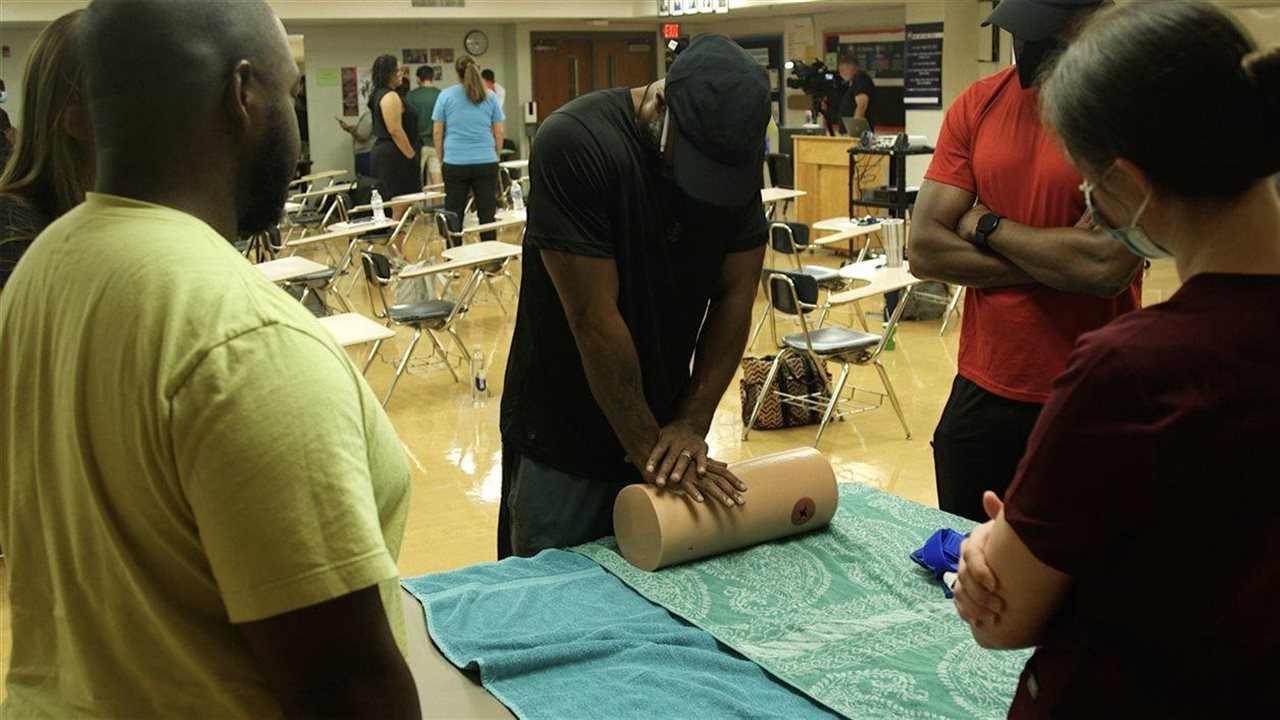
Injuries that cause severe bleeding can happen at any time and anywhere — in your kitchen, at work or from a car accident. And without quick intervention, these severe injuries can cause death from blood loss within minutes. The good news is that anyone can step in to help save a life with the simple lessons learned in STOP THE BLEED® training from the American College of Surgeons.

The early minutes after an injury are critical. Every second matters. As a trauma surgeon, I have seen lives saved because someone — including members of the public — was able to step in to stop bleeding. Unfortunately, I have also seen patients succumb to their injuries from blood loss. In fact, studies show that uncontrolled bleeding from trauma is a major cause of preventable death for all ages.

Recognizing the power that everyone has to help prevent bleeding deaths, the American College of Surgeons Committee on Trauma led the development of the STOP THE BLEED® program nearly a decade ago. Through a short class and hands-on training, the program informs, empowers and educates any individual to help control bleeding injuries until help arrives. More than 2.6 million people around the world have been trained to learn these basic life-saving skills, and this number is growing every day.

Our goal is to make life-saving bleeding control techniques as accessible and as common as CPR training and other first aid techniques. May is National STOP THE BLEED® Month, so it’s the perfect time to take action so that you can learn to save a life.

Be prepared: Injuries that cause severe bleeding can occur at any time, anywhere, and to anyone. As summer begins, we often see more injuries as we all engage in more outdoor activities.

Not that long ago, after an injury, bystanders would call 911 and wait at the scene until first responders arrived. However, decades of research in trauma care have taught us that the intervening period between the 911 call and Emergency Medical Services (EMS) arrival can be quite long, and during this critical time, untreated patients can bleed to death.

While there is no way of predicting when these incidents may occur, we now know that a bystander who is trained in STOP THE BLEED® can not only initiate a 911 call but can also intervene and save a life.

Training is for everyone: STOP THE BLEED® training is for non-medical professionals: moms, dads, sons, daughters, office and non-office workers, teachers — really anyone with or without formal medical training. Many of the techniques are similar to what I teach the resident physicians on my trauma team, but we have customized the training into three basic steps that are easy to learn and remember.

Training is short and has lifelong benefits: All STOP THE BLEED® courses are not-for-profit and are free to attend or cost only a small fee. Through hands-on training, the course teaches and empowers students to recognize a life-threatening bleeding injury and safely intervene. First, we encourage everyone to call 911 and ensure that the scene is safe. When that is done, we teach three simple steps that can be performed before first responders arrive:

  • Apply direct pressure to the wound
  • Pack the wound with gauze
  • If required, apply a tourniquet

Training takes about an hour to complete — shorter than the length of most movies — and courses are available in-person or online. These techniques are simple, but they can truly make a difference when someone experiences a severe bleeding injury. If we all learned proper bleeding control techniques, countless lives could be saved. Maybe even your own.

To learn more about STOP THE BLEED® and find available courses, visit stopthebleed.org.

Kenji Inaba, MD, FACS, FRCSC, is Chair of the STOP THE BLEED® Committee of the American College of Surgeons Committee on Trauma and the Chief of Trauma at Keck Medicine of the University of Southern California.