Diversify your retirement portfolio: 5 facts about commercial real estate investments

2023-02-17T10:21:00

(BPT) – Building savings for retirement isn’t easy, and it’s only become more difficult with rising inflation and public market volatility. According to a report by Vanguard,1 retirement account balances decreased by 20% in 2022 alone due to economic challenges. This news may sound grim, but investment alternatives may provide some promising options to help individuals plan and save for retirement.

Recent data from a study by Bank of America shows that investors 43+ allocate about 55% of their portfolio in stocks and bonds.2 However, younger investors are skeptical of traditional investments, with 73% believing that it’s not possible to achieve above-average returns by exclusively investing in stock and bonds. Instead, younger investors are allocating three times more to alternative investments and half as much to stocks and bonds.

Of those alternative investments, commercial real estate (CRE) has become an emerging option for investors looking to diversify. By investing in projects such as apartment buildings, offices or industrial buildings, investors can better insulate their portfolios and potentially find opportunities in growing markets beyond their neighborhood.

Of course, CRE has historically required a significant amount of capital that can be a barrier to entry for many. However, platforms like Cadre allow investors to have a stake in commercial properties alongside some of the world’s largest institutions like Goldman Sachs and the MacArthur Foundation.

For those rethinking their retirement savings plan and looking for more options, here are five of the potential benefits of CRE investing:

1. Accessibility

Fractional stake investments in CRE have made the asset class more accessible and lowered the minimum investment for real estate investment. While CRE has been used as an investment tool by the world’s largest institutions and the uber-wealthy to build wealth over time, new investment platforms have made CRE available to more individuals than ever before.

2. Passive income

With the ability to generate income through rent, CRE is often considered an attractive source of passive income. Investors in CRE typically benefit from quarterly dividends that may be used as an additional source of income or to reinvest and compound potential earnings over the long term.

3. Reap stable returns

In contrast with the ups and downs of the stock market, CRE tends to be relatively stable. According to Investopedia, private commercial properties outperformed the S&P 500, offering investors an average annual return of 10.3% over a 25-year period.3 CRE’s stability comes from the fact that the price of real estate isn’t tied to the stock market’s performance. Even in a volatile market, CRE provides stability.

4. Hedge against inflation

One of the attractive aspects of CRE investments is that they can weather the long-term impact of inflation. Among stocks and bonds, inflation often can directly diminish returns. Through active management, CRE investors often raise the income of their properties to keep pace with inflation and generate more attractive returns over time.

5. Leverage tax advantages

Some traditional asset class options require investors to set aside funds to pay personal income taxes, which can create a significant drag on income and retirement savings. Typically, investors in CRE are able to benefit from lower tax rates than traditional investment options, as well as depreciation deductions, interest expenses and more.

Investors that are new to CRE typically prefer to partner with professionals. Since its inception, Cadre has been helping individuals navigate their first ventures into CRE through an experienced team and easy-to-use platform. Using a high-tech/high-touch approach, the firm uses proprietary models to review thousands of data points that help novice investors invest with confidence.

For many, this is a time to rethink retirement investments. To learn more about CRE and other ways to invest in your future, visit Cadre.com.

1 Source: Vanguard, Perspectives: DC Retirement analysis, 2023.

2 Source: Bank of America, Study of Wealthy Americans, 2022.

3 Source: NCREIF, First Quarter NCREIF Indices Review, 2021.

How Business Leaders Can Prepare for a Possible Recession this Year

2023-02-17T08:01:00

(BPT) – By John Simmons, Head of Middle Market Banking & Specialized Industries, JPMorgan Chase Commercial Banking & Ben Walter, CEO, Chase Business Banking

No matter their size, location or industry, businesses across the country have been hit by inflation in the last year, forcing leaders to use a variety of creative strategies to combat rising costs. While these inflationary pressures show some signs of easing, business leaders’ sentiment around recession expectations raises important questions for businesses on whether they’re prepared for the next big economic challenge.

In the JPMorgan Chase 2023 Business Leaders Outlook survey, we uncovered just how widespread inflation’s impact has been for business owners nationwide and how it and other pressures have contributed to a challenging business outlook. Unsurprisingly, the vast majority of small (94%) and midsize (91%) businesses are experiencing pricing pressures that are affecting their bottom line, while the majority of small (61%) and midsize (65%) business leaders anticipate a recession some time in 2023.

The good news is that despite these expectations, most midsize (66%) and small business (72%) leaders remain upbeat about their own company’s performance, and are focused on growth, hiring plans and other elements within their control. We are encouraged by the optimism and resilience of business leaders after a tough few years, and we know that time and again their mettle has delivered the economy through lean times to propel our economy and communities forward.

As we talk with business leaders about the challenges ahead, there are three main approaches they should consider this year in their preparations for the next economic cycle:

1. Consider Non-Traditional Strategies to Combat Inflation

Small and midsize businesses have had to find ways to meet challenges brought by inflation. Traditional responses, such as raising prices on products and services, have been augmented by some non-traditional strategies. For example, nearly half of midsize businesses have made changes to their purchasing habits, including strategic stockpiling, and more than one-third have turned to automation.

Among small businesses, more than half have said honest and transparent communication with customers is a top tactic for coping with inflation. Because consumers still demonstrate a willingness to shop local, honesty and transparency can help strike the right tone to balance price increases with customer loyalty.

2. Invest in Prospective and Current Employees

The tight U.S. job market presents a challenge for small and midsize businesses; however, economic data show the worst may be behind them. More than half of small business leaders (55%) anticipate hiring full- and part-time staff and 50% of midsize business leaders expect to increase headcount in the next 12 months.

Employee retention and development — always important priorities for business owners — are emerging as even more important in the current economic environment. In fact, more than half (55%) of small business leaders cited retaining top employees as a critical factor for business survival, especially because they operate with less slack from the start.

Likewise, nearly half (43%) of midsize businesses plan to invest in talent development by offering upskilling and training opportunities that increase productivity, improve the quality of work and enhance problem-solving abilities. These programs are hugely important for small and midsize businesses looking to improve retention, limit turnover, boost morale and attract new talent.

3. Optimize Working Capital

Working capital is a key indicator of small and midsize businesses’ financial health, and maintaining it during times of economic volatility is important for long-term prospects. Despite a tough year, the majority of small (69%) and midsize (63%) businesses expect increased revenue and sales in the year ahead, making it important for them to have a corresponding capital plan.

Business leaders are optimizing working capital to finance inventory and accounts receivable through supply chain finance, which helps them move to extended payment terms with suppliers including the option to get paid earlier in their working capital cycle, and dynamic discounting, which enables owners to receive discounted prices in exchange for paying vendors early. They are also investing heavily in inventory management, reworking current debt and securing working capital financing to maintain and even grow their balance sheets.

To learn more about how JPMorgan Chase is helping business leaders build for the future, view the full Business Leaders Outlook survey results for small and midsize businesses.

How to support people with Graft-Versus-Host Disease

2023-02-16T23:01:00

(BPT) – Nineteen-year-old Meredith Cowden was nearly through her first year of art school when she started feeling sick. She visited her school’s clinic and received a diagnosis of mono, along with antibiotics, and looked forward to feeling better soon. Instead, her symptoms worsened, leading her to the emergency room — where she received a diagnosis of acute myelogenous leukemia.

Shocked by this turn of events, Cowden leaned on her loving parents for help and support.

“My parents took me back home for treatment,” Cowden remembers. “My life felt like an alternate reality where I really didn’t know how to make any decisions for myself, so I let the doctors tell me what I needed to do and I went along with it because I was so overwhelmed by the diagnosis.

When chemotherapy proved ineffective, Meredith was able to receive a bone marrow transplant from her sister, who was the best match. After Cowden’s transplant, she spent 100 days in isolation, the critical time to determine if the graft takes to the host — and if a patient might develop acute Graft-Versus-Host Disease (aGVHD). She noticed symptoms of this disease shortly after her transplant, and then later also developed chronic GVHD (cGVHD). More than two decades of challenging symptoms and medical treatments followed.

“I felt like I was on a roller coaster ride of trying to find a treatment plan that worked for me, trying to guess what was going to happen next,” says Cowden. “In that time, I developed a series of distressing, chronic, and life-changing conditions either because of GVHD or the treatment for it.”

With ongoing treatment and support from her healthcare team and her family, Cowden has been able to live life despite her chronic symptoms — pursuing a meaningful career helping others, enjoying creative pursuits, and spending time with her family and friends.

What is GVHD?

Graft-Versus-Host Disease (GVHD) is a rare disease that commonly impacts allogeneic (meaning cells come from a donor) blood and marrow transplant recipients. Depending on the severity of symptoms and number of organs affected, GVHD can impair a person’s ability to engage in daily activities — and in severe cases can be life-threatening. The Cleveland Clinic describes GVHD symptoms as including a rash that may cause thickening or tightening of the skin, nausea, vomiting, and abdominal swelling, dry eyes or mouth, difficulty breathing and/or swallowing, muscle weakness, pain and/or fatigue, decreased range of motion, or tightness in joints. These and other symptoms may occur at any time after a transplant, when your body recognizes the donated cells as foreign, resulting in an immune response against your own tissues and organs.

Support for people with GVHD

Responding to her experience, Cowden’s parents created the Meredith A. Cowden Foundation, dedicated to educating people about GVHD and raising funds for research to help those who are suffering. To further their reach and impact, the Foundation is one of several organizations that comprise the new GVHD Alliance.

The GVHD Alliance aims to bridge existing gaps in the unmet needs of the GVHD community by bringing together several leading transplant organizations to support people living with this disease. One of the GVHD Alliance member organizations is Be The Match, a global leader working every day to save lives through cellular therapy. The Be The Match Registry is the most diverse registry in the world that includes adult donors willing to donate to strangers in need and stored cord blood units. The group also provides patients and families with support, education, and guidance before, during, and after a transplant.

“We are proud to work with the Alliance to reach GVHD patients with information they need to recognize and treat symptoms earlier,” said Jeffery Auletta, MD, Senior Vice President of Patient Outcomes and Experience, Be The Match and Chief Scientific Director, Center for International Blood and Marrow Transplant Research. “This collaboration will help connect patients to support groups, and access resources like social workers and patient navigators who can help them advocate for treatment, while addressing their fears and concerns.”

What has Cowden learned from her years of experience after receiving her life-saving bone marrow transplant?

“GVHD has been part of my life for a long time now, so I know the impact this disease brings to patients and their families,” says Cowden. “You will not be the same person you were before your transplant. You will have knowledge and experience many do not; take that and use it to make your life as meaningful as you can.”

Current GVHD Alliance member organizations include American Society for Transplantation and Cellular Therapy (ASTCT), Be The Match, Blood & Marrow Transplant Information Network (BMT InfoNet), Meredith A. Cowden Foundation, and National Bone Marrow Transplant Link (nbmtLINK). The GVHD Alliance and GVHD Day are supported by Sanofi.

To help people living with GVHD access valuable resources and information to help them live their best lives, the Alliance is launching GVHD Day on Feb. 17, 2023. Learn more about GVHD and access a variety of educational resources and support tools for the GVHD community at GVHDAlliance.org.

4 reasons dairy in school meals is critical to children’s health

2023-02-16T12:01:00

(BPT) – School meals are a lifeline for many children who face hunger. Nearly 30 million children rely on school meals every day. Also, according to a 2021 peer-reviewed study by researchers at Tufts University and Icahn School of Medicine, food consumed at schools had the highest nutritional quality compared to foods consumed from grocery stores, restaurants and other major food sources.

School meals may be the only nutritious meal children get on some days. Even for children who don’t face food insecurity, school meals can fill the gaps in their diet, especially when it comes to nutrients provided by dairy foods. In fact, children who participate in school meals consume more dairy milk, fruits and vegetables than non-participants, and they consume fewer desserts and snacks.

Starting at 4 years of age, many children’s diets, especially those from communities of color, do not meet the daily dairy consumption recommended by the 2020-2025 Dietary Guidelines for Americans. This is significant because nutrient-rich milk provides calcium, vitamin D and potassium, three nutrients of concern many children lack in their diets.

Despite the benefits of dairy, there are misperceptions about dairy foods and the quality of school meals. Below are four facts about how dairy in school meals helps nourish growing and learning students.

1. School meals are a main source of dairy

School meals are a key source of dairy for many school-age children. According to the U.S. Department of Agriculture, foods provided as part of school meals are the richest source of dairy in children’s diets. In fact, school meals provide up to 2 of the 3 recommended daily servings of dairy.

For low-income children, school meals provide 77% of their daily dairy milk consumption and 70% of total dairy consumption, according to a 2017 study published in Preventative Medicine Reports. Milk and dairy foods, like cheese and yogurt, provided in school meals are critical to helping ensure children of all economic backgrounds benefit from dairy’s nutrients.

2. A variety of milk options are offered and all deliver nutrients

Schools offer a variety of milk options, including fat-free, low-fat, flavored and lactose-free milk. No matter which kind of milk a student chooses, each option provides 13 essential nutrients that benefit health.

A note on lactose-free milk: Contrary to popular belief, a student doesn’t need documentation, such as a parent letter or physician statement, to have lactose-free milk. It is allowed in school meal programs to address students’ health needs. For instance, according to Donna Martin, EdS, RDN, LD, SNS, FAND, school nutrition director at Burke County Schools in Georgia, “I represent a school district with a high African American population and lactose-free milk is served as an option for any of my students who want it, helping them benefit from milk’s hard-to-replace nutrient content.”

3. Flavored milk is lower in added sugar than you may think

Many parents and health professionals are concerned about added sugars in the overall diet. The good news is that milk companies have worked with schools to reduce the amount of added sugars in flavored milk available in schools.

According to National Dairy Council, between 2007 and 2021, the U.S. dairy community reduced added sugars in flavored milk in schools by nearly 50%. The average flavored milk served in schools has 126 calories — just 29 more calories than unflavored milk. At the end of the day, according to NHANES data, flavored milk contributes only 4% of added sugars in the diets of children 2-18 years old, with the bulk of added sugars coming from soft drinks.

4. Flavored milk increases milk and nutrient consumption

According to a study published in Nutrition Today, removing flavored milk from schools can lead to a decrease in total milk consumption and negatively impact the ability for children to meet their nutritional needs.

Drinking flavored milk can actually help children meet their nutritional needs. A 2022 study from ACTA Scientific Nutritional Health journal showed that consumers of flavored milk drank approximately 1-cup more of total milk, which contributed to higher consumption of calcium, potassium, magnesium, phosphorus and vitamins A, D and B-12 and riboflavin than non-consumers. In fact, they consumed 51% more vitamin D, 27% more calcium and 16% more potassium compared to non-flavored milk drinkers.

These are just a few facts that underscore the importance of milk and dairy foods as part of nutrient-rich school meals. Without this critical food group as part of healthy eating patterns provided by school meals, children may not receive all the nutrients they need to grow and learn in their childhood and teen years.

Add getting vaccinated against pneumococcal pneumonia to your heart-healthy checklist

2023-02-16T06:01:00

(BPT) – February is American Heart Month — aimed at raising awareness for heart health, risk factors for heart disease, and how to live a heart-healthy lifestyle.

But did you know that if you have a chronic heart condition, you may be at increased risk for pneumococcal pneumonia? It’s a potentially serious bacterial lung disease that can put you in the hospital or even be life-threatening.

The heart and lungs are teammates — working closely together to ensure the body has the oxygen-rich blood it needs to function properly. Often, the close connection between the heart and lungs means that common health problems, like irregular heartbeats, exercise intolerance, sleep apnea and pneumococcal pneumonia, can affect both organs — even if you think it’s only affecting one. That’s why it’s so important to take a holistic approach to helping protect your health.

Adults 65 or older and adults 19 or older with certain underlying medical conditions like asthma, diabetes and chronic heart disease, are at increased risk for pneumococcal pneumonia.

So, if you have a chronic heart condition, you may be at increased risk for pneumococcal pneumonia — and getting vaccinated against it is one of the best ways to help protect your health.

Even if you’ve already had a previous pneumococcal pneumonia vaccine, your healthcare provider may recommend additional vaccination to help prevent the disease. Ask your doctor or pharmacist about pneumococcal pneumonia vaccination today and visit knowpneumonia.com to learn more.

Amazon Disaster Relief Donates 22M items, Supporting 99 Global Emergencies and Humanitarian Efforts Together with Amazon Web Services

2023-02-16T07:01:01

(BPT) – The number of natural disasters has increased five-fold in the past 50 years, driven by population growth, climate change, and improved reporting. As the number of disasters continues to rise, so do their associated costs. In 2022, over 29 weather-related events caused damage worth more than $29 billion. The Global Humanitarian Overview predicts that the number of people in need will jump to 339 million in 2023, an increase of over 23% from 2022, and that the estimated cost of the humanitarian response will be $51.5 billion, a 25% increase compared to 2022. To meet this growing challenge, organizations around the world are collaborating and developing new solutions to help communities better prepare for, and recover from, natural disasters and other events.

In 2017, Amazon saw an opportunity to apply its operational expertise, technology, and worldwide logistics network to provide fast and effective support to organizations fighting large-scale natural disasters. Since that time, Amazon and its cloud computing business, Amazon Web Services (AWS), have stepped in to help communities recover from 99 weather-related disasters, donating 22 million items over the course of these efforts.

Amazon’s global distribution network, paired with cloud technologies, can be an important component to address global disasters, as well as large-scale crises like the war in Ukraine. AWS’s Disaster Preparedness and Response team works together with Disaster Relief by Amazon during these events deploying cloud technology to help with critical functions like communications, situational awareness, and humanitarian mapping — all of them essential in the wake of natural disasters.

“The humanitarian crises we face today are increasingly global and complex,” said David Zapolsky, senior vice president and general counsel, Amazon. “We believe the private and public sectors can work together to address these difficult challenges by deploying resources where they are most needed. Whether it’s using our global logistics network to distribute aid more quickly, donating goods, or providing financial donations, Amazon will continue working to improve the lives of communities in need and people impacted by natural disasters to make a positive and meaningful difference.”

As part of these efforts, the company has committed more than $75 million in support to help the people of Ukraine to date. This support during the war in Ukraine includes the donation of 2 million critical relief products — from medical supplies for Ukraine hospitals to blankets, food, toys, and books for refugees crossing the border. AWS provided cloud computing support to help the government preserve vital Ukrainian government, education, and banking institution data.

“We are just beginning to realize the power that cloud technologies can have in humanitarian efforts, from natural disasters to driving more equitable health outcomes,” said Maggie Carter, director of AWS Global Social Impact. “By applying the cloud to these problems, we can innovate and scale at a speed previously unimaginable to drive real, measurable impact.”

That impact was evident during Hurricane Ian in October 2022 as the AWS Disaster Preparedness and Response team deployed volunteers and AWS technology alongside relief organization Help.NGO. Starting in Cape Coral, Florida, AWS helped with activities including establishing internet connectivity for community centers like firehouses to help first responders, relief organizations, and impacted individuals who are relying on these centers for support. Simultaneously, Amazon activated its Atlanta Relief Hub and donated $1 million to the Florida Disaster Fund to help communities impacted by Hurricane Ian. Amazon teams secured 10 trucks with over 360,000 bottles of water and strategically positioned vehicles around Florida and in nearby states, so they could quickly deliver clean water to impacted communities.

When Hurricane Fiona made landfall in Puerto Rico in September 2022, Amazon employed its Amazon Air 737 to ship hundreds of thousands of supplies for Puerto Rican residents, including water filters, tarps, medical supplies, hygiene kits, and food items. Once there, the dozens of pallets of donated products were distributed by partners like the International Medical Corps, SBPUSA and Feeding America to ensure that supplies made it to the people who needed them most as quickly as possible. In the months following, Disaster Relief by Amazon continued supplying much needed relief as part of continued flights to the island. Amazon also expanded their Atlanta Amazon Relief Hub to double its size during the 2022 hurricane season, distributing 1 million critical relief supplies in and outside the U.S. in the wake of natural disasters.

When floods ravaged Kentucky and Missouri in the summer, Disaster Relief by Amazon quickly reached out to support the relief efforts. Responding to requests from Save the Children, Feeding America, the American Red Cross, and local organizations, the team donated over 580,000 relief items, including ready-to-eat meals, water, shelter items, solar chargers and lights, backpacks, pack and plays, strollers, baby tubs, baby carriers, and more than 265,000 diapers and training pants. In Mississippi, Amazon used its logistics and delivery expertise to quickly secure bottles of water for Jackson residents. On September 3, just four days after the city’s emergency declaration, the company held its first water distribution event, handing out 72,000 bottles of water. Amazon also provided 72 pallets of water to support the Jackson School District’s 54 school sites.

Amazon and AWS continue to work backwards to help communities impacted by disasters through expertise, volunteer support, technology and beyond. To learn more about how Amazon and AWS provide support to communities impacted by global events, visit: https://www.aboutamazon.com/impact/community/disaster-relief.

Winter Weather Ready checklist offers key homeowner tips

2023-01-17T08:05:00

(BPT) – Did you know? Snow is easiest to clear when it’s fresh. A creaking sound may be a sign of snow load damage to your home. A garage may not provide enough ventilation to run a generator.

As we near the coldest part of winter, the Insurance Institute for Business & Home Safety (IBHS) is providing a free, easy-to-follow Winter Weather Ready checklist to guide cold weather prep and help ensure important steps aren’t overlooked before and after a severe winter weather event.

“After years of persistent drought, many homes in California and the Pacific Northwest may not be prepared for the significant precipitation, whether it be heavy, wet snow or torrential rainfall, that could cause a cascade of damage,” said Dr. Ian Giammanco, lead research meteorologist at IBHS, a nonprofit scientific research organization. “Our Winter Weather Ready guidance provides information to not only assess your exposure, but also actionable steps to reduce your risk of damage that can be expensive and inconvenient to repair and disrupt life.”

While the specific threats facing a home vary regionally, no area is immune from potential weather hazards. These actions can help homeowners be Winter Weather Ready:

Before a winter weather event:

  • Clear debris from gutters and downspouts so water flows away from the home and reduces the risk of leaks.
  • Trim branches to avoid damage to the roof, siding, and windows.
  • Seal cracks and leaks around windows and doors.
  • Test smoke and carbon monoxide detectors.
  • Ensure you have plenty of fuel for generators and snow removal equipment.

Last-minute winter weather prep:

  • Purchase deicing products for front steps and walkways.
  • Shut off water and drain exterior sprinklers.
  • Stay informed with a reliable source for severe weather information such as the National Weather Service (NWS).
  • Follow guidance from local authorities and enable weather alerts on a mobile device.

After a storm:

  • Watch for signs of snow load damage, such as creaking sounds, a sagging roof, cracks in the ceiling or walls, water stains, and doors or windows that no longer open and close correctly.
  • Check water flow by turning on faucets; if pipes are frozen, shut off the water supply and contact a plumber.
  • Shovel or use a snowblower to clear steps, sidewalks, and driveways as soon as it is safe to do so, as fresh snow is easiest to remove.
  • Operate generators in well-ventilated areas and never leave them unattended.
  • If the home is damaged, document losses and keep receipts electronically so you can access them from anywhere using cloud storage.

“As we move into the core winter months, checklists can help homeowners prioritize actions and reduce severe weather impact,” added Giammanco. “The good news is many of these steps are affordable do-it-yourself projects.”

For more ways to prevent damage from winter weather, see IBHS’s full Winter Weather Ready guide and checklist for residential properties, available on DisasterSafety.org.

5 Home Fix-Ups that Can Be Tackled with Super Glue

2023-02-15T14:01:01

(BPT) – According to Hippo, more than half of homeowners (59%) had something go unexpectedly wrong in their home last year. While some repairs are larger or more serious that require contracting a professional, having the right tools on hand can help homeowners easily make smaller fixes on their own. Super glue is an often-overlooked tool that can affordably accomplish quick fixes to woodwork, furniture, décor, tools and more.

Here are five ways super glue can help tackle quick fixes needed both inside and outside your home.

Wood Repairs

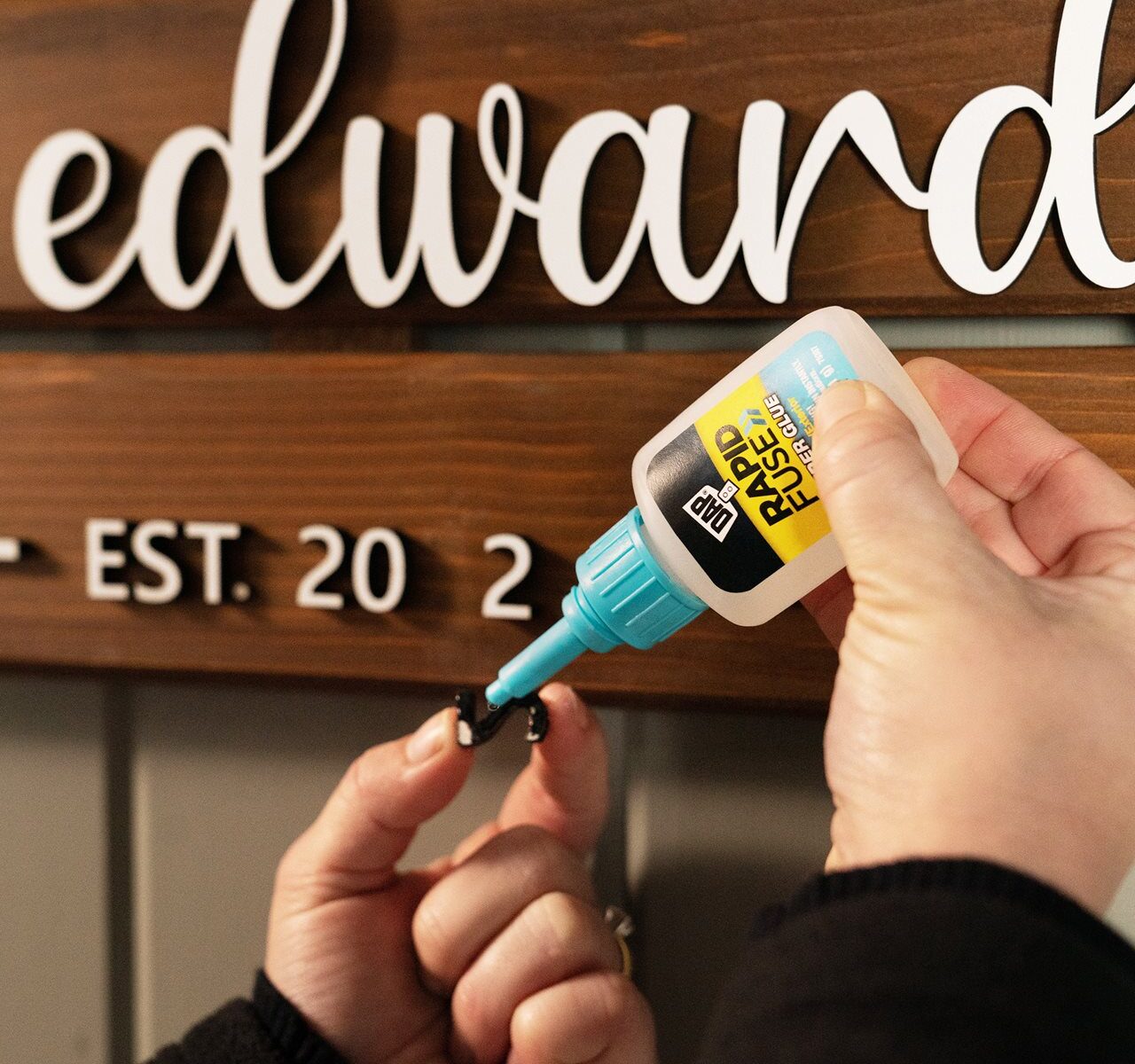
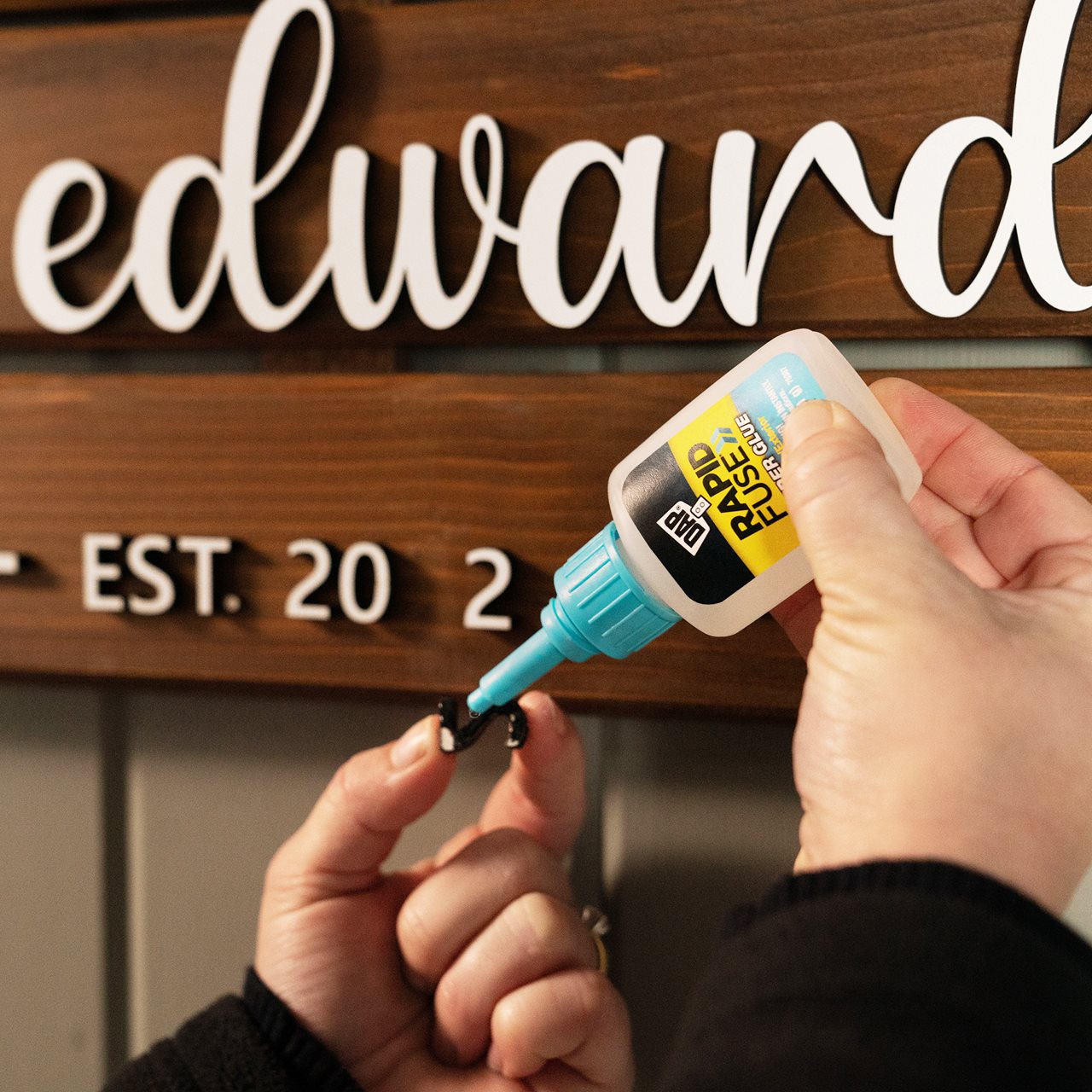
Over time the cabinets, doors and furniture we use every day can suffer wear and tear. Whether there’s a broken piece of molding on your kitchen cabinets, the spindles of your kitchen chair need to be reattached or the wood by your door frame is splintering, super glue provides a quick and affordable fix. With these high-use items, you’ll want to select a super glue that offers durability like DAP RapidFuse Super Glue. The adhesive creates a bond that won’t get brittle over time for two times better durability than regular adhesives, and it works on most common household materials, making it a great adhesive to have on hand for quick home fixes.

Décor Damage

Super glue can be the perfect remedy for damaged décor. Broken picture frames, vases and small decorations that get bumped off a countertop, table or wall can quickly be glued back together with just a drop or two of super glue, resulting in a second life for your broken décor. You can avoid messy repairs with a super glue that cures and bonds quickly. RapidFuse Super Glue has a fast-setting formula that sets in only 30 seconds and creates a cured bond in just 4 hours, with no expanding foam, no dripping glue and no mess.

Tool Tune-Ups

A broken handle on a hand tool often renders it useless. The next time your handle slides off or becomes loose, try using a bit of super glue to make the tool as good as new. For screwdrivers, trowels, brooms, yard rakes and sheers, place some glue around the end of the tool and slide the handle back in place. Use a fast-setting super glue and you’ll be back to your project in no time.

Top it Off

Protect wood floors and doors from scratches and nicks by super gluing felt pads to the bottom of kitchen chairs and adhering the rubber caps on door springs. These protective finishes are small but will help prevent wood damage and costly repairs. Super glue can also be used to top off stair banisters with wooden button plugs. This will provide a more polished and stylized look.

Backyard Fixes

Super glue can also be the perfect repair tool for many outdoor projects. For example, it’s useful for deck and lawn decorations that get damaged like fountains, flowerpots and lamps. It can also help mend outdoor furniture, doghouses and birdhouses that need sprucing up. Just be sure to select an adhesive that can withstand the elements. RapidFuse Super Glue is water resistant and can be used both indoors and outdoors.

For more products and tips to fix up your home, visit DAP.com.

William Shatner wants you to take care of your hearing

2023-02-15T09:01:00

(BPT) – It’s the sweet sounds of your favorite music and your loved one’s voice. It’s the morning alarm nudging you awake or the car alerting you that it’s low on gas. It’s the oven buzzing that your food is done or the fire alarm blaring that dinner is overdone.

From cherished melodies to important alerts and life-saving alarms, your world is full of sound. However, as people age or have exposure to excessive noise, their hearing can start to deteriorate. Almost half of people in the United States over the age of 65 have some degree of hearing loss, according to the Mayo Clinic.

Despite how common hearing loss is, everyone experiences it differently, which is why professional hearing care is so important.

Treating individual hearing loss

“Your hearing is as unique as your fingerprint,” said Dr. Leslie Soiles, Chief Audiologist with HearingLife. “While you may be tempted to treat your hearing issues yourself, I highly recommend you see a professional to check for other medical concerns, to diagnose your specific hearing care needs, and provide professional guidance on your options.”

Getting checked by an expert is imperative to rule out any other issues that may be impacting your hearing before diagnosing you with hearing loss. This includes wax buildup, and infections or injuries that may require different types of treatment. To educate Americans about the importance of caring for their hearing and getting hearing tests, as well as pointing out ways to identify hearing loss in your loved ones, HearingLife has partnered with William Shatner to launch a campaign entitled “Live Life to Your Fullest.”

“Proactive health habits are so important to living a long and healthy life. For me, especially as I struggled with tinnitus, taking care of my hearing has been a big part of living life to the fullest with my family and in my career, allowing me to enjoy every special moment,” said actor William Shatner. “When I met with the audiologist from HearingLife and saw her dedication and commitment, it was truly inspiring. I realized the care that HearingLife provides can be life-changing for so many.”

Which hearing aid is right for you?

There are many things to consider when starting your hearing care journey. Since the types and causes of hearing loss are numerous, and without a proper hearing assessment and diagnosis, buying over the counter (OTC) hearing aids may not be the right choice for you.

“Seeing a licensed hearing care professional to assess your hearing and provide you with options that best suit your hearing needs, budget and lifestyle will enable you to hear to your full potential and get the most out of life,” said Dr. Soiles.

OTC hearing aids do provide access to hearing devices at a lower cost, however there are key challenges to self-diagnosing and buying these devices:

They do not require a hearing evaluation from a licensed professional to determine the degree and type of hearing loss, or if there is a medical concern that may need to be addressed by a physician. It is left to the individual to be the expert by self-diagnosing their hearing challenges and deciding which devices will best meet their needs. OTC offers little to no professional set up or adjustments for different sound experiences by licensed experts.

Unlike OTC, prescription hearing aids often include professional services to help you hear your best. For example, prescription hearing aids purchased from HearingLife that include an AfterCare program come with: complimentary annual hearing assessments, the services of a hearing care professional, fine-tuning, programming, fitting, troubleshooting, Bluetooth assistance, coaching and re-instruction, free non-rechargeable batteries and replacement domes and filters, and cleaning and maintenance for the life of the devices.”

If you’re confused by your options, HearingLife’s OnDemand expert team offers free consultations on the phone or through video chat. Visit HearingLife.com/OnDemand or call 866-YES-HEAR today to get help with your hearing loss and have your hearing aid questions answered.

Watch your back: lifting techniques and tips to help home caregivers prevent bone and joint injuries

2023-02-15T09:01:00

(BPT) – If you’re a caregiver for a spouse or other family member at home, you already know how emotionally and physically challenging it can be. When you need to lift, turn or transfer a loved one to or from a wheelchair or bed, it can put added strain on your bones and joints.

Fortunately, certain lifting techniques and proper planning can help prevent injury when caring for others. The American Academy of Orthopaedic Surgeons (AAOS) offers these tips for assisting someone at home and improving the safety of their home environment.

Lifting Techniques

When you need to lift or move a person, take your time and be aware of your posture and movement as you follow these guidelines:

  • Keep your head and neck in alignment with your spine; your head, neck and back should be as straight as possible.
  • Bend using your hips and knees rather than from your back.
  • Avoid twisting your body.
  • Always keep the person who is being moved close to your body.
  • Keep your feet shoulder-width apart to maintain balance.
  • Use the muscles in your legs to lift and/or pull.

If the person is too heavy or in an awkward position, get help rather than continuing on your own.

Sitting up in bed

To move someone lying in bed to a wheelchair, first put the chair close to the bed and make sure to lock the wheels. If the person is not strong enough to push up to a sitting position with their hands, place one of your arms under their legs and your other arm under their back. Move the person’s legs over the edge of the bed while pivoting their body, so the person ends up sitting on the edge of the bed. Keep your feet shoulder-width apart, your knees bent, and your back in a natural straight position.

Standing

If someone needs assistance standing from a sitting position on their bed, first position the person’s feet on the floor, slightly apart. Face the person and place their hands on the bed or on your shoulders. Keep your feet shoulder-width apart, with your knees bent. Place your arms around the person’s back and clasp your hands together. Hold the person close to you, lean back and shift your weight. Nurses, physical therapists and hospital workers often use lifting belts fastened around the person’s waist to help with these types of movements. The caregiver then grasps the belt when lifting the patient. You can order one of these “gait belts” online, or find them at a home medical supply store.

Sitting down

To help someone sit down into a wheelchair, first ensure that the wheels are locked. Pivot toward the wheelchair, bend your knees and lower the person into the chair. Make sure the person has both their hands on the arms of the chair before you lower them down into it.

For additional help learning these techniques, discuss or practice them with your family member’s physical or occupational therapist, if they have one.

To see illustrations for these movements, visit OrthoInfo.org.

Prevent accidents by evaluating your environment

It is also a good idea to make sure the home is clear of tripping hazards and arranged to improve accessibility. Consider securing area rugs to help prevent slips and use nightlights to illuminate all rooms for better visibility and clear pathways.

For more tips on staying safe while caring for someone at home, visit OrthoInfo.org.