[Executive Corner] Beyond Sales, Toward Partnership

2025-07-16T20:01:00

(BPT) – By Thomas Yoon, executive vice president of the Overseas Sales and Marketing Company at LG Electronics

The global B2B landscape is evolving rapidly. As technology becomes commoditized and ESG priorities gain prominence, our customers are no longer just comparing specs or prices. They’re seeking something more: partners who bring integrated value — efficiency, sustainability and long-term impact.

At LG Electronics, we’ve embraced this change. As the head of the Overseas Sales & Marketing Company, I’ve witnessed firsthand how the role of B2B sales is transforming. We’re moving beyond products to deliver comprehensive, co-designed solutions — particularly in areas like HVAC, information displays, smart factories and smart cities.

1. From Products to Solutions

We’re no longer just selling products — we’re providing solutions. Our “One LG” approach unites capabilities across the LG Group, enabling us to serve complex sectors like smart cities, hospitals and resorts with integrated offerings. Our dedicated One LG Integrated Offering Team collaborates directly with key decision-makers to understand their goals and design tailored, end-to-end solutions. For instance, we recently helped a global hotel chain overcome challenges by delivering a unified system that combined LG HVAC, information displays and commercial TVs — enhancing both guest experience and operational efficiency.

2. Global Orchestration

While our headquarters drives global consistency and quality, our field teams are empowered to adapt solutions locally. This balance helps maintain relevance in every market we serve. We also invest significantly in ecosystem partnerships and talent development. A prime example is the LG HVAC Academy, which trains over 30,000 professionals annually in 84 locations worldwide. These experts play a crucial role in delivering high-performance, localized solutions and enhancing after-sales support.

3. From Seller to Strategic Partner

Our B2B sales function is evolving into a project-based organization that manages the full customer journey — from early opportunity discovery and solution planning to delivery and ongoing support.

This is the core of our B2B strategy: to become a true strategic partner who grows alongside our customers. Our recent MOU with Saudi Arabia’s Al-Bawani Group to deliver smart home and smart city solutions exemplifies this vision in action. We’re also deepening our presence in North America, Australia and Europe.

As the market changes, we’re not just keeping up — we’re stepping up. The One LG Integrated Offering is the foundation of a new kind of partnership. Together with our customers, we’re building what’s next.

Road Trip Survival Guide: 9 Ways to Save and Stay Safe this Summer

2025-07-16T11:23:00

(BPT) – Millions of Americans are taking to the road this summer for what is expected to be a record-breaking travel season.

Whether you’re headed to a national park or coastal city, safety and savings are top priorities for any vacation.

Providers like Allstate offer drivers a variety of ways to save, including personalized rates to help you stay protected while saving more this summer.

Ready to get on the road? Keep these tips in mind.

1. Choose your destination wisely

Some cities are riskier to drive in than others. For example, according to the 2025 Allstate America’s Best Drivers (ABD) Report (R),* Boston ranks as the riskiest city in the U.S., while Brownsville, Texas, is the safest.

Seven of the 10 cities with the highest collision rates are in the Northeast, but the West Coast isn’t far behind. Los Angeles, Glendale and Oakland, California, round out the top 10.

For a smoother ride, pick scenic regions like the Pacific Northwest. Drivers in Washington, Oregon and Alaska are driving safer than ever, with some of the biggest reductions in collisions countrywide.

2. Drive a newer vehicle

Driving a new vehicle has its perks.

“When you buy a new vehicle, you may qualify for a lower premium,” said smart shopping expert Trae Bodge. “If you choose an auto insurance provider like Allstate, you can save on your policy if your vehicle is a current model year or one year older.”

3. Drive a car with built-in safety and security features

Bodge also recommends driving a car equipped with built-in safety features, such as airbags, antilock brakes and anti-theft systems. Vehicles with these types of features are less likely to be in an accident or stolen than those without them and may qualify you for lower premiums.

4. Stay focused, stay safe

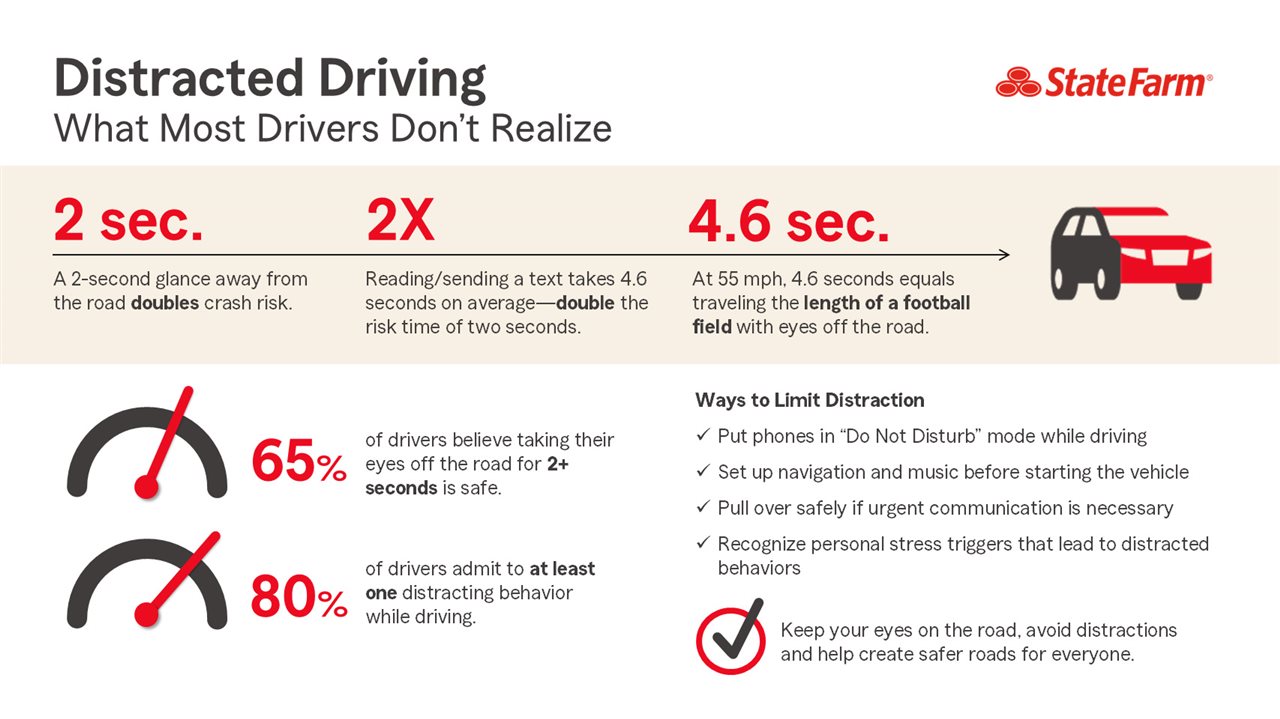
Distracted driving is dangerous. Keep your phone out of reach, skip the snacks and keep your eyes on the road.

Staying focused and distraction-free is critical when driving in a city like Boston, where drivers are nearly three and a half times as likely to be involved in a collision compared to the national average, according to the Allstate America’s Best Drivers report.

5. Respect speed limits

Allstate found that Alabama cities like Birmingham, Mobile and Montgomery experience larger rates of high-speed driving. Similarly, drivers in several major Midwest cities — including Indianapolis, Detroit and Chicago frequently exceed the speed limit by 15 mph or more.**

Don’t follow the crowd and and give in to the temptation to do the same.

6. Keep a clean driving record

According to Bodge, safe driving without violations or claims for several consecutive months can unlock safe driving discounts.

7. Enroll in a safe driving program

Enroll in a free program like Drivewise, available through the Allstate mobile app. The program rewards good driving habits like gentle braking, staying off your phone or maintaining safe speeds. This not only helps you make safer choices, but can help you save, too, with a personalized rate. A bonus: Allstate customers who choose to use Drivewise are 25% less likely to have a severe collision than those who don’t.***

8. Young drivers can save, too

It’s never too early to establish safe driving habits. According to Bodge, insurance companies like Allstate also offer special programs for newer drivers. “If you’re unmarried and under the age of 25, you can save at Allstate for maintaining good grades or successfully completing a driver education program,” adds Bodge.

9. Drive sober and well-rested

When road-tripping with friends, be sure to take turns driving to stay focused and alert when behind the wheel. If you’re going out for a good time, ensure that someone in your group agrees to be the designated driver.

Stay safe and have fun!

Wherever you’re headed, Allstate’s got your back. Get personalized rates and expert safety tips to help you stay protected and save more this summer. Start your journey at Allstate.com.

*Now in its 17th year, the 2025 Allstate America’s Best Drivers Report® ranks the 200 largest U.S. cities by collision frequency to help determine which have the safest — and riskiest — drivers. This year, Allstate researchers analyzed property damage claims reported during the two-year period of January 2022 to December 2023. The report defines a collision as any auto crash resulting in a property damage claim. The report uses U.S. Census Bureau data to determine America’s 200 largest cities.

**Regional driving behavior statistics are based on 2024 data from Allstate’s mobility intelligence insights, which analyze aggregated and anonymized driving behavior — including phone handling, high-speed driving and hard braking — across the 100 most populous U.S. cities.

***According to Allstate claims data, the average driver in the U.S. will experience a collision once every 10.56 years.

**Regional driving behavior statistics are based on 2024 data from Allstate’s mobility intelligence insights, which analyze aggregated and anonymized driving behavior — including phone handling, high-speed driving and hard braking — across the 100 most populous U.S. cities.

Protein goes plant: 5 surprising ways to power your day with plants

2025-07-16T09:01:00

(BPT) – You don’t have to go vegan to get the benefits of plant-based protein. Here’s how to sneak more into your routine — without overhauling your diet.

Forget food fads and restrictive rules. Today’s wellness movement is all about adding the right things in — especially when it comes to protein. Whether you’re a weekday vegetarian, a smoothie lover, or just trying to incorporate more plant protein in your diet, one thing is clear: Plant-based nutrition is a staple, not a trend.

It might be surprising but data from researchers at Abbott and The Ohio State University found that more than 1 in 3 of adults over 50 years old are not getting the daily recommended amount of protein they need. Plant proteins are a great place to start.

Why the plant-based boom?

More than 70 million U.S. households now identify as flexitarian, meaning they’re cutting back on meat and dairy and increasing plant-based meals and foods. Their reasons? Health, sustainability and energy. Increasingly, people are turning to plant-based protein to help them feel strong, stay active and support long-term wellness. In fact, 96% of people buying plant-based drinks aren’t vegan or vegetarian.

5 easy ways to add more plant-based protein to your day

1. Add it to overnight oats

Overnight oats are back and better than ever. Mix rolled oats with an Ensure Plant-Based Protein shake, chia seeds and cinnamon. Let it sit overnight in the fridge for a revamped grab-and-go breakfast option. One Ensure Plant-Based Protein shake offers 20 grams of plant-based protein, 25 essential vitamins and minerals, and 5 grams of fiber.

2. Swap croutons for roasted chickpeas

Top your salads with crunchy roasted chickpeas instead of croutons. They add texture, flavor and a solid dose of protein and fiber.

3. Turn soup into a superfood

Stir pureed white beans or lentils into soups and stews for a creamy texture and extra protein.

4. Make a dense bean salad

Swap in beans like chickpeas, black beans and great Northern beans for leafy greens to make a hearty salad that’s packed with fiber and protein. The best part? Dense bean salads can marinate in dressing and soak up flavors, giving them a longer fridge life and making them perfect for meal prepping and enjoying as leftovers.

5. Use quinoa as a base for bowls

Swap rice for quinoa in grain bowls. It’s a complete protein and pairs well with roasted veggies, beans and tahini dressing for a satisfying, balanced meal.

You don’t need to overhaul your diet to reap the benefits of plant-based eating. Small, smart swaps can help you feel stronger, more energized and more in control of your health — one bite (or sip) at a time. Visit Ensure.com to learn more about the importance of protein.

What you need to know about home equity loans

2025-07-16T07:01:00

(BPT) – If you have large or unexpected expenses on the horizon, you may have access to an untapped resource: your home. You could use some of the equity you’ve built up in your house to meet financial goals, depending on how much equity you have and how you use it.

Here’s a guide from the experts at Navy Federal Credit Union to explain how home equity loans work and when you should — or shouldn’t — use your home’s equity.

What is a home equity loan?

In basic terms, a home equity loan is money you’re borrowing using your home as collateral. The equity in your home equals how much of your home’s value you actually own (not counting the mortgage you’re still paying off).

Home equity loans are frequently offered at lower interest rates than other loans, so they may be a great option for consolidating debt on higher interest credit cards, or large home improvement projects.

You can determine how much equity you have in your home, and how much your home equity loan payments are likely to be, using online calculators.

Here are the two most common types of home equity loans:

Fixed-rate equity loan: This is a lump sum amount you’ll draw from your home’s equity, paying back monthly at a fixed interest rate for the life of the loan, so you’ll know exactly what to expect. Fixed-rate home equity loans are typically used for:

  • Home improvements/repairs
  • Debt consolidation
  • Large purchases
  • Life events

Home equity line of credit (HELOC): This is a line of credit secured by the home, which lets you borrow funds if and when needed, up to a set maximum credit limit. You only have to repay the funds you borrow. HELOCs are typically used for:

  • Home improvements
  • Emergency funds
  • Medical expenses
  • Debt consolidation

The best use of a home equity loan or home equity line of credit is when the money you borrow increases your home’s value via renovations or repairs, as this continues building the equity you’re borrowing against. You may also have tax benefits for using the loan toward home improvements, so it’s recommended to consult a tax professional.

When NOT to use a home equity loan or HELOC

Because these loans use your home as collateral, remember that you’ll want to be sure you can stay on track with loan repayments. For this reason, financial experts advise against using home equity to borrow for things including:

A car purchase: An auto loan is usually a better choice for purchasing a new or used vehicle. Interest rates on auto loans tend to be similar or lower than home equity loans, and auto loans usually require little paperwork and fewer fees.

Vacations: It’s better to save up for near-term wants like vacations or large-screen TVs than using your home’s equity for something offering no financial return.

College: Consider all options — including federal student loans, scholarships, grants and private student loans — before tapping into home equity. A home equity loan may be a consideration if current mortgage rates are significantly lower than federal student loan rates, especially for graduate or professional degrees. But unlike federal student loans, if you use home equity to pay for college, you won’t qualify for income-driven repayment plans or loan forgiveness programs.

Starting a business: Your best bet for launching a business is a business loan through a financial institution or the U.S. Small Business Administration (SBA). If your business fails and you have a home equity loan or HELOC you can’t repay, you’re putting your home on the line.

Recurring expenses: Using home equity to cover everyday bills can be a slippery slope. Consider your long-term ability to repay the loan. Since your home is your collateral, missed payments could lead to foreclosure.

Make a smart plan

Your home equity is a valuable resource for managing your finances. Planning ahead and understanding your repayment responsibilities is crucial for making the best use of a home equity loan or home equity line of credit. For more information and to explore your home equity options, visit NavyFederal.org/equity. Navy Federal is federally insured by NCUA. Equal Housing Lender.

New survey reveals areas of urgent need for trained employees in technology

2025-07-15T01:01:00

(BPT) – By Brittany Murrey, Executive Vice President, Talent Solutions at Per Scholas

In a business environment where technology is constantly evolving, companies face challenges that need to be met by a skilled, trained workforce. The difficulty for business leaders is finding enough talent to meet the moment, with the exact skills required for today’s largest areas of concern.

A new survey[1] conducted by Talker Research on behalf of Per Scholas, a national non-profit offering no-cost technology training in the most sought-after tech skills, surveyed 1,000 cybersecurity and data center executives and 1,000 employees working in tech to uncover insights about current threats and hurdles facing businesses. The survey results reveal three main areas of concern to help leaders understand how they should be hiring and training workers, while also guiding employees in transforming themselves into in-demand candidates.

Cybersecurity threats

There’s still a belief that only large enterprises need robust cybersecurity measures, but in reality, every organization — big or small — faces risks. According to the data, nearly two-thirds (64%) of C-Suite technology executives rank cybersecurity threats including data breaches and ransomware attacks as the biggest threat to U.S. businesses over the next decade. Top employee concerns include phishing (52%), external threats (42%), lack of encryption (41%), and less than half of employees (48%) believe their company is “very prepared” to prevent cybersecurity attacks. In fact, 56% of surveyed companies report defending against hacking attempts, 43% experienced data breaches and 14% experienced successful hacks.

These heightened cyber risks directly translate to significant talent demands, especially given the nearly 500,000 open cybersecurity roles nationwide.[2] Data from the survey reveals that cybersecurity (53%), adaptability and problem-solving (52%), AI proficiency (42%) and digital/technical skills (38%) are most in demand for future hiring, highlighting a critical need for accessible training in these areas.

Growing data centers

Data centers — facilities where servers and networking equipment are stored and distributed on a large scale — are the essential backbone of our increasingly digital economy. They manage vast amounts of customer and client data, providing the critical capacity and infrastructure that modern businesses depend on.

The survey found that a whopping 95% of executives and 89% of employees view data centers as integral to managing data, and believe they’ll only become more integral over time. The exponential growth of data centers underscores their critical role in the economy; however, there’s a significant confidence gap in meeting future demand. Only 57% of C-Suite and 37% of employees feel “very confident” the industry will be able to keep up with this rising demand over the next five years.

Decision makers and workers agree that cybersecurity (82%), problem-solving (79%) and communication (61%) skills are essential for data center professionals. However, recruiting, retention and upskilling for these roles remain significant challenges.

The AI frontier

AI is finding its way into everything from day-to-day workloads to big-picture strategy. As this landscape continues evolving rapidly, 48% of business leaders surveyed believe integrating AI and other emerging technologies is a top challenge, while 35% point to growing rules and regulations surrounding AI as one of the biggest hurdles ahead.

Adapting to these challenges is top of mind for leaders, as nearly all (95%) say increased awareness and use of AI has an impact on how they store data, and a further 87% believe AI has already played an integral role and changed which challenges their businesses face.

Training to meet challenges

With nearly half of executives saying they regularly hire entry-level talent, skills training continues to be an effective solution to quickly meet the rising demand for talent. Fortunately, the Per Scholas survey suggests employees are ready and willing to upskill to protect sensitive data. By offering comprehensive training, businesses can embrace AI innovations and other challenges without sacrificing security. Strengthening security practices, investing in the right talent and building a reliable data infrastructure will help ensure sustainable growth for everyone in this connected landscape.

Per Scholas programs, provided at no cost to learners, offer industry-recognized training, equipping learners with job-ready technical and professional skills. For thirty years, Per Scholas has expanded access to high-growth technology careers and fostered economic mobility nationwide. On average, learners earn three times their pre-training wage in their first role. Per Scholas partners with employers — from Fortune 500 companies to startups — to create inclusive talent pipelines in fields like Cloud, Cybersecurity, Data Engineering, IT Support and Software Engineering, empowering individuals to unlock their potential and drive transformative economic change nationwide.

Learn more at PerScholas.org, and follow this link to read more about the survey.


[1] Survey methodology: Talker Research surveyed 1,000 U.S. C-Suite and Direct Managers in Cyber Security and Data Center roles and 1,000 employed Americans working in technology; the survey was commissioned by Per Scholas and administered and conducted online by Talker Research between Feb. 26 and March 5, 2025.

[2] “Cybersecurity Supply And Demand Heat Map.” Cyberseek, CyberSeek.org/heatmap.html. Accessed 9 May 2025.

The rise of renter expectations: What multifamily pros need to know in 2025

2025-07-14T08:01:00

(BPT) – An in-depth look at today’s renter demands for modern amenities and stylish design; how choosing the right plumbing fixtures can make or break a renovation

Renters today aren’t just looking for a place to live, they’re looking for spaces that reflect their style and day-to-day needs. From practical amenities to Instagram-inspired aesthetics, renter expectations are shifting fast — and for contractors building out these multifamily spaces, keeping up can mean the difference between a unit that sits vacant and one with a waitlist.

Modern renters, modern needs

It’s no secret that today’s generation is reshaping the rental market. Making up nearly 47% of recent U.S. renters, Gen Z brings a sharp eye for design, high digital fluency and strong opinions on how their spaces should look and feel. Raised on a steady stream of Pinterest boards and Instagram Reels, style is the standard. But those expectations are colliding with reality as renovation costs have surged over 60% in recent years, leaving contractors looking for smart, budget-friendly solutions.

Fortunately, modern style doesn’t necessarily mean major spending. Recent data shows that simple design touches like cohesive looks, matte black finishes or ambient lighting go a long way in creating a space that feels current and move-in ready. As renters become more vocal about their design preferences, especially within the growing DIY culture, contractors who prioritize aesthetically pleasing, cost-efficient upgrades are better positioned to attract modern-day tenants and those to come.

One approachable yet impactful way for contractors to meet these evolving renter demands is by choosing plumbing fixtures that combine modern style with everyday functionality. The new Ezra™ Bathroom Collection Curve Spout expansion by Peerless® Faucet is a perfect example. This new curved spout adds modern sophistication to any bathroom renovation plan. Featuring sharp lines, ergonomic handles and a contemporary silhouette, this collection offers contractors design-forward flexibility, making it easier to meet renter aesthetic expectations while staying on budget. This expansion is available in a Single-Handle and Two-Handle Widespread design and in trending finishes like Matte Black, Chrome and Brushed Nickel.

Faucet and sink from the Ezra Bathroom Collection by Peerless.
Featuring Ezra™ Bathroom Collection by Peerless® Faucet


Focus on the basics

While modern-day renters are increasingly drawn to stylish, design-forward spaces, that doesn’t mean professionals need to invest in extravagant upgrades like rooftop pools or luxury fitness centers. In fact, today’s renters are just as focused on the essentials that enhance their everyday lifestyle. Recent data shows that practical amenities suffice — with secure parking, in-unit laundry, and well-designed and functional interiors ranking as the most valued features. This signals a shift: Renters want convenience and comfort without compromising style, and smart investments in the basics can have a big impact.

Practical doesn’t have to mean plain. Today’s renters are gravitating toward features that marry everyday functionality with visual appeal and lifestyle relevance. It’s not about adding luxury for luxury’s sake — it’s about elevating the essentials through thoughtful touches. For contractors and developers, the takeaway is clear: Focus on core amenities, but execute them in ways that feel intentional, stylish and reflective of today’s wellness-driven, design-savvy renter.

To support this shift, industry organizations like the National Kitchen & Bath Association (NKBA) offer professionals a foundation for delivering on both form and function. With resources ranging from trend forecasting and continuing education to certification programs and product guidance, NKBA equips pros with the knowledge and tools needed to bring high-impact, well-designed spaces to life — no matter the project scale or budget.

Create spaces for community

In addition to valuing practicality and style, today’s renters are placing a growing emphasis on connection and community. As remote work and digital lifestyles continue to reshape how people live, shared spaces that foster social interaction are becoming a must-have in multifamily design.

Features like co-working lounges, pet-friendly zones, outdoor kitchens and rooftop gathering areas are increasingly sought-after because they support both the lifestyle and desires of modern renters. These communal amenities do more than attract attention — they encourage engagement, enhance quality of life, and play a pivotal role in long-term satisfaction and retention.

Man washing this hands in the bathroom sink and looking in the mirror.
Featuring Ezra™ Bathroom Collection by Peerless® Faucet

The bottom line

In 2025, meeting renter expectations isn’t about chasing extravagance — so there is no need to splurge on flashy upgrades. It’s about creating spaces that feel modern, intentional and livable. Today’s renters want thoughtful design, practical amenities and a sense of community.

By prioritizing style-forward essentials, functionally modern features and communal elements that reflect real needs, multifamily professionals can craft environments that truly resonate with potential tenants. The result? Properties that stand out attract discerning renters and foster long-term satisfaction without overspending.

Cyber-safe summer: How to travel smart and stay secure

2025-07-14T08:01:00

(BPT) – Summer is in full swing, and with it the thrill of travel. Whether you’re chasing sunsets, road-tripping with friends or exploring new places, the last thing you want is a scam ruining the fun.

Unfortunately, while you’re planning your getaway, scammers are planning, too, looking for opportunities to catch travelers off guard. In fact, fraud in popular tourist destinations can spike by as much as 28% during peak seasons, according to the Mastercard Economics Institute. That’s why it’s important to stay one step ahead. Check out these few simple tips to help keep your summer safe and stress-free.

1. If a deal looks too good to be true, it probably is

From beachfront villas at bargain prices to too-perfect flight deals, scammers know how to reel you in. Stick to trusted booking platforms and always verify listings on official hotel or airline sites. Be cautious if you’re asked to pay using wire transfers, gift cards or cryptocurrency, and take a moment to read reviews or reverse-search listing photos before clicking “book.” A little caution now can protect your entire vacation.

Summer smart tip: If a deal makes you feel rushed or overly excited, take a breath. Those few extra minutes of checking can make all the difference.

2. Watch out for pressure or emotional scams

Scammers create urgency to get you to act without thinking, whether it’s a fake alert about a canceled flight, a “limited time” upgrade or a plea from someone pretending to be a loved one in trouble. Don’t click on suspicious links and instead reach out directly to the company or person using verified contact information. Emotional manipulation is a red flag. If it feels off, it probably is.

Summer smart tip: Real emergencies don’t come with countdown clocks. Take a moment to pause, verify and protect your peace of mind.

3. Monitor your accounts like a pro

Between using public Wi-Fi and making more frequent purchases, traveling can open the door to digital fraud. Stay ahead by setting up transaction alerts on your cards and only using secure, password-protected Wi-Fi or a VPN when accessing sensitive information. Check your bank statements regularly, even mid-vacation, and turn on two-factor authentication to add an extra layer of protection to your accounts.

Summer smart tip: Think of alerts like digital sunscreen — extra coverage that keeps you protected while you’re out having fun.

4. If it feels off, say something

Whether it’s an unfamiliar charge or a suspicious message, trust your instincts and act quickly. Contact your bank or card issuer right away and report the issue to national fraud agencies like the Federal Trade Commission. Keeping records of suspicious activity can also help if follow-up is needed.

Summer smart tip: Acting fast is the best way to stop fraud in its tracks — and the sooner you report it, the more protected you’ll be.

5. Let the pros have your back

Many card issuers have protections in place to keep your finances safe. For example, with Mastercard’s Zero Liability protection, cardholders won’t be held responsible for unauthorized charges. Just make sure to report them promptly and use your card with care. It’s safer than carrying cash, and you’ll have the added benefit of 24/7 fraud monitoring on your side.

Summer smart tip: Your Mastercard is more than a way to pay. It’s your built-in travel companion for peace of mind wherever the road takes you.

Worry less and explore more — because a cyber-safe summer starts with smart choices. Learn more at Mastercard Zero Liability Protection Policy | Zero Fraud Liability.

Are you covered? Why renters insurance is more important than ever

2025-07-11T11:19:26

(BPT) – Renting your home? You’re not alone. According to Pew Research, more than 44 million households in the U.S. were rented in 2024 — that’s more than one-third of all homes. And the number keeps growing.

With renting on the rise, it’s never been more important to think about protecting what’s inside your home. That’s where renters insurance comes in. Many people mistakenly believe their landlord’s insurance covers them, but that’s only true for the building — not your belongings.

Mercury Insurance wants renters to know they have options — and that coverage is often more affordable than people think. Renters insurance can help replace your things after theft, fire or other disasters, and even offer liability protection if someone gets hurt in your unit.

“Renters insurance can offer peace of mind when it comes to such things as protection of your personal property and finances,” said Adam Bakonis, Senior Product Manager State for Mercury Insurance. “Some consumers don’t think about renters insurance until they are in a situation in which they need it, so it pays to do some research prior to moving into a rental property so that you are prepared for the unexpected.”

Here are some of the benefits of having renters insurance:

  • Protection of Personal Property: Renters insurance helps cover the cost of repairing or replacing your belongings — such as furniture, clothing and electronics — if they are damaged or stolen due to covered perils like fire, theft, vandalism and water damage from burst pipes. Your belongings can be covered even if the loss occurs outside your rental unit, such as in a storage unit or while traveling. You may have the option of choosing between replacement cost value (RCV) or actual cash value (ACV) coverage for your belongings. Replacement cost coverage is recommended since it will pay to repair or replace damaged items with items of a similar type and quality at current prices without deducting for depreciation in the final payment amount.
  • Liability Protection: This coverage can protect you financially if someone is injured in your rental home, or if you accidentally damage someone else’s property, including their rental unit. For instance, if a guest slips and falls in your apartment and requires medical attention, or if your child accidentally breaks a neighbor’s window, your renters insurance can help cover the costs of their medical bills or property damage, as well as legal fees if you are sued.
  • Additional Living Expenses (Loss of Use): If your rental property becomes uninhabitable due to a covered loss (like a fire or extensive damage), renters insurance can help cover the increased cost of temporary living expenses, such as hotel stays, meals and other related expenses to maintain your normal standard of living while your place is being repaired or rebuilt or until you permanently relocate.
  • Affordability: Renters insurance is generally inexpensive, with the average cost often being around $15 to $30 per month, depending on location and coverage limits. According to NerdWallet, the average cost of renters insurance in the U.S. is $148 per year, or about $12 per month.
  • Medical Payments: Some policies include guest medical coverage, which can pay for reasonable medical expenses (like X-rays or ambulance rides) if a guest is injured at your rental, even if you are not at fault.
  • Pet Liability: If your pet causes damage or injury to another person or their property, renters insurance may help cover the costs. NOTE: While this falls under general liability coverage, it is relatively common for liability losses and merits a separate mention.

“It’s often said that it’s better to have something and not need it than the other way around — and that’s especially true for renters insurance,” added Bakonis.

Considering anesthesia for a tattoo? What anesthesiologists say you need to know

2025-07-10T13:01:00

(BPT) – Tattoos have gone mainstream — about one in three U.S. adults has at least one. Some people consider the pain of getting a tattoo part of the experience or a rite of passage. Others may look for relief via numbing creams, sprays, ice packs or even anesthesia. This is especially true for large tattoos or long sessions, which can last eight hours or more. If you are considering anesthesia for a lengthy tattoo session, make sure the procedure follows the same safety standards as any elective surgery or procedure, according to new guidance from the American Society of Anesthesiologists (ASA). With National Tattoo Day on July 17, it’s the perfect time to remember that safety should be as much of a priority as self-expression.

Leave tattoo anesthesia to anesthesiologists

If you choose anesthesia, you may have several options, including regional anesthesia (which only numbs part of your body), various levels of monitored sedation (from feeling drowsy but aware to not remembering any of the procedure) and general anesthesia (where you are unconscious).

No matter which type of anesthesia you receive, a tattoo artist’s studio is not a medically appropriate setting. Anesthesia comes with risks beyond the tattoo itself. Just as for a colonoscopy, MRI, plastic surgery or any other procedure, anesthesia for tattooing should always be administered by a qualified anesthesia professional, such as an anesthesiologist, and in a facility that is equipped to monitor your safety and handle emergencies. Your anesthesiologist will choose the right facility based on your health and the length of the tattooing session.

“Anesthesia is very safe when delivered by an anesthesiologist, who has the education and training to provide the best care, including determining the most appropriate anesthesia for each patient, monitoring their vital signs during the procedure and managing complications if they arise,” said ASA President Donald E. Arnold, M.D., FACHE, FASA. “Your anesthesiologist will be there for you before, during and after the procedure.”

Tattoo anesthesia 101: What to expect and how to prepare

Before you undergo the procedure, you will meet with your anesthesiologist, who will:

  • Review your medical history and conduct an exam
  • Order any necessary tests or lab work
  • Discuss the risks associated with anesthesia
  • Determine the right type of anesthesia
  • Ask if you use tobacco, alcohol, cannabis or other drugs — they can affect the anesthesia, so it’s important to be honest to ensure the safest care
  • Review your anesthesia plan and post-anesthesia care plan, including your follow-up care instructions

To be sure you are prepared for your anesthesia care you should:

  • Bring your medical records and required test results with you when you meet with your anesthesiologist
  • Arrange to have someone with you to drive you home after the procedure

Other considerations are the same as those for elective surgery, including avoiding eating or drinking before the procedure and being prepared to have a urinary catheter if the procedure is long.

Learn more by reviewing ASA’s Patient Guidance on Anesthesia Care for Tattoo Procedures and visiting ASA’s Made for This Moment website to understand the specific types of anesthesia care available, find out more about the critical role anesthesiologists have in keeping you safe and comfortable, and to download ASA’s Anesthesia Care for Tattoo Procedures checklist.