Are You Missing the Signs? 5 Health Conditions Women Often Overlook

2025-04-28T08:01:00

(BPT) – Sometimes your body sends signals that something’s not quite right, but those signals don’t always match what you’d expect. Many common health conditions show up differently in women than in men, yet most medical research and education have traditionally focused on male symptoms. Combined with cultural assumptions and conflicting information, it’s no surprise that some signs get missed in women. In fact, according to a recent MD Live by Evernorth survey, while two-thirds of women say they feel confident recognizing symptoms, most were unable to correctly identify female-specific signs of common health issues from heart disease to mental health conditions.

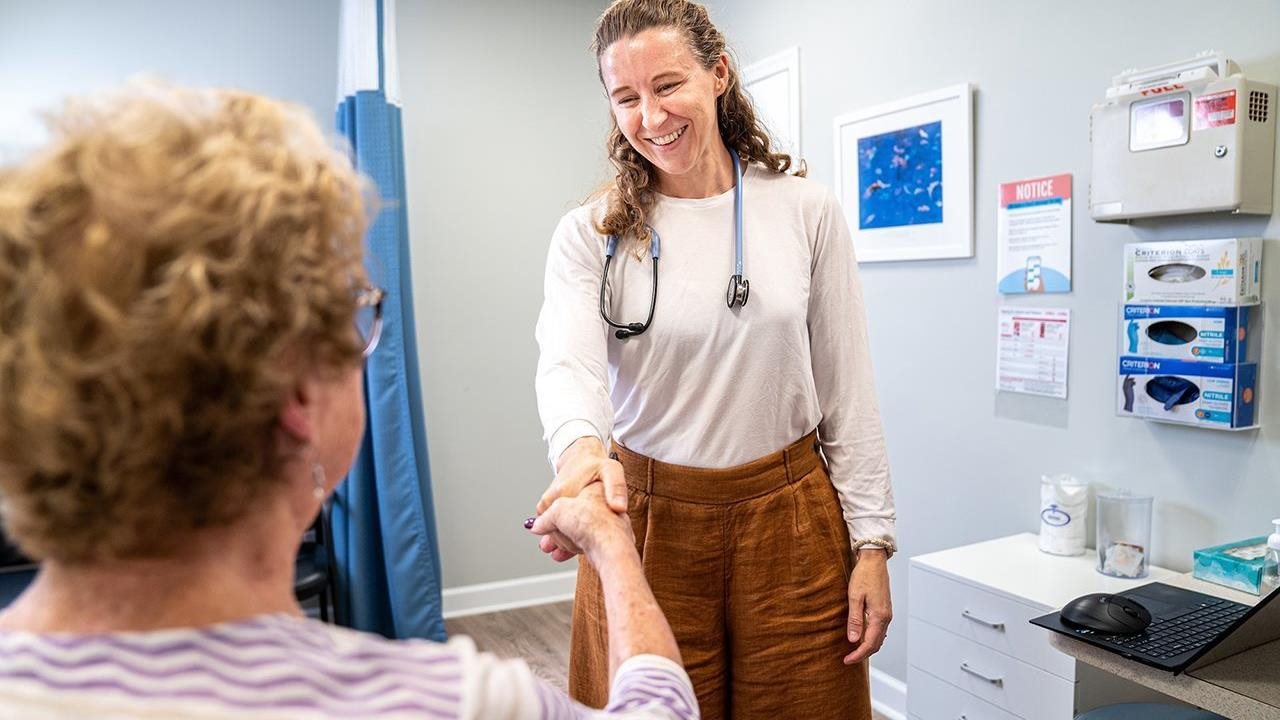
“When symptoms are vague or don’t fit the usual description, they’re easy to miss or misinterpret, especially in women,” explains Dr. Maggie Williams, Medical Director of Primary Care at MD Live. “The more women understand the ways their bodies communicate distress, the quicker they can act on them and the better they can advocate for the care they deserve.”

Dr. Williams breaks down five common health conditions where women’s symptoms may look different and explains how to spot the signs that you should seek care.

1. Heart Attack

While chest pain is a hallmark heart attack symptom for both men and women, women are much more likely to experience accompanying or alternative symptoms that are subtler and easier to dismiss. These can include nausea, vomiting, shortness of breath, jaw, neck and back pain, and overwhelming fatigue. As a result, these symptoms are often mistaken for anxiety, acid reflux, or run-of-the-mill tiredness, which can cause women to delay seeking care right away.

2. ADHD

ADHD has long been associated with hyperactivity and impulsivity traits that are more commonly seen and diagnosed in boys. However, in girls and adult women, symptoms can be far more subtle and internalized: trouble focusing, constant disorganization, forgetfulness, internal restlessness and frequent mood changes. These symptoms are often confused with anxiety, burnout, or simply undesirable personality traits. Men are more likely to have the hyperactive type of ADHD, so they tend to get flagged earlier in childhood, while women often go undiagnosed until adulthood.

3. Perimenopause

Perimenopause the transition phase before menopause can last for years and bring a wide range of physical and mental changes. In addition to hot flashes and irregular periods, many women experience brain fog, sleep issues, mood swings, and even joint stiffness or pain. Because these symptoms are gradual, they often go unrecognized or are misattributed, especially when they begin earlier than expected.

4. Thyroid Disorders

Thyroid issues, like an overactive or underactive thyroid, are much more common in women. They affect the body’s metabolism and can lead to symptoms that affect every part of the body: mood swings, joint pain, unexplained weight changes, hair loss, sensitivity to temperature, and menstrual changes. Since many of these symptoms overlap with stress-related concerns, thyroid disorders may be falsely blamed on lifestyle or age.

5. Depression

Depression in women doesn’t always mean feelings of constant sadness. Additional common signs are low energy, ongoing physical pain (especially headaches or digestive problems), excessive guilt, feelings of worthlessness and sleeping more than usual.

The best thing women can do for their health is listen to their bodies. If something feels “off” or doesn’t have a clear explanation, don’t ignore it. Virtual care options like those available through MD Live can offer an easier and more convenient way to talk to a board-certified doctor, ask questions, and get guidance on what to do next. Check with your health insurer to see what virtual care options are covered by your plan. However, if symptoms feel severe or you think you may be experiencing a medical emergency, call 911 or go to the nearest emergency department right away.

Understanding Major Depressive Disorder: Its Impact and Treatment Options

2025-04-28T15:01:00

(BPT) – This article was sponsored and developed by Neurocrine Biosciences, Inc.

Major depression is one of the most common mental health conditions in the United States, impacting both adolescents and adults.1 It can affect all aspects of life, including relationships with family, friends and community.

Major depressive disorder (MDD) is depression that persists nearly daily for at least two weeks, with episodes lasting six months or even years if left untreated. While difficult life events can trigger depression, MDD has many causes, including social, psychological, biological, and environmental factors.2,3 According to the World Health Organization, people living with MDD may experience poor concentration, excessive guilt or low self-worth, hopelessness about the future, thoughts of death or suicide, disrupted sleep, changes in appetite or weight and extreme tiredness or low energy.2

In the U.S., more than 21 million people live with MDD.

Treatment Options
There are several Food and Drug Administration-approved treatment options for people living with MDD. Treatment usually includes a combination of antidepressants and psychotherapy. Unfortunately, the current treatment options do not work for everyone. About one-third of people living with MDD do not respond to available antidepressant medications.1,4

Many people do not see an improvement or a significant reduction in symptoms after trying two or more different medications for MDD. Approximately 86 percent of those trying a third oral antidepressant still do not achieve lasting relief from symptoms, also known as remission.5

New treatment options are needed for the many people living with MDD who do not respond to current treatments.

Ongoing Research
Clinical studies evaluate the safety and effectiveness of investigational therapies and can potentially lead to new treatment options for patients. There are ongoing clinical studies exploring potential treatments for MDD, including what is referred to as an adjunctive treatment that could be used together with an existing MDD treatment.

Neurocrine Biosciences is conducting a Phase 3 study to assess the efficacy and safety of investigational osavampator (formerly NBI-1065845) as an adjunctive treatment for people with MDD. The clinical study is currently enrolling adults aged 18 and older who have the primary diagnosis of recurrent MDD (moderate or severe) or persistent depressive disorder and who are currently taking oral antidepressant medications and have not responded adequately.

Maurizio Fava, M.D., Chair, Mass General Brigham Academic Medical Center, Department of Psychiatry explains, “Major depressive disorder is a condition that has a profound effect on patients and their families. The great majority of patients suffering from major depressive disorder do not achieve a sustained remission of their condition, and the options for next-step strategies to help them are quite limited. As a field, we need new augmentation strategies to enhance the efficacy of standard antidepressants.”

If you or someone you know may be interested in learning more about this clinical study, please visit this website for additional information.

REFERENCES

  1. Major depression. National Institute of Mental Health. Updated July 2023. Accessed January 29, 2025. https://nimh.nih.gov/health/statistics/major-depression
  2. Depressive disorder (depression). World Health Organization. Updated March 31, 2023. Accessed January 29, 2025. https://www.who.int/news-room/fact-sheets/detail/depression
  3. Bains N, Abdijadid S. Major depressive order. In: StatPearls. NCBI Bookshelf version. StatPearls Publishing; 2023. Updated April 10, 2023. Accessed January 25, 2025. https://www.ncbi.nlm.nih.gov/books/NBK559078
  4. Zhdanava M, Pilon D, Ghelerter I, et al. The prevalence and national burden of treatment-resistant depression and major depressive disorder in the United States. J Clin Psychiatry. 2021;82(2):20m13699. doi:10.4088/JCP.20m13699
  5. Sakurai H, Suzuki T, Yoshimura K, Mimura M, Uchida H. Predicting relapse with individual residual symptoms in major depressive disorder: a reanalysis of the STAR*D data. Psychopharmacology (Berl). 2017;234(16):2453-2461. doi:10.1007/s00213-017-4634-5

© 2025 Neurocrine Biosciences, Inc. All Rights Reserved. CAP-NBI-US-0138 4/2025

New Survey Ahead of Mother’s Day Finds the Majority of Americans Don’t Fully Appreciate Mom Until Adulthood

2025-04-28T08:31:00

(BPT) – Mother’s Day is often portrayed as a day of celebration with homemade art, cards and perhaps a heartfelt attempt at breakfast in bed from younger children, but the impact of the holiday may hold more significance the older you get. At least that’s what a new study by floral delivery service Teleflora found. More than half of those interviewed admit that they didn’t fully appreciate their mom until they were an adult.

Sound familiar? It could be that a particular moment in your life suddenly made you realize how much your mother means to you — or helped you to understand better what she’s really done for you throughout your life. For those with children in their household, 45% admit that having children made them appreciate Mom and all that she does more. And while most Americans acknowledge that Mom has been there to comfort them in times of need, it’s even the most mundane everyday moments, like making their own meals (47%), that made them appreciate their mom even more as adults, according to the Teleflora survey.

Teleflora showcases just some of these moments and the unconditional love of moms in its new Mother’s Day campaign, “Never Walk Alone.” From first steps to graduation, heartbreaks to wedding celebrations, with a mother’s love, Teleflora shows that you are never truly alone, and how Mom is the constant that makes each of these moments better. The truth is nobody loves you like Mom.

How to show your appreciation for Mom

Mother’s Day is the perfect opportunity each year to show Mom just how much you appreciate all she has done.

Fresh flowers are a thoughtful way to deliver your love to your mom’s heart and home this Mother’s Day. Teleflora makes it easy to express your gratitude and make your mom feel loved and appreciated. You can choose a beautifully handcrafted arrangement to be delivered to her doorstep by a local florist in a charming keepsake container that Mom can enjoy for years to come, including Teleflora’s Sparkling Joy Bouquet, which features pink roses, alstroemeria, miniature carnations, and other pretty blooms in a lifestyle container that doubles as a carafe with elegant, beaded details that can be used for entertaining and to serve beverages long after the blooms have gone, adding beauty to your mom’s table year-round.

Other options include Teleflora’s Pretty Glow Bouquet, which features a stunning mix of roses, carnations, and chrysanthemums, ranging in colors from peach, fuchsia, green, purple, and pink — artfully presented in a sculpted glass vase with a purple mercury-inspired finish, or Teleflora’s Radiant Reverie Bouquet, which includes a textured, shimmering purple vase with light lavender roses, variegated purple miniature carnations, purple cushion spray chrysanthemums, white cushion spray chrysanthemums and more.

Each one of Teleflora’s best-selling Mother’s Day bouquets are unique, like Mom’s love, so you can select the best one to celebrate your mother’s personality and taste.

It’s never too late to show your appreciation for Mom and let her know how much she means to you. To learn more about Teleflora’s handmade bouquets or to place an order for a floral arrangement hand-delivered by a local florist, visit Teleflora.com.

A Note on Methodology

Nationally representative research was conducted by Kantar, a leading global data and insights company. The study was fielded between April 3-14, 2025, among 963–983 U.S. adults between the ages of 18–64 who have a relationship with their mom.

A Sensory-Friendly Vacation in Myrtle Beach

2025-04-28T08:01:00

(BPT) – Taking a family vacation with a loved one on the autism spectrum offers a special opportunity to create meaningful memories together. While new environments and changes in routine can require thoughtful planning, many families find that travel can be not only manageable, but deeply rewarding and enjoyable for everyone involved.

One destination making travel more inclusive for all families is Myrtle Beach, South Carolina. Since 2016, Visit Myrtle Beach and the communities along the region’s 60 miles of coastline have been committed to creating an autism- and sensory-friendly environment. Here’s a look at some of Visit Myrtle Beach’s newest initiatives that spread awareness of the joys of traveling for individuals with autism.

Traveling the Spectrum

A common misconception is that individuals with autism cannot travel. While it’s true that 87% of parents with children on the spectrum don’t currently take family vacations, 93% said they would be more likely to travel if autism-certified options were available, according to a survey by Autism Travel. To help challenge this assumption, Visit Myrtle Beach created a groundbreaking six-part series called “Traveling the Spectrum.”

The unscripted show follows three families with members on the autism spectrum as they take sensory-friendly vacations to the Myrtle Beach area. The series highlights the transformative power of travel and the joy of creating memories and discovering the world together. A second season is currently being filmed and season one is available to stream now on Peacock.

Splish, Splash, Squawk!

In partnership with author and illustrator Lynda Farrington Wilson and White Garment Publishing Group, Visit Myrtle Beach has published a new children’s book called Splish, Splash, Squawk! Finding Joy in a Sensory-Friendly Vacation. The book encourages families with children on the autism spectrum to discover the joy and wonder in a family vacation.

The story follows Maris the Parrot as she watches over the families vacationing in Myrtle Beach and addresses the challenges of new surroundings for neurodiverse travelers. You can order your copy on Amazon and get inspired to embrace the magic of a sensory-friendly family vacation.

Bonus: Need help finding sensory-friendly experiences during your vacation at The Beach? Visit Myrtle Beach has debuted Maris, an AI-powered travel assistant created specifically for neurodiverse families.

Maris is ready to lend a helping wing with personalized recommendations for sensory-friendly experiences, tips on accessibility and guidance for navigating the destination with ease. Maris is available to chat with you and help plan your trip on the Visit Myrtle Beach website.

Continued dedication to inclusive, sensory-friendly travel

The City of Myrtle Beach has been certified by the Champion Autism Network (CAN) as an autism-friendly destination. When you travel to this CAN-certified travel destination, you’ll find a variety of inclusive in-destination experiences to make your trip more accessible.

From the moment you land at the Myrtle Beach International Airport, your family can decompress after your flight in the airport’s Quiet Room. While you’re there, check out the Hidden Disabilities Sunflower Program, which allows travelers with hidden disabilities, including autism, to discreetly self-identify so personnel are aware that they may require additional assistance.

Where you stay during your vacation matters. You can rest easy knowing that many accommodations in Myrtle Beach offer autism-friendly environments with unique amenities for families with children and loved ones on the spectrum. From trained hotel staff to minimized wait times, you’ll find that guests are welcomed with open arms and treated like family at The Beach.

For neurodiverse folks, eating while on vacation can be stressful. However, several restaurants along the 60 miles of coastline provide a sensory-friendly dining experience. A number of sensory-friendly restaurants across the Grand Strand have made it their mission to provide unique dining experiences that cater to those with special needs.

When you’re planning dinner, don’t forget to use your Autism Travel Club Card. The card gives you access to special discounts and offers at numerous restaurants along the Grand Strand, along with thoughtfully trained staff, preferential seating and more.

Memorable experiences for all the family abound at The Beach, with events and adventures that cater to all abilities and ages. Head to Ripley’s Aquarium of Myrtle Beach for a sensory-friendly mermaid show or take your kids to the Grand 14 Cinema in Market Common where they can move around freely while watching a movie.

A full list of autism-friendly attractions and events can be found here.

The Beach is for Everybody

From neurodiverse travelers to families and individuals of all abilities, the Grand Strand is a place where everybody can feel at home.

To learn more about Myrtle Beach’s autism-friendly offerings and accessible trip-planning resources, head to visitmyrtlebeach.com/autism.

How one woman lost 145 pounds — without GLP-1 medication

2025-04-25T18:23:00

(BPT) – At just 30 years old, Gabby weighed 299 pounds and was prediabetic. Due to her weight, she experienced hip and foot pain. She struggled to walk short distances, which made it difficult to keep up with her two young children.

Gabby tried a variety of weight loss methods, without results. She also found out that because of her past health issues, she was ineligible for prescription GLP-1 medications like Wegovy® or Zepbound® that have been in the news so much lately.

Fast forward to today: Gabby is now down 145 pounds, and she feels happier and healthier than ever before.

Gabby profile after losing weigth

How did she do it? Gabby is one of many patients to attribute her success to the LifeMD Weight Management Program and its breakthrough oral treatment option: Triple Therapy.

“Losing weight has changed my entire life,” she said. “It changed how I look. It changed how I feel. It changed everything about me.”

How LifeMD supports weight management

LifeMD is an online telehealth company that aims to make quality health care as accessible and affordable as possible. It added Triple Therapy to its treatment offerings to serve patients who may not qualify for (or want to use) a GLP-1 medication as part of their weight loss journey. Triple Therapy consists of three oral medications — metformin, bupropion (the generic version of Wellbutrin®) and topiramate — combined in carefully selected doses to support healthy weight loss.

People on Triple Therapy start by taking three pills daily — with no needles, alcohol wipes or additional supplies needed. The treatment is generally less costly than prescription GLP-1 medication, making it an attractive option for patients on a budget.

Dr. Anthony Puopolo, President, LifeMD Affiliated P.C.s, helped develop Triple Therapy to give patients more avenues for success. He noted that GLP-1 medications are not suitable for patients with a history of pancreatitis, medullary thyroid cancer and/or gallstones. They also aren’t ideal for certain patients with serious GI issues, although those patients’ eligibility is decided on a case-by-case basis.

“GLP-1s are great for patients who qualify, but not everyone does,” Puopolo said. “If you need to slim down, Triple Therapy is another incredible treatment option. It provides a clear and viable path to sustainable weight management.”

How Triple Therapy makes a difference

Gabby said Triple Therapy helped her stop obsessing about food — an affliction commonly known as “food noise.” She said it also made it easier for her to practice portion control. In her first month on treatment, she lost 10 pounds without making major changes to her diet. She began adjusting her eating habits, and the weight continued to come off.

After having had several disheartening experiences with past doctors, Gabby was encouraged by the support she received from her LifeMD care team. She said that Puopolo, who was her prescribing physician, was both compassionate and communicative. She and her doctor had virtual check-ins about once a month, and Gabby would send her care team messages any time she had a question or concern.

“There were people who said I couldn’t [lose weight] and didn’t believe in me, but the people at LifeMD did,” Gabby said. “They’re willing to work for you and fight for you.”

Having that support, and Triple Therapy, made all the difference in the world for her. As more and more pounds came off, Gabby found she no longer needed to buy plus-size clothing. She began feeling more energized and light on her feet. For the first time ever, Gabby didn’t need an afternoon nap to make it through the day — and best yet, she could now keep up with her young kids.

Gabby outside after a run.

When Gabby lost 100 pounds, she made good on a promise to herself: She started running. On Thanksgiving Day of 2024, she ran her first 5K. She now jogs about three to four times a week.

“My hips don’t hurt. My feet don’t hurt. I can move,” she said. “I went from being barely able to walk to being able to run a 5K.”

Creating a healthier future

In addition to losing 145 pounds, Gabby is no longer prediabetic, and continues to see her health improve. Now she feels more confident, and realizes that her worth is not tied to the number on the scale.

Grateful for her newfound health, Gabby is paying it forward. Since starting her weight loss journey, she has become a health coach, drawing from her personal experience to inspire others. She hopes other people will see her story and give LifeMD a try. She lets people know that if GLP-1s aren’t a viable treatment option, they may qualify for Triple Therapy.

“This is the best decision I’ve ever made,” Gabby said about joining LifeMD’s Weight Management Program. “It feels really good to lose this much weight, especially because I never thought I could.”

Learn more about LifeMD and Triple Therapy here.

Disclaimer: Results not typical. Out of a population of 150 LifeMD patients, on average, patients on Triple Therapy lost 7 pounds within the first three months of treatment.

Out of mental storage? How to (bio)-hack cognitive health

2025-04-24T12:01:00

(BPT) – Between constant demands of work, family obligations and the millions of things on your to-do list, it’s easy to feel like you’re at or beyond capacity. The result? You may feel fatigued, disconnected — or like you just can’t keep it all together. This is where biohacking comes in: making changes to your environment, lifestyle and nutrition that directly impact how well your body — and most importantly, your brain — functions.

Here are simple, positive steps from the experts at Solaray, the #1 vitamin and mineral brand in health food stores^, to help you clear out the mental cobwebs and support your cognitive health and memory for the long haul.

A bottle of Solaray Sharpmind Memory suppliments.

Disconnect to reconnect

When you’re in the car picking up kids, waiting in a checkout line or riding an elevator, take a couple of slow, deep breaths. Deep breathing brings more oxygen to the brain, calming the mind and nervous system, which also helps reduce stress.

Replace 5-10 minutes of phone scrolling each day with an enjoyable activity that engages your brain and focuses your mind, like reading a book, playing memory games, crafting, doing a puzzle or cooking.

Reduce your sitting time. Being active is known to help improve brain function, as movement gets oxygen-carrying blood circulating throughout your body and brain. Walk the dog, dance, or practice yoga outside.

Use the power of heat and cold therapy. There’s a reason saunas and cold showers are so popular: Drastic temperature changes cause physiological responses connected to physical healing, reducing inflammation and chronic pain, plus aiding in athletic recovery. Hydrotherapy is connected to boosting your mood and relieving anxiety, and many credit cold plunges with improving creativity and mental clarity.

Feed your brain longevity-boosting foods

You’ve probably heard of “brain food,” but can it really help? Some foods have been shown to support brain health, such as berries, green leafy veggies, walnuts and fatty fish like salmon. Other foods research connects to improving brain health, cognitive function and memory include broccoli, oranges, coffee, green tea, turmeric, pumpkin seeds, eggs and dark chocolate.

Each of these foods provides various nutrients your brain needs for optimal functioning and longevity, from vitamins B, C and K and minerals such as zinc, magnesium, copper and iron, to nutrients like choline, lutein, folate, beta carotene, omega-3 fatty acids, flavonoids, polyphenols, caffeine, anthocyanins and other antioxidants.

Leverage smart supplementation

Consider an innovative new herbal supplement that can help support your memory and cognitive function. SharpMind Memory™ from Solaray contains 600 milligrams of Cognivia®, a unique sage blend observed to support several critical aspects of memory.*

The supplement is an expert mushroom and herbal blend crafted to support cognitive health at every age, including your working memory and overall cognitive function.* Its proprietary mix of garden sage leaf extract and Spanish sage essential oil has been clinically studied for several aspects of memory and is an award-winning ingredient.*†

It also includes two potent adaptogens — 100 milligrams of gotu kola and 50 milligrams of fermented organic, U.S.-grown chaga mushroom — for additional support. The fermentation process aids in nutrient absorption, while chaga grown on gluten-free organic oats is high in beneficial beta-glucans. SharpMind Memory offers fast-acting, powerful cognitive support in just two convenient capsules per day.*

“The right nootropic supplements can help maintain balance between the activation and relaxation of our nervous system,” said Max Willis, chief innovation officer for Solaray. “Solaray’s trusted SharpMind Memory nootropic formula is anchored by science-backed Cognivia®, which is well-studied for supporting working memory, recall and retention. We’re thrilled it was named the best ‘supplement for the mind’ in the 2025 NEXTY Awards.”

A bottle of Solaray Sharpmind memory supplement on a desk in an office.

Try a “brain dump”

Let it all out by trying a “brain dump” to capture all the to-dos taking space in your mind. On paper or using voice recording on your phone, list items that need to get done in the next few days. One advantage of doing this at night is that it can help you relax and get to sleep more easily, without those items buzzing through your mind. Getting a good night’s sleep can also help bolster your cognitive health and memory.

Invest in wearable technology

Use a wearable health tracker to monitor your heart rate, physical activity, sleep and other vital signs, which can help you make proactive decisions about your lifestyle and activities. They may give you actionable insights that encourage you to try new approaches to your health and well-being.

You may also want to try a smartwatch that can help you stay calm throughout your busy day. They can remind you to stand up and go on a quick walk, take a deep breath for a meditation moment to give you a mental health pause and slow your nervous system down.

Using these tips can help you start feeling like you have more mental storage. By bolstering your memory and brain health, you’ll be able to make the most of every day, for many years to come.

Find SharpMind Memory and other supplements to help support your well-being at Solaray.com.

^ SPINS Brand Share, NPI Vitamins & Minerals, wk end 2/23/2025

*These statements have not been evaluated by the Food and Drug Administration. These products are not intended to diagnose, treat, cure, or prevent any disease.

†Cognivia® is a registered trademark of Nexira; it was a NIE New Ingredient Awards winner in 2021 and has been a finalist in the Nutra Ingredients Awards.

What you need to know before becoming a collector of live insects or snails

2025-04-24T09:41:00

(BPT) – Insects and snails are a critical part of the planet’s ecosystem. Bees, for example, pollinate important crops and provide high-quality food like honey, while snails feed on dead or rotting organic matter in the soil to speed up recycling of plant nutrients. This makes collecting and studying these fascinating creatures a rewarding hobby. But for U.S. agriculture and the environment, live insect and snail collection is serious business.

Certain insects and snails, from beetles to moths and flies, are not native to the U.S. and pose serious risks to our nation’s agriculture, ecosystems and public health if they escape into the wild. To protect our natural treasures from invasive species and comply with federal and state laws, it’s crucial to follow specific guidelines when collecting and caring for these animals.

Harmless pets or damaging invasive species?

Invasive insects and snails can cause devastating economic and environmental damage. Without their natural predators and diseases, these species can multiply quickly, outcompeting native species and destroying crops or habitats.

The giant African snail is a favorite in the pet trade and a damaging invasive species capable of destroying over 500 types of plants and vegetables, such as lettuce, cucumbers, fruit and beans. It reproduces prolifically and can even eat tree bark, ornamental plants, as well as the stucco off your walls! Perhaps most alarming is that the giant African snail can carry parasites harmful to humans and animals. That’s why it is illegal to own, sell or import them into the U.S.

Similarly, collecting or owning the Asian longhorned beetle (ALB) — or other invasive beetles — is illegal in the United States. ALB feeds on and kills maple and other hardwood trees, which cannot recover from the damage. As a live insect, this species will never be legal to keep for education purposes, or even as a pet. However, there are safe and legal ways to collect certain native insects and snails in the U.S.

Adult bug with long near and exit hole

Tips for collecting insects and snails

  • Do your research: Consult with the U.S. Department of Agriculture’s Animal and Plant Health Inspection Service (APHIS) to learn which species require a permit and which are banned from the U.S. because of their potential to do harm. Many states also have restrictions on certain species, so check with your state’s Department of Agriculture before acquiring these pets.
  • Work with reputable vendors: Only purchase insects and snails from sellers who have a PPQ 526 Plant Pest Permit from APHIS. It’s illegal to move or import live snails or insects across state lines without the 526 permit. Even if a seller says the species is legal, it’s the buyer’s responsibility to know.
  • Remember: By sourcing an insect and snail collection responsibly, anyone can both enjoy an interesting hobby and help to protect America’s food sources and landscape.

Safeguard the environment and ecosystems

It’s important to not only consider how you collect live insects and snails, but also to carefully manage how you dispose of them. Never release live insects or snails into the wild — it’s both illegal and harmful to the environment.

If for any reason you cannot keep your collection and need to relocate or euthanize your collection of live insects or snails, there are safe methods. If you don’t feel comfortable doing this, please call your local plant health contacts to transfer them to Federal agricultural officials.

For additional guidance on purchasing and caring for live insects and snails, call the USDA at (866) 524-5421 or contact Pest.Permits@usda.gov. For more information on invasive species and how to prevent their spread, visit HungryPests.com.

This article is brought to you by USDA.

Low-maintenance landscaping tips to keep your yard looking great all season

2025-04-23T00:01:00

(BPT) – Choosing the right materials and incorporating well-planned design features can enhance the appearance of your landscape while reducing the effort needed for maintenance.

“Adding mulched areas around shrubs, plants and trees, as well as creating access pathways, are key design elements we use to enhance the beauty of a landscape,” says Lavonne Thompson, owner of Gabby’s Gardens in St. Croix Falls, Wisconsin.

Many materials can help keep your landscape looking beautiful, such as mulch, landscape rock, flagstone steppers, concrete pavers and natural stone. To create and maintain a professional look for your landscaped areas, Thompson recommends these elements:

  • Create distinctive borders for garden beds, tree rings and other landscaped areas using natural stone, concrete pavers or edging. It will make it easier to mow around plus add definition, texture and color.
  • Construct paths using natural stone steppers, concrete pavers, mulch or landscape rock. Not only do these materials create visual interest and define walkways, but they also improve accessibility.
  • Use mulch, landscape rock or gravel to give landscaped areas a finished look. “Mulch adds interest and gives a clean, finished appearance that enhances curb appeal,” says Thompson.

Maintenance of mulched areas can be a challenge with thunderstorms, critters, traffic and falling leaves. To keep landscaped areas looking beautiful and minimize seasonal maintenance, Thompson uses NorthRock® Landscape Loc Mulch & Rock Bond, an environmentally friendly compound that can be applied to keep mulch and landscape rock locked in place.

Person holding continer of North

Landscape Loc helps to prevent mulch movement from rain, wind, critters, mowers and blowers, while allowing the treated area to freely drain and breathe. It is safe for soil, groundwater, wildlife, people, pets and plants.

“Landscape Loc is a great product for when we are refreshing clients’ projects in the spring,” says Thompson. “It is essential in sloped areas and gardens to prevent mulch from moving out of place.”

Landscape Loc can be used on landscape rocks that are 1/2″ or smaller. It can also be used to control dust from gravel, sand, pebbles and light rock on walkways and driveways as well as to control erosion around those areas. The more porous the rock, the better Landscape Loc will bond. For denser rock, a heavier application is required.

Using a fan tip sprayer, apply Landscape Loc when refreshing and cleaning up landscape areas. It lays down white and dries clear, enhancing the look of mulch and other ground cover. Landscape Loc is available at Amazon and local retailers in one- and five-gallon containers or as a concentrate to mix with water. Watch an application of Landscape Loc Concentrate at https://www.youtube.com/watch?v=zOdssqFrQVY.

“It’s great that Landscape Loc goes down white before drying clear,” says Thompson. “That way if you are called away for a moment, you can pick right up where you left off.”

Style Roundup: 9 Festival-Inspired ‘Fits for Mini Matching

2025-04-21T16:59:00

(BPT) – Festival season is so back, and of course we’re scrolling through every single OOTD video. (Seriously, every. Single. One.) Consensus? This year’s looks are already on another level and the style trends are, simply put, 11/10. No notes. The only thing better than an epic fashion moment is to recreate it in a mini version. We put together nine festival-inspired looks for your future festival lovers and trendsetters.

Here’s how the designers from Carter’s® house of brands would style your mini me in some of this year’s favorite vibes, including neon, indie, desert and palm springs.

Neon Vibes

1. Festival season and neon goes hand in hand, and this bright pink number understood the assignment. This Carter’s® set matched back with a Carter’s® iridescent butterfly bag … can you even?!

Babystriped-crochet-knit-tand-and-short-with-butterfly-crossbody-bag

2. For your little dude, Carter’s® paired this absolutely iconic ’90s-esque mesh muscle tank with acid wash denim shorts. It’s classic main stage to its core.

Tropical print mesh tank (green) pull on denim short light blue wash

Indie-Inspired

3. She’s indie, she’s cool, she’s giving “in my boho era.” Between the stunning blue hue and bandana-reminiscent details, we’re fully obsessed with this Carter’s print tank.

toddler-heart-drop-ikat-print-tank-blue

4. The ’90s never looked so good, and this Carter’s multi-hued masterpiece is built to stand the test of your wild child. A win-win in anyone’s book.

kid-striped-button-down-shirt-and-kid-striped-knit-shorts

5. An OshKosh midi dress for your indie girl and a Carter’s pair of boots to let her inner cowgirl shine. Done and done.

Side-striped-woven-sleeveless-maxi-dress-and-toddler-cowgirl-boots-white

Desert Explorer

6. Beat the desert heat with this OshKosh tropical set for your little adventure man. Pull-on short, easy-on button down — he’s ready to hit the festival scene … in about 25 years.

Toddler-shortsleece-tropial-button-down-and-toddler-floral-pull-on-bermuda-short

7. You can call her desert princess. Muted shades, tonal stripes, eyelet detailing — this OshKosh B’gosh® dress is the epitome of desert chic. Finish the look with this adorable Carter’s straw backpack we all wish came in adult size.

toddler-striped-eyelet-tandk-dress-ivory-and-daisy-straw-mini-backpack

Palm Springs

8. We’re giving you two outfits in one here, because choosing between this striped OshKosh summer knit tank and vibey tropical-print style would be like choosing a favorite child. Whichever you pick (both is the obvious choice), complete the look with a pair of iconic OshKosh denim, like these eyelet-trim shorts in cream.

toodler-tropical-print-tand--and-toddler-iconic-eyelet-shorts-and-kid-striped-sweater-knit-tank

9. Fun prints for your festival ‘fit? Yes, please. This classic (toddler-tested!) Carter’s button down and pull-on short set is giving biiiiig desert explorer vibes — and the gators are the cherry on top.

Toddler-alligator-button-down-shirt-and-toddler-alligator-pull-on-shorts

6 Expert Tips to Keep Your Routine on Track

2025-04-21T09:19:58

(BPT) – Wellness is a full-body experience that requires creativity to avoid burning out and losing sight of your end goal. Sports RD, Dawn Jackson Blatner, is sharing six expert-approved tips to keep your exercise routine fun while incorporating proper recovery habits — like eating almonds for their exercise recovery benefits — during the day to keep your goals on track.

1. Nourish your body to feel good

Wellness isn’t about perfection — it’s about treating your human body with the gratitude and care it deserves. Focus on eating and moving in ways that feel good and energize you. Just one serving of almonds (23 almonds) has 6g plant-based protein, 4g fiber, riboflavin (25% DV), hard-to-get magnesium (20% DV), antioxidant vitamin E (50% DV), 13g of good unsaturated fats, and only 1g saturated fat. They are a simple way to fulfill your body’s needs and stay satisfied longer. When you focus on what makes you feel good, wellness becomes a lifestyle.

2. Set intentional goals

Life can be fast-paced and full of curveballs, but setting intentional goals like exercising more, eating better, or improving sleep can help you stay focused and on-track. I set goals by “gamifying” them to stay motivated and engaged. This means I set mini-challenges, track my progress, and then level up to keep it fresh. For example, I’ll give myself a 7-day challenge to drink water before my coffee every day or add an extra 30-minute daily walk. If I get 100%, I’ll move on to a new challenge, just like making it to the next level in a game.

3. Exercise recovery is key

Through my experience in sports dietetics, I’ve discovered that focusing on proper recovery is one of the best additions to any routine. Exercise recovery isn’t just about rest though, it’s about providing the right nutrients to rebuild and strengthen your body. Without proper recovery, soreness and exhaustion can steal your motivation. Build in recovery with nourishing snacks, such as almonds. Almonds are my go-to because research1 conducted over 4 weeks among 64 healthy, non-smoking male and female U.S. adults ages 30-65 who are occasional exercisers shows that eating 57g of almonds daily supports a positive influence on metabolic health.

These study results show that almonds are an ideal food to support muscle function and recovery. The best part? It doesn’t matter when you eat your almonds. This small step can make a big difference in recharging your body and crushing your wellness goals!

4. Beat burnout by adding joy to your wellness routine

Burnout happens when wellness feels like a chore — but it doesn’t have to! The key is adding positivity and fun. Enjoy vibrant, colorful meals that make you smile and move your body in ways that feel exciting, like dancing or jumping rope. When joy leads the way, wellness feels fun and totally doable!

5. Make snacking easy and fun

Busy days can make it tough to eat well, but a mini snack box is the perfect anytime solution! My personal favorite includes veggies like carrots or celery, cubed cheese and a crunchy nut, like almonds, for extra nutritional benefits.

6. Celebrate the small wins

I worked as the head dietitian for a professional baseball team for 10 years and I have a game-winning ring to show for it! I’ve realized that you can’t win the championship without focusing on one game at a time. Try your best each day and recover so you can get back out there. When you celebrate small wins, it keeps you energized to keep going after your dreams.

Purple yoga mat with water bottle, towel, weights and a tin of Almonds on the floor of a sunroom.

Wellness and exercise don’t have to be boring, so take control of your journey and get creative to avoid burnout and stay on track with your goals! Check out almonds.com for more information on how you can make the most of your wellness routine.

[1] Nieman, D. C., Omar, A. M., Kay, C. D., Kasote, D. M., Sakaguchi, C. A., Lkhagva, A., Weldermariam, M. M., & Zhang, Q. (2023). Almond intake alters the acute plasma dihydroxy-octadecenoic acid (DiHOME) response to eccentric exercise. Frontiers in Nutrition. DOI: 10.3389/fnut.2022.1042719.