Couple Inspires Others with Progressive Forms of Multiple Sclerosis (MS)

2018-03-14T11:31:01

(BPT) – More than 20 years ago, as Jennifer Digmann focused on completing her coursework and graduating from college, she began experiencing numbness in her hands and feet and eventually double vision.

After several visits to her primary care doctor, an ophthalmologist and finally a neurologist, she received the diagnosis: multiple sclerosis (MS).

Today, Jennifer lives with a progressive form of MS, a chronic disease that often strikes in the prime of life, has no cure and is the leading cause of non-traumatic disability in young adults. Progressive forms of MS are the most debilitating. Like others who are affected, Jennifer’s symptoms have continued to worsen over time and her level of disability has increased.

Approximately 400,000 people in the U.S. are living with MS, according to the Multiple Sclerosis Association of America. Up to 15 percent are diagnosed with a progressive form of the disease (called Primary Progressive MS), and the majority of those diagnosed with Relapsing MS will transition to a progressive form later in life, according to the National Multiple Sclerosis Society.

For Jennifer, handling her sadness and fear and accepting her diagnosis was almost as challenging as her symptoms. People living with progressive forms of MS tend to experience more difficulties with walking and remaining in the workforce, and they require more assistance with everyday activities, according to the National Multiple Sclerosis Society.

Progressive forms of MS remain frustratingly difficult to treat, primarily because doctors do not fully understand why the disease progresses. Also, many clinical trials for new medicines have been unsuccessful. More research is needed to better understand the underlying biology driving this condition, as well as to develop additional treatment options.

On March 28, 2018, the first ever Progressive MS Day was celebrated by several MS advocacy groups and state governments around the country. This annual day of awareness was created with the goal of recognizing people living with progressive forms of MS, offering support, highlighting resources, programs and services, and, most importantly, calling for further research to advance their care and reduce disability.

Jennifer and her husband, Dan, who himself lives with Relapsing MS, count themselves among the most enthusiastic supporters of Progressive MS Day. As a couple, the Digmanns have dedicated their lives to inspiring and helping others living with MS by sharing their own experiences and perspectives through their blog and radio show.

“My life is not perfect always, but it’s pretty darn good. This disease, my multiple sclerosis, doesn’t hold me back,” says Jennifer.

Seeing the challenges that Jennifer faces with her condition made Dan excited about Progressive MS Day. “Finally, there’s something for people with the progressive forms of MS. Now, hopefully, that opens the door for more awareness and resources, and that’s why a day like this is pivotal,” says Dan.


Living a Rare Life: Could Your Family History Unlock the Mystery of a Rare, Life-Threatening Condition?

2018-03-13T16:07:01

(BPT) – Imagine your family carried the gene for a rare, life-threatening condition, but didn’t know it?

For generations, members of Angel’s family experienced fatigue, nerve pain, numbness in limbs, dizziness, shortness of breath and chest pain, but were unable to determine the cause. The answer was hereditary ATTR (hATTR) amyloidosis, a progressive, debilitating, life-threatening condition that typically runs in families.

“Early on, my family used to call hATTR amyloidosis ‘the curse’ because no one knew what it was and those who had it experienced a wide variety of symptoms and misdiagnoses,” Angel said. She witnessed firsthand how the condition, which affects approximately 50,000 people worldwide, can devastate a person’s quality of life.

“I watched my grandfather go from building houses and doing construction to being wheelchair bound and bedridden.”

Angel’s family’s experience was recently chronicled in “Living a Rare Life,” a new downloadable booklet sharing their personal account about how they’ve been living with this condition across generations. Like many rare conditions, hATTR amyloidosis varies from individual to individual and is often misdiagnosed because its wide array of symptoms, like shortness of breath, numbness of fingers and toes, constipation/diarrhea and headaches, resemble other, more common conditions.

While the degree and severity of symptoms vary from person to person, hATTR amyloidosis can lead to significant disability and a shortened life expectancy. Obtaining an early and accurate diagnosis is critical.

While Angel tested negative for the condition, she has taken an active role serving as an advocate and caregiver for her family. “The first step to managing a hereditary condition is knowing your family health history and identifying gaps in knowledge about genetic disorders,” said Angel. “Today my mom and many of her siblings are battling hATTR amyloidosis, but now we know how to recognize the symptoms and better manage them.”

Here are a few of Angel’s tips to begin conversations with your loved ones about your health history:

  1. Initiate a Dialogue. Having open and honest conversations about family health history may play a role in identifying symptoms sooner, reaching an accurate diagnosis sooner and allowing your loved ones to take control of their health.
  2. Speak to a Genetic Counselor. Genetic counseling can help your family members understand their chances of inheriting a rare disease gene mutation and become familiar with the testing process. A counselor can help your family to understand potential issues related to genetic testing, like insurance, determine if genetic testing is appropriate and help make sense of results once they are obtained.
  3. Become an Advocate. As an advocate, you can be your family’s most valuable resource for learning about a genetic condition. For some family members, it may be helpful for them to know that they have support throughout the journey of the condition. Building a support system can help the entire family continue to make educated decisions.

If you, or someone in your family, experience symptoms consistent with those of hATTR amyloidosis, talk to your doctor and visit hATTRBridge.com for information and resources like the “Living a Rare Life” booklet.

* Angel is partnering with Alnylam Pharmaceuticals to increase awareness of hATTR amyloidosis.


There is an Extended-Release ADHD Treatment Option Available

2018-03-13T16:01:00

(BPT) – An estimated 4.4 percent of adults have Attention Deficit Hyperactivity Disorder (ADHD) in the U.S. — which means that when applied to the full U.S. adult population aged 18 and over, approximately 10.5 million adults are estimated to have ADHD. Medication is not appropriate for all individuals diagnosed with ADHD. ADHD is a neurodevelopmental disorder that manifests as a persistent pattern of inattention and/or hyperactivity-impulsivity that interferes with functioning or development. Many of these adults struggle with symptom management as they go through their day.

On June 20, 2017, the U.S. Food and Drug Administration (FDA) approved MYDAYIS® (mixed salts of a single-entity amphetamine product), an extended-release treatment for ADHD in patients 13 years and older. Mydayis is not for use in children 12 years and younger. In clinical studies, Mydayis demonstrated improved attention up to 16 hours after dosing, beginning at 2 to 4 hours, compared to placebo. Attention was measured using the Permanent Product Measure of Performances (PERMP), a skill-adjusted math test that measures attention in ADHD. Mydayis is now available for appropriate patients by prescription.

Mydayis, other amphetamine containing medicines, and methylphenidate have a high chance for abuse and can cause physical and psychological dependence. Your healthcare provider should check you or your child for signs of abuse and dependence before and during treatment with Mydayis. Tell your healthcare provider if you or your child have ever abused or been dependent on alcohol, prescription medicines, or street drugs. Your healthcare provider can tell you more about the differences between physical and psychological dependence and drug addiction.

Mydayis is a federally controlled substance (CII) because it contains amphetamine that can be a target for people who abuse prescription medicines or street drugs. Keep Mydayis in a safe place to protect it from theft. Never give Mydayis to anyone else, because it may cause death or harm them. Selling or giving away Mydayis may harm others and is against the law.

“The recognition and treatment of ADHD have gone through significant developments in the past 20 years as we’ve come to understand more about how symptoms may impact a patient’s day,” said Dr. Theresa Cerulli, Clinical Instructor at Harvard Medical School. “The availability of multiple, different ADHD treatments, including Mydayis, provides healthcare professionals with different tools they can consider using as part of their patients’ management plans.”

As the understanding of ADHD and the ways it impacts people continues to evolve, it is also important for healthcare professionals to have a range of treatment options to help address the needs of their individual patients. Mydayis provides healthcare professionals with another option for their appropriate patients who may seek an extended-release treatment that helps address their individual needs. People living with ADHD should work with a healthcare professional to determine whether a pharmacological treatment is appropriate for them, and if so, which one helps meet their individual needs.

For more information about Mydayis, talk to your healthcare provider and visit www.MYDAYIS.com.

What is MYDAYIS®?

Mydayis is a prescription medicine for ADHD in patients 13 years and older. Mydayis is not for children 12 years and younger.

IMPORTANT SAFETY INFORMATION

Abuse and dependence. Mydayis, other amphetamine containing medicines, and methylphenidate have a high chance for abuse and can cause physical and psychological dependence. Your healthcare provider should check you or your child for signs of abuse and dependence before and during treatment with Mydayis.

Tell your healthcare provider (HCP) if you or your child have ever abused or been dependent on alcohol, prescription medicines, or street drugs. Your HCP can tell you how physical and psychological dependence and drug addiction are different.

Mydayis is a federally controlled substance (CII) because it contains amphetamine that can be a target for people who abuse prescription medicines or street drugs. Keep Mydayis in a safe place to protect it from theft. Never give Mydayis to anyone else, because it may cause death or harm them. Selling or giving away Mydayis may harm others and is against the law.

Who should not take Mydayis?

Do not take Mydayis if you or your child is:

  • allergic to amphetamine or any of the ingredients in Mydayis. See Medication Guide for a list of ingredients.
  • taking or have taken a medicine for depression (monoamine oxidase inhibitor [MAOI]) within the past 14 days.

Serious problems can occur while taking Mydayis. Tell your HCP:

  • if you or your child have heart problems, heart defects, high blood pressure, or a family history of these problems. Sudden death has occurred in people with heart problems or defects taking stimulant medicines. Sudden death, stroke and heart attack have happened in adults taking stimulant medicines. Your HCP should check you or your child carefully for heart problems before starting Mydayis. Since increases in blood pressure and heart rate may occur, your HCP should regularly check these during treatment. Call your HCP or go to the ER right away if you or your child has any signs of heart problems such as chest pain, shortness of breath, or fainting while taking Mydayis.
  • if you or your child have mental (psychiatric) problems, or a family history of suicide, bipolar illness, or depression. New or worse behavior and thought problems or new or worse bipolar illness may occur. New psychotic symptoms (such as hearing voices, or seeing or believing things that are not real) or new manic symptoms may occur. Call your HCP right away if you or your child have any new or worsening mental symptoms or problems during treatment, especially hearing voices, seeing or believing things that are not real, or new manic symptoms.
  • if your child is having slowing of growth (height or weight). The HCP should check your child’s height and weight often while on Mydayis, and may stop treatment if a problem is found. Mydayis is not for children 12 years and younger.
  • if you or your child have circulation problems in fingers and toes (peripheral vasculopathy, including Raynaud’s phenomenon). Fingers or toes may feel numb, cool, painful, sensitive to temperature and/or change color. Call your HCP if you or your child have any of these symptoms or any signs of unexplained wounds appearing on fingers or toes while taking Mydayis.
  • if you or your child have a seizure. Your HCP will stop treatment.
  • if you or your child have symptoms of serotonin syndrome: agitation, hallucinations, coma, or changes in mental status; problems controlling movements or muscle twitching, stiffness, or tightness; fast heartbeat; sweating or fever; nausea, vomiting or diarrhea. Call your HCP or go to the ER if symptoms occur. Serotonin syndrome may occur if Mydayis is taken with certain medicines and may be life-threatening.
  • if you or your child are or become pregnant or plan to become pregnant. It is not known if Mydayis may harm your unborn baby.
  • if you or your child are breastfeeding or plan to breastfeed. You should not breastfeed while taking Mydayis. Mydayis passes into breast milk.

What should I avoid during Mydayis treatment?

  • Avoid drinking alcohol during treatment with Mydayis.

What are possible side effects of Mydayis?

The most common side effects of Mydayis include:

  • trouble sleeping
  • decreased appetite
  • dry mouth
  • increased heart rate
  • anxiety
  • nausea
  • irritability
  • weight loss

For additional safety information, click for Medication Guide and discuss with your healthcare provider.

You are encouraged to report negative side effects of prescription drugs to the FDA.

Visit www.fda.gov/medwatch, or call 1-800-FDA-1088.

Mydayis is a registered trademark of Shire LLC.

S33443 01/18


Kidney disease is more common than you think

2018-03-13T08:01:00

(BPT) – Suffering from high blood pressure and diabetes, Gloria Stephens became extremely bloated and could barely walk, so she knew something else was wrong. She soon learned that her kidneys were failing, and she joined the ranks of the 1 in 7 people with kidney disease. Often called a “silent killer,” kidney disease can cause a person to lose up to 90 percent of kidney function and not even know it.

For National Kidney Month this March, Fresenius Kidney Care — a leading dialysis provider with more than 2,400 centers nationwide caring for more than 190,000 people — urges people to understand the symptoms of kidney disease and what to do if you suspect you may be at risk.

“I tell all of my friends and anyone I meet — you’ve got to ask questions,” recommends Gloria, 69, of Jacksonville, Florida, who now goes to a Fresenius Kidney Care center to receive her life-saving dialysis, which filters her blood because her kidneys no longer function effectively. “You’ve got to know what’s going on in your body.”

Here’s what you should keep in mind to protect yourself from kidney disease:

1. Know Your Risk. As Gloria learned, the two leading causes of kidney disease are high blood pressure and diabetes. Other risk factors include family history of kidney failure, kidney stones, smoking, obesity and cardiovascular disease. Your age — especially if you are over 50 — overall health and even ethnicity can also put you at greater risk for kidney disease. If you are African American, Hispanic or Native American, you may be more prone to the risk factors that lead to kidney disease.

2. Recognize the Symptoms. Signs and symptoms of kidney disease often occur after the condition has progressed, so early detection is key to maintaining kidney health. Talk to your doctor immediately if you notice any changes in your urine, or if you’re experiencing fatigue, itching, swelling in your hands or feet, shortness of breath or pain in the small of your back. Make sure your loved ones are aware of the symptoms, too, because they may notice something you don’t.

3. Get Screened Regularly. If you are at risk for kidney disease, you should be screened by your doctor at least once a year, including blood and urine tests like glomerular filtration rate (GFR). Your estimated GFR (eGFR) is calculated using blood as well as taking into consideration age, weight, body size and gender. The earlier kidney disease is detected, the greater the benefit of treatment.

4. Focus on What Matters Most. While there are many reasons to get healthy, you should focus on what’s important to you, whether it’s spending time with family and friends or doing an activity you love. You’re more likely to stick with a care plan if you have a goal.

“There are a number of things you can easily do to get healthier and decrease your risk of kidney disease, starting with regular testing,” says Dr. Jeffrey Hymes, chief medical officer at Fresenius Kidney Care.

After Gloria was diagnosed with kidney disease, she didn’t expect to walk, drive or live alone again. But she draws strength from her family, stays active and is able to do all of those things. “I get myself to do something every day. If you don’t let negative things turn you around, you’ll be successful,” said Gloria, who is active in her sorority and church and volunteers with children. “The person who I think gives me the greatest amount of encouragement is my little 7-year-old grandniece named Kendall. It’s wonderful when you have a little person in your heart and in your life to keep you going.”

“Patients like Gloria show that focusing on what you love is a powerful factor in coping with kidney disease,” says Dr. Hymes. “Kidney patients and their care teams should address both the physical and emotional aspects of their health and focus on their ‘why’ as part of their treatment plan.”

Learn more about kidney disease by visiting www.freseniuskidneycare.com.


The best nutrition for your backyard chickens

2018-03-12T15:19:01

(BPT) – Raising backyard chickens has been a growing trend in the United States over the past several years. Consumers crave choice in their family’s diet, which often includes food they have grown or raised themselves. Raising a backyard flock helps consumers have more control over the eggs their family eats, but bringing home chicks for a backyard flock is just the beginning.

The happiest backyard chickens have the healthiest diets, and the best eggs come from hens eating the most nutritious feed. Today, we are increasingly focused on the impact food has on our family’s health. Hobbyists like to feed their flock the way they feed themselves: non-GMO, organic, soy-free, omega-free and all natural.

Having a say in what goes into the food their family eats is one of the main reasons people choose to raise backyard chickens. There are 2.9 million households in the U.S. raising chickens, and 62 percent of backyard hobbyists anticipate adding to their flock in the next three years. Raising chickens is a way to extend food supply, and hobbyists don’t plan to scale back.

Providing healthy food for your family begins with the source. Nutrena poultry feed makes it easy by using wholesome ingredients in its selection of affordable, homegrown, healthy poultry feeds. By providing your chickens with the highest-quality nutrition, you’re sure to have the freshest eggs for that Sunday morning family breakfast.

With companies like Whole Foods Market reporting 426 percent growth in non-GMO sales from 2010 to 2014, it’s evident that consumers want to know what they’re eating. That’s why Nutrena also offers a USDA-certified organic line of poultry feed that is non-GMO.

The Nutrena poultry feed portfolio includes three different feed lines for each type of poultry hobbyist. Whether you’re starting your chicks, supporting your layers or raising meat birds, Nutrena poultry feed offers the nutrition they need.

For more information about the full line of Nutrena feed, visit NutrenaWorld.com.


7 reasons not to wait to treat your hearing loss

2018-03-12T09:01:01

(BPT) – Hearing loss is often referred to as a silent disease. It doesn’t hurt and it often occurs so gradually over time that you barely notice the insidious damage it does. As a result, hard-of-hearing people often delay seeking treatment for their hearing loss.

Here are seven reasons you shouldn’t make that mistake.

1. Hearing loss can be a sign of a more serious illness

While in most cases hearing loss is a result of aging and excessive noise exposure, it can also be a symptom of a serious underlying medical condition. Some of these include tumors, cardiovascular disorders and diabetes. As such, hearing loss should never be dismissed.

2. Untreated hearing loss hurts your career and earning potential

Thinking about hiding your hearing loss at work because it makes you look incompetent and old? Think again! Misunderstanding instructions and asking people to repeat themselves all the time makes others question your ability to do your job. Minimizing communication breakdowns at work by wearing hearing aids will ensure that hearing loss doesn’t become a roadblock for your career.

3. Untreated hearing loss hurts your relationships with loved ones

Did your hearing loss cause you to miss out on a private joke with your pals? Or did you inadvertently hurt your grandchild’s feelings because you didn’t hear them calling you? Since good communication is vital to any close relationship, hearing loss can be hardest on the ones we love the most. Left unresolved, mounting resentment and frustration eventually strains your most cherished relationships.

4. Untreated hearing loss leads to rise in fall risk

Did you know that (along with vision) good hearing also helps you maintain spatial orientation and balance? This is why research has shown that those with even a mild untreated hearing loss are nearly three times more likely to have a history of falling than people with good hearing.

5. Untreated hearing loss has been linked to increased risk for cognitive decline and dementia

There is a growing body of evidence linking untreated hearing loss to physical changes in the brain, accelerated rate of cognitive decline, and cognitive disorders like dementia and Alzheimer’s disease. On the other hand, at least one long-term study shows wearing hearing aids reduces cognitive decline. Why would you take chances?

6. Untreated hearing loss can cause social isolation and depression

When you have a hard time hearing, social activities with friends and family start to become more embarrassing than fun. Your natural recourse may be slowly withdrawing from these activities that you once enjoyed. No wonder, then, that untreated hearing loss frequently leads to social isolation and even depression.

7. Treating hearing loss is easy and painless

Given all these reasons why untreated hearing loss is bad, here’s one piece of good news: Getting treated for hearing loss is easy! Unlike other serious medical conditions that may require surgeries or painful treatments, having your hearing loss evaluated and treated with hearing aids is easy and painless. In fact, most people who finally start to wear hearing aids regret that they didn’t seek treatment earlier.


6 tips to reduce confusion in older patients after surgery

2018-03-12T08:01:01

(BPT) – The longer you live the more likely you will develop a medical condition that requires surgery or a procedure. In fact, half of all people 65 and older will have at least one surgical procedure in their lifetime. And along with common potential side effects from anesthesia during surgery such as nausea, chills or muscle aches and itching, older patients are at risk for confusion or short-term memory loss. But, rest assured, there are steps seniors can take to minimize these side effects.

“The aging brain is more vulnerable to anesthesia and surgery, but there is research that provides guidance to decrease these risks,” said James D. Grant, M.D., M.B.A., FASA, president of the American Society of Anesthesiologists (ASA). “Older patients should talk with their physician anesthesiologist prior to surgery about their entire medical history and any memory problems they’ve had in the past, so an anesthesia plan can be developed that ensures their safety and reduces the chance of side effects or complications.”

Two anesthesia-related surgery risks more common in older people include:

Postoperative delirium — This is a temporary condition that causes the patient to be confused, disoriented, unaware of their surroundings and have problems with memory and paying attention. It may not start until a few days after surgery, comes and goes, and usually disappears after about a week.

Postoperative cognitive dysfunction (POCD) — This is a less well understood but more serious condition that can lead to long-term memory loss and make it difficult to learn, concentrate and think. Because some of these problems are already common in elderly people and may be the sign of an underlying long-term cognitive decline, the only way to determine if a patient actually has POCD is to conduct a mental test before surgery.

Researchers in anesthesia care continue to study and learn more about these conditions and how to prevent or reduce the effects.

During Patient Safety Awareness Week (March 11 to 17) ASA offers six tips for seniors to help limit confusion after surgery:

1. Ask your physician to conduct a pre-surgery cognitive test — an assessment of your mental function. The physician can use the results as a baseline for comparison after surgery.

2. Be sure your caregiver, a family member or friend stays or can visit with you as you recover, carefully observes your physical and mental activity after surgery and reports anything troubling to your physician.

3. Check with your physician before taking medications after surgery that can affect your nervous system, such as those for anxiety, seizures, muscle spasms or sleep aids.

4. If you wear hearing aids or glasses, ask that they be made available as soon as possible after the procedure.

5. Request a hospital room for recovery with a window if possible, so you can tell whether it’s day or night.

6. If you will be staying overnight in the hospital, pack a family photo, a clock and a calendar, or other familiar objects from home, to help you readjust.

In 2016, ASA launched the Perioperative Brain Health Initiative, which has engaged a multidisciplinary group to work with health care providers, payers and the public to create better access to care that minimizes the impact of pre-existing conditions that may impair mental thinking or intellectual abilities, and optimizes patients’ cognitive recovery and their experience before, during and after surgery for adults 65 and older.

To learn more about preparing for surgery, visit asahq.org/wscpreparingforsurgery. You also can download and print Preparing for Surgery: An Anesthesia Checklist to take with you to visit your physician anesthesiologist prior to surgery, as well as when you go to the hospital or outpatient clinic for the surgery. A brochure on seniors and anesthesia is also available for download. To learn more about the critical role physician anesthesiologists play before, during and after surgery, visit www.asahq.org/WhenSecondsCount.

THE AMERICAN SOCIETY OF ANESTHESIOLOGISTS

Founded in 1905, the American Society of Anesthesiologists (ASA) is an educational, research and scientific society with more than 52,000 members organized to raise and maintain the standards of the medical practice of anesthesiology.

ASA is committed to ensuring physician anesthesiologists evaluate and supervise the medical care of patients before, during and after surgery to provide the highest quality and safest care every patient deserves. For more information on the field of anesthesiology, visit the American Society of Anesthesiologists online at asahq.org. To learn more about the role physician anesthesiologists play in ensuring patient safety, visit asahq.org/WhenSecondsCount. Like ASA on Facebook; follow ASALifeline on Twitter.


Save time in your morning with these kitchen hacks

2018-03-12T07:01:00

(BPT) – It happens: You hit the snooze button once, twice, then three times, so when you’re finally showered, dressed and ready to tackle the day, you’re already behind schedule. Oftentimes that causes you to skip breakfast completely.

Turns out, your breakfast habit is one time-saving step that should not be skipped. First off, eating a nutritious, high-protein, balanced breakfast every morning is a proven way to kick-start your brain, improving concentration and performance. Plus breakfast is linked to better weight control, as it provides your body energy and may reduce hunger later in the day.

Change up how you approach your morning meal and test some of these chef-inspired time-saving tricks and shortcuts in the kitchen.

Put away the knife and grater: Grocery stores are waking up to the fact that customers love preparing delicious foods at home, but they don’t love the time it takes to chop and peel. Let the grocery store take on the “sous chef” role, and explore your produce section for inspiration. Pick up a container of sliced fruit and peeled eggs, and you’ll have a grab-and-go breakfast. When you have extra time, pre-chopped veggies and grated cheeses will complete your omelet station in no time.

Pull out your slow cooker: The slow cooker is a must-have tool for anyone wanting to save time in the morning. Just pop in some oats, measure the water and add a cinnamon stick, and you’ll wake up to the sweetly scented aroma of a hot, comforting breakfast. Otherwise, hop online and discover other surprisingly easy overnight breakfast ideas, including egg casseroles and quick breads.

Find ways to consolidate: One of the frustrations of cooking is how recipes sometimes layer in multiple steps that leave you with a sink full of dirty pans and utensils to scrub. Minimize the mess and look for one-pot recipe options. Do all the sauteing and simmering in one Dutch oven or stockpot, setting aside the cooked ingredients as needed.

Keep it real: A photo-worthy homemade breakfast is always a treat, but all you need are a handful of simple ingredients to create an inspired breakfast, with minimal prep and cooking time. For example, apples, quinoa and a few warm spices are all you need to make an unexpected but protein- and fiber-packed breakfast entree. Even better, opting for a boil-in-bag option like Success Tri-Color Quinoa gives you amazing cooked quinoa that’s ready for the apple topping in just 10 minutes. Not to mention, Success Quinoa is gluten-free and 100 percent whole grain.

Apple Cinnamon Breakfast Quinoa

Serves 2

Ingredients:

1 bag Success Tri-Color Quinoa

1 cup apple juice

2 tablespoons unsalted butter

1 tablespoon brown sugar

1 large apple, cored and sliced

1 tablespoon maple syrup

1/4 cup dried cranberries

1 tsp ground cinnamon

1/4 cup walnuts, optional

1 cup vanilla yogurt, optional

Directions:

Prepare quinoa according to package directions, adding apple juice to water.

Melt butter in a medium skillet over medium-low heat. Add brown sugar, apple, maple syrup, dried cranberries and cinnamon. Cook, stirring occasionally, until apples are just tender, about 5 minutes. Stir in nuts, if desired. Serve quinoa topped with apple mixture and yogurt, if desired.


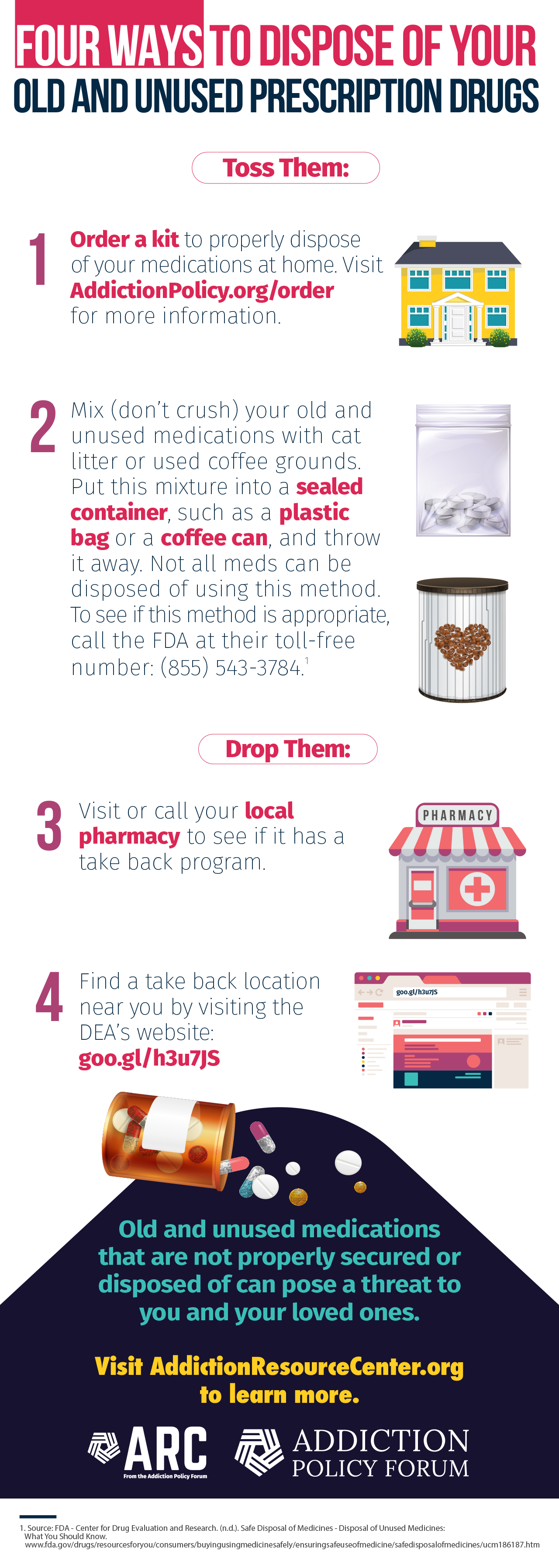
Spring into Action: Dispose of Your Old, Unused Prescription Drugs [Infographic]

2018-03-09T06:01:00

(BPT) – As you spring your clocks forward and jump into spring cleaning, take the time to clean out your medicine cabinet. Old and unused prescription medications commonly sit in medicine cabinets, sometimes for years, and can easily fall into the wrong hands.

Over 11.5 million Americans misused prescription painkillers in the last year and two in three people who use heroin started out misusing prescription painkillers.1 Every day 2,000 teenagers misuse prescription drugs for the first time.2

It only takes a moment to safely dispose of old and unused medications, but it can have a lifelong impact.

Order a free disposal kit today at www.addictionpolicy.org/order.