6 tips to reduce confusion in older patients after surgery

2018-03-12T08:01:01

(BPT) – The longer you live the more likely you will develop a medical condition that requires surgery or a procedure. In fact, half of all people 65 and older will have at least one surgical procedure in their lifetime. And along with common potential side effects from anesthesia during surgery such as nausea, chills or muscle aches and itching, older patients are at risk for confusion or short-term memory loss. But, rest assured, there are steps seniors can take to minimize these side effects.

“The aging brain is more vulnerable to anesthesia and surgery, but there is research that provides guidance to decrease these risks,” said James D. Grant, M.D., M.B.A., FASA, president of the American Society of Anesthesiologists (ASA). “Older patients should talk with their physician anesthesiologist prior to surgery about their entire medical history and any memory problems they’ve had in the past, so an anesthesia plan can be developed that ensures their safety and reduces the chance of side effects or complications.”

Two anesthesia-related surgery risks more common in older people include:

Postoperative delirium — This is a temporary condition that causes the patient to be confused, disoriented, unaware of their surroundings and have problems with memory and paying attention. It may not start until a few days after surgery, comes and goes, and usually disappears after about a week.

Postoperative cognitive dysfunction (POCD) — This is a less well understood but more serious condition that can lead to long-term memory loss and make it difficult to learn, concentrate and think. Because some of these problems are already common in elderly people and may be the sign of an underlying long-term cognitive decline, the only way to determine if a patient actually has POCD is to conduct a mental test before surgery.

Researchers in anesthesia care continue to study and learn more about these conditions and how to prevent or reduce the effects.

During Patient Safety Awareness Week (March 11 to 17) ASA offers six tips for seniors to help limit confusion after surgery:

1. Ask your physician to conduct a pre-surgery cognitive test — an assessment of your mental function. The physician can use the results as a baseline for comparison after surgery.

2. Be sure your caregiver, a family member or friend stays or can visit with you as you recover, carefully observes your physical and mental activity after surgery and reports anything troubling to your physician.

3. Check with your physician before taking medications after surgery that can affect your nervous system, such as those for anxiety, seizures, muscle spasms or sleep aids.

4. If you wear hearing aids or glasses, ask that they be made available as soon as possible after the procedure.

5. Request a hospital room for recovery with a window if possible, so you can tell whether it’s day or night.

6. If you will be staying overnight in the hospital, pack a family photo, a clock and a calendar, or other familiar objects from home, to help you readjust.

In 2016, ASA launched the Perioperative Brain Health Initiative, which has engaged a multidisciplinary group to work with health care providers, payers and the public to create better access to care that minimizes the impact of pre-existing conditions that may impair mental thinking or intellectual abilities, and optimizes patients’ cognitive recovery and their experience before, during and after surgery for adults 65 and older.

To learn more about preparing for surgery, visit asahq.org/wscpreparingforsurgery. You also can download and print Preparing for Surgery: An Anesthesia Checklist to take with you to visit your physician anesthesiologist prior to surgery, as well as when you go to the hospital or outpatient clinic for the surgery. A brochure on seniors and anesthesia is also available for download. To learn more about the critical role physician anesthesiologists play before, during and after surgery, visit www.asahq.org/WhenSecondsCount.

THE AMERICAN SOCIETY OF ANESTHESIOLOGISTS

Founded in 1905, the American Society of Anesthesiologists (ASA) is an educational, research and scientific society with more than 52,000 members organized to raise and maintain the standards of the medical practice of anesthesiology.

ASA is committed to ensuring physician anesthesiologists evaluate and supervise the medical care of patients before, during and after surgery to provide the highest quality and safest care every patient deserves. For more information on the field of anesthesiology, visit the American Society of Anesthesiologists online at asahq.org. To learn more about the role physician anesthesiologists play in ensuring patient safety, visit asahq.org/WhenSecondsCount. Like ASA on Facebook; follow ASALifeline on Twitter.


Save time in your morning with these kitchen hacks

2018-03-12T07:01:00

(BPT) – It happens: You hit the snooze button once, twice, then three times, so when you’re finally showered, dressed and ready to tackle the day, you’re already behind schedule. Oftentimes that causes you to skip breakfast completely.

Turns out, your breakfast habit is one time-saving step that should not be skipped. First off, eating a nutritious, high-protein, balanced breakfast every morning is a proven way to kick-start your brain, improving concentration and performance. Plus breakfast is linked to better weight control, as it provides your body energy and may reduce hunger later in the day.

Change up how you approach your morning meal and test some of these chef-inspired time-saving tricks and shortcuts in the kitchen.

Put away the knife and grater: Grocery stores are waking up to the fact that customers love preparing delicious foods at home, but they don’t love the time it takes to chop and peel. Let the grocery store take on the “sous chef” role, and explore your produce section for inspiration. Pick up a container of sliced fruit and peeled eggs, and you’ll have a grab-and-go breakfast. When you have extra time, pre-chopped veggies and grated cheeses will complete your omelet station in no time.

Pull out your slow cooker: The slow cooker is a must-have tool for anyone wanting to save time in the morning. Just pop in some oats, measure the water and add a cinnamon stick, and you’ll wake up to the sweetly scented aroma of a hot, comforting breakfast. Otherwise, hop online and discover other surprisingly easy overnight breakfast ideas, including egg casseroles and quick breads.

Find ways to consolidate: One of the frustrations of cooking is how recipes sometimes layer in multiple steps that leave you with a sink full of dirty pans and utensils to scrub. Minimize the mess and look for one-pot recipe options. Do all the sauteing and simmering in one Dutch oven or stockpot, setting aside the cooked ingredients as needed.

Keep it real: A photo-worthy homemade breakfast is always a treat, but all you need are a handful of simple ingredients to create an inspired breakfast, with minimal prep and cooking time. For example, apples, quinoa and a few warm spices are all you need to make an unexpected but protein- and fiber-packed breakfast entree. Even better, opting for a boil-in-bag option like Success Tri-Color Quinoa gives you amazing cooked quinoa that’s ready for the apple topping in just 10 minutes. Not to mention, Success Quinoa is gluten-free and 100 percent whole grain.

Apple Cinnamon Breakfast Quinoa

Serves 2

Ingredients:

1 bag Success Tri-Color Quinoa

1 cup apple juice

2 tablespoons unsalted butter

1 tablespoon brown sugar

1 large apple, cored and sliced

1 tablespoon maple syrup

1/4 cup dried cranberries

1 tsp ground cinnamon

1/4 cup walnuts, optional

1 cup vanilla yogurt, optional

Directions:

Prepare quinoa according to package directions, adding apple juice to water.

Melt butter in a medium skillet over medium-low heat. Add brown sugar, apple, maple syrup, dried cranberries and cinnamon. Cook, stirring occasionally, until apples are just tender, about 5 minutes. Stir in nuts, if desired. Serve quinoa topped with apple mixture and yogurt, if desired.


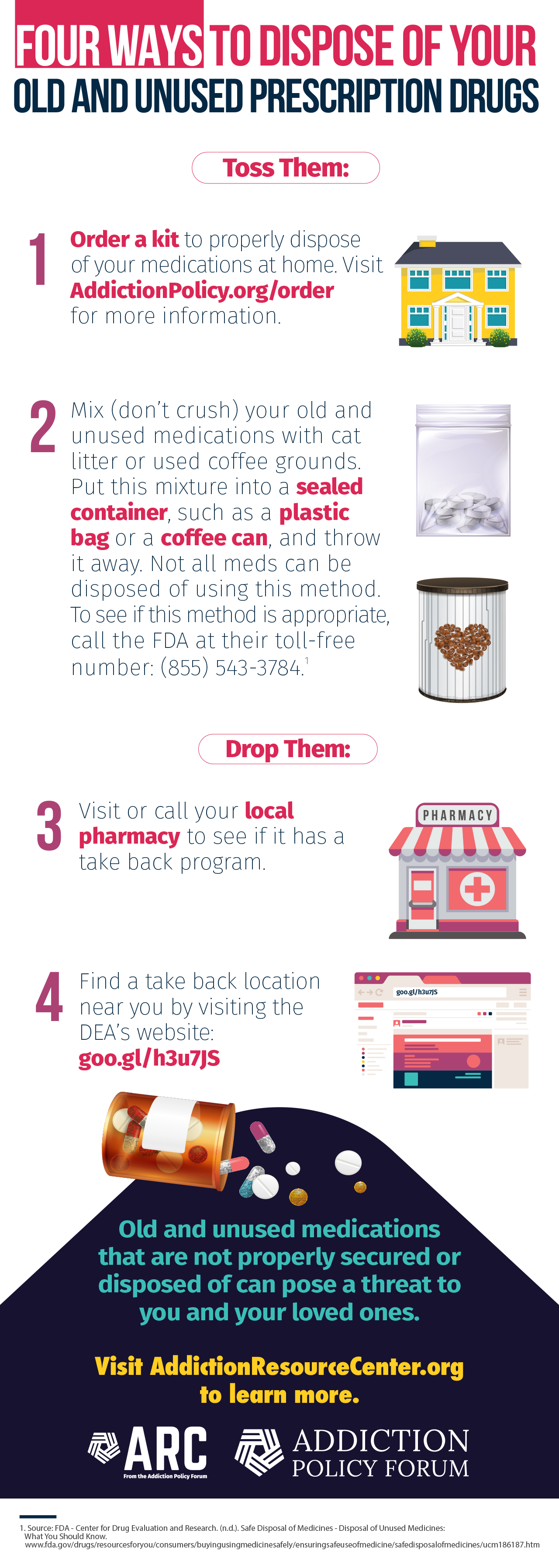
Spring into Action: Dispose of Your Old, Unused Prescription Drugs [Infographic]

2018-03-09T06:01:00

(BPT) – As you spring your clocks forward and jump into spring cleaning, take the time to clean out your medicine cabinet. Old and unused prescription medications commonly sit in medicine cabinets, sometimes for years, and can easily fall into the wrong hands.

Over 11.5 million Americans misused prescription painkillers in the last year and two in three people who use heroin started out misusing prescription painkillers.1 Every day 2,000 teenagers misuse prescription drugs for the first time.2

It only takes a moment to safely dispose of old and unused medications, but it can have a lifelong impact.

Order a free disposal kit today at www.addictionpolicy.org/order.


5 simple ways to jump-start fitness goals

2018-03-19T08:01:00

(BPT) – Fitness is central to your well-being and ability to enjoy life to the fullest, however it’s easy to get stuck in a rut. How do you find new interest and motivation so you’re ready to maximize the warm weather months?

Dan Gaz, physical activity and assessment program manager at the Mayo Clinic Healthy Living Program, says there are many things people can do to get a jump-start on their health and wellness.

“Fitness doesn’t have to be complicated or boring,” says Gaz. “There are many creative ways to implement fitness activities into your life that are both fun and invigorating.”

Gaz suggests five simple ways to get a jump-start on summer fitness and energize your workout routine:

Try something new

Gaz says getting outside your comfort zone can be beneficial to your health. “Trying something new helps keep your fitness plan fresh. Plan a visit to the local farmers market to pick up produce. Sign up for a 5k run, or look at your local community education or rec center class catalog and sign up for activities. The social dynamics of these types of events benefit mental as well as physical health.”

Get outside

“Getting outdoors is rejuvenating,” Gaz says. “Taking a walk in nature is a nice change of pace that is good for the body and mind.” You can go for a walk, run or take a stroll around a local park. “Just being outdoors shakes things up and you may find higher levels of energy as you breathe in the fresh air. Plus, getting a daily dose of vitamin D from the sun does the body good.”

Bring friends

“It’s no secret when you work out with other people they tend to hold you accountable, but there’s also more benefit than just that,” says Gaz. “When you take an exercise class, join a running club or biking group, you may end up pushing yourself harder. The people next to you become your exercise advocates and suddenly, you’ll have the desire to keep up and do more. This can accelerate reaching your fitness goals.”

Rethink commuting

“Anything you can do to break up the monotony of sitting is a good thing.” Try being creative in commuting and how you travel throughout the day. “If possible, walk or bike to work or the grocery store. You can also take the bus, get off a couple blocks early and walk the rest of the way. A little planning ahead of time can help you accomplish multiple things at once: You’re getting exercise, completing an errand and reducing your carbon footprint.”

Be purposeful

“You may only have a few minutes a day to dedicate to exercise, but that doesn’t mean you can’t make a big impact,” says Gaz. “Being purposeful with your choices is important. For example, use intervals in your workout routine to maximize outcomes. If you enjoy walking, do a brisk 30 or 60 seconds, then walk slower for the same period of time before pushing yourself again. This type of interval training is simple, yet highly effective. It works similarly for other activities like swimming, biking and running.”

To find more tips about improving your health with creative approaches to exercise or to set up a visit with a wellness expert, visit healthyliving.mayoclinic.org.


10 easy ways to eat healthier

2018-03-08T15:01:00

(BPT) – If you’re indulging in too many break room snacks or swinging by the drive-thru after work, you’re not alone. With such a busy life, it’s easy to grab something quick and unhealthy on the go. But, the good news is, it’s also easy to make changes in your diet that will reap powerful health benefits in no time.

Here are 10 easy ways to eat healthier:

Start small. You don’t have to completely overhaul your diet in a day. Start with small things, like taking your lunch to work instead of eating out, cutting down on soda or getting a new cookbook of healthy recipes to inspire you.

Plan your meals. On the weekend, plan your breakfasts, lunches and dinners for the upcoming week, and then head out to the grocery store, and do your shopping so you’ll have everything you need on hand.

Cook at home. When you eat out, even when opting for the “healthy” items on the menu, you could be getting hidden doses of salt, sugar and fat. When you cook at home, you can control exactly what you’re eating, down to the nutrient. It’s healthier for your pocketbook, too.

Explore your health insurance discounts. Many health plans offer resources, discounts and incentives for leading a healthier life. Participating Blue Cross and Blue Shield (BCBS) companies, for example, have the Blue365 program, which features a variety of health and wellness products and services. Members can save everyday on online deals, including discounts on Retrofit private weight-loss programs, Jenny Craig, Nutrisystem, healthy cookbooks by Holly Clegg, and more.

Eat the rainbow. Colorful foods are packed with nutrients. Red foods help heart health and improve memory. Orange foods are good for your eyes, yellow foods help with digestion and brain function, purple foods are powerful antioxidants and green foods are good for your eyes, musculature, bones and teeth. All fight cancers. And they’re pretty on the plate. Win-win!

Slash the sodium. Lowering your sodium intake can help lower your blood pressure and get rid of water weight. But it’s not as easy as putting down the salt shaker. Sodium lurks in places you’d least expect it. Some surprisingly high-sodium foods: raw chicken (if it’s been pumped up with a solution), pre-cooked frozen shrimp (usually processed with salt), condiments like ketchup and mustard, smoked anything and cottage cheese.

Watch your sugar. Too much sugar leads to weight gain, abdominal obesity, low HDL and high LDL, elevated blood sugar and a whole host of other problems. But like salt, sugar can hide in foods you might think are healthy, including instant oatmeal, jarred pasta sauce, smoothies, flavored yogurt and salad dressing. A good rule of thumb: Read the label, and if it has a double-digit sugar count, ditch it.

Meatless Mondays! Going vegetarian one day a week is a great way to get more veggies into your diet. Swap the burger for a plate of grilled or roasted veggies drizzled with balsamic vinegar or a big, colorful salad. Just don’t pack on the refined carbs like white bread, pasta or potatoes in place of the meat.

Eat anti-inflammatory, antioxidant-rich foods. Antioxidants protect your cells from free radicals, and eating foods rich in them slows aging, gives you healthier skin, a longer lifespan and reduces cancer risk. Berries, nuts and seeds, fish, olive oil, broccoli and green leafy veggies are antioxidant powerhouses.

Practice mindful eating. Go all Zen with your food. Focus on what you’re eating, how you’re nourishing your body, and how much you enjoy the taste of the food. Eating at your desk, in the car or in front of the TV makes it more likely you’ll overeat.

For more information about how Blue365 can help you get healthier, visit www.blue365deals.com.

About Blue Cross Blue Shield Association

The Blue Cross and Blue Shield Association is a national federation of 36 independent, community-based and locally operated Blue Cross and Blue Shield companies that collectively provide health care coverage for one in three Americans. BCBSA provides health care insights through The Health of America Report series and the national BCBS Health Indexsm. For more information on BCBSA and its member companies, please visit BCBS.com. We also encourage you to connect with us on Facebook, check out our videos on YouTube, follow us on Twitter and check out our blog.

Blue365 offers access to savings on health and wellness products and services and other items that may be purchased from Blue365 Vendors, which are different from covered benefits under your policy(ies) with your local Blue Company, its contracts with Medicare, or any other federally-funded healthcare program. To find out what is covered under your policy(ies), contact your Blue Company. The products and services described on Blue365’s website are neither offered nor guaranteed under your Blue Company’s contract with the Medicare program. In addition, these products and services are not subject to the Medicare appeals process. Any disputes regarding your insurance products and services may be subject to your Blue Company’s grievance process. BCBSA may receive payments from Blue365 Vendors. Neither BCBSA nor any Blue Company recommends, endorses, warrants, or guarantees any specific Blue365 Vendor’s product or service available through the Site.

*Note to Editors: Blue Cross and Blue Shield companies participating in Blue365 are in the following states: AZ, AR, DC, DE, FL, IL,IA, KS, LA, MA,MD, MI, MO, MT, NC, NE, NJ, NM, NY,OK, PA, SC, SD, TN, TX, VA, WV, Puerto Rico and the Virgin Islands. The Blue Cross and Blue Shield Federal Employee Program® also participates in Blue365.



Mindful eating: 5 ways millennials are driving healthier diets

2018-03-16T12:01:01

(BPT) – As millennials become more conscious of how their diets affect their daily well-being, they’re driving demand across all generations for greater transparency in the food supply chain. They want to know how their foods were raised, sourced, processed and prepared.

“Sometimes, food is more than food,” report authors of a Nielsen study, indicating 75 percent of adults worldwide think they “are what they eat” and nearly 80 percent use foods to forestall health and medical issues.

Cargill recently conducted a Feed4Thought survey related to how these millennial-driven trends are shaping values related to food — and buying behaviors — for people of all ages.

1. Buying food based on how animals were raised

With ample space to graze, these grass-fed cattle yield healthier, more ethically raised meat.

Consumers report being three times more likely to purchase protein if they know it was raised with natural health supplements. And 58 percent of U.S. consumers are more concerned about food animal welfare now than they were just a few years ago, according to a recent report by researcher Packaged Facts.

2. More emphasis on gut health

Many prioritize eating foods rich in “good bacteria.”

Nutritionists are increasingly learning about the role of the stomach and its microorganisms in maintaining our health. The foods we digest reportedly have a profound effect on our balance of “good and bad bacteria,” the soundness of our immune systems and our brain’s release of feel-good chemical serotonin, according to the NCBI. And supplements can be effective as well. In the Cargill survey, 80 percent of respondents report adjusting or supplementing their diets to achieve better gut health.

3. A desire for animals to use the same health supplements humans do

Farmers discuss the health of their livestock.

Millennials want to know the origins of their food, and that includes understanding what their meat sources have been fed. A December survey found 62 percent of millennials prefer their animal proteins to have been raised with the same supplements ingested by humans — like probiotics, plant extracts and essential oils. “People want natural, wholesome and sustainable ingredients,” notes Chuck Warta, president of Cargill Premix and Nutrition. “We’ve seen a rise in the popularity of digestive health supplements for humans, echoed in the demand for protein raised with natural supplements.”

4. Bigger emphasis on protein

Consumers are eager to learn about a variety of protein sources.

Eighty-seven percent of U.S. millennials (and 99 percent of those who are college grads) consider protein important to their diets, says one study. And worldwide, a Nielsen report found 34 percent of millennials rate high amounts of protein a very important element in their decisions of which foods to buy. Nutritionists are finding new ways to meet the increased demand for proteins to address the growing world population and their desire for protein-rich diets.

While millennials have been the forerunners in driving new and healthier dietary trends in recent years, their initiatives have spread across all generations to improve awareness and make us all more conscious of exactly what we’re eating.

“It’s important for the animal agriculture community to remain in touch with food trends so we can continue to provide the choices consumers demand,” concludes Hannah Thompson-Weeman of the Animal Agriculture Alliance.

Cargill, a longtime leader in producing sustainable and wholesome foods, recently acquired two companies that specialize in natural, research-proven animal feed products. Read more about the company’s “Feed4Thought” survey at Cargill.com.


Have 5 minutes? Easy tips for finding moments of Zen

2018-03-08T08:01:00

(BPT) – From work to working out, kids’ activities to household tasks and so much more, modern life has never been busier. The problem is hectic schedules can lead to unnecessary stress.

If you’re one of the many people who feel frazzled on a regular basis, you’re probably longing for a vacation or a day at the spa. Fortunately, there are plenty of easy ways to cut stress that you can sneak into everyday life. From mealtime to bedtime, if you start embracing small moments to be more mindful, you’ll be surprised how fast you can cut down on overall stress.

Here are five simple examples of how you can find your own moments of Zen today:

1. Take a 5-minute walk.

Whether it’s getting fresh air or just getting yourself moving, a change of place and pace can reduce stress and give you a few moments to relax, especially during hectic times. For example, take a 5-minute break while dinner’s cooking to walk around the block. Weather not right for a walk? Give your body a quick stretch with an at-home yoga session.

2. Find quick-and-easy solutions.

If making dinner for your family seems like a daunting task, choose quick-and-easy options designed to take the hassle out of meal prep, like SeaPak’s Shrimp Scampi or Popcorn Shrimp. The frozen food aisle is a great place to begin your journey toward finding your happy place in the kitchen. Here, you can find a variety of products that taste great and require minimal prep work, so you can dedicate more time to doing the things you love, like spending quality time with your family.

3. Choose quality over quantity.

Make the most of your time each day by being intentional with your activities. Whether it’s playing a new board game with the kids after dinner or watching a TV show with your spouse, small quality moments can help you relax and enjoy yourself and your family when at home.

4. Take time to reflect.

When using great-tasting, low-hassle products like SeaPak to make dinner, you’ll be spending way less time in the kitchen. Take those extra moments to reflect on everything you accomplished during your day or week. This will help give you a sense of pride and is a real confidence-booster.

5. Break from technology.

Take a break from technology, even if it’s only for 5 minutes. Set down your phone, turn off the television and step away from all electronics. Just giving your mind a break from the active world of technology can reduce stress and help you mentally reset, especially during mealtimes, where being present is particularly important.

These are just five simple examples, but moments of Zen can be found anywhere if you take the time to look for them. Remember, the little moments are what make the biggest impact in life, and by embracing mindfulness, you’re setting the stage to be able to focus on what really matters.


Travel insurance tips for a worry-free vacation

2018-03-26T08:01:00

(BPT) – Vacation may be a time to relax, but things can take a serious downturn if you lose your passport or if there is disastrous weather at your destination — or worse, you need an emergency medical evacuation. Though travel insurance can seem like just one more expense, without it, an emergency evacuation can cost over $100,000!

Travel insurance is a simple way to protect your belongings and minimize losses. Angela Wong of USAA Travel Services says, “Travel protection, offered through companies like Travel Insured International, provides travelers with that extra peace of mind so that they’re covered should the unexpected happen while away from home.”

To get a quote, you will need the following information:

* Number of travelers

* Age of travelers

* Trip dates

* Overall trip cost (which includes pre-paid, non-refundable expenses such as accommodations, airfare, cruises, tours and excursions)

Tip: To compare quotes and make more sense of them, divide the quote by the number of days you’ll be traveling to get the cost of coverage per day.

In most cases, the chances are that your travels will go without a hitch. However, if they don’t, you could be in real financial trouble. Wong adds, “Benefits often provide coverage for emergency evacuation, trip cancellation and interruption protection, medical insurance and baggage insurance.”

* Trip cancellation or interruption: With trip interruption coverage, you’ll have the money to refund the expenses of a new return ticket or to stay in a comfortable hotel.

* Emergency illness or injury: With travel medical coverage, you won’t be paying a huge medical bill. You’ll also have assistance services — in your own language — to locate a suitable medical facility and arrange transportation.

* Baggage delay, loss or theft: With coverage for delayed bags, you can relax. You’ll also be reimbursed for the essential items you need to start enjoying your trip.

* Bankruptcy of travel supplier: You’ll be able to recoup your expenses and reschedule your vacation.

* Weather-related delay: With protection against weather damage, you’ll be able to recover your pre-paid costs while travel assistance services will help you arrange a vacation to a new location.

With these coverage options, it is important to be upfront about pre-existing conditions and read the fine print to understand what you’re paying for. Remember: Don’t pick one just because it’s cheap; make sure you understand your needs and purchase one that makes sense.

While people understand the importance of travel insurance, they don’t often understand how it works. It’s really quite easy and no different than auto or home insurance. If an incident occurs, just contact your travel protection provider and start a claim to receive reimbursement and assistance.

At the end of the day, a vacation is about spending time with loved ones, unwinding from the daily routine and making happy memories. It’s not about worrying endlessly about all the things that could go wrong. Therefore, when it comes to protecting ourselves and our precious belongings, we shouldn’t think twice about travel insurance — it’s a must.

For more information on travel insurance coverage and to request a quote, visit USAA Travel or Travel Insured International.


Tips to get you in the baby-making mood

2018-03-23T17:01:00

(BPT) – “For many women, getting pregnant can be a frustrating and anxiety-filled experience. It certainly was for me, which is why I was inspired to write ‘The Impatient Woman’s Guide to Getting Pregnant,'” said Jean M. Twenge, Ph.D, whose book offers tips for women trying to conceive (TTC) so they are empowered to effectively navigate the fertility journey.

Try the following tips:

1. A good rule of thumb is to get off the pill three months before trying to conceive if you have been on it for less than a year, and six months prior if you have been on it for over a year.

2. Make friends with your ovulation cycle. Between a third and two-thirds of women under age 35 who are aware of their five-day fertile window are able to conceive in their first month of trying. Find this window by using a fertility monitor, ovulation predictor kits, charting or by leveraging all three. Consider a test like the First Response Ovulation Test so you’ll know exactly when to get busy.

3. If you’ve been having ovulation-focused sex for over three months and still haven’t conceived, keep calm and consider convincing your partner to get a quick and easy sperm analysis. This “male factor” or sperm issue comprises nearly half of all fertility issues.

4. Adjust your diet for optimal fertility. Incorporate fertility-boosting foods such as vegetables, fruits, whole grains, fish, soy foods and olive oil. Avoid trans-fats and partially hydrogenated oil, found in frosting and some baked goods. These are so bad that the FDA just outlawed them. Food companies have three years to comply, so, for now, you have to police yourself.

5. Many studies show that taking prenatal vitamins, with important nutrients like folic acid, vitamin B6 and DHA, increases your chances of getting pregnant quickly. Omega 3 fatty acids (fish oil) have been linked to better embryos in IVF, positive brain development and higher IQs. There is also strong evidence that prenatal vitamins lower the chance of birth defects of the brain and spinal cord, so begin taking them immediately, even if you’re just thinking about becoming pregnant. Ask your medical provider about a prescription vitamin like OB Complete Petite since the variety of over-the-counter vitamins can be confusing. It’s sugar-, gluten- and lactose-free and has 1,000 mcg or 1 mg of folic acid.

6. Contrary to popular belief, having sex every day doesn’t lower sperm count, so, feel free to have as much sex as you please, and enjoy it. But, if you are dry, use Pre-Seed, a sperm-safe lubricant developed specifically for couples who are trying to conceive. Pre-Seed is pH balanced and isotonic to mimic a woman’s fertile fluids and the pH of sperm, allowing them to swim freely on their journey to fertilization.

7. Cut the caffeine. Non-smoking women who consume about 2-5 cups of coffee per day cut their fertility by 12 percent. Consuming caffeine has an even worse effect on male fertility, where having 5 cups of coffee a day will cut his fertility in half. An alternative to getting more energy? Try getting a full eight hours of sleep — it will enhance your mood and your health.

8. Soak up the sun. Sunlight causes your skin to generate vitamin D, which has been linked to fertility. Sit outside for 15-30 minutes without sunscreen a few times a week in the afternoon. This will also help you sleep.

9. When you think you may be pregnant — the earlier you know, the better. Several scientific studies show that the First Response Early Result Pregnancy Test detects the smallest amount of the pregnancy hormone HcG — so it can tell you sooner than any other test. The sooner you know you’re pregnant, the faster you can begin making healthy pregnancy choices for yourself and your baby that include diet and limiting exposure to hazards. To be extra sure of the result when it matters most, First Response Triple Check offers three unique pregnancy tests all over 99 percent accurate in one convenient combination kit.

If you are feeling anxious or overwhelmed about getting pregnant, more information lies within “The Impatient Woman’s Guide to Getting Pregnant.” Besides planning on incorporating these tips into your daily life, here are two things that you can do right now: Take a supplement of 1,000 mg of fish oil a day and learn the relaxation technique of deep breathing to ease anxiety. You’re about to start your trying to conceive (TTC) journey. Enjoy the ride.