Your favorite Disney princesses are being re-imagined in modern romances

2024-05-16T08:01:01

(BPT) – Disney lovers: Ever pictured Ariel in modern-day Manhattan? How about Belle in California? What might your favorite heroines be up to in our world?

The Meant to Be collection of romance novels from Disney Publishing Worldwide’s Hyperion Avenue imprint gets deliciously lost in this notion. Written by bestselling authors, the Meant to Be books are contemporary, escapist rom-coms with a twist: They’re inspired by the Disney movies that a whole generation grew up loving.

These books aren’t simple retellings of the stories of Ariel, Belle, and more — they are re-imaginings. Each of the four titles takes a beloved character and weaves them into an entirely new, deeply romantic, utterly modern tale. Ariel is a world-famous singer in a rock band. Isabelle (Belle) works in publishing. Cindy (Cinderella) is an aspiring shoe designer. And the newest in the series, Tangled Up in You, finds Ren (Rapunzel), with her cascading blonde hair, starting college after being raised off the grid.

Written by the romance powerhouse duo Christina Hobbs and Lauren Billings, who have published 19 New York Times bestselling novels under the pen name Christina Lauren, Tangled Up in You will be released June 25, 2024.

“We hope you can feel our love for this story in every page of this book, and that our take on this beloved tale inspires the same kind of joy and comfort we felt that very first time we fell in love with Tangled,” say the authors.

These contemporary rom-coms are aimed at romance readers, Disney fans and anyone who wants a fun, romantic escape.

Here’s a peek inside these modern fairy tales.

Tangled Up In You by Christina Lauren

She has a dream. He has a plan. Together they’ll take a leap of faith.

Ren has never held an iPhone, googled the answer to a question, or followed a crush on social media. What she has done: Read a book or two, or three (OK, hundreds). Taught herself to paint. Built a working wind power system from scratch. But for all the books she’s read, Ren has never found one that’s taught a woman raised on a homestead and off the grid for most of her 22 years how to live in the real world. So when she finally achieves her lifelong dream of attending Corona College, it feels like her life is finally beginning.

Fitz has the rest of his life mapped out: Graduate from Corona at the top of his class, get his criminal record wiped clean, and pass himself off as the rich, handsome player everyone thinks he is. He’s a few short months from checking off step one of his plans when Ren Gylden, with her cascading blonde hair and encyclopedic brain, crashes into his life, and for the first time Fitz’s plan is in jeopardy.

But a simple assignment in their immunology seminar changes the course of both their lives, and suddenly they’re thrown out of the frying pan and into the fire on a road trip that will lead them in the most unexpected directions. Out on the open road, the world somehow shifts, and the unlikely pair realize that, maybe, the key to the dreams they’ve both been chasing have been sitting next to them the whole time.

Available June 25.

Kiss the Girl by Zoraida Córdova

A modern tale of unexpectedly falling in love and finding your voice.

Ariel del Mar is one of the most famous singers in the world. On stage, wearing her iconic red wig and sequined costumes, staring out at a sea of fans, is where she shines. Anyone would think she’s the girl who has everything. But lately, she wants more.

Then Ariel crosses paths with Eric Reyes, dreamy lead singer of an up-and-coming band. Unaware of her true identity, Eric spontaneously invites her on the road for the summer. And for the first time in her life, Ariel disobeys her father — and goes with him.

Caught between the world she longs for and the one she’s left behind, can Ariel follow her dreams, fall in love, and, somehow, find her own voice?
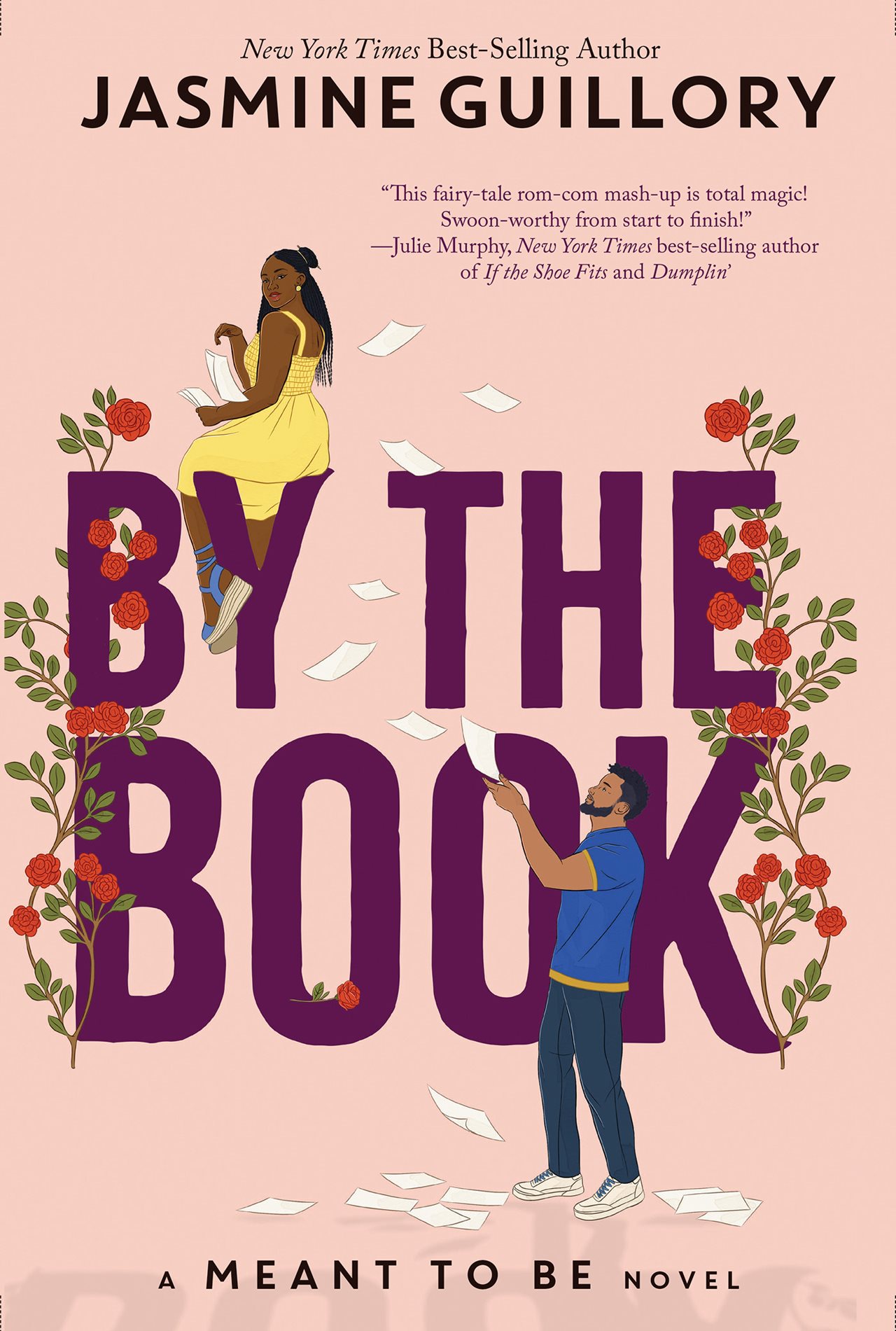
By the Book by Jasmine Guillory

Sometimes to truly know a person, you have to read between the lines.

Isabelle is completely lost. When she first began her career in publishing after college, she did not expect to be 25, still living at home, and one of the few Black employees at her publishing house. Overworked and underpaid, constantly torn between speaking up or stifling herself, Izzy thinks there must be more to this publishing life. So when she overhears her boss complaining about a beastly high-profile author who has failed to deliver his long-awaited manuscript, Isabelle sees an opportunity to finally get the promotion she deserves.

But Izzy quickly finds out she is in over her head. Beau Towers is not some celebrity lightweight writing a tell-all memoir. He is jaded and withdrawn and — it turns out — just as lost as Izzy. But despite his standoffishness, Izzy needs Beau to deliver, and with her encouragement, his story begins to spill onto the page. They soon discover they have more in common than either of them expected, and as their deadline nears, Izzy and Beau begin to realize there may be something there that wasn’t there before.

Best-selling author Jasmine Guillory’s achingly romantic reimagining of a classic is a tale as old as time … for a new generation.

If the Shoe Fits by Julie Murphy

If the shoe doesn’t fit, maybe it’s time to design your own.

Cindy loves shoes. A well-placed bow or a chic stacked heel is her form of self-expression. As a fashion-obsessed plus-size woman, she can never find designer clothes that work on her body, but a special pair of shoes always fits just right.

After having just graduated with a degree in shoe design, and trying to get her feet on the ground, Cindy is working for her stepmother, who happens to be the executive producer of America’s favorite reality show, “Before Midnight.” When a spot on the show needs filling ASAP, Cindy volunteers, hoping it might help jump-start her fashion career, or at least give her something to do while her peers land jobs in the world of high fashion.

Turns out being the only plus-size woman on a reality dating competition makes a splash, and soon Cindy becomes a body positivity icon for women everywhere. What she doesn’t expect? That she may just find inspiration — and love — in the process. Ultimately, Cindy learns that if the shoe doesn’t fit, maybe it’s time to design your own.

Best-selling author Julie Murphy’s reimagining of a beloved fairy tale is an enchanting story of self-love and believing in the happy ending each and every one of us deserves.

To get lost in these romantic, modern fairy tales written by bestselling authors, visit your local bookstore or order online here.


Marine & College Student Charts his Own Path to Success through Community Builder Scholarship

2024-05-16T08:01:01

(BPT) – Students with the drive, enthusiasm and commitment to improve their communities can take those qualities even further, with some support. That’s the main idea behind the Frito-Lay Community Builder Scholarship, which awarded $25,000 each to students who demonstrate a passion for leading and uplifting their local communities, contributing to a brighter future.

“As a first-generation college student myself, I received a life-changing scholarship while pursuing my degree,” said Jesus Gutierrez, Frito-Lay North America DEI HR manager. “I know the impact this scholarship will make on these students, who are pioneering change through their passions — and I expect their commitment to their community to continue beyond school.”

As one of a diverse group of employees on the scholarship judging committee, Gutierrez also had the opportunity to help surprise one of this year’s recipients, college student and U.S. Marine Corps Sergeant Ramon Perez.

While attending college and fulfilling demanding duties in the Marine Corps, Ramon Perez of Rochelle, New York, also volunteers with his local Boys & Girls Club and Big Brothers, Big Sisters. He began volunteering in high school, discovering he could make an impact on his community through mentorship.

“It’s cool to have somewhere to feel safe,” said Perez. “I felt like I had that safe place at the Boys and Girls Club. I want to continue to impact my community as a volunteer and make it a better place for everyone.”

He learned about giving back as young as 10 years old, when he joined his father on annual road trips from New York to Mexico with a truckload of donations for his extended family’s community. His father instilled in Perez his dedicated work ethic and commitment to family.

To chart your unique path to success, while balancing, work, school, service and positively impacting your community, Perez offers this advice:

Be transparent about your schedule. When juggling commitments, communication is key in meeting your goals and showing everyone your dedication. For example, when he had a weeklong training for the Marines, he worked with his college professor to share a recording of his presentation ahead of time.

Find advocates and allow them to champion you. Working together with instructors and mentors has been crucial for Perez being able to succeed in several arenas.

Maximize your time. “Ask yourself when you can multitask,” Perez said. “For example, is your commute a chance to catch up on reading?”

Optimize opportunities. A Veterans Affairs representative helped Perez find available scholarships, which he now pays forward by helping Marines in his platoon apply for scholarships.

Be confident: When applying for scholarships Perez says, “It’s really about selling yourself. This is a skill I learned in the Marine Corps. Once I was plugged into the process, Scholarship America makes finding scholarships easy.”

Perez will be a senior at Baruch College this fall, studying accounting and finance. He wants to get into the financial sector and become a CPA, with the ultimate goal of helping his parents retire.

2024 Community Builder Scholarship Recipients

Mehar Bhasin from Lakeville, Connecticut. Bhasin is passionate about STEM and co-founded the non-profit organization STEAM BLOOM, which has provided over 2,000 students free access to computer science resources. Bhasin will be a sophomore at Dartmouth College this fall.

Jaelyn Hardaway from San Antonio, Texas. Hardaway served on the San Antonio mayor’s Youth Climate Council and was co-founder of the first Antonian branch of Cancer Kids First. She recently organized and led an initiative to deliver personalized care packages to pediatric patients locally and internationally. Graduating high school this year, Hardaway is currently deciding where she will attend college.

Caleb Oh from Gambrills, Maryland. Oh co-founded the non-profit Kid Changemakers when he was just in elementary school. He’s raised thousands of dollars to help support food insecurity initiatives and to help at-risk populations such as foster children and the homeless. He also successfully lobbied state senators to remove the tax on diapers, saving families millions of dollars. Oh will be a sophomore at Harvard University this fall.

“Each student has had their own unique path to finding their purpose through community, education and their personal backgrounds. Based on my experience, I’ve seen the value that diverse thinking and backgrounds can bring to leadership,” said Gutierrez. “What all of these students have accomplished is impressive and inspiring.”

Frito-Lay established the Community Builder Scholarship as part of its commitment to education and the goals of PepsiCo Positive (Pep+). Pep+ is a strategic transformation initiative focused on giving back to the communities Pepsi brands serve. Since 2022, Frito-Lay has provided $600,000 in scholarship funds to students across the country. Learn more at Pepsico.com/our-stories.

Fitness Enthusiast Unexpectedly Finds Cancer through New Screening Test

2024-05-16T06:01:00

(BPT) – Putting Health First

Gym owner and avid fitness enthusiast, Rich, has always prioritized his health. He prides himself on being health conscious, taking steps to maintain his health and keeping up with his annual exams.

After learning about the Galleri® test, a multi-cancer early detection blood test that screens for a “fingerprint” of some of the deadliest cancers before people have symptoms, Rich was interested.

“When I heard the Galleri test screened for cancer, I was very much about that. My wife — a registered nurse — also thought it was a great idea,” said Rich, whose mother passed away of colon cancer.

Rich was able to receive the Galleri test as a benefit from his Nationwide life insurance policy. After speaking with his doctor and obtaining a prescription, Rich moved forward with the test. “I made the appointment, and they did the blood draw. It was as simple as that,” he said.

While doctors can test individually for five specific cancers today, nearly 70% of deaths are caused by cancers without recommended screenings.1,2

The Galleri test is a new proactive tool to screen for cancer. The test looks for DNA shed into the bloodstream by cancers growing in the body. Though there are many types of cancer, these DNA fragments act like a unique “fingerprint” of cancer, which allows the Galleri test to provide direction to a doctor on the cancer’s origin and help guide next steps for diagnosis.3

When Rich received his Galleri test result, he and his wife, Barbara, were surprised to hear it was a Cancer Signal Detected. After a diagnostic evaluation and conversations with his oncologist, Rich was told he had stage three cancer in his head and neck.

“When we found out Rich had cancer, our whole life just turned on a dime. My daughter and I just started crying,” said Barbara.

“But once we learned it was localized and caught early, I felt relief,” Rich recalled. “Because I didn’t have any symptoms, without the Galleri test, we might not have caught my cancer for another six months or a year or longer. If my cancer wasn’t caught when it was, it could have spread and my treatment options could have been more limited.”

Road to Recovery

Rich worked with his oncologist to start treatment and now considers himself on the road to recovery.

“The treatment for cancer can knock you out, and that definitely happened in my case,” said Rich, a self-proclaimed “gym nut.” “It’s going to be a long process to get back to where I was, but I am confident that I’ll conquer it.”

Rich credited Galleri with giving him more control when it came to cancer. Today, he is continuing to focus on his health, including taking other proactive measures to stay healthy, and is thankful for those that brought the Galleri test to him.

Learn More

The Galleri test must be prescribed by a healthcare provider and should be used in addition to recommended cancer screenings such as mammography, colonoscopy, prostate specific antigen (PSA) test and/or cervical cancer screening. It is intended for use in adults with an elevated risk for cancer, such as those aged 50 or older.

The Galleri test does not detect a signal for all cancers, and not all cancers can be detected in the blood. False-positive and false-negative results do occur.

Based on a clinical study of people ages 50 to 79, around 1% are expected to receive a Cancer Signal Detected result, which includes predicted Cancer Signal Origin(s). After diagnostic evaluation, around 40% of people are expected to have a confirmed cancer diagnosis. The overall sensitivity in study participants in head and neck cancer was 85.7% (63.2% for stage I, 82.4% for stage II, 84.2% stage III, 96.0% stage IV).

Learn more at Galleri.com.

Important Safety Information

The Galleri test is recommended for use in adults with an elevated risk for cancer, such as those aged 50 or older. The Galleri test does not detect all cancers and should be used in addition to routine cancer screening tests recommended by a healthcare provider. Galleri is intended to detect cancer signals and predict where in the body the cancer signal is located. Use of Galleri is not recommended in individuals who are pregnant, 21 years old or younger, or undergoing active cancer treatment.

Results should be interpreted by a healthcare provider in the context of medical history, clinical signs and symptoms. A test result of “Cancer Signal Not Detected” does not rule out cancer. A test result of “Cancer Signal Detected” requires confirmatory diagnostic evaluation by medically established procedures (e.g., imaging) to confirm cancer.

If cancer is not confirmed with further testing, it could mean that cancer is not present or testing was insufficient to detect cancer, including due to the cancer being located in a different part of the body. False-­positive (a cancer signal detected when cancer is not present) and false-­negative (a cancer signal not detected when cancer is present) test results do occur. Rx only.

Laboratory/Test Information

GRAIL’s clinical laboratory is certified under the Clinical Laboratory Improvement Amendments of 1988 (CLIA) and accredited by the College of American Pathologists. The Galleri test was developed, and its performance characteristics were determined by GRAIL. The Galleri test has not been cleared or approved by the U.S. Food and Drug Administration. GRAIL’s clinical laboratory is regulated under CLIA to perform high ­complexity testing. The Galleri test is intended for clinical purposes.

_________________________

[1] US Preventive Services Task Force (USPSTF) recommended cancer screening tests, Grade A,B,C. https://www.uspreventiveservicestaskforce.org/uspstf/topic_search_results.

[2] American Cancer Society Cancer Facts and Figures 2022. Available at: https://www.cancer.org/content/dam/cancer-org/research/cancer-facts-and-statistics/annual-cancer-facts-and-figures/2022/2022-cancer-facts-and-figures.pdf. Data on file GA-2021-0065.

[3] Klein EA, Richards D, Cohn A, et al. Clinical Validation of a Targeted Methylation N-Based Multi-Cancer Early Detection Test Using an Independent Validation Set. Ann Oncol. 2021;32(9):1167-1177. Doi: 10.1016/j.annonc.2021.05.806.

Ask your primary care provider about screening for signs of cognitive impairment

2024-05-15T07:01:00

(BPT) – By Dorsey Griffith

In a cruel irony, one of the most significant health challenges facing older Americans is also one of the least diagnosed, especially in the early stages when steps can be taken to slow or better manage decline.

Cognitive decline, a condition that can progress to dementia or Alzheimer’s Disease, is on the rise. An estimated 8 million Americans have mild cognitive decline, and 90% of them don’t know it. As the population of older adults surges, rates of Alzheimer’s disease in the U.S. are expected to skyrocket as well, nearly tripling to 14 million by 2060.

In a busy rural Alabama primary care clinic, Rick Kilgore, a physician associate/assistant (PA), is addressing the disparity by screening every patient over age 50 for signs of cognitive decline or dementia. He’s using a recently developed cognitive assessment screening tool designed for healthcare providers across practice settings. The goal is to improve cognitive screening rates to catch early signs of dementia so that patients can make lifestyle changes to optimize brain health, get referrals to specialists and engage family members or caregivers for support.

“I would estimate that less than 10% of people who go on to develop dementia or Alzheimer’s as older adults are diagnosed with cognitive decline in their 50s or early 60s,” he said. “Usually by the time a family member comes in and says their loved one is having problems, it’s gone beyond losing car keys or forgetting where they parked their car — like forgetting to take their medications. These patients need to be identified earlier so they can take appropriate action, which might include additional tests, lifestyle changes or medications.”

American Academy of Physicians Associates (AAPA) CEO Lisa M. Gables, CPA, says clinicians across the healthcare team, including PAs, are essential to early detection.

“PAs are often one of the first healthcare providers a patient will encounter and are skilled in identifying signs of early cognitive decline in patients and refer them for more testing and treatment,” Gables said. “Just like with other diseases, early detection is critical.”

The cognitive assessment toolkit was developed by the AAPA and Cleveland Clinic with funding from a Davos Alzheimer’s Collaborative (DAC) grant, an initiative of the DAC Healthcare System Preparedness Project. The project aims to advance how healthcare systems worldwide detect, diagnose, treat and care for people with or at risk for Alzheimer’s.

In addition to the patient screening test, the toolkit also allows providers to interpret the findings and differentiate among signs of normal aging, cognitive impairment and dementia. Providers can also discuss abnormal screening results with patients and their caregivers, address any concerns they might have, as well as help them with modifiable risk factors for dementia.

The toolkit also includes resources for patients with information on supporting brain health and wellness.

“The reality is not everyone has to deteriorate,” said Kilgore. “You can slow it down by taking steps like moderate drinking, a healthy diet and daily exercise. My approach is to recommend patients don’t smoke, take walks, read books — don’t be a couch potato. Having good heart function and being mentally sharp are tied closely together.”

The cognitive assessment toolkit was tested at five rural practice sites in Alabama, Idaho, Maryland, Oregon and Tennessee, along with several urban Cleveland Clinic locations. During initial testing, patients 65 and older who were offered a cognitive screening during a yearly wellness exam increased to 100% and those offered a cognitive screening during any type of primary care medical visit increased from 30% to 39%. Eighty-two percent of providers who tested the toolkit said they planned to change their screening practices. The toolkit was officially launched in Fall 2023.

“If patients or their caregivers feel that an individual is showing signs of forgetfulness such as not taking medications, being unable to balance their checkbook or asking repetitive questions, they should alert their provider that the patient may have early signs of cognitive decline,” Kilgore said. “Early screening is important. Even in their 50s, an individual may begin to show subtle changes that can be documented and followed with the screening tools that we have launched within the PA community.”

How to buy a home in a high interest rate environment

2024-05-15T09:01:00

(BPT) – Following years of all-time low mortgage interest rates, 2023 saw rates fluctuate between 6% and 8%, complicating the plans of some homebuyers, particularly those looking to purchase their first home. What many renters who are looking to become homeowners may not realize is that mortgage rates are only one aspect of affordability, which should be viewed as a three-legged stool: home price, mortgage interest rate, and down payment. Even in a challenging interest rate or home price environment, private mortgage insurance (MI) can be used to help low down payment borrowers achieve the American dream of homeownership.

In some markets, high interest rates have cooled the trajectory of home price appreciation; with home sales dropping 18.7% from 2022 to 2023 and the national median home price increasing less than 1% in 2023. This is good news for first-time homebuyers who saw home prices in some markets increase 20% or 30% in prior years.

So, if the home price is within range, how much cash do you need for a down payment? You may think it is 20%, but the truth is, you can qualify for a mortgage with as little as 3% down.

According to U.S. Mortgage Insurers, private MI has helped nearly 39 million borrowers access homeownership with low down payments. Further, private MI helped nearly 800,000 homeowners purchase a home or refinance a mortgage in 2023, with nearly 35% having incomes below $75,000 and more than 64% of those loans going to first-time buyers. In addition, the most common form of private MI, paid monthly by the borrower, helps homeowners begin building equity sooner and is also only a temporary cost that can be cancelled after 20% equity is established. Importantly, once private MI is cancelled, the monthly mortgage payment goes down, unlike loans backed by the Federal Housing Administration (FHA), a government program featuring monthly MI premiums that are generally not cancellable.

Each homebuyer’s finances are different, therefore it is important to do the math before buying a home. Home prices and interest rates impact the monthly cost, but luckily the private MI industry is able to help homebuyers overcome one of the biggest hurdles to homeownership: the need for a large cash down payment.

There is a saying, “date the rate, marry the home.” Borrowers should always stay within their budget, but those who purchase a home now with a low down payment may be able to refinance later when rates decrease. These borrowers can achieve the American dream of homeownership sooner, start to build equity and avoid some competition from other borrowers who are waiting on rates to drop.

If you’re interested in learning more about private MI, visit lowdownpaymentfacts.com to learn more about your homeownership options.

7 essentials for setting your new college grad up for success

2024-05-15T08:57:00

(BPT) – Graduation season is in full swing! As the invitations to grad parties start rolling in, it’s time to consider what might be a truly useful gift for someone embarking on a new phase of life. Money in a slim envelope is the typical default gift but helping your new college grad create a home office for their first job — now that’s the way to ensure they start off on the right foot.

Here are some ideas for stellar gifts that will help your graduate succeed in their brave, new world post-grad:

A gaming laptop. Want to be the hit of the party? Wrap up a gaming laptop for your grad. A gaming laptop like the powerful HP OMEN Transcend 14 gaming laptop has enough oomph like high performance graphics capabilities to handle everything from gaming to creative applications from video editing to engineering programs, equipping your grad with everything they need to be productive and then relax after the workday. It features the Intel Core Ultra processor with native AI processing, an ultra-portable and lightweight design, sleek exterior styling, an OLED screen, and enough performance to get work done and play games at the apartment or on the go.

A new way to print. This is a must-have for every home office. Level up your grad’s tech with a new way to print with the HP All-In Plan. The service combines a choice of a new printer, automatic ink delivery, continuous printer coverage with a dedicated 24/7 live support team, next-business-day replacement in the event of printer issues, and the option to upgrade your printer after two years, so your grad won’t ever have to worry about their printer not working when they need it most. The best part — there’s no up-front cost and plans start as low as $6.99 per month. Bonus tip: they will have the most decked-out apartment with photo printing. And, when paired with that multi-function gaming laptop, your grad is sure to have everything they need for their new home.

An ergonomic chair. Hunching over a computer all day is a recipe for bad posture, fatigue and stress, and isn’t exactly conducive to one’s best work. A good ergonomic chair provides lumbar support, adjustable seating and arm rests, allowing recipients to customize the chair to their needs. It takes the pain out of sitting in front of a computer for long periods of time, which contributes to productivity.

Internet. Consider gifting your new diploma-holder monthly, high-speed internet. They get the service; you pay the bill. Internet service is a necessary, ongoing expense for working at home — and a whole lot more — but it can be difficult to shoulder for people starting out on their own. Taking that monthly expense off of their plate will be a huge relief. Bonus tip: Partner with someone to throw in a streaming service subscription for when your grad wants to relax with a movie.

Lighting. A harsh overhead light can contribute to eye strain and fatigue, especially if there’s glare or if you have an older, fluorescent light that flickers. Soft light from a desk lamp is the answer, and it also can be a stylish addition to the room’s décor. Go shopping with your grad to pick out a style he or she likes that accents the room.

Blue light blocking glasses. Digital eye strain can lead to problems, including headaches, fatigue and even trouble sleeping. Blue light blocking glasses can protect against the blue light emissions from screens that cause digital eye strain. Find several pairs in different styles that can add some fun and flair to the workday, while also blocking those blue light rays.

Storage. Numerous studies, including those from Princeton and Harvard, have shown that a cluttered workspace impedes focus and is a detriment to productivity. Help them combat clutter with storage solutions that will help organize paperwork, files, printer paper, notebooks, pens and anything else related to work or life.

For a young person taking the big step of entering the workforce or getting their first apartment, the journey can be daunting and a little bit scary. Outfitting them with the essentials for hitting the ground running will help set them up for success. By gifting them services like the internet and the HP All-In Plan, you’re putting the essentials on auto-pilot. Bonus tip: Partner with others to offer your grad all of the items on this list of essentials!

7 things your dog wants you to know about separation anxiety

2024-05-14T09:01:00

(BPT) – Have you ever looked at your dog’s big sweet eyes and wondered, “What is going on inside your head?” If your answer is yes, you’re not alone. While your dog can’t communicate with you verbally, you can still pick up on the signs of separation anxiety. The sooner you do, the sooner you can talk to your veterinarian about potential treatments, such as Reconcile® (fluoxetine hydrochloride). Knowing what your furry friend is thinking could help save you both a lot of stress. Here’s what your pup might say about the struggles of separation anxiety.

1. “I hate it when you leave.”

Separation anxiety causes up to 17% of dogs to engage in problematic behavior when left alone, such as when you leave for work or to run an errand.1,2 While some dogs are predisposed to separation anxiety, others seem to develop it out of nowhere. Several things can trigger your dog’s nervous tendencies, such as a change in routine, loss of a family member, or a new living situation. If your dog’s separation anxiety developed suddenly, try pinpointing what may have changed in your life.

2. “When you get overly affectionate, I worry you’re not coming back.”

Dogs are empathetic creatures that can sense when something’s up. When you show an exaggerated amount of emotion before you leave, they can start to freak out.3 You may believe you’re showing love, but your dog sees it as a sign of impending doom — in other words, you walking out the door. To avoid this, remain calm and ignore your dog for 20 to 30 minutes before leaving so you don’t create a heightened state of arousal just prior to your departure.

3. “I destroy things because I feel the need to escape or distract myself.”

The signs that your dog has separation anxiety are often easy to spot. Think of the things that shock you when you get home: chewed-up doorways, torn-up cushions, trash strewn everywhere, or maybe a note from your neighbor saying your pup barked constantly all day.4 If it’s something that rarely happens when you’re home, it could be a sign of separation anxiety.

4. “I’m not misbehaving. I’m scared.”

Your dog isn’t being naughty. Your dog isn’t being spiteful. Your dog is anxious. When left alone, dogs with separation anxiety often feel compelled to escape or do something else to release their nervous energy, which manifests to you as “acting out.” If you arrive home and find a mess, stay calm. Your dog doesn’t realize they did something “wrong.” Never punish your dog for house soiling or destruction — this will only increase the anxiety associated with anticipating your return.

5. “I wish I had something fun to do while you’re gone.”

Keeping your dog occupied when you leave can help alleviate anxiety and keep them focused on something besides your absence. Giving them their favorite toy or treat can help them focus on something other than the stress of you leaving, as well as associate your departure with something wonderful and delicious!

6. “I don’t want to be anxious anymore. Can we work on it together?”

Behavior modification training is an important part of managing separation anxiety in dogs. Following the BOND® training program is a great place to start. BOND stands for: Be Positive, Only Reward Calm Behavior, No More Drama When You Come and Go, and Develop Your Dog’s Independence. These easy-to-follow steps can help build your dog’s confidence and gain a sense of security when alone. To learn more, visit reconcile.com/bond-training-information.

7. “Will you ask my veterinarian about Reconcile?”

Reconcile is a once-a-day chewable tablet and FDA-approved medication commonly used to treat separation anxiety in dogs in conjunction with behavior modification training, like the BOND program. If you think your dog has separation anxiety, talk to your veterinarian about a training plan that includes Reconcile and learn more at reconcile.com.

There is no overnight solution or quick fix for your dog’s separation anxiety. It takes hard work and dedication, but when you approach it with empathy, a challenging situation becomes an opportunity for growth and bonding. Remember, your dog looks to you for guidance and reassurance, so approaching separation anxiety with patience, love, and a proactive mindset will lead to a happier, healthier relationship for both of you. If you think your dog has separation anxiety, speak with your veterinarian today.

1Bamberger M, Houpt KA. Signalment factors, comorbidity, and trends in behavior diagnoses in dogs: 1,644 cases (1991-2001). JAVMA. 2006;229(10):1593.

2Tiira K, Sulkama S, Lohi H. Prevalence, comorbidity, and behavioral variation in canine anxiety. J Vet Behav. 2016;16:38.

3Horwitz DF. In Horwitz D, Mills D (eds). Separation-related problems in dogs. BSAVA Manual of Canine and Feline Behavioural Medicine, 2nd ed. Gloucester, UK: British Small Animal Veterinary Association, 2010.

4Schwartz S. Separation anxiety syndrome in dogs and cats. J Am Vet Med Assoc. 2003;22(11):1526-1532.

IMPORTANT SAFETY INFORMATION: The most common adverse events reported in decreasing order of reported frequency are: decreased appetite, depression/lethargy, shaking/shivering/tremor, vomiting, restlessness and anxiety, seizures, aggression, diarrhea, dilated pupils, vocalization, weight loss, panting, confusion, incoordination, and excessive salivation. Reconcile chewable tablets are contraindicated for dogs with a history of seizures or when used with drugs that may cause seizures. Consult your veterinarian for complete safety information or click here to read the package insert.

The information, tools and material presented on this site are provided for informational and educational purposes only. Please consult your veterinarian for an official diagnosis of canine separation anxiety and to learn more about Reconcile. Click here to read the complete terms and conditions regarding use of this website.

The Milk Bank Challenge: Empowering women to donate breast milk to babies in need

2024-05-14T09:53:00

(BPT) – Did you know women can donate their breast milk to infants in need? It’s a powerful opportunity to have a profound impact on families, yet many women simply don’t know it exists. But there’s a way for lactating women to donate this liquid gold to babies who need it.

It’s called the Milk Bank Challenge. It was created by ConceiveAbilities Surrogacy Agency in 2022, when the worldwide supply of infant formula dropped to dangerously low levels. The goal was to empower lactating women to donate their breast milk to help bridge the gap between formula supply and the number of babies, especially at-risk premature babies, who desperately needed that nutrition.

Since its launch, the Challenge has inspired more than 2,000 women to donate an astonishing 2 million ounces of breast milk to the program. Last year alone, lactating women were inspired to donate 1.3 million ounces of breast milk, 15% of all milk donated nationwide. To give you an idea of the scale of this effort, one single ounce of breast milk can feel a baby in a Neonatal Intensive Care Unit (NICU) for a day.

Spurred on by the Challenge’s success, ConceiveAbilities increased their goal for this year, and the first step toward achieving that is to increase awareness.

That’s where you come in. Whether you know a lactating mother or are one yourself, share this link to the Milk Bank Challenge with other lactating women through email, social media or whatever way works best for you. Once they click through and enter their email address to learn more, you’ll both receive a $5 reward for your time. When women donate, they’ll receive $250 in thanks.

Carrie Anselmo knows how profound an impact donating milk can be to a family with an infant in the NICU. She joined the Milk Bank Challenge and donated 756 ounces. For her, it was personal.

“I have wanted to donate to other NICU families since my son Logan was born as a micro-preemie at 24 weeks,” she said. “We spent 229 days in two different NICUs and we recently graduated! He is a survivor and miracle! I have wanted to give back and help provide NICU babies nutrients they need if the mother cannot.”

“When we set the goal of one million ounces, it seemed lofty, but I never doubted the generosity of these amazing women and their willingness to make such an impactful gift,” said Nazca Fontes, who founded ConceiveAbilities as an egg donation service nearly 30 years ago and has grown it into the most experienced full service egg donor and surrogacy agency. It was founded on the belief that everyone who wants to become a parent, can.

ConceiveAbilities sees lactation as an important component of its All-In Surrogate Care and Compensation Package, recognizing the significance of the fourth trimester in postpartum recovery. The Milk Bank Challenge aligns with the organization’s commitment to sharing valuable information for women during their fourth trimester, including resources on lactation.

Breast milk is a powerful form of nutrition for a growing baby, especially one who has come into this world prematurely and needs a boost. For women who can’t provide it themselves to their own children, donation of this invaluable liquid can be lifesaving in more ways than one. To find out more about the Milk Bank Challenge, or to learn about egg donation, surrogacy or becoming a parent via these methods, contact ConceiveAbilities.

Preparing for the future: What you need to know about life insurance

2024-05-14T05:01:00

(BPT) – While you can’t predict everything life may throw at you, you can still set yourself up for some of life’s uncertainties. One way you can prepare for any situation and provide for your loved ones in the future is through life insurance.

The ins and outs of life insurance can seem complicated and overwhelming, but don’t get discouraged. Boston Mutual Life Insurance Company offers tips and insights to help you identify the best life insurance options that make sense for you and your family. Check out the company’s answers to some of the most common life insurance questions.

What is life insurance?

The basic concept of life insurance is pretty simple. You pay premiums to an insurance company for the length of your policy. When you pass away, the company pays a death benefit to your beneficiaries that can be used for funeral and final expenses, medical bills, credit card bills, mortgage payments, living expenses, and more.

Why do I need life insurance?

A life insurance policy can help you secure your and your family’s future. At its core, life insurance is a key component of a good financial plan and provides peace of mind for you and your loved ones. Many people assume life insurance only covers funeral costs but claims payments can be used for an array of other expenses to relieve family members of having to cover certain outstanding bills after the policyholder is gone.

When should I get life insurance?

A common myth about life insurance is that it’s only for older adults, not for healthy young adults. However, purchasing life insurance while you’re young establishes protection right away before you may even need it. It can also be a smart financial decision because you typically can secure lower premiums when you’re at a younger age.

If you’re a parent or grandparent, consider setting your children or grandchildren up for success by purchasing a whole life insurance policy for them. One idea could be to gift a whole life insurance policy to your child or children (or grandchild or grandchildren) for high school or college graduation. This is a sensible present that builds cash value that can help them plan for their own future.

What are the different types of life insurance?

There are two main types of life insurance policies. Which one you choose will most likely depend on your present and future needs.

  • Whole life insurance is permanent life insurance that provides protection for your entire life and offers financial support through a claims payout to your beneficiary or beneficiaries at the time of your passing. Whole life accumulates a cash value that you can access during your life if needed for certain expenses, such as to buy a home, settle debts, or pay for college.
  • Term life insurance offers financial support for a loss only during a specified period. The premiums may be lower than whole life insurance premiums, but it won’t offer coverage for your entire life. Term also doesn’t accumulate value.

How much life insurance do I need?

Life insurance is not a one-size-fits-all product. How much life insurance you would consider purchasing depends on your age, family situation, and future plans. Luckily, there are a number of options, including riders (or add-on benefits to a policy) that offer you flexibility. The best way to figure out what type and how much life insurance you may need is to talk with a local insurance professional.

Curious about learning more about life insurance options that would fit your needs? Visit Boston Mutual.com for more details.

END-95(ESO)(20/21)

GRTP 04/99

335-5124 3/24

Private car purchases unveiled: Your 8-step guide to a successful transaction

2024-05-13T15:59:00

(BPT) – So, you’re ready to buy your next car. Are you considering going through a private seller? If you haven’t bought a car from a private seller before, you may have some concerns and questions. To help you navigate the private seller market, Autotrader — one of the most comprehensive vehicle marketplaces — offers the following eight tips to help you purchase your next car with ease.

1. Do your research

Before you begin looking at car listings, do your homework. Narrow down which cars fit your needs and lifestyle. Once you have a handful, research common issues and going rates for specific car makes, models and years. Arming yourself with this information will allow you to enter the world of private car sales with confidence.

2. Create a budget

Once you know which cars you’d like, create a budget and stick to it. If you don’t have a clear picture of your finances, take the time to track your income and expenses. Once you know how much money you have to work with, set a realistic price range and see which cars on your list make the cut.

Remember, your car expenses are more than just the monthly loan payment and average monthly fuel costs. You’ll also need to account for car insurance, scheduled maintenance and other related expenses. You can use a handy tool like Autotrader’s monthly car payment calculator to factor in all your costs.

3. Find private seller listings

Locating private seller car listings isn’t as difficult as you may think. Do a deep dive into the classified ads, neighborhood chat boards and online platforms. If you’ve narrowed down your choice to a specific model, a website like Autotrader can help you find options based on a make, model and year.

4. Ask the right questions

When you find a car with potential, it’s time to contact the seller. As you discuss the vehicle, come prepared with a list of questions. During your chat, find out why the owner is selling the car, how long they’ve had it and where they got it. Ask if they can provide a vehicle history report that details any accidents and repair history as well as maintenance history and if any warranties still apply.

5. Arrange a trial run

If the seller answered your questions to your satisfaction, your next step should be setting up an appointment to see the car and get behind the wheel. During your test drive, you can experience how it handles and if the vehicle matches your expectations. Make sure to note any strange noises and odd vibrations.

When meeting with a private seller, insist on meeting in a public place during the day and bring a friend or relative. You’ll feel more secure, and your buddy can help you spot any problems or concerns you may have missed.

6. Schedule a professional inspection

Even if the car seems to be in the exact condition the seller specified, ask to take it to a third party, like your trusted mechanic, for a professional inspection. A professional inspection can help you detect any problems that might not be obvious just by looking at or driving the car. Inspections tend to cost $100-$150, and they’re well worth the cost for your peace of mind.

7. Negotiate price and discuss payment

Negotiating the price of a car can sound intimidating, but it’s a common part of the buying process when purchasing a vehicle from a private seller. Remember, be respectful but firm. Don’t be afraid to walk away if the price is outside your budget or you feel that the car’s condition doesn’t reflect its value.

If you agree to purchase the car, talk with the seller about how they’d like to receive payment. There are many ways you may be able to pay for a car, including cash, certified checks, bank transfers and digital payment platforms, just to name a few.

8. Don’t forget the paperwork!

Finally, make sure all the paperwork is in order. The seller must transfer the vehicle’s title to the buyer to complete the transaction. Check your state’s requirements for bill of sale, car registration, and any applicable taxes or fees.

Simplifying car buying (and selling!)

You can simplify buying from a private seller by using Private Seller Exchange on Autotrader. Private Seller Exchange on Autotrader will verify the seller’s identity, provide a platform to chat with the seller, allow you to schedule a test drive, make offers online, confirm a car’s ownership and accident history, and provide a secure payment platform. Best of all, once you’ve purchased the car, you can use Private Seller Exchange on Autotrader to arrange car pickup or have it delivered to your door!

By using Private Seller Exchange on Autotrader, you can proceed with a private car sale with convenience, security and ease. Sellers can also use the platform to list and sell their cars!

Are you ready to buy your next car? Use these 8 tips to make purchasing from a private seller a breeze. Visit Autotrader.com/Marketplace for more information and to view a “How It Works” video.