Celebrating Resilience and Innovation: Lessons from Small Business Owners

2024-04-24T08:01:00

(BPT) – By Sarah Acton, Chief Marketing Officer, BILL

National Small Business Week rolls around once a year, but the impact that these businesses have on our livelihoods, families, communities and economies is astounding. In fact, 99.9% of American businesses are small and midsize businesses (SMBs). They are engines of our U.S. economy, and essential job creators — accounting for two out of three of all jobs created in the last 25 years, and employing more than 62 million Americans.

But SMBs are more than just the cornerstone of our nation’s economy. These entrepreneurs are also incredibly innovative, resilient and successful. One of my favorite parts about my job is the opportunity to speak with, and learn from, these entrepreneurs.

Whether you’re just starting out, or you’re running an established business, here are some of the best tips and advice I’ve learned from SMB leaders on how to be resilient and successful.

1. Harness the Power of Your Network

Don’t underestimate the strength that lies in your network. Knowing when and how to ask for help is a superpower. It’s about building bridges, fostering collaboration, and embracing the collective wisdom of your community.

Take Kreyòl Essence, a skin and hair care brand that harvests castor oil from Haiti. They were catapulted into the national limelight after their appearance on Shark Tank. While that was an incredibly valuable experience, Stéphane B. Jean-Baptiste, COO and Co-Founder, told me that a real key to success for them was building their network. They looked to their network for advice on everything from how to beef up their supply chain to what to expect when you’re scaling quickly.

Their network also led them to BILL, which helped them automate and streamline their financial operations. “Your network is a treasure trove of knowledge and solutions; reaching out can transform your business,” Stéphane told me, demonstrating that effective networking can lead to solutions that drive growth.

2. Maximize the ROI of your most valuable asset – YOU

Almost every SMB leader I speak to started their business because they want to serve their customers with amazing products or services. That’s what they want to spend their time on — not managing the back-office or getting bogged down in manual processes. The key to success for many of these leaders has been embracing technology to be more efficient and productive.

Co-CEO and Co-Founder Brenden Martin of Joe Coffee is a great example of an innovator in this space. Joe Coffee created point-of-sale and mobile ordering software for small coffee shops. Their technology is helping local cafés compete with corporate giants by giving them advanced technology to better serve their customers.

Brenden’s advice for other businesses: “Do the boring thing first, because you need to put all your focus on building what your customers want. Any time and attention that’s not going into that, you’re failing.” This is one of the reasons why Brenden also partners with BILL, so he can leverage technology to automate their financial processes, reduce manual workload and allow the company to focus on core business growth areas.

In a competitive environment, technology can be a strategic advantage for businesses. Whether you’re leveraging technology like Joe Coffee to help better serve your customers, or BILL’s integrated Financial Operations Platform, these innovations can be an unlock for success and growth.

3. Be Flexible and Ready to Pivot

Running an agile business isn’t just about adjusting to changes. It’s about actively embracing the opportunity to pivot when the situation calls for it. It’s this ability to swiftly shift directions that keeps a business dynamic, relevant and resilient.

Take Dagne Dover, a fantastic business designing problem-solving bags. When they were hit with the unexpected challenge of the pandemic right after opening their New York City retail store, they didn’t just adapt; they transformed their setback into an opportunity for connection and support. They reshaped their product line to suit the ‘new normal’ — less focus on travel and office bags, and more focus on promoting handy fanny packs to carry masks and hand sanitizer for quick errands.

COO and Co-Founder Deepa Gandhi recently told me, “We are always thinking about what day-to-day, week-to-week needs can we address? What’s our customer not using our product for?” This pivot wasn’t just a strategic move — it was a heartfelt response to their customers’ changing lives, strengthening their bond with the community. As Deepa told me, it’s helped them build loyal customers for life.

4. Build a Team That Grows Together

If you have a great idea, you can build a business. If you also have a great team, the possibilities are endless.

Every business leader I talk to emphasizes the importance of their team. The strongest teams are not necessarily the ones with the most experience or the biggest salaries — great teams are ones that grow together, that believe in the mission, and share your passion to serve customers.

How do you build a team for success? McKenzie and Colby Bauer, founders of Thread Wallets, gave great advice. Like many small business owners, initially they took on multiple roles, from customer service to product design. However, McKenzie realized the power of delegation: “I was doing so much, but I learned it’s crucial to ‘Do what you do best, and hire out the rest.’” This approach not only allowed them to focus on their strengths, but also fostered a team dynamic where everyone plays to their strengths. This has helped them build their company’s reputation for quality and innovation.

Every Journey is Different, Every Journey Matters

For me, National Small Business Week is an opportunity to honor the incredible contribution these businesses make. As a former small business owner myself, I know that running a business is never easy — but it’s an incredible journey that should be celebrated.

At BILL, we’re more than just observers of their incredible entrepreneurial spirit; we’re active participants, offering the trusted financial tools that small businesses need to thrive. We champion small and midsize businesses and work hard every day to support their journey — because we know just how hard they work every day for us. So as we celebrate the spirit of small business, let’s embrace these lessons, and take inspiration from their innovation, resilience and contribution. To learn more, visit bill.com. Here’s to the indomitable spirit of small business owners everywhere!


How you can take better control of your asthma

2024-04-24T10:01:00

(BPT) – Did you know 1 in 13 people in the U.S. live with asthma? If you or a family member have asthma, you already know how it affects your daily life. You may have coughing, wheezing and shortness of breath. There may be times when your symptoms suddenly get worse, causing an asthma attack.

Asthma is a chronic lung condition that can keep you from doing the things you love. It may even be life-threatening. But in most cases, asthma can be controlled.

What is asthma control?

If your asthma is under control, that means you have minimal asthma symptoms, with no limits to your daily activity. You should be able to do anything that someone without asthma can do, like sleeping through the night, going hiking or playing soccer. Good asthma control requires treatment of your symptoms so you can live a normal, active life.

Your asthma specialist (a doctor who may be an allergist or pulmonologist) can help you create an Asthma Action Plan. This plan will offer guidance on how to watch for symptoms and when to use asthma medication.

Steps to help control your asthma

Take your asthma medications as prescribed.

  • Use a quick-relief inhaler to treat sudden symptoms and open the airways.
  • Use a daily controller medication to prevent inflammation.

Avoid triggers that cause symptoms.

  • Stay indoors when pollen counts are high or air quality is poor.
  • Clean up mold in your house.
  • Avoid being around cigarettes.
  • Use dust mite-proof mattress covers and pillow cases.
  • Keep furry pets out of your bedroom.

Get regular check-ups with your doctor.

  • This can mean seeing a specialist, like an allergist or pulmonologist.

When to talk with your asthma specialist

When you have frequent asthma symptoms, or you’re using your quick-relief inhaler or oral corticosteroids too often, your asthma is not under good control. You can use the “Rules of Two” to help you know when your asthma is not under control.

Signs of uncontrolled asthma include:

  • Experiencing asthma symptoms 2 days per week
  • Waking at night due to asthma 2 (or more) times per month
  • Refilling your quick-relief inhaler prescription or taking oral corticosteroids 2 or more times per year
  • Measure changes in your peak flow with asthma symptoms more than 2 times 10 (20%)

If you answered “yes” to any of the Rules of Two, or if you’ve been to the emergency room or hospitalized due to asthma, it’s important to see your doctor.

Challenges of eosinophilic asthma

Some types of asthma are very hard to control. Eosinophilic asthma with Type 2 inflammation is a severe form of asthma. It may require special medications called biologics, and you may need to see an asthma specialist.

Learn more about these medications at BiologicMeds.org.

Take an active role

To better control your asthma, you can take a more active role in your own treatment. For example, when your doctor prescribes medication, ask how it works and how to use it. Don’t be afraid to ask questions. Don’t stop or cut back on medications just because you’re feeling better for now, or if you’re worried about side effects.

It can also be useful to have someone in your corner, to give you advice and guidance. One-on-one asthma coaching can help you learn effective ways to manage your condition. It can also help you easily track your symptoms and progress.

Learn more about how asthma and how to manage it at AllergyAsthmaNetwork.org. See if you’re eligible for free asthma coaching at AsthmaCoach.org.

Americans are flexing their money muscle this year

2024-04-23T10:01:00

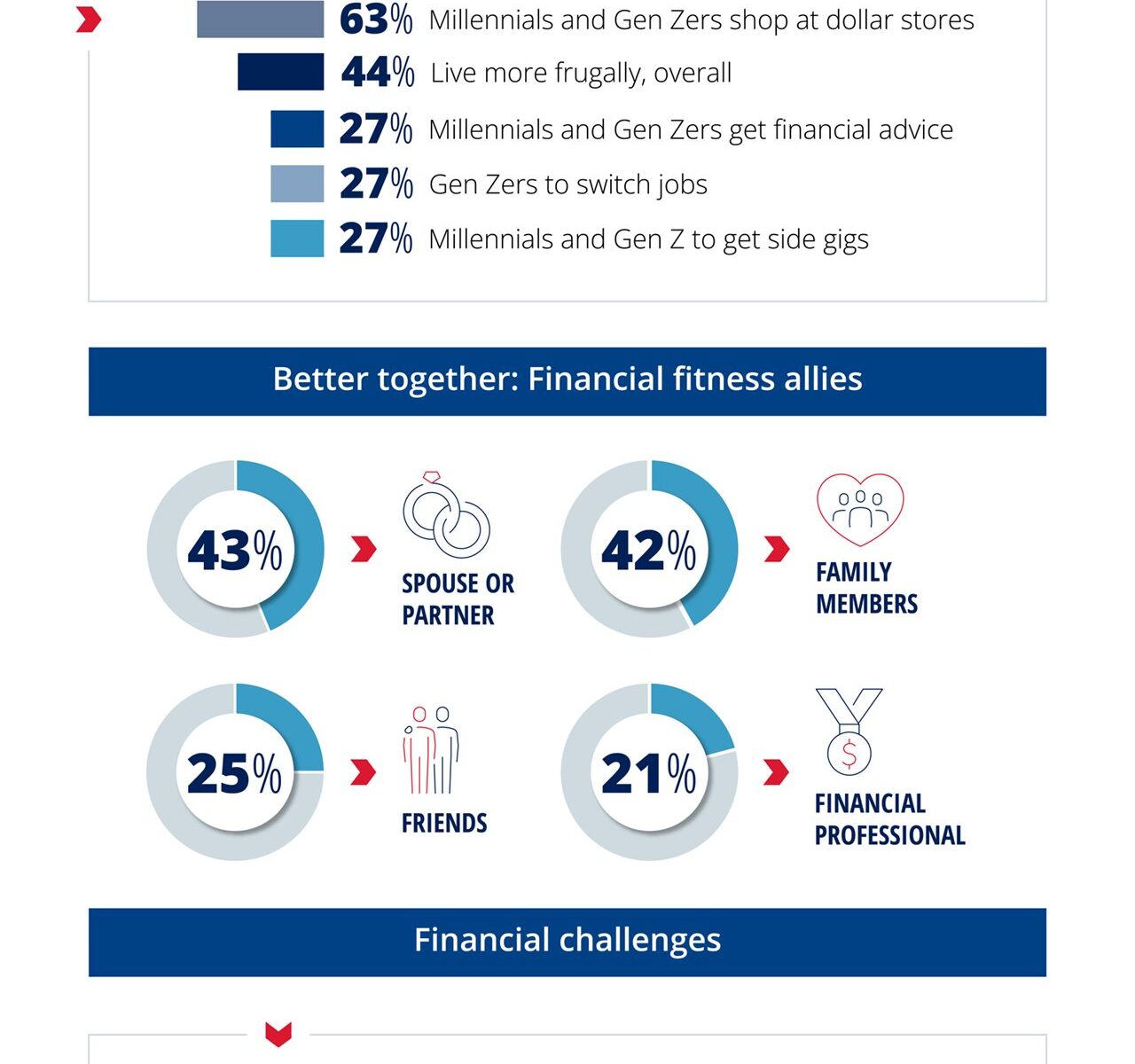
(BPT) – While eating healthier, working out and spending more time with family and friends are big priorities, 87% say their top goals in 2024 are related to money, according to research from Empower, a financial services company. Read on to learn more about Americans’ top financial goals and some strategies to make them happen.

When Allergy Season Knows No Season: The Climate Change Connection

2024-04-23T07:01:00

(BPT) – By Jad Daley, President and CEO of American Forests

Climate change is reshaping our world in unexpected ways, including the worsening of seasonal allergies. This was confirmed by a 2019 study showing a significant positive correlation between long-term temperature increase and an increase in both seasonal duration and pollen load. With fewer frost days leading to earlier springs and later falls, the longer, more intense allergy seasons are leaving millions of people searching for relief.

Many global programs are working to address climate change on a larger scale. However, there are steps we can take at the local level to help improve conditions in communities that may be disproportionally exposed to environmental hazards. For example, residents of urban areas are more likely to suffer from respiratory issues compounded by worsening seasonal allergies, especially in parts of our communities that have higher levels of air pollution. Pollution from car exhaust and heavy industry, specifically pollutants like Ozone, Nitrogen Dioxide, Sulfur Dioxide and particulate matter can exacerbate urban allergies.

Thankfully, there is one simple action we can take right now to help combat climate-fueled heat, air pollution and pollen exposure—plant more trees in our communities. This is especially important in lower income neighborhoods where trees are shown to be systemically lacking, according to American Forests’ Tree Equity Score. This unprecedented analysis of every urban neighborhood in America shows average tree cover deficits of 26-38 percent for these communities, and average temperatures of 7-10 degrees Fahrenheit above citywide norms.

One example of an urban area in need of Tree Equity support is Southwest Detroit. With trucking routes and factories operating alongside neighborhoods and schools, respiratory-related hospitalizations are three times higher than the state average. According to Tree Equity Score, neighborhoods in this part of Detroit have a fraction of the tree cover common in other parts of the city and can be more than 18 degrees Fahrenheit hotter than the citywide average, which further exacerbates air pollution and pollen exposure. With the support of the ZYRTEC® ReLEAF Project and American Forests, the Detroit Tree Equity Partnership is working toward a goal to plant 75,000 trees over a five-year period. Increased tree canopy cover can cool a city block by as much as 10 degrees Fahrenheit, while also helping to manage respiratory issues by absorbing and deflecting pollutants.

Additionally, planting more trees in urban areas, such as Southwest Detroit, can help mitigate seasonal allergies. While that might sound surprising, we are able to strategically select the tree species we plant to maximize environmental benefits such as shade coverage and reducing air pollution while minimizing pollen exposure. This is possible by using cutting-edge climate- and health-focused urban forestry techniques developed by American Forests in partnership with the U.S. Forest Service. As part of our science-based approach, we use resources like the Ogren Plant Allergy Scale (OPALS™) to help inform a city’s Preferred and Prohibited Planting Species List. For example, OPALS™ indicates that mulberry trees produce pollen that triggers seasonal allergies, while certain species of maple trees have less of an adverse effect on allergy sufferers.

The ZYRTEC® ReLEAF Project and American Forests are working to help people from all backgrounds have equitable access to resources that advance the well-being of both people and our planet. Climate change continues to impact our environment and allergy sufferers, and we can all do our part to help.

The path to cleaner air and a healthier future lies in our hands, and it starts with the strategic placement of the right trees in the right places for healthier and more climate-resilient cities.

5 Delicious Ways to Revamp Your Routine with Oats

2024-04-23T10:01:00

(BPT) – Do you want to add more variety and nutrition to your meal planning? Consider incorporating Quaker Oats into your diet! While oats are typically associated with breakfast, they’re a versatile ingredient that can also be used in all kinds of crowd-pleasing recipes — hot or cold, sweet or savory, morning or evening.

Quaker Oats is the largest oat miller in the world and has been a trusted household staple making the same quality, delicious, nutritious oats you know and love since 1877. They are 100% whole grain, and provide a great source of energy and heart healthy* soluble fiber.*

“Quaker Oats is a brand that my family grew up eating, and I’ve dreamed of partnering with the brand for decades,” says celebrity chef Carla Hall. “Their products are essential in my kitchen, using them to add variations of texture and flavors in endless recipes — even as the secret ingredient to the moisture in my meatloaf!”

So, are you ready to remix your routine — and your favorite dishes — with Quaker Oats? Check out these fun and flavorful recipes the whole family can enjoy.

*Three grams of soluble fiber from oatmeal daily in a diet low in saturated fat and cholesterol may help reduce the risk of heart disease. One serving of Quaker Old Fashioned Oats provides about 2 grams of soluble fiber.

1. Triple Berry Oat Smoothie

For a delicious and easy new addition to your breakfast routine, try the Triple Berry Oat Smoothie. Not only does this make for a great add-on to breakfast, it’s also a fun way to enjoy your daily fruits. With blueberries, blackberries, raspberries, and bananas, this smoothie is fruity goodness.

2. Oatmeal Pancakes

You’ve just met your new favorite pancake! These wholesome, fluffy Oatmeal Pancakes are an easily customizable and delicious morning option. Whether you add blueberries, bananas, apples, chocolate or your favorite mix-in, this recipe invites everyone to enjoy pancakes their way.

3. Key Lime Bars with Oatmeal Crust

You don’t have to live near the beach to enjoy these bright and citrusy flavors! The Key Lime Bars with Oatmeal crust are full of bright flavors, chewy oats and crunchy nuts that are sure to be a hit for entertaining at your spring and summer gatherings.

4. Whole Grain Banana Muffins

These banana muffins are a tasty treat you can enjoy at any time of day, pair with your breakfast in the morning or grab as a snack during the day. Elevate your muffins by serving warm for a simply delicious, melt-in-your-mouth result.

5. Meatloaf Sliders

Take a classic, cozy weeknight dinner into the warmer months with Carla Hall’s very own Meatloaf Sliders, featuring her secret ingredient – oats! This juicy and tender dish is sure to become a favorite that your family and friends will be asking for on all occasions.

Let these five recipes inspire you to try new dishes and incorporate Quaker Oats into every meal, every day. So, grab Quaker’s classic Old Fashioned Oats — or try one of their other great varieties like Steel Cut Oats or Oat Flour — and get cooking! Visit QuakerOats.com for more recipes and products.


Meatloaf Sliders:

Ingredients

  • 1/4 Cup Quaker® Oats, finely ground
  • 1 Egg, beaten
  • 1/4 Cup Milk
  • 2 Tsp. Ground Cumin
  • 1 Tsp. Ground Cayenne
  • 1 Tsp. Kosher Salt
  • 1 1/2 Tsp. Freshly Ground Black Pepper, or to taste
  • 2.5 Lbs. Coarsely Ground Beef
  • 2 Cloves Garlic, minced
  • 1/2 Rib Celery
  • 1 Medium Carrot
  • 1 Tbs. Fresh Thyme, Chopped or 1/2 Tsp. Dried
  • 1/4 Cup Fresh Parsley, Chopped or 1/2 Tsp. Dried
  • 1 Tbs. Worcestershire Sauce
  • Potato Rolls
  • Fresh Pesto Topping
    • Fresh Refrigerated Pesto
    • 1 Cup Frozen Peas
  • Spring Greens

Directions

  1. Preheat oven to 350°F. In a large bowl, combine egg, oats, milk, cumin, cayenne, salt and pepper. Let stand for 5 minutes.
  2. Process garlic, onion, celery and carrot in a food processor until finely chopped.
  3. Add ground beef and finely chopped vegetables to oat mixture. Add herbs to bowl. Gently toss until combined. Be careful to not over mix. Flatten mixture onto a 9”x13” parchment covered sheet pan.
  4. Process pesto toppings in food processor until mixed.
  5. Place the meatloaf in the oven and bake for 7-10 minutes.
  6. Bake until the internal temperature of the meatloaf is 155 degrees or until the juices run clear.
  7. Allow the meatloaf to cool slightly. Without pulling the rolls apart, separate tops from bottoms.
  8. Place the bottoms on to create the sandwich, then cut.
  9. Place pesto and spring greens on top of each meatloaf patty.

6 easy ways to boost productivity and create a comfortable, ergonomic workspace

2024-04-23T07:01:00

(BPT) – How’s your office working for you? According to a recent survey from organizational solution brand, Mind Reader, 86 percent of people see their workspace as having an impact on their happiness — which makes an organized office at home or at work essential to keeping a positive mood. If you’re setting up your workday in different spots at home throughout the day (18 percent), hunkering down at your dining table (17 percent), or working exclusively from bed (16 percent) it might be time to revamp your workspace to an ergonomic, organized and functional area. Your overall health, well-being, and productivity will thank you.

A comfortable home office not only supports a positive mindset but can allow you to maintain good posture throughout the day, reducing strain on your neck, back, and shoulders and helping you feel your best when powering through a busy day. Positioning your computer correctly, whether you’re using a monitor or a laptop, can reduce eye and arm strain and fatigue, not to mention the extra focus you’ll get when you’re not hunched over your screen all day long. Even something as simple as organizing your office supplies cuts down on wasted time and frustration.

According to the survey from Mind Reader, 83 percent feel more productive if their workspace is organized and — if it were more organized — believe they could increase their productivity by 38 percent. Creating an ergonomic, organized workspace at home or in the office doesn’t have to be complicated or fancy. It’s about finding simple, intuitive solutions that you can use to transform a corner of your home or apartment into a place where you can focus on your work and get the job done in comfort.

Here are a few simple ways to create a comfortable, ergonomic home office.

Desk. Start with the basics. You do not need an enormous mahogany desk suitable for the Oval Office. Just a work surface big enough for your laptop or monitor, or both, where you can comfortably type with your arms at a 90-degree angle. If you prefer a standing desk, you can find models for under $50 that are adjustable and portable.

Chair. A supportive, ergonomic chair is half the battle. You’ll be sitting in it for much of the day, so make it work for you. But, you don’t have to invest hundreds of dollars in a new office chair. You can transform the chair you already have with inexpensive back supports and cushions. Mind Reader, the experts in creating organized, ergonomic home workspaces, offers a few varieties of backrests and cushions, all for under about $40. It’s that affordable and easy.

Screens. Now let’s talk about your screens. To avoid eye strain, you should position your monitor or laptop at eye level. Oftentimes, this means you need a monitor stand. You can make it dual-functioning by finding one that has drawers underneath for paper and pens. That handled, be mindful of how long you stare at that screen. Eye professionals recommend using the 20-20-20 rule — every 20 minutes, look at an object 20 feet away for 20 seconds. This gives your eyes a reset from all of that screen time.

Foot rest. You will be surprised by how much difference an ergonomic foot rest makes when you’re sitting at your desk all day. It helps you maintain correct posture and reduces the strain on your back and legs, alleviating swelling in your ankles and feet. Many models are adjustable and come with massage rollers for an added boost. Again, these don’t have to be expensive. This Mind Reader Foot Rest is under $30, adjustable, and includes those massage rollers.

Cables. All of those tangled cords are just plain messy and disruptive to look at. Wrangle them with a cable tray you can position under your desk, a cable management snake, or ties and clips to keep them under control and out of your line of sight.

Storage. If you’re set up at your kitchen table, where are all of your office supplies? The solution is a wheeled storage cart with drawers. You can pop your office supplies like printer paper, notepads, pens, and whatever else you use into the drawers. Roll it out when you need to use it, and tuck it into the corner when you end your workday.

With these simple tips, you can create a better home workspace that will elevate your productivity and contribute to your health and well-being, too. For more ideas, visit Mind Reader.

New Clinical Trial Opening for People with Rare Ovarian Cancer

2024-04-22T11:01:00

(BPT) – Connie Bell’s journey with low-grade serous ovarian cancer (LGSOC) began unexpectedly in her 30s. Residing in Madison, Wisconsin, Connie was 36 when she first noticed her unusual symptoms, which she and her gynecologist initially dismissed as being related to existing conditions like interstitial cystitis and irritable bowel syndrome. But her symptoms, which included mild pelvic pain and two unusually heavy, painful periods, persisted. It wasn’t until several months later, after multiple medical visits, tests, and escalating concerns, that she ultimately received a devastating diagnosis of LGSOC, a rare ovarian cancer. This diagnosis, however, was merely the first step in what continues to be an extensive and challenging journey for Connie and many others with LGSOC.

LGSOC, a rare, insidious, and persistent type of ovarian cancer that has an alarming ability to adapt and persist despite current treatments, such as standard chemotherapy, due to its distinct molecular and histopathological profile. Unfortunately, approximately 85% of people with LGSOC will have their cancer recur. Compounding this issue is the absence of FDA-approved therapies tailored specifically for LGSOC, which underscores a tremendous gap in patient care. In response to these challenges, researchers are actively pursuing new therapeutic approaches.

Leading these efforts is Verastem, a biopharmaceutical company dedicated to innovating therapies for difficult-to-treat cancers like LGSOC. Their focus is on RAS/MAPK pathway, a crucial cellular system that fuels the aggressiveness and treatment-resistance of LGSOC, and many other, tumors. Through these innovations, Verastem aims to offer renewed hope to patients like Connie, who urgently need better LGSOC treatments and a greater assurance that their cancer will not return after remission.

People with LGSOC face obstacles in detection and treatment

While current prevalence estimates for low-grade serous carcinoma are not available, it has been estimated that LGSOC represents less than 10% of new epithelial ovarian cancer cases and presents unique complexities that severely hinder diagnosis and treatment. One of the factors that sets LGSOC apart from the more common high-grade serous ovarian cancer (HGSOC) is its impact on younger women. Diagnosed as early as the 20s and 30s, it can often inflict devastating consequences on fertility. But, despite its early presentation, LGSOC typically isn’t diagnosed until its advanced stages when treatment options are limited. This is because, as with Connie Bell, it can begin with easy-to-overlook symptoms like bloating, back pain, and menstrual irregularities, which can delay an accurate diagnosis.

“My original gynecologist was not initially concerned, but thankfully ordered an ultrasound which revealed a suspicious cyst. A follow-up MRI revealed widespread malignancy, at which point she still didn’t think it was cancer but referred me to a cancer center to be sure,” describes Connie. “It was there that a gynecologic oncologist recognized the seriousness and scheduled me for surgery to remove the tumors.”

But Connie still wasn’t clear on her diagnosis. “I entered surgery without knowing whether or not I would wake up with a cancer diagnosis, and I didn’t find out that it was the low-grade serous form until two weeks after my surgery,” said Connie.

Even after an accurate diagnosis is made, people with LGSOC face another daunting journey — finding the right treatment. Treatment options for LGSOC are extremely limited because these tumors harbor distinct biological complexities that make them slow yet persistently growing, inherently less responsive to standard chemotherapy, and highly prone to returning even after achieving remission.

Yet, despite these critical distinctions, patients with LGSOC are often treated with the same regimens as other cancers, such as the standard treatments used for HGSOC, leaving many feeling like they’re receiving “treatment leftovers” instead of therapies tailored to their specific needs. This disparity primarily stems from a long-held misunderstanding of LGSOC’s unique requirements, as it was only officially recognized as a distinct form of ovarian cancer in 2014.

Like many others with LGSOC, Connie’s condition and its treatment journey have had a tremendous impact on her daily life. “I have three nieces and a nephew I can’t keep up with anymore,” she said. “It’s just so sad to me that I’m missing out on those different experiences and life events, that I feel like my life is forever changed and that I’ll have to be on medication for the rest of my life. This is my new normal, and I have to learn to deal with it.”

However, new treatment strategies targeting the molecular intricacies of LGSOC aim to bridge long-standing treatment gaps and offer a brighter “new normal.”

The potential of RAS/MAPK targeting therapies

The RAS/MAPK pathway plays a pivotal role in cell growth and development. However, mutations in RAS genes can drive uncontrolled cell growth and tumor formation, which occurs in an astounding ~30% of all human cancers and a whopping ~70% of LGSOC cases.

Unfortunately, while the prominent role of RAS in driving cancer has been widely known for over three decades, many therapeutic approaches have proven unsuccessful. This is because cancer cells can find alternative ways through the RAS/MAPK pathway to bypass their therapeutic effects.

Verastem is pioneering new approaches to address these issues with their lead candidate, avutometinib. This investigational first-of-its-kind RAF/MEK clamp is designed to block multiple parts of the RAS pathway simultaneously in a single molecule. This multi-pronged approach aims to deliver a more effective and durable solution against adaptive drug resistance issues that have hindered RAS-targeted therapies for years.

In addition, Verastem is developing another drug, defactinib, which targets selective FAK signaling — a separate mechanism that cancer cells use to evade RAS/MAPK-targeting therapies.

The investigational combination has already shown potential benefits for patients with LGSOC as part of Verastem’s RAMP (Raf And Mek Program) and is currently being investigated in the confirmatory Phase 3 RAMP 301 study (GOG-3097; ENGOT-ov81/NCRI).

Exploring a novel combination therapy with RAMP 301

The international Phase 3 RAMP 301 study aims to determine if the novel combination of avutometinib and defactinib may provide clinical benefits compared to standard treatments for recurrent LGSOC. The trial is seeking approximately 270 patients with recurrent LGSOC who have undergone prior platinum-based therapy and whose disease has progressed.

The study, conducted by gynecological cancer specialists, will measure the effectiveness, safety, and quality of life measures of the investigational combination.

If you or a loved one are interested in learning more about this study, please visit: LGSOCstudy.com

An All-Star Strategy: How A-Rod Keeps His Gum Disease in Check

2024-04-19T11:01:00

(BPT) – World Series Champion and 3-time American League MVP Alex Rodriguez (aka A-Rod) knows how important it is to prioritize your oral health. That’s why, upon receiving a gum disease diagnosis over a year ago, he knew he needed to act fast.

“I realized I needed to prioritize my oral health once I was diagnosed with gum disease, which is a chronic bacterial infection,” Rodriguez says. “You can’t simply brush or floss away an infection, which can impact the gums and bone that support your teeth and may lead to tooth loss.”

Rodriguez is one of many impacted by gum disease, which affects nearly 50% of people over 30 years old. Gum disease typically presents with oral health symptoms, such as red, bleeding, swollen, or receding gums.

“Since my diagnosis, I’ve learned gum disease can be serious,” explains Rodriguez, “which is why I have remained proactive in the management of my condition.”

Rodriguez’s Game Plan

Rodriguez’s dentist began treating him with ARESTIN® (minocycline HCl) Microspheres, an antibiotic applied directly to the gums that is used in combination with scaling and root planing (SRP) procedures to treat patients with adult periodontitis (gum disease). ARESTIN may be used as part of an overall oral health program that includes good brushing and flossing habits and SRP.

Rodriguez’s dentist discussed ARESTIN’s safety profile with him and explained that he should not take ARESTIN if he’s allergic to minocycline or tetracyclines and offered to share a list of these drugs if he was not sure. His dentist shared that swelling of the face, itching of the skin, fever, and enlarged lymph nodes have been reported with the use of ARESTIN and some of those reactions were serious. His dentist requested that Rodriguez share if he experiences any signs of allergic reaction, such as skin reactions or trouble breathing, or if he has an exaggerated sunburn reaction. He also directed him to the full Prescribing Information for more.

“Since starting treatment, I have felt more at ease,” Rodriguez says. “Knowing my dentist is doing everything he can to manage my gum disease and reduce the risks associated with it gives me peace of mind.”

While gum disease can’t be cured, it can be managed with regular in-office monitoring, treatment, and at-home care. Rodriguez, for example, drawing from the discipline of his baseball career, maintains a rigorous oral care routine, maintaining a consistent flossing and brushing schedule. What’s more, he never misses a dentist visit, stopping by every three months.

And while some may worry about going to the dentist, Rodriguez says not to stress.

“The treatment application at the site of infection is easy with ARESTIN and doesn’t require any needles or anesthesia. My dentist has walked me through every step of my treatment plan, so I know exactly what to expect every time I visit.”

Spreading awareness about gum disease and encouraging others to prioritize their oral health is important to Rodriguez. Here’s his advice:

  1. Gum disease can be serious. Treat your gum disease as a serious infection and not something that can be ignored or solved by brushing or flossing alone.
  2. Know the signs. Be proactive and talk to your dentist if you think you are experiencing any signs of gum disease, like bleeding, red, swollen, or receding gums, or bad breath. Check out ARESTIN.com for a discussion guide that provides questions to ask during your next trip to the dentist.
  3. Routine and discipline. It is important to stick to a long-term plan, which includes visiting your dentist for routine check-ups.

Visit ARESTIN.com to learn more about gum disease and talk to your dentist about what treatment options may be right for you.

Review the Important Safety Information and the full Prescribing Information for ARESTIN.

What is ARESTIN?

ARESTIN (minocycline HCl) Microspheres, 1mg is used in combination with scaling and root planing (SRP) procedures to treat patients with adult periodontitis (gum disease). ARESTIN® may be used as part of an overall oral health program that includes good brushing and flossing habits and SRP.

IMPORTANT SAFETY INFORMATION

  • Do not take ARESTIN if you are allergic to minocycline or tetracyclines. Ask your dentist or pharmacist for a list of these drugs if you are not sure. Swelling of the face, itching of the skin, fever and enlarged lymph nodes have been reported with the use of ARESTIN. Some of these reactions were serious. Tell your dentist right away if you have any signs of allergic reaction, such as skin reactions or trouble breathing, or if you have an exaggerated sunburn reaction.
  • THE USE OF TETRACYCLINE CLASS DRUGS, INCLUDING ARESTIN, DURING TOOTH DEVELOPMENT MAY CAUSE PERMANENT DISCOLORATION OF THE TEETH, AND THEREFORE SHOULD NOT BE USED IN CHILDREN OR IN PREGNANT OR NURSING WOMEN.
  • ARESTIN has not been studied in patients with weakened immune systems (such as patients with HIV infections or diabetes, or those receiving chemotherapy or radiation). Tetracyclines, including oral minocycline, have been associated with the development of autoimmune syndrome with symptoms such as joint pain, muscle pain, rash, swelling, fever, enlarged lymph nodes, and general body weakness. Tell your doctor about any health problems you have, including whether you have had oral candidiasis (“thrush”) in the past, and about all medications you are taking.
  • In clinical studies, the most frequently reported non-dental side effects were headache, infection, flu symptoms, and pain.

You are encouraged to report negative side effects of prescription drugs to the FDA. Visit www.fda.gov/medwatch or call 1-800-FDA-1088.

Visit ARESTIN.com/PI for full Prescribing Information.

ARE.0080.USA.24

Source: Bausch Health US, LLC

How small businesses can build a greener future through sustainable sourcing

2024-04-18T09:15:00

(BPT) – Sustainability has been a buzzword in the business world for years, with many businesses looking for different ways to introduce “green” products to a market that is demanding them.

According to internal data from global business-to-business (B2B) e-commerce platform Alibaba.com, Request for Quotations (RFQs) containing terms such as “sustainable,” “eco-friendly,” “biodegradable” and “renewable” are up 23% year-over-year (YoY). Growth in these inquiries has occurred across industries, including apparel and accessories (61% increase YoY), kids’ toys (30% increase YoY) and electronic components (26% increase YoY).

The issue for many businesses, especially smaller ones, is some product markets are becoming oversaturated with sustainable products and setting yourself apart can be difficult. So how can you help your business stand out compared to competitors? It starts with expanding your sustainability efforts beyond the product itself.

Start with sourcing: Sustainable supply chains elevate sustainable products

With the crowded market for sustainable products, small-business owners can set themselves apart by making their entire sourcing operations sustainable. How many times have you placed an order that came in an unnecessary amount of extra packaging that you just ended up throwing away? Is a sustainable product really sustainable if its packaging isn’t, or if the supply chain to get it to customers creates considerable pollution? By considering these potential issues and adapting your supply chain to address them, your business can do more than create a sustainable product — it can be a sustainable business.

How can you implement sustainable practices into your supply chain? Turning to online sourcing platforms to help identify sustainable sourcing partners can do a lot of the work for you, including:

  • Simplifying the process of sorting through potential suppliers: B2B e-commerce platforms such as Alibaba.com have features that allow you to add search filters to narrow down sourcing options and identify suppliers that fit the specific profile you are looking for.
  • Providing ways for suppliers to verify their sustainable practices: These platforms also provide prospective suppliers with ways to verify their sustainable practices, including listing any certifications or sustainability data that can help you identify the right sourcing partner.
  • Connecting small businesses and suppliers directly: B2B e-commerce platforms help you identify potential sourcing partners, and some platforms like Alibaba.com provide you with a direct channel to communicate with suppliers to find your match and begin sourcing sustainably. By connecting directly with suppliers, you can more easily ask about their materials, manufacturing processes and certifications to ensure that they fit the profile you are looking for.

How to tell people about your sustainable business

Crafting your sustainable product line and supply chains is important, but equally important in standing out amongst your competitors is effectively marketing your product and sustainability practices. While tactics might differ based on the types of products you are selling, there are a few key considerations as you go to market your products:

  • Leverage the information your suppliers provide: With all the information that suppliers can provide on B2B e-commerce platforms, you have the information you need to show consumers how your product and business are sustainable. By sharing this information with your customers, you demonstrate transparency around your sourcing practices to help consumers trust that your product is truly sustainable.
  • Make it digestible for the average person: When marketing the sustainability aspect of your product and business, it is important to make sure you are using clear, accessible language that can be understood by all consumers. Your sustainability messaging can only set you apart if your customers understand what it means, and making it accessible can help further build trust with your customers by increasing transparency.
  • Show your customers how your product benefits them: When a customer is making a purchasing decision, their choice ultimately boils down to deciding which product benefits them the most. Make sure that you are marketing your product or business in a way that communicates how the product benefits them both personally and how their purchase means they are making a difference for the environment.

At the end of the day, differentiating your sustainable business from competitors requires you to ensure that your entire operation is sustainable, and communicating your sustainability efforts in a way that your customers can understand. While the physical delivery of sustainable products is important, giving customers the peace of mind that they are making full-circle sustainable choices to help the world is equally crucial to building and maintaining your consumer base.