Modern Schizophrenia Treatment Plans Should Include Less-Frequent Dosing Options for Adult Patients

2024-02-12T23:01:00

(BPT) – Talking about and acknowledging mental health challenges have evolved, with more acceptance and mainstream conversation in recent years from both patients and their loved ones, as well as healthcare providers (HCPs). Yet with schizophrenia, many patients are not aware of all the different treatment and dosing options that are now available.1 Whether due to low awareness, stigma and outdated stereotypes, or social or geographical issues that make accessing treatment options difficult, there are countless barriers that exist for many adult patients living with schizophrenia.1-4 However, by equipping HCPs with information on the latest treatments and less-frequent dosing options, they can help their patients make more-informed treatment decisions when they are aware of available treatment options.

Understanding Behaviors and Fighting Stigma

Millions of adults in the United States live with schizophrenia, a complex and chronic brain disorder that can impact all aspects of day-to-day life. People with schizophrenia often experience distortions in thinking, perceptions, emotions, language, and behavior that interrupt everything from personal relationships to managing a career.2,5 Without consistent treatment, schizophrenia symptoms can often create challenges for patients that impact even simple tasks in their lives.2,3 There can be many factors for why someone wouldn’t take medicine, from stigma to forgetting, which can happen to anyone, but adults living with schizophrenia are often nonadherent due to the nature of the condition or a lack of social support.2,6,7

Daily oral schizophrenia medications are the most prescribed treatment despite the adherence challenges that might result from patients forgetting to take their medication as prescribed.6-8 Within emergency room and hospital settings, many HCPs must rely on injectable antipsychotics that act quickly to minimize psychosis symptoms with patients in crises and in cases where there is no health history or known diagnosis.9 Understandably, the administration of an injection in a crisis setting can be associated with negative experiences for patients, which can result in a sense of fear and distrust in injectable treatments.10 Yet for day-to-day symptom management in adults diagnosed with schizophrenia, there are other options, known as long-acting injectables (LAIs).

A Different Kind of Injection for Symptom Management

LAIs are not the same injections that patients receive in emergency situations. Instead, LAIs offer less-frequent dosing options that can help patients stay on track with their medication management over time. Additionally, among other benefits, LAIs are professionally administered by a trained HCP, which can help patients avoid medication nonadherence because their HCP will be aware if they miss an injection appointment and can help them get back on track with their treatment.

A recent survey also showed there is a gap between what some patients desire as a treatment option and what HCPs typically prescribe. In the survey, 90% (44 of 49) of adult schizophrenia patients currently on an LAI agree that after knowing what living with schizophrenia is like, they wish they would have started an LAI treatment sooner after diagnosis.4 Additionally, 90% (172 of 192) of adult schizophrenia patients want their HCPs to recommend an LAI if they feel it is the right treatment option, even if the patient is stable on a current treatment.4 Because LAIs are administered by healthcare professionals, treatment teams have greater insight into when a patient has missed a dose and can therefore provide additional support to get that patient back on therapy.

Patrick’s Story of Hope and His Treatment Plan

Take it from patients like Patrick, who initially struggled with finding the right treatment to help address the symptoms he experienced with schizophrenia and challenges he faced with his oral medication. After Patrick’s loved ones helped connect him to a care team that embraced a different treatment approach with LAIs, Patrick was able to experience symptom relief. With his symptoms under control, Patrick was able to regain his sense of stability and independence by managing his condition with fewer schizophrenia medication doses per year.

Johnson & Johnson schizophrenia LAIs (J&J LAIs) are among the latest treatment options for adults living with schizophrenia. They offer a consistent and effective approach to symptom management, with dosing options of 1, 3, or 6 months, the longest dosing interval available.
INVEGA HAFYERA® (paliperidone palmitate 6-month) was approved for the treatment of adults with schizophrenia based on a pivotal, phase 3, randomized, double-blind, global study in which it demonstrated noninferiority to INVEGA TRINZA® (paliperidone palmitate 3-month) in delaying time to relapse.11

A total of 702 stabilized patients were randomized in a 2:1 ratio to receive INVEGA HAFYERA® (paliperidone palmitate 6-month) (n=478) or INVEGA TRINZA® (paliperidone palmitate 3-month) (n=224) over the 12-month, double-blind study.11 178 patients who were relapse-free on INVEGA HAFYERA® (n=121) or INVEGA TRINZA® (n=57) in the double-blind phase chose to continue treatment with INVEGA HAFYERA® in the 2-year, Real-world, Open-label Extension Safety and Tolerability Study.12 This open-label study of INVEGA HAFYERA® found that approximately 96% (171 of 178) of adult patients who chose to enter the study remained relapse-free on INVEGA HAFYERA® and nearly 9 out of 10 (154 of 178) adult patients completed 2 years of treatment with INVEGA HAFYERA®.12 In the pivotal study, the most common side effects of INVEGA HAFYERA® included injection site reactions, weight gain, headache, upper respiratory tract infections, feeling restlessness or difficulty sitting still, slow movements, tremors, stiffness and shuffling walk.13 In the open-label extension study, the most common adverse reactions were headache, blood prolactin increased, hyperprolactinemia, diarrhea, weight increased, and nasopharyngitis.12

For patients like Patrick, who is currently treated with INVEGA HAFYERA®, the ability to receive a long-term treatment that is professionally administered rather than a daily dose of schizophrenia medication frees up time so that he doesn’t have to remember to take it every day. This gives him the freedom to spend more time on the activities he enjoys while his schizophrenia symptoms are controlled.

Advocating for LAIs with Your Treatment Team

“I have seen the benefits of LAIs firsthand while helping Patrick and other adult patients living with schizophrenia,” says Dr. Gus Alva, board-certified psychiatrist and Patrick’s doctor. “As a healthcare provider, I always aim to create holistic treatment plans that factor in the important social, emotional, and physical aspects of a patient’s life. LAIs have been a key tool for me in creating a path forward for patients following diagnosis.”

With his symptoms under control, Patrick has been able to focus on the things that matter most to him, like his education and hobbies. “After some time on my first LAI—and finding music as a means for meditation—alongside support from my psychiatrist, family, and friends, I started to regain a sense of independence and noticed I was spending less time thinking about my next dose,” Patrick says. “I felt that my physical and mental health was improving. And day-by-day, I had a greater sense of stability, which I hadn’t experienced for a while.”

For adult patients who are recently diagnosed with schizophrenia or who have tried various treatments, consider speaking with a psychiatric nurse practitioner or other HCP about J&J LAIs and the pathway to fewer doses per year with INVEGA HAFYERA®. Before starting INVEGA HAFYERA®, patients must first be adequately treated with INVEGA SUSTENNA® (paliperidone palmitate 1-month) for at least 4 months or for one 3-month injection cycle with INVEGA TRINZA®, at an appropriate dose.13 With the support of family and treatment teams, living a full life with schizophrenia is possible. For more information about J&J LAIs, please visit JanssenLAIs.com.

INDICATIONS

INVEGA HAFYERA (6-month paliperidone palmitate) is a prescription medicine given by injection every 6 months by a healthcare professional and used to treat schizophrenia. INVEGA HAFYERA is used in adults who have been treated with either:

  • INVEGA SUSTENNA® (paliperidone palmitate) a 1-time-each-month paliperidone palmitate extended-release injectable suspension for at least 4 months
  • INVEGA TRINZA® (paliperidone palmitate) a 1-time-every-3-months paliperidone palmitate extended-release injectable suspension for at least 3 months

INVEGA TRINZA® is a prescription medicine given by injection every 3 months by a healthcare professional and used to treat schizophrenia. INVEGA TRINZA® is used in people who have been adequately treated with INVEGA SUSTENNA® for at least 4 months.

INVEGA SUSTENNA® is a prescription medicine given by injection by a healthcare professional.
INVEGA SUSTENNA® is used to treat schizophrenia in adults.

IMPORTANT SAFETY INFORMATION

What is the most important information I should know about INVEGA HAFYERA™, INVEGA TRINZA® and INVEGA SUSTENNA®?

INVEGA HAFYERA™, INVEGA TRINZA® and INVEGA SUSTENNA® may cause serious side effects, including:

  • Increased risk of death in elderly people with dementia-related psychosis.
    INVEGA HAFYERA™, INVEGA TRINZA® and INVEGA SUSTENNA® increase the risk of death in elderly people who have lost touch with reality (psychosis) due to confusion and memory loss (dementia). INVEGA HAFYERA™, INVEGA TRINZA® and INVEGA SUSTENNA® are not for the treatment of people with dementia-related psychosis.

Do not receive INVEGA HAFYERA™, INVEGA TRINZA® or INVEGA SUSTENNA® if you are allergic to paliperidone, paliperidone palmitate, risperidone, or any of the ingredients in INVEGA HAFYERA™, INVEGA TRINZA® or INVEGA SUSTENNA®. See the end of the Patient Information leaflet in the full Prescribing Information for a complete list of INVEGA HAFYERA™, INVEGA TRINZA® and INVEGA SUSTENNA® ingredients.

Before you receive INVEGA HAFYERA™, INVEGA TRINZA® or INVEGA SUSTENNA®, tell your healthcare professional about all your medical conditions, including if you:

  • have had Neuroleptic Malignant Syndrome (NMS)
  • have or have had heart problems, including a heart attack, heart failure, abnormal heart rhythm, or long QT syndrome
  • have or have had low levels of potassium or magnesium in your blood
  • have or have had uncontrolled movements of your tongue, face, mouth, or jaw (tardive dyskinesia)
  • have or have had kidney or liver problems
  • have diabetes or have a family history of diabetes
  • have Parkinson’s disease or a type of dementia called Lewy Body Dementia
  • have had a low white blood cell count
  • have had problems with dizziness or fainting or are being treated for high blood pressure
  • have or have had seizures or epilepsy
  • have any other medical conditions
  • are pregnant or plan to become pregnant. It is not known if INVEGA HAFYERA™, INVEGA TRINZA® or INVEGA SUSTENNA® will harm your unborn baby
    • If you become pregnant while taking INVEGA HAFYERA™, INVEGA TRINZA® or INVEGA SUSTENNA®, talk to your healthcare professional about registering with the National Pregnancy Registry for Atypical Antipsychotics. You can register by calling 1-866-961-2388 or visit http://womensmentalhealth.org/clinical-and-research-programs/pregnancyregistry.
    • Infants born to women who are treated with INVEGA HAFYERA™, INVEGA TRINZA® or INVEGA SUSTENNA® may experience symptoms such as tremors, irritability, excessive sleepiness, eye twitching, muscle spasms, decreased appetite, difficulty breathing, or abnormal movement of arms and legs. Let your healthcare professional know if these symptoms occur.
  • are breastfeeding or plan to breastfeed. INVEGA HAFYERA™, INVEGA TRINZA® or INVEGA SUSTENNA® can pass into your breast milk. Talk to your healthcare professional about the best way to feed your baby if you receive INVEGA HAFYERA™, INVEGA TRINZA® or
    INVEGA SUSTENNA®.

Tell your healthcare professional about all the medicines you take, including prescription and over-the-counter medicines, vitamins, and herbal supplements. INVEGA HAFYERA™, INVEGA TRINZA® and INVEGA SUSTENNA® may affect the way other medicines work, and other medicines may affect how INVEGA HAFYERA™, INVEGA TRINZA® and INVEGA SUSTENNA® works.

Your healthcare provider can tell you if it is safe to receive INVEGA HAFYERA™, INVEGA TRINZA® or INVEGA SUSTENNA® with your other medicines. Do not start or stop any medicines during treatment with INVEGA HAFYERA™, INVEGA TRINZA® or INVEGA SUSTENNA® without talking to your healthcare provider first. Know the medicines you take. Keep a list of them to show to your healthcare professional or pharmacist when you get a new medicine.

Patients (particularly the elderly) taking antipsychotics with certain health conditions or those on long-term therapy should be evaluated by their healthcare professional for the potential risk of falls.

How will I receive INVEGA HAFYERA™, INVEGA TRINZA® or INVEGA SUSTENNA®?

  • Follow your treatment schedule exactly as your healthcare provider tells you to.
  • Your healthcare provider will tell you how much you will receive and when you will receive it.

What should I avoid while receiving INVEGA HAFYERA™, INVEGA TRINZA® or INVEGA SUSTENNA®?

  • INVEGA HAFYERA™, INVEGA TRINZA® and INVEGA SUSTENNA® may affect your ability to make decisions, think clearly, or react quickly. Do not drive, operate heavy machinery, or do other dangerous activities until you know how INVEGA HAFYERA™, INVEGA TRINZA® or
    INVEGA SUSTENNA® affects you.
  • Avoid getting overheated or dehydrated.

INVEGA HAFYERA™, INVEGA TRINZA® and INVEGA SUSTENNA® may cause serious side effects, including:

  • See “What is the most important information I should know about INVEGA HAFYERA™, INVEGA TRINZA® and
    INVEGA SUSTENNA®?”
  • stroke in elderly people (cerebrovascular problems) that can lead to death
  • Neuroleptic Malignant Syndrome (NMS). NMS is a rare but very serious problem that can happen in people who receive
    INVEGA HAFYERA™, INVEGA TRINZA® or INVEGA SUSTENNA®. NMS can cause death and must be treated in a hospital. Call your healthcare professional right away if you become severely ill and have any of these symptoms: high fever; severe muscle stiffness; confusion; loss of consciousness; changes in your breathing, heartbeat, and blood pressure.
  • problems with your heartbeat. These heart problems can cause death. Call your healthcare professional right away if you have any of these symptoms: passing out or feeling like you will pass out, dizziness, or feeling as if your heart is pounding or missing beats.
  • uncontrolled movements of your tongue, face, mouth, or jaw (tardive dyskinesia)
  • metabolic changes. Metabolic changes may include high blood sugar (hyperglycemia), diabetes mellitus and changes in the fat levels in your blood (dyslipidemia), and weight gain.
  • low blood pressure and fainting
  • changes in your blood cell counts
  • high level of prolactin in your blood (hyperprolactinemia). INVEGA HAFYERA™,
    INVEGA TRINZA® or INVEGA SUSTENNA® may cause a rise in the blood levels of a hormone called prolactin (hyperprolactinemia) that may cause side effects including missed menstrual periods, leakage of milk from the breasts, development of breasts in men, or problems with erection.
  • problems thinking clearly and moving your body
  • seizures
  • difficulty swallowing that can cause food or liquid to get into your lungs
  • prolonged or painful erection lasting more than 4 hours. Call your healthcare professional or go to your nearest emergency room right away if you have an erection that lasts more than 4 hours.
  • problems with control of your body temperature, especially when you exercise a lot or spend time doing things that make you warm. It is important for you to drink water to avoid dehydration.

The most common side effects of INVEGA HAFYERA™ include: injection site reactions, weight gain, headache, upper respiratory tract infections, feeling restlessness or difficulty sitting still, slow movements, tremors, stiffness and shuffling walk.

The most common side effects of INVEGA TRINZA® include: injection site reactions, weight gain, headache, upper respiratory tract infections, feeling restlessness or difficulty sitting still, slow movements, tremors, stiffness and shuffling walk.

The most common side effects of INVEGA SUSTENNA® include: injection site reactions; sleepiness or drowsiness; dizziness; feeling of inner restlessness or needing to be constantly moving; abnormal muscle movements, including tremor (shaking), shuffling, uncontrolled involuntary movements, and abnormal movements of your eyes.

Tell your healthcare professional if you have any side effect that bothers you or does not go away. These are not all the possible side effects of INVEGA HAFYERA™, INVEGA TRINZA® or INVEGA SUSTENNA®. For more information, ask your healthcare professional or pharmacist.

Call your healthcare professional for medical advice about side effects. You may report side effects of prescription drugs to the FDA at 1-800-FDA-1088.

General information about the safe and effective use of INVEGA HAFYERA™, INVEGA TRINZA® or INVEGA SUSTENNA®

Medicines are sometimes prescribed for purposes other than those listed in a Patient Information leaflet. Do not use INVEGA HAFYERA™,
INVEGA TRINZA® or INVEGA SUSTENNA® for a condition for which it was not prescribed. You can ask your pharmacist or healthcare professional for information about INVEGA HAFYERA™, INVEGA TRINZA® or INVEGA SUSTENNA® that is written for healthcare professionals.

For more information, go to www.invegahafyera.com, www.invegatrinza.com or www.invegasustenna.com or call 1-800-526-7736.

Please click to read the full Prescribing Information, including Boxed WARNING, for

INVEGA HAFYERA™, INVEGA TRINZA® and INVEGA SUSTENNA® and discuss any questions you have with your healthcare professional.

References

  1. Cahling L, Berntsson A, Bröms G, Öhrmalm L, BJPsych Bull. 2017 Oct; 41(5): 254–259. doi:10.1192/pb.bp.116.055483
  2. Goldstone LW. Am J Manag Care. 2020;26(3):S48-S54. doi:10.37765/ajmc.2020.43011
  3. Parellada E, Bioque M. CNS Drugs. 2016;30(8):689-701. doi:10.1007/s40263-016-0350-7
  4. Data on file. Janssen Pharmaceuticals, Inc.
  5. Correll CU, Schooler NR. Neuropsychiatr Dis Treat. 2020;16:519-534. doi:10.2147/NDT.S225643
  6. Ostuzzi G, Bertolini F, Tedeschi F, et al. World Psychiatry. 2022;21(2):295-307. doi:10.1002/wps.20972
  7. Acosta FJ, Hernández JL, Pereira J, Herrera J, Rodríguez CJ. World Journal of Psychiatry. 2012;2(5):74-82. doi:10.5498/wjp.v2.i5.74
  8. Data on file. Janssen Pharmaceuticals, Inc.
  9. Furiato AJ, Ruffalo ML. Psychiatr Times. 2021;38(11):42-43.
  10. Bosanac P, Castle DJ. BJPsych Advances. 2015;21(2):98-105. doi:10.1192/apt.bp.114.013565
  11. Najarian D, Sanga P, Wang S, et al. Int J of Neuropsychopharmacol. 2022;25(3):238-251. doi:10.1093/ijnp/pyab071
  12. Najarian D, Turkoz I, Knight R, et al. Int J of Neuropsychopharmacol. 2023;26(8):537-544. doi:10.1093/ijnp/pyad028
  13. INVEGA HAFYERA® [Prescribing Information]. Titusville, NJ: Janssen Pharmaceuticals, Inc.

© Janssen Pharmaceuticals, Inc. 2024 01/24 cp-426188v1

Survey Finds Americans Are Helping Neighbors – and Want to Do Even More

2024-02-12T09:07:00

(BPT) – According to results from a national survey1 released by Wells Fargo and Ipsos, Americans helped their neighbors on average six times in the last year without expecting anything in return and 77% did so at least once. Furthermore, 73% of Americans strive to support their communities by shopping local, and on average, shopped at or supported a local small business 11 times in the last year.

The survey showed they want to do more. More than half of Americans would like to volunteer more time (57%) and donate more money (57%) to local organizations; and 53% wish they knew where to go to learn which organizations in their community are looking for volunteers or donations.

“As The Bank of Doing, we have an important responsibility to help strengthen the communities we serve — and we’re glad to see our fellow neighbors are taking action to help others, too,” said Kristy Fercho, Head of Diverse Segments, Representation and Inclusion at Wells Fargo. “Doing goes far beyond the investments we make. It is the sum of the impact we have when we work together to tackle societal challenges.”

Wells Fargo commissioned the online survey of more than 5,000 adults in the U.S. to understand how Americans give back and what they prioritize most in their communities. The survey is part of The Bank of Doing campaign, which reinforces Wells Fargo’s longstanding commitment to putting people and communities first.

How would you spend $1 million to help your community?

In another question, those surveyed were asked how they would spend $1 million if given that amount to improve their communities. Americans answered — on average, they’d allocate the most money toward affordable housing investments.

Overall, they believe their local community needs additional financial investment in the availability of affordable housing (70%), the condition of roads and sidewalks (69%), and support for small businesses (67%).

The good news is Americans also believe progress has already been made in their communities. For example, many indicated they are satisfied that their local communities have made improvements in small business support (60%), internet infrastructure (60%), and job creation (46%).

Since 2019, Wells Fargo has donated $525 million to help address housing affordability, including supporting available and affordable rentals, homeownership, and housing stability.

Additionally, The Bank of Doing has funded $107 million in higher education scholarships and programming for diverse communities and has donated about $420 million to organizations that support small businesses through its Open for Business Fund, a recovery effort created in July 2020. That initiative has impacted a projected 178,000 small businesses to help them create or preserve more than 222,000 jobs.

For more information, visit www.wellsfargo.com/impact.

1 An online survey was conducted among 7,067 total adults age 18+ from the continental U.S., Alaska, and Hawaii by Ipsos on behalf of Wells Fargo from May 31 through June 15, 2023. The sample consisted of 5,077 adults 18+, divided evenly across each state in the U.S., for a minimum of 100 respondents from each state, and 1990 adults 18+, within 14 targeted media markets within the U.S. Weights were applied to national and state data cuts to match the Census on age, gender, region, race/ethnicity, and income. The targeted markets were also weighted to Census data on age, gender, race/ethnicity, and household income.

The precision of Ipsos online non-probability polls is measured using a credibility interval. In this case, the poll has a credibility interval of plus or minus 1.4 percentage points for all respondents, plus or minus 1.7 percentage points for the national sample, and a range of 11.0-12.0 percentage points for the individual states.

How to design your next trip around your travel personality

2024-02-12T08:01:00

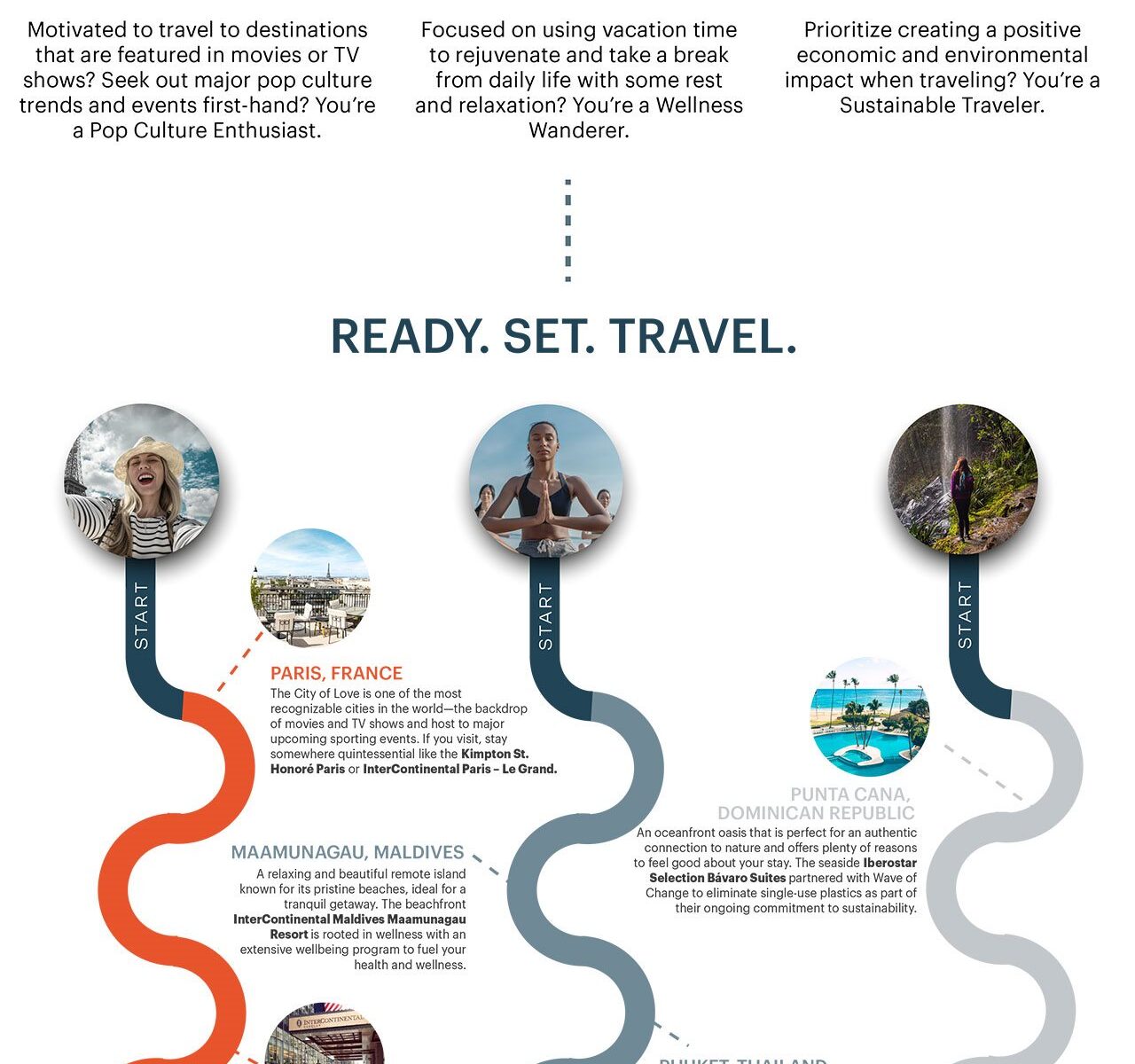
(BPT) – When imagining your next vacation, ask yourself: What kind of traveler are you? Recent research and various travel experts have identified popular types of travelers according to their preferences, beliefs, and destination “must-haves.” Recognizing where you may fit in one of these categories can help you discover the perfect destination for your next travel adventure. Read on to learn more about three of the top traveler categories, along with a great location that will fit your unique travel preferences.

Once you’ve found the perfect destination, make your travel experience more enjoyable with a travel credit card so you can take advantage of amazing benefits and earn points toward your next trip. For example, from now until April 3, 2024, new Chase IHG One Rewards Premier Credit Cardmembers can earn 165,000 bonus points after spending $3,000 in the first three months from account opening, and new Chase IHG One Traveler Credit Cardmembers can earn 100,000 bonus points after spending $2,000 in the first three months from account opening.

With these offers, many ways to earn points through everyday purchases on the cards, and other benefits, you’ll be able to get going on your perfect trip even faster, no matter where it is.

Pop Culture Enthusiasts

Are you motivated to visit locales featured in your favorite movies or TV shows? You may just be a pop culture enthusiast. In fact, 86% of travelers surveyed by Skyscanner were inspired by destinations in movies or TV, with 33% of U.S. travelers wanting to “experience Paris” like their favorite TV show character. You may also enjoy following current media trends and major cultural events — and you’re always looking for places that are “Insta-worthy.”

For anyone in this category, a Paris voyage would be high on your list, especially with some major sporting events in 2024 top of mind. The “City of Love” is not only the fashion capital of the world, but its iconic landmarks, romantic river bridges and picturesque architecture also make it a very Instagrammable locale.

You can make your stay even more memorable by booking a luxury central Paris hotel such as IHG Hotels & Resorts®Kimpton St. Honoré or InterContinental Paris – Le Grand. And the Chase IHG One Rewards Premier Credit Card can make international travel simpler; cardmembers can receive a Global Entry, TSA PreCheck® or NEXUS Statement Credit of up to $100 every four years as reimbursement for the application fee charged to the card.

Wellness Wanderers

If your idea of the perfect vacation involves nothing more strenuous than walking from your massage to the pool, you could be a wellness wanderer. These travelers consider trips primarily as opportunities to rejuvenate and refresh. A whopping 94% of travelers want to incorporate self-care into their trips this year, and 29% are interested in traveling for wellness.

These kinds of vacations never feel long enough, but when Chase IHG One Rewards Premier and Traveler Credit Cardmembers redeem IHG One Rewards points for a consecutive four-night IHG hotel stay, they receive the fourth Reward Night free (redeemable at that same hotel during that same stay), making extra time for rest and relaxation easier.

Wellness wanderers want to spend their well-deserved time away at tranquil, remote locations where they can take advantage of natural surroundings to enhance their wellness. For example, the Holiday Inn Express Sedona – Oak Creek is located in a quiet, scenic area with Arizona’s famed red sandstone canyons as its backdrop, offering a pool and proximity to plenty of spas for a relaxing, peaceful getaway.

Sustainable Travelers

Are you concerned about the economic or environmental impacts of traveling? If so, you may be a sustainable traveler. In 2023, 69% actively sought sustainable travel options, and Google searches for “sustainable travel” have increased 226% over the last five years. Sustainable travelers want to explore nature and seek places to stay that provide a sustainable infrastructure and opportunities to give back to local communities.

Did you know Melbourne, Australia, was named the most sustainable city in the world? With over 480 parks, this beautiful city offers tours with sustainability or conservation-focused guides. You could also plan your stay at voco Melbourne Central, which embodies sustainability through beds made of recycled materials as well as bedding made from recycled plastic and biodegradable materials.

No matter what profile you fit or what city you choose, IHG® Hotels and Resorts has just the right stay for you. With a growing portfolio of 19 brands and over 6,000 hotels across the globe, every type of traveler will be able to find a spot that checks off all their must-haves.

And with all of the rewards that help Chase IHG One Rewards Cardmembers get the most out of their travels, you could enjoy your next trip that much more. Visit chase.com/ihgcards to learn more about current offers.

Chase credit cards are issued by JPMorgan Chase Bank, N.A. Member FDIC. Accounts subject to credit approval. Restrictions and limitations apply. Offer subject to change.

How a novel treatment helped a pro skier heal her ACL

2024-02-12T02:01:00

(BPT) – For some, skiing isn’t just a sport. It’s a way of life. This is especially true for Holly Reitsema, who was raised in a family of freestyle skiers. Not only is she a competitive freestyle skiing athlete, but she also coaches at the prestigious Woodward Copper snowboard and ski training camp.

“I’ve been skiing since I was 3 years old. I ski over 200 days a year and it’s my livelihood,” said Reitsema.

Everything changed for Reitsema when she tore her anterior cruciate ligament (ACL) when she hit a jump while skiing. “Midair, I felt off-axis and shoulder heavy, so I knew I was about to fall. I then did the worst thing possible and fought my fall, so my body was twisted when I landed.”

Not an uncommon story

Skiers like Reitsema are well acquainted with ACL injuries. According to Miach Orthopaedics, about 400,000 ACL injuries occur each year in the U.S. Of those injuries, 20,000 happen while skiing. Even with gear maintenance, proper warmup and strengthening exercises, ACL tears still happen to skiers of all levels and ages.

Unlike many other ligaments in the body, the ACL cannot heal on its own and often requires ACL reconstruction (ACLR) surgery. During ACLR, an orthopedic surgeon removes the torn ACL and replaces it with a graft from another part of the body or a deceased donor.

Although ACL reconstruction is effective, the procedure has drawbacks. When a graft is taken from the knee, many patients experience long-term knee pain. And when a graft is taken from the hamstring, patients may have persistent weakness in that muscle. Regardless of the graft type, many people cannot return to the same level of daily activities or sports.

Reitsema’s father had ACLR years previously with a patellar tendon graft, and she saw how the injury changed him. Hesitation, pain and multiple operations held him back from his prior feats, and this was not something Reitsema nor her father wanted.

“My local orthopedic surgeon initially suggested I get ACL reconstruction with a patellar tendon graft,” said Reitsema. “I was very hesitant because I wasn’t experiencing pain from the ACL tear, but the doctor said I would have pain after getting the graft. I was concerned that I wouldn’t be able to return to skiing or coaching. Something just didn’t feel right about the patellar tendon graft procedure to me.”

A novel treatment for ACL injuries

Luckily for Reitsema, she was an excellent candidate for a novel ACL tear treatment. The BEAR Implant is the first medical advancement that enables the ACL to heal on its own. The implant works by using your own blood to heal the torn ends of your ACL back together, restoring its natural anatomy and function.

During the procedure, the orthopedic surgeon adds your own blood to the BEAR Implant and attaches it between the torn ends of your ACL. The implant holds and protects the blood to allow clot formation. Over time, the BEAR Implant — made of collagen — is resorbed by your body and replaced with native ACL tissue.

“I think the BEAR Implant has the potential to change the entire paradigm around ACL injuries,” said Dr. Alex Meininger, an orthopedic surgeon at Steamboat Orthopaedic and Spine Institute in Steamboat Springs, Colorado. “Previously, we as surgeons thought an ACL tear was incompatible with healing and the stump of native ACL tissue unsalvageable. The regenerative medicine potential of the BEAR Implant has turned that notion on its head.”

After speaking with Reitsema, Meininger felt that she was a great fit for the BEAR Implant. After the procedure and diligent rehab, Reitsema’s ACL healed, and she was able to return to skiing and coaching.

“After hitting the slopes for the first time, I was so proud that my knee didn’t tire out,” said Reitsema. “Since skiing and coaching again, I have been building my stamina and am more self-aware of my energy levels. These days, once I properly warm up, I feel like I did before I got injured. Being able to hit a rail and demonstrate tricks for my students while coaching is an extreme accomplishment for me.”

Reitsema’s story isn’t the only success of this innovative treatment. To date, over 300 patients with snow-related injuries have been treated with the BEAR Implant. To learn more about the procedure and read safety information, visit BEARImplant.com/Snow.

8 Lucky Ways to Unleash Prosperity, Success and Positive Energy in the Year of the Dragon

2024-02-08T14:45:00

(BPT) – Lunar New Year is fast approaching on February 10, and this year is the Year of the Dragon. This is one of the most popular and recognized signs on the Chinese zodiac, symbolizing luck, strength and health. According to celebrity astrologer Laura Lau, best-selling author of the “Handbook of Chinese Horoscopes,” in traditional Chinese culture, it’s a time to celebrate traditional customs, enjoy delectable cuisine and make wishes for a prosperous year ahead.

“Lunar New Year is the perfect time to immerse yourself in the vibrance of Chinese food and culture,” states Steven Montes, general manager, USA, for Lee Kum Kee, the revered, centuries-old Asian sauce and condiment maker known for their expertise in Asian cuisine. Lee Kum Kee teamed up this year with Laura to harness the power of the dragon and share how to bring good fortunes and great flavors to every home.

So, let your inner dragon roar, get ready to ignite your luck and welcome positive vibes with these eight tips, courtesy of the celebrity astrologer and Lee Kum Kee:

1. Settle the Past for a Fresh Start

Tie up loose ends in your personal and professional life. In Asian tradition, this is a time to settle debts and finish any business related to last year, so that one can start truly fresh.

2. Feng Shui Your Home

Whether you call it decluttering or good feng shui, look to make your home, especially the front door/entrance, Lunar New Year-ready. Entrances are especially important because they are the ways good luck can enter a home. Make sure to remove any obstacles to your home, clear away shoes and other items that may have stayed past their welcome. Also, give the area a good cleaning, both inside and outside of the door, to symbolize a clear entry point for good luck and new energy.

3. Welcome the New Year with Vibrant Front Door Décor

Decorate your front door to celebrate the new year and symbolize a new and prosperous start to the year. The traditional colors of red and gold are the luckiest, along with pink and orange.

4. Feast on Noodles

Celebrate the Lunar New Year with foods with good symbolism. Noodles are always on the Lunar New Year table. The long shape of the noodle represents a long life. There are so many types of noodles that can be integrated into the meal, from egg noodles to bean thread, to even veggie zoodles. If you’re entertaining, make a vegetable lo mein for the table and also have a spicy noodle option, complete with a variety of chili sauces so family and friends can tailor to their level of spice. You can’t go wrong with Chili Crisp Sauce or hot Chili Garlic Sauce from authentic and revered Chinese brands, like Lee Kum Kee, that I grew up with. Long green beans are another nice option to bring a longevity dish to the table.

5. Embrace Tradition with Flavorful Appetizers

The Lunar New Year celebration period traditionally lasts two weeks, giving people the time to celebrate with family, friends and coworkers. This is a great time to reconnect with people, especially over traditional foods including Hoisin Shrimp or Lucky New Year Dumplings. Opt for a variety of appetizers instead of a heavy meal to allow your guests to explore new dishes. Individuals who are not as adventurous can simply incorporate traditional Chinese sauces for a tasty spin on sliders, warm salads and cold noodle dishes. Be prepared to make something quick, but special, for unexpected guests.

6. Welcome Health and Longevity with Fruit on Your Table

Health and longevity are a traditional new year wish for every family. Adorn a table with a heaping bowl of oranges and tangerines to symbolize wealth, as well as a lot of apples, which symbolize peace. These are simple ways to bring wishes to the table and good routines to your snacking as well.

7. Set Clear Goals

The Year of the Dragon symbolizes energy and favors the bold. Take this two-week period to reflect on the past year and make clear goals for the future. In the traditional Chinese culture, at this time of year we make wishes, rather than resolutions. While we always work to make our own luck, this is a way of sharing our dreams with the dragon and manifesting our goals into reality.

8. Simplify Mealtime

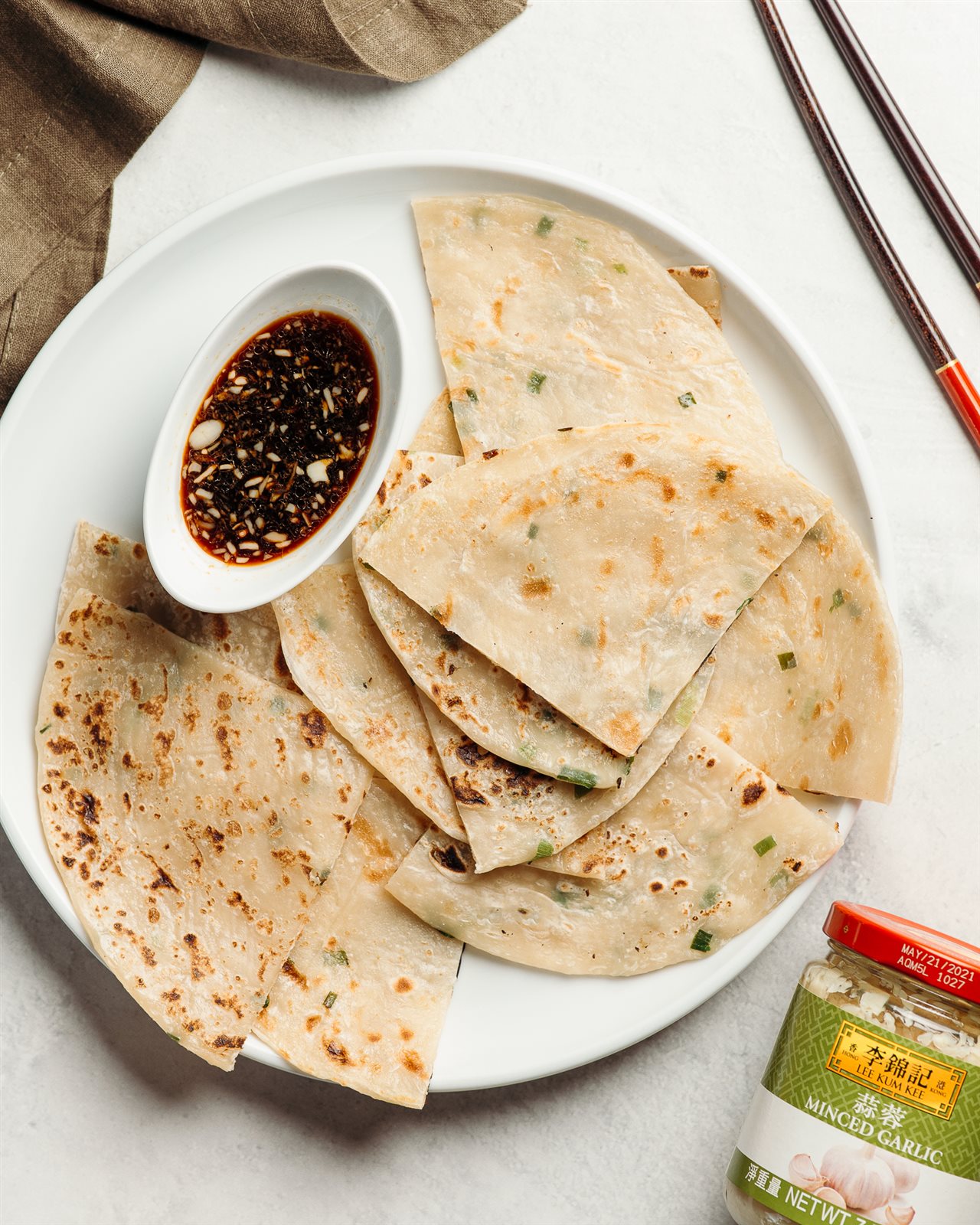
Lunar New Year, also referred to as the Spring Festival, marks the end of winter. To keep the celebration focused on newness and life, it’s important to keep mealtime simple, yet delicious. One of my favorite Chinese dishes to make is Scallion Pancakes; it’s versatile and makes for great leftovers. Whether you choose to enjoy it plain, add dipping sauces like hoisin or with garlic and ginger oils, or fill with Chinese BBQ short ribs, chopped lettuce and Lee Kum Kee Sriracha Mayo, they are always a hit.

“Lunar New Year is truly one of my favorite times of the year – for many reasons, but especially for the food. Combining traditional ingredients and big, bold flavors are perfect for the Year of the Dragon,” comments Lau. “Looking back on how I always helped my mother prepare our house for the new year, I get excited about passing these lessons on to not only my son but also others to help inspire a year filled with good food and good fortune!”

For more information on Lee Kum Kee, the company’s full assortment of Asian sauces and condiments, recipes and more, visit www.LKK.com.

Tasty and healthy: Lean beef’s secret to a happy heart

2024-02-09T08:01:00

(BPT) – When you think about eating a heart-healthy diet, do you picture beef? Beef may not be a food that immediately comes to mind when you think heart health. However, lean beef is a nutrient-rich and flavorful food that supports a heart-healthy diet and lifestyle.

Numerous research studies have shown that incorporating lean beef into a heart-healthy diet pattern can help maintain healthy cholesterol and blood pressure levels. In fact, research from Penn State University found that people who participated in the Beef in an Optimal Lean Diet (BOLD) Study — who ate 4 to 5 ounces of lean beef each day as a part of a heart-healthy diet including vegetables, fruits, whole grains and low and non-fat dairy — maintained healthy blood cholesterol levels.

People are more likely to maintain a healthy diet if it is satisfying and enjoyable, says Shalene H. McNeill, Ph.D., RDN, executive director of Nutrition Science, Health and Wellness at National Cattlemen’s Beef Association — a contractor to the Beef Checkoff. “The good news is you don’t have to give up your favorite foods like beef. It’s all about balance.”

In honor of American Hearth Month, McNeill has offered her top three tips and recipes for incorporating beef into your diet so you can support your heart health and your taste buds too.

1. Choose lean cuts

When shopping for beef, opt for the leanest cuts available. A good rule of thumb is to look for “round” or “loin,” like sirloin, tenderloin or eye round roast. These cuts typically have a lower fat content, making them heart-friendlier options that are equally tasty.

2. Employ heart-healthy cooking methods

The way we prepare our meals can significantly impact its nutritional value. Before cooking beef, trim any visible fat which also helps cut calories. Cooking techniques such as broiling, roasting or grilling are considered lower fat cooking methods because they don’t require added fat for flavor.

3. Pair beef with fiber-rich sides

What you eat with beef is just as important as how you choose and prepare. Pair your main beef dish with other healthy foods like fiber-rich vegetables, fruits and whole grains for a well-rounded, tasty meal.

For example, toss a salad of spinach or your favorite crunchy greens or roasted colorful vegetables as a side for your sirloin steak. Or, slow roast an eye of round with peppers and carrots.

Need inspiration? Check out these three beef recipes that are Heart-Check certified by the American Heart Association.

Spicy Korean Beef & Cucumber Appetizers

Enjoy the spicy taste of Korean red chili sauce, savory herbed cream cheese and a delicious strip steak. Top with cucumber slices for a refreshing taste and satisfying crunch.

Roasted Sun-Dried Tomato Beef Tri-Tip with Peppers and Sweet Potatoes

This beef tri-tip roast is incredibly tender and flavorful on its own, but its taste is further enhanced when covered in a sauce of Italian dressing and sun-dried tomatoes. When you smell it roasting on top of a bed of sweet potatoes and red bell peppers, you’ll be counting down the minutes until the dish comes out of the oven!

Beef Confetti Taco Salad

You don’t have to wait until Taco Tuesday to eat this beef taco salad. Use your favorite taco ingredients like salsa, cheese, tomato, salad greens, bell peppers and onions and, of course, cooked ground beef, and savor the taste of a deconstructed taco. No taco shell needed!

Using these three tips, you can continue to enjoy the delicious taste of beef while supporting your heart health. For more heart-healthy recipes Heart-Check certified by the American Heart Association, visit BeefItsWhatsforDinner.com.

Destination Dupes: Four Unexpected Travel Adventures in Your Backyard

2024-02-08T08:01:00

(BPT) – A rising travel trend for 2024 is quickly becoming trips to destination “dupes.” These sometimes-unexpected locales are often cost-effective, yet experience-rich alternatives to their tourist-packed counterparts; and many of them happen to be right in our backyards! Ahead of spring and summer travel, there’s never been a better time to stay ahead of the trend and lock in your next vacation. Not only will this give you something to look forward to, but you can also tap into travel offers to help you (and maybe even a plus-one) make more out of upcoming trips.

For example, from now until March 11, 2024, Southwest Rapid Rewards® Plus, Premier, and Priority Credit Cards from Chase are offering new Cardmembers the opportunity to earn the coveted Companion Pass®, plus earn 30,000 Rapid Rewards® points, after spending $4,000 within the first 3 months from account opening. With the Companion Pass, new Cardmembers can bring a travel partner along for free on as many flights as they’d like through February 28, 2025 (not including taxes and fees from $5.60 one-way) — so you can take your best friend, partner, child, or whomever you choose to explore more dupes along with you.

Seeking a bustling and historic cityscape?

While your first thought might be London, Athens, or New York City, you might also consider a weekend trip to Chicago. With its robust history, sweeping skylines, lively theater scene, and one of the oldest and largest museums in the world, Chicago has plenty to offer any traveler open to exploring its rich history.

Be sure to also visit the iconic Bean art installation in Millennium Park or enjoy a relaxing architectural river cruise. You can also experience the city atop one of the many fantastic observation decks and upgrade your camera roll with unparalleled panoramic views. What’s more, Chicago is one of the most walkable cities in the country (take a day to stroll through Grant Park!) but it also hosts a bustling infrastructure of transportation options to help you cover more ground. If you use the right travel card when making your way through the city, you can even earn points to use toward your next vacation. The Southwest Rapid Rewards Plus, Premier, and Priority Credit Cards, for example, offer Cardmembers the ability to earn 2X points per $1 spent on local transit and commuting purchases, including rideshare.

Looking to live out your outdoor adventure?

If you’re looking to immerse yourself in the outdoors, Australia or Iceland might be on your travel bucket list. But did you know Denver also offers a host of memorable experiences in the great outdoors, all year round? Colorado’s unique climate means you can hit the slopes any season, so you’ll want to get your gear ready for skiing, hiking, and biking in the Rocky Mountains. You can also enjoy soaking in Eldorado hot springs, strolling through Denver’s lush 23-acre botanic gardens, rollerblading around Washington Park, or climbing the impressive 2,000 ft. Manitou Incline. Rent a car to take a scenic drive around Lookout Mountain for the best views of the city (Southwest Rapid Rewards Credit Cardmembers earn 2X the points per $1 spent on Rapid Rewards car rental partner purchases for use toward their next adventure!).

Searching for the site of your next “friendcation?”

The number one concern when traveling with friends is making sure there’s something for everyone. Though trips to Porto, Dublin, or Mykonos might be top of mind, Orlando, Florida, is jam-packed with activities to keep your full friend group happy the entire trip. Not only that, but you can also count on reliably warm weather year-round — and even if it rains, there’s still plenty to do both indoors and outdoors. If you’re looking for a daytime activity for your sportier friends, Orlando boasts some of the country’s best golf courses, with several expert-level play courses across the city. Alternatively, if you’re interested in a more adrenaline-filled experience, check out any number of the city’s adventure parks, like Orlando Tree Trek Adventure Park, for some friendly competition along their ropes course or racing down their zip lines. You’ll also have access to spend the day exploring local attractions, from the Kennedy Space Center to the wildlife-teeming Everglades, giving you more opportunities to make memories you’ll be talking about for years to come.

Lights, camera, action! Explore the true heart of cinema

Thinking of traveling to LA to see the Hollywood Walk of Fame? Instead, witness the magic of television come to life in Burbank, CA. Known as the ‘Media Capital of the World,’ Burbank is home to some of the most famous media companies and major movie studios. While in Burbank, experience exciting backlot tours of the places where your favorite movies and TV shows are filmed. It’s also just a short ride away from Los Angeles and Hollywood, so you can use the city as your tourist-light home base while exploring the sights in these California hot spots.

With spring approaching and some great travel offers already available, it’s the perfect time to consider a travel dupe for an upcoming vacation. Plus, when selecting a travel credit card, like the Southwest Rapid Rewards Plus, Premier, and Priority Credit Cards, you can earn points toward future travel and access travel benefits like the Companion Pass; or access to 2 EarlyBird Check-In® per year on the Premier, and Plus Cards and 4 Upgraded Boardings per year on the Priority Card, when available. Your next adventure is just a short flight away.

*Accounts subject to credit approval. Restrictions and limitations apply. Cards are issued by JPMorgan Chase Bank, N.A. Member FDIC. All Rapid Rewards rules and regulations apply and can be found at Southwest.com/rrterms.

Heart-Shaped Hacks: Four Ways to Spread Joy this February

2024-02-08T14:15:00

(BPT) – The aftermath of the back-to-back holiday season can hit people hard. While January doesn’t bring much in the way of nice weather or celebrations, it instead inches us closer to Valentine’s Day. Though historically a day to focus on love and partnership, over the last decade it has transformed into a time to honor and celebrate all bonds, including relationships with our children, grandchildren and even friends thanks in large part to social media. In fact, recent data shows that Galentine’s Day has almost as many mentions on social media annually as Valentine’s Day.

There are many ways to spread joy this February—having a girls night in for Galentine’s Day, sending a gift to your long-distance partner, or simply planning a fun or romantic date night. Planning for a day or evening out just got a whole lot easier on the wallet too, because an AARP membership can unlock a plethora of discounts to aid in your efforts. Here are a few ways to celebrate love and friendship while utilizing your AARP member benefits:

1. Cuddle Up for a Cozy Night In

Looking for something low key? Grab your favorite snacks and a cozy blanket and cuddle up with your honey to binge your next favorite show on Paramount+. AARP members can save 10% on any plan—choose from over 45,000 episodes, blockbuster movies, live sports, and more all in one place.

If you’re having friends over for Galentine’s Day drinks, show off your inner sommelier by offering a selection of options from Naked Wines. Don’t forget that AARP members receive $120 off and complimentary shipping on the first personalized wine order of $179.99 or more. Plus, members earn an additional $5 per month in wine credits.

2. Go All-in for a Classic Date Night

Keep it classic this Valentine’s Day by making a reservation for two at Bonefish Grill. AARP members save 10% on food and nonalcoholic beverages, so it’s the perfect time to enjoy that delicious surf n’ turf meal you’ve been eyeing.

“When planning an evening out for a special occasion, you shouldn’t have to make tremendous sacrifices because of budget restrictions. At AARP, we make it a priority to ensure that members can enjoy savings at restaurants around the country that fit both their budget and dining interests,” said Jason Mugg, Senior Vice President, Lifestyle & Emerging Businesses, AARP Services. “While Bonefish Grill is certainly a fan favorite, AARP members have dozens of options for dining out and the list continues to grow.”

3. Special Delivery: Brightening Someone’s Day with Blooms or Basket

Sometimes life gets in the way of holidays, and Valentine’s Day is no exception. If you and your partner will be apart this year, show how much you love and miss them by sending a beautiful bouquet or a heart-shaped succulent from FTD. AARP members automatically save 25% sitewide and 30% off select items with promo code AARP30. If you’re looking for another way to say you care, send relaxation right to their door with a spa gift basket or a food basket that has meat, cheese and brownie bites—you’ll thank us later!

4. Take a Valentine’s Day Getaway

If it’s a stress-free getaway that will make you happiest this February—but you don’t want to break the bank—book a quick trip through the AARP Travel Center Powered by Expedia, where AARP members get exclusive deals, seasonal offers, and special savings. Or book yourself a romantic staycation and stay closer to home—from DoubleTree to Waldorf Astoria, AARP members can take advantage of savings up to 10% off the best available rate at any Hilton property and get late checkout until 2 p.m. when available, or save 10% at Wyndham Hotels & Resorts, which has thousands of pet-friendly properties worldwide, so you can even bring your four-legged valentine with you.

If your getaway is close enough to drive, you can save wear and tear on your own car and treat yourself by renting from Avis or Budget. AARP members save up to 30% off base rates or up to 35% when selecting Pay Now, and receive a 3% credit to apply to rentals within 12 months. Plus, you get an upgrade on compact through full-size car class bookings (based on availability), an additional driver at no cost, and more. So pack your bags, put together a playlist, and hit the road to your destination.

To learn more about the benefits and discounts for AARP members to help you prepare for Valentine’s Day, please visit aarp.org/save.

AARP member benefits are provided by third parties. AARP receives a royalty fee for the use of its intellectual property. These fees are used for the general purposes of AARP. Provider offers are subject to change and may have restrictions.

How to get motivated to start your fitness routine anytime

2024-02-07T23:01:00

(BPT) – If you find it hard to get yourself into the fitness mindset — and fear that the resolution season ended in January — keep in mind it’s never too late to begin a routine focused on your health and wellness. But if you need the motivation to re-commit, here are some reasons why it can be even easier to get yourself moving again.

You can exercise at an affordable cost

While many gym memberships have skyrocketed in recent years, the good news is that some gyms are incredibly affordable and flexible. For example, at Planet Fitness, you can access high-quality fitness equipment at an affordable monthly cost. Plus with the PF Black Card®, you can get access to additional amenities such as the ability to bring a guest every day at no additional charge, and access to all 2,500+ Planet Fitness locations.

Starting small is STILL starting

For many people, it’s easy to fall into the all-or-nothing trap: If you can’t work out for at least an hour every single day of the year, why do anything at all?

If this sounds familiar to you, it’s important to re-evaluate and learn that any amount of activity can help boost your mood and support your overall well-being. Starting small, without imposing goals that are impossible to attain, is the best way to build your exercise habits — and your confidence.

Beginning with a simple goal like moving for 10-20 minutes every other day, and gradually increasing every few weeks, can be a great place to start. Taking it slow and steady will help build the foundation and help mitigate burnout.

Non-intimidating fitness exists

While it’s understandable to feel a little self-conscious at first, you can overcome your worries by exercising at a gym that has a non-intimidating atmosphere to help calm any nerves.

For example, Planet Fitness offers a Judgement Free Zone® so members feel comfortable working out, no matter their fitness level. In addition, all memberships come with free fitness training with PE@PF, where certified fitness trainers can show you around the gym and provide instruction on their huge selection of cardio and strength machines to help build your confidence.

Keep it fun and social

Another way to help you stay motivated in keeping up your fitness routine is by amping up the fun — and realizing that you don’t have to do it alone. By making friends at your gym — or encouraging a friend to join you — you can use the workout time to get active together.

Bringing a guest or finding other gym-goers with the same goals can help increase the fun factor so that staying fit no longer feels like a chore, but something you look forward to every week.

Switch it up

Another recognizable motivation killer for fitness is monotony. Instead of doing the same exact routine every time, at the same time of day, keep things lively by varying your workout or trying new equipment, and experiment with working out at different times of day. What is fun or convenient for you may be different than you expected — and it may vary from one week to another.

Keep physical activity fun through variety like listening to a different artist or playlist, working on a different muscle group, or exploring that section of the gym you’ve never ventured to.

Feeling motivated to start your new fitness routine? Start by finding a convenient gym location near you — and joining online at PlanetFitness.com.

How One Mother’s Perseverance with Psoriatic Disease Helped Turn Challenge into Purpose

2024-02-07T09:01:00

(BPT) – For those living with plaque psoriasis (PsO) and active psoriatic arthritis (PsA) — known collectively as psoriatic disease[1] — every day can feel like a challenge. From PsO symptoms like painful itchy, burning, and scaly plaques on the skin[2] to joint pain, stiffness, and swelling from active PsA,[3] these conditions are chronic illnesses that can impact many aspects of a person’s life.

Joni is one of the more than 7.5 million Americans currently living with psoriasis,[4] an autoimmune disease that causes inflammation and an overproduction of skin cells. It can appear anywhere on the body, even on the scalp, hands, feet, nails and other areas.

“Before I was diagnosed with psoriasis, I remember thinking I was just having an allergic reaction because it was the beginning of spring,” Joni reflects. “When I went to the doctor and learned it was psoriasis — I realized that this was something I would have to manage for my whole life. I felt very overwhelmed because all I wanted to focus on was being a student and playing sports — not covering up and hiding my body or feeling self-conscious.”

Joni worked with a dermatologist and tried a number of treatments to get her PsO under control. She responded temporarily to some medications, but not for the long term. This caused great frustration for Joni over the years, which drove her to launch her own blog, Just a Girl with Spots, to advocate for others. She uses this platform and social media to raise awareness about active PsA and PsO by sharing information and resources for people living with these conditions, creating a supportive online community to ensure people know they are not alone in their journey with psoriatic disease.

As time went on, Joni began to also experience aches in her feet and hands. It started out feeling like she couldn’t quite get comfortable and like she needed extra time in the morning to get her body moving. About 30% of people with PsO can develop active PsA, and in 2020, Joni’s dermatologist confirmed her active PsA diagnosis.[5]

Faced with this new reality, Joni was determined to work with her doctor on a management plan that could treat her conditions and hopefully provide some symptom relief. As a wife and mother with a busy social life and a number of hobbies, such as fitness, painting and writing, Joni’s active PsA was getting in the way of the things she loves.

“I realized that active PsA was impacting my ability to perform daily activities that I previously took for granted. I have two young daughters and it became difficult to keep up with them and take them to events and activities. There were days I couldn’t even walk and do simple things, like hold a coffee cup or open a jar,” Joni reflects. “With my active PsA symptoms I felt like I was in less control of my own body and that my entire family was impacted as a result.”

Joni spoke with her doctor about how her joint symptoms (joint pain, stiffness and swelling) were interfering with her daily life and she was prescribed a biologic medication called TREMFYA® (guselkumab). TREMFYA® is a prescription medicine approved to treat adults with active PsA.

In two medical studies, more than half of patients treated with TREMFYA® had at least a 20 percent improvement in joint pain, stiffness, and swelling at 24 weeks compared to placebo. Furthermore, at 24 weeks, people taking TREMFYA® showed an overall improvement in their ability to perform daily activities such as getting dressed, eating, and walking, which was assessed in a questionnaire. Some patients also reported improvement in PsA-related fatigue at 24 weeks as measured by the Functional Assessment of Chronic Illness Therapy—Fatigue (FACIT-F), a questionnaire to measure self-reported tiredness, weakness, and difficulty conducting usual activities due to fatigue over the last 7 days. Active psoriatic arthritis patients treated with TREMFYA® saw an improvement in psoriasis skin plaques at 24 weeks. Individual results may vary.

Since being prescribed TREMFYA® in 2020, Joni experienced less joint pain, stiffness, and swelling and has seen improvements in doing everyday tasks, as well as her active PsA-related fatigue symptoms and an improvement in psoriasis skin plaques. TREMFYA® is a single-dose 100 mg injection taken under the skin at weeks 0 and 4, and then every 8 weeks. TREMFYA® is intended for use under the guidance and supervision of physicians. Patients may self-inject after proper training and physician approval.

“I have been able to fit TREMFYA® into my life,” Joni shares. “After being trained by my doctor during my first injection at the office and after my doctor’s approval, I’ve been able to have it shipped to my house so I can self-administer — something that has now become a family affair as my girls enjoy supporting me.”

TREMFYA® is not for everyone; only your doctor can decide if it’s right for you. Do not use if you are allergic to TREMFYA®. TREMFYA® is a prescription medicine that may cause serious side effects, including serious allergic reactions and infections. TREMFYA® affects your immune system. It may increase your risk of infections and lower your ability to fight them. Please read the Important Safety Information below and the Medication Guide for TREMFYA® available at www.tremfya.com to learn more about these and other risks for TREMFYA®. Discuss any questions you have with your doctor.

You should be instructed to seek medical advice if signs and symptoms of clinically important chronic or acute infection occur. You should also be evaluated for tuberculosis before being treated with TREMFYA®. Ask your doctor if TREMFYA® is right for you. Click here for more information on how TREMFYA® may help. If you’ve been prescribed TREMFYA® and are looking for support, help is just one step away.

What does life look like for Joni now? Today, she focuses on her physical and mental health and being a wife and mother. She is also still an active advocate for others struggling with active PsA and PsO, sharing information on her blog, on social media, and through chronic disease community platforms.

“When my symptoms started to improve, I felt I was able to do more of what I used to and was given back the opportunity to focus on my daily routines,” Joni reflects. “I’m sharing my story to inspire those that may have a medical condition that can be challenging to diagnose and to encourage those dealing with psoriatic disease and specifically active PsA to seek help from their doctors. You are not alone, and the sooner you talk with your doctor about treatment options, the sooner you can find something that could work for you.”

cp-424067v1

Sponsored by Johnson & Johnson

In consideration of the time Joni spent participating in this article, she was paid honoraria by Johnson & Johnson.

IMPORTANT SAFETY INFORMATION

What is the most important information I should know about TREMFYA®?

TREMFYA® is a prescription medicine that may cause serious side effects, including:

  • Serious Allergic Reactions. Stop using TREMFYA® and get emergency medical help right away if you develop any of the following symptoms of a serious allergic reaction:
    • fainting, dizziness, feeling lightheaded (low blood pressure)
    • swelling of your face, eyelids, lips, mouth, tongue, or throat
    • trouble breathing or throat tightness
    • chest tightness
    • skin rash, hives
    • Itching
  • Infections. TREMFYA® may lower the ability of your immune system to fight infections and may increase your risk of infections. Your healthcare provider should check you for infections and tuberculosis (TB) before starting treatment with TREMFYA® and may treat you for TB before you begin treatment with TREMFYA® if you have a history of TB or have active TB. Your healthcare provider should watch you closely for signs and symptoms of TB during and after treatment with TREMFYA®.

    Tell your healthcare provider right away if you have an infection or have symptoms of an infection, including:

    • fever, sweats, or chills
    • muscle aches
    • weight loss
    • cough
    • warm, red, or painful skin or sores on your body different from your psoriasis
    • diarrhea or stomach pain
    • shortness of breath
    • blood in your phlegm (mucus)
    • burning when you urinate or urinating more often than normal

Do not take TREMFYA® if you have had a serious allergic reaction to guselkumab or any of the ingredients in TREMFYA®.

Before using TREMFYA®, tell your healthcare provider about all of your medical conditions, including if you:

  • have any of the conditions or symptoms listed in the section “What is the most important information I should know about TREMFYA®?”
  • have an infection that does not go away or that keeps coming back.
  • have TB or have been in close contact with someone with TB.
  • have recently received or are scheduled to receive an immunization (vaccine). You should avoid receiving live vaccines during treatment with TREMFYA®.
  • are pregnant or plan to become pregnant. It is not known if TREMFYA® can harm your unborn baby.
  • are breastfeeding or plan to breastfeed. It is not known if TREMFYA® passes into your breast milk.

Tell your healthcare provider about all the medicines you take, including prescription and over-the-counter medicines, vitamins, and herbal supplements.

What are the possible side effects of TREMFYA®?

TREMFYA® may cause serious side effects. See “What is the most important information I should know about TREMFYA®?”

The most common side effects of TREMFYA® include: upper respiratory infections, headache, injection site reactions, joint pain (arthralgia), diarrhea, stomach flu (gastroenteritis), fungal skin infections, herpes simplex infections, and bronchitis.

These are not all the possible side effects of TREMFYA®. Call your doctor for medical advice about side effects.

Use TREMFYA® exactly as your healthcare provider tells you to use it.

Please read the full Prescribing Information, including Medication Guide for TREMFYA®, and discuss any questions that you have with your doctor.

You are encouraged to report negative side effects of prescription drugs to the FDA. Visit www.fda.gov/medwatch, or call 1-800-FDA-1088.

cp-82626v3


[1]. Understanding Psoriatic Disease. National Psoriasis Foundation. December 6, 2023. https://www.psoriasis.org/understanding-psoriatic-disease/

[2]. Psoriasis. Mayo Clinic. December 11, 2023. https://www.mayoclinic.org/diseases-conditions/psoriasis/symptoms-causes/syc-20355840#:~:text=Psoriasis%20is%20a%20skin%20disease,make%20it%20hard%20to%20concentrate.

[3]. About Psoriatic Arthritis. National Psoriasis Foundation. December 11, 2023. https://www.psoriasis.org/about-psoriatic-arthritis/#:~:text=Psoriatic%20arthritis%20(PsA)%20is%20a,age%20and%20may%20affect%20children.

[4]. Armstrong AW, Mehta MD, Schupp CW, Gondo GC, Bell SJ, Griffiths CEM. Psoriasis prevalence in adults in the United States. JAMA Dermatol. 2021;157(8):940-946. doi: 10.1001/jamadermatol.2021.2007. PMID: 34190957; PMCID: PMC8246333.

[5]. Psoriatic Arthritis. Cleveland Clinic. October 19, 2023. https://my.clevelandclinic.org/health/diseases/13286-psoriatic-arthritis