3 ways homebuilders can incorporate sustainability into their operations

2023-11-16T11:01:05

(BPT) – The demand for homes with sustainable features is growing. However, home building companies that are committed to sustainability recognize that how you build a home is just as important as the home itself. Below are three ways that Clayton, a leading national builder of single-family attainable housing, is investing in practices that promote sustainability in their operations.

1. Reducing emissions

According to the Rocky Mountain Institute®, new home constructions in the U.S. create over 50 million tons of carbon emissions each year. That’s why it’s important for home builders to find ways to reduce or offset their emissions.

To reduce emissions in its operations, Clayton is working to reduce its reliance on fossil fuels. The home builder is working toward this goal by transitioning to a hybrid fleet of light-duty pickups for transportation and using electric forklifts and other equipment in its operations.

2. Using renewable energy

Clayton is also continuing to increase its reliance on renewable energy. In December 2019, Clayton Sulphur Springs, a home building facility, installed its first solar carport system (200 kW). This installation allowed the site to offset 30-40% of its electricity usage with renewable energy. Starting this year, Clayton has initiated four new solar projects for systems to be installed at home building facilities in East Tennessee, Arizona and at Clayton’s home office.

3. Reducing waste

Because of all the materials needed to build a home, it’s important that homebuilders focus on identifying ways to reduce waste in their operations. Through careful planning, they can prevent tons of waste from ending up in landfills.

There are a few different ways builders can decrease waste in their operations. For example, Clayton collaborates with its suppliers to reduce inbound building material packaging and waste. As raw building materials are used Clayton uses material reuse programs on the production line to repurpose building supplies for other parts of the home building process.

Continuous improvement

Environmental responsibility in home building goes beyond the design of the home. It’s also about how homes are built. Clayton is an example of a builder who’s driving change through renewable energy usage, focusing on reducing operating emissions and finding ways to enhance waste reduction. To learn more, visit claytonhomes.com/sustainability/

One man’s life shows the art of living well — no matter what happens

2023-11-16T09:01:00

(BPT) – Some people just know how to live. One great example is Mike Hugo, who learns from stumbles and turns them into victory — tackling anything he wants to do with vigor and perseverance. This was clear as early as age 7, when the first pig he entered into a county fair was disqualified as overweight. Unfazed, Mike learned everything he could about pigs, even taking one on daily two-mile walks. The result? He won grand champion the next year — and the next nine.

This can-do attitude helped Mike become an all-state football player (even playing a season for a semi-pro Australian gridiron team) and earn his engineering degree by age 20. From obtaining patents for product design improvements at his very first job to doing marathons and Ironman competitions, Mike greets life with energy and enthusiasm, an attitude he hopes to impart to his two daughters, Bridget and Brooke.

A daunting setback

Mike was training for his 12th Ironman when everything changed. A day after swimming over two miles in the ocean, he had a seizure while driving and crashed his car. Waking in the hospital with a serious back injury was bad enough, but that was the least of his concerns.

In his work as a sales district manager for a medical device company, Mike had seen his fair share of MRIs. One glance at his scans was enough to scare him: He had a brain tumor the size of a tangerine.

Mike was diagnosed with glioblastoma (GBM), and surgeons removed as much of Mike’s tumor as they could without impairing his cognition. But GBM can be very aggressive — within three weeks his tumor had grown back to about one-third its previous size.

What is glioblastoma (GBM)?

Glioblastoma is the most aggressive type of malignant primary brain tumor. Early detection is nearly impossible, and the condition can be challenging to control, typically causing progressive neurological symptoms over time. The survival rate for newly diagnosed patients is just 5-10%.

Facing his diagnosis with action

Not surprisingly, Mike and his wife Vanessa immediately started exploring treatments, while making the most of their time together. Vanessa is a clinical researcher in cranial and spinal technologies, so her research and their network of connections in the neurology field helped uncover new treatment options.

This is how they learned about Optune Gio, a wearable, portable, FDA-approved device indicated to treat GBM in adult patients 22 years of age or older. The device works by creating Tumor Treating Fields (TTFields), which are alternating electric fields delivered at a unique frequency that allows it to selectively disrupt GBM cell division. TTFields therapy attacks GBM cells where they’re vulnerable, interfering with mitosis to disrupt cancer cell division, and ultimately can destroy cancer cells. When used together with standard of care chemotherapy in a large clinical study, this innovative treatment has been shown to improve survival outcomes in patients with newly diagnosed GBM, without adding systemic toxicities.

Living well and staying present, no matter what

Just as Mike faces all setbacks throughout his life with determination, this situation is no different. Looking toward an uncertain future, Mike remains steadfast in his goal to be present for his girls and keep planning for the future. He’s created videos and letters for his daughters to offer guidance during life’s milestones and rites of passage.

“As a father, I’m thinking constantly about, with the time I have left, how do I take care of them?” Mike said. “It’s very hard to imagine every scenario where my kids might turn to me for advice in the next 30 years, but that’s what I’m trying to do.”

Mike took voice lessons to help him sing country star Tim McGraw’s song “My Little Girl” for a video for his girls. But as usual, his dream was bigger. He wanted McGraw to join him for a duet and reached out via social media — and the message went viral. McGraw saw it and arranged for Mike’s family to fly to Nashville. As the father of three daughters, McGraw also knows what it’s like to lose a parent to glioblastoma. His dad, legendary baseball player Tug McGraw, died of GBM in 2004.

With cameras rolling and McGraw beside him, Mike delivered messages to his young daughters for their future wedding days before segueing into the duet, then danced with each of his girls to “My Little Girl” on the stage at the Grand Ole Opry.

For anyone facing obstacles, Mike offers the following advice from John D. Rockefeller: “I do not think that there is any other quality so essential to success of any kind as the quality of perseverance. It overcomes almost everything, even nature.”

Where to find more information about Optune Gio and GBM

If you or a loved one is affected by GBM, speak with your doctor to learn more about Optune Gio and how to incorporate this therapy into a treatment plan. Learn more at OptuneGio.com.

The most common side effects of Optune Gio when used together with chemotherapy to treat newly diagnosed GBM are low blood platelet count, nausea, constipation, vomiting, tiredness, scalp irritation from the device, headache, seizure, and depression. The most common side effects when using Optune Gio alone to treat recurrent GBM are scalp irritation (redness and itchiness) and headache. Other side effects are malaise, muscle twitching, fall and skin ulcers. For more information, please see Optune Gio Instructions for Use.

Optune Gio is not for everyone. Talk to your doctor if you have an implanted medical device (programmable shunt), skull defect (missing bone with no replacement), bullet fragment or a known sensitivity to conductive hydrogels. Do not use Optune Gio if you are pregnant or planning to become pregnant.


Powerful Partners: WWE and Make-A-Wish Granting Wishes and Inspiring Hope

2023-11-16T10:01:00

(BPT) – WWE is famously known for its high-energy matches and larger-than-life Superstars. The organization has an incredible talent for entertaining and captivating audiences of all ages around the world. The company also has a long history of giving back and providing special experiences for deserving community members.

One partnership that WWE is incredibly proud of is its longstanding connection to Make-A-Wish. Over the past 40 years, WWE has granted more than 6,000 wishes to children with critical illnesses and, more importantly, created hope and renewed energy for wish kids and their families.

Wrestling with a purpose

This past April, to celebrate WWE and Make-A-Wish’s 40 years of partnership, the sports entertainment organization invited 20 wish kids and their families to Hollywood to fulfill their wishes to attend WrestleMania 39, WWE’s annual pop culture extravaganza.

WWE Superstar John Cena, the all-time most requested celebrity wish granter, invited wish kids to join him onstage for his entrance before his match at the event. They were greeted by the cheering and applause of more than 86,000 fans at SoFi Stadium. This is the first time that wish kids were incorporated into WrestleMania and hopefully, it won’t be the last.

During their time at WrestleMania, the kids and their families had a special opportunity for private meet-and-greets with WWE Superstars Cody Rhodes, Liv Morgan, Finn Bálor, Bayley, Carmella and Omos. Best of all, the kids were inducted into the Circle of Champions, WWE’s exclusive group that celebrates and honors the perseverance and toughness of wish kids.

“WWE understands that the wishes they help to grant can provide children with critical illnesses with the strength and resilience they need to fight whatever challenges come their way,” said Leslie Motter, president and CEO of Make-A-Wish America. “This year’s WrestleMania is the latest example of the types of life-changing experiences that WWE provides to wish kids and their families on a regular basis.”

More than just one day

While WrestleMania 39 was a landmark wish for several kids this year, WWE and its Superstars continue to grant wishes year-round. For example, WWE and John Cena granted wishes each week during the Legend’s return to SmackDown. Also, in the lead-up to World Wish Day, WWE invited former wish recipients and their families to attend Monday Night RAW in Chicago.

WWE’s philanthropy isn’t limited to the U.S. An organization that touches every corner of the world with its philanthropic actions, working with partners like Make-A-Wish, WWE is making a lasting impact on the lives of individuals and communities at home and abroad.

Through its partnership with Make-A-Wish, the organization has granted numerous international wishes in the UK, India and Saudi Arabia, among others. WWE has also hosted memorable wish-granting events at iconic venues like Universal Studios Hollywood and the Natural History Museum in London.

To learn more about WWE’s ongoing partnership with Make-A-Wish, visit Corporate.WWE.com/Impact.

Is your employer the secret to living longer and healthier?

2023-11-16T13:45:00

(BPT) – It’s that time of year when many Americans review their health care benefits to see if they have the coverage they need during open enrollment. If you don’t enjoy this annual exercise, a new report by Deloitte’s Center for Health Solutions suggests there’s good reason to take a closer look at your benefits this year — your employer has the potential to help you live a longer and healthier life.

Even though the average life span is 77.9 years, Deloitte calculated that Americans are living just 65.9 years (or 85% of their years) in good health. According to the analysis, all Americans could potentially live up to 95% of their years in good health and live to be nearly 90 years old if employers think beyond their traditional health insurance offerings. This means that employers should reconsider a one-size-fits-all approach and think about more digital, virtual and gaming techniques to encourage healthy behaviors.

Not-so-fringe benefits

Deloitte found that businesses across industries are providing employees with a variety of well-being benefits. Beyond the health implications, employers tend to recognize there is a competitive advantage to these benefits to attract talent, and potentially improve productivity which can impact their organization’s success. Deloitte suggests that employers are uniquely positioned to take the lead on influencing health improvements more broadly, beyond traditional health care benefits impacting health today and into retirement. How?

Three ways employers can support your health and well-being

  • Wearables and digital tools: According to the CDC, there is evidence that lifestyle modifications like following a healthy diet, creating social connections, engaging in appropriate exercise, managing stress and reducing smoking can dramatically change, or even reverse, the progression to diabetes, heart disease and certain other conditions. Some organizations provide employees with wearables and digital tools to help enable changes, especially when they’re paired with coaching and nudging, according to a report by Brookings.
  • Telehealth: Virtual visits or telehealth is another approach for improving well-being. As reported by the National Institutes of Health, the pandemic expanded this option, enabling doctor visits and mental health services in virtual settings that can help improve access to care. Some studies found that access for underserved populations has improved as a result of virtual health.
  • Early screenings and services: Offering early screenings and services that address mental health and social isolation can contribute to healthier aging. Deloitte suggests providing employees with health-literacy tools, educational materials and support to help address challenges that can influence people’s health, such as access to affordable housing, financial literacy, isolation, safety, clean air and water, and healthy food.

Take advantage of benefits and resources you’re offered

Unfortunately, 68% of workers surveyed by Deloitte say they do not use the full value of the well-being resources their organizations offer because accessing programs is either too time-consuming, confusing or cumbersome.

“Exploring, understanding and asking questions about your benefits can help you live a longer and healthier life,” said Jay Bhatt, D.O., MPH, MPA, managing director of the Center for Health Solutions and Health Equity Institute, Deloitte Services LP. “Employers that lean in with their workforce to help them make the most of their benefits, help ensure that it isn’t one size fits all, and support behavior change may result in their employees living longer and healthier while also having an impact on reducing rising health care costs.”

To learn more about Deloitte’s findings, read the full report titled, How employers can spark a movement to help us live longer and healthier lives.

Seven signs your cat may be experiencing osteoarthritis pain

2023-11-16T12:01:00

(BPT) – Cats are masters at hiding almost everything, especially pain. It can be difficult for cat parents to spot the signs of pain, especially osteoarthritis (OA) pain, but it’s important to become familiar with these signs and symptoms and recognize changes in feline behavior to get your cat the care they need.

OA is a progressive, degenerative disease of the joints that affects more than 40% of all cats, and not just senior cats.1 In fact, 60% of cats over 6 years of age2 and 90% of cats over 12 years of age are affected by OA pain.3 Without treatment, your cat’s pain can continue to get worse and seriously affect its long-term health and well-being, as the pain may also lead to fear and anxiety, negatively impacting your cat’s unique bond with you,4 leading to a diminished quality of life.5

While prevalence is high, diagnosis of OA pain is low. Keep an eye on your feline family member and watch for these seven signs of OA pain.

1. Personality and sociability

Is your cat usually a social butterfly and has suddenly become withdrawn, grumpy or aggressive around your family, visitors and other pets? Changes in a cat’s personality and sociability may be signs they’re in pain. Even if your cat is usually more reserved and prefers alone time, you may notice that they seek isolation more than usual.

2. Litter box habits

Keep an eye on your cat’s litter box habits. You may notice that they miss the litter box when doing their business or avoid it completely. If so, they may be experiencing pain in their joints and bones that makes it harder to get in and out of the litter box.

3. Grooming

Cats are known for their meticulous grooming habits. Look out for painful mats and a less healthy coat or skin as pain can make it harder to groom places they could normally reach when twisting and contorting their bodies.

4. Slowing down

Is your cat less playful and not as active as they used to be? Decreased energy and activity as well as changes in behavior like reluctance or trouble running, jumping, chasing moving objects or climbing up and down stairs may seem like your cat is slowing down due to aging, but these symptoms could be signs of OA and joint pain.

5. Vocalization

Pay attention if your cat’s communication style is out of character, such as increased meowing, hissing and growling. Increased vocalizations may be your cat’s way of telling you they’re hurting.

6. Eating

Does your cat normally have a big appetite but has suddenly become a picky eater? Cats in pain often lose their appetite and are less food-motivated than usual. Keep track of their eating habits and make notes of how much they’re eating.

7. Sleeping

While cats normally like to sleep the day away, pain can disrupt their routines. You may notice your cat is sleeping more than usual as a way to escape the pain. Alternatively, you may notice that they are sleeping less because they can’t get comfortable or frequently wake up because of pain.

Help is here

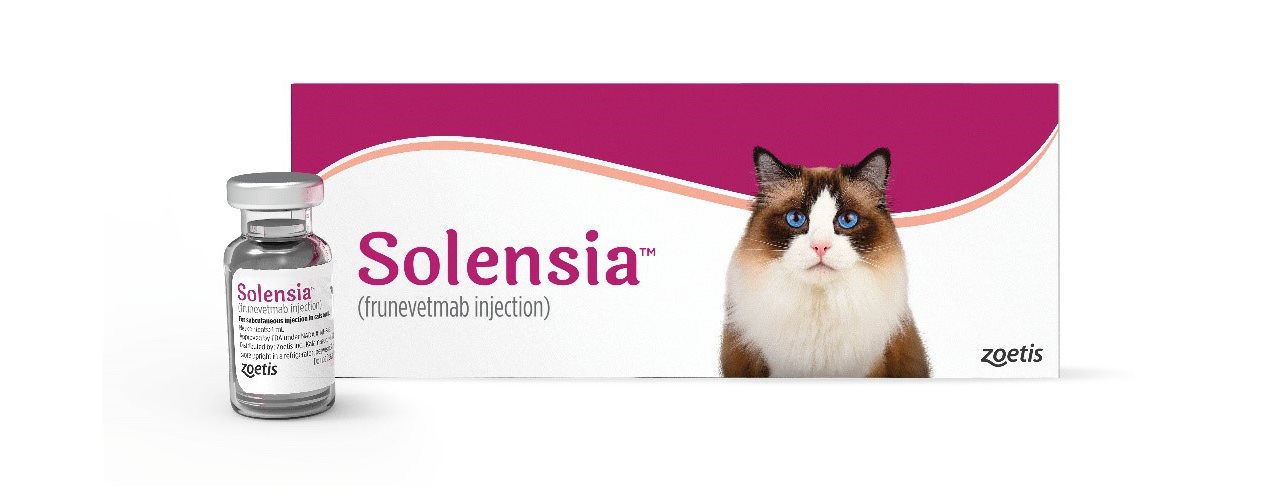
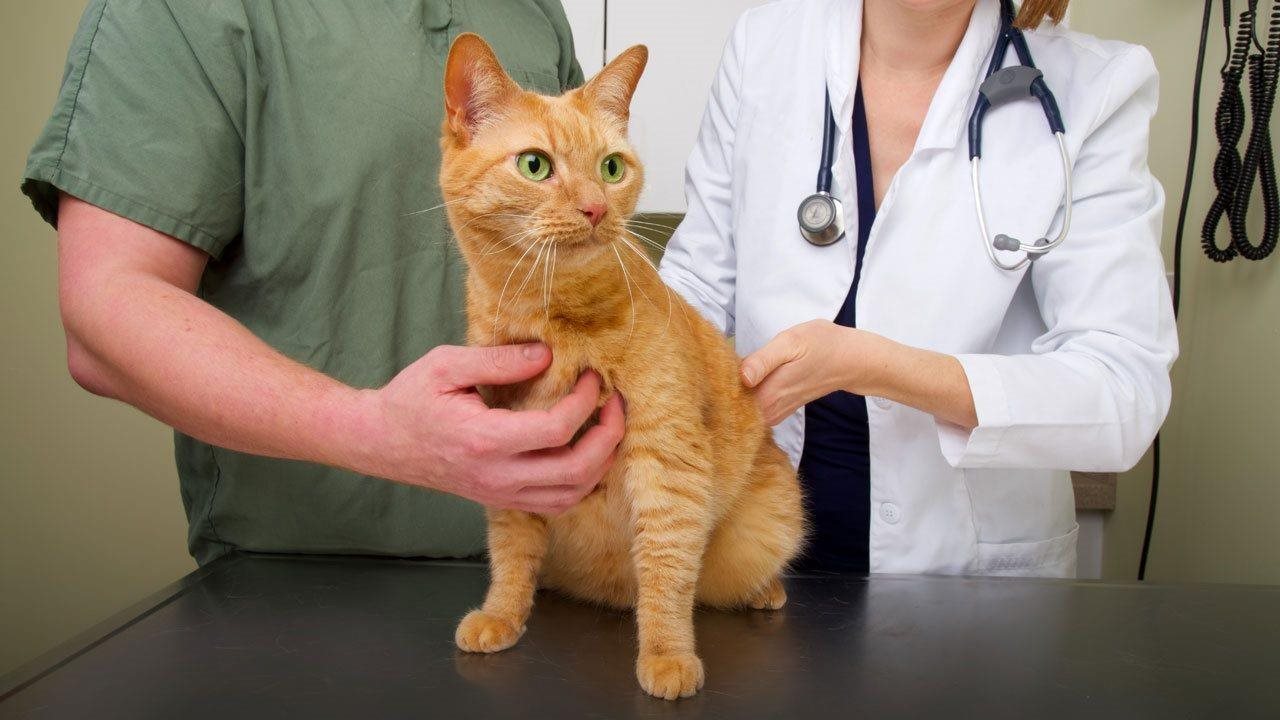
If your cat shows any or several signs listed above talk with your veterinary health team about these changes — with the right support, you can get your cat the care they need and reduce the stress you feel. Your veterinary health team may recommend a treatment option like Solensia™ (frunevetmab injection).

Solensia is the first and only once-monthly injectable monoclonal antibody treatment to control OA pain in cats, helping improve their mobility, comfort and overall well-being.6 In a study, Solensia — which is administered in your veterinary office — was shown to increase mobility in cats after a single treatment.* 6,7

Don’t let OA pain disrupt the unique bond you share with your cat. Visit Zoetis Petcare to learn more about Solensia and take a screening quiz to find out if your cat may be experiencing OA pain.

*77% of cat owners experienced improvement in signs of pain when their cats were treated monthly with Solensia in a 3-month study, and 67% of cat owners experienced improvement in signs of their cat’s pain in the placebo group.6

IMPORTANT SAFETY INFORMATION

See full Prescribing Information at SolensiaPI.com. For use in cats only. Women who are pregnant, trying to conceive or breastfeeding should take extreme care to avoid self-injection. Hypersensitivity reactions, including anaphylaxis, could potentially occur with self-injection. Solensia should not be used in breeding cats or in pregnant or lactating queens. Solensia should not be administered to cats with known hypersensitivity to frunevetmab. The most common adverse events reported in a clinical study were vomiting and injection site pain.

Indication: For the control of pain associated with osteoarthritis in cats.

+++


[1] Zoetis Market Research: KG MarketSense 2018 Global Veterinarian and Pet Owner.

[2] Slingerland L, Hazewinkel H, Meif B, Picavet P, Voorhout G. Cross-sectional study of the prevalence and clinical features of osteoarthritis in 100 cats. Vet J. 2011;187:304-309.

[3] Hardie EM, Roe SC, Martin FR. Radiographic evidence of degenerative joint disease in geriatric cats: 100 cases (1994-1997). J Am Vet Med Assoc. 2002;220:628-632.

[4] Lascelles BDX, Brown DC, Conzemius MG, Gill M, Oshinsky ML, Sharkey M. Measurement of chronic pain in companion animals: discussions from the Pain in Animals Workshop (PAW) 2017. Vet J. 2019:250(8):71-78. (2) Mantyh PW, Koltzenburg M, Mendell LM, et al. Antagonsim of nerve growth factor-TrkA signaling and the relief of pain. Anesthesiology. 2011;115:189-204.

[5] Benito J, Gruen ME, Thomson A, Simpson W, Lascelles BD. Owner-assessed indices of quality of life in cats and the relationship to the presence of degenerative joint disease. J Feline Med Surg. 2012;14(12):863-870. doi:10.1177/1098612X12453904

[6] Solensia (frunevetmab injection). Package insert. Zoetis Inc; 2022.

[7] Gruen ME, Myers JAE, Lascelles BDX. Efficacy and safety of an anti-nerve growth factor antibody (frunevetmab) for the treatment of degenerative joint disease-associated chronic pain in cats: a multisite pilot field study. Front Vet Sci. 2021;8:610028. doi:10.3389/fvets.2021.610028

All trademarks are the property of Zoetis Services LLC or a related company or a licensor unless otherwise noted. © 2023 Zoetis Services LLC. All rights reserved. SLN-00478

How Michigan is leading the charge for growth in electric vehicle use

2023-11-16T11:31:01

(BPT) – The U.S. has a plan to ensure that by 2030, half of new vehicles sold will be zero-emission electric vehicles (EVs). While progress has been made, a recent survey from the Michigan Economic Development Corporation (MEDC) found 34% of the U.S. population has never driven or even ridden in an EV.

MEDC’s survey also revealed many Americans harbor concerns regarding the transition to EVs, including the cost of buying, maintaining and charging (85%), finding charging stations (85%), and equitable access to EVs and charging options (82%).

Michigan is proactively addressing these concerns by investing in EV projects, establishing accessible charging infrastructure and building a robust EV workforce.

Solving for equitable access to EVs, charging

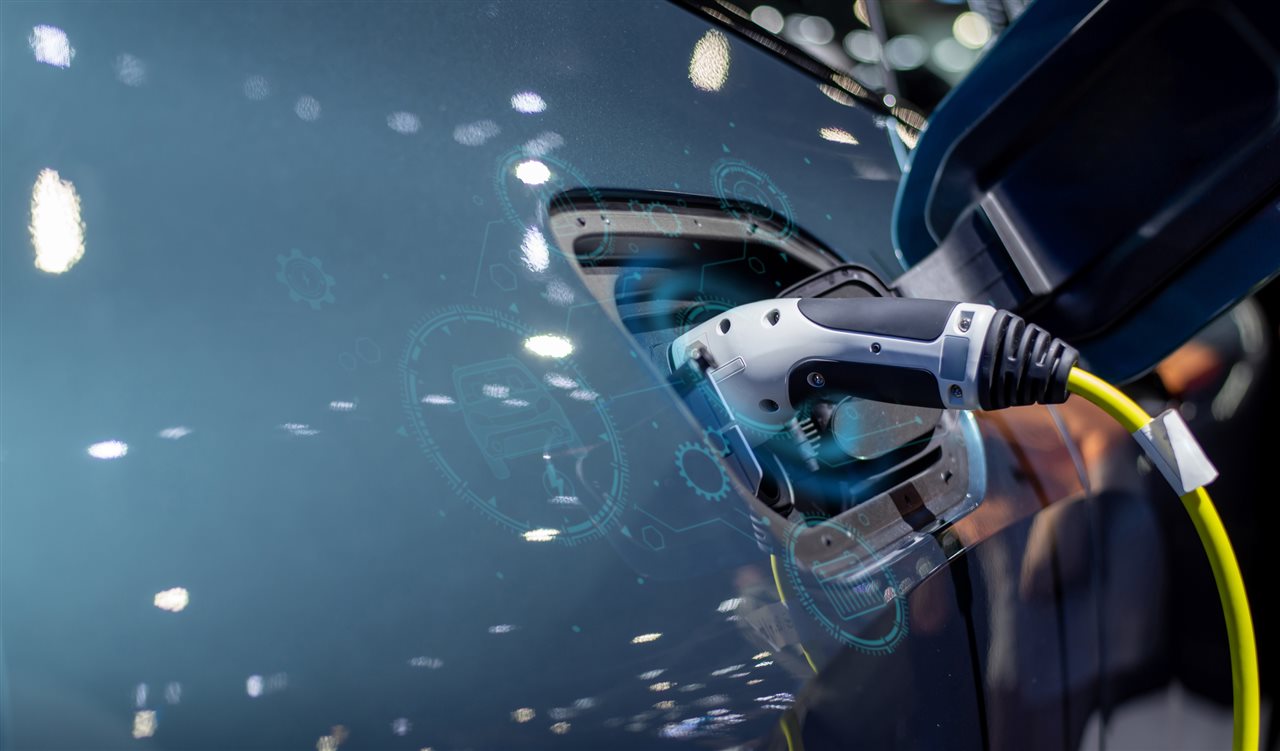
A survey conducted by AAA found nearly 60% of people experience “charge anxiety,” feeling uncertainty around accessing or using an EV charging station. There are ways to ease this anxiety:

  • Integrate charging with other essential services: Adding infrastructure to Wi-Fi hotspots, highway rest stops or postal services, can increase accessibility and make charging locations more attractive and useful, particularly in rural areas. Michigan’s Office of Future Mobility and Electrification (OFME), with Daimler Truck North America and DTE Energy, is developing a “truck stop of the future,” a new charging hub location for freight trucking designed to facilitate the transition of companies’ fleets to EVs.
  • Government incentives and support: Government entities can offer incentives and subsidies to private companies to install charging stations. Michigan’s OFME supports partners like Dunamis Charge and Volta to help establish a robust charging ecosystem in previously underserved regions.
  • Continued innovation and research: Michigan is at the forefront of developing and implementing new technologies to increase EV charging access. The in-development Electreon wireless roadway will see wireless charging technology embedded into the road, allowing vehicles to charge while in motion and stationary. The electrified roadway will accelerate accessibility to EV charging for consumers and fleet operators, enabling continuous vehicle operations and turning public streets into sustainable shared energy platforms.

Strategies for enhancing EV affordability

Interest is growing in the substantial fuel savings EVs can offer, with three in 10 people expressing keen interest. However, concerns about the cost of purchasing and maintaining an EV outweigh interest in fuel savings. Some opportunities to lower the cost include:

  • Lowering production costs: As EV production volume increases, the unit cost will likely decrease. Continued investment in research and development leads to breakthroughs in battery technology, helping reduce vehicle costs. In Michigan, Our Next Energy is developing batteries made from locally sourced metals, making them cheaper to develop. Similarly, strengthening ecosystems of EV component suppliers and service providers will create a more competitive market, leading to more choices and better prices for consumers.
  • Flexible pricing models for charging: Income-sensitive pricing models can make EV charging more affordable. Discounted or free charging during off-peak grid hours can also improve affordability. Utility companies can play a pivotal role in this step by supporting buildout of charging infrastructure and offering special rates for charging during non-peak hours. Michigan’s utility companies, like DTE Energy and Consumers Energy, offer programs and resources to help EV drivers save.
  • Government incentives for consumers: Tax credits, rebates or subsidies reduce the upfront cost of EVs, and reduced registration fees and lower road taxes can lessen the overall cost. The Biden administration and Michigan government have implemented such rebates.
  • Vehicle-to-grid support: Mobility leaders are developing technologies that allow EVs to sell excess energy back to the grid. This can provide an additional income stream to help offset costs for EV owners.

EV education and awareness

Nearly a quarter of the population (24%) is interested in the sustainability benefits of electrified transportation. Still, because concerns about the transition to EVs persist, mobility leaders must educate consumers and the workforce about why benefits of EVs outweigh concerns.

For general consumers:

  • Educate prospective car buyers on the advantages of EVs. Car dealerships can familiarize buyers with EVs and the supporting infrastructure available, while utility companies can share information about the integration of EVs with the grid, renewable energy options and off-peak charging benefits.
  • Establish community centers where people can experience EVs firsthand. Manufacturers and dealerships could host events to showcase their EV models, allowing people to test drive various options before committing to a purchase.
  • Mobility experts need to develop user-friendly resources that offer accurate, comprehensive information on the benefits of EVs, maintenance best practices, charging options and total cost of ownership. Websites could also include online tools that compare the total cost of ownership, emissions and other key parameters between EVs and internal combustion engine vehicles.

For mobility talent and future workforce:

  • Educational institutions can incorporate EV and sustainable transportation information into curriculums to instill interest in related careers. For example, the University of Michigan recently established a $130 million EV center designed to prepare students for an EV future.
  • Two in 10 people (21%) believe the technology industry will be critical for America’s long-term economic success and stability, and 14% think the same about the semiconductor industry. These industries are essential to the long-term success of EVs, and educational institutions and mobility companies can demonstrate how the transition to EVs is critical to supporting the nation’s continued competitiveness and success.

An electrified future

With more curiosity and interest in EVs, the U.S. is closer than ever to widespread adoption. However, there is still work to be done to bridge the gap between consumer and EV ecosystem readiness — and Michigan is leading the charge.

Achieving a sustainable and widespread transition to EVs depends on increasing accessibility to charging infrastructure, making EVs more affordable for consumers, and educating the public about the myriad of benefits EVs offer. The state’s proactive and collaborative approach to addressing these factors can serve as a blueprint for success nationwide.

For more information on Michigan’s initiatives, visit https://www.michiganbusiness.org/mobility/evecosystem/.

Is your fridge too full? 5 practical, sustainable uses for shelf-stable food and beverages

2023-11-16T09:01:00

(BPT) – Have you found your refrigerator so stuffed that you can hardly find what you’re looking for, until some food ends up going bad? One solution can help save space in your fridge, as well as money, while also helping to reduce food waste. With shelf-stable foods, you can stock up on products that will last a lot longer in your pantry — including plant-based beverages, soups, broth and even dairy milk — without taking up space in your fridge.

If you’ve ever noticed Tetra Pak® cartons on the inner aisles of your grocery store, you may have wondered why these items aren’t refrigerated. Through aseptic food processing and packaging, food and beverages retain their color, texture, natural taste and nutritional value for long periods of time — without the need for any preservatives or refrigeration.

You may end up shopping a lot more from these aisles once you learn how helpful, convenient — and sustainable — this packaging can be. Here are just some of their uses:

1. Get ready for the holidays

Minimize those frantic last-minute trips to the grocery story during the busiest time of the year by stocking up your pantry without worrying about items expiring quickly or needing space in the refrigerator. This is especially handy when you’re hosting family and guests over the holiday season.

2. Make road trips and other excursions easier

When you’re on the go during a road trip, extended vacation or just running around doing errands, it’s great to know you can pack up plenty of milk, plant-based beverages and more for your family without worrying they’ll go bad, even if your cooler runs out of ice — or you don’t have room in the cooler.

3. Be ready for anything by packing an emergency kit

To ensure you’re fully prepared for anything from a temporary power outage to a severe weather event or natural disaster in your area, experts recommend having an emergency kit that’s fully stocked with things like a first aid kit, flashlights, batteries, a weather radio — and enough non-perishable food and drinks for your family to last a few days. Shelf-stable foods and beverages are the perfect addition for any household emergency kit, to give you peace of mind.

4. Help make lunches and snacks for busy families

Whether your kids are going off to school, activities, field trips or playdates (or you’re heading off to work), you can stock their backpack or lunchbox (and your own bag) with shelf-stable beverages or milk without having to worry about whether they’ll get to a fridge — or end up staying in the bag for days.

5. Feel good about the environmental impact

Did you know that food waste accounts for 8% of all greenhouse gas emissions? Beyond helping to reduce food waste, you can also feel good knowing that throughout the packaging lifecycle, a Tetra Pak carton is an environmentally-sound choice. For example, on average, about 70% of a Tetra Pak carton by weight is Forest Stewardship Council® (FSC®)-certified paperboard, a renewable material. Renewable plant-based materials are better for the environment because they can be replenished over time and enable a move away from fossil fuel–based materials.

Speaking of plant-based materials, Tetra Pak even offers some polymers for caps and package coatings made from Bonsucro-certified sugarcane instead of fossil fuel-based sources.

Food and beverage cartons are also recyclable and can be turned into paper products and green building material. You can check out details about carton recycling where you live at RecycleCartons.com.

Learn more about Tetra Pak’s safe, convenient packaging solutions to help make your life easier at Tetrapakusa.com.

5 expert tips to help you survive the winter holidays with allergies and asthma

2023-11-16T00:01:00

(BPT) – If you’re wondering why you’re sniffling and sneezing when you thought the worst of allergy season was behind you, don’t be surprised. The pollen season may be over, but wintertime offers plenty of challenges for anyone with allergies or asthma.

“Because allergy and asthma symptoms can occur year-round, it’s best to be aware of seasonal issues and your individual triggers,” said Gailen Marshall, M.D., PhD, president of the American College of Allergy, Asthma and Immunology (ACAAI). “Knowing what to expect can help prevent flare-ups so you can relax and enjoy the holidays.”

Just in time to help you get through the holiday season with a smile on your face, here are five tips to keep in mind.

1. Be prepared

Thanksgiving, Hanukkah, Christmas, Kwanzaa and New Year’s have one thing in common — celebrating with family and friends. Because you’ll be gathering with others over the holiday season, make sure to prevent transmission of viruses like the flu by being up to date with your flu shot, RSV and COVID vaccines. Having the flu can make your asthma symptoms more severe, so ACAAI recommends you protect yourself before the peak of the season. You can also substitute “air kisses” and fist bumps to keep some distance between yourself and others.

2. Real tree, or not real tree? That is the question

Because holiday decor often includes wreaths, branches and trees, the question arises if it’s better to go natural or not. Both real and artificial trees and wreaths can cause problems, but you can take steps to reduce their risk of making you sneeze and wheeze.

Some people have contact skin allergies to a substance called terpene found in the sap of real trees. Also, live trees may still have mold spores and pollen on them that can cause nasal allergies to flare. Take time to rinse off live trees before bringing them in the house.

For artificial trees and other decorations you only use once a year, dust and mold can accumulate in storage. While getting ready for the holidays, consider wearing an N95 mask to clean trees and other decor before displaying them. You can use a handheld vacuum to gently remove dust from an artificial tree.

3. Eat, drink and be wary

Holiday get-togethers mean exposure to foods that may have ingredients you or someone else might be allergic to. Hosts will appreciate knowing if you or a family member has a serious food allergy, so be sure to share that information. You can offer to bring a separate dish or dishes to avoid causing disruption to your hosts. If it’s your turn to host, communicate with guests about menu ingredients ahead of time in case someone has an allergy you don’t know about — they will thank you!

Some people may have an intolerance to alcohol, which shows up as a stuffy nose, headache and/or flushed skin immediately after drinking — most commonly after drinking red wine and alcohol that has color. If this sounds familiar, the only way to prevent this reaction is to avoid drinking alcohol.

4. The road more traveled

If you’re visiting friends or relatives over the holidays, you may encounter all kinds of triggers — whether from perfumed fellow travelers or your friends’ pets — that send your allergic reactions into high gear. Cold dry outside air can also trigger your asthma. Before traveling, make sure you’re up to date on your medications. Take them before your trip — and be sure to pack whatever you need to get through your travels with as little difficulty as possible.

5. See an allergist

If over-the-counter medications aren’t helping your symptoms, you may want to see a board-certified allergist before the holidays get going — especially if you’ve never seen one or it’s been a while since your last visit. Allergists are trained to diagnose and treat symptoms, and to work with you to create an individual action plan. For year-round allergy symptoms, you might consider immunotherapy (allergy shots). Allergy shots can reduce symptoms and help modify and prevent allergy development.

Find an allergist near you with the ACAAI allergist locator tool at ACAAI.org/find-an-allergist.

By following these tips and planning ahead, you’ll be able to make the most of all the holidays you love to celebrate.

Smart Spending: 4 Ways to Maximize Holiday Cheer on a Budget

2023-11-15T16:11:00

(BPT) – As the holiday season approaches, many of us are already thinking about how we can maximize holiday cheer while minimizing the impact on our wallets. Travel, decorations, parties, gifts — the expenses can add up quickly this time of year, and it’s no wonder that according to Bank of America data, 67% of people anticipate financial strain this holiday season.

Along those lines, many are prioritizing frugality throughout the coming months, as nearly three-quarters of shoppers plan to implement cost-saving strategies this holiday season. Here are four holiday spending tips to help you make the most of the season — without needing to scrounge for cash once the new year rolls around:

1. Get ahead of the game.

Bank of America data shows that by late August, 62% of people had already started preparing for the holidays this year in one way or another, whether it was saving for expenses, buying gifts, updating budgets or making travel plans.

Putting money aside for big-ticket items can also prevent you from depleting your accounts during the holidays. Adjusting your budget now to account for more savings during the holidays is a great way to roll into the season well-prepared, but if you’re not among the 38% who upped their savings game months ago, don’t worry. It’s not too late.

2. Stick to a budget and consolidate gift-giving.

Once you have your holiday savings accounted for, create a budget that outlines who you’ll purchase gifts for and how much you’ll spend for each recipient. And remember, there’s no shame in purchasing fewer gifts this year if that’s what’s best for your family or your finances. In fact, of the 72% of people who plan to implement cost-saving strategies during this holiday season, 55% plan to reduce the number of gifts they buy.

One great way to give presents that people can appreciate, while still purchasing fewer of them altogether, is by considering gifts that families or friend groups can use together. An ice cream or bread maker, for example, is something everyone in the family could enjoy. National Park passes and games are other options that multiple people can experience and appreciate.

3. Use a credit card that rewards you for holiday shopping.

Now that your budget is set, think about shopping with a credit card that will reward you as you check items off your holiday list. Among shoppers actively seeking ways to offset costs this holiday season, 32% reported planning to use credit card rewards to help pay for gifts during the 2023 holiday season. If you’re not one of those people, consider using a flexible rewards credit card to make your money go further — not only over these next couple months but into the new year as well.

For example, the Bank of America® Customized Cash Rewards card allows you to earn 3% cash back in a spending category of your choice each month, including online shopping (which can come in handy as you prepare for the holidays). It also offers 2% cash back at grocery stores and wholesale clubs (on the first $2,500 in combined choice category, grocery store and wholesale club purchases each quarter), and 1% cash back on all other purchases.

As you use your card and see your cash rewards add up, you can redeem them as a statement to your credit card or deposit them directly into your Bank of America® checking or savings account. If you don’t have a rewards card yet, applying for one now and using it to pay for holiday expenses could be a great way to kick-start your rewards earnings for next year’s holiday season.

4. Take advantage of online sales and loyalty programs.

With big sales days like Black Friday and Cyber Monday, November is the perfect time to seek out deals on gifts or other holiday expenses. As you consider the best deals, be sure to layer your rewards and loyalty programs to maximize your rewards potential as you shop. First, sign up for loyalty programs at your favorite stores so you can easily determine which holiday deals and discounts you want to take advantage of. Then, consider enrolling in a banking rewards program from your financial institution. For instance, the Bank of America Preferred Rewards® program provides members with a 25% to 75% rewards bonus on purchases on eligible Bank of America credit cards, which can boost your cash back earnings even higher during the holidays.

If you’re feeling the pressure from tightened purse strings as the holiday season continues, take a deep breath. You’re not alone in this. There are ways to safeguard your spending and enjoy a memorable holiday season.

The woes of wish-cycling

2023-11-15T12:45:00

(BPT) – Wish-cycling (v.) – the well-intentioned but unfounded belief that something is recyclable when it is not.

Most consumers have the best intentions when it comes to recycling. In recent years, there’s been a strong push for a more circular economy, where old materials are repeatedly reused, recycled or repurposed. While recycling rates continue to rise, some bad habits continue to hinder significant growth. In comes “wish-cycling,” when non-recyclable items are put into the recycling bin in hopes that they can or will be recycled.

The term wish-cycling was first used in 2018 when China launched tighter restrictions (Operation National Sword) on the allowable level of contamination in bales of recyclables. Wish-cycling negatively impacts the recoverability of true recyclables.

There are several reasons why one might be a wish-cycler. One is the infamous “recycling” symbol. The “chasing arrows” symbol is often linked to recycling, but the symbol is not always indicative of an object’s recyclability. For example, expanded polystyrene — or Styrofoam — often has the chasing arrows triangle on it, but is not readily recyclable. This symbol indicates the type of plastic something is made from and is called a Resin Identification Code.

Another reason is confusion between reuse and recycling. While items such as household appliances, electronics and toys could find a second life if given to a charity or secondhand store, they will cause problems if placed in your recycling bin.

For example, recycling centers across the nation are experiencing a significant increase in fires as a result of improperly recycled electronics, which should never be placed in your recycling bin.

Cordless electronics are one of the leading causes of fires in the recycling stream due to the volatility of their lithium-ion batteries. These batteries can cause fires if subjected to adverse conditions, punctured or smashed. All rechargeable electronic devices must be returned to participating retail stores or dropped off at electronics collection drives for recycling.

The reality of wish-cycling doesn’t lie solely on the consumer. It may also be due to varying recycling rules at the state or county level, or what materials individual recycling service providers may accept.

While there isn’t a standardized guide for recycling, Republic Services’ Recycling Simplified Guide highlights several materials that are accepted everywhere. Paper, cardboard, metal cans and plastic bottles or jugs labeled #1 and #2 are always recyclable. If consumers focus on these “fundamental recyclables,” the impact of recycling these materials is far greater than most realize. For example, a study by the Aluminum Association confirmed that 92% of an aluminum can is remade into a new can.

Proper recycling, no matter how small, can make a positive difference, and recycling doesn’t require much effort if consumers remember a few simple rules. Even if intentions are right, wish-cycling can negatively impact the recycling process and cause valuable recyclables to be sent to the landfill.

If you’re unsure whether something can be recycled, it’s best to remember, “When in doubt, throw it out.” Or better yet, “When in doubt, find out!” Check with your local service provider for specific recycling information for your area. Following a few simple rules can lead to less waste and a more sustainable world.