Hidden fees add up to unpleasant cellphone bill surprises

2018-02-02T06:01:00

(BPT) – Has this ever happened to you?

You sign up for a great deal on wireless service, but when it’s time to pay, the numbers just don’t add up. That $70 service shows up on your bill as $80 or more, leaving you confused about how your costs have gone up without any warning.

Extra charges on your bill come from a combination of taxes and a carrier’s administrative charges. Some are mandated by government regulations, but others are fees applied strictly at the carrier’s discretion. One of the main challenges in understanding your bill is deciphering the language used to itemize these charges.

Some carriers now roll all of their fees into a single monthly charge rather than listing them separately. While this may make it appear that they have eliminated extra fees altogether, this is not the case. Chances are, regardless of how the numbers are presented, you’re paying for more than just your monthly service.

Not all fees are created equal

Obviously, certain taxes and fees are unavoidable, and even necessary. State and local taxes, the 911 fee used to fund access to emergency services, and payment into the Universal Service Fund to help underwrite rural and low-income telecommunications services, are all required by law.

But it’s those pesky, less obvious fees that you have to be especially wary of, as they drive your costs up in unexpected ways. Most major carriers have an a la carte menu of items that trigger additional charges, and you probably don’t know they exist until they show up on your bill. Beware of things like:

* Overage fees: If you use more minutes, text messages or data than your monthly plan allows, many carriers tack on an additional charge for every bit of extra usage. Ask your carrier how they handle this, and be sure to take advantage of free usage alerts, by text or email, to help keep you on track.

* Activation and device upgrade fees: You may be excited about getting a new phone or upgrading to a new one. But, be aware that your carrier may charge you $30 or more to connect it to their service. With premium smartphones already costing in the $650­–$1,000 range, this extra charge can be an especially bitter pill for many cellphone users to swallow.

* SIM card kit fee: It looks like a tiny, disposable slip of cardboard, but a SIM card actually contains a small chip that lets your phone communicate with cellular networks. By providing a SIM card, your carrier allows you to bring an existing “unlocked” phone onto their service. However, some will charge you $25 and up just to get one.

* Administrative charge: These are similar to regulatory charges, but more nebulous. They’re usually billed as fees to cover the costs paid to other carriers when talking to someone on a different network, but they can also be applied for a host of general reasons. For instance, some carriers apply them for costs associated with cellular site rental and maintenance. Also, these fees can, and do, change from time to time, so watch them carefully.

Change, for the better

So, what can you do to avoid falling into the bottomless fee trap?

You’ve already started here, just by learning what to watch for. If your carrier’s fees are too high, switch to one that offers greater value by charging fewer fees. Ask about this up front. Consumer Cellular, for instance, is a no-contract provider which, on top of low-cost monthly service, provides free activation, free SIM cards, and charges no fees for changing plans or for overages.

Every little extra fee adds up to a great big phone bill. Choose wisely, and you’ll avoid being a victim of “bill shock.”


Top tips for planning an epic family vacation

2018-02-05T09:01:00

(BPT) – Are you dreaming about an incredible family escape your loved ones will always remember? Perhaps your dream vacation is filled with adventure while eating around the world and exploring castles in faraway places, or maybe it’s relaxing on a private island with picturesque views of crystal clear water. Before taking off, you need to tackle the logistics. Fortunately, with a few tips from those in the know, creating an unforgettable getaway can be as magical as taking one.

Tip #1: Get the inside scoop

No idea where to begin? Talk with a trustworthy resource or fellow parent who has “been there.” The honest and relatable vacation tips you’ll receive are invaluable and can ease the planning process. For example, individuals thinking about planning a Disney vacation should visit www.disneyparksmomspanel.com, an online resource providing authentic answers to guests seeking advice from in-the-know panelists with years of vast experience.

The panel, which recently announced the addition of 11 new moms, dads and grandparents, includes your next-door neighbors, your good friends, and above all else, seasoned vacationers you can count on for genuine advice when planning your next getaway to a Disney destination. The panel can give you a personalized response in English, Spanish, French or Portuguese.

Tip #2: Find an all-appealing destination

You probably have a few ideas of where to go, but brainstorming destinations with your travel crew can provide helpful feedback and insight into everyone’s interests. Maybe your best friends are making brunch a priority for your girlfriends’ getaway. Or Grandma has a few “memory making” ideas for her vacation with the grandkids. Your fickle pre-teen even has a dream destination you might not know of, and your kindergartner is sure to throw a few ideas into the ring.

After you make a list of everyone’s thoughts, do some research online. Poke around travel websites, talk with other parents and search www.disneyparksmomspanel.com for guidance. With a little digging, you can find experiences that appeal as much to your toddler as your teenager and even your best friend. The key is to make it a discussion, talk with others who are in the know and overall, enjoy helping you plan your escape. Whether you’re going for a dream Disney vacation, planning a beach getaway, indulging in one-of-a-kind foodie experiences, (or all three!), there are plenty of places that grant everyone’s wishes.

Tip #3: Be proactive about special requirements

Keep special needs top of mind when booking accommodations. For example, all U.S. hotels are required to offer wheelchair-accessible rooms, but international hotels follow different guidelines, so be sure to ask. Additionally, if you have a sensitive child who prefers a calmer environment, book a hotel room away from the pool or other entertainment spaces.

Another common concern for families is food allergies. To ease worries, plan ahead. Experienced jetsetters suggest asking restaurants for their ingredients charts and nutrition information or requesting to speak directly to the chef. You can even call airlines and hotels early to ask about allergy policies.

Bottom line: It’s easy to feel overwhelmed, especially when planning a family getaway. Each age has different considerations, but with some smart strategizing and advice from the right people, you can create memories to last a lifetime. These three tips will have you well on your way to experiencing an epic family vacation.


Warm up with 5 DIY projects to tackle this winter

2018-02-05T12:37:00

(BPT) – For the avid DIYer in you, the winter season may cause a little anxiety while you’re cooped up inside and unable to tackle those outdoor projects you’d love to finish. The good news, however, is that the inside of your home needs just as much DIY attention as the outside — sometimes more — and the winter is the perfect time to tackle these projects.

Each of the tasks on the list below can be finished in a single weekend and, once completed, will make your home more enjoyable for the rest of the winter and beyond.

* Apply a fresh coat of paint. Whether your drive to paint comes from a style choice or a need to repair dings and dents, there’s no reason you can’t tackle it now. Head to your local paint store to research options for colors and tools and then set aside a day where you can focus solely on your project. Whether you touch up your existing colors or go bold with an accent wall, this is one project you’ll be glad to finish.

* Seal up those air leaks. This one isn’t just good for your house, it’s good for your wallet as well. Gaps around windows and doors allow cold air drafts to seep into your home as they let out the warm air needed to keep you comfortable. GREAT STUFF(TM) Window & Door Insulating Foam Sealant is a solution you can use to seal gaps around your windows and doors quickly to help make your home more comfortable and to reduce the cost of your next heating bill.

* Clear that clutter. A few months cooped up in your home can really lead to some excessive accumulation, so why not start your spring cleaning early? Tackle your home’s clutter over the course of several days and review everything you find. If you haven’t used an item in more than a year — or you don’t even know what it is — now’s the time to sell it online, donate it or simply throw it out.

* Vacate the vermin. A visit from the in-laws is par for the course during the holidays, but there are plenty of actual intruders trying to enter your home once the weather turns cold. Arachnids and insects of all varieties need only the smallest opening to access your home, so help block their access with GREAT STUFF(TM) Pestblock Insulating Foam Sealant. Apply this water-resistant sealant around any exterior openings to your home — such as heat or water pipes and cracks in your siding — and you’ll create a barrier between you and the pests trying to sneak in.

* Make a big splash in your bathroom. No, you’re not going to spontaneously decide to remodel your bathroom, but a few tiny changes in this space can make it seem as though you did. Replacing your existing fixtures is a cost-effective way to give the space an entirely new appearance. A little elbow grease goes a long way too. Don’t be afraid to get down on your knees and bid that mildew goodbye once and for all with a simple mixture of bleach and warm water.

Start your winter DIY project today.

The winter season doesn’t mean your indoor projects also need to hibernate. You can get to work right now even while there is a chill in the air. Start with the list above and see where inspiration takes you. Your home could have a dramatically new look and feel once spring has sprung.

(TM) Trademark of The Dow Chemical Company


Top trends to inspire your outdoor living

2018-02-05T16:01:00

(BPT) – Outdoor living spaces rank first among special function rooms desired by consumers, according to the American Institute for Architects, and so homeowners are expected to be going all-in for the outdoors in 2018.

Trex Company, a maker of premium decking and railing, has gleaned insights from contractors, homeowners and industry experts to compile the following outdoor living trends that will dominate this year:

Year-round enjoyment

Among the biggest trends is a shift away from seasonality as consumers adopt more of a year-round mindset, no longer restricting outdoor living to spring and summer. Thanks to new high-performance materials and innovative design approaches, homeowners everywhere are transforming their outdoor spaces into multi-seasonal extensions of their homes. For example, Trex contractors have reported an uptick in requests for its RainEscape deck drainage system by clients looking to add multi-seasonal living space underneath an elevated deck.

Minimal maintenance, maximum enjoyment

Just because people are spending more time outdoors doesn’t mean they’re willing to put in extra hours for upkeep. In fact, high-maintenance materials like wood are seeing a decrease in demand as people are opting for offerings that deliver better performance and sustainability.

Unlike wood, high-performance composites resist fading, staining, scratching and mold — and won’t rot, warp, crack or splinter. No sanding, staining or painting is required, and food and drink spills wash off easily with just soap and water.

Comfy cozy

Among the hottest design influences right now is “hygge” (pronounced hoo-gah) — the Scandinavian term for a feeling of coziness and comfort. This year, outdoor spaces will beckon homeowners and their guests to relax and rejuvenate with hygge-inspired accents, from plush cushions and throws to protective pergolas, cozy warming features and outdoor lighting.

Residential goes commercial

While railing matched to the decking remains popular, an increasing number of homeowners are taking advantage of the complementary decking and railing pairings afforded by new railing materials in modern, metal finishes, as well as sleek designs inspired by commercial architecture. More homeowners are inspired by outdoor spaces they find in commercial settings, such as hotels and urban rooftops, and want to replicate those looks in their homes. A prime example of this commercial-to-residential trend is the growing popularity of horizontal railings such as rod rail — a sleek, industrial look that’s ideal for optimizing a panoramic view.

Hide and chic

With the increased usage of outdoor living spaces comes higher demand for chic decor and privacy. An easy design trick that adds personal style and functionality, lattice panels are perfect for enhancing privacy and concealing storage areas or unsightly views. With styles ranging from romantic to deco, lattice panels can be integrated into any outdoor area and applied to structures such as arbors, trellises and gazebos, or used as decorative wainscoting or deck skirting.

Fun and games

Kids are not the only ones who enjoy playing outside. Outdoor play spaces for all ages are on the rise, including everything from swimming pools and embedded sandboxes to regulation cornhole courts, horseshoe pits and dedicated spaces for volleyball, badminton and bocce ball.

Beyond yard games, electronics manufacturers now offer televisions and entertainment systems specifically designed for the outdoors, taking into consideration differences in lighting and outdoor acoustics. Meanwhile, new storage options include durable wall-mounted television and entertainment centers that beautifully protect pricey electronics from the elements, while concealing all of the unsightly — and potentially unsafe — cords and cables.

For more information about outdoor living trends, go to www.trex.com.


Fresh beginnings: Clean your bathroom faster with these tech tools

2018-02-06T11:01:00

(BPT) – If you’re like most Americans, you prefer to have an immaculate bathroom — you just don’t like cleaning it.

In fact, in a recent study by Kohler (conducted by independent research firm Vision Critical), 42 percent of consumers admitted cleaning the toilet is one of their most disliked chores.

That said, domestic guru Martha Stewart recommends scrubbing your tub/shower enclosure, toilet and drains at least weekly to maintain decent standards of cleanliness. And a study from researcher Mintel shows 49 percent of American adults place importance on doing their housecleaning right, though 27 percent would like to minimize the time they spend in such pursuits. That may be why 42 percent prefer to clean in small increments, though “most are not interested in compromising on effectiveness or results.”

“Americans are more likely to prefer to clean as they go, doing quick cleanups that fit into their busy schedules, as opposed to setting aside time to give the whole house thorough top-to-bottom cleanings,” notes Mintel Senior Analyst John Owen. “This preference for on-the-go cleaning has helped fuel the market for quick-cleanup products designed to tackle small messes quickly and efficiently, saving both time and effort.”

If cleaning the bathroom is on the bottom of your favorites list, consider some of these brilliant solutions technology has enabled that might make your bathroom sanitation a non-issue moving forward.

* No flubbing the scrubbing. No more must you aggravate your bad back and tennis elbow manually scrubbing soap scum off your shower walls, sinks and grout. Powerful rotating brush scrubbers that operate on batteries can now do the heavy lifting for you; one of the latest is made up of a set of attachments that cleverly fit onto a normal household drill.

* Go easy. Engineers at Kohler have developed a lower-maintenance toilet — the Corbelle with Revolution 360 flushing — that’s designed to remain cleaner, longer. Its CleanCoat surface repels bacteria, mildew and hard water buildup, its smooth design makes for easy surface maintenance and its powerful flushing motion flows at a 360-degree angle for thoroughness that minimizes the need for scrubbing.

* Dreamy steam cleaning. Sanitize your bathroom floors, counters, tub and shower enclosures and other surfaces without chemicals by using one of the efficient and easy-to-use handheld steam cleaners now on the market. Steam can work efficiently to kill bacteria, germs and dust mites including E. coli, staph bacteria, salmonella and other micro-organisms.

* Floored by cleanliness. For larger bathrooms, the new and nicely compact mopping robots can wet mop, damp sweep or dry sweep hard-surfaced floors. Internal navigation systems let them clean systematically while identifying rugs, drop-offs, spills and stains, the latter of which are tackled with jet sprays and vibrating cleaner heads.

* Suck it up. Several vendors now offer 3.2-gallon motion-sensor trash cans that keep their contents out of sight but automatically open (via battery) when you’re ready to deposit dirt and debris.

Life is too short to spend more time than you have to keeping your house clean — and that’s where technology comes in handy. Consider investing in the products that can free up your life for more meaningful activities.


5 ways travel will change in 2018

2018-02-07T08:01:00

(BPT) – As international travel gains popularity each year, new destinations are added to bucket lists and new travel gadgets and accessories appear on the market. The way we travel has changed in the past few decades, but that age-old itch to explore and discover new places and experiences remains the same. So how and why are people traveling now? The results of Visa’s recently released Global Travel Intentions (GTI) Survey reveal some interesting travel trends — and tips — to keep in mind for 2018.

Simplifying payments abroad — For as long as anyone can remember, a standard part of traveling to a foreign country involved exchanging currency. Carrying cash involves time, planning, anxiety about losing money and often, wondering what to do with leftover cash once you return home. In fact, loss or theft of cash is the number one money concern for travelers while on trips. And 72 percent of people say working to get their hands on foreign currency prior to departure is a waste of time. With more than 46 million merchants accepting Visa around the world, a Visa card is the most important travel accessory you can carry.

TIP: Use your Visa card and pay in local currency for a competitive exchange rate. A whopping 87 percent of travelers have leftover cash after a trip. However, only 29 percent convert it back to currency that can be used at home. Avoid wasting money by sticking to your Visa card and only pulling out cash when needed.

People travel because of culture — Of all the places to go in the world, why is it some people choose one place over another? According to Visa’s GTI survey, 41 percent of people cite “rich culture” and “friendly locals” as reasons to pick a destination. Although famous monuments, great museums and spectacular palaces continue to draw in visitors, the people who live in a traveler’s destination are hugely important.

TIP: Hang with the locals. Check out fun events such as festivals and concerts to make sure you’re not missing the best events in the city you’re visiting. And don’t forget local flavors of the country’s national dishes.

Ideal vacations look a little different to everyone — What do you want to get out of travel? Is it to meet new friends, see something in person you saw on television, or fulfill a longtime dream? When vacationing, 63 percent of travelers are motivated by a combination of reward and achievement. That means to them, an ideal vacation has some combination of relaxation and experiencing new cultures or exotic locations.

TIP: Block out time on your trip to relax and reflect on the experience. It can be easy to plan activities and sights to see, but it’s important to rest in between.

People are feeling optimistic about travel — Though they may be excited to get out of their comfort zone, some people have reservations about the safety of traveling to far-off locations, or worry about affording such a trip. However, according to the GTI Survey, people are not letting these factors keep them at home. Globally, only 17 percent of people cited security as a top concern and only 19 percent chose a destination because it fit their budget. What that says is that people are willing and eager to visit their dream destinations.

TIP: Budget your trip accordingly. A better understanding of what you can spend can help keep your mind at ease during travel. According to the GTI Survey, global travelers spend an average of $1,793 per trip. However, if you are following Tip #1, keeping cash transactions to a minimum will help in the budgeting process. While on vacation, look for Visa or PLUS logos at point-of-sale terminals or ATMs to ensure international payment cards are accepted.

Technology is the new travel companion — The traveler’s well-folded map and dog-eared guidebook might be a thing of the past. As more travelers adopt digital technology, virtually everything they need to navigate fits right in the palm of their hand. What’s more, 88 percent of travelers have online access while abroad and almost half, 44 percent, use ride-sharing apps to get around once they are on the ground.

TIP: Research apps or technology that might be helpful on your travels. Downloading your bank or credit card apps can help track your money while traveling. As technology continues to revolutionize our daily lives, so it will continue changing how we travel.

Staying on top of trends can allow travelers to plan accordingly. By budgeting, planning, avoiding cash and finding out the best ways to track spending, travelers can get the most from their dream travels — and their wallets.


Transform the look and feel of your kitchen with an updated sink

2018-02-08T10:17:00

(BPT) – While everyone would love a complete kitchen makeover, you can still freshen and update the look of this room by taking on smaller projects.

The perfect place to start is the kitchen sink. Most people don’t realize it, but a well-chosen sink has the potential to create the perfect focal point, and transforms the look and feel of one of the most important rooms in your house.

Reasons to replace

Swapping out an old kitchen sink with a new one allows you to:

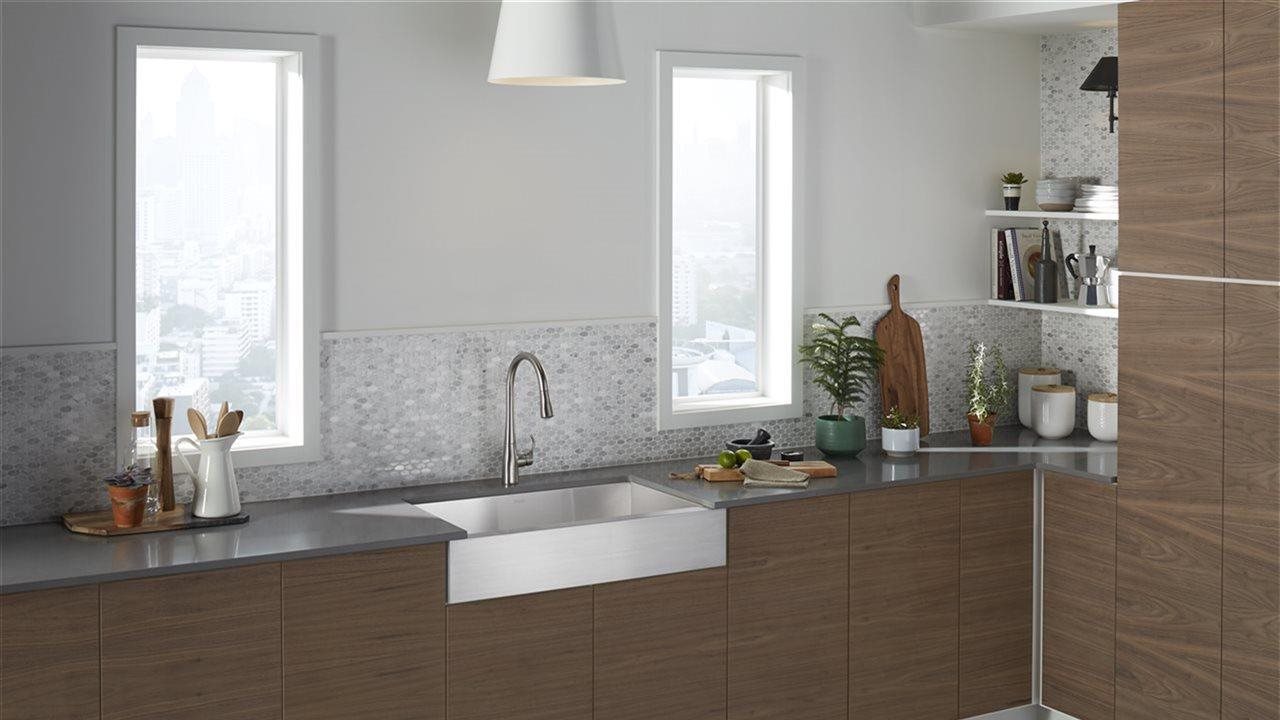
Update your kitchen’s style — The style of sink should underscore the overall design theme of the kitchen. If you’re opting for a farm-house aesthetic, look for key design details, such as an apron front and a deep, roomy bowl, such as the ones found in the Ludington line from Sterling.

Add function and beauty — When you replace your sink, it’s also natural to replace the faucet, allowing you to choose one that better meets your needs and preferences, such as a pull-down unit or a vintage design.

Improve your work space — Perhaps the existing sink is too shallow to comfortably allow for filling large cook pots. Or, overmount installation makes it difficult to keep the sink and surrounding countertop as clean as you would like. Replacing an underperforming sink with a new one allows you to increase sink depth and create an easier environment for cleaning.

Top kitchen sink trends

Some sink styles are timeless, like stainless steel and shiny chrome faucets. Still, trends constantly emerge in sink design and in how homeowners find new ways to make things like healthy meal prep easier and more convenient. If you’re considering replacing your kitchen sink, here are some trends to keep in mind:

Two sinks for safer food handling — Houzz reports a growing number of builders are including two kitchen sinks in new homes. This design improves workflow and food handling safety. One sink can be used to prepare meats, while the second is still a safe place to wash and prep produce.

Stainless steel still shines — Stainless is the most popular sink material, according to the National Kitchen and Bath Association (NKBA). In terms of durability, it’s difficult to beat stainless steel, making it a practical and long-lasting update for any kitchen. What’s more, the finish blends well with virtually any kitchen design theme, whether it’s contemporary, farmhouse or traditional. Options like Sterling’s Ludington series offer deep basins, undermount installation, and SilentShield sound-absorbing technology. Visit www.sterlingplumbing.com to learn more.

Integrated accessories — Of course, accessories can make an already great sink even better, and the NKBA reports demand is growing for sinks with integrated accessories. In addition to built-in garbage disposals, homeowners want sinks with soap dispensers, water filters and hot water dispensers, the organization says.

Stunning display — Sinks with apron-front designs calls attention to the sink and showcases the beauty of the stainless steel. Undermount sinks work with solid surface countertops such as granite, marble or quartz, and attach to the underside of the countertop, allowing the countertops to shine.

Every kitchen needs at least one sink; after all, it’s a critical point in the work triangle. Upgrading a kitchen sink can be a simple, cost-effective and visually appealing way to transform the entire room.


5 top trends for your kitchen in 2018

2018-02-08T13:15:02

(BPT) – It’s your home’s focal point. The site of some of your best moments and the base of operations for entertaining — it’s your kitchen, and no room in your home is more valuable. A magnificent kitchen defines a home, and bringing your kitchen to this level means capitalizing on today’s top trends.

Many of the trends that will define kitchens for the year appear first at KBIS, the kitchen and bath industry convention held every year in January. More than 600 brands attended this year’s event, and here are the five trends that stood out from the show and are sure to dictate kitchen styles for the rest of this year and beyond.

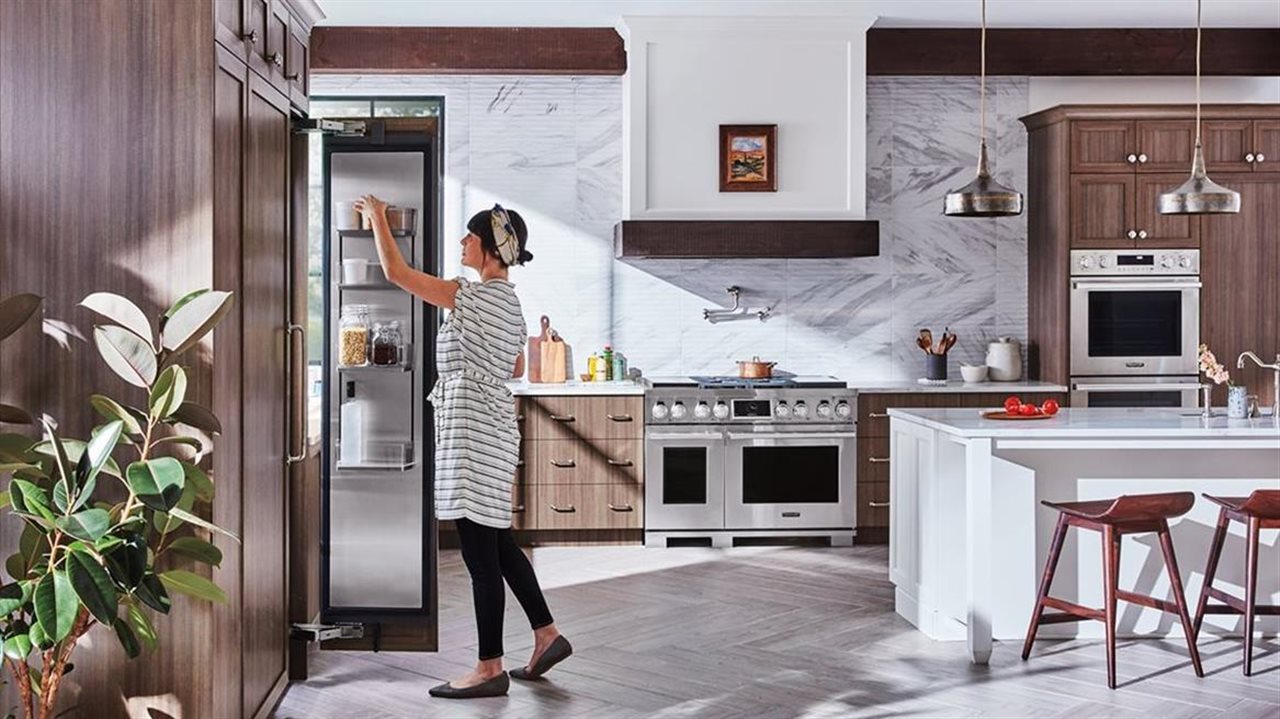
* Appliances that can do it all. As home chefs have become much more refined, the need for kitchen appliances capable of delivering to these expectations has increased. Signature Kitchen Suite, the new-to-the-scene luxury brand, for example, debuted the first-of-its-kind pro-style range with built-in sous vide for the ultimate in precision cooking. The range is among the most versatile available with two extra-high burners that deliver 23,000 BTUs of cooking power and two ultra-low burners to maintain temperatures as low as 100 degrees. This appliance is also Wi-Fi enabled, which means you can monitor and control your kitchen wherever you are.

* Unique backsplashes. The tile backsplash still has plenty of staying power, but the latest trends are upping the wow factor of this kitchen mainstay. From mirrored glass and backlit onyx to decorative sculptures, the kitchen backsplash is becoming the statement piece of any kitchen and a unique way to express your own style and taste.

* Matte black finishes. The standard appearance of kitchen fixtures is taking on a darker tone in 2018, as matte black finishes are flourishing in a big way. This elegant, luxe appliance finish complements any kitchen and is also designed to conceal fingerprints and smudges. This smooth, low-gloss design option enhances any style kitchen, from modern to farmhouse, traditional to contemporary and every style in between.

* Design elements everywhere. Long a place of functional purity, the kitchen is getting a dramatically artistic makeover in 2018. Designers from one side of KBIS to the other were showcasing lavish kitchens complemented with unique patterns, angles and texture choices. You simply wanted to go out and touch and savor every single detail they offered. The takeaway? It is possible to enjoy looking at your kitchen as much as you enjoy working in it.

* Smarter kitchens. New Wi-Fi enabled appliances are helping people control their homes in new ways, allowing for greater convenience — either through the touch of a button on their smartphone or via voice commands through Amazon Alexa and Google Assistant. Want to preheat the oven before you head home from work? Done! Need a fresh batch of ice before company arrives? You don’t even have to get up. Forget to turn on the dishwasher? No problem. Choose a cycle and turn it on from virtually anywhere. Smart home leaders like LG have also teamed with food and recipe services such as Innit and SideChef to better assist home chefs with planning, shopping, preparing and cooking delicious meals.

Taking your kitchen to the next level The latest and greatest innovations for your kitchen were on display at KBIS, but bringing them home is up to you. Need more renovation inspiration? Check out new virtual design tools to experiment with different styles and appliance combinations to create your dream kitchen. You may just find a whole new look for your kitchen.


4 tips for protecting your home this season and beyond

2018-02-09T08:01:00

(BPT) – Winter is in full swing and extremely cold temperatures continue to grip much of the U.S.; which mean hats, gloves and high home maintenance bills could be in your future. According to recent data from the Insurance Information Institute, in 2016 severe winter weather cost homeowners more than $1.7 billion in property damages. While the seasonal shift can be a challenge for homeowners, taking these four steps today could ease home maintenance burdens this season and all year-round.

1. Take a look at your windows

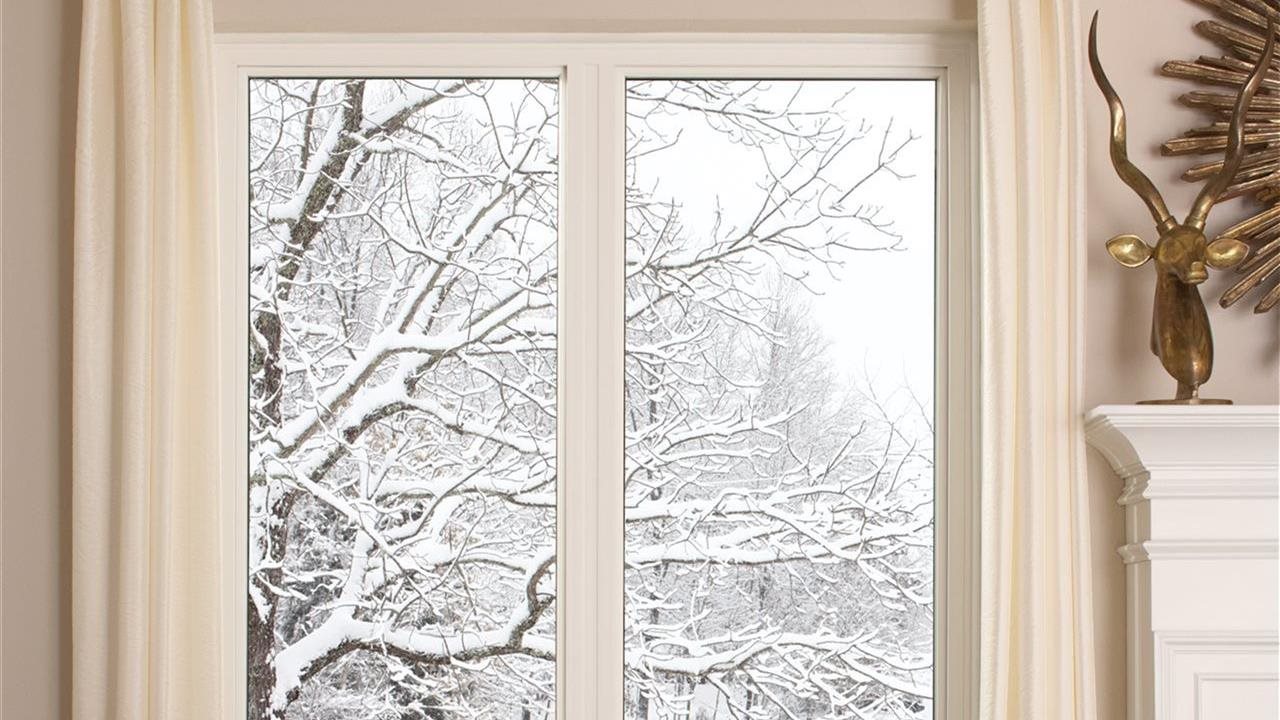
Old windows — especially those with multiple panes of glass— are notorious for air leakage, allowing heat to escape the home while letting in cold air. If your home still feels drafty after you’ve turned the heat on, it may be time to upgrade to more energy-efficient windows.

Mark Montgomery, vice president of marketing for Ply Gem Windows, www.plygem.com, recommends that homeowners pay attention to insulating values and glass packages when selecting new windows for their home. “Manufacturers have made significant technology advancements over the years. Thermal performance of windows can now achieve performance well beyond building code and Energy Star levels, significantly increasing energy efficiency. Along those same lines, low-E glass coatings allow us to customize windows to specific regional climate conditions. So, if a home has old windows, replacing them with new energy efficient ones can make a significant difference in comfort, while also saving energy.”

One window example is the Premium Replacement Series from Ply Gem, which can be configured to meet Energy Star requirements in all climate zones, and is available through a network of building product distributors.

2. Seal up any leaks

Air leakage through holes, gaps, or cracks in the home’s structure is one of the biggest causes of home heating and cooling loss. The U.S. Department of Energy estimates that reducing drafts could save homeowners from 10 to 20 percent on their annual energy costs. To help control air leakage through gaps and cracks larger than two inches, such as where the wall sets on the subfloor or where pipes and wires go through wall plates, homeowners should use caulk or foam sealant materials. For smaller cracks, typically found around windows and doors, weather stripping can help manage leaks. Steps taken to seal your home and save heat in the winter will also help improve indoor air conditioning flow during summer months.

3. Think about adding insulation

In addition to sealing up any small leaks, it’s important to evaluate your home’s air tightness on a few fronts. For instance, consider adding materials such as fiberglass, cellulose or natural fibers to interior walls for enhanced insulation. On the exterior, look at areas like your home’s cladding and consider upgrading to an insulated vinyl siding system. In addition to boosting curb appeal and minimizing ongoing maintenance, insulated vinyl siding, such as Mastic’s Structure Home Insulation System, efficiently reduces air leakage by providing continuous insulation along the entire exterior and covering wall studs that are left exposed by traditional wall coverage.

4. Keep your gutters clean

As temperatures drop, check your gutters to ensure they are completely devoid of leaves and debris so that water can flow freely. If needed, have professional gutter protection installed, such as a gutter protection system that includes a continuous hanger, to reduce the possibilities of ice damming. If melting ice is unable to drain due to buildup, it could seep into the walls and ceilings of your home. Having an effective gutter system installed is a simple solution that can prevent the hassles of gutter cleaning and damage throughout the year.

By keeping these tips in mind, you’ll be able to better protect your home from Mother Nature’s ways this winter and throughout the remainder of the year.


5 simple steps to extend the life of Valentine’s Day flowers

2018-02-12T06:01:00

(BPT) – Your day is feeling dreary until the doorbell rings. Who could it be? It’s a surprise delivery full of beautiful blooms that instantly brings a smile to your face. Whether for Valentine’s Day or any celebration, flowers always make someone feel special.

Receiving flowers as a gift is a joy and you want that feeling to last for as long as possible. Luckily, you don’t have to be a florist to give them the proper care they need. Just follow these simple steps from the experts at 1-800-Flowers.com to give your blooms the extended life they deserve.

Step 1: Remove foliage

Remove all foliage from the flower stems that could fall below the water line in the vase. Not only does this give your display a clean look, but it also reduces bacteria growth in the water so your flowers stay healthy.

Step 2: Use warm water

Fill the vase two-thirds full with bath-temperature water. Flowers drink cold water more slowly, which lengthens the hydration process. Warm water is lighter and easier for flowers to absorb quickly.

Step 3: Feed your flowers

It’s best to use the floral food that arrives with the flowers and follow according to package direction. However, if you misplace this packet, you can always create your own by adding three teaspoons of lemon-lime soda (non-diet) and one teaspoon of bleach to one quart of water.

Step 4: Cut stems

Right before placing your flowers in the prepared vase, give the bottom of each stem a fresh cut at an angle. This prevents the stem from sitting flush on the bottom of the vase, allowing maximum water intake. This is particularly important for roses, a popular gift for Valentine’s Day.

Step 5: Water and recut

Check the water level in your vase on a daily basis and add fresh water as needed. Around the third day you’ll need to recut the flowers. Do this by removing the flowers carefully, so as not to change the design. A large rubber band or tie can keep them together until you recut the stems; remove any flowers that have passed their prime. Clean the vase and refill with warm water two-thirds full, plus more floral food. Remove the tie and replace the flowers in the vase.

With a little TLC, your flowers will continue to look beautiful for several days. For more floral care tips and unique gift ideas, visit www.1-800-Flowers.com.