
2018-01-16T12:01:00
(BPT) – –

2018-01-16T12:01:00
(BPT) – –
2018-01-17T14:33:00
(BPT) – Healthy snacking and making good food choices can be difficult any time of the year, but it can be especially tough during the big game. Business Insider reports that only 80 percent of people who start a New Year’s resolution keep that resolution through February. This happens to correspond with the biggest football game of the year and the common food temptations that go along with it — chicken wings, chips and salsa, pizza, not to mention beer.
Bryan Snyder, registered dietitian and nutrition director for the Denver Broncos, who is responsible for keeping the year-round nutrition strategies for the team’s players on track, also knows the pitfalls for the fans. “I advise people trying to eat healthier to follow a sustainable meal plan.”
Snyder describes a sustainable meal plan as one that allows some flexibility to have a meal here and there that might have a higher calorie intake.
“I often see people go from eating a poor diet and choosing unhealthy snacks, in combination with not exercising, to all of a sudden deciding to work out every day and eat perfectly every meal. The issue that can arise from that behavior is that it isn’t a sustainable plan, and it doesn’t allow any room for those big game snacks.”
Snyder’s recommendation is to find a nice middle ground. Allow yourself to sneak in some of those not-so-healthy calories on game day, but also give yourself some healthier options that you can have while keeping a guilt-free conscience.
Snyder’s snack of choice? Pistachios. “Pistachios are loaded with antioxidants and fiber, which will help you feel full and prevent you from overeating during the big game, and give you an immune system boost as well.”
Other healthy options are pita chips with hummus, vegetables with vegetable dip, bison or turkey burger sliders, popcorn, baked sweet potato fries, or a cup of turkey chili. For those who can’t imagine game day without wings, Snyder suggests baking the wings instead of deep-frying to replace some of the unwanted and unnecessary fats.
“Oftentimes we want to eat healthier, but we simply don’t know what to eat,” says Snyder. “All of these options are healthy swaps for satisfying game day enjoyment.”
Snyder recommends, too, having a backup plan if you’re going over to someone else’s house to watch the game, as this can be one of the biggest pitfalls to straying from a diet. “Don’t give yourself an excuse to eat poorly. Take along some portable healthy snacks — such as healthy bars, trail mix or pistachios — to be sure you have options and don’t indulge in hours of unhealthy snacking.”
While it is certainly understandable and sometimes difficult to eat healthy during the big game, it is something that can be done with the right planning and preparation, according to Snyder.
“One other common misconception about healthy snacking is that you have to sacrifice great taste,” warns Snyder. “Follow this game plan, and I guarantee you won’t.”

2018-01-22T08:01:00
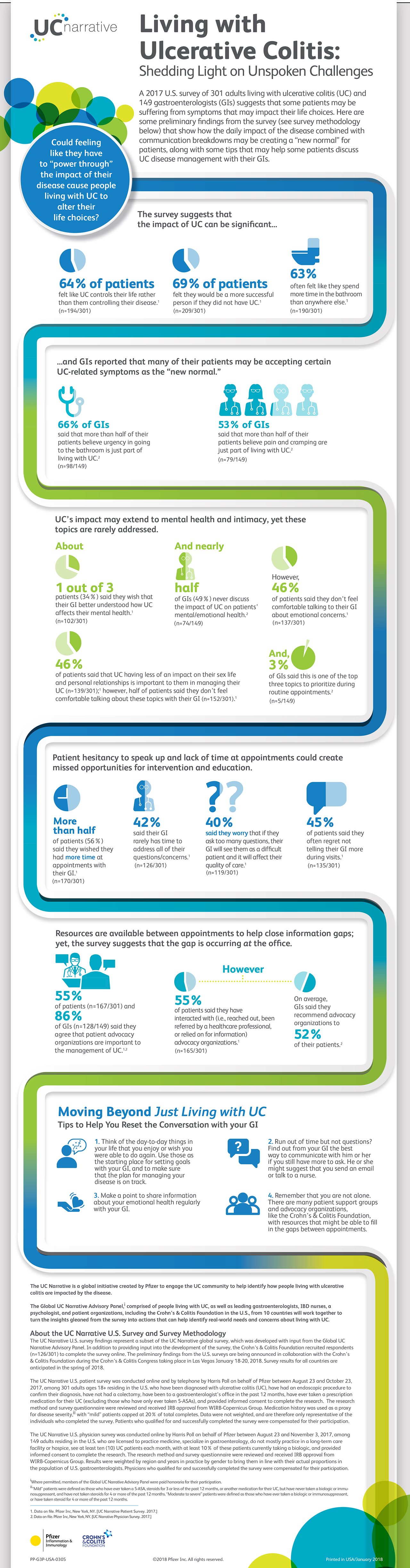
(BPT) – A 2017 U.S. survey of 301 adults living with ulcerative colitis (UC) and 149 gastroenterologists (GIs) suggests that some patients may be suffering from symptoms that may impact their life choices. Here are some preliminary findings from the survey (see survey methodology below) that show how the daily impact of the disease combined with communication breakdowns may be creating a “new normal” for patients, along with some tips that may help some patients discuss UC disease management with their GIs.
2018-01-22T08:01:00
(BPT) – A new survey reveals Americans are not aware of what to report prior to a blood test. Only half (52 percent) believe it is very important to report use of supplements to their healthcare provider before getting a blood test.
With recent interest in the use of supplements like biotin as beauty treatments, it’s especially critical for consumers, doctors and lab personnel to talk before blood tests because very high doses of supplements could interfere with some test results.
The possibility of interference in blood testing is low, but if you’re taking high-dose biotin for hair, skin or nail health, for example, it is best to inform your doctor before a blood test. Just as you may need to fast before certain types of tests, you may need to hold off on taking supplements like biotin for at least eight hours before blood work.
The survey, commissioned by Roche Diagnostics, also found that most Americans (85 percent) expect their physician to provide complete instructions on how to prepare for a blood test.
“Many factors — from stress, to prescription medication, to vitamins — can affect blood test results, so it’s important to be proactive in communicating about medicines or supplements you’re taking rather than waiting to be asked,” said Dr. Emily Jungheim, associate professor of obstetrics and gynecology at Washington University School of Medicine in St. Louis.
Ask your healthcare provider about ways to prepare for blood tests. Here are some simple tips to follow:
* Write down all your prescription medicines the night before a blood test so you can share up-to-date information with the lab technician or your doctor.
* Also report vitamins, supplements, nutraceuticals and any over-the-counter medications.
* Know the doses of the medicines and supplements you are taking. The dose matters. You may not be aware that 5 mg of biotin per day, for example, is equal to the amount of biotin in 100 capsules of a typical daily multivitamin.

2018-01-22T12:01:00
(BPT) – If you’re having surgery, you can expect to be sore and uncomfortable for a few days, whether you’re recovering at home or in the hospital. But it’s best to limit opioids or avoid them altogether, opting for alternatives to manage pain and discomfort, recommends the American Society of Anesthesiologists (ASA).
Unfortunately, many patients leave the hospital following surgery with a prescription for 30 or more highly addictive opioid pills (e.g., Vicodin, hydrocodone and oxycodone), and about 6 percent are still using them three months or longer after the procedure.
“Nobody needs a prescription for 30 or 50 opioids, and even those who are in major pain should only take them for a day or two,” said ASA President James D. Grant, M.D., M.B.A., FASA. “There are effective alternatives. Many people don’t need opioids at all or at least should drastically reduce the amount they take.”
Addiction can start after taking only a few opioids. More than 2 million Americans abuse these medications, which can create a feeling of euphoria and make the body believe the drug is necessary for survival. Since 2000, opioid overdose deaths in the U.S. have increased 200 percent.
Don’t take that chance. ASA offers advice for coping with pain and discomfort as you recover from surgery.
* Ask about alternatives – Only take opioids when you are in extreme pain. Medications such as ibuprofen (Motrin), naproxen (Aleve) and acetaminophen (Tylenol) can help with pain and soreness. While it’s never a good idea to rely on any type of pain pills for too long, these medications are not addictive and are far less risky than opioids.
* Manage your expectations – Everyone feels pain differently, but soreness and discomfort after surgery are normal and will improve within a day or two. These sensations are less severe than pain, which is usually sharp or intense. You usually don’t treat muscle soreness after a hard workout with an opioid, so if you are sore, and not in severe pain, try ibuprofen or naproxen.
* Be an active participant in your own care – While you are in recovery, the nurse will ask you if you are in pain and if so, how much. Be descriptive in explaining how you feel. If you are in major pain, ask that the opioid prescription be written for a small amount, and only take them for a day or two, three at most. Unused pills can fall into the wrong hands. In fact, more than half of people who misuse prescription painkillers get them from a friend or relative. Your pain will improve significantly within a few days whether or not you take opioids.
* Be aware of other downsides to opioids – Opioids cause severe constipation and often don’t manage pain as well as people expect. Additionally, they can cause hyperalgesia, or an increased sensitivity to pain.
“The opioid crisis is huge and affects everyone, rich and poor, male and female. It’s got to stop, and reducing opioid use during recovery after surgery is a big part of the solution,” said Dr. Grant. “Those who are in continued severe pain after surgery should ask a physician anesthesiologist or other pain specialist about alternative strategies to manage pain, including exercise, nerve blocks and non-opioid medications.”
ASA is committed to ending opioid abuse and has launched several initiatives to combat the epidemic. For more information, review ASA’s National Pain Strategy.
To learn more about the critical role physician anesthesiologists play before, during and after surgery, visit asahq.org/WhenSecondsCount.

2018-01-22T15:57:00
(BPT) – Your eczema (atopic dermatitis) may be a part of you, but it doesn’t have to define you. Living with eczema might take some effort, like changing your lifestyle and working with your physician to develop a treatment plan that’s right for you.
1. Avoid dry skin. Sometimes this is easier said than done, but dry skin is a common eczema symptom.1 Try to avoid cold, dry air and situations where you might overheat.2 Limiting bathing time to 5-10 minutes with warm, not hot, water may also help.3,4
2. Be mindful of your diet. For some people, eczema may flare when they’re exposed to different triggers.4 Certain foods, or a food allergy, could trigger a flare.1 If you suspect a certain food is affecting you, share your experiences with your doctor and talk about your treatment plan. One option to manage symptoms may include avoiding a certain food group.4
3. Recognize your triggers. Food, as discussed above, may be a trigger, but a change in the environment, certain soaps/detergents, sweat or stress may also trigger symptoms.2,4 Pay attention to when your eczema flare is most noticeable and record possible triggers. Jotting down a few quick “notes-to-self” in the moment could help identify triggers. The better you recognize what is causing your eczema to react the way it is, the easier it may be to avoid any situations that may cause a flare.
4. Make moisturizers a priority in your daily routine. If you have eczema, moisturizers can help keep your skin hydrated.3 There are so many kinds of moisturizers—who doesn’t love options!—including ointments, creams, lotions, gels, and oils.3 No matter which moisturizer your doctor recommends, following a routine and applying it soon after bathing will help keep your skin hydrated.3,4
5. Be mindful of your wardrobe. Clothing is often an important part of your identity, but when it comes to your eczema, the clothing you wear can make a difference. Wool or rough fabrics can be irritating on the skin and could trigger your eczema.4 Also try cutting the tags off your clothes and covering any irritating inner seams. These easy tricks can help reduce irritation without sacrificing your unique style.
6. Speak with your doctor about your options. One of the ways to treat eczema is to use a topical therapy. If you’re looking for a topical prescription therapy, take a moment to talk with your doctor about your options. EUCRISA® (crisaborole) ointment, 2% is a steroid-free ointment for people with mild-to-moderate eczema (atopic dermatitis) and can be used on all skin tones from face to feet, for adults and kids as young as 2 years old.5 It can be applied to the skin, including the face. Do not use in the eyes, mouth or vagina.5 EUCRISA is a topical treatment that works both above and below the skin to treat eczema.6 The specific way EUCRISA works is not well defined.5 For more information about EUCRISA, visit www.EUCRISA.com.
The strategies above, along with the treatment regimen that you and your doctor decide upon, may help give you a better understanding of your eczema. If you have additional questions, be sure to speak with your doctor.
IMPORTANT SAFETY INFORMATION & INDICATION
Do not use EUCRISA if you are allergic to crisaborole or any of the ingredients in EUCRISA.
EUCRISA may cause side effects including allergic reactions at or near the application site. These can be serious and may include hives, itching, swelling, and redness. If you have any of these symptoms, stop using EUCRISA and get medical help right away.
The most common side effect of EUCRISA is application site pain, such as burning or stinging.
EUCRISA is for use on skin (topical use) only. Do not use EUCRISA in your eyes, mouth, or vagina.
INDICATION
EUCRISA is a prescription ointment used on the skin (topical) to treat mild-to-moderate eczema (atopic dermatitis) in adults and children 2 years of age and older.
See Full Prescribing Information at EUCRISA.com.
For more information, call 1-866-EUCRISA (1-866-382-7472).
This article is sponsored by Pfizer Inc.
1 Akdis CA, Akdis M, Bieber T, et al. Diagnosis and treatment of atopic dermatitis in children: European Academy of Allergology and Clinical Immunology/American Academy of Allergy, Asthma and Immunology/PRACTALL Consensus Report. J Allerg Clin Immunol. 2006;118:152-169.
2 Oszukowska M, Michalak I, Gutfreund K, et al. Role of primary and secondary prevention in atopic dermatitis. Postep Derm Alergol. 2015;32(6):409-420.
3 Eichenfield LF, Tom WL, Chamlin SL, et al. Guidelines of care for the management of atopic dermatitis. Section 2. Management and treatment of atopic dermatitis with topical therapies. J Am Acad Dermatol. 2014;71(1):116-132.
4 Bieber T. Atopic dermatitis. Dermatol. 2012;1(3):203-217.
5 EUCRISA® (crisaborole). Full Prescribing Information. December 2016.
6 Jarnagin K, Chanda S, Coronado D, et al. Crisaborole topical ointment, 2%: a nonsteroidal, topical, anti-inflammatory phosphodiesterase 4 inhibitor in clinical development for the treatment of atopic dermatitis. J Drugs Dermatol. 2016;15(4):390-396.

2018-01-22T15:59:00
(BPT) – The daily routine for a parent can be hectic and stressful, and having a child that is living with atopic dermatitis (eczema) can be difficult.1
Eczema is a common skin condition that may develop during childhood.2 Eczema typically occurs in characteristic areas of skin and is often identified by scaly or dry patches.2,3 Nearly 18 million children and adults across the United States live with the condition.4 About 90 percent of those with eczema have the mild-to-moderate form of the disease.5 And you shouldn’t be too surprised your child has eczema, if you have asthma, hay fever, or eczema yourself. Genetic factors are associated with eczema.3,4
If your child has eczema, the following tips may help you care for your child and their skin.
1. Know what to watch for.

Eczema may look different on different people, so it’s important to know what to watch for.2 The face, neck, arms and legs are common sites for many people, depending on their age.2 Eczema often appears as a rough, red skin rash.3 If you think your child has eczema, talk with a doctor to learn what to look for and discuss a possible treatment plan. Here’s another tip: consider pajama or bath time as an opportunity to take a moment and check for any changes in your child’s skin.
2. Tame the triggers.

For some, eczema may flare, or get worse, when they’re exposed to different triggers, even if they are currently treating their eczema.2 Food choices, sweat, stress, and clothing types may all be possible triggers for your child’s eczema.3,6 Monitor your child’s skin, and if you notice a change, talk to their doctor to find the strategies that may best identify these triggers.
3. Prepare appropriately.

As a parent, you’ve probably learned that children never stop moving. Purses are filled with all sorts of things to help keep your child entertained. That preparation can also be applied to eczema. For example, heat and sweat are common causes of flares. Try dressing your child in comfortable, loose clothing or uniforms that have been washed before your child wears them.6 Don’t forget those new gym clothes and soccer jerseys!
4. Adjust bath time routines.

Children take baths—for obvious reasons!—but bath time might be a challenge for children with eczema. Try to limit bath time to 5-10 minutes up to once per day with warm, not hot, water.7 Applying a moisturizer soon after bathing may also help ensure your child’s skin is moisturized.2,7
5. Understand your options.

There is no cure for eczema, but there are treatment options available. EUCRISA® (crisaborole) ointment, 2% is a steroid-free topical ointment for people with mild-to-moderate eczema and can be used on all skin tones from face to feet, for adults and kids as young as 2 years old.8 EUCRISA is a topical treatment that works both above and below the skin to treat eczema.9 The specific way EUCRISA works is not well defined.8 It can be applied topically to the skin, including the face. Do not use in the eyes, mouth or vagina.8 Talk to your child’s doctor to see if EUCRISA is right for your child and visit www.EUCRISA.com to learn more.
While the above tips may help you manage your child’s eczema, always be sure to talk to their doctor to help identify the best treatment plan. To learn more about EUCRISA, visit www.EUCRISA.com.
IMPORTANT SAFETY INFORMATION & INDICATION
Do not use EUCRISA if you are allergic to crisaborole or any of the ingredients in EUCRISA.
EUCRISA may cause side effects including allergic reactions at or near the application site. These can be serious and may include hives, itching, swelling, and redness. If you have any of these symptoms, stop using EUCRISA and get medical help right away.
The most common side effect of EUCRISA is application site pain, such as burning or stinging.
EUCRISA is for use on skin (topical use) only. Do not use EUCRISA in your eyes, mouth, or vagina.
INDICATION
EUCRISA is a prescription ointment used on the skin (topical) to treat mild-to-moderate eczema (atopic dermatitis) in adults and children 2 years of age and older.
See Full Prescribing Information at EUCRISA.com.
For more information call 1-866-EUCRISA (1-866-382-7472).
This article is sponsored by Pfizer Inc.
1 Lifschitz C. The Impact of Atopic Dermatitis on Quality of Life. Ann Nutr Metab. 2015;66(suppl 1): 24-40.
2 Bieber T. Atopic dermatitis. Dermatol. 2012;1(3);203-217.
3 Akdis CA, Akdis M, Bieber T, et al. Diagnosis and treatment of atopic dermatitis in children: European Academy of Allergology and Clinical Immunology/American Academy of Allergy, Asthma and Immunology/PRACTALL Consensus Report. J Allerg Clin Immunol. 2006;118:152-169.
4 Hanifin JM, Reed ML. A population-based survey of eczema in the United States. Dermatitis. 2007;18(2):82-91.
5 Paller AS, Tom WL, Lebwohl MG, et al. Efficacy and safety of crisaborole ointment, a novel, nonsteroidal phosphodiesterase 4 (PDE4) inhibitor for the topical treatment of atopic dermatitis (AD) in children and adults. J Am Acad Dermatol. 2016;75(3):494-503.
6 Oszukowska M, Michalak I, Gutfreund K, et al. Role of primary and secondary prevention in atopic dermatitis. Postep Derm Alergol. 2015;32(6):409-420.
7 Eichenfield LF, Tom WL, Chamlin SL, et al. Guidelines of care for the management of atopic dermatitis. Section 2. Management and treatment of atopic dermatitis with topical therapies. J Am Acad Dermatol. 2014;71(1):116-132.
8 EUCRISA® (crisaborole). Full Prescribing Information. December 2016.
9 Jarnagin K, Chanda S, Coronado D, et al. Crisaborole topical ointment, 2%: a nonsteroidal, topical, anti-inflammatory phosphodiesterase 4 inhibitor in clinical development for the treatment of atopic dermatitis. J Drugs Dermatol. 2016;15(4):390-396.
2018-01-23T09:01:00
(BPT) – –
2018-01-23T15:11:00
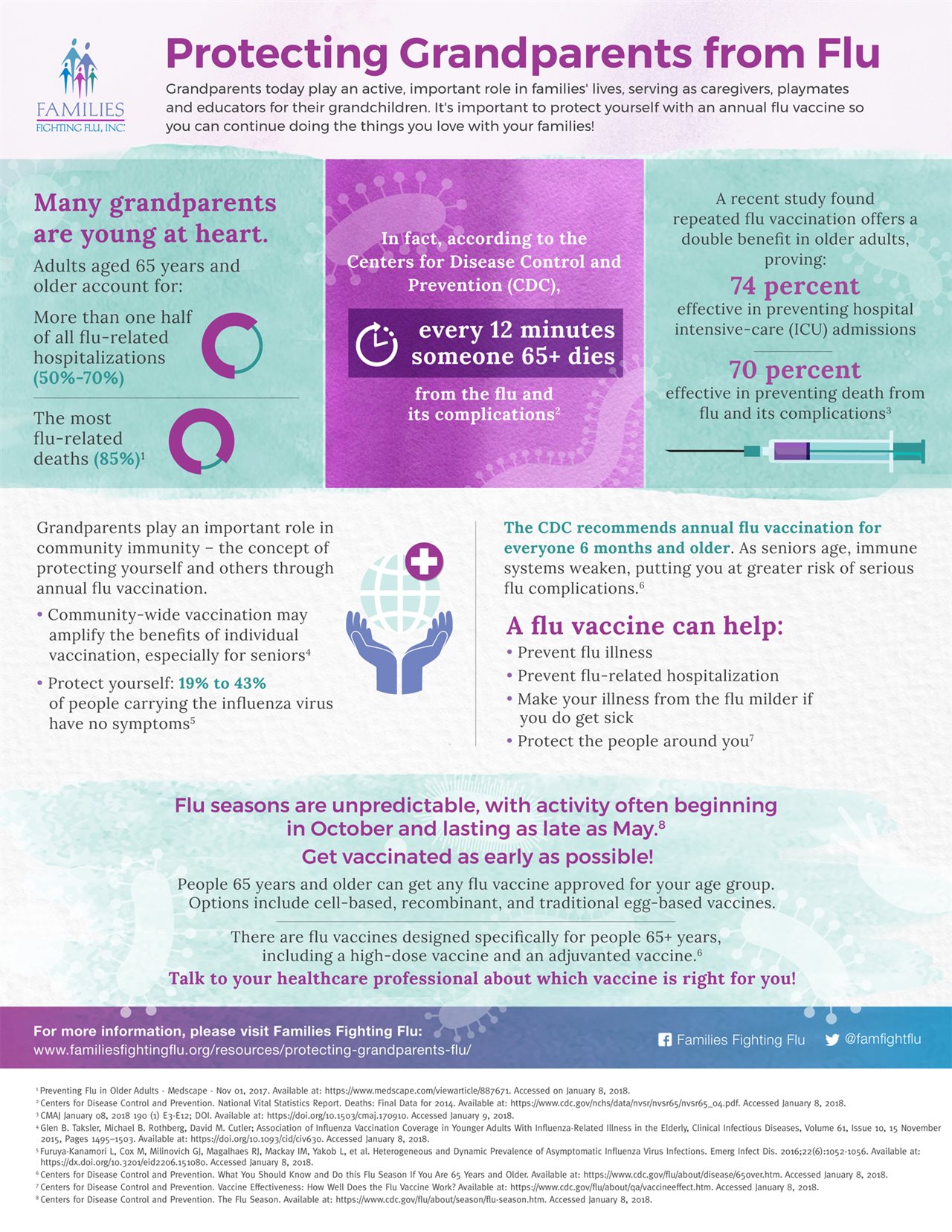
(BPT) – Grandparents today play an active, important role in families’ lives, serving as caregivers, playmates and educators for their grandchildren. It’s important to protect yourself with an annual flu vaccine so you can continue doing the things you love with your families!
–
2018-01-25T08:01:00
(BPT) – Dru Riddle of Fort Worth, Texas, is one of the estimated 7.5 million people afflicted with psoriasis across the United States. A nurse anesthetist and university professor, Riddle understands first-hand the importance of receiving the proper treatment as quickly as possible and treating the condition with safe, effective medicine. Diagnosed with psoriasis in 2003 and psoriatic arthritis (PA) in 2010, Riddle underwent the treatment trials and errors common to many sufferers of PA before he was connected with a health care provider who prescribed a more aggressive plan that included biologics. Before doctors put him to a biologic therapy, Riddle suffered for several years with skin lesions and joint pain. “Finally I was switched to an injectable biologic medication,” Riddle says. “Those medications have really helped control my disease and the symptoms.”
A condition that is more than skin deep
Psoriasis often presents as patches of itchy, flaky skin, while PA — which affects about a third of psoriasis patients — results in joint swelling and pain, which may cause permanent damage. Both conditions are a product of the body’s immune system attacking itself instead of the foreign invader that should be its target.
PA can usually be identified by psoriasis-like skin inflammations. However, sometimes the joint pain and swelling appear first. This can make it difficult for doctors to properly diagnose the condition.
Initially, Riddle’s condition was treated topically with little to no effect. The relief he found with the right medicines was life-changing and he has vowed to help others with PA find the right care.
“I recommend anyone with PA be extremely aggressive with their treatment,” Riddle says. “The risks of not treating your PA are so much greater than treating it.”
Understanding biosimilars
In his quest for the right treatment regime, Riddle was diligent about his self-care and joined a number of clinical trials for the types of biologics that have been so integral to his treatment plan. It was thanks to his proactive approach to treating his condition that he started learning more about biosimilars.
Biosimilars are safe, effective and affordable alternatives to conventional biologic medicines, similar to generic offerings in other medicinal categories. Widely used in Europe, biosimilars have faced a biologics-dominated market in the United States that has so far been successful in limiting their availability. Expanding the biosimilars market in the United States will require manufacturers, the government and regulatory groups to work together to craft new policies, making access to these potentially life-changing treatments their top priority.
Riddle applauds the option of safe, effective and affordable biosimilars for patients.
“The expense of the biologic medication can be prohibitive — they’re very costly,” Riddle says. “So some people may benefit from a more affordable biosimilar medication. That medication has the same efficacy, meaning it works just as well as the biologic.”
Learning more about your options
“There’s no need to be afraid of the medicine,” says Christine Simmon, Executive Director of The Biosimilars Council, a group working to support the broad components of the biosimilar industry and enabling increased access to safe, effective and affordable biosimilar medicines. “Learn more about your options, talk to your doctor and make sure you’re receiving the medication that is the most effective treatment for your condition.”
If you have psoriasis and/or PA, you deserve to know all of your options, including biosimilars. Your doctor can provide you the information you need on these treatment options. To prepare for your next doctor’s visit and have your initial questions answered, visit http://biosimilarscouncil.org/ today.
