2026-03-12T10:01:00
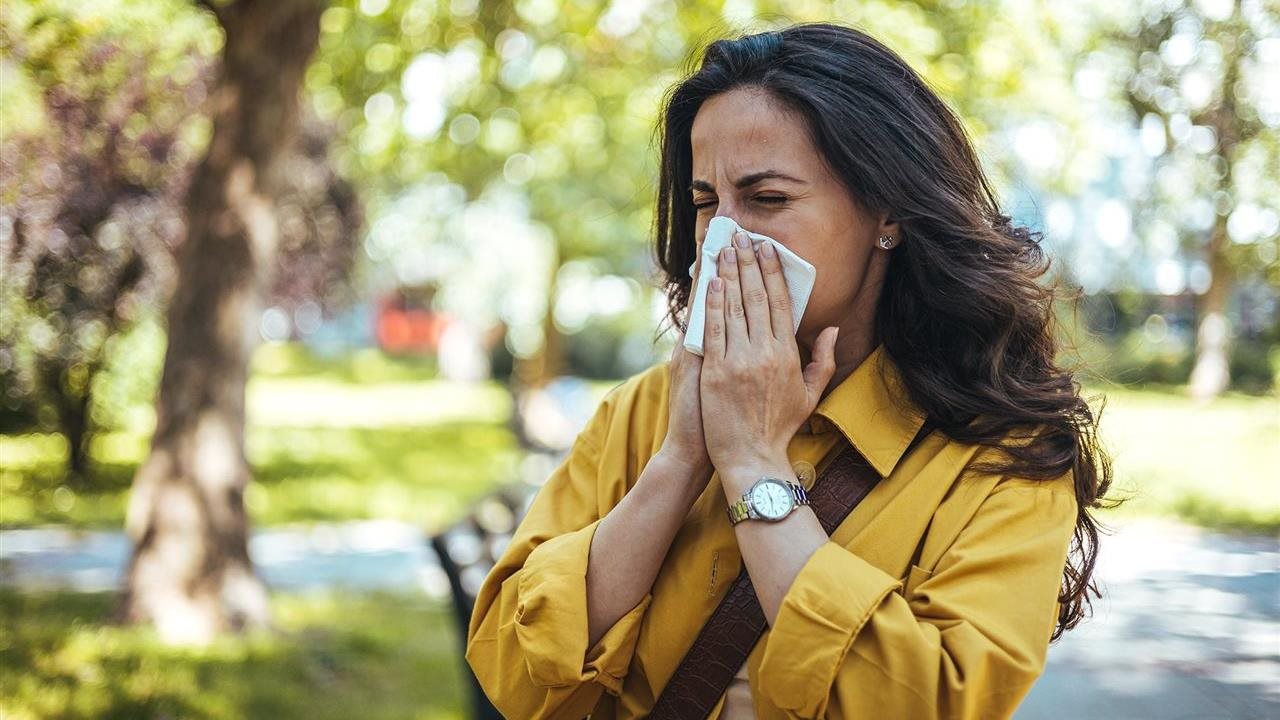
(BPT) – Spring is right around the corner! If you’re among the one in four U.S. adults that suffers from seasonal allergies, it’s time to start preparing for the influx of pollen and other allergens.
“The biggest mistake people make with spring allergies is waiting for the first sneeze to take action,” said Dr. Fred Pescatore, M.D., a Manhattan-based natural physician and author of The Allergy and Asthma Cure. “If you wait for symptoms to show up, you’re fighting an uphill battle. Preparing early is the difference between controlling your allergies and letting them control you.”
Check out Dr. Pescatore’s top tips for preparing for allergy season so you can enjoy spring with minimal symptoms.
Change your air filter
Your HVAC air filter works hard year-round to improve your indoor air quality by removing dust, pollen and other allergens from your home. Change the filter at the onset of spring so it is operating optimally before spring allergy season arrives.
Pro tip: If you have severe allergies, don’t replace the filter yourself. The old filter will be full of allergens that can trigger your symptoms during the replacement. Instead, have another household member take on the chore and dispose of it immediately.
Manage inflammation
Leading up to allergy season, make an effort to manage inflammation before it starts. Inflammation is a normal immune response to allergens, triggering symptoms like sneezing, congestion, coughing and watery eyes.
A proactive approach can help reduce the intensity of seasonal symptoms. Foundational habits like limiting excess sugar, gluten and dairy, prioritizing sleep and managing stress all support a more balanced immune response. For those looking to add targeted nutritional support, Pycnogenol® French maritime pine bark extract has been clinically studied for its role in helping to modulate the body’s inflammatory response when taken ahead of allergy season.
While many people rely on over-the-counter antihistamines for short-term symptom relief, some prefer a more natural approach that supports overall immune health rather than simply masking symptoms.
Dr. Pescatore adds, “When recommending Pycnogenol® to my patients, I typically suggest 50 to 100 milligrams daily starting 5-8 weeks before allergy season for best results.”
Reduce pollen exposure
Pollen is one of the most common seasonal allergy triggers, so reducing your exposure is key. This is especially important now, as pollen seasons have become more intense, start earlier and last longer in recent years — largely due to climate change. Warmer weather creates the perfect environment for pollen to thrive, especially during warm days and cool nights.
Even though it’s tempting to let the fresh spring air in, keep doors and windows closed to prevent pollen from entering your home and settling on surfaces. Using a high-quality air purifier with a HEPA filter can also help reduce indoor pollen levels and improve overall air quality. In addition, avoid doing yard work like mowing the lawn before noon, when pollen counts are typically highest, and try to limit outdoor activities on high pollen-count days.
Add a shower to your nighttime routine
If you don’t shower at night, it’s time to start. During the day, pollen settles on and clings to your hair, face and body. Rinsing off before going to bed prevents pollen from settling on your pillow and triggering allergies while you sleep. Plus, having a warm shower before bed can be incredibly relaxing, allowing you to settle into sleep and wake up refreshed to take on another day.
Don’t be reactive. Be proactive.
You can’t control allergens, but you can make intentional changes in your life to reduce your exposure to allergens and manage your symptoms before they start. Use these expert tips to get a jump on allergy season so you can enjoy the warmer weather to the fullest!