The most influential projects of 2021 couldn’t happen without project managers

2021-10-21T13:01:00

(BPT) – Despite numerous challenges, 2021 has emerged as a time of hope and advancement, proven by the many successful projects that will impact humanity for decades to come. These results are thanks to a team effort, including dedicated project managers that tackle complex steps and organizational challenges all while prioritizing the ultimate goal.

To honor their perseverance, Project Management Institute (PMI), with input from experts globally, has unveiled the third annual Most Influential Projects list, reflecting how project managers and changemakers have found resourceful ways to keep initiatives moving forward amid global disruptions, including the COVID-19 pandemic and many others.

“As a for-purpose organization, PMI is dedicated to supporting and uplifting those who are enabling change around the world,” said Michael DePrisco, Chief Operating Officer of Project Management Institute. “Our 2021 list of Most Influential Projects prove how creativity, collaboration, discipline and determination can turn the boldest of ideas into a reality and change the world that we live in — even during the most challenging times.”

DePrisco points to three examples on this year’s list for how project managers helped make the year’s Most Influential Projects a reality. To learn more visit PMI.org.

Flexible work with the Great Work From Home Experiment

When the pandemic hit, adaptations became necessary for millions of people worldwide who now needed to work from home. Many professionals have spent most of 2021 working remotely or in a hybrid setting, and now, thanks to agile companies and forward thinking, the traditional 8-5 in-office life may never quite return. This is what PMI is coining “the Great Work From Home Experiment,” #2 on the Most Influential Projects list.

Flexible, hybrid work arrangements are no longer the minority and rather are embraced by companies and in demand by workers. Some companies are selling massive office spaces and shifting those funds to support a fluid, remote work structure. Even technology companies long known for their in-person work culture are now offering hybrid schedules that can be customized to workers’ preferences. From sustainably downsizing to creating flexible workspaces that integrate nature and technology, 2021 is the year that companies have shifted focus to the workplace of the future, and project managers had a hand in both deploying these new workplace strategies and pushing their projects forward simultaneously.

Perseverance on Mars

Has there ever been life on Mars? It’s a question that scientists are trying to answer with help from the Perseverance robotic rover, project #23 on the Most Influential Projects list. This complex project required incredible focus on a tight deadline, which was made more complex as most of the project team shifted to remote work. The project managers knew that making the launch date was essential — not only would missing it mean another 26 months before planets would appropriately align again, but the delay would be costly.

On July 30, 2020, Perseverance launched from Cape Canaveral Space Force Station in Florida and successfully landed on Mars in February 2021. Now Perseverance is roaming Mars, collecting samples and gathering important data to help scientists answer big questions. Project leaders, passionate scientists and many more continue to work together to analyze samples and unlock the secrets of the red planet.

LGBT+ banking with Daylight

The financial services industry has scores of products developed for myriad people and needs, yet one growing demographic that is too often overlooked is the LGBT community. This is concerning, especially considering LGBT household wealth is estimated at $23 trillion globally, with almost $6.9 trillion in the U.S. alone, according to LGBT Capital. Enter Daylight digital banking platform, formed by queer millennials to meet their unmet needs, and #38 on the Most Influential Projects list.

Daylight knew insights from this important audience would be key in custom-building a banking system that met their specific needs — and they went right to the source through conversations with LGBTQ+ consumers. Gathering information was an important yet complex undertaking that required thoughtful outreach and steadfast organization. These conversations allowed project leaders to understand problems and provide meaningful solutions, such as allowing transgender individuals to have their preferred name on their bank card rather than their legal name. Additionally, Daylight facilitates a social community that encourages peer-to-peer education, with a focus on long-term financial wellness and a bright future for all.

“By recognizing these projects and other Most Influential Projects of the past year as well as their impact on our world, PMI is bringing deserved attention to the profession of project management, specifically to show how projects have changed and are changing the world we live in,” said DePrisco.


Flu shots for two: Protect yourself during pregnancy and your baby after birth

2021-10-21T11:45:00

(BPT) – The phrase “two for one” suggests a great deal: getting twice the benefit. That’s precisely what a flu shot can do for someone who is pregnant. One shot protects you from flu during and after your pregnancy; it also protects your baby during the first few months of their life, when they are too young to get vaccinated. No matter how far along you are in your pregnancy, the Centers for Disease Control and Prevention (CDC) recommends all pregnant people get a flu shot. Ideally, you should get vaccinated against flu by the end of October, but vaccination in November and later is still recommended, as flu most commonly peaks in February and significant activity can continue into May.

“One of the best gifts you can give yourself and your baby during pregnancy is an annual flu shot,” Dr. Michael Jhung, a medical officer with CDC’s Influenza Division, said. “Flu is especially dangerous for pregnant women because changes in the immune system, heart, and lungs during pregnancy (and up to two weeks postpartum) make you more vulnerable to flu and its potentially severe complications.”

Both CDC’s Advisory Committee for Immunization Practices (ACIP) and the American College of Obstetricians and Gynecologists (ACOG) recommend that pregnant women or those who might be pregnant or postpartum during flu season get a flu shot.

Pregnant women, if they get flu, have more than double the risk of hospitalization compared to nonpregnant women of childbearing age. Research since 2010 shows that of women ages 15 to 44 years who were hospitalized with flu, 24% to 34% were pregnant, even though only approximately 9% of U.S. women in this age group are pregnant at any given time each year. Additionally, a 2018 study showed that getting a flu shot reduced a pregnant woman’s risk of being hospitalized with flu by an average of 40%.

It’s important to remember flu vaccines are the only vaccines designed to protect against flu. Vaccinating pregnant people against flu reduces their risk for flu illness while pregnant and postpartum. Getting vaccinated during pregnancy also passes protective antibodies to the baby through the placenta.

Symptoms of flu during pregnancy also may be harmful for a developing baby. For example, a common flu symptom is fever, which may be associated with neural tube defects and other adverse outcomes for a developing baby. And after birth, flu can be deadly to babies, especially during their first few months of life when they are too young to get vaccinated themselves.

Last season, CDC estimates that about 55% of pregnant women got a flu shot, which is similar to coverage the prior season. Survey data show that of pregnant people who are reluctant to get a flu shot, safety is a big concern.

“Flu vaccines have been given to millions of pregnant women for more than 50 years now with an excellent safety record among both the pregnant women and the developing baby,” Jhung said. “Providers can increase vaccination coverage among pregnant women by explaining the safety and benefits of maternal vaccination. There are many precautions that pregnant women take to protect their baby. Getting a flu vaccine for the same reason makes good sense.”

Jhung concludes, “Now is a great time for pregnant people to get a flu shot to protect themselves and their babies this fall and winter. The bottom line is that a flu shot can be lifesaving, and we want pregnant women to know and act on that information.”

Additional information about the seriousness of flu and the benefits of flu vaccination, can be found on the CDC website or call CDC at 1-800-CDC-INFO.

Restoring normalcy after breast cancer

2021-10-21T12:01:01

(BPT) – During the initial shock of a cancer diagnosis, patients are quickly overwhelmed by all the decisions that need to be made. Staying alive and getting the cancer out are top of mind with little time to think about life after cancer. But what happens after the treatments, after mastectomy and even after breast reconstruction?

Thanks to advancements in treatment, patients are living longer. But now patients face a new set of challenges — the long-term impact to quality of life from treatment and surgery. One of those challenges is potentially facing the rest of their life with a completely numb chest.

Explaining post-mastectomy numbness

Sensation loss post-mastectomy is common, but why?

There are sensory nerves that run from the breast to the nervous system, sending signals that allow you to feel touch, temperature — even pain. But during mastectomy, these nerves need to be cut when the rest of the breast tissue is removed. If the nerves aren’t repaired during breast reconstruction, they can no longer send signals. No signals mean no sensation. And often, even reconstructed breasts are permanently numb.

Women often say they weren’t prepared for how numb they would feel after mastectomy or just how much it would impact their daily lives.1 Think of the awkwardness and discomfort you experience after leaving the dentist with a partially numb mouth. Now imagine feeling that all the time in a large portion of your chest, potentially for the rest of your life.

It can be more than an inconvenience. It can be a safety issue, too. Without sensation, you’re unable to gauge whether water is too hot or if a seatbelt is too snug. You may not even be able to tell if your chest is injured while doing a physical activity. But perhaps worst of all, the sense of touch is gone. You may no longer be able to feel warm hugs from your loved ones or a child’s head resting on your chest. And you may be surprised by how much numbness may impact intimacy in relationships.

How can feeling be restored?

In the past, successful reconstructive surgery focused solely on restoring the appearance of the breast (recreating the size, shape, symmetry, softness). But restoring feeling and sensation has been largely ignored.

Fortunately, with advanced technology, a pioneering surgical procedure now exists that can help to restore sensation for breast cancer survivors and previvors post-mastectomy.

This surgical technique, called Resensation®, is performed during breast reconstruction. Surgeons use a processed nerve allograft to reconnect the nerves in the chest that were cut during a mastectomy. The allograft then guides regrowth of nerve fibers and over time offers the opportunity to regain sensation.

What have women said about the procedure?

Women across the country have received this pioneering procedure helping them to regain sensation in their chest. They’ve stated that regaining sensation helped them feel more normal and more like their old selves.1 In fact, 97% of women interviewed in a recent study who underwent Resensation:

  • Would recommend that a friend or family member explore neurotization options
  • Said potential rewards in terms of physical and emotional impact and quality of life outweighed potential risk of the procedure not being successful
  • Believe that restoring breast sensation should become standard of care for breast reconstruction

What’s next?

It’s important that doctors and surgeons have open conversations with breast cancer patients to discuss life after mastectomy and that losing sensation is a possibility. This allows patients time to consider their options, ask questions, do their research and understand that options exist to potentially restore feeling. A great first step in this process is visiting Resensation.com to learn more about the procedure and hear from past patients.

1. Crohan S, Campbell A. Breast Sensations Research Report. Inspired Health. October 2020. Report on file at Axogen

5 simple ways to make a difference this holiday

2021-10-21T12:55:00

(BPT) – There are 43.5 million moms in the U.S., many of whom are more focused than ever on doing good for their families as conscious consumerism continues to grow. In fact, 80% of moms think that by making small changes in their purchasing habits, they can have a positive impact on their community and environment, according to a 2020 survey from Zulily.

That sentiment is heightened this time of year — as people look to give to their own friends and families, they look to make a difference among other families and communities, as well.

Families are shopping and prepping earlier than ever for the holidays — more than 70% of moms plan to start their holiday shopping as early as possible, according to online retailer Zulily’s new “Brain of the Planner” study — meaning there’s more time and opportunities to give back.

This year, Zulily is making it easy for moms to do just that — all while staying in budget. From purchasing a new seasonal throw pillow for your home, to helping give toys to less fortunate children, here are five simple ways that you can give back to your community and make a difference this holiday season:

1) Create a homemade card for local frontline workers: Grab your crayons and construction paper and huddle the kids around the kitchen table to make homemade holiday cards. Frontline workers rarely get time off around the holidays, and after the past year and a half, a homemade holiday card can show your appreciation and help spread some holiday spirit.

2) Decorate your home for the holidays: That’s right — just by getting your home in the holiday spirit, you can help moms and communities build a better home for themselves and their families thanks to Zulily. For the month of October, they’re donating 1% of in-app purchases in the home category (Bed and Bath, Kitchen and Dining, Home Décor, Patio, Garden and Plants, and Pets) to Habitat for Humanity to help families achieve the stability and independence that comes with home ownership. Simply shop for your own home, to help support someone else’s.

3) Clean out your closet or toy room: Before the holidays are in full swing, clean out clothes that your family doesn’t wear anymore to donate to a local shelter or organization. Whether it’s a winter coat your child grew out of or that pair of jeans in the back of your drawer, pass along your gently-loved clothing to a local shelter. You can also donate unused toys to make space and make another child’s holiday!

4) Tackle your loved ones’ wish lists early: As you start your holiday shopping, you can help bring joy to children with a new toy just by shopping on Zulily. For the month of November, for every purchase of two items from the same order or more from Santa’s Workshop, which features toys and games across every category, they will make a $1 donation to Toys for Tots to help less fortunate children throughout the U.S. experience the joy of Christmas.

5) Coordinate a holiday food drive in your neighborhood: Talk to your neighbors and organize a collection of non-perishables and canned goods that you can take to a local food pantry or homeless shelter to help those facing hunger throughout the holiday season.

Whether it’s decorations for your home or holiday gifts for your loved ones, you can feel good knowing when you shop, you can make a positive difference among families in your communities this holiday season. Visit www.Zuliliy.com or download the Zulily app to make a difference.

Chronic liver disease is on the rise: Here’s what you should know

2021-10-21T07:01:00

(BPT) – An estimated 4.5 million people in the U.S. have chronic liver disease (CLD). More people aged 25-54 die from this disease and cirrhosis of the liver than from diabetes or stroke. And unfortunately, liver disease is on the rise. Mortality from chronic liver disease associated with nonalcoholic fatty liver disease (NAFLD) and nonalcoholic steatohepatitis (NASH) is projected to nearly triple by 2030.

“Chronic liver disease is a growing problem in the United States that can lead to increases in mortality and other negative outcomes for patients who suffer from it,” said Dr. Howard Franklin, M.D., M.B.A. and chief medical officer for Salix Pharmaceuticals. “Patients and their health care providers need to be aware of common symptoms and test for the disease much earlier.”

While CLD may be common, the disease itself — along with its complications — is often not well understood by many.

Here are some facts you should know about liver disease, and symptoms to be aware of.

What is liver disease?

While many people may identify alcoholism as the only cause of liver disease, few are aware that there are other causes that can affect liver health. Chronic liver disease can lead to liver damage, liver scarring or even liver failure. Living with liver disease for a long time can lead to cirrhosis, a severe form of liver disease, in which scar tissue replaces healthy tissue. As cirrhosis worsens, the liver has less healthy tissue to perform its function.

Why do we need our livers?

A healthy liver is needed to help your body process food and nutrients into energy, and to clean the blood by removing harmful toxins. When the cirrhosis gets worse and the liver can no longer remove toxins from the blood like a healthy liver can, symptoms of hepatic encephalopathy (HE) may develop.

What are symptoms of HE?

The buildup of toxins in the blood that causes HE can reduce brain function. While a diagnosis of HE can be devastating, it is possible for patients to manage HE with their health care provider.

According to the National Center for Health Statistics, chronic liver disease and cirrhosis are on the rise, and up to 80% of those with cirrhosis will develop some form of HE.

Both chronic liver disease and hepatic encephalopathy can be difficult to diagnose.

For those who have developed HE, diagnosis can be difficult, as many of the symptoms may present as other illnesses or conditions. HE can present itself both physically and mentally, often starting out slowly — and at times might even go unnoticed by patients as well as families and friends. Symptoms may vary for each person, but can include:

  • Mental symptoms: Forgetfulness, confusion, poor judgment, not knowing where you are or where you are going or personality changes.
  • Physical symptoms: Changes in sleep pattern, tremors or shaking of hands or arms, slowed or sluggish movement, slurred speech and changes in breath odor. In the most severe form of HE, people can become unconscious and enter a coma.

The mental symptoms in particular may be mistaken for other conditions, leading to a delay in correct diagnosis. Early detection and diagnosis of chronic liver disease and HE help patients to receive better care sooner.

To learn more about chronic liver disease and hepatic encephalopathy during Liver Disease Awareness Month this October, visit www.UnderstandingHE.com.

5 ways to indulge with purpose

2021-10-21T09:01:01

(BPT) – There’s no doubt the pandemic has shifted attitudes toward diet and exercise. Research recently conducted by FMCG Gurus indicates that consumers are placing an enhanced focus on boosting their health through efforts like increased physical activity — but at the same time are turning to indulgent foods as an outlet for their stress and a source of happiness, familiarity and comfort.

The FMCG Gurus report showed that over half (56%) of consumers worldwide purchased comfort food on a regular basis due to the pandemic. Consuming indulgent foods can often make people feel like they are failing in their wellness efforts. However, when consumers are more intentional and thoughtful about exactly how they indulge, they can both enjoy their treats and know that they’re practicing positive self-care at the same time.

Experts are calling this approach “purposeful indulgence.”

“When people are purposeful about their indulgent food choices, they don’t have to feel they’re making sacrifices to achieve their wellness goals. They can enjoy their favorite types of foods by simply being more mindful of their choices and looking for options that optimize both taste satisfaction and well-being,” said Sapana Chandra, cookbook author and certified health coach who runs the popular food blog Real + Vibrant. “One way to be more purposeful with indulgent food choices is to look for ones made with clean, high-quality ingredients — these can not only be better for your body and mind, but in many cases are also better for the planet. These ‘permissible indulgences’ allow people to feel like they can still treat themselves and achieve the balance they seek in their lives.”

Here are some ways to indulge your cravings, but also be good to yourself — and in some cases the planet — at the same time.

1. Buy local

You can both support local farmers and find tasty and nutritious ingredients like fresh, in-season fruits and vegetables by shopping at your community’s farmers markets and orchards. Get to know local farmers and ask what items are at their peak at any given time to find the most delicious items available.

2. Indulge in snacks that satisfy your cravings — and your desire for quality

Organic snacks provide a great option for indulgence and quality. For example, if you crave salty, crunchy goodness, SpudLove Organic Thick-Cut Potato Chips, a 100% organic, non-GMO and certified gluten-free snack is a great choice. The chips are slow-cooked and cut 10% thicker than traditional kettle chips for maximum crunch and more potato taste. SpudLove is farmer-owned. The potatoes are sustainably grown by fifth-generation farmers who put extra love into caring for the land to grow the highest-quality organic potatoes. You can check them out at SpudLoveSnacks.com.

3. Check out sweet treats with better-for-you ingredients

If your idea of permissible indulgence is sweets but you would like something with less sugar, you’ll be happy to know that more products are being made today with naturally derived sweeteners such as honey and agave, and taste just as good as those made with refined sugars. You can also choose to make your own indulgent homemade desserts and sweet snacks using recipes with honey, agave, monk fruit sweetener or stevia.

4. Enjoy plant-based fats

The human body craves fats as part of a balanced diet, but where those fats come from makes a difference for your overall health. Cooking with, and eating, plant-based fats such as avocados, olives, nuts and seeds provides nutrition while also satisfying your desire for rich flavors and creamy textures.

5. Read before you indulge

Occasional treats won’t derail your wellness goals, especially if you take time to read nutrition labels. Look for products with “clean labels,” those containing fewer, simpler ingredients. If you can identify all the ingredients listed, this can help you steer clear of highly processed foods and lead you to products made from more naturally sourced ingredients.

By being more purposeful about indulgent food choices, it can be easy to satisfy your food cravings and still keep wellness at the forefront.

Want to save water? These 10 small steps can have a big impact

2021-10-21T08:01:00

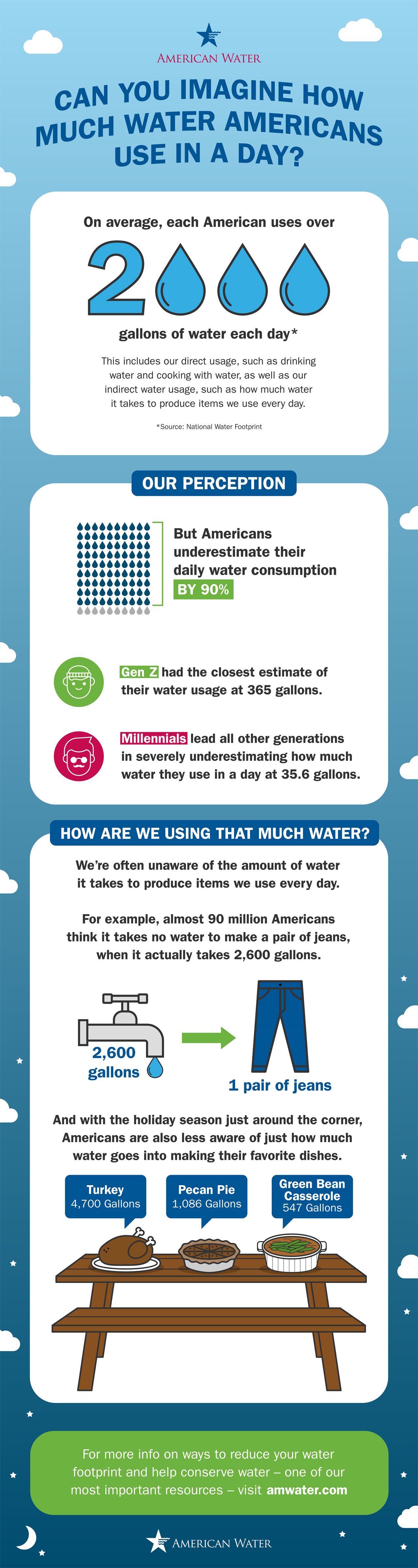
(BPT) – Did you know it takes an estimated 97 gallons of water to create your pumpkin spice latte? What about the 4,700 gallons that go into making your family’s 16-pound holiday turkey?

This data from a recent report highlights just how much water is really needed to produce common items most Americans enjoy during the holidays. The report also found, when it comes to conservation, Americans are severely underestimating their water usage.

In fact, Americans estimate using less than 100 gallons per person each day, while the actual number is over 2,000, according to Water Footprint Network. These figures consider water that is consumed directly, like dishwashing or watering the lawn, and indirectly, like the water required to produce food eaten or the clothes you wear.

This lack of water usage knowledge extends to items they use every day, and not just the water they consume directly. For example, many believe it costs almost no water to produce a pair of jeans, but in reality, a brand new pair of jeans requires around 2,600 gallons.

Water scarcity affects every continent, and 1.42 billion people currently live in areas of water vulnerability, according to the United Nations, with more and more regions reaching their limit. This essential resource needs conservation, investment and ongoing education.

With that in mind, 9 out of 10 Americans are likely to try at least one new habit to conserve water next year. Would you like to join them? In honor of Imagine a Day Without Water on October 21, American Water offers some simple ways to do your part and reduce your water footprint.

1. Evaluate your daily water use

Spend a day being extra conscious of how you use water. How long are your showers? Do you let the tap run when you’re not using it? See if there are any ways to stop wasting water. With this knowledge, the report found 56% of Americans are likely to try to incorporate shortening their showers to the length of two songs, but only 8% currently do it. Try turning on some tunes and scrubbing up by the time two songs are complete to have fun while helping save H2O.

2. Don’t let the tap run

The most common, wasteful activity Americans do is leave the faucet on while brushing their teeth, with the report finding 1 in 5 do this every day. Assuming people are brushing their teeth twice a day for a minute each time, this would waste 3 gallons of water each day or 1.5 gallons each minute. With 20% of the U.S. adults doing this daily, that means around 149.9 million gallons of water are lost every day to this easily changeable task.

3. Use your dishwasher rather than hand wash

Washing dishes by hand can actually be more wasteful as you let the tap run. Simply scraping off the food scraps — instead of rinsing — and loading up your dishwasher can save gallons of water. Additionally, gather a full load of dishes before you start the dishwasher. This can save an average of 320 gallons of water per week.

4. Wait for a full laundry load

Being mindful of laundry habits can help clothes last longer and protect the planet. You can join 64% of Americans who are likely to try to incorporate waiting for a full load to do laundry into their daily lifestyle to conserve more water. Additionally, wear your clothes more than once and select the right cycle to save water and protect clothing.

5. Use an automatic shut-off hose

Because many people leave the hose running when washing their car at home, it is one of the most wasteful water activities. The report found Americans are doing this on average 2.6 times each month, which equates to 2,340 gallons of water lost per person per year. By adding an automatic shut-off nozzle to the end of your hose, you can save up to 5 gallons of water per minute.

6. Check for and fix leaks

Leaks around the house make up a significant part of wasted water each year. Do a regular evaluation of your faucet gaskets, shower heads and pipe fittings, examine the exterior of your home for dripping hoses and mushy sod, and check the leak indicator on your water meter.

7. Watch your water bill

Use your water bill as a tool to help keep you accountable. Each month, try to set a goal for reducing water use and check your progress on your next bill. Additionally, sudden spikes in a water bill can be an indicator of a new leak, so be mindful when quantity and costs go up.

8. Follow local water restrictions

Instead of watering beyond local restrictions, implement smart water habits from the start. Use a water-smart irrigation system, pay attention to weather conditions, and take advantage of the rain with rain barrels. Keep in mind, the best time to water your lawn and garden is typically in the early morning hours or after the sun goes down because it limits evaporation, meaning more water goes into the ground to help plants thrive.

9. Invest in high-efficiency appliances and fixtures

If you’re in the market for new home appliances or fixtures, look for Energy Star certified models. Your utility company may even offer incentives when you opt for a water-saving purchase. With this in mind, the report found 64% of Americans are likely to try to incorporate installing more eco-friendly appliances into their home to conserve more water, but only 7% currently do.

10. Spread the word

Although open to water-saving practices, Americans lose millions of gallons of water to wasteful habits. Share your knowledge about water efficiency and conservation with friends, family and neighbors. Even the smallest steps can go a long way.

American Water invites you to Imagine a Day Without Water and follow these tips to conserve such a precious and crucial resource. To learn more, visit amwater.com.

Did you know probiotic products can help clean your home?

2021-10-21T07:01:00

(BPT) – When you think of probiotics, gut health likely first comes to mind. Whether it’s fermented foods like yogurt, kombucha and sauerkraut, or vitamin supplements and skin care, probiotics are widely accepted as microscopic powerhouses. What may surprise you is that the benefits of probiotics go beyond the digestive tract. In fact, probiotics are beneficial in your home as well, thanks to their long-lasting cleaning power.

Small and mighty probiotics

Probiotics are naturally occurring friendly bacteria present all around us and inside us. The preposition “pro” means “for” in Latin and “biotic” means “life” in Greek, so probiotic literally means “for life.” These good bacteria have inherent cleaning properties that can be used to efficiently clean interior spaces.

Probiotics are cleaning superstars

Digestible food, drink and supplement probiotics are good for the gut, eliminating and balancing out unhealthy bacteria. But probiotics can also be used in products to help clean your house. These types of cleaners are growing in popularity because of their long-lasting cleaning benefits and as people are seeking more natural ways to clean their home.

One effective, long-lasting daily probiotic cleaner is CLR® Active Clear, a USDA Certified Biobased Product. This multi-purpose cleaner is safe to use on 30+ surfaces, including ceramic, granite, stainless steel and more.

Leveraging the power of probiotics, these types of cleaners can tackle dirt and grime to help clean a home more efficiently and safely. You can feel good about using a biobased cleaner because you’re not putting toxic chemicals into your home or into Mother Nature, unlike more traditional bacteria-tackling household cleaners that use harsh ingredients and are sometimes considered pesticides.

Probiotics just keep cleaning

And to top it off, probiotics don’t stop cleaning when you do. CLR Active Clear’s 3-in-1 action cleans dirt and grime, fights odors and continues working for up to three days after applied.

Whether you’re tackling the bathroom, cleaning the kitchen or tidying the playroom, think before you spray. Probiotics help keep surfaces clean long after you’ve cleaned.

6 holiday gift ideas to help reduce screen time for kids

2021-10-20T09:03:00

(BPT) – Watching TV, playing video games, tapping from app to app — the pull of screen time can be irresistible for kids and creates an ongoing dilemma for many parents. While technology is a wonderful resource for staying connected, experts agree that less is more — especially for kids.

“As the holiday season approaches, instead of turning to the latest tech gifts, families have an opportunity to bond over something other than devices,” says Ginny Yurich, creator of 1,000 Hours Outside — a global movement designed to help people of all ages set aside screens and get outside. “We like to think of our gifts as ways to facilitate outdoor family adventures.”

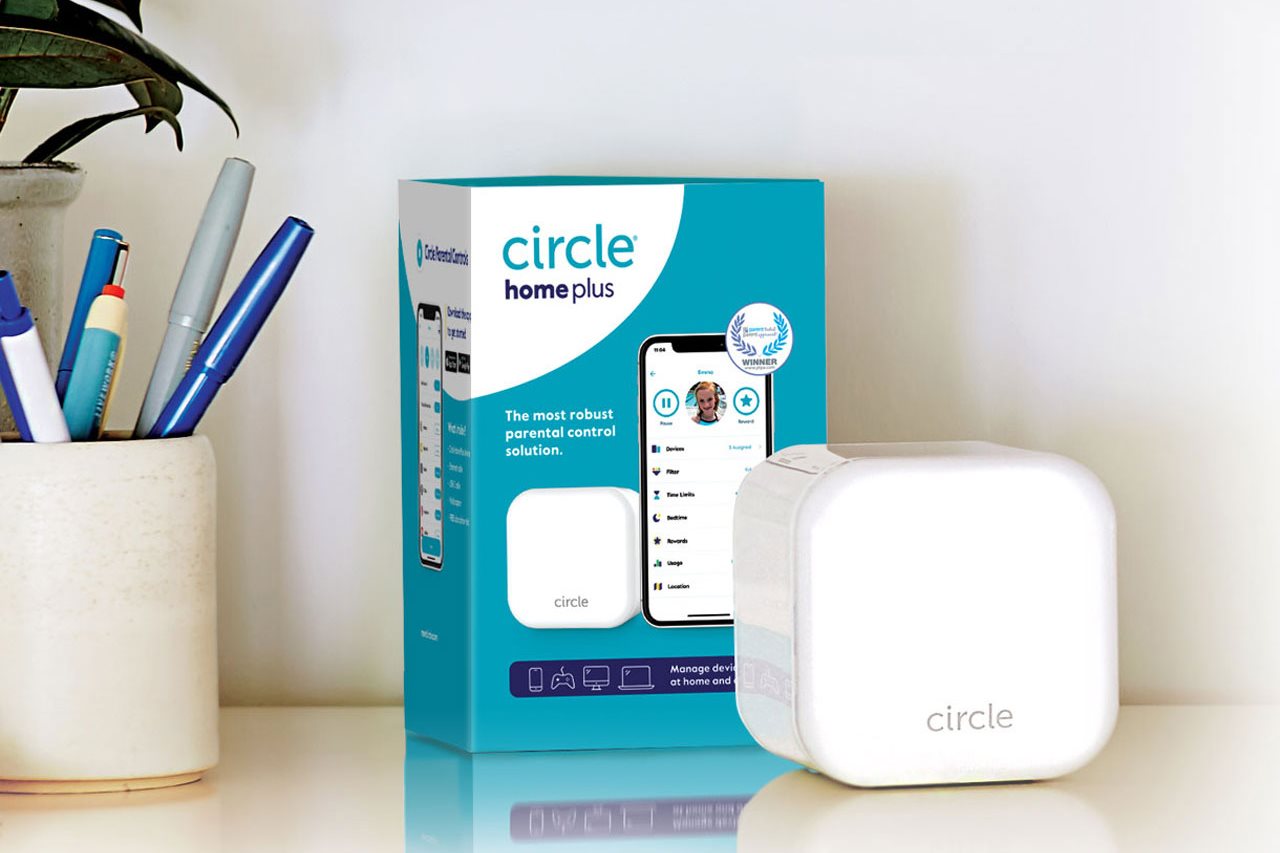
This holiday season, Yurich teamed up with Circle Parental Controls to offer her top six gift ideas to get families outside and connected with each other, not to the Internet. Her number one tip:

Parental controls for your devices

“Get yourself an early present, and set up a screen time management and parental controls device like Circle before the unwrapping even begins. With Circle, you can be sure screens don’t get in the way of all the fun and enrichment the following gifts can provide. Circle’s ability to manage every family member’s device both inside and outside the home means you can spend more time being together and less time arguing over screen time.”

1. Outerwear for outdoor play

Give the gift of adventure with clothing that keeps your kids warm and comfortable when they’re moving outdoors. A base layer that absorbs water, such as merino wool, will help kids feel dry and warm so they can stay outside longer. We love the merino wool base layers from Chasing Windmills Kids and we’ve gotten a lot of use out of the mud boots from Lone Cone Shop that are made to withstand rugged childhood play throughout an entire season.

2. Miniature figurines

From animals and fairies to knights and dragons, TOOBS Miniature Figurines come in a wide variety of choices and make great stocking stuffers. Their small size allows for easy transport so you can always have a few toys on hand. Whether you’re outdoors, at a restaurant or waiting for an appointment, your kids can make up games and play creatively.

3. Puppets

Folkmanis puppets are heirloom quality puppets that you could use in a variety of settings, both indoors and outdoors. Puppets help children with their dexterity as well as their social skills and imagination.

4. Sand Ice Cream Set

There’s something extra special about making ice cream cones out of dirt and sand and decorating them with different grasses and flowers. I’ll take a double scoop of chocolate please! We love that it comes in its own little bucket, making clean-up a breeze.

5. Toys Designed for Outdoor Play

Haba has a line of toys designed for outdoor play called Terra Kids. These toys are meant to let your children explore and play by their own rules and include items like hang gliders that will soar through the air, kites, cork boats and lanterns.

6. Scavenger hunt games

Who doesn’t love a good scavenger hunt? Get the entire family up and moving for a short game — or stretch out your scavenger list and make an entire day of fun.

Don’t let the holidays be all about the latest tech trends. Use this list — and Circle Parental Controls — to help reduce screen time and encourage your kids to pursue a variety of interests.

Filberts for the family: 5 reasons hazelnuts make a great snack

2021-10-20T19:35:33

(BPT) – Need a new snack? Hungry families are turning to a trendy and tasty new choice — the homegrown hazelnut. Perhaps parents outside the Pacific Northwest might not recognize the state nut of Oregon, but rest assured, there’s more to crack here than mere coffee flavoring.

You might not know that 99% of all the hazelnuts produced in the United States are grown in the picturesque Willamette Valley. Oregon’s rich, volcanic soil and climate conditions contribute to their quality and taste.

Some of the most popular ways to have hazelnuts — their nutty and buttery taste is described as umami — are roasted or seasoned. Hazelnuts are versatile and may be enjoyed with sweet or savory dishes.

Flavor aside, here are five reasons why hazelnuts, also known as filberts, make a great snack for the whole family.

1. They are packed with protein and vitamins.

This tree nut isn’t shy about all the wholesome goodness packed inside its shell. A single one-ounce serving of 21 hazelnuts contains:

  • 4 grams of plant-sourced protein, which helps the body do jobs like building and repairing skin and tissue.
  • 35% of the recommended daily intake of the antioxidant vitamin E, which helps keep everyone’s immune systems strong and lowers the risk of Type 2 diabetes, hypertension and cancer.
  • The highest concentration of any tree nut of naturally occurring B9 vitamin, also known as folate, which helps make healthy red blood cells and can prevent neural tube defects when babies are in utero.

2. They provide free-radical fighting manganese

Hazelnuts are high in the mineral manganese, which helps with blood clotting and forming the body’s connective tissues and bones. Manganese also is a critical component for antioxidant enzymes that fight free radicals in the body.

3. They are heart healthy

Hazelnuts are great for the heart because they have no cholesterol. Several studies have shown that they increase the “good” HDL-C cholesterol in the body. They also reduce triglycerides and LDL (the “bad” cholesterol). Furthermore, studies have shown that eating hazelnuts improves artery health and reduces inflammation, because they are rich in Omega 6 and 9.

4. They contain fantastic fiber

A single serving of hazelnuts offers nearly 3 grams of dietary fiber, which is more than 10% of a woman’s daily recommended intake. Dietary fiber helps to lower the risk of colorectal cancer, lower cholesterol levels and control blood sugar levels. As a bonus, high-fiber foods like hazelnuts are more filling, which means you stay satisfied longer.

5. They offer lower carbs than other nuts

We’ve all heard that cutting carbohydrates, or carbs, can be an important step in reducing appetite. The good news is that hazelnuts are lower in carbs than other nuts your family might already be enjoying like almonds or pistachios. Moreover, hazelnut butter is more nutritious than peanut butter.

Hazelnuts make families feel good about snacking

While many recognize hazelnuts as a topping to a sweet dessert or savory addition to a roasted lamb, hazelnuts also are a delicious way to taste Oregon in bite after bite.

Besides, if the kids ever happen to settle down and their parents can find time to enjoy a glass of wine, hazelnuts pair well with a chardonnay or cabernet sauvignon.

Founded in 1984, Hazelnut Growers of Oregon (HGO) offers Oregon Orchard hazelnuts. HGO is a farmer-owned cooperative with more than 180 growers. Thanks to the Willamette Valley’s ideal climate and soil, Oregon produces the world’s highest quality hazelnuts and 99% of the hazelnuts grown in the United States.

Certified as Kosher, Halal and part of the American Heart Association Heart-Check Food Certification Program, hazelnuts are a healthy choice to snack on.

To find Oregon Orchard hazelnuts near you, visit oregonorchard.com/find-a-retailer-near-you.