Care Beyond Treatment for Black Women Facing Breast Cancer

2026-10-01T07:01:02

(BPT) – How whole-person support helped one woman navigate the physical and emotional realities of metastatic breast cancer

When Tia Newman was diagnosed with metastatic triple-negative breast cancer (TNBC), a cancer that has spread to other parts of the body,1 it was already deeply personal. The 55-year-old Washington, D.C., area native had lost her mother and sister to the same aggressive disease.

Losing family members to TNBC fundamentally changed how Tia experienced her own diagnosis and underscored the burden this disease places on Black women.2 As she began navigating metastatic TNBC, she quickly learned that her care would involve much more than medical treatment.
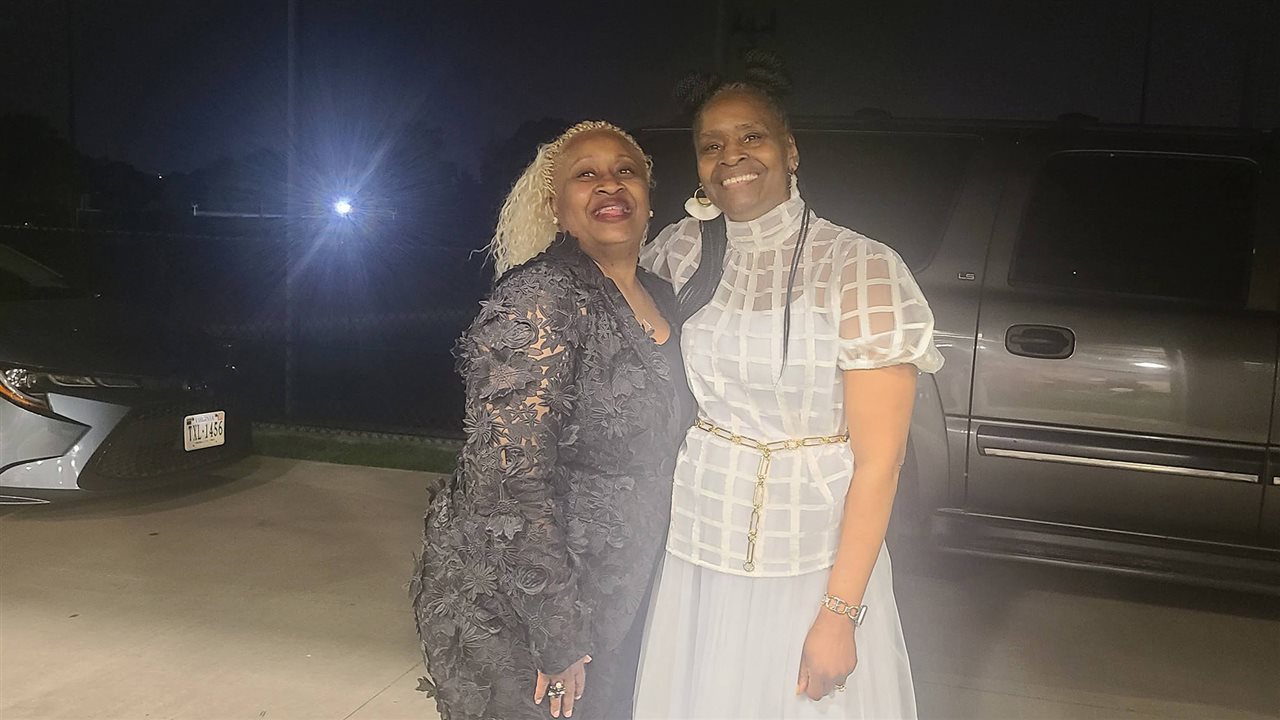
Tia and her sister. For Tia, support came through Care for HER, a national initiative from Unite for HER and TOUCH.

Black women are diagnosed with TNBC at nearly three times the rate of white women3 and are 38% more likely to die from breast cancer than white women, highlighting ongoing differences in breast cancer care and survival.2 As efforts continue to address these disparities, the goal is to ensure people have access to trusted guidance and practical support throughout their care journey, alongside advances in treatment.

For Tia, support came through Care for HER, a national initiative from Unite for HER and TOUCH, The Black Breast Cancer Alliance. Care for HER connects Black women with free resources including integrative therapies, health education and around-the-clock, culturally tailored nurse navigation.

Support for the Whole Person

Tia and husband. For Tia, support came through Care for HER, a national initiative from Unite for HER and TOUCH.

Through Care for HER, Tia received support tailored to what she needed outside of the doctor’s office, supplementing the caregiver support she received from her husband and children. The program’s “Wellness Passport” fully funds and delivers services such as professional counseling, nutrition consultations, exercise classes and fresh grocery deliveries.

As Tia dealt with severe weight loss and fatigue during treatment, she worked with a dietitian and used meal kits tailored to her pescatarian diet, helping her regain strength.

“When you have cancer, support is bigger than just medical appointments,” Tia shared. “Having an outside navigator and real people to talk to who guide you through the tears makes a massive difference.”

That whole-person approach is at the heart of Care for HER.

“Our vision is that every Black individual diagnosed with breast cancer will feel supported and have access to comprehensive integrative oncology care that manages arduous side effects, supports treatment adherence and gives those we serve their lives back,” said Sue Weldon, CEO and Founder of Unite for HER.

“Care for HER’s nurse navigation program aims to directly address a considerable need among Black breast cancer patients, providing services and support that they might not be able to access otherwise,” said Ricki Fairley, CEO of TOUCH, The Black Breast Cancer Alliance. “Together, we’re ensuring these women receive the comprehensive care and guidance they deserve.”

Care for HER’s focus on helping people navigate needs beyond treatment aligns with Gilead Sciences’ Community Cancer Collective (CCC), which supports the program alongside other sponsors.

“Gilead’s CCC brings together community organizations, healthcare providers, advocates and local leaders to help reduce barriers to cancer care, with patient navigation as a core pillar of its work,” said Darren Tayama, MD, Vice President, U.S. Medical Affairs, Oncology at Gilead. “Through Care for HER, we are proud to support a program that is delivering whole-person support, an often-overlooked but essential aspect of addressing persistent disparities for Black women facing breast cancer.”

Removing Barriers to Care

During Breast Cancer Awareness Month this October, Tia is encouraging other women to pay attention to their bodies, ask questions and seek support from the beginning of their cancer experience.

That includes asking care teams about navigation programs and other resources that can help with the emotional, nutritional and practical challenges that may come with treatment.

“Don’t let cancer absorb your mind,” Tia advised. “Pushing through with the right support in your corner makes all the difference.”

To learn more about free patient navigation, integrative therapies and holistic support through Care for HER, visit uniteforher.org/careforher. For additional information and resources from Gilead Sciences, Inc., for people living with metastatic breast cancer and those who support them, visit expose-mbc.com.
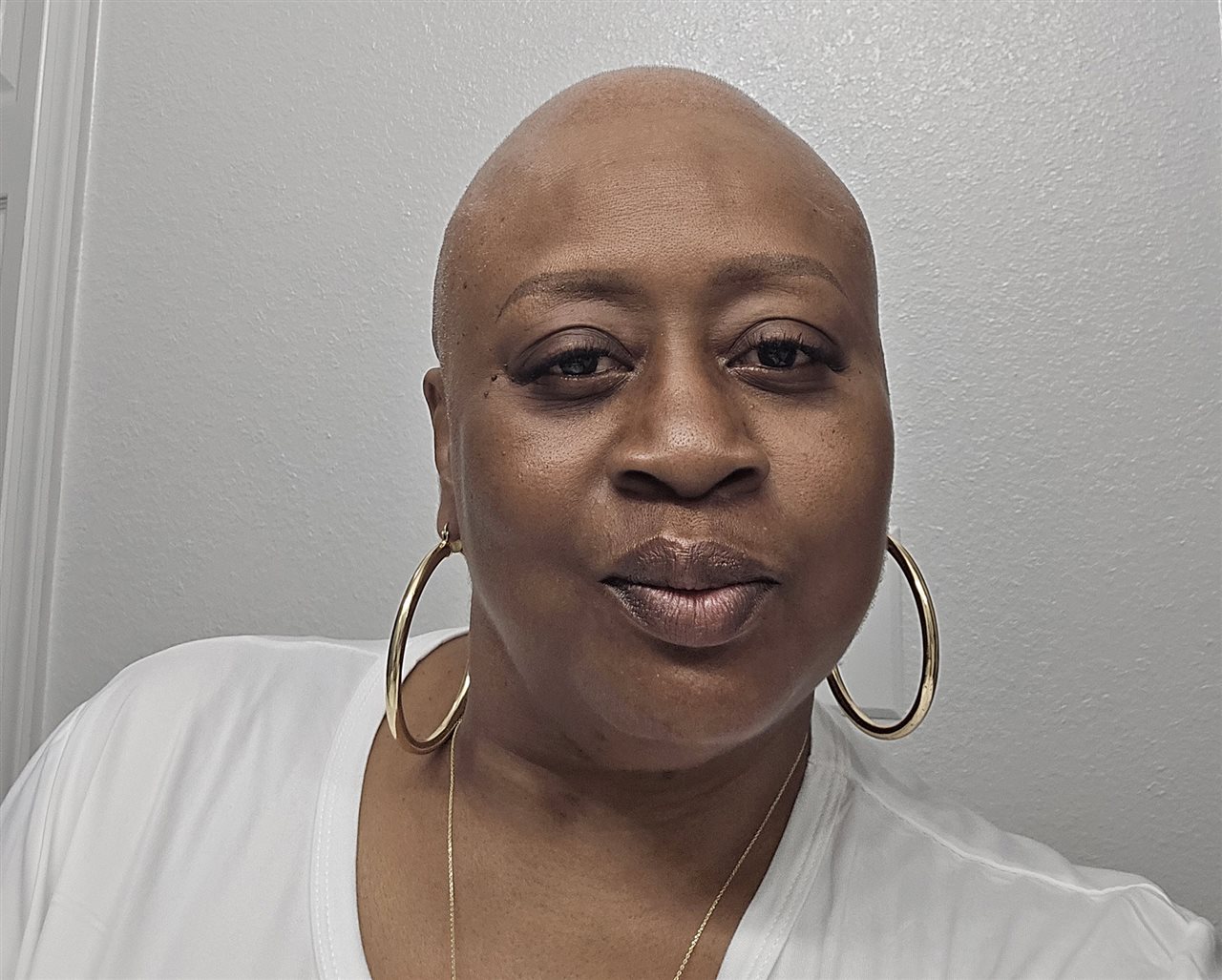
Close up of Tia. For Tia, support came through Care for HER, a national initiative from Unite for HER and TOUCH.


1. National Cancer Institute. Triple-Negative Breast Cancer Treatment. Published December 2, 2025. Accessed September 23, 2026. https://www.cancer.gov/types/breast/treatment/triple-negative-breast-cancer

2. ACS Medical Content and News Staff. More Black women die from breast cancer than any other cancer. American Cancer Society. Published February 14, 2022. Accessed September 23, 2026. https://acsjournals.onlinelibrary.wiley.com/doi/epdf/10.3322/caac.21874

3. McCarthy AM, Friebel-Klinger T, Ehsan S, et al. Relationship of established risk factors with breast cancer subtypes. Cancer Med. 2021;10(18):6456-6467. https://pubmed.ncbi.nlm.nih.gov/34464510/

Gilead is a trademark of Gilead Sciences, Inc. All other marks are the property of their respective owners.


The biowearable that helped one man find confidence managing diabetes

2026-10-01T07:01:02

(BPT) – Erik Lofstrand never expected a routine physical to change his life. But when he was diagnosed with Type 2 diabetes, Erik suddenly found himself navigating a life-changing condition.

“I went through all stages of grief,” Erik said. “At first, I was in denial. I thought if I exercised more and ate healthier, it would just go away.”

Although he made healthy lifestyle changes, managing his glucose still felt like guesswork. Traditional fingersticks offered only snapshots of information, leaving him without a clear understanding of how his daily decisions impacted his glucose levels.

“I didn’t want to guess — I wanted information I could actually use,” Erik said.

Erik grew frustrated that diet and exercise alone weren’t giving him the answers he needed. As someone who embraces technology in all aspects of his life and work, he began researching additional tools and learned about continuous glucose monitors (CGMs).

As he explored his options, Erik realized he would need a prescription and a conversation with his doctor to determine whether a CGM was right for him. Armed with what he learned, he was able to have an informed and specific conversation with his doctor, about his goals and diabetes management. Together, they decided Abbott’s FreeStyle Libre 3 Plus sensor was a good fit, enabling him to follow his glucose levels in real time and gain insight into how his food intake, activity and daily habits affected his glucose levels.

By taking the initiative to ask about CGM technology, Erik was able to play an active role in his care and have an informed, collaborative conversation with his doctor. His experience reflects a common barrier: research shows that one in five people living with diabetes feel they need their doctor to suggest or recommend new tools, rather than feeling empowered to ask about those options themselves1.

What is a CGM?

A continuous glucose monitor (CGM), like Abbott’s FreeStyle Libre 3 Plus sensor, is a small, discreet sensor worn on the back of your upper arm that continuously measures your glucose levels every minute, day and night2. It sends glucose readings directly to a compatible smartphone app3 or reader4, providing real-time information and trends.

Rather than relying on a single glucose reading obtained from prior methods like fingersticks, a CGM provides a complete picture of how meals, activity and medication affect glucose levels over time.

Why switch to a CGM?

For Erik, seeing those trends, not just individual numbers, gave him the insights he needed to make changes in his daily routine that made an impact.

“Having access to this data is empowering. It allows me to manage my diabetes proactively and avoid challenges that could set my whole day off course,” said Erik. “My CGM is a huge reason why I feel more confident and in control of my health.”

Research continues to demonstrate the benefits of CGM technology. In a recent study, people with Type 2 diabetes using a CGM lowered their HbA1c, a key marker of blood sugar levels, by 0.6% more than those using traditional fingersticks and spent about 2.5 additional hours each day in a healthy glucose range6.

Like Erik, many people with diabetes find that having continuous glucose information can provide a clearer understanding of how food, activity and other daily habits affect their glucose levels, helping them make more informed decisions5.

How to talk to your doctor about CGM

If you or someone you love is living with Type 2 diabetes, consider talking to a doctor about options and whether a CGM is technology to consider. Not sure how to start the conversation? Check out these helpful tips:

  1. Do your homework: Learn about available CGM options, including Abbott’s Libre systems, so you can ask informed questions and better understand how the technology works.
  2. Learn how CGM works: Ask your doctor about the value CGMs provide and how they can help you better understand your glucose patterns.
  3. Share your goals: Talk with your doctor about what you’d like to achieve, whether that’s understanding how food affects your glucose, reducing routine fingersticks or feeling more confident in your daily habits.
  4. Discuss your challenges: Be open about what’s difficult when managing your glucose today and ask about insurance coverage and available support programs.
  5. Find the right fit together: Managing diabetes is a team effort. Talk with your doctor about whether a CGM aligns with your individual needs, treatment goals and lifestyle.

For Erik, taking that first step to ask his doctor about a CGM changed the way he lives with diabetes.

Erik at a festival.

“Talking to my doctor about a CGM was one of the best decisions I made after my diagnosis,” Erik said. “I’m healthier now than I’ve ever been. You can’t manage what you can’t measure — data is power. The more you understand your diabetes, the more you can take charge of your life.”

To learn more about CGMs and Abbott’s Libre systems, click here.

The views expressed should not be used for medical diagnosis or treatment or as a substitute for professional medical advice. Individual symptoms, situations and circumstances may vary.

  1. Data on file, Abbott Diabetes Care.
  2. 60-minute warm-up required when applying the sensor.
  3. The FreeStyle Libre systems apps are only compatible with certain mobile devices and operating systems. Please check our website for more information about device compatibility before using the apps. Use of the FreeStyle Libre systems apps may require registration with LibreView.
  4. For U.S. residents – The FreeStyle Libre systems apps and the FreeStyle Libre systems readers have similar but not identical features. Fingersticks are required for treatment decisions when you see Check Blood Glucose symbol and when your glucose alarms and readings from the system do not match symptoms or expectations.
  5. Fokkert, Marion, et al. “Improved Well-Being and Decreased Disease Burden After 1-Year Use of Flash Glucose Monitoring (FLARE-NL4).” BMJ Open Diabetes Research & Care 7, no. 1 (2019): e000809. https://doi.org/10.1136/bmjdrc-2019-000809.
  6. Wilmot EG. Lancet Diabetes Endocrinol (2026). https://doi.org/10.1016/S2213-8587(26)00076-8

For U.S. residents – Important Safety Information Product for prescription only, for Important Safety Information please visit FreeStyleLibre.us.

ADC-2697391 v1.0

Power out? Here’s how to keep your fridge on

2026-10-01T10:01:00

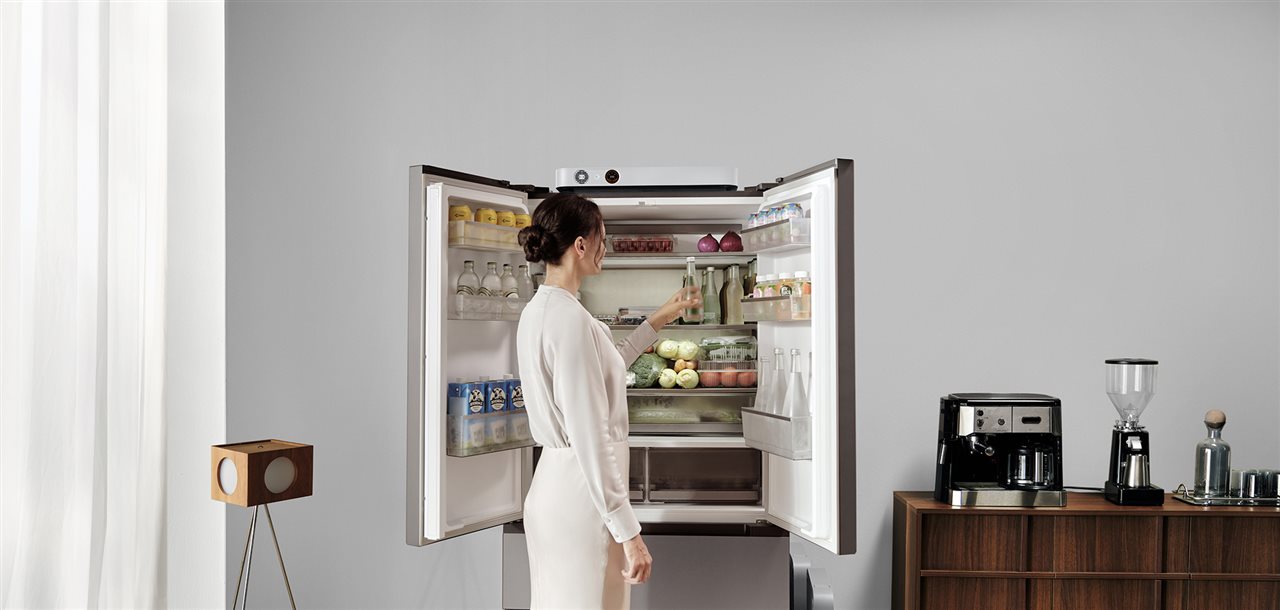
(BPT) – If you’ve ever endured a power outage for any length of time, you know what a hassle it is. And one of the biggest issues? The loss of food and/or medications in your fridge and freezer. What you may not know is that you don’t have to buy a big, general purpose power station that provides more capacity than you’ll ever need. Before the next power outage, be prepared with a smart solution designed just for your refrigerator, even if you have a limited budget and minimal space.

Here are four key areas to keep in mind when choosing backup power for your kitchen’s most essential appliance.

1. Focus on fit and placement

null

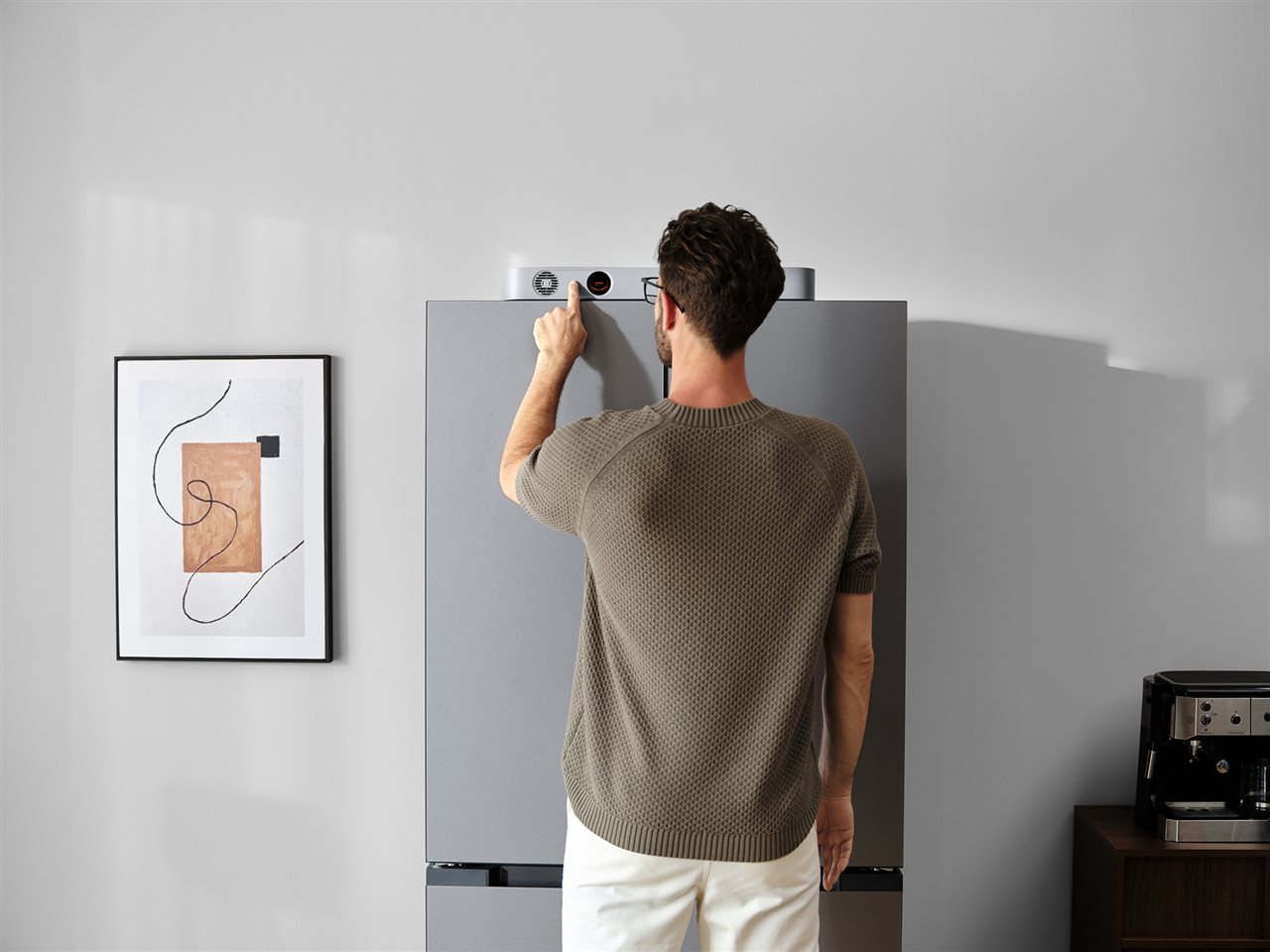
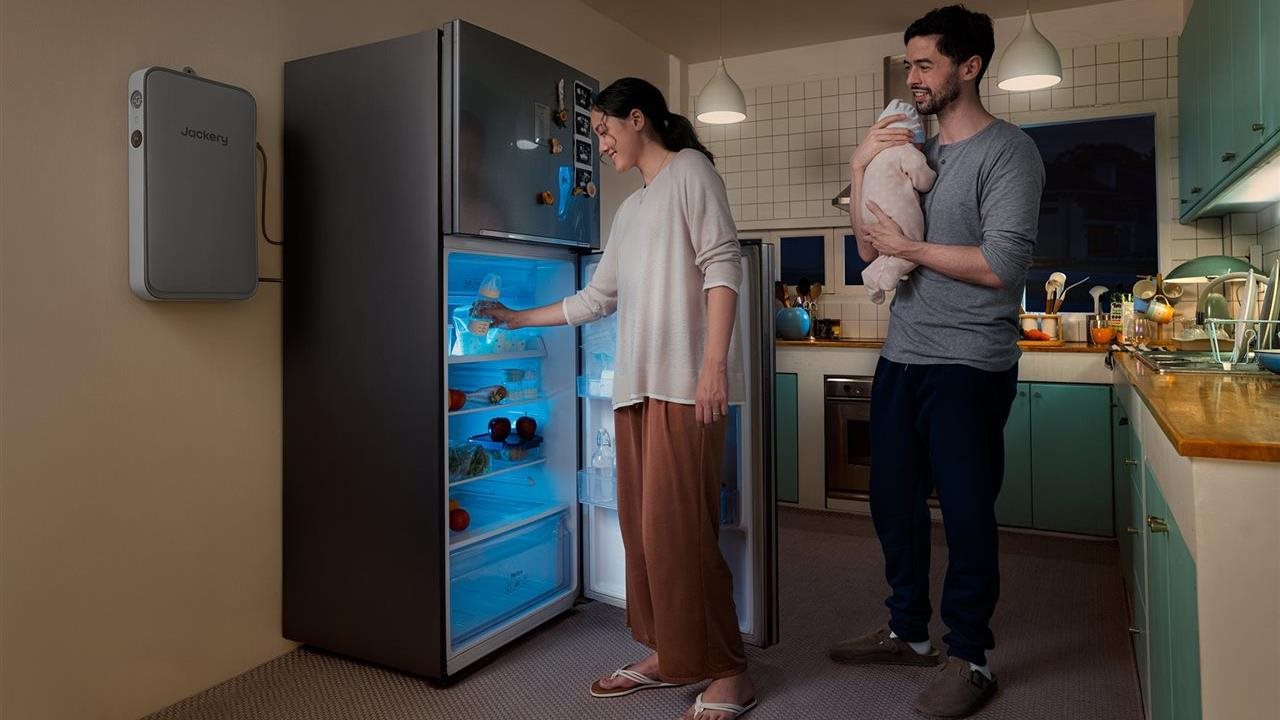
Especially if you live in a small home or apartment, every inch counts. You’ll need a backup power solution that fits easily in a narrow gap whether that’s beside, behind or on top of your refrigerator. Unfortunately, many dedicated fridge backup units on the market today run close to 2.9 inches thick, which can make it challenging to fit in a narrow space.

One great solution is the ultra-slim 2.6-inch FridgeGuard from Jackery, a global leader of essential home backup, innovative solar generators and portable power stations. This unit comes with a gravity sensing display that automatically adjusts between portrait and landscape, depending on which way you want to mount it. FridgeGuard also weighs nearly half of what many competitors’ models weigh, making it easier to fit anywhere in your kitchen.

2. Choose design that makes a difference

null

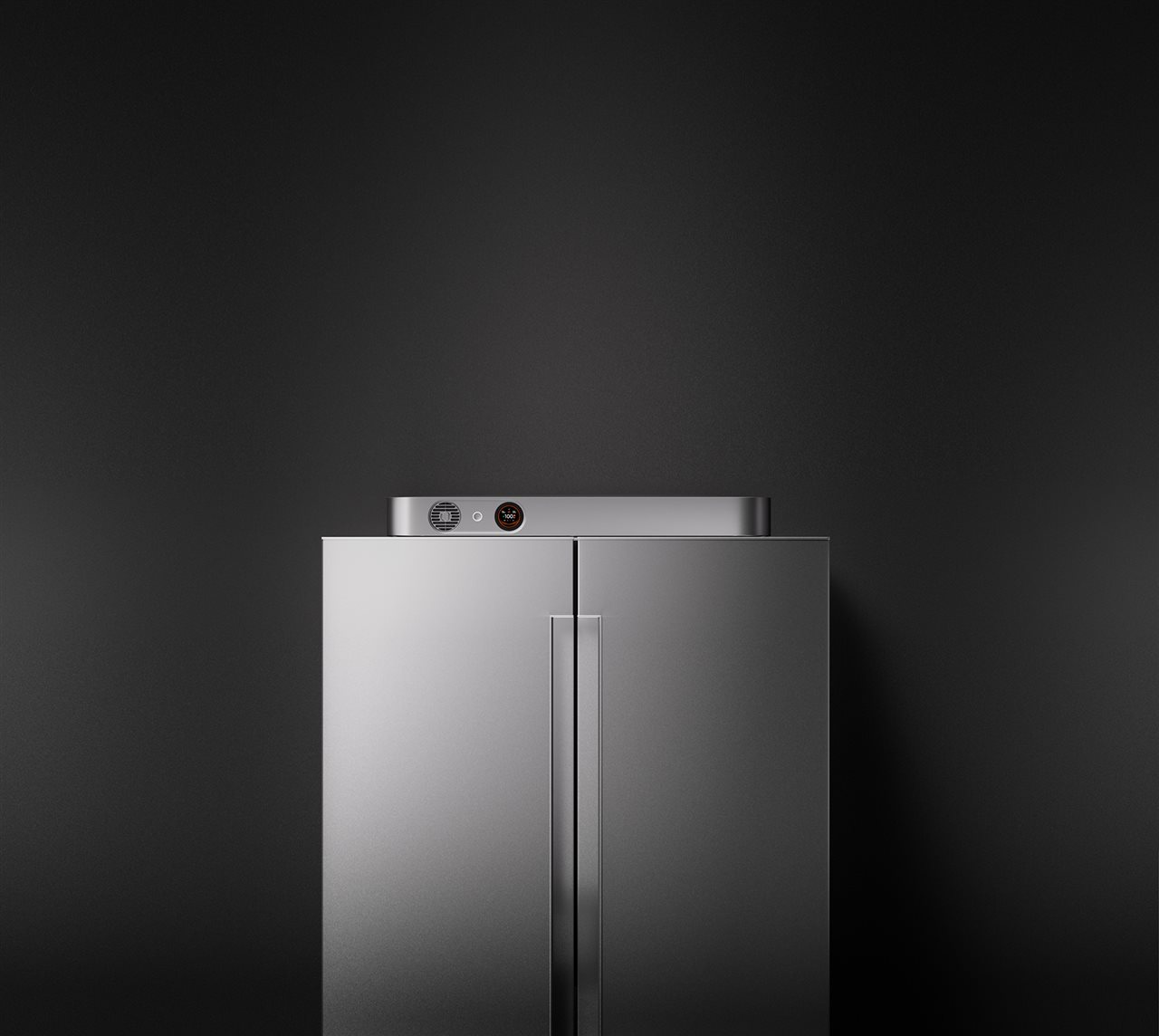
Because your fridge backup may be highly visible in your kitchen, you’ll want a design that looks good and easily blends into the room.

FridgeGuard was developed with the award-winning industrial design studio Huge Design in California, and is the winner of five international design awards: iF Design Award, MUSE Design Awards, Green Good Design Award, A’ Design Award and Competition and SHOP Design Award. The unit boasts a paint-free metal injection molded front cover with a quick release, customizable design.

3. Seek technology created with purpose

null

The last thing you want in a backup system is to pay for a huge amount of capacity your fridge will never use, that can’t act quickly enough to ensure your fridge won’t lose power, or that puts undue strain on your refrigerator’s motor.

Instead of the significantly higher output most comparable units carry, FridgeGuard’s 800W rated output and 1600W surge capacity are sized specifically to what a refrigerator actually draws, roughly 100W to 200W continuous with startup surges up to 800W.

FridgeGuard’s Delay Start mode also gives your refrigerator compressor a moment before restart, easing strain on the motor and extending backup runtime. You can choose Delay AC mode to relieve the refrigerator compressor or a sub-10ms UPS to seamlessly restart your refrigerator so that the compressor won’t stop at all.

The result? A system built around one job: making sure your refrigerator retains power.

4. Select an accessible, well-priced unit

null

The last thing you want is to spend money on an electrician on top of buying expensive backup power that’s more than you need. Unlike other units that require installation, FridgeGuard simply plugs in and is ready to go, no installation or electrician required, making it a practical choice for renters and first-time buyers.

And unlike the roughly $900 price point of other major dedicated fridge backup systems currently on the market, FridgeGuard starts at $549.99 at Costco, providing a more accessible, affordable unit to protect your fridge through an outage.

Backup you can count on

With FridgeGuard you’ll also get a five-year warranty, plus a LiFePO4 battery rated for 6,000 charge cycles at 70% capacity retention, which translates to 16 years of reliable daily use. Choosing a smart solution can give you peace of mind, even during an extended power outage.

Learn more at Jackery.com.

Myopia in children: What parents should know — and what you can do today

2026-10-01T11:35:00

(BPT) – If your child has trouble seeing the board at school, squints at things across the room or needs to sit closer to the television, myopia could be the reason. But myopia is more than simply needing glasses to see far away — and today, parents have more options than ever to help manage it.

What is myopia and why is it becoming more common?

Myopia, commonly called nearsightedness, is a condition in which objects further away appear blurry, while close-up objects are usually clear. It often begins during childhood and may continue to progress or worsen as a child grows, usually stabilizing in late teens or early adulthood. Parents think myopia means blurry vision because the prescription is increasing but it’s more than that — it’s not a benign condition. Myopia leads to the eyeball growing too fast and too long — leading to the abnormal stretching of the eye and potentially other eye health complications in future. Correcting vision alone does not address the excessive eye growth in myopia.

Myopia is becoming increasingly common. In the United States, its prevalence has increased from 26% to 42% between 1972 to 2002,1 and worldwide estimates suggest that nearly half of the population may have myopia by 2050.2

The increase in school-age myopia we are seeing today is predominantly driven by lifestyle factors while genetics can predispose a child.3 Children with parents who have myopia are also at greater risk of developing myopia.3 Studies show that children should spend at least 2 hours outside daily and it is the lack of time outdoors that is a major risk for myopia development as well as prolonged near work.3,4 Children today often spend more time doing close-up activities and less time outdoors.3,4. The role of digital devices in myopia is not clear but it is good to establish good visual hygiene and limit screen time, according to the screen guidelines set by the American Academy of Pediatrics.7

The good news is that there are steps families can take.

Why “just knowing” isn’t the finish line

Recognizing the signs of myopia is important, but awareness alone doesn’t protect a child’s vision. The next step is making sure vision concerns lead to appropriate eye care. Vision screenings at school or at the pediatrician’s office can identify some children who may have a vision problem, but a screening is not the same thing as a complete evaluation of a child’s eyes and vision.

Keep in mind that children may assume their vision is normal because it is the only vision they know. Through comprehensive eye examinations, eye care professionals can identify myopia and assess children who may be at increased risk of developing it as well as other childhood conditions. Factors such as family history, near-work habits and time spent outdoors can help provide a more complete picture of a child’s risk.3,4 The doctor can also help parents recognize vision-related signs that might otherwise be attributed to behavior, attention or school performance.

What early intervention actually looks like

For generations, the usual response to childhood myopia was straightforward: When a child’s vision became blurrier, the prescription was increased. But today, the conversation has changed. Traditional single-vision glasses and contact lenses correct blurry vision, but myopia management is intended to do something more: slow the rate at which myopia progresses.3,5

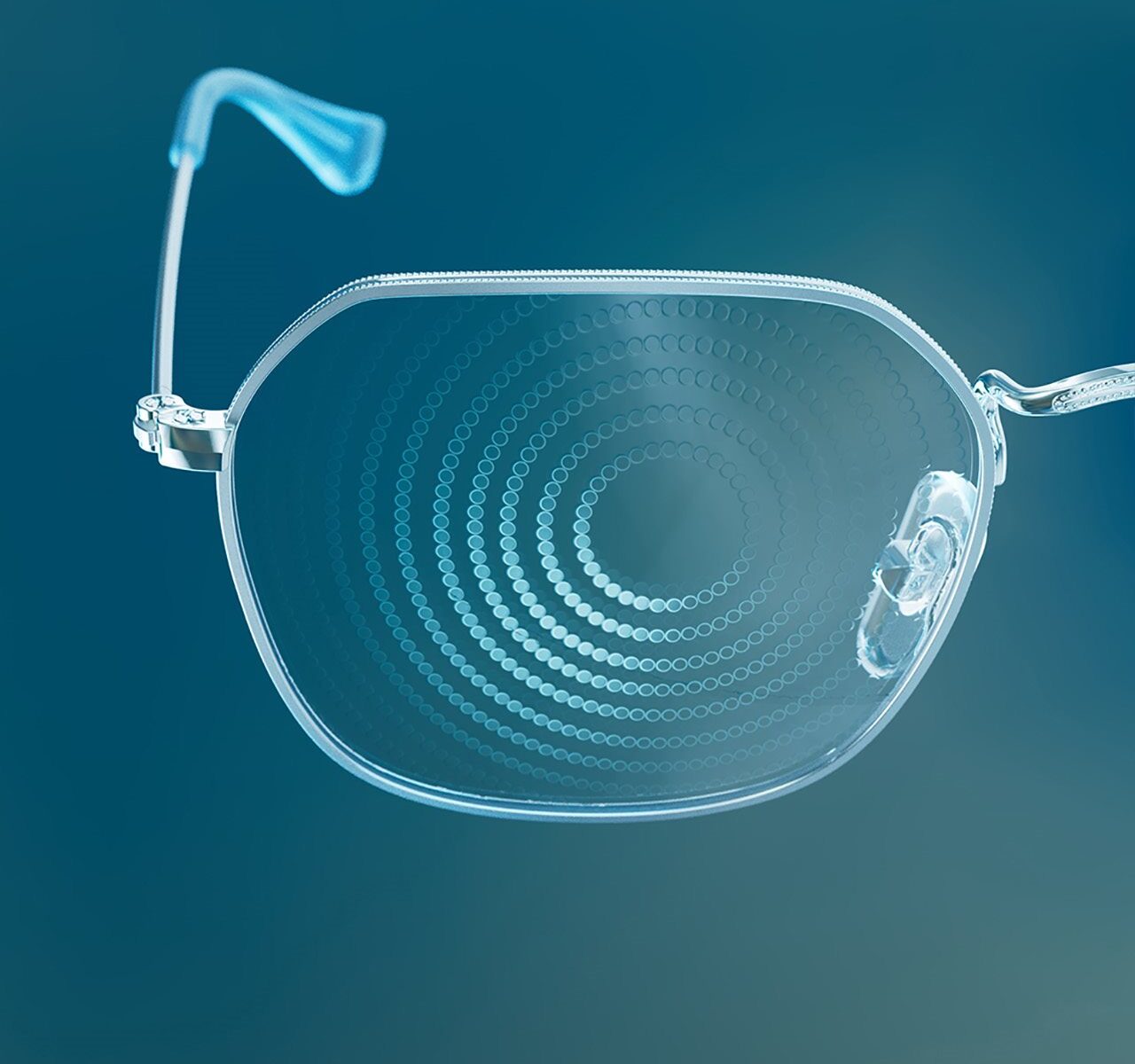
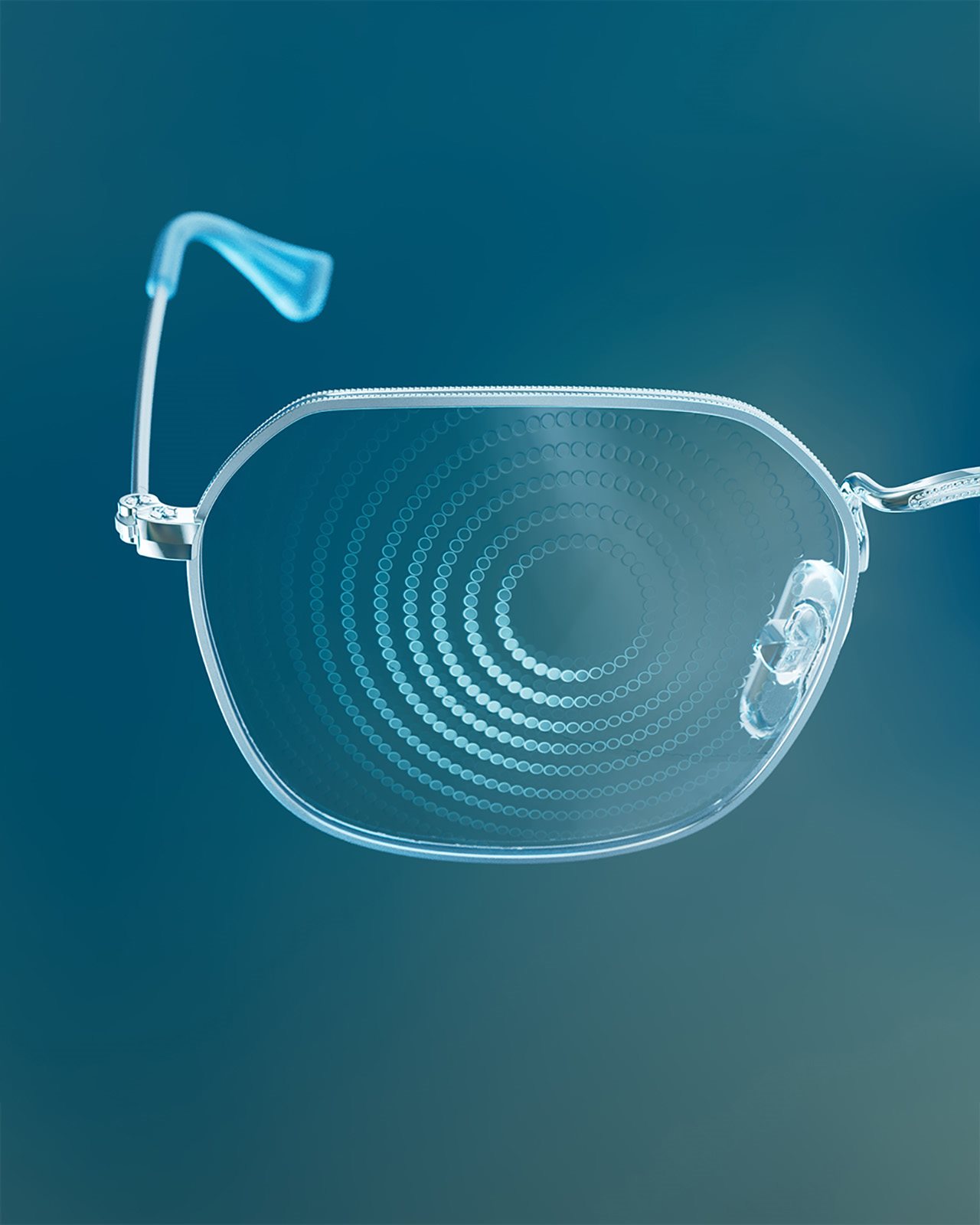
Myopia should be managed as soon as it is detected given that the fastest rate of increase tends to be at the earlier ages and thus is the critical time to intervene.3 Today there are a number of options available to manage myopia: there is an FDA-authorized myopia management spectacle lens called Essilor® Stellest® lenses6 and an FDA approved contact lens called Coopervision® Misight® 1 Day.3 These correct myopia while slowing its progression at the same time. In addition, there are also overnight reshaping lenses.3 Your eye care professional will determine the appropriate treatment for your child based on their clinical and lifestyle factors as well as age.

Glasses frame with lens.

Since Essilor® Stellest® Lenses were approved by the FDA in September 2025, we have trained more than 30,000 eye care professionals on myopia management and the role of Essilor® Stellest® to help address this growing public health concern. Essilor® Stellest® Lenses were authorized by the FDA with language recognizing myopia progression as a disease, helping elevate the conversation beyond simple vision correction toward proactive disease management.

Small daily habits can make a difference

Healthy visual habits can start today. Spend more time outdoors. Research has consistently demonstrated that increased outdoor time delays the development of myopia in children.3,4

  • Make outdoor play and activities part of the family’s regular routine.
  • Give the eyes regular breaks. Long periods of uninterrupted close-up work should be broken up.7
  • Be thoughtful about screens and other near work. Screens are part of children’s lives, and the goal isn’t necessarily to eliminate them. Instead, avoid unnecessarily prolonged recreational screen time, encourage breaks and remember that books, homework, phones, tablets and other close-up activities all contribute to time spent focusing at near.3,4
  • Don’t hold things too close. Encourage children to maintain a comfortable working distance rather than bringing books, phones or tablets very close to their face. Very close working distances and long periods of continuous near work have been associated with myopia.3,4

Most importantly, these habits should complement — not replace — professional eye care or prescribed myopia management.

Why does acting now matter?

Myopia often progresses throughout childhood. That means the changes that occur from year to year can add up. Higher levels of myopia later in life are associated with a greater risk of several eye diseases and that risk increases as the amount of myopia increases.5,8 That’s one reason the goal today isn’t simply to help a child see clearly with the next pair of glasses. When appropriate, it is also to slow the progression of myopia while the eyes are still growing.

There is no single approach that’s right for every child. But there is an important first step for every parent who has concerns: Don’t just watch and wait. Start the conversation. Schedule an eye examination with an eye care professional.

A simple parent action checklist

  • Watch for squinting, blurry distance vision, headaches, eye rubbing or difficulty focusing.
  • Ask open-ended questions about what your child actually sees.
  • Follow recommended childhood vision screening and eye-care guidance.
  • If your child has myopia, ask whether it is progressing.
  • Ask your eye care professional about available myopia-management options.
  • Encourage regular outdoor time.
  • Break up prolonged periods of close work and screen use.
  • Try the 20-20-20 rule.
  • Use an eye care professional locator to find a provider near you.

Myopia may be common, but that doesn’t mean parents have to simply watch it progress. Knowing the signs, building healthy visual habits and starting the conversation with an eye care professional can help families act earlier.

For more information, visit essilor.com.

References

1. Vitale S, Sperduto RD, Ferris FL 3rd. Increased prevalence of myopia in the United States between 1971-1972 and 1999-2004. Arch Ophthalmol. 2009;127(12):1632-1639. doi:10.1001/archophthalmol.2009.303.

2. Holden BA, Fricke TR, Wilson DA, et al. Global prevalence of myopia and high myopia and temporal trends from 2000 through 2050. Ophthalmology. 2016;123(5):1036-1042. doi:10.1016/j.ophtha.2016.01.006.

3. Gifford KL, Richdale K, Kang P, et al. IMI – Clinical management guidelines report. Invest Ophthalmol Vis Sci. 2019;60(3).

4. Morgan IG, Wu PC, Ostrin LA, et al. IMI risk factors for myopia. Invest Ophthalmol Vis Sci. 2021;62(5):3. doi:10.1167/iovs.62.5.3.

5. Bullimore MA, Brennan NA. Myopia control: why each diopter matters. Optom Vis Sci. 2019;96(6):463-465. doi:10.1097/OPX.0000000000001367.

6. U.S. FDA. FDA authorizes marketing of first eyeglass lenses to slow progression of pediatric myopia. Sep 2025. https://www.fda.gov/news-events/press-announcements/fda-authorizes-marketing-first-eyeglass-lenses-slow-progression-pediatric-myopia

7. American Academy of Ophthalmology. Computers, digital devices and eye strain. American Academy of Ophthalmology. Accessed August 26, 2026.

8. Haarman AEG, Enthoven CA, Tideman JWL, Tedja MS, Verhoeven VJM, Klaver CCW. The complications of myopia: a review and meta-analysis. Invest Ophthalmol Vis Sci. 2020;61(4):49. doi:10.1167/iovs.61.4.49.