Small business owner? How insurance can help protect your business

2022-08-23T14:01:00

(BPT) – If you run a business, you probably already know that no two businesses are alike. An online jewelry business or web design service based in your home won’t have the same needs (or hazards) as a food truck or florist shop. From home-based enterprises to businesses run out of a vehicle or a brick-and-mortar location, each has different needs for protecting everything you’ve built from the ground up.

That’s why insurance matters: Making sure you have a sound insurance plan to safeguard your specific business helps you continue to thrive, even when things don’t go according to plan.

How to find the right insurance to protect your business

It’s vital to know what kind of insurance your business needs. While it’s best to talk to an insurance agent about your unique needs as a business owner, here are important questions to get you started:

Is your business based in your home?

If so, you may think your homeowners insurance has you covered — but it probably doesn’t. Your homeowners insurance may have a limit of only a couple thousand dollars for equipment or merchandise used at home for your business in case of fire or theft, for example. Fortunately, you can either: add a homeowners policy endorsement to your existing coverage, or get a State Farm® business insurance policy to cover your home-based business.

A homeowners policy endorsement may work for your business if you:

  • Have less than $4,999 worth of business property at your home-based business.
  • Don’t invite customers to your home-based business.
  • Only have $750 worth of personal property intended for business use outside your home.

Do you need a business insurance policy for your home-based businesses?

While your homeowners insurance policy might provide liability protection for certain incidents, this will not extend to home-based, business-related activities. For example, if a customer comes to your home to pay for goods or services and suffers an injury, you may not be covered.

A business insurance policy may be best if you:

  • Provide services directly to customers in your home, such as tax preparation or hair services
  • Plan to have $5,000 or more worth of business property at your home-based business location
  • Rely on income from your business to support your household

Have you hired employees?

If you have employees, you’ll need a workers’ compensation policy, even for low-risk settings. Accidents can happen anywhere, which is why nearly every state requires businesses with employees to carry a workers’ compensation policy. This way, if a team member goes down due to a work-related injury or illness, the costs of medical expenses and lost wages won’t land squarely on you.

Do you use a vehicle for your business?

If you do business on the road, it’s a good idea to add a commercial auto policy, which covers your owned or leased business vehicles that you or employees use on the job — and when you’re in transit between sites. Ask your insurance agent about a commercial auto policy or getting rated as a business vehicle on your personal auto policy to make sure you’re covered. You also can add liability coverage for drivers using vehicles not titled to them.

Could you be hit with a lawsuit?

You may never be sued as a business owner, but lawsuits are fairly common, and can cost you tens of thousands of dollars — or more. Commercial liability insurance gives you added protection, so you don’t have to pay out-of-pocket for expenses like legal costs, medical bills or damage to other people’s property that you may be legally liable for.

Do you reassess your insurance needs over time?

Because your business grows from year to year, it’s important to connect with your insurance agent annually to decide if your coverage needs have changed, too.

As part of its ongoing commitment to support small business owners nationwide, State Farm served as a Presenting Sponsor of The Black Women’s Expo (BWe) in Chicago, Illinois, this summer. BWe is the nation’s longest-running exposition where women gather to share ideas, search for solutions and grow their businesses.

Questions about what your business needs? Visit StateFarm.com/smallbusiness.

5 ways to lower auto insurance premiums

2022-08-18T10:01:00

(BPT) – Getting the best price on auto insurance without sacrificing quality of coverage and service may be easier with a basic understanding of how companies calculate auto insurance premiums.

“Many different variables factor in when calculating premiums,” says Bob Hertel, product development director with Acuity Insurance. “Some pricing variables are within the policyholder’s control and some are not.”

Here are five factors customers can influence that contribute to auto insurance premium calculations and how to make sure they add up to the lowest possible price:

1. Timely premium payments: Timely payments may result in reduced premiums, while a late premium payment may result in a reinstatement surcharge. When switching insurance companies, a history of lapsed coverage is likely to result in higher premiums.

“The insurance industry has found a strong correlation between one’s responsibility in making timely premium payments and safe driving responsibility,” Hertel says.

2. Bundle: Most insurance companies discount home and auto insurance premiums when they’re bundled.

“Beyond the bundle discount, some insurers also provide a single deductible feature,” Hertel says. “If one’s home and auto are damaged in the same storm, the customer is responsible for paying only one deductible.”

3. Miles driven: Reduced annual mileage often will reduce premiums. Policyholders who have moved to working remotely can ask their agent to adjust the annual miles driven.

4. Driving record: Accidents and violations typically raise premiums. Good drivers often pay less than half the premium charged for someone with multiple incidents.

5. Credit score: The insurance industry has found a strong correlation between responsible use of credit and cautious driving. Most insurers in most states reward favorable credit scores with lower premiums.

A poor credit score does not have to result in a permanent pricing penalty. Insurance companies typically order score updates at renewal and will discount premiums when credit scores improve.

Policyholders also have the ability to reduce policy limits and optional coverages; however, Hertel cautions against this approach.

“It may be possible, but not wise, to cut premiums by reducing policy limits for bodily injury, property damage, medical payments and uninsured motorists coverages,” Hertel says. “High limits are recommended to protect your financial well-being after an accident.”

Eliminating optional coverages may be another enticing approach to lower insurance costs in the short term but can have a significant impact on what the insurance company will pay following a claim.

Physical damage coverages, sometimes called “comprehensive” and “collision” coverages, pay for loss to your vehicle should an accident happen. Hertel notes that an alternative approach to eliminating these coverages, while still reducing premiums, is increasing the deductible.

“Ultimately, auto insurance companies want to encourage safe driving, offering a variety of discounts including low annual mileage and accident-free incentives,” Hertel says. “Independent auto insurance agents are available to help customers find the right coverages, limits and discounts to meet their needs. An independent agent can also provide important assistance in the event of a claim.”

Starting a small business? These expert tips will help set you on a path to success

2022-08-17T12:01:00

(BPT) – The American entrepreneurial spirit is alive and well. After two record-breaking years of new business creation, there’s no sign of the trend slowing down with as many as 17 million new small businesses projected to start in 2022, according to a recent survey commissioned by Intuit QuickBooks.

If you’re one of these early start entrepreneurs, the first months as a business owner can be filled with myriad emotions. You may feel excited and empowered while also confused and stressed — and everything in between.

“Nothing really prepares you for the duality of emotions one experiences when becoming a small business owner,” said Dr. Sherry Walling, best-selling author, founder and lead psychologist for Zenfounder. “It’s definitely a long-game play if you’re going to survive, thrive and sustain a healthy entrepreneurial life. Integrating digital technology into your business can take some of the unnecessary burden and hard stuff away, giving you more confidence to run your business. It’s about working smarter, and putting your time and energy toward the activities that yield the highest return for you and for your business.”

Here are some simple steps Walling recommends for new small business owners to best position themselves for success:

Separate and track all expenses

The first rule of any business is don’t run out of money! A top priority for new small businesses is to keep track of expenses and earnings and open a business bank account. Not only will this keep you organized, but it can also benefit you and your business come tax time. QuickBooks offers more details on the importance of keeping your business and personal expenses separate in this helpful guide.

Build a strong online presence

You have to meet your customers where they are, and increasingly people are looking to shop online. According to a QuickBooks report, 61% of consumers said they use online sources to find local small businesses to shop at, including social media advertising (35%) and posts from friends and followers on social media (28%).

Whether you have a physical location or only sell online, investing in digital tools, a user-friendly website and social media can effectively increase your customer base without being bound by geographical limitations.

Leverage strategic marketing tools

Attracting new customers and keeping them coming back is essential to growing your business. Yet, for nearly half of small businesses, finding new customers is their biggest obstacle, and more than a quarter struggle to retain existing customers. Marketing solutions like Mailchimp can help you identify and engage with customers in creative ways — whether it’s through a timely holiday email campaign or running a discount or promotion. These types of strategic marketing campaigns can help increase sales and boost your revenue.

Network and build community support

Consider joining a business association. This is an opportunity to network, raise awareness of your business and engage with other new entrepreneurs who can relate to the challenges you may be experiencing. By connecting with other entrepreneurs who have similar goals, you can help encourage each other and provide important insights.

Be passionate yet patient

Your small business is your passion. It’s important to work hard to make your dream a reality. However, remember that building a business is a marathon, not a sprint. Pace yourself. Take breaks, even if it’s just 20 minutes to walk, read or do whatever helps you recharge. Budget for a vacation, even during your first year in business. Be patient with yourself and others. Every step is an opportunity to learn, and you’ll grow stronger and more savvy each day.

For more information on how innovative business tools and solutions can help new entrepreneurs, please visit here.

For advice on why it’s important to set up a business bank account to keep your personal expenses separate, check out this helpful guide from QuickBooks.

Shop smarter this back-to-school season with these online solutions

2022-08-16T07:01:00

(BPT) – The back-to-school season can be a time of relief for parents as children start to get back into the routine they know for most of the year. While parents may even get nostalgic for their own school days and remember the joy of buying a new outfit, lunchbox or locker decorations, some are facing new stresses. This year, rising cost of school supplies will be front and center as inflation continues to challenge how far the dollar will go.

The rising cost of school supplies

According to Morning Consult, 25 percent of Americans are expecting to spend more than $500 on school supplies this year. That’s over 3x the 7 percent of Americans who spent more than $500 in 2019. These purchases include folders, binders, planners, spiral notebooks, pens, pencils, erasers, highlighters, notecards, lunchboxes, clothing and more. While these items may not cost much individually, they quickly add up.

Tackle this back-to-school shopping season more confidently and make your budget go further with help from PayPal.

Save with PayPal Honey

Coupons, discounts and rewards can make shopping for school supplies less stressful and more affordable. However, you may not have the time or even the know-how to find all the available discounts and coupon codes that can bring down back-to-school costs. Even if you hunt down discount codes, you don’t know if you’re truly getting the best deal.

One way to get great deals on school supplies is by using PayPal Honey. PayPal Honey’s mobile and desktop extensions automatically search for coupons and applies the best working ones at checkout. No need to scour the internet and apply each code individually, providing you with more time to spend with your child as they prepare for the school year.

Also, it helps find offers that can be redeemed for cash back,[1] so you can shop smart and make your back-to-school shopping even more rewarding.

Enjoy flexible payments with PayPal Pay Later

With supplies costing more this year than in the past, you may feel the need to plan your budget in a way that spreads payments out over time — allowing you the flexibility to pay for school supplies, on a schedule that works best for you and your budget.

In these cases, choosing to pay later with PayPal helps give you the flexibility and choice you want for your back-to-school purchases and lets you spread payments out over time. This means you can stress less and ensure your child is prepared for their first day of the new school year no matter when and how you want to pay.

For purchases between $30-$1,500, you can select Pay in 4 and break the cost into four interest-free payments, with the first payment due at the time of purchase.[2] For larger back-to-school purchases, Pay Monthly breaks the total cost into monthly payments over a longer period of time.[3]

However you want to pay — now or later — shopping with PayPal gives you more ways to save, earn rewards, and pay later, helping to make your money go further this back-to-school season.

To learn more about these solutions that help make it easier to save, earn rewards and pay at a pace that works for you, visit joinhoney.com and paypal.com/buynowpaylater.

1. Eligible items only. Redeem points for cash and other rewards. Requires an account with PayPal in good standing. Terms and exclusions apply.

2. Pay in 4 eligibility varies by state. CA: Loans made or arranged pursuant to a California Financing Law License. GA: Installment Lender Licensee, NMLS #910457. RI: Small Loan Lender Licensee. Learn more at paypal.com/buynowpaylater.

3. Pay Monthly is subject to credit approval. Offer availability varies by state, merchant and purchase amount. PayPal, Inc.: RI Loan Broker Licensee. The lender for Pay Monthly is WebBank. Learn more at paypal.com/buynowpaylater.

From beginner to buyer: 4 tips for navigating the homebuying process

2022-08-12T11:01:00

(BPT) – Buying a home is a life-long dream for many people, but it can also be a stressful and anxiety-inducing experience, especially in today’s highly competitive housing market. It can be even more overwhelming if you’ve never bought a home. According to the National Association of Realtors, first-time homebuyers represented 34% of all homebuyers in the U.S. in 2021.

Prospective first-time homebuyers may feel at a disadvantage because they haven’t been through the homebuying process before. However, you don’t have to walk this road alone. There are a variety of online resources and local trusted professionals to demystify the process and help you go into your next open house with confidence.

Check out these 4 tips that can help you prepare to search for and buy your first home.

1. Explore educational tools

It’s easy to feel in over your head as a first-time homebuyer because you don’t know what you don’t know. Luckily, there are resources available to help boost your homebuying knowledge such as how-to guides, webinars and podcasts like the Beginner to Buyer podcast. Every episode offers conversations with real buyers and expert guests discussing each step of the process, from mortgage application to closing.

2. Work with trusted professionals

Before you begin searching for your home, consult a home lending professional. They can help you get prequalified, navigate the homebuying market and review loan options. You can also use online tools, like an affordability calculator, to determine how much you can afford before starting the homebuying process.

3. Lock in your rate

Interest rates can rise and fall quickly. Once you’ve found the home you want and are comfortable with the payments based on today’s rates, lock in that rate as soon as possible. This will give you assurance of how much you’ll pay for your home loan.

4. Take advantage of financial resources

Research homebuyer assistance programs and remember to ask your home lending advisor about available resources. For example, Chase Home Lending’s Homebuyer Grant offers up to $5,000 that can be used toward a down payment and closing costs. Additional financial assistance for homebuyers may also be available in your state or city. Lastly, consider lender-backed resources to help streamline the closing process. Chase’s Closing Guarantee is committed to closing on your new home in as little as 21 days or you’ll receive $5,000.

BONUS: Be patient — don’t panic

It may feel like the housing marketing is incredibly volatile right now, but you don’t have to go through it alone.

“Getting connected early with a qualified lending professional will help ensure you’re prepared for the homebuying process,” said Shelby McDaniels, channel director, corporate home lending at Chase. “Beyond professionals, tap into your personal network and find emotional support and knowledge from those who have already gone through the homebuying process. Push yourself to ask questions and remain steadfast in your goals.”

By using these tips, you can feel more prepared to navigate the homebuying process and understand how to take advantage of the resources available to support your journey. To learn more about the homebuying process, available resources and programs and to connect with a home lending professional, visit Chase.com/Home.

Breaking all the rules: Finding success in healthcare marketing

2022-07-29T07:01:00

(BPT) – It’s a well-known rule in marketing that if you’re a healthcare company you need to work with an advertising agency that lives and breathes healthcare.

But rules are made to be broken, and LevLane, a dark horse, full-service agency in Philadelphia, is showing that maybe that well-worn path so many have traveled is, well, worn out.

It’s a bold statement but rooted in real-world examples. Take a look at 10 random marketing campaigns in the pharmaceutical space right now and you’ll quickly sense a theme. They have the same bouncy music, the same format, the same look and feel. They might not be siblings, but they’re definitely close cousins.

For LevLane, an agency that’s been in business since 1984 and built its reputation leading campaigns for big consumer names like Taco Bell, Midas, Massage Envy and KFC, to name a few, when opportunities began to present themselves in the healthcare world, they were up for the challenge.

But how do you go from marketing chalupas and oil changes to birth control and dental insurance?

Easy — you do it with the right people who understand marketing, regardless of the vertical. And if awards are any indication of success, it appears that breaking out of the medical marketing box is working quite well.

In the years since the agency began its life sciences division, it has expanded its healthcare client portfolio to include pharmaceutical companies, diagnostic entities, major healthcare systems, payers, provider groups and most recently digital health organizations, all while racking up dozens of awards. In 2022, it reached another professional milestone: LevLane was named to the MM&M (Medical Marketing & Media) Top 100 Agencies for the 7th year in a row.

“Clients who have come to us from various healthcare segments are hungry for something innovative,” said Timmy Garde, Chief Innovation Leader, and Head of the Life Sciences Division at LevLane. “We bring a unique blend of integrated talent, a nimble structure where we can plug and play subject matter experts to the challenges at hand. In essence, we become an extension of our clients’ teams by leveraging all of our agency’s resources and then some.”

The transition from consumer-focused clients to traditional healthcare work, while not without its challenges, was more natural than most would imagine. The agency has always had a bespoke approach to client work, regardless of industry, so when it came to healthcare, they utilized the talent from their existing in-house disciplines and strategically partnered with medical, legal and regulatory experts to provide guidance without hindering creativity. That simple, but innovative, bolt-on model allowed the discipline teams to think as big as they do for consumer work while staying within the industry guardrails.

“We aren’t trying to be just another healthcare marketing agency. People come to us to get away from that,” said Kevin Dunn, SVP of Strategic Client Engagement for Life Sciences at LevLane. “We have all the same medical and regulatory resources available to us as a specialized agency, but our discipline teams are working on every client we have, which has been a real secret to our success in this space. The cross-pollination between industries allows us to bring much more creative, unique thinking to our clients because we’re not starting with regulation first — it’s always about reaching the audience with an authentic message. That’s our sweet spot.”

Seems that maybe consumer marketing may have something to teach the healthcare world after all.

3 top strategies to help women plan for retirement

2022-07-26T09:15:00

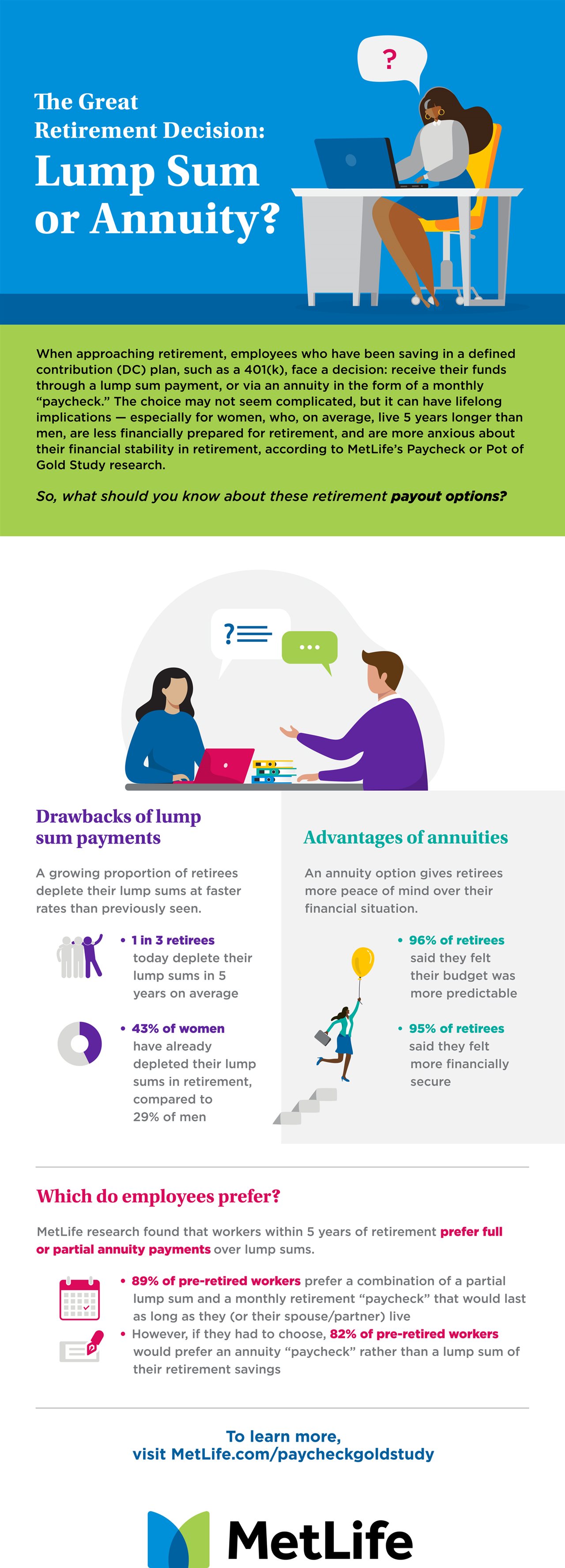
(BPT) – Are you on track for retirement? New research shows many women are not, and what’s more, women are lagging significantly behind men when it comes to being financially prepared for the future.

According to MetLife’s “Paycheck or Pot of Gold Study” women have suffered a more significant blow to their retirement due to the pandemic, leaving them increasingly concerned about their ability to maintain financial stability. In the MetLife study, nearly six in 10 women (58%) said the pandemic has impacted their retirement — whereas only 46% of men felt the same. Furthermore, 35% of women (versus 28% of men) believe they will have to ultimately delay their retirement, as a result.

Add to that the gender wage gap, existing debt and soaring inflation, and it’s no wonder women are feeling so financially behind. The study also found that women are nearly twice as likely to have cut their spending due to concerns about running out of money in retirement (74% of women compared to 43% of men).

If you’re a woman concerned about maintaining financial stability in retirement, these strategies can help:

1. Prioritize saving for retirement

The key to a secure retirement? Plan ahead — particularly when it comes to your retirement savings. MetLife’s research found that women were more likely than men to overestimate how long their retirement savings will last (57% for women versus 43% for men).

Even when saving seems difficult, start small and then, each month when you can, gradually increase the amount you stash away. Doing so will give your money more time to grow. Remember, when it comes to saving, it’s never too late to start but it’s always better to start early.

2. Learn about your employer’s offerings

An important step many people preparing for retirement may skip is taking stock of all that their employer has to offer.

If your employer offers a retirement savings defined contribution (DC) plan such as a 401(k), sign up right away and contribute as much as you can. If your employer matches a percentage of your savings, consider matching or exceeding that percentage to take full advantage of that benefit. Over time, compound interest and tax deferrals will make a big difference in the total amount you can accumulate.

However, you don’t know what you don’t know — so be sure to ask your HR department about how you can best maximize your employer’s offerings.

3. Consider retirement income solutions as a distribution option

Make sure that you fully understand all the tools and solutions available through your employer — and ask questions if you don’t. For example, you may have access to retirement income solutions as a distribution option for your defined contribution plan at retirement. This can include offerings such as institutional income annuities, which provide a guaranteed monthly “paycheck” in retirement.

Compared to receiving your retirement savings as a lump sum at the point of retirement, annuity payments can offer more successful retirement outcomes, and according to the MetLife study, may be a better option for women, as more women retirees (43%) than men (29%) have already depleted their lump sums in retirement — and have done so more quickly. It took, on average, 4.5 years for women compared to 5.6 years for men to deplete the lump sum they took from their DC plan. Among those who took lump sum payments, more women believe they would have been better off financially if they’d had the option to convert part or all of the DC plan account balance into an annuity (62% of women versus 47% of men).

Overall, it’s best never to underestimate how much money you’ll need in retirement — or overestimate how long that money will last. Be sure to speak with your employer’s HR department to learn about your company’s retirement benefits and start getting proactive about how you’ll make your retirement savings last.

To see the full study, visit MetLife.com.

Leadership, Integrity, Teamwork: Veterans Bring Big Value to Civilian Jobs

2022-07-24T22:01:00

(BPT) – Veterans served and sacrificed during their military careers to protect our freedom and keep us safe. When it’s time to transition to civilian work, their next mission is often to find a job just as fulfilling. Employers across the country can help by considering the immense value veterans bring to the workforce and creating hiring initiatives that position these hard-working people for success.

National Hire a Veteran Day is July 25, and serves as a good reminder of the many transferable skills that veterans bring to the civilian workforce, no matter the industry or vocation:

  • Leadership: Veterans go through specialized training in the military to develop their leadership skills. These skills are tested and grow over time. Hiring a veteran means hiring someone trained to lead, even under pressure.
  • Agility: Change is expected in the military, so veterans are flexible and resilient. Especially during challenging times, they are trained to step back, survey what’s happening, and adjust quickly.
  • Collaboration: Teamwork is core to success in the military. Throughout their careers, service members work with a variety of people — of different ages and backgrounds — to accomplish a shared task. Veterans know the importance of achieving a collective mission.
  • Risk assessment: In the military, people are trained to take calculated risks. They need to look at different options and choose the best one to achieve success. The ability to assess risk, make a decision, and follow through is valuable in civilian careers.
  • Integrity and ethics: Acting in a moral manner, whether on the battlefield or on base, is a key part of being in the military. Veterans bring a high level of integrity to any job they do, holding themselves accountable to the highest ethical standard.

“Veterans were trained to adapt and overcome various challenges, and those distinctive qualities are not lost as they navigate their civilian career journey,” said Tom Kastner, vice president of financial wellness at Wounded Warrior Project® (WWP). “We encourage employers to consider veterans for their open roles because their skills often translate well in the workplace and contribute to the success of organizations.”

Supporting veterans in the workplace

Hiring a veteran means you get a specially trained employee who brings valuable skills and more to the job. However, the transition from military to civilian life can still be difficult, especially for wounded veterans.

According to WWP’s Annual Warrior Survey, the unemployment rate for post-9/11 veterans was about 3% in August 2021, and the unemployment rate for the wounded, ill and injured warriors WWP serves was about 13% in that same timeframe.

WWP’s Warriors to Work® program helps veterans and employers navigate the transition to the civilian workforce and focuses on sustained employment for both parties. Veterans participating in the program learn the skills necessary to find meaningful employment through no-cost career counseling, resume writing assistance, networking opportunities, and more. The program also helps veterans for the duration of their new jobs.

For employers, Warriors to Work provides education and information about the transferrable skills veterans bring to the civilian workforce and advice to help increase retention. WWP’s Annual Warrior Survey, for example, found that warriors employed by companies offering a resource group or veteran mentorship program are more likely to be professionally fulfilled. This helps veterans transition and thrive in the workforce while providing the support needed to succeed long term.

An active advocate for veteran employment and these best practices is CSX, a transportation company headquartered in Jacksonville, Florida. Nearly 1 in 5 CSX employees served in the U.S. military in some capacity, and many continue to hold Reserve or National Guard status.

“At CSX, our goal is to be the best-run railroad in North America, and we cannot do that without the best people. This is why we are committed to recruiting, supporting and retaining veteran employees,” said Brian Morgan, senior military talent advisor at CSX. “As a military-friendly employer, we understand the valued experience and technical skills that service members bring to the logistics and transportation sector, and we are eager to have them on the CSX team. CSX offers a wide range of benefits for our veteran employees, including a military business resource group that provides resources and mentors to help with the transition to civilian life.”

Veterans served proudly, and many are now ready to take the next step by finding a civilian career. The unique skills that veterans bring into the workplace illustrate not only why they are great employees, but also how they can grow your business. Today serves as a good reminder for the entire year that expanded recruitment efforts and strong veteran employee programs can help businesses thrive in today’s ever-changing workplace.

U.S. Business Leaders Navigate Economic Uncertainty in Search of Growth

2022-07-20T10:21:00

(BPT) – By Ginger Chambless, Head of Research, JPMorgan Chase Commercial Banking

The first half of 2022 has tested business leaders with decades-high inflation, sharply rising interest rates and ongoing supply and labor shortages.

In light of these challenges, less than 1 in 5 business leaders (19%) are optimistic about the national economy for the year ahead, according to JPMorgan Chase’s 2022 Business Leaders Outlook Pulse survey — the lowest percentage in 12 years of survey data. But despite today’s pressures, business leaders are embracing change and remaining nimble in order to position their companies for success. In fact, more than half (71%) remain optimistic in their own company’s performance.

JPMorgan Chase recently surveyed more than 1,500 midsize business leaders to understand their economic outlook and business challenges heading into the second half of the year and how they plan to navigate the evolving landscape.

Here are three ways business leaders are tackling today’s economic challenges and positioning their companies for the year ahead.

1. Calculated Expansion

Business leaders are betting on themselves and staying the course with regards to expanding and innovating their businesses.

An overwhelming majority of business leaders surveyed (83%) expect to grow their business over the next year, with more than half planning global or domestic expansion (63%) and product innovation (53%) to fuel growth. Due in large part to these strategies and resilience to drive their business forward, nearly three-quarters of business leaders (73%) anticipate increased revenue in the year ahead.

2. Making Strategic Adjustments

With the survey showing that rising interest rates (65%) and inflation (86%) are more significantly challenging companies compared with six months ago, business leaders must balance what’s happening in the macroeconomic environment with their company-specific strategies. This includes following the implications of recent Federal Reserve interest rate hikes — and how they affect economic behaviors — and the impact of ongoing geopolitical events on energy prices and supply chains.

Business leaders could use this time to re-assess some of their key strategic and operational practices, including supplier networks, capital structures and whether they are most efficiently deploying their labor force to execute business plans.

3. Adapting to Inflation Pressures

Business leaders are grappling with a major shortage of skilled workers, continued supply chain disruptions and the worst inflation in 40 years, all of which are diminishing their national economic outlooks.

Rising input and production costs are forcing business leaders to make adjustments to protect margins, including automating more processes, strategic stockpiling and prioritizing sales of their most profitable products. Unsurprisingly, more than three-quarters of businesses (76%) have raised prices in response to inflation, and 42% have passed along at least half of their increased costs in the form of higher prices. Since inflation isn’t expected to subside in the near-term, more than 4 in 5 business leaders (81%) expect to continue to increase prices to help mitigate costs.

Though the economic outlook for the months ahead is uncertain, today’s business community continues to prioritize growth, while remaining at the ready to face the challenges that come their way.

To learn more about how JPMorgan Chase is helping business leaders build for the future, visit jpmorgan.com/2022midyearoutlook.

Irish technology exports in North America up 22% to $1.42bn

2022-07-20T11:47:00

(BPT) – The Irish and North American relationship has never been stronger, with Enterprise Ireland, the Irish government trade and innovation agency, and the number one VC in the world by deal count, today announcing that its overall client companies’ export sales to North America reached an all-time high, up 14% to $4.9bn, last year. The major driver for this growth was the soaring demand for Irish technology solutions. Exports of Enterprise Ireland client company technology to North America reached a record $1.42bn in 2021, up 22% on the previous year.

Globally, North America is the biggest market for Enterprise Ireland client company technology solutions. Fintech and engineering solutions from Ireland were also in high demand and growing in North America, with fintech exports reaching $318.9M in 2021, up 23% and engineering reaching $240m, up 11%.

Welcoming today’s announcement, Sean Davis, Enterprise Ireland, Regional Director for the Americas, said, “Irish business relations in North America are at an all-time high, with demand for Irish innovation accelerating year on year. Irish companies are bringing game-changing technology solutions to U.S. partners.”

Davis references Irish unicorn, Workhuman, an acknowledged market leader supporting North America companies with employee engagement, retention and performance in the post-pandemic era. Another Irish technology company Davis cites is CitySwift who is partnering with New York’s Mass Transit Authority (MTA) to bring data and machine learning solutions to North America’s largest public transport operator.

“While our sales to North America reached record levels in 2021, it’s not a one-way street. Ireland is the 9th largest source of Foreign Direct Investment contributors to the United States economy, with $240.1bn invested in 2021, according to a Bureau of Economic Analysis (BEA) report from the U.S. Department of Commerce,” Davis continued.

As well as bringing innovation, partnership and solutions to North America businesses, Irish firms are also bringing employment. Today, more than 100,000 people are employed by Irish-owned companies in the United States, 87,000 of which are employed by Enterprise Ireland client companies.

As the number one VC In the world by deal count, Enterprise Ireland invests in Irish innovation and acts as a gateway for U.S. businesses to access innovation from Ireland. “By delivering world-class innovation and creativity, coupled with a cooperation-driven attitude, Irish companies are developing the partnerships and investment opportunities that drive commerce on both sides of the Atlantic,” said Davis.

About Enterprise Ireland

Enterprise Ireland, the Irish government agency for advancing Irish business internationally, represents over 900 companies that directly employ more than 87,000 people in the United States, with over 65 Irish companies establishing presences in the United States in 2021.