Multi-talented Latina helps build new car for America, offers inspiration for girls considering STEM careers

2019-09-25T08:01:00

(BPT) – Latina engineer Angeles Elena Van Ryzin helped build the Kia Telluride, a luxury SUV designed specifically for the U.S. market. There are not many women in STEM, and even fewer Latina women in STEM. That’s why Van Ryzin embodies Kia’s brand philosophy of “Give it Everything.”

Born in Zacatecas, México, Van Ryzin migrated to Pomona, California, at age 5 with her family and attributes her success to her parents’ sacrifices and support.

“I’m lucky that my parents didn’t conform to the mindset of ‘coches son para niños’ (cars are for boys). I have three brothers, and my parents always allowed me to play sports and get dirty like my brothers regardless of society’s rules of how girls should behave,” she said. Van Ryzin later obtained a degree in mechanical engineering from Cal Poly Pomona University.

For the last eight years, Van Ryzin has worked in the Powertrain department at the Kia-Hyundai Technical Center. Her latest work includes designing the drivability, transmission scheduling and torque calibration on the Telluride, helping achieve the driving ease and fuel efficiency of the vehicle.

“Telluride had its unique challenges and the stakes were high,” said Van Ryzin. “This is Kia’s flagship SUV, it was equipped with a new engine and I was pregnant.”

Even while five months pregnant, she traveled to Korea for planning and design meetings, worked long hours at the Technical Center and at eight months pregnant she was in Death Valley hovering over the hood of a Telluride conducting all the tests to ensure her work was perfect.

“Being a woman is not a limitation to do any job,” said Van Ryzin.

When asked why she wanted to work in the automotive industry, she gave a surprising answer. “I never considered myself a car enthusiast,” she said. “I was motivated by how mobility is essential in our everyday life. I knew that by working in the automotive industry, I would be helping people.

“One of my favorite things about working in this industry is I get to see the final product on the road and think of how proud I am of my parents for laying the foundation.”

Van Ryzin offered advice to young girls that are considering careers in STEM: “Be proud of your heritage, don’t be afraid to shine where you go and Give it Everything! It may be a tough road but take every challenge as a step stone to your goals. Use any negative comments as fuel to propel you where you want to go.”


With tax extensions up, October tax deadline nears

2019-09-19T11:55:00

(BPT) – The IRS projected that more people than ever before — 14.6 million — would file an extension. That estimate may have been conservative, given how tax reform influenced people to delay filing as they figured out what tax reform meant for them.

Now, those who still haven’t filed are running out of time, because the tax filing extension deadline is Oct. 15, 2019. Once Oct. 16 rolls around, those who still haven’t filed and owe the IRS will face a 5 percent monthly failure-to-file penalty on unpaid tax. The penalty adds up each month until the taxpayer files, up to a maximum of 25 percent. For those who did not file for an extension before the April deadline, the 5 percent monthly penalty kicked in immediately after the deadline.

The good news is people due a refund don’t pay a late filing penalty. In fact, most taxpayers (53 percent) filing after the April deadline get a refund. But the longer they wait to file, the later and later they will get their refunds, which average more than $4,000.

If that’s not reason enough to file, taxpayers who filed an extension have indicated to the IRS they need to file a return, essentially putting themselves on the IRS’ radar. These taxpayers will be easy targets for an IRS notice if they don’t file by the October tax deadline.

Taxpayers who still haven’t finished their taxes are more likely to be looking for help: 85 percent of them get professional help from a tax preparer, compared to 58 percent of taxpayers who file during tax season. They may be afraid of owing the IRS, uncertain about the tax outcome, missing documents, or just procrastinating. Whatever the reason, anyone who wants help filing a tax return to meet the October tax deadline can make an appointment with an H&R Block tax professional by calling 800-HRBLOCK or finding a local, year-round H&R Block office online. Online tax filing and DIY tax software are available 24/7.


Would you like the power to own your own home? Here are 4 steps to follow if you want to make your dream a reality

2019-09-19T09:01:00

(BPT) – For many people, a monthly mortgage payment may be manageable, but their biggest obstacle is the upfront expense — namely down payment and closing costs — of buying a home. In fact, according to the Bank of America Spring 2019 Homebuyer Insights Report, 69% of prospective homeowners say saving enough money for a down payment and closing costs is the biggest challenge they face.

Unfortunately, many assume the hurdle of upfront costs can’t be overcome, and they self-select themselves out of taking the next steps towards owning a home. However, there is good news: through smart planning and research, you may uncover new ways to turn your dream into a reality.

While everyone’s situation is unique, here are four helpful tips to get you ready to buy a home of your own.

It’s never too late to start saving: Take control of your finances by creating a budget to track your spending and discover areas where you can cut back and boost your savings. Even if it’s only $50 every month, every little bit gets you one step closer to your dream.

Understand what you can afford: It’s always important to get a sense of what your budget can handle — comfortably — every month, before you start looking. Put together a detailed budget so you can get a full picture of your finances and understand how much you can afford each month for a mortgage. A mortgage calculator lets you estimate housing costs given your income, debt, savings and other financial obligations. Don’t forget taxes and insurance.

Talk to an expert and get prequalified: Understanding your budget is just one piece of the financial puzzle when it comes to homebuying. To learn about the loan options that make sense for you, meet with a lending expert who can provide more information on current interest rates and how much you can borrow. Once you find a loan that fits your needs, get a prequalification letter, which estimates your borrowing power based on your financial information and shows sellers you are serious and gives you some negotiating leverage.

Take advantage of available help: To help afford your dream home (and all the associated costs), keep your eyes open for available grants and programs designed to help prospective homeowners like you. Through its Community Homeownership Commitment, Bank of America is providing up to $17,500 to eligible buyers in select markets to help with upfront costs. Specifically, to assist with down payments, Bank of America will give eligible homebuyers 3% of the home purchase price (up to $10,000) when they use a specific low down payment loan product. Homebuyers may also qualify to receive up to $7,500 for non-recurring closing costs or to buy down their interest rate.

To get on the right track to affordable and sustainable homeownership, keep these tips and programs in mind and talk to a Bank of America lending specialist to learn what programs and offerings you may qualify for. Visit bankofamerica.com/firsthome or text “mortgage” to 226526 to learn more.


Ways to save at the start of the school year

2019-09-15T07:01:00

(BPT) – The new school year is officially here, and although it’s an exciting fresh start for students and parents alike, it may also cause you financial stress. In fact, according to the National Retail Federation, the back-to-school season is the second largest shopping season of the year, after the holiday season. And for good reason — on top of the usual need for clothing and shoes that growing kids require at the start of every school year, parents and caregivers must also cope with lengthy school supply lists.

Fortunately, a one-stop online retailer like Amazon lets you conveniently shop for your child’s school needs without breaking the bank as it offers a wide selection of classroom supplies, clothing and other essentials at low prices. To save even more this school year, you can also sign up for a Prime membership, giving you exclusive deals and benefits on everything from shopping for last-minute must-haves, to streaming your favorite shows on the weekends.

Here are a few tips to ensure you and your children have a happy school year, filled with success and savings:

1. Sign up for Amazon’s discounted Prime membership. If you or your child are an EBT or Medicaid recipient, you could qualify for an Amazon Prime membership for the discounted price of just $5.99 per month. Members receive all standard Prime benefits, including exclusive deals, access to thousands of movies, TV shows, and music, plus over a thousand top Kindle e-books for adults and kids — to read on any device, as well free one-day delivery (or even faster) and much more. You can learn more, apply for the discount and try a 30-day free trial at amazon.com/qualify.

2. Shop later to score deals. Don’t fret if you have yet to do your back-to-school shopping — it’s actually beneficial to wait until after your child’s first week of school before you shop, as that’s when you can take advantage of more deals and savings. You can track the best deals on Amazon with Lightning Deals, with daily offers to help you save money. Lightning Deals allow you to find the best prices on items you need, want and love. You can also sign up for ‘watch a deal’ alerts, so you’ll never miss out on a discount!

3. Shop with cash. Making purchases with cash is a savvy way to stick to your budget, as it makes you more conscious of what you’re spending. If you find that this works well for you, you can use Amazon Cash instead of your debit or credit card when shopping online. Simply visit one of the more than 45,000 participating stores — including pharmacies like CVS, and convenience stores like 7-Eleven — to add cash to your Amazon balance.

4. Take advantage of discounts on frequent orders. From germ-fighting hand sanitizer and disinfecting wipes, to personal care items like toothpaste, hand soap, shampoo and more, there are countless everyday essentials you’ll need throughout the school year. With Amazon’s Subscribe & Save, you can subscribe to the items you frequently buy and have them shipped to you on a regular basis. You’ll not only save up to 15% on these purchases, but also save time and energy going back and forth to the store. Plus, Prime members can unlock up to 20% on purchases to save even more.

5. Be a bargain shopper. Everyone loves a deal, and now some incredible bargains are just one click away. Check out Amazon’s Bargain Finds for a wide selection of seasonally relevant products that are priced even lower. Items vary from school essentials like backpacks, lunch bags, water bottles and electronics, to clothing, household products and fun gifts — perfect for teachers. Before paying full price for an item, browse through these bargains to see if you can find what you need for a lower price.

With a little planning and preparation — and Amazon on your side — your family and your budget will both be set up for a successful school year.


How green are your car’s tires?

2019-09-11T08:01:00

(BPT) – Did you know tires could be green?

There aren’t literal green tires, of course — they would distract other drivers. But believe it or not, tires can help keep the planet a bit greener, when they’re built and used with sustainability in mind.

Here’s how.

Low rolling resistance saves energy and lowers emissions

According to the U.S. Department of Energy, between 4 and 11% of a car’s fuel is used up providing the energy required to propel your tires along the road. It’s known as rolling resistance. Premium tires that are properly inflated require less energy to operate — less rolling resistance — which makes cars more fuel-efficient.

Lower rolling resistance also helps lower carbon dioxide emissions. For example, since 2013 Nokian Tyres reduced the rolling resistance of its products by an average of 8% compared to 2013, resulting in a reduction of 128 million kg of CO2.

Keep your tires inflated at the right level

Several companies make tires that minimize rolling resistance, but you can play a role in that, too. The key: keeping your tires inflated at their proper level. Underinflated tires generate more friction and are less fuel-efficient. They’re also more prone to blowouts and wear down more quickly.

So, if you’re serious about going green, make sure you’ve filled your tires to the recommended inflation pressure. You can usually find that on a sticker inside your driver’s-side door or in your car’s owner manual. Keep in mind that as temperatures drop this fall and winter, so will your tire pressure: The colder it gets, the more your tires will deflate. As the thermometer drops, be sure to check your tires’ inflation level more often than usual.

Greener tires through better materials and processes

You can impact how full your tires are, but there’s plenty that happens before those tires are on your car. Eighty-five percent of a tire’s carbon footprint is generated during its use, but the other 15% comes from the way tires are sourced and manufactured. If going green is important to you, be sure to do some research about those processes before you buy your next set of tires.

Nokian Tyres was the first tire company to eliminate the use of harmful oils in its tire compounds. It only uses purified oils in tire production — no toxic or carcinogenic chemicals. The Scandinavian company is also achieving new levels of sustainability in its production process. From 2013 to 2018, it decreased CO2 emissions from its production process by 38%.

Consider some of these ways tires impact the planet as you pick tires that are right for you and good for the environment. For more information about how you can promote sustainability when you buy your next set of tires, visit NokianTires.com.


Free yourself from living paycheck to paycheck

2019-09-09T11:37:00

(BPT) – About 80% of Americans live paycheck to paycheck, often struggling between paydays. If this is a challenge for you, here are three easy ways that can help you get from one paycheck to the next with ease, avoid financial pitfalls, and even come out ahead.

Avoid overdrafts and late fees

Since most people are paid bi-weekly, money you’ve already earned is being held up, often right when you need to pay bills. Instead of overdrawing your bank account and getting hit with fees or using high-interest credit cards to bridge the gap to payday, there are apps you can use to get your pay when you need it.

With Earnin, community members can use Cash Out to access pay they’ve already earned with no fees, loans or hidden costs. Community members pay what they choose for the service (even $0) and can access up to $100 per day or $500 per pay period. Once your paycheck is deposited, the money is automatically paid back to Earnin.

Avoiding overdrafts can be challenging, especially if you have automatic withdrawals. Earnin also offers members a Balance Shield feature, which sends out push notifications anytime your account falls below a certain amount. While most banks send low balance alerts to customers, Earnin allows members to choose to link to Cash Out, so that up to $100 will automatically be transferred into your account if it falls below $100 — and that’s money from your own upcoming paycheck, with no fee.

Paying for everyday essentials like food, rent, bills and transportation are among the top reasons the Earnin community accesses their pay before their pay period. An internal Earnin analysis found that if community members made the same purchases but hadn’t used Earnin, they would have incurred over $100 million in overdraft fees in June 2019 alone.

Look for alternative services to help manage your money

A new crop of innovative apps, services and resources can help you get into a better financial mindset when it comes to saving and investing for your future. Before you refinance your student loan, commit to new health insurance or take a loan out, educate yourself on the options available to you.

To start, Credit Karma gives you free access to your credit score and can help you compare the best offers for credit cards and loans that won’t hurt your credit. If you are looking to incorporate investing as part of your savings strategy, apps like Stash, Acorns and Robinhood can be great beginners’ tools to help you save money but ease you into the world of investing. Or if you’re in the market for renter’s insurance, which can help protect your personal property in case of theft, fire, vandalism or water loss like from burst pipes, Lemonade is a low-cost option to pay claims faster, and any leftover money goes to a charity of your choosing. Did you know renter’s insurance can also help pay for temporary living expenses and even personal liability and medical bills?

Negotiate

Consider investing your personal time to call service providers — cable, cell phone, car insurance or creditors — it can pay off. Many companies and utilities will negotiate a better deal or help you organize a payment plan so you can pay a portion of your balance each month. It helps to contact them proactively, rather than waiting until bills are past due.

If you, your spouse or child has outstanding medical, dental, vision or mental health bills, Earnin may be able to help with its new product Health Aid. Members simply send a photo of an unpaid medical bill through the app, and Earnin community advocates work to negotiate the bill on their behalf to get a more favorable payment plan, find financial aid options or even get the bill reduced. Results are delivered within two business days, and members pay what they choose for the service after they’re presented with their savings options. Currently, this service is only available to Earnin members who use Cash Out, and will be rolled out to others in the future.

Using these tips may help you breathe again, knowing you aren’t paying high-interest loans, getting hit with exorbitant fees or asking friends and family to spot you money to get you through until payday. You can have more peace of mind and more control over your financial future by avoiding the damage caused by the paycheck-to-paycheck cycle.


Life insurance protects your family when you’re not there to do it

2019-09-06T08:01:00

(BPT) – When a loved one dies unexpectedly, the last thing families should have to think about is how they’re going to pay the bills or whether they can stay in the house. But the reality is that, according to research from LIMRA1, 35% of households would feel the financial impact of losing a primary wage earner within 30 days. Half of households would feel the impact within six months.

September is Life Insurance Awareness Month, and the perfect time to think about your life insurance needs.

“Life insurance is a simple and relatively inexpensive way to ensure your family has control over how they move forward after your passing,” says Sean Scaturro, Director of Insurance Advice and a Certified Financial Planner for USAA.

So why don’t more people have it? Scaturro lists general misunderstanding about the product and competing financial priorities as the two most common reasons that people don’t have coverage.

“Consumers generally overestimate the cost of life insurance by three times, according to LIMRA,” he says. “The reality is that you can usually get a good amount of coverage for a fairly low price — maybe a couple pizzas per month.”

Here are the biggest questions around life insurance:

Who needs life insurance?

The short answer, according to Scaturro, is nearly everyone. “If someone would be negatively impacted financially by your passing, you need life insurance,” he says. “So, whether you’re single, married, kids or no kids, you likely need life insurance.”

What type is best?

There are two general types of life insurance — term and permanent. Term lasts for a set period — 10, 20, 30 years — and provides coverage if you pass away during that term. It may also be the most affordable type of life insurance. Permanent life insurance lasts your entire life, if premiums are paid. It’s a more expensive option, but has added benefits, such as gaining cash value, that could make it a positive addition to a retirement plan.

How much coverage should you have?

A quick and easy way to estimate your overall life insurance needs is using the acronym L.I.F.E. (Liabilities & debts, Income to replace, Final Expenses, Education or Extra Goals to be paid for). Then subtract any existing policies, such as coverage provided by an employer, along with any savings, to determine your life insurance gap. Many online calculators exist, including one offered by USAA at usaa.com/lifeadvice.

If you have a free or low-cost option for coverage through your employer, take it, says Scaturro. But that shouldn’t be your only coverage.

“Employer sponsored plans typically offer a flat benefit, like $50,000, or a multiple of your annual salary,” he says. “This is a great benefit, but since it’s tied to your employment, if you leave that job, you may lose that coverage. That’s why it’s important to have a private policy in addition to your employer or group policy.”

The most important thing is to make sure your family is taken care of if something happened to you. Today is the day to make life insurance part of your financial picture and know that your loved ones are protected.

Certified Financial Planner Board of Standards, Inc. owns the certification marks CFP(R) and CERTIFIED FINANCIAL PLANNER(TM) in the United States, which it awards to individuals who successfully complete the CFP Board’s initial and ongoing certification requirements.

USAA means United Services Automobile Association and its affiliates. Financial advice provided by USAA Financial Advisors, Inc. (FAI), a registered broker dealer, USAA Investment Management Company (IMCO), a registered broker dealer and investment advisor, and for insurance, USAA Financial Planning Services Insurance Agency, Inc. (known as USAA Financial Insurance Agency in California, License #OE36312). Investment products and services offered by IMCO and FAI. Life insurance and annuities provided by USAA Life Insurance Co., San Antonio, TX, and in NY by USAA Life Insurance Co. of New York, Highland Falls, NY. Other life and health insurance from select companies offered through USAA Life General Agency, Inc. (known in CA (license #0782231) and in NY as USAA Health and Life Insurance Agency). Banking products offered by USAA Federal Savings Bank and USAA Savings Bank, both FDIC insured. Trust services provided by USAA Federal Savings Bank.

USAA Level Term V: LLT98952ST 05-18 (may vary by state). In New York, New York Term Series V: NLT45861NY 01-04. Universal Life: LUL69700ST 01-08 (may vary by state). In New York, NUL87859NY 04-08. Simplified Whole Life: LWL38362ST 05-01(may vary by state). In New York, NWL46017NY 01-05.

1LIMRA Insurance Barometer Study, 2018-2019


Ready for a new car? Here’s how to find the best fit [Infographic]

2019-09-04T08:01:00

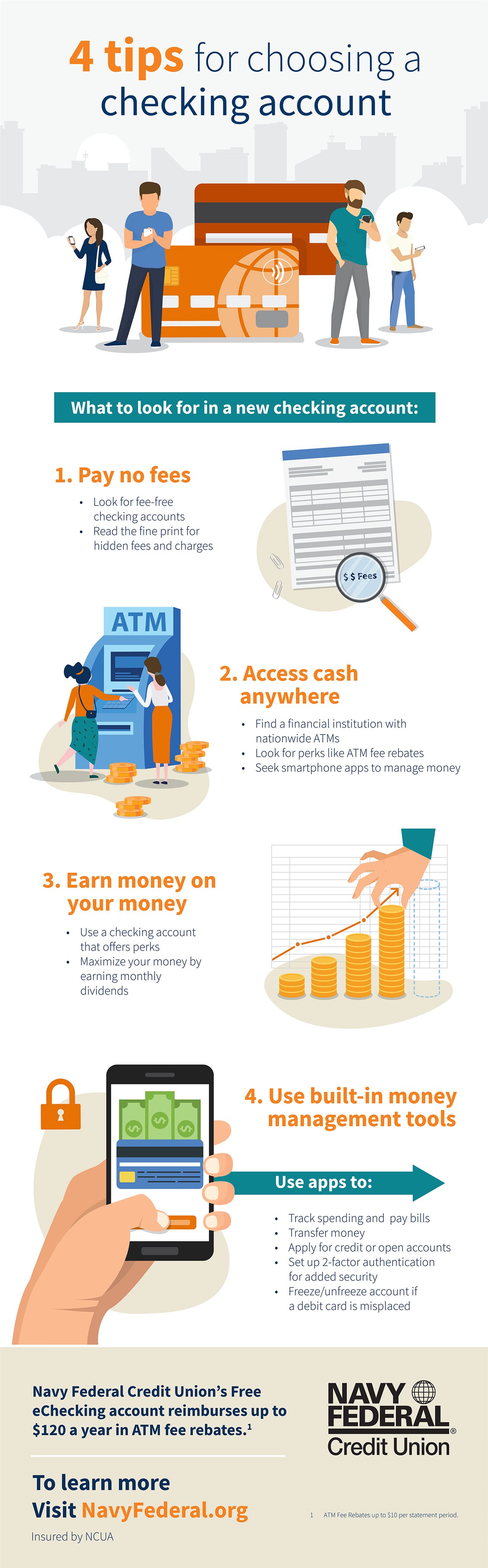
(BPT) – Choosing the right car can be exciting and daunting. To ensure you get the best deal on the best car for your needs, you’ll want to take time to establish what you’re looking for in a car before you start shopping. Many financial institutions, such as Navy Federal Credit Union, offer expert advice along with financing options. As you search for your ideal car, it pays to do your homework and compare all your options.


What companies can do to adapt to rapid change

2019-09-04T06:01:00

(BPT) – In this era of rapid change, companies need agility to meet customer needs — and to survive. Agility refers to a company’s ability to respond quickly to challenges like new technology, competition, changing needs of consumers and sudden shifts in the business environment.

A truly agile company doesn’t just react to change, but proactively seeks new information and embraces change in a collaborative way. An agile organization anticipates and makes the most of change, acting quickly to meet the rapidly evolving needs of customers and the marketplace.

How can organizations become more agile? Director of research and thought leadership for Dale Carnegie and Associates Mark Marone, Ph.D., said, “It takes more than smart people and good data to become agile. Along with good tools and processes, it takes the right combination of resilience, social intelligence and capacity for action, aligned with clear organizational purpose, to create a strong foundation for agility.”

Success in the face of change relies on the agility of companies, and that agility must be nurtured and supported from the top down, with these factors in mind:

Develop a customer-focused purpose

A recent Dale Carnegie study found corporations that performed best in the face of rapid change had a strong customer focus. When employees maintain a strong focus on customer needs, it empowers them to suggest and advocate for changes that make the organization more responsive in providing value for customers.

Foster communication

While it’s crucial to communicate clearly to the organization about its goals and concerns, leadership also needs to listen. Being open to the suggestions and questions of all employees results in the ability to respond more quickly to change.

Encourage resilience

Because agility requires making rapid decisions, some risk is involved. Encouraging a culture that tolerates the occasional misstep and promotes learning from mistakes helps create resilience. Dale Carnegie said that resilience means being able to “develop success from failures. Discouragement and failure are two of the surest stepping stones to success.” Learning from failure is the best way to become more adept in handling fast-paced change.

Build self-confidence

Allowing employees to share ideas and learn from missteps helps instill confidence that they have something to contribute, and that they can be relied on to adapt to change. Modeling self-confidence is insufficient — it’s important to show employees you have confidence in them. Self-confidence encourages employees to experiment and explore new solutions. Senior leaders set the tone, but mid-level and frontline leaders are also in a good position to increase self-confidence in their teams.

Promote positivity

People with a positive outlook expect and get positive outcomes more often than those without it. Positivity enhances problem-solving and decision-making, helping people think more flexibly, innovatively and creatively.

Instill trust

Communicating honestly and following through on expectations helps instill trust, which creates an environment of psychological safety. Knowing leadership will support risk-taking and not blame employees for missteps is key. According to Dale Carnegie, principle number one is, “Don’t criticize, condemn or complain.” Helping employees learn from failures without penalizing them creates an atmosphere where employees are willing to express ideas and opinions, rather than being paralyzed by fear of negative feedback.

Develop effective tools and processes

Provide employees with tools and processes to handle new technologies, changes in workplace methods and shifts in customer needs. In a Dale Carnegie survey of employees concerned about losing their jobs to AI, 68% of respondents said getting additional training would be very or extremely important to retaining their positions. Most employees look to their employers to provide that training.

Enhance capacity for action

Supporting collaboration and creative intelligence helps drive innovation and positive action. Insights and action plans can be derived from cross-functional teams as well as a corporate culture of information-sharing and encouraging creative thinking.

“Involving employees in initiating ideas for change is key to agility,” said Marone, adding, “Those closest to the needs of customers are in the best position to identify problems and generate solutions.” And employees who have helped develop solutions in the face of change will be their strongest advocates.

To learn how Dale Carnegie Training can help you strengthen foundations of agility in your people and organization, visit DaleCarnegie.com.


Planning to retire on your 65th birthday? We didn’t think so

2019-08-31T08:29:00

(BPT) – The traditional notion of retirement — a switch from full-time work to full-time leisure — is becoming a thing of the past for millions of Americans. In fact, according to a recent UnitedHealthcare survey (conducted by Wakefield Research on behalf of UnitedHealthcare) of 1,000 nationally representative Americans 62 and older, 24% of those who did retire chose to re-enter the workforce.

Delaying retirement or returning to work may influence your Medicare decisions. Here are some points to keep in mind if you plan to continue working past your 65th birthday or return to work.

Why enroll in Medicare at 65?

Timing matters when it comes to signing up for Medicare. If you’re about to turn 65, you have a seven-month window called an Initial Enrollment Period (IEP). That includes the month of your birthday, the three months before and the three months after.

If your 65th birthday is on June 15, your IEP starts March 1 and ends Sept. 30.

If you don’t have health insurance through your employer, your IEP is the time to figure out which Medicare coverage would work best for you.

If you have coverage through your employer and plan to keep working, check with your HR department or benefits administrator to see how Medicare might work with your employer coverage. Many sign up for Medicare Part A at age 65 either way since most get it without paying a monthly premium.

How Social Security benefits can affect your Medicare enrollment

If you already receive Social Security benefits when you turn 65, you’ll be automatically enrolled in Original Medicare (Parts A and B), and your Medicare card will arrive before your 65th birthday.

Your Part B premium will be automatically deducted from your Social Security payments. If you don’t want Medicare Part B, notify Medicare to opt out.

Many wait to claim Social Security until their 66th birthday or later to increase their monthly payments. If you fall into this group but still want Medicare coverage when you turn 65, it’s up to you to enroll because it won’t happen automatically.

Penalties for delaying Medicare enrollment

If you’re planning to work beyond 65, you may be able to wait until you retire to enroll in Medicare. For many, that’s the right choice, as their employer coverage is more robust. But consider your prescription drug coverage, and when you’re ready to retire, be aware of the enrollment windows to avoid penalties.

If your employer plan doesn’t offer prescription drug coverage, or if the coverage isn’t as good as Medicare, consider enrolling in a Medicare Part D prescription drug plan. That’s because Medicare imposes a permanent late enrollment penalty that will increase your monthly premium if you later decide to sign up for a Part D plan. You must be enrolled in Part A and/or Part B of Medicare before you can enroll in Part D.

When you retire or lose your employer coverage, you’ll be eligible for a Special Enrollment Period (SEP). You can enroll in Parts A and/or B for up to eight months after the month you retire or your employer health plan coverage ends, whichever comes first. But if you delay beyond eight months, you could pay more for your Part B premium — for as long as you have Part B.

For each year you delay enrollment in Part B, an extra 10% is added to your premium.

Want Medicare Advantage or Part D when you retire? Your enrollment window is shorter.

When people sign up for Medicare, many also choose to enroll in a private Medicare plan — either a Part D plan or a Medicare Advantage plan (Part C).

Many Medicare Advantage plans provide additional benefits beyond those of Original Medicare (Parts A and B), such as dental, hearing and vision coverage. Most plans also bundle in prescription drug coverage and fitness or gym programs.

But the window to sign up for these plans is shorter than for Part B — only two months. To avoid a lapse in coverage, time your enrollment accordingly.

Bottom line

Just because you delay your retirement doesn’t mean you should delay your Medicare enrollment. Talk to your HR or benefits coordinator at work to get personalized advice based on your needs.

Visit Medicare.gov or www.ssa.gov for more information.

You can find additional resources on MedicareMadeClear.com.