How telemedicine improves outcomes for stroke patients

2018-08-30T14:00:00

(BPT) – Being rushed to the hospital with a stroke is terrifying for patients and their loved ones.

They want and expect the very best care and attention from the hospital staff, so they can be on their way to recovery and head home.

When a family hears a neurologist is available for an immediate evaluation, they are relieved to know they’ll soon have answers. However, they may be surprised when they learn the specialist won’t actually be physically present in the room with the patient, or even in the same hospital building. Instead, the interaction will be through a video screen.

“The heart of their concern is that telemedicine sounds like a low-touch, casual interaction with a patient, and they worry it will be difficult for their loved one to get top-notch care,” says Hammad Shah, CEO of acute telemedicine provider SOC Telemed. “This impression may be colored by prior experience consulting a doctor through a mobile phone app for a routine illness, such as strep or influenza. Such instances of everyday tele-care, while efficient, are only a fraction of what is possible today through in-hospital real-time remote care, or what is better known as acute care telemedicine.”

Shah further explains that teleNeurology, a subset of acute care telemedicine, is a very productive and meaningful way to get stroke patients the care they need, and it often exceeds the expectations of patients and families that encounter it. Using telemedicine, hospitals can provide access to a board-certified, experienced neurologist on the screen in minutes, helping put families at ease during a stressful time.

How does it work? The neurologist interacts with the patient in real time, face to face through a computer screen, usually on a special, movable cart. Neurologists ask questions, ask the patient to perform movements as a part of the evaluation and review any images and insights shared by the hospital medical staff. From there, the onscreen neurologist and onsite medical providers collaborate on the patient’s plan for care.

Why is there a need for telemedicine and why is it helpful to stroke patients? Shah explains the benefits.

It saves valuable minutes

When a patient is experiencing a stroke, every minute matters because of the damage to the brain that occurs. Nearly 800,000 Americans experience a stroke every year, with approximately 133,000 of these cases resulting in death. The faster a patient is seen, the more treatment options are available to potentially save brain function and improve patient outcomes.

In an ideal situation, a stroke patient would see a neurologist within minutes of arriving to the hospital. In reality, those specialists may not be available right away, for multiple reasons. They could be in another part of the hospital treating a patient, they could work in multiple regional hospitals and not be onsite, or they could be off duty at home and need to drive in after hours. All too often there may simply be no neurologist available. In some circumstances, a patient has to be transferred to another facility. That’s especially true for patients at rural hospitals that lack full-time staff neurologists. Transferring patients can substantially delay access to the care those patients need.

However, when a hospital uses a telemedicine solution, patients get a face-to-face real-time video consultation with an experienced, board-certified neurologist in minutes. For example, hospitals that partner with SOC Telemed for teleNeurology experience a median time of 11 minutes between requesting a consultation and having a neurologist on video with the patient. Plus, teleNeurologists see hundreds of patients in a week, across multiple hospitals, which provides a volume of experience neurologists working in one or two hospitals won’t see in a year.

Improved outcomes

One treatment that has been a game-changer for stroke patients is the administration of a tissue plasminogen activator (TPA). TPA breaks up blood clots to the brain, and it’s considered a highly effective treatment to prevent brain injury for stroke patients. Despite that, up to 30 percent of stroke patients do not even receive it, even if they do arrive at the hospital in time and are candidates for the treatment, according to a report from the New York Times. That lack of treatment can lead to paralysis, impaired speech and cognition or even death.

One thing important to understand about TPA is that it must be administered within three to four hours of the onset of stroke. If a patient misses out on the proper evaluation to get that treatment, that window of opportunity is gone. According to the CDC, patients who get to the emergency room within three hours of the onset of symptoms have less disability than those who received delayed care.

That’s where telemedicine can vastly improve outcomes for stroke patients. When patients can get prompt access to a neurologist’s evaluation, they have more treatment options, including not just TPA, but also endovascular surgery to remove the blood clot. More options mean patients have a better chance of recovery from stroke.

Knowing how telemedicine works can help you or your loved one understand how your local hospital is looking out for its patients in the event of stroke. Ask if your local hospital has access to teleNeurology services. For more information about SOC TeleNeurology Solutions, visit soctelemed.com.



Banish bumpy back-to-school morning routines with #PowerHour tips

2018-08-31T07:01:00

(BPT) – The rushed morning hour before school and work can be hectic, often filled with anxiety and angst for everyone in the family. Learn how to turn this chaotic time into one that is positive and productive so everyone starts their day on the right note.

Renew Life, with the help of critically acclaimed actress Felicity Huffman and New York Times best-selling cookbook author Ellie Krieger, RDN, is arming parents with tips and tools to turn their families’ morning routines into a #PowerHour that literally and figuratively fuels them with healthy, lifelong habits to start each day feeling strong and empowered.

Ease into the day

Skip the snooze button and take some time in the morning to slowly ease into your day. Flow through three power moves that are guaranteed to get your body and mind moving, take five deep breaths to calm your mind and get centered, or do whatever activity helps you feel strong from those first few moments of the day. “I try and make sure we sit down as a family together as often as possible, even if it’s for five minutes! My husband instituted this ritual at the beginning of the meal: We all hold hands and take a deep breath together, so we actually land at the table together. Sounds a little corny, but it does bring us together,” says Huffman, founder of the lifestyle site whattheflicka.com.

Take a Renew Life Probiotic

A daily probiotic brings balance to the good and bad bacteria in your gut and helps support digestive and immune health, which you’ll need now that your morning routine is kicked up a notch! A quality probiotic helps support a strong gut and a strong you, and Renew Life Extra Care 30 Billion Probiotics have three times more good bacteria in every capsule compared to the leading probiotic brands.

I have been taking a daily probiotic now for 10 years and insisting my family takes one for the last three because its impact is huge — a healthy gut positively boosts your immune and digestive health, but also affects mood, memory, sleep, kids’ development and more,” says Huffman.

“I don’t even have to remind my daughter to take Kids’ Ultimate Flora, the gummies are so tasty and easy,” says Krieger, a James Beard award recipient and host of “Ellie’s Real Good Food.”

Eat a balanced breakfast

Fuel yourself with a power-packed breakfast featuring probiotic-rich recipes. “At least once a week my husband and daughter request overnight oats, an easy breakfast I can make the night before that I know boosts my families’ energy so they have a strong start to the day,” says Krieger.

Get centered with a daily mantra

Reflect on one powerful statement that brings strength, confidence and encouragement to each day, and helps the whole family focus their energy on a positive intention before they head out the door. “A mantra that really works for me is, ‘I will approach today with joy, grace and gratitude.’ That little reminder helps me set the tone for the day and reduces my stress level a lot,” says Krieger.

Tune into the day

Turn up the volume on a playlist of songs that will motivate and inspire the family, from breakfast time to teeth-brushing sessions to school and work commutes. In the morning our playlist is classical music so our day starts off peacefully. I save the upbeat music for later in the day when I can embarrass my kids by dancing around the kitchen, says Huffman.

Huffman and Krieger are sharing their tips for creating a morning #PowerHour on their Instagram accounts found here and here. They are asking other parents to share how they do it too, including tips to start the day strong, for a chance to win a Renew Life Power Hour Kit and other great prizes. To enter, follow @RenewLife and post a picture or video of your morning routine with #PowerHour, #Sweeps.


Rare lung disease opens a new chapter for couple on the move

2018-08-30T14:01:00

(BPT) – Jeanie Stich and her husband Elfie have constantly been on the move throughout their 32 years of marriage. In 1999, after 20 plus years of working together at a major aircraft company, the two retired, put their home in Washington state up for sale and set off to explore the country in their new RV. Thirteen adventure-filled years on the road later, the couple settled at a retirement resort in Arizona and filled their days socializing with friends and playing cards. Jeanie even picked up the sport of pickleball.

All was just as the couple had planned and imagined, until – toward the end of 2015 – Jeanie developed a dry cough that she couldn’t shake and began becoming noticeably more tired from typical activity than usual. Jeanie and Elfie feared something was very wrong and, unfortunately, their instincts were correct.

Jeanie’s symptoms persisted for about a month, at which point she went to see her doctor. She was diagnosed with bronchitis and prescribed antibiotics, but the medication didn’t help. By February, walking even small distances was too much, and Jeanie was spending her days in bed or a chair. She went back to the doctor and, this time, was diagnosed with pneumonia. Her doctor prescribed another course of antibiotics, and again the medication didn’t help.

Finally, Jeanie was referred to a lung specialist, or pulmonologist. After a handful of tests, Jeanie and Elfie finally learned what was really wrong – Jeanie had idiopathic pulmonary fibrosis, or IPF, a rare lung disease that causes permanent scarring of the lungs. As the pulmonologist explained, IPF affects up to 132,000 Americans and a proper diagnosis can take years, as the symptoms of IPF, including breathlessness and a dry persistent cough, are similar to other more common and recognizable lung diseases like COPD and asthma.

Jeanie was distraught – particularly since the doctor informed her that the disease had progressed too far for treatment and that she should get her affairs in order. “Elfie and I spent that weekend praying, crying and trying to figure out what had just happened to our perfect life,” remembers Jeanie. “I was devastated by the thought of no longer sharing a life with my husband, my kids, and my seven grandkids. But I looked at Elfie and said ‘these are the cards we’ve been dealt, we’re going to play ‘em. We’re going to get through this.’”

Elfie was also overwhelmed and, understandably, frightened that he might lose his best friend and love of his life. Still, he was determined to stay strong and help Jeanie battle this bleak prognosis. As a first step in their fight, he and Jeanie decided to seek a second opinion from a critical care pulmonary specialist. This new doctor confirmed Jeanie’s IPF diagnosis, but much to the couple’s delight he explained that there were treatment options available – and that she may even become strong enough for a lung transplant down the road. “We cried tears of joy,” said Elfie. “This doctor had given us hope that we could do something. We had options.”

In March of 2016, Jeanie began taking Ofev® (nintedanib) capsules, a treatment that the critical care pulmonary specialist explained might help slow the progression of her disease by decreasing the decline in lung function.

Today, Jeanie continues to make strides and has learned to embrace a new way of living – less active than at the peak of her pickleball-playing days, but nonetheless she leads a full life. She has started to incorporate slow walks and time in the resort’s pool into her weekly fitness routine – and the couple is looking forward to getting back on the road with an upcoming trip to their beloved home state of Washington.

“Do I wish I could still play pickleball? You bet I do. Do I dwell on it? No. Life presents you with roadblocks; my husband and I call them ‘new chapters.’ In this new chapter, I’m thankful I can do the things that I can,” Jeanie shares. “I don’t know if it’s the love around me, my positive attitude, or my will to beat this disease, but I hold onto hope. No matter how bad it looks or how bleak the day is, I never give up hope.”

To learn more about Ofev® visit www.Ofev.com.

What is Ofev?

Ofev is a prescription medicine used to treat people with a lung disease called idiopathic pulmonary fibrosis (IPF). It is not known if Ofev is safe and effective in children.

Important Safety Information

What is the most important information I should know about Ofev® (nintedanib)?

Ofev can cause harm, birth defects or death to an unborn baby. Women should not become pregnant while taking Ofev. Women who are able to become pregnant should have a pregnancy test before starting treatment and should use birth control during and for at least 3 months after your last dose. If you become pregnant while taking Ofev, tell your doctor right away.

What should I tell my doctor before using Ofev?

Before you take Ofev, tell your doctor if you have:

  • liver problems
  • heart problems
  • a history of blood clots
  • a bleeding problem or a family history of a bleeding problem
  • had recent surgery in your stomach (abdominal) area
  • any other medical conditions.

Tell your doctor if you:

  • are pregnant or plan to become pregnant.
  • are breastfeeding or plan to breastfeed. It is not known if Ofev passes into your breast milk. You should not breastfeed while taking Ofev.
  • are a smoker. You should stop smoking prior to taking Ofev and avoid smoking during treatment.

Tell your doctor about all the medicines you take, including prescription and over-the-counter medicines, vitamins, herbal supplements such as St. John’s wort.

What are the possible side effects of Ofev?

Ofev may cause serious side effects.

TELL YOUR DOCTOR RIGHT AWAY if you are experiencing any side effects, including:

  • Liver problems. Unexplained symptoms may include yellowing of your skin or the white part of your eyes (jaundice), dark or brown (tea colored) urine, pain on the upper right side of your stomach area (abdomen), bleeding or bruising more easily than normal, feeling tired, or loss of appetite. Your doctor will do blood tests regularly to check how well your liver is working during your treatment with Ofev.
  • Diarrhea, nausea, and vomiting. Your doctor may recommend that you drink fluids or take medicine to treat these side effects. Tell your doctor if you have these symptoms, if they do not go away, or get worse and if you are taking over-the-counter laxatives, stool softeners, and other medicines or dietary supplements.
  • Heart attack. Symptoms of a heart problem may include chest pain or pressure, pain in your arms, back, neck or jaw, or shortness of breath.
  • Stroke. Symptoms of a stroke may include numbness or weakness on 1 side of your body, trouble talking, headache, or dizziness.
  • Bleeding problems. Ofev may increase your chances of having bleeding problems. Tell your doctor if you have unusual bleeding, bruising, or wounds that do not heal and/or if you are taking a blood thinner, including prescription blood thinners and over-the-counter aspirin.
  • Tear in your stomach or intestinal wall (perforation). Ofev may increase your chances of having a tear in your stomach or intestinal wall. Tell your doctor if you have pain or swelling in your stomach area.

The most common side effects of Ofev are diarrhea, nausea, stomach pain, vomiting, liver problems, decreased appetite, headache, weight loss, and high blood pressure.

These are not all the possible side effects of Ofev. For more information, ask your doctor or pharmacist. You are encouraged to report negative side effects of prescription drugs to the FDA. Visit https://www.fda.gov/Safety/MedWatch/default.htm or call 1-800-FDA-1088.

For full prescribing Information, including Patient Information, visit Ofev.com or contact Boehringer Ingelheim Pharmaceuticals at 1-800-542-6257.


How families can get emergency-ready with 5 questions

2018-08-30T07:01:15

(BPT) – Let’s say an emergency situation strikes. The sirens are blasting and officials are giving instructions. But you and your partner are at work, the kids are at school, and the dog is at home. Do you know what to do?

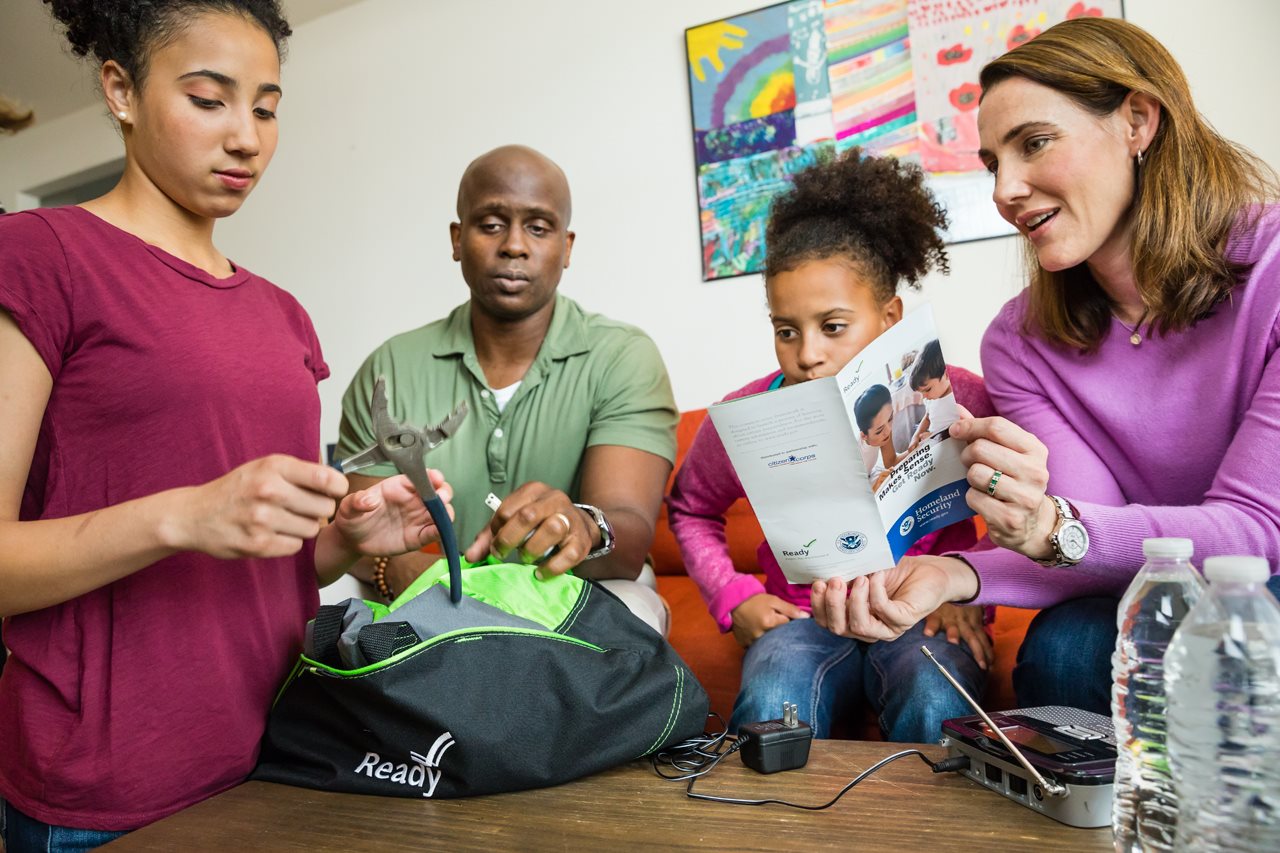
This question isn’t fun to answer. But being proactive and having the conversation with your family about emergency preparedness can help keep them safe and comfortable when the unexpected arises. Get a head start on helping your family prepare with these five important questions.

1. How would you find each other?

Photo courtesy FEMA’s Ready Campaign

Some emergencies come with several hours of advance warning, but many do not. That’s why it’s worth having a game plan, so you can ensure everyone in the house is accounted for and safe. Good topics to cover include: shelter plans, evacuation routes for work days, and how you’ll stay in touch with family members in the event of a separation. Then, make a plan to keep your family safe.

2. Can you access cash?

Photo courtesy FEMA’s Ready Campaign

A major event like a blizzard or hurricane can cause widespread power outages, lasting anywhere from a few hours to several days. When this happens, ATMs and stores may be unable to process your credit cards and debit cards, making it very difficult to buy fuel, food and supplies for your family. That’s why it’s smart to store cash, in small bills, at home in a safe place.

3. How will you prepare your pets?

Photo courtesy FEMA’s Ready Campaign

Pets are like members of the family, so think ahead on how you can meet their needs during and after an emergency situation. Write and post a packing list for your animal companion, and keep the supplies within easy reach so it will take little time to hit the road. Suggestions for the list include: food, medications, vaccination records, fresh water, identification tags, leash, pet crates and sanitation supplies. Of course, a stash of their favorite treats can bring them comfort in a stressful situation! To find additional tips and resources on how to keep your pets safe and happy during an emergency situation, visit FEMA’s website.

4. Where are your birth certificate and passport?

Photo courtesy FEMA’s Ready Campaign

Of course, keeping your wallet and ID with you is central to any emergency plan. But when disaster strikes, having access to important documents — insurance policies, the house deed, vehicle titles, birth certificates and medical information — can save a lot of time and trouble in the recovery process. Take proactive steps now to keep your documents accessible. Store documents in a fire- and water-proof lock box that you can easily grab and take with you. You can also scan these into a digital lock box you can access on your mobile device with a secure passcode. Learn more helpful steps to get tech ready for any emergency.

5. Is your house ready for high winds?

Photo courtesy FEMA’s Ready Campaign

When severe weather is forecast, we don’t always think to take a few extra steps to protect the exterior of our home. High winds can turn bird feeders and patio chairs into projectiles, while portable planters and other heavy objects can shift around in floodwaters. These can ultimately injure people and worsen the damage to your house and vehicle. If time permits, put away or anchor loose items in your yard. Thinking about severe weather and hurricane readiness ahead of time makes it easier to react and respond.

Make a plan and get ready

Photo courtesy FEMA’s Ready Campaign

Being prepared for a disaster is important, not only for your family’s safety but for their comfort and peace of mind. Use these questions to start the conversation, make sure to have adequate insurance coverage and review your policy regularly, and get lots of tools and information from FEMA at Ready.gov.


Not all omega-3s are created equal: Myths vs. facts

2018-08-28T11:01:00

(BPT) – Every month, nearly 19 million Americans take an “omega-3,” or “fish oil” dietary supplement1 that may include a mixture of DHA, EPA, saturated fats and other ingredients.2-7 In fact, omega-3s are the most-used dietary supplement in the U.S.1 Since many users are looking for heart health and other unproven benefits that go beyond simply supplementing their diets, it’s important to understand some myths and facts about these popular products.

Myth: All omega-3 products are created equal.

Fact: The process by which omega-3s are properly produced is extensive and complex. This leads to great variation from product to product. The content of most common fish oil products includes only 30 percent omega-3 and may include other unwanted ingredients including saturated fats and toxins. Also, if they aren’t handled properly, they may become spoiled. These unwanted and spoiled ingredients may lead to potential health risk.5-7 Fish oil dietary supplements are not interchangeable with a prescription medication and are not intended or approved by the FDA to treat any medical condition.8

Myth: Omega-3 dietary supplements improve cardiovascular health.

Fact: There has been no conclusive proof, to date, that getting omega-3s from common fish oil dietary supplements has a positive effect on cardiovascular health in patients at risk.9-10 Dietary supplements, unlike prescription drugs, are not intended to treat any medical condition.

Myth: Fish oil dietary supplements that are available without a prescription at pharmacies and grocery stores are reviewed by the FDA for safety and efficacy.

Fact: Fish oil dietary supplements are regulated as food, not drugs. They are not approved by the FDA to treat patients with medical conditions. Dietary supplements are not required to provide the same stringent clinical proof as drugs, including over-the-counter prescription drugs (dietary supplements are not over-the-counter drugs).11

Myth: Omega-3 products aid in lowering LDL-cholesterol (aka bad cholesterol).

Fact: Most omega-3 dietary supplements contain DHA, which may increase bad cholesterol in some people.3 The effect of this increase on cardiovascular health and safety has not been extensively studied.

Myth: Omega-3 dose levels are not important.

Fact: The content of most common fish oil dietary supplements is only 30 percent omega-3. Taking a few of these capsules provides a very low daily dose of omega-3. Taking this amount has not been conclusively proven to provide any cardiovascular benefit.12

Myth: You can get the same amount of omega-3 in a prescription by taking more fish oil capsules.

Fact: Increasing the number of capsules you take has not been shown to provide the same amount of omega-3 as taking a prescription. Prescription omega-3 products are different from dietary supplements in many ways, including purity, stability, clinical effect, safety and FDA review and oversight. The content of supplement products varies, particularly with respect to EPA (the active ingredient in one patented prescription drug is pure EPA) the molecular structure and clinical effect of which has been shown to be unique from other forms of omega-3. Labeling of drugs is FDA approved. Labeling of dietary supplements, however, is created by the manufacturers of the supplement. Calling them “prescription grade” or “clinical grade” on their labels is not an FDA recognized standard and does not make them the same as a drug. Dietary supplements are not intended to treat serious medical conditions. The effect and safety of taking dietary supplements at high dose levels is unknown.

“I often get questions from my patients about the best ways to improve their heart health, and if a supplement is right for them,” said Dr. Ann Marie Navar, Assistant Professor of Medicine at the Duke Clinical Research Institute. “For people at an increased risk of cardiovascular disease – such as those who are overweight, have diabetes or smoke — it’s important to speak with your doctor about the right course of treatment.”

References

  1. National Institutes of Health. National Center for Complementary and Integrative Health. Most Used Natural Products. Available at: https://nccih.nih.gov/research/statistics/NHIS/2012/natural-products/omega3. Accessed August 8, 2018.
  2. Bradberry JC, Hilleman DE. Overview of omega-3 fatty acid therapies. P&T. 2013;38(11):681-691.
  3. Kleiner AC, Cladis DP, Santerre CR. A comparison of actual versus stated label amounts of EPA and DHA in commercial omega-3 dietary supplements in the United States. J Sci Food Agric. 2015;95(6):1260-1267.
  4. Ritter JC, Budge SM, Jovica F. Quality analysis of commercial fish oil preparations. J Sci Food Agric. 2013;93(8):1935-1939.
  5. Mason RP, Sherratt SC. Omega-3 fatty acid fish oil dietary supplements contain saturated fats and oxidized lipids that may interfere with their intended biological benefits. Biochem Biophys Res Commun.2017;483(1):425-429.
  6. US Food and Drug Administration. Letter responding to health claim petition dated June 23, 2003 (wellness petition): omega-3 fatty acids and reduced risk of coronary heart disease (docket no. 2003Q-0401). http://?wayback.archive-it.org?/7993?/20171114183726/?https://?www.fda.gov/?Food/?Ingredients?Packaging?Labeling?/LabelingNutrition?/ucm072936.htm. Published September 8, 2004. Accessed August 8, 2018.
  7. Department of Health and Human Services. 21 CFR Part 184 [docket no. 86G-0289]: substances affirmed as generally recognized as safe: menhaden oil. Federal Register. June 5, 1997;62(108):30751-30757.
  8. Hilleman D, Smer A. Prescription omega-3 fatty acid products and dietary supplements are not interchangeable. Manag Care. 2016;25(1):46-52.
  9. Aung T, Halsey J, Kromhout D, et al. Associations of Omega-3 Fatty Acid Supplement Use With Cardiovascular Disease RisksMeta-analysis of 10 Trials Involving 77?917 Individuals. JAMA Cardiol.2018;3(3):225–234. doi:10.1001/jamacardio.2017.5205
  10. Abdelhamid AS, Brown TJ, Brainard JS, Biswas P, Thorpe GC, Moore HJ, Deane KHO, AlAbdulghafoor FK, Summerbell CD, Worthington HV, Song F, Hooper L. Omega 3 fatty acids for the primary and secondary prevention of cardiovascular disease. Cochrane Database of Systematic Reviews 2018, Issue 7. Art. No.: CD003177. DOI: 10.1002/14651858.CD003177.pub3.
  11. FDA 101: Dietary Supplements. Available at: https://www.fda.gov/ForConsumers/ConsumerUpdates/ucm050803.htm/ Accessed August 8, 2018.
  12. Selecting an omega-3 product for therapeutic use: an opportunity to educate patients. Pharmacy Times website. http://www.pharmacytimes.com/publications/ issue/2016/december2016/r817_december2016. Accessed August 8, 2018.

AMRN-00274 08/2018


Want personalized, convenient care? It’s just a call, click or doorbell away

2018-08-28T15:25:00

(BPT) – There it is again. That pain in your side that comes and goes. Not sure what to do about it? How about talking about your symptoms with a health care professional from the comfort of your own couch?

Today, the doctor’s office isn’t the only place to go to get your medical questions answered. In fact, you may not need to go anywhere. Since convenience and options are important to many of us, most health plans offer choices on how and where to access medical information and care.

Phone lines staffed by nurses. Many health plans offer access to a telephone-based support line staffed 24/7 by registered nurses — often referred to as “24/7 nurse lines” or “nursing hotlines.” The nurses take note of your symptoms. Together, you can discuss next steps and there is typically no additional charge to use this service.

Online or “virtual” office visits. Some Medicare plans allow you to visit with your doctor without leaving your living room. The clinician uses a computer or mobile device with a camera to see and talk with you. These visits sometimes even allow physicians to bring in specialists, also by computer, if needed. While in-office visits may still be the best options when it comes to serious illnesses, virtual visits work well for follow-ups and for more common illnesses and injuries like colds, flu, rashes, etc. In some states, online doctors can write and submit prescriptions after a virtual consultation. If covered, these visits may be subject to a copay or coinsurance.

In-home visits by a health practitioner. You may remember the days when doctors made home visits. Today’s in-home clinicians are often nurse practitioners (NPs) or physician assistants (PAs) who spend 45 to 60 minutes with each patient. They review your health history and current medications, perform a physical exam, offer health education and coordinate care with your primary care provider. The visit allows the health practitioner to spend a great deal of time with you in an environment where you are comfortable. They are so popular that UnitedHealthcare’s HouseCalls program recently completed its 5 millionth home visit.

These care options are not just convenient, they can also save lives. A simple urine test that Paul Engwall completed during his first HouseCalls visit led to the discovery of an abdominal aortic aneurysm that was nearing rupture. “There is no doubt in my mind that Paul’s HouseCalls visit very likely saved his life,” said his wife, Lorna. “Now we tell everyone we know about this program; we are so grateful.”

So the next time you want to speak with someone about a medical issue, pick up your phone or tablet, get comfortable and dial up the personalized support you want.

To find a UnitedHealthcare plan that offers these services, visit UHCMedicareSolutions.com.

——————-

Plans are insured through UnitedHealthcare Insurance Company or one of its affiliated companies. For Medicare Advantage and Prescription Drug Plans: A Medicare Advantage organization with a Medicare contract and a Medicare-approved Part D sponsor. Enrollment in these plans depends on the plan’s contract renewal with Medicare.

This information is not a complete description of benefits. Contact the plan for more information. Limitations, copayments, and restrictions may apply. Benefits may change on January 1 of each year.


Remake your bathroom with these luxurious hotel-inspired trends

2018-08-28T07:03:00

(BPT) – Life can get hectic. While it is easy to become overwhelmed with busy schedules and everyday challenges, it is important to carve out personal time for relaxation and renewal. The practice of self-care and personal wellness is becoming a trend on the rise.

To incorporate this trend into your daily routine, take a page from the luxury hotel playbook. Imagine what you would see, feel, smell and experience if you stepped into the bathroom of a five-star suite. Luxury bathrooms are designed to invite you to slow down, relax and spoil yourself.

Instead of thinking of your bathroom as your “hurry-up-and-get-ready space,” transform it into a “shut-out-the-world-and-recharge-your-batteries-space.” These are some luxury hotel concepts you can implement in your own home.

Draft your color theory

Soft and subtle or deep and bold? It depends on how you want to set the mood. Soothing colors that call back to natural scenery, like seafoam greens, pale blues and soft sandstones, are relaxing. Yet rich, supersaturated colors are on-trend and can create the perfect backdrop to make chrome fixtures, sculptural appliances and other statement pieces stand out.

Indulge in upgraded essentials

Nothing speaks to luxury like thoughtfully designed bathroom products that are beautiful to look at and deliver an incomparable user experience. For example, TOTO’s elegant line of NEOREST NX Intelligent Toilets take pampering to the next level. These smart toilets feature high-tech innovations like an auto-open/close seat and lid, and a unique, integrated personal cleaning system that leaves you feeling clean and refreshed. The high-luxe NEOREST NX line is also environmentally sustainable, reducing the need for toilet paper and automatically keeping the bowl pristine without harsh chemicals thanks to their ACTILIGHT, EWATER+, and CEFIONTECT cleansing technologies. To learn more about these beautiful intelligent toilets, visit totousa.com.

Provide an extra blast of warmth

Heated flooring makes the transition from tub to toweling off pleasant, leading to a relaxing bathroom experience. For an extra touch of luxury, install a bathroom fireplace and take additional time to let your troubles melt away in the warmth and flickering light.

Don’t shy away from glamorous lighting

When adding finishing touches, try installing a great chandelier to create a focal point for the bathroom. A sparkly overhead chandelier throws light-scattering dazzle around the room, while a bold pendant light fixture adds color and clean lines. Dimming switches will give you the option to create your desired mood lighting.

Dress it up with blooms and greenery

A beautiful plant or a vase of fresh flowers will dress up any room. Research shows that the simple act of incorporating nature into your everyday life elevates the mood, making “me time” in the bathroom much more enjoyable. Opt for plants that thrive on humidity and natural light, such as orchids, ferns, bamboo and aloe vera.

Make it multisensory

When creating the ultimate luxury bathroom space, consider all five senses. Create a visually stunning scenery. Splurge on plush towels that caress your skin. Install overhead speakers to fill your ears with natural sounds or soothing music. Incorporate scents that make you feel happy and relaxed. Set up a reed diffuser or arrange scented bath bombs on a beautiful platter. And to end your day peacefully, treat yourself to a nice cup of herbal tea.

Now that you know what’s essential in a luxury-grade bathroom, take the first step in bettering your self-care routine by making transformations to your bath space.


5 Fast Facts About ADHD

2018-08-24T15:03:00

(BPT) – Did you know that approximately 6.4 million children in the U.S. have been diagnosed with Attention-Deficit/Hyperactivity Disorder (ADHD) in their lifetime?1* With ADHD Awareness Month coming up in October, what better time to learn more about this chronic mental disorder and debunk some myths about ADHD? Below are some common misperceptions about ADHD and five fast facts that may surprise you.

Myth: ADHD isn’t a serious or real disorder.

ADHD can be a chronic mental disorder characterized by the Diagnostic and Statistical Manual of Mental Disorders Fifth Edition (DSM-5®) and includes the core symptoms of inattention, hyperactivity and impulsivity.2 ADHD is commonly referred to as AD/HD and ADD, although the correct term is ADHD.

Myth: ADHD is an “excuse.”

This is not the case. In fact, ADHD is a real disorder that can cause challenges at home, school/work or in social situations.2

Myth: ADHD only affects men, not women.

While ADHD is more frequent in men than women within the general population, women are more likely to primarily have symptoms of inattention than men.2

Myth: ADHD is a “kid’s disorder.”

While an estimated 11 percent (6.4 million) of U.S. school-aged children have been diagnosed with ADHD in their lifetime,1* 4.4 percent of adults are estimated to have ADHD as well. When this number is applied to the full U.S. adult population (aged 18 and over), approximately 10.5 million adults are estimated to have ADHD in the U.S.3,4,† Furthermore, in approximately 50 to 66 percent of children with ADHD, the symptoms may continue from childhood into adulthood.5,6,7

Myth: ADHD is curable.

While there is currently no cure for ADHD, there are a variety of treatment options, both medication and non-medication alternatives, available that may help to manage the symptoms. If you think you or someone you know may have ADHD, speak to your healthcare professional about what treatment options may be right for you.

One treatment option is VYVANSE® (lisdexamfetamine dimesylate), the #1 prescribed branded ADHD medication approved for ADHD patients 6 and older. Medication may not be appropriate for all patients. Individual results may vary so to learn more about Vyvanse and whether it could be right for you, talk to your doctor and visit www.vyvanse.com.

VYVANSE® (lisdexamfetamine dimesylate) is a prescription medicine used for the treatment of Attention-Deficit/Hyperactivity Disorder (ADHD) in patients 6 years and above. It is not for weight loss. It is not known if Vyvanse is safe and effective for the treatment of obesity.

Vyvanse is a federally controlled substance (CII) because it can be abused or lead to dependence. Keep Vyvanse in a safe place to prevent misuse and abuse. Selling or giving away Vyvanse may harm others and is against the law. See below for continued safety information.

Vyvanse Capsules are currently available in seven once-daily strengths (10mg, 20mg, 30mg, 40mg, 50mg, 60mg, and 70mg). Vyvanse Chewable Tablets are currently available in six once-daily dosage strengths (10mg, 20mg, 30mg, 40mg, 50mg, and 60mg). To learn more about Vyvanse and for the Medication Guide and Full Prescribing Information, talk to your doctor and visit www.vyvanse.com, or call toll-free at 1-800-828-2088.

IMPORTANT SAFETY INFORMATION

Vyvanse is a stimulant medicine. Tell the doctor if you or your child have ever abused or been dependent on alcohol, prescription medicines, or street drugs.

Who should not take Vyvanse?
Do not take Vyvanse if you or your child are:

  • taking or have taken an anti-depression medicine called a monoamine oxidase inhibitor (MAOI) within the past 14 days.
  • sensitive or allergic to, or had a reaction to other stimulant medicines.

Serious problems can occur while taking Vyvanse. Tell the doctor:

  • if you or your child have heart problems, heart defects, high blood pressure, or a family history of these problems. Sudden death has occurred in people with heart problems or defects taking stimulant medicines. Sudden death, stroke and heart attack have happened in adults taking stimulant medicines. Your doctor should check you or your child carefully for heart problems before starting Vyvanse. Since increases in blood pressure and heart rate may occur, the doctor should regularly check these during treatment. Call the doctor right away if you or your child have any signs of heart problems such as chest pain, shortness of breath, or fainting while taking Vyvanse.
  • if you or your child have mental (psychiatric) problems, or a family history of suicide, bipolar illness, or depression. New or worse behavior and thought problems or new or worse bipolar illness may occur. New psychotic symptoms (such as seeing or hearing things that are not real, believing things that are not true, being suspicious) or new manic symptoms may occur. Call the doctor right away if there are any new or worsening mental symptoms or problems during treatment.
  • if you or your child have circulation problems in fingers and toes (peripheral vasculopathy, including Raynaud’s phenomenon). Fingers or toes may feel numb, cool, painful, sensitive to temperature and/or change color from pale, to blue, to red. Call the doctor right away if any signs of unexplained wounds appear on fingers or toes while taking Vyvanse.
  • if your child is having slowing of growth (height or weight). The doctor should check your child’s height and weight often while on Vyvanse, and may stop treatment if a problem is found.
  • if you or your child have symptoms of serotonin syndrome: agitation, hallucinations, coma, or changes in mental status; problems controlling movements or muscle twitching, stiffness, or tightness; fast heartbeat; sweating or fever; nausea, vomiting or diarrhea. Call your doctor or go to the emergency room if symptoms occur. Serotonin syndrome may occur if Vyvanse is taken with certain medicines and may be life-threatening.
  • if you or your child are pregnant or plan to become pregnant. It is not known if Vyvanse may harm your unborn baby.
  • if you or your child are breastfeeding or plan to breastfeed. Do not breastfeed while taking Vyvanse. Talk to your doctor about the best way to feed your baby if you take Vyvanse.

What are possible side effects of Vyvanse?
The most common side effects of Vyvanse in ADHD include:

  • anxiety
  • dry mouth
  • trouble sleeping
  • decreased appetite
  • irritability
  • upper stomach pain
  • diarrhea
  • loss of appetite
  • vomiting
  • dizziness
  • nausea
  • weight loss

For additional safety information, click here for the Medication Guide, including Boxed WARNING regarding Potential for Abuse and Dependence, and discuss with your doctor.

You are encouraged to report negative side effects of prescription drugs to the FDA. Visit www.fda.gov/medwatch, or call 1-800-FDA-1088.


* Based on the 2011/12 National Survey of Children’s Health in which parents were asked if a healthcare practitioner had ever told them their child had ADD or ADHD.

Based on the National Comorbidity Survey Replication of 3,199 adults aged 18 to 44 years conducted from 2001-2003 and applied to the full U.S. population in 2011 aged 18 and over.


1 Visser, S, Danielson, M, Bitsko, R, et al. Trends in the parent-report of health care provider-diagnosed and medicated attention-deficit hyperactivity disorder. J Am Acad Adolesc Psychiatry. 2014;53(1):34-46.

2 American Psychiatric Association. Neurodevelopmental Disorders. Diagnostic and Statistical Manual of Mental Disorders. 5th ed. Arlington, VA: American Psychiatric Association; 2013.

3 US Census Bureau, Population Division. Annual estimates of the resident population for selected age groups by sex in the United States: April 1, 2010 to July 1, 2011. May 2012.

4 Kessler RC, Adler L, Barkley R, et al. The prevalence and correlates of adult ADHD in the United States: results from the National Comorbidity Survey Replication. Am J Psychiatry. 2006;163(4):716-723.

5 Barkley RA, Fischer M, Smallish L, Fletcher K. The persistence of attention-deficit/hyperactivity disorder into young adulthood as a function of reporting source and definition of disorder. Journal of Abnormal Psychology. 2002;111(2):279-289. doi:10.1037/0021-843x.111.2.279. Published May 2002.

6 Ebejer JL, Medland SE, van der Werf J, Gondro C, Henders AK, Lynskey M, et al. (2012) Attention Deficit Hyperactivity Disorder in Australian Adults: Prevalence, Persistence, Conduct Problems and Disadvantage. PLoS ONE 7(10): e47404. doi.org/10.1371/journal.pone.0047404. Published October 10, 2012.

7 Lara C, Fayyad J, de Graaf R, Kessler R, Aguilar-Gaxiola S, Angermeyer M, et al. Childhood predictors of adult attention-deficit/hyperactivity disorder: results from the World Health Organization World Mental Health Survey Initiative. Biol Psychiatry. 2009;65:46-54. doi.org/10.1016/j.biopsych.2008.10.005 Published January 1, 2009.

This message is sponsored by Shire. This content is intended for U.S. audiences only.

©2018 Shire US Inc., Lexington, MA 02421. All rights reserved. 1-800-828-2088.

SHIRE and the Shire Logo are registered trademarks of Shire Pharmaceutical Holdings Ireland Limited or its affiliates.

VYVANSE and the Vyvanse Logo are registered trademarks of Shire LLC.

S42157 08/18


5 must-know facts about fighting cancer and Immuno-Oncology research

2018-08-22T12:01:00

(BPT) – Anyone who has been affected by cancer knows that facing the disease takes enormous personal strength. Each day can present new challenges and obstacles, and it’s easy to start to feel powerless.

Dak Prescott, quarterback of the Dallas Cowboys, had to find an inner power when he lost his mother to cancer. Inspired by his family’s experiences, he teamed up with Bristol-Myers Squibb to educate people about advances in cancer research, including Immuno-Oncology (I-O).

I-O research seeks to harness the power of the body’s own immune system to help fight cancer. An important new area of I-O research is exploring biomarkers – individual characteristics of each person’s cancer. By understanding immune biomarkers, researchers may be able to help personalize care for those living with the disease.

That’s just one thing Dak Prescott wants you to know about I-O research. Here are five more facts to empower people to better understand both cancer and I-O research.

1. Cancer cells can sneak past natural defenses

Cancer cells can trick the immune system by escaping and deactivating immune cells. If the immune system doesn’t recognize cancer cells as a threat, they can survive and grow into a tumor.

2. Each person’s body is unique – and so is their cancer

Most people already know that their body is different from everyone else’s. What they might not realize is that their cancer is, too. The differences between each person’s cancer, deep down at cellular and molecular levels, give scientists and doctors important information.

3. Researchers can learn more about an individual’s cancer through biomarkers

Biomarkers are biological molecules found in blood, other bodily fluids or tissues that are signs of a normal or abnormal process or of a condition or disease. Understanding a tumor’s unique makeup through biomarkers may help researchers predict how well someone may respond to certain treatments.

4. The power of your immune system can also be harnessed to help fight cancer

The immune system constantly works to find and destroy abnormal cells, but sometimes “sneaky” cancer cells can get away. I-O research looks at how to help the immune response do what it is supposed to do – fight disease. The ultimate goal of I-O research is to improve survival and the quality of life for people living with cancer.

5. You can join the fight against cancer by participating in Ready. Raise. Rise.

To raise awareness about I-O research, Bristol-Myers Squibb is encouraging individuals to participate in the Ready. Raise. Rise. movement, alongside Dak Prescott and many others who have been impacted by cancer. Join the photo-sharing challenge and learn more about I-O research by visiting ReadyRaiseRise.com, where you can find all applicable rules and guidelines.

Content is brought to you by Bristol-Myers Squibb