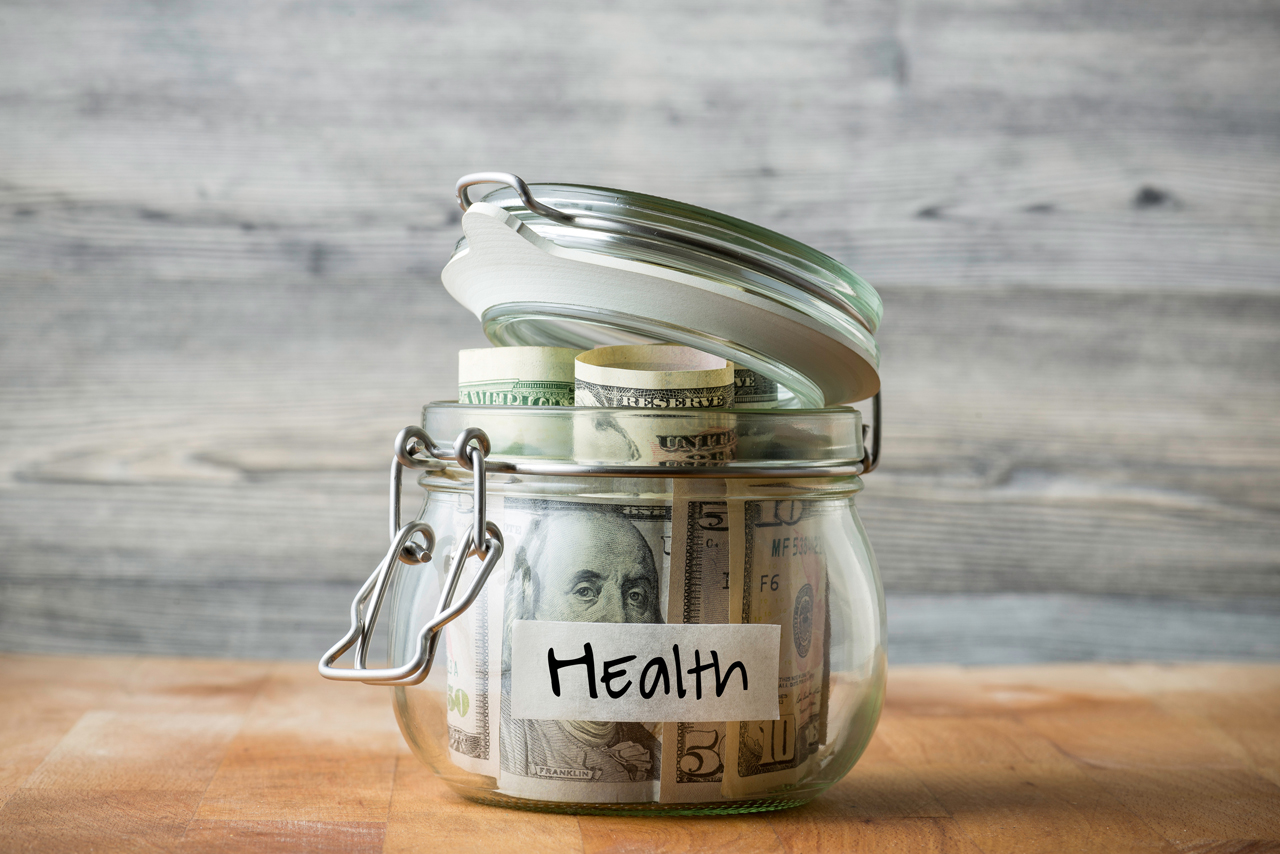
These health benefits of salt might surprise you

2018-02-28T14:21:00

(BPT) – World Salt Awareness Week is being celebrated this year from March 12 to 18 and is the perfect opportunity to recognize all the many benefits of salt. Salt, or sodium chloride, is essential for life. In fact, no mineral is more essential to human survival than sodium because it allows nerves to send and receive electrical impulses, helps your muscles stay strong and keeps your cells and brain functioning. However, sodium chloride (salt) is a nutrient that the body cannot produce, and therefore it must be consumed.

The other component of salt, chloride, is also essential to survival and good health. It preserves acid-base balance in the body, aids potassium absorption, improves the ability of the blood to move harmful carbon dioxide from tissues out to the lungs and most importantly, supplies the crucial stomach acids required to break down and digest the foods we eat.

Because the level of salt consumption is so stable, it is an ideal medium to fortify with other essential nutrients such as iodine. Iodized salt was first produced in the U.S. in 1924 and is now used by 75 percent of the world’s population to protect against intellectual disability due to Iodine Deficiency Disorders (IDD). Iodine is an essential element in healthy human life, enabling the function of thyroid glands to produce needed hormones for proper metabolism. When children in the womb don’t get enough iodine from their mother, fetal brain development may be impaired. Iodized salt remains one of the greatest public health success stories.

Salt is also essential in hospital IV saline, which is standard therapy and the fastest way to deliver fluids and medications throughout the body. This saline drip doesn’t just keep patients hydrated, it delivers a 0.9 percent solution of salt. Without this saline drip, patients can end up with low levels of sodium in the blood, resulting in a condition known as hyponatremia. This serious condition can lead to seizures, coma, permanent brain damage, respiratory arrest and death, and it is why the shortage of saline in hospitals is of such critical importance.

Salt is also a vital component of hydration. After exercise, it is critical to replace both water and salt lost through perspiration. That is why all athletes make sure they are consuming sufficient salt during and after a workout.

The average American eats about 3,400 mg per day of sodium, according to The National Health and Nutrition Examination Survey, and this may be on the low side of the safe range. A 2014 study, published in the New England Journal of Medicine, tested sodium consumption in more than 100,000 people in 18 countries. The study found that the healthy range for sodium consumption was between 3,000 and 5,000 mg per day.

Seniors can be especially susceptible to the dangers of low-salt diets. In 2013 a task force of 12 professional medical, nursing and nutritional organizations assembled by the Pioneer Network published the “New Dining Practice Standards.” Their report concluded that low-salt diets were contributing to malnutrition and weight loss among a significant percentage of seniors in assisted living facilities. Low-salt diets can also cause seniors to suffer from mild hyponatremia, an electrolyte imbalance in the blood that can lead directly to walking impairment, attention deficits and a much higher frequency of falls.

Salt is the flavor of life, and this year we should all recognize its many benefits while we celebrate World Salt Awareness Week. To learn more visit www.worldsaltawarenessweek.org.


Chef Jose Garces focuses on quality and versatility at this year’s sold-out South Beach Wine and Food Festival

2018-02-23T08:25:00

(BPT) – There are few foods that span a variety of diverse culinary styles more than fresh pork. Fresh pork is known by both leading chefs and home cooks as a flavorful, versatile solution for any night of the week.

Smithfield Fresh Pork is proud to partner with the National Pork Board and 20 award-winning chefs at this year’s South Beach Wine and Food Festival (SOBEWFF). These chefs will create high-quality pork dishes for attendees featuring Smithfield Prime Fresh Pork, an all-natural premium line of fresh pork. Each recipe will showcase the superior quality and versatility of the Smithfield Prime collection and inspire consumers to cook with only the best ingredients at home. Event-goers will have the opportunity to experience these recipes at the following NPB-sponsored events: Tacos After Dark on Thursday, February 22; Burger Bash on Friday, February 23; Spanish Dinner on Saturday, February 23; Swine, Wine & Spirits and Coca-Cola Beachside BBQ, both on Sunday, February 25.

Chef Jose Garces, one of Smithfield’s Chef Partners, will host two pork-centric events at SOBEWFF. Garces, a James Beard award winner and Iron Chef, prefers to cook with Smithfield Prime Fresh Pork due its high quality and flavor.

“As a chef, there is nothing more important to me than the quality of the ingredients I choose for my dishes,” said Garces. “That is why I love to work with Smithfield Prime Fresh Pork. They understand that quality leads to flavor and flavorful dishes create the best experiences and memories.”

The most discerning chefs, championship pitmasters and home cooks alike seek quality, flavorful fresh pork, and that is why they trust Smithfield Prime Fresh Pork. Smithfield Prime Fresh Pork is a line of premium, all-natural fresh pork that is certifiably 20 percent more tender than other leading brands of all-natural pork. The Smithfield Prime collection is hand-trimmed and sourced from America’s most trusted farms, using a specialty breed of Duroc hogs and some of the most stringent quality standards in the industry. Thus, Smithfield Prime Fresh Pork products naturally have exceptional color, increased marbling and enhanced flavor, creating an elevated eating experience.

You can catch Chef Garces in action at the Spanish Dinner event taking place Saturday, February 24; and at the Coca-Cola Beachside BBQ on Sunday, February 25. For those who want to take a page out of Chef Garces’ book and try their hand at cooking up one of his signature dishes, below is a recipe he crafted specially for Smithfield.

Grilled pork chops with cognac butter, mustard aioli and mushrooms

For the pork chops:

4 Smithfield(R) Prime Bone-In Pork Chops (1-inch thick)

1 cup extra virgin olive oil

1/4 cup finely chopped fresh thyme

1/4 cup finely chopped fresh rosemary

1/4 cup finely chopped garlic

Directions:

Mix oil, thyme, rosemary and garlic in large mixing bowl. Add pork chops and coat thoroughly. Cover and refrigerate at least 2 hours and up to 24 hours. Heat grill to medium using hickory wood charcoal. Remove chops from marinade and grill 7 to 9 minutes per side until internal temperature reaches 145 F to 160 F. Remove from heat and immediately brush with cognac butter. Let stand 3 minutes before serving.

For the cognac butter:

1 cup good-quality cognac

1/2 cup thinly sliced shallots

1 cup butter, room temperature

1/4 cup chopped fresh parsley

Directions:

Combine cognac and shallots in a small saucepan. Simmer until cognac is reduced by two-thirds. Strain and let cool. Mix together with butter and parsley; let stand at room temperature until ready to use.

For the mustard aioli:

3 eggs

1 cup Dijon mustard

1/4 cup lemon juice

1/2 cup whole grain mustard

3 cups vegetable oil

Directions:

Combine eggs, Dijon mustard and lemon juice in food processor or blender. Blend until smooth. Slowly drizzle in vegetable oil, while food processor is running, until emulsified. Remove from processor and fold in whole grain mustard. Season to taste.

For the mushrooms:

2 lbs. mixed fresh wild mushrooms (such as chanterelle, hen of the woods, porcini and morel)

1/4 cup extra virgin olive oil

1/4 cup finely chopped fresh thyme

1/4 cup finely chopped fresh rosemary

1 tablespoon lemon juice

Directions:

Toss together mushrooms and olive oil. Place in grill basket and grill until tender and cooked through, turning occasionally. Remove from heat and toss with remaining ingredients. Serve immediately.

This recipe yields four servings; total prep time is 25 minutes (plus two hours marinade time), and total cook time is expected at 35 minutes.

Visit SaborSmithfield.com for more of Chef Garces’ recipes and inspiration for your next meal and to learn more about Smithfield’s quality and freshness. And visit sobewff.org for more details on the South Beach Wine and Food Festival. For more information about National Pork Board, visit porkteinspira.com.


Have 5 minutes? Easy tips for finding moments of Zen

2018-03-08T08:01:00

(BPT) – From work to working out, kids’ activities to household tasks and so much more, modern life has never been busier. The problem is hectic schedules can lead to unnecessary stress.

If you’re one of the many people who feel frazzled on a regular basis, you’re probably longing for a vacation or a day at the spa. Fortunately, there are plenty of easy ways to cut stress that you can sneak into everyday life. From mealtime to bedtime, if you start embracing small moments to be more mindful, you’ll be surprised how fast you can cut down on overall stress.

Here are five simple examples of how you can find your own moments of Zen today:

1. Take a 5-minute walk.

Whether it’s getting fresh air or just getting yourself moving, a change of place and pace can reduce stress and give you a few moments to relax, especially during hectic times. For example, take a 5-minute break while dinner’s cooking to walk around the block. Weather not right for a walk? Give your body a quick stretch with an at-home yoga session.

2. Find quick-and-easy solutions.

If making dinner for your family seems like a daunting task, choose quick-and-easy options designed to take the hassle out of meal prep, like SeaPak’s Shrimp Scampi or Popcorn Shrimp. The frozen food aisle is a great place to begin your journey toward finding your happy place in the kitchen. Here, you can find a variety of products that taste great and require minimal prep work, so you can dedicate more time to doing the things you love, like spending quality time with your family.

3. Choose quality over quantity.

Make the most of your time each day by being intentional with your activities. Whether it’s playing a new board game with the kids after dinner or watching a TV show with your spouse, small quality moments can help you relax and enjoy yourself and your family when at home.

4. Take time to reflect.

When using great-tasting, low-hassle products like SeaPak to make dinner, you’ll be spending way less time in the kitchen. Take those extra moments to reflect on everything you accomplished during your day or week. This will help give you a sense of pride and is a real confidence-booster.

5. Break from technology.

Take a break from technology, even if it’s only for 5 minutes. Set down your phone, turn off the television and step away from all electronics. Just giving your mind a break from the active world of technology can reduce stress and help you mentally reset, especially during mealtimes, where being present is particularly important.

These are just five simple examples, but moments of Zen can be found anywhere if you take the time to look for them. Remember, the little moments are what make the biggest impact in life, and by embracing mindfulness, you’re setting the stage to be able to focus on what really matters.


Couple Inspires Others with Progressive Forms of Multiple Sclerosis (MS)

2018-03-14T11:31:01

(BPT) – More than 20 years ago, as Jennifer Digmann focused on completing her coursework and graduating from college, she began experiencing numbness in her hands and feet and eventually double vision.

After several visits to her primary care doctor, an ophthalmologist and finally a neurologist, she received the diagnosis: multiple sclerosis (MS).

Today, Jennifer lives with a progressive form of MS, a chronic disease that often strikes in the prime of life, has no cure and is the leading cause of non-traumatic disability in young adults. Progressive forms of MS are the most debilitating. Like others who are affected, Jennifer’s symptoms have continued to worsen over time and her level of disability has increased.

Approximately 400,000 people in the U.S. are living with MS, according to the Multiple Sclerosis Association of America. Up to 15 percent are diagnosed with a progressive form of the disease (called Primary Progressive MS), and the majority of those diagnosed with Relapsing MS will transition to a progressive form later in life, according to the National Multiple Sclerosis Society.

For Jennifer, handling her sadness and fear and accepting her diagnosis was almost as challenging as her symptoms. People living with progressive forms of MS tend to experience more difficulties with walking and remaining in the workforce, and they require more assistance with everyday activities, according to the National Multiple Sclerosis Society.

Progressive forms of MS remain frustratingly difficult to treat, primarily because doctors do not fully understand why the disease progresses. Also, many clinical trials for new medicines have been unsuccessful. More research is needed to better understand the underlying biology driving this condition, as well as to develop additional treatment options.

On March 28, 2018, the first ever Progressive MS Day was celebrated by several MS advocacy groups and state governments around the country. This annual day of awareness was created with the goal of recognizing people living with progressive forms of MS, offering support, highlighting resources, programs and services, and, most importantly, calling for further research to advance their care and reduce disability.

Jennifer and her husband, Dan, who himself lives with Relapsing MS, count themselves among the most enthusiastic supporters of Progressive MS Day. As a couple, the Digmanns have dedicated their lives to inspiring and helping others living with MS by sharing their own experiences and perspectives through their blog and radio show.

“My life is not perfect always, but it’s pretty darn good. This disease, my multiple sclerosis, doesn’t hold me back,” says Jennifer.

Seeing the challenges that Jennifer faces with her condition made Dan excited about Progressive MS Day. “Finally, there’s something for people with the progressive forms of MS. Now, hopefully, that opens the door for more awareness and resources, and that’s why a day like this is pivotal,” says Dan.


The best nutrition for your backyard chickens

2018-03-12T15:19:01

(BPT) – Raising backyard chickens has been a growing trend in the United States over the past several years. Consumers crave choice in their family’s diet, which often includes food they have grown or raised themselves. Raising a backyard flock helps consumers have more control over the eggs their family eats, but bringing home chicks for a backyard flock is just the beginning.

The happiest backyard chickens have the healthiest diets, and the best eggs come from hens eating the most nutritious feed. Today, we are increasingly focused on the impact food has on our family’s health. Hobbyists like to feed their flock the way they feed themselves: non-GMO, organic, soy-free, omega-free and all natural.

Having a say in what goes into the food their family eats is one of the main reasons people choose to raise backyard chickens. There are 2.9 million households in the U.S. raising chickens, and 62 percent of backyard hobbyists anticipate adding to their flock in the next three years. Raising chickens is a way to extend food supply, and hobbyists don’t plan to scale back.

Providing healthy food for your family begins with the source. Nutrena poultry feed makes it easy by using wholesome ingredients in its selection of affordable, homegrown, healthy poultry feeds. By providing your chickens with the highest-quality nutrition, you’re sure to have the freshest eggs for that Sunday morning family breakfast.

With companies like Whole Foods Market reporting 426 percent growth in non-GMO sales from 2010 to 2014, it’s evident that consumers want to know what they’re eating. That’s why Nutrena also offers a USDA-certified organic line of poultry feed that is non-GMO.

The Nutrena poultry feed portfolio includes three different feed lines for each type of poultry hobbyist. Whether you’re starting your chicks, supporting your layers or raising meat birds, Nutrena poultry feed offers the nutrition they need.

For more information about the full line of Nutrena feed, visit NutrenaWorld.com.


Your Rx for answers and savings: Ask a pharmacist

2018-03-07T16:01:00

(BPT) – There’s no denying that prescription drug coverage and medications can be complex territory.

Enter UnitedHealthcare Medicare & Retirement’s Chief Pharmacy Officer Mike Anderson, PharmD, who has spent his career navigating the ins and outs of the Rx world.

Below, Anderson answers some common questions people ask about drug coverage and prescriptions.

Q. What’s the difference between PDP and MA-PD plans?

A. Original Medicare doesn’t provide coverage for most prescription drugs, so for help paying for medications, you have two options: a standalone Part D prescription drug plan (PDP) in addition to Original Medicare or Original Medicare and a Medicare supplement plan; or a Medicare Advantage plan with prescription drug coverage (MAPD). Medicare Advantage plans can include additional benefits like dental, vision and hearing coverage, and combine your coverage into a single plan. Both plans are offered by private insurance companies contracted by Medicare.

Q. How do I know if my prescriptions are covered by my Medicare plan?

A. Whether you get coverage through Medicare Advantage or a standalone Part D plan, each has a formulary, a list of prescription drugs covered. You’ll want to look closely to make sure your medications are covered. Health insurers post plan formularies online, or you can call your plan to request a printed version. Keep in mind that plans can change from year to year, so don’t assume that prescription drugs covered this year will always carry over.

Q. How can I save money while remaining on my medications?

A. There are many ways to do that:

Home-delivery pharmacy benefits can save money and a trip to the pharmacy. Some mail-order pharmacies offer the convenience of ordering a three-month supply of drugs delivered to your home for less than purchasing at a retail location.

If you prefer to visit a pharmacy, check if your plan offers programs or preferred pharmacy networks to help you save on prescriptions.

Switching to generic drugs or drugs on a lower tier of the formulary is another step that could save money. If you are taking brand-name medications now, discuss generic alternatives with your doctor.

Q. Can I split my pills in half?

A. Talk to your doctor about whether pill-splitting for your medication is medically advised. Also, consult your pharmacist on whether the actual pill form presents risks. Some pills are dangerous when split, because splitting affects how quickly the drug is released into your body. Other pills become ineffective when split, because the pill contains a coating to protect it from stomach acid, and splitting the pill breaks that coating.

Q. I take a lot of pills daily. One I take three times a day. Some I just take once. I get busy and forget to take my pills. Can I just take them all in the morning?

A. It’s important to take your medicine as your doctor prescribed it. Some medications need to be taken at specific times to be effective. Plus, taking all your medications at one time can be dangerous as you run the risk of potential adverse interactions, side effects and even overdosing.

Q. I drink smoothies with supplements and take vitamins. Can these have a bad interaction with my prescriptions?

A. That’s a great question. If an iron supplement was added to the smoothie, for example, that could reduce the effectiveness of thyroid medication and medication for reflux disease. Talk to your pharmacist and doctor about vitamins and supplements to learn if they could cause a reaction or make your medications less effective.

Q. I just got my medication refilled. It used to be a different color and shape. Why does it look different?

A. More than likely, the pharmacy you use bought their supply from a different manufacturer. Drug companies that make the same medication must keep the chemical formula the same but may change the shape or color. As long as you verify it’s the same medication and dose, it should work just like before. If you have concerns, talk with your pharmacist.

For more information to help you navigate prescription drug coverage, visit MedicareMadeClear.com.


Save time in your morning with these kitchen hacks

2018-03-12T07:01:00

(BPT) – It happens: You hit the snooze button once, twice, then three times, so when you’re finally showered, dressed and ready to tackle the day, you’re already behind schedule. Oftentimes that causes you to skip breakfast completely.

Turns out, your breakfast habit is one time-saving step that should not be skipped. First off, eating a nutritious, high-protein, balanced breakfast every morning is a proven way to kick-start your brain, improving concentration and performance. Plus breakfast is linked to better weight control, as it provides your body energy and may reduce hunger later in the day.

Change up how you approach your morning meal and test some of these chef-inspired time-saving tricks and shortcuts in the kitchen.

Put away the knife and grater: Grocery stores are waking up to the fact that customers love preparing delicious foods at home, but they don’t love the time it takes to chop and peel. Let the grocery store take on the “sous chef” role, and explore your produce section for inspiration. Pick up a container of sliced fruit and peeled eggs, and you’ll have a grab-and-go breakfast. When you have extra time, pre-chopped veggies and grated cheeses will complete your omelet station in no time.

Pull out your slow cooker: The slow cooker is a must-have tool for anyone wanting to save time in the morning. Just pop in some oats, measure the water and add a cinnamon stick, and you’ll wake up to the sweetly scented aroma of a hot, comforting breakfast. Otherwise, hop online and discover other surprisingly easy overnight breakfast ideas, including egg casseroles and quick breads.

Find ways to consolidate: One of the frustrations of cooking is how recipes sometimes layer in multiple steps that leave you with a sink full of dirty pans and utensils to scrub. Minimize the mess and look for one-pot recipe options. Do all the sauteing and simmering in one Dutch oven or stockpot, setting aside the cooked ingredients as needed.

Keep it real: A photo-worthy homemade breakfast is always a treat, but all you need are a handful of simple ingredients to create an inspired breakfast, with minimal prep and cooking time. For example, apples, quinoa and a few warm spices are all you need to make an unexpected but protein- and fiber-packed breakfast entree. Even better, opting for a boil-in-bag option like Success Tri-Color Quinoa gives you amazing cooked quinoa that’s ready for the apple topping in just 10 minutes. Not to mention, Success Quinoa is gluten-free and 100 percent whole grain.

Apple Cinnamon Breakfast Quinoa

Serves 2

Ingredients:

1 bag Success Tri-Color Quinoa

1 cup apple juice

2 tablespoons unsalted butter

1 tablespoon brown sugar

1 large apple, cored and sliced

1 tablespoon maple syrup

1/4 cup dried cranberries

1 tsp ground cinnamon

1/4 cup walnuts, optional

1 cup vanilla yogurt, optional

Directions:

Prepare quinoa according to package directions, adding apple juice to water.

Melt butter in a medium skillet over medium-low heat. Add brown sugar, apple, maple syrup, dried cranberries and cinnamon. Cook, stirring occasionally, until apples are just tender, about 5 minutes. Stir in nuts, if desired. Serve quinoa topped with apple mixture and yogurt, if desired.


Mindful eating: 5 ways millennials are driving healthier diets

2018-03-16T12:01:01

(BPT) – As millennials become more conscious of how their diets affect their daily well-being, they’re driving demand across all generations for greater transparency in the food supply chain. They want to know how their foods were raised, sourced, processed and prepared.

“Sometimes, food is more than food,” report authors of a Nielsen study, indicating 75 percent of adults worldwide think they “are what they eat” and nearly 80 percent use foods to forestall health and medical issues.

Cargill recently conducted a Feed4Thought survey related to how these millennial-driven trends are shaping values related to food — and buying behaviors — for people of all ages.

1. Buying food based on how animals were raised

With ample space to graze, these grass-fed cattle yield healthier, more ethically raised meat.

Consumers report being three times more likely to purchase protein if they know it was raised with natural health supplements. And 58 percent of U.S. consumers are more concerned about food animal welfare now than they were just a few years ago, according to a recent report by researcher Packaged Facts.

2. More emphasis on gut health

Many prioritize eating foods rich in “good bacteria.”

Nutritionists are increasingly learning about the role of the stomach and its microorganisms in maintaining our health. The foods we digest reportedly have a profound effect on our balance of “good and bad bacteria,” the soundness of our immune systems and our brain’s release of feel-good chemical serotonin, according to the NCBI. And supplements can be effective as well. In the Cargill survey, 80 percent of respondents report adjusting or supplementing their diets to achieve better gut health.

3. A desire for animals to use the same health supplements humans do

Farmers discuss the health of their livestock.

Millennials want to know the origins of their food, and that includes understanding what their meat sources have been fed. A December survey found 62 percent of millennials prefer their animal proteins to have been raised with the same supplements ingested by humans — like probiotics, plant extracts and essential oils. “People want natural, wholesome and sustainable ingredients,” notes Chuck Warta, president of Cargill Premix and Nutrition. “We’ve seen a rise in the popularity of digestive health supplements for humans, echoed in the demand for protein raised with natural supplements.”

4. Bigger emphasis on protein

Consumers are eager to learn about a variety of protein sources.

Eighty-seven percent of U.S. millennials (and 99 percent of those who are college grads) consider protein important to their diets, says one study. And worldwide, a Nielsen report found 34 percent of millennials rate high amounts of protein a very important element in their decisions of which foods to buy. Nutritionists are finding new ways to meet the increased demand for proteins to address the growing world population and their desire for protein-rich diets.

While millennials have been the forerunners in driving new and healthier dietary trends in recent years, their initiatives have spread across all generations to improve awareness and make us all more conscious of exactly what we’re eating.

“It’s important for the animal agriculture community to remain in touch with food trends so we can continue to provide the choices consumers demand,” concludes Hannah Thompson-Weeman of the Animal Agriculture Alliance.

Cargill, a longtime leader in producing sustainable and wholesome foods, recently acquired two companies that specialize in natural, research-proven animal feed products. Read more about the company’s “Feed4Thought” survey at Cargill.com.


Living a Rare Life: Could Your Family History Unlock the Mystery of a Rare, Life-Threatening Condition?

2018-03-13T16:07:01

(BPT) – Imagine your family carried the gene for a rare, life-threatening condition, but didn’t know it?

For generations, members of Angel’s family experienced fatigue, nerve pain, numbness in limbs, dizziness, shortness of breath and chest pain, but were unable to determine the cause. The answer was hereditary ATTR (hATTR) amyloidosis, a progressive, debilitating, life-threatening condition that typically runs in families.

“Early on, my family used to call hATTR amyloidosis ‘the curse’ because no one knew what it was and those who had it experienced a wide variety of symptoms and misdiagnoses,” Angel said. She witnessed firsthand how the condition, which affects approximately 50,000 people worldwide, can devastate a person’s quality of life.

“I watched my grandfather go from building houses and doing construction to being wheelchair bound and bedridden.”

Angel’s family’s experience was recently chronicled in “Living a Rare Life,” a new downloadable booklet sharing their personal account about how they’ve been living with this condition across generations. Like many rare conditions, hATTR amyloidosis varies from individual to individual and is often misdiagnosed because its wide array of symptoms, like shortness of breath, numbness of fingers and toes, constipation/diarrhea and headaches, resemble other, more common conditions.

While the degree and severity of symptoms vary from person to person, hATTR amyloidosis can lead to significant disability and a shortened life expectancy. Obtaining an early and accurate diagnosis is critical.

While Angel tested negative for the condition, she has taken an active role serving as an advocate and caregiver for her family. “The first step to managing a hereditary condition is knowing your family health history and identifying gaps in knowledge about genetic disorders,” said Angel. “Today my mom and many of her siblings are battling hATTR amyloidosis, but now we know how to recognize the symptoms and better manage them.”

Here are a few of Angel’s tips to begin conversations with your loved ones about your health history:

  1. Initiate a Dialogue. Having open and honest conversations about family health history may play a role in identifying symptoms sooner, reaching an accurate diagnosis sooner and allowing your loved ones to take control of their health.
  2. Speak to a Genetic Counselor. Genetic counseling can help your family members understand their chances of inheriting a rare disease gene mutation and become familiar with the testing process. A counselor can help your family to understand potential issues related to genetic testing, like insurance, determine if genetic testing is appropriate and help make sense of results once they are obtained.
  3. Become an Advocate. As an advocate, you can be your family’s most valuable resource for learning about a genetic condition. For some family members, it may be helpful for them to know that they have support throughout the journey of the condition. Building a support system can help the entire family continue to make educated decisions.

If you, or someone in your family, experience symptoms consistent with those of hATTR amyloidosis, talk to your doctor and visit hATTRBridge.com for information and resources like the “Living a Rare Life” booklet.

* Angel is partnering with Alnylam Pharmaceuticals to increase awareness of hATTR amyloidosis.