6 skills of happiness help teens live a more positive life

2018-03-20T14:45:01

(BPT) – How would you describe happiness? You may have trouble putting it into words, but you know you want it for yourself and your loved ones. One thing that’s harder than describing it for many people is knowing how to achieve it.

Researchers studying social emotional well-being define happiness as a balance: the combination of how frequent and robust your positive emotional experiences are, how gracefully you recover from difficult experiences, and how meaningful and worthwhile you feel your life is overall.

“Happiness is the ability to consistently recognize that life is good, even if it’s difficult,” says Dr. Emiliana Simon-Thomas, Ph.D., science director of the Greater Good Science Center at the University of California Berkeley. “It’s being able to identify and enjoy the positive times but also have resiliency to bounce back from the hard times.”

This is particularly important for youth. Research shows two out of three American teens are stressed and many don’t know how to cope. When school is in session, teens are the most stressed group in the country. The inability to reduce and cope with stress and anxiety can negatively impact different facets of a teen’s life including their health, friendships, relationships with parents and academic performance.

To help further the idea that happiness skills must be learned, Simon-Thomas identified six Sustainable Happiness Skills which provide the foundation for a new initiative called Life’s Good: Experience Happiness, which helps bring scientific, evidence-based tools and sustainable happiness skills directly to young people across America. Backed by 70 years of scientific research showing that happy people are healthier, live longer, earn more and do better in school and life, the platform aims to reach, teach and increase sustainable happiness.

Happiness is associated with several positive health effects, according to the Journal of Happiness Studies, including less insulin resistance, better sleep, higher HDL cholesterol levels and less reactivity to stress. Additionally, teens who identify as happy are more creative, helpful and sociable.

Research has also shown that happy kids do better in school. Happy learners remember information better and happiness is positively associated with GPA. The research also shows that schools that teach happiness skills outperform schools that don’t, and typically experience dramatic drops in bullying, absenteeism and discipline issues. They also see impressive gains in student engagement, optimism, test scores and executive functioning skills that are key to future success.

When practiced, the six sustainable happiness skills can sustain a person’s ability to recognize that life’s good, even if it’s hard sometimes, according to the research from Simon-Thomas. These are the foundation of Life’s Good: Experience Happiness, the new corporate social responsibility initiative led by LG Electronics USA.

Mindfulness: Being aware of your thoughts and feelings in the present moment, without judging those thoughts or feelings as admirable, shameful or anything in between.

Human connection: Building and sustaining relationships with significant others, friendships and social engagement with peers, which is the most reliable, enduring predictor of happiness in life.

Positive outlook: Harnessing the ability to imagine a fruitful outcome and maintain a readiness to pursue and experience the opportunity in any circumstance.

Purpose: Understanding your ability to make a difference in the world, at work, school or for a team leads to a refined sense of purpose and increases your sense of happiness.

Generosity: Helping and giving to others can increase one’s own happiness. According to a study overseen by Harvard University, people who donated time or money were 42 percent more likely to be happy when compared to those who didn’t.

Gratitude: The simple act of appreciating and thanking others for the goodness they contribute to your life helps foster happiness.

To learn more about these six skills, find tools you can use to teach happiness skills to your children and start your own journey to sustainable happiness, visit www.LGExperienceHappiness.com. A primary focus of the Life’s Good: Experience Happiness platform is driving positive change in lives across America with the goal of equipping 5.5 million youth with happiness skills over five years.


Ease the pressure of managing your glaucoma

2018-03-28T12:01:00

(BPT) – Did you know that according to the Glaucoma Research Foundation (GRF), nearly 3 million people in the U.S. have glaucoma, and about half of them don’t even realize they have it? Glaucoma is often called the “silent thief of sight” because it is asymptomatic and painless, and can go undetected until it is at an advanced stage. However, those who are aware of their glaucoma may feel the pressure of managing their condition.

The National Eye Institute (NEI) characterizes glaucoma as damage to the eye’s optic nerve that can result in vision loss. This can occur when fluid build-up increases the intraocular eye pressure (IOP) to a point that can no longer be tolerated by the optic nerve, causing irreversible damage. As the disease progresses, Kellogg Eye Center reports patients may lose their peripheral vision, and experience tunnel vision, blind spots or even complete blindness.

The burden of managing the condition may be frustrating, seemingly unnecessary and cumbersome. Because glaucoma is a chronic condition, it has to be managed for life. However, the nerve damage caused by increased IOP could have no symptoms, which makes adhering to a treatment schedule a struggle for many. The GRF reports that research has shown approximately 40 percent of patients do not take their glaucoma medications as prescribed, or do not continue to refill them.

“The daily adherence to strict treatment regimens is overwhelming for many patients suffering from increased intraocular pressure associated with glaucoma,” said Dr. Brian Flowers* of Ophthalmology Associates in Fort Worth, Texas. “Patients should work closely with their eye care provider to determine a schedule that works for them, or to discuss surgical options that may help reduce dependence on daily drops.”

Alcon, the global leader in eye care, offers the following tips that may help relieve the pressure of daily treatment regimens for their IOP.

  1. Visit your doctor for a regular eye screening. Since the condition can silently progress, only experts can appropriately diagnose and treat this “silent thief of sight,” while providing guidance on treatment that may work best for you.
  2. Follow a schedule that works best for you. Be sure to take your medication exactly as directed, by setting reminders or timers, according to the GRF. Consult your doctor on the best way to manage your medication schedule, on your terms.
  3. Consider one of the microinvasive glaucoma surgical (MIGS) options that may reduce your need for glaucoma medications. For those with increased IOP associated with mild-to-moderate primary open angle glaucoma and undergoing cataract surgery, the CyPass® Micro-Stent from Alcon is an innovative option that not only can ease the pressure in your eyes, but may also help reduce daily dependence on topical glaucoma medications. Talk to your doctor to see if this option is right for you.

“The first step to easing the pressure caused by glaucoma is becoming informed, and knowing to visit your doctor regularly so that you can be diagnosed as early as possible,” said Dr. Randy Craven* of Johns Hopkins Medicine in Baltimore, Maryland. “After being diagnosed, work with your doctor to consider your options so you can continue to live your life fully despite the condition.”

Considering your personal lifestyle when deciding your course of treatment is key to easing the pressure due to glaucoma, and will help you and your doctor decide the best path forward, and whether a MIGS option, such as CyPass® Micro-Stent, could be right for you.

Visit MyCyPass.com for more information about how you can lower your eye pressure at the same time as cataract surgery and to find a CyPass® Micro-Stent surgeon in your local area.

CyPass® Micro-Stent Important Product Information

INDICATION: The CyPass® Micro-Stent is used to reduce intraocular pressure (IOP) in adult patients with mild to moderate primary open-angle glaucoma (POAG) who are undergoing cataract surgery.

CONTRAINDICATIONS: The CyPass® Micro-Stent should not be used if:

  • You have a type of glaucoma other than primary open-angle glaucoma
  • Your eye anatomy or condition is unusual; for instance, if the area in your eye is too narrow to implant the CyPass® Micro-Stent, or if there is a condition that may prevent your eye surgeon from seeing where the CyPass® Micro-Stent will be implanted

PRECAUTIONS: Your eye surgeon will monitor you after surgery to make sure your eye pressure is controlled. If it is not, your eye surgeon may recommend appropriate medication or other treatment to control your eye pressure. The safety and effectiveness of use of more than a single CyPass® Micro-Stent has not been established. The CyPass® Micro-Stent has not been shown to be an alternative to treatment of glaucoma with medicine.

ADVERSE EVENTS: The CyPass® Micro-Stent was studied in a clinical trial to compare the performance of cataract surgery with the CyPass® Micro-Stent to cataract surgery alone (without the CyPass® Micro-Stent). In this study, the most common adverse events in both groups included: significant loss of corrected vision (8.8% for the CyPass® Micro-Stent vs 15.3% for cataract surgery only); visual field disturbances requiring steroid eye drops 30 or more days after surgery (8.6% vs 3.8%); significant worsening of visual field (6.7% vs 9.9%); significant increases in intraocular pressure 30 or more days after surgery (4.3% vs 2.3%); and eye swelling either 30 or more days after surgery, or severe in nature (3.5% vs 1.5%).

The CyPass® Micro-Stent is a prescription medical device.

Talk to your eye doctor to see if the CyPass® Micro-Stent is right for you.

*This release was provided by Alcon and Drs. Craven and Flowers are paid consultants.


Embarking on a new adventure: Life with a rare lung disease

2018-03-28T13:00:00

(BPT) – Carolyn Rios and her husband Rick have adventured far and wide together. From their post-college move to the Alaskan wilderness to 20 years of humanitarian work in Russia, this couple of more than 50 years has shared experiences that have far exceeded their imaginations.

Decades of adventure together — including a forced landing in their bush plane when its engine failed over a mountain range — have helped Carolyn and Rick learn to face and effectively manage unexpected challenges. But even as the two have come to expect the unexpected, nothing could have prepared the couple for Carolyn’s diagnosis at age 69 with the rare lung disease idiopathic pulmonary fibrosis, or IPF, in 2015.

“All of my emergency training could not equip me for the day Carolyn was diagnosed,” said Rick. “My initial thought was, ‘What do I do now? Where’s the emergency plan? How do we land this plane?’”

IPF causes permanent scarring of the lungs. It affects up to 132,000 Americans and yields about 50,000 new cases every year. A proper diagnosis for IPF patients often takes years because its symptoms, including breathlessness and a dry persistent cough, are similar to — and easily confused with — other more common and recognizable lung diseases, such as chronic obstructive pulmonary disorder (COPD) or asthma.

After Carolyn’s diagnosis, she experienced a period of deep concern for taking the next best steps — spiritually, emotionally and medically. Praying brought her comfort and clarity. Sharing the news with their two sons, family members and close friends brought support and companionship. The medical information seemed so bleak, yet her energy to pursue the next best steps remained. Thankfully, she and Rick were able to identify a pulmonologist who educated the two on Ofev® (nintedanib), a treatment option that could help slow the progression of the disease.

Armed with information about IPF and potential treatment options, Carolyn and Rick started thinking about IPF as their next adventure and charted their course. Carolyn began taking Ofev®, and Rick became her helper, assisting her to map out her daily regimen, track her medications and doctor appointments and follow a precise exercise and nutrition plan.

Today, Carolyn’s regular checkups have indicated only a slight drop in lung function. She experiences queasiness due to the medication but works with her doctors — her “adventure guides” — to manage this by eating certain foods prior to taking the medication.

“Life leads us on many adventures. Some adventures we plan, others are unexpected, and others challenge us more than we expect! But regardless, every adventure teaches us something if we’re willing to learn,” said Carolyn. “Experiencing IPF is another one of life’s adventures for me and accepting the challenges that come with it brings me to a deeper understanding of the true essence of my life. Each day still has opportunities to love well — with or without IPF.”

Carolyn and Rick are still able to travel together and most recently planned five trips for their 50th wedding anniversary — one trip to celebrate each decade of their adventure-packed marriage. And while their new “adventure” with IPF is ongoing, they are determined to focus instead on their time together and with their sons and grandchildren.

To learn more about Ofev® visit www.Ofev.com.

What is OFEV?

OFEV is a prescription medicine used to treat people with a lung disease called idiopathic pulmonary fibrosis (IPF). It is not known if OFEV is safe and effective in children.

Important Safety Information

What is the most important information I should know about OFEV (nintedanib)?

OFEV can cause harm, birth defects or death to an unborn baby. Women should not become pregnant while taking OFEV. Women who are able to become pregnant should have a pregnancy test before starting treatment and should use birth control during and for at least 3 months after your last dose. If you become pregnant while taking OFEV, tell your doctor right away.

What should I tell my doctor before using OFEV?

Before you take OFEV, tell your doctor if you have:

  • liver problems
  • heart problems
  • a history of blood clots
  • a bleeding problem or a family history of a bleeding problem
  • had recent surgery in your stomach (abdominal) area
  • any other medical conditions.

Tell your doctor if you:

  • are pregnant or plan to become pregnant.
  • are breastfeeding or plan to breastfeed. It is not known if OFEV passes into your breast milk. You should not breastfeed while taking OFEV.
  • are a smoker. You should stop smoking prior to taking OFEV and avoid smoking during treatment.

Tell your doctor about all the medicines you take, including prescription and over-the-counter medicines, vitamins, herbal supplements such as St. John’s wort.

What are the possible side effects of OFEV?

OFEV may cause serious side effects.

TELL YOUR DOCTOR RIGHT AWAY if you are experiencing any side effects, including:

  • Liver problems. Unexplained symptoms may include yellowing of your skin or the white part of your eyes (jaundice), dark or brown (tea colored) urine, pain on the upper right side of your stomach area (abdomen), bleeding or bruising more easily than normal, feeling tired, or loss of appetite. Your doctor will do blood tests regularly to check how well your liver is working during your treatment with OFEV.
  • Diarrhea, nausea, and vomiting. Your doctor may recommend that you drink fluids or take medicine to treat these side effects. Tell your doctor if you have these symptoms, if they do not go away, or get worse and if you are taking over-the-counter laxatives, stool softeners, and other medicines or dietary supplements.
  • Heart attack. Symptoms of a heart problem may include chest pain or pressure, pain in your arms, back, neck or jaw, or shortness of breath.
  • Stroke. Symptoms of a stroke may include numbness or weakness on 1 side of your body, trouble talking, headache, or dizziness.
  • Bleeding problems. OFEV may increase your chances of having bleeding problems. Tell your doctor if you have unusual bleeding, bruising, or wounds that do not heal and/or if you are taking a blood thinner, including prescription blood thinners and over-the-counter aspirin.
  • Tear in your stomach or intestinal wall (perforation). OFEV may increase your chances of having a tear in your stomach or intestinal wall. Tell your doctor if you have pain or swelling in your stomach area.

The most common side effects of OFEV are diarrhea, nausea, stomach pain, vomiting, liver problems, decreased appetite, headache, weight loss, and high blood pressure.

These are not all the possible side effects of OFEV. For more information, ask your doctor or pharmacist. You are encouraged to report negative side effects of prescription drugs to the FDA. Visit https://www.fda.gov/Safety/MedWatch/default.htm or call 1-800-FDA-1088.

For full Prescribing Information, including Patient Information, visit OFEV.com or contact Boehringer Ingelheim Pharmaceuticals at 1-800-542-6257


Hard water proves hard on your wallet

2018-04-11T07:01:01

(BPT) – Hard water, which contains high levels of calcium and magnesium, can be found in nearly 90 percent of American homes. These minerals cause scaling, a buildup that clogs waterlines and plumbing forcing appliances to work harder and operate less efficiently. The scale may also harbor bacteria. The only way to truly remove the hard and soft scale from household water systems is with salt-based water softeners.

The environmental and cost benefits of salt-based water softening are significant. Hard water scaling can cause your showerhead to lose up to 75 percent of its flow rate in just 18 months. Hard water also interacts negatively with soap, reducing its cleaning power. Soft water is up to 12 times more effective at cleaning dishes than increasing the amount of detergent used.

According to the Water Quality Research Foundation for washing machines, the most important factor in removing stains from clothing was water softness. Reduction of water hardness was up to 100 times more effective at stain removal than increasing the detergent dose or washing with hotter water. In fact, soft water can reduce soap use by as much as half. Hard water can also reduce the efficiency of water heaters and increase electricity costs by as much as 48 percent, according to the Battelle Memorial Institute.

Hard water scaling doesn’t just harm your appliances and wallet, it can harm your health as well. The piping used in home plumbing, whether it is copper or PVC, has very smooth interior surfaces that don’t permit bacteria to settle and grow. However, hard water results in scale formation on the interior surfaces of those pipes and that provides a perfect home for bacteria.

Researchers at the School of Sustainable Engineering at Arizona State University found bacteria may grow in pipes filled with both hard scale and soft scale at the same rate. This is important new information because some forms of water conditioning produce this soft scale. The only solution is to remove both hard and soft scale in the pipes with a salt-based water softener.

Hard water you use to wash your fresh fruits and vegetables may actually contain more bacteria, and the problem isn’t only in the kitchen. When you take a hot shower the steam you are inhaling can also contain the same microbial contamination that is in the rest of your plumbing, exposing you to bacteria such as Legionella, which can cause Legionnaire’s disease.

A salt-based water softener is the most functional and cost-effective means of removing hardness minerals. It is a time-tested, highly reliable tool to improve health and to lower maintenance costs for home appliances like dishwashers and washing machine. It also reduces the need for detergents and high-water temperatures, leading to a smaller household carbon footprint.


Creative approaches to combat common menopausal symptoms

2018-04-03T09:01:00

(BPT) – Many women and their doctors are still confused about the safety of estrogen. When introduced, estrogen was believed to be good for you. But, following the Women’s Health Initiative study 15 years ago, women were told that hormone therapy could, in fact, lead to an increased risk of cancer, blood clots and heart disease. Nothing could be further from the truth, according to Dr. Mache Seibel, author of The Estrogen Fix.

Today, women are learning that use of hormone therapy (HT) can minimize risks and maximize menopausal relief for common symptoms like hot flashes, dryness, mood swings, fractured sleep, brain fog, irritability and weight gain. When taken at the right time, estrogen therapy can lead to substantial improvements in health and quality of life and lower the risk of breast cancer, heart disease, and dementia. Women should be aware of one caveat: beginning estrogen after a woman’s estrogen window closes at age 65 may increase their risk for breast cancer, heart disease, Alzheimer’s and osteoporosis.

Heeding advice about how and when to stop taking HT is important and revealed in new studies featured in Dr. Seibel’s The Estrogen Fix. The book reaffirms the safety of vaginal estrogen for the heart and brain, as well as its effectiveness in controlling weight; additionally, the book outlines newly available estrogens and progesterones, discusses misconceptions about compounded hormones and estrogen pellets and offers the latest hormone-free FDA solutions for women with vaginal dryness.

The following are 5 creative approaches to combat menopausal symptoms:

1. Hot flashes: Women experiencing hot flashes and night sweats can find relief using an FDA-approved estrogen hormone therapy called Divigel, a cool, clear gel that is applied to the upper thigh daily. It contains the plant-based estrogen hormone estradiol, the same hormone made naturally by a woman’s ovaries before menopause and delivers estrogen identical to that naturally produced in the body.

2. Irritability/sleeplessness: Quality sleep is often a challenge during menopause and can contribute to high blood pressure, diabetes, heart disease and obesity. A natural supplement with melatonin like Vitafusion Beauty Sleep promotes a good night’s sleep without prescription medication. Sex and/or self-pleasure are natural ways to decrease stress and can help with the onset and quality of sleep. The oxytocin released with hugging, stimulation and orgasm can increase feelings of calm and safety, causing cortisol levels to drop, thus optimizing sleep. Orgasm releases prolactin, helping you fall asleep faster and more efficiently.

3. Painful sex: Internal vaginal dryness can be relieved for three days with hormone-free Replens Vaginal Moisturizer. Alternatively, prescription remedies like vaginal estrogen or DHEA can be used. Don’t forget to incorporate a personal silicone lubricant like Replens Silky Smooth just before sex to ease penetration, increase comfort and reduce abrasion.

4. Weight gain? Eat to defeat menopause: Food is the fuel for every cell in your body, so avoid packaged and processed foods and limit sugary drinks and desserts to ensure you’re optimizing energy. Stick to unprocessed whole foods as there are no hidden ingredients or calories. Your body will also appreciate fresh and/or organic produce and hormone-free meat or grass-fed beef as often as possible. Eat to Defeat Menopause: The Essential Nutrition Guide for a Healthy Midlife offers practical advice and information on how to choose and prepare meals to optimize health during menopause.

5. Hair lacking luster, less-than-glowing skin and brittle nails: Loss of estrogen leaves many women dealing with thinning hair, increased dry skin and brittle or breaking nails. Introducing biotin into your diet with a raspberry-flavored gummy like Vitafusion Gorgeous Hair, Skin & Nails can ensure you’re consuming sufficient biotin and other helpful nutrients including vitamins C and E.

Every woman has safe, new options, from prescription HT to those available over-the-counter, to suit her unique needs. Schedule a chat with your health provider to discuss the right hormone therapy or alternative option for your personal menopausal challenge.


5 deep-cleaning jobs that are oddly satisfying

2018-04-05T08:01:00

(BPT) – Whether it’s scrubbing through grime to reveal a sparkling surface, cleaning dust bunnies from under appliances or organizing your pantry, there’s something oddly satisfying about a deep clean.

According to a recent survey conducted on behalf of Clorox, lots of people get the good vibes flowing when it’s cleaning day. Seventy-one percent say it makes them feel relaxed, while 57 percent say they feel accomplished.

Of the most oddly satisfying places to clean in the house, 34 percent say they find their bliss after cleaning the countertops, while a clean microwave lends that special feeling to another 30 percent.

To reach that spring cleaning joy, try some of these not-so-obvious cleaning jobs that will transform the look and feel of your space into a springtime sanctuary.

Grout: Over time, mold and mildew buildup can make your bathroom grout look dingy, but with the right approach, the grout stains will disappear. Start by wetting the tile with a cloth. Then, dip a sponge into a gallon bucket of water with 3/4 cup of bleach and wipe down the tile. Wait five minutes for disinfecting, rinse and viola! Your tiles will shine, offset by the clean lines of white grout.

Microwave: We don’t like to think about it, but a lot of hard-to-remove food residue accumulates in our microwaves and we rarely spend the time to give it a thorough clean. Microwave a cup of water and in five minutes the steam will help loosen the stains. A Clorox Disinfecting Wipe will take care of those extra stubborn messes.

Dust: In addition to moving aside the beds, appliances and other heavy pieces of furniture to get those dust bunnies, make sure you’re tackling the not-so-obvious places. Use the vacuum’s brush attachment to clear your HVAC register vents and don’t forget to dust the tops of fan blades!

Windows: Those panes have taken quite a beating over the months. It’s time to get a soft sponge and a bucket of warm, soapy water to defeat the smudges and layers of dirt, and then wipe them clean with a squeegee. You’ll love how sparkling clean glass transforms the room.

Outdoor surfaces: Right outside your back door is a golden opportunity for a deep clean. Rent or borrow a pressure washer, and once it’s set up, you can enjoy watching the blast of water and degreaser effortlessly turn your concrete walkways and driveway into bright clean surfaces — like a magic wand. To easily remove the mold and mildew off your deck and patio furniture, add 3/4 cup of bleach to a gallon of water and swipe away the stains from seasons past.

Try these tips and enjoy basking in the satisfaction of a deep-cleaned house. To find the tools you need for the job, visit Clorox.com/satisfyingspringclean/.


Use these sleep tips to stay safe and productive at work

2018-04-02T12:45:00

(BPT) – It’s time for America’s workforce to wake up. If you are one of the tens of millions of adults sleeping fewer than seven hours each night — the amount recommended by the American Academy of Sleep Medicine (AASM) — you are likely jeopardizing performance, increasing accident risks and putting everyone in danger during commutes. Getting enough sleep every night is key to improving productivity, safety and quality of life.

Here are some tips to make sleep work for you.

Don’t burn the midnight oil

Working late nights might impress your boss, but restricting your sleep can lead to trouble making decisions, solving problems, controlling emotions and more, severely affecting your productivity at work. The National Safety Council reports that workers who sleep fewer than six hours per night cost employers six days a year in productivity.

Sleep for safety

Workers who sleep less than six hours per night are also at higher risk for injury, according to the Sleep Research Society. Cognitive and motor performance impairments caused by sleep deprivation can be comparable to drinking alcohol. If you make it a daily priority to recognize the signs of fatigue before, during and after work, and refuse to drive drowsy, you can reduce the risk of serious injury for yourself and others. This may be especially true if you work a job that involves manual labor or heavy machinery.

Strategies for non-traditional work hours

Some of the more high-risk professions involve working irregular hours. Shift workers — who can be nurses, law enforcement officers, emergency responders, transportation operators and more — work overnight or early morning hours with irregular or rotating shifts, causing upheaval in the body’s circadian rhythm and natural sleep/wake cycle. According to the AASM, shift workers may sleep up to four fewer hours per night than those working traditional hours, increasing the risk for injuries, accidents and drowsy driving. The CDC reports that serious long-term health problems are a concern, too.

However, there are ways for shift workers to combat this problematic sleep schedule.

Tips for ‘wake time’

* Avoid exposure to sunlight if you need to sleep during the day, and wear sunglasses if you must go outside.

* Use moderate amounts of caffeine in the early part of your shift.

* Use public transportation, rideshare or take a cab, or arrange rides from friends or family after a work shift.

* Take a 20- to 30-minute nap during a work break or before a night shift.

* Get help from a sleep specialist to reinforce your body clock with strategically timed bright light therapy.

Tips for ‘sleep time’

* Avoid caffeine and alcohol in the hours before you go to bed.

* Plan for any major changes in your shift schedule by altering your sleep time a few days in advance.

* Try to keep the same schedule on workdays and days off and create an effective “wind down” routine before going to bed.

* Keep your bedroom at a cool temperature, turn off all electronics and only do relaxing activities like reading or journaling.

Use the National Healthy Sleep Awareness Project’s bedtime calculator, which helps you find your ideal bedtime based on when you need to wake up for work — even if that’s in the middle of the night.

Getting at least seven hours of sleep isn’t just a matter of feeling alert for productivity and safety on the job; it’s a necessary component of good health and well-being. If you’re having trouble sleeping, you should talk to your doctor, who may refer you to a board-certified sleep medicine physician at an accredited sleep center for help. For more information go to www.sleepeducation.org.


Problem Gambling: Know When to Stop Before You Start

2018-04-10T15:09:00

(BPT) – The bright lights. The energy and laughter that fills the room. Casinos are fun and exciting to the vast majority of people but for some, they can be problematic.

Casinos are a form of entertainment, so how do you ensure what’s meant to be a fun and leisurely activity continues to be a positive experience? Time spent at a casino should be a planned and budgeted entertainment option — like you would approach an evening out for dinner or a sporting event. There are preventative measures that can be taken to help ensure that an experience at a casino remains a fun one.

Leading experts in the field of gambling research maintain that it starts with being an informed consumer who understands the realities of gaming. “Being informed means understanding your thoughts about the next big win, beating the odds, and finding the hot machine or deck of cards,” said Dr. James Whelan of the University of Memphis. “Misunderstanding these thoughts about chance can lead to harmful mistakes and excessive losses of money. Informed consumers know that setting limits on how much you spend and how long you play is the best way to not let these thoughts result in you losing more than you can afford.”

Here’s what everyone should keep in mind before their next casino visit.

Betting on a winning streak

It’s always exciting to hit a jackpot, but winning streaks are highly uncommon and beyond anyone’s control. Each spin of the wheel or roll of the dice is an independent event, which means that the chances of a specific outcome aren’t influenced by previous outcomes. So rolling snake eyes once makes you no more (or less) likely to roll snake eyes again.

The chances of beating the odds

Casino games are designed with a house advantage. Mathematically, the house advantage is a measure of how much the house expects to win, expressed as a percentage of the player’s wager. For example, in a wager with a house advantage of 5 percent, the player will lose, on average over time, $5 for every $100 wagered. Because the odds always favor the house, the longer or faster a person plays a casino game, the more the person should expect to lose even in skill­-based or hybrid games. In the same way, the more a person wagers, the more the person should expect to lose.

Believing in superstitions

It might be fun to imagine that rubbing a rabbit’s foot improves a player’s chances of hitting a jackpot, but the reality is that this “magical thinking” has no impact whatsoever. Cheating aside, there’s nothing a player can do — no ritual or lucky charm — to influence the outcome of any casino game. Superstitions can’t determine whether a player wins or loses because every casino game — whether it’s blackjack, craps or a slot machine — is based on randomness, or on chance.

Lisa Arroyo has worked at Harrah’s Joliet Casino in Illinois for the past 25 years. Like everyone who works at a Caesars Entertainment property, Arroyo thinks about gambling as a fun activity you pay for, like going to the movies or to a theater performance.

Arroyo has heard customers laughing and having fun playing blackjack — and she has also heard customers make troubling statements that have caused her concern. “We definitely don’t want people to come in and spend more than what they have budgeted. We want our guests to simply have fun and gamble responsibly. If someone makes a statement or series of statements that concern us, we will have a discussion with the patron and inform them of responsible gaming options and alternatives if needed.”

Gambling responsibly?

Is responsible gaming an oxymoron? Not at all. Arroyo wants gambling to be a choice made for the right reasons. She is one of the advocates of Caesars Entertainment’s Responsible Gaming program, the first hospitality gambling program of its kind to formally train employees on the importance of Responsible Gaming.

The premise of the program involves Arroyo and her colleagues across Caesars’ global network of properties, called Responsible Gaming (RG) Ambassadors, who are celebrating their 15th year of assisting casino guests who may not be gambling responsibly. If comments or statements are made that are concerning to any employee, that concern is brought to the attention of the RG Ambassador who will sit down with the guest to address the reported concern, offer problem gambling program assistance and help resources, and answer questions. “We just let them know that if they feel like they might have a problem, we’re here to answer questions and help,” said Arroyo.

She informs people who express they might have a gambling problem to ask themselves some of the following questions.

* Do I lose time from work due to gambling?

* Is gambling making my home life unhappy?

* Have I ever felt remorse after gambling?

* Do I ever gamble to get money to help pay debts or to otherwise solve financial difficulties?

* Does gambling cause a decrease in my ambition or efficiency?

* Do I ever gamble longer than I had planned?

Caesars Entertainment wants everyone who plays at its casinos to be there for the right reason — to simply have fun. For the past 25 years, Caesars has been committed to promoting responsible gaming and has provided assistance to guests who may not be gambling responsibly. This year, Caesars’ Responsible Gaming Ambassador Program is celebrating its 15th anniversary with 815 Responsible Gaming Ambassadors that may assist guests with problem gambling help resources.


5 Weight-Loss Strategies When You’re Pressed for Time

2018-04-03T15:01:00

(BPT) – It’s not just you. Losing weight is a tough thing to pull off! Forty-one percent of us are currently trying to do it, yet only approximately three in 10 are confident we’ll succeed, according to a new national online survey, “The Truth About Weight Loss”, conducted by The Harris Poll on behalf of Zaluvida, makers of I-REMOVE®.

Problem is, the survey also suggests today’s lifestyle might be a major obstacle to reaching and maintaining our weight-loss goals. Long work hours, commutes, errands, and kids’ activities all make it hard to plan and prepare healthy dinners, let alone fit in daily high-impact cardio sessions at the gym. And those sessions may be more needed than ever — the vast majority of health care professionals who were surveyed say that screen time[i] and the use of on-demand services[ii] prevent Americans from being more active. At least 77 percent of health care professionals who participated say losing weight is more difficult today than it was for previous generations because of Americans’ busy, modern lifestyles[iii].

How do you get around the many demands of your daily life and lose weight anyway? Here are a few tips to get you on your way to shedding unwanted pounds, even with your busy lifestyle.

1. Start small, start simple.

A healthy new outlook is great, but don’t get crazy: If you’re piling on too many major changes at once, they may be less likely to stick. A successful weight loss plan is one that you can stick to long term[iv], isn’t time consuming[v], and doesn’t disrupt your daily routine[vi], according to most of the health care providers surveyed. For starters, think in terms of making small, incremental changes to trade unhealthy habits for better ones.

2. Steer clear of crash diets.

Sure, there are all kinds of diets and other gimmicky plans out there that make big promises to zap those pounds in a matter of days. In reality, anything that relies on extremely low calorie intake is not only bad for your health, it can backfire. Extreme diets that include drastic calorie reduction can lead to increased fatigue, according to health care professionals who were surveyed[vii]; they also say you may end up gaining weight in the end because your body enters “starvation mode” to protect its resources[viii].

3. Consider new options.

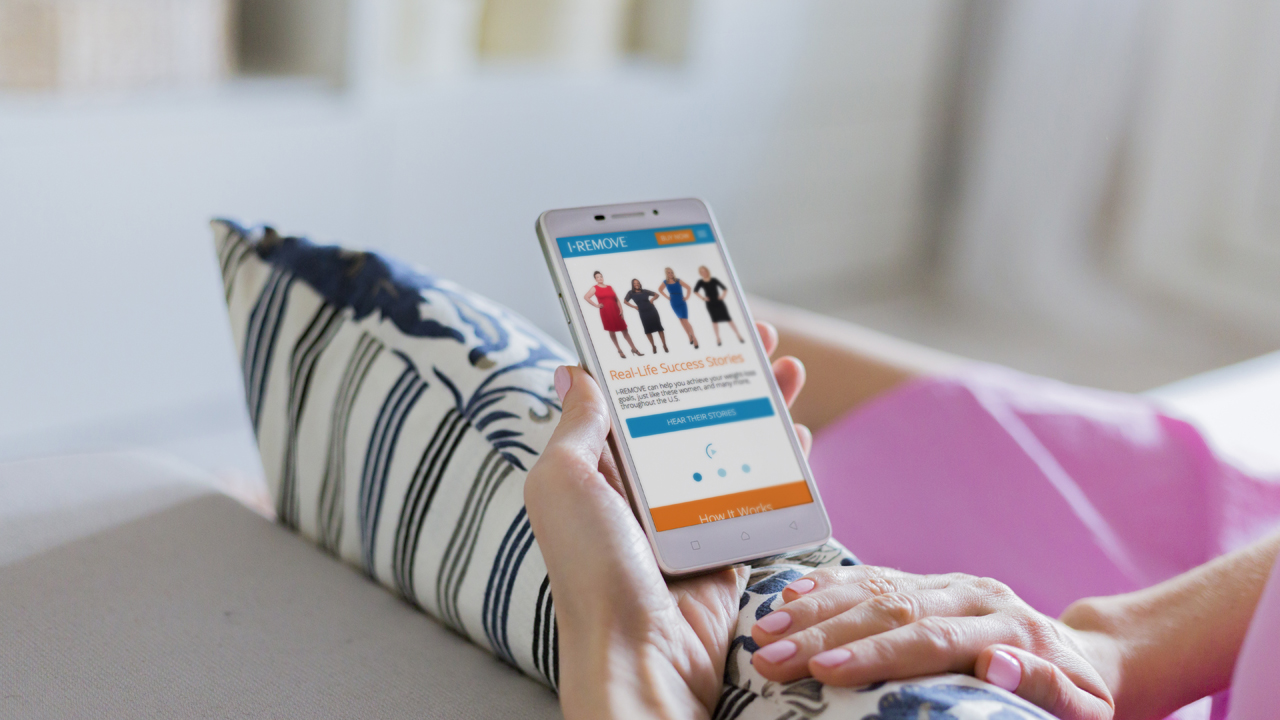
When it comes to weight loss, the struggle is real — especially today. Luckily, health care providers get that. The majority agrees that weight loss would be easier for their patients if there were a weight-loss product or aid that fits into their patients’ lifestyles without unpleasant side effects[ix]. One such product is I-REMOVE[x], the No. 1-selling weight-loss formula in Europe, which is now newly available in the U.S. at Walgreens and other retailers. Clinically tested to help people lose weight and maintain weight loss without undesirable side effects, it is shown to deliver up to three times more weight loss vs. dieting alone.

I-REMOVE can be easily incorporated into a busy schedule, but must be part of a healthy lifestyle, which includes eating healthier and moving more. This doesn’t mean making drastic changes or spending hours in the gym, it means making better eating decisions — even if the occasional slip-up happens — and incorporating more movement into a typical day.

How it works: Take it after a meal, and during digestion, it binds with up to 28 percent of the fat content, transforming it into fat-fiber complexes that pass gently through the body — without unpleasant side effects. It has also been shown to promote a pleasant feeling of fullness.

4. Find your weight-loss expert.

The guidance of a health care professional is invaluable when you’re trying to achieve weight loss in a safe, healthy, and sustainable way. Yet, only 32 percent of adults who are currently trying or have ever tried to shed pounds have talked to a health care provider for help with a plan. Your health care provider can tell you what’s right for your age, fitness level and health goals. Plus, by talking openly with your health care provider about your weight-loss goals and personal challenges, you may get useful tips about how to make healthy choices that can work with your particular lifestyle and situation.

5. Treat yourself!

When you do shed inches and pounds, make a point to celebrate! Buy that new outfit that shows off your new form, and post your results on social media so you can bask in the many rounds of virtual high-fives from your friends and family. These celebrations will lift your spirits and motivate you to keep you going!

For more results on ‘The Truth about Weight Loss’ survey, visit www.weightlossfindings.com. For more information about I-REMOVE, visit www.i-remove.com.

[i] 95% PCPs, 97% pharmacists

[ii] 82% PCPs, 84% pharmacists

[iii] 77% of PCPs, 81% of pharmacists

[iv] 79% of PCPs, 69% of pharmacists

[v] 56% of PCPs, 55% of pharmacists

[vi] 54% of PCPs, 53% of pharmacists

[vii] 78% of PCPs, 86% of pharmacists

[viii] 77% of PCPs, 84% of pharmacists

[ix] 63% of PCPs, 60% of pharmacists

[x] I-REMOVE has been demonstrated to effectively boost weight-loss efforts in people 18 years of age and older who are overweight or slightly obese.

Editor’s Note:

About the National Survey: ‘The Truth about Weight Loss’ survey was conducted online within the United States by The Harris Poll on behalf of Zaluvida, the makers of I-REMOVE®, between October 13 and November 6, 2017. The consumer arm of the survey included a total of 1,005 U.S. adults ages 18+, of whom, 713 are currently trying (n=429) or have ever tried (n=284) to lose weight. The professional arm of the survey included 961 U.S. adults ages 18+ who are primary care physicians (n=458) or pharmacists (n=503). For complete research method, including weighting variables and subgroup sample sizes, please contact press@i-remove.com.


10 things you don’t know about meningitis

2018-04-10T07:01:00

(BPT) – By Jamie Schanbaum, GSK spokesperson, U.S. Para-athlete and meningitis survivor

Before I contracted bacterial meningitis in 2008, I had never heard of it. I didn’t know how it was transmitted, what the symptoms were or how to help prevent it. After spending seven months in the hospital and losing all my fingers and both legs below the knee, I learned as much as I could about meningococcal disease. Now I want others to know what I didn’t.

  1. Meningococcal meningitis, often referred to as meningitis, is an inflammation of the protective membranes, or meninges, covering the brain and spinal cord.[1]
  2. About one in 10 people carry the bacteria, Neisseria meningitidis, that can cause meningitis. These bacteria live in the back of the nose and throat. People who have the bacteria without any signs or symptoms of the disease are called “carriers.”[2]
  3. Meningitis is uncommon but can be fatal. About one in 10 people infected with meningococcal disease will die.[3]
  4. About one in five meningitis survivors will suffer long-term disability, such as loss of limbs (like me), brain damage, deafness and nervous system problems.[4]
  5. Young adults, including college students and those living in close quarters, are at increased risk for meningitis due to close contact with each other, sharing drinks or eating utensils, kissing or even just coughing.[5],[6] I was 20 years old and in my first semester at the University of Texas when I contracted meningitis. I didn’t know about this increased risk.
  6. Early symptoms may be similar to those of a cold or the flu, but can progress quickly and can be fatal, or cause disability within 24 hours.[7],[8] Symptoms can include fever, headache and stiff neck as well as nausea, vomiting, sensitivity to light and confusion.[9] Everyone’s symptoms can be slightly different, however. For example, I had nausea and vomiting, but also felt exhausted. My hands and feet were extremely sensitive to touching cold objects, like the sink faucet and tile floors. In just 14 hours, I went from thinking I had the flu to being admitted to the hospital. My experience may not be the same as others, so it’s important to know all the possible signs and symptoms and to seek medical help quickly.
  7. There are five different vaccine-preventable serogroups of meningitis – A, B, C, W and Y. Groups B, C and Y are the most common groups of meningitis in the U.S.[10]
  8. There are two different types of vaccines needed to help protect against the five vaccine-preventable serogroups of meningitis.[11] It’s important to know that even if you’ve had a vaccine for serogroups A, C, W and Y, you need a different vaccine to help protect against serogroup B.[12]
  9. Despite the availability of serogroup B meningococcal vaccination since 2014, less than 10 percent of teens and young adults have been vaccinated, even though serogroup B accounts for 30 percent of all meningitis cases in the U.S.[13],[14]
  10. The CDC says all 11- to 12-year-olds should be vaccinated against meningitis A, C, W and Y and recommends a booster at age 16. Additionally, the CDC says teens and young adults (ages 16 through 23) also may be vaccinated against meningitis B, preferably at 16 through 18 years of age. Though vaccination may not protect all recipients, it’s the best way to help prevent the disease.[15],[16]

I consider myself to be very fortunate not only because I survived, but also because now I have an opportunity to educate others. I encourage parents of teens and young adults to talk to their child’s healthcare provider about meningitis and the two different types of vaccines needed to help protect against the disease.


[1] Centers for Disease Control and Prevention. Meningitis. March 28, 2018. Available at: https://www.cdc.gov/meningitis/index.html. Page 1, Paragraph 1.

[2] Centers for Disease Control and Prevention. Meningococcal Disease. Causes and Spread to Others. March 28, 2018. Available at: https://www.cdc.gov/meningococcal/about/causes-transmission.html/, Page 1, Paragraph 1.

[3] Centers for Disease Control and Prevention. Meningococcal Disease: Technical and Clinical Information. June 2016. Available at: http://www.cdc.gov/meningococcal/clinical-info.html. Page 1, Paragraph 4, Lines 1-3.

[4] Centers for Disease Control and Prevention. Meningococcal Disease: Technical and Clinical Information. June 2016. Available at: http://www.cdc.gov/meningococcal/clinical-info.html. Page 1, Paragraph 4, Lines 1-3.

[5] Centers for Disease Control and Prevention. Meningococcal Disease. March 28, 2017. Available at: https://www.cdc.gov/meningococcal/about/causes-transmission.html. Page 1, Paragraph 3.

[6] Centers for Disease Control and Prevention. Manual for the Surveillance of Vaccine-Preventable Diseases: Chapter 8: Meningococcal Disease. April 2014. Available at: https://www.cdc.gov/vaccines/pubs/surv-manual/chpt08-mening.html. Page 1, Paragraphs 10-12.

[7] Centers for Disease Control and Prevention. Manual for the Surveillance of Vaccine-Preventable Diseases: Chapter 8: Meningococcal Disease. April 2014. Available at: https://www.cdc.gov/vaccines/pubs/surv-manual/chpt08-mening.html. Page 1, Paragraphs 10-12.

[8] Centers for Disease Control and Prevention. Meningococcal Disease: Signs & Symptoms. July 2016. Available at: https://www.cdc.gov/meningococcal/about/symptoms.html. Page 1, Paragraphs 1- 2.

[9] Centers for Disease Control and Prevention. Meningococcal Disease: Signs & Symptoms. July 2016. Available at: https://www.cdc.gov/meningococcal/about/symptoms.html. Page 1, Paragraphs 1- 2.

[10] Centers for Disease Control and Prevention. Meningococcal Disease. Causes and Spread to Others. March 28, 2018. Available at https://www.cdc.gov/meningococcal/about/causes-transmission.html/, Page 1, Paragraph 1

[11] Centers for Disease Control and Prevention. Vaccine Information Statements (VISs): Meningococcal ACWY Vaccines (MenACWY and MPSV4) VIS. March 2016. Available at: https://www.cdc.gov/vaccines/hcp/vis/vis-statements/mening.html. Page 1, Paragraph 6.

[12] Centers for Disease Control and Prevention. Vaccine Information Statements (VISs): Meningococcal ACWY Vaccines (MenACWY and MPSV4) VIS. March 2016. Available at: https://www.cdc.gov/vaccines/hcp/vis/vis-statements/mening.html. Page 1, Paragraph 6.

[13] GSK, data on file.

[14] Centers for Disease Control and Prevention. Manual for the Surveillance of Vaccine-Preventable Diseases: Chapter 8: Meningococcal Disease. April 2014. Available at: http://www.cdc.gov/vaccines/pubs/surv-manual/chpt08-mening.html. Page 1, Paragraph 3, Line 2.

[15] Centers for Disease Control and Prevention. Meningococcal Vaccination. March 2018. Available at: https://www.cdc.gov/vaccines/vpd/mening/index.html. Page 1, Paragraph 2.

[16] Centers for Disease Control and Prevention. Meningococcal Vaccination: What Everyone Should Know. March 2018. Available at: https://www.cdc.gov/vaccines/vpd/mening/public/index.html. Page 1, Paragraph 4.