2026-05-06T09:01:00
(BPT) – May includes National Nurses Week, a time to celebrate the vital role nurses play in supporting health and well-being and to think about areas where more training could make a difference. Cleft lip and/or palate affects about 1 in 700 babies born worldwide, yet many nurses don’t get much guidance on how to support cleft-affected children and families. That gap can leave parents feeling unprepared when navigating surgeries, feeding challenges and ongoing care.
A nurse’s personal insight
“After 20 years in nursing, I had a wide range of clinical experience, but my exposure to cleft care was limited in my training,” said Carrie Alajoki, family nurse practitioner and nursing professor.
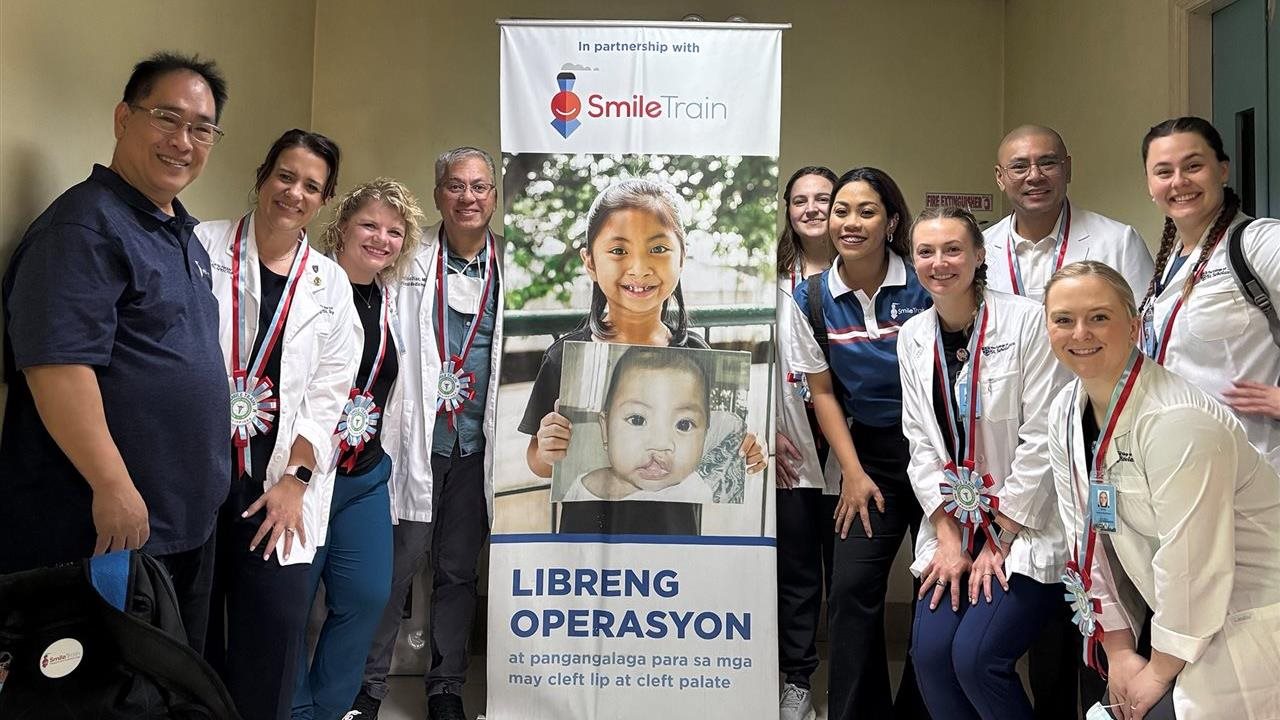
“Through my advocacy and involvement with Smile Train, including initiatives like Team Empower and the Cleft Community Advisory Council, I have been proud to support the organization’s efforts to raise awareness and address gaps in cleft education, including having the opportunity to bring a group of my nursing students to experience the organization’s programs firsthand in the Philippines.”
How Smile Train is bridging the gap
Smile Train, the world’s largest cleft-focused organization, is committed to continuously advancing and improving cleft care around the world. By partnering with local hospitals and medical professionals, the organization supports patients to receive free cleft surgeries in their own communities. Through training and funding support, Smile Train also empowers local medical professionals to deliver comprehensive cleft care services, including feeding and nutrition care, speech therapy and psychosocial support. These programs help to educate and equip parents with the tools they need to ensure their child’s success and well-being.
“We know that empowering nurses and healthcare professionals with knowledge and hands-on experience transforms care for children with clefts,” said Sara Horne, Smile Train’s Director of Education and Training. “By investing in education and training, we ensure that cleft-affected families worldwide receive compassionate, informed support prenatally through adulthood.”
What families and communities can do
- Learn about cleft care resources and advocate for proper support from healthcare providers.
- Share information to raise awareness about clefts and the challenges families face.
- Support organizations like Smile Train to expand access to cleft care and education worldwide.
By addressing the gaps in cleft education, healthcare providers and communities can make a meaningful difference in the lives of children born with clefts and their families. Every informed caregiver and supportive community brings everyone closer to a world where every child can thrive.