2026-10-29T13:01:00
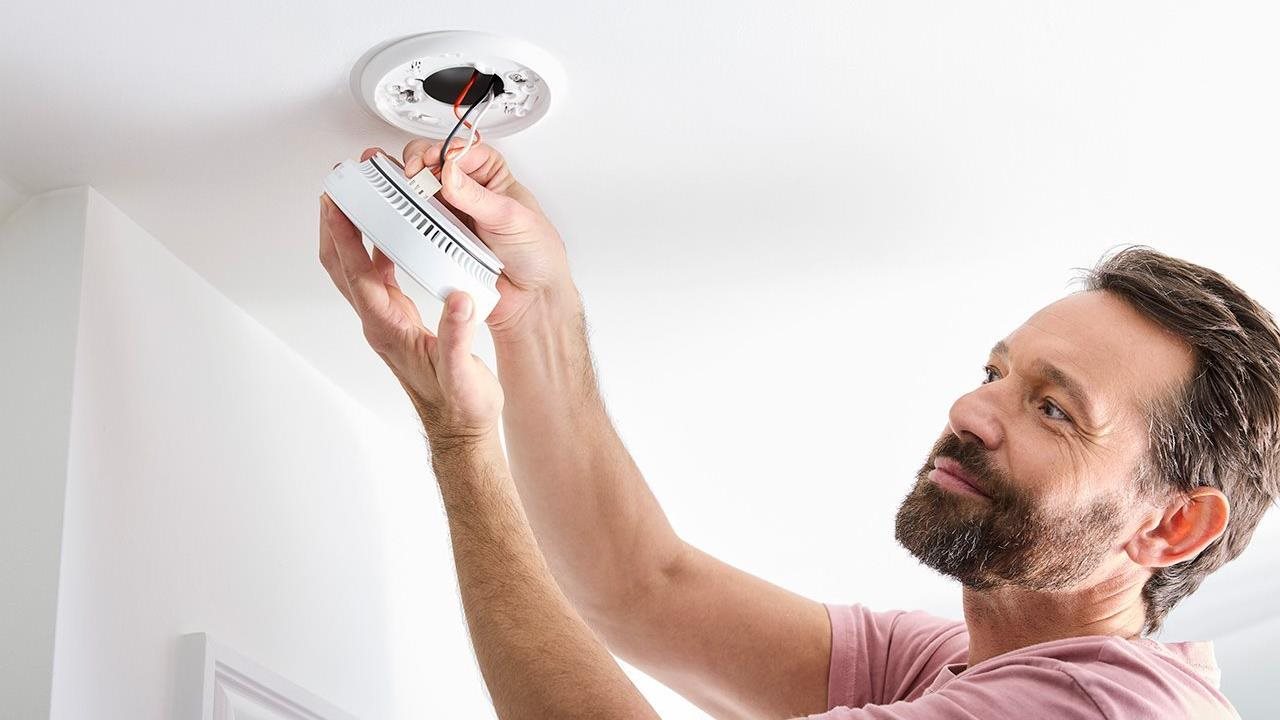
(BPT) – Do you know how often you should replace your smoke or carbon monoxide (CO) alarms? When’s the last time you tested your alarm? Do you have enough smoke and CO alarms in your home?
If you don’t know the answer to these simple yet important fire safety questions, you’re not alone. According to the 2026 First Alert®
How many smoke alarms do I need for my home?
The National Fire Protection Association (NFPA) recommends smoke alarms in every bedroom, outside sleeping areas and on every level of the home, including the basement.
How often should I replace a smoke or CO alarm?
You should replace your alarms every 10 years. If you assumed that smoke and CO alarms will work forever, you’re not alone. Only 7% of homeowners surveyed know that smoke and CO alarms should be replaced every 10 years.
Are alarm batteries difficult to replace?
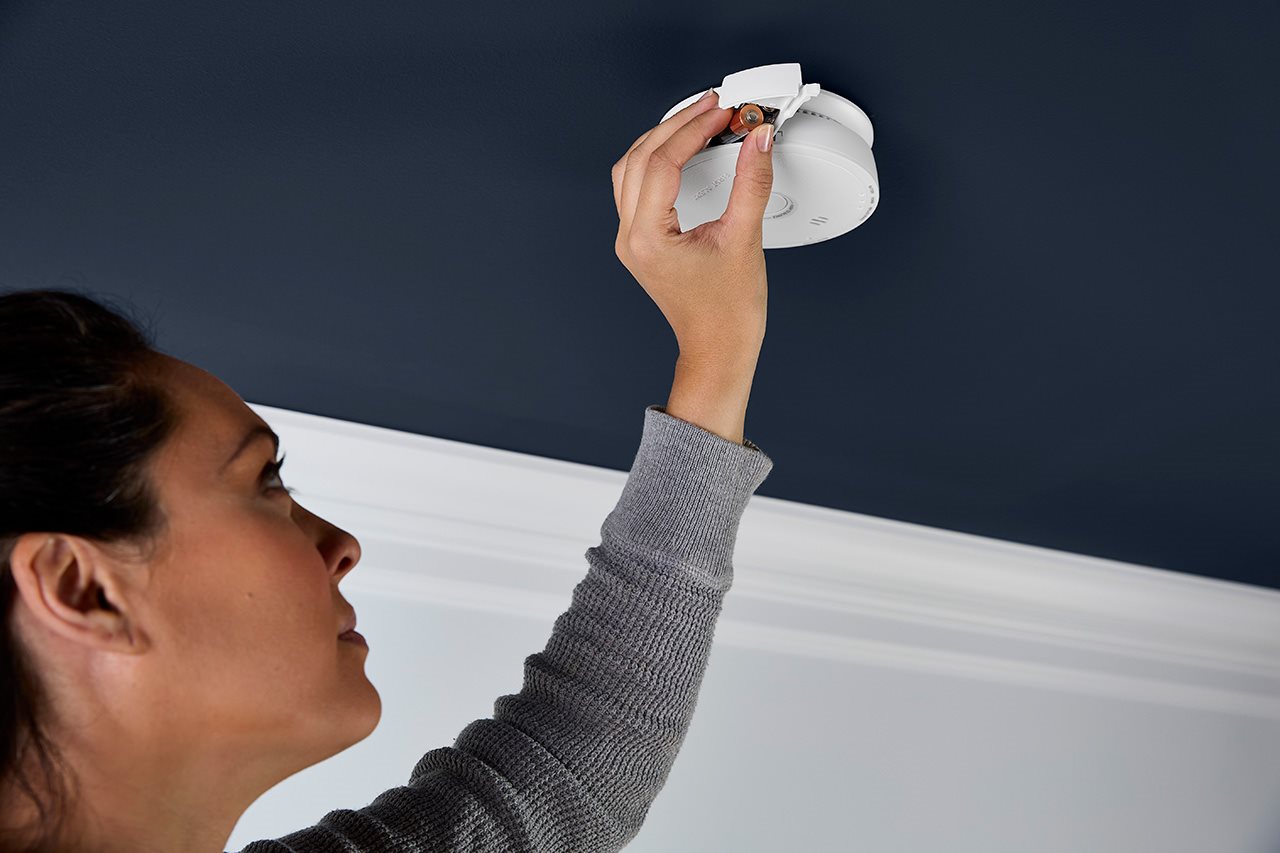
How difficult it is to replace alarm batteries depends on the type of alarm you have. Some models require you to remove the alarm from the ceiling to change its batteries, a task that 41% of homeowners don’t want to do. Other models, like the new First Alert alarms, feature side-load battery drawers, allowing batteries to be replaced without removing the alarm from the ceiling.
Do I need to clean the smoke and CO alarms?
Yes, you should regularly clean your alarms, about once a month. Less than a third of homeowners (29%) regularly clean or dust their smoke alarms. Overlooking this simple but important maintenance task can cause dust and debris buildup that can trigger nuisance alarms, chirping, reduced performance or other unexpected behavior.
How often should I test an alarm?
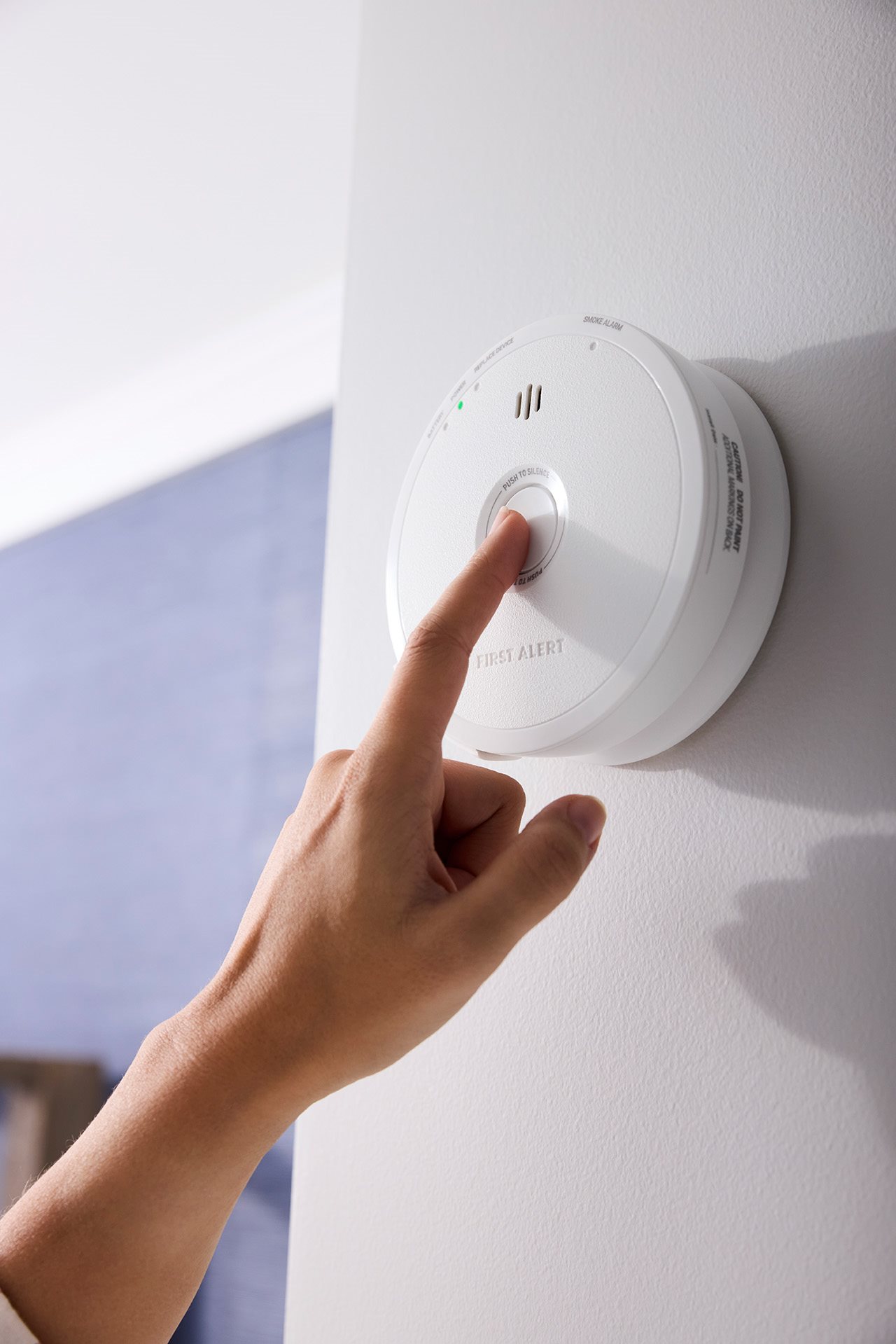
You should test your smoke and CO alarms at least once a month to ensure they are working properly. According to the Safety Pulse survey, only 34% of homeowners regularly test their alarms. Testing your alarm helps ensure you’ll be alerted should a fire break out, giving you valuable time to react, gather your family and get out of the home safely.
To make regular testing easier, consider installing next-generation alarms like First Alert smoke, CO and combination alarms. These alarms feature a centrally located Test/Silence button, nearly three times larger than in previous models, providing convenient access for routine testing and temporary alarm silencing.
Do I need a fire extinguisher?
Yes, you absolutely need a fire extinguisher in your home. The First Alert Safety Pulse found that 65% of homeowners keep a fire extinguisher at home. If you’re one of the 35% who don’t, purchase a fire extinguisher for every level of your house, as well as the kitchen and garage.
If a fire breaks out, how much time do I have to leave?
According to the NFPA, you have as little as one or two minutes to escape safely once a smoke alarm sounds. Contemporary building materials and furnishings can burn hotter and spread faster than older homes built with natural materials. That’s why it’s critical that you install alarms with advanced sensing technology that provides earlier fire warnings, so you can make every second count.
Should I prepare a home fire escape plan?
Yes, you should establish a home fire escape plan and practice it at least twice a year. The survey found that only 19% of homeowners have a home fire escape plan. Having a plan in place and practicing it can help your household stay safe if the worst were to happen.
Home fire safety isn’t difficult. Knowing the answers to these eight important questions can help you better prepare your home in case of a fire. To learn more about fire safety, visit the First Alert Safety Corner blog. To learn more about First Alert products, visit FirstAlert.com.
*Resideo Fire Safety Pulse, 2026: Results are based on the responses of 2,000 homeowners aged 18-65 living in the U.S. who completed an online survey.