New technology promotes healthy aging in place

2018-08-15T08:01:01

(BPT) – As millions of baby boomers reach their golden years, they’re changing the world yet again, this time by driving a booming market in senior-friendly aging-in-place technologies. From simple wearable devices to high-tech monitoring systems, the list of gadgets designed to help aging boomers stay independent is extensive and growing.

Home-based technology tools are a great way to deliver peace of mind to caregivers and family members who want to help an aging parent or grandparent stay safe in their home, and to combat the debilitating isolation that often accompanies growing older.

Here’s a look at a few of the innovative technologies that are revolutionizing aging, and the benefits they provide.

Digital solutions for staying in touch

It’s easy nowadays to take using smartphones or other digital technology for granted. But for many seniors, it has never been an integral part of their lives, meaning they can be left out of the family communications loop. Filling that gap are products like GrandPad, powered by Consumer Cellular. It’s a touchscreen-based tablet with simplified apps that let older users easily make voice or video calls, send and receive email, share photos, stream music and enjoy other recreational activities such as digital games.

GrandPad also offers comprehensive security, operating on a closed private network to guard against online scams, and can be managed by a designated family administrator for added personalization and protection. Plus, it’s offered by Consumer Cellular, a provider with a long history of serving the senior market.

Fall alerts can be lifesavers

Wearable devices that monitor and track health are becoming more popular among all ages. However, for seniors, especially those without a caretaker in the home, they can be lifesaving. With just the press of a button, help can be summoned for a wide range of emergency situations.

The most valuable types of these personal emergency response devices include accurate fall detection; falls are a leading cause of death for adults age 65 and older. Devices can automatically alert 911 or a close family member the moment a fall has been detected. This is especially valuable for aging-in-place situations where stairs are present.

Smarter access to healthcare and medications

As their mobility declines, it may become more difficult for seniors to make it to the doctor’s office. In response, many providers now offer video consultation for those who cannot come in for an appointment. This technology is ideal for those suffering from minor ailments that do not necessarily require an in-person visit.

In addition, for many seniors, medication regimens can become difficult to follow, and the misuse of prescribed medications can lead to negative health consequences. One technology on the rise, especially for those without assistance in the home, is the automated pill counter designed to alert and properly dispense all medications that need to be taken.

In-home tracking for safety

Placing activity sensors throughout the house is becoming a more and more popular way to monitor loved ones who are living unassisted. Sensors can be placed in multiple discreet locations, like doors, cabinets, windows or beds to track movement around the house and report back to a caretaker or family member.

If the sensors haven’t tracked movement in an expected amount of time, alerts can be set up to ensure a designated family member, caretaker or friend is notified to check in on the senior. Tracking and monitoring systems run the gamut from units that are integrated with a full in-home security system, to simple free-standing versions that are less costly and more mobile, but may also be less sensitive.


Bathroom customization: Stylish options for styling needs

2018-08-15T07:01:01

(BPT) – The kitchen may be the heart of your home, but don’t underestimate the importance of your bathrooms. If you think about it, bathrooms are one of the most frequented spaces in the home. It’s where you go to rejuvenate and get ready for the day. It’s the place where you take the time to make yourself look and feel your best. A thoughtfully designed bathroom can start your day on a positive note and end it in a calm, relaxing and stress-free manner.

With this in mind, good design becomes essential. A well-designed bathroom has many elements that come together in a cohesive fashion. The space should not only reflect your personal aesthetic, but also adapt to your needs by streamlining your day-to-day routine. Finding a balance between fashion and function might seem challenging, but when you look to customization that incorporates technology, you’ll quickly see that creating a bathroom of your dreams is easily within reach.

Modular configurations

Whether you have a standard bathroom layout or a tricky design with boxed-in constraints, modular configurations are a simple solution. When you choose configurable products from companies like Robern, you’ll be able to select from a wide array of sizes, shapes and options to fit your construction needs. That means you can design an amazing bathroom experience in the tiny powder room outside the den as well as the large master bathroom suite. Thoughtful design and complete customization can help you maximize any potentially awkward space.

Storage and organization

Even the most exquisite bathroom can become a source of frustration if the counters are cluttered or styling tools are hard to reach. Configurable solutions — like modular vanities and multiple medicine cabinets creatively ganged — let you design a storage solution that fits your lifestyle. Robern engineers put cutting-edge technology into each product to simplify the bathroom styling process. For example, vanities feature electronic outlets for modern styling tools, strategic lighting for easy all-day use and magnetic strips for simplified storage.

Strategic lighting

Lighting is a fundamental part of bathroom design and highly influential to enhance your routine. While lighting can perfectly illuminate the bathroom, it doesn’t necessarily mean it does a good job of illuminating the face. Top lighting — common in bathroom design — casts shadows on the face, which is bad for makeup application, shaving and other personal hygiene tasks. Consider lighted mirrors from Robern, designed to strike the face from at least two directions, providing even illumination and minimal shadows. No matter what illumination you choose, keep in mind that lighting from all sides with adjustable features will increase functionality.

Fixtures and faucets

There are a multitude of choices that allow you to create a personalized and custom bathroom experience. For the shower, consider a variety of showerheads, raindomes, wands and ceiling shower tiles that elevate the ordinary to the extraordinary. Wall-hung toilets can be a subtle interior design statement that not only adds a cosmopolitan flair but also makes cleaning a breeze. For faucets, gooseneck or low-spout faucet designs are currently trending. To instantly boost the faucet luxury factor, plumbing brands such as KALLISTA offer an array of handles that can be selected with decorative elements including semi-precious stones and marble or onyx inserts.

Custom flooring

The bathroom floor is often overlooked as an opportunity to inject your own personal style with custom elements. Prefer warm and cozy? Minimalist and modern? Whatever vision you have in mind for your bathroom design, tile is always on trend due to its high performing functionality and variety of colors, patterns and textures. ANN SACKS offers an abundance of choices, from custom colors that can be created on demand to faux finishes that look nearly identical to the real deal (think porcelain tile that looks like wood). Add heated elements during installation to further enhance your bathroom experience.

With smart bathroom design, fashion and function can blend together for the ultimate in customization. To learn more, visit www.robern.com.


10 tips to design a stylish bathroom for living in place

2018-08-15T07:01:01

(BPT) – According to AARP, 87 percent of adults age 65 or older and 71 percent of those age 50 to 64 want to stay in their current home and community as they age. The message is clear: Baby Boomers and Gen-Xers prefer to “live in place” as they get older. How can you best prepare your home’s bathrooms for the future? Here are 10 tips to enhance any size bathroom with safety and style top of mind.

1. Raise the bathroom sink

Standard sink height is about 30 inches. Taller sinks, like stylish pedestal sinks, offer a more comfortable 35- to 36-inch height, requiring less bending. Plus, they are a space-saving bathroom fixture that makes the bathroom look more roomy. Their classic design lines fit traditional and transitional settings and are ideal for living-in-place upgrades.

2. Replace older faucets

Conventional two-knob twist faucets can be difficult to manage for people with arthritis or decreased flexibility in their hands. Single-handle and lever-style faucets are alternatives that are convenient and easy to use. Check for ADA-compliant faucets that are simple to operate and suitable for guests of various mobility levels and ages.

3. Try a taller toilet

Standard toilets have a bowl height of about 14 to 15 inches. Universal design models are 16 to 17 inches high, which makes sitting down and getting back up less stressful on the body, and also can help prevent falls while using the toilet. Consider a Right Height toilet, like this VorMax Plus model from American Standard, which is taller and ADA-compliant.

4. Look at lighting

Bathroom lighting should provide ample illumination, while minimizing glare and shadows that can hinder depth perception. Waterproof lighting over showers and bathtubs can enhance visibility and safety for when you are climbing in or out of bathing areas. Natural light can also boost well-being and mood. Consider installing a skylight or replacing traditional window panes with options that provide privacy without blocking light, such as glass blocks or frosted glass.

5. Add a bidet seat

As you age, limited dexterity can make it more difficult to maintain personal hygiene. The SpaLet bidet seat from American Standard makes it easy to stay clean every time you use the bathroom. With a gentle, customized water spray, the seat offers the benefits that have made bidets popular around the world. Think about it: Why use paper that can spread germs when a more comfortable and hygienic alternative is available?

6. Limit hot water

For single-handle faucets, be sure to look for a model with a hot limit safety stop, which restricts how far the handle can be pushed toward the hot side. The same thing goes for showers: purchase those with a thermostatic mixing valve that allows the temperature to be preselected. Both of these choices will prevent sudden changes in temperature that can scald the bather, and possibly startle him/her and cause a fall in the tub or shower.

7. Secure the environment

To minimize the risk of falls, install grab bars in showers, above bathtubs and around the toilet to help provide stability. Remove area rugs that may present a tripping threat in the main part of the bathroom. Consider replacing slick surfaces like smooth ceramic tile with slip-resistant flooring that provides a gripping surface, such as textured vinyl or tile.

8. Switch to remote control

For universal design in bathrooms, an ideal addition is a remote-control showerhead. No more reaching for the showerhead, which can be difficult due to mobility or height issues. With the Spectra eTouch showerhead from American Standard, users can conveniently change spray patterns by simply touching the wall-mounted remote control. It offers the ultimate customization with an easy touch of a button.

9. Upgrade to a walk-in bathtub

The Consumer Product Safety Commission estimates that on average more than 350 Americans suffer bathtub- or shower-related injuries every day. Whether it simply be from aging or immobility from an injury or disability, getting in and out of a regular bathtub can be difficult. A great safety option is an easy-to-access walk-in bathtub. They come in several convenient sizes and can be installed in the space of a regular bathtub — even under a window.

10. Consider a walk-in seated shower

Installing a shower base with a durable, molded seat offers a variety of benefits over temporarily removable benches. These permanent seats are a comfortable chair height and allow the user to feel more secure than a movable bench. Consider seated shower models offering a low 3-inch threshold that allows for easy access in and out, with built-in wrap-around grab bars as an additional safety feature. A seating area with a recessed front makes standing or sitting while showering easier.

Upgrading your home to truly live in place is practical and rewarding, and will be for many years to come.


3 secrets to hosting a great party on your deck or patio

2018-08-14T17:09:00

(BPT) – Cookouts, barbecues, family reunions and more are upon us, and as the coolest neighbor on the cul-de-sac, hosting is a no-brainer. We’ve compiled three simple ways to get your deck and yard ready to go, so you can play host to the cookout of the year.

1. Make your deck and patio shine

After you remove the leaves from the surface of your deck or patio, dirt and stains remain. Luckily, Greenworks Tools has released the easy-to-use 2000psi Pressure Washer. This light, powerful and gas-free machine will ensure that you have an easy time making your deck or patio look brand-new, impressing your guests. Talk about a win-win situation.

2. Give your deck a makeover

A great cookout on the deck is never a reason to complain, but taking your deck to the next level visually will enhance the experience a hundredfold. Consider outdoor string lights to hang across the deck, instead of relying on porch lights, to set the party mood. This is also a wonderful time to invest in new lawn and deck furniture if your current set is beginning to show its age.

3. Pamper your yard

While the barbecue may not leave the deck, your guests should be impressed with the high-quality mowing lines and perfectly trimmed hedges in your backyard. To make the job easier and save you time, Greenworks Tools has you covered once more. A complete lineup of lithium-ion battery-powered outdoor equipment eliminates the mess, hassle and noise of gas-powered tools without having to sacrifice any of the power to get the job done, ensuring that your yard will be the talk of the party.

For more information, visit http://www.greenworkstools.com.


2014-2016 Data Shows Risk of Meningitis Higher Among College Students

2018-08-14T07:01:00

(BPT) – Nicolis “Nico” Williams was a junior at Texas A&M University when one day in February 2011, he had a bad headache after a night out with friends.

“It was bad enough for him to want to go to a clinic. They treated him for flu-like symptoms, and he went home to rest,” remembers Nico’s older sister Tiffany. “Later, his roommates found him disoriented and rushed him to the hospital.”

That was when Nico was diagnosed with meningitis B — costing him his life at only 20 years old.

Meningococcal meningitis, often referred to as meningitis or bacterial meningitis, is an inflammation of the protective membranes, or meninges, covering the brain and spinal cord. It is an uncommon but serious disease that can be deadly.[1]

Serogroups A, C, W, Y and B historically account for most of the meningitis cases in the United States.[2]

Although meningitis B is uncommon, US Centers for Disease Control and Prevention (CDC) surveillance data from 2014-16 showed the risk of contracting meningitis B was approximately 3.5 times higher in college students compared with persons not attending college of the same age.[3]

Nico had not received the vaccine that helps protect against meningitis A, C, W or Y, and meningitis B vaccines were not available in 2011. In 2014, new vaccines were approved to help prevent meningitis B. Now there are two different types of vaccines and both are needed to help protect against all of the five vaccine-preventable groups of meningitis.[4]

Shortly after Nico passed away, Tiffany’s family began working with the J.A.M.I.E. (Joint Advocacy of Meningococcal Information & Education) Group, founded by meningitis survivor Jamie Schanbaum and her family, to change meningitis vaccination law in the state of Texas. In May 2011, the Jamie Schanbaum and Nicolis Williams Act was passed, making Texas the first state in the US to require all first-time college students to be vaccinated against meningitis A, C, W and Y.[*]

In 2012, Tiffany and her family founded The NICO Williams Foundation (Neglecting Immunizations Compromising Opportunity), a nonprofit which works to educate about meningococcal disease and its vaccinations, with a current focus on meningitis B.

Today, Tiffany works as a spokesperson for GSK, sharing her brother’s story to educate parents and young adults about the dangers of meningitis and the types of vaccines available to help prevent it.

“By the time my brother made it to the hospital, it was too late,” Tiffany says. “So now I do this — I advocate and I educate. I don’t want anyone else to lose a sibling, I don’t want parents to lose a child, and I don’t want friends to lose friends.”

Did You Know:

  • About one in 10 people infected with meningitis will die[5], while approximately one in five survivors will suffer long-term disability, such as loss of limbs, brain damage, deafness and nervous system problems.[6]
  • Early symptoms may be similar to those of a cold or the flu but can progress quickly and can be fatal or cause disability, sometimes within 24 hours.[7]
  • Vaccines are the best defense against acquiring bacterial meningitis[8], although vaccines may not result in protection in all recipients.
  • According to the CDC:
    • All 11- to 12-year-olds should be vaccinated against serogroups A, C, W and Y with a booster dose given at 16 years old[4]
    • Teens and young adults who are 16 through 23 years old may also be vaccinated against serogroup B, preferably at 16 through 18 years old[4]

Vaccine-preventable diseases, such as bacterial meningitis, are continuing to impact our communities, including in our schools and on college campuses. With many young adults heading off to college this fall, now is an ideal time to set up medical appointments to talk to their doctors about the vaccinations they may need.

Visit http://www.meningitis.com for more information.


[*] The Texas law applies to the vaccine that helps protect against meningitis A, C, W & Y, as the B vaccines were not available at the time.


[1] Centers for Disease Control and Prevention. Meningitis. March 28, 2018. Available at https://www.cdc.gov/meningitis/index.html. Page 1, Paragraph 1.

[2] Centers for Disease Control and Prevention. Vaccine Information Statements (VISs): Meningococcal ACWY Vaccines (MenACWY and MPSV4) VIS. March 2016. Available at: https://www.cdc.gov/vaccines/hcp/vis/vis-statements/mening.html. Page 1, Paragraph 3.

[3] Meyer S. Epidemiology of meningococcal disease among college students—United States, 2014-2016. www.cdc.gov/vaccines/acip/meetings/downloads/slides-2018-02/Mening-02-Meyer-508.pdf. Presented at the Advisory Committee on Immunization Practices; February 22, 2018

[4] Centers for Disease Control and Prevention. Meningococcal Vaccination for Preteens and Teens: Information for Parents. May 2017. Page 1, Paragraph 4. https://www.cdc.gov/vaccines/vpd/mening/public/adolescent-vaccine.html. Page 1, Paragraph 1.

[5] Centers for Disease Control and Prevention. Meningococcal Disease. Available at https://www.cdc.gov/meningococcal/downloads/17-275138A-MeningococcalDis-FS.pdf. April 2017.

[6] Centers for Disease Control and Prevention. Meningococcal Disease: Technical and Clinical Information. June 2016. Available at http://www.cdc.gov/meningococcal/clinical-info.html. Page 1, Paragraph 4.

[7] Centers for Disease Control and Prevention. Manual for the Surveillance of Vaccine-Preventable Diseases: Chapter 8: Meningococcal Disease. April 2014. Available at: https://www.cdc.gov/vaccines/pubs/surv-manual/chpt08-mening.html. Page 1, Paragraphs 10-12.

[8] Centers for Disease Control and Prevention. Meningococcal Vaccines for Preteens and Teens. December 2015. https://www.cdc.gov/vaccines/parents/diseases/teen/mening.html. Page 1, Paragraph 6.


Struggling to find an epinephrine auto-injector before school starts?

2018-08-14T10:19:00

(BPT) – AUVI-Q® (epinephrine injection, USP) is still available by prescription for children with life-threatening allergies.

Most kids spend the final weeks of summer amassing school supplies and cramming through summer reading lists. For children with life-threatening allergies and their parents, this time is also spent preparing for the challenge of navigating school cafeterias, packed classrooms and after-school programs.

An important part of that preparation often involves securing a prescription for an epinephrine auto-injector (EAI) before the first day of school. EAIs are used to treat life-threatening allergic reactions, including anaphylaxis. They do not take the place of emergency medical care, but are critical and potentially life-saving in an allergic emergency, so many parents and children prefer to keep a set at school.

However, some families are having trouble filling their EAI prescriptions this back-to-school season. In May, the U.S. Food and Drug Administration (FDA) reported that manufacturing delays caused an ongoing supply constraint for several EAI manufacturers, including authorized generic versions of the medication.

One EAI not experiencing any supply issues is AUVI-Q® (epinephrine injection, USP). It is developed by kaléo using a high-tech, 100% automated robotic production line and is FDA-approved in three doses: AUVI-q 0.1 mg for infants and toddlers weighing 16.5 lbs to 33 lbs, AUVI-Q 0.15 mg for children weighing 33 lbs to 66 lbs, and AUVI-Q 0.3 mg for anyone weighing 66 lbs or more.

AUVI-Q is the only EAI with an innovative electronic voice instruction system and visual cues that guide users step-by-step through the administration process. It’s been voted the number one prescribed branded EAI by allergists.1

AUVI-Q is not always available at local pharmacies, but kaléo is able to fill, and is filling, all order requests through their Direct Delivery service at www.auvi-q.com. So if a doctor prescribes you AUVI-Q, it can be shipped directly to your doorstep quickly. If you have commercial insurance and use the Direct Delivery service, you can get AUVI-Q for $0 out-of-pocket. Please see full terms and conditions: https://www.auvi-q.com/getting-auvi-q/. It’s important to note that patients must obtain AUVI-Q through the Direct Delivery service to ensure delivery to their home or healthcare provider’s office and the best expiration dating for AUVI-Q.

Not all pharmacies are experiencing a shortage of the more common EAIs, but knowing the alternatives before the school year begins is more important now than ever. A study published in 2017 determined that children are increasingly being treated for anaphylaxis, with an estimated 130 percent increase in emergency room visits for anaphylaxis among children four years old and younger between 2005 and 2014.2

A recent survey of 289 parents with children who have food allergies found that >87% of parents find policies about epinephrine in the schools to be helpful. Similarly, in this same study, a majority of parents who reported that epinephrine policies were not in place felt that such policies were needed.3 Food allergies (the most common cause of anaphylaxis) affect 1 in every 13 children in the U.S.,4 or roughly two in every classroom.5

As parents and children with life-threatening allergies gear up for the challenges of another school year, finding an epinephrine auto-injector should not be one of them.

Indication

AUVI-Q® (epinephrine injection, USP) is a prescription medicine used to treat life-threatening allergic reactions, including anaphylaxis, in people who are at risk for or have a history of serious allergic reactions.

Important Safety Information

AUVI-Q is for immediate self (or caregiver) administration and does not take the place of emergency medical care. Seek immediate medical treatment after using AUVI-Q. Each AUVI-Q contains a single dose of epinephrine. AUVI-Q should only be injected into your outer thigh, through clothing if necessary. If you inject a young child or infant with AUVI-Q, hold their leg firmly in place before and during the injection to prevent injuries. Do not inject AUVI-Q into any other part of your body, such as into veins, buttocks, fingers, toes, hands, or feet. If this occurs, seek immediate medical treatment and make sure to inform the healthcare provider of the location of the accidental injection. Only a healthcare provider should give additional doses of epinephrine if more than two doses are necessary for a single allergic emergency.

Rarely, patients who use AUVI-Q may develop infections at the injection site within a few days of an injection. Some of these infections can be serious. Call your healthcare provider right away if you have any of the following symptoms at an injection site: redness that does not go away, swelling, tenderness, or the area feels warm to the touch.

If you have certain medical conditions, or take certain medicines, your condition may get worse or you may have more or longer lasting side effects when you use AUVI-Q. Be sure to tell your healthcare provider about all the medicines you take, especially medicines for asthma. Also tell your healthcare provider about all of your medical conditions, especially if you have asthma, a history of depression, thyroid problems, Parkinson’s disease, diabetes, heart problems or high blood pressure, have any other medical conditions, are pregnant or plan to become pregnant, or are breastfeeding or plan to breastfeed. Epinephrine should be used with caution if you have heart disease or are taking certain medicines that can cause heart-related (cardiac) symptoms.

Common side effects include fast, irregular or ‘pounding’ heartbeat, sweating, shakiness, headache, paleness, feelings of over excitement, nervousness, or anxiety, weakness, dizziness, nausea and vomiting, or breathing problems. These side effects usually go away quickly, especially if you rest. Tell your healthcare provider if you have any side effect that bothers you or that does not go away.

Please see the full Prescribing Information and the Patient Information at www.auvi-q.com.

You are encouraged to report negative side effects of prescription drugs to the FDA. Visit www.fda.gov/medwatch or call 1-800-FDA-1088.

1 Based on IMS prescription data September 2017 – May 2018 (AUVI-Q 0.15 mg and 0.3 mg).

2 Motosue, M. et al. Increasing ED visits for anaphylaxis 2005-2014 The Journal of Allergy and Clinical Immunology: In Practice (2017) 5:1, 171-175.

3 Mustafa SS, Russell AF, Kagan O, et al. Parent perspectives on school food allergy policy. BMC Pediatrics. 2018. 18:164.

4 United States Census Bureau Quick Facts (2016 estimates).

5 FARE. Food Allergy Facts and Statistics for the U.S. https://www.foodallergy.org/life-with-food-allergies/food-allergy-101/facts-and-statistics [Accessed July 2018].


What days are best to conceive?

2018-08-14T16:56:00

(BPT) – When a couple is planning to have a baby, understanding the 28-day cycle can mean the difference between success and disappointment, says Dr. Gloria Richard-Davis, Ob/Gyn, fertility specialist and author of Planning Parenthood.

Timing is a critical factor when you’re trying to get pregnant. As more and more women are waiting to conceive until later in life, we have seen an uptick in fertility tracking technologies — from apps to wearables that help women pinpoint their most fertile days. However, it’s important to supplement an app or fertility monitor with simple ovulation tests to accurately identify your fertile days.

Each month, the body prepares for ovulation, or the release of an egg from the ovaries. The cycle begins on the first day of menstruation and serves as a detox to dispose of old uterine lining and make way for the next cycle. Day one, the first day of menstrual bleeding or spotting, represents a new opportunity to conceive. Days 11 to 16 are the optimal time to kick-start baby-making efforts, as ovulation is nearing.

A simple at-home ovulation predictor kit like First Response Ovulation Test Kit will identify your two most fertile days by pinpointing a surge in the luteinizing hormone (LH) that triggers ovulation. Women can maximize their chances by having sex within 24-36 hours after detecting this LH surge. If a sperm successfully fertilizes the egg, conception occurs.

The lining of the uterus thickens between day 17 and 24, and if the egg and sperm have successfully met, the fertilized egg will soon implant or attach to the uterine lining (endometrium). The end of the cycle is near, and PMS symptoms may present themselves if pregnancy has not occurred, as progesterone peaks around day 21 or 22.

If you think you might be pregnant, but haven’t missed your period yet, try the First Response Triple Check Pregnancy Test Kit. It includes one Early Result Pregnancy Test that can let you know six days before your missed period, a Digital Pregnancy Test for women who like to see a yes/no answer, and a Rapid Result Pregnancy Test to take on the day of your missed period or anytime after.

Other important considerations to keep in mind when trying to conceive include:

* Keeping a healthy, well-balanced diet and practicing stress relief.

* Using prenatal vitamins with sufficient folic acid like prescription OB Complete even before trying to conceive to ensure a healthy pregnancy journey for mom and baby.

Don’t guess at your fertile window when it’s so easy to identify the best time to conceive. Every woman is born with millions of immature eggs, but the quantity and quality of remaining eggs, known as the ovarian reserve, decreases. If you’re not able to get pregnant, your ovarian reserve may be low. Tracking ovulation can be challenging as well, especially if your menstrual cycle is irregular. Remember to note your cycle and its symptoms so you can discuss concerns with your medical provider and schedule a preconception checkup.


Historic Women’s Baseball World Cup unfolds Aug. 22-31 on Florida’s Space Coast

2018-08-14T09:37:01

(BPT) – For the first time in the history of either the men’s or the women’s competition, a Baseball World Cup is coming to America. Later this month, the Women’s Baseball World Cup will be drawing attention from far and wide to the baseball diamonds at the USSSA Space Coast Complex in Viera, Florida.

This historic event taking place Aug. 22-31 will give American spectators a once-in-a-lifetime opportunity to witness women’s international baseball played at the highest level. The family-friendly tournament will attract visitors from around the globe, as teams from 12 countries — Australia, Canada, Chinese Taipei, Cuba, the Dominican Republic, Hong Kong, Japan, Korea, the Netherlands, Puerto Rico, the United States and Venezuela — vie for the title of women’s baseball world champion.

In June, Team USA announced the 20 players who will represent the United States in this year’s tournament. The U.S. National Team selections include some names from America’s 2006 lineup, the last Team USA to take home the championship title, such as Tamara Holmes, Meggie Meidlinger, Marti Sementelli and Malaika Underwood. This will be Underwood’s record-breaking ninth international event, the most of any Team USA representative — male or female — in history.

The 2006 veterans on Team USA are joined by 10 other past National Team players. In addition, 11 players on this year’s club helped the U.S. win gold at the 2015 Pan American Games.

Other notables announced for the current Team USA roster include 43-year-old Ila Borders, who was one of the first women ever to start in a men’s professional baseball game (when she pitched for the St. Paul Saints in 1997), and right-handed pitcher Ashton Lansdell, who at 17 is the youngest player on the squad. The multi-generational team is proof to females of all ages that many of the barriers in even the most male-dominated sports have fallen, and that it’s never too late to dream big.

During this Women’s Baseball World Cup, the 12 teams will compete round-robin style in two groups of six during the opening round, which takes place Aug. 22-26. The top three finishers from each group will advance to a three-day “super round” Aug. 28-30, which will determine the two teams that will compete in the world championship game on Friday, Aug. 31.

The Women’s Baseball World Cup is sanctioned by the WBSC (World Baseball Softball Confederation), and all tournament games will be broadcast globally by USSSA (United States Specialty Sports Association).

For more information on the WBSC Women’s Baseball World Cup, head to www.Viera2018.com. And for information on where to stay, what to do and things to see on Florida’s Space Coast during the tournament, check out www.visitspacecoast.com.


What’s worse than a migraine? 5 things to know about cluster headache

2018-08-13T09:01:00

(BPT) – Cluster headache (CH) is an extremely painful primary headache disorder, which affects one to two people in every 1,000.[1] CH is known as being one of the worst pains known to man and is even more debilitating than migraine. Listed below are five important things to know about this condition.

1. Recognize signs and symptoms

The most common sign is sharp, excruciating pain, usually centered at the eye, temple, or forehead that attacks one side of the head.[1] CH typically occurs in bouts (or “clusters”) for 6 to 12 weeks, often at the same time each year or day.[2] Each bout lasts from 15 minutes to several hours, and can strike up to 8 times a day.[3]

2. Determine risk factors

Pay extra attention if you’re a male, smoker or have a family history of CH. It predominantly occurs in males, with symptoms typically manifesting by the age of 30. Those at greater risk of CH include heavy smokers and individuals with a family history of the condition.[4]

3. Speak to a doctor

CH is nicknamed “suicide headache” as patients diagnosed with CH take their lives twenty times more often than the national average due to the excruciating pain.[5] If you or someone you care about is suffering from any or all of these symptoms, it is important to speak with a physician, such as a neurologist or headache specialist.

4. Develop a treatment plan

There are treatment options for CH. A physician can help develop a treatment plan to manage CH. Historically, prevention and treatment strategies have been a challenge, but advances in the area — including new technologies — are offering patients innovative, non-invasive solutions.

5. Explore novel non-drug treatment options

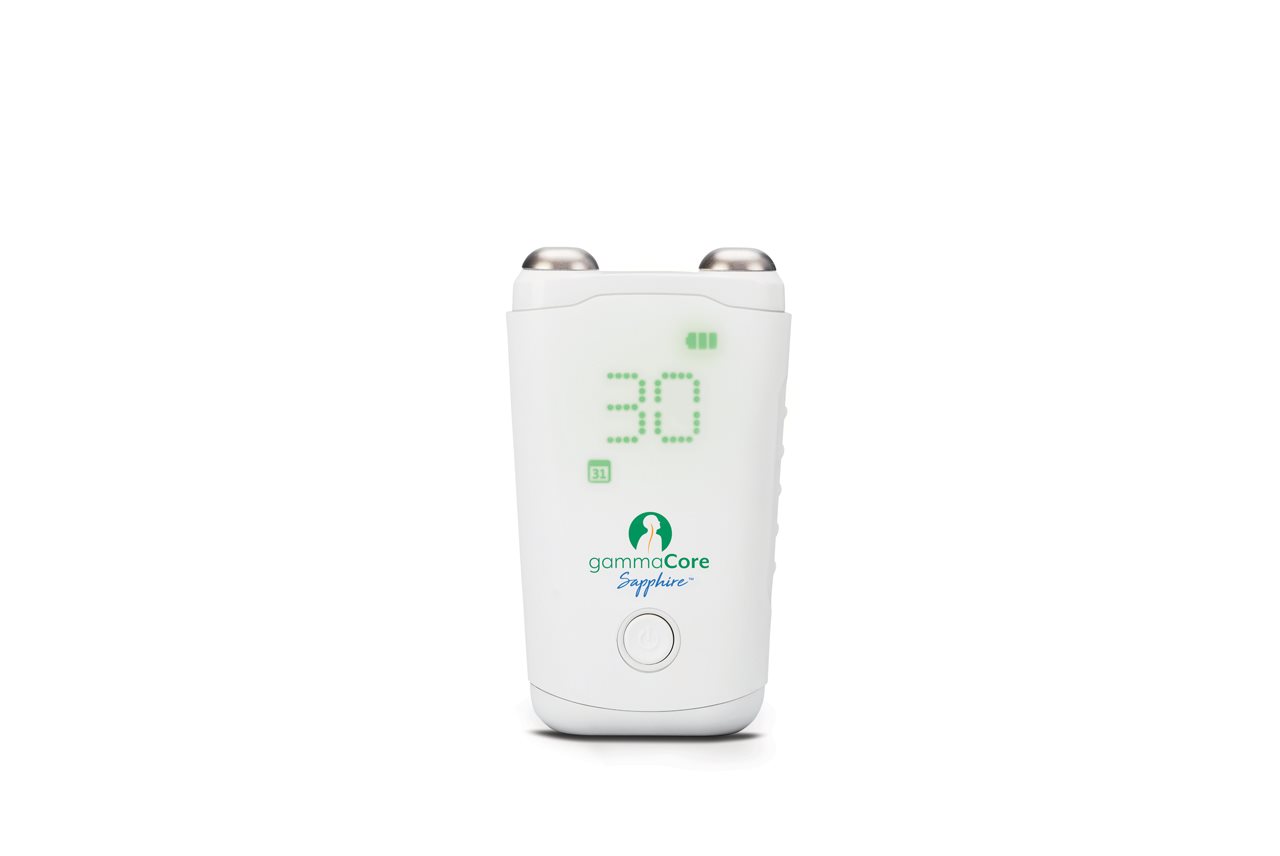
gammaCore®(nVNS) is the first non-invasive vagus nerve stimulation therapy applied at the neck for the acute treatment of pain associated with episodic CH and migraine in adult patients. For more information, visit http://gammacore.com/.

Important Safety Information regarding gammaCore

gammaCore (non-invasive vagus nerve stimulator) is indicated for the acute treatment of pain associated with episodic cluster headache and migraine in adult patients.

  • The safety and effectiveness of the gammaCore non-invasive vagus nerve stimulator (nVNS) has not been established in the acute treatment of chronic cluster headache.
  • gammaCore has not been shown to be effective for the prophylactic treatment of migraine headache, chronic cluster headache, or episodic cluster headache.
  • The long-term effects of the chronic use of the device have not been evaluated.
  • Safety and efficacy of gammaCore has not been evaluated in the following patients, and therefore is NOT indicated for:
    • Patients with an active implantable medical device, such as a pacemaker, hearing aid implant, or any implanted electronic device
    • Patients diagnosed with narrowing of the arteries (carotid atherosclerosis)
    • Patients who have had surgery to cut the vagus nerve in the neck (cervical vagotomy)
    • Pediatric patients
    • Pregnant women
    • Patients with clinically significant hypertension, hypotension, bradycardia, or tachycardia
  • Patients should not use gammaCore if they:
    • Have a metallic device such as a stent, bone plate, or bone screw implanted at or near their neck
    • Are using another device at the same time (e.g., TENS Unit, muscle stimulator) or any portable electronic device (e.g., mobile phone)

Note: This list is not all inclusive. Please refer to the gammaCore Instructions for Use for all of the important warnings and precautions before using or prescribing this product.

gammaCore is available by prescription only. U.S. Federal Law restricts this device to sale by or on the order of a licensed healthcare provider.


[1] Rossi P, et al. Funct Neurol. 2016;31(3):181-183.

[2] Cluster Headache. American Migraine Foundation. https://americanmigrainefoundation.org/understanding-migraine/cluster-headache/. Accessed January 3, 2018.

[3] Headache Classification Committee of the International Headache Society. The International Classification of Headache Disorders, 3rd edition (beta version). Cephalalgia. 2013;33:629-808.

[5] Fletcher J (2015) Why Cluster Headaches Are Called “Suicide Headaches”. J Neurol Stroke 3(3): 00092. DOI: 10.15406/jnsk.2015.02.00092.


TV Host, Reality Star, but First a Mom: Sharon Osbourne’s Emotional Caregiver Journey

2018-08-13T09:25:00

(BPT) – “I’m living proof that you can become an expert on something you never even wanted to learn about – and it can be devastating,” explains Sharon Osbourne.

She is an incredibly successful television host, rock ‘n’ roll mogul and a star of one of the most memorable reality TV shows ever created. She is the matriarch of a well-loved, well-known and buzzed about celebrity family. But first and foremost, Sharon Osbourne is a wife and mother, whose strength, perseverance and enduring love has helped her family navigate a journey of incredible achievements as well as frightening health challenges.

Like so many others across the nation, multiple members of Sharon’s family have long been fighting a battle with opioid addiction. “After watching their father struggle through years of addiction, I never thought my adult children, Jack and Kelly, would end up on the same dark path,” says Sharon. “It was devastating to see that they each developed an addiction to opioids, and there were times when the fear of what would become of them was almost unbearable. As a mother, you never want to see your adult children suffer, and it’s easy to feel helpless in that situation.”

With the opioid crisis climbing to record levels across the country, Sharon emphasizes it is critical for families to remember that opioid addiction is a relapsing brain disease, not a choice. “It can be heartbreaking to see a loved one go through the cycle of addiction, sometimes over and over again.”

And while her husband Ozzy, as well as Jack and Kelly, are now in their own respective opioid recovery journeys, Sharon is sharing her personal caregiver experiences in the hopes of helping others.

She has teamed up with Let’s Change the Conversation, an initiative aimed at providing caregivers with resources and information about opioid addiction.

“Unfortunately, there is no ‘right way’ to help a loved one struggling with opioid addiction. There have been times when I was trying to be supportive, and then realized I could have done some things differently. Of course my heart was always in the right place. But through my experiences, I learned to use my head more in deciding what my loved ones with opioid addiction really needed from me.”

The more knowledgeable Sharon became about the disease of opioid addiction, the more effective she was at helping her family members get the kind of help they needed. She researched detox and rehab centers, spoke with healthcare providers about different treatment options, and reached out to trusted friends for advice and support. One treatment option she did not learn about at the time was VIVITROL® (naltrexone for extended-release injectable suspension), a prescription medication to prevent relapse to opioid dependence used with counseling and following detoxification.

“Being a caregiver is a journey in its own right. We have to stay strong for the people we’re helping. And as caregivers, we must band together so that we don’t lose ourselves in this crisis. Now more than ever, you can take real steps to help someone you love on their journey to recovery.”

Sharon’s Tips for Caregivers

“Even though I didn’t want to believe it, I had to pull myself out of denial, acknowledge the problem, and think about how to address it – no matter how difficult it was to face.” Sharon recommends the following tips to have an effective conversation with a loved one about opioid addiction.

  • Asking your loved one to “quit” their opioid addiction is not enough. “I urge caregivers to do more than just ask their loved ones to stop taking opioids – remember, addiction is a disease, not a choice.[1] Caregivers should consider developing a recovery action plan that is tailored to what’s best for their loved one by researching available treatment options.”
  • Unwavering support is key. “I know all too well about the excuses that people with opioid addiction can make when it comes to seeking treatment. It’s important for caregivers to provide support through thick and thin, no matter how hard it gets.”
  • Don’t forget the “love” in “tough love.” “Your loved one’s opioid addiction may be hurting people they care about, and it’s okay to point that out. You can also remind them that they are not their addiction – you support one, and reject the other. I’ve always made it clear that I’m determined to support my family members’ recovery processes and that I’m not going anywhere, even when it’s most difficult.”
  • Be honest, but not judgmental. “It’s important to let your loved one know that they can no longer hide their addiction to opioids from you, but that you’re there to help them on their road to recovery, not judge them. Make sure you are both listening to each other about how best to approach their opioid addiction treatment.”
  • Research treatment options. “As a caregiver, one of the most important things you can do is research ALL available treatment options for opioid addiction. After many years of helping my family fight opioid addiction, I’ve learned that knowing all the treatment options is imperative.”
  • Speak with a healthcare professional. “Many caregivers are searching for ways to help their loved ones, so don’t be afraid to speak to your healthcare provider about all treatment options. VIVITROL is not right for everyone. Discuss all benefits and risks with a healthcare provider. Please see below for a brief summary of important facts about VIVITROL.”

Sharon Osbourne has long been a caregiver of loved ones suffering from opioid or alcohol dependence. Ms. Osbourne does not have opioid or alcohol dependence and neither she nor her loved ones have had treatment with Alkermes’ medication.

VIVITROL®
(naltrexone for extended-release injectable suspension)

BRIEF SUMMARY OF IMPORTANT FACTS ABOUT VIVITROL

What is the most important information I should know about VIVITROL?

VIVITROL can cause serious side effects, including:

1. Risk of opioid overdose. You can accidentally overdose in two ways.

  • VIVITROL blocks the effects of opioids, such as heroin or opioid pain medicines. Do not try to overcome this blocking effect by taking large amounts of opioids—this can lead to serious injury, coma, or death.
  • After you receive a dose of VIVITROL, its blocking effect slowly decreases and completely goes away over time. If you have used opioid street drugs or opioid-containing medicines in the past, using opioids in amounts that you used before treatment with VIVITROL can lead to overdose and death. You may also be more sensitive to the effects of lower amounts of opioids:
    – after you have gone through detoxification
    – when your next VIVITROL dose is due
    – if you miss a dose of VIVITROL
    – after you stop VIVITROL treatment

Tell your family and the people closest to you of this increased sensitivity to opioids and the risk of overdose.

2. Severe reactions at the site of injection. Some people on VIVITROL have had severe injection site reactions, including tissue death. Some of these reactions have required surgery. Call your healthcare provider right away if you notice any of the following at any of your injection sites:

  • intense pain
  • the area feels hard
  • large area of swelling
  • lumps
  • blisters
  • an open wound
  • a dark scab

Tell your healthcare provider about any reaction at an injection site that concerns you, gets worse over time, or does not get better within two weeks.

3. Sudden opioid withdrawal. To avoid sudden opioid withdrawal, you must stop taking any type of opioid, including street drugs; prescription pain medicines; cough, cold, or diarrhea medicines that contain opioids; or opioid-dependence treatments, including buprenorphine or methadone, for at least 7 to 14 days before starting VIVITROL. If your healthcare provider decides that you don’t need to complete detox first, he or she may give you VIVITROL in a medical facility that can treat sudden opioid withdrawal. Sudden opioid withdrawal can be severe and may require hospitalization.

4. Liver damage or hepatitis. Naltrexone, the active ingredient in VIVITROL, can cause liver damage or hepatitis. Tell your healthcare provider if you have any of these symptoms during treatment with VIVITROL:

  • stomach area pain lasting more than a few days
  • dark urine
  • yellowing of the whites of your eyes
  • tiredness

Your healthcare provider may need to stop treating you with VIVITROL if you get signs or symptoms of a serious liver problem.

What is VIVITROL?

VIVITROL is a prescription injectable medicine used to:

  • treat alcohol dependence. You should stop drinking before starting VIVITROL.
  • prevent relapse to opioid dependence, after opioid detoxification.

You must stop taking opioids before you start receiving VIVITROL. To be effective, VIVITROL must be used with other alcohol or drug recovery programs such as counseling. VIVITROL may not work for everyone. It is not known if VIVITROL is safe and effective in children.

Who should not receive VIVITROL?

Do not receive VIVITROL if you:

  • are using or have a physical dependence on opioid-containing medicines or opioid street drugs, such as heroin. To test for a physical dependence on opioid-containing medicines or street drugs, your healthcare provider may give you a small injection of a medicine called naloxone. This is called a naloxone challenge test. If you get symptoms of opioid withdrawal after the naloxone challenge test, do not start treatment with VIVITROL at that time. Your healthcare provider may repeat the test after you have stopped using opioids to see whether it is safe to start VIVITROL.
  • are having opioid withdrawal symptoms. Opioid withdrawal symptoms may happen when you have been taking opioid containing medicines or opioid street drugs regularly and then stop. Symptoms of opioid withdrawal may include: anxiety, sleeplessness, yawning, fever, sweating, teary eyes, runny nose, goose bumps, shakiness, hot or cold flushes, muscle aches, muscle twitches, restlessness, nausea and vomiting, diarrhea, or stomach cramps.
  • are allergic to naltrexone or any of the ingredients in VIVITROL or the liquid used to mix VIVITROL (diluent). See the medication guide for the full list of ingredients.

What should I tell my healthcare provider before receiving VIVITROL?

Before you receive VIVITROL, tell your healthcare provider if you:

  • have liver problems, use or abuse street (illegal) drugs, have hemophilia or other bleeding problems, have kidney problems, or have any other medical conditions.
  • are pregnant or plan to become pregnant. It is not known if VIVITROL will harm your unborn baby.
  • are breastfeeding. It is not known if VIVITROL passes into your milk, and if it can harm your baby. Naltrexone, the active ingredient in VIVITROL, is the same active ingredient in tablets taken by mouth that contain naltrexone. Naltrexone from tablets passes into breast milk. Talk to your healthcare provider about whether you will breastfeed or take VIVITROL. You should not do both.

Tell your healthcare provider about all the medicines you take, including prescription and non-prescription medicines, vitamins, and herbal supplements. Especially tell your healthcare provider if you take any opioid-containing medicines for pain, cough or colds, or diarrhea.

If you are being treated for alcohol dependence but also use or are addicted to opioid-containing medicines or opioid street drugs, it is important that you tell your healthcare provider before starting VIVITROL to avoid having sudden opioid withdrawal symptoms when you start VIVITROL treatment.

What are other possible serious side effects of VIVITROL?

VIVITROL can cause serious side effects, including:

Depressed mood. Sometimes this leads to suicide, or suicidal thoughts, and suicidal behavior. Tell your family members and people closest to you that you are taking VIVITROL.

Pneumonia. Some people receiving VIVITROL treatment have had a type of pneumonia that is caused by an allergic reaction. If this happens to you, you may need to be treated in the hospital.

Serious allergic reactions. Serious allergic reactions can happen during or soon after an injection of VIVITROL. Tell your healthcare provider or get medical help right away if you have any of these symptoms:

  • skin rash
  • swelling of your face, eyes, mouth, or tongue
  • trouble breathing or wheezing
  • chest pain
  • feeling dizzy or faint

Common side effects of VIVITROL may include:

  • nausea
  • sleepiness
  • headache
  • dizziness
  • vomiting
  • painful joints
  • decreased appetite
  • muscle cramps
  • cold symptoms
  • trouble sleeping
  • toothache

These are not all the side effects of VIVITROL. Tell your healthcare
provider if you have any side effect that bothers you or that does not
go away. You are encouraged to report all side effects to the FDA.
Visit www.fda.gov/medwatch, or call 1-800-FDA-1088.

This is only a summary of the most important information about VIVITROL.

Need more information?

  • Ask your healthcare provider or pharmacist.

Read the Medication Guide, which is available at vivitrol.com and by calling 1-800-848-4876, option #1.

This Brief Summary is based on the VIVITROL Medication Guide

(Rev. July 2013).

ALKERMES and VIVITROL are registered trademarks of Alkermes, Inc.

©2018 Alkermes, Inc. All rights reserved.

VIV-003926 Printed in the U.S.A.

Vivitrol.com