

Your guide to choosing the right toilet

2018-09-06T15:45:00

(BPT) – When it comes to shopping for a new toilet, there are many features and styles to consider. To meet the needs of your family and guests, it’s worth taking the time to find a toilet that delivers high-performance, optimum functionality and matches your bathroom space.

Here is an easy guide that will walk you through what to consider. Read on and shop smarter:

Toilet basics

It’s helpful to review the basic toilet features you’ll need to know. First thing is determining the rough-in, which is the distance from the wall behind the toilet to the center of the outlet pipe where waste leaves the toilet. A 12-inch rough-in is most common, but 10-inch or 14-inch rough-ins are not unusual in older homes.

Shape and height
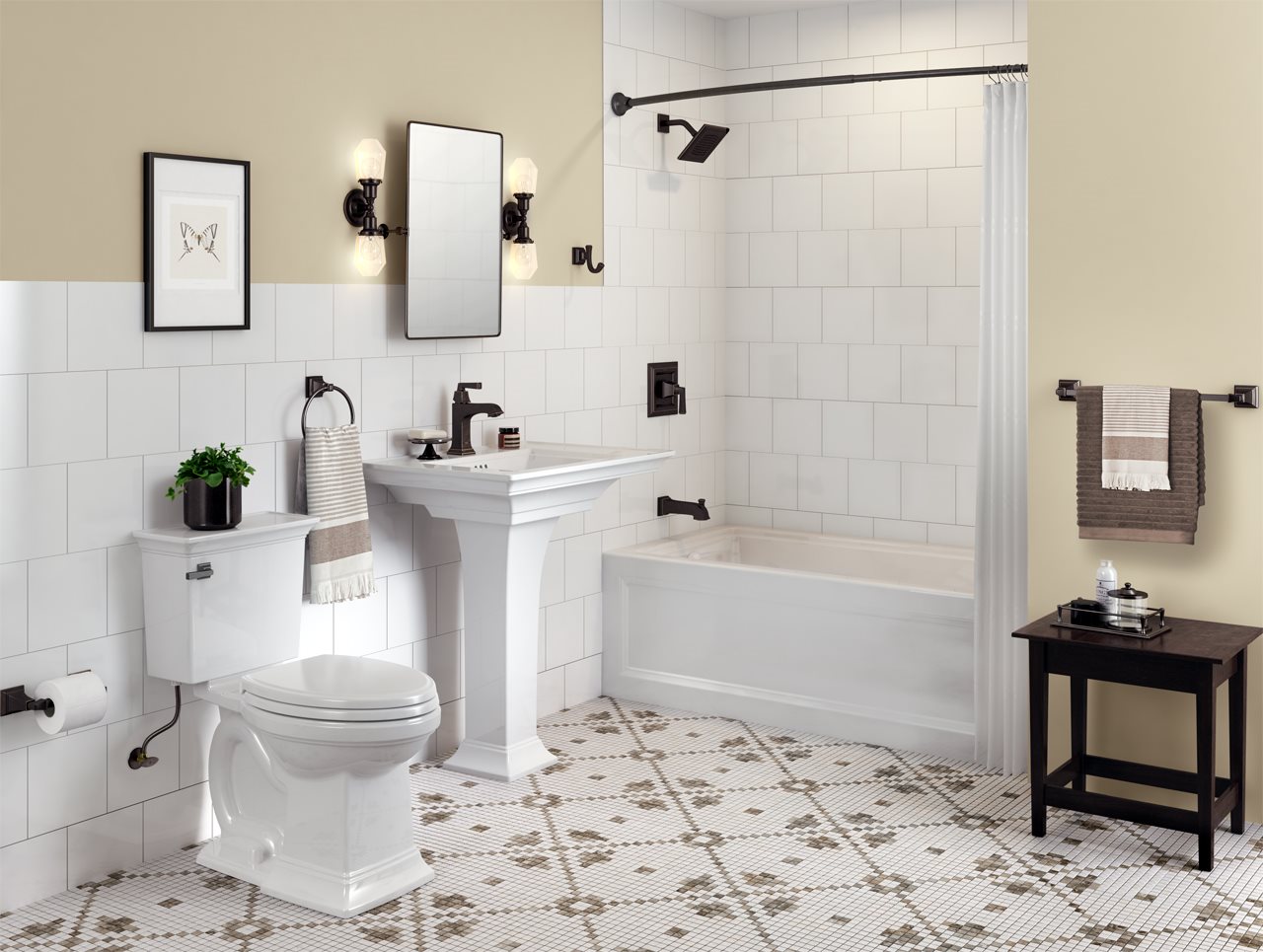
Another feature to consider is bowl shape — elongated versus round front. Many people find that an elongated bowl is more comfortable, since it provides more “sitting room.” But in tight spaces, a round bowl may be a better fit. Look for a taller toilet bowl that stands 16 to 17 inches from the floor for easier standing and sitting.

Removable bidet seat
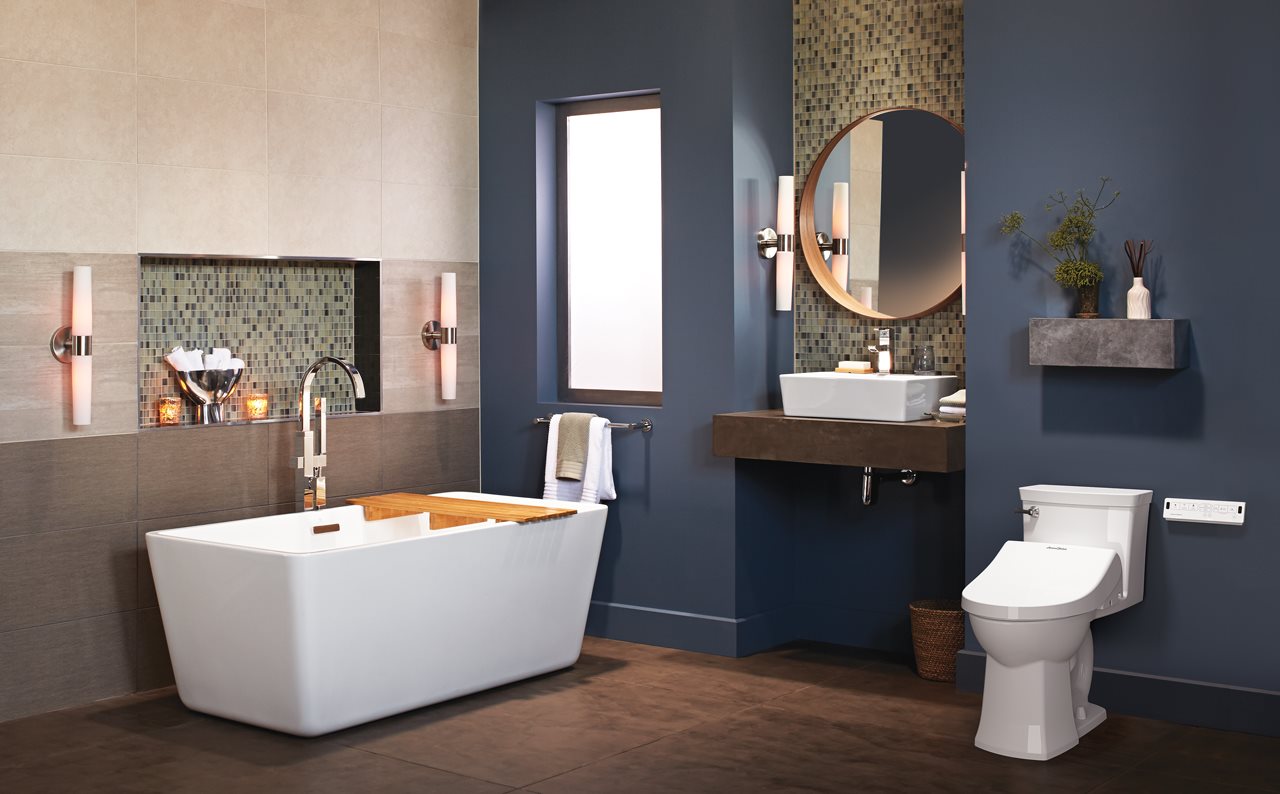
Experience luxury and cleanliness without a big investment. Try the removable American Standard SpaLet bidet seat that is easy to install and operate. Simply hook it to the water source and plug it in. You can customize the spray and temperature with a remote control. It’s the ultimate in affordable spa bathroom pampering.

Water conservation
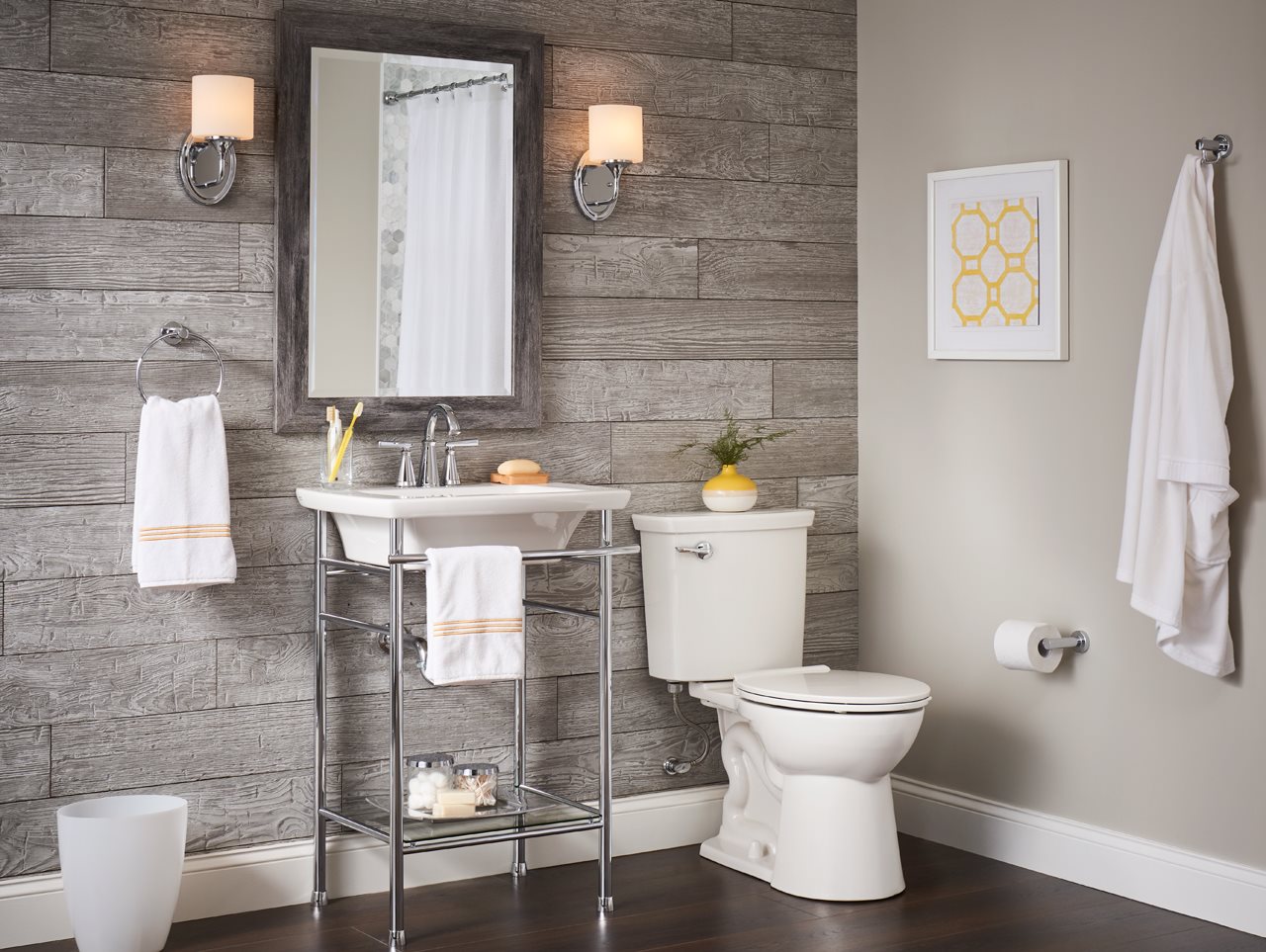
Homeowners feel confident choosing high-efficiency toilets because they are proven to effectively remove waste, while reducing water consumption by 20 percent versus standard models. Save even more water with an ultra-high efficiency toilet, which uses only 1.1 gallons per flush (gpf). No need to sacrifice flushing performance to save water with these toilets.

Wall-mounted toilets
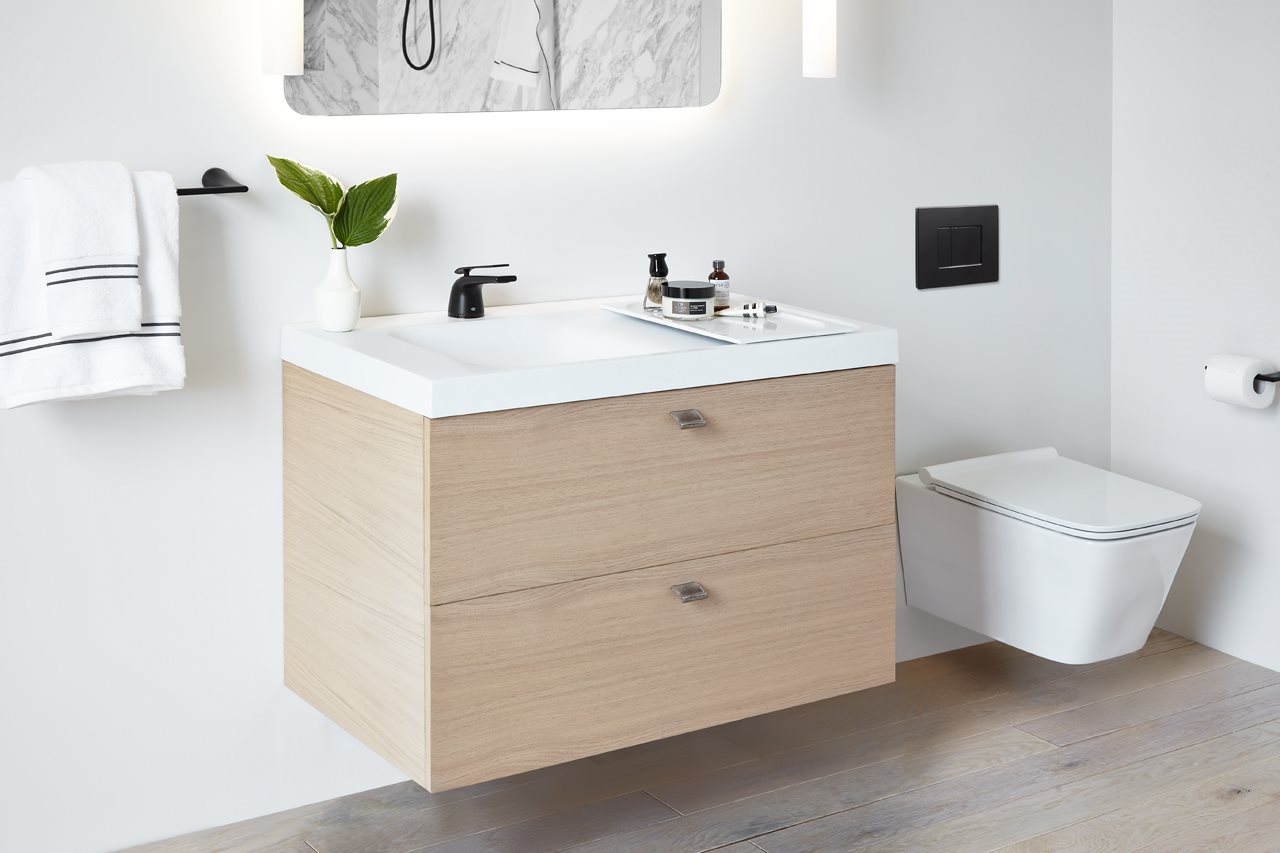
A wall-mounted toilet can help save space in smaller bathrooms. Two extra bonuses: ease of cleaning and the ability to customize the height during installation for optimal comfort. Wall-mounted toilets also provide a clean, modern look, showcasing minimalistic design lines.

Bidet toilet
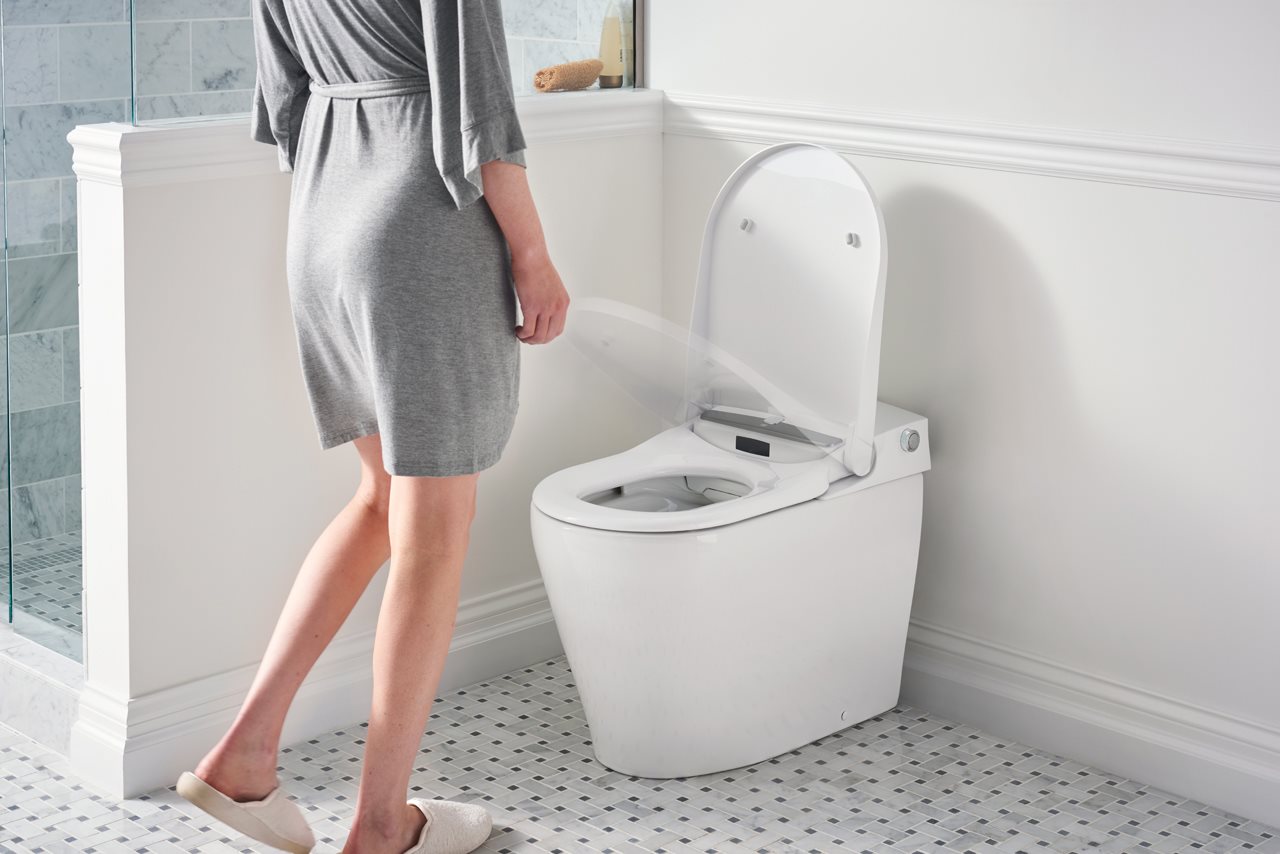
For the epitome of indulgence in the bathroom, invest in a SpaLet bidet toilet, like the DXV AT200 LS SpaLet Integrated Electronic Bidet Toilet, which is full of customizable features. The sensor-activated, self-raising heated seat, along with the adjustable water nozzles, and an air dryer at the finish, will leave you feeling shower-fresh and pampered every time you use the bathroom.

Hygienic features

Here’s something to think about if you’re not sure about a bidet: When your hands are soiled, would you rather wipe them with a dry paper towel or wash them with warm water? Hygienic bidet cleansing offers features like self-cleaning nozzles and water temperature settings, so you can customize your experience to feel clean and comfortable.

Ease of cleaning

There’s a toilet that cleans itself with every flush. It’s the VorMax Plus high-efficiency toilet from American Standard. Each flush delivers a powerful jet of water that scrubs the entire bowl surface with the LYSOL® FreshInfuser cleaning cartridge.

Special features
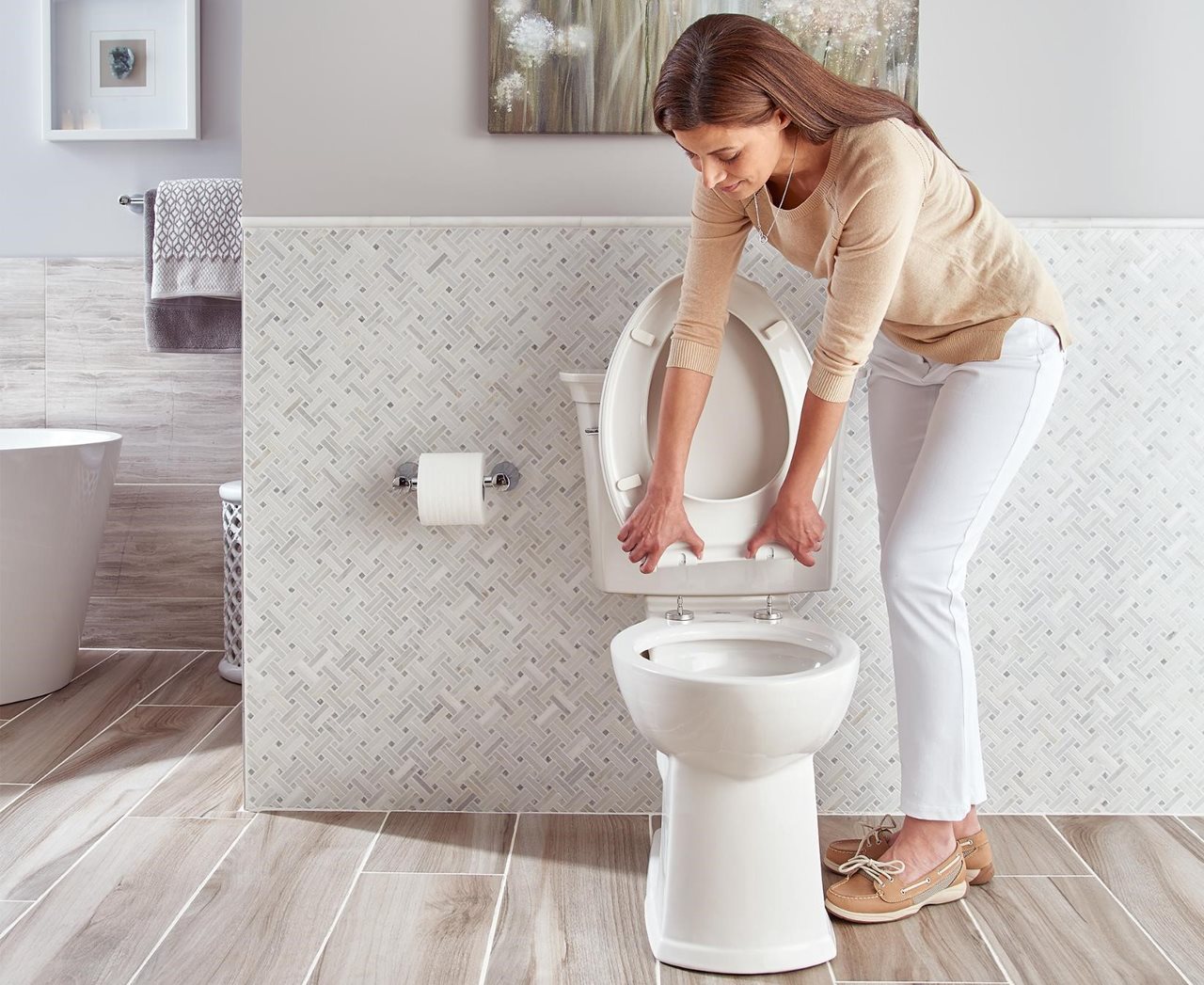
When shopping for a toilet, features that make life easier are important. A release button on the seat allows for easy and thorough cleaning. In a house with children, a slow-close seat can prevent the seat from slamming down and little fingers from getting pinched.

Shop for the toilet that meets your family’s needs

Now that you know the key features and options, you’re ready to shop for a toilet that matches your style aesthetic, conserves water, and delivers the high performance you expect. For more details, check out this online guide that has all the information you need to find the right model for your home.


Your guide to choosing the right toilet

2018-09-06T15:45:00

(BPT) – When it comes to shopping for a new toilet, there are many features and styles to consider. To meet the needs of your family and guests, it’s worth taking the time to find a toilet that delivers high-performance, optimum functionality and matches your bathroom space.

Here is an easy guide that will walk you through what to consider. Read on and shop smarter:

Toilet basics

It’s helpful to review the basic toilet features you’ll need to know. First thing is determining the rough-in, which is the distance from the wall behind the toilet to the center of the outlet pipe where waste leaves the toilet. A 12-inch rough-in is most common, but 10-inch or 14-inch rough-ins are not unusual in older homes.

Shape and height

Another feature to consider is bowl shape — elongated versus round front. Many people find that an elongated bowl is more comfortable, since it provides more “sitting room.” But in tight spaces, a round bowl may be a better fit. Look for a taller toilet bowl that stands 16 to 17 inches from the floor for easier standing and sitting.

Removable bidet seat

Experience luxury and cleanliness without a big investment. Try the removable American Standard SpaLet bidet seat that is easy to install and operate. Simply hook it to the water source and plug it in. You can customize the spray and temperature with a remote control. It’s the ultimate in affordable spa bathroom pampering.

Water conservation

Homeowners feel confident choosing high-efficiency toilets because they are proven to effectively remove waste, while reducing water consumption by 20 percent versus standard models. Save even more water with an ultra-high efficiency toilet, which uses only 1.1 gallons per flush (gpf). No need to sacrifice flushing performance to save water with these toilets.

Wall-mounted toilets

A wall-mounted toilet can help save space in smaller bathrooms. Two extra bonuses: ease of cleaning and the ability to customize the height during installation for optimal comfort. Wall-mounted toilets also provide a clean, modern look, showcasing minimalistic design lines.

Bidet toilet

For the epitome of indulgence in the bathroom, invest in a SpaLet bidet toilet, like the DXV AT200 LS SpaLet Integrated Electronic Bidet Toilet, which is full of customizable features. The sensor-activated, self-raising heated seat, along with the adjustable water nozzles, and an air dryer at the finish, will leave you feeling shower-fresh and pampered every time you use the bathroom.

Hygienic features

Here’s something to think about if you’re not sure about a bidet: When your hands are soiled, would you rather wipe them with a dry paper towel or wash them with warm water? Hygienic bidet cleansing offers features like self-cleaning nozzles and water temperature settings, so you can customize your experience to feel clean and comfortable.

Ease of cleaning

There’s a toilet that cleans itself with every flush. It’s the VorMax Plus high-efficiency toilet from American Standard. Each flush delivers a powerful jet of water that scrubs the entire bowl surface with the LYSOL® FreshInfuser cleaning cartridge.

Special features

When shopping for a toilet, features that make life easier are important. A release button on the seat allows for easy and thorough cleaning. In a house with children, a slow-close seat can prevent the seat from slamming down and little fingers from getting pinched.

Shop for the toilet that meets your family’s needs

Now that you know the key features and options, you’re ready to shop for a toilet that matches your style aesthetic, conserves water, and delivers the high performance you expect. For more details, check out this online guide that has all the information you need to find the right model for your home.


3 common triggers for elevated vaginal pH and why it matters

2018-09-06T16:44:00

(BPT) – Many women do not realize the vagina is an ecosystem that requires a balanced environment to remain healthy; and events like menstruation, sex and hormonal changes can throw off that balance.

The result can be odor and discomfort, according to Dr. Lauren Streicher, associate clinical professor of Obstetrics and Gynecology at Northwestern University. Many women never have the benefit of a frank, open discussion about vaginal health and the importance of maintaining a healthy pH balance “down there.”

Healthy pH and beneficial lactobacillus are keys to reducing the risk of vaginal issues. pH refers to the vagina’s acidity level. A vaginal pH of 3.5 to 4.5 indicates that the vagina is populated by good bacteria (lactobacilli) without overgrowth of the bad bacteria that can cause odor and irritation. An elevated pH means that the healthy flora of the vagina may struggle to survive, while harmful bacteria thrive.

Women experience many of the triggers for elevated pH on a regular basis:

1. Period — The pH of blood is 7.4, which is much more alkaline than normal vaginal pH (3.5 to 4.5), which can lead to elevated vaginal pH.

2. Sex — Semen has a pH of 7.1 to 8 and can increase vaginal pH.

3. Hormones — Pregnancy, menopause and your normal monthly cycle can cause hormone changes that alter vaginal pH.

As Streicher points out in her blog, When Your Vagina’s in a pHunk, to eliminate vaginal odor and relieve discomfort, women should know that often the cause is unbalanced vaginal pH. RepHresh Vaginal Gel, available without a prescription, is designed to bond to the vaginal walls and provide long-lasting support to maintain healthy vaginal pH and eliminate odor.

By learning how to maintain a healthy pH, women can maintain vaginal health and help avoid any issues that could stem from elevated pH.

Additionally, RepHresh Pro-B contains the strains of probiotics specifically designed to promote vaginal health to balance yeast and bacteria every day. Pro-B contains two clinically documented probiotic lactobacilli specifically optimized for vaginal health as opposed to a probiotic or yogurt that supports immunity or digestion.

Taking control of pH means taking control of the natural vaginal environment, putting an end to unpleasant odor, discomfort and itching.


Why probiotics are good for your health

2018-09-06T17:02:00

(BPT) – According to probiotic entrepreneur Heather Holmes, the human body naturally contains trillions of good and bad bacteria that must stay in balance for optimal health.

This balance is fragile and often disrupted by changes in environment or routine, diet, oral antibiotics, a woman’s period or sex. Good probiotic bacteria, introduced through foods, supplements and environmental cleaning products, can keep your digestive tract and everything around you clean, healthy and safe. In other words, probiotics are beneficial inside the body and outside the body.

External probiotics

P2 Probiotic Power is a line of food-grade, non-GMO, chemical-free probiotic products that create a barrier against bad bacteria, killing germy invaders and keeping them away by safely cleaning and protecting teeth, skin, hands, air, kitchen and bathroom surfaces, hotel rooms, airplane trays, air vents and pets. Countertops, cutting boards, washing machines, your pet’s water bowl, and baby rattles all harbor bad bacteria. Failing to add beneficial probiotics into your home environment can leave you and your household vulnerable to bad bacteria that can cause illness. Bleach, disinfectants and anti-bacterial products can cause bad bacteria to strengthen and multiply.

Internal probiotics

The two most common strains of internal probiotics, lactobacillus and bifodobacterium, live in the digestive system, urinary system and genitalia. They help send food through your gut, absorb nutrients and protect the body against potentially harmful invasions by bad bacteria. These beneficial probiotic strains can be found in fermented foods like yogurt, kefir, sauerkraut, kombucha, kimchi and pickles, to name a few. While probiotics are often prescribed for problems or the overall health of the digestive system, they’re capable of more — benefiting other areas of the body and our external environment.

Digestion

More than 100 million Americans suffer from issues related to their gut or GI tract, such as constipation, diarrhea, gas, bloating, nausea or abdominal discomfort. In fact, overgrowth of bad bacteria in your gut has also been linked to obesity and even depression. Most of your body’s immune cells (70 to 80 percent) are in your gut, so it’s to your benefit to consider probiotic options that may help you ease a condition. Since gut health plays a vital role in our overall wellness, taking a supplement like vitafusion Probiotic helps to provide good bacteria to the digestive tract.

Digestive health for kids

There are even probiotics to help support your little one’s digestive system. One serving of L’il Critters Probiotic supports digestive health by delivering good bacteria to the digestive tract — in a gummy that kids enjoy.

Vaginal health

Women have tried various lactobacillus supplements (i.e. acidophilus) and even yogurt to help with vaginal issues. But the bacteria found in yogurt for digestion and immunity will not help maintain good vaginal health. RepHresh Pro-B is a tiny, once-daily supplement that balances yeast and bacteria and maintains healthy vaginal flora by delivering two probiotic strains specific to the vagina, Rhamnosus GR-1 and Lactobacillus Reuteri RC-14. When yeast and bacteria are in balance, beneficial bacteria thrive, and yeast and harmful bacteria are unable to take control. A vaginal probiotic like Pro-B keeps the vaginal flora healthy every day.

There are many new probiotic options to benefit your internal and external health.


Want better workplace results? Research says take it outside

2018-09-06T10:31:00

(BPT) – From standing desks and team-building events to onsite services and remote work opportunities, companies have adapted over the years to adopt new solutions that will grow their company, improve employee retention and increase productivity.

However, while all of these initiatives have their benefits, John Scott, senior workplace design strategy expert for Haworth, points out many companies are missing one key solution — an opportunity that exists all around them. The chance to enjoy the fresh air and take their work outside.

“With so many design trends to focus on, the one that almost always gets overlooked is utilizing the outdoors to work and collaborate,” Scott says, adding that the benefits of outdoor work extend beyond physical wellness. There are several benefits to a person’s total well-being as well, including the following.

* Improved focus. Yes, we’d all love to believe that we can commit to eight solid hours of work every single day, but the truth is it doesn’t happen and in many cases that productivity slips as the day goes on. Working outside, however, has been shown to improve workplace focus and can restore cognitive and physical energy to dive back into a project. In fact, research appearing in the book Your Brain on Nature shows that spending time outdoors can lead to increased motivation, improved memory and reduced mental fatigue.

* Take an eye break. Too much screen time isn’t solely an issue for teenagers. Adults can face this challenge as well, especially those who focus on a computer screen as part of their job every single day. However, taking a break outside or working outside allows for a respite from the constant screen time. Take a moment to look away from the screen and toward a tree or bush in the distance and it will provide just the break your eyes need.

* Relax your brain. Work can be stressful but spending time outdoors — whether at work or not — has been shown to release certain chemicals in the brain like Gamma-Amino Butyric Acid that work to calm your mind. So, if a certain project is giving you difficulty, taking it outside can help you tackle it in a more rational, calm way.

* Increase and harness creativity. Creativity and innovation are critical objectives that many companies are racing to better understand and realize in order to lead their markets and industries. For these elements to flourish, work space should protect its employees’ ability to focus, collaborate effectively and support the ideal creative rhythms within an organization. Harvard physician Eva M. Selhub, co-author of Your Brain on Nature, says spending time outdoors allows the higher brain centers to be accessed, resulting in increased concentration, improved memory, greater creativity and productivity, and reduced mental fatigue. Work is too often done within the constraints of four walls, and stepping outside of that literal and figurative box can create unique settings for inspiration and creativity.

* Better for the team. The natural social tendencies of working outside have been shown to increase team engagement as team members no longer feel confined to boring meeting rooms or that they must be quiet in their office space. Walking meetings have also been shown to support more effective team collaboration by eliminating smartphone and other distractions during the meeting. In fact, research from Stanford University shows a person’s creative output increases by 60 percent when they walk.

Starting such initiatives in your business

The benefits of working outside are considerable but how do you start applying them in your office? Investing in an outdoor seating space employees want to use is an important first step. From there management needs to encourage its use — employees need to know it’s OK — and maybe even use it themselves to get the process moving.

Walking meetings are even easier to start. Simply grab a co-worker and decide that your weekly meeting will be held mid-stride. Other co-workers will eventually join you and before you know it, your office will be healthier and more productive because of it.


Your eyes as you age: Tips to help reduce the risk of Age-related Macular Degeneration

2018-09-05T08:01:00

(BPT) – Aging is a fact of life, so it’s important to understand how our health may be impacted as we get older — and our eyes are no exception. Age-related Macular Degeneration (AMD) is the leading cause of vision loss in people age 50 and older and affects 1 in 5 people over the age of 65. The condition is characterized by changes in the macula, which is the part of the eye required for central vision, allowing us to see objects straight ahead of us.

While there is no cure for the condition, there are steps that you can take to help reduce the risk of progression of AMD, and prioritize your eyes as you get older:

* Lead a healthy lifestyle. Luckily, some common healthy practices help support strong eye health, and help slow progression of AMD. If you smoke, quit as soon as possible. Additionally, adopt a diet rich in green, leafy vegetables and healthy fats. Foods containing these nutrients include: spinach, kale, broccoli, and fatty fish, such as salmon, sea bass, herring and whitefish. Regular exercise can also help to maintain eye health.

* See your eye doctor. You may not think to consult your eye doctor if you aren’t experiencing symptoms that impact your ability to see. However, by scheduling routine eye exams that include dilation, your doctor may be able to identify early symptoms of AMD and determine a clear path forward to help you reduce the risk of progression. If you have been diagnosed with AMD, you should also regularly check your eyes with an Amsler grid tool that helps track incremental vision changes.

* Address symptoms immediately. Early detection is important — as AMD progresses, straight lines may appear distorted, central vision may look dark, blurry or white, or changes in color perception may become noticeable.

If you’ve been diagnosed with AMD:

Consider eye vitamins or supplements. The National Eye Institute recommends taking a specific nutrient formula based on the AREDS2 study, which may help reduce your risk of progression of your moderate to advanced AMD. Talk with your doctor to see if an AREDS 2 formula eye vitamin is right for you.

Bausch + Lomb’s Why Eye Fight campaign aims to generate awareness of AMD and encourage those with the condition to fight for their sight. Visit www.WhyEyeFight.com to learn more about AMD, and to watch Bausch + Lomb’s patient stories and public service announcement. You can also join the online conversation and share your story using #WhyEyeFight on Facebook and Twitter.

AREDS2 is a registered trademark of the United States Department of Health and Human Services (HHS).

PVN.0053.USA.18


Fabulous Fall Flavors: Why Autumn is ideal for gardening, plus timely tips for success

2018-09-05T10:11:00

(BPT) – For any gardener, fall is bittersweet. The exuberance of summer’s bounty has started to fade, while cooler nights and less daylight signal the approach of cold, dark winter.

However, there’s still plenty of time to savor some of the garden’s best flavors before you close your door on the season. In fact, now is the perfect time to plant what are collectively known as “cool weather” crops — tasty favorites that thrive in autumn’s chill.

Bonnie Plants grows a wide variety of cool-weather veggies and herbs, perfect for fall planting. Availability of Bonnie’s fall varieties is limited to specific regions, so check your local garden retailers to find plants near you.

Select some hardy favorites to get weeks of crisp cabbage slaws, healthy kale bowls, crunchy cauliflower and broccoli or even hearty greens like collards or Swiss chard, perfect to pop in a long-simmering winter braise.

Other fall favorites include Brussels sprouts — delicious roasted with slivers of garlic, olive oil and a touch of balsamic vinegar — or any of the versatile salad greens like lettuce and spinach or flavorful herbs like cilantro that tend to suffer and bolt prematurely in sweltering summer sun.

Here’s six timely tips from Bonnie Plants to help you make your fall garden as enjoyable as your summer harvest.

1. Go big at home

Plant pre-started vegetable or herb transplants rather than seeds to squeeze every last moment out of fall’s compressed growing season. These plants love warm soil coupled with cool air and will start to grow quickly. Using transplants instead of seed also means you’ll be gathering tasty produce weeks earlier than you would with seed-sown varieties.

2. Stretch the season

While you can certainly plant cool-season veggies and herbs in pots or in the ground, a simple, commonly available garden product, a “cold-frame”, can help you extend your fall season by providing some added protection. A cold frame is a four-sided, clear box — open to the soil at the bottom — with a hinged lid. Because the ground inside stays warmer than the ambient air temperature, a cold frame protects plants long after unsheltered veggies start to fail. (On warm, sunny days, be sure to crack the lid open to prevent too much heat from building up inside.)

3. Prepare you plot or pot

If planting in-ground, be sure to clear the area of previous planted crops and weeds, as they may decay and harbor bacteria. Always bag, tie and discard debris. Turn up the soil’s top layer and add some bagged compost, and mulch. If planting in a pot, be sure to sanitize pots and use fresh, new potting soil, specifically formulated for containers.

4. Proactively patrol for pests

While pest numbers naturally decline in the cooler days of fall, they don’t disappear entirely. Common pests of cool-season plants include tiny, sap-sucking aphids, caterpillars (particularly from cabbage white butterflies) and harlequin bugs. Inspect your plants for tiny clusters of aphids or tell-tale holes in the leaves. Handpick caterpillars or harlequin bugs from plants and dispose of them or use a strong blast of water from a hose to dislodge aphids.

5. Embrace cooler, carefree comforts

With the warm days and cool nights of fall, less moisture evaporates from your garden or pots, so you’ll need to water less often. (Only water when the soil 2” deep is dry.) In addition, many cool weather crops handily survive light frosts, growing well until a very hard freeze ends their productivity. Better yet, chilly weather improves the flavor of many late-season varieties, including members of the cabbage family, kale, Brussels sprouts and chard, by turning their starches into natural sugars, making them a sweet and healthy treat.

6. Take time to relax

Just like plants, gardeners enjoy a break from the stifling heat of summer. With the leisure of cool days, fewer chores and less weeding as the garden begins to wind down, you’ll be able to enjoy the garden more while you wait to harvest your fall favorites to boost your recipes and brighten your table.

If you don’t want to give up on your garden’s bounty, pick up a selection of cool-season favorites from Bonnie Plants now — and keep your garden growing!

For more information on fall gardening and varieties, please visit www.bonnieplants.com.


6 ways public broadcasting serves local communities

2018-09-05T09:17:00

(BPT) – Nonprofit broadcasting outlets keep families connected to their community, informed on the news of the day and entertained regardless of age, gender or demographic background.

Community radio stations, public broadcasting and non-commercial outlets bring a content-focused approach to their daily programs. Here are six primary ways these outlets help local communities thrive:

* Creating a more engaged, informed community. Recent research from Political Quarterly shows those who have access to public service broadcasting are better informed about government and politics, are more trusting of others, maintain more positive civic attitudes and have greater confidence in democratic institutions. That educated and engaged listener base is more likely to engage on key community issues.

* Stimulating creativity and innovation. Through programming that engages, explains and explores, public broadcasting supports STEAM subjects. But many stations go beyond that. Spokane Public Radio, for example, recently rehabilitated a former fire station to include a state-of-the-art performing and recording studio for regional artists, thanks in part to grant funding from the M.J. Murdock Charitable Trust.

* Supporting local cultures. Public and non-commercial stations can often focus on elements of local and regional culture that might go unrecognized by other media outlets. For example, Anchorage-based Koahnic Broadcast Corp., a public radio station, and Nome-based KNOM Radio, a non-commercial outlet, both concentrate their efforts on programming that addresses the needs and interests of Alaska’s Native populations. KBC’s National Training Center also provides training opportunities for Alaska Natives and Native Americans interested in broadcasting careers.

* Filling the reporting gap. As some news sources struggle to maintain profitable business models, public broadcasting continues to offer in-depth coverage of important issues. Because its primary mission is public service and not profit, it can remain independent of corporate influences without sensationalizing news issues to boost ratings. As such, public channels are more highly trusted than commercial channels for the accuracy, reliability and impartiality of their news coverage, according to Political Quarterly.

* Diversity in programming. Relatively unencumbered by commercial pressures, public stations are free to broadcast shows and podcasts its leaders believe have the most information and entertainment value to listeners. That typically contains a wide range of programming, from hard news, news features and in-depth documentaries to entertainment, sports coverage and educational kids’ shows.

* Ad-free. Since public stations are generally funded through tax money and private contributors, many stations can forgo all advertising revenues. That can be a breath of fresh air in an age when we’re bombarded at every turn by invasive ads, and it allows audiences to focus without interruption on the quality programming being presented.

These are just a few reasons the Murdock Trust supports public broadcasting outlets across the Pacific Northwest through grants. Visit murdocktrust.org to learn more.


Choosing the right wood for your deck project

2018-09-05T09:03:00

(BPT) – The deck is the perfect spot for get-togethers and events. However, if yours needs a facelift or a complete re-do, now is the perfect time of year to complete a new outdoor living space customized to fit your needs. A new wood deck can add value to your home, but be sure to choose the right wood products to build it. Thus, the question becomes: What type of wood do you use? When do you use ground-contact and above-ground, pressure-treated wood?

This article can help you determine what type of wood you need to use and where. Follow this guide from Viance and you’ll be on your way to building the deck of your dreams.

Ground-contact wood

As its name implies, ground-contact wood often forms the foundation of your project and may include the support posts placed in or on the ground, in concrete or in fresh water. Ground-contact should also be used whenever your wood pieces will be installed less than 6 inches off the ground, such as a ground level deck.

Ground contact wood earns this designation because it has been specifically treated to protect against fungal decay and termite attack at and below the ground’s surface. For your deck project, ground-contact, preservative-treated wood should be used for ledger boards, stair stringers and support posts. Other landscaping projects, like garden boxes, landscape walls and anything else that may be built in or on the ground, should use ground-contact, preservative-treated wood.

Above-ground wood

Above-ground wood is the other major designation, and this is the wood type you will use to build most of your deck. You can use above-ground treated wood for locations that are easy to maintain and repair, quick to dry and where ample air flow around the wood is possible. On most decks, this will be your deck boards, guardrails, balusters, joists and beams. Above-ground wood uses fewer preservative chemicals than ground-contact wood, and in newer preservative systems like Ecolife, it provides added benefits that can repel water, minimize cracking and keep boards straighter. Above-ground wood is also the ideal choice for many outdoor projects including arbors, trellises, lattice, decorative posts, trim boards and fence pickets.

If the wood will be more than 6 inches from the ground, above-ground wood is the ideal, and most economical type of treated wood to use.

Finding the right wood for your deck today

No matter the dimensions of your deck, chances are you’ll use a combination of ground-contact and above-ground, pressure-treated wood. Applying the guide above can help you determine which wood type you need for each phase of your project, but questions could still arise. You can find answers at treatedwood.com and learn more about EcoLife and Preserve pressure-treated wood, sold in lumberyards, at 84 Lumber and under the Severe Weather brand.