4 driving tips that can help save lives and lower your insurance rate

2020-08-12T07:01:06

(BPT) – Bad driving habits aren’t just obnoxious, they’re also dangerous — motor vehicle crashes are a leading cause of death in the U.S., with more than 38,000 people having lost their lives and nearly 4.4 million injured in collisions in 2019, according to the National Safety Council.

“Many car collisions are entirely preventable,” said Kevin Quinn, vice president of claims and customer experience at Mercury Insurance. “The simple solution is for drivers to be responsible, obey traffic laws and stay focused on the road. Don’t play with your phone while you’re driving, don’t speed and don’t drink and drive. And if you practice these things regularly and keep your driving record free of accidents and traffic violations, it could lower auto insurance rates. ”

Quinn recommends the following four tips to stay safe behind the wheel.

1. Remove distractions. The majority of crashes are caused by distracted drivers. Driver distractions extend beyond texting — anything that takes your attention away from the road is a distraction. While you should put your phone away when behind the wheel, some driving tech can actually help improve your driving habits, such as a usage-based insurance program that comes with a virtual coach to let you know how you can improve behind the wheel.

2. Maintain proper following distance. Following a car too closely reduces the time you have to react if the car you are following suddenly slows or stops. This can lead to a rear-end collision, which is the most common auto insurance claim, according to Mercury Insurance. Make sure you give yourself enough time and distance to react to the car in front of you. You should always maintain at least three seconds of space in between your vehicle and the car in front of you — and during bad weather conditions, five seconds of space is recommended.

3. Be aware of your speed. Speeding is one of the most common causes of traffic-related deaths, so pay attention and stick to posted speed limits — they’re there to keep you safe. Give yourself some extra time for your drive so there’s no need to rush and be sure to exercise extra caution while driving in bad weather.

4. Pay attention to other drivers. Safe driving isn’t just about your behavior, but also depends on those around you. Don’t assume other drivers are being attentive — they may be distracted and not see the stop sign or traffic light ahead of them. Use caution when entering and exiting parking spots, turning, entering intersections and changing lanes on the freeway, especially if you’re driving in heavy traffic or late at night when other drivers may let their focus wander.

“Drivers may also want to consider enrolling in a usage-based insurance program to help improve their driving skills,” adds Quinn. “These apps and devices allow drivers to get a crystal-clear view of their behavior and see which areas need some improvement. Plus, auto insurance customers who enroll in these programs may even qualify for a discount.”


Second Summer: The Bonus Gardening Season

2020-08-11T10:31:00

(BPT) – Think gardening season bids adieu in August? Think again. In many parts of the country, there are actually two more months of gardening weather to enjoy … so grab your trusty trowel and get back to the soil for summer’s second act throughout September and October.

As temperatures begin to drop and days conspicuously shorten, gardeners can take solace in the fact that the cooler weather will actually be easier on their plants than the sweltering sun. The still-warm soil actively encourages quick root growth, and pests are fewer and farther between. The same goes for weeds and diseases.

This is very good news for the estimated 30 million U.S. gardeners out there and should be a pleasant surprise for the estimated 18 million new gardeners who took up the hobby in the wake of COVID-19.

“Just when you thought gardening season was over, fall arrives to prove you wrong,” says George Ball, chairman of W. Atlee Burpee Company. “If you missed out last spring, you still have time to start a vegetable patch and a fall garden that will abound in gorgeous flowers.”

Companies like Burpee make growing a “second summer” garden exceptionally simple, curating easy-to-grow varieties and ensuring you receive your seeds right when it’s time to plant them. Their just-released Fall catalog offers a bevy of fresh crops to plant and grow: Leafy greens such as kale, cole crops like brussels sprouts, and healthy root vegetables like beets and carrots, to name just a few.

Ready to get started on your Second Summer garden? Here are a few tips to keep in mind:

What to Grow

  • Presuming you want to grow plants that are pleasing to the eye and the palate, there’s no shortage of great options to plant in your vaunted “Second Summer” garden.
    • The Burgundy Delight Lettuce will add crunch, sweetness, and colorful zing to your salads (and they’re great for staggered growing in spring and autumn).
    • If it’s crunch you crave, the easy-to-grow Short n’ Sweet Carrot is packed with flavor and vitamins, tasting remarkably rich and sweet from the first bite to the last.
    • The Silky Sweet Hybrid Turnip turns out to be surprisingly snacky thanks to its own pronounced sweetness (and it’s rather easy on the eyes, too).
    • Fast-growing and dependable, the Solaris Hybrid Radish is a tart and tangy treat, and you can grow a crazy amount of these beautiful hybrid plants in just 25 days.

Think Beyond Veggies

  • Don’t assume fall gardening is all about vegetables. Pansies and violas positively thrive in cool weather. Leave them over the winter, and they’ll bloom all spring until summer!

Plan Before You Plant

  • You should start planting right when the weather starts falling below 85 degrees on the regular … and stop planting six weeks before the first hard frost. That way, you’ll be able to add an extra two months of harvest. (Pro tip: you can extend your season even further by adding a floating row cover or cold frame.)

The bottom line? Whether you already have a pronounced green thumb or happen to be totally green in this arena, Second Summer is a great time to get your hands dirty. So get growing!


A Psoriasis Journey: What Worked for Me

2020-08-11T14:10:00

(BPT) – It all started during the lead-up to Allen’s wedding, a less-than-ideal time to start experiencing red, flaky skin on his face. With plenty to focus on, he applied lotion and moved on. But the dry, itchy patches didn’t go away. In fact, they started spreading to other visible areas of his body.

“It became something I was really conscious of,” said Allen. “People noticed the flaking and scratching. I dreaded summer and avoided wearing clothes that exposed my skin. Social settings I used to enjoy became a burden. I felt embarrassed about the plaques on my skin.”

It took six months, but Allen finally went to see a dermatologist, who diagnosed him with moderate to severe plaque psoriasis, a chronic inflammatory skin condition that causes itchy, red, flaky and sometimes painful patches, known as “plaques,” to appear on skin.

That diagnosis was more than 30 years ago.

Since then, Allen has lived with the condition and tried many different treatments—steroid creams, UV light and systemic medicines, all with varying degrees of success.

“Given the challenges and lack of clearance I experienced along the way, I was reluctant to start another treatment,” said Allen. “The challenge was going back to my dermatologist and talking through next steps. I would stop treatment and my condition would get worse, so I’d try something else and end up repeating the whole process. The emotional roller coaster was exhausting. Over time, I ended up having low expectations for how other treatments would work.”

Over the years, Allen saw five dermatologists.

The buildup of things like not being comfortable going swimming in the ocean during an annual family trip to Hawaii kept him open-minded about other treatment options. Then Allen met Dr. Andrew Blauvelt, M.D., M.B.A., board-certified dermatologist and president of Oregon Medical Research Center, who enrolled Allen in a clinical trial for an investigational new medicine—a move that eventually changed the way he managed his moderate to severe plaque psoriasis.

“There are thousands of people like Allen across the country struggling to effectively manage moderate to severe plaque psoriasis,” said Dr. Blauvelt. “To help achieve the results you want, you need to be open and honest and have conversations with your dermatologists about your treatment goals.”

Dr. Blauvelt recommended that Allen join the clinical trial for SKYRIZI® (risankizumab-rzaa), an investigational biologic medicine that went on to be approved by the Food and Drug Administration (FDA) in April 2019 as a prescription medicine to treat adults with moderate to severe plaque psoriasis.

“I knew I wanted more from my treatment. But, because I hadn’t seen much improvement, I had gotten to a place where I settled until Dr. Blauvelt told me about the SKYRIZI clinical trial. When I learned more about how SKYRIZI works, its safety considerations, and discussed it with Dr. Blauvelt as a treatment option that might be a good fit for me, I felt more hopeful than I had in years and optimistic.”

At four months, and after two treatment doses of SKYRIZI in the clinical trial, Allen’s thick plaques were almost clear. Allen is not alone. In clinical trials, 3 out of 4 people achieved 90 percent clearer skin at four months after just two doses. Of those who achieved 90 percent clearer skin, nearly 9 out of 10 people sustained 90 percent clearer skin through one year. Maintenance treatment with SKYRIZI is four doses a year, after two starter doses. Each dose is two injections and there are twelve weeks between doses.

SKYRIZI may cause serious side effects, including risk of infections. Before starting treatment, your doctor should check you for infections and tuberculosis. Tell your doctor right away if you have an infection or symptoms of one. Also, tell your doctor if you plan to or recently received a vaccine.

“I don’t even think about having plaques on my skin anymore. SKYRIZI has been an effective treatment for me,” said Allen. “Now, I focus on living without thinking about making sure my clothing hides my skin.”

Allen’s journey with moderate to severe plaque psoriasis is like many others living with this chronic condition and trying to find the right treatment that works for them. By sharing his story, Allen hopes to encourage others to have open and honest conversations with their dermatologist and to strive to reach their treatment goals. Learn more about SKYRIZI (risankizumab-rzaa) 75mg/0.83mL injection, an FDA-approved treatment for moderate to severe plaque psoriasis, and partnering with your dermatologist at SKYRIZI.com.

# # #

USE for SKYRIZI® (risankizumab-rzaa)

SKYRIZI is a prescription medicine used to treat adults with moderate to severe plaque psoriasis who may benefit from taking injections or pills (systemic therapy) or treatment using ultraviolet or UV light (phototherapy).

Important Safety Information

What is the most important information I should know about SKYRIZI® (risankizumab-rzaa)?

SKYRIZI may cause serious side effects, including infections. SKYRIZI is a prescription medicine that may lower the ability of your immune system to fight infections and may increase your risk of infections. Your healthcare provider should check you for infections and tuberculosis (TB) before starting treatment with SKYRIZI and may treat you for TB before you begin treatment with SKYRIZI if you have a history of TB or have active TB. Your healthcare provider should watch you closely for signs and symptoms of TB during and after treatment with SKYRIZI.

  • Tell your healthcare provider right away if you have an infection or have symptoms of an infection, including:
    –fever, sweats, or chills
    –muscle aches
    –weight loss
    –cough
    –warm, red, or painful skin or sores on your body different from your psoriasis
    –diarrhea or stomach pain
    –shortness of breath
    –blood in your mucus (phlegm)
    –burning when you urinate or urinating more often than normal

Before using SKYRIZI, tell your healthcare provider about all of your medical conditions,
including if you:

  • have any of the conditions or symptoms listed in the section “What is the most important information I should know about SKYRIZI?”
  • have an infection that does not go away or that keeps coming back.
  • have TB or have been in close contact with someone with TB.
  • have recently received or are scheduled to receive an immunization (vaccine). You should avoid receiving live vaccines during treatment with SKYRIZI.
  • are pregnant or plan to become pregnant. It is not known if SKYRIZI can harm your unborn baby.
  • are breastfeeding or plan to breastfeed. It is not known if SKYRIZI passes into your breast milk.

Tell your healthcare provider about all the medicines you take, including prescription and over-the-counter medicines, vitamins, and herbal supplements.

What are the possible side effects of SKYRIZI?

SKYRIZI may cause serious side effects. See “What is the most important information I should know about SKYRIZI?”

The most common side effects of SKYRIZI include upper respiratory infections, fungal skin infections, headache, feeling tired, and injection site reactions.

These are not all the possible side effects of SKYRIZI. Call your doctor for medical advice about
side effects.

Use SKYRIZI exactly as your healthcare provider tells you to use it.

Please see the Full Prescribing Information, including the Medication Guide, for SKYRIZI.

You are encouraged to report negative side effects of prescription drugs to the FDA. Visit www.fda.gov/medwatch or call 1-800-FDA-1088.



Top 5 ways to encourage your cat to drink more water

2020-08-11T09:01:00

(BPT) – Water is an essential nutrient for humans — and it’s the same for our pets as well. Cat owners might not know that felines are inefficient at drinking fluids compared to dogs or other pets, which can lead to dehydration or other issues.

“Although water is the most necessary nutrient for cats and serves a variety of physiological functions, cats tend to be poor drinkers,” says Dr. Deborah S. Greco, Senior Research Scientist at Purina. “Unlike dogs, cats are inefficient at lapping thin fluids like water and only consume approximately 3/100s of a teaspoon with each lap.”1

Feline hydration: An overlooked yet critical issue

Hydration is often an overlooked issue by cat owners who assume their cats are drinking enough rather than actually knowing how much they drink. In fact, according to a recent Purina survey2, 79% say they believe their cats drink enough water each day; however, only 37% say they know how much their cats actually need to drink on a daily basis. What’s more, 14% of cat owners surveyed say they have no idea how much water their cats drink daily.

When cats don’t get enough water, dehydration can occur in healthy cats as well as cats with urinary issues. Dehydration can lead to many other concerns from sluggishness and irritability to disorientation and organ failure. To help support healthy hydration in your cat, Greco says it’s best to take proactive action.

5 steps to encourage cat hydration

Step 1: Try a supplement

Cats need daily hydration, and it might take time to determine the right methods to encourage drinking. That’s why starting with a hydration supplement is a good first step. Then you can try other strategies to help your cat drink more water. Designed to be given in a third bowl alongside food and water, Hydra Care from Purina Pro Plan Veterinary Supplements is a hydration supplement for cats that has been shown to increase total liquid intake when compared to cats consuming only water in addition to dry feeding. In fact, when offered the supplement, cats consumed 28% more liquid on average than cats who were only fed water and dry food alone. In addition to its liver flavor, the nutrient-enriched water also offers added nutritional osmolytes, molecular compounds that support water absorption and healthy hydration. Learn more at proplanvetdirect.com.

Step 2: Regulate water temperature

If it appears your cat isn’t drinking much, you may want to try different temperatures of water. While some cats enjoy room temperature water, others will drink much more when it’s cold. The only way to know is to try and observe differences when you offer various temperatures. If you find your cat prefers cool water, use a chilled bowl to keep it cool for longer periods of time.

Step 3: Replace the bowl

If it’s not the temperature of the water, it might be the water container that is deterring your cat. Try out different bowls and see if your cat drinks more from one versus another. When selecting a bowl, opt for shapes that are wider and lower; cats may not like their whiskers hitting the side of the bowl. Additionally, stainless steel, glass or ceramic bowls are better options than plastic because they are heavier and easier to clean, so they don’t tip over.

Step 4: Replace water regularly

Your cat has a much stronger sense of smell than you. What might look fresh to you, might not be to your cat. Therefore, remember to replace the water regularly to help encourage your felines to drink more. This might mean replacing their water multiple times a day, depending on your cat’s preference. To keep things fresh, clean the bowl with soap and hot water once a week.

Step 5: Consider a cat fountain

Because their eyesight is adapted for distance vision versus near vision, cats poorly visualize the water in a bowl, which is how most pet owners provide hydration to cats. Research shows they prefer fresh, moving water and are sensitive to both the presentation and taste of water.3 A cat fountain moves water, which appeals to felines, and many have filters to keep the water clean.

[1] Reis et al. How cats lap water: water uptake by Felis catus. Science 330. 1231-1234 (2010).

[2] Pro Plan Veterinary Supplements online survey of 1,018 cat owners age 18 -65, fielded August 2019 by Relevation Research

[3] Reis et al. How cats lap water: water uptake by Felis catus. Science 330. 1231-1234 (2010).


Let’s Go On A Tropical Escape [Infographic]

2020-08-10T12:01:01

(BPT) – Whether you are venturing to a remote island or planning your own staycation, you can still escape with new tropical-inspired cocktail recipes from Cointreau. Your next tropical escape is only as far as your home bar cart!


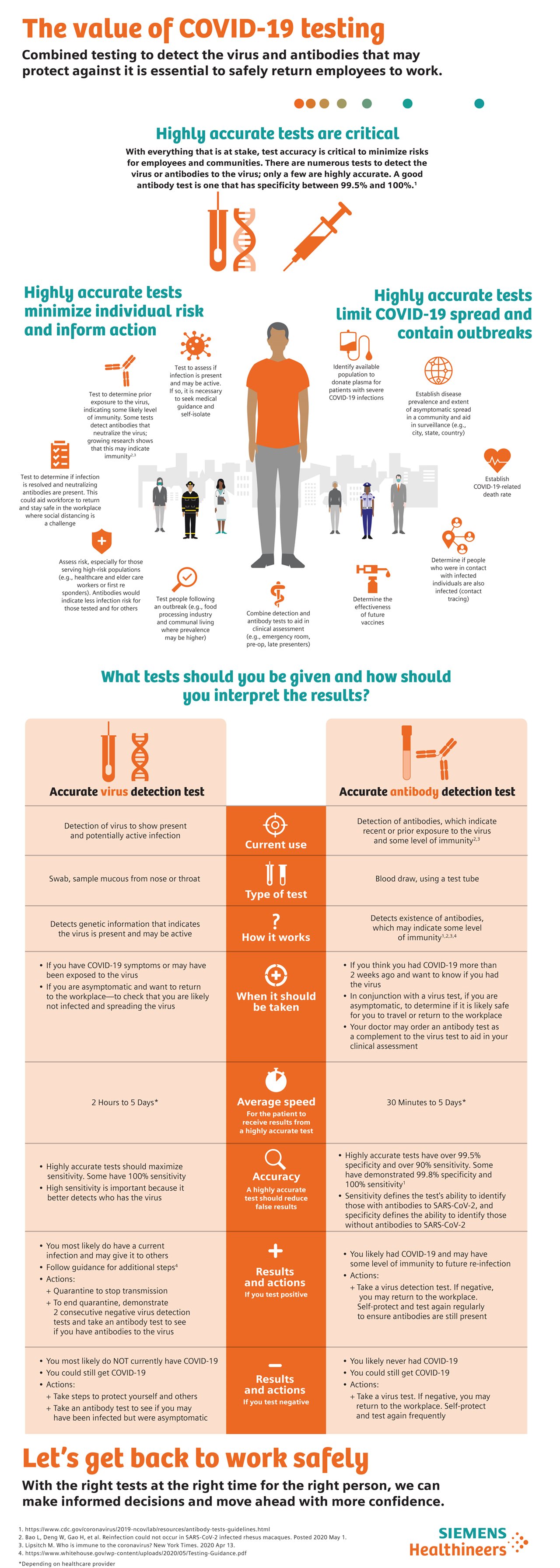
The value of COVID-19 testing [Infographic]

2020-08-10T08:01:00

(BPT) – Highly accurate COVID-19 testing is key to reopening communities, businesses and the economy. There are numerous tests to detect the virus or antibodies to the virus; however, only a few are highly accurate. With the right tests at the right time for the right person, we can make informed decisions and move ahead with more confidence. Siemens Healthineers shared an overview of the different types of tests available and how to use the results to inform next steps.


Study finds 1 in 5 dogs has parasites: How to stop the spread of worms

2020-08-10T19:01:00

(BPT) – If you’re like 68% of dog owners, your pup has become even more of an emotional companion during the pandemic. You love your pup so you’ve stayed on top of tick and flea medication and are trying to remain diligent in scheduling annual exams with your veterinarian. But even great dog owners may not put much thought into other, less talked about health risks like intestinal parasites and worms which can not only make your pup really sick, but can also infect humans.

A recent study found an uptick in the prevalence of intestinal parasites in dogs across the country, which is a big concern for pet parents. With dog owners reporting they’re 11% more likely to take their dog more places after the pandemic, it’s important to know the risks public places can pose and take necessary steps to keep your dog and family healthy and free of worms.

Something’s wormy: Eye-opening findings

Approximately one in five dogs visiting dog parks are infected with intestinal parasites, according to research conducted by Oklahoma State University, IDEXX and Elanco Animal Health, a global animal health company. The study sampled fecal matter from dogs at dog parks in 30 cities across the U.S. to identify the nationwide prevalence of worms (whipworm, roundworm, hookworm) and intestinal parasites (giardia). Hookworm and whipworm were two of the most prevalent worms identified in the study, occurring most often in young dogs ages 1-3 years.

What this means for dog owners is that of the estimated 76 million pet dogs in the U.S., more than 15 million of them could be unintentionally spreading parasites into the environment on any given day. In recent years, bringing your companion along to public places like restaurants, airports, shopping centers and parks has become the norm. Even now as many dog owners are spending more time with their pups while staying at home, worms can still be unknowingly spread from everyday places like the park down the street. It’s crucial for pet parents to take a proactive approach when it comes to parasite prevention for their furry family members.

Worms 101: Educate yourself about common parasites

Heartworm: Transmitted through mosquito bites, this parasite is present nationwide. According to the American Heartworm Society, the U.S. saw an increase in the average number of heartworm cases per clinic from 2013 to 2016.

Whipworm: Sniffing and rolling around in the grass is natural for dogs, but these traits can also make them vulnerable to contracting whipworm from infected dirt or other dogs’ waste. Whipworm eggs can live in infected spaces for up to 5 years.

Tapeworms: Your dog can contract tapeworms from fleas during self-grooming or from hunting rabbits, rodents, wildlife and livestock.

Hookworm: Hookworm larvae live in the soil and can infect your dog through contact and ingestion, which happens when they roll in the dirt or during their routine self-grooming. Simply walking through an area with hookworm larvae present can be enough to infect your dog.

Roundworm: Dogs can contract roundworm by coming in direct contact with the parasite through contaminated soil or play places. Puppies can also contract roundworms through their mothers prior to birth.

How to help stop the spread of harmful worms

Pet experts agree that a proactive approach is best when it comes to keeping your dog healthy. To prevent your pup and others from contracting and spreading parasites, remember the acronym STOP:

  • Stay ahead. Make a year-round, broad-spectrum dewormer part of your monthly care routine.
  • Talk to your veterinarian. Ask about fecal exams as part of your dog’s annual checkup and any time they show irregularities in appetite or behavior.
  • Ordinary exposure. Understand the risk of worms where you live and play, including your neighborhood dog park.
  • Prevent the spread. Pick up after your pup at home and in public every time to help keep the area safe and sanitary.

You want to keep your four-legged family member happy and healthy. One critical part of that is with parasite prevention. Not only will this protect your dog, but other pets in your area. Learn more about the Elanco study and protection of parasites by visiting https://web.elanco.com/bewormready.

TRUE Global Intelligence. Elanco COVID-19 Dog Socialization Survey. 25 June 2020.

Stafford KS, Kollasch TM, Duncan KT, et al. Detection of Gastrointestinal Parasitism at Recreational Canine Sites in the United States (the DoGPaRCS study). Parasites & Vectors. 2020; 275:1-23.


6 tips to beat the heat and save energy this summer

2020-08-10T14:01:00

(BPT) – Do you feel like you’re spending more money on utilities? Social distancing and quarantining at home throughout spring and early summer may mean higher electricity needs and cooling demands.

According to research reported in Renewable Energy World, energy bills showed an increase of roughly 20% in the month of March 2020 as opposed to March 2019, the first month of quarantine for many areas across the United States. Considering these numbers are from a time when weather is more temperate nationwide, it’s safe to assume hotter months will accelerate home energy use.

Heat waves can also make it difficult to stay comfortable at home. You can help lower these expenses by adopting a few simple lifestyle changes and switching to energy-efficient products. Remember, saving energy at home is a win-win — not only does it mean less money spent each month on power bills, but also shrinking your energy footprint, as well as decreasing environmental impact.

Step 1: Adjust indoor temperatures

During warm weather, set your air conditioner at the highest temperature possible for your family to feel comfortable. What’s more, when you’re gone, turn the temperature up. You can save as much as 10% a year by making seasonal adjustments to your thermostat of 7 to 10 degrees for 8 or more hours, according to the U.S. Department of Energy.

Step 2: Smart home controls

Control all your smart home products within one central hub with the Brilliant Smart Home Control which supports LED, CFL, halogen, incandescent bulbs, dimmable and multi-way lighting. The device offers an array of high-tech functionalities including a built-in Amazon Alexa, (also works with Google Assistant and Apple HomeKit), an all-in-one mobile app that can be controlled from anywhere and a built-in camera with privacy shutter, motion sensor and intercom system.

Step 3: Block natural heat sources

Radiant heat from the sun outside can come through windows and heat up your home quickly, making air conditioning units run harder and longer to maintain a comfortable environment. The Home Decorators Collection Blackout Cordless Cellular Shades energy-efficient fabric insulates and shields a room from the outside heat, helping to lower energy bills while providing room darkening and privacy capabilities

Step 4: Use fans strategically

The breeze from a ceiling fan or a portable fan helps you feel cooler, so use them as you move from room to room, particularly when sleeping at night. Additionally, ventilation fans play an important role in regulating temperatures as well as eliminating mold and mildew.

Step 5: Turn off lights

Switching to LED and other environmentally-friendly lighting options not only saves energy, but also produces light with less heat output so your home stays cooler. For example, EcoSmart light bulbs use 75% less energy than 60-watt incandescent bulbs and meet federal minimum efficiency standards. Make the swap to enjoy lower energy bills without traditional phantom heat output.

Step 6: Keep up with maintenance

Being proactive with home maintenance can help you control energy costs all year long. Start by changing your furnace filter regularly to keep air flowing freely so your HVAC system doesn’t work harder than necessary. The minimum requirement is once a season, but you may want to do it more often when in higher use as filters will get dirty faster. Additionally, seal leaks, repair roofing and monitor insulation and you’ll position your home for energy efficiency and streamline costs.


4 ways to get ready for school no matter where you’re learning

2020-08-10T08:01:00

(BPT) – The new school year will look different for everyone this year, but whether students are gearing up for an in-person, online or hybrid learning experience, the right school supplies can help keep them motivated and productive all year long.

Now more than ever, teachers and parents are heading online to prepare for the school year. In fact, according to the National Retail Federation, online school supply shopping is on the rise, with more than half (55%) of K-12 shoppers planning to buy their supplies online this year. If you’re setting up an at-home learning space or preparing for a safe return to the classroom, online stores like Amazon make it easy to get everything you need.

Here are some tips on how you can prepare for the new school year:

Stock up on essentials

Start the year off fresh and organized with a new planner, an ample supply of notebooks and fun, colorful folders. A mesh desk organizer will help your kids stay organized so they never misplace their pens and pencils (or their homework). Sparkle Mechanical Pencils will have them feeling stylish and eliminate pencil shavings — which is especially helpful if your kitchen is doubling as your classroom this year.

For younger students, stock up on crayons, markers and colored pencils, to give them a chance to unleash their creative side. Amazon’s Ready for School store offers low prices on these essentials and more, all shipped safely to your door.

Additionally, if the kids are at home all day, you may need to load up on more snacks this year. Try something that comes in single-portion servings for an easy snack that won’t leave a mess in the kitchen.

Set up an at-home learning space

An organized and productive learning space can help keep students motivated while learning from home. With Amazon’s Educator Shop, teachers — and parents-turned-teachers — can easily find everything they need to set up their learning space.

Upgrade your student’s setup with a desk, a comfortable chair and a printer like the all-in one HP printer, to start. Add a cool lamp to help brighten up their space or a fun desk accessory, like a plant to add some color and life. Finally, boost connectivity with routers such as this eero router to ensure you have top-notch Wi-Fi throughout the house, making any room a perfect classroom.

Upgrade your tech

A whopping 40% of parents are looking to invest in digital resources to supplement school education, according to the 2020 Deloitte back-to-school survey. Whether it’s full-time, part-time or supplemental, digital learning is an important part of education. Start by checking out Amazon’s digital education center, which includes educational content and workbooks for students.

Or with the All-new Fire HD 8 Kids Edition Tablet, students and parents can research and download educational apps to supplement school in a fun and engaging way. The device comes with a kid-proof case to protect from drops and bumps and has a built-in stand for hands-free use. Finally, remember to manage screen time by setting rules for usage and providing children with Kids Blue Light Blocking Glasses to protect developing eyes from harsh light.

Set up healthy routines

Getting out of “summer mode,” especially this year, can make sticking to a routine difficult. With the start of the new school year fast approaching, start easing back into healthy routines now by setting earlier alarms or having family reading time in the evening.

As the school year gets going, make quick, healthy lunches extra fun by packing things ahead of time in colorful, reusable lunch containers like these Bento boxes. And don’t forget hydration — keeping a durable water bottle with your kids whether they’re at home or school is important. The Contigo Water Bottle is perfect for keeping kids hydrated and provides water in a personal, sanitary container that won’t leak. But if your kids are spending their days learning from the kitchen table, don’t forget to take breaks throughout the day. Just taking a few breaks during the day to stretch or go for a walk can keep your family moving and active!

Find all of your school-year essentials and more at amazon.com/readyforschool.


10 rules of tires every driver should follow before they hit the road

2020-08-10T14:01:00

(BPT) – Every time you drive, you trust your tires with your safety.

Tires may seem simple, but they’re more complex than many drivers realize. That begs the question: What do you need to know about them in order to stay safe on the road?

Here are 10 Rules of Tires — core principles drivers should know before they turn the ignition or walk inside a tire shop. Follow these important guidelines and you can have peace of mind when you hit the road. To read more about each rule, visit NokianTires.com/TenRules.

Purchase tires that suit your climate

Even the best set of tires could be the wrong fit for where you live. If you get lots of snow and ice each winter, then winter tires are likely your safest option, which means you’ll need to switch to all-season tires in the other three seasons. If you don’t get any winter weather, all-season tires are a good choice for year-round use.

If your winter weather is unpredictable or you live near the mountains, all-weather tires provide a great compromise: winter safety in a tire you can drive all year long. NokianTires.com/Weather has more information about all-weather tires.

High-quality tires are worth the investment

The tire shop is one place where price should not be your top priority. There are many factors — such as grip, responsiveness to the road and low rolling resistance — that make high-quality tires worth the purchase and could actually help save you money in the long run.

Tires can be sustainable without sacrificing safety

High-quality tires aren’t just about safety; good tires can also help you minimize your environmental footprint. Many tiremakers are lowering their products’ rolling resistance, using eco-friendly ingredients and introducing sustainable production processes. Rewarding them for their efforts can also help protect the planet.

Tires are only as safe as their maintenance

Even the best tires depend on you. Keeping them up to speed gives you a better chance of staying safe on the road. That means inflating them to the proper pressure level, regularly checking for damage and rotating them frequently.

Winter tires don’t belong on spring and summer roads

The qualities that keep you safe on snow and ice make winter tires a bad fit once weather warms. Fortunately, there are other solutions crafted to keep you safe when the mercury rises, such as driving all-weather tires year-round or switching to all-season tires.

Much of a tire’s quality is determined before it touches the road

Want to know what you’ll get out of your tires? Pay close attention to what goes in them. High-quality rubber and state-of-the-art technology set great tires apart from the rest. For example, Nokian Tyres reinforces many of its products with Aramid — the same fiber used in bulletproof vests — to help protect against road hazards.

When you’re choosing tires, trust the experts

Tire dealers work hard to help keep drivers safe. They can help you see past marketing gimmicks and understand which tires are best for you.

Make sure your tires fit your vehicle

The right-sized tires are more likely to provide you with safety, fuel efficiency and comfort. Make sure your tire size matches your vehicle’s recommendation, which you can typically find in your door jamb.

Put stock in the features that actually matter

Low price and high mileage warranties can be overrated. To choose the right tires, pay attention to other details — such as ingredients, rolling resistance, and whether the tires match your typical road conditions.

Treat road trips differently than the daily commute

Road trips place unique demands on your tires. Before you leave for a long trip, check your tires’ inflation level and tread depth, inspect for visible damage and have them rotated.

Following these rules goes a long way toward keeping you safe on the road. To read about each rule in more detail, visit NokianTires.com/TenRules.