‘I never got to say goodbye’: The heartbreak of losing a child to a vaccine-preventable disease

2020-10-07T14:39:00

(BPT) – “I received a phone call one day that devastated my life forever. My son, Nico, had been diagnosed with meningococcal disease, and was at the hospital for only eight minutes before losing consciousness. He never woke up — and as a father, I never got to say goodbye.”

GSK spokesperson and meningitis advocate Greg Williams’ son, Nicolis ‘Nico’, was a 20-year-old student at a university in Texas when he contracted meningococcal disease, also known as meningitis.

Nico’s symptoms began with a severe headache after a night out with friends. The next day, Nico’s headache progressed to flu-like symptoms, and after a visit to the student health clinic, he returned home to rest. Hours later, he was rushed to the emergency room and diagnosed with meningitis B (MenB), which would ultimately cost him his life.

Unfortunately, stories like Nico’s could become more common. The decrease in immunization rates for vaccine-preventable diseases during the COVID-19 pandemic could impact the health of our communities, including schools and students living on college campuses.[1],[2]

“I’ve probably asked myself a million times why didn’t I know about this disease, and how I could have let this happen,” Greg said.

Although Nico contracted MenB in 2011, before a MenB vaccine became available in 2014, recent CDC data show that still, only about one in five 17-year-olds have received at least one dose of the vaccine.[3] According to a 2020 online survey of 1,500 parents by Ipsos for GSK, while most parents are aware that a vaccine exists for meningitis, two in three parents (68%) are unaware that two different types of vaccines are needed to help protect against the most common types of meningitis— A, C, W, Y and B.[4]

While the disease is uncommon, MenB was responsible for all US college meningococcal outbreaks from 2011 through March 2019, which involved 13 campuses, 50 cases, and 2 deaths among an at-risk population of approximately 253,000 students.[5]

Top reasons reported by nearly 700 parents whose children were unvaccinated against MenB were that their child’s doctor never discussed it (31%), and that they did not know enough about MenB vaccination (28%).[4] However, parents reported that, after learning the facts about meningitis, most (70%) said that they were ‘highly motivated’ to vaccinate their child against MenB.[4]

Knowledge is power. Go to www.meningitisB.com to educate yourself about meningitis and the two different types of vaccines needed to help protect your teen against the five vaccine-preventable groups of meningitis — A, C, W, Y and B.[6]

“I hope that after hearing my story, parents will talk to their child’s doctor not only about meningitis vaccines but about all available vaccines. Saying goodbye to Nico was one of the most difficult things I’ve had to do as a father and as a man. We don’t need any more examples of parents who just ‘didn’t know.’”

Vaccination may not protect all recipients. Content sponsored by GSK.


[1] CDC. Morbidity and Mortality Weekly Report. Effects of the COVID-19 Pandemic on Routine Pediatric Vaccine Ordering and Administration — United States, 2020. Available at: https://www.cdc.gov/mmwr/volumes/69/wr/mm6919e2.htm?s_cid=mm6919e2_w.

[2] CDC. Vaccination Guidance During a Pandemic. Available at: https://www.cdc.gov/vaccines/pandemic-guidance/index.html.

[3] CDC. National, Regional, State, and Selected Local Area Vaccination Coverage Among Adolescents Aged 13–17 Years — United States, 2019. MMWR. 2020; 69(33):1109-1116.

[4] Findings of Ipsos survey conducted in the US during the months of February and March 2020. The survey included 1,500 parents of teens/young adults age 16-23. Funding for the survey was provided by GSK.

[5] Gary S Marshall, Amanda F Dempsey, Amit Srivastava, Raul E Isturiz, US College Students Are at Increased Risk for Serogroup B Meningococcal Disease, Journal of the Pediatric Infectious Diseases Society, piz024, https://doi.org/10.1093/jpids/piz024

[6] CDC. Meningococcal Vaccination: What Everyone Should Know. Available at: https://www.cdc.gov/vaccines/vpd/mening/public/index.html.


How Understanding a Common Virus May Help Treat Progressive Multiple Sclerosis (MS)

2020-10-07T16:23:00

(BPT) – Sponsored by Atara Biotherapeutics

Multiple sclerosis (MS) is a chronic unpredictable neurological autoimmune disease that affects an estimated 1 million adults in the U.S.1 In MS, the immune system mistakenly attacks the central nervous system (CNS) which can affect a person’s muscle control, balance, vision, sensation and cognitive function. Of the 2.8 million people with MS globally, 1 million live with a severe form of the disease called progressive MS.2,3 People living with progressive MS can face enormous uncertainty as they experience worsening symptoms and gradual accumulation of disability affecting their daily lives and outlook on life.

Though the exact cause of MS is still unknown, environmental and genetic risk factors are associated with the risk of developing MS. Epstein-Barr virus (EBV) is one of the most well-established risk factors in MS supported by more than 20 years of research demonstrating the link between EBV infection and development of MS.4,5

About 95 percent of people around the world are infected with EBV at some point in their lives. However, most people’s immune system can control the virus, which remains hidden in human B cells with little or no adverse effects.5 EBV infection has been reported in 100 percent of people with MS.6-8 Interestingly, the risk of MS is extremely low in people not infected with EBV but increases sharply in the same individuals following EBV infection.9-10

Despite advances in MS, treatment options are few for those living with progressive MS. Therapies used to treat progressive MS have limited effect in slowing or reversing disability, demonstrating an urgent need for new and innovative options.

By understanding the role of EBV in MS and the body’s immune system, researchers have developed an investigational therapy called ATA188 which specifically recognizes EBV-infected immune cells (B cells and plasma cells) in the CNS. ATA188 is currently being studied in a randomized double-blind placebo-controlled clinical trial for the treatment of progressive MS (NCT03283826).

This trial is ongoing and currently seeking participants. If you or someone you know is living with progressive MS and is interested in participating or learning more, please visit atarabio.com for study details or to find a site near you.

References

  1. National MS Society Website: https://www.nationalmssociety.org/What-is-MS/How-Many-People
  2. Multiple Sclerosis International Federation: https://www.atlasofms.org/map/global/epidemiology/number-of-people-with-ms
  3. Multiple Sclerosis International Federation: https://www.msif.org/research/challenges-of-ms-research/progressive-ms/
  4. Pender MP. The essential role of Epstein-Barr virus in the pathogenesis of multiple sclerosis. Neuroscientist, 2011;17(4):351-67.
  5. Bar-Or A et al. Epstein-Barr Virus in Multiple Sclerosis: Theory and Emerging Immunotherapies. Trends Mol Med, 2020;26(3):296-310.
  6. Pakpoor J et al. The risk of developing multiple sclerosis in individuals seronegative for Epstein-Barr virus: a meta-analysis. Mult Scler. 2013;19(2):162-6.
  7. Dobston R et al. Epstein-Barr–negative MS: a true phenomenon? Neurol Neuroimmunol Neuroinflamm. 2017;4(2):e318.
  8. Ruprecht K. Absence of Epstein-Barr virus seronegativity in a large cohort of patients with early multiple sclerosis. ECTRIMS Online Library. 2018;232073;320.
  9. Levin LI et al. Primary infection with the Epstein-Barr virus and risk of multiple sclerosis. Ann Neurol, 2010;67(6):824-30.
  10. Ascherio A et al. The initiation and prevention of multiple sclerosis. Nat Rev Neurol, 2012;8(11):602-12.


6 ways to reduce single-use plastic during a pandemic

2020-10-07T07:01:00

(BPT) – The COVID-19 pandemic has increased in the consumption of single-use plastic as disposable mask and glove usage has skyrocketed. Additionally, many businesses have eliminated the option to use reusable shopping bags at a store or to bring your own mug to a coffee shop.

There’s no doubt these measures are important to help stop the spread of the virus but there are simple steps we should be taking to help reduce our single-use plastic consumption and achieve a more sustainable way of living, even during the coronavirus pandemic. Here are six:

Buy local

If possible, get out to your local farmers market or butcher for your grocery shopping. Farmers market vendors often use less packaging, and you can ask your butcher to wrap your meat in wax paper instead of plastic. Shopping local is also a great way to support your community.

Swap your cleaning tools

The leading spray mop uses single-use plastic pads. As the average household uses 1411 of these pads annually, more than eight million pounds of single-use plastic waste is generated every year in the US alone2. But it’s easy to make smarter, greener choices. For example, the O-Cedar ProMist® MAX Microfiber Spray Mop features a reusable, machine washable microfiber pad and a refillable bottle to cut down on plastic waste while removing over 99% of bacteria with just water3.

Plate over bowl, bowl over plate

If you’re doing more cooking at home, you’re likely finding yourself with leftovers. Ditch the plastic wrap and use your dishes as an easy, inexpensive food storage solution. To do this, place a plate or saucer over a bowl to cover its contents or, alternatively, flip any size bowl over leftovers on a plate. It’s a simple solution using what you already have. You’ll be protecting your food from drying out in the fridge while eliminating your plastic waste.

DIY cleaning solutions

With all the extra cleaning you’re doing around the house, buying cleaning solutions in disposable bottles for your home can be expensive and result in additional plastic waste. The average household goes through 18 bottles a year of cleaning solution when using the leading disposable spray mop4. Instead use a refillable bottle and make your own cleaning solution using water and your choice of vinegar or castile soap.

Wear a cloth mask

Safety guidelines make it difficult to go anywhere without wearing a face covering. But the popularity of disposable face masks has impacted the amount of plastic in the waste stream, according to a report by the LA Times. Do your part by opting to wear reusable, cloth masks — you can find them just about anywhere these days.

Avoid plastic where you can

When you’re ordering takeout, be sure to ask the restaurant to leave out any extra disposable materials. For example, let them know you don’t need disposable silverware. And although most coffee shops and cafes aren’t accepting reusable drink containers, you can still bring your own reusable straw.

These tips make it easier to do your part in reducing plastic waste. For more information on why you should swap to the O-Cedar ProMist® MAX Microfiber Spray Mop, visit https://ocedar.com/swap-your-mop/.

Claim Citations

1. Leading spray mop single-use plastic pad refills calculated using consumer consumption data found in Linkage Research Report: Spray Mop Habits & Practices Study (March 10, 2020).

2. Annual plastic waste based on IRI Scan, MULO, L52 Week Ending 4/19/20, assumes total single-use plastic waste from purchasing refill Pads from leading spray mop is equivalent to 4,435,305 pounds; total single-use plastic waste from purchasing refill solutions is equivalent to 2,427,748 pounds; total single-use plastic waste from purchasing a kit is equivalent to 1,453,283 pounds.

3. Removes over 99% of E. coli and Staph. aureus from pre-finished hardwood flooring and ceramic tile using tap water, as tested at an independent accredited lab.

4. Leading spray mop cleaning solution bottles calculated using consumer consumption data found in Linkage Research Report: Spray Mop Habits & Practices Study (March 10, 2020).


Survey: Pandemic has shifted how Americans view travel

2020-10-07T08:12:11

(BPT) – The COVID-19 pandemic has had an undeniable, unavoidable impact on the world — from the way you conduct business, to how you shop for groceries. It may have even shifted your idea of what is important in life.

According to Hankook Tire’s latest Gauge Index, Americans say spending time with family is a top priority. In light of everything 2020 has brought so far, Americans are shifting gears with a renewed emphasis on things they may have previously taken for granted: from time spent with loved ones, to road trips to favorite vacation destinations, and even, surprisingly, the daily commute.

The rise of the road trip

For many, the COVID-19 pandemic has thrown a wrench in vacation plans. But Hankook found that nearly two-thirds (62%) of Americans are still hopeful and excited about the idea of an upcoming vacation. And more than likely, that vacation will be a road trip.

As consumers remain skeptical of traveling by plane and other forms of public transit, they are finding a safe hygiene haven in their own vehicles. According to the survey, 60% of Americans expect to take more road trips as a result of the COVID-19 pandemic. Many expect a rise in road trip plans enabling travelers to explore while still safely adhering to social distancing guidelines.

So, who are they going with? Even as restrictions lift, Americans remain uncertain about traveling with people outside their households. At the same time, they don’t necessarily want to travel with everyone in their household.

When asked who Americans would most like to travel with after the pandemic restrictions ease, the top choice was their significant other or spouse (40%), indicating a desire to spend some quality time together. Traveling with a spouse or significant other was more than twice as popular as the next most popular choice: traveling with your children (18%).

Redefining the daily drive

Americans’ preference for wheels over wings doesn’t stop when it comes to planning their next vacation. It will also have a significant impact on the daily commute. Americans widely agree automotive travel will be the top form of transportation after the COVID-19 pandemic eventually subsides (62%). Only a small percentage of people expect to regularly use other forms of transportation — including public transit (9%), ride sharing (7%) and trains (6%) — with the same regularity.

Of course, nobody knows what that regular rush hour might look like, as offices across the country look for ways to safely stagger workforces and encourage working from home to allow for proper social distancing. Many will continue to avoid commutes altogether as companies encourage employees to keep working from home. When the time is right to resume your daily commute to work or school, make sure your vehicle is ready for the job as well by checking your tire pressure, any flat spots developed from prolonged parking and that A/C and heating systems are ready.

Overall, it’s clear that one of the many perspectives the COVID-19 pandemic has reshaped is Americans’ attitudes toward driving. What may have once been a daily drag might now be a necessary change in routine, and a welcome opportunity to spend time with the people that matter most.


New survey: How do Americans feel about traveling now?

2020-10-07T08:46:56

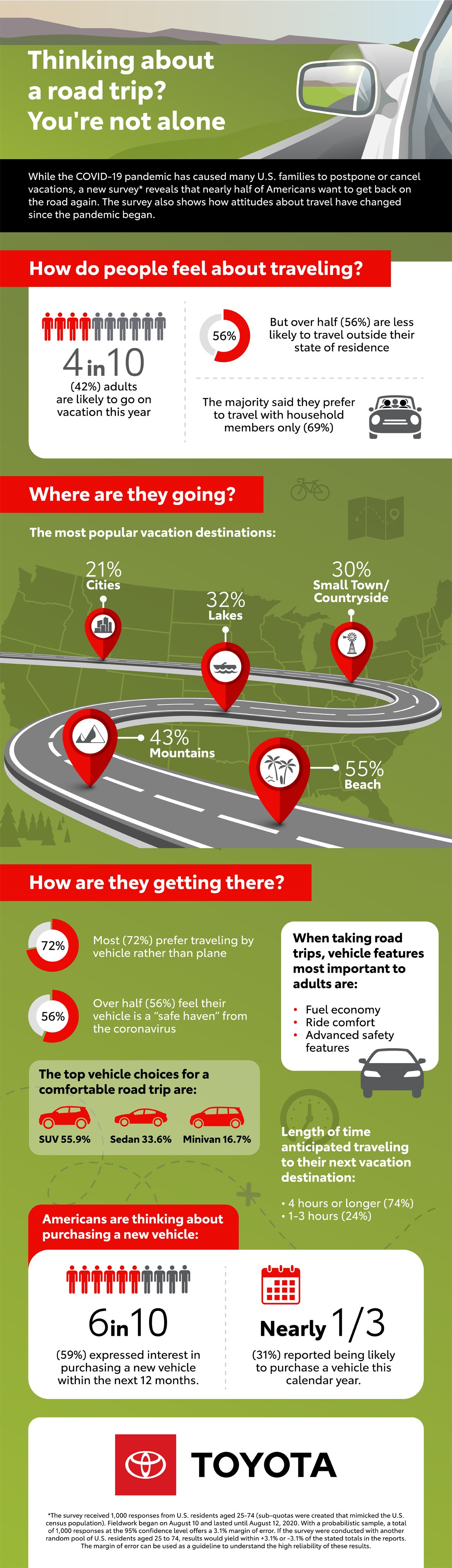
(BPT) – The COVID-19 pandemic has upended the lives of Americans in many ways, including making families from coast to coast cancel or postpone their vacation plans. However, a new survey reveals that nearly half of U.S. adults are planning to get out and take a trip again soon and a road trip is the way to get there.

The survey, conducted on behalf of Toyota, also shows how attitudes about travel — from destinations to modes of transportation — have changed since the pandemic began.

How do Americans feel about traveling now?

While 4 in 10 (42%) U.S. adults said that they are likely to go on a vacation or travel by the end of this year, over half (56%) of them reported that they are less likely to venture beyond their home state.

Another effect of the pandemic, not surprisingly, is that the majority of respondents (69%) said they would prefer to only travel with their immediate family members (such as their spouse/partner and children) from their household.

The results confirmed a strong preference for outdoor vacation experiences such as trips to the beach/swimming, state parks/hiking and camping. Most respondents anticipate driving 4-6 hours to reach their vacation destinations.

How are Americans planning to get there?

Perhaps the most striking difference compared to pre-COVID days was revealed when the survey asked about preferred modes of travel since the start of the pandemic. Nearly 3 out of 4 (72%) said they would much rather take a vehicle than a plane to get to their destination. The reason for this choice makes sense: Over half (56%) said they felt their vehicle was a “safe haven” from the coronavirus.

And what features help make a road trip a better choice for traveling? Drivers revealed that the three most important features are fuel economy, ride comfort and advanced safety features.

The top three choices for what type of vehicles respondents believed would result in the most comfortable road trip are:

  1. 56% SUV
  2. 34% Sedan
  3. 17% Minivan

From the eco-friendly and fuel efficient Toyota hybrid family, to Toyota Safety Sense standard on many new models, Toyota’s diverse vehicle line-up offers an option for every road tripper.

More road trips mean more interest in upgrading vehicles

Perhaps because over half (54%) of the survey respondents said that their vehicle has become more important to them due to the pandemic, interest in buying a new vehicle is strong. Nearly 6 in 10 U.S. adults reported some interest in purchasing a new vehicle within the next year, and 31% reported that they were likely to purchase a vehicle in the next year.

Respondents were also asked about their perception of some popular vehicle brands (allowing them to choose more than one), with 66% choosing Toyota as the top rated. Interestingly, positive perception of the brand was slightly stronger among millennials and members of Gen X (67% for each of those groups) as compared to Baby Boomers (64%).

If you and your family are planning a road trip vacation this year and need a new vehicle, find more information at Toyota.com.


5 easy bean recipes for a healthy immune system

2020-10-06T08:01:00

(BPT) – Strengthening your immune system is one of the best ways to prevent disease — and nutrition and digestive health are key components. If you’re looking for an easy way to boost your immune system, adding beans to your everyday meals is the perfect place to start.

One serving of beans contains 6 to 9 grams of fiber, which is about one-third of your daily value, and fiber is crucial for a healthy gut. Beans are also a valuable source of plant-based protein for hearty meals with staying power.

Here are five quick, simple recipes to help you add more beans — and nutrients — into your routine, no matter the time of day.

1. Going Green Smoothie

Wake up your taste buds with a tropical green smoothie that’s packed with vitamins. By adding white beans to the mix, the extra fiber will help you stay fuller longer and resist the urge to snack all day. For another breakfast option, black and pinto beans pair well with eggs to make a delicious morning scramble.

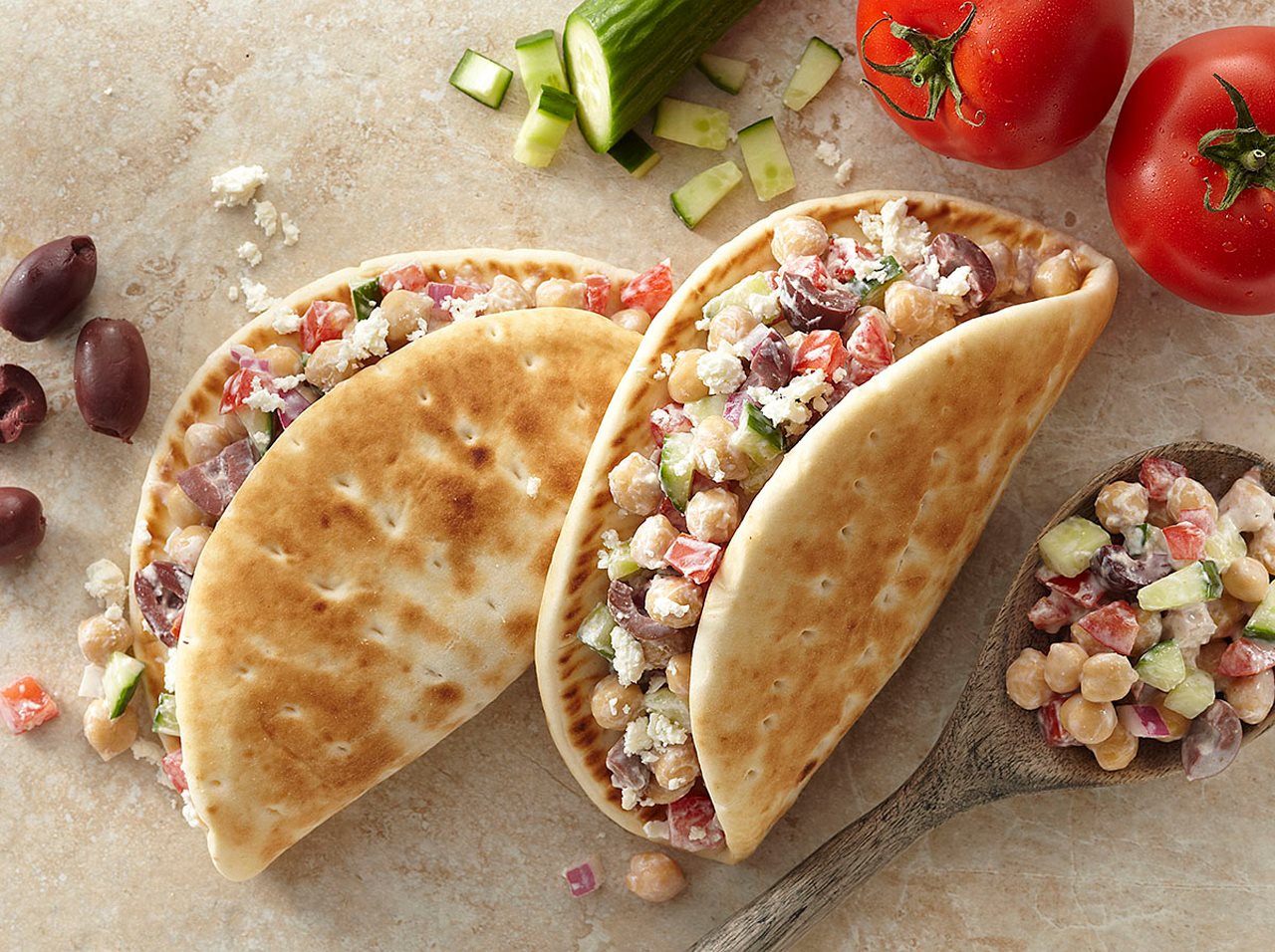
2. Greek Garbanzo Pitas

Go Greek for lunch with these garbanzo pitas. Packed with veggies and flavor, they come together in 15 minutes or less. S&W Garbanzos complete this dish by adding protein and prebiotic fiber, which helps balance the bacteria in your gut and support your immune system.

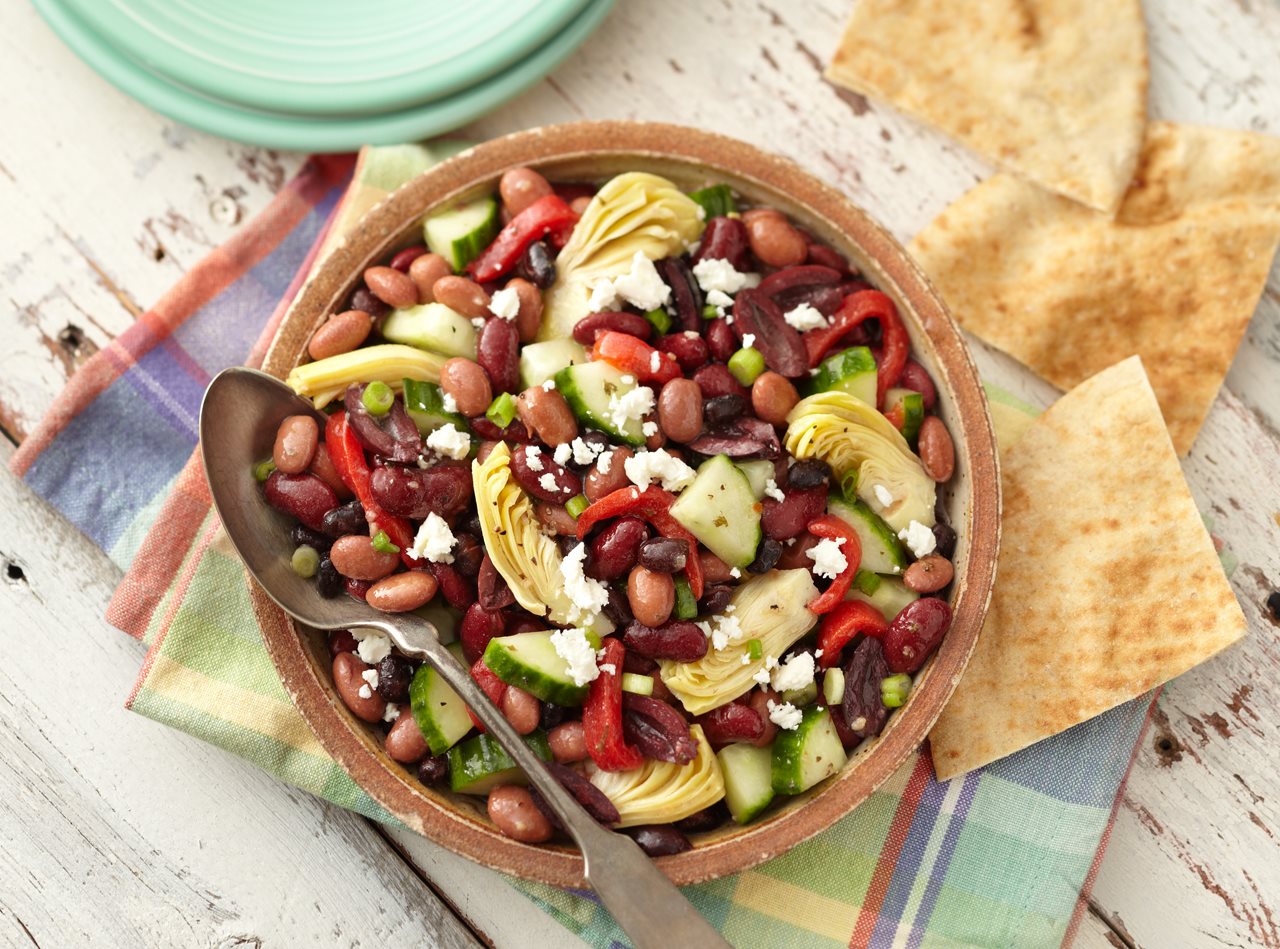
3. Artichoke Bean Salad

For another winning combination of health benefits, this artichoke bean salad makes the perfect lunch, snack or side dish. With S&W Three-Bean Blend, this recipe is loaded with nutrients that have been shown to lower the risk of heart disease, hypertension, Type 2 diabetes and certain types of cancer.

4. Bean “Meatballs” and Zucchini Noodles

Who says meatballs have to contain meat? This quick, plant-based recipe incorporates an inexpensive protein swap. Try using S&W Kidney Beans for the meatballs, and you’ll have a well-balanced meal that provides plenty of vitamins and minerals.

5. Cannellini Chocolate Chip Blondies

And don’t forget dessert. This chocolate chip blondie recipe calls for cannellini beans to satisfy your sweet tooth with extra protein and fiber. For healthier baking in general, try using pureed beans as a substitute for butter or oil in other recipes.

For more easy and tasty bean-based recipes, visit swbeans.com.


3 focus areas to get your finances back on track

2020-10-06T08:01:00

(BPT) – The COVID-19 pandemic has hit many people hard financially. From furloughs to job loss and from strict budgets to depleted savings and much more, people are making adjustments as needed. It’s important to stay focused on your financial well-being and take simple steps so you can recover and thrive in the future.

“Many people who have experienced financial disruption need some help to get their savings back on track,” says Andy Harmening, Consumer and Business Banking director at Huntington. “Even in a strong economy, managing everyday finances can be stressful. Fortunately, with a little diligence and some digital tools that make it easier to save, people can find the financial peace of mind they’re looking for.”

Harmening says it is possible to improve your finances in a post-COVID world by focusing on three key areas:

Create an updated, agile budget

Your income may change, so it’s important to understand your spending habits and create a realistic budget. Track all your spending for a month and separate out necessities versus nice-to-have items. You can also input your income and expenses and let an online budget calculator do the math.

Keep in mind variables due to the pandemic that may impact your budget. For example, a shorter work week, lower gas prices, more money on groceries and perhaps less money eating out. You’ll want to incorporate these positive and negative changes, and if possible, leave some wiggle room for future changes. Additionally, some things like gym memberships and parking passes may have paused when the pandemic started but are now being charged again. Sophisticated online banking solutions, such as a spend analysis tool, can give you an eye-opening look into how your spending adds up so you can make smart adjustments.

Replenish emergency funds with smart tools

Many people have tapped or even drained their savings to make ends meet as the pandemic hit. By updating your budget and getting ahead of spending, you can start to replenish emergency funds. Saving even a small amount regularly can help create an emergency fund that will put you in a better position to handle the potential of future financial challenges.

Small amounts over time — even just $5 — can add up to a robust emergency fund that provides peace of mind. Money Scout by Huntington is a new tool customers can enroll in that analyzes spending habits, income, and upcoming expenses and finds money you’re not using in your checking account. Then, it moves that money, from $5 to $50, automatically to your savings, up to three times a week. Bit by bit, it will help you build savings.

Automate bills and pay down debt

To keep your credit healthy, take steps to pay your bills on time and start reducing debt. A good first step is to automate wherever possible. Direct deposits and automatic bill payments ensure nothing gets overlooked or falls through the cracks in spending and saving.

If you’ve leaned on your credit cards during the pandemic, pay down the debt with the larger interest rate first to avoid wasting dollars on paying interest, even if that means paying smaller debts first. This will help you save money in the long run.

Keep in mind, it can be tempting to tap into money set aside in a retirement plan to cover expenses, but even if that can be done without a penalty, it can rob you of potential financial security down the road. If you need to pause contributing to a retirement plan temporarily to get finances back on track, that’s OK. But avoid borrowing from these accounts and start contributing to them as soon as you’re able to set yourself up for a bright financial future.


Dentist offers tips for a less spooky Halloween

2020-10-06T08:17:00

(BPT) – While Halloween will be different this year, you’ll still likely be enjoying all your favorite Halloween candies — at least from the comfort of your own home. And face it, it’s not just kids who like to indulge in sweet treats.

While enjoying your favorite sticky candy and sugary chocolate bars, you don’t want to be frightened by the prospect of cavities or other issues with your teeth. Oral health is an important part of staying healthy overall, so to help you and your family maintain proper oral care during the Halloween season and beyond, ARM & HAMMER Toothpastes has partnered with dental expert Dr. Derek Wallin, DDS to share his tips:

1. Stick to regular routines — so candy won’t stick to teeth

Especially after taking some — and then probably a few more — bites of Halloween candy, don’t skip your nightly routine. Though the extra time at home may have you in your PJs throughout the day and night (no judgment!), remember to brush your teeth at least twice a day, and especially after dipping into the Halloween stash. To ensure that you are brushing long enough, set a timer on your phone for two minutes while you brush your teeth thoroughly from top to bottom, front and back. Never skip brushing before going to bed, as the cavity-causing bacteria that live in mouths can do a lot of damage while you’re sleeping.

2. Be choosy about Halloween candy … and when you eat it

Not all candy is created equal, at least where your teeth are concerned. You probably guessed it: Candies that stick on and between teeth are the worst culprits. For example, taffy and gummy candies leave a sugary residue that’s hard to reach when it gets stuck between teeth and under gums. Chocolate or sugar-free candies are less damaging to your teeth and lead to less plaque buildup. Whatever type of candy you indulge in this Halloween season, enjoy it in moderation, and avoid hitting the candy stash after your nightly brushing.

3. Don’t brush immediately after eating

You may be surprised to hear that it’s better to wait a while after you’ve finished eating to brush your teeth. Your mouth has a higher acidity level right after eating, especially when you’ve been eating candy. Brushing while your teeth are more acidic can wear down and dissolve tooth enamel quickly, so it’s best to wait 30 minutes after eating, if you can. One extra pro tip: Before you brush, swish with a mouthful of water to reduce any acid buildup and to help minimize damage to your enamel.

4. Use effective toothpaste

Using great quality toothpaste when you brush can help keep your teeth and gums healthy, even when you occasionally enjoy sweets. Apart from a good toothbrush, I recommend using ARM & HAMMER Toothpastes because they are made with 100% natural baking soda to naturally whiten teeth while quickly neutralizing acidity and restoring a more natural, balanced pH in your mouth to keep your teeth strong. The latest ARM & HAMMER Essentials Toothpastes are made with more of the essential ingredients you need for a healthy, beautiful smile, including naturally sourced calcium and essential oils sourced from natural North American peppermint to freshen breath. Overall, they’re a great option for those searching for a simple and clean toothpaste solution — even better, they’re efficacious, budget-friendly and come in three varieties.

Following these tips and tricks can take some of the fright out of this Halloween’s sugary treats.


Pros and cons of using credit cards today

2020-10-06T05:01:00

(BPT) – One of the many changes spurred by the COVID-19 pandemic is a fundamental shift in how people are paying for the goods and services they need. Due to both health and safety concerns, consumers and retailers are more frequently choosing credit cards for online and in-person payments in an effort to make transactions as contactless as possible. Moreover, the pandemic has caused a national coin shortage, causing retailers to prefer and, at times, even require the use of a card instead of cash.

If you’ve avoided using credit cards or feel worried about overusing them, now is an opportunity to rethink your spending strategy. If used smartly, they can be considered one of many effective tools to help you manage your money better.

Here are some pros and cons of using credit cards instead of cash and tips for avoiding the pitfalls from the experts at Navy Federal Credit Union.

Pros:

Boost your credit. Using your credit cards on a regular basis may be a great way to improve your credit score. Not maxing out cards and paying your bills on time shows lenders that you can borrow responsibly, which can help you get better interest rates when you need to make big purchases such as a car or home.

Earn rewards. Many credit cards offer rewards on everyday purchases like groceries, gas, and take-out. Some cards also offer a sign-up bonus, such as $150, when you spend $2,000 in the first three months, even on purchases you were already planning to make. This is an easy way to earn rewards and let your regular purchases add up in your favor. According to Justin Zeidman, head of credit card products at Navy Federal, “the best credit cards give you flexibility both in the way you earn and in the way you redeem.” Find a card that offers either extra cashback or rewards points on everyday purchases like groceries, restaurants and gas.

Track your spending. If you’re trying to stick to a budget, it’s easy to track purchases made with a credit card, especially using mobile apps that update your purchases in real time. If you’ve ever lost track of cash in your purse or wallet, not remembering what you spent it on, a credit card can help you solve this problem and better understand your spending habits, by telling you exactly where your money’s going.

Better protection. You have complete protection if your card is ever lost or stolen. Not only that, but credit cards offer protection against fraud if someone uses your number for an unauthorized purchase. Some cards also offer safeguards against buying damaged or faulty products. “If you think your card is lost or stolen, report it to your financial institution immediately,” said Zeidman. “When you’re on the phone with your issuer, explain to them the full extent of your situation. They’ll walk you through next steps such as filing a claim to dispute any unauthorized transactions.”

Cons:

Missing payments.

If you’re not good at remembering deadlines, it can hurt you. Missing or late credit card payments can have a negative impact on your credit score.

The solution: “One of the easiest ways to stay on top of your credit card payment is to set up automatic payments,” says Zeidman. “Set it and forget it,” he added. If you can, pay the full amount each month, or at least more than the minimum amount, to minimize interest accumulating.

Finally, during a time when health and safety are paramount, in addition to convenience and value, credit cards with contactless capabilities can offer consumers more safety and peace of mind. When used responsibly, not only can they help you to boost your credit and earn rewards, cards with contactless technology allow you to make everyday purchases without having to fumble with card systems other people have been touching. While the increase in contactless payments among American consumers has been slower compared to other parts of the world, COVID-19 has accelerated credit card usage in the U.S., and that’s a trend expected to continue after the pandemic has subsided.

COVID-19 has resulted in many changes, and as Americans reevaluate their finances in economically uncertain times, they should be sure to look in their wallets and understand how they pay for everyday purchases. As everyone’s situation is unique, make sure to carefully weigh the pros and cons of any big financial decisions. That said, there is a great opportunity for many Americans to make sure their credit cards are working for them, their rewards are maximized, and they’re staying safe.