
Consumer Safety Alert: Know the Hidden Hazards of Severe Weather

2021-06-01T11:01:02

(BPT) – As severe storm season begins, the U.S. Consumer Product Safety Commission urges families nationwide to prepare

The United States has experienced an increase in severe weather during the past year. The record-setting 2020 hurricane season and catastrophic winter storms, dangerous thunderstorms, tornadoes and floods thus far in 2021 caused massive destruction and widespread power outages that left millions of people in unsafe conditions, leading to injuries, and even death.

Millions of Americans live in areas prone to severe weather events such as hurricanes, winter storms, tornadoes, floods and wildfires. While consumers may know the proper safety precautions to take during a storm, they may not be aware of the increased risk of carbon monoxide (CO) poisoning, fires and electric shock after the storm, especially when power has been knocked out.

Many people use portable generators to provide electricity to their homes during extended power outages. However, portable generators emit CO, a colorless and odorless gas that can kill you and your family in minutes. Research from the U.S. Consumer Product Safety Commission (CPSC) found an estimated 78 people in the U.S. die each year after being exposed to CO emissions from portable generators. In fact, according to the CDC, more than 400 Americans are killed every year by the invisible poison Carbon Monoxide.

Now is the time to prepare for the hidden hazards of severe weather. Protect your family by following CPSC’s severe weather safety tips:

1. Never use portable generators inside your home.

If you own a back-up generator, be sure to read the owner’s manual before storms hit, and only use the generator outside of your home. Generators should never be operated inside your home or any interior space, like a garage, crawlspace, shed or porch.

Just opening a window or door to provide ventilation is not enough. Lethal levels of CO can build up quickly, and CO poisoning and even unconsciousness can occur before victims recognize the symptoms of nausea, dizziness or weakness.

2. Test smoke alarms and CO detectors to ensure they are working.
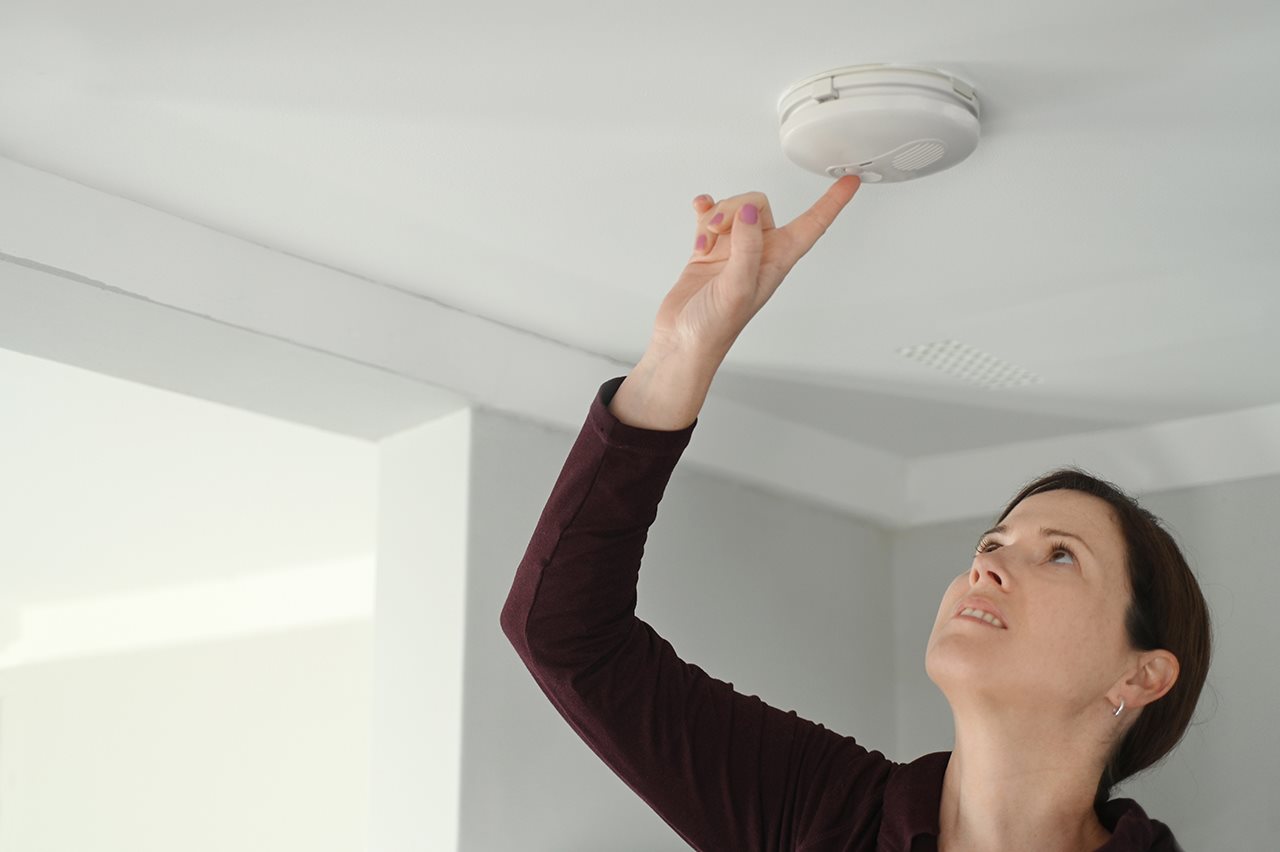
That beeping sound may be annoying, but it saves lives! Test in-home smoke alarms and CO detectors monthly to ensure they are working properly. CPSC recommends installing battery-operated CO alarms or detectors with battery backup on each level of your home and outside of bedrooms or sleeping areas.

Never ignore carbon monoxide and smoke alarms when they sound. Go outside immediately and call 911 from a safe distance.

3. Use battery-powered flashlights instead of candles.

To reduce the risk of fires, keep a stash of flashlights and extra batteries handy in case the power goes out. If you must use candles, do not burn them on or near anything that can catch fire. Never leave burning candles unattended or within the reach of children or pets. Extinguish candles when you leave the room and before sleeping.

4. Never use charcoal inside of your home.

Burning charcoal in an enclosed space can produce lethal levels of carbon monoxide. Do not cook on a charcoal grill inside your home or in your garage, even with the door open.

Now that you know the tips, how prepared are you for severe storms?

While severe weather may be unpredictable, your safety doesn’t have to be. Prepare now. Follow CPSC’s safety tips and share this life-saving information with others in your community.

To learn more about the hidden dangers and how to survive after a severe storm, visit https://www.cpsc.gov/Safety-Education/Safety-Education-Centers/Carbon-Monoxide-Information-Center.

3 things to look for in a collagen supplement

2021-06-01T07:01:00

(BPT) – Collagen is the glue that holds your body together. Whether it’s your hair, your skin or your nails, collagen provides the structure your body needs to keep everything intact. That’s one of many reasons it’s been trending so much in recent years. Your body makes it by combining amino acids from foods you eat like chicken, fish, eggs, beans or other dairy products. However, eating collagen-rich foods isn’t always enough to reap all of the health benefits. That’s where supplements can be beneficial.

Why do you need collagen?

Your body produces less collagen as you age. Unfortunately, this decrease in production can reduce skin elasticity and hydration, meaning your skin could start wrinkling sooner. Low collagen production can also weaken joint support, as joints are made up of Type 2 collagen.

Collagen is also crucial for your heart health. Recent studies show that Type 3 collagen is essential for normal collagen Type 1 production in your cardiovascular system and other organs. When collagen production is low, it can increase your risk for various heart-related conditions, according to the National Institutes of Health.

Exercise, a balanced diet and the right blend of supplements can provide the right environment to help your body produce a healthy amount of collagen, which can allow you to look and feel your best.

“Collagen is not the fountain of youth,” says Dr. Lauren Horton, senior director of research and development at AdvoCare. “However, choosing the right collagen supplement combined with proper diet and exercise can help support you and your health goals. If you’re interested in taking collagen supplements, it’s important to do your research so you can separate fact from fiction.”

What should you look for in a collagen supplement?

Horton says the qualities you should look for in a collagen supplement are ones that:

Support natural collagen production

There are supplements available that can promote natural collagen production. These supplements typically source ingredients like bamboo extract, which complements collagen and supports your skin’s strength and elasticity.

You may also want to think about what collagen supplements will help you support your goals. Depending on what you’re trying to do, you may want to look for supplements that specifically support joint health or ones that specifically support hair, skin and nails.

Includes peptides

Bone density can decrease as you age, which, in some cases, can lead to osteoporosis. The good news is people who took collagen peptide supplements for at least one year saw an increase in their bone mineral density compared to those who didn’t, according to a recent study from the National Institutes of Health. The researchers concluded that the increase occurred because the collagen stimulated bone formation while slowing down bone loss.

AdvoCare, the company that makes Glow brand collagen supplements, uses marine collagen peptides, which tend to be more bioavailable. According to Horton, these supplements allow the collagen to absorb into your system better than traditional bovine collagen supplements, regardless of delivery method.

Comes in multiple forms

Not everyone takes supplements the same way; they can come in many forms. Some people prefer their supplements in pill or liquid form, while others may prefer a powder they can conveniently mix in with a beverage. One way isn’t better than the other, and it all boils down to your personal needs and healthy lifestyle goals. Taking supplements to fill in nutritional gaps is typically more important than the delivery form.

Horton says powders work better for those who want higher collagen intake, AdvoCare Glow contains 5,000 mg of marine collagen. Others may be willing to trade off quantity and take pills for ease or convenience.

A path to feeling and performing better

Collagen alone can’t improve your health and well-being. But with the right diet, exercise regimen and supplement intake, you can look and feel better with the support of collagen.

So how much collagen is safe to have per day? While it can depend on the person, manufacturers typically say a 2.5 to 15 gram daily dose is acceptable. However, you should still check with your health care provider first before choosing the right amount for you.

For more information on collagen supplements, visit www.connect.advocare.com.

How to help senior loved ones protect themselves from financial abuse

2021-06-01T07:01:00

(BPT) – An often-overlooked aspect of elder abuse is cybercrime — and it’s a problem that’s getting worse.

In 2020, the FBI reported a record amount of cybercrime complaints — nearly 800,000 — adding up to over $4.1 billion in losses. More than half of those losses were suffered by people aged 50 and older.

“The financial consequences are staggering,” said DJ Johnson, senior vice president of financial crimes risk management at Charles Schwab. “It’s something we all need to prioritize, dedicate resources to address and work closely on to prevent.”

The FBI data shows that, on average, Americans aged 50 and over lost nearly $5 million every single day, or nearly $3,500 per minute, to cybercriminals.

To protect your loved ones from financial cybercrime, the first step is awareness. What are the scams?

While fraud can come in many forms, some criminal schemes are targeted at the senior population, including:

  • Romance scam: Fraudsters present themselves as potential romantic partners online to exploit their targets’ desire for companionship — a desire that has grown for many who have felt isolated through the coronavirus pandemic — and eventually get access to their money.
  • Person in need scam: Criminals pretend to be a loved one (e.g., a grandchild) in immediate trouble and need of money right away.
  • Investment scam: Outreach with phony investment opportunities.
  • Fraud investigation scam: Criminals pose as law enforcement officials, asking for personal information or even money to help with their investigation.
  • Technology scam: Fraudsters appear to be a technology support team member or someone from a trusted financial institution asking for remote access to fix a fabricated technical or account issue.

Who are the perpetrators?

When we think of fraudsters, we tend to think of nameless, faceless people sitting in the dark, halfway around the world. In reality, a report by the Office of Financial Protection for Older Americans found that in 36% of cases, the victim knows the perpetrator personally.

This is why caregiving should be a group effort. Bring other loved ones into the conversation, instead of leaving it in the hands of just one person. Lean on the financial institutions you keep your money with to be an extra set of eyes and ears for you. For instance, at Charles Schwab, we have teams dedicated to identifying and dealing with fraud attempts.

How can caregivers protect senior loved ones?

For caregivers, if you’re worried about your loved ones, start with this checklist to protect them:

  • Talk about it. Have a conversation about common scams. Discuss your loved ones’ investment goals and attitudes toward money so that you can recognize irregular behavior.
  • Designate trusted contacts. Make sure financial institution reps know who to contact on your loved one’s behalf in the event of suspected exploitation, fraud or health issues.
  • Get organized. Locate and safely store important financial documents, such as wills, trusts, powers of attorney, account statements, insurance policies and beneficiary designations.

Even after you put things in place for your loved ones, be vigilant:

  • Check in. Regularly review and update important financial documents.
  • Listen. Pay attention to what your loved ones are saying and listen for worrying key phrases, such as “people are asking me for money,” “my bills are confusing to me” and “I don’t understand financial decisions that someone else is making for me.”
  • Watch. Look out for red-flag behaviors, including unusual or unexplained financial activity, abrupt changes to documents, unpaid bills or mail piling up, new friends or sweethearts or confused behavior.

For more information on ways to educate and protect yourself and senior family members from fraudsters, visit schwab.com/schwabsafe/security-knowledge-center.

State of the Nation’s Mental Health: Stress is up, treatment is not

2021-06-01T05:01:00

(BPT) – Our nation reported more mental health stress in 2020, but there was not a corresponding increase in people seeking mental health treatment, according to the inaugural State of the Nation’s Mental Health report.

However, there were two conditions for which diagnoses and treatment grew in 2020: anxiety and PTSD for adults. These findings support the results of a recent study showing that four out of 10 U.S. adults reported symptoms of anxiety or depression in 2020, up from one in 10 in 2019.

The report’s findings, based on behavioral health plan claims from 27 million people in the United States, reflect the pandemic disconnect between feeling stressed and depressed and being diagnosed and seeking treatment.

Two groups had the largest overall downturn: younger children and older adults. One possible reason for the drop in children’s diagnoses is that they spent less time with teachers, coaches and other mentors during the pandemic. The Silent Generation — people 75 and older — may not have used telehealth services as much as other groups and delayed getting healthcare appointments.

The State of the Nation’s Mental Health report showed the following drops in 2020 rates for those treated for mental health diagnoses compared to those treated in 2019:

  • 10 percent overall drop for young children
  • 5 percent overall drop for adolescents
  • 5 percent overall drop for adults older than 75
  • 13 percent drop for young children diagnosed with ADHD
  • 8 percent drop for adolescents diagnosed with ADHD
  • 8 percent drop in adults older than 75 diagnosed with dementia
  • 3 percent drop for both Baby Boomers and adults older than 75 diagnosed for depression

The results of the study are supported by data from IngenioRx, a pharmacy benefits manager. While the overall use for depression medications was up in 2020, much of that increase is due to existing users being better about taking their medications as prescribed, according to IngenioRx medication data. New users of these medications increased at the same rate as 2019.

“It’s not surprising that the COVID-19 pandemic has affected people’s mental health,” commented Neil Leibowitz, MD, JD, Chief Medical Officer, Behavioral Health, at Beacon Health Options, a leading behavioral health services company. “However, because people aren’t seeking services at a rate we would expect them to, it’s a reminder that we all need to understand what people are going through and do what we can to make sure they get care. We encourage people to get the COVID-19 vaccine to protect their physical health. Likewise, we need to encourage people to practice self-care and get treatment to protect their mental health.”

Many healthcare professionals think the pandemic will affect our nation’s mental health for years to come. Nearly three out of four mental health specialists and primary care doctors estimate that the mental health effects from the pandemic will last up to three years or longer, according to an Anthem Inc.-commissioned survey.

The pandemic has highlighted the importance of mental health for doctors and patients alike. Nine out of 10 of surveyed providers reported they are more aware of their patients’ mental health challenges. Also, 70 percent said their patients have been more willing to bring up mental health issues during appointments.

“There is no doubt that 2020 was the most difficult of years,” said Dr. Leibowitz. “However, the year presented us with an opportunity. This reported uptick in awareness shows promise that attitudes concerning mental health are changing. I don’t think we have yet to see the end to mental health stigma, but assuming this data reflects a larger national trend, 2020 led us closer to an openness around discussing mental health.”

Are virtual festivals the future?

2021-05-31T23:01:02

(BPT) – After a year of being locked away at home, the world is eager to reopen and experience the things we love again, like going to restaurants, on playdates and even sharing the social dynamics of the office. One unexpected revelation during this time is that many of the activities that took us away from our homes are now seen as inconvenient, with some labeling them as unnecessary.

Would you be surprised to hear that throngs of people have not only embraced but also discovered they prefer virtual entertainment to the real thing? It’s true. Live music and performances, as well as conferences and festivals, have found a new lease on life by going virtual.

Producing a virtual event is standard fare for many large, medium and small corporate marketing teams, but big, consumer events had yet to realize virtual success until well into the pandemic era. Moment House produced a virtual Justin Bieber show from a hotel in Beverly Hills on New Year’s Eve, and stand-up comedians like Kevin Fredericks are hosting larger audiences than ever virtually. But a virtual festival? Is that even possible? Popular film festival SXSW went virtual this year and mega media company OZY just wrapped their annual OZY Fest with performances from H.E.R., Marc Rebillet, Sevyn Streeter, Tig Notaro and Big Freedia, and conversations with Malcolm Gladwell, Katty Kay, Stephen A. Smith, Mark Cuban, Condoleezza Rice, Rep. Maxine Waters, Jim Cramer, Matt James, Sophia Chang, Marcus Scribner and Dr. Anthony Fauci.

“We were stunned when the festival began as the millennial and Gen Z audience poured in,” said OZY COO and co-founder Samir Rao. “This year’s festival broke every expectation we had. OZY Fest is now the fastest-growing festival in history. Malcolm Gladwell even called it ‘the best festival of the year.’” A nice feather in the cap for the young and successful media company. With over 25 million newsletter subscribers, OZY beats all of its competition — combined.

Virtual event attendees relayed some of their favorite aspects of virtual partying, including the ability to drink without worrying about transportation, dancing like nobody’s watching (because they aren’t) and feeling free to experience emotional moments as they occur. They also note that A-list talent is getting comfortable with virtual performances and conversations because they are beginning to break news. At OZY Fest, Dr. Fauci revealed that we are just a few years away from an HIV vaccine, Mark Cuban set the record straight that he will not be running for office, Condoleezza Rice surprised the crowd when she disclosed that Trump got more things right than many people realize, and H.E.R. divulged that she, Zendaya and Kehlani almost formed a supergroup years ago.

“We at OZY have always been passionate about up-and-comers, we call them New + Next,” stated OZY CEO and co-founder, and host of The Carlos Watson Show, Carlos Watson. “That said, we are hosting the biggest celebrities on the planet. Matthew McConaughey, Saweetie, Neil deGrasse Tyson, Priyanka Chopra, Reggie Watts, Andrew Yang, Ava DuVernay, Finneas and so many more have graciously agreed to join me for great, virtual conversation.”

Are virtual festivals here to stay? Many say yes, but only time will tell. Perhaps a hybrid solution is ahead of us when the world reopens and we can attend live events in person again. With virtual audiences showing up en masse, it is hard to imagine live events abandoning all virtual plans.