2025-12-30T07:01:00
(BPT) – The holidays are over and the new year is here! As you begin 2026, you may find last year’s busyness and stress left you feeling unbalanced and uncomfortable. If that’s the case, it’s time to think about resetting your body.
Changing your routine at the beginning of the year can help you feel refreshed and supported, helping you accomplish your goals. Read on to discover a few ways you can reset after the holidays so you can start 2026 feeling more balanced, relaxed and in tune.
1. Recalibrate your internal clock
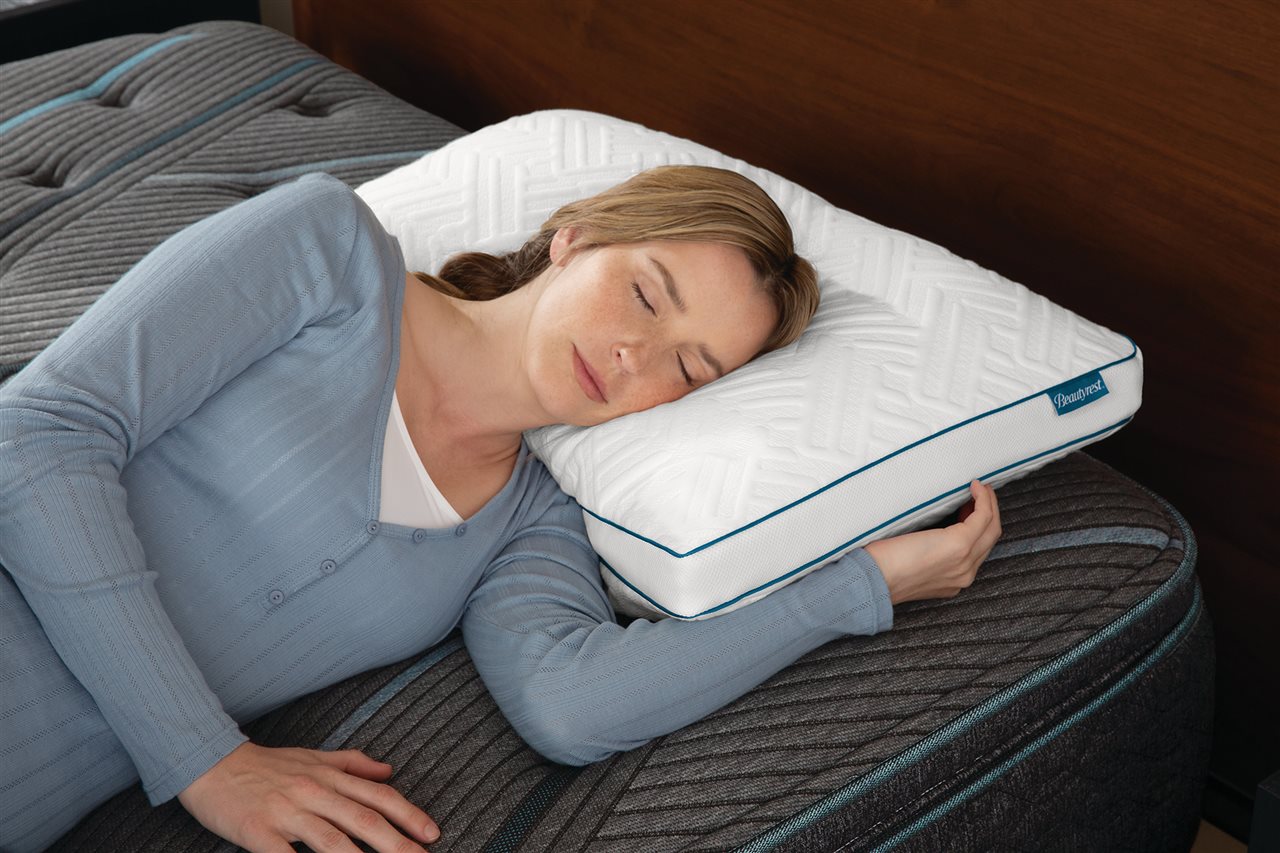
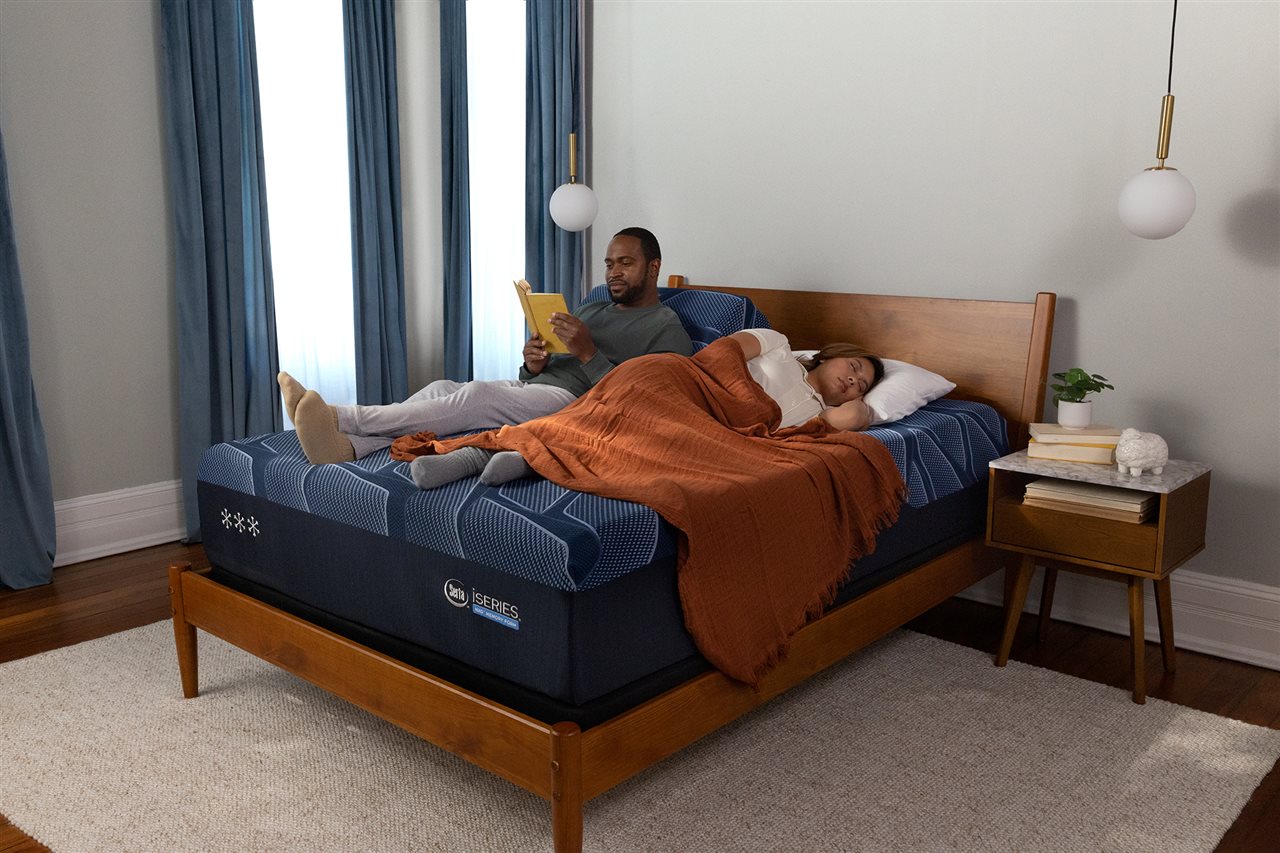
When you stay up late celebrating and sleep later too, you can disrupt your body’s internal clock or circadian rhythm, robbing you of the physical and mental benefits quality sleep provides. As the new year begins, establish a consistent sleep schedule so you can fall asleep and stay asleep better, and stick to a consistent wake-up time even when you’re tired. It may be tempting to hit the snooze button or sneak in a nap in the afternoon, but that can make it harder to fall asleep later.
Need help winding down at bedtime? Create a nighttime routine to signal to your body and mind that sleep is near. For example, stop using screens an hour before bed and try calming activities like reading a book, listening to soothing music or drinking herbal tea to help you relax.
2. Make time for moments of mindfulness
You’re probably familiar with the term “mindfulness,” but do you know what it means? Mindfulness means being more present and aware of your thoughts, feelings, sensations and surroundings. By practicing mindfulness, you can boost your body’s immune system, improve sleep quality and increase positive feelings that may help your body and mind feel more balanced.
Cultivating mindfulness starts with small steps. Find moments to get in tune with your body. Take 30 seconds to focus on your breath, or consider incorporating simple breathing exercises to help you stay present in the here and now.
3. Practice stretching every day
Spend a lot of time sitting during the day? You probably feel stiff when getting up. Inactivity can shorten and tighten your muscles, making them less flexible and limiting your range of motion. To feel more balanced and supported, consider adding stretching to your daily routine.
You may think you only need to stretch before and after exercise, but gentle stretching is essential to daily wellness and helps protect your long-term mobility, while protecting your joints and muscles from damage. Try stretching in the morning when you wake up, during your lunch break or before you go to bed.
4. Focus on your cellular health
Your body is made of trillions of cells — the basic building blocks of life. Cells are what make you you, from your bones, muscles and brain to your skin, hair and eyes. They’re responsible for converting food into energy, repairing your body and fighting infection. Because your cells work in concert, the healthier your cells are, the healthier you are.
You can take positive steps to improve your cellular (and therefore bodily) health through various methods, including mechanical stimulation. Put simply, mechanical stimulation is a machine massage performed by a trained professional that awakens sleeping cells to support your body’s natural processes. It literally resets your body on the cellular level.
If you want to incorporate mechanical stimulation into your regular wellness routine, find a medical spa or wellness center that offers mechanical stimulation therapy with LPG endermologie®. LPG® is a French wellness and beauty-technology brand known for its patented, non-invasive mechanical stimulation technologies.
Using a research-driven approach, LPG® focuses on supporting the body’s natural processes to enhance skin quality and overall wellness through its professional treatments, like endermologie®. This FDA-cleared, non-invasive, hands-free mechanical stimulation method is designed to support your skin quality, tissue comfort and overall relaxation. It is a comfortable treatment, designed to be part of a regular wellness and self-care routine, performed by trained professionals. Best yet, the treatment requires no downtime afterward, making it a seamless approach to use for boosting your well-being.
“After the holidays, many of our clients come in feeling depleted and overwhelmed — they’re looking for a reset that helps them feel like themselves again,” said Ulyana Tretyak, medical spa owner at New U Body Aesthetics. “The LPG® Vitality Sleep & Stress Protocol allows them to truly exhale and recover while also supporting overall aesthetic concerns. After just one session, we see cortisol levels reduced by 19% and muscle tension released by 38%, leaving clients feeling calmer, lighter and renewed.”
Reset and renew
If you want your body to take care of you, you need to take care of your body. Using these simple tips, you can start to reset and walk into 2026 with a renewed and balanced body.