The role of water in back-to-school wellness

2026-07-27T09:17:00

(BPT) – As students return to the classroom, back-to-school planning extends beyond school supplies and class schedules. It’s also an ideal time for families to create strong routines that support their children’s wellness, foster family well-being and keep household essentials running smoothly.

From hydration habits to laundry care to snacks, these everyday practices can play a meaningful role in helping families start the school year strong. Consistent routines that prioritize hydration, nutrition, cleanliness and household maintenance can help support healthy, productive learning environments.

Why water quality matters throughout the home

Water plays a bigger role in overall well-being than many families realize. According to a study published in the National Library of Medicine, “even mild dehydration, as little as a 1%–2% loss in body water, can negatively affect children’s attention, memory, mood and cognitive performance, all of which are critical for learning.” While healthy eating habits often receive the most attention, the quality of the water students drink each day is key. Clean, great-tasting water can support healthy hydration habits and make it easier for families to choose water over sugary beverages.

Water quality can influence how much water children and adults drink. When water tastes and smells fresh, family members may be more likely to reach for it throughout the day. Additionally, as concerns about water quality continue to grow, many households are looking for ways to improve the water they use every day. Kinetico®, a global leader in water treatment solutions, recently introduced HYDRO® ECO™, an electric tankless reverse osmosis system designed to meet the needs of families. By providing cleaner, better-tasting water, hydration can be a simple and sustainable part of a healthy school-year routine.

Building a healthier lunchbox

A well-balanced lunch can help students be ready to learn throughout the school day. When packing lunches and snacks, families can look for foods that provide a balanced mix of nutrients while also supporting healthy hydration habits.

Pairing water with fruits and vegetables is an easy way to support this balance. Water-rich foods such as watermelon, oranges, cucumbers, celery and bell peppers naturally contain high amounts of water, helping students stay hydrated while providing essential vitamins and minerals.

Families can also encourage healthier beverage choices by packing a reusable water bottle each day. Keeping water readily available makes it easier for students to make hydration a regular part of their school-day routine.

Protecting school clothing and uniforms

Back-to-school shopping extends beyond classroom supplies. Every year, families also invest in back-to-school clothes, uniforms and athletic wear. With households spending hundreds of dollars preparing for the school year, protecting those purchases can be an important part of keeping costs manageable.

That protection often starts in the laundry room. Using a trusted detergent, following garment care instructions and avoiding overloading the washing machine can all help extend the life of clothing. Water quality can also play a role. Hard water can leave mineral residue on fabrics, which may contribute to damage and wear over time. Whole-home water softening solutions, from providers like Kinetico, can help reduce the effects of hard water on laundry, helping school clothes and uniforms look and feel their best longer.

Healthy habits beyond the classroom

The beginning of the school year is an opportunity to build healthy habits that support student and family wellness. By prioritizing hydration, balanced routines and thoughtful home care, families can create a strong foundation for success.

How dual enrollment programs propel high school students toward success

2026-07-27T08:01:00

(BPT) – Most students are focused on just getting through high school. However, some students finish high school with a diploma and a college degree thanks to dual enrollment programs.

That’s what happened to Chicago resident Jennifer Brici. This spring, she graduated from DeVry University Advantage Academy (DUAA) and received not only a high school diploma but also an associate degree in Networking and Systems Administration. Now, she’s off at DePaul University to study psychology.

Enrolling in DUAA offered Brici many academic and extracurricular opportunities that she would not otherwise have experienced at her old school. These opportunities allowed her to explore several of her interests, which eventually led her to choose psychology as her main area of study, and it all started with robotics.

“During my junior year at DUAA, I joined the school’s robotics team,” Brici said. “I’ve always wanted to do robotics but never had the chance at my old high school. During DUAA’s open house, I learned that I could easily join the robotics team and start learning right away.”

Joining a robotics team as a junior among mostly seniors was intimidating, but Brici rose to the challenge. When the group’s adviser asked who would take on which responsibilities, Brici considered her organizational skills and volunteered to manage the team’s tools.

“I organized every tool and part in that room,” Brici said. “Anytime someone needed a part, I could quickly find it and bring it over. I may not have known what the parts did, but I knew where they were. That’s how I found my place on the team and was quickly able to help build our robot and learn along the way.”

Thinking outside the box

Brici’s perspective as a relative outsider to robotics came in handy when the team was stumped with an engineering problem during the First Tech Challenge (FTC). For that year’s competition, teams had to create a robot that could lift itself up. While the rest of the team was trying to make it work with a pull-up in mind, Brici suggested a different approach, flipping the robot’s grip to perform a chin-up instead of a pull-up.

“I just thought to myself, which was easier to perform, a pull-up or a chin-up?” Brici said. “The simple switch ended up making a huge difference. That was when I realized that when it comes to robotics, thinking like an engineer doesn’t always lead you to a solution.”

As the year progressed, Brici became the robot’s co-driver during matches. By the end of the year, the team voted her as team captain for the following school year. That season, the team also qualified for the FTC state competition, marking DUAA’s first state qualification in approximately seven years.

Being part of the DUAA robotics team fed Brici’s love for collaboration, teamwork, organization and problem solving, which served her well during her next project opportunity.

At the end of the robotics season, a professor approached the team and asked if they were interested in collaborating on a project with William Fremd High School (Fremd), another school in the Chicagoland area. Brici and her team were not given any information on what the project entailed, but Brici was excited about another opportunity to learn.

Brici and the DUAA robotics team worked alongside students in Fremd’s business program to create a safety bracelet. The safety bracelet devised by the Fremd students features a hidden button that the wearer can press to text 911 their location in an emergency. To present their business plan, the Fremd group needed a working prototype, which Brici and her team successfully created.

“I’m not an expert in microcontrollers, but I worked closely with my professor and my robotics partner Victor,” Brici said. “Victor worked on coding the device while I handled the physical design. It was a lot of work, but I had so much fun learning how to do it and also seeing how someone would build and present a prototype in the corporate world.”

Expanding horizons

Robotics and business collaboration weren’t the only opportunities enrolling in DUAA gave Brici. During her time in school, she also had the opportunity to participate in an FBI program that aligned with her other interests: criminology and psychology.

“I love teamwork and problem solving,” Brici said. “Problem solving is a useful skill in all careers, but I wanted to find a career that used that skill the most. For me, criminology seemed like the most natural fit. When someone doesn’t feel safe, they’re not going to innovate or change, and communities aren’t going to grow.”

During her time in the FBI program, Brici met many agents from various walks of life, including a Navy SEAL, a kindergarten teacher, and a mental health therapist. Meeting these individuals showed her that criminology wasn’t the only way to make an impact on public safety.

“All these people came from such different backgrounds and specialties, but all of them had transferable skills that allowed them to work at the Bureau,” Brici said. “It made me realize that I didn’t need to pursue criminology to do something like this and be locked into one career. Criminology pushes you toward law enforcement, but psychology is very broad, and I can go anywhere with it if I change my mind in the future.”

Providing opportunities for exploration and success

Jennifer graduated from DeVry University Advantage Academy (DUAA) with a high school diploma and an associate degree.

Brici is just one example of how dual enrollment like DUAA gives students a chance to explore their interests, inform their career decisions and ultimately give them an edge in life.

According to a new report from the Community College Research Center (CCRC) at Teachers College, Columbia University, dual enrollment students have higher rates of college attendance and completion than their peers who don’t participate in similar programs. The report also found that dual enrollment students who enrolled in college in the first year after high school completed college credentials at higher rates than students who entered college immediately after high school without dual enrollment.

“We’re incredibly proud of the work we do at DUAA and the students who take every opportunity the program offers to give themselves a head start in higher education and whatever careers they decide to pursue,” said Brian Niro, assistant dean of teaching and learning at DeVry University. “My greatest hope is that every student graduates from this program with the experience, knowledge and self-confidence that will serve them the rest of their lives.”

Brici echoes Niro’s sentiment.

“Enrolling in DUAA opened my eyes to all that I’m capable of,” she said. “It gave me a lot of confidence. It’s that confidence that allowed me to apply to the FBI program, to apply to a school that’s a little more competitive and to apply for scholarships I didn’t think I’d get.”

To learn more about how DUAA is helping high school students gain confidence and find their passions, visit DeVry.com.

Hispanic voters primed to surge the polls this November

2026-07-27T04:01:00

(BPT) – By Janet Murguía, president and CEO, UnidosUS

Across this country, I hear the same concerns from Latino families with striking consistency. A young couple who both work full time and still can’t make rent. A grandmother who can’t afford her prescription copay. A small-business owner who built his shop from nothing, watching his margins disappear as prices climb and customers pull back. These are not just anecdotes. They are real life experiences of American families.

And they are not alone. Our bipartisan poll of Hispanic voters makes evident that these are the stories of millions of families around the nation. And when so many are facing similar obstacles, it suggests some policy decisions may not be serving America’s workers. While Hispanics have one of the highest labor force participation rates in the nation, more than four out of five Latino voters are in a continuous struggle to stay afloat, made worse lately by the rising cost of daily living while wages have not kept up.

So it’s no surprise that four of their top five priorities for congressional action are related to the economy — from the cost of living to wages, to healthcare and housing costs. Yet, two-thirds of Hispanic voters don’t feel President Trump and Congressional Republicans are focusing on addressing these economic challenges. And over half think the current economic policies will make them worse off in the next year.

Months out from the November elections, more than 7 in 10 Hispanic voters say they are paying attention to the news and political events, and just as many say they are certain or almost certain they will vote this November. This would put voter participation in the neighborhood of the record levels we saw in 2018. And with Hispanic voters having a significant presence in competitive districts, they could decide the balance of power in Congress. The message from the second largest group of voting age Americans to candidates? “You have work to do if you want our support.”

Latino men voting in a voting boothes.

According to the poll, while Democrats have an edge in the generic ballot — 57% of Hispanic voters would vote Democrat, 27% Republican — both parties underperform 2024 support levels. The data suggests that a plurality of Latino voters inclined to vote Democrat say they are motivated more to speak up for their community than to support the candidates. Additionally, the findings imply that 25% of Hispanics who voted for the president in 2024 would not do so today — and the two biggest issues shaping views of the president are the economy and immigration actions in U.S. cities.

More than 8 in 10 Latino voters say Congress is not doing enough to serve as a check on executive power — a figure that has grown over the past year. More than half say they are not confident the government will respect their basic constitutional rights.

Over 40% say people in their communities are afraid immigration authorities will harass or arrest them even if they are U.S. citizens or legal residents. Currently, children are missing school. Employers have lost workers. It’s clear that local economies are feeling the damage.

The families who voiced their opinions in our poll have common messages for every candidate who wants their vote: Address the cost of living, protect our families from economic ruin and government overreach, and treat us with respect as the full citizens and voters we are.

And to win that support, meaningful outreach to these voters is key. Forty percent of Latino voters have joined the electorate in just the last four years. In the 32 competitive congressional districts we surveyed around the country, this community is not a rounding error. It can be the difference in electoral races that are decided by razor-thin margins.

To learn more about the bipartisan poll and important issues for Hispanic voters, visit UnidosUS.org.

Janet Murguía is president and CEO of UnidosUS, the nation’s largest Latino civil rights and advocacy organization.

Three sleep myths that could be keeping you awake

2026-07-24T12:01:00

(BPT) – Key takeaways

  • Habits, routines and environmental cues work together to influence your body’s natural sleep-wake cycle.
  • One of the most important players in that ecosystem is melatonin, which helps signal to your brain that it’s time to wind down.
  • Better sleep is one of the strongest investments you can make in your health and well-being.

Americans have never been more focused on optimizing their health. They wear devices that measure nearly every aspect of their day — from workouts and steps to heart rate and recovery — and increasingly turn to GLP-1 medications as part of the weight management journey.

Alongside these changes, experts are encouraging people to prioritize another key pillar of health: quality sleep, which plays an important role in overall well-being and can support healthy lifestyle habits.

According to the Centers for Disease Control and Prevention (CDC), more than 30% of U.S. adults regularly get less than the recommended seven to nine hours of sleep each night1.

Dr. Stephanie Stahl, Medical Director at Indiana University Health, notes that many people still treat sleep as something they’ll fit in if there’s time. Stahl is the Sleep Medicine Fellowship Program Director and Associate Professor at Indiana University School of Medicine as well as Natrol® Sleep Science Advisory Board member. “Many people think of sleep as the first thing they can sacrifice when life gets busy. But sleep isn’t a luxury. It’s one of the most powerful tools we have to support our health, mental well-being and daily performance.”

That can be difficult in today’s always-on world. Packed schedules, constant notifications and late-night scrolling can all work against the body’s natural sleep-wake cycle. In fact, 38% of adults say using their phone or tablet before bed to read the news or “doomscroll” makes their sleep somewhat or significantly worse2.

What sleep myths could be keeping you awake?

“One of the biggest misconceptions I hear is that sleep starts when your head hits the pillow,” said Stahl. “The truth is that your body has been preparing for sleep all day. Your light exposure, activity, meals, stress and evening routine all influence how prepared your brain and body are for sleep.”

She describes this as your sleep ecosystem — the daily habits, routines and environmental cues that work together to influence your body’s natural sleep-wake cycle. One of the most important players in that ecosystem is melatonin, a hormone your body naturally produces in response to darkness. Rather than forcing sleep, melatonin helps signal to your brain that it’s time to wind down.

Stahl is helping to debunk three common sleep myths:

Myth: Better sleep starts at bedtime.

Stahl: “Great sleep starts the moment you wake up. Morning sunlight helps regulate your body’s internal clock and supports natural melatonin production later that evening.”

Myth: I’ll catch up on sleep this weekend.

Stahl: “Consistency matters more than catch-up sleep. Keeping a regular sleep and wake schedule (yes, even on weekends) helps reinforce your body’s natural rhythm.”

Myth: The eight hours you’re asleep are all that matter.

Stahl: “The hour before bed matters, too. A consistent wind-down routine, like dimming the lights and avoiding screen time, helps prepare your brain and body for quality sleep.”

What small habits lead to better sleep?

The good news is that improving sleep doesn’t require overhauling your lifestyle. Stahl recommends focusing on a few consistent habits: Get outside for natural light early in the day, stay physically active, avoid caffeine in the afternoon and evening, maintain a regular sleep schedule and create a cool, dark, quiet sleep environment.

If travel, changing schedules or other temporary disruptions affect that rhythm, melatonin supplements can help support your body’s natural sleep-wake cycle.

Dr. Stephanie Stahl

When healthy habits need extra support that is safe

Healthy sleep habits are the foundation of better sleep, but even the best routines can’t account for everything. Travel, shift work, changing schedules, stress and age-related changes can all temporarily disrupt your body’s natural rhythm.

It’s one reason more than 27% of U.S. adults report using melatonin supplements, making it one of the country’s most commonly used sleep supplements3. Melatonin is a well-studied naturally occurring hormone that plays a key role in regulating the sleep-wake cycle. When used as directed, it is widely recognized as a safe, effective and non-habit-forming option for temporary sleep support. Backed by 30 years of scientific research and widespread use, melatonin is the No. 1 doctor recommended ingredient for sleep4, recognized by experts as a safe, reliable way to help people fall asleep faster and stay asleep longer*.

“Healthy sleep starts with healthy habits,” says Stahl. “Melatonin is a hormone your body naturally produces to help signal when it’s time to sleep. If travel, changing schedules or other temporary disruptions affect that rhythm, melatonin supplements can help support your body’s natural sleep-wake cycle. The key is to think of it as one part of a broader sleep strategy, not a replacement for healthy habits.”

Because sleep challenges vary from person to person, some people may also benefit from ingredients such as magnesium glycinate, valerian root, GABA or L-theanine depending on their individual needs. Guided by leading sleep experts, including Stahl, Natrol develops science-backed sleep solutions designed to complement healthy sleep habits and support different sleep needs.

The benefits of prioritizing sleep extend well beyond feeling rested — 88% of adults who are satisfied with their sleep, report they are flourishing, compared with just 47% of those who aren’t5. Better sleep isn’t just another wellness goal. It’s one of the strongest investments you can make in your overall health and well-being.

* These statements have not been evaluated by the Food and Drug Administration. These products are not intended to diagnose, treat, cure or prevent any disease.

SOURCES:

  1. Centers for Disease Control and Prevention. Short Sleep Duration Among Adults. National Center for Health Statistics, U.S. Department of Health and Human Services, 2025, https://www.cdc.gov/nchs/products/databriefs/db559.htm. Accessed 26 June 2026.
  2. American Academy of Sleep Medicine. “Americans Are Doomscrolling at Bedtime, Prioritizing Screen Time Over Sleep.” American Academy of Sleep Medicine, 2025, https://aasm.org/americans-are-doomscrolling-at-bedtime-prioritizing-screen-time-over-sleep/. Accessed 26 June 2026.
  3. SleepFoundation.org survey. October 2022. https://www.sleepfoundation.org/sleep-news/how-much-melatonin-do-adults-really-take.
  4. Based on a survey of doctors who recommend sleep support products.
  5. National Sleep Foundation. Sleep in America® 2025 Report. National Sleep Foundation, March 2025, https://www.thensf.org/wp-content/uploads/2025/03/NSF_SIA_2025-Report_final.pdf. Accessed 26 June 2026.

The best battery backup for your budget

2026-07-24T08:01:00

(BPT) – Key takeaways

  • Backup power solutions are essential with today’s tech-dependent lifestyles, extreme weather events and aging power grids.
  • Solar generators provide a noise-free, fume-free battery backup option for power outages.
  • The HomePower Series from Jackery offers power solutions to fit every home, family and budget. And yes, it’s possible for a solar generator, even a portable power station, to power a house during an outage.

With more people working remotely and the expansion of smart technology in recent years, renters and home owners have changed how they use their spaces. Between needing work-from-home options and the growing popularity of smart household appliances, home upgrades in 2026 reflect the demand for continual power without worry about outages, or the stress being placed on the aging power grid.

Reasons to have home backup power

Among today’s remote-capable U.S. employees, over 27% work fully remote and over half (52%) work hybrid. That means the home office is a permanent fixture for most white collar or information workers. For others, a home office is convenient for performing work-related duties on occasion, or managing household tasks.

When you make upgrades in 2026, you’re more likely to be updating computers or other electronic devices, adding a standing desk, buying high-tech appliances or installing a smart thermostat. All these needs are part of today’s lifestyle, which further increases grid stress during hot summer months.

But power interruptions have also become an expected occurrence. In 2024, U.S. electricity customers experienced an average of 11 hours of power interruptions, nearly twice the annual average of the prior decade. In the first half of last year, nearly half (45%) of U.S. utility customers experienced power outages.

Backup power solutions for every home

To help ensure your home’s system can cope with increased energy needs uninterrupted, you’ve probably considered backup power. The good news is, backup power is more accessible than ever and with advancements in battery technology, a solar generator can power a house during an outage.

Home backup power used to be an unvaried product for just one type of household: storm-country homeowners with a generator and a garage. Not anymore. The Jackery HomePower Series offers customized solutions designed for remote workers in a one-bedroom apartment, families that want a backup power solution for keeping a refrigerator running, and homeowners wanting whole-house protection without a fuss. One series. Every home.

In 2024, U.S. electricity customers experienced an average of 11 hours of power interruptions, nearly twice the annual average of the prior decade.

What size solar generator is right for home backup?

Understanding your energy needs can help you find a solar-powered home backup solution. The new, next generation of solar generators within the HomePower Series are built on LiFePO4 battery technology, with 6,000 charge cycles and a 16-year design life. Even better, they’re all indoor-safe, silent alternatives to gas generators — causing no fumes and no noise complaints. All of the models support solar, wall outlet and car port charging for greater ease of use.

Which HomePower is yours?

1. Solar generators for renters and remote workers

Man working on his computer on a desk next to the Jackery HomePower 1000.

If you work from home and have experienced the professional and personal disruption of losing power in the middle of a workday, or while running local AI workloads, you’ll appreciate Jackery’s HomePower 1000 v2, which can keep your laptop running up to 57 hours and keeps your refrigerator cold and running for up to 19 hours. Jackery Priority Routing™ prioritizes critical devices (like your desktop PC over your monitor), and provides Emergency Charging to full in under 50 minutes. The HomePower 1000 v2 provides 1024 Watt hours (Wh) and 1500 Watt output, as well as 3 kilovolts (kV) surge protection.

This model is a great option for apartments, and for modern households with modest emergency energy needs. Best yet, it’s under 24 pounds and designed for portability, making it easy to move between rooms or pack with home office gear. It can also be bundled with Jackery’s solar panels.

For a limited time, the HomePower 1000 v2 is available for $499, 41% off through Jackery and Jackery’s Amazon Storefront.

2. Solar generators for smaller homes with growing needs

For budget-conscious families who want a system that can grow with them, the HomePower 2000 Plus v2 provides a compact, smart, unobtrusive solution. A 2048Wh capacity backup battery is ideal for a two-person household to get through an outage of up to 8 hours, while the 2400W rated output (4800W peak surge) can power essential appliances like refrigerators, electric ovens and microwaves. Its scalability, with the ability to expand up to 12kWh, ensures households are fully equipped to handle extended outages and more long-term backup power needs for up to 2.5 days with ease.

If you have children, aging parents or other members of your household who depend on refrigeration, medical devices or continuous connectivity, this system is a great investment for the long term and will pay off with every unexpected outage.

For a limited time, the HomePower 2000 Plus v2 is available for $899, 50% off through Jackery and Jackery’s Amazon Storefront.

Jackery HomePower series family of products.

3. Solar generators for homeowners seeking full protection

If your home is in a storm-prone region or area with an aging grid infrastructure, you may want comprehensive, automatic protection without the noise, fumes or complexity of traditional gas generators. This may be the perfect time to upgrade to the HomePower 3600 Pro Max, which offers 2000W output at 120V, and 4000W output at 240V, and is compatible with a Manual Transfer Switch (MTS) for automatic backup power during an outage, saving homeowners up to $3,000 and half the installation time required for traditional Automatic Transfer Switch (ATS) installation. You can opt for a single portable power station unit + MTS for 4kW multi-room backup, or two paired units up to 8kW for larger homes or extended blackout coverage, scalable up to 43kWh.

The HomePower 3600 Pro Max is quieter and safer, thanks to sub-30 decibel operation and a UL 9540 fire-resistant certification and 5VA rating. This model has 8 charging methods, and app-controlled Time-of-Use (TOU) scheduling can save homeowners up to an additional $4,238 on their annual energy bills.

For a limited time, the HomePower 3600 Pro Max is available for $1699, 43% off through Jackery and Jackery’s Amazon Storefront.

Whichever solution sounds right for your household, you can find it at Jackery.com and on Amazon.

What does ‘earned media’ mean in the AI era?

2026-07-23T09:01:00

(BPT) – Key takeaways

  • The prevalence of AI search engines has fundamentally changed how consumers discover brands.
  • AI systems assess the value of a brand’s content in terms of credibility, authority, consistency and frequency, whether sponsored or earned.
  • PR and MarCom professionals seeking brand visibility need to follow the shift in discovery through both earned and editorial content placed in credible publications.
  • Brandpoint Optimize helps brands build stronger AI visibility through quality content, trusted syndication and credible third-party validation.

By Stacy Stusynski, Chief Commercial Officer, Brandpoint

The widespread adoption of AI search has dramatically altered your brand’s visibility, whether you’ve invested in this process or not. In 2026, AI speaks for your brand every day by assessing and summarizing (or ignoring) your existing content for consumers.

For decades, the industry defined earned media as one thing: A journalist chose to cover a story someone pitched. No payment, no guarantee; just the credibility of a third party deciding your story was worth telling.

That definition still exists, but it’s only part of the picture. Today, earned media means any third-party content that signals credibility and authority to audiences and to algorithms that decide what gets trusted, cited and recommended.

The impact of AI search on PR and MarCom strategy

I’ve spent my career watching technology change how consumers discover and evaluate products. When the discovery method shifts, brands that understand that change succeed.

This is one of those moments. If you’re a marketer or communicator who hasn’t adapted, you risk building strategies that are invisible to the audiences you’re trying to reach.

Third-party validation through earned media remains one of the most powerful tools in a communicator’s toolbox. When a credible publication covers your organization independently, this signal tells AI algorithms your content is worth surfacing before a human ever sees it.

A single piece of great coverage is a win. But a consistent footprint of credible, authoritative content, both earned and editorial, shapes how AI understands and represents your organization.

How has AI search changed the value of branded content?

AI has become the new customer voice. AI systems don’t evaluate content the way human readers do. They don’t consider how a placement was procured. AI systems assess whether the information appears on credible authoritative sources, if key messages are reinforced consistently across the web, and whether signals across those sources indicate genuine expertise and trust.

According to Bain & Company, approximately 70% of consumers use AI-powered tools (like ChatGPT, Gemini and Claude) as part of their product research and decision-making process.

Instead of clicking through search results one at a time, consumers let LLMs do the work in the search platform itself. In today’s zero-click environment, brands should strive to be THE answer to consumers’ questions.

AI doesn’t evaluate content through the traditional media-plan lens that separates branded content from paid or earned. It looks for crucial signals including:

  • Authority: A source recognized as knowledgeable on a topic
  • Consistency: The same message reinforced across multiple trusted sources
  • Recency: Up-to-date information
  • Credibility: Content from reputable publishers, organizations or experts
  • Frequency: A brand, topic or perspective repeated often

Increasing your brand’s AI visibility

Visibility is now a competitive metric. PR success was traditionally measured by coverage, reach and traffic. Those metrics still matter, but AI introduces a new layer of value most PR and MarCom professionals weren’t trained to think about: visibility as a signal.

I’ve measured consumer behavior across dozens of product categories and hundreds of campaigns. The pattern is always the same: Brands that show up consistently over time, in the right places with the right message, earn consumer trust.

AI is learning the same way. Placement in credible publications shapes how an AI system responds when someone asks a question in your category, even if no one ever clicks on that article.

That’s why consistent presence across trusted sources matters more than ever: A single piece of great coverage is a win. But a consistent footprint of credible, authoritative content, both earned and editorial, shapes how AI understands and represents your organization.

What communicators should do next

To embrace this change and build on it, expand the frame:

  • Let earned and editorial content work together. Earned coverage validates authority through independent voices. Editorial-quality sponsored content, placed in trusted publications, reinforces authority by expanding your footprint into the same credible spaces. Using both consistently compounds their impact, building the kind of multi-source authority AI systems are designed to recognize and cite.
  • Prioritize authoritative placements. Not every publication carries equal weight. Focus on placements in outlets AI recognizes as credible, well-indexed sources.
  • Create consistent messaging. When key messages are reinforced consistently across earned, owned and editorial channels, AI recognizes patterns of authority.
  • Focus on frequency. AI learns to trust organizations that show up on trusted sources over time.

Understanding these insights drove Brandpoint to develop Brandpoint Optimize, which helps brands build stronger AI visibility through quality content, trusted distribution, credible third-party validation and visibility insights that help them understand how they’re being discovered.

Brandpoint Optimize brings those elements together through:

  • Editorial-quality branded content built for audiences and AI systems.
  • Syndication on over 3,000 news and media publications.
  • Earned media support designed to reinforce authority signals.
  • AI visibility reporting and insights.

Brandpoint Optimize is one part of our larger roadmap helping PR and MarCom pros monitor their AI visibility and make strategic decisions to stay relevant to LLMs and their audiences.

Communicators are uniquely poised to leverage this shift

Consider what PR and marketing professionals have always done: build credibility, establish authority and create consistent presence in publications audiences trust. This new version of earned media — real, third-party validation in authoritative sources regardless of procurement — is what AI recognizes and values.

The signals MarCom and PR pros have been building for decades are now the exact signals that determine whether a brand gets recommended, cited or ignored.

Communicators who understand the value of credibility, consistency and trust will win this next era. This is our moment. And we’re just getting started.

5 Wireless Chargers College Students Actually Need This Semester

2026-07-23T09:01:00

(BPT) – Between move-in checklists and hectic unpacking days, it’s easy to overlook one small item that could make a big difference to your college student’s dorm setup — a good wireless charger. No more digging through moving boxes for a lost cable, or “my phone died and I missed your call” texts, and definitely no more fighting for the one outlet in a shared room. This back-to-school season, a reliable wireless charger is a small investment that will solve a daily headache for them and for you.

Wireless charging has come a long way thanks to the new Qi2 wireless charging standard. With previous wireless chargers, you might have wondered if your device was actually connected. Now, the magnetic snap of Qi2-certified chargers keeps devices perfectly aligned for faster, more reliable and convenient charging.

Most major charger brands now offer Qi2-compatible options, so there’s no need for a clutter of cords and charging blocks for every device. With watches, headphones and phones all needing a charge, these wireless chargers help cut down on the excuses for a dead device.

Here’s our guide to some of the best options for your student.

3-in-1 Wireless Charging Stand

null

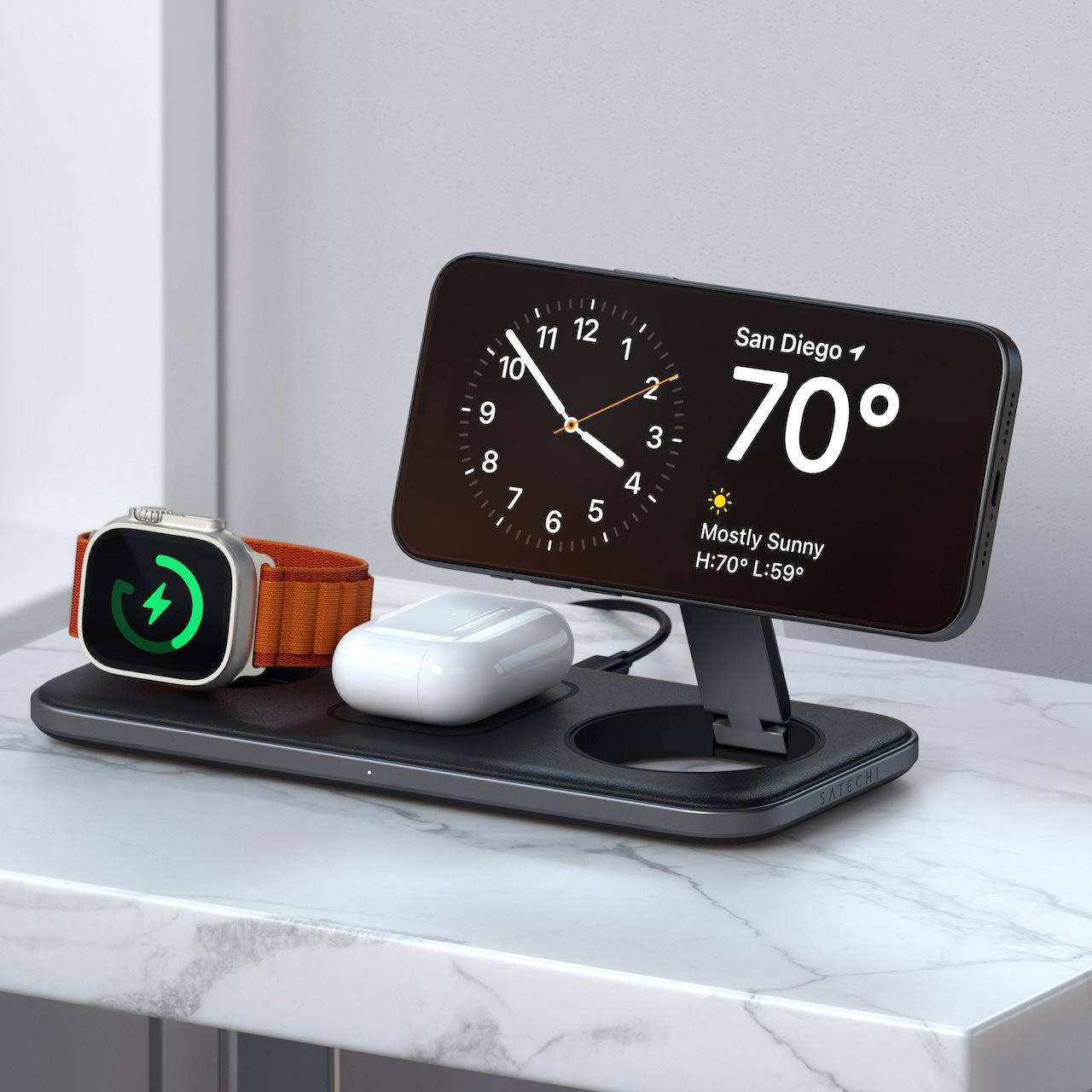
SATECHI Qi2 Trio Wireless Charging Pad

The Satechi Qi2 Trio wireless charging pad is the perfect addition to a dorm desk with limited space. Make the most of one outlet without the need for multiple cords to charge your phone, watch and headphones at the same time. Plus the foldable design allows the charger to easily be taken on the go or just folded down for less real estate tableside.

Portable Power Bank

null

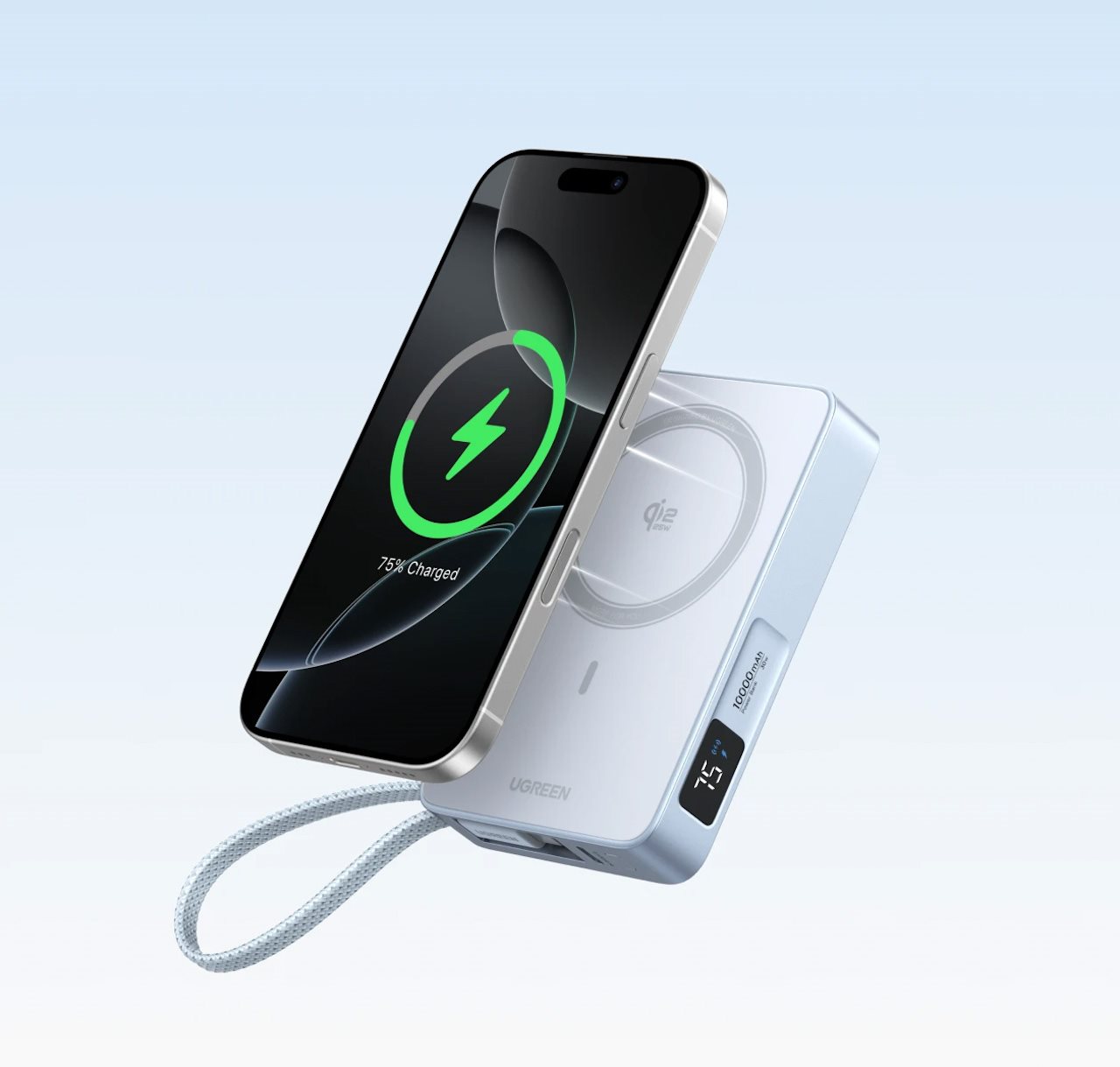
Ugreen MagFlow Power Bank

For the college students who are constantly on the go — between classes, the library and everywhere in between — a wireless power bank is exactly what they need. The Qi2 certification helps to deliver a fast and reliable charge on the go, and this bank can charge up to three devices at once. Forget hunting for an outlet in a busy coffee shop or a crowded lecture hall.

3-in-1 Portable Charger

null

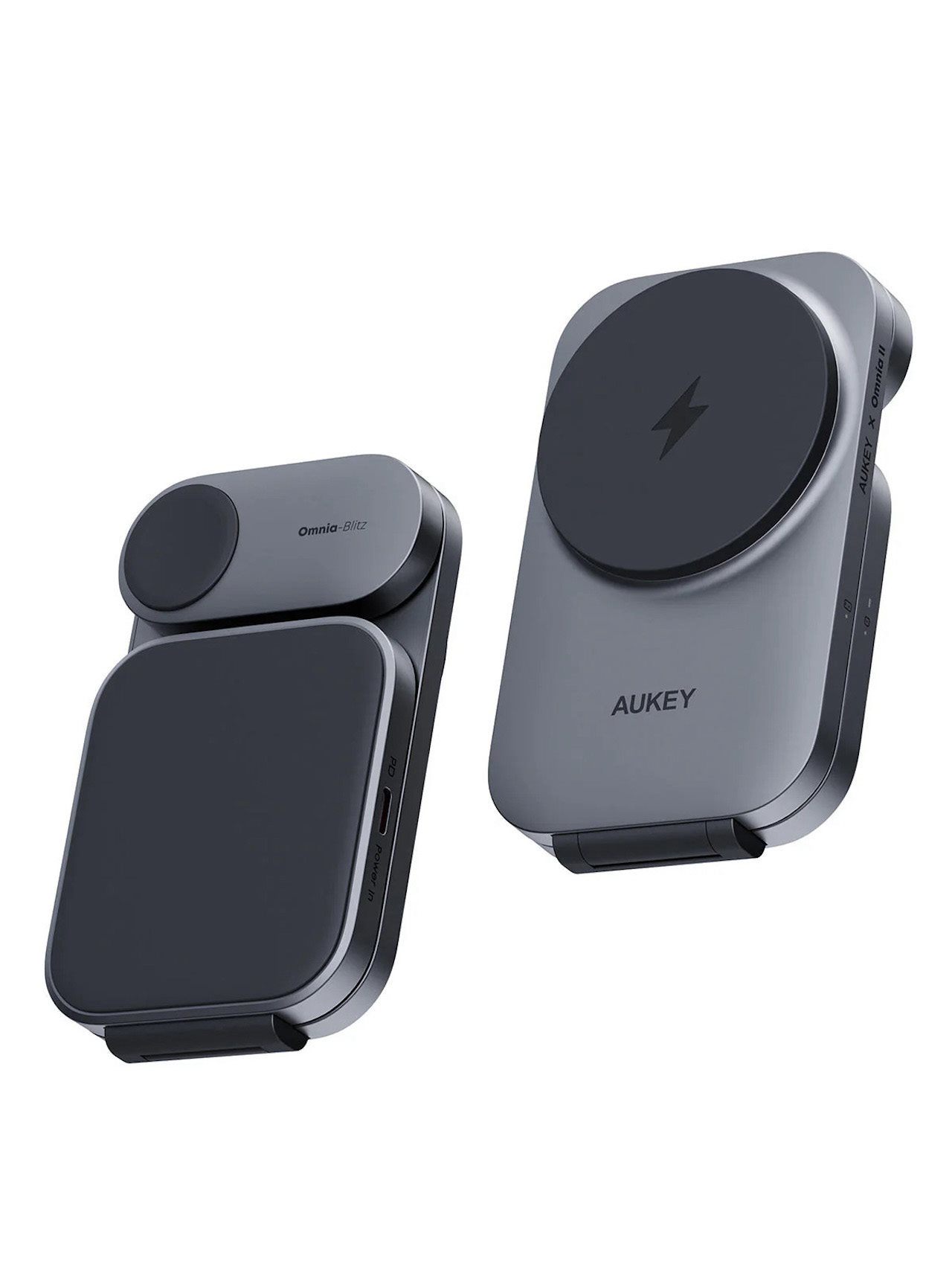
AUKEY MagFusion Z Pro

Know a college student studying abroad this semester, or one who travels often? This 3-in-1 portable wireless charger is worth considering. The Qi2 magnetic snap keeps devices securely charging, and the ultra-thin, foldable design makes it easy to pack. One less cord to track down when you’re already balancing a suitcase.

Bedside Foldable Charging Station

null

Prodigee MagChill Station

Settling into a dorm room means making the most of a small space, and this charging stand is an easy way to do it. Set this charging dock on a nightstand; it can charge multiple devices at once, with a sleek, foldable design that won’t crowd a small dorm room.

Speaker Wireless Charger

null

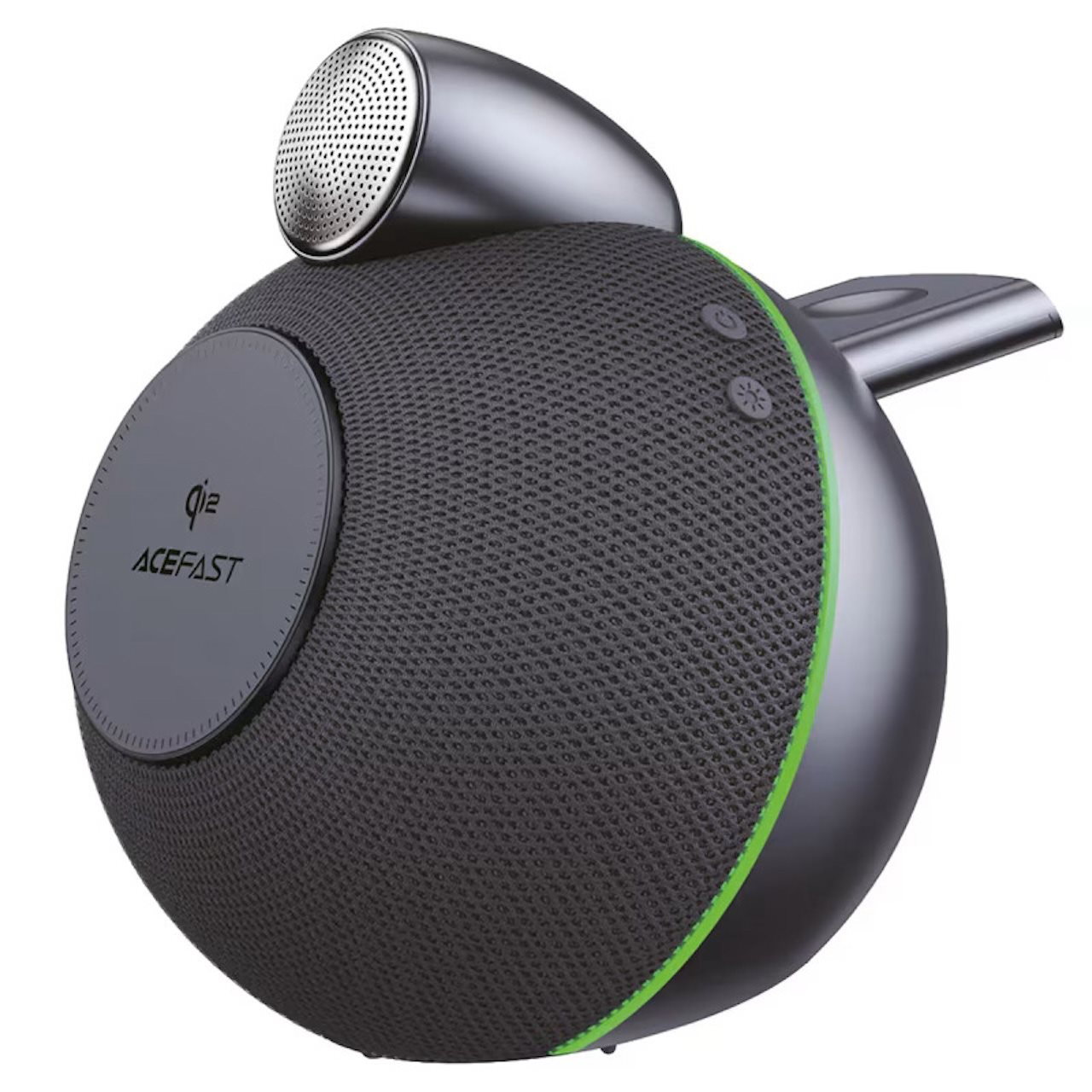
Acefast Speaker Wireless Charger

For the music-loving student, this charging speaker stand pulls double duty. You can sleekly charge two devices at once while playing music at home or on the go — no extra cords required. This is a tidy desk upgrade for anyone tired of cable clutter paired with great sound quality.

These are just five examples of Qi2-certified wireless chargers that can simplify your student’s life this school year. As back-to-school season nears, consider gifting one of these chargers to help free up space and cut down on daily stress. Once you make the switch to wireless charging, you may not go back.

Interested in a specific brand? Virtually all major wireless charger brands today produce Qi2 Certified wireless chargers. Qi Certified cell phones include iPhone, Samsung and Google Pixel. You can ensure you’re getting a Qi Certified charger by examining the box and/or charger for the Qi or Qi2 logo.

More than meets the dry eye

2026-07-22T07:01:00

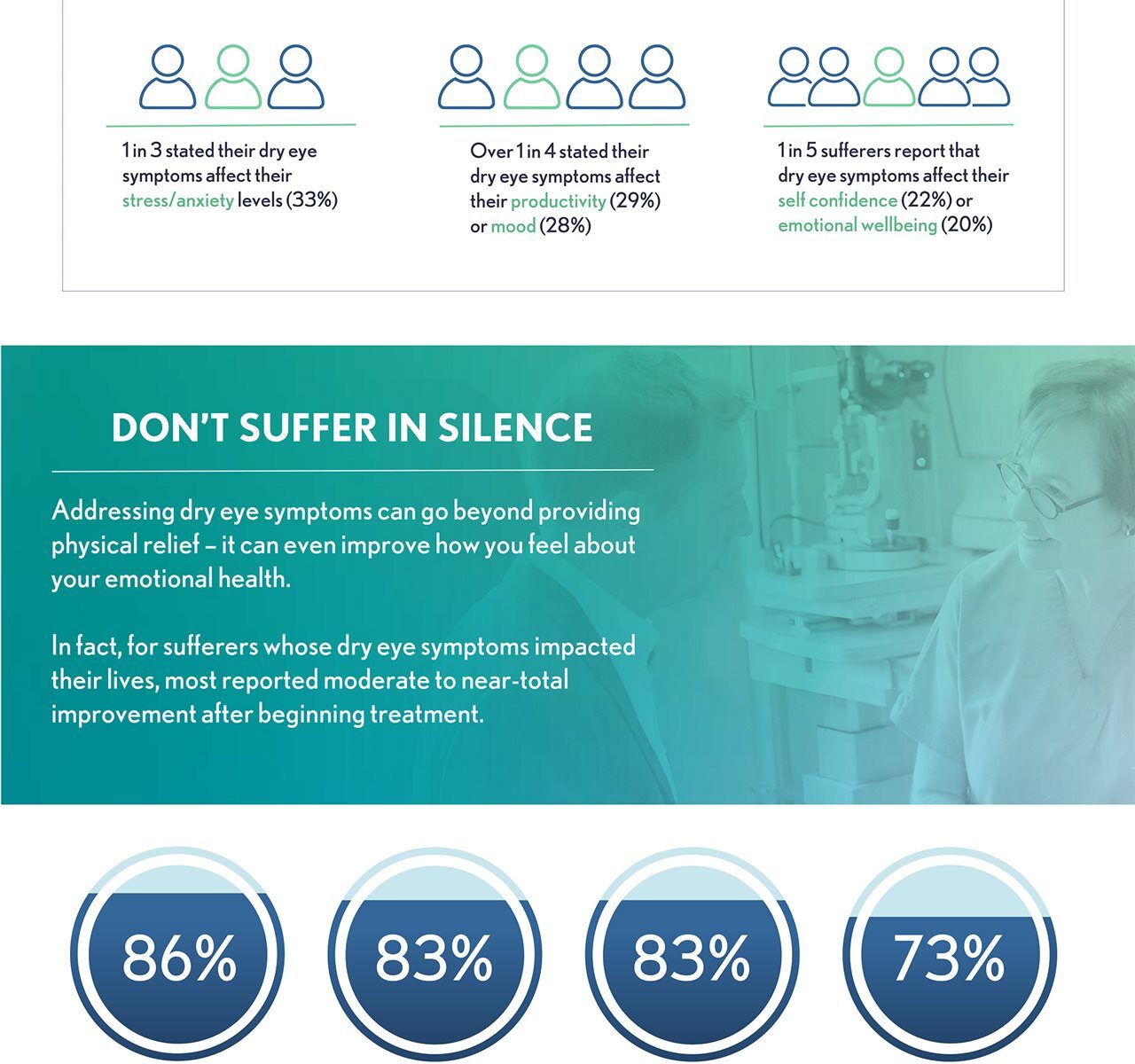
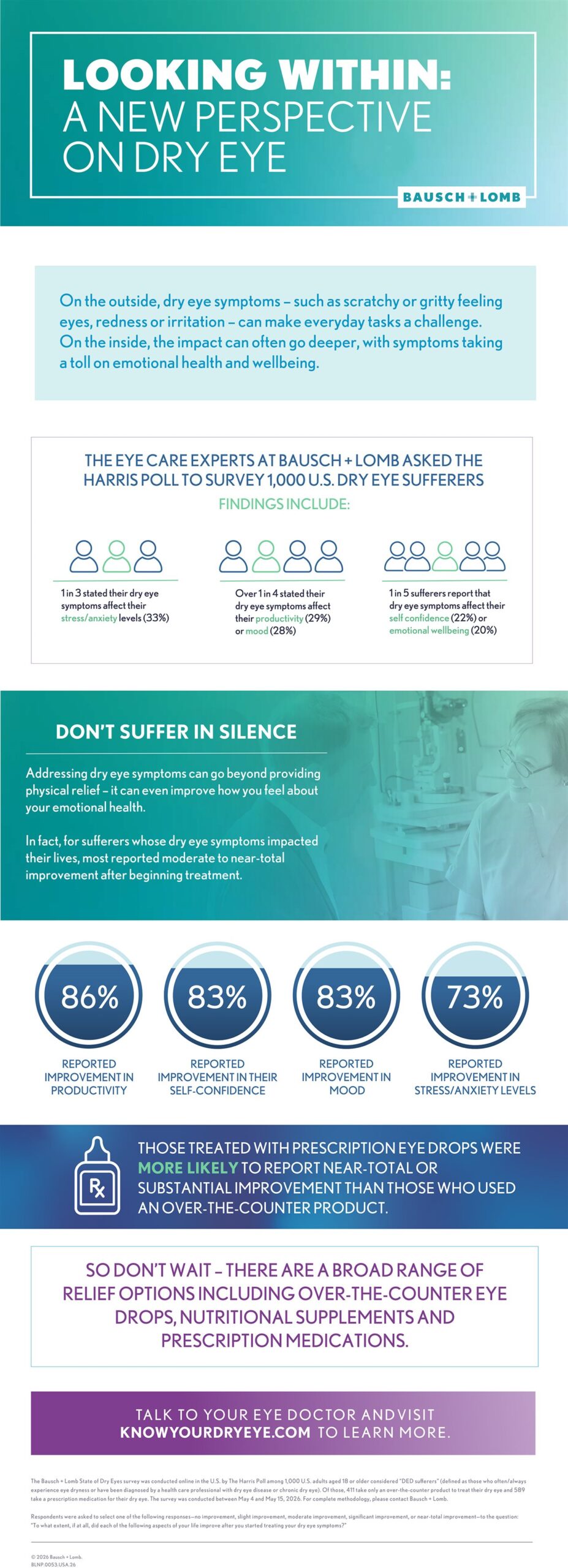
(BPT) – The physical symptoms of dry eye present challenges in everyday life, and new research shows there’s often more hiding beneath the surface.

If your dry eye symptoms are affecting how you view your emotional health and well-being, don’t wait to talk to your eye doctor. There are various options available that can help provide relief. Learn more at KnowYourDryEye.com.

Infographic

How to get more value from AI when managing your finances

2026-07-22T08:01:00

(BPT) – Americans are increasingly turning to AI for financial guidance and it shows. According to recent Intuit Credit Karma research, 66% of Americans who have used generative AI have turned to it for financial advice. But as AI becomes a bigger part of how people manage their money, not all of it is designed to do the same job.

General-purpose AI, the AI assistants hundreds of millions of people use daily, can be a useful starting point for learning about financial topics, understanding how a product works, or getting a broad sense of your situation. But information is only the first step. When it comes to actually improving your financial health, the real value comes from moving from knowing to doing.

As economic uncertainty, inflation, debt pressures and a rapidly evolving financial landscape continue to shape consumer behavior, demand for personalized financial guidance is growing because one-size-fits-all doesn’t work when it comes to someone’s money.

AI built for your financial life bridges the gap between knowing and doing, designed to identify opportunities, recommend personalized actions, and connect consumers with the tools and products they need to achieve the best outcome.

If you’re looking to use AI to improve your financial health, here are a few things to keep in mind.

Look for tools that help you build, not just browse

As AI becomes a bigger part of consumers’ financial lives, the most effective experiences will do more than answer questions.

Whether your goal is reducing debt, building credit, saving money or improving your overall financial health, look for tools that help you turn information into action.

AI should help move you from “What should I do?” to “Here’s what I can do next.”

A general AI tool can explain how debt consolidation works while AI that knows your finances can evaluate a consumer’s actual debt situation, estimate potential savings, recommend a path forward and connect them with options they are likely eligible for.

Intuit Credit Karma’s Debt Assistant helps members understand their debt picture, explore consolidation opportunities and identify ways to reduce interest costs. In fact, those using Debt Assistant save an average of $178 per month in interest.*

Use technology to uncover opportunities you may not know exist

One of the biggest advantages of technology built for your financial life is its ability to identify opportunities that are relevant to where you are today, and adapt as your financial needs change over time.

For consumers early in their financial journey, that may mean building credit. For millions of Americans who don’t have a credit score or have limited credit histories, establishing credit remains a major hurdle. Historically, the credit system has been a catch-22: you need credit to build credit, but you need a credit history to access products that help you build it.

That’s why products that leverage alternative payment data are helping more consumers establish credit histories using positive financial habits they already demonstrate. Credit Karma’s Credit Spark, for example, turns existing utility and phone bill payments into credit history, helping consumers build credit without taking on debt.

As you make financial progress, your priorities naturally change. Someone who has already built strong credit may be more focused on maximizing rewards, reducing costs or getting more value from the cards they already have. Credit Karma’s Cards Optimizer helps consumers identify opportunities to earn more rewards and benefits based on how they actually spend, helping ensure they aren’t leaving value on the table.

As AI and technology become a more common part of consumers’ financial lives, the key is understanding what role different tools can play. The most popular AI assistants can be a valuable resource for learning about financial topics and exploring your options, but when it comes to improving your financial health, consumers should look for tools that can help them take the next step.

*Based on a weighted average of members who saved on interest or lowered their monthly payment by finding a better loan option via Debt Assistant.

5 Ways to Make Diaper Changes Easier On the Go This Summer

2026-07-22T12:01:00

(BPT) – Simple planning can help families feel ready when a clean changing station is hard to find.

Summer outings with babies and toddlers come with plenty to pack and plan for. But no matter how much you prepare, one disaster can strike at any time: a diaper emergency — capable of derailing even the most carefully planned family adventures and causing parents stress.

It’s not necessarily the diaper change itself that causes stress, but where it has to happen. In fact, a new survey from baby essentials brand Skip Hop found that nearly 60% of U.S. parents of children ages 0 to 3 said diaper changes in public places are stressful, while more than half (55%) have avoided a public changing table because it did not seem clean. More than one in five have even cut a summer outing short because of these concerns, highlighting just how much a lack of clean changing spaces can impact a family’s day out.

The most troublesome spots for parents changing diapers are familiar summer destinations, including public parks (63%), rest stops and gas stations (60%), public pools (48%) and beaches (46%). In other words: the very places families spend much of their time in the summer.

Because diaper emergencies rarely happen at convenient times, having a plan can go a long way toward reducing stress and keeping family outings on track. Fortunately, a few simple habits and the right on-the-go essentials can help parents feel more prepared and make diaper duty away from home cleaner, easier, and more manageable.

1. Check the route before leaving

Roughly 39% of surveyed parents say access to changing stations affects how they plan outings. Before heading out, it can be helpful to identify likely stops along the way, while saving a few backup options in case plans change. Knowing where restrooms and parking areas are located ahead of time can take some of the uncertainty out of summer trips, especially during busy travel days when flexibility often goes a long way.

2. Create a clean zone

Concerns about cleanliness are one of the biggest stressors associated with public diaper changes, making it important to create a comfortable space wherever possible. A portable changing surface can help create a barrier between your baby and a public table while giving parents added peace of mind. The Skip Hop Clean Slate Changing Station is designed to cover an existing public changing table with a clean, portable surface and folds compactly for travel, making it easy to bring along for summer outings. Keeping clean supplies separate from used items, sealing dirty diapers and wipes in a bag, and cleaning hands before and after a change can also help make public changing spaces feel more comfortable when cleaner alternatives aren’t available.

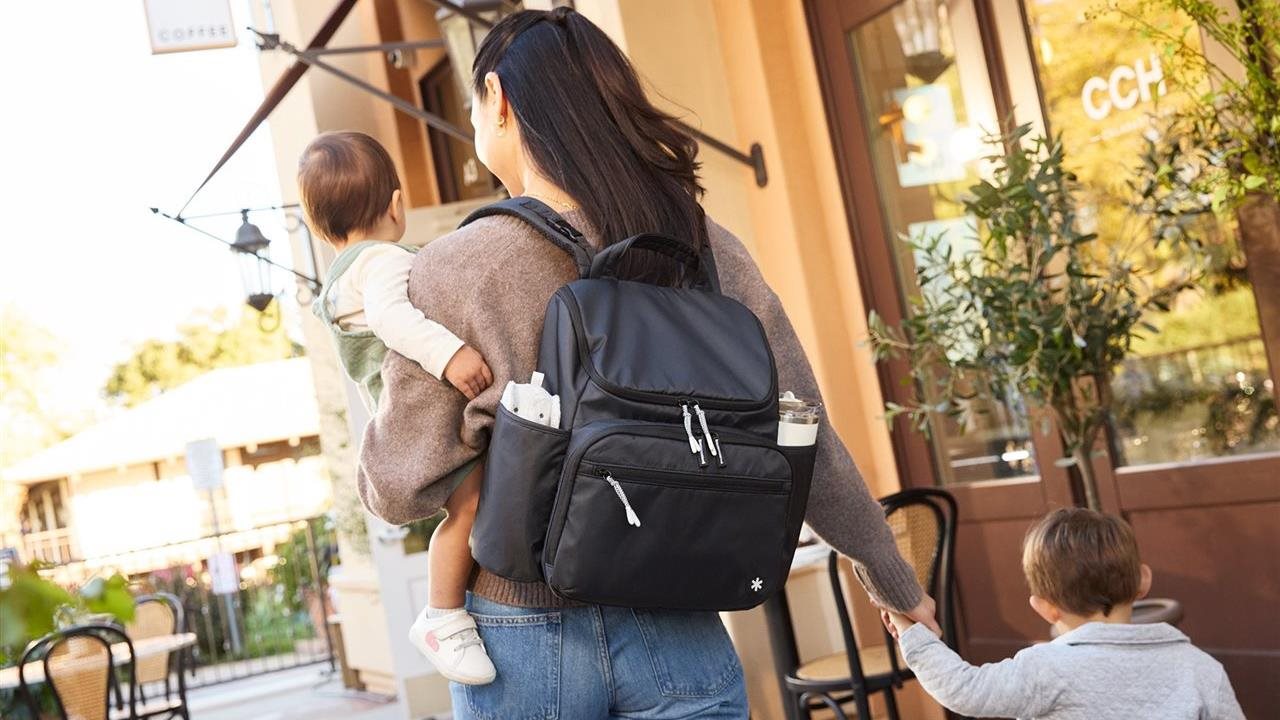
Mom opening a Carter's Skip Hop at and outdoor cafe with her two small children.

3. Keep little hands busy

A diaper emergency becomes much more challenging when a curious little one is determined to explore. A favorite toy, book, or comfort item can help keep children distracted and cooperative while parents focus on the task at hand. Having a go-to distraction ready can help make the experience smoother for everyone involved and keep little ones occupied during those few crucial minutes.

4. Pack for speed, not just supplies

A well-stocked diaper bag is important, but organization matters just as much when you’re changing a squirming child on the go. Keep your most-used essentials, including diapers, wipes, disposal bags and hand sanitizer, in a dedicated grab-and-go pouch so you don’t have to unpack your entire bag during a diaper emergency. When everything is easy to find, parents can spend less time searching for supplies and more time getting back to the outing.

5. Build in breathing room

Almost 18% of parents said they have skipped summer travel or outings because of diaper-changing concerns. While unexpected messes are part of life with young children, a little extra preparation can help keep them from becoming day-altering disruptions. Building extra time into schedules, identifying a backup stop and packing essentials in advance can help parents feel more confident navigating everything from road trips to afternoons at the park. After all, the goal is to spend less time worrying about logistics and more time enjoying those summer moments together.

A little backup for on-the-go diaper changes

The survey findings highlight a reality many parents know all too well: diaper changes don’t stop just because you’re away from home. And while there’s no way to eliminate every unexpected mess, thoughtful preparation and portable solutions can help families feel more confident tackling diaper duty wherever summer takes them.

This was the inspiration behind Skip Hop’s Clean Slate Rescue, a new summer initiative created to help families feel more prepared when diaper changes away from home do not go according to plan by bringing portable diaper-changing essentials directly to parents and caregivers. Skip Hop is giving away 200 kits filled with essentials for outings, travel and everyday adventures. Each Clean Slate Rescue Kit includes a diaper bag, the portable Skip Hop Clean Slate Changing Station, a wipes case, a toy and wipes.

From July 22 through July 29, eligible adults can enter by following @SkipHop on Instagram and commenting on the designated giveaway post with a funny or frustrating on-the-go diaper-changing story. Entry details and official rules are available at carters.com/skiphop-clean-slate-giveaway.html.

Summer is for making memories — not stressing over diaper disasters. With a little planning and a few on-the-go essentials, parents can feel more prepared for whatever the day brings and get back to what matters most: enjoying time together as a family.

Giveaway terms: No purchase necessary. Open to legal residents of the 50 United States, the District of Columbia, U.S. territories and Puerto Rico who are physically located in an eligible area and are at least 18 or the age of majority in their jurisdiction, whichever is greater. The giveaway begins July 22, 2026, on or about 12 a.m. ET and ends July 29, 2026, at 11:59 p.m. ET. Limit one entry per person. Odds of winning depend on the number of eligible entries received. Void where prohibited. Instagram does not sponsor, endorse or administer the giveaway and is not associated with it. See the official rules for complete details.

Survey Methodology: The Skip Hop Public Diaper Changing Survey was conducted online among 375 U.S. parents of children ages 0-3 and explored attitudes and behaviors related to diaper changes away from home.