Long Before Tremors, Sleep May Hold Important Clues to Parkinson’s

2026-11-02T06:01:01

(BPT) –

Key takeaways

  • Some people physically act out their dreams. They may punch, kick or yell while asleep. This condition is called REM sleep behavior disorder or RBD.
  • RBD may be an early warning sign of Parkinson’s disease.
  • The Michael J. Fox Foundation’s Parkinson’s Precision Medicine Initiative (PPMI) is studying people with RBD to better understand Parkinson’s disease.
  • Participating in research can help advance earlier diagnosis, better treatments and future prevention strategies.

Have you ever been told that you talk, shout, punch or kick while dreaming? Don’t dismiss these nighttime behaviors as unusual sleep habits. They may be a sign of REM sleep behavior disorder (RBD), a condition that researchers have discovered may provide important clues about future brain health, including Parkinson’s disease.

What is REM sleep behavior disorder?

Normally, when we dream, our brain prevents our muscles from moving. However, for people with RBD, these brain signals don’t work properly. Instead of staying still, they begin to physically act out their dream.

People with RBD often have very active dreams in which they’re playing sports, running, being chased or attacked. In response to these vivid dreams, people can kick, punch, yell, sit up or even get out of bed — all while asleep.
Art a person with

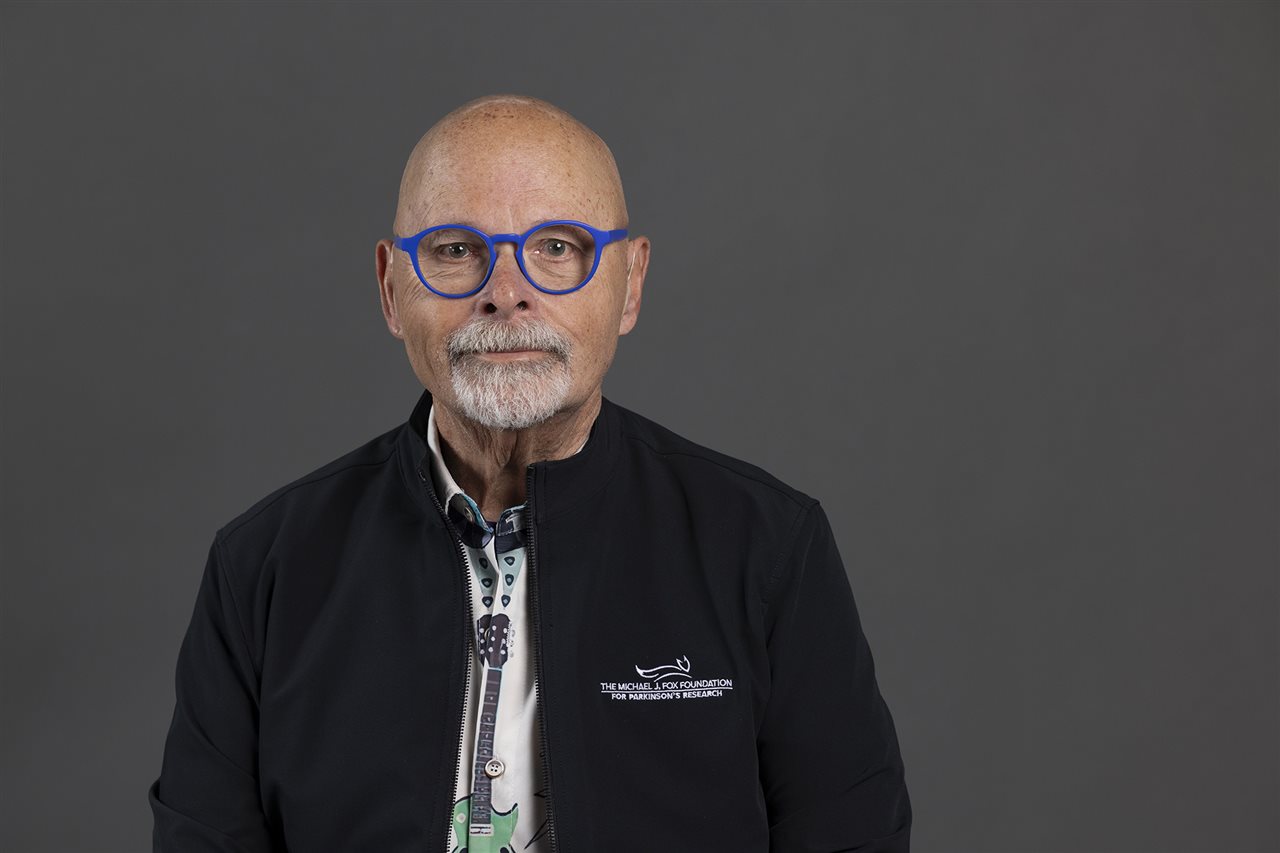
For Art Gregoire, 74, of Palm Springs, California, acting out his dreams became a frightening reality when he dove out of bed during a vivid dream and suffered a concussion. “I knew at that moment my life was going to change,” Gregoire said. “It was a pivotal moment, and I needed to find out what was going on.” That experience ultimately led him to PPMI, where he learned he also had reduced sense of smell — another early Parkinson’s risk factor.

“Participating in PPMI has meant I’m not sitting at home waiting and worrying about what might happen in the future. Instead, I’ve chosen to take a proactive path. Knowing that I’m helping researchers better understand Parkinson’s disease gives me hope — not just for my own future, but for everyone who may one day face this journey.”

How is RBD connected to Parkinson’s?

Not everyone with RBD develops Parkinson’s disease. That said, RBD is a risk factor for Parkinson’s and other brain diseases. This sleep disorder is often one of the earliest symptoms of Parkinson’s, appearing years before the movement symptoms commonly associated with Parkinson’s disease.

Researchers are particularly interested in people with RBD because studying this community may help uncover the earliest biological changes associated with Parkinson’s disease years before movement symptoms begin. That’s why The Michael J. Fox Foundation for Parkinson’s Research encourages people experiencing RBD symptoms to consider participating in studies such as the Parkinson’s Precision Medicine Initiative (PPMI).

What is the PPMI study?

PPMI is a landmark study sponsored by The Michael J. Fox Foundation that aims to better understand and measure Parkinson’s disease, including its earliest stages before movement symptoms begin.

Remember, every volunteer contributes valuable information that helps move research forward.

Why should I participate in the PPMI study?

PPMI researchers are actively seeking people who have been diagnosed with RBD, as well as those who regularly act out their dreams during sleep. By participating in this study, volunteers can help scientists learn more about who develops Parkinson’s disease, who doesn’t and why. The study may also provide valuable insights into the biology and experience of RBD.

The thought that your sleep habits may point toward a Parkinson’s diagnosis may seem scary, but participating in a study can be a rewarding and empowering experience. After his RBD diagnosis, Gregoire found hope by participating in the PPMI study at the University of California, San Diego.

How can I participate in the PPMI study?

Remember, every volunteer contributes valuable information that helps move research forward.

“Learning that you may be at increased risk for Parkinson’s disease can feel overwhelming. But while we don’t have all the answers, research gives people a meaningful way to turn uncertainty into action,” said Rachel Dolhun, MD, DipABLM, double-board-certified neurologist, lifestyle medicine physician, fellowship-trained movement disorder specialist and principal medical advisor at The Michael J. Fox Foundation. “By participating in studies like PPMI, people with REM sleep behavior disorder can play a vital role in helping researchers better understand the earliest changes associated with Parkinson’s disease. Every person who joins brings us closer to earlier interventions, better treatments and, ultimately, ways to prevent the disease before symptoms begin.”

To learn more about Parkinson’s research opportunities and whether you may be eligible to participate in the PPMI study, visit MichaelJFox.org/Sleep.

Participation may include online questionnaires, health assessments and, for some volunteers, opportunities to participate at research sites near their homes.

How to find a more flexible option than buying or leasing a car

2026-11-01T23:01:00

(BPT) – Key takeaways:

  • Buying and traditional leasing typically involve significant upfront expenses or multiyear financial commitments.
  • For people who want an everyday car without committing to the same vehicle for years, more flexible alternatives are available.
  • Flexcar offers an alternative to buying and leasing, with insurance, routine maintenance and 24/7 roadside assistance included through its monthly plan and annual membership.
  • It’s called “flexing.” Members can keep their car as long as they need it, switch vehicles, adjust mileage plans or return their car as life changes.

For years, people looking for an everyday car have typically had two choices: buy a car or sign a traditional lease. Buying a car often involves a significant financial commitment, whether that’s purchasing a vehicle outright or taking out a loan lasting several years. Traditional leasing can reduce some of the responsibilities of ownership, but still typically means committing to the same vehicle for two to four years.

But life doesn’t always follow a multiyear plan. Jobs change. Commutes change. People move. Families grow. The car that works for someone today might not be the best fit next year.

What are the main differences between buying and leasing a car?

Buying and leasing both provide someone with an everyday car, but they work differently.

  • Buying: Someone purchases a vehicle outright or finances it through a loan. The owner is responsible for expenses like insurance, maintenance, repairs and eventually selling or trading in the car.
  • Leasing: Someone pays to use a vehicle for a set period of time. Traditional lease agreements typically last several years and may include mileage limits, upfront costs and potential charges at the end of the lease.

Both options typically require longer-term decisions and leave people responsible for managing additional costs like insurance and maintenance separately.

But what if there were another way to have a car?

What are more flexible alternatives to buying or leasing?

Flexcar is one of those options. For people who want an everyday car without buying or committing to a traditional multiyear lease, Flexcar offers a way to have a car of their own without a large down payment or multiyear contract.

Members choose a vehicle and mileage plan that fits their needs, with insurance included through their choice of Essential Protection or Enhanced Protection. A separate annual membership includes routine maintenance, covered repairs and 24/7 roadside assistance.

It’s a better way to have a car, built around the freedom to change as life changes. It’s called “flexing.”

For people who want an everyday car without buying or signing a traditional multi-year lease, Flexcar gives members a car for as long as they need it, without a large down payment or traditional multi-year commitment.

How does “flexing” a car work?

Flexing means choosing a car that works for your life today, with the freedom to make changes down the road. Instead of trying to predict what kind of vehicle you’ll need years from now, you can choose what fits your current lifestyle.

For example, someone might need a smaller, fuel-efficient car for their daily commute but want more space as their family grows. Or a new job could mean driving more or fewer miles each month.

With Flexcar, members can switch to another available vehicle, adjust their mileage plan or keep their current car for as long as they need it. Vehicle swaps are subject to an applicable fee.

Members can also return their car without the early termination penalties typically associated with ending a traditional lease.

Car keys are given from one person to another. Flexcar allows vehicle return at any time without early termination penalties.
Flexcar offers an alternative to buying or leasing, giving people more flexibility in how they have an everyday car.


What does Flexcar include?

Flexcar simplifies many of the expenses and responsibilities people typically manage separately when buying or leasing a car.

The monthly plan includes:

  • A vehicle of your choice
  • A selected mileage plan
  • Insurance with either Essential Protection or Enhanced Protection

The separate $249 annual membership includes:

  • Routine maintenance and covered repairs
  • 24/7 roadside assistance
  • Access to a variety of available vehicle types
  • Member benefits and loyalty rewards
  • Opportunities for additional savings through eligible member programs

Members also have the flexibility to switch vehicles or adjust their mileage plans as their needs change.

Who would benefit from Flexcar?

Flexcar is designed for people who want the convenience of having their own everyday car without the traditional hassles of buying or leasing.

Whether you’re commuting to work, moving to a new city, growing your family or simply looking for a different way to have a car, Flexcar offers the flexibility to choose what works for your lifestyle.

Instead of putting a large amount of money down, committing to the same car for years and managing insurance and maintenance separately, Flexcar brings many of these essentials together through its monthly plan and annual membership.

The benefit isn’t that you have to change your car. It’s knowing that you can.

What’s the difference between Flexcar and car rental?

Traditional rental cars are typically designed for specific trips or short-term travel needs. Flexcar, on the other hand, is designed to be your everyday car.

Members choose a vehicle and mileage plan that fits their lifestyle and can continue driving that car without the fixed end date associated with a traditional short-term rental.

How does Flexcar differ from a traditional car lease?

Traditional car leases generally require people to commit to the same vehicle for a predetermined period, often several years. These agreements may also involve upfront costs, mileage restrictions and penalties for ending the lease early.

Flexcar offers an alternative without a large down payment or traditional multiyear contract, giving members greater control over how long they keep their car and the flexibility to make changes as their needs evolve.

Happy woman driving car. Flexcar aims to make having a car more flexible.
The benefit isn’t that you have to change your car. It’s knowing that you can.


Flexing: A better way to have a car

Buying, traditional leasing and Flexcar all offer ways to have an everyday car. The biggest differences come down to ownership, commitment, convenience and flexibility.

Flexcar offers people a more convenient and flexible way to have a car of their own, without buying or locking into a traditional multiyear lease. With insurance, routine maintenance and 24/7 roadside assistance included through its monthly plan and annual membership, Flexcar takes care of many of the responsibilities that come with having a car.

Because your life changes. Your car should be able to change with it.

Own your life. Flex your car.

Learn more about how Flexcar works at Flexcar.com and find a location near you at Flexcar.com/locations.

How to prepare your HVAC system for winter: A homeowner’s checklist for reliable heating

2026-11-01T08:03:00

(BPT) – Winter weather can arrive quickly, and the last thing any homeowner wants is a heating system that isn’t ready when temperatures drop. Fortunately, a few proactive maintenance steps can help ensure reliable heating, improve efficiency and provide peace of mind throughout the season.

Winter HVAC maintenance checklist

Woman reads a manual while sitting on a couch.
Modern high-efficiency HVAC systems can deliver dependable home comfort, reduced energy use, and quieter operation, helping homeowners stay comfortable in every season. Courtesy of Lennox®


1. Replace or inspect your air filter

Regular filter replacement is one of the simplest and most important ways to support reliable HVAC performance. Most manufacturers recommend changing filters approximately every three months, although households with pets, allergies or higher dust levels may benefit from more frequent changes.

A clean air filter helps maintain proper airflow, allowing your system to operate more efficiently while reducing unnecessary strain on key components. To stay on schedule, consider setting recurring reminders or writing the installation date directly on the filter.

Learn more about choosing the right HVAC filter.

2. Keep your furnace area clean

Dust, debris, and clutter around your furnace can impact airflow and system efficiency. Taking a few minutes to clean the area around your HVAC equipment can support dependable operation throughout the heating season.

It’s also a good idea to vacuum floor vents and air registers throughout your home to help maintain consistent airflow and system performance.

3. Watch for early warning signs

Small issues can become larger, more costly problems if left unaddressed.

Before winter arrives, listen for unusual rattling, banging, or grinding sounds when your system starts up. Other signs that may indicate a problem include:

  • Uneven heating throughout the home
  • Excessive dust buildup
  • Unusual odors
  • Moisture on windows
  • Rust around venting components
  • Unexpected increases in energy costs

If you notice any of these warning signs, contact a qualified HVAC professional for an inspection. Early attention can help minimize disruptions and avoid unexpected breakdowns during the coldest months of the year.

4. Check the intake and exhaust pipes

For homeowners with high-efficiency furnaces, intake and exhaust pipes play a critical role in safe and efficient operation.

Inspect exterior vents to ensure they are free from:

  • Snow accumulation
  • Ice buildup
  • Leaves and debris
  • Animal nests or obstructions

Blocked vents can restrict airflow, reduce system performance, and potentially create safety concerns. If the venting system is difficult to access, contact your local Lennox® dealer to perform the inspection during a seasonal maintenance visit.

5. Schedule a professional furnace tune-up

Preventive maintenance is one of the most effective ways to prepare your HVAC system for winter.

An annual inspection and tune-up can help identify developing issues before they lead to unexpected heating interruptions. During a professional service appointment, technicians can inspect critical system components, verify safe operation, and help ensure your furnace is prepared for the demands of the heating season.

Modern HVAC technologies worth considering

If your HVAC system is more than 15 years old, requires frequent repairs or struggles to maintain consistent indoor temperatures, it may be worth exploring newer heating technologies.

For homeowners considering an upgrade, high-efficiency furnaces offer improved fuel utilization and may help reduce energy consumption during the heating season. Many systems also incorporate advanced technologies that automatically adjust heating output and airflow based on household demand, helping deliver more precise comfort and reliable performance.

In addition to furnaces, heat pumps are becoming an increasingly popular option for homeowners seeking year-round comfort. Because heat pumps provide both heating and cooling from a single system, they can offer an efficient solution for a variety of climates.

Whether you’re planning for a future replacement or evaluating options today, understanding available technologies can help you make an informed decision that supports your home’s long-term comfort and energy goals.

Make a confident decision for long-term peace of mind

Proactive HVAC care is one of the best ways to protect your investment and help ensure dependable heating performance throughout the winter months. Whether that means scheduling a tune-up or upgrading to newer technology, preparation today can help prevent surprises tomorrow.

Ready to prepare your home for winter? A local Lennox® dealer can help evaluate your current system and recommend solutions tailored to your home’s heating needs.

Lennox family of residential HVAC products.
Designed for dependable cold-weather performance, a Lennox® heating system helps maintain consistent indoor temperatures while supporting energy-efficient home comfort when homeowners need it most. Courtesy of Lennox®

Tiny fish, big hope: The science bringing rare epilepsy research home

2026-11-01T08:01:00

(BPT) – Exciting new research models and at-home clinical trials are shortening the distance between breakthrough science and the families who need it most.

For families facing a rare epilepsy diagnosis, the search for answers can feel long, uncertain and isolating. But as November marks National Epilepsy Awareness Month, emerging science is offering new reasons for hope — and bringing research closer to home than ever before.

A small, striped fish is helping epilepsy researchers move faster than ever, while new at-home trial options are bringing clinical research directly to families’ doorsteps.

Zebrafish may be small, but they are a big help to scientists learning more about rare epilepsies. Seizures can be observed in genetically engineered zebrafish and monitored across hundreds of zebrafish larvae in real time. This allows scientists to quickly test and identify potential new treatments for these difficult-to-treat epilepsies.

“Zebrafish let us faithfully model human epilepsy conditions and screen thousands of drugs at a speed not possible in any other laboratory model,” said Scott C. Baraban, Ph.D., University of California, San Francisco (UCSF) professor and a pioneer in zebrafish epilepsy research. Work in his laboratory using zebrafish led to the discovery of investigational study drugs now being evaluated in clinical trials for Dravet syndrome and Lennox-Gastaut syndrome. “For families who too often hear there are no treatment options, this approach gives them hope.”

Breakthroughs like these are now reaching families more directly than ever. At-home clinical trials are opening the door for more people to participate in research without the burden of traveling long distances to specialized centers.

Tracy Dixon-Salazar, Ph.D., President and CEO of the LGS Foundation, and a mother who became a neuroscientist after her daughter was diagnosed with Lennox-Gastaut syndrome, added, “When a trial requires a family to fly across the country, the science exists, but it is still out of reach for most families living with LGS. Bringing trials into the home changes who can participate, and that changes who may benefit. No family should have to depend on geography or luck to get access to research.”

Hope, though, still needs a map. For families anywhere along this journey, unsure of where to turn, here are five things to know.

5 things families should know about managing a rare epilepsy diagnosis

  1. Rare epilepsies are more common — and more researched — than many families realize: While each individual condition is rare, collectively, rare epilepsies affect thousands of individuals. Active research communities, advocacy groups, and clinical programs are working to better understand them and develop new approaches.
  2. Clinical trials aren’t only a last resort option: Many families assume trials are reserved for when all else fails. But participating in research can be an informed choice at any stage of the patient’s journey. Talking with your loved one’s care team early and often can help you understand what may be appropriate.
  3. At-home trial options may remove a major barrier: Clinical trials often require frequent, distant visits to specialized centers. Today, newer at-home study models can bring these trials directly to families — reducing travel burden and making research more accessible for those who need it most.
  4. You don’t have to navigate a rare epilepsy diagnosis alone: Patient advocacy organizations, rare disease foundations and epilepsy support networks can help families better understand their options, connect with specialists and find communities walking a similar path.
  5. Curiosity is a strength — ask questions and keep learning: From the zebrafish in the laboratory to the families participating in at-home trials, progress in research depends on families who keep asking, “What’s possible?” Speak with your health providers, continue learning and ask about at-home trial options that may be available to your loved ones.

The road through rare epilepsy has never been easy. But today, families aren’t walking it alone — and the path forward is thankfully becoming shorter, more navigable and, increasingly, leads straight home.

Sponsored by Harmony Biosciences

When Kidney Cancer Affects a Loved One, Support Matters for the Whole Family

2026-11-01T06:01:00

(BPT) – Sponsored by Eisai Inc.

During National Family Caregiver Month, learn how the Kompass initiative helps patients, caregivers and care partners find trusted resources and real stories tailored to different stages of the kidney cancer journey.

Every November, National Family Caregiver Month recognizes the millions of family members, spouses, partners and friends who support loved ones through serious health challenges. For those helping someone navigate kidney cancer, that support can take many forms, from attending appointments and helping manage treatments to providing encouragement during difficult moments.

While every family’s experience is unique, many people supporting a loved one with kidney cancer share a common challenge: finding information that’s both trustworthy and relevant to where they are in the moment. Questions at diagnosis can be very different from those that arise during treatment, survivorship or ongoing care. With so many resources available, identifying trusted information that matches a family’s current needs can feel overwhelming.

So when this path forward feels uncertain, Kompass can help guide the way.

Helping Families Navigate With Confidence

Kompass was designed to bring together curated resources from leading organizations in kidney cancer alongside stories from people with firsthand experience navigating the disease. Eisai and its advocacy partners set out to create an accessible, web-based resource that could provide expert guidance when it’s needed most. By helping users explore information adapted to different stages of the journey, the platform makes it easier to find resources and support that align with their current needs.

For many families, hearing from others with similar experiences can be just as valuable as educational information.

When Dawn D. was diagnosed with translocation renal cell carcinoma, a rare form of kidney cancer, her husband Mark became an important part of her support system. Throughout years of treatment and uncertainty, he learned the importance of caring for his own well-being while supporting someone he loves. Mark has shared that running helped him manage stress and maintain balance, allowing him to stay present for his wife and family. As he explains, “My reason was simple: a big and scary challenge will keep me accountable to look after myself, in turn enabling me to care for my family.”

null

When Mark’s wife, Dawn, was diagnosed with kidney cancer, he used running as a tool to cope with stress.

Mark’s experience highlights an important reminder for those supporting a loved one with kidney cancer: supporting yourself is just as important as providing it for someone else.

For Tracie T., the journey began when her husband was diagnosed with bilateral multifocal papillary renal cell carcinoma. Like many spouses, she faced new questions, decisions and uncertainties while supporting a loved one through treatment. She found support through an online community and after posting her first post, she shared, “That post forever changed the trajectory of our lives.”

Stories like Mark’s and Tracie’s offer reassurance that others have faced similar challenges and can provide perspective along the way.

How Kompass Can Help

Find trusted information more easily: Kompass brings together curated resources from respected organizations, making it easier to find information relevant to different stages of the kidney cancer journey.

Learn from real experiences: Patient and care partner stories offer practical insights, encouragement and lessons learned from people who have navigated kidney cancer firsthand.

Feel more informed and connected: Whether you’re a spouse, partner, sibling, adult child, friend or care partner, Kompass can help you find information and support through all twists and turns of your loved one’s journey.

A Resource for the Journey Ahead

This National Family Caregiver Month, it’s important to recognize that people supporting loved ones with kidney cancer need support, too. By connecting users with trusted resources and authentic stories from the kidney cancer community, Kompass helps individuals living with kidney cancer and their loved ones feel more informed, empowered and connected.

Because when someone you love is living with kidney cancer, less time searching means more time focusing on what matters most.

To learn more, visit KidneyCancerKompass.com.

(US6195)

Take simple steps to protect your vision from diabetic retinopathy

2026-11-01T00:01:00

(BPT) – November is Diabetic Eye Disease Awareness Month, a time for those living with diabetes to prioritize regular eye exams and protect their vision. Diabetes affects more than just the body’s ability to regulate blood sugar (glucose). Over time, it can damage the eyes and lead to preventable vision loss from conditions like diabetic retinopathy.

Diabetic retinopathy is a complication that damages blood vessels in the retina and is a leading cause of irreversible blindness among working-age Americans. As of 2021, an estimated 9.6 million people in the U.S. have diabetic retinopathy.

Anyone living with diabetes can develop diabetic retinopathy, and the risk of developing it increases the longer a person has diabetes. The good news is that losing your sight because of diabetic retinopathy is not a foregone conclusion. To help you protect your vision today so you can enjoy healthy vision tomorrow, the American Society of Retina Specialists (ASRS) offers a few simple steps to proactively monitor your vision for diabetic retinopathy.

Schedule an eye exam

Diabetes can threaten vision in ways that are easy to overlook. For example, diabetic retinopathy can quietly damage the retina years before noticeable symptoms appear. And this might lead to putting off regular eye exams.

Even though vision-threatening changes are occurring in the retina, diabetic retinopathy can develop without early warning. That’s why people with diabetes should have regular dilated eye exams, even when their vision seems fine. These exams can detect diabetic eye disease early, when treatment can help prevent or slow vision loss.

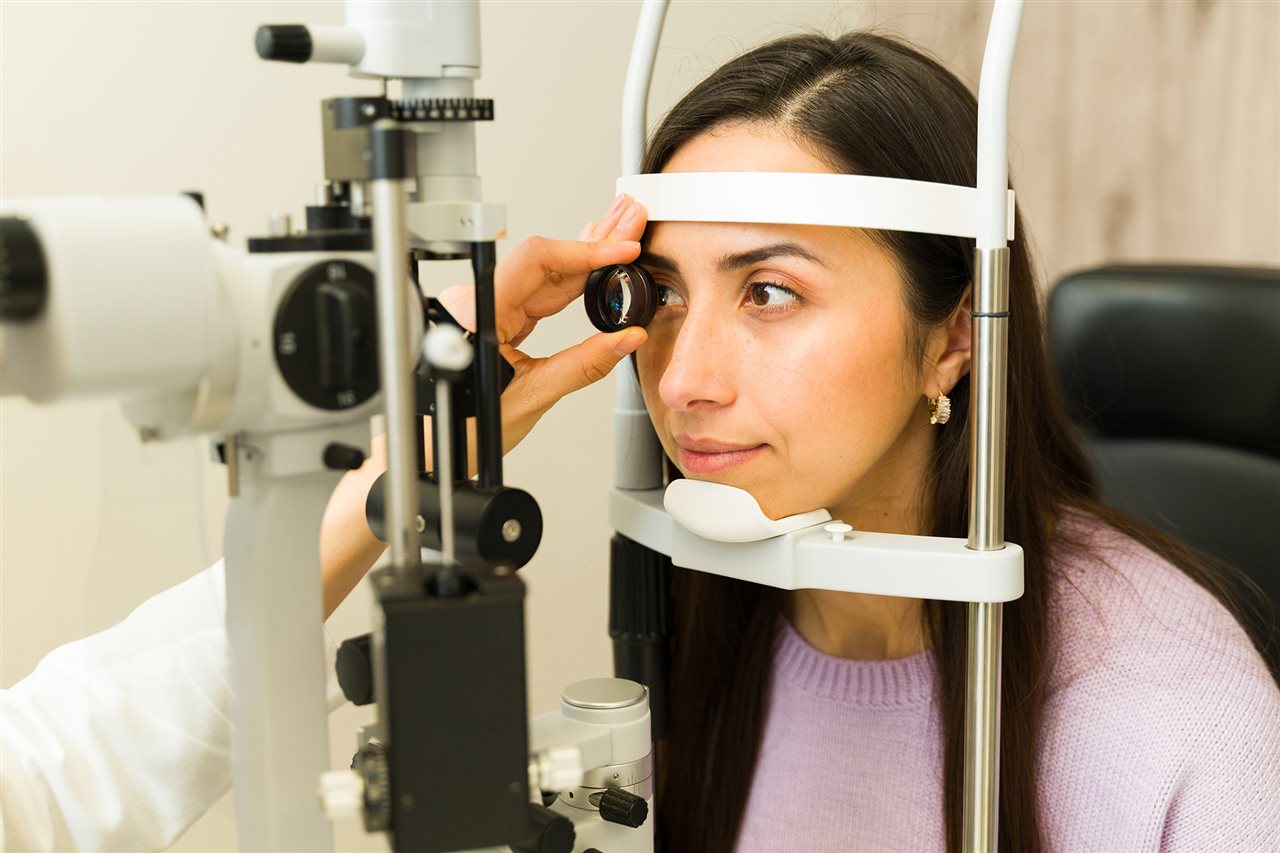
Young woman having an eye exam.


Know the
signs

While some people may develop this disease without warning, others may experience symptoms that could signal that they’ve developed diabetic retinopathy. Symptoms you may notice in one or both eyes include:

  • blurred or distorted vision
  • difficulty reading
  • floaters
  • a shadow across the field of vision
  • eye pressure
  • difficulty with color perception

Don’t ignore sudden vision changes

If symptoms do appear, waiting to see if new floaters or blurred vision go away on their own can delay diagnosis of a sight-threatening condition. If you’re experiencing sudden vision changes such as new or increased floaters, flashes of light, a shadow or curtain across your vision, or sudden vision loss, don’t wait for these problems to resolve on their own. Sudden vision changes are medical emergencies that require immediate attention.

Ignoring sudden vision changes can lead to serious complications. In some cases, advanced diabetic retinopathy can cause bleeding inside the eye or scar tissue that pulls on the retina, potentially causing a retinal detachment that requires urgent treatment or surgery from a retina specialist.

See a retina specialist

Without timely treatment, diabetic eye disease can progress, increasing the risk of permanent vision loss or blindness. If you begin to experience any of the vision changes listed above, don’t wait to get treated — see a retina specialist.

Retina specialists are highly skilled physicians and surgeons committed to helping people with diabetic eye disease preserve and improve their vision. These medical doctors have completed up to 12 years of advanced medical training to specialize in ophthalmology and subspecialize in diseases and surgery of the retina, making them the most qualified experts to diagnose diabetic eye disease and develop personalized treatment plans for patients with the condition. Visit www.FindYourRetinaSpecialist.org to find a retina specialist near you.

Taking these simple steps this month can help you protect your vision for a lifetime. To learn more about diabetic retinopathy and other retinal conditions, visit SeeForALifetime.org.