5 financial tips for millennials in the Northeast

2018-10-09T12:01:01

(BPT) – Your financial health impacts your life, not only in the way you live today and in the future, but in the legacy you leave behind to those you love the most. Whether you’re paying student loans, buying spin classes, or caring for an aging loved one, the way you live today and in the future is shaped by your financial health.

As a recent national Guardian survey, “Millennials and Money: Understanding What Drives Financial Confidence,” shows, millennials want and need both digital and human experiences to be financially confident. While leveraging the wealth of information at your fingertips, smartphones may equate to smart planning, but the role of the advisor is also essential in developing — and sticking to — a financial plan that will help you achieve both your short and long-term goals. In fact, one in three unadvised millennials report that they are likely to begin working with a professional advisor in the next 12 months. The good news for millennials in the Northeast is that they are in good company: Residents across all generations in the Northeast report they are more financially secure than residents in other U.S. regions.

When breaking the data down by region, the same study finds 69 percent of those in the Northeast do financial planning and 33 percent cite working with an advisor they trust as a major financial priority. In addition, the study reveals that residents in the Northeast are more likely to include key components such as retirement income and clearly stated financial objectives in their financial plans.

That’s all good news, but while the region remains ahead of other areas in recognizing the importance of financial advisor support, not everyone in the Northeast utilizes the support a financial advisor provides. While online planning tools and other digital platforms can assist with financial planning, residents of the Northeast, including millennials, say they prefer learning about financial strategies via face-to-face meetings with an advisor, moreso than others across the nation. Whether you’ve been using a financial advisor for years, or you have never thought about meeting with one, working with an advisor can help make sense of all the options available to you and tailor them based on your individual objectives. Here are five financial tips from local experts to help you establish both protection and growth strategies that will help you create and meet your financial goals:

1. Live within your means. Many people across all income levels never sit down and actually create a budget, much less stick to one. Your financial advisor can help you do this by providing clarity into your ongoing expenses and income to give you a baseline of your budget and how much you can spend while still living within your means month after month.

2. Create a plan that positions you on offense and defense. Having a detailed financial plan that clearly states your goals can lead to increased confidence. So much so, when it comes to overall financial confidence, millennials across the U.S. say having a detailed financial plan is equally as important to them as getting a bonus at work. Your financial advisor can work with you to create a plan that clearly states your goals and how you’ll meet them, including offensive methods to proactively grow or invest your money, as well as defensive tools for protection, such as life insurance or disability income insurance.

3. Instill some liquidity in your financial strategy. Growing your wealth is only one part of the puzzle; you need to have the ability to utilize it as well. “Be sure to have liquidity in your financial plan,” explains New Jersey-based advisor Joseph Fitzgerald of Northeast Planning Corporation. “It is important to plan so that you have efficient access to money in the event of an emergency or an opportunity.”

4. Develop strong savings habits. It’s never too early or too late to start utilizing the value of saving, according to Boston area advisor Brian McGrath of The Bulfinch Group. “Start good savings habits with your very first paycheck,” he says. “Do this by setting up automatic or direct deposits to your savings accounts, retirement accounts, etc. and make sure that the total is as close to 15 percent of your gross as possible.” If you have questions about ways in which you can strengthen your savings, your advisor can help.

5. Prioritize protection. The most financially confident Americans know that putting protection first in the form of income protection through individual disability insurance, and life insurance, builds a foundation of financial peace of mind today and tomorrow. Millennials know this to be true too, with 54 percent of millennials prioritizing protection over saving and investing (46 percent).

Start focusing on your financial future today

Across the Northeast, many people have already seen the benefits a financial advisor can provide, but if you have yet to work with one, an advisor can help you prioritize essential protection and growth strategies based on your individual needs. In addition to utilizing online tools to manage your personal finance, having a detailed financial plan can increase your overall confidence in achieving your goals. Find an advisor in your area and meet with them for a brief conversation and visit www.livingconfidently.com for more insights and tools to start today.



Why your restaurant needs its own social mission

2018-09-05T07:01:00

(BPT) – If you own or manage a coffee shop, bakery or restaurant, or if you’re thinking about opening one, you may want to consider supporting a social mission. Serving more than food or a cup of coffee can nourish your community and the lives of you and your staff.

A restaurant owner/manager has a lot going on, whether you’re opening a new store or managing an existing one. From how to get more people in the door to managing staff schedules to food safety, your job is never done. One thing that often gets overlooked is the value of making a connection and an impact in your local community.

Millennial Marketing recently found that 50 percent of millennials are more willing to make a purchase when their purchase supports a cause. And it’s not just millennials who support social causes. A recent survey conducted by Deloitte of business leaders and HR professionals found that “citizenship and social impact” were rated critical or important by 77 percent of the respondents.

Supporting your community feels good, of course, but it also gives your staff something to be proud of and share with your customers. Small independent restaurants and multi-location operations can produce a significant impact when they focus their time and energy on the organizations that matter most to their teams and communities.

There’s no better feeling than making a difference in your community and in the lives of others. Having a focus, and sticking to it, will help you and your staff get behind a cause and create real change.

Focusing your efforts will pay off

Marketing research firm Toluna recently surveyed 1,000 U.S. adults and found that younger consumers expect more than a donation to charity; they expect brands to have a corporate responsibility platform. It should always feel good to make a donation and help your community, but is there a way to make a bigger impact? Think creatively. Where can you focus your charitable time and efforts? And remember, not all help is necessarily monetary.

You will make a difference — every day

Restaurant owners interact with hundreds of people on a weekly basis. Not only are you in tune with the people who dine in your restaurant, but you’re connected to other business owners and community leaders. Through these connections, you may start to notice a growing community need or a charitable cause that you’d like to support.

Established in 2010, The King’s Kitchen in Charlotte, North Carolina is a public restaurant that uses 100 percent of its profits and proceeds to feed the poor in Charlotte. Minister and restaurant owner Jim Noble also works with the Charlotte-Mecklenburg Dream Center on “The Restoration Program,” a five-part training program that helps employ, train and minister to the homeless, poor, troubled youth, rehab graduates and others who need employment. Two passions collided in the mission of The King’s Kitchen — serving food and serving God.

Inspired by a magazine article about The King’s Kitchen, Vicky Ismael and Jim Freeze launched Carroll’s Kitchen in Raleigh, North Carolina in 2016. The nonprofit social enterprise restaurant is creating opportunities for single homeless women by empowering them through job training, life skills and housing. The endeavor has been such a success that Carroll’s Kitchen opened a second location inside Raleigh’s Morgan Street Food Hall in July.

Creating an L3C structure

While The King’s Kitchen and Carroll’s Kitchen are both 501c3 nonprofit establishments, you may decide that an L3C Structure makes more sense for you. Created 10 years ago in response to a growing number of socially responsible companies, the L3C business structure is a hybrid form of a limited liability company (LLC) and a 501c3. In an L3C, or low-profit company, companies can make a profit of 1 to 10 percent, but the profits are secondary to the company’s social purpose. The creation of the L3C structure has helped socially responsible companies secure more private investments, since the profits they do make can go toward investors. Find out more about L3C structures here.

Getting the word out

Choosing a social mission for your restaurant is not about being on trend. Social missions should never be considered as a way to increase publicity or gain more customers. How can you share your social mission with your customers and your community without over-promoting and coming across as insincere? The best way is to share your story. Everyone can appreciate the story behind why you’ve chosen to support a cause. Additionally, try sharing the stories of those you help. Do you have access to share success stories or can you interview those who have been helped through your program? The community members visiting your website and social pages will enjoy seeing that the work you do is making a change. Sharing your story could inspire a spark of hope or motivate someone to reach out for help.

There are hundreds of wonderful charities and causes that need your assistance. As a local restaurant operator, remember that you can make the most impact by exploring the needs of your own neighborhood first.

Whatever your mission and your reason, choosing to concentrate on one mission over many will help you and your business make a greater impact on your community in the long run.

Christopher Sebes has spent his entire career in hospitality management and technology. He received a degree in Hotel and Restaurant Management in England and managed hotels and restaurants on three continents, including multi-unit restaurant operations in Europe and the U.S. He created the first Microsoft Windows point-of-sale company, Twenty20 Visual Systems, which he sold to Radiant Systems. He went on to become the CEO of Progressive Software before founding XPIENT in 2004. XPIENT was sold to Heartland Payment Systems in 2015 and he was tapped to become the president of Heartland Commerce, a major player in restaurant and retail management technology. Today Christopher is the president of Xenial Inc., formerly known as Heartland Commerce.


Bringing digital to brick and mortar: Retailers invest in online services to make shopping more convenient

2018-10-17T07:25:02

(BPT) – Retailers are responding to increased digital competition by bringing a broad array of online conveniences to their stores. One leading membership wholesale club is showcasing its digital transformation by opening its doors to all.

Services like digital coupons, same-day delivery and the ability to place an order online and pick it up in a store in a few hours are changing the shopping experience. The result is a huge win for consumers as more and more stores combine the convenience of online shopping with the excitement and fun of an in-store experience.

BJ’s Wholesale Club, a warehouse club on the East Coast, is known for delivering great prices and a “treasure hunt” experience. BJ’s is a membership club — which means consumers have to pay to shop there — that has made a significant investment in what it calls omnichannel capabilities over the past two years.

But the company is eager to showcase its new services and is opening its doors to all shoppers — with no fee — through Nov. 4, 2018. During the event, all shoppers are invited to visit their local club to shop BJ’s unbeatable values and enhanced assortment and try out its new digital conveniences.

BJ’s has recently expanded its offering of convenient online shopping options for members including Shop BJs.com – Pick Up in Club, Add-to-Card digital coupons, same-day delivery and the BJ’s mobile app.

“At BJ’s, we’re committed to providing unbeatable value and outstanding service,” said Lee Delaney, executive vice president, chief commercial officer. “We’ve transformed our clubs with convenient new services and great products, giving members more ways to save time and money. We’re proud to showcase the new BJ’s Wholesale Club, and we welcome all shoppers to experience what a BJ’s membership has to offer.”

All shoppers can visit their local BJ’s club and BJ’s Gas® beginning Monday, Oct. 15, 2018, through Sunday, Nov. 4, 2018 to take advantage of the incredible savings and added convenience of a BJ’s membership. Shoppers not currently enrolled in membership can sign up for a free three-month trial membership or join for just $25 for 12 months with BJ’s Easy Renewal®.

The event is a great time to check out BJ’s prices and learn about the future of omnichannel shopping. Those interested in the event can find their local BJ’s Wholesale Club by going to www.bjs.com/locations.


5 tips for entrepreneurs this Small Business Saturday

2018-11-16T07:01:00

(BPT) – Small Business Saturday is just around the corner, and for shoppers across the country, it means supporting local businesses and taking a day to let them know how much they are appreciated. It’s a day of shopping, sales and an overall emphasis on community as we reflect upon the importance of our local entrepreneurs, who continue to be a driving force in today’s economy. While communities prepare to shop small in a big way, it’s also an opportunity for small businesses to flex their muscles and grow their business. To do so, small businesses need to be prepared for the busyness Nov. 24 will bring this year. Here are some tips to help small businesses achieve the greatest possible success this Small Business Saturday:

Create a support network: It’s all about who you know. Preparing for Small Business Saturday doesn’t have to just be in the weeks or month ahead; instead, get ready for the big day by cultivating relationships year-round. Tap into social or local networking groups for advice from seasoned entrepreneurs and small business owners for Small Business Saturday and the holiday shopping season ahead. Grab a coffee with other entrepreneurs to run through your plans for the big day with them or brainstorm potential marketing efforts to enhance the day’s success. You may even want to tag team with a second business in your neighborhood to find creative ways to collaborate on sales and special offers to maximize your exposure and help promote fellow small business owners.

Grab the right gear: A day in the life of an entrepreneur is often extremely on-the-go. As a result, a laptop is a critical lifeline for small business owners. This year, make sure your tech is working as efficiently as you are by picking up a super lightweight (about 2 pounds) laptop computer like the LG gram, which was top-ranked by a leading consumer publication. Pushing the boundaries of portable computing with the 8th generation, Intel Core processors and stunning picture quality, it’s the perfect notebook for busy entrepreneurs. With a high-capacity 72Wh battery that lasts up to 16-1/2 hours, business owners can leave the charger behind knowing they’ll be connected all day long. They come with 13-, 14- and 15-inch screens, and for small businesses seeking the Windows 10 Pro operating system, there’s also a commercial-grade, 15-inch LG gram notebook that has extra connectivity, too.

Host an event: Knowing when and where to reach your audience is critical. Avoid an oversaturated market by honing in on your niche through an event. Utilize Small Business Saturday to get to know your potential consumers on a personal level through focusing on building relationships and increasing social engagement. These relationships will help inform what information is of most interest to them so that you may best capture their attention. Don’t be afraid to use in-store promotions or hit the pavement to raise awareness ahead of the event.

Create specific goals: Small Business Saturday is a great opportunity to get very specific with your goals. Start breaking down long-term goals into conquerable achievements surrounding Small Business Saturday. Craft a timeline that focuses on important milestones in your business that seem challenging yet obtainable. For example, set a benchmark sales goal for the day that is achievable or strive to increase the amount of traffic to your small business. By creating specific goals, you and your employees can stay on track and feel accomplished at the end of the day.

Be social: Bolster your presence on social media by creating compelling content and building up your following. Use multiple social platforms such as Instagram, Twitter, Facebook and Snapchat to connect with different audiences within the local community, share news and communicate with potential customers. Take advantage of free online social media marketing courses and analytics programs that will help you increase your brand credibility, awareness and appeal. You can also drive traffic by offering giveaways or deals that enhance social engagement and expand your reach. Also, don’t forget to use unique hashtags, especially during Small Business Saturday, to track success and to tag your business location for more visibility and to see how clients and potential clients are reacting to your product(s).


Discover how Virginia entrepreneurship changed the world

2018-11-15T07:01:00

(BPT) – If you really want to go deep and learn how the American tradition of innovation and entrepreneurship came about, there’s no better place to begin than the Commonwealth of Virginia.

Some think of it as the original U.S. start-up. That’s because if it weren’t for a king’s wish to profit from tobacco crops in the New World, it’s very possible the U.S. and its enterprise system wouldn’t exist as we know it today.

Here are some key examples of how entrepreneurship took root in present-day Virginia, and how its influence is still felt today.

Virginia colony: America’s original startup

The Virginia Company of London had quite the list of ambitions to expand England’s global influence: find wealth, convert native people to Christianity, create jobs for the English unemployed, find a trade route to the Orient, tap resources in the New World. Then, in 1619, the Virginia Company passed laws allowing the Jamestown colonists to experiment with wine making, cloth and silk production and other industries. This kicked off what eventually become America’s free enterprise system.

The cradle of American wine is … Virginia

It turns out that Virginia, not California, is the birthplace of American wine. Back in 1619, the colony’s governor signed a law requiring colonists to plant vineyards. Sadly, their first bottles of wine came out bitter and it traveled badly. It wasn’t until Thomas Jefferson’s presidential term that the Virginia wine began to prosper. Since then, the industry faced disruptions like the Civil War and Prohibition. Today, Virginia is the fifth largest producer of wine in the U.S. with more than 360 wineries and six million bottles sold annually.

Chapped lip relief comes from Virginia

That’s right, ChapStick, the tube of lip balm that lives in coat pockets across America, started in Lynchburg, Virginia. The original concoction was created by a physician and it resembled a wickless candle that was wrapped in tin foil. When an entrepreneur bought the rights in 1912, his wife found an easier way to sell the product by cutting it into sticks. Sales took off and the couple soon opened the Morton Manufacturing Corp. From there, it evolved into the famous household product we know today.

You’ve got mail!

Almost overnight, the internet transformed how we communicate and shop forever. Back in the mid-1990s, the salad days of mainstream internet usage, there was no Google, no high-speed internet and no Wi-Fi. There was dial up, slow-loading pages and a little online service provider called America Online. Its first headquarters was located in Dulles, Virginia. In keeping with its Commonwealth roots, this form of entrepreneurial growth brought us a new way of accessing the world.

Tom Tom Founders Festival

Need a dose of inspiration and optimism? You’ll definitively want to put the Tom Tom Founders Festival on your places to visit. This festival is gaining attention as the SXSW of the east coast as it celebrates entrepreneurs, leaders and creators that are actively shaping cities and communities across the U.S. Don’t miss the innovative solutions of tomorrow at the American Evolution Innovators Cup, where university teams will pitch their visions and ideas for a chance to win.

Virginia’s 2019 Commemoration, American Evolution, inspires a modern personal connection to the formative 1619 Virginia events that indelibly influenced and continue to shape today’s America. We have partnered with notable Virginia institutions and national partners to launch a series of education programs, signature events and legacy projects of national and international significance that commemorate the 400th anniversary of key historical events that occurred in Virginia in 1619 and continue to influence America today. These 1619 events include the first representative legislative assembly in the New World; the arrival of the first recorded Africans to English North America; the recruitment of English women in significant numbers; the first official English Thanksgiving in North America; and the entrepreneurial and innovative spirit of the Virginia colony.

For a complete list of American Evolution programs and events that mark the pivotal year of 1619, visit AmericanEvolution2019.com.


5 common holiday myths debunked

2018-11-12T07:01:00

(BPT) – Holiday fantasies aren’t just for children. Grownups also live by their own set of holiday myths, which were uncovered by a recent Coinstar survey. Let’s take a look at some of these holiday misconceptions and get to the real truth.

Myth No. 1: Regifting is in poor taste

Many of us have a secret stash of gifts from the past that we just don’t want. If you think regifting these items is a tacky solution, here’s a secret you should know. Nearly two-thirds of us (65 percent) practice regifting, according to the survey. So if you’re sure your aunt would love that garish holiday sweater, go ahead and get out the gift wrap!

Myth No. 2: Sticking to a holiday budget is just too hard

The holidays come with so many extra costs — replacement lights, holiday attire and food — you’ve decided it’s easier to dive into a credit coma now and deal with the bills later. Here’s a reality check: Some 68 percent of people say they can stick to a holiday budget. Maybe you just need a better plan. In addition to spending limits on gifts, a good budget should also factor in surprise costs.

Myth No. 3: Adding spare change to your budget doesn’t add up

Pocket change won’t even buy you a cup of coffee … or so you think. That’s why it may not occur to you to count on your change to fill out your holiday budget. But based on the Coinstar survey, people expect to find about $78 in change around their homes — and that’s plenty to pay for an item or two on your list. So grab a container and start checking dresser drawers, sofa cushions and other nooks and crannies.

Myth No. 4: Spending time with family is what the holidays are all about

When you envision the ideal holiday, what comes to mind? If family is absent from the picture, you’re not alone. One in five people say they’d rather bow out of the family celebration. In fact, they’d prefer to spend time with friends, be alone or go to work. But for those who enjoy family time, holidays are perfect for making new memories.

Myth No. 5: Gift-giving comes from the heart

Ideally, every single gift is a pure expression of love and generosity from the giver, right? Wrong. One-quarter of Americans have quite the competitive streak, wanting to give the most talked-about, flashiest gift at the gathering. Whatever the motivation is behind the gift, keep on giving.

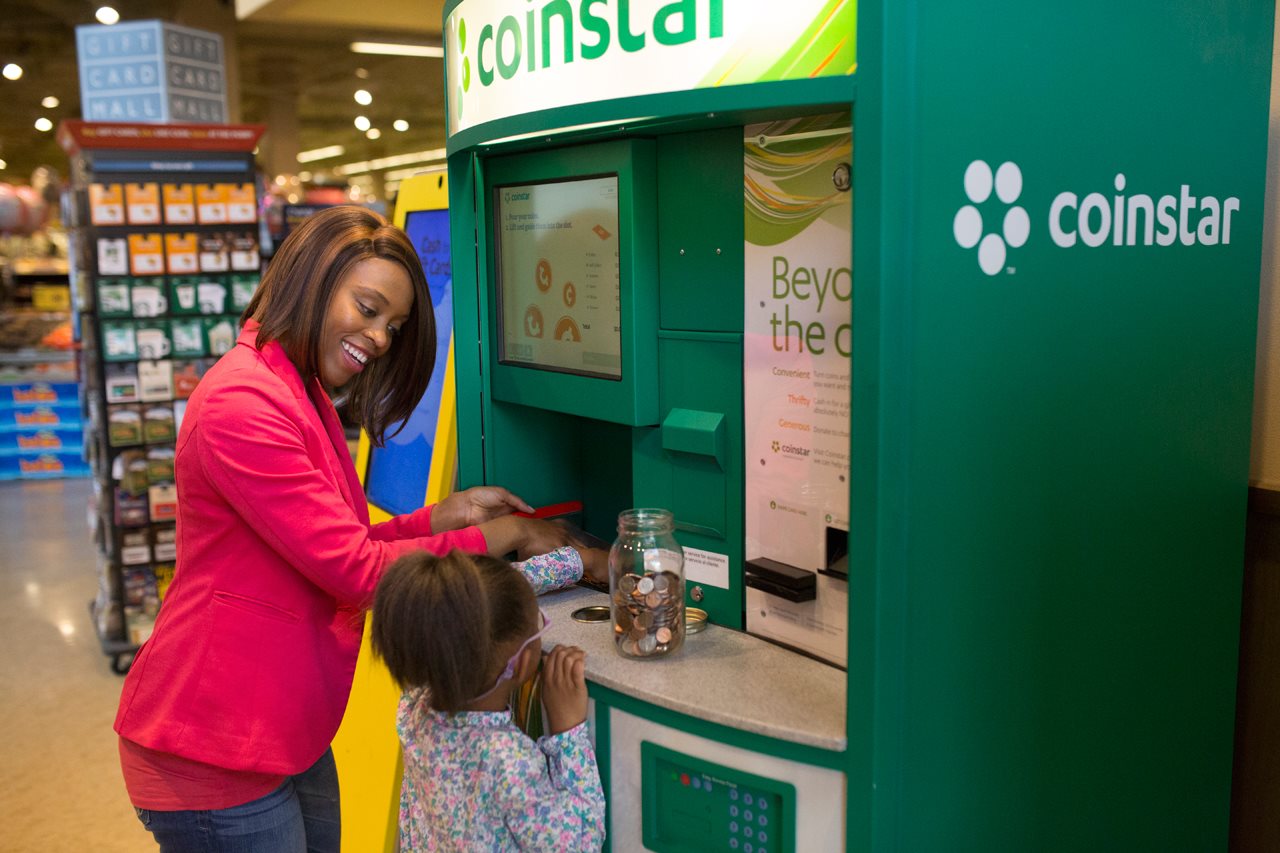
Now that you know the truth behind some common holiday myths, give your holiday spending power a boost by visiting the nearest Coinstar kiosk. Cash in your extra change for cash or a no-fee eGift card for well-known retailers and get more gifts crossed off your holiday list.


The stats are in: Credit card fraud is down 75 percent because of chip technology

2018-11-04T08:01:01

(BPT) – The whole idea behind integrating EMV® chips into credit and debit cards was to make transactions safer and more secure for consumers and merchants. A recent report by Visa shows that it has hit the mark. Visa took a look at the numbers, comparing chip card use by consumers and adoption by merchants from the initial rollout of chip cards in 2015 to now.

What they found is pretty staggering. Counterfeit fraud, where a criminal steals your payment card number and imprints it onto another card to use in-person at their favorite store, is down 75 percent from September 2015 to March 2018 at U.S. merchants that are chip-enabled.[i] The sharp drop illustrates that the chip technology is doing its job as intended. That’s important, because criminals are always on the prowl searching for an easy way to get money.

Data that travels through a payment network when you insert your chip card is different than the data that is sent when you swipe your payment card using its magnetic stripe. The chip generates a one-time code that can only be used for one transaction. If cybercriminals steal your card number from the merchant’s system or from a data breach, it is essentially impossible to commit counterfeit payment card fraud because the one-time code cannot be re-used and the card number alone is not enough to complete a transaction at a point-of-sale (POS) machine.

So chip cards and terminals protect the customer from his or her stolen payment card number being counterfeited and protect the merchant from having to refund the money while losing their merchandise. In the end, everyone wins except for the fraudster.

Some other findings from the Visa study include:

  • More than 3.1 million U.S. merchant locations or 67 percent of U.S. storefronts are now fully chip-enabled and accepting chip cards. As recently as September 2015, only 392,000 merchants were accepting chip transactions. That’s a 680 percent increase since chip technology debuted in the U.S.[ii]
  • 97 percent of overall U.S. payment volume in June 2018 was on chip-enabled cards.[iii]
  • In September 2015, $4.8 billion was spent on chip transactions. In June 2018, that figure had jumped to $76.7 billion.[iv]

Reasons for merchants to switch to the chip

More and more merchants are accepting chip card transactions, but some, especially smaller merchants, have been slow to adopt the technology. But there are good reasons for updating to accept chip card payments, not the least of which is customer expectation. People who have chip cards expect the payment security they provide, and not accepting chip payments might be seen as a negative with consumers.

 Other reasons for adopting chip technology include:

  • Implementing chip-based POS terminals is easier than ever before. It has become standard technology among many merchants and their technology suppliers.
  • Transactions involving chip-based payment cards at many merchants are faster than when EMV chip cards first became available thanks to Visa Quick Chip technology.
  • Implementing and investing in chip-based POS systems in many cases can also support new payment technologies like contactless payments.

For more information about the study, or to read the findings, visit Visa, Inc. at https://usa.visa.com/visa-everywhere/security/visa-chip-card-stats.html.

EMV® is a registered trademark in the U.S. and other countries and an unregistered trademark elsewhere. The EMV trademark is owned by EMVCo, LLC.


[i] Counterfeit fraud reduction at fully chip-enabled U.S. merchants for the quarter ended March 2018 compared to the quarter ended September 2015.

[ii] Fully chip-enabled merchants defined as locations where 75% of card present payment volume is chip-on-chip for the quarter ended June 2018.

[iii] Overall U.S. payment volume on EMV cards includes transactions made on all terminals (chip-enabled and non-chip) for the quarter ended June 2018.

[iv] Transaction volume based on VisaNet data for U.S. locations with chip transactions as of quarter ended June 2018.


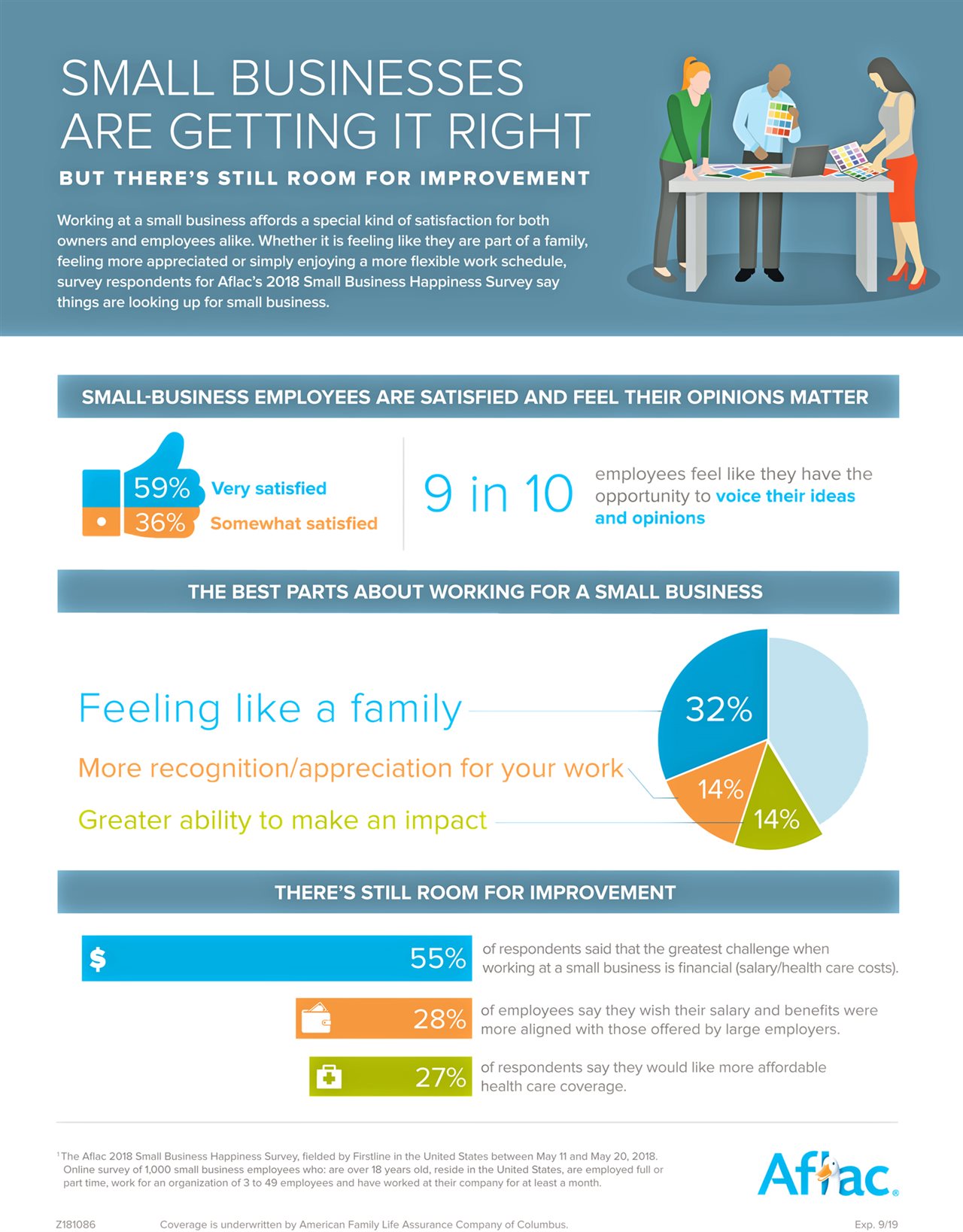
Small businesses are getting it right [Infographic]

2018-11-01T08:01:00

(BPT) – While some may say owning your own business is achieving the American Dream, for many others, working for a small business is an equally fulfilling career choice. In fact, the Aflac 2018 Small Business Happiness Report revealed most small-business employees feel satisfied at their workplace. Although things are looking bright for small businesses, a few areas where these employees would like to see additional improvements include salaries, health care benefits, greater flexibility in the workplace and more robust benefits options. To learn more, visit www.aflac.com/happinessreport.


Access to Safe and Affordable Drugs is a Right, Not a Privilege

2018-10-29T08:01:00

(BPT) – The exorbitantly high cost of prescription medications is an ongoing, serious health crisis for millions of Americans who are desperate for relief and desperately need the government to act.

These high prices often force people to choose between buying their medications and paying for gas, food or even their mortgage. Many people are either skipping doses, splitting pills or forgoing medications completely, which creates a potentially dangerous situation as these medications are used to control everything from asthma to high cholesterol to arthritis.

Despite years of public debate and empty promises from lawmakers to take action, little has been done to lower pharmaceutical costs in the U.S.

In fact, the U.S. government has repeatedly shown it is incapable of fixing this country’s prescription drug pricing problem. Lawmakers face intense resistance from pharmaceutical manufacturers who regularly contribute to political campaigns and who aim to maintain their high profits at the expense of patients. Congress and state legislatures have put forth options to address our country’s absurdly high drug prices, but most proposals will take years to implement … if they move forward at all.

In fact, the U.S. doesn’t have any laws or regulations in place to prevent or control the amount of money a pharmaceutical company can charge for its medications. This is shocking because Americans already pay more for prescription medications compared to patients in any other country in the world, despite the global market nature of the pharmaceutical industry.

Many “American-made” brand name prescription drugs are manufactured in other countries and then imported into the U.S. Even when drugs are produced in America, most of their active ingredients come from factories in other countries.

Regardless of where and when a medication is manufactured, safe and affordable access to that medication is a right, not a privilege.

For years, the Internet has made it possible for Americans to fill their prescription medications at significantly lower cost through licensed, legitimate Canadian pharmacies. These online pharmacies prioritize both safety and affordability, and millions of Americans have successfully turned to Canada to buy their daily medications. In fact, the Food and Drug Administration and its Canadian counterpart, Health Canada, have equivalent standards when it comes to prescription medications.

As with all industries, there are “rogue” players and other bad actors on the Internet. For this reason, it is critical that consumers find a licensed, legitimate online pharmacy that can be trusted. Licensed, legitimate pharmacies have safety protocols in place, including requiring a signed prescription from a patient’s doctor, and they don’t sell opioids or other controlled substances via the Internet.

To learn more on this topic and find an online pharmacy that you can trust, visit https://personalimportation.org.


The changing face of the American student: The growth of online learning

2018-10-29T08:01:00

(BPT) – Today’s college students are just as likely to be moms and dads themselves, full-time and part-time employees or members of the U.S. armed forces. Many students juggle work and family, according to the National Center for Education Statistics, which found that 62 percent of students work full- or part-time, and 29 percent have at least one dependent. Needing flexibility and variety in course offerings, more students are turning to online learning to design a path that fits their lifestyle.

As a result, online learning is seeing significant growth. A recent study found more than 6 million students take online courses across the U.S., and that number continues to rise. At ASU Online, programs have grown significantly, with a 60 percent increase in freshman enrollment since fall 2016 to more than 35,000 students in over 175 undergraduate and graduate degree programs. As part of ASU EdPlus, created to advance inclusion, efficiency and innovation, the online program implements technologies students need to succeed, paired with committed coaches and academic advisors.

“At ASU, we work diligently to lay the right groundwork for each student at a personal and individual level because we know there is no silver bullet to student success,” said Leah Lommel, chief operating officer of ASU Online. “Each learner is unique — what works for one may not work for another. This reality requires a tireless commitment to innovation on the part of higher education.”

Career success

Access to higher education remains the best pathway to career success, directly impacting employment opportunities and wages. The Center on Education and the Workforce found that bachelor’s degree holders earn 31 percent more than workers with an associate’s degree and 74 percent more than those with a high school diploma. Further, emerging technologies and the changing nature of industries have created a demand for new types of skilled workers.

Higher ed programs need to be flexible and adaptable, allowing students to study during the hours — or minutes — that fit their schedules. With online programs, students can gain practical knowledge throughout their program that can be immediately applied on the job, making them even more valuable in their current roles. As online programs continue to expand, students are more closely able to map coursework to their desired field of work.

Support structure is key to success

Adoption of online learning is fueled by the fact that universities are discovering that it can be just as effective as face-to-face learning. However, support and guidance are essential to success. From strong faculty support to success coaches and career advisors, universities providing high-touch student services throughout a student’s journey see the best outcomes.

For students stepping back into school after many years, support and encouragement are key. The ASU Online Student Success Center, which pairs each student with a personal success coach, has seen enrollment scale five-fold. Coaches are a lifeline as students juggle life with studying and coursework. Facilitating conversations with students related to academic and personal goals, and career aspirations, coaches offer support, help students overcome obstacles and connect them to other campus resources.

Online learning allows universities to meet students where they are, academically and personally. Today’s student is approaching education from a new standpoint, with different requirements and needs. The power of innovation in online learning means that each student can complete a degree in a way that was simply not possible before.

Interested in learning more about ASU Online’s programs? Check out https://asuonline.asu.edu/online-degree-programs to explore the range of options ASU Online offers.