Protect yourself: Learn the truth behind 4 common myths about life insurance

2018-09-24T07:01:00

(BPT) – Because September is National Life Insurance Awareness Month, now would be a good time to consider investing in a policy that could protect you and your family in your time of need, plus protect your loved ones in your absence.

Given the importance of life insurance, it’s astounding that 37.5 million American households lack such a policy, according to the 2016 Facts About Life study by the industry group LIMRA. That may be because many people misunderstand how such policies work and how much it costs. For example, recent Insurance Barometer studies by LIMRA and Life Happens found 63 percent of Americans cite expense as the reason they don’t carry term insurance, yet 80 percent overestimate the cost — millennials by 213 percent and Gen Xers by 119 percent.

While some Americans hope to rely on other sources to protect their families, they may not realize all the benefits life insurance offers. Every family has different needs, and some life insurance products are flexible enough to offer customizable options to provide a measure of financial security to your spouse and children — the people that matter most.

Some other common myths about life insurance of which you should be aware:

Myth: Life insurance is only available through financial advisors. In fact, quality, strong-valued policies for your entire family are often available through your employer or your spouse’s employer. For example, Boston Mutual Life Insurance Company offers a wide range of workplace solutions paid for by employers, employees or both, including permanent life, term life, critical illness, accident and disability insurance. Talk to your company’s HR department about the process involved in securing comprehensive coverage for your family.

Myth: Workplace policies can’t offer enough options for your needs. You’ll find that well-established life insurance companies understand the market well enough to offer a range of flexible products, including policies that are payroll deductible, stable in cost regardless of your age, portable when you’re changing jobs and available with add-on riders or other insurance types through the same carrier.

Myth: Young, healthy people don’t need life insurance. The truth is, your health can change at any time and it’s best to expect the unexpected. Further, uninsured people can easily leave behind personal, medical or mortgage debts and/or funeral expenses that end up burdening family members or executors when they die.

Myth: Your life insurance policy only covers you, not your family. Not true. Some products protect you, your spouse, your dependent children and even your grandchildren, often at one affordable cost. That’s why marriage and becoming a parent can be excellent reasons for buying new policies.

Investing in life insurance is a crucial step to take when it comes to protecting yourself and your family from unexpected losses. But it doesn’t have to be confusing or complicated. Find more detailed information about life insurance options for you and your family at www.BostonMutual.com.

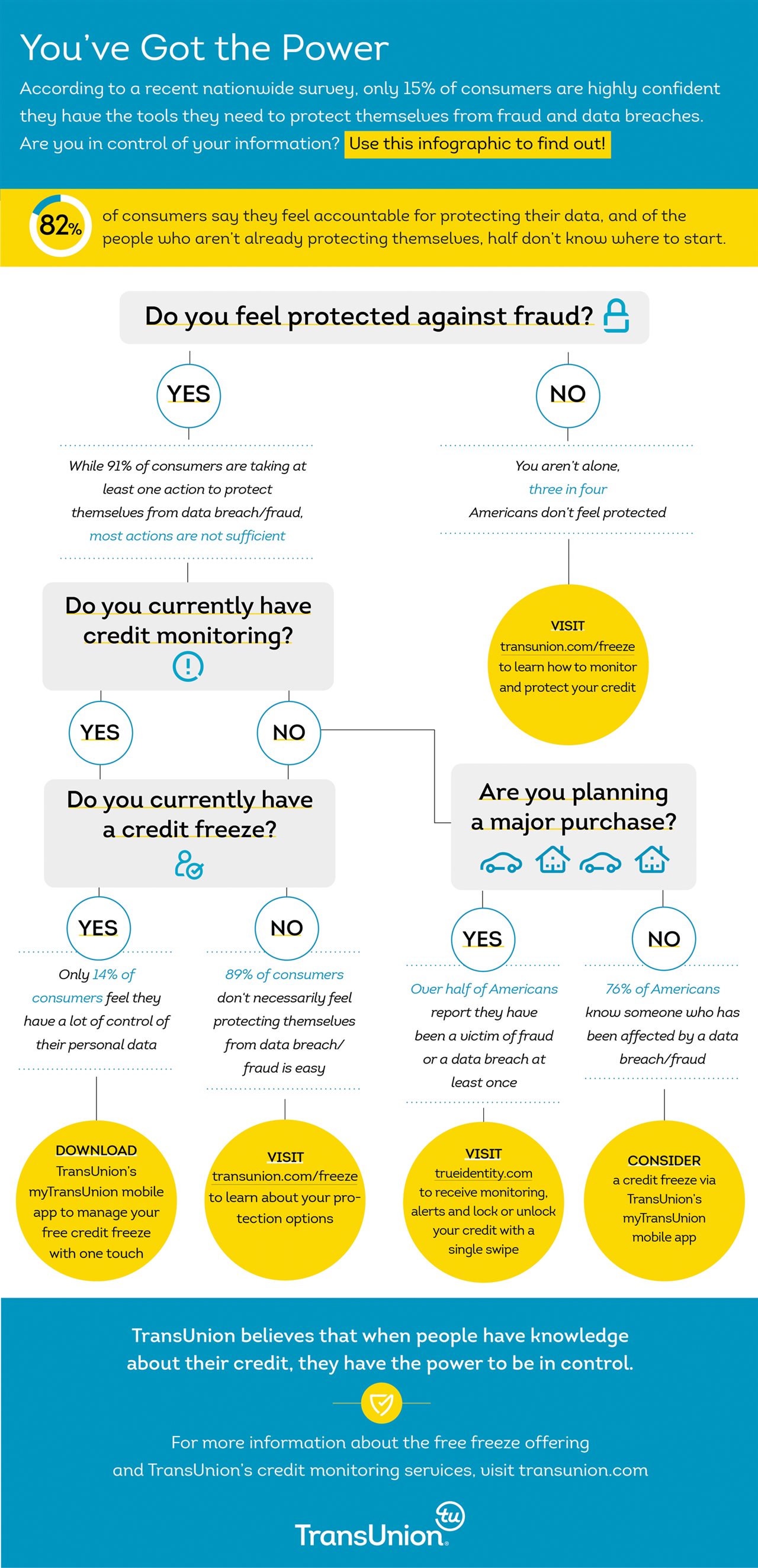
Do you feel protected against fraud? [Infographic]

2018-09-20T10:19:00

(BPT) – Many Americans are taking some action to protect themselves from fraud and data breaches but it’s often not enough. TransUnion is committed to making the understanding, managing and protecting of your information as simple and accessible as possible — which is why they launched the myTransUnion mobile app. With the app, which you can download from the Apple App Store and Google Play Store, you can freeze and unfreeze your credit reports for free in a matter of seconds, whenever and wherever you need.


Beyond the Liberty Bell: Exploring Western Philly

2018-09-17T07:01:00

(BPT) – A visit to Philadelphia is sure to be steeped in American history and culture. It doesn’t get more American than the Liberty Bell and Independence Hall, where the Founding Fathers signed the Declaration of Independence in 1776. And it doesn’t get more authentically Philly than cheesesteaks at competing Geno’s Steaks and Pat’s King Of Steaks, and the oldest farmers market in the country, Reading Terminal Market. But, when you’ve been there, done that, what else can you explore?

Philadelphia neighborhoods beckon the savvy traveler who can, by slowing down, get a glimpse of what it’s like to live here, to exhale and experience the heart and soul of a great American city. One neighborhood that’s not on the radar of many travelers, but should be, is West Philadelphia, or West Philly as it is commonly known, with University City as its bustling heartbeat. Aptly named — the University of Pennsylvania and Drexel University are located here — the area buzzes with youthful exuberance. The diverse, worldwide student population brings the magic of different languages, dialects and customs to the area.

Strolling along the bustling sidewalks, visitors will find a foodie’s dream with a vibrant street-food scene, high-end, locally owned restaurants and everything in between. Historic sites and museums are everywhere, with some pop culture icons as well, and the parks add a touch of green to the cobblestone and brick.

Here are some gems of West Philly not to be missed:

* The Penn Museum will take you back to ancient times in faraway places and other lands. You’ll find jewelry from Ethiopia, Mayan sculptures, an Egyptian tomb, the Granite Sphinx of Ramses and new Middle East galleries. After you’ve seen the amazing American History of Philadelphia, the Penn Museum gives you the world.

* World Cafe Live is a multi-level venue devoted to music and good food. Take a seat upstairs at the chic Upstairs Live Cafe, where you can get late-night food and drinks along with an eclectic array of live music (they don’t call it World Cafe Live for nothing!). Downstairs Live is a larger concert venue, hosting nationally known artists. It’s also the home of WXPN radio, which broadcasts a show of the same name.

* The Study at University City is a local gem for guests who believe the right hotel can enhance and elevate an already wonderful trip into the stratosphere. This is not a cookie-cutter chain, but a boutique that features local artwork in an onsite gallery; hand-blown glass light fixtures (locally made); display cases with artifacts of the city’s past; and its lobby, dubbed the Living Room, a vibrant and dynamic core of the hotel, a gathering place for guests to feel at home.

* Schuylkill River Trail meanders along some 30 miles of the Schuylkill river, and is a favorite of bicyclists, walkers, runners and families. Enjoy the green space along the riverfront, or use it as your way to and from the Philadelphia Museum of Art and other area attractions. If you really want to get your exercise and American history on, you can pick up the trail in West Philly and take it all the way to Valley Forge National Historical Park.

* The multitude of cuisines in the West Philly neighborhood is reflective of the diversity of the student population. A true foodie destination that’s a bit off the beaten path, you’ll find African, Middle Eastern, Mediterranean and Indian spots with daring fusions of flavors; upscale, chef-driven restaurants; and down-home Philly goodness. Highly recommended from the city’s foodie community: Marigold Kitchen (its gin-marinated venison gets rave reviews), Aksum, which blends Mediterranean and North African cuisine; and Dock Street Brewing (Philly’s first microbrewery) for all-American bar food, burgers and of course, beer.

For other insider tips on exploring West Philly, contact the knowledgeable staff at The Study at University City. They’ll make sure you get the most out of your visit to the neighborhood.


How one state is fighting food waste

2018-09-17T07:01:00

(BPT) – Up to 40 percent of food grown, processed and transported in the United States is never eaten, yet one in eight Americans suffers food insecurity. The average four-person family wastes $1,500 a year on food.

Food waste in manufacturing and packaging costs corporations $2 billion each year — plus $15 billion for farmers — while dumping 52 million tons of waste in landfills.

The impact of food waste is social, environmental and economic — children and elderly are going hungry, natural resources are being squandered and ever-rising costs of food affect both businesses and consumers.

Reducing food waste at home

The U.S. Environmental Protection Agency has some best practices for families to save money, help those who don’t have enough to eat, and conserve resources for future generations.

By making a list of weekly meals and necessary ingredients, shoppers will buy less than they would otherwise and keep things fresh, with less waste. Also, checking the pantry and refrigerator before a grocery shopping trip can prevent buying duplicates of things you already have.

Meal prep — washing fruits, chopping veggies, creating portioned servings — can save time and money. Freezing items such as bread, sliced fruit and meat that you won’t eat immediately can save them from spoilage.

Finally, learn the difference between “sell-by,” “use-by,” “best-by” and expiration dates. This can mean the difference between discarding perfectly fine food and filling up landfills, or saving money and feeding your family food that is still nutritious and delicious. If you’ve purchased foods your family won’t eat or just have too much, find a local community program or food pantry accepting donations.

Corporate responsibility

Several Arkansas food and beverage industry leaders are taking steps to eradicate food waste, from changing policies and logistics, to rethinking how to use previously discarded foodstuff.

Tyson Foods launched “¡Yappah!” this summer, bite-sized chicken crisps made from upcycled chicken breast, rescued carrots and celery puree from juicing or malted barley from beer brewing. Founded in Springdale, the world leader in poultry and beef is dedicated to seeking new ways to make more and better food while helping to build a more sustainable food system.

Rizal Hamdallah, head of Tyson Innovation Lab said, “The ¡Yappah! brand mission is unique, important and far-reaching. It was created to inspire people and partners to rethink their relationship to food and how it impacts society. Through this launch, we intend to address global food challenges such as food waste.”

The chips come in four flavors — chicken celery mojo, chicken carrot curry, chicken IPA, and white cheddar and chicken sunshine shandy beer — and are packaged in recyclable aluminum cans. The crisps would be available to consumers in October.

Bentonville-based Walmart has introduced Eden technology that focuses on tracking the freshness of produce as it travels from farm to wholesaler to retailer to table. Sensors measure and report temperature, moisture and metabolite data, which is then converted to carton-level freshness and shelf life assessment using FDA standards among other data.

Walmart seeks to eliminate $2 billion in waste over the next five years and has already prevented $86 million in waste by using Eden in 43 of its distribution centers.

ConAgra Brands — which makes Bertolli and P.F. Chang’s frozen meals in Russellville, Arkansas — has been leading food waste reduction efforts for nearly a decade and achieved an 81.7 percent landfill diversion rate in 2017 corporate-wide.

“Waste reduction is critically important to our company and we are dedicated to making improvements throughout our operations as part of our zero waste strategy,” said Gail Tavill, vice president, sustainable development, ConAgra Brands. “Many by-products of food preparation are highly valued as animal feed, source material for recycling, energy recovery or composting, or sometimes even suitable for donation to feed people when safe and properly handled.”

Saving money, time and reducing waste

The bottom line when it comes to food waste reduction: Efficient, cost-effective companies are best positioned to deliver affordable products to consumers, grow, create jobs and support their communities. Food waste management as practiced by several Arkansas food and manufacturing industry leaders is not only saving money and resources, it’s making a difference in the lives of U.S. citizens and people around the globe. And using best practices at home is healthier for families’ bodies and their budget.


Are Americans saving enough for retirement?

2018-09-13T07:01:01

(BPT) – The answer you get to this question will depend on who you ask. The amount households have accumulated for retirement is not hotly debated, but the amount needed in retirement is. The Investment Company Institute (ICI) is working to make sure that everyone has the facts through its new website — FactsOnRetirement.org. Much of the academic research and the ICI’s analysis of the retirement data indicate that most Americans are properly preparing for retirement, and with some very small changes, the retirement system can be even stronger.

It might surprise you to know that Americans have accumulated seven times more retirement resources per household today than we had just over four decades ago — after accounting for inflation. As a nation, we’ve gone from $500 billion in defined benefit (DB) plans, defined contribution (DC) plans, individual retirement accounts (IRAs), and annuities in 1975, to nearly $30 trillion today. Those assets are widely spread too — eight in 10 near-retiree households have retirement resources, and retired Americans are more likely to get income from a retirement plan today than they were in the 1970s.

IRAs, 401(k) plans, and other DC plans account for a large portion of the increase in retirement assets. Americans have now amassed $17 trillion in hard assets in these accounts.

Combined with Social Security, resources from employer-sponsored plans and IRAs are helping retirees keep up their standards of living. At FactsOnRetirement.org, ICI points to a groundbreaking analysis of tax data that shows most workers transitioning into retirement maintained or even increased their spendable income after claiming Social Security.

We often hear that the decline of the traditional DB plan has driven seniors into dire straits — but that’s not true. Remember, those traditional pensions are designed to reward workers who stay for decades with the same company and end their careers at that company. Other workers may receive little or no retirement income from these plans.

With 401(k) style plans, benefits accrue more evenly over a worker’s career and continue to grow as a worker moves from job to job — which makes them particularly well suited to America’s mobile workforce. The research shows that IRAs, 401(k)s, and similar plans can provide the resources workers need to live comfortably throughout their golden years. That’s one reason nearly eight out of 10 U.S. households have confidence these plans will help people reach financial security in retirement.

In general, our retirement system works, but it can be even better if policymakers work to build on its strengths. ICI recommends putting Social Security on a secure financial footing for future generations, making it easier for employers to offer retirement plans, and encouraging innovative features like auto-enrollment to help more workers save.

But as a first step, every American needs the facts. You can get them — along with tips to make sure your own savings are on the right track — at www.FactsOnRetirement.org.


Teaching kids about money management at any age and every age

2018-09-12T07:01:01

(BPT) – As a parent you understand the importance of successful money management firsthand. Every bill must be accounted for and budget balanced. It’s the only way you can manage your household and save for those bigger events in life. Your kids, on the other hand? They are not quite so money savvy and you’d like to change that. After all, smart money management will help them throughout their entire lives. So how do you teach these skills to your kids?

While every child is different, the age of your children can play a big role in how you teach them money management skills. So, to help you guide your kids down the path to fiscal responsibility and successful long-term money management, follow these tips from VantageScore Solutions.

1. Ages 3-5: Starting small with small conversations

How early can you start talking to your children about money? Earlier than you think. In fact, in many cases once a child is old enough to take part in conversations (speaking and listening) they are old enough to discuss money. Explain to them that things they see in the store — and invariably want — cost money and if they don’t have money they cannot get them. This is also a great time to introduce a piggy bank and discuss why you’re placing money in the piggy bank with your child.

2. Ages 6-8: Leading by example

Children at this age are incredibly observant of the world around them and they are old enough to ask detailed questions about the things they see — including how you handle money. Trips to the bank are a good way to show them the value you place in saving money and don’t be afraid to put things back at the store when they aren’t necessary. They will benefit from seeing it’s OK not to buy something.

3. Ages 9-10: Make learning fun

Children at this age are able to grasp more in-depth concepts and they love games. Use that to play games with your child that stress the value of saving and money management in a fun, interactive way. Whether you play through board games, like Monopoly, or through video or online sources, games where your child can win by being smart with their money will offer long-term benefits.

4. Ages 11-13: Learning to work for wages

You may have already been giving your child an allowance based on their completion of household chores but now is a great time to help them get work outside of the home. Whether it is walking dogs in the neighborhood, babysitting or mowing lawns, your child has the chance to bring in real income at this age. And when they do, sit down with them to manage it properly. Open a savings account for them and show them that some money needs to be set aside for savings and what portion can be enjoyed immediately for spending.

5. Ages 14-18: Strategies for long-term savings

With teens, a successful conversation is often all in how you frame it. Ask your teen if they want to sit down and plan out their budget and you’ll get a no. Ask them if they want to sit down and figure out how they can buy their first car, the laptop they want or go to college and they’re more apt to listen. Start with the goal in mind and backtrack from there to set a fiscal budgeting plan. Teach them the difference between gross and net income, thus budgeting and spending should be based on one’s expected net income, not gross income. Encourage your teen’s ideas throughout the process and they’ll take more ownership over the plan.


Finding the support teachers need during the school year

2018-09-10T08:31:00

(BPT) – The school year has begun, and while the back-to-school expenses of many parents are done for the summer, students will still have ongoing needs throughout the year. But parents are not the only ones who spend their own hard-earned cash to make the school year a success, and they are not the only ones that can expect the costs to continue throughout the year.

According to Bankrate, the average teacher spends roughly $530 of their own money to pay for supplies, snacks and other items for use by their students during the school year. These supplies often include things like paper, rulers, scissors, notebooks, pencils, glue and poster boards, and while they must be purchased at the beginning of the year, they often must be replaced throughout the year as well. While these expenses can quickly add up, teachers are rarely compensated for these costs, and yet still cover these in order to create the best educational experience for their students all year long.

Saving money on your expenses

For teachers, the example above is probably all too familiar. Additional expenses small or big can take a toll, so minimizing costs here and there is crucial. It all begins with shopping at the right places with the right prices.

Staples, the back-to-school specialty store, always offers a diverse collection of name-brand and exclusive supplies, services and resources to meet the demands of any classroom. In addition, Staples offers a 110 percent price match guarantee within 14 days.

Perhaps most importantly, Staples offers in-store specialists that are always available to help you with your needs, ensuring you get the best support you possibly can and have all of your questions answered. Staples also carries supplies all year long, at competitive prices whether it is the second week of school or the second semester. It is the one-stop destination for this school year and beyond.

Visit Staples.com or your nearest Staples store to find solutions for your classroom today.


Dialysis, transplants and endless ambition: Nurse’s path from patient to provider

2018-08-29T07:01:00

(BPT) – When Fallon Bell was only 19 years old, she was diagnosed with chronic kidney disease, the same disease that both her mother and aunt lived with. Chronic kidney disease, or CKD, is when a person’s kidneys no longer provide the function of filtering toxins from the blood. Shortly after her CKD diagnosis, Bell began dialysis, which performed the function of her kidneys. Dialysis is a necessary, life-saving treatment when the kidneys are no longer able to function, but can be demanding because patients usually require treatment three times a week, four hours at a time.

Despite her diagnosis, Bell continued to dialyze while working full-time and finishing her bachelor’s degree in business. She continued her treatment for six years until her name was chosen from the kidney transplant list. Bell finally received her first kidney transplant but she felt there was still something missing in her life. Her experiences with dialysis ignited a passion. Bell wanted to be a nurse, so she went back to school and worked toward becoming a registered nurse.

Nursing school was like nothing Bell experienced before. She spent countless hours in the library and long hours in hospitals training — all while trying to balance other aspects of her life. Bell was so close to her nursing degree, she could taste it. However, two months before Bell was set to graduate, her body rejected her kidney transplant and Bell was forced to go back on dialysis treatment and on the kidney transplant list. Even though Bell had to begin dialysis again, she graduated with her bachelor’s degree in nursing.

Despite the hours she spent dialyzing, Bell didn’t let it stop the plan she created for herself. She worked tirelessly during her 12-hour night shifts in the hospital and then immediately followed it with her own dialysis treatment. Bell dialyzed at a DaVita dialysis center, which was flexible with her busy nursing schedule. She became enthralled with the team and began to ask them questions about dialysis. One afternoon, Bell received a phone call; she matched with a kidney donor. Bell received her transplant and was able to stop dialysis.

As Bell continued her work as a nurse, she realized the passion she had to be part of the DaVita community. Being a patient on and off, she understood the triumphs and tribulations of requiring dialysis treatment multiple times a week. She acknowledges that providing high-quality care for her patients has always been her vocation and continues to work for DaVita Kidney Care in Chicago as a peritoneal dialysis nurse. She feels rewarded by her work because she gets the chance to give back to patients, just as her teammates were able to do for her years before.

To learn more about nursing at DaVita, visit Careers.DaVita.comNursing.


Study finds small businesses have a big impact on the economy

2018-08-24T13:59:01

(BPT) – When small businesses get the financing they need to grow, it creates a ripple effect throughout the entire economy, according to a new report.

Small business is anything but small — there are more than 30 million small businesses across the United States, and these companies create two out of three net new jobs in the country, according to the US Small Business Administration. When each of these businesses grows and hires new employees, it can have an economic impact that stretches far beyond the four walls of the business itself.

To illustrate this, Funding Circle, the leading platform for small-business loans, recently commissioned Oxford Economics to research the impact of its financing to small businesses across the world. The platform connects businesses who want to borrow with investors who want to lend.

The report reveals that this lending had a massive economic impact in the United States:

* Almost 28,000 jobs created and sustained

* $2 billion contributed to the American economy in 2017 (measured in Gross Value Added)

* $170 million generated in annual tax revenues

Funding Circle was founded in 2010, just a few years after the global financial crisis.

“Today the economy has recovered, but it can still be very difficult to get a business loan through a bank,” said Bernardo Martinez, Funding Circle US managing director. “Many banks are held back by outdated systems and underwriting processes, which means that a small business could wait weeks to hear back after applying for a loan — just to be denied.”

Businesses that borrowed are widely spread across the United States and come from a diverse range of industry sectors, according to the report. Of the businesses that had first approached a bank, half said their application was rejected — which led to their decision to come to Funding Circle.

Financing fuels new opportunities. One business that used a loan to grow is Philosophie Group, a custom software solutions company based in Los Angeles and New York City.

With a burgeoning client base, cofounder Skot Carruth and CFO Jerry Signori soon found themselves in a crunch: With so many people in the New York office, there wasn’t enough room to bring in important clients. With new contracts in the wings, Philosophie needed a new office, and they needed it fast.

The founders found the perfect location close to their clients that had plenty of meeting rooms and creative thinking space for innovative developers. The rent was even affordable, which was especially surprising for a city like New York.

The catch? The lease required a full year’s rent as a down payment.

“When you’re growing a business organically, you’re very tight with cash,” Jerry says. “We had a wonderful opportunity that we would have lost if we hadn’t been able to act quickly and decisively.”

Knowing that a traditional bank loan would take too long, they applied — and their loan was funded within a few days. They moved into their new space and soon landed a project with one of the most prestigious accounting firms in the city. Within a year, Philosophie was producing enough revenue to pay down the principal on their loan.

To date, Funding Circle has helped thousands of American small businesses access more than $1 billion in financing. Learn more at www.FundingCircle.com.