Are Lifestyle Changes Enough to Lower Your Cholesterol?

2021-05-05T08:01:00

(BPT) – Pam and her husband always lived a very busy lifestyle, even in retirement. They spent their time boating, fishing and enjoying the company of their children and grandchildren. Pam couldn’t wait to watch her grandchildren grow up, go to college and become successful in life. She assumed that because she avoided unhealthy habits, she could accomplish that goal, until the day she received her high cholesterol diagnosis, and everything changed.

If this sounds familiar, you’re not alone — Pam is among more than 93 million American adults with high cholesterol.i Knowing her family’s history of heart disease, Pam did not take her diagnosis lightly. Shocked and scared of becoming another statistic, she dedicated herself to healthier lifestyle choices. She began to follow a strict heart-healthy diet and began to exercise more regularly.

Despite her lifestyle change and best efforts, each year Pam’s cholesterol levels continued to rise. Finally, her doctor recommended a statin to aid in lowering her cholesterol levels, because for some people, like Pam, a healthy diet and exercise alone aren’t enough to reduce cholesterol to healthy levels. Statins work by reducing the cholesterol levels made by the liver and by helping remove cholesterol that’s already in the blood.ii

Statin therapy can be a critical part of achieving lower cholesterol levels, in addition to healthy diet and regular exercise. Statins are proven to help reduce the risk of heart attacks and strokes.ii In fact, approximately 38.6 million Americans are taking statins, with over 1/4th of Americans over 40 currently on a statin, according to the Centers for Disease Control and Prevention (CDC).iii

However, among patients prescribed a statin, studies indicate that more than half of them stop taking that statin within the first year, often without discussing it with their doctors.iv This can be incredibly dangerous, as high cholesterol doesn’t have any physical symptoms but is a major risk factor for heart attack or stroke — and then it may be too late.v

It’s important to keep an open dialogue with your doctor about your experience taking your statin medication. Many do not know that there are multiple statin options available and they aren’t all the same.iv How someone responds to a statin can vary from person to person. Individual factors may include medical history, other ongoing medications or supplements, age, and ethnicity.vi

Pam began taking her statin and has been on it ever since. She says that it has given her the extra help she needed to lower her cholesterol levels into a healthy range where they’ve remained! She has continued to keep an active lifestyle and is able to focus on her family and doing the things she enjoys.

High cholesterol can be managed with the right treatment plan, but it’s vital to work with your doctor to find a statin that’s best for your unique needs. Hear more about Pam’s story and learn more about LIVALO® (pitavastatin) and how it can help you lower your cholesterol at LivaloRx.com.

Important Safety Information for LIVALO® (pitavastatin) tablets

What is LIVALO?

  • LIVALO is a cholesterol-lowering medication called a “statin” for adults with high cholesterol that, along with a heart-healthy diet, helps to lower total cholesterol, “bad” cholesterol (LDL-C), triglycerides, and Apo B and to raise “good” cholesterol (HDL-C).
  • LIVALO has not been studied to evaluate its effect on reducing heart-related disease or death.

Who should NOT take LIVALO?

LIVALO is not right for everyone. Do not take LIVALO if:

  • You have a known allergy to LIVALO or any of its ingredients.
  • You have active liver problems, including some abnormal liver test results.
  • You are nursing, pregnant or may become pregnant, as it may harm the baby.
  • You are currently taking cyclosporine or gemfibrozil.

What is the most important information I should know and talk to my doctor about?

  • Call your healthcare provider or get help right away if you experience any symptoms of an allergic reaction, such as rash, itching, or hives.
  • Muscle problems may be an early sign of rare, serious conditions. Tell your doctor right away if you have any unexplained muscle pain, weakness, or tenderness, particularly if accompanied by malaise or fever, or if these muscle signs or symptoms persist after discontinuing LIVALO.
  • Serious liver problems have been reported rarely in patients taking statins, including LIVALO. Your doctor should do liver tests before you start, and if you have symptoms of liver problems while you are taking LIVALO. Tell your healthcare provider right away if you feel more tired than usual, have a loss of appetite, upper belly pain, dark-colored urine, or yellowing of the skin or eyes.
  • Tell your doctor about all your medical conditions and medications you take including nonprescription medicines, vitamins, or herbal supplements.
  • Increases in blood sugar levels have been reported with statins, including LIVALO.
  • Tell your doctor about your alcohol use.
  • Tell your healthcare provider of a known or suspected pregnancy.

What are the most common side effects of LIVALO?

The most common side effects of LIVALO in clinical studies were:

  • Back pain
  • Muscle pain
  • Constipation
  • Pain in the legs or arms
  • Diarrhea

This is not a complete list of side effects. Talk to your healthcare provider for more information.

You are encouraged to report negative side effects of prescription drugs to the FDA.

Visit www.fda.gov/medwatch or call 1-800-FDA-1088.

How should I store and take LIVALO?

  • Store LIVALO tablets at room temperature, in a dry place, protected from light, and keep out of the reach of children.
  • Take LIVALO orally once daily with or without food at the same time each day.
  • Swallow the tablet whole. Do not split, crush, dissolve, or chew.
  • The maximum recommended dosage is LIVALO 4 mg once daily.
  • If you take too much LIVALO or you or someone else takes an overdose, call your doctor and/or local Poison Control Center.

Other important information I should know about LIVALO.

  • LIVALO is available by prescription only.

For additional information please see the full Prescribing Information or visit www.LivaloRx.com.

© Kowa Pharmaceuticals America, Inc. (2021) – LIV-RA-0142 PI of 09/2020

###

i Virani SS, Alonso A, Benjamin EJ, Bittencourt MS, Callaway CW, Carson AP, et al. Heart disease and stroke statistics—2020 update: a report from the American Heart Association. Circulation. 2020;141(9):e139–e596.

ii American Heart Association. Cholesterol Medications. http://www.heart.org/en/health-topics/cholesterol/prevention-and-treatment-of-high-cholesterol-hyperlipidemia/cholesterol-medications. Accessed January 12, 2021

iii Gu Q, Paulose-Ram R, Burt VL, Kit BK. Prescription cholesterol-lowering medication use in adults aged 40 and over: United States, 2003–2012. NCHS data brief, no 177. Hyattsville, MD: National Center for Health Statistics. 2014.

iv Cohen JD, Brinton EA, Ito MK, Jacobson TA. Understanding statin use in America and gaps in patient education (USAGE): an internet-based survey of 10,138 current and former statin users. J Clin Lipidol. 2012;6:208-215.

v American Heart Association. What is Cholesterol? http://www.heart.org/en/health-topics/cholesterol/about-cholesterol. Accessed January 12, 2021.

vi Mayo Clinic. Statins: Are these cholesterol-lowering drugs right for you? https://www.mayoclinic.org/diseases-conditions/high-blood-cholesterol/in-depth/statins/art-20045772. Accessed January 12, 2021.

4 Tips to Give Your Immune System a Boost

2021-05-04T11:15:00

(BPT) – A strong immune system is essential to help the body fight disease. Some aspects of immunity are beyond our control, such as age. However, it turns out that some common habits that contribute to overall health and wellness may also help give your immune system a boost. Read on to find out four simple ways to help strengthen your immune system.

1. Focus on Immune-Boosting Foods

A healthy diet that focuses on fruits, vegetables, berries, nuts, legumes, whole grains and healthy fats can help to keep your immune system functioning properly. “A plant-based powerhouse that I recommend everyone add to their diet is pistachios,” says Dr. Mike Roussell, PhD, nutrition advisor to Men’s Health. “Pistachios have a wealth of vital nutrients, which may help the immune system to operate at its best, including vitamin B6, zinc, copper, iron, selenium, folate, polyphenols, carotenoids, fiber and protein.”

2. Get More Sleep

According to the Centers for Disease Control and Prevention, 1 in 3 adults aren’t getting the recommended 7-9 hours of sleep every night. We know that sleep is an important component of overall health and this includes the immune system. “Research has shown that consistent sleep helps to strengthen our immunity,” says Roussell. “Accumulated sleep deprivation can cause the immune system to weaken and become less effective at fighting viruses and other stressors on the body.”

3. Exercise Often

Daily physical activity has a host of health benefits, including helping to boost immunity. In fact, recent research suggests that exercise can help improve immune response, lower illness risk and reduce inflammation.[1] “Aim for 150 minutes per week of moderate activity (or exercise),” says Roussell. “The key with exercise is to be consistent — it’s a lifelong habit that can benefit everything from immunity to weight maintenance and mental health.”

4. Support a Healthy Gut

A large part of the body’s immune system is actually located in the gut, and helping to increase good gut bacteria is another way we may be able to strengthen our body’s immunity.[2] The good news is the healthy diet discussed above is also likely to help create a healthy balance of bacteria in the gut. “Gut health is another area where pistachios really shine,” adds Roussell. “Pistachios are a good source of fiber, and fiber is known to benefit gut health. And research also suggests that pistachios have properties similar to prebiotic fiber that helps to increase the good bacteria in the gut.”


[1] Nieman DC and Wentz LM. The compelling link between physical activity and the body’s defense system. Journal of Sport and Health Science.2019. 8:3(201-217).

[2] Belkaid Y and Hand T. Role of the Microbiota in Immunity and inflammation. Cell. 2014 Mar 27; 157(1): 121–141.

Top 10 Frequently Asked Questions on COVID-19 Vaccines

2021-05-03T12:51:01

(BPT) – The COVID-19 pandemic represents an enormous threat to public health and an extreme challenge to physicians. The American Medical Association (AMA) has closely monitored the global outbreak of COVID-19 and compiled the most frequently asked questions from patients about the COVID-19 vaccines. It is important to know and understand the facts about COVID-19 vaccines, so that we can work together toward achieving immunity and can get back to the moments we miss.

1. How do we know the COVID-19 vaccines are safe?

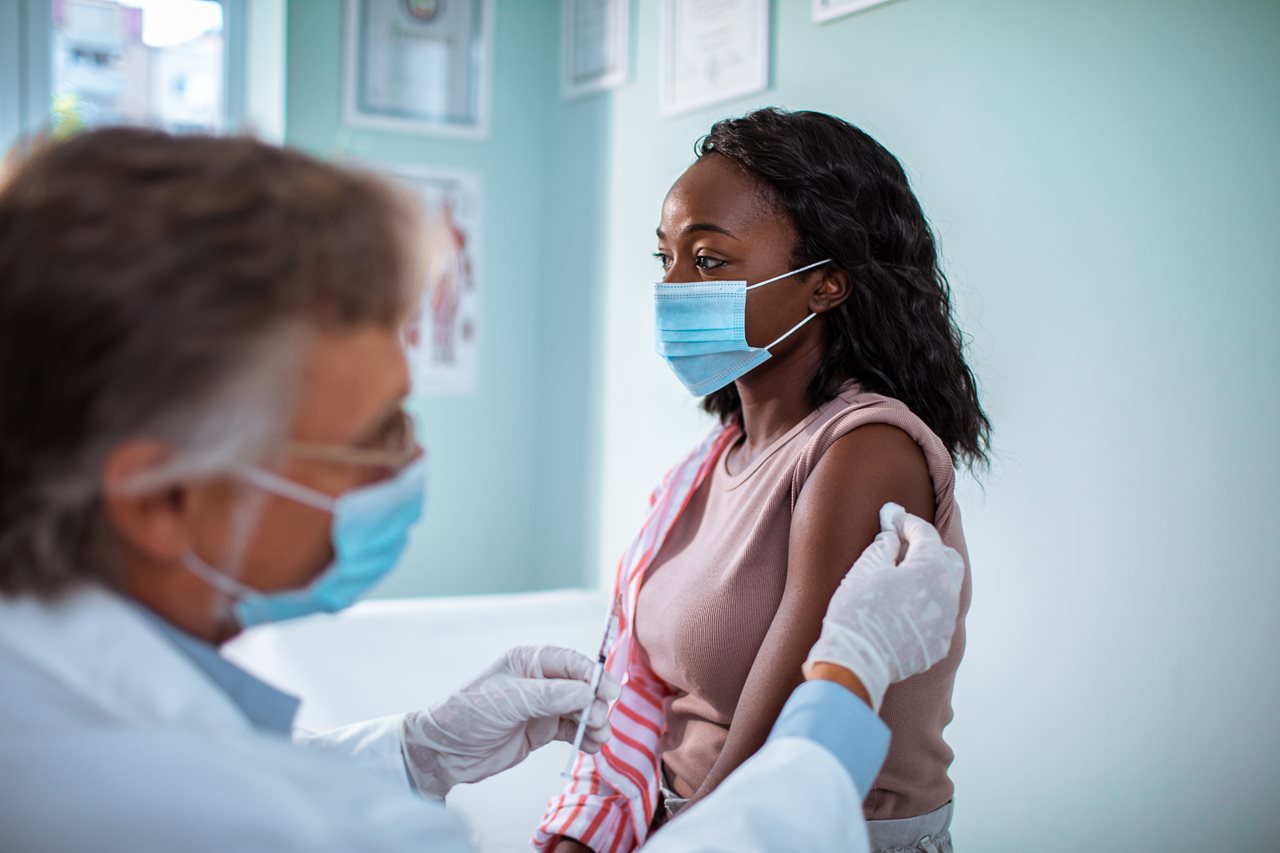
COVID-19 vaccines were tested in large clinical trials — with participants of different races, ages, ethnicities, and medical conditions — to make sure they are safe and effective. The FDA and CDC carefully reviewed all safety data from clinical trials before authorizing vaccines for emergency use in the U.S. population. The FDA and CDC continue to monitor the safety of COVID-19 vaccines to make sure even very rare side effects are identified.

2. Should I get the vaccine if I’m pregnant or breast feeding?

While we do not currently have definitive data on the safety of COVID-19 vaccines for pregnant women, we have not seen any untoward effects in the pregnant women who have been vaccinated. It is also important to note that data suggests when pregnant individuals contract COVID-19, they have an increased risk of severe illness, hospitalization and death, as well as risk of adverse pregnancy outcomes. All pregnant individuals should have an opportunity to receive a vaccination. We recommend patients who are pregnant or breastfeeding speak with their clinician and make the decision that is best for them based on their own risk of exposure to COVID-19.

3. How do I know when a COVID-19 vaccine will be available for my age group?

As of April 19, all people age 16 and up in every state are eligible for the COVID-19 vaccine. Additional information about eligibility and timeline can be found at your local public health department website at https://www.cdc.gov/publichealthgateway/healthdirectories/index.html. It’s important to remember that vaccination access and information change quickly, so please check back frequently for the most up-to-date information.

4. Will COVID-19 vaccines be available for young children?

COVID-19 vaccines are not currently authorized for children under 16, as only adults participated in clinical trials. As trials are completed in younger populations, COVID-19 vaccines may be available for children.

5. Will mRNA vaccines interact with my genes or DNA in any way?

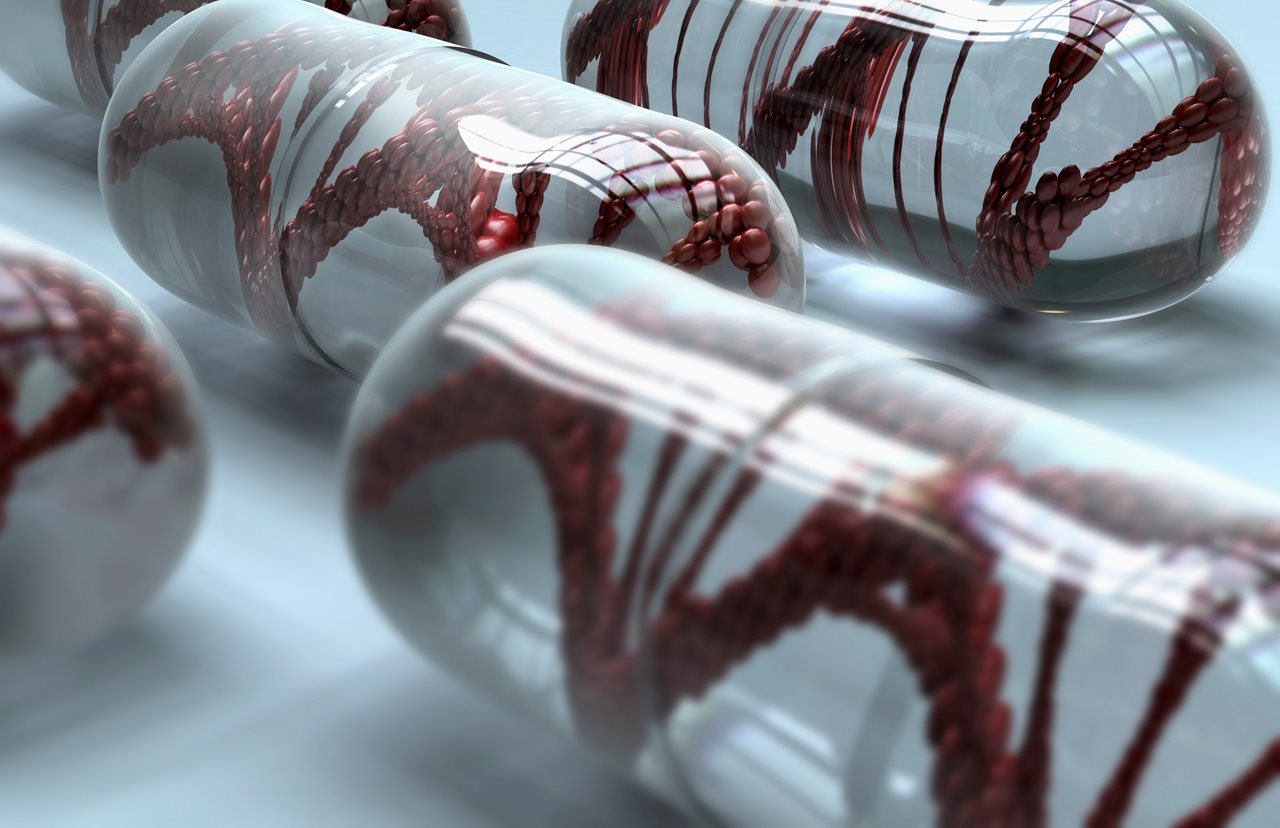
mRNA vaccines do not affect or interact with our genes or DNA in any way. mRNA never enters the nucleus of the cell where our DNA is kept.

6. Can mRNA vaccines give someone COVID-19?

No, mRNA vaccines cannot give someone COVID-19. mRNA vaccines do not use the live virus that causes COVID-19.

7. Once I have been vaccinated, can I stop wearing a mask and practicing social distancing?

The CDC has phased out certain prevention measures for fully vaccinated people allowing them to resume some lower-risk activities. According to the latest CDC guidance, fully vaccinated people, in non-health care settings, can:

  • Visit with other fully vaccinated people indoors without wearing masks or physical distancing
  • Visit with unvaccinated people from a single household who are at low risk for severe COVID-19 disease indoors without wearing masks or physical distancing
  • Refrain from quarantine and testing following a known exposure if asymptomatic

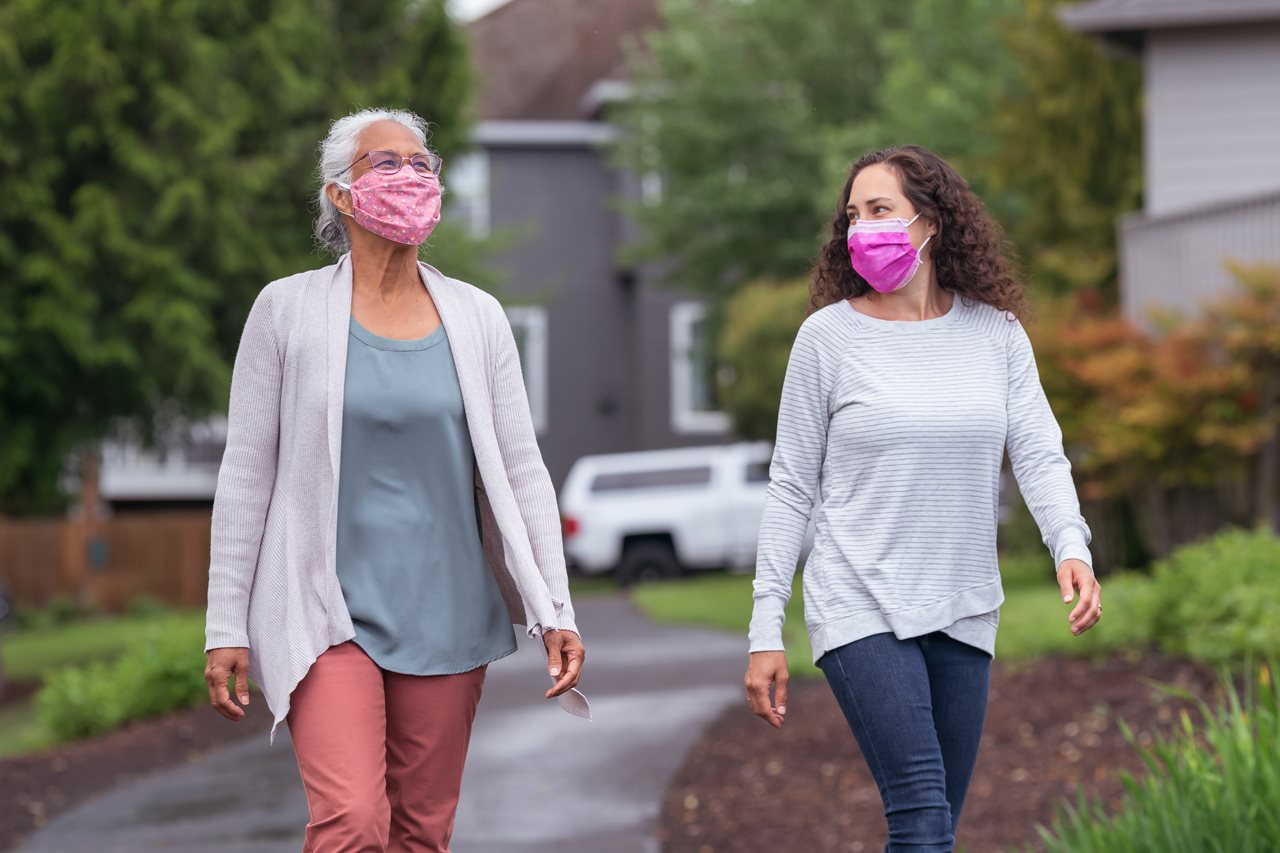
Additionally, under CDC guidance, fully vaccinated people no longer need to wear a mask outdoors while walking, running, hiking or biking alone, or when in small gatherings, including with members of their own households. However, masks are still necessary in crowded outdoor venues like sports stadiums, the CDC says.

It is also important for fully vaccinated people to continue taking precautions in public such as wearing masks, practicing physical distancing, and adhering to other prevention measures when visiting with unvaccinated people who are at increased risk for severe COVID-19 disease or who have an unvaccinated household member who is at increased risk for severe COVID-19 disease.

Follow CDC and health department guidance as it updates by visiting https://www.cdc.gov/coronavirus/2019-ncov/vaccines/fully-vaccinated-guidance.html.

8. Do people who have previously tested positive for COVID-19 and recovered need to be vaccinated?

Yes, even if you have already had COVID-19 you should be vaccinated. Experts do not yet know how long you are protected from getting sick again after recovering from COVID-19. Even if you have already recovered from COVID-19, it is possible — although rare — that you could be infected with the virus that causes COVID-19 again. If you were treated for COVID-19 with monoclonal antibodies or convalescent plasma, you should wait 90 days before getting a COVID-19 vaccine. Talk to your doctor if you are unsure what treatments you received or if you have more questions about getting a COVID-19 vaccine.

9. Of those that are currently approved, what vaccine should I get?

There are now three vaccines available that have received emergency use authorization in the United States — those made by Pfizer-BioNTech, Moderna and Johnson & Johnson/Janssen. All three are safe and highly effective at preventing severe COVID-19 illness, hospitalizations and death. The vaccines were studied at different times, in different countries and under different conditions, making direct comparisons difficult. When it is your turn to be vaccinated, you should take the first vaccine available to you. It is important to note that the vaccines are not interchangeable, and the same vaccine brand must be used for both shots.

10. How much will the vaccine cost?

Vaccine doses purchased with U.S. taxpayer dollars will be provided at no cost. However, vaccination providers will be able to charge an administration fee for giving the shot to someone. Vaccine providers can get this fee reimbursed by the patient’s public or private insurance company or, for uninsured patients, by the federal government.

3 exercise tips to better your mental and physical well-being

2021-05-03T12:47:00

(BPT) – Physical and mental wellness are equally important and often intertwined, given many people take part in activities that simultaneously enhance both categories of health. However, the everyday demands of life paired with challenges during the pandemic have caused people to de-prioritize their physical and mental well-being.

“There is a symbiotic relationship between mental and physical wellness,” said Dr. Richard Carmona, 17th Surgeon General of the United States. “Supporting both critical aspects of health is equally important but can be difficult, specifically during stressful times like the current pandemic. It’s extremely important for people to look for alternative ways to focus on both body and mind and take active steps toward the pursuit of overall wellness.”

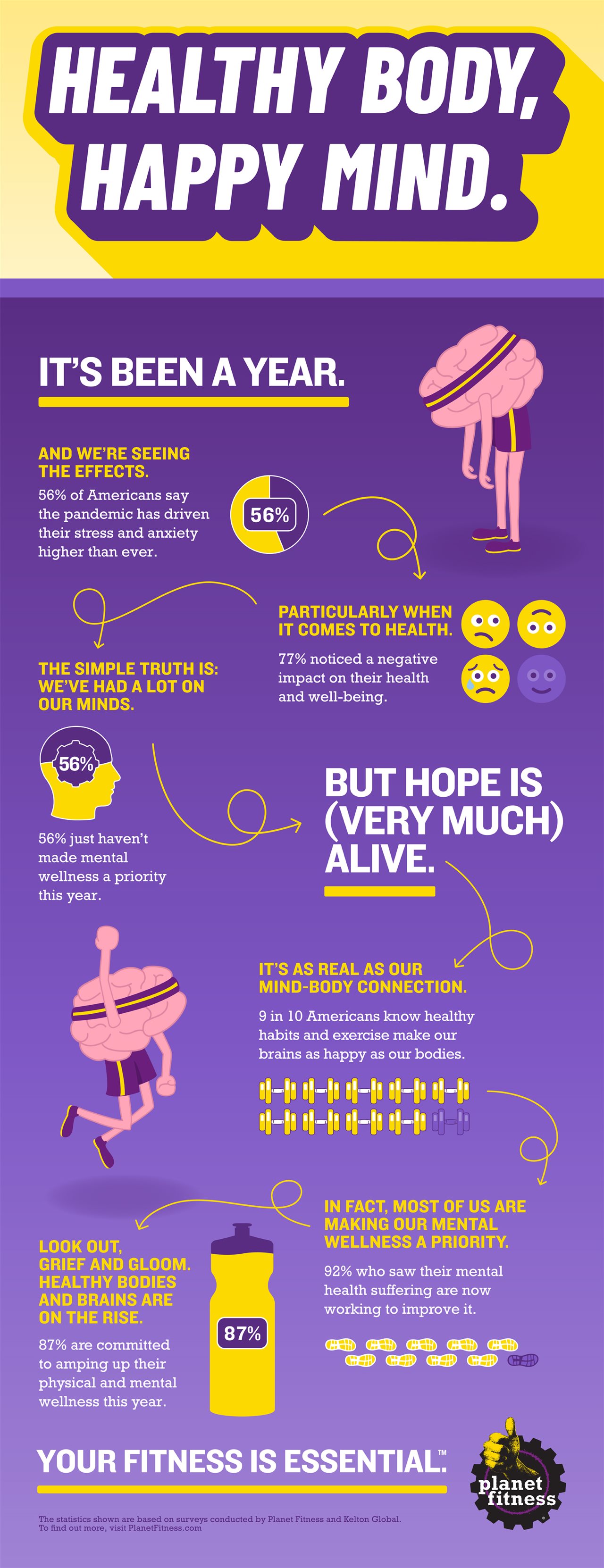
A recent national study by Planet Fitness demonstrates the pandemic’s negative impact toward mental and physical health. Three out of four Americans (77%) reported that at least one aspect of their overall health and well-being had been negatively impacted by the pandemic. A whopping 56% (nearly 138 million Americans) said they haven’t made their mental wellness a priority in the past year while the same percent of the population admit they feel stress and anxiety more than ever before. But fortunately, there is a light at the end of the tunnel, with 92% of Americans whose mental wellness has been impacted by the pandemic reporting they are doing at least one thing to improve it.

While these are concerning results, the great news is the vast majority of Americans are looking to improve their current condition as the pandemic has shed a spotlight on the importance of fitness. Staying active is going to help get everyone on the right path and feeling great about themselves both physically and mentally while also reducing stress. Also when you perform physical exercise, your brain releases a chemical called dopamine, commonly referred to as the “feel good” chemical because of its ability to contribute to your sense of happiness and positive mental disposition.

Planet Fitness’ Head of Health and Fitness Excellence, Teddy Savage, recommends three ways to enhance an existing physical exercise regimen or simply include as part of a new one, which all are designed to better your mental and physical well-being:

1) A stimulated mind is a happy one

Variety is the spice of life and that can be tricky when stuck at home. To keep your mind engaged and your body active, try infusing fun out-of-the-box elements into your normal fitness routine. That could mean downloading a fitness app chock full of exercises, walking in a new neighborhood park or, once you’re able, joining a gym and kick-starting a new fitness adventure with free guidance from a certified trainer.

2) Slow and steady wins the race at the gym

It’s best to start slow and finish strong when exercising, especially with weights or resistance machines. Going light will still allow you to add positive stress to the muscles, while providing the chance to really perfect the form and mechanics of each exercise. This will ultimately create a better environment for muscle growth without causing too much stress on the body.

3) Rest “actively”

Incorporate what is called “active rest” during your cardio or between weightlifting sets. For example, if you’re on the treadmill jogging on an incline, decrease the incline or slow to a fast walk to catch your breath before speeding back up again. Doing so rather than stopping altogether keeps your body working and blood flowing as well as ensuring faster recovery for muscles.

May is Mental Health Awareness Month and the perfect time to try out these mindfulness steps. This is the perfect time to refocus on your mental and physical well-being so you feel your best, no matter the circumstances.

DXA scans: The important bone density screening you shouldn’t delay

2021-05-01T07:01:00

(BPT) – Most people have heard of osteoporosis, but many people don’t put much thought into their own bone health. However, in the United States, 54 million people age 50 and over either have or are at risk of developing osteoporosis, a silent systemic disease characterized by low bone mass, according to the National Osteoporosis Foundation.[i]

Approximately half of women and up to one in four men over the age of 50 will break a bone in her or his remaining lifetime due to osteoporosis, according to The Journal of Bone and Mineral Research.[ii] In fact, a woman’s hip fracture risk is equivalent to her risk of breast, uterine and ovarian cancer combined.[iii] These injuries can be crippling and even life-threatening for older Americans.

While lifestyle habits such as exercise and healthy eating can help strengthen bones and prevent bone loss, many people are still at risk for osteoporosis due to medications and family history, and a bone density test is the only test that can detect osteoporosis before a broken bone occurs.[iv]

A simple and easy test known as dual-energy X-ray absorptiometry (DXA) has long been the gold standard for diagnostic testing. Bone density screening technology like the Horizon® DXA system by Hologic, Inc. is available and utilized all over the country, supporting health care providers in the detection of osteoporosis.

A DXA scan requires little preparation and is fast and painless. The noninvasive procedure usually takes less than 15 minutes as you lay comfortably on a scanner that examines your body with low-dose X-ray to gather images and data from your spine, femur and other bones.[v],[vi]

Who should get screened? The National Osteoporosis Foundation recommends that you have a bone density test if:

  • you are a woman age 65 or older
  • you are a man age 70 or older
  • you break a bone after age 50
  • you are a woman of menopausal age with risk factors
  • you are a postmenopausal woman under age 65 with risk factors
  • you are a man age 50-69 with risk factors

A bone density test may also be necessary if you have any of the following:

  • an X-ray of your spine showing a break or bone loss in your spine
  • back pain with a possible break in your spine
  • height loss of 1/2 inch or more within one year
  • total height loss of 1 1/2 inches from your original height

Preventative screenings like a DXA scan to determine your bone density are critical even during the pandemic. However, there’s an emerging and concerning trend of screenings being delayed due to the pandemic, which can put your health and the health of loved ones at risk. A National Osteoporosis Foundation survey of health care providers found that about one in three postponed a DXA scan for a patient due to the pandemic.[vii]

Health care facilities across the country are following strict safety guidelines to ensure the health and wellbeing of patients, as well as staff. However, if you have questions about specific measures health care organizations are taking, contact your health care provider to inquire so you can feel confident in your care. Delaying this important screening may put you at increased risk of accident, injury and in worst-case scenarios, death. If it’s time for you to get screened, don’t delay and make an appointment today.

Where can you get screened? To find out where you can get a DXA scan in your area and to learn more about the importance of osteoporosis screening, visit FindMyDXA.com and enter your ZIP code.

What else can you do to stay healthy? There are a number of different things you can do to support bone health at any age:

Eat plenty of calcium: Drinking milk isn’t the only way to get calcium. Other dairy products like cheese and yogurt are good sources, as well as foods like kale, broccoli, almonds, chia seeds, sardines and tofu. If it’s difficult to get enough calcium through diet, talk to your doctor about supplementation.

Get your daily dose of vitamin D: For your body to absorb calcium you also need adequate vitamin D. Foods like mushrooms, eggs and fortified milk are good sources. Additionally, sunlight supports vitamin D production, so slather on some sunscreen and catch a few rays every day if possible.

Exercise regularly: Moving your body does more than just strengthen your muscles. When you incorporate weight-bearing exercise, you strengthen your bones too. This includes activities like walking, jogging, dancing or tennis. Even going up and down stairs can help.

Broken bones can have life-changing effects and consequences for older Americans. Fortunately, osteoporosis is preventable and treatable.[viii] Follow the steps above to strengthen your bones and keep up with preventative screening by visiting FindMyDXA.com and talking with your physician about your risk factors and scheduling a bone mineral density test. These important precautions can go a long way towards ensuring your overall health and wellbeing for years to come.


[i] National Institutes of Health Osteoporosis and Related Bone Diseases National Resource Center. Osteoporosis Overview. https://www.bones.nih.gov/sites/bones/files/pdfs/osteopoverview-508.pdf. Published 2018. Accessed 14-August-2019.

[ii] Wright NC, et al. JBMR doi:10.1002/jbmr2269 | Lindsay et al. Osteoporosis Int. 2005;16:78-85. Wright et al. J Bone Miner Res. 2014;29(11):2520-6. Burge et al. J Bone Miner Res. 2007;22(3):465-75.

[iii] National Osteoporosis Foundation. https://www.nof.org/prevention/general-facts/bone-basics/are-you-at-risk/ Accessed 18-March-2021.

[iv] National Osteoporosis Foundation. https://www.nof.org/patients/diagnosis-information/bone-density-examtesting/ Accessed 18-March-2021.

[v] Shepherd, Ng, Sommer, Heymsfield. Bone (2017), http://dx.doi.org/10.1016/j.bone.2017.06.010.

[vi] National Osteoporosis Foundation. https://www.nof.org/patients/diagnosis-information/bone-density-examtesting/ Accessed 13-April-2021.

[vii] Fuggle, N.R., Singer, A., Gill, C. et al. How has COVID-19 affected the treatment of osteoporosis? An IOF-NOF-ESCEO global survey. Osteoporos Int (2021). https://doi.org/10.1007/s00198-020-05793-3.

[viii] Benjamin RM. Bone health: preventing osteoporosis. Public Health Rep. 2010;125(3):368-370. doi:10.1177/003335491012500302.

MISC-07469 ©2021 All rights reserved. Hologic, Horizon, The Science of Sure and associated logos are trademarks and/or registered trademarks of Hologic, Inc., and/or its subsidiaries in the United States and/or other countries. The content in this piece is for information purposes only and is not intended to be medical advice. Please contact your medical professional for specific advice regarding your health and treatment. This information is not intended as a product solicitation or promotion where such activities are prohibited. Because Hologic materials are distributed through websites, eBroadcasts and tradeshows, it is not always possible to control where such materials appear. For specific information on what products may be available in a particular county, please write to womenshealth@hologic.com.

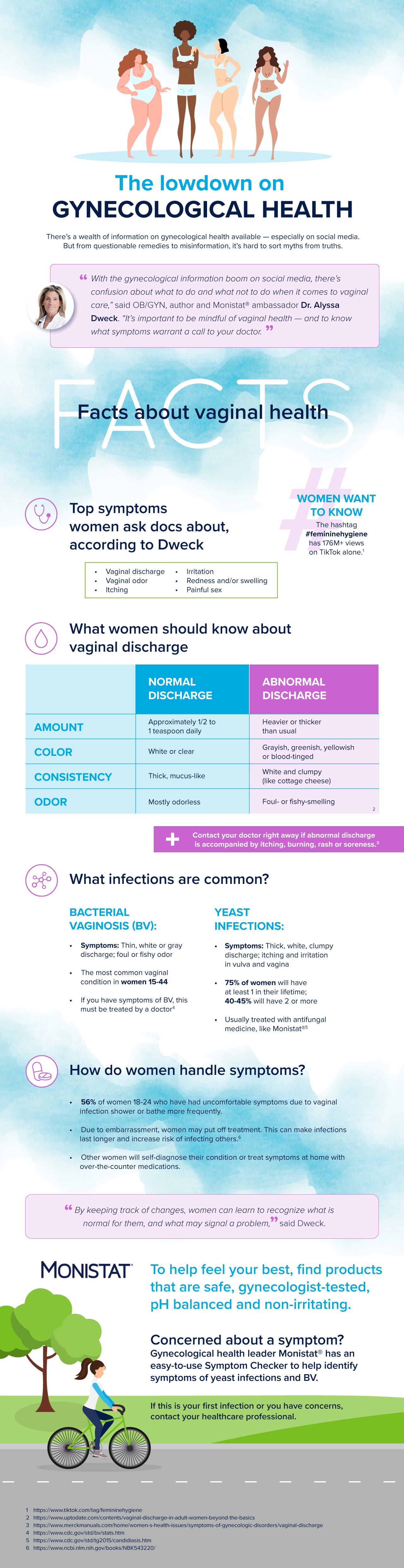
The lowdown on gynecological health [Infographic]

2021-04-30T09:01:00

(BPT) – More than ever, there is a wealth of information available on gynecological health right at a woman’s fingertips — specifically on social media feeds. From questionable at-home remedies to conflicting information on feminine hygiene and care — sometimes it’s hard to know what the right self-care routine to follow is to feel good and maintain optimal vaginal health.

Here are some key facts and statistics about common vaginal health issues, how they can make us feel and what we can do to stay healthy.

Living with Rosacea? What you need to know about new advanced laser treatments

2021-04-26T09:45:50

(BPT) – The red facial flushing and blushing of rosacea are the hallmarks of this chronic skin condition that can cause much distress and self-consciousness if not treated. Over 16 million Americans suffer from the signs and symptoms of rosacea, according to the National Rosacea Society (NRS), and millions more may be in temporary remission.

If you are living with this all-too-common skin condition, you know that it can affect more than just your appearance. Dealing with pimples and flare ups, spider veins on your face and legs, and a blotchy complexion can really affect your confidence, especially when video conferencing and zoom meetings are the new norm.

Fortunately, new advanced laser and light-based treatments from Cutera® Inc. can help reduce redness, undesirable veins and an array of other skin conditions so you can stop covering up and start putting your best face forward.

According to dermatologist Vivian Bucay at Bucay Center for Dermatology & Aesthetics in San Antonio, Texas, “The state-of-the-art treatment in our practices is Cutera’s excel V+ that safely targets the blood vessels that are a hallmark of rosacea and spider veins. We are able to destroy these vessels while leaving the surrounding skin intact in as little as a single treatment session. In the past, laser therapy was considered risky for some people with darker skin types and chronic rosacea flares, but the excel V+ laser is safe and effective for all skin types, including dark, light or tanned skin, and we can safely treat patients year-round.”

The excel V and V+ lasers have quickly become the dermatologist’s treatment of choice for redness. “The excel V laser has revolutionized the treatment of rosacea. The laser not only treats the effects of rosacea caused by allergens toward foods and the environment, but also treats the skin’s response to these reactors; creating a harmonious well-being within the skin’s structure,” says New York City Dermatologist and Dermatologic Surgeon, Anetta Reszko, M.D., Ph.D. “Not only is the excel V laser far superior in its ability to limit redness and close facial blood vessels, but it also works well to significantly decrease inflammation of the skin and reduce the skin’s reactivity to environmental triggers. It is also an outstanding option for broken capillaries that may be resistant to other options. It is a true game changer for the treatment of rosacea,” she says.

Depending on the skin condition, treatment location and color of the areas to be treated, your healthcare provider will determine if laser therapy is right for you. A Cutera excel V+ treatment takes about 10-15 minutes and multiple sessions may be needed to achieve optimal results. “Most people say the treatment feels like a mild stinging sensation, but the built-in cooling mechanism helps to control any discomfort. Recovery is minimal, but there can be some redness, swelling, or bruising that lasts for 24-48 hours, with visible improvements noticeable in two to four weeks and final results in two months,” says Dr. Bucay.

The excel V and V+ laser treatment by Cutera is an excellent choice to help control and treat the symptoms of rosacea, redness and spider veins for both face and body.

Schedule a consultation with an excel V or excel V+ laser provider near you today at https://cutera.com/patients/find-a-provider.

Upgrade Your Wellness Routine with Massy Arias

2021-04-23T02:01:00

(BPT) – With 2020 being a wild year to say the least, many of us found ourselves falling into unhealthy habits. While we understand that transitioning into a new normal and shaking off those familiar practices may be tough, know that the first step to a happier, healthier you can start with smart snacking.

There is a huge connection between what we choose to eat and how we feel. Massy Arias, Los Angeles-based Certified Personal Trainer and celebrity health and wellness coach, will be the first to tell you that leveling up your wellness game can be as easy as following a tried-and-true formula: eating the right foods and finding a way to move your body daily. A healthy lifestyle doesn’t require glitz, glamour or a complicated regimen — start with the basics and build upon that!

Whether you’ve been neglecting self-care or looking to switch up your health and fitness program, Massy’s go-to training circuit and favorite snack-hacks can help you feel your best. Massy reiterates that the key to increasing physical activity, embracing self-care and improving your overall state of well-being is choosing to consume the right ‘natural fuel’ — foods that have energy-boosting nutrients, like a handful of almonds, to keep you vitalized and focused through your workout and day.

“Everyday movement is an absolute must. When you take care of yourself, you’re taking care of the people around you too,” Massy explains. “Personally, I love snacking on almonds and fruit together. It’s easy to make the excuse that we don’t have the energy to do something, but many aren’t aware that simply eating a handful of almonds [23 to be exact] contains major nutrients that your body needs to dominate every hour.”

You can enjoy Massy’s round-up of tasty, almond-powered pre- or post-workout snacks here. Just one serving (1 oz.) delivers a variety of vitamins and minerals, such as 6 grams of protein, 4 grams of fiber, 20% of your daily value of magnesium and 50% of your daily value of vitamin E., to keep you feeling powerful and engaged on your goals.

When you fuel good, you feel good and can accomplish so much more. Ready to level-up your everyday routine? Massy has laid out some of her most effective moves to inspire greatness. Massy recommends that each workout is performed back-to-back as a circuit with no rest in between. This beginner-level circuit training routine is a great way to get your heart pumping! You can also perform this physique-shaping routine with Massy herself by watching her LIVE movement class here.

Overall Circuit Time: 15 minutes

Squat with Standing Rotation:

  1. Standing with legs shoulder width apart, you’ll take a deep inhale and lower yourself down.
  2. Exhale and stand up. Twist to one side of your body (rotating at the hips) and reach arm above head.
  3. Squat down and repeat on the other side of the body.

High Plank:

  1. Start in a high plank position with arms shoulder width apart. Make a straight line from shoulder to wrist while tucking your hips under to engage the core.
  2. Squeezing thighs together, you will keep your arms straight while pushing away from the floor with heels of the palms.
  3. Maintain this position for the duration of the exercise.

Lateral Toe Touch:

  1. Start in a standing straddle position.
  2. Reach your right arm toward your left toe as you bend your left knee, shifting your weight towards your left hip and keeping your right leg straight.
  3. Repeat with opposite side and alternate for the duration of the exercise.

Bicycle Crunches:

  1. Start with your back against a mat and hands behind your head. Start reaching your right elbow to your left knee. Always keep your left elbow and right leg on the floor.
  2. Alternate sides of the body. Use the elbow that remains on the floor to help lift your upper back completely while performing the bicycle crunches.

Hip Bridge:

  1. Start with knees bent and back on the floor.
  2. Curl your hips under while tucking rib cage down and raise your hips to the ceiling to find glutes.
  3. Inhale and bring hips down.
  4. Repeat for the duration of the exercise

Going green: 5 tips to create an eco-friendly home

2021-04-22T16:01:00

(BPT) – With sustainable practices top of mind and a revived shift toward conscious consumption, Americans everywhere are seeking ways to lead a more sustainable, eco-friendly lifestyle. From saving water to reducing energy usage, these are the top five ways to go green for the environment and your wallet.

What does it mean to go green? 2021 ENERGY STAR Partner of the Year Bosch home appliances defines this as the commitment to empowering consumers with more environmentally friendly and ecologically responsible products. Leading an eco-friendly lifestyle starts within the home. What products and appliances are you utilizing in key home spaces to achieve a low carbon footprint and lower energy bills? Check out the below key features and practices that make sustainable living easy.

1) Reduce your energy usage.

By using less energy, you can help reduce your carbon footprint and save on your household bills. If you’re purchasing a new refrigerator, laundry pair or dishwasher, look for the ENERGY STAR label to find the most efficient appliances. For example, Bosch compact laundry pairs feature dryers with heat pump drying technology, a ventless, sustainable drying solution that was awarded Most Efficient of ENERGY STAR in 2021.

For further energy savings, some refrigerators have high-efficiency compressors to generate less heat when they are running for a lower energy output, as well as an Eco Mode that automatically adjusts the appliance’s temperatures to run in an energy-saving setting. A simple eco-conscious practice is letting your leftovers cool post-mealtime before storing them in the refrigerator, avoiding the increased energy it takes for the refrigerator to cool down its interior.

2) Shop smartly.

You can reduce your carbon footprint when you buy locally sourced fruits and vegetables in season, which don’t need to be transported for long distances. Shop at your local farmer’s market, and don’t be afraid to ask questions, like “Where is this produce from?” and “When was it picked?” Pro tip: Fruits like cantaloupe, apricots, raspberries, honeydew and white cherries are in season for spring.

Another green way to shop is bringing your own reusable grocery totes to avoid the plastic bags provided at the store. Consider using a cotton or other reusable produce bag as well when picking fruits and vegetables, further cutting down on plastic waste.

3) Limit food waste.

To best limit food waste, focus on appliances that keep your food fresher longer and organize your refrigerator to keep items in view. A recent study found that Americans toss 103 pounds of spoiled food per year — that’s roughly $3,000 wasted annually. The latest refrigerators on the market can do much more than just cool food — look for one with innovative technologies that help limit food waste, such as Bosch French door bottom mount refrigerators that feature a four-point FarmFresh System with pre-programmed freshness settings and odor control.

Another way to combat food waste is saving leftover ingredients for meals you can prep ahead and stretch across multiple days. Consider making a leftover vegetable soup using veggies you have remaining from other prepared dishes throughout the week — you’ll make a tasty dinner, reduce food waste and save money when buying produce.

4) Use eco-friendly cleaning products.

Some household cleaning products contain chemicals that can be harmful to the environment. Make your own all-purpose cleaner with natural ingredients for an eco-friendly approach to spring cleaning. For example, let orange peels sit in a jar with white vinegar for 7-10 days, drain the liquid into a spray bottle and you’re left with a great smelling, homemade, all-purpose cleaner.

5) Be water wise.

There is a widespread myth that dishwashers use more water than hand-washing, when in fact, far less water is consumed when you run a dishwasher designed with water efficiency. On average, hand-washing uses about 27 gallons per load compared to the dishwasher which uses around three. A recent study found that 94% of consumers hand-wash glassware, plastics and more, when these items can be washed in the dishwasher. Many Americans also have a preconceived notion of needing to fully wash their dishes before loading the dishwasher, but the truth is you simply need to scrape off leftover food and let the machine do its job.

Saving water outside the kitchen is just as important; choose a laundry pair with a washer designed to reduce water consumption. Many washers on the market have connected features that offer consumption forecasts for each laundry program so you can stay on top of your usage. A good rule of thumb when doing laundry is “less is more” — avoid adding too much detergent to the washer, as the machine will take longer to rinse and will use more water.