
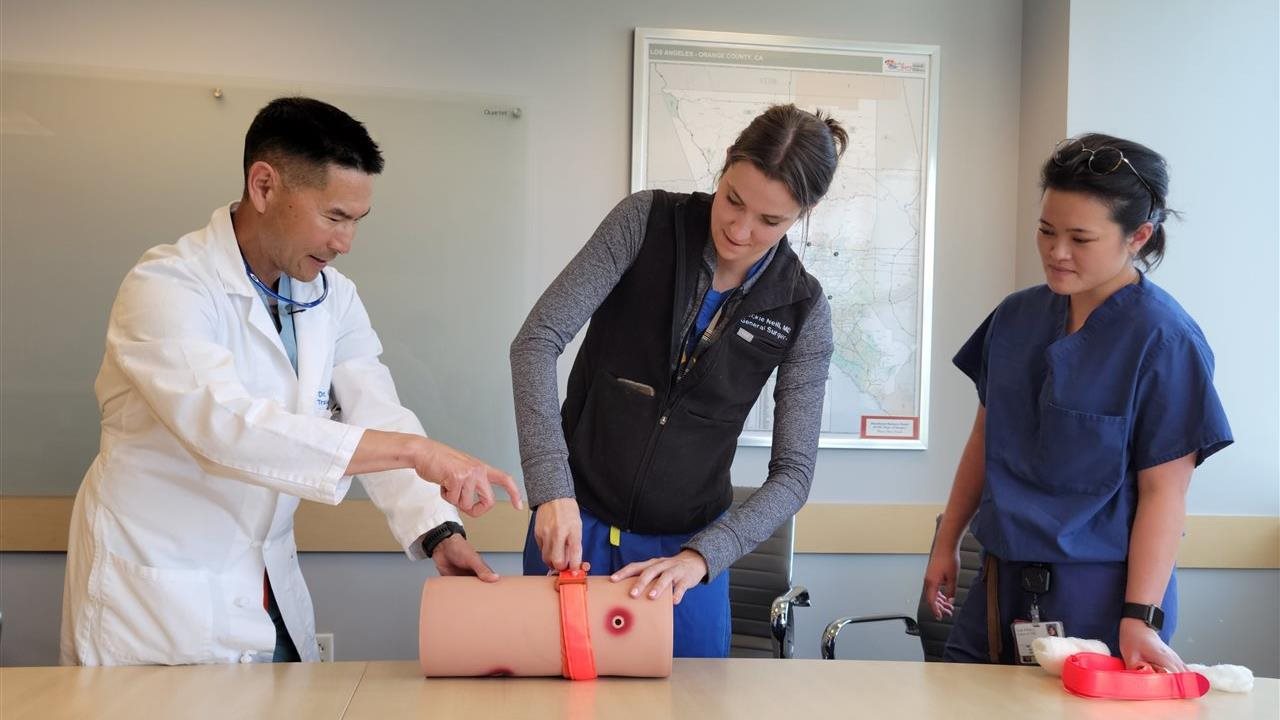
3 steps to save a life

2024-05-13T10:01:00

(BPT) – By Kenji Inaba, MD, FACS, FRCSC

You’re on your way to work when a car crash happens. A backyard bonfire takes a turn while chopping firewood. While in your backyard, a neighbor has an accident with a lawnmower. These scenarios share a common thread — a person in need of help due to severe bleeding. This is where the American College of Surgeons Stop the Bleed® program comes in. Stop the Bleed is a simple set of skills that empowers everyday people to save lives in critical moments by learning a few basic techniques.

Training That Empowers All

May is National Stop the Bleed month and training is for everyone — parents, students, office workers, teachers — literally everyone. No background in health care is needed to get trained. Before helping, ensure your own safety and that 911 has been called. The techniques can be distilled into three lifesaving steps:

  1. Apply Direct Pressure: The first and most immediate step involves applying firm pressure directly to the wound, which helps to control bleeding.
  2. Pack the Wound: If direct pressure alone is not enough, packing the wound with gauze or a cloth can help control more severe bleeding.
  3. Apply a Tourniquet: For severe limb bleeding that does not stop with direct pressure or packing, a tourniquet may be necessary. This method is highly effective in stopping blood flow to a limb, thereby preventing further blood loss.

These steps form the core of Stop the Bleed training, which takes about an hour to complete — less time than it takes to watch a movie. The training is available in a variety of formats, including in-person and online options.

Originally launched in 2015, the Stop the Bleed initiative is driven by a clear vision: to equip ordinary people with the skills to prevent death from bleeding. Since then, nearly 4 million individuals globally have learned these essential skills through the program.

The Urgency of Early Action

With any injury that causes severe bleeding, the first few minutes are critical and can mean the difference between life and death. As a trauma surgeon, I have witnessed the profound impact of immediate bleeding control, observing firsthand how quick actions by bystanders can save lives. Conversely, I’ve also seen the tragic outcomes when help arrives too late.

A Call to Action

As we observe National Stop the Bleed Month in May, it’s a timely reminder of the critical importance of being prepared. Whether you’re attending a neighborhood barbecue, enjoying a day at the park, or simply going about your daily routine, the skills you learn from Stop the Bleed can prepare you to act quickly and confidently in an emergency. Lives are saved not just by the actions of medical professionals, but also by ordinary people who make extraordinary decisions to help others in need.

To join a course and buy a Stop the Bleed kit, visit stopthebleed.org.

Kenji Inaba, MD, FACS, is the Chair of the Stop the Bleed® Committee of the American College of Surgeons Committee on Trauma, Chief of Trauma at the Los Angeles General Medical Center, and a Professor of Surgery at the University of Southern California.

Difficulty swallowing? You may have eosinophilic esophagitis

2024-05-13T09:01:00

(BPT) – Do you find it difficult to swallow food? Does food feel like it gets stuck in your throat when you eat? These are common symptoms of eosinophilic esophagitis (EoE), a disease that affects an estimated one in 2,000 people in the U.S. EoE is reportedly increasing around the world.

What is EoE?

EoE is a chronic allergic condition. It involves inflammation and swelling in the esophagus. This can make it difficult to swallow food. The esophagus is the tube connecting the mouth to the stomach. Chronic inflammation from EoE causes damage to the esophagus that makes eating difficult or uncomfortable.

The main symptom of EoE is difficulty swallowing, but it’s not the only sign. According to the American College of Allergy, Asthma & Immunology (ACAAI), other symptoms may include:

  • Irritability
  • Problems with feeding
  • Poor weight gain and growth among infants and toddlers
  • Acid reflux
  • Regurgitation
  • Vomiting
  • Stomach pain
  • Chest pain in teens and adults

Infants and toddlers may refuse food or show poor growth, malnutrition or weight loss. School-age children may have chronic stomach pain, trouble swallowing and/or vomiting.

People with EoE tend to drink a lot of liquids to swallow food. They often feel full halfway through a meal. If solid food gets stuck in the throat, it is a medical emergency. Left untreated, long-term inflammation from EoE can narrow the esophagus and cause permanent damage.

Anyone can develop EoE — and although it’s a rare disease, it’s becoming increasingly more common. Children, adults, men and women of all ethnicities can develop the condition. For some families, EoE is hereditary.

Is EoE related to food allergies?

While doctors and researchers aren’t sure what causes EoE, it can be triggered by food or environmental allergies. People with other allergic conditions like asthma and eczema also often develop EoE. Some with EoE mistakenly believe they have gastroesophageal reflux disease (GERD). They do not realize that reflux could be related to EoE, and that treatments between the two conditions are different.

To manage your symptoms, your doctor may recommend different treatments to reduce the symptoms and inflammation.

Your doctor may recommend removing certain foods from your diet to treat EoE. This is known as a dietary restriction or diet therapy. Diet therapy removes potential food triggers from your diet. The triggers may include common food allergens, such as cow’s milk, egg, peanut, tree nuts, fin fish, shellfish, wheat, soy and sesame. A special amino acid-based liquid formula may be recommended by your doctor. These formulas are referred to as elemental formulas. They do not trigger allergies.

When do I need medication to treat EoE?

Your doctor may recommend medicines to help manage your symptoms. Since EoE is an inflammatory disease, treatments will focus on decreasing inflammation. A common treatment is taking pills called proton pump inhibitors (PPIs). While PPIs reduce stomach acid production, they can also reduce inflammation in some EoE patients.

Another treatment a doctor may prescribe is a corticosteroid to help control inflammation. These types of medications can come in an inhaler or liquid form.

How do biologics work to treat EoE?

Your doctor may recommend a biologic medication. Currently in the U.S., there is one biologic approved to treat EoE — dupilumab. It is administered via an injection. Dupilumab can reduce the number of eosinophils in the esophagus and relieve symptoms caused by EoE inflammation. It can also improve patients’ ability to swallow food.

Learn more about biologic medications at BiologicMeds.org.

If you recognize the symptoms of EoE in yourself or a loved one, speak to your doctor. You may want to see a specialist such as an allergist or gastroenterologist. If you’ve already been diagnosed with EoE, continue to work with your doctor for ongoing disease management and to discuss new treatment options.

Don’t wait. Take an active role in your health by talking to your doctor if you’re experiencing EoE symptoms. To learn more about the condition and how to manage it, visit AllergyAsthmaNetwork.org or APFED.org.

Healthy Brain Aging: Strategies to Help Your Brain and Body

2024-05-13T08:01:00

(BPT) – Whether you’ve heard about cognitive health recently in the news or have a loved one who may be showing signs of cognitive decline, it’s natural to worry about how your brain health may change with age. In fact, recent findings from a McKnight Brain Research Foundation (MBRF) survey found that 87% of Americans are concerned about age-related memory loss and a decline in brain function with age.

While the concerns are natural, it’s important to understand what cognitive aging is and the changes to expect with age. Many people may not realize that forgetting a colleague or neighbor’s name at the grocery store and not remembering it until you get home isn’t a cause for alarm.

The MBRF recently launched the “Brain Works – Optimize Your Brain Span” campaign to educate the public on what cognitive aging is, as a first step to reducing fear and encouraging everyone to take action to promote healthy brain aging.

From diet to exercise to getting enough sleep, research suggests there are steps people can take to help keep their brains healthy across their lifespan. Yet, only 32% of the MBRF survey respondents said they believe they can take action to help control their brain health as they age compared to 68% who believe they can control their physical health with age.

To reverse that thinking, the Brain Works campaign aims to help people better understand the brain-body connection and encourages everyone to put the same amount of effort into caring for their brains as they do the rest of their bodies.

Tips to Optimize Your Brain Span:

Healthy Body, Healthy Mind

Taking care of your physical health by getting health screenings as recommended for your age is also important for your cognition. Be sure to manage any chronic health conditions you may have, like diabetes, high blood pressure and high cholesterol. Avoiding or quitting smoking will also help reduce the risk of cognitive decline.

Feed Your Brain

Eating a healthy and balanced diet that’s rich in fresh fruits and vegetables, whole grains, lean proteins and low-fat dairy products can reduce inflammation, the risk of chronic diseases, and help support brain health. For optimal brain health, also stay hydrated, limit alcohol consumption, and reduce your intake of solid fats, sugar, sodium and highly processed foods.

Break a Sweat

Did you know that strengthening your body also helps sharpen your brain? Physical activity has been consistently linked to numerous benefits for brain health and cognition. While any form of exercise is great, and even a walking program is good, aerobic exercise like biking or jogging is particularly beneficial for cognitive health. Aim to get your heart pumping and blood flowing for at least 30 minutes every day — even if you break it up into small bursts.

Ignite Your Intellect

Challenging and activating the mind with activities, like learning a new language, skill or hobby, helps keep your mind sharp. Feeling social? Invite friends over for a game night. Rather spend some time alone? Settle down with a good book or tackle a puzzle.

Find Your Zen

Stress is a natural part of life, but over time, chronic stress can negatively impact the brain. Whether you journal, practice yoga or indulge in a soothing massage, finding effective ways to relieve stress is essential for your brain health and overall well-being.

Keep your Friends Close

Great news for social butterflies! Staying connected with friends, family and your community is also good for your brain. Despite the benefits, only about half of the MBRF survey respondents identified social interaction as a way to promote brain health. Take this as a sign to call an old friend or invite a neighbor to go on a walk. Your brain and body will thank you!

Get Your Z’s

Not getting enough sleep may result in problems with memory and thinking, yet a third of American adults report regularly getting less than the recommended 7-8 hours of sleep. Help protect your brain by getting better sleep.

Learn more about the Brain Works campaign and how to optimize your brain span at: https://mcknightbrain.org/brainworks/.

About the Brain Works Campaign

The McKnight Brain Research Foundation launched the “Brain Works- Optimize Your Brain Span” campaign in March 2024 to educate the public on cognitive aging and to offer tips to help maintain optimum brain health with age. The campaign features information on cognitive aging, including an online hub of tools and resources from the McKnight Brain Research Foundation and other reputable organizations with cognitive health expertise. Visit the resource hub and learn more at: McKnightBrain.org/BrainWorks.

About the McKnight Brain Research Foundation Consumer Survey

The MBRF survey was conducted by Wakefield Research. Responses were solicited from 1,000 nationally representative US adults ages 18+, between December 11th and December 15th, 2023, using an email invitation and an online survey. Data has been weighted.

Is a dirty air filter sabotaging your indoor air quality and the life of your HVAC?

2024-05-08T15:19:00

(BPT) – When’s the last time you changed your HVAC’s air filter? If you can’t remember, you’re not alone. Dirty air filters are one of the top reasons for HVAC service calls. This common — yet easy to fix — problem could be sabotaging your indoor air quality and the life of your HVAC.

Replacing the air filter is a necessary step in maintaining your home’s air quality and keeping your HVAC system running smoothly, but it’s often forgotten. When filters aren’t replaced often enough, you’ll get dirt and debris buildup, resulting in a series of issues — all unpleasant, some serious.

Here are four reasons why you should change your HVAC’s air filter on a regular schedule, from the pros at Trane Residential.

Improve indoor air quality. It makes perfect sense that air getting forced through a dirty filter is going to pick up those dirty particles and swirl them through your home. Poor indoor air quality is a silent, invisible irritant that can cause big problems like respiratory issues, asthma attacks, poor sleep quality, eye irritation, fatigue, and even difficulty doing strenuous things around the house. Getting winded going up and down the stairs to do laundry? It might be the result of poor indoor air quality.

Lower energy bills. Notice your bill creeping up for no apparent reason? A dirty air filter could be the cause! Replacing that filter can lower your energy consumption by up to 15%, according to the Department of Energy.

Elevate indoor comfort. If your air filter is clogged, it restricts the air from properly flowing throughout your home. That means you’re not getting the cool air you need, where you need it, especially on hot summer days.

Decreased risk of serious HVAC problems. Dirty, clogged air filters can lead to blower motors overheating, evaporator coils icing up, dust building up in the ductwork, short cycling of the unit and more. These costly fixes can result in system downtime.

Changing your air filters more often seems like a no-brainer, but how often should you do it? The pros at Trane Residential recommend that a good rule of thumb is to change your filter every 30 to 90 days, but double check your owner’s manual for specific recommendations. Regularly cleaning and changing your filter will ensure the best filtration, increase the life of your system, and give you peace of mind that you’re breathing clean air!

All of that said, there’s a reason dirty air filters are a top service call for HVAC pros — homeowners forget to do it. A foolproof solution is to let Trane remind you, with Trane® Filters powered by FilterTime. Here’s how it works: First, you choose your filter sizes and delivery schedule, then you get your new filters delivered to your doorstep automatically, reminding you it’s time to pop them into your system. And just like that, you’re ensured clean air for your family and your home.

If you’re ready to make a larger investment into your home’s air quality, check out Trane’s CleanEffects Whole Home Air Cleaner. It sets the standard in indoor air quality, using patented, breakthrough air cleaning technology to remove up to 99.98% of airborne particles and allergens from the air that passes through the filter. It catches particles as small as .3 microns, with minimal restriction on the airflow of your HVAC system, making it 8 times more effective than even the best HEPA room filters and up to 100 times more effective than a standard 1-inch filter at delivering clean air to your home.

This summer, do yourself a favor and prioritize your air quality. Time to clear the air and stay cool.

In good hands: The quality of nurse anesthesiology experience and education

2024-05-08T05:01:00

(BPT) – Did you know that Certified Registered Nurse Anesthetists (CRNAs), also known as nurse anesthesiologists or nurse anesthetists, safely administer more than 50 million anesthetics to patients each year in the U.S.? These anesthesia professionals practice in every setting where anesthesia is delivered, including hospital surgical suites, offices of dentists, podiatrists, ophthalmologists, plastic surgeons and pain management specialists — plus U.S. military, Public Health Services and Department of Veterans Affairs healthcare facilities.

CRNAs safely provide anesthesia every day in collaboration with surgeons, dentists, podiatrists and other qualified anesthesia professionals, using their training and experience to independently manage the anesthesia needs of the patient.

“When anesthesia is administered by a nurse anesthetist, the care is recognized as the practice of nursing; when it is administered by a physician anesthesiologist, it is recognized as the practice of medicine,” said American Association of Nurse Anesthesiology (AANA) President Dru Riddle, PhD, DNAP, CRNA, FAAN, associate professor of Professional Practice and director of Clinical Education at Texas Christian University School of Nurse Anesthesia in Fort Worth. “Whether your anesthesia provider’s educational background is in nursing or in medicine, patients can rest assured knowing that all anesthesia professionals give anesthesia in the same exact way.”

How are CRNAs trained?

The education and experience required to become a CRNA is extensive, totaling a commitment of eight years or more in both clinical and educational experience. The minimum education required to become a CRNA includes a baccalaureate or graduate degree in nursing or other appropriate major, a license as a registered nurse (RN) and/or Advanced Practice Registered Nurse (APRN) in the U.S. (or its territories), plus a one-year minimum of full-time work or part-time equivalent as a registered nurse in a critical care setting in the U.S., its territories or a U.S. military hospital outside the United States.

The average experience of RNs before they enter a nurse anesthesia educational program is 4.5 years, according to the National Board of Certification and Recertification for Nurse Anesthetists.

In addition to that foundation, a CRNA must then enter and graduate from a program that’s accredited by the Council on Accreditation of Nurse Anesthesia Educational Programs. These programs also have admission requirements in addition to the already listed minimums.

Nurse anesthesiology educational programs range from 36-51 months, depending on each university’s requirements, and current residents will graduate with a doctorate in nursing degree. These programs include clinical settings and experiences as part of their training. Graduates have an average of 9,369 hours of clinical experience overall, including 733 hours during their baccalaureate nursing program, 6,032 hours as a critical care registered nurse and 2,604 hours during their program.

Finally, before they can become practicing CRNAs, graduates must pass a National Certification Examination.

Because of this extensive training, CRNAs have a unique advantage as nurse anesthesiology residents because they are the only anesthesia providers required to have real-world patient care experience before they can enter an educational program.

“Nurses who pursue this rigorous career path first have a solid foundation in providing hands-on care for patients,” said Riddle. “They can then use their extensive expertise and compassion for patients, along with their training in administering anesthesia, to provide more holistic care for each patient. They really get to know their patients and help them throughout the entire process — before, during and after surgical procedures.”

For nurses interested in a rewarding career as a CRNA, you can find a complete list of programs at COACRNA.org.

Access to care patients can rely on

For rural America, CRNAs are even more vital. CRNAs represent more than 80% of anesthesia providers in rural counties, and many rural hospitals are critical access hospitals, which often rely on independently practicing CRNAs for anesthesia care. Half of rural hospitals in the United States use a CRNA-only model for obstetric care, and CRNAs are able to safely deliver pain management care to patients when they need it most.

“It’s crucial for many areas of the country where hospitals are few and far between for nurse anesthetists to be available to provide patients with this much-needed healthcare,” said Riddle. “CRNAs can ensure quality patient anesthesia care at facilities throughout the country, often saving patients long drives of 75 miles or more.”

To learn more about CRNAs, their training and what they do, visit AANA.com.

Balancing Act: Blood Sugar Levels and Longevity

2024-05-06T09:01:00

(BPT) – Glucose is fuel for all the cells in your body — when it’s at normal levels; however, when levels are off it can lead to a host of irrevocable health problems. That’s why maintaining a balanced blood glucose level is an important pillar of overall wellness and paves the way for a longer life.

“From endurance athletes to grandparents, blood sugar balance is considered an important wellness marker,” said Karma James-Dulin, Ph.D., Product Development Manager at Standard Process. “And while the path to achieving this balance is different for everyone, it doesn’t have to be complicated.”

James-Dulin recommends incorporating these simple yet impactful steps that can set you on the path to balancing your blood sugar, as well as balancing your health goals.

  1. Pay attention to your plate. The biggest health decision you make every day is what you put in your mouth, so don’t make it lightly. Food is your body’s primary source of energy, but not all foods are created equal. For example, carbs make your blood sugar levels go higher than proteins or fats. The amount of carbs you can eat to stay in your target blood sugar range depends on a number of factors, so make sure to consult with your health care provider about dietary goals.
  2. Prevention is the best medicine. High blood sugar levels usually don’t have early signs or symptoms, so it’s important to work with your health care provider to find out if it’s something you need to be monitoring or if there are specific steps to keep an unbalance at bay. Dietary supplementation can also be part of a well-rounded glucose management strategy. For example, Glucose Assist™ from Standard Process®, a leading whole food-based nutritional supplement company, is formulated to help support normal blood sugar and energy levels already in a healthy range* by providing a slower and more sustained release of glucose^*. In powder form, it’s a convenient, high-quality source of fuel for the body.
  3. Stick with an exercise regimen. Regular exercise can help your cells better use the sugar in your blood, improving blood sugar levels. In fact, a brisk post-meal walk can have an immediate effect on lowering your blood sugar. And what’s more, exercise can help manage your weight which is a big contributor to balancing a healthy glucose level over your lifetime.
  4. Regulate your sleep schedule. While you may have convinced yourself that you don’t need much sleep, your body feels differently. A regular sleep pattern affects your health in many ways, including supporting normal blood sugar levels. When we are low on sleep, we often reach for refined carbohydrates — or sugar, but sleeping enough at night can curb these cravings. Tips for achieving restful sleep include keeping a consistent sleep schedule with the same sleep and wake times and going technology-free for at least an hour before bedtime.

“Healthy blood sugar levels are essential for good health and can support heart, vision, and kidney health as well as improved mood and energy,” continued James-Dulin. “The above tips are just some of the ways you can keep your blood sugar and health goals in balance, but they are a good place to start.”

*These statements have not been evaluated by the Food and Drug Administration. These products are not intended to diagnose, treat, cure, or prevent disease.

^ In healthy individuals with normal blood glucose levels already in a healthy range

How this baseball All-Star steps up to the plate when it comes to pneumococcal pneumonia

2024-05-06T05:01:00

(BPT) – Professional baseball player JD Martinez is at increased risk for pneumococcal pneumonia because he has asthma, and he doesn’t want to let it stop him from taking his shot on — or off — the field. If you’re not familiar with it, pneumococcal pneumonia is a potentially serious bacterial lung disease that can put you in the hospital and even be life threatening. That’s why JD’s partnering with Pfizer to share his story as a professional athlete with asthma — and help raise awareness about the importance of getting vaccinated against pneumococcal pneumonia.

Q: How did you get your start in baseball?

JD: The love of baseball actually runs in my family. My grandfather was the mayor of a town in Cuba, and he was the first government official to put lights up in a baseball stadium. My grandmother also played softball, and she always joked that I got my baseball obsession from her. My parents weren’t personally involved in the sport, but they got me into it from a young age and always motivated me to do the best I can in everything I do.

Q: Did you experience any challenges throughout your career?

JD: Having asthma has been challenging at times, but I never let it hold me back. That’s why I have conversations with my doctor to make sure I’m doing everything I can to help stay ahead of my health. I learned that because I have asthma, I’m at over 5x greater risk for getting pneumococcal pneumonia compared to healthy adults in the same range. So, they recommended getting vaccinated against it.

Q: Is anyone else at risk for pneumococcal pneumonia?

JD: My doctor told me that adults 19-64 with asthma, or certain underlying medical conditions like diabetes, chronic heart disease and COPD, are also at increased risk.

I also learned that adults 65 or older are at increased risk, too. In fact, they are at over 10x greater risk for being hospitalized with pneumococcal pneumonia compared to adults younger than 50. If you fall into any of these groups, it’s important to know that getting vaccinated is one of the best ways to help protect yourself.

Q: When are you more likely to get pneumococcal pneumonia?

JD: Pneumococcal pneumonia can strike at any time, in any season. There’s a misconception that you can only get pneumococcal pneumonia in the winter or during flu season, but you can get it any time of year. Vaccination is available all year round, so now is a great time to assess if pneumococcal pneumonia vaccination is right for you.

Q: What about for people who have already been vaccinated against pneumococcal pneumonia in the past?

JD: Even if you’ve already been vaccinated against pneumococcal pneumonia previously, your healthcare provider may recommend another vaccination for additional protection.

Q: Thanks for sharing this information, JD. Where can people find out more?

JD: Talk to your doctor or pharmacist about pneumococcal vaccination. You can visit knowpneumonia.com to learn more and assess your risk.

Brought to you by Pfizer.

Honor Mothers by Improving Maternal Health Care

2024-05-01T15:31:00

(BPT) – On Mother’s Day, we celebrate moms across the U.S., and their journey to and through motherhood that can be beautiful, messy, and sometimes overwhelming. From gathering information about their care to scheduling appointments, and making decisions about their health and nutrition, moms have a complex journey to navigate — and this journey isn’t the same for everyone. The good news is that there are opportunities to help improve the experience and health outcomes for all.

Recognizing the need for innovative ways to improve maternal health, the Deloitte Center for Health Solutions researched how digital tools, like apps, patient portals, and health care websites, could improve the maternity journey by addressing health care disparities and improving access to care for all birthing persons.

Deloitte found that digital tools could boost maternal health empowerment, with nearly three out of four respondents using digital tools to manage specific health needs. Through digital tools, moms and families can be empowered with data, gain access to culturally informed care, and amplify community voices for greater transparency and accountability.

Data from the Centers for Disease Control and Prevention shows that Black women are three times more likely to die from pregnancy-related causes than White women. Deloitte’s research found that Black, mixed-race, and Hispanic respondents were twice as likely as White respondents to say that digital tools for maternal health did not meet their personal needs or align with their cultural backgrounds. Deloitte’s report included interviews with experts that suggest digital tools and resources appear to lack diversity in their design and may not have been designed with inclusivity and user experience in mind, which is critical to tool adoption and impact. Yet, across all races, Deloitte found that more than four out of five respondents are willing to be involved all throughout the development process for tools.

“Our research suggests that the use of digital tools has the potential to address gaps in access to care and empower moms to manage their health, which is critically important for improving maternal health outcomes in the U.S.,” said Kulleni Gebreyes, M.D., Deloitte U.S. Consulting Life Sciences and health care leader and U.S. chief health equity officer. “When we surveyed expectant mothers about their experiences with digital tools, we learned that these tools aren’t necessarily designed with all moms in mind.”

According to the Deloitte report, this could mean providing the information in different languages for comprehension, showing what conditions or risk factors might look like on different skin tones, or accounting for cultural stigmas related to certain topics like mental health. Designing health apps that are free from bias is essential to ensure everyone has access to the tools they need to improve their health.

Moms Know Best: 5 Ways to Improve Maternal Health

When it comes to making changes to improve maternal and children’s health, moms say it’s important for clinicians to listen and to understand their lived experience and develop tools with their unique needs in mind:

  • Making Tools Affordable: Nearly half of moms surveyed said reducing the cost of these tools is crucial. Technology companies are working on making apps more affordable and accessible for all moms.
  • Simplifying Your Choices: With so many apps and websites available, moms reported feeling overwhelmed. Resources are being developed to help moms choose the tools that best fit their needs. Imagine a central hub with clear reviews and recommendations of resources from other moms.
  • Information Made Easy: Nearly one in three moms surveyed felt stressed by the sheer amount of information available. Digital tools are being designed to be user-friendly and present information in a way that’s easy to understand and navigate. Think bite-sized chunks, clear visuals, and multiple language options.
  • Seamless Connections: A quarter of moms reported difficulty using different tools because they don’t “talk” to each other. The future is looking bright: Tech companies are developing ways for these tools to work together seamlessly, sharing data with your doctor for a more comprehensive picture of your health.
  • Listen to Moms: One in three moms surveyed said that they felt their health care teams did not frequently listen to their needs, believe what they were saying, integrate their preferences into their care plan, or treat them fairly and justly. Health care providers should understand people’s unique experiences and create care teams with shared cultural similarities or lived experiences, particularly for patients from historically marginalized backgrounds.

Health care executives and clinicians need to have bold action on addressing maternal health inequities. One preventable death is one too many. Executives can look at their data, identify gaps and prioritize improvement strategies.

This Mother’s Day let’s celebrate not just a single journey but the journeys of all moms with dignity, the best care possible, and with empathy. Together, we can help build a future where every mother feels empowered, supported, and heard on the path to parenthood. Healthy mothers can contribute to healthy communities, and that’s a reason to celebrate!

To learn more about Deloitte’s findings, read the full report: “Maternal health inequities persist. Can digital tools be part of the solutions?

Do you have asthma? Help protect yourself against a potentially serious bacterial lung disease

2024-05-01T06:01:00

(BPT) – May is Asthma Awareness Month, an annual effort aimed at improving the lives of people with asthma and educating the broader community about it. It is also a time when people with asthma can experience more symptoms or flare-ups because of increased triggers in their environment. These triggers may include excess pollen in the air, grass, pollution, other airborne irritants and even temperature changes.

However, there are steps you can take this spring. Here are a few to consider this season, so you can stop and smell the flowers:

  • Minimize allergy triggers in the home by regularly washing your bedsheets, using an air purifier, cleaning vents and vacuuming your floor
  • Exercise regularly by swimming, hiking, doing yoga and walking
  • Develop an asthma action plan with your doctor that includes treatment and symptom management approaches
  • Get vaccinated against pneumococcal pneumonia since adults 19-64 with asthma are at increased risk for pneumococcal pneumonia

Pneumococcal pneumonia is a potentially serious bacterial lung disease that can put you in the hospital and even be life-threatening.

Adults 19-64 with asthma, or certain underlying medical conditions like diabetes, chronic heart disease and COPD, are at increased risk for pneumococcal pneumonia. In fact, if you’re 18-49 with asthma, you’re at 5x greater risk for pneumococcal pneumonia compared to healthy adults in the same range.

Adults 65 or older are also at increased risk as they are at over 10x greater risk of being hospitalized with pneumococcal pneumonia compared to adults younger than 50.

If you fall into any of these groups, it’s important to know that getting vaccinated is one of the best ways to help protect yourself.

Pneumococcal pneumonia can strike at any time, in any season. There’s a misconception that you can only get pneumococcal pneumonia in the winter or during flu season, but you can get it any time of year. Vaccination is available all year round, so now is a great time to assess if pneumococcal pneumonia vaccination is right for you.

Even if you’ve already been vaccinated against pneumococcal pneumonia previously, your healthcare provider may recommend another vaccination for additional protection.

So, take this month as an opportunity to talk to your doctor or pharmacist about pneumococcal pneumonia vaccination and visit PfizerVax.com to schedule a vaccination today.

Brought to you by Pfizer.

Sculpt and Tone with truBody by Cutera

2024-04-30T13:31:00

(BPT) – Wouldn’t it be great to hit the beach with a more toned and refined body without taking medications, yo-yo dieting, or constantly hitting the treadmill?

Enter truBody® by Cutera, two multi-award winning technologies that are safe, effective, and non-invasive to help you achieve a slimmer and more toned shape without the surgical downtime. truBody can help deliver a customized body sculpting solution with the guidance of a treatment provider to help you reach your personal body goals.

truBody offers cutting-edge body sculpting treatments developed to help reduce fat and tone muscle without invasive procedures or downtime. truBody combines two powerful technologies to target stubborn fat1 and tone and firm muscle.2 Designed to help reduce fat on your trouble spots with truSculpt, and to tone and strengthen your muscles with truFlex, each treatment boasts quick 15-minute sessions making it a convenient option.

“truSculpt damages fat cells using heat, the damaged fat cells are then eliminated from the body naturally1,3,4 while truFlex delivers the equivalent of 54,000 crunches to strengthen and tone multiple muscle groups2,” says Dr. Nina Patel, Founder of Renew Wellness Center in Sugarland, TX. “The unique muscle stimulation technology of truFlex features adjustable intensities to strengthen, tone, and to help achieve the personalized treatment my patients desire2.”

“One of the most appealing aspects of truBody is its convenience and efficiency. Each treatment session typically lasts around 30 minutes, making it easy to fit into even the busiest schedules. And because truBody is non-invasive, there’s little to no downtime — you can return to your daily activities immediately after your session,” adds Dr. Patel.

During a truBody session, the truSculpt treatment delivers controlled radiofrequency energy deep into the tissue. This energy gently heats the fat cells, causing them to break down and be naturally eliminated by the body over time.

Dr. Jennifer Lee, Obstetrician and Gynecologist at Pacific OBGYN & Aesthetics in Newport Beach, CA, is impressed with the truBody technology. “Many patients begin to see results after just one session, with optimal results typically achieved within a few months. As the treated fat cells are gradually flushed out of the body, my patients notice a slimmer, more sculpted silhouette emerging.”

“Whether my patients want to reduce love handles and belly fat or strengthen and tone their abs, thighs and glutes, truBody can help them achieve the body they want,” says Dr. Lee. “truBody is a favorite of my patients of various ages and fitness levels. Its visible results and high satisfaction rates in my practice perfectly align with our dedication to offering comprehensive care for men and women at all fitness stages.”

Unlike other treatments that only target specific areas, each truFlex and truSculpt treatment is customizable to an individual’s body. truFlex also has the ability to treat multiple muscle groups simultaneously, including the abdomen, thighs, glutes, and obliques.3

Don’t let stubborn fat or the plateau effect hold you back from feeling confident and comfortable in your own skin. With truBody by Cutera, you can finally say goodbye to stubborn fat cells, build muscle and say hello to a slimmer, more sculpted you.

To find a truBody provider near you, visit https://yourtrubody.com/en-us/find-a-provider/

Important safety and risk information about truSculpt and truFlex is available by contacting Cutera at www.cutera.com/us-en/global-offices. Patients should talk to their healthcare provider.

1. truSculpt Clinical Guidelines, Cutera, Inc.

2. truFlex Clinical Guidelines, Cutera, Inc.

3. Data on File. Cutera, Inc.

4. Napekoski KM, Ronan SJ, Pocock GM. Inflammatory and adipocyte cell death response following a single 15-minute monopolar radiofrequency treatment [white paper, Cutera Inc.]. 2018.