The Difference Cancer Screening Can Make

2023-12-19T06:01:00

(BPT) – When her husband of 30 years was diagnosed with cancer, Cindy wanted to learn as much as she could about new approaches to cancer screenings and care. During his treatments, Cindy spent time researching and decided to be proactive to take care of her health for her family. As a Cuban American, family means everything to Cindy, who has three children and two grandchildren.

There are currently only five recommended cancer screenings in the United States, including mammograms and colonoscopies.[1] Cancers without widespread screening recommendations represent 71% of all cancer diagnoses in the U.S. among individuals aged 50-79.[2] While early detection has been proven to significantly improve cancer survival rates and reduce the cost and complexity of cancer treatment,[3,4] most cancers are detected too late.

“After my husband’s treatment, I wanted to be proactive, so we went to the doctor. And while we were there, he mentioned to us about the Galleri test. Even though I felt fine, my husband said ‘just do the test.’”

During her appointment Cindy’s doctor ordered the Galleri® test which screens for a signal shared by multiple types of cancers through a single blood draw and can detect this signal even before symptoms appear. If a cancer signal is detected, the test can predict the tissue type or organ associated with the cancer signal with high accuracy to help guide diagnostic evaluation.

Early Detection is Key

Cindy was surprised when she received a cancer signal detected result since she had no symptoms. She saw a hematologist for diagnostic evaluation, and it was confirmed, via biopsy, that she had lymphoma. Lymphoma, a group of blood cancers that develops in the lymphatic system, is often aggressive and not detected until advanced stages.[5]

“I went to a hematologist, and he told me that I was one of the earliest stage patients that he’s treated,” recalled Cindy. “It’s very rare to catch this type of cancer in the beginning, because there often aren’t any symptoms.”

“I’m so happy that I’m able to still be with my family, still be strong, still be able to be around for my grandkids,” said Cindy.

Spreading the Word

After navigating their cancer journeys, Cindy and her husband want to help educate others on the importance of proactively taking care of your health, especially for those with increased risk of cancer.

“You know, this whole journey, it’s not about us, it’s about sharing this with others, so that others can benefit from it,” Cindy’s husband emphasized.

Learn More

The Galleri test must be prescribed by a healthcare provider and should be used in addition to recommended cancer screenings such as mammography, colonoscopy, prostate ­specific antigen (PSA) test and/or cervical cancer screening. It is intended for use in adults with an elevated risk for cancer, such as those aged 50 or older.

The Galleri test does not detect a signal for all cancers, and not all cancers can be detected in the blood. False-positive and false-negative results do occur.

Based on a clinical study of people ages 50 to 79, around 1% are expected to receive a Cancer Signal Detected result, which includes predicted Cancer Signal Origin(s). After diagnostic evaluation, around 40% of people are expected to have a confirmed cancer diagnosis. The overall sensitivity in study participants with lymphoma cancer was 56.3% (27.3% for Stage I, 58.3% for Stage II, 71.7% for Stage III and 60.9% for Stage IV).

Learn more at Galleri.com.

Important Safety Information

The Galleri test is recommended for use in adults with an elevated risk for cancer, such as those aged 50 or older. The Galleri test does not detect all cancers and should be used in addition to routine cancer screening tests recommended by a healthcare provider. Galleri is intended to detect cancer signals and predict where in the body the cancer signal is located. Use of Galleri is not recommended in individuals who are pregnant, 21 years old or younger, or undergoing active cancer treatment.

Results should be interpreted by a healthcare provider in the context of medical history, clinical signs and symptoms. A test result of “Cancer Signal Not Detected” does not rule out cancer. A test result of “Cancer Signal Detected” requires confirmatory diagnostic evaluation by medically established procedures (e.g., imaging) to confirm cancer.

If cancer is not confirmed with further testing, it could mean that cancer is not present or testing was insufficient to detect cancer, including due to the cancer being located in a different part of the body. False-­positive (a cancer signal detected when cancer is not present) and false-­negative (a cancer signal not detected when cancer is present) test results do occur. Rx only.

Laboratory/Test Information

GRAIL’s clinical laboratory is certified under the Clinical Laboratory Improvement Amendments of 1988 (CLIA) and accredited by the College of American Pathologists. The Galleri test was developed, and its performance characteristics were determined by GRAIL. The Galleri test has not been cleared or approved by the U.S. Food and Drug Administration. GRAIL’s clinical laboratory is regulated under CLIA to perform high ­complexity testing. The Galleri test is intended for clinical purposes.

_________________________

[1] US Preventive Services Task Force (USPSTF) recommended cancer screening tests, Grade A,B,C. cestaskforce.org/uspstf/topic_search_results.

[2] SEER Stat Database: Incidence -SEER 18 Regs Research Data, Nov 2017 Sub. Includes persons aged 50+ diagnosed 2006-2015. GRAIL, LLC. Data on File GA-2021-0065.

[3] Siegel RL, Miller KD, Wagle NS, Jemal A. Cancer statistics, 2023. CA Cancer J Clin. 2023 Jan;73(1):17-48. doi: 10.3322/caac.21763.

[4] Reddy SR, Broder MS, Chang E, et al. Cost of cancer management by stage at diagnosis among Medicare beneficiaries. Curr Med Res Opin. 2022;38(8):1285-1294. doi: 10.1080/03007995.2022.204 7536.

[5] National Cancer Institute. Cancer Types: Lymphoma. https://www.cancer.gov/types/lymphoma.

Managing Mental Health and Tardive Dyskinesia During the Holiday Season

2023-12-18T08:01:00

(BPT) – Moira manages her depression and tardive dyskinesia and is supported by her husband and care partner Forrest.

This article was sponsored and developed by Neurocrine Biosciences, Inc. Moira and Forrest were compensated by Neurocrine Biosciences to share their story.

While the holiday season can often be “the most wonderful time of the year” for many, it can also bring on overwhelming feelings of stress and isolation. According to a 2014 survey conducted by the National Alliance on Mental Illness (NAMI), 64 percent of people with mental illness say the holidays make their psychiatric condition worse. As such, it’s important to recognize and show support to those who may experience a difficult time during the holiday season. Read on for a unique story from a couple who provide their perspective on how to handle this time of the year.

Moira and Forrest met while they were both working in New York City. Several years after they married, an opportunity arose that prompted them to move to Long Island, New York. While Moira found herself prone to depression her entire life, the move caused her condition to worsen. “There was just a lot going on and a lot to think about in life,” said Moira. “Despite the excitement of our prospects, I found myself falling into a deep depression.”

Around 2009, her psychiatrist prescribed her an antipsychotic, which she says helped manage her depression, but within a year Moira began experiencing uncontrollable movements and eventually saw a neurologist who diagnosed her with tardive dyskinesia (TD). Moira was worried about the implications TD would have on her career as a pastor and began to withdraw from her social and family life, but she found support with Forrest.

TD is an involuntary movement disorder associated with prolonged use of certain mental health medicines (antipsychotics), characterized by uncontrollable, abnormal and repetitive movements of the face, torso, limbs, and fingers or toes. It is a chronic condition that affects approximately 600,000 people in the U.S. The uncontrollable movements of TD can impact people physically, socially and emotionally. People with TD have often reported feeling judged and ashamed. “Early on, I would get very discouraged, and I would just obsess over my movements and feel like I was trapped,” said Moira.

To help manage her TD symptoms, in 2017 Moira’s psychiatrist prescribed her INGREZZA® (valbenazine) capsules. Only INGREZZA offers simple dosing that’s always one-capsule, once-daily to treat adults with the uncontrollable movements of TD.

IMPORTANT SAFETY INFORMATION

INGREZZA can cause serious side effects in people with Huntington’s disease, including: depression, suicidal thoughts, or suicidal actions. Tell your healthcare provider before you start taking INGREZZA if you have Huntington’s disease and are depressed (have untreated depression or depression that is not well controlled by medicine) or have suicidal thoughts. Pay close attention to any changes, especially sudden changes, in mood, behaviors, thoughts, or feelings. This is especially important when INGREZZA is started and when the dose is changed. Call your healthcare provider right away if you become depressed, have unusual changes in mood or behavior, or have thoughts of hurting yourself.

Do not take INGREZZA if you are allergic to valbenazine, or any of the ingredients in INGREZZA.

Please see full Important Safety Information, including Boxed Warning, below and Prescribing Information.

About three weeks after Moira started taking INGREZZA, Forrest noticed a reduction in her uncontrollable movements, and Moira started noticing less movement around four to six weeks after beginning treatment, while maintaining her mental health medication regimen. “With INGREZZA, I have less uncontrollable movements, which makes me feel more confident being around people,” she said. Individual results may vary. Some taking INGREZZA begin to notice reduction in movements at two weeks with clinical results at six weeks.

Moira and Forrest recognize that having an established treatment plan in place to manage mental health is important throughout the year, but especially during times that can be overwhelming and challenging, such as the holiday season. “As Moira’s husband and care partner, especially during times that are particularly busy or stressful, we work together to stick with our healthy practices, including exercising together, while prioritizing Moira’s mental health,” said Forrest. This holiday season, Moira and Forrest are sharing their best practices on how to manage mental health based on what has worked for them over the years:

1. Find a support system

While friends and family can provide support, there are other avenues for developing supportive relationships as well, including finding a community for those living with shared experiences.

“While my circle of friends is small, they provide me solid support, alongside my church, therapist and a spiritual director. I’ve also started sharing my experiences with TD, and I’m looking forward to having more opportunities to do so,” Moira said.

2. Focus on life outside of tardive dyskinesia

Especially during challenging times, it may be helpful to reframe your mindset to stick with healthy practices and find moments of joy in life. Moira keeps up with the physical fitness program she does with Forrest and enjoys spending time with members of her church and preparing for holiday festivities by decorating her Christmas tree, caroling and watching holiday movies by the fire.

“I believe people with TD need to be encouraged that they’re not their illness,” Moira said. “I needed to find a way to live with my illness without shoving it in a corner and pretending it doesn’t exist.”

3. Advocate for yourself to your doctor

If you or someone you know has been treated for a mental health condition and experience uncontrollable movements, it may be TD. Start a conversation with your doctor or mental health professional about your symptoms and how they may be impacting your everyday life, especially your emotional well-being, such as Moira experienced. There are ways to help manage your uncontrollable movements.

By sharing their experience, Moira and Forrest hope to shed light on the importance of supporting those with mental illness and TD this holiday season and empower people to advocate for the treatment they need.

Visit INGREZZA.com to learn more about TD and resources to start a conversation with your doctor about possible treatment options, including INGREZZA.

Important Information

Approved Uses

INGREZZA® (valbenazine) capsules is a prescription medicine used to treat adults with:

  • movements in the face, tongue, or other body parts that cannot be controlled (tardive dyskinesia).
  • involuntary movements (chorea) of Huntington’s disease. INGREZZA does not cure the cause of involuntary movements, and it does not treat other symptoms of Huntington’s disease, such as problems with thinking or emotions.

It is not known if INGREZZA is safe and effective in children.

IMPORTANT SAFETY INFORMATION

VMAT2 inhibitors, including INGREZZA, can cause serious side effects in people with Huntington’s disease, including: depression, suicidal thoughts, or suicidal actions. Tell your healthcare provider before you start taking INGREZZA if you have Huntington’s disease and are depressed (have untreated depression or depression that is not well controlled by medicine) or have suicidal thoughts. Pay close attention to any changes, especially sudden changes, in mood, behaviors, thoughts, or feelings. This is especially important when INGREZZA is started and when the dose is changed. Call your healthcare provider right away if you become depressed, have unusual changes in mood or behavior, or have thoughts of hurting yourself.

Do not take INGREZZA if you:

  • are allergic to valbenazine, or any of the ingredients in INGREZZA.

INGREZZA may cause serious side effects, including:

  • Sudden swelling from an allergic reaction (angioedema). Sudden swelling has happened after the first dose or after many doses of INGREZZA. Signs and symptoms of angioedema include: swelling of your face, lips, throat, and other areas of your skin, difficulty swallowing or breathing, and raised, red areas on your skin (hives). Swelling in the throat can be life-threatening and can lead to death. Go to the nearest emergency room right away if you develop these signs and symptoms. Your healthcare provider should stop your treatment with INGREZZA.
  • Heart rhythm problems (QT prolongation). INGREZZA may cause a heart problem known as QT prolongation. Symptoms of QT prolongation may include: fast, slow, or irregular heartbeat, dizziness or fainting, or shortness of breath.

Tell your healthcare provider right away if you have a change in your heartbeat (a fast or irregular heartbeat), or if you faint.

  • Neuroleptic Malignant Syndrome (NMS): NMS is a serious condition that can lead to death. Call a healthcare provider right away or go to the nearest emergency room if you develop these symptoms and they do not have another obvious cause: high fever, stiff muscles, problems thinking, very fast or uneven heartbeat, or increased sweating.
  • Abnormal movements (Parkinson-like). Symptoms include: shaking, body stiffness, trouble moving or walking, or keeping your balance.

Before taking INGREZZA, tell your healthcare provider about all of your medical conditions including if you: have liver or heart problems, are pregnant or plan to become pregnant, or are breastfeeding or plan to breastfeed.

Tell your healthcare provider about all the medicines you take, including prescription and over-the-counter medicines, vitamins, and herbal supplements.

Sleepiness (sedation) is a common side effect with INGREZZA. While taking INGREZZA, do not drive a car or operate dangerous machinery until you know how INGREZZA affects you. Drinking alcohol and taking other drugs that may also cause sleepiness while you are taking INGREZZA may increase any sleepiness caused by INGREZZA.

The most common side effect of INGREZZA in people with tardive dyskinesia is sleepiness (somnolence).

The most common side effects of INGREZZA in people with Huntington’s disease are sleepiness (somnolence), allergic itching, rash, and trouble getting to sleep or staying asleep.

These are not all of the possible side effects of INGREZZA. Call your doctor for medical advice about side effects. You are encouraged to report negative side effects of prescription drugs to the FDA. Visit MedWatch at www.fda.gov/medwatch or call 1-800-FDA-1088.

Please see INGREZZA full Prescribing Information, including Boxed Warning.

This article was sponsored and developed by Neurocrine Biosciences, Inc. Moira and Forrest were compensated by Neurocrine Biosciences to share their story.

©2023 Neurocrine Biosciences, Inc. All Rights Reserved. CP-VBZ-US-3091 12/2023

5 ways to help build a better sleep routine with insomnia

2023-12-18T06:01:00

(BPT) – Sponsored by Idorsia Pharmaceuticals

Insomnia, or struggling to fall or stay asleep, affects over 25 million US adults.[i] [ii] The impact of insomnia can be debilitating—it is linked to daytime impairments as well as being associated with an increased risk of cardiovascular diseases.[iii] For those suffering from insomnia, there are certain things to keep in mind on the journey to more sleep. Read on for five tips to build a better sleep routine living with insomnia.

Create and Stick to a Sleep Routine

Try to go to bed and wake up at the same time each day. Yes, that means weekends and vacations, too.[iv] In addition, try to keep your bedroom cool, quiet and relaxing.[iv]

Bottom Line: Maintaining a comfortable and consistent sleeping environment is a key part of addressing insomnia.

Understand the Causes of Insomnia

Insomnia can stem from a variety of factors, including family history, stressful life circumstances, mental health conditions and poor sleep habits.[iii] Overactive wake signaling, one of the biological causes of insomnia, may also be to blame.[v]

Bottom Line: Knowing what may be causing your insomnia can help as you work with your doctor to understand your options for treatment.

Start a Dialogue with Your Doctor

Maintain an open and honest conversation with your healthcare provider about your insomnia. Consider keeping a sleep journal with your daily experiences and symptoms, so you can give an accurate history of your sleep struggles to your healthcare provider.

Bottom Line: Being honest and detailed about what you are experiencing can help your healthcare provider create a treatment plan that fits your needs.

Learn About Prescription Options

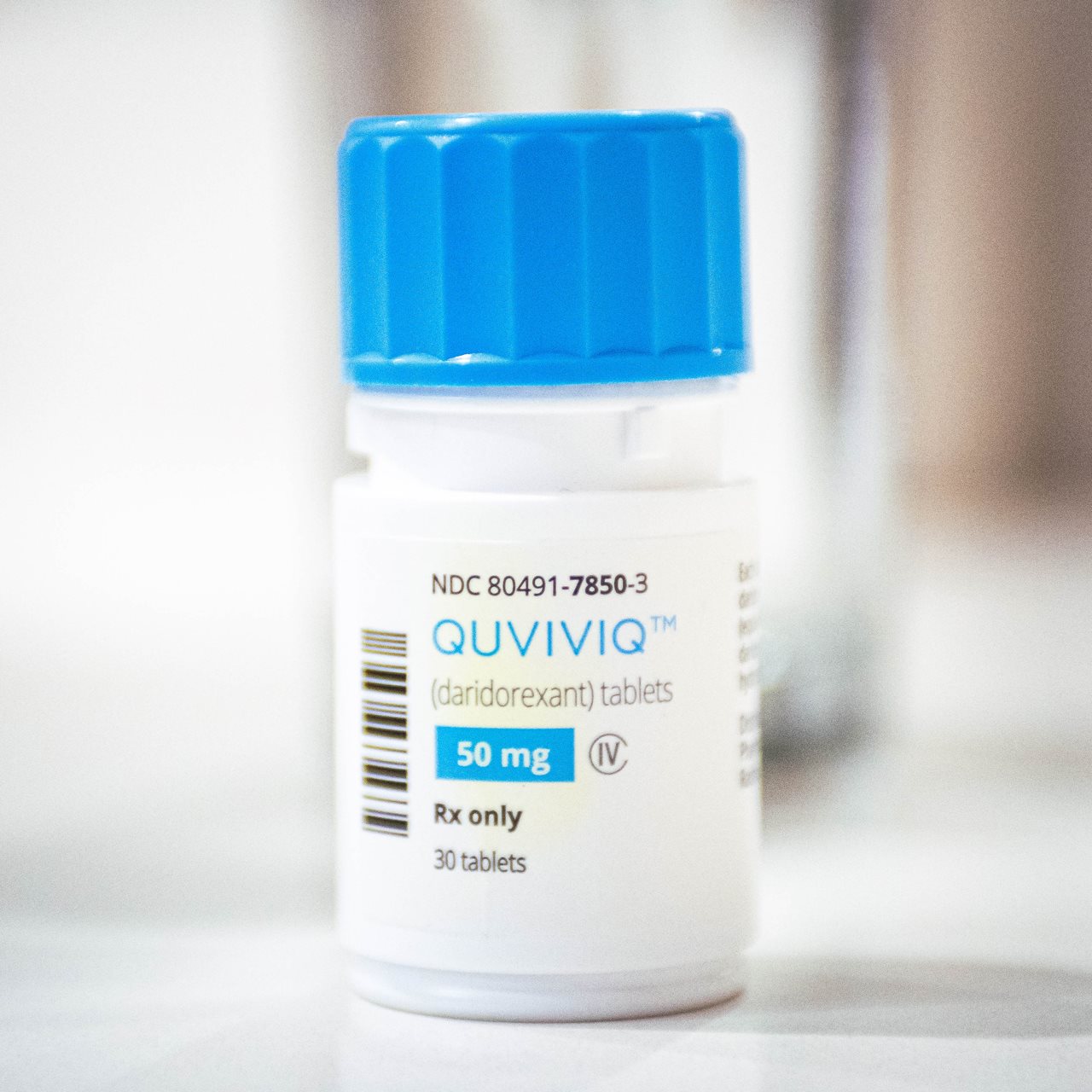
Consider speaking with your doctor about prescription options that may work to help treat your insomnia, such as QUVIVIQ® (daridorexant) CIV [vi], a prescription medication for adults who have trouble falling asleep or staying asleep (insomnia). Designed for once-nightly use, QUVIVIQ has been clinically proven to help adults with insomnia get more sleep.* Unlike some other insomnia medications, QUVIVIQ is thought to work by turning down overactive wake signals, one of the biological causes of insomnia.[vii] See important safety information for QUVIVIQ below.

* In clinical studies, results measured at months 1 and 3

Bottom Line: Speak with your doctor about creating a treatment plan that is right for you.

You Are Not Alone

Insomnia can feel isolating, but there are others out there who are going through similar experiences. Kevin, a school IT director, husband and father of five, is one of those people. He struggled to get the sleep he needed for the past decade — having to sneak away for midday naps and cut family time short to try to get more sleep. He tried a variety of prescription and over-the-counter insomnia medications but wasn’t able to find one that worked for him, until his doctor prescribed him QUVIVIQ. His doctor discussed QUVIVIQ’s safety profile with him and told him it may cause headaches or sleepiness during the day and to avoid driving or doing other activities until he feels fully awake. After a few weeks of taking QUVIVIQ once nightly, Kevin started sleeping better more consistently for the first time in years. “Now that I’m getting more sleep at night, I’m feeling less tired throughout the day, and I can get back to the things that I love to do,” Kevin said. Individual results may vary.

Bottom Line: Hearing from others experiencing insomnia can help you feel less alone. Check out more sleep stories from real people here: https://www.quviviq.com/sleep-stories/

What is QUVIVIQ (daridorexant)?

QUVIVIQ is a prescription medicine for adults who have trouble falling asleep or staying asleep (insomnia).

Important Safety Information
Do not take QUVIVIQ if you fall asleep often at unexpected times (narcolepsy) or if you are allergic to QUVIVIQ or any of its ingredients.

QUVIVIQ may cause serious side effects, including:

  • Decreased awareness and alertness. The morning after you take QUVIVIQ, your ability to drive safely and think clearly may be decreased. You may also have sleepiness during the day.
    • Do not take more QUVIVIQ than prescribed.
    • Do not take QUVIVIQ unless you are able to stay in bed for at least 7 hours before you must be active again.
    • Take QUVIVIQ at night within 30 minutes before going to bed.

QUVIVIQ is a federally controlled substance because it can be abused or lead to dependence.

Before taking QUVIVIQ, tell your healthcare provider about all of your medical conditions, including if you:

  • have a history of depression, mental illness, or suicidal thoughts or actions; drug or alcohol abuse or
  • addiction; a sudden onset of muscle weakness (cataplexy); daytime sleepiness
  • have lung or breathing problems, including sleep apnea
  • have liver problems
  • are pregnant or plan to become pregnant
  • are breastfeeding or plan to breastfeed

Tell your healthcare provider about all of the medicines you take, including prescription and over-the-counter medicines, vitamins, and herbal supplements.

  • Taking QUVIVIQ with certain medicines can cause serious side effects. QUVIVIQ may affect the way other medicines work and other medicines may affect the way QUVIVIQ works.
  • Do not take QUVIVIQ with other medicines that can make you sleepy unless instructed by your healthcare provider.

What should I avoid while taking QUVIVIQ?

  • Do not drink alcohol while taking QUVIVIQ. It can increase the effects of alcohol, which can be dangerous.
  • Do not drive, operate heavy machinery, do anything dangerous, or do other activities that require clear thinking if you do not feel fully awake, or you have taken QUVIVIQ and have less than a full night of sleep (at least 7 hours), or if you have taken more QUVIVIQ than prescribed.

QUVIVIQ may cause other serious side effects, including:

  • Worsening depression and suicidal thoughts. Call your healthcare provider right away if you have any worsening depression or thoughts of suicide or dying.
  • Temporary inability to move or talk (sleep paralysis) for up to several minutes, or hallucinations while you are going to sleep or waking up.
  • Complex sleep behaviors such as sleep-walking, sleep-driving, preparing and eating food, making phone calls, having sex or doing other activities while not fully awake that you may not remember the next morning. Stop taking QUVIVIQ and call your healthcare provider right away if you experience a complex sleep behavior.

The most common side effects of QUVIVIQ are headache and sleepiness.

These are not all of the possible side effects of QUVIVIQ. Call your doctor for medical advice about side effects.

You are encouraged to report negative side effects of prescription drugs to the FDA. Visit www.fda.gov/medwatch or call 1-800-FDA-1088.

Please see the full Prescribing Information and Medication Guide.

____________________________________________________________________________________

Sponsored by Idorsia Pharmaceuticals


[i] Bhaskar, S., Hemavathy, D., & Prasad, S. (2016). Prevalence of chronic insomnia in adult patients and its correlation with medical comorbidities. Journal of family medicine and primary care, 5(4), 780–784. https://doi.org/10.4103/2249-4863.201153

[ii] Ogunwole, S., Rabe, M., Roberts, A., & Caplan, Z. (2021, August 12). Population under age 18 declined last decade. The United States Census Bureau. https://www.census.gov/library/stories/2021/08/united-states-adult-population-grew-faster-than-nations-total-population-from-2010-to-2020.html

[iii] Cleveland Clinic. (2023, February 13). Insomnia. Cleveland Clinic. https://my.clevelandclinic.org/health/diseases/12119-insomnia

[iv] Healthy sleep habits. (2020, August). Sleep Education. https://sleepeducation.org/healthy-sleep/healthy-sleep-habits/

[v] Schwartz, J. R., & Roth, T. (2008). Neurophysiology of sleep and wakefulness: basic science and clinical implications. Current neuropharmacology, 6(4), 367–378.

[vi] QUVIVIQ® (daridorexant) [prescribing information]. Radnor, PA: Idorsia Pharmaceuticals U.S. Inc; 2023.

[vii] Mignot, E., Mayleben, D., Fietze, I., Leger, D., Zammit, G., Bassetti, C. L. A., Pain, S., Kinter, D. S., Roth, T., & investigators (2022). Safety and efficacy of daridorexant in patients with insomnia disorder: results from two multicentre, randomised, double-blind, placebo-controlled, phase 3 trials. The Lancet. Neurology, 21(2), 125–139. https://doi.org/10.1016/S1474-4422(21)00436-1

5 New Year’s Resolutions for a Healthier Mind, Body, and Spirit

2023-12-15T07:01:00

(BPT) – A new year often brings new plans for healthier living, but research has shown that only 9% of Americans who make New Year’s resolutions actually complete them. Overly ambitious health and wellness goals can often lead to abandoned resolutions. But what if it were easier?

Remember: Health is more than a toned physique. Take it from the U.S. Army’s Holistic Health and Fitness (H2F) system, which focuses on five pillars of readiness — physical, mental, nutritional, spiritual and sleep — for Soldiers to incorporate into their daily routines. By following these 5 simple tips from health experts in the H2F system, you can start making small changes to your everyday routine — so when December comes around, every new habit will add to a difference you can see.

1. Make Moves That Make Sense.

Sticking to an exercise routine is all about finding what works for you. Choose workouts you enjoy or have always wanted to try. Staff Sgt. Andrea Marie Ramos, a Soldier who regularly uses Army H2F programming, recommends incorporating functional movements that mimic daily activities. For example, weighted squats can help with everyday lifting and yoga can encourage better breathing. Functional movements can make your workouts feel less like work, and you’ll reap the benefits in your everyday life.

2. Write it Out.

When our minds get cluttered, putting our thoughts down on paper has been shown to better our mental health. Writing even a few lines regularly about ourselves and our days helps clear space to focus on what matters. According to Maj. Donald Chase, the H2F mental readiness domain expert, practicing gratitude and reflection in this way can help us be more resilient in tough times.

3. Enjoy What You Eat.

Eating healthier can feel like an overwhelming goal, but a better mindset toward food can make it feel more attainable. H2F nutrition expert Capt. Savannah Gideon believes food shouldn’t be judged as good or bad but should be a fun experience. Fill your plate with balanced meals you actually like that also work toward your overall goal, whether it’s performance, energy building or more. A positive relationship with food is the foundation of better nutrition.

4. See Outside Yourself.

There’s nothing like the great outdoors to feed your soul. Maj. Joel Payne, a chaplain in the Army, encourages getting outside daily, even just a quick walk, to tap into your spiritual core. Maj. Payne helps to lead the “Tough in Spirit” program, connected to the spiritual readiness domain, helping Soldiers face adversity through belonging and purpose. You don’t need to be religious to be spiritual — it’s all about finding connection, an important part of everyone’s wellbeing.

5. Save Your Bed for Sleep.

Sleep is an often overlooked but critical piece of your health. One simple habit for a better night’s rest: Avoid working, scrolling your phone, or doing anything besides sleeping in bed. According to sleep expert Maj. Allison Brager, this helps your mind and body associate bed with relaxation, helping you fall asleep and stay asleep.

Find out more about fitness in the U.S. Army and what a Soldier’s healthy habits can do for you and ring in the new year with achievable resolutions that can last a lifetime. It all starts with you.

Building Hope: 9 Essential Steps to Reducing Youth Suicide

2023-12-12T14:01:00

(BPT) – Adolescence is a critical time in everyone’s development — teens and young adults learn to make decisions, manage emotions, create deeper connections with peers and their communities, and build resilience. Young people’s developing brains are well suited to these tasks, but too often the systems that serve them are not. And the unique pressures they face today have fueled escalating rates of mental health challenges and the number of youth who die by suicide.

The Jed Foundation (JED) — a leading nonprofit that protects emotional health and prevents suicide among our nation’s teens and young adults — recently issued “Youth Suicide: Current Trends and the Path to Prevention,” which highlights suicide trends among youth. One of the report’s key findings was that 10% of high school students attempted suicide in the past year.

“Over the past few years, young people have been significantly impacted by society’s greatest challenges, including the pandemic, war, climate change, racial disparities and school shootings. They do this without the context, experience and resilience that adults possess,” said John MacPhee, JED’s chief executive officer.

Although overall suicide rates have continued to increase, there is reason for hope and actions to be taken. The report highlights provisional data from the Centers for Disease Control and Prevention that found that suicide rates for youth ages 10–24 declined between 2021 and 2022, including a significant drop (22%) for girls ages 10–14. With knowledge and resources, parents, educators, communities and policymakers can help reduce suicide rates among teens and young adults.

“We have an opportunity to actively protect teens and young adults by compassionately providing them with the skills and care they need to succeed while also working to reduce the barriers and risk factors in our society,” said MacPhee.

Supporting youth mental health and preventing suicide requires a systemwide, evidence-based approach. As part of the report, JED outlined nine essential steps to reducing youth suicide that offer solutions to support all youth — including specific recommendations for groups of young people who face additional stressors — improve youth mental health, and prevent suicide.

1. Take a comprehensive approach

Adopting a comprehensive approach is the first step in reducing suicide risk. A great example is JED’s Comprehensive Approach to Mental Health Promotion and Suicide Prevention, which focuses on developing life skills, promoting social connectedness, identifying and supporting students at risk, increasing help-seeking behavior, providing mental health and substance misuse services, establishing and following crisis management procedures, and promoting means safety.

2. Create connection and community

In U.S. Surgeon General Vivek Murthy’s 2023 advisory “Our Epidemic of Loneliness and Isolation,” he points out that youth are especially disconnected and isolated, which can fundamentally affect mental, physical and emotional health. Designing communities of care in schools, creating opportunities and spaces for young people to meet and gather organically, and supporting intergenerational connections can help address youth loneliness.

3. Meet basic needs and address trauma

There are strong links between poverty, societal and racial inequity, trauma and mental health struggles. That’s why it’s important to strengthen social safety nets to meet students’ basic needs — like housing, food, education and health care — and expand access to trauma-informed care.

It’s also critical to use community- and family-based, trauma-informed approaches for reducing youth involvement in the criminal legal system to address important root causes of suicide. Youth (ages 10–24) involved with the criminal legal system die by suicide at rates two to three times higher than the general youth population.

4. Increase coping and emotional support skills

Self-awareness and interpersonal skills help young people better solve problems, manage emotional stressors, and control impulses, improving their ability to move through challenges. Trained, caring adults and young people can play a vital role in helping youth develop and access emotional support and coping skills, including how to identify and reach out to someone who may be struggling and connect them to professional support.

5. Meaningfully increase access to care

Too many young people reach out for professional help and run into barriers. We must support the implementation and enforcement of the Mental Health Parity and Addiction Equity Act, require insurance coverage of mental health services delivered in schools, ensure that provider networks adequately serve diverse populations, and design crisis services to meet the needs of communities.

6. Make widespread use of proven suicide prevention treatments and interventions

There are underutilized treatments that meaningfully reduce suicidal thoughts and attempts. Prioritizing the use of proven approaches like dialectical behavior therapy (DBT), Collaborative Assessment and Management of Suicidality (CAMS), cognitive behavioral therapy for suicide prevention (CBT-SP), attachment-based family therapy, brief safety planning interventions, and pharmacological interventions can help lower suicide rates.

7. Reduce access to lethal means

Reducing access to lethal means is a powerful way to reduce suicide. This is especially true for firearms. Firearms are the leading method of suicide death overall, and approximately 90% of suicide attempts by firearm are fatal. Everyone from families to gun owner groups to legislators can play a role in advocating for and implementing responsible gun storage to meaningfully reduce suicide risk.

8. Advocate for safe online spaces

More and more young people are engaged in online activities in a largely unregulated space. Policymakers and other stakeholders must take a pro-safety approach to apps and platforms where young people spend time, centering youth in any efforts to improve them.

9. Leverage technology to support youth mental health

Although technology can pose risks for young people, it also offers more ways to connect with each other and access mental health care. By leveraging technology, we can provide youth with access to professional help through telemedicine, connect to young people where they are in digital spaces, and use the virtual worlds of gaming, the metaverse, and extended reality to offer resources and support in real time.

Everyone can do their part

“Suicide rates for young people have been rising for over a decade due to factors that include isolation, increasing access to firearms and difficulty connecting to mental health treatment. Particular groups of youth are disproportionately impacted because of the effects of social determinants of health,” said Dr. Laura Erickson-Schroth, JED’s chief medical officer. “Our first-of-its-kind report aims to provide a nuanced perspective on how these influences are driving suicidal thoughts, suicide attempts and deaths among different groups of youth, and identifies strategies that can help parents, educators, public officials and policymakers mitigate these trends to improve young people’s mental health and save lives.”

However you’re involved in the life of a young person — as a parent, educator, coach or any other type of mentor — you can be the support they need.

If you or someone you know needs to talk to someone right now, text, call or chat 988 for a free confidential conversation with a trained counselor 24/7.

You can also contact the Crisis Text Line by texting “HOME” to 741741.

If this is a medical emergency or if there is immediate danger of harm, call 911 and explain that you need support for a mental health crisis.

Download “Youth Suicide: Current Trends and the Path to Prevention” at jedfoundation.org/youth-suicide-current-trends-and-the-path-to-prevention. To learn more about how you can support the young people in your life, visit jedfoundation.org.

Interstitial Lung Disease Deserves Attention Among Veterans

2023-12-11T08:01:00

(BPT) – By Divya Patel, DO, MBA and Director of Clinical Development and Medical Affairs for IPF/ILD, Boehringer Ingelheim

Upon their return from service and in the decades that follow, veterans can face a myriad of health issues that have a long-term effect on their well-being. The prevalence of health issues like post-traumatic stress disorder, substance use disorder and traumatic brain injury have been well-documented among a veteran population. The mental and emotional toll of these issues is profound, so much so that it can be easy to overlook physical symptoms of other service-related disease risks. But when we consider the health risks facing veterans today, we cannot overlook the long-term effects of toxic substance exposure on lung health.

As a result of their exposure to toxic substances like smoke and fumes from open burn pits, sand, dust, and other particulate matter or mechanical fumes from fuel or aircraft exhaust, veterans of the Gulf Wars or post-9/11 eras are at an increased risk for developing chronic lung diseases, including interstitial lung disease (ILD). While ILD is considered rare, it refers to a broad category that encompasses more than 200 lung disorders marked by scarring and inflammation, commonly referred to as pulmonary fibrosis. It can affect anyone regardless of age, race, background and health status but exposure to toxic pollutants can greatly impact a person’s ILD risk.

Research indicates that the number of veterans exposed to these pollutants is significant. Based on the latest data available from July 2023, 1.9 million veterans screened for exposure to airborne hazards and pollutants had at least one exposure to these pollutants during their time in military service.

The symptoms of ILD are often similar to those of other lung diseases, and commonly include shortness of breath, a persistent dry cough and fatigue. Because these symptoms are indistinct, many people who have an ILD delay seeking care because they attribute their symptoms to factors like declining fitness level, aging, a history of smoking or other co-morbidities.

As we have likely all done at one time or another with personal health issues, it can be easy to brush off symptoms. But most forms of ILD are progressive, meaning scarring and inflammation can worsen over time and ultimately progress to a point where symptoms are impossible to ignore. People living with progressive forms of ILD often cite a feeling of breathlessness, so much so that it can be difficult to complete everyday activities like climbing the stairs or taking a walk. Not only can this make daily life more difficult, but these worsening symptoms can also be a sign of declining lung function.

The progressive nature of ILD underscores why it is imperative for people who are at risk for this disease—including veterans—to not only know and understand their unique risk factors, but to treat the symptoms of ILD with the same urgency and attention that is paid to other health issues.

Recent findings support the need for greater awareness of ILD among the veteran community. From 2010 to 2019, the incidence rate of ILD in veterans more than doubled. While this increase in diagnoses is staggering, it has also spurred action. In response to this increase in chronic lung disease diagnoses among veterans—many of whom have spoken out about their symptoms and the risk of exposure—President Biden recently signed a piece of legislation that makes it easier for veterans to understand their risk for ILD and be connected with a care provider.

The Promise to Address Comprehensive Toxics (PACT) Act is a piece of federal legislation that expands Veterans Affairs (VA) healthcare benefits to cover more than 20 presumptive conditions for toxic exposures experienced during military service, including pulmonary fibrosis and ILD. Thanks to the PACT Act, veterans may have the opportunity to receive an initial chronic lung disease screening, plus a follow-up screening at least once every five years. Veterans who meet the eligibility requirements but who are not currently enrolled in VA healthcare may also have an opportunity to receive the screening upon enrollment. More information and resources are available on the VA website.

As we continue to examine how we can best serve our veterans from a healthcare perspective, it is imperative that we continue to commit to understanding the long-term respiratory health risks of military service and working with the VA and other practitioners to identify and mitigate these risks.

Finding Community, Finding Hope: Navigating Metastatic Breast Cancer

2023-12-11T06:01:00

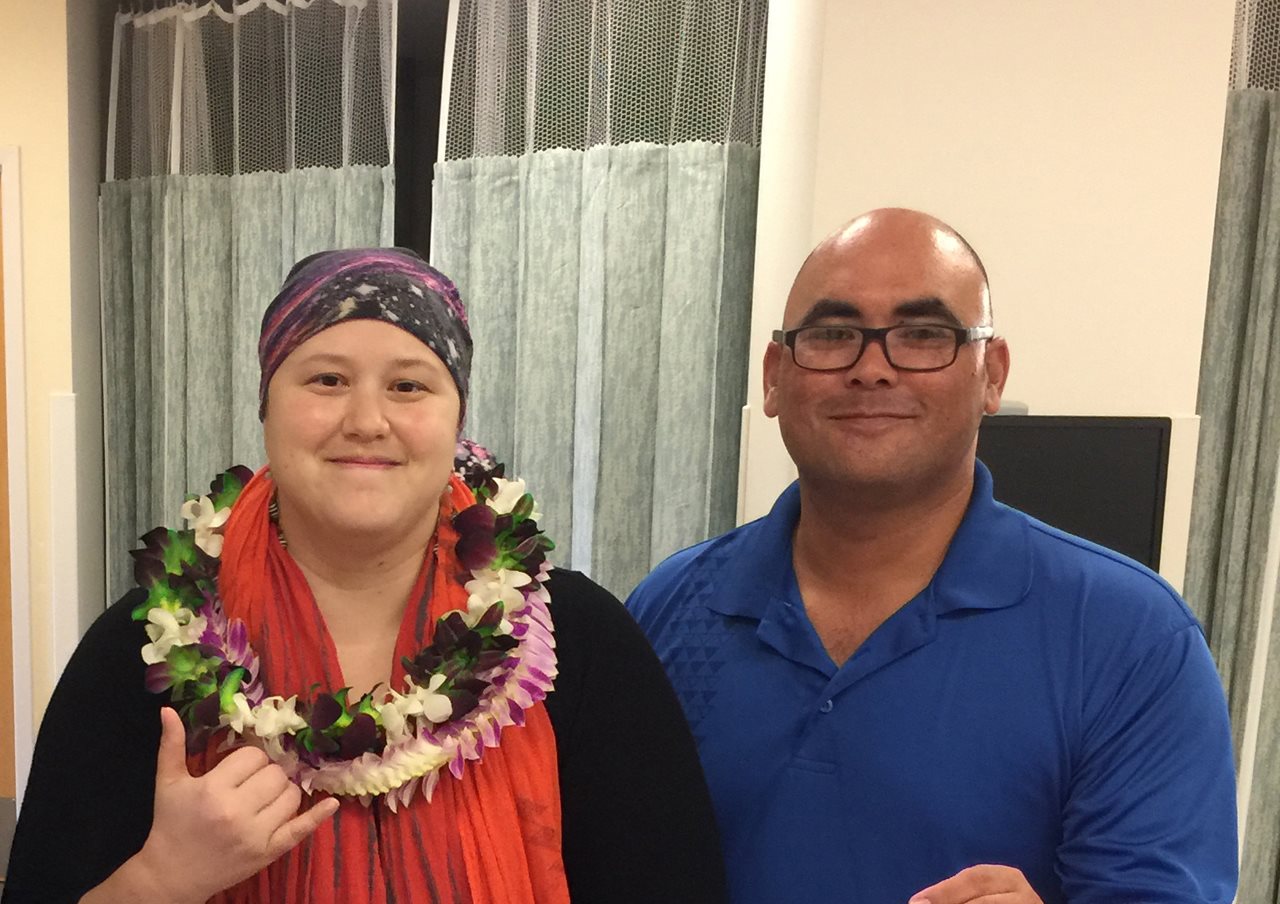
(BPT) – Facing a health crisis was the furthest thing from Melissa’s mind when she discovered her breast cancer. She was only 38 years old and a busy grad student living in Hawaii. “I was going for my masters in planetary geology, studying the surfaces of the moon and asteroids,” Melissa said.

Melissa’s life took a drastic turn when she noticed a change in her right breast. “It looked funny in the mirror,” she recalled. She sought the opinion of the university nurse who chalked up the changes to hormonal fluctuations. When the spot was still visible a month later, Melissa decided to take action.

Understanding Metastatic Breast Cancer (MBC)

“I got a mammogram. I got an ultrasound. I got a biopsy and blood drawn all in one day. Seven days later, they told me I had breast cancer,” she said. “From there, it was just a whirlwind of treatments and scans and doctor appointments.”

Melissa was diagnosed with stage 3 invasive lobular carcinoma, which the National Cancer Institute defines as a type of breast cancer that starts in the milk glands and then spreads to other parts of the breasts.1 Melissa was shocked. She could not believe she had breast cancer at such a young age and with no family history of the disease.

After undergoing treatment, a few short years later, Melissa learned the cancer had spread even further. “I had a pain in my left shoulder, and I was so tired because I couldn’t sleep. I started to notice changes in my vision and I called my doctor. She scheduled me for an MRI, just in case. And that’s when I found out that the cancer had spread to my bones,” she said.

Melissa learned she had metastatic breast cancer (MBC), also known as stage IV breast cancer. Breast cancer can often spread to the bones, lungs, liver and brain, according to the National Cancer Institute. While there is no known cure, MBC can be treated to help stop or slow the growth of the disease.2

Being an Active Member of the Treatment Team

Throughout her diagnosis and treatment journey, Melissa wanted to learn as much as possible. As a grad student, researching to learn more about her disease came naturally. “I wanted to find all the information that I could,” she said.

She encourages those navigating a cancer diagnosis to ask questions at appointments and to closely partner with their care team on treatment decisions. “You need to be an advocate for yourself,” she said. For Melissa, that meant meeting her pathologist in order to review her tumor slides together and ask questions about the biology of her disease.

Beyond gaining knowledge, Melissa says it’s also important to be honest with your care team about how you’re feeling; cancer affects each individual differently, so explaining your symptoms and side effects will help you get the appropriate care.

An MBC diagnosis can be challenging, but information and support is available. LifeBeyondPink.com provides resources for those living with MBC and their loved ones, so they can navigate common questions such as determining a treatment plan, understanding biomarker testing and more.


Community as a Source of Support

Life can change quickly with MBC, and your physical health isn’t the only thing that matters.

Melissa experienced a shift in her mental health as well. “It was devastating,” she said. “I couldn’t retain information. I was sleeping a lot. I wasn’t practicing self-care or enjoying the things that I used to enjoy.”

She began to feel cycles of anxiety and started to see a therapist. She also joined a support group with other cancer patients where she experienced the power of community firsthand. This helped her mental health and made her feel less alone on her cancer journey.

“My support group equipped me with an emotional toolbox,” she explained. “Before, it was like all I had was a shovel. You can build a house with a shovel, but it’ll be a lot easier with other tools, too. Now I feel so much more equipped, emotionally speaking, with more resources and concepts that I can use.”

She also found critical support from her personal connections, including friends and family, as well as her church. “My cage of fear was lifted through my church community,” she recalled. She started practicing lauhala, the traditional Hawaiian art of weaving, and adopted a dog named Momi. “She is such a boon to my mental health,” Melissa said.

Today, Melissa is part of an organization that connects young women living with breast cancer in Hawaii. Sharing their stories and experiences helps all of them feel less isolated. For women who have just learned they have metastatic breast cancer, Melissa is a trusted source of support and advice.

“If you or a loved one has metastatic breast cancer, having support is invaluable,” she said.

No one living with MBC should ever feel alone. To hear from others living with MBC and how they continue to live Beyond Pink, visit LifeBeyondPink.com.

References:

  1. National Cancer Institute. Invasive Lobular Carcinoma Definition. Accessed November 11, 2023. https://www.cancer.gov/publications/dictionaries/cancer-terms/def/invasive-lobular-carcinoma
  2. National Cancer Institute. Metastatic Cancer: When Cancer Spreads. Accessed November 11, 2023. https://www.cancer.gov/types/metastatic-cancer

Tackling Life With Type 1 Diabetes: Shiloh Scores Big on His ‘Diaversary’

2023-12-08T11:01:00

(BPT) – In honor of National Diabetes Awareness Month, 14-year-old Shiloh Wilmoth had his dream come true: meeting professional football player Noah Gray, who, like Shiloh, lives with type 1 diabetes (T1D). Their encounter — made possible by Gvoke HypoPen® (glucagon injection), in partnership with Beyond Type 1’s Let’s Talk Lows campaign — highlighted that diabetes should not limit passions or potential.

Through his determination and the support of his family, Shiloh has persevered as a star quarterback on his local league until recently. Unfortunately, the fear of hypoglycemia and a lack of understanding and education of how to help someone experiencing a low blood sugar event have caused concern on his team, and he was recently benched. As you can imagine, this has been a difficult blow for Shiloh, as he loves playing football. This wasn’t an isolated event, either, as Shiloh has often been counted out for living with diabetes and has spent years working to prove himself.

Shiloh recently got the surprise of a lifetime with tickets to see his favorite player play in Las Vegas on November 26. But the real thrill was meeting his idol Noah Gray before the game and seeing that he also carries Gvoke HypoPen®. Noah manages T1D while thriving as a professional athlete, inspiring Shiloh that his own football dreams are achievable. Their meeting was a touching reminder that diabetes does not have to stand in the way of big dreams.

Shiloh’s story exemplifies that diabetes does not have to derail big dreams. It starts with proper education, a solid support system and a fully equipped diabetes toolkit that includes all the tools you need. This includes a ready-to-use glucagon, like Gvoke HypoPen®, that can help you treat very low blood sugar.

“Noah Gray is my hero because he shows me that nothing can stop you from doing what you love,” said Shiloh. “Meeting him gives me the courage I need to follow my dreams, too.”

Gvoke HypoPen® is a ready-to-use glucagon rescue pen that diabetes patients taking insulin or other medications known to cause low blood sugar should carry to be prepared to treat very low blood sugar. “We hope Shiloh’s inspirational story opens minds, touches hearts and rallies communities to champion people with diabetes,” said Xeris Pharmaceuticals Vice President of Marketing Christina Kline. “Through collective efforts in understanding, educating, and encouraging, we create an environment where everyone can flourish. It’s about ensuring that no one feels constrained or diminished due to their condition.”

Learn more about Shiloh’s story and watch the video here.

INDICATION AND SAFETY SUMMARY

GVOKE is a prescription medicine used to treat very low blood sugar (severe hypoglycemia) in adults and kids with diabetes ages 2 years and above. It is not known if GVOKE is safe and effective in children under 2 years of age.

WARNINGS

Do not use GVOKE if:

  • you have a tumor in the gland on top of your kidneys (adrenal gland), called a pheochromocytoma.
  • you have a tumor in your pancreas called an insulinoma.
  • you are allergic to glucagon or any other inactive ingredient in GVOKE.

GVOKE MAY CAUSE SERIOUS SIDE EFFECTS, INCLUDING:

High blood pressure. GVOKE can cause high blood pressure in certain people with tumors in their adrenal glands.

Low blood sugar. GVOKE can cause low blood sugar in certain people with tumors in their pancreas called insulinomas by making too much insulin in their bodies.

Serious allergic reaction. Call your doctor or get medical help right away if you have a serious allergic reaction including:

  • rash
  • difficulty breathing
  • low blood pressure

COMMON SIDE EFFECTS

The most common side effects of GVOKE in adults include:

  • nausea
  • vomiting
  • swelling at the injection site
  • headache

The most common side effects of GVOKE in children include:

  • nausea
  • low blood sugar
  • high blood sugar
  • vomiting
  • abdominal pain
  • headache
  • pain or redness at the injection site
  • itching

These are not all the possible side effects of GVOKE. For more information, ask your doctor. Call your doctor for medical advice about side effects. You are encouraged to report side effects of prescription drugs to the FDA. Visit www.fda.gov/medwatch, or call 1-800-FDA-1088.

BEFORE USING

Before using GVOKE, tell your doctor about all your medical conditions, including if you:

  • have adrenal gland problems
  • have a tumor in your pancreas
  • have not had food or water for a long time (prolonged fasting or starvation)
  • have low blood sugar that does not go away (chronic hypoglycemia)
  • are pregnant or plan to become pregnant
  • are breastfeeding or plan to breastfeed

Tell your doctor about all the medicines you take, including prescription and over-the-counter medicines, vitamins, and herbal supplements.

HOW TO USE

  • Read the detailed Instructions for Use that come with GVOKE.
  • Use GVOKE exactly how your healthcare provider tells you to use it
  • Make sure your relatives, close friends, and caregivers know where you store GVOKE and how to use it the right way before you need their help.
  • Act quickly. Having very low blood sugar for a period may be harmful.
  • Your healthcare provider will tell you how and when to use GVOKE.
  • After giving GVOKE, your caregiver should call for emergency medical help right away.
  • If you do not respond after 15 minutes, your caregiver may give you another dose, if available. Tell your healthcare provider each time you use GVOKE. Low blood sugar may happen again after receiving an injection of GVOKE. Your diabetes medicine may need to be changed.

HOW TO STORE

  • Keep GVOKE in the foil pouch until you are ready to use it.
  • Store GVOKE at temperatures between 68°F and 77°F.
  • Do not keep it in the refrigerator or let it freeze.

Keep GVOKE and all medicines out of the reach of children.

For more information, call 1-877-937-4737 or go to www.GvokeGlucagon.com.

Please see patient information here.

US-SM-GVK-23-00082v3

3 Important Things to Think About During Open Enrollment Season — and Beyond

2023-12-07T15:01:00

(BPT) – It’s that time of year again — time to assess some important life maintenance duties to prepare for the year ahead, starting with your annual health care benefits review for both you and your family. Whether you have an employer-sponsored plan or individual coverage for medical, dental and vision, the end of one year and the beginning of another is a great time to evaluate your health care options and assess your insurance needs. And while you’re at it, it’s also the perfect time to set an annual reminder to check a few other life duties off your busy to-do list.

1. Take time to fully take stock

Consider dedicating a day to take stock of your family’s health and financial situation, then make a list of any tasks you may need to complete to accommodate these changes. Getting your ideas on paper can be immensely helpful for tackling and prioritizing to-do lists while avoiding feeling overwhelmed.

For starters, as you review your employer’s health insurance plans (or Medicare plans, if you’re now eligible), it’s important to ensure that your current health care plans cover your needs in terms of level of coverage, prescriptions, wellness visits, etc. — all at a cost that’s affordable for you and your family.

Next, consider what other crucial life administration tasks can contribute to your overall security and peace of mind. For example, when was the last time you reviewed your homeowners or auto insurance? If you’ve had changes to your circumstances over the past few years, it’s recommended that you review your needs, benefits and costs to make sure your current plans make sense, and that you’re sufficiently covered in case of emergencies or unforeseen events.

This is also the perfect time of year to think about estate planning or review whether you have other important documents in place, such as a will. Families and situations change over time, so it’s important to be sure your estate plan is up to date.

2. Make time for your eye health

While eye care is critical to your overall well-being, it is often overlooked when considering health insurance coverage. It’s important to know that a VSP® Individual Vision Plan can supplement your health care coverage to fill in gaps that may exist in other plans. And best yet, you can purchase a VSP Individual Vision Plan any time — not just during open enrollment season.

VSP plans start as low as $13 per month and can help you save up to $300 per year, while also giving you access to the largest independent eye doctor network. Plans include 30% savings on lens enhancements, like progressives from the VSP network of eye doctors, plus members get access to benefits like 20% savings on additional glasses or sunglasses within 12 months of your last exam.

Because you can enroll in a VSP Individual Vision Plan at any time, you’re even covered if you miss the open enrollment period. You can sign up for new vision care coverage 24/7/365, with coverage starting the same day you apply. Find out which vision plan is best for you at VSPDirect.com.

3. Schedule annual appointments and household maintenance

The end of the year is a great time to prioritize vital tasks such as getting your routine health care appointments completed (especially if you haven’t utilized your benefits for the year); winterizing your car; and completing (or hiring experts for) household maintenance jobs like gutter cleaning, pest control/inspections, energy audits and routine HVAC servicing.

Many also put reminders on their calendars for this time of year to tackle annual or semi-annual tasks such as swapping out batteries in household smoke and carbon monoxide detectors. The colder weather and the holiday season also provide a great excuse to clean out your closets, then donate old clothes and other items in good condition to local charities.

By taking care of these essential matters on a regular annual schedule, you can rest assured that your household tasks and health care plans are in place as the new year gets underway.

Searching for Answers: One Woman’s Bladder Cancer Treatment Journey

2023-12-07T10:03:00

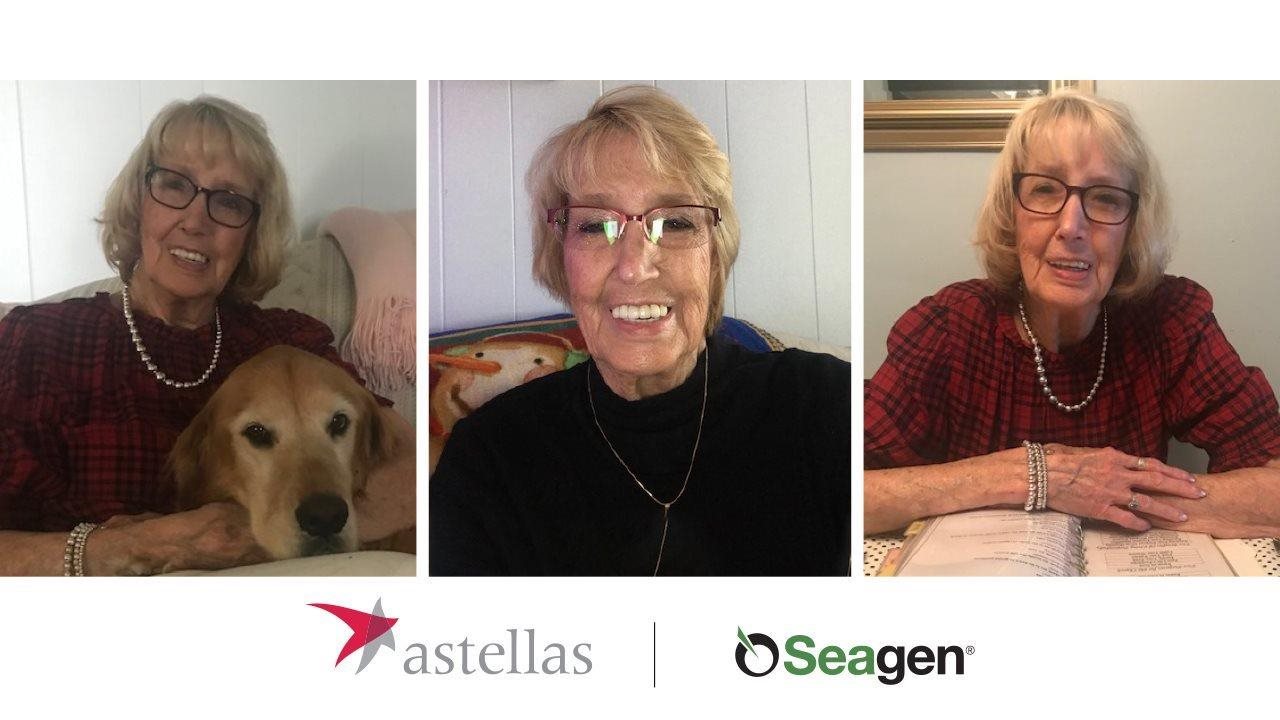
(BPT) – In August 2017, Sarah and her family had plans to join relatives in Arizona for a fun-filled few days of off-roading and watching the solar eclipse. The Monday before she left, Sarah woke up in the middle of the night with nearly uncontrollable rigors (also known as shaking chills) and was barely able to walk. She felt better – although fatigued – the next day, but after two more similar episodes, Sarah went to urgent care, hoping for answers to what was going on. Sarah was diagnosed with a urinary tract infection, and, after receiving an ultrasound and a prescription for antibiotics, Sarah and her family drove to Arizona for their vacation, completely unaware that there may be a more serious problem with her health.

“The doctor started calling just as we crossed over the border into Arizona, leaving messages and repeatedly calling back,” Sarah recalled. “When we got to our destination, we called with my entire family in the room. The doctor said I needed to get to the hospital immediately. We asked if we could go after we saw the eclipse, and the doctor said, ‘No – she won’t live that long.’”

Rushing back to the hospital, the doctor told Sarah that her ureter, the duct connecting the bladder and kidneys, had collapsed, she had sepsis (an infection of the bloodstream that may occur as a complication of an infection) and she needed emergency surgery to have a stent put in immediately. Sarah underwent surgery and over the next several months, she continued to receive antibiotics. That December, Sarah met with the head of the hospital’s urology department and an oncologist who informed her that she had transitional cell carcinoma, also known as urothelial cancer – the most common type of bladder cancer.

ABOUT BLADDER CANCER

Bladder cancer primarily affects older people. In fact, approximately nine out of 10 people with this type of cancer are over the age of 55, and the average age of diagnosis is 73 years.[1] In 2023, there were approximately 82,290 new cases of bladder cancer and approximately 16,710 deaths estimated to be reported in the U.S.[2] It is the fourth most common cancer among men in the U.S. and for men, the likelihood for developing bladder cancer during their life is about 1 in 27.[1] For women, the probability of developing bladder cancer during their life is lower at about 1 in 89.[1] Urothelial cancer, or cancer that occurs within the urothelial cells, which line the urethra, bladder, ureters, and renal pelvis, accounts for about 90% of bladder cancers.[3] In addition to its cell type, bladder cancer may be described as non-muscle-invasive or muscle-invasive.[3] If bladder cancer has spread to surrounding organs or tissues, it is called locally advanced disease. If the cancer has spread to other parts of the body, it is called metastatic disease.[3]

BLADDER CANCER SYMPTOMS

Bladder cancer is a disease in which cells within the bladder begin to grow out of control, form a tumor and, with time, may spread to other parts of the body.[4] It is often associated with urinary symptoms and other symptoms that can negatively impact a person’s quality of life.[5] Oftentimes, bladder cancer can be diagnosed early because symptoms like blood in the urine, changes in bladder habits or symptoms of irritation may prompt a person to consult their healthcare provider.[5] In some cases though, the symptoms may mirror other conditions – such as the urinary tract infection Sarah was originally diagnosed with – which can delay a bladder cancer diagnosis.[5]

Many people living with bladder cancer experience symptoms that include:[5]

  • blood in the urine
  • changes in bladder habits, such as having to urinate more often than usual
  • pain or burning during urination
  • feeling as if you need to urinate right away, even when your bladder isn’t full
  • having trouble urinating or having a weak urine stream
  • or having to get up to urinate many times during the night

Other people experience symptoms such as pain, tiredness, loss of appetite or weight loss.[5]

SARAH’S TREATMENT JOURNEY

Sarah was initially treated with chemotherapy. By June 2018, the cancer had spread, and surgeons eventually needed to remove her ureter, one kidney and 17 lymph nodes.

“After the surgery, I thought I was doing great. I really thought I was getting a lot better, but I started noticing that I was a little short of breath and still had some fatigue,” Sarah noted.

Through routine follow up, her doctors discovered that Sarah had a small nodule on her lung. A biopsy revealed that the nodule was malignant and that the cancer had continued to spread.

Leaning on her husband, a minister, and her faith, as well as adopting “Fight On!” – the official fight song of her favorite football team, the University of Southern California Trojans – as her mantra, Sarah decided that she “was going to choose life, and I was going to fight on.”

Following her doctor’s recommendation, Sarah joined a clinical study investigating the safety and effectiveness of a treatment called PADCEV® (enfortumab vedotin-ejfv) in combination with an immunotherapy drug. PADCEV is a medication known as an antibody-drug conjugate or ADC that works by delivering cell-killing medicine directly to certain cancer cells.[6] PADCEV may be used with pembrolizumab (Keytruda®) for adults with advanced bladder cancer who are not able to receive a chemotherapy that contains the medicine cisplatin. PADCEV with pembrolizumab was FDA approved based on a clinical study that measured how many people had a tumor response. There is another study of PADCEV with pembrolizumab to confirm this clinical benefit. PADCEV may also be used as monotherapy for adults with advanced bladder cancer who have received an immunotherapy medicine and chemotherapy that contains platinum, or who are not able to receive a chemotherapy that contains the medicine cisplatin and have received one or more prior therapies.[7]

PADCEV may cause serious side effects including skin reactions. Severe skin reactions have happened in people treated with PADCEV, and in some cases, severe skin reactions have caused death. Most severe skin reactions occurred during the first cycle of treatment but may happen later. People who are treated with PADCEV will be monitored during treatment by their healthcare providers who may stop their treatment with PADCEV completely or for a period of time (temporarily), or may change their dose, or prescribe medicines if they get skin reactions. Please see Important Safety Information below and read the Patient Information for more information, including risk of Serious Side Effects.

After Sarah enrolled in the clinical trial and began treatment with PADCEV and pembrolizumab, she was often fatigued and developed a severe rash, particularly on her legs and feet. She was on the treatment for a total of 14 months.

In a clinical trial of 121 adults treated with PADCEV in combination with pembrolizumab, who were previously untreated and could not receive cisplatin-containing chemotherapy, 55% of patients had a partial response, meaning that their tumors shrank, and 12% of patients had a complete response, meaning their tumors disappeared.[7] Individual results may vary.

Now, more than a year after completing treatment with PADCEV in combination with pembrolizumab, Sarah’s cancer is in remission. Her fatigue has resolved, however, she still deals with skin issues, and experiences weakness, numbness, pain and muscle loss in her hands and feet. Despite it all, Sarah remains grateful for the support of her church, her family and her entire community who have rallied around her during this difficult time.

“My message to other people going through a similar experience is ‘don’t let cancer define you, and don’t be afraid of it,’” Sarah says. “I really believe you can face cancer – don’t see yourself as a victim. All you have is today. I want to end each day saying, I have no regrets for this day that I’ve lived today.”

Cancer has impacted Sarah’s life in many ways, including limiting her ability to participate in some activities she previously enjoyed. She still loves to go off-roading, but these days she and her husband opt for the gentler roads. Sarah recalls, “Before I had cancer, our kids told us that I was more active than they were. After the cancer, I’m happy to say that I don’t think I’ve slowed down a whole lot.”

Sarah was compensated by Astellas and Seagen to share her story. This was her experience at the time of publication. Please see Important Safety Information below and read the Patient Information for more information, including risk of Serious Side Effects.

If you or someone you love has bladder cancer, visit https://padcev.com/ for more information, resources and support.

IMPORTANT SAFETY INFORMATION

What is the most important information I should know about PADCEV?

PADCEV may cause serious side effects, including:

Skin reactions. Skin reactions including severe skin reactions have happened in people treated with PADCEV and may be more common when PADCEV is given with pembrolizumab. In some cases, these severe skin reactions have caused death. Most severe skin reactions occurred during the first cycle of treatment but may happen later. Your healthcare provider will monitor you, may stop your treatment with PADCEV completely or for a period of time (temporarily), may change your dose, and may prescribe medicines if you get skin reactions. Tell your healthcare provider right away if you develop any of these signs of a new or worsening skin reaction:

  • target lesions (skin reactions that look like rings)
  • rash or itching that continues to get worse
  • blistering or peeling of the skin
  • painful sores or ulcers in mouth or nose, throat, or genital area
  • fever or flu-like symptoms
  • swollen lymph nodes

See “What are the possible side effects of PADCEV?” for more information about side effects.

Before receiving PADCEV, tell your healthcare provider about all of your medical conditions, including if you:

  • are currently experiencing numbness or tingling in your hands or feet.
  • have a history of high blood sugar or diabetes.
  • have liver problems.
  • are pregnant or plan to become pregnant. PADCEV can harm your unborn baby. Tell your healthcare provider right away if you become pregnant or think you may be pregnant during treatment with PADCEV.
  • are breastfeeding or plan to breastfeed. It is not known if PADCEV passes into your breast milk. Do not breastfeed during treatment and for at least 3 weeks after the last dose of PADCEV.

Females who are able to become pregnant:

  • Your healthcare provider should do a pregnancy test before you start treatment with PADCEV.
  • You should use an effective method of birth control during your treatment and for at least 2 months after the last dose of PADCEV.

Males with a female sexual partner who is able to become pregnant:

  • If your female partner is pregnant, PADCEV can harm the unborn baby.
  • You should use an effective method of birth control during your treatment and for at least 4 months after the last dose of PADCEV.

Tell your healthcare provider about all the medicines you take, including prescription and over-the-counter medicines, vitamins, and herbal supplements. Taking PADCEV with certain other medicines may cause side effects.

What are the possible side effects of PADCEV?

PADCEV may cause serious side effects, including:

  • Skin Reactions. See “What is the most important information I should know about PADCEV?”
  • High blood sugar (hyperglycemia). An increase in blood sugar is common during treatment with PADCEV. Severe high blood sugar, a serious condition called diabetic ketoacidosis (DKA), and death have happened in people with and without diabetes treated with PADCEV. Tell your healthcare provider right away if you have any symptoms of high blood sugar, including: frequent urination, increased thirst, blurred vision, confusion, it becomes harder to control your blood sugar, drowsiness, loss of appetite, fruity smell on your breath, nausea, vomiting, or stomach pain.
  • Lung problems. PADCEV may cause severe or life-threatening inflammation of the lungs that can lead to death. These severe problems may happen more often when PADCEV is given in combination with pembrolizumab. Tell your healthcare provider right away if you get new or worsening symptoms, including trouble breathing, shortness of breath, or cough.
  • Nerve problems. Nerve problems called peripheral neuropathy are common during treatment with PADCEV and can sometimes be severe. Nerve problems may happen more often when PADCEV is given in combination with pembrolizumab. Tell your healthcare provider right away if you get new or worsening numbness or tingling in your hands or feet or muscle weakness.
  • Eye problems. Certain eye problems are common during treatment with PADCEV. Tell your healthcare provider right away if you have dry eyes, increased tearing, blurred vision, or any vision changes. You may use artificial tear substitutes to help prevent or treat dry eyes.
  • Leakage of PADCEV out of your vein into the tissues around your infusion site (extravasation). If PADCEV leaks from the injection site or the vein into the nearby skin and tissues, it could cause an infusion site reaction. These reactions can happen right after you receive an infusion, but sometimes may happen days after your infusion. Tell your healthcare provider or get medical help right away if you notice any redness, swelling, itching, blister, peeling skin or discomfort at the infusion site.

Your healthcare provider may decrease your dose of PADCEV, or temporarily or completely stop your treatment with PADCEV if you have severe side effects.

The most common side effects of PADCEV when used alone include:

  • rash. See “What is the most important information I should know about PADCEV?”
  • changes in liver and kidney function tests
  • increased sugar (glucose) in the blood. See “High blood sugar (hyperglycemia)”
  • tiredness
  • decreased white blood cell, red blood cell, and platelet counts
  • hair loss
  • decreased appetite
  • diarrhea
  • decreased sodium, phosphate and protein (albumin) in the blood
  • nausea
  • itching
  • change in sense of taste
  • increased uric acid in the blood
  • increased lipase (a blood test done to check your pancreas)
  • decreased weight
  • dry skin

If your healthcare provider prescribes PADCEV in combination with pembrolizumab for you, also read the Medication Guide that comes with pembrolizumab for important information about pembrolizumab.

The most common side effects of PADCEV when used in combination with pembrolizumab include:

  • increased sugar (glucose) in the blood. See “High blood sugar (hyperglycemia)”
  • changes in liver function and kidney function tests
  • rash. See “What is the most important information I should know about PADCEV?”
  • decreased red blood cell and white blood cell counts
  • tiredness
  • decreased sodium, phosphate and protein (albumin) in the blood
  • increased lipase (a test done to check your pancreas)
  • hair loss
  • decreased weight
  • diarrhea
  • itching
  • decreased appetite
  • nausea
  • change in sense of taste
  • urinary tract infection
  • constipation
  • increased or decreased potassium
  • increased calcium in the blood
  • swelling of the arms, hands, legs and feet
  • dry eye. See “Eye problems”
  • dizziness
  • joint aches
  • dry skin

PADCEV may cause fertility problems in females and males, which may affect the ability to have children. Talk to your healthcare provider if you have concerns about fertility.

These are not all the possible side effects of PADCEV.

Call your doctor for medical advice about side effects. You may report side effects to the FDA at 1-800-FDA-1088 or www.fda.gov/medwatch.

WHAT IS PADCEV®?

PADCEV is a prescription medicine used to treat adults with bladder cancer and cancers of the urinary tract (renal pelvis, ureter or urethra) that has spread or cannot be removed by surgery. PADCEV may be used alone if you:

  • have received an immunotherapy medicine and chemotherapy that contains platinum, or
  • are not able to receive a chemotherapy that contains the medicine cisplatin and you have received 1 or more prior therapy.

PADCEV may be used with pembrolizumab (also known as Keytruda®) if you:

  • are not able to receive a chemotherapy that contains the medicine cisplatin.

PADCEV with pembrolizumab was FDA-approved based on a clinical study that measured how many people had a tumor response. There is another study of PADCEV with pembrolizumab ongoing to confirm the clinical benefit.

It is not known if PADCEV is safe and effective in children.

© 2023 Astellas Pharma US, Inc. and Seagen Inc. All rights reserved. 081-2074-PM 11/23

PADCEV and the PADCEV device are registered trademarks jointly owned by Agensys, Inc., and Seagen Inc.

Keytruda® is a registered trademark of Merck Sharp & Dohme Corp., a subsidiary of Merck & Co., Inc., Rahway, NJ, USA.

  1. American Cancer Society. Key Statistics for Bladder Cancer (01-13-2023). https://www.cancer.org/cancer/types/bladder-cancer/about/key-statistics.html. Accessed 6-27-2023.
  2. Siegel RL, Miller KD, Wagle NS, Jemal A. Cancer statistics, 2023. CA Cancer J Clin 2023;73(1):17-48
  3. American Society of Clinical Oncology. Bladder Cancer: Introduction (12-21). https://www.cancer.net/cancer types/bladdercancer/introduction. Accessed 7-14-2023.
  4. American Cancer Society. What Is Bladder Cancer? (12-19-2019). https://www.cancer.org/cancer/bladder cancer/about/whatisbladdercancer.html. Accessed 9-27-2023.
  5. American Cancer Society. Bladder Cancer Signs and Symptoms (01-30-2019). https://www.cancer.org/cancer/types/bladder-cancer/detection-diagnosis-staging/signs-and-symptoms.html Accessed 10-20-2022.
  6. National Cancer Institute. NCI dictionary of cancer terms: antibody-drug conjugate. https://www.cancer.gov/publications/dictionaries/cancer-terms/def/antibody-drug-conjugate. Accessed 6-27-2023.
  7. PADCEV [package insert]. Northbrook, IL: Astellas Pharma US, Inc.