
Stop Adult Acne in Its Tracks with the Treatment That Dermatology Experts are Buzzing About

2023-04-27T09:01:00

(BPT) – While hormonal acne tends to be associated with the teenage years, it can affect adults of all ages, and is especially common in women with monthly hormonal changes and the onset of menopause. Some adults continue to get acne well into their 30s, 40s and even 50s, and you may even get acne for the first time as an adult, according to the American Academy of Dermatology.1 So what’s the source of these breakouts? Overproduction of sebum is to blame and is one of the leading causes of acne at all ages.2

Enter AviClear™, the future of clear skin, and the first and original FDA-cleared energy device for the treatment of mild, moderate and severe acne.3 According to Mary Jane Salo, Family Nurse Practitioner at Wellness Marketplace Spa in American Canyon, CA, “AviClear treats acne at the source by selectively targeting and suppressing the oil glands. We can selectively deliver energy and damage the glands to suppress sebum production.

“My patients are very excited about this safe and effective acne laser treatment. I have seen results after their very first AviClear session, and they continue to see improvement over the course of three treatments, which demonstrates the long-term effects of this novel therapy. Another plus is that no topical numbing is needed and patients can go back to their normal activities right after a treatment,” says Nurse Salo.

Among the benefits of AviClear, when compared to over-the-counter creams and topical medications, is that it delivers clear skin that lasts. “We are seeing that results continue to improve over time for our clients. It works for all skin types and severities of acne from mild to moderate and even severe breakouts,” says Heather Callahan, PA-C at Dermestetics in Vienna, VA. “They are loving these treatments because it is quick, safe and comes with adjustable comfort due to the addition of AviCool™ cooling technology. Patients can get back to work and their busy lives immediately, while achieving the results they want quickly and effectively,” she says.

Studies have shown long-lasting results with up to two-year clearance that continues to improve over time, even after the initial series of treatments are complete.4 Ninety-three percent of patients saw visible improvement after their final treatment session with two-thirds of patients assessed as clear or almost clear 12 months after their final treatment session.3

So, if acne breakouts are affecting your quality of life and stopping you from enjoying social events, find an AviClear practice near you and say buh-bye to stubborn acne once and for all.

1https://www.aad.org/public/diseases/acne/really-acne/adult-acne

2O’Neill AM, Gallo RL. Host-microbiome interactions and recent progress into understanding the biology of acne vulgaris. Microbiome. 2018;6:177.

3Data on file. FDA clearance study. Cutera, Inc.

4Data on file. FDA clearance study. Cutera, Inc
These 5 benefits of spending time outside may surprise you

2023-04-26T10:25:00

(BPT) – Many of us know the basics for positive wellbeing — exercise consistently, sleep well, eat right — but what if we’re overlooking a crucial and simple component of health? Emerging research shows that adding time outside to our wellness routines can bring powerful benefits.

In recognition of Mental Health Awareness Month this May, we’re encouraged to evaluate the state of our own wellbeing and integrate helpful tips for managing stress and staying healthy. L.L.Bean recently partnered with Mental Health America to help raise awareness by “going off the grid” (logging off our social channels) and sharing tips, research and insights on how to make the most of what is all around us. Together with L.L.Bean wellness operations expert Stephanie Harvie, we explored some of the facts that surprised us the most about nature’s power in our lives.

1. Nature can positively affect our mood and mental health

Exploring nature can provide wide-reaching benefits, helping to alleviate stress and providing physiological benefits like lower blood pressure and enhanced immune system function. “Being mindful in nature helps re-center your mind and energy level and can have a really big impact in controlling your nervous system and preparing yourself for the rest of the day,” Harvie said.

And, studies show self-reported improvements in focus, mood and even depression following time spent outside. In one experiment, researchers “cleaned and greened” empty lots in urban areas, removing trash and planting trees, flowers and grass. They found that a staggering 41.5% of nearby residents of one green lot reported a decrease in depressive feelings compared to those who lived by untouched lots.

2. Even a small amount of daily outside time makes a difference

Though it’s tempting to equate “spending time in nature” with long hikes, all-day fishing trips and other time-intensive activities, evidence suggests that even a few minutes outside can make a difference in our mental health. “I want to normalize the idea that doing anything has impact,” Harvie said. “If you don’t have much time, changing your position or going outside can help.”

In a meta-analysis of studies, scientists found that just 10 minutes in nature provides psychological and physiological benefits. And, the more time spent outside the better. Researchers conducted a survey of 20,000 people and found respondents who spent 120 minutes outside weekly are substantially more likely to say they feel a strong sense of wellbeing.

3. Outdoor experiences make us better people

An emerging area of research called “The Science of Awe” studies the distinct feelings of mystery and wonder we experience in nature and the impressive range of benefits received from them. L.L.Bean partner and researcher Dr. Paul Piff found that experiencing awe helps increase ethical decision making, generosity and “pro-social” values like compassion. When we connect with the spaces around us, it also helps us plug into our communities, offering societal benefits beyond the individual.

4. Even hearing or thinking of nature can help

Engaging your senses through nature creates surprising effects. Scientists found that people who were exposed to nature sounds — like crickets chirping or waves crashing — performed better on tests than those who listened to sounds from the city. And other research noted that visualizing nature can help provide physiological benefits, meaning we can access the power of the outdoors at any time and from anywhere. “I would recommend having a place in mind that has been meaningful to you, or a place that inspires you to feel peace outdoors,” Harvie said.

5. Some spaces seem to have more healing power

It’s clear that enjoying nature in any capacity is helpful, but scientists are finding that not all spaces are created equal. Though green spaces have long been confirmed as aids to our wellbeing, research has found that blue spaces (waterside locations), remote areas, nature reserves and habitats are also highly beneficial. In fact, studies show that exposure to a variety of natural environments can produce positive outcomes.

As we learn more about the benefits of nature, it is clear that there are seemingly endless ways to experience the restorative power of the outdoors. So, don’t be discouraged by your level of experience or time constraints. Rather, establish a routine that inspires you, and find spaces that give you an easy opportunity to tap into the health benefits provided by time spent outside.

“Taking care of yourself is mission critical,” Harvie added. “Learning how to manage stress helps you bring your fullest self to work and to life.”

Join L.L.Bean in “going off the grid” and heading outside during Mental Health Awareness Month, and learn more by checking out these resources from L.L.Bean.

Turn off your phone and avoid distracted driving for one week and win $2,500

2023-04-25T15:59:00

(BPT) – Stay focused for $2,500 toward your car insurance premiums, no strings attached

Did you know that three-quarters of Americans admit to texting while driving, as well as other behaviors like eating, watching movies, and even sexting? While distracted driving may seem innocuous, it can be dangerous and even life-threatening. This is why, during Distracted Driving Month, we’re rewarding people who drive, well, undistracted.

The concept is simple: if you drive undistracted for a week, you’ll receive up to $2,500 in cash toward your auto insurance premiums. Here’s how it works:

  • To be considered, submit the application form.
  • Up to 25 participants will be chosen and notified by April 29, 2023.
  • If chosen, for a week, participants will stop using phones while driving. During this time, they’ll use Screen Time reporting to verify they didn’t use their phones while driving.
    • We’ll send further instructions for how to submit Screen Time reports when we notify participants.
    • We’ll also require participants to:
      • Post a video on Facebook, Twitter, Instagram, or TikTok mentioning this contest with the #turnitoff hashtag
      • Subscribe to our YouTube channel
  • Following a proven week of undistracted driving, we’ll enter participants into a giveaway for $2,500 in cash to be used toward their car insurance premiums — no strings attached.
    • Participants who drive undistracted for a week and do not win the $2,500 cash prize will still receive $100 in the form of a cash prize.

Submit Your Application for the #TurnItOff Contest

  • First name
  • Last name
  • Email
  • Zip code
  • Age
  • Are you a U.S. resident?
  • Please provide links to your social channels (if applicable):
    • Facebook
    • Twitter
    • Instagram
    • TikTok
  • How much time do you spend driving per day?

Not sure how much you already drive distracted? Take our distracted driving quiz to find out.

Terms and Conditions

  1. The promoter of the Turn It Off Contest is Centerfield Media Holding Company, a Delaware corporation, doing business as AutoInsurance.com (“AutoInsurance.com”) whose principal office is located at 12130 Millennium Drive, Ste 600 Los Angeles, CA 90094.
  2. Employees of AutoInsurance.com or their family members or anyone else connected in any way with the Turn It Off Contest or helping to set up the Turn It Off Contest shall not be permitted to enter.
  3. Persons must be at least 18 years old, or otherwise have reached the age of majority under the laws of the state where they reside to apply for the Turn It Off Contest.
  4. Only lawful residents of the United States are eligible to enter.
  5. TURN IT OFF CONTEST VOID WHERE PROHIBITED.
  6. There is NO ENTRY FEE AND NO PURCHASE NECESSARY TO APPLY FOR THE Turn It Off Contest. Any purchase or consideration otherwise given by entrants will not improve one’s chances of being selected for the prizes.
  7. Submission Period: The Submission period will start on April 14, 2023 at 12:00 a.m. Pacific Time, and will close on April 26, 2023 at 11:59 p.m. Pacific Time. After the closing date, no further submissions to the Turn It Off Contest will be permitted.
  8. To apply, visit autoinsurance.com/research/distracted-driving-contest and fill out the submission form.
  9. Each entrant may only enter once.
  10. AutoInsurance.com will select up to twenty five (25) Turn It Off Contest participants (“Participants”) from the pool of eligible entrants. Participants will be selected based on the quality of the submission as judged by AutoInsurance.com employees.
  11. Odds of being selected for the Turn It Off Contest depend on the number of entries received.
  12. The Participants will be notified by email, phone call, and/or letter within five (5) days after the closing date.
  13. A total of one (1) Turn It Off contest winner (“Winner”) will be selected based on a random drawing from the pool of Participants that successfully complete the challenge.
  14. The Winner will be notified by email, phone call, and/or letter within five (5) days after the closing date and will receive a $2,500 stipend. Other Participants who successfully complete the challenge will receive a $100 stipend and will be notified within fifteen (15) days after the closing date.
  15. If a Winner cannot be contacted, is not eligible, or does not claim the prize within five (5) days of notification, then AutoInsurance.com reserves the right to withdraw the prize from the Winner and pick a replacement Winner.
  16. The entrants specifically acknowledge that the prize package will be provided by AutoInsurance.com, and that the Turn It Off Contest is in no way sponsored, endorsed or administered by any of the companies whose products or services are provided to Winners.
  17. The Turn It Off Contest consists of spending 1 week without using a phone while driving, barring any emergencies. The contest Winner must adhere to the contest conditions in order to be paid the full $2,500 stipend, and the contest Participants must adhere to the contest conditions in order to be paid the full $100 stipend.
  18. AutoInsurance.com will mail, email, or hand-deliver the prize package to the Winners.
  19. Winners acknowledge that participation in the Turn It Off Contest will be as an independent contractor. No agency, partnership, joint venture, or employee-employer relationship is intended or created by accepting the Turn It Off Contest. Winners have no authority to bind AutoInsurance.com to contracts, make any agreement or representations on AutoInsurance.com’s written consent. Winners shall not be eligible to participate in any vacation, group medical or life insurance, disability, profit sharing, or retirement benefits, or any other fringe benefits or benefit plans offered by AutoInsurance.com to its employees. AutoInsurance.com is not responsible for withholding or paying any income, payroll, Social Security, or other federal, state, or local taxes, making any insurance contributions, including unemployment or disability, or obtaining worker’s compensation insurance on the Winners’ behalf. Winners acknowledge that stipend is subject to all applicable taxes. Winners are solely responsible for all such taxes or contributions, including penalties and interest.
  20. Entrants agree to the use of their names and image in any publicity material associated with the Turn It Off Contest. Any personal data relating to the entrants will be used solely in accordance with current federal and state data protection laws. For more information, please visit the Privacy Policy at AutoInsurance.com.
  21. No alternative to the prizes will be offered. The opportunity to participate in the Turn It Off Contest is not transferable. AutoInsurance.com reserves the right to substitute the prize with items of equivalent value without giving notice.
  22. A list of the Winners will be available 28 days after the closing date where legally required. To request a list of Winners, send the request in a stamped self-addressed envelope to the following address:
    AutoInsurance.com
    12130 Millennium Drive, Ste 600
    Los Angeles, CA 90094
  23. AutoInsurance.com reserves the right to cancel or amend this Turn It Off Contest and these Terms and Conditions without notice.
  24. AutoInsurance.com’s decision in respect of all matters to do with the Turn It Off Contest will be final and no correspondence will be considered or provided.
  25. The Turn It Off Contest and these Terms and Conditions will be governed by California law, and any disputes will be subject to the exclusive jurisdiction of the courts of California.
  26. By submitting an application for this Turn It Off Contest, entrants agree to be bound by these Terms and Conditions.
  • Post a video on Facebook, Twitter, Instagram, or TikTok mentioning this contest with the #turnitoff hashtag
  • Subscribe to our YouTube channel

A rare cancer that thickens the blood and causes fatigue can also lead to heart attack and stroke

2023-04-25T12:17:00

(BPT) – Polycythemia vera (PV) is a rare, chronic cancer that leads to overproduction of red blood cells, increasing the “stickiness” of blood. People with PV experience a range of symptoms, some of which may be dismissed as less serious. These include visual disturbances, shortness of breath, severe itching and poor concentration.

But the excess number of red blood cells slows blood flow, which puts people with PV at risk for additional serious health threats, including blood clots and cardiovascular events like heart attacks, strokes and mini-strokes.

“PV is diagnosed not only by detecting an elevated hematocrit but also elevated white blood cell counts and platelet counts, detection of an acquired mutation in the gene JAK2, which controls blood cell production, and characteristic changes in how bone marrow looks,” says Dr. Ronald Hoffman, Albert A. and Vera G. List Professor of Medicine and Director of the Myeloproliferative Disorders Research Program at the Icahn School of Medicine at Mount Sinai in New York, New York.

If diagnosed, people with PV can regularly undergo a standard of care procedure called phlebotomy to normalize their hematocrit, with the goal of reducing their risk of developing clots, heart attacks or strokes, he says. Phlebotomy removes blood from the body using the same procedure as donating a unit of blood.

“The established goal of phlebotomy therapy is to maintain red blood cell levels, as measured by hematocrit, below 45%,” says Hoffman. “Research shows phlebotomy is an effective treatment for PV patients, but frequently the target hematocrit level is not achieved between physician visits, leaving the patient at risk for developing clots.”

Patients with poorly controlled PV can develop scarring of their marrow known as myelofibrosis and can sometimes develop leukemia.

“PV is one of those blood cancers that you don’t hear about as much, but it is a serious disease. It’s important that patients get diagnosed and understand their treatment options,” Hoffman says.

“In addition to phlebotomy, there are a number of approved medicines that can be used to control this condition, and experimental therapeutics are also being evaluated,” he says.

An example is rusfertide. An investigational new medicine, rusfertide is still being studied by doctors and is not approved by regulatory authorities like the U.S. Food and Drug Administration (FDA) or the European Medicines Agency (EMA).

“Rusfertide was designed with the potential to control the malignant proliferation of red blood cells by limiting the supply of iron to the cells in the marrow that makes red cells,” says Dr. Arturo Molina, a physician-scientist specializing in the development of new treatments for rare and more prevalent diseases at Protagonist Therapeutics. “Rusfertide is a synthetic version of an iron regulator called hepcidin, something all people have.”

Rusfertide is currently being studied to evaluate its safety and ability to control the production of red blood cells and to keep hematocrit levels within the recommended range, potentially reducing the need for phlebotomies, its ability to impact symptoms as well as if patients experience fewer blood clots or cardiovascular complications.

“We hope that by advancing research and development of drug candidates like rusfertide, we may be able to help people with diseases like PV,” says Molina, “and to potentially add to available treatment options for PV and other rare diseases.”

Did You Know Histamine Is Important for Sleep-Wake Stability?

2023-04-25T08:31:00

(BPT) – It’s easy to ignore feelings of tiredness and sleepiness during the day. For many people, these feelings may be a result of a poor night’s sleep; however, for others, excessive daytime sleepiness can be a sign of an underlying sleep disorder, like narcolepsy, which can impact and disrupt daily life.

Narcolepsy is a chronic neurological disorder, that can be life-altering and is oftentimes misdiagnosed. It is thought to affect approximately 165,000 people in the United States. All people living with narcolepsy have excessive daytime sleepiness (EDS), which can make staying awake and alert during the day a challenge. The urge to sleep may be so great that people living with narcolepsy may need to nap multiple times a day or fall asleep unintentionally.

The science of normal sleep and wakefulness

For people living with narcolepsy, the separate states of wakefulness and sleep do not work properly and can happen at the wrong time. To better understand narcolepsy, it is helpful to know what happens in the brain during normal wakefulness and sleep in those without narcolepsy.

Omavi Bailey, M.D., MPH, a somnologist, epidemiologist, and medical director practicing pediatric and adult sleep medicine at The BioRhythm Institute, explains, “There are three separate and distinct states of wakefulness and sleep: wake, non-REM sleep, and REM sleep. Normally, states of wakefulness and sleep occur one at a time in a regular pattern. People can stay awake all day and stay asleep at night, switching between non-REM sleep and REM sleep. This normal sleep pattern is characterized by specific physiological differences that allows individuals to stay awake and function during the day, building up their sleep drive that will eventually allow them to efficiently achieve proper sleep at night. Normal sleep goes through four or five cycles at night that progress from non-REM sleep to longer periods of REM or vivid dream sleep.”

Many naturally occurring chemicals in the brain play important roles in wakefulness and sleep. One of these chemicals, hypocretin, which is sometimes called orexin, plays a crucial role in stabilizing sleep and wake states. This is so that non-REM or REM sleep don’t impose themselves during wakefulness, causing excessive daytime sleepiness or cataplexy. Cataplexy is the sudden and brief loss of muscle strength or muscle tone often brought on by strong emotions such as laughter.

What happens in narcolepsy

In most people living with narcolepsy, hypocretin levels are low — sometimes too low to be detected. With low or no hypocretin, the separate states of wakefulness and sleep can happen at any time. People living with narcolepsy may feel sleepy or fall asleep during the day. “This is precisely why severe sleepiness and sleep attacks are experienced by those living with narcolepsy. A person living with narcolepsy can suddenly fall into a deep sleep in the middle of a conversation,” Dr. Bailey describes.

“For people living with narcolepsy, the brain also doesn’t always hold boundaries between states of sleep and wakefulness,” Dr. Bailey explains. “When this happens, some parts of sleep can interrupt wakefulness.” During normal REM sleep, muscle tone is absent and people are essentially paralyzed so they do not act their dreams. For people living with narcolepsy, REM sleep can suddenly impose itself during wakefulness, resulting in a sudden paralysis or inability to move certain muscles while awake (cataplexy).

The role of histamine in wakefulness

In addition to researchers understanding the importance of hypocretin, another naturally occurring chemical has also been found to be important for wakefulness: histamine.

Histamine plays many important roles in the body. In the brain, histamine works together with hypocretin to help people stay awake and alert throughout the day. Like hypocretin, it also helps prevent non-REM sleep and REM sleep from happening during the day.

Research has shown that histamine plays an important role in helping hypocretin produce long periods of wakefulness during the day. In narcolepsy, when hypocretin levels are low, histamine and other naturally occurring chemicals in the brain don’t work well enough, and wakefulness is reduced.

Dr. Bailey highlights that “researchers are encouraged by the community’s heightened understanding of the role histamine plays in stabilizing sleep-wake states and are hopeful to advance research in the future.”

If you’re interested in learning more about narcolepsy and the role of histamine, visit KnowNarcolepsy.com/Science-Of-Narcolepsy.

Know Narcolepsy is a registered trademark of Harmony Biosciences.
Harmony Biosciences name is a registered trademark.
© 2023 Harmony Biosciences. All rights reserved.
US-NAR-2200176/April 2023

The Lows of Bipolar Depression

2023-04-24T23:01:00

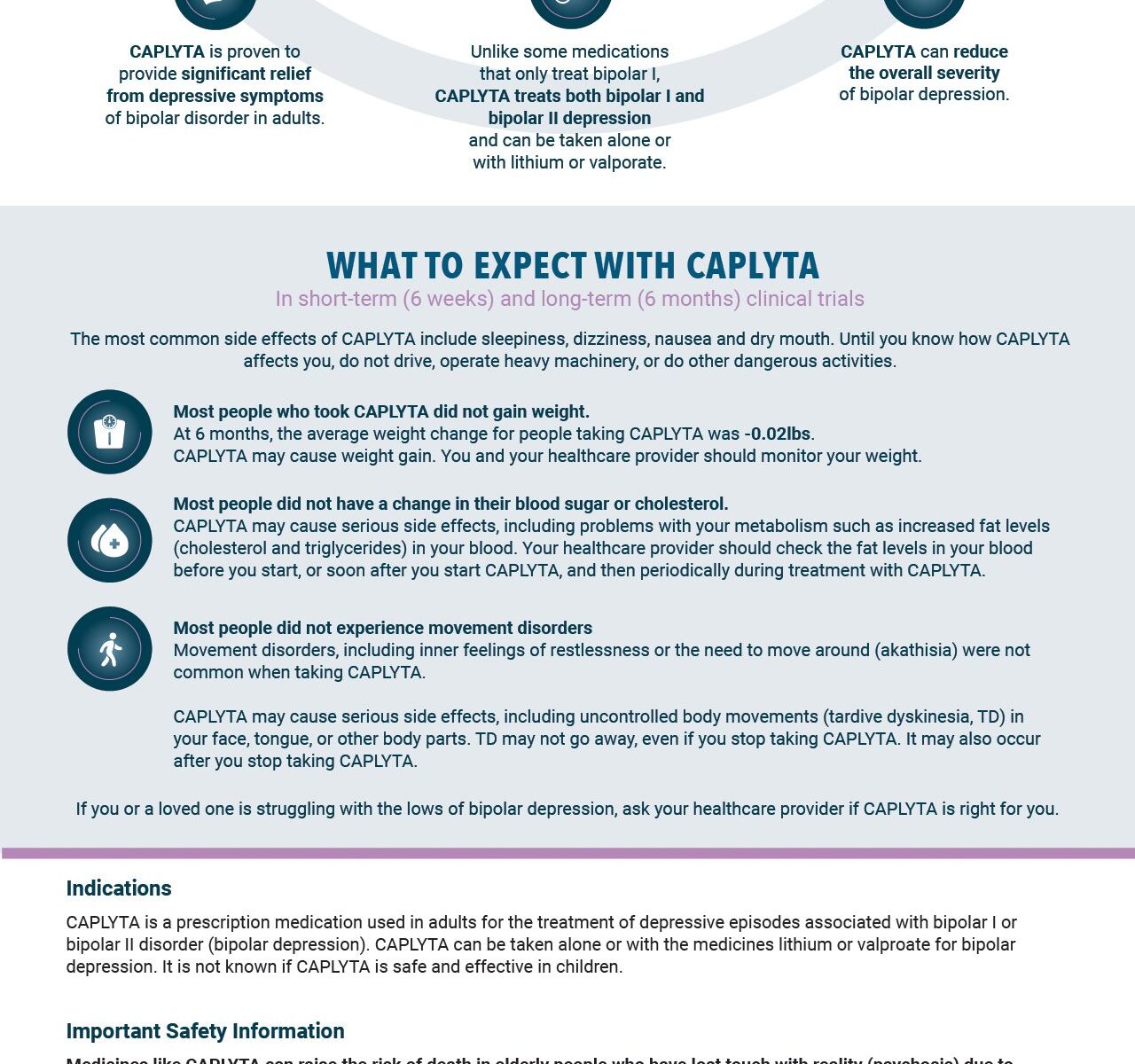
(BPT) – Bipolar disorder is a common mental health condition that causes extreme changes in mood and behavior. Read on to learn more about bipolar disorder and a treatment option for managing symptoms of bipolar depression.

Way to Glow from Head to Toe with the Hottest Treatments

2023-04-19T05:01:00

(BPT) – Prepping to make a glam entrance for a birthday bash or an office party with your co-workers takes your best effort. With their newest range of advanced aesthetic treatments, Cutera® has you covered.

The pros know that getting your skin in tip-top shape before an event is the best place to start. If your breakouts are out of control, there is a revolutionary new laser treatment that has been clinically proven to clear skin without the need for medications. Enter AviClear™ by Cutera, the first and original FDA-cleared energy device for the treatment of mild, moderate and severe acne.1 It significantly eliminates acne in three, 30-minute treatment sessions and helps prevent future acne by suppressing the sebaceous (oil) glands.2

If your skin needs some extra love to refine its texture, brightness, scars, sun damage and even stretchmarks, Secret PRO™ by Cutera can provide noticeable results. This versatile award-winning treatment combines two clinically proven technologies — RF microneedling and fractional CO2 laser — for signature treatments that can be customized just for you.

According to Dr. Abrahem Kazemi, Director, Cosmetic and Laser Dermatology at Pinnacle Dermatology in Centreville, VA, “Secret PRO is my favorite tool in my practice. I have been using this innovative platform to revitalize and refresh the skin of the face and body. With this technology, I can offer my patients the most effective solutions with minimal-to-no downtime. They can see results within a few weeks or less and will continue to have more improvement as the collagen and elastin is stimulated. It’s a win-win.”

Looking your best for a night out is also about slipping into an outfit that shows off your body confidence. If you’re keen to reduce body fat and tone muscle without spending countless hours training, body shaping solution truBody® by Cutera may be just what you need to achieve your goals. This innovative treatment uses the Trim & Tone Protocol, combining two complementary devices — truSculpt® for fat reduction and truFlex™ for muscle sculpting. Both technologies deliver personalized results and are ideal for different body types addressing both large and small treatment areas.

According to Dr. Lindsey Kettinger, DNP at Newton Family Medicine in Charleston, SC, “Decreased muscle mass and truncal obesity — excess fat in the abdomen, flanks, and back — are harder to target as we age.”

With truBody, patients may see results after one treatment session3, with maximum results after 12 weeks. “I love truBody because it provides a combined solution for targeting stubborn areas of fat while toning muscles in 15-minute treatment sessions customized to each patient. One of the great advantages with both treatments is that multiple areas of the body can be treated simultaneously,” she adds.

Get ready to glow and start looking and feeling your best. Find a treatment provider near you.

1 Data on file. Cutera, Inc

2 Results may vary

3 Somenek MT, Ronan SJ, Pittman TA. Lasers Surg Med. 2021;53(3):337-343

How advanced testing for UTIs can inform improved treatment for patients

2023-04-19T06:01:00

(BPT) – If you’ve ever experienced a urinary tract infection (UTI), you know how uncomfortable it can be. Symptoms like pain or burning with urination, along with a frequent urge to go to the bathroom, can really disrupt your daily life. According to the National Institutes of Health, over 40-60% of women have a UTI at least once in their lives, with 10% of women experiencing them yearly — and nearly half of those with infections get a second one within a year.

When you have these recurring symptoms, the main thing you want is to treat them quickly, and to reduce recurrence. Unfortunately, standard methods for diagnosing UTIs have limitations, which may delay effective treatment or lead to your doctor prescribing a less effective antibiotic to address your particular infection.

The challenges in diagnosing and treating UTIs

The current standard for UTI diagnosis is through urinalysis and standard urine culture (SUC). However, SUC has many shortcomings, including failure to detect bacteria that may be causing a UTI. One study found that SUC missed 50% of all detected uropathogens in patients with severe urinary tract symptoms.1

In addition, SUC can take up to 3-5 days, often causing providers to treat patients with antibiotics without first determining the individual bacteria that contribute to the UTI, or which antibiotics those individual bacteria are sensitive or resistant to. This means you may be treated with an antibiotic that won’t be effective in eliminating the specific cause of your infection, so the treatment doesn’t resolve the infection completely, and your infection may persist or recur.

Having an infection with more than one bacteria present is also common. A standard urine culture will often cite this finding as “contaminated” or as “mixed flora,” providing no additional information on the organisms detected — or antibiotic sensitivity results to help guide specific treatment.

Improved antibiotic prescribing and usage is critical to effectively treat infections, to protect patients from adverse effects caused by unnecessary antibiotic use — and combat antibiotic resistance. In cases of recurrent and complicated UTIs, especially when initial antibiotic use may have failed, personalized therapy options can make all the difference in a patient’s treatment results.

UTI testing tailored for patients’ needs

Fortunately, newer technologies have been developed to improve the diagnosis of UTIs. Some of these tests include PCR technology, which is used in clinical settings for sexually transmitted diseases, respiratory illness and COVID-19 testing. When combined with unique antibiotic sensitivity testing methods, this new class of advanced testing provides helpful information to address the shortcomings of standard urine culture testing.

To help improve testing and diagnosis, Guidance UTI is 43% more sensitive than standard urine culture, helping to ensure more accurate diagnoses. This is vital particularly for those with recurrent, persistent and complicated UTIs or who have elevated risks. This testing process uses PCR technology to identify commonly tested uropathogens, including many that are difficult to detect by standard urine culture. Guidance UTI detects 27 individual organisms (bacteria and yeast) and three bacterial groups known to be associated with UTIs. Not an at-home test, this advanced diagnostic testing is chosen by physicians to provide personalized results in less than one day from receipt at a lab to help identify the right treatment for each patient faster.

This is also the only test that combines PCR testing with Pooled Antibiotic Susceptibility Testing (P-AST), a unique technology that accounts for bacterial interactions that occur in polymicrobial infections (those with more than one bacteria present), which can impact antibiotic resistance. Together, PCR and P-AST technologies provide more detailed and accurate information to health care providers, to help provide personalized therapy options that result in better treatment.

“When you have UTI symptoms, timely, accurate testing is crucial for quicker, more effective treatment to relieve those symptoms and eradicate their cause,” said board-certified urogynecologist and female pelvic medicine and reconstructive surgeon Dr. Terri-Ann Samuels. “With this advanced UTI testing that is now available, we can much more accurately pinpoint the cause or causes of a patient’s UTI, helping us identify the best possible treatment plan for that particular patient.”

If you are experiencing UTI symptoms, visit Pathnostics.com to learn more, and ask your doctor about Guidance UTI.

Reference:

1. Price, T. K. et al. The Clinical Urine Culture: Enhanced Techniques Improve Detection of Clinically Relevant Microorganisms. Journal of Clinical Microbiology 54, 1216–1222 (2016).

4 top tips for upgrading your health and wellness routine

2023-04-18T04:01:00

(BPT) – For many, the longer days, warmer temperatures, and blooming flowers of spring and summer bring a renewed sense of energy and motivation to paint the garage or freshen up the garden. However, it is also the perfect time of the year to devote your energy to personal health and wellness improvement projects.

To prepare for the warmer seasons ahead, Dr. Leah Joseph, a board-certified primary care physician at Teladoc Health, the world’s largest telehealth company, shares her top tips for upgrading health and wellness routines.

Tidy up your sleep schedule

People tend to appreciate the longer days of spring and summer. But more early morning sunshine, along with life’s other distractions, can wreak havoc on sleep schedules.

Joseph recommends that people prioritize getting seven to nine hours of sleep a night and stresses that consistency is the key to reaping the rewards of a good night’s rest. “Establishing a sleep schedule that conditions your body to go to sleep and wake up at the same time each day, including weekends, helps your body get into a natural rhythm,” she says. “To get into a routine, try setting a bedtime alert on your phone or placing a note next to your TV to remind you of your bedtime.”

And when interruptions and sleepless nights do happen, people shouldn’t dwell on it because the stress can make it even harder to get back into a sleep rhythm. Joseph recommends accepting the interruption as a temporary lapse and trying again for better sleep the next night.

Dig into your diet

More sun and rising temperatures make it easier to find fresh, in-season fruits and vegetables, staples of a healthy diet. Eating plenty of whole foods, including vegetables and fruits, can lower blood pressure, lower the risk of heart disease and stroke, help with digestion problems and have a positive effect on blood sugar, which can help keep appetites under control.

“Focus on what you can control around healthy eating choices and learn to adapt to things outside of your power,” suggests Joseph. “Look for chances to add color to your plate with fruits and veggies and cook with fresh ingredients when you can.”

In addition to support from your primary care physician, registered nutritionists and dietitians can help design a healthy eating strategy with the right mix of whole foods. In many cases, meeting with dietary experts can be done easily and conveniently online.

Take it outside

Joseph says one of the most important things you can do for your overall health is to prioritize getting enough physical activity. Getting daily exercise doesn’t have to be intense or complicated. Taking a quick walk around the neighborhood or local park can have significant benefits for everyone, no matter an individual’s fitness level.

“If you can, find a partner to help keep you motivated to move,” recommends Joseph. “Ask friends and family to work out with you, and make it unique to you. They’ll help you stay on track, and you’ll have more fun doing it.”

She advises that there’s no one-size-fits-all approach to exercise, and that people need to try different activities until they find at least one that they enjoy enough to engage in regularly.

Pick up with your primary care provider

It is always easier to stay on top of health goals and priorities with an expert by your side. Your primary care provider (PCP) can help navigate every aspect of health and wellness, from a new health goal to a new health diagnosis.

Scheduling an appointment with a PCP is the best way to stay on top of health needs. Regular check-ins are key to disease prevention, controlling common chronic diseases, mental wellness and coordinating testing and specialist care, when it’s needed.

“Too often, I see that people wait to see a doctor until there is an issue or an emergency,” commented Joseph. “With regular visits, I can establish relationships with my patients and help them identify any potential concerns early and often. It saves a lot of time and pain down the road.”

While it may seem time-consuming to schedule and attend regular appointments, new digital tools — like virtual care — are making it easier than ever to check in with a PCP, wherever and whenever is convenient for you. Plus, companies like Teladoc Health offer access to primary care, chronic care, dermatology, nutrition services and more, all from one place, to help you seamlessly keep up with every aspect of your health.

How today’s beef farmers and ranchers care for the land and focus on sustainability

2023-04-17T06:01:00

(BPT) – For families raising cattle, their livelihood depends on the land, and protecting the natural resources they rely on is key to sustaining both the land and the way of life. While sustainability is top of mind every April as Earth Day approaches, beef farmers and ranchers across the country have been dedicated to sustainability for decades, which is why the U.S. produces the most sustainable beef in the world[i].

While a dedication to caring for the land is common among beef producers, the practices they employ are different, developed and adapted over time to match the environment and land they depend on.

In honor of Earth Day, the National Cattlemen’s Beef Association, a contractor to the Beef Checkoff, highlights three recent winners of the Environmental Stewardship Award, working to raise beef and care for the land in very different parts of the country.

The foundation: Soil health

For five generations, the Jorgensen family in Ideal, South Dakota, has depended on soil to help provide nutrients to their grazing cattle. “Soil health is a principal part of everything we do in our operation,” said Brian Jorgensen, chief agronomy operations officer at Jorgensen Land and Cattle. “So we have to do everything we can to sustain and build the health of that soil.”

Toward that aim, they practice rotational grazing, aided by modern technology: “We’ve been supplementing rotational grazing with a GPS grazing collar,” explained Nick Jorgensen, CEO. “That way, we can graze cattle where you can’t put in a fence. We can also graze spots of land on our property that we may have never used before.”

This innovative use of technology ensures no land is overgrazed — and every area is grazed by cattle that help break up the soil crust, encouraging seed-to-soil contact, stimulating plant growth and successfully converting fibrous plants into energy and protein.

“Sustainability has been an important part of our operation for decades,” added Nick. “It’s going to be what powers us into the future.”

Water is life

One mile north of the Horicorn Marsh National Wildlife Refuge, owners of Huth Polled Hereford and S&H Livestock Enterprises in Oakfield, Wisconsin, understand the importance of water.

“The Horicon Marsh is one of the largest marsh systems in the U.S.,” explained Jerry Huth, co-owner. “The challenge we face is containing the animals so their runoff doesn’t get into the streams that enter the marsh. We’re very sensitive about having grass buffer strips that absorb runoff from the fields or the cattle.”

They focus on limiting erosion as a crucial conservation effort. “One way to prevent phosphates going into your water source is to increase the forage density and limit erosion,” said Joshua Scharf, co-owner. “You’re also sequestering carbon while you’re doing that. Clean water benefits wildlife, cattle and humans.”

The company was one of the first to graze cattle on Wisconsin’s public lands, which helped manage vegetation. “When we first took cattle out there, it was woody vegetation over my head. The Wisconsin Department of Natural Resources was burning and spraying chemicals to control it, and they’ve not done that since we’ve had cattle out there,” continued Scharf. “After the first year, you could start seeing grasses pop through. There was a lot of clover and a lot of legumes, that are desirable for cattle and also for wildlife.

Their efforts offer a great example of people working together with state and federal agencies to create beneficial land for livestock and wildlife alike.

Restoring the ecosystem

Out west, invasive species like pinion and juniper can soak up large amounts of ground water, impeding its flow. The Fulstone family, founders of Fulstone Ranches in Smith Valley, Nevada, have learned these lessons since their family’s arrival in the 1850s.

“We’ve done a lot of work removing pinion and juniper trees, which has improved the grass and the environment for cattle and for sage grouse,” said rancher Annette Fulstone.

Their work includes habitat restoration where erosion caused previously wet meadows to dry out. “The landscape came back from being a washed-out dry creek bed to this lush meadow,” added Emily Fulstone, Annette’s niece. “My dream for the future is to continue working on our regenerative practices to be more sustainable in every aspect.”

The Fulstone family aims to preserve the land for generations to come. “Our cattle are very beneficial to the land. We’re probably raising one of the best sources of protein you can in this environment,” said Steven Fulstone, Emily’s father and Annette’s brother. “It’s a renewable resource, and probably the best use of the land.”

To learn more about these and the other 2022 award winners visit EnvironmentalStewardship.org, or visit BeefItsWhatsForDinner.com to learn more about how cattle are raised across the country.


[i] UN FAO. 2021. FAOSTAT Database – Food and agricultural data. Available at: https://www.fao.org/faostat/en/#home