Endometriosis unveiled: Key facts for Endo Awareness Month

2023-02-28T08:01:01

(BPT) – This content is sponsored and provided by Myovant Sciences and Pfizer Inc.

Thirty years ago, a small group of advocates convened in Milwaukee to address endometriosis, a complex and often painful condition that impacts millions of women. This group, known as the Endometriosis Association, established Endometriosis Awareness Week to educate people about the condition. Today, this movement has evolved into a month-long, worldwide awareness effort to share resources and bring patients together.

Awareness of endometriosis has grown along with the need for interventions. With continued recognition each March, the hope is for earlier diagnosis and treatment. Could you or someone you know be impacted by this condition and not know? Read on to learn more about endometriosis.

1. What is endometriosis?

Endometriosis is a condition in which tissue similar to the uterine lining is found outside of the uterus. Endometriosis is typically found in the pelvic cavity but in rare cases can also grow in other parts of the body.

2. How common is endometriosis?

In the U.S., there are approximately 7.5 million premenopausal women with endometriosis. Approximately 75-80% of these women experience symptoms associated with their condition. Endometriosis is most often diagnosed in women in their 30s and 40s; however, delays from symptom onset to diagnosis can range from 4-11 years.

Although the exact cause of endometriosis is unknown, there are several factors that may put women at higher risk. For example, you are more likely to develop the condition if a close relative (such as your mother or sister) has it. Additional risk factors include starting your period before age 11, having a short monthly cycle and having heavy periods that last more than a week.

3. What are the symptoms of endometriosis?

Endometriosis can affect people in many ways, but the most common symptom is chronic pelvic pain, especially around your period. Additional common symptoms include infertility, heavy periods, painful sex, stomach pain and painful bowel movements. The symptoms of endometriosis can be burdensome and can interfere with daily activities.

4. How is endometriosis diagnosed?

If your healthcare provider believes you may have endometriosis, they will typically begin by performing a physical and pelvic exam. A combination of symptoms, signs and imaging may be used to make a clinical diagnosis of endometriosis. The most common imaging approach is transvaginal ultrasound.

Endometriosis can also be diagnosed through surgery. The most common procedure is called a laparoscopy, in which a surgeon makes a small cut into the abdomen, inserts a slender tube and examines the reproductive organs and surrounding areas to determine if endometriosis is present.

5. What are some potential treatment options?

Endometriosis cannot be cured; however, there are many treatments that may help manage the symptoms associated with endometriosis. For endometriosis-associated pain, current treatment options include prescription and over-the-counter pain medications, hormone therapies such as oral contraceptives, progestins, antigonadotropic agents, gonadotropin-releasing hormone (GnRH) agonists and antagonists and surgical interventions. Your doctor can help you determine what is right for you based on factors such as your age and the severity of your symptoms.

6. What can you do if you think you have endometriosis?

If you’re living with pain, there is no need for you to suffer in silence. As a first step, you can reach out to your healthcare provider to discuss your symptoms. They can help determine if you may have endometriosis and work with you to come up with a plan to manage your condition.

You can also take steps to educate yourself. The Uterine Health Guide is a digital repository created by Myovant Sciences and Pfizer that contains information about menstrual health, including conditions such as endometriosis. It also has advice for talking to your doctor and finding support in your community.

New Hope for Those Suffering with C. difficile Infection, a Potentially Deadly and Contagious Illness

2023-02-27T07:01:00

(BPT) – Sponsored by Ferring Pharmaceuticals

Every year, about half a million Americans suffer from a serious and potentially deadly infection called Clostridioides difficile (C. diff) infection.1,2 C. diff infection takes hold in the gut microbiome and people who suffer from the infection may experience debilitating symptoms, including diarrhea, fever, stomach pain, and inflammation of the colon.1 Up to three in ten people who get a C. diff infection will get it again.3,4,5,6 This is called a recurrence. After that first recurrence, up to six in ten people may get another C. diff infection.3,4

The U.S. Food and Drug Administration (FDA) recently approved REBYOTA (fecal microbiota, live – jslm), the only FDA-approved microbiome-based treatment to prevent recurrent C. diff infection, after you’ve taken antibiotics for recurrent C. diff infection. The treatment, produced by Ferring Pharmaceuticals, is a liquid mix of up to trillions of live microbes.7

“Having recurrent C. diff was the scariest thing that has ever happened in my life,” remembers Patricia, a C. diff infection patient. “I’d never felt that sick before. To not be able to care for my children, to just be so weak and not want to leave the house, and then for it to go away and come back again, and then again – I lived my life in terror.”

While C. diff infection can affect anyone, older adults and people with a weakened immune system are more susceptible.1 About 80 percent of recurrent C. diff infection patients wind up in the hospital for treatment each time, causing considerable healthcare, emotional and financial burdens for patients and their families.5,8

“Until now, patients had few treatment options to help treat the devastating cycle of recurrent C. diff infections. The infection interrupts patients’ lives, keeping them at home or in the hospital, and away from loved ones,” says Dr. Paul Feuerstadt, a professor at the Yale University School of Medicine. “This new treatment option will bring hope to thousands of people experiencing this disease.”

For Patricia, this breakthrough couldn’t come fast enough. She was referred by her doctor to a GI specialist to participate in a clinical trial for Ferring’s investigational therapy.

“I wasn’t scared, because the alternative of continuing to have C. diff, and living my life where one week out of the month I was unable to care for my kids or to leave my house was even scarier,” she says. “Since my treatment more than three years ago, I haven’t had a recurrence. I was so emotional to be able to finally hug my girls again after lying on the couch and isolating myself from them for so long. We were all excited.”

In clinical trials, REBYOTA was well-tolerated with generally expected and manageable side effects. Side effects were mostly mild to moderate in severity and the most common side effects were stomach pain, diarrhea, bloating, gas and nausea.

To learn more about C. diff infection and REBYOTA, talk to your doctor and visit REBYOTA.com.

INDICATION

REBYOTA (fecal microbiota, live – jslm) is indicated for the prevention of recurrence of Clostridioides difficile (C. diff) infection in individuals 18 years of age and older, following antibiotic treatment for recurrent C. diff infection.

Limitation of Use

REBYOTA is not indicated for the treatment of C. diff infection.

IMPORTANT SAFETY INFORMATION

  • You should not receive REBYOTA if you have a history of a severe allergic reaction (e.g., anaphylaxis) to REBYOTA or any of its components.
  • You should report to your doctor any infection you think you may have acquired after administration.
  • REBYOTA may contain food allergens.
  • Most common side effects may include stomach pain (8.9%), diarrhea (7.2%), bloating (3.9%), gas (3.3%), and nausea (3.3%).
  • REBYOTA has not been studied in patients below 18 years of age.
  • Clinical studies did not determine if adults 65 years of age and older responded differently than younger adults.

You are encouraged to report negative side effects of prescription drugs to FDA. Visit www.FDA.gov/medwatch or call 1-800-332-1088.

Please visit REBYOTA.com for full Prescribing Information.

References:


  1. Centers for Disease Control and Prevention. What Is C. Diff? 17 Dec. 2018. Available at: https://www.cdc.gov/cdiff/what-is.html.
  2. Lessa FC, Mu Y, Bamberg WM, et al. Burden of Clostridium difficile infection in the United States. N Engl J Med. 2015;372(9):825-834.
  3. Kelly, CP. Can we identify patients at high risk of recurrent Clostridium difficile infection? Clin Microbiol Infect. 2012;18(suppl 6):21–27.
  4. Smits WK, Lyras D, Lacy DB, et al. Clostridium difficile infection. Nat Rev Dis Primers. 2016;2:16020.
  5. Nelson WW, Scott TA, Boules M, et al. Health care resource utilization and costs of recurrent I infection in the elderly: a real-world claims analysis. J Manag Care Spec Pharm. 2021;27(7):828-838. Epub 2021 Mar 11.
  6. Riddle DJ, Dubberke ER. Clostridium difficile infection in the intensive care unit. Infect Dis Clin North Am. 2009;23(3):727-743.
  7. REBYOTA. Prescribing information. Parsippany, NJ: Ferring Pharmaceuticals Inc; 2022.
  8. Feuerstadt P, Strong L, Dahdal DN, et al. Healthcare resource utilization and direct medical costs associated with index and recurrent Clostridioides difficile infection: a real-world data analysis. J Med Econ. 2020;23(6):603-609

Schedule your routine cancer screenings today for better outcomes tomorrow

2023-02-24T18:03:01

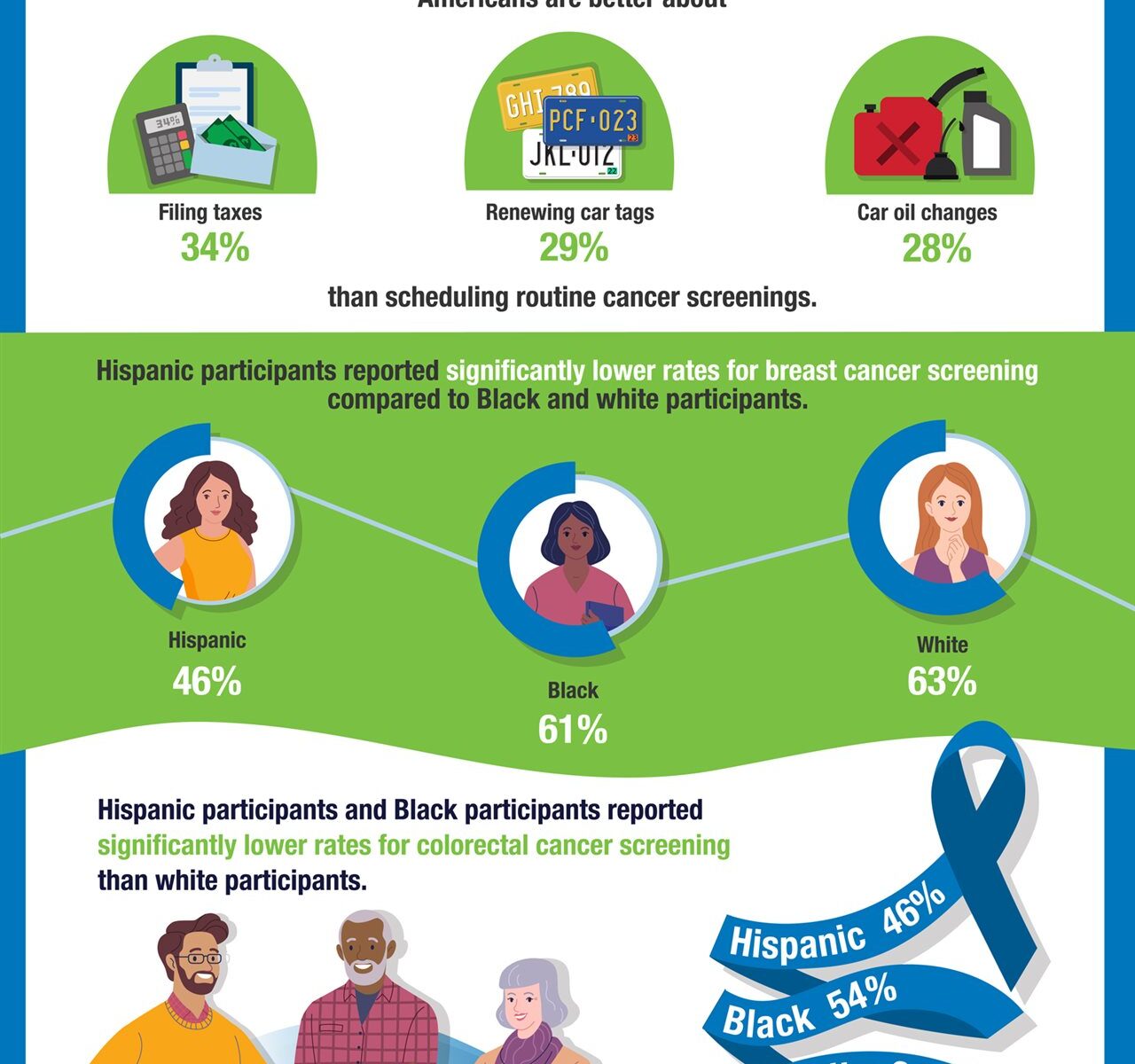
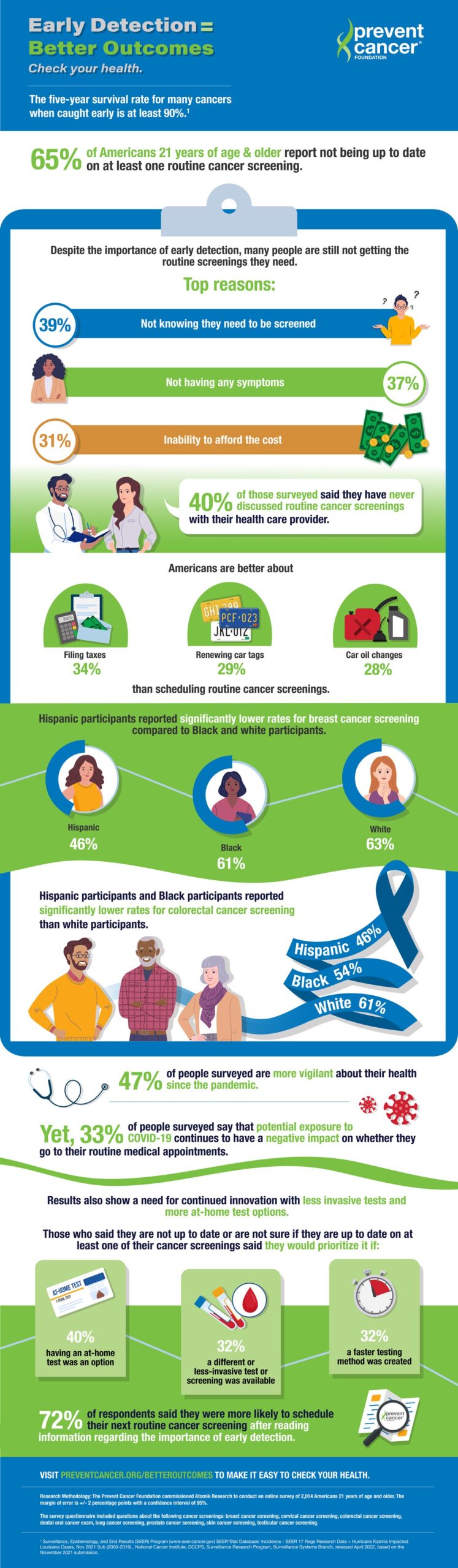
(BPT) – Cancer touches almost everyone. Nearly 2 million Americans are diagnosed with cancer each year. The good news is that cancer prevention and early detection can save lives.

Results from the Prevent Cancer Foundation’s first annual Early Detection Survey are below. Routine cancer screening can detect cancer early (even if you have no signs or symptoms). When cancer is detected early, it increases your chance of survival. You may also require less extensive treatment or have more treatment options.

It’s time to check your health and give yourself—and your loved ones—better outcomes.

Keep your heart happy and healthy in February and every day

2023-02-23T15:31:00

(BPT) – Every February, love is in the air. Equally as important as keeping your heart full of love is keeping your heart healthy, especially given that cardiovascular disease is the leading cause of death in the United States.[1] There are many types of heart disease, and most are progressive — meaning it will get worse if not addressed. One type of heart disease, called atrial fibrillation, or AFib, is the most common type of heart rhythm disorders, with 1 in 4 adults at risk for the disease.[2] During AFib, the upper chambers of the heart (the atria) beat rapidly and irregularly, causing chest pain, heart palpitations, shortness of breath and fatigue, among potential symptoms.

The good news is, AFib is treatable in most cases when proper steps are taken, and strategies are put in place:

Promptly see your doctor or specialist if you have symptoms or experience any type of heart rhythm irregularity. It’s important to seek treatment as soon as possible to prevent the progression of AFib. AFib may be diagnosed by a primary care physician, cardiologist or electrophysiologist. Find a provider near you and make an appointment today. Don’t delay!

Keep track of your AFib symptoms. Download the AFib Symptoms Tracker to help stay on top of your symptoms and potential triggers. This will help to identify how often you are having episodes and will be a useful document to share with your doctor at your next visit.

Speak with your doctor to determine the right treatment option for you. Factors that may be considered in your treatment plan include: The nature or cause of the arrhythmia (where it starts in your heart), the severity of the arrhythmia and symptoms, medications, your age, overall health and medical history.[3]

Seek regular visits with your specialist and routine health screenings. Proactively go to your specialist with questions or concerns and take charge of your medical condition. Be your own advocate, utilize online resources and familiarize yourself with information about your condition.

Expand your knowledge and find connections in the AFib community. The estimated number of individuals with AF globally in 2010 was 33.5 million.[4] While this figure is staggering, know you are not alone, and that the disease can be treated. Get Smart About AFib is the largest online forum for patients with AFib — follow the GSAA Facebook page to join the AFib community and take part in the conversation.

For many patients, treatment begins with medication. Medications can be used for controlling your heart rate, rhythm and blood thickness, but about half of patients don’t respond to or can’t tolerate medications.[5] Catheter ablation is a procedure to restore the heart’s incorrect electrical signals that cause an abnormal heart rhythm.[6] It is recommended by the American College of Cardiology, the Heart Rhythm Society and the American Heart Association for patients when medication proves to be unsuccessful.

For Mark S., former music educator and choral director in the Jacksonville, FL, area, catheter ablation was recommended following a major stroke and subsequent hospitalization. He was officially diagnosed with AFib several years prior; around the time he first began experiencing symptoms and taking medication. Mark suffered multiple transient ischemic attacks (TIAs) during this period, triggered in an unpredictable fashion. “The medication I was given by different health care professionals just made me feel ill,” Mark said. “I felt like a zombie.”

After working closely with his cardiologist, Saumil R. Oza, MD, at Ascension Medical Group, St. Vincent’s Cardiology, to determine whether he was the right candidate for catheter ablation, Mark went forward with the procedure.

“Finding the treatment option best suited for you is a team effort,” said Dr. Oza. “It’s critical to note that experiences with AFib vary drastically from person to person. Some patients have severe and obvious symptoms, while others go undetected for years. Together, in collaboration with your specialist, you can identify a suitable treatment plan that is right for you. I’m elated for Mark and the success he found through ablation.”

Since undergoing catheter ablation, paired with healthy lifestyle modifications, Mark no longer experiences heart irregularities or discomfort. “I have reclaimed a sense of security and it’s an overwhelming relief. Dr. Oza gave me my life back,” said Mark.

To learn more about AFib and your treatment options, or to find an electrophysiologist near you, visit GetSmartAboutAFib.com.

239824-230210

© Biosense Webster, Inc. 2023


[1] Centers for Disease Control and Prevention, National Center for Health Statistics. “Heart Disease in the United States.” CDC WONDER Online Database website. Atlanta, GA: Centers for Disease Control and Prevention; 2022. Accessed February 1, 2023.

[2] Lloyd-Jones, Donald M., et al. “Lifetime risk for development of atrial fibrillation: the Framingham Heart Study.” Circulation110.9 (2004): 1042-1046.

[3] Get Smart about AFIB, Biosense Webster Inc. “Your AFib Treatment Plan” Irvine, CA: Biosense Webster Inc. Accessed February 8, 2023.

[4] Morillo CA, Banerjee A, Perel P, et al. Atrial fibrillation: the current epidemic. J Geriatr Cardiol. 2017 Mar;14(3):195-203.

[5] Calkins H, Reynolds M, Spector P, et al. Treatment of atrial fibrillation with antiarrhythmic drugs or radiofrequency ablation: two systematic literature reviews and meta-analyses. Circ Arrhythm Electrophysiol. 2009 Aug;2(4):349-61.

[6] Natale A, Reddy VY, Monir G, Wilber DJ, Lindsay BD, McElderry HT, Kantipudi C, Mansour MC, Melby DP, Packer DL, Nakagawa H. Paroxysmal AF catheter ablation with a contact force sensing catheter: results of the prospective, multicenter SMART-AF trial. Journal of the American College of Cardiology. 2014 Aug 19;64(7):647-56.

How to Know When It’s Time to Be Tested for Gastroenteritis

2023-02-21T08:01:00

(BPT) – Gastroenteritis affects millions around the world every year, according to the Centers for Disease Control and Prevention (CDC), and can be caused by viruses, bacteria and parasites, with bacteria often causing the most severe illness. Many cases don’t require gastrointestinal testing, but for some, being able to distinguish between the causes of gastroenteritis is imperative in order to provide the most effective treatment for the situation. Knowing when to get tested, and what sort of test to receive, such as fast and accurate polymerase chain reaction (PCR) tests, can help you find the right therapeutic option as quickly as possible.

It’s 2033 and you need surgery. Here’s how it will be radically different

2023-02-20T07:01:00

(BPT) – By Atul Gupta, MD, Chief Medical Officer, Image-Guided Therapy at Philips

One in 10 people undergo a surgical procedure each year [1]. That means that over the next decade it’s highly likely you — or someone close to you — will too. This may sound like a scary prospect, but it doesn’t have to be.

That’s because we’re making huge strides forward in innovation that I believe will make your operation more likely to be a medical success while having a better experience along the way.

Got five minutes? Because I’d like to show what I think the future of surgery will look like in a decade.

Getting you back to living the life you love faster, safer, and with less anxiety

If you need to see a doctor in 2033 for a major disease, you could be diagnosed and treated in one single room on the same day. This could include medical emergencies like a heart attack or a stroke or long-term diseases like lung cancer or disorders of the spine, for which many patients today have to wait weeks, or even months, for treatment.

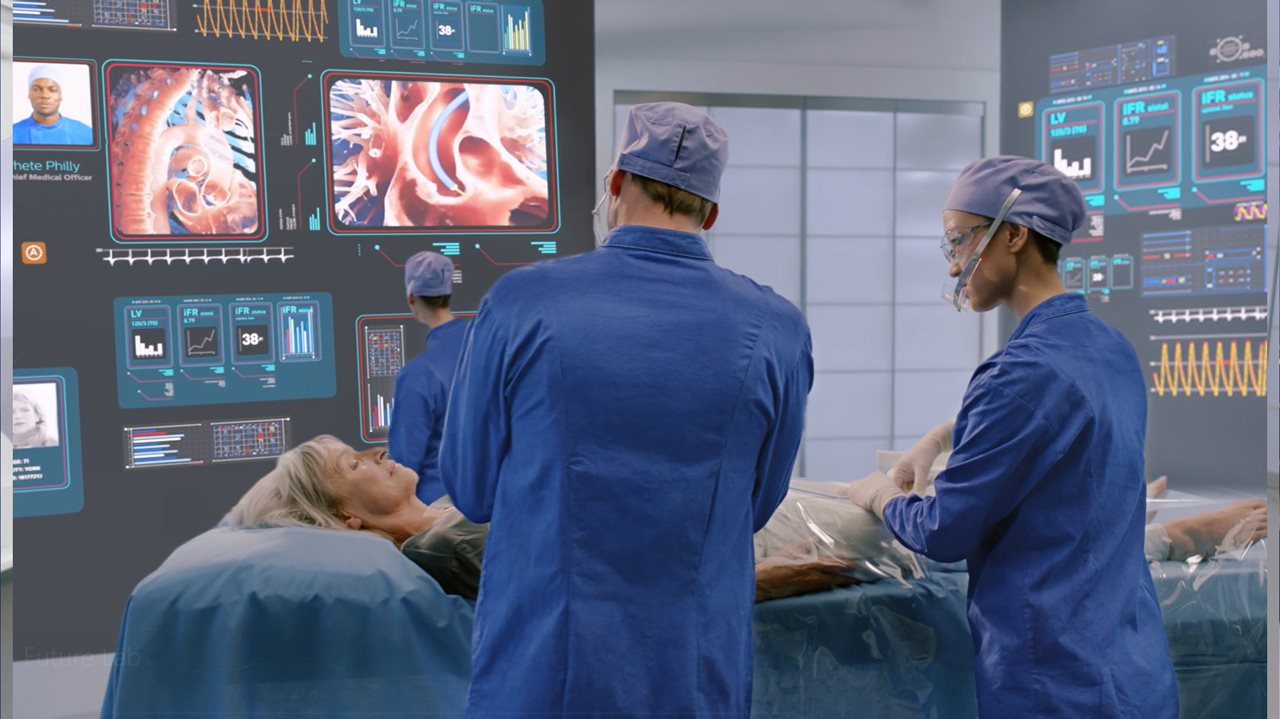
In 10 years’ time, your care could be radically improved thanks to advances made by combining cutting-edge technologies into one intelligent room. This is a room that gives doctors like me almost superhuman abilities, enabling us to treat some of the most common and most life-threatening diseases in one go. I’m talking about an entire room that will be powered by a mix of photo-realistic Augmented Reality (AR), robotic automation, artificial intelligence (AI), ultra-high resolution 3D medical imaging and smart devices that all talk to one another. It will enable doctors to perform operations with less damage to your body, less time spent in the hospital, a faster treatment and recovery, and in some cases, immediate diagnosis and treatment.

Today, we can already do some of these procedures thanks to a combination of technologies called Image-Guided Therapy, or IGT for short [2]. IGT is essentially modern-day surgery that uses minimally invasive techniques to allow me to do what surgery used to do (by cutting you open, which is far more dangerous and requires more time to recover). IGT procedures are carried out through incisions not much larger than a pencil point, leaving behind just a bandage.

Imagine that it’s 2033. Let’s look at four of the world’s most common diseases in four different countries and explore how your care will be radically different:

1. Care will be faster

The paramedics are at your home somewhere on the U.S. East Coast. They suspect a stroke, but it could also be a number of other things. Fortunately, their hand-held monitor can now connect them to the hospital and instantly to a stroke expert who reviews your monitoring data and confirms that you’re having an acute cerebral event, possibly an ischemic stroke.

The paramedics rush you to the hospital, where CT scans are taken and then reviewed by a remote neurologist, who quickly confirms your diagnosis and sends you to treatment.

So far, only 45 minutes have passed since your stroke began. Every minute that a stroke goes untreated results in the death of 2 million neurons. Every 30 minutes’ delay before treatment reduces the chance of a good outcome by 14%. And each hour of delay ages your brain by 3.6 years [5]. Time is literally brain [4].

Luckily, you get to us within the golden window — the earliest hours following a stroke when we can reduce or even reverse the long-term effects. Scans confirm the diagnosis, so I make a pencil-point incision in your thigh. I touch a hologram of an artery in your neck and in seconds the device (with the aid of robotics) rapidly threads itself along your arteries to a tiny clot that is cutting off blood flow to your brain. Within just minutes, we have removed the clot.

Through my AR glasses, I can clearly see that the blood flow has been restored, reversing the stroke-in-progress and preventing any devastating long-term effects. All while an expert from Tokyo was watching your entire procedure through her AR glasses and sharing her clinical advice. You are then whisked to recovery bays in the neuro intensive care unit. You’ll be home having dinner with your family within 48 hours.

2. Care will be “one and done”

Perhaps you live in the Netherlands, and you’re in the operating room with my colleague Jess because you’ve been referred for a suspicious spot toward the base of your left lung. Less than one hour later, Jess has diagnosed and destroyed all of a tiny tumor in one go without opening up your body.

How? It turns out you had lung cancer, a disease that kills more people than breast cancer, prostate cancer and colon cancer — combined. In the Netherlands alone it kills more than 10,000 people every year [6].

In 2033, Jess is able to look at your lungs on her AR screen and see every detail within and around your lungs in sharp focus. She pinpoints precisely where the cancerous cells are that need destroying. She virtually sculpts a 3D model of an AI-predicted kill zone around the tumor, and she then destroys the cells using microwave energy.

When you wake up, instead of facing a six-month waiting period before follow-up scans to see if it is an early cancer that is growing, you find out immediately it’s all-clear.

One and done. How amazing is that?

3. Care is closer to you

We have a saying in the medical world: Save a limb, save a life. This is something we’re doing much more easily in 2033. Even if you live far away from a city.

Take Australia, for example, where almost a third of the population still lives in rural areas. Even though the country has more hospital beds per capita than the U.S. or the U.K., hospitals are desperately overcrowded, and patients face a huge increase in waiting time for elective surgeries.

So instead, we come to you. In the U.S., physicians like me have been using office-based labs, or OBLs, for decades to perform routine procedures like the removal of fibroids, or even minimally invasive operations on your heart. And they’re fantastic because they enable doctors to take care outside of hospitals and bring it closer to the communities and patients that we serve.

In 2033, we put our highly intelligent IGT rooms into mobile OBLs — creating what’s essentially a hospital on wheels, with doctors inside who can carry out elective procedures on your doorstep. Procedures to treat things like peripheral artery disease (PAD), or poor blood circulation in the leg, which causes cramping and pain when you walk. Incredibly, nearly a quarter of a billion people suffer from PAD worldwide [7]. If left untreated, it can lead to amputation, which in turn raises your risk of dying. But with mobile OBLs, we’re making sure to reach our patients who find it hard to get to us.

A hospital on wheels from mobile medical program Heart of Australia

4. Care is safer for you (and me)

If you live in India, you almost certainly know someone with cardiovascular disease (CVD). That’s because CVDs are more common, especially among the younger population [8]. Replacing an aortic valve in your heart used to require massive surgery, splitting the chest open, lots of blood loss, lots of days in the hospital. In 2033, we can do this through a minimally invasive procedure called transcatheter aortic valve replacement (TAVR).

And in 2033, our intelligent surgical rooms will include a groundbreaking technology that uses light rather than X-rays to let me navigate through the body in real-time and in 3D, from any angle. So not only can I perform a TAVR through a tiny incision in your groin, but you go home the same day and there’s no radiation, making it safer for both you and me.

A minimally-invasive aortic heart valve replacement (TAVR)

More accessible care for everyone

I started this story by saying that one in 10 of us will need surgery over the next decade. Now let’s end on a positive note: at Philips, our minimally-invasive solutions already help doctors worldwide to treat one patient every second of every day. Which means since you started reading this, more than 400 people have had their tumors killed, their strokes reversed, and their hearts and blood vessels mended using our technology. And because every single innovation you’ve just read about is being developed right now, I’m confident we’re well on the way to getting even more of you — and the people you care about — back to living the lives you love.

As futures go, that’s literally life-changing.

To learn more about developments in minimally invasive procedures and the future of health, follow me on LinkedIn @AtulGupta_MD

Sources:

[1] https://academic.oup.com/bja/article/119/2/249/4049141

[2] https://www.youtube.com/watch?v=BAt-akrOw_o&list=PL3WBa0emAbeJCS4_zCZ4KuHz9JH-_ChTV&index=2

[3] Emory University

[4] [PDF] Time Is Brain—Quantified | Semantic Scholar

[5] ncbi.nlm.nih.gov/pubmed/16339467

[6] https://www.jto.org/article/S1556-0864(20)30821-2/fulltext

[7] https://www.ncbi.nlm.nih.gov/pmc/articles/PMC6113064/#:~:text=It%20is%20estimated%20that%20%3E200,symptoms%20from%20none%20to%20severe.

[8] https://www.who.int/news-room/fact-sheets/detail/cardiovascular-diseases-(cvds),

https://www.ncbi.nlm.nih.gov/pmc/articles/PMC6994761/

What is hypertrophic cardiomyopathy?

2023-02-20T05:01:01

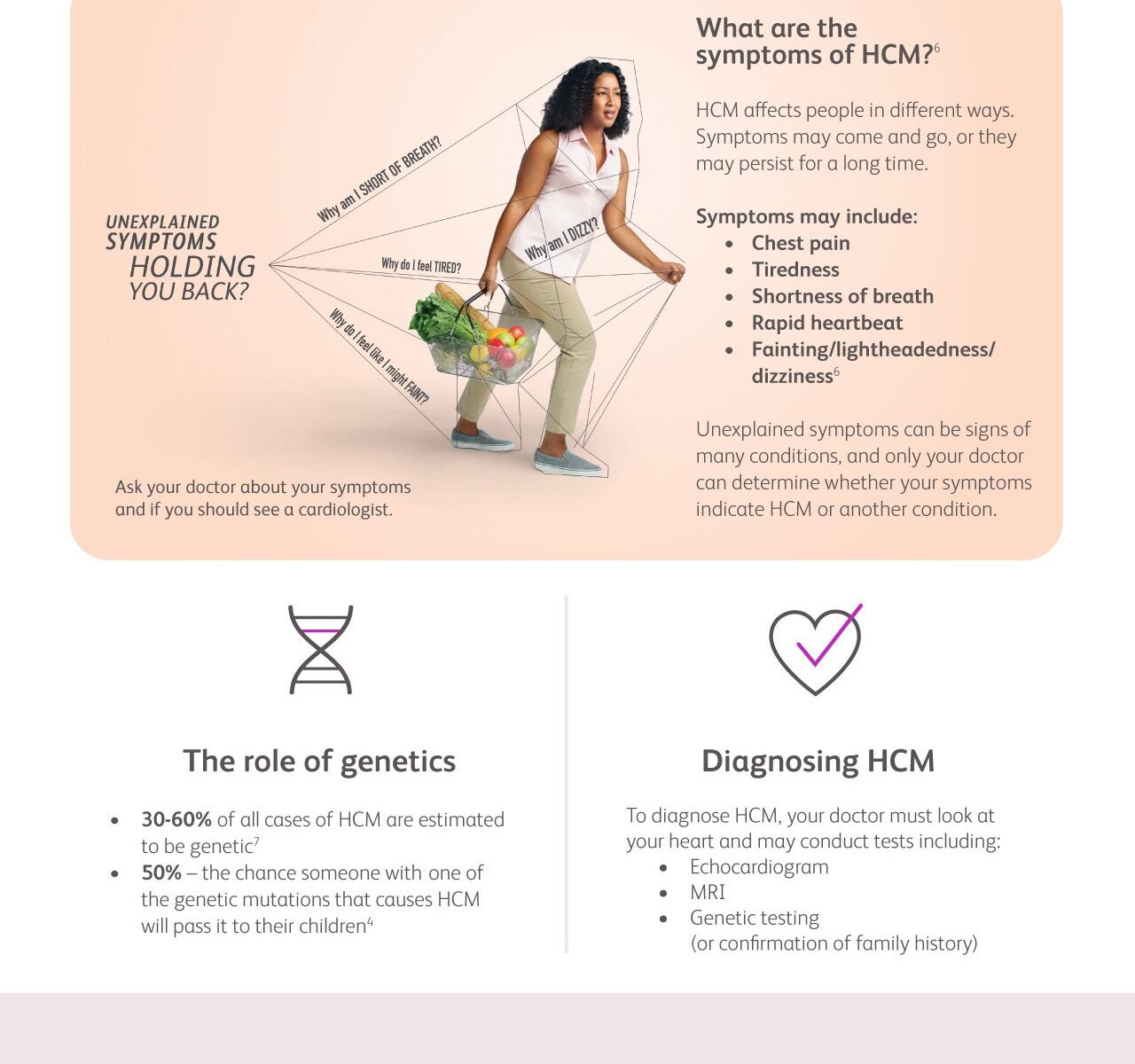
(BPT) – Hypertrophic cardiomyopathy (HCM) can be a serious heart condition, yet most people with HCM may not even know they have it. To raise awareness and encourage those who may be at risk to speak with their doctors, states across the country are observing Hypertrophic Cardiomyopathy Awareness Day on February 22, 2023. Click here to learn more about HCM, resources available to you, as well as find helpful discussion guides for talking to your doctor.

4 reasons dairy in school meals is critical to children’s health

2023-02-16T12:01:00

(BPT) – School meals are a lifeline for many children who face hunger. Nearly 30 million children rely on school meals every day. Also, according to a 2021 peer-reviewed study by researchers at Tufts University and Icahn School of Medicine, food consumed at schools had the highest nutritional quality compared to foods consumed from grocery stores, restaurants and other major food sources.

School meals may be the only nutritious meal children get on some days. Even for children who don’t face food insecurity, school meals can fill the gaps in their diet, especially when it comes to nutrients provided by dairy foods. In fact, children who participate in school meals consume more dairy milk, fruits and vegetables than non-participants, and they consume fewer desserts and snacks.

Starting at 4 years of age, many children’s diets, especially those from communities of color, do not meet the daily dairy consumption recommended by the 2020-2025 Dietary Guidelines for Americans. This is significant because nutrient-rich milk provides calcium, vitamin D and potassium, three nutrients of concern many children lack in their diets.

Despite the benefits of dairy, there are misperceptions about dairy foods and the quality of school meals. Below are four facts about how dairy in school meals helps nourish growing and learning students.

1. School meals are a main source of dairy

School meals are a key source of dairy for many school-age children. According to the U.S. Department of Agriculture, foods provided as part of school meals are the richest source of dairy in children’s diets. In fact, school meals provide up to 2 of the 3 recommended daily servings of dairy.

For low-income children, school meals provide 77% of their daily dairy milk consumption and 70% of total dairy consumption, according to a 2017 study published in Preventative Medicine Reports. Milk and dairy foods, like cheese and yogurt, provided in school meals are critical to helping ensure children of all economic backgrounds benefit from dairy’s nutrients.

2. A variety of milk options are offered and all deliver nutrients

Schools offer a variety of milk options, including fat-free, low-fat, flavored and lactose-free milk. No matter which kind of milk a student chooses, each option provides 13 essential nutrients that benefit health.

A note on lactose-free milk: Contrary to popular belief, a student doesn’t need documentation, such as a parent letter or physician statement, to have lactose-free milk. It is allowed in school meal programs to address students’ health needs. For instance, according to Donna Martin, EdS, RDN, LD, SNS, FAND, school nutrition director at Burke County Schools in Georgia, “I represent a school district with a high African American population and lactose-free milk is served as an option for any of my students who want it, helping them benefit from milk’s hard-to-replace nutrient content.”

3. Flavored milk is lower in added sugar than you may think

Many parents and health professionals are concerned about added sugars in the overall diet. The good news is that milk companies have worked with schools to reduce the amount of added sugars in flavored milk available in schools.

According to National Dairy Council, between 2007 and 2021, the U.S. dairy community reduced added sugars in flavored milk in schools by nearly 50%. The average flavored milk served in schools has 126 calories — just 29 more calories than unflavored milk. At the end of the day, according to NHANES data, flavored milk contributes only 4% of added sugars in the diets of children 2-18 years old, with the bulk of added sugars coming from soft drinks.

4. Flavored milk increases milk and nutrient consumption

According to a study published in Nutrition Today, removing flavored milk from schools can lead to a decrease in total milk consumption and negatively impact the ability for children to meet their nutritional needs.

Drinking flavored milk can actually help children meet their nutritional needs. A 2022 study from ACTA Scientific Nutritional Health journal showed that consumers of flavored milk drank approximately 1-cup more of total milk, which contributed to higher consumption of calcium, potassium, magnesium, phosphorus and vitamins A, D and B-12 and riboflavin than non-consumers. In fact, they consumed 51% more vitamin D, 27% more calcium and 16% more potassium compared to non-flavored milk drinkers.

These are just a few facts that underscore the importance of milk and dairy foods as part of nutrient-rich school meals. Without this critical food group as part of healthy eating patterns provided by school meals, children may not receive all the nutrients they need to grow and learn in their childhood and teen years.

Multi-platinum Singer and Songwriter Ally Brooke Hernandez Shares her Migraine Journey to Help the Latino Community Living with Disease

2023-02-10T08:01:00

(BPT) – Content sponsored and provided by Pfizer. Ally Brooke Hernandez has partnered with Pfizer to share her experience living with migraine.

For Ally Brooke Hernandez — a singer and songwriter who first rose to fame in 2012 while she was a member of a successful singing group — migraine has been a part of her life since she was 11 years old. The debilitating disease, which causes symptoms including pulsating headaches that can be associated with nausea or vomiting and sensitivity to sound and/or light, affects nearly 40 million people in the U.S. However, Latinos with headaches are 50% less likely to receive a migraine diagnosis than non-Latino white patients.1

“When I learned about the disparity of migraine diagnosis rates between Latino adults and non-Latino white adults, I knew I needed to share my story in an effort to make a difference for my community,” said Ally. “Living with migraine has been extremely debilitating and unbearable for me. Family is very important in our culture and spending time with my loved ones is one of my favorite things to do. Unfortunately, I have had to miss out on countless gatherings due to migraine attacks. It is devastating.”

Along with her personal life, migraine also impacted her career. Her attacks forced her to miss recording sessions and other commitments. Before a concert, with thousands waiting to see and hear her perform, Ally used to worry that at the slightest hint of an oncoming migraine, she’d have to cancel her show. Once, she was in Miami for a festival performance and felt a migraine attack coming on from the stress of the show. She was forced to push through it and perform with a migraine because she didn’t want to let her fans down.

With the help of her physician, Ally has found a treatment that can work for her. She takes Nurtec® ODT (rimegepant) as an acute treatment but it is approved to treat migraine and prevent episodic migraine in adults.

“I want the Latino community to know that there is hope for migraine,” said Ally. “You may not have to live with this debilitating disease impacting many aspects of your life — be an advocate for yourself and go to the doctor if you are struggling.”

Visit Nurtec.com for more information.

Indications
NURTEC ODT orally disintegrating tablets is a prescription medicine that is used to treat migraine in adults. It is for the acute treatment of migraine attacks with or without aura and the preventive treatment of episodic migraine. It is not known if NURTEC ODT is safe and effective in children.

IMPORTANT SAFETY INFORMATION

Do not take Nurtec ODT if you are allergic to Nurtec ODT (rimegepant) or any of its ingredients.

Before you take Nurtec ODT, tell your healthcare provider (HCP) about all your medical conditions,

including if you:

  • have liver problems,
  • have kidney problems,
  • are pregnant or plan to become pregnant,
  • are breastfeeding or plan to breastfeed.

Tell your HCP about all the medicines you take, including prescription and over-the-counter

medicines, vitamins, and herbal supplements.

Nurtec ODT may cause serious side effects including allergic reactions, including trouble breathing and rash. This can happen days after you take Nurtec ODT. Call your HCP or get emergency help right away if you have swelling of the face, mouth, tongue, or throat or trouble breathing. This occurred in less than 1% of patients treated with Nurtec ODT.

The most common side effects of Nurtec ODT were nausea (2.7%) and stomach pain/indigestion (2.4%). These are not the only possible side effects of Nurtec ODT. Tell your HCP if you have any side effects.

You are encouraged to report side effects of prescription drugs to the FDA. Visit www.fda.gov/medwatch or call 1-800-FDA-1088.

Please click here for full Prescribing Information and Patient Information.

  1. American Migraine Foundation. Racial Disparities in Migraine and Headache Care. Available at Racial Disparities in Migraine Care | American Migraine Foundation. Accessed December 6, 2022.

PP-NNT-USA-0184. January 2023.

How a mother’s insights helped her feel more confident managing her diabetes

2023-02-07T12:01:00

(BPT) – One woman’s story about how her life changed after over three decades living with diabetes

Parenting is a 24-hours-a-day, seven-days-a-week job. For Melanie, it’s not her only responsibility that runs on a non-stop clock. Melanie lives with type 1 diabetes, a condition that requires constant management, which means while she is juggling her son’s school schedule, hockey practices and work, she is also keeping an eye on her sugar levels.

Approximately 1.6 million Americans are living with type 1 diabetes, an autoimmune disease in which the body can’t make insulin, the hormone needed for glucose (sugar) to enter cells and produce energy. When it can’t enter the cells, sugar stays in the bloodstream and builds up, which can cause serious illness if not treated.[i]

To manage type 1 diabetes, insulin is taken throughout the day manually either from an insulin pen or through an insulin pump, and glucose levels need to be monitored on a constant basis to see how the body is reacting to the balance of carbohydrates and insulin.1 Managing diabetes is challenging as the amount of insulin needs to change throughout the day depending on what the person is eating, how the person is sleeping, their stress levels and many other factors.

For Melanie, using an insulin pump made the challenge of living with diabetes a little bit easier. “I started using an insulin pump 10 years after I was diagnosed with diabetes. Now that I know what life is like with a pump, I can’t imagine my life without one.”

In the more than two decades that Melanie has been using an insulin pump to help manage her diabetes, there have been many advancements in the technology and features available through her pump. Her current MiniMed 770G system uses self-adjusting* technology to help prevent highs and lows in her sensor glucose levels by automatically adjusting insulin delivery every five minutes to adapt to her unique needs.

The most recent advancement that Melanie enjoys is a new program called My Insights, which leverages personal data to curate an individualized monthly email with educational content that is most relevant to her based on what she may currently be experiencing.

“With my diabetes, I have a lot to keep track of to stay healthy. My Insights provides me with personalized tips on how to improve pump use,” Melanie said. “I’m competitive – I love to win. My Insights acknowledges wins for the month and shows me the improvements I have made from the previous months. The monthly email highlights goals I have achieved.”

Beyond her diabetes management, Melanie experiences more confidence when traveling with her son, thanks to her MiniMed 770G system and the My Insights emails. Melanie was hesitant to travel alone with her son for hockey out of concern about lows and the potential negative experience that might create for her son if she experienced a low while alone with him. With the MiniMed 770G system and personalized tips shared, Melanie now has more confidence to travel with her son and enjoy all the moments that matter most to her.

“I did not expect the emotion I got from the encouragement provided by the My Insights emails,” Melanie shared. “I didn’t realize that was something I was missing and really appreciated.”

Programs like My Insights add to the ways that Medtronic is aiming to make it easier to live life with diabetes. The company recently launched their Medtronic Extended infusion set, which doubles the wear time of an infusion set, which is used to deliver insulin from your pump to your body.**

If you are interested in the My Insights program for your diabetes management, talk to your doctor to learn more about the MiniMed 770G system. My Insights details are available at www.medtronicdiabetes.com/insights.

Important Safety Information for MiniMed™ 770G System:

The MiniMed™ 770G system is for type 1 ages 2 and over. Prescription required. Individual results may vary. WARNING: Do not use SmartGuard™ Auto Mode for people who require less than 8 units or more than 250 units of insulin/day. For details, please visit http://www.medtronicdiabetes.com/support/download-library/user-guides and www.medtronicdiabetes.com/importantsafetyinformation for complete details.

Important Safety Information for Medtronic Extended infusion set:

Prescription required. Used for insulin only, not for IV/blood products. Infection/irritation can occur. Follow product instructions when using. See bit.ly/infusionsetsafety.

*Refers to SmartGuardTM Auto Mode. Some user interaction required. Individual results may vary.

**Compared to 3-day infusion sets


[i] Type 1 diabetes. Mayo Clinic. Available at https://www.mayoclinic.org/diseases-conditions/type-1-diabetes/symptoms-causes/syc-20353011. Accessed April 1, 2021.