Championing health: Why a football legend is talking about pneumococcal pneumonia vaccination

2023-02-06T06:01:00

(BPT) – Hall of Fame quarterback Joe Montana has been vocal about the importance of getting vaccinated against pneumococcal pneumonia — a potentially serious bacterial lung disease that can disrupt your life for weeks and, in severe cases, put you in the hospital and even be life-threatening.

He thinks about it like how he would prepare for games, so here are his top tips for protecting your own health:

1. Preparation is key — on or off the field.

Like anyone else 65 or older, Joe is at increased risk for pneumococcal pneumonia — but he knows that getting vaccinated is one of the best ways to help defend his health. And helping protect himself against pneumococcal pneumonia is a lot like preparing for a big game.

For his gameday preparation, he always reviewed the playbook and watched game film so he could handle whatever was thrown at him. Now, he stays prepared by prioritizing his health — which is why he got vaccinated against pneumococcal pneumonia.

2. Understanding the opponent

Joe also knows the importance of learning about pneumococcal pneumonia and who could be affected. It’s not just people 65 or older who are at increased risk. If you are 19 or older and have an underlying medical condition like asthma, diabetes, chronic heart disease or COPD, you may be at increased risk, too.

3. Preparing your teammates

Communication is vital to any successful team, and getting the word out about pneumococcal pneumonia vaccination is no different. Even if you’re not at increased risk yourself, you may have someone in your life who is — so make sure they know about the vaccination recommendation to help them protect their own health.

4. Taking action

Pneumococcal pneumonia can strike at any time of year — and vaccination is available year-round, too. There’s no need to wait to get vaccinated, so you can start looking into it today.

5. Getting expert advice

Just as Joe would work with his coaches to make sure he knew the best plays to run during games, Joe’s last tip on helping to protect your health is asking a doctor or pharmacist about pneumococcal pneumonia vaccination. Even if you’ve already had a previous pneumococcal pneumonia vaccine, your healthcare provider may recommend additional protection.

You can also learn more about your own risk at knowpneumonia.com. Like Joe says: preparation is key, no matter if you’re getting ready for the big game or preparing to protect your health.

Why eye exams should be part of your family’s health care checklist

2023-02-02T14:01:00

(BPT) – Eye exams are important for children not only for general eye health but also because nearsightedness in children has increased dramatically in recent years1. Also called myopia, this eye condition means that while you can see objects close to you clearly, objects that are further away are blurry. It often begins in childhood and adolescence and worsens to about the age of 20. According to one recent study of more than 120,000 children, the prevalence of myopia increased up to three times in 2020 compared to the previous five years and was especially noted in children ages six to eight2.

What causes myopia?

Myopia happens when the length of the eyeball grows too long, or the cornea (the transparent part of the eye that covers the iris and pupil) is too curved, causing the light that enters the eye to not focus properly on the retina (the sensory layer within the eye). While family history is a part of it—a child has a one in three chance of developing nearsightedness if one parent is also nearsighted3—lifestyle factors also play a role. Spending a great deal of time indoors4,5, using your near vision (looking at things close up) a lot through reading and having lots of screen time with devices like tablets or smartphones6, and poor lighting7 can all also contribute to the development of myopia. So, what’s one of the unintended outcomes of the pandemic’s extra indoor time, more-than-usual screen time, and at-home online learning? It’s a significant uptick in kids with myopia8.

What are the signs and symptoms of myopia?

A child with myopia may talk about far-away objects looking blurry or not being able to see a TV screen, movie screen or school whiteboard. They may squint often, blink a lot, rub their eyes frequently or seem to be unaware of distant objects. Sometimes, headaches occur due to eyestrain. However, because a child may think blurry is just normal, they may not mention any issues at all. That’s one reason it’s essential to have regular checkups with an eye care professional who can identify potential problems.

While fuzzy vision can lead to challenges at school or during sports and other extracurricular activities, untreated myopia can also lead to serious sight-threatening eye health issues later in life, including glaucoma and cataracts8. To see what the world looks like with myopia, check out this myopia simulator.

Regular eye health and exams

Fortunately, taking action by treating myopia while your child is young goes a long way in reducing risk down the road. For example, relaxing and playing outdoors, going to bed earlier, using proper lighting, and regular breaks from near-vision activities like reading and screen time are all good for eye health. An annual eye exam with an optometrist is a fast and effective way to detect various eye conditions and vision problems—not just myopia—so be sure to make that part of your back-to-school planning. Set your child up for a bright, clear future!

New contact lenses for kids

Ordinary prescription eyeglasses and contact lenses can help your child see distant objects more clearly right away, but unfortunately, they do not reduce the progression of myopia. There is good news, though: There is now a dual-purpose product that can do more—CooperVision’s MiSight® 1 day contact lenses provide clear vision and help to control the progression of myopia in age-appropriate children9.

  • MiSight® 1 day contact lenses are easy-to-use10, single-use soft contacts, which are disposed of at the end of each day.
  • They’ve been clinically proven safe10and, over three years, slowed the rate of myopia progression by 59 percent, on average†§11. Even better, 41 percent of eyes showed no myopia progression at 3 years†¶12.
  • They’re also the first and only soft contact lenses that are FDA-approved* to slow myopia progression in children aged eight to 12 at the initiation of treatment†12.
  • They’re kid-approved: After using MiSight® 1 day contact lenses for three years, 90 percent of children still strongly preferred them over their glasses13, and 90 percent of parents reported that their child was happy wearing their MiSight® 1 day contact lenses±14.

Compared to a single vision 1 day lens over a three-year period. §Children aged 8-12 at the initiation of treatment. No clinically meaningful change in refractive error -0.25D or less from baseline. µ95% – 100% of children expressed a preference for contact lenses over glasses at each visit over 36 months ±Overall experience as defined as children’s comfort, vision, lens handling, and freedom from spectacles. Children aged 8-15 years.

Indications and Important Safety Information. Rx only. Results may vary.

ATTENTION: *USA Indication: MiSight® 1 day (omafilcon A) soft (hydrophilic) contact lenses for daily wear are indicated for the correction of myopic ametropia and for slowing the progression of myopia in children with non-diseased eyes, who at the initiation of treatment are 8-12 years of age and have a refraction of -0.75 to -4.00 diopters (spherical equivalent) with ≤ 0.75 diopters of astigmatism. The lens is to be discarded after each removal. Warnings: Problems with contact lenses could result in serious injury to the eye. Do not expose contact lenses to water while wearing them. No overnight wear. Patients should exercise extra care if performing potentially hazardous activities. Adverse events: Including but not limited to infection/inflammation/ulceration/abrasion of the cornea, other parts of the eye or eyelids. Some of these adverse reactions can cause permanent or temporary loss of vision. If you notice any of the stated adverse reactions in your child, immediately have your child remove the lenses and contact your eye care professional.

References

  1. Kuehn BM. Increase in Myopia Reported Among Children During COVID-19 Lockdown. JAMA. 2021;326(11):999. doi:10.1001/jama.2021.14475
  2. Wang J, Li Y, Musch DC, et al. Progression of Myopia in School-Aged Children After COVID-19 Home Confinement. JAMA Ophthalmol. 2021;139(3):293–300. doi:10.1001/jamaophthalmol.2020.6239
  3. Morgan P. Is Myopia Control the Next Contact Lens Revolution? The Optician 2016
  4. Wolffsohn JS, Calossi A, Cho P, et al. Global Trends in Myopia Management Attitudes and Strategies in Clinical Practice. Cont Lens Anterior Eye. 2016; 39:106-16.
  5. Rose KA, Morgan IG, Ip J, et al. Outdoor Activity Reduces the Prevalence of Myopia in Children. Ophthalmology 2008; 115:1279-1285.
  6. Wolffsohn JS, Calossi A, Cho P, et al. Global Trends in Myopia Management Attitudes and Strategies in Clinical Practice. Cont Lens Anterior Eye. 2016; 39:106-16.
  7. Gifford P, Gifford KL. The Future of Myopia Control Contact Lenses. Optom Vis Sci.; 93:336-43.
  8. Flitcroft DI. The complex interactions of retinal, optical, and environmental factors in myopia aetiology Prog Retin Eye Res. 2012;31(6):622-660.
  9. Chamberlain P et al A 3-year Randomized Clinical Trial of MiSight Lenses for Myopia Control. Optom Vis Sci 2019;96:556-567.
  10. Woods, J., Jones, D., Jones, L., Jones, S., Hunt, C., Chamberlain, P., & McNally, J. (2021). Ocular health of children wearing daily disposable contact lenses over a 6-year period. Contact Lens and Anterior Eye
  11. Chamberlain P, et al. A 3-year randomized clinical trial of MiSight® lenses for myopia control. Optom Vis Sci. 2019; 96(8):556-567.
  12. Chamberlain P, Arumugam B, Jones D et al. Myopia Progression in Children wearing Dual-Focus Contact Lenses: 6-year findings. Optom Vis Sci 2020;97(E-abstract): 200038
  13. Sulley A et al. Wearer experience and subjective responses with dual focus compared to spherical, single vision soft contact lenses in children during a 3-year clinical trial. AAO 2019 Poster Presentation.
  14. CVI data on file 2018. 3-year study report.

How to Survive “Super Sick Monday” After the Big Game

2023-02-02T10:31:00

(BPT) – Are you looking forward to the Big Game on Sunday but dreading the day after? You’re not alone. Last year, 16.1 million Americans missed work the Monday after the Big Game, and 8 million scheduled the day off in advance. It’s easy to see how this day has been dubbed “Super Sick Monday.”

In honor of all those who call out of work after overindulging in football festivities and game day shenanigans, Silk Creamer is here to help you tackle “Super Sick Monday.” Check out their top five tips that can add smoothness to your Monday morning.

1. Have your email template ready

Whether you request the day off in advance or plan to call in on Monday morning, make things easier on yourself by having an out-of-office email drafted and ready to go. Silk Creamer’s got you covered — check out the email template!

2. Upgrade your morning cup of coffee with creamer

It can be difficult to stick to your morning routine after a weekend of sports-filled fun, but one ritual you shouldn’t skip is your morning coffee. Take your coffee to the next level by reaching for Silk Creamer to start the day off right.

While you build your Big Game snack roster, pick up a carton of Silk Vanilla Almond Creamer to add a blend of smooth and creamy vanilla with velvety almond flavor to your coffee or try the rich, oatmeal cookie creaminess of Silk Oatmeal Cookie Oat Creamer.

3. Put some protein on your plate

While your coffee is brewing, be sure to eat a balanced breakfast that includes protein and whole grains to fuel your day and help you power up after celebrating (or mourning) the game-winning touchdown. Don’t hesitate to add fresh fruit or veggies to your lineup.

Pro tip: A couple of slices of bacon are always delicious, but you should play it safe. Too many greasy, heavy foods may only add to tummy troubles.

4. Stay hydrated during and after the game

After a weekend of snacking and drinking, you may feel exhausted the morning after. To help make your Monday a little smoother, drink plenty of water during the big game.

On Super Sick Monday, make sure you have electrolyte drinks on hand to rehydrate quickly. Like the pros, you can enjoy a low-sugar sports drink.

5. Prepare to relax

Snuggle up on your couch and prepare to relax. Look through your watch list for shows and movies you’ve been looking forward to watching. Or cue up your favorite sitcoms and blockbusters while you cuddle up in your favorite blanket.

Make your Mondays “Super Smooth”

Now that you’ve survived “Super Sick Monday,” how can you make all your Mondays smoother? To help make Monday (or any day) run that much smoother, Silk has created exclusive Super Smooth Monday kits.

These kits feature a cozy blanket, custom Silk beanie, triple insulated mug, Peet’s Coffee and — the MVP of “Super Sick Monday” — Silk Creamer, so you can caffeinate or cozy up while enjoying Silk Creamer and a fresh cup of coffee to start your week off right.

On February 13 (aka “Super Sick Monday”), celebrate with Silk Creamer by visiting Instacart while limited coupons are available or entering for a chance to snag a limited-edition Super Smooth Monday kit using this link between 2/13 and 2/20.

Don’t let the Sunday scaries get you down! Using these five survival tips, you can make the day after the Big Game a Super Smooth Monday with Silk Creamer.

5 ways to balance your cholesterol to help support your heart health

2023-02-01T08:01:00

(BPT) – If keeping your heart in tip-top shape is top of mind for you, taking steps to maintain healthy cholesterol levels should be first on your to-do list. According to the American Heart Association, cholesterol is one of the major risk factors for heart disease that’s controllable, making it crucial to talk to your doctor about ways to keep your cholesterol levels in balance. This is even more important as you age.

“Without proper attention, age-related changes can throw off the balance of healthy cholesterol levels, blood sugar levels and other essential components for optimal heart function,” said interventional cardiologist and nutritionist Dr. Heather Shenkman. “Understanding that your cardiovascular system changes over time will hopefully inspire you to take a proactive approach to support your heart health now.”

In honor of American Heart Month, start following these tips to help support your cholesterol and heart health.

1. Keep up with the check-ups

It’s vital to have regular annual wellness exams, including cholesterol screenings. Even if you’re healthy now, having a baseline understanding of your current health condition will help your doctor identify changes that occur in years to come.

“It’s also important to know your family health history, to better understand potential risk factors,” advised Shenkman. “Discuss any concerns you have with your doctor.”

2. Stay active daily

According to the Centers for Disease Control and Prevention (CDC), regular physical activity can help you manage your cholesterol and support your heart health. The CDC recommends 150-300 minutes of moderate activity divided throughout the week, with some activity each day.

“While you may think you don’t have time to exercise, as little as five minutes of exercise will provide heart health benefits,” said Shenkman. “Develop a morning routine that helps you stick to healthy habits. Do light yoga or take a quick walk every day.”

3. Reduce foods that don’t support cholesterol health

To help maintain healthy cholesterol levels for optimal cardiovascular functioning, it’s important to avoid too much processed food, reports the Cleveland Clinic, as this likely contains saturated and/or trans fat, which can raise your cholesterol levels. Check nutrition labels for saturated fat and try to reduce them to under 5-6% of your calorie intake — and eliminate trans fat altogether.

Saturated fat is found in processed meats such as hot dogs and bacon, fatty meats, full-fat dairy products like butter and cream cheese, plus coconut and palm oil. While some saturated fat is needed by your body, overdoing it is all too easy. On the other hand, trans fat — found in fast food, fried food and commercial baked goods — does not contain health benefits.

4. Enjoy foods that support healthy cholesterol levels

If you’re adding more plant-based foods to your diet, you’re probably already on track toward increasing the amount of nutrients, vitamins and fiber your body needs to function. The experts at Harvard Health recommend foods such as these to help round out a balanced diet to help maintain healthier cholesterol levels:

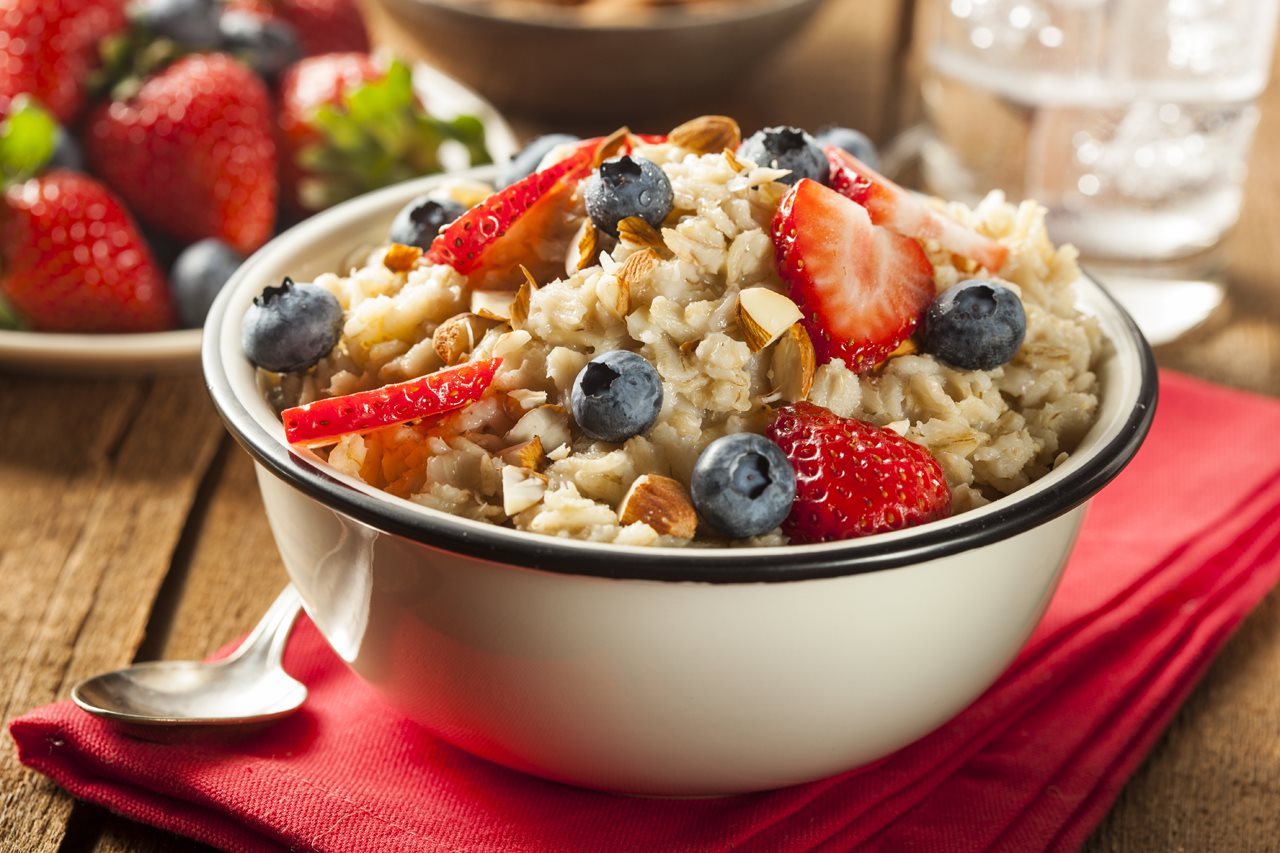
  • Oats
  • Barley/whole grains
  • Beans
  • Eggplant, okra
  • Vegetable oils
  • Apples, grapes, strawberries, citrus fruit
  • Soy (soy milk, soy beans, tofu)
  • Fatty fish (like salmon or tuna)

5. Supplement to help maintain cholesterol levels

Most people have trouble getting enough nutrients and fiber from foods they eat. To help balance your cholesterol levels and support your cardiovascular and circulatory systems, 1MD Nutrition has created CholestMD®, which contains Bergavit® — a trademarked ingredient derived from bergamot oranges that supports cardiovascular health and healthy blood lipid levels already within the normal range; as well as niacin, which promotes healthy triglyceride levels. Its new improved formula now contains olive leaf extract, which supports healthy circulation and arterial health by aiding in blood lipid level equalization, plus garlic bulb extract, which supports maintenance of healthy blood lipid levels to aid arterial blood flow and cardiovascular health.

“I was drawn to cardiology because so many heart conditions in the world are avoidable,” said Shenkman. “I have a strong appreciation for the benefit a healthy lifestyle provides for cardiovascular conditions. But when it comes to proactive heart care, comprehensive cholesterol support such as that provided by the ingredients in CholestMD® is essential.”

Learn more about how to support your cholesterol and heart health at 1MD.org.

Addressing the Urgent Need for Patients Living with Rare Lung Disease

2023-02-01T08:01:00

(BPT) – Although considered “rare,” idiopathic pulmonary fibrosis (IPF) impacts approximately three million people worldwide. With symptoms like breathlessness during activity, a dry and persistent cough, chest discomfort, weakness, or tiredness that can make everyday tasks exhausting, IPF is one of the most common forms of progressive interstitial lung diseases (ILD) – a category of over 200 lung disorders that can cause scarring of the lungs and may become life-threatening. The disease may also present a physical, mental, and emotional burden that can affect patients and their loved ones.

While current approved treatments for people living with IPF and other progressive fibrosing ILDs can help slow progression of the disease, new therapies are needed to help potentially stop damage that cannot be reversed.

New Research Underway

Fortunately, there is new research underway for an investigational treatment to see if it is safe and effective in adults with IPF and other progressive forms of ILDs. These trials are part of Boehringer Ingelheim’s global Phase III FIBRONEER™ program and were developed with feedback from healthcare providers, caregivers, and patients to best meet the needs of those living with the disease.

Boehringer Ingelheim is searching for adults with progressive fibrosing ILD to join this clinical research study. If you or your loved ones are interested, visit FIBRONEER-IPF.longboat.com and FIBRONEER-ILD.longboat.com for more details.

Physician Anesthesiologists Ensure the Highest-Quality Care for Our Nation’s Veterans

2023-01-31T11:33:00

(BPT) – Nine out of 10 Americans agree: the nation’s Veterans deserve nothing less than the highest-quality health care. Yet a proposal by the U.S. Department of Veterans Affairs (VA) risks lowering their standard of care by replacing highly trained physician anesthesiologists with nurses in surgery.

Surgery is inherently dangerous, and VA’s proposal could deny Veterans access to the same standard of care available for 95% of Americans, which requires the involvement of a physician in anesthesia care to ensure a patient’s health and safety.

During Physician Anesthesiologists Week, Jan. 29-Feb. 4, the American Society of Anesthesiologists (ASA) is asking Americans to help protect Safe VA Care. Michael W. Champeau, M.D., FASA, ASA president, explains the proposal, and how it could put our Veterans at risk.

Q: How does VA’s proposed change to anesthesia care impact Veterans?

A: Physician anesthesiologists currently work shoulder to shoulder as peers with VA’s surgeons to keep Veterans safe in surgery and ensure the best outcomes from a procedure. VA’s new National Standards of Practice would eliminate physician anesthesiologists and the proven team-based model of anesthesia care — where physician anesthesiologists supervise nurse anesthetists — with a nurse-only model. Replacing highly trained physician anesthesiologists with nurses in surgery is potentially dangerous, especially for Veterans. Many Veterans may be older, sicker and have conditions associated with military service, such as Agent Orange and burn pit exposure, which puts them at greater risk for complications during surgery.

Q: Why is VA proposing this change?

A: According to ASA, “There are currently no anesthesiology workforce or access issues and absolutely no need to replace VA’s longstanding patient safety policy for anesthesia care. There is no reason to propose this change to advance a solution to a problem that doesn’t exist, would harm the lives of Veterans and is not supported by research, since the data clearly shows that anesthesia is safest when a physician anesthesiologist is involved.”

VA also has provided anesthesia care under the team-based model for decades and in 2017 reaffirmed this standard of anesthesia care after an exhaustive, multiyear review. The review collected a record-breaking number of public comments — more than 200,000, including 25,000 comments from Veterans and their families — to the Federal Register to keep the physician-led anesthesia model.

Q: What is the difference between a physician anesthesiologist and a nurse anesthetist?

A: Physician anesthesiologists have twice the education and five times the hours of clinical training of nurse anesthetists. They receive 12 to 14 years of education, including medical school, and 12,000 to 16,000 hours of clinical training to specialize in anesthesia care and pain control, with the necessary knowledge to understand and treat the entire human body. Nurse anesthetists are qualified members in the Anesthesia Team Model, but they can’t replace a physician. They did not attend medical school and have only 2,500 hours of clinical training.

Q: How does VA’s proposed changes in anesthesia care compare to the standard of care available for most Americans?

A: All of the U.S. News and World Report top-rated hospitals in our country use the team model of anesthesia care with oversight by anesthesiologists, which also is the standard of the World Health Organization (WHO). This level of care also is required by laws in nearly every state.

Q: What research is available to support the importance of physician-led anesthesia care?

A: Independent research, including VA’s own research, supports the importance of physician oversight in Veterans’ anesthesia care. No independent studies show nurse anesthetists can ensure the same safety and outcomes in surgery as physician anesthesiologists. Research also shows that eliminating physician-led care does not improve access or save medical costs.

Q: How can Americans help protect Veterans’ health and safety?

A: Visit SafeVACare.org to submit a comment to the Federal Register on the importance of maintaining safe, high-quality physician-led anesthesia care for our nation’s Veterans.

“VA’s proposal unfairly lowers the standard of care for our veterans and it’s clear that no science or necessity supports a change,” said Dr. Champeau. “Our veterans deserve nothing but the best health care. That’s why we’re telling VA to stop this risky plan.”

Probiotics, Prebiotics, Postbiotics, Oh My! Why Your Wellness Routine Isn’t Complete Without a Postbiotic

2023-01-31T08:15:00

(BPT) – The start of a new year has many people thinking about their health, reflecting on ways they can improve their overall well-being. At the top of that list, consumers are still prioritizing and highly attuned to the resiliency of their immune system — not just during the fall and winter months but year-round. However, more aware of how all aspects of health impact one another, consumers are taking a holistic approach to their health journey — augmenting a healthy lifestyle with preventive measures, like adding in wellness supplements and vitamins, to maximize overall wellness and keep immune health an everyday priority.

Since 70% of our immune system is in our gut, it’s no surprise that these two systems are so critically intertwined, but it can be hard to meet your immune system’s needs through conscious food choices alone. Over the years, probiotics and prebiotics have continued to skyrocket in popularity as consumers aim to bolster their bodies’ defenses. While this approach is a step in the right direction, it can be confusing to know where to start with these supplements, and consumers are also leaving out a key component that plays such a vital role in creating and maintaining a healthy immune system — postbiotics.

To help break it down, we spoke with Registered Dietitian Kelly Springer about the differences between probiotics, prebiotics and postbiotics, as well as the importance of utilizing all three in a multi-pronged approach to creating a well-balanced and complete immune-boosting routine:

What are probiotics?

Probiotics are microorganisms that increase the amount of good bacteria in your gut. They aid in digestion, improve nutrient absorption and can help fight cells that cause disease. These are naturally occurring in the body and certain foods and drinks — like milk, yogurt, kefir, kombucha — are good sources of probiotics, but these can also be found as powder and pill supplements to help you meet your daily intake goals. The healthier your gut microbiome, the healthier you are.

How are prebiotics different from probiotics?

Prebiotics are compounds found in food — like fibers and starches from fruits and veggies — that you can’t digest. They provide the fuel needed for your gut’s good bacteria to grow. Essentially, probiotics and prebiotics work together — and are often most effective when taken together in what’s known as microbiome therapy. Prebiotics reinforce the work probiotics do in providing your body’s first line of defense against ailments, aiding in digestion and more.

So, then, what’s a postbiotic?

Postbiotics are particularly unique in that they are produced through a natural fermentation process, outside of the body. Derived from a natural ingredient such as yeast or bacteria, the fermentation process does not filter anything out. The resulting postbiotic is a rich combination of vitamins, nutrients, amino acids and antimicrobial peptides geared to provide a health benefit for your immune system.

It is important to note that not all postbiotics are created equal. In fact, each is unique based on the microorganism, the fermentation medium and method used, and the post fermentation process. EpiCor postbiotic, one of the most well-known postbiotic ingredients on the market, is derived from the fermentation process of baker’s yeast (Saccharomyces cerevisiae). EpiCor is rich with metabolites scientifically proven to strengthen the body’s defenses and activate the immune response within two hours. When taken daily, it acts like a vitamin for your immune system — which is why your wellness routine is never complete without it.

How to incorporate a postbiotic into your day-to-day

Today, a majority of consumers (69%) measure a strong immune system by how quickly they recover from illness and the ability to maintain high energy levels. My secret to ensuring I’m getting enough postbiotics every day to keep my immune system in peak condition? I always have Wedderspoon’s Manuka Honey Lozenges with EpiCor on hand. They’re unlike anything I’ve ever tried. They deliver such a fast-acting and powerful immune boost thanks to EpiCor, Zinc, Vitamin C and the beneficial nature of genuine New Zealand Manuka Honey working together. They’re delicious little drops that I can take on the go, keep at my desk or sneak into my kids’ lunches for a midday pick-me-up — my family loves the Elderberry and Lemon Ginger flavors the most!

More than half the cells that create antibodies for fighting sickness are in the gut. By keeping up with your daily probiotics and prebiotics but also adding in a postbiotic, like EpiCor, as a part of your routine, you’re giving your immune system everything it needs to keep you healthy and ready to tackle whatever the year ahead brings.

New year, new habits: Kick off 2023 with these 4 healthy cooking tips

2023-01-30T02:01:00

(BPT) – The beginning of the year is a great time to start new habits, especially if one of your New Year’s resolutions is to get healthier in 2023. One area you can focus on is your cooking habits.

“What you cook and eat can hugely impact your health,” said Anthony Serrano, a GoodCook Culinary chef. “It may seem intimidating at first, but cooking at home with quality, healthy ingredients is easier than you think. Once you get the basics down, you can create cooking habits that will keep you healthy this year and beyond.”

Are you ready to jump-start your New Year’s health resolution? Check out these four helpful cooking habits that will make it easy to invest in your well-being in 2023.

1. Cook more, eat out less

A great habit to get into this new year is cooking more at home and cutting down on eating out. You’ll save money and get used to making delicious and nutritious meals at home and reserve eating out as a treat.

If you’re new to cooking and need a versatile pan, check out the GoodCook Pro Ease Sauté Pan. This 11-inch nonstick pan is designed with home cooks in mind and is ideal for searing steaks and chicken, sauteing vegetables and simmering sauces. Make one-pot meals or more complex dishes with just one dishwasher-safe pan.

2. Meal prep to manage portions

Meal prepping makes choosing healthy, homemade meals easier and can also help you manage your portions. If you are new to meal prepping, you’ll need to invest in storage containers to store and organize your food in the fridge and have it ready when you’re heading out the door.

A great option is the GoodCook EveryWare Storage Containers. Each container in this 20-piece food storage set features measurements along the sides, providing the exact amount of food stored inside and making portioning a breeze.

3. Restock your pantry with healthy staples

Stock your pantry with healthy, filling options for cooking and snacking. Buy brown rice, oats and whole wheat cereals, breads, pastas and crackers, which keep you full longer and are full of high fiber, known to help with cholesterol, insulin and blood pressure.

Don’t forget to stock up on healthy fats like coconut oil, ghee and olive oil for cooking. These fats add flavor to any recipe and offer many health benefits.

4. Incorporate healthy ingredients into your diet

The biggest advantage of cooking at home is controlling which ingredients go into your meals. Opt for foods and ingredients that are healthy and tasty.

As mentioned above, you can choose healthy oils and grains to incorporate into your diet. One that you may not think of when it comes to healthy ingredients is garlic. This aromatic vegetable is a popular flavoring in cooking and can be used whole, chopped or crushed into any dish. Using a tool like the GoodCook Easy Peel Garlic Press makes it easy to remove garlic skin and mince cloves in one easy motion.

According to Healthline, garlic contains several important nutrients like vitamin B-6, vitamin C and fiber. It’s also known for protecting against illnesses like the common cold, reducing blood pressure and improving cholesterol.

Healthy cooking doesn’t have to be difficult. Using these four tips, you’ll set yourself up for better cooking habits and healthier meals in 2023.

Where’s The Bathroom? Why People with Ulcerative Colitis Need To Plan Ahead

2023-01-20T05:01:00

(BPT) – Sponsored by Lilly USA, LLC

Understanding Inflammatory Bowel Disease

Have you ever had the sudden need to use the bathroom, yet none were nearby? Many of us have experienced this due to food poisoning or feeling sick, but the immediate need for a bowel movement, known as bowel urgency, can be particularly disruptive for people with ulcerative colitis (UC)2,3,7,8.

The CONFIDE (Communicating Needs and Features of IBD Experiences) Study – conducted by Eli Lilly and Company – has uncovered surprising statistics about the impact on those living with moderately-to-severely active UC by evaluating healthcare provider and patient experiences. Notably, this study found nearly 70% of adult American participants with moderately-to-severely active UC reported wearing diapers or pads at least once a month in the past three months due to fear of a bowel urgency-related accident6.

To understand the burdens of inflammatory bowel disease (IBD), a broad term used to identify chronic conditions of the digestive tract, such as UC and Crohn’s disease (CD), it’s important to understand its impact1. IBD affects nearly 7 million people globally, disrupting one’s daily life with debilitating symptoms such as stomach pain, diarrhea, bowel urgency and bowel urgency-related accidents, known as urge incontinence1-5. According to the Crohn’s & Colitis Foundation, a non-profit, volunteer-fueled organization dedicated to finding cures and improving the lives of people living with UC and CD, IBD diagnosis is most common for adolescents and young adults between ages 15 and 35.

Images used for illustrative purposes only.

The Impact of IBD Symptoms

For those living with UC, bowel urgency can strike at any moment, making it difficult to find a bathroom in time. The anticipation of an accident may cause individuals with UC to become hyper-aware of bathroom locations, pack extra clothing or protection when leaving home, or decline participation in social events.

“I consider myself to be a planner,” said Sophia, a patient advocate with UC. “But when experiencing a flare up of my ulcerative colitis, planning can feel impossible, especially with all of the bathroom breaks. Your body doesn’t care about your plans.”

In addition to social activities, the CONFIDE study revealed the most common reasons for declining participation in work, school and physical exercise among respondents with moderately-to-severely active UC were bowel urgency and fear of urgency-related accidents6. Although these symptoms can make it more difficult for people with IBD to work, travel and spend time with others, many still find it embarrassing to discuss their symptoms with their families and even their healthcare providers.

Organizations like the Crohn’s & Colitis Foundation strive to reduce the stigma around IBD in an effort to make conversations about bowel urgency easier. “Despite the embarrassing symptoms and often acute pain, IBD is all too often invisible, as people living with the disease can look healthy. This can make them feel misunderstood and unsupported,” said Laura Wingate, Executive Vice President, Education, Support, & Advocacy at the Foundation. “We want to ensure all people living with these conditions feel educated and empowered to discuss their most stress-inducing and embarrassing symptoms openly.”

Images used for illustrative purposes only.

Resources to Help You Take Control of Your Disease

For people living with UC, the stress and anxiety of urgency-related accidents can take a toll on their well-being. “It can make focusing on your job or getting things done really difficult,” Sophia said. “It’s common to be pulled away from whatever you might be working on to use the restroom.”

While the symptoms of UC can be difficult both physically and emotionally, there are resources to help people with IBD take control of their disease. The Foundation works with municipalities and business owners across the United States to promote the Open Restrooms Movement, which encourages local establishments to allow public access to restrooms. As a part of this movement, the Foundation has created a mobile app called “We Can’t Wait” that locates publicly accessible bathrooms and identifies sympathetic establishments in the event of an unexpected or urgent need to find a restroom.

“We are committed to raising awareness of how the debilitating symptoms of ulcerative colitis, such as bowel urgency, can impact one’s overall emotional well-being,” said Wingate. “With findings from the CONFIDE study further emphasizing the burden people living with IBD face, we encourage everyone to become self-advocates and learn more about the impact of these symptoms.”

From Sophia’s experience, being open and honest with her healthcare team about her feelings and symptoms has been an empowering step in her disease journey. “Take control of the conversation,” she says. “Your medical team has heard it all, seen it all and smelled it all. Your ulcerative colitis doesn’t have to be – and shouldn’t be – a secret.”

For more information, visit Lilly’s website, Let’s Talk Urgency, which provides specific resources on bowel urgency and tools to inspire better dialogue between patients and healthcare providers.

More information on the CONFIDE Study can be found at Lilly.com.

References

  1. Alatab, S., Sepanlou, S. G., Ikuta, K., et al. (2020). The global, regional, and national burden of inflammatory bowel disease in 195 countries and territories, 1990–2017: a systematic analysis for the Global Burden of Disease Study 2017. The Lancet gastroenterology & hepatology, 5(1), 17-30.
  2. Newton L, Randall JA, Hunter T, et al. A qualitative study exploring the health-related quality of life and symptomatic experiences of adults and adolescents with ulcerative colitis. J Patient Rep Outcomes. 2019;3(1):66. doi:10.1186/s41687-019-0154-x.
  3. Buchmann P, Kolb E, Alexander-Williams J. Pathogenesis of urgency in defaecation in Crohn’s disease. Digestion. 1981;22:310-316.
  4. Petryszyn PW, Paradowski L. Stool patterns and symptoms of disordered anorectal function in patients with inflammatory bowel diseases. Adv Clin Exp Med. 2018;27(6):813-818.
  5. US Department of Health and Human Services, US Food and Drug Administration, Center for Drug Evaluation and Research. Ulcerative Colitis: Clinical Trial Endpoints. Guidance for Industry [Draft Guidance]. Rockville, MD: US Food and Drug Administration; 2016.
  6. Schreiber S et al. UEGW 2022 Poster presentation #963
  7. Dibley L, Norton C. Experiences of fecal incontinence in people with inflammatory bowel disease: self-reported experiences among a community sample. Inflamm Bowel Dis. 2013; 19(7):1450-1462. doi:10.1097.MIB.0b013e318281327f
  8. Carpio D, López-Sanromán A, Calvet X, et al. Perception of disease burden and treatment satisfaction in patients with ulcerative colitis from outpatient clinics in Spain: UC-LIFE survey. Eur J Gastroenterol Hepatol. 2016;28(9):1056-1064. doi:10.1097/MEG.0000000000000658


Get Your Skin Clear for the New Year with an Award-Winning Acne Treatment

2023-01-18T05:01:00

(BPT) – If an acne-free complexion is one of your New Year’s resolutions, you’re in luck! There’s a revolutionary award-winning treatment that influencers, beauty experts and leading dermatologists are buzzing about.

Introducing AviClear™, the acne treatment that was awarded “Best Laser Treatment for Acne” by Cosmopolitan Magazine and “The Future of Beauty” by Elle Magazine. AviClear is the first and original FDA-cleared energy device for the treatment of mild, moderate and severe acne.

The AviClear technology features a 1726 nm wavelength laser that safely and effectively treats acne at the source by selectively targeting and suppressing the sebaceous glands1 (oil glands), in just a few treatments. The results from a series of treatments are redefining what is possible without prescription medications or harmful side effects.1,2

“AviClear takes acne treatments to the next level. The technology works to significantly eliminate acne in three quick 30-minute treatment sessions spaced one month apart.2 This is a real game changer for anyone who has suffered from chronic breakouts,” says Dr. Karen Grossman, founder of Grossman Dermatology in Santa Monica, CA, and New York City.

The lesions will continue to clear after the final treatment, with a significant reduction in acne over time.2 “There is virtually no downtime, although some patients may experience mild redness or irritation right after the treatment that subsides quickly. Our patients consider AviClear to be an investment in their skin,” she says.

What’s more, AviClear was designed to provide optimal comfort and safety for patients of all skin tones through exclusive contact cooling technology. Clinical studies also reveal that AviClear is a long-term resolution to acne with 92% of patients seeing an improvement in their skin after their final treatment session.3

According to Dermatologist Dr. Gary Goldenberg of Goldenberg Dermatology in New York City, “By selectively targeting and suppressing the sebaceous glands that cause breakouts, a series of treatments with AviClear can make breakouts less frequent and less intense.”2

“Most acne sufferers can greatly benefit from the AviClear technology. Our patients are seeing excellent results that continue to improve after each treatment session. It is also a good alternative for those who want to avoid taking prescription oral or topical medications that may have unwanted side effects,” Dr. Goldenberg explains.

Find out if this breakthrough acne treatment is right for you by scheduling a consultation with an AviClear provider near you at aviclear.com.

1. Bhatia K, Williams HC. Epidemiology of acne vulgaris. Br J Dermatol. 2013;168(3):474-485.

2. Data on file. Cutera, Inc.

3. Data on file. FDA clearance study. Cutera, Inc. (12 months after final treatment)