Get the Facts: Things to Know About Prostate Cancer and a Treatment Option

2022-11-30T13:09:38

(BPT) – This content is sponsored and provided by Myovant Sciences and Pfizer Inc.

Did you know that men are less likely to go to the doctor than women? A study conducted by the U.S. Centers for Disease Control in 2018 found that nearly a quarter of men had not seen a doctor in the past year – while only half as many women reported the same. Some men may try to “tough it out” when they have an issue, rather than seeking help, but it is important to receive regular preventative care and manage any new or existing conditions in order to stay healthy. In addition to taking stock of your own health, it’s also a good idea to check in with the men in your life to make sure they’re taking care of themselves.

Take a few moments to review the following five frequently asked questions about prostate cancer to ensure you have a few key facts about this surprisingly common and potentially serious disease – including what you can do if you or a loved one is diagnosed.

1. How common is prostate cancer?

Approximately one in eight men will be diagnosed with prostate cancer in their lifetime. Prostate cancer is the most common form of cancer in American men, other than skin cancer, and is the second leading cause of cancer death for men in the U.S. The American Cancer Society estimates that there will be about 268,000 new cases of prostate cancer in 2022.

Risk factors for prostate cancer include older age (most commonly after age 65), race, family history and genetic factors.

2. Who should be screened for prostate cancer?

The American Urological Association (AUA) prostate cancer screening guidelines suggest men 55 to 69 years old have a discussion with their doctor about whether to get screened for prostate cancer. Men with a family history of prostate cancer and Black men may be at a higher risk for prostate cancer and can talk to their doctor about getting screened at an earlier age.

3. What can you do if you or a loved one is diagnosed with prostate cancer?

When someone is diagnosed with prostate cancer, they should talk to their doctor, who will work with them to assess their personal situation and determine how to help manage the disease. Some patients may feel overwhelmed, so it is important they take time to absorb the information their doctor shares with them. Asking any questions that come to mind is also crucial in order for patients to feel confident about their path forward.

Additionally, coping with a serious condition like cancer can take an emotional toll on the individual patient, so it is important for patients to take care of their mental health. Receiving a diagnosis of cancer can cause a range of feelings including disbelief, fear, anger, anxiety, and depression. Many prostate cancer patients experience severe levels of depression, which can negatively affect their treatment progress and disease course. Adding to this, prostate cancer may be seen as a private disease, which can be emotionally isolating.

Support from friends and family is also incredibly important, so if one of your loved ones has been diagnosed with prostate cancer, know there are many resources that can help you learn how to best support them.

4. What does it mean for prostate cancer to become advanced?

Prostate cancer is considered advanced if it is recurrent (meaning it has returned after initial treatment), locally advanced (meaning it has spread to tissues near the prostate) or metastatic (meaning it has spread to other parts of the body).

Some men with advanced prostate cancer may experience problems passing urine or may see blood in their urine. Some may also feel tired, weak or lose weight. However, some men with advanced prostate cancer may not have any signs or symptoms. While advanced prostate cancer cannot be cured, there are ways to treat it, once detected.

5. What are some potential treatment options?

If prostate cancer is detected, healthcare providers may suggest different treatment options based on the results of test findings, the stage of the cancer, and the patient’s overall health. It’s important for patients to work with their doctors to understand and assess each option and determine what is best for them.

For advanced prostate cancer, first-line treatment often includes androgen deprivation therapy (ADT), which can lower levels of testosterone – a hormone that most prostate cancer needs to grow. One ADT option is ORGOVYX® (relugolix), the first and only oral gonadotropin-releasing hormone (GnRH) receptor antagonist prescription medicine used in adults for the treatment of advanced prostate cancer. Unlike other forms of ADT, ORGOVYX is a pill, not an injection. Please see Important Safety Information below and full Prescribing Information and Patient Information for ORGOVYX. For more information about ORGOVYX, visit www.ORGOVYX.com.

IMPORTANT SAFETY INFORMATION AND USE

What should I tell my healthcare provider before taking ORGOVYX?

Tell your healthcare provider about all of your medical conditions, including if you:

  • Have any heart problems, including a condition called long QT syndrome.
  • Are pregnant or plan to become pregnant. ORGOVYX can harm your unborn baby and cause loss of pregnancy (miscarriage).
  • Have a partner who is pregnant or may become pregnant.
    • Males who have female partners who are able to become pregnant should use effective birth control (contraception) during treatment with ORGOVYX and for 2 weeks after the last dose of ORGOVYX.
  • Are breastfeeding or plan to breastfeed. It is not known if ORGOVYX passes into your breast milk.

Tell your healthcare provider about all the medicines or treatments you receive, including: prescription and over-the-counter medicines, vitamins, and herbal supplements. Taking ORGOVYX with certain other medicines can affect how ORGOVYX works or may cause side effects.

You should not start or stop any medicine before you talk with your healthcare provider who prescribed ORGOVYX.

What are the possible side effects of ORGOVYX?

Serious side effects of ORGOVYX include:

  • Changes in the electrical activity of your heart (QT prolongation). Your healthcare provider may check your body salts (electrolytes) and the electrical activity of your heart during treatment with ORGOVYX. Tell your healthcare provider right away if you get any signs or symptoms of QT prolongation, including:
  • dizziness
  • fainting
  • feeling that your heart is pounding or racing (palpitations)
  • chest pain

Most common side effects of ORGOVYX include:

  • hot flushes
  • increased blood sugar levels
  • increased blood fat (triglyceride) levels
  • muscle and joint pain
  • decreased blood hemoglobin levels
  • increased liver enzymes
  • tiredness
  • constipation
  • diarrhea

ORGOVYX may cause other side effects including weight gain, decreased sex drive, and erectile function problems.

ORGOVYX may cause fertility problems in males, which may affect your ability to father children. Talk to your healthcare provider if this is a concern for you.

These are not all the possible side effects of ORGOVYX. Call your doctor for medical advice about side effects or if you have a side effect that bothers you or does not go away.

You may report side effects of prescription drugs to the FDA. Visit www.fda.gov/medwatch or call 1-800-FDA-1088.

What is ORGOVYX?

ORGOVYX is a prescription medicine used in adults for the treatment of advanced prostate cancer.

It is not known if ORGOVYX is safe or effective in females or children.

Managing Life With COPD [Infographic]

2022-11-29T15:07:00

(BPT) – While COPD is a progressive and serious disease, it can be treated. There are steps that people with COPD can take to better manage their condition as they continue to live their lives.

Viatris and Theravance are dedicated to providing resources and information to those living with COPD, as they manage their daily challenges. To learn more about the COPD community and to access additional resources, visit TheCOPDFacts.com.

Three Myths That Might Be Standing Between You and the Right COPD Therapy

2022-11-29T13:25:00

(BPT) – Chronic obstructive pulmonary disease (COPD) is a progressive lung disease that gradually makes breathing difficult — especially as the disease progresses. If you (or someone you love) are one of the nearly 16 million people in the United States currently living with COPD, you may have misperceptions about the disease and how to manage the symptoms.

“COPD can be devastating over time — leading to inflammation, mucous, and narrowing of the airways in the lung, for those living with the condition,” said Kim Gilchrist, M.D., Medical Director, Viatris.

“There are various ways that those suffering with COPD can manage symptoms, but first, it is important to address any obstacles and roadblocks to care,” added Dr. Gilchrist. “One potential challenge is misinformation that might be keeping those with COPD from finding the right treatment for them.”

Below are three common myths around COPD treatment and tips for helping you better manage your breathing with COPD:

MYTH #1: Handheld inhalers are the only available treatment option for COPD

Handheld inhalers are helpful as quick acting “rescue inhalers” to relieve shortness of breath. Other inhalers may also be available in the form of long-acting daily maintenance therapy. Both forms are effective options for reducing symptoms and are compact, so can be taken on-the-go. Another potential treatment option is medication delivered by a nebulizer. This device discharges a fine mist that can be inhaled into the lungs either through a mouthpiece or face mask, while allowing for normal breathing. This option may be preferred for individuals who have trouble coordinating deep breathing while receiving medication in a handheld device.

MYTH #2: Using a nebulizer daily is only needed if you have a severe case of COPD

When it comes to managing COPD, it’s important for you to have an individualized care plan. Some factors that may influence the treatment you choose include family history and genetics; long-term exposure to other inhaled irritants or secondhand smoke; and having other lung diseases, such as asthma or bronchitis. When exploring options, remember that nebulized medicines can be used daily as maintenance therapy to control many COPD symptoms, regardless of severity or disease progression. However, you may still want to carry a rescue inhaler for more difficult breathing periods.

MYTH #3: You should stick with your prescribed handheld inhaler, even if your symptoms are worsening

You should always share any changes in symptoms or side effects with your doctor. Prior to an appointment, prepare any questions and what you hope to achieve at the appointment. When it comes to COPD, you should feel empowered to be your own personal advocate — helping to take control and feel more confident with the treatment journey. Whether or not an appointment is scheduled, reach out to your doctor immediately to discuss your medications or other treatment options, especially if your symptoms are worsening.

There are many types of medicines for COPD — each with its own benefits and risks. Be sure to check in with your doctor regularly to discuss your COPD and whether your current treatment is still right for you. Likewise, do not change your treatment regimen without first consulting your doctor.

To learn more about COPD, visit TheCOPDFacts.com, which provides important information about treatment options. Also visit the Myth-Understood Facebook page to watch a live video, featuring insights from medical experts in COPD treatment and management.

###

Dr. Kim Gilchrist is a Medical Director at Viatris and a board-certified internist supporting medical education for patients with COPD and chronic respiratory diseases. Viatris is a global pharmaceutical company whose mission is to empower people worldwide to live healthier at every stage of life.

Breathless: Living with pulmonary arterial hypertension

2022-11-22T07:01:00

(BPT) – Provided by Merck.

When Colleen was 35, her life was going exactly as she’d planned. She had a management position in a large company that she loved and was thrilled to be expanding her family with her husband after giving birth to her second child.

But shortly after, she noticed something wasn’t right as she became out of breath after little effort or exercise. When she didn’t feel any better a year later, she went to see her doctor about it. And that’s when her medical journey began.

Her primary care doctor initially diagnosed her with asthma, but Colleen found herself getting worse, not better, as the years went by. After two and a half years of escalating asthma and COPD medications, her primary doctor finally referred her to a cardiologist.

After some tests, the cardiologist shared difficult news. He told Colleen she had pulmonary arterial hypertension (PAH), a rare, progressive (worsening over time) disease that often leads to limited physical activity, heart failure and reduced life expectancy due to the heart’s inability to deliver sufficient blood to the lungs. Most people have no known family history of the disease.

“It took so many years and doctors to figure out why I was so sick. When I finally learned it was PAH, I had no idea what it meant,” said Colleen. “I was only 38 when I read that I had only a few years to live. I’ll never forget that. By that point, my oldest was 7 years old and my youngest was 3 years old so I was so worried for them and my husband. It’s now been 15 years since my diagnosis, and I’ve been able to manage it thanks to excellent care. I’m so grateful to be alive.”

While some people with earlier stages of PAH often do not look outwardly sick to others, Colleen wants others to know that having this condition is not easy. The lives of people with PAH may change dramatically due to the physical burden created by PAH. They may also experience financial burdens, unemployment or social isolation.

“As my disease progressed, I had to make lifestyle changes. I couldn’t make it to the sidelines of a baseball field to watch my son play in a game,” said Colleen. “I was truly relegated to living on the sidelines myself. Eventually I had to leave my career to focus on my survival.”

Leaning on a support system of loved ones helped Colleen cope, in addition to working with her doctor. Since her diagnosis, Colleen has dedicated her life to helping people with PAH and raising awareness of the disease.

“Whatever others can do to lift up the community and spread awareness of this devastating disease is appreciated.”

Copyright © 2022 Merck & Co., Inc., Rahway, NJ USA, and its affiliates. All rights reserved.

Diagnosed with liver cancer? Baseball legend Bernie Williams shares tips on liver health

2022-11-21T07:01:00

(BPT) – A liver cancer diagnosis can be overwhelming. Navigating this complex and often misunderstood disease can be challenging and, like many others before them, the more than 40,000 Americans who will be diagnosed this year may feel stigmatized, lost and alone. Some people living with liver cancer may even feel discouraged or uncomfortable seeking medical care. Ultimately, it’s more important than ever for anyone impacted by liver cancer to be empowered to take action by understanding more about this disease, finding support, and maintaining a healthy lifestyle.

To help raise awareness about liver cancer and the importance of making simple daily adjustments to support liver health, baseball legend and Latin Grammy-nominated musician Bernie Williams teamed up with Blue Faery, the Global Liver Institute and Eisai Inc. to launch One Liver to Love. Through this initiative, anyone living with liver cancer can find information, educational resources and advocacy support services, as well as a sense of community. Check out this video to hear more from Bernie and learn about the four bases of liver health—nutrition, exercise, sleep and mental health—that are key to maintaining a healthy lifestyle with liver disease and liver cancer.

Just like in baseball, Williams also understands the importance of relying on a team for support. Having many family members impacted by liver disease, he knew it was crucial to provide emotional support and help them to maintain healthy lifestyle choices throughout their care. That’s why he joined the One Liver to Love program to help people living with liver cancer feel seen and inspire them to build their own support team roster.

“Liver disease is personal to me. It has impacted my mom, my uncle and my grandfather, and I’ve seen firsthand the difficulties and feelings that come with it,” said Williams. “Liver disease and liver cancer can disproportionately impact communities of color, so I’m glad to go to bat for the One Liver to Love initiative to encourage everyone to be proactive when it comes to liver health and help those affected by liver cancer feel seen and supported.”

“Liver cancer can be thought of as a disease within a disease, because most liver cancers occur in people with an underlying liver condition such as cirrhosis and viral hepatitis,” said Dr. Mark Lewis, MD, director, Gastrointestinal Oncology, Intermountain Healthcare, Salt Lake City, Utah. “The liver is a vital organ, so it’s crucial to focus on overall liver health. People living with liver cancer should turn to their health care team to better understand the disease, ways they can maintain a healthy lifestyle, and find a treatment plan that’s right for them.”

“Life may throw curveballs, but it’s important to remember you’re not alone and that there are steps you can take to be proactive about your liver health,” says Williams. “I hope that by understanding these four bases, turning to family and loved ones, and connecting with the liver cancer community as part of your team, you can feel empowered to cast aside stigma, seek support and hit a ‘home run’ for liver wellness.”

For helpful information, advocacy support and educational resources about liver disease and liver cancer, visit OneLiverToLove.com. You can also join the conversation online by using #OneLiverToLove on social media.

How One Woman’s Condition Impacted Her Style Choices

2022-11-18T09:31:00

(BPT) – *Gina is an actual SKYRIZI patient, compensated by AbbVie for sharing her story.

As a Texas native, Gina is no stranger to the scorching temperatures, which for most people means a wardrobe of short-sleeved shirts and shorts. But when Gina experienced a rapid onset of moderate to severe plaque psoriasis—a chronic, inflammatory skin condition that causes itchy, red, flaky and sometimes painful patches known as plaques to appear on the skin—she had no choice but to adjust her wardrobe.

Gina’s psoriasis plaques that covered the majority of her body dictated her style, so she covered them with long pants, boots and shirts that came up to her neck. Working in a high-profile role as a framing superintendent and estimator, where she spent most of her time outside, Gina’s wardrobe was often called into question by her coworkers. “The last thing I wanted was to bring attention to my plaques,” she remembers.

This, combined with the loss of her father, mother and beloved dog all within just over a year’s time, impacted Gina’s life.

“Most days, I would work, come home and sleep,” Gina says. “Especially in the beginning when my plaque psoriasis was getting worse, it was hard to think of much else but the plaques on my skin.”

After nearly a year of receiving advice from her family doctor, Gina knew it was time to see a dermatologist. While initially nervous because of the severity of her symptoms, Gina recalls feeling more comfortable once she met the dermatologist and his team.

“Immediately he was sympathetic and open to talk about everything,” Gina says. “Any question I had, he answered it. He was so open and honest, and always made me feel important and heard.”

Her dermatologist first prescribed topical treatments, but Gina didn’t experience the skin clearance she had hoped. So, she approached her dermatologist hoping to find a treatment plan that would meet her goals. Together, she and her dermatologist decided to try SKYRIZI® (risankizumab-rzaa), a biologic medicine for moderate to severe plaque psoriasis.

Within a few months, her plaques cleared up almost completely. Gina isn’t the only one who achieved clearer skin with SKYRIZI. In clinical trials, three out of four people achieved 90% clearer skin at four months after just two doses. Of those who achieved 90% clearer skin, nearly 9 out of 10 people sustained 90% clearer skin through one year. Additionally, nearly four out of 10 people achieved 100% clear skin at four months and nearly six out of 10 people achieved it at one year. Individual experiences may vary.

SKYRIZI is administered quarterly with four doses a year after two starter doses.

SKYRIZI may cause serious side effects, including:

  • Serious allergic reactions: Stop using SKYRIZI and get emergency medical help right away if you get any symptoms of a serious allergic reaction.
  • Infections: SKYRIZI may increase your risk of infections. Before starting treatment, your doctor should check you for infections and tuberculosis. Tell your doctor right away if you have an infection or symptoms of one.

Do not use SKYRIZI if you are allergic to risankizumab-rzaa or any of the ingredients in SKYRIZI.

Also, tell your doctor if you plan to or recently received a vaccine.

Gina embraced aspects of her life differently by no longer hiding her plaques and letting her condition influence her fashion choices. She even wore a green, ruffle-accented dress that showed off her legs where her plaques used to be and complemented her shoulders to a friend’s wedding.

“I get up and put on what I want to wear,” Gina shares, noting how she felt with people not asking as many uncomfortable questions about her skin. “The plaques on my skin are not the first thing that starts my conversations.”

Looking back, Gina wishes she hadn’t waited so long to see a dermatologist. “For me, seeking a specialist and second opinion was an important part of finding a treatment plan to help me achieve my goals,” she explains.

Preparing questions ahead of time, reading online resources and downloading a doctor discussion guide can also help people prepare to have a proactive conversation with their dermatologist. “Feeling heard is an important consideration when choosing a physician,” she adds. “No one deserves to feel alone or suffer in silence.”

Open and honest conversations with a dermatologist who specializes in treating plaque psoriasis may help people find a management plan that fits their lifestyle. Learn more about SKYRIZI here.

USE for SKYRIZI® (risankizumab-rzaa)
SKYRIZI is a prescription medicine used to treat adults with:

  • moderate to severe plaque psoriasis who may benefit from taking injections or pills (systemic therapy) or treatment using ultraviolet or UV light (phototherapy).

Important Safety Information

What is the most important information I should know about SKYRIZI® (risankizumab-rzaa)?

SKYRIZI is a prescription medicine that may cause serious side effects, including:

Serious allergic reactions:

  • Stop using SKYRIZI and get emergency medical help right away if you get any of the following symptoms of a serious allergic reaction:
    • fainting, dizziness, feeling lightheaded (low blood pressure)
    • swelling of your face, eyelids, lips, mouth, tongue, or throat
    • trouble breathing or throat tightness
    • chest tightness
    • skin rash, hives
    • itching

Infections:

SKYRIZI may lower the ability of your immune system to fight infections and may increase your risk of infections. Your healthcare provider should check you for infections and tuberculosis (TB) before starting treatment with SKYRIZI and may treat you for TB before you begin treatment with SKYRIZI if you have a history of TB or have active TB. Your healthcare provider should watch you closely for signs and symptoms of TB during and after treatment with SKYRIZI.

  • Tell your healthcare provider right away if you have an infection or have symptoms of an infection, including:
    • fever, sweats, or chills
    • cough
    • shortness of breath
    • blood in your mucus (phlegm)
    • muscle aches
    • warm, red, or painful skin or sores on your body different from your psoriasis
    • weight loss
    • diarrhea or stomach pain
    • burning when you urinate or urinating more often than normal

Do not use SKYRIZI if you are allergic to risankizumab-rzaa or any of the ingredients in SKYRIZI. See the Medication Guide or Consumer Brief Summary for a complete list of ingredients.

Before using SKYRIZI, tell your healthcare provider about all of your medical conditions,
including if you:

  • have any of the conditions or symptoms listed in the section “What is the most important information I should know about SKYRIZI?”
  • have an infection that does not go away or that keeps coming back.
  • have TB or have been in close contact with someone with TB.
  • have recently received or are scheduled to receive an immunization (vaccine). Medications that interact with the immune system may increase your risk of getting an infection after receiving live vaccines. You should avoid receiving live vaccines right before, during, or right after treatment with SKYRIZI. Tell your healthcare provider that you are taking SKYRIZI before receiving a vaccine.
  • are pregnant or plan to become pregnant. It is not known if SKYRIZI can harm your unborn baby.
  • are breastfeeding or plan to breastfeed. It is not known if SKYRIZI passes into your breast milk.
  • become pregnant while taking SKYRIZI. You are encouraged to enroll in the Pregnancy Registry, which is used to collect information about the health of you and your baby. Talk to your healthcare provider or call 1-877-302-2161 to enroll in this registry.

Tell your healthcare provider about all the medicines you take, including prescription and over-the-counter medicines, vitamins, and herbal supplements.

What are the possible side effects of SKYRIZI?

SKYRIZI may cause serious side effects. See “What is the most important information I should know about SKYRIZI?”

The most common side effects of SKYRIZI in people treated for plaque psoriasis and psoriatic arthritis include: upper respiratory infections, headache, feeling tired, injection site reactions, and fungal skin infections.

These are not all the possible side effects of SKYRIZI. Call your doctor for medical advice about side effects.

Use SKYRIZI exactly as your healthcare provider tells you to use it.

SKYRIZI is available in a 150 mg/mL prefilled syringe and pen.

Please see the Full Prescribing Information, including the Medication Guide, for SKYRIZI.

You are encouraged to report negative side effects of prescription drugs to the FDA. Visit www.fda.gov/medwatch or call 1-800-FDA-1088.

If you are having difficulty paying for your medicine, AbbVie may be able to help.
Visit
AbbVie.com/myAbbVieAssist to learn more.

Learn more about SKYRIZI at SKYRIZI.com.

Sponsored by AbbVie.

US-SKZD-220506

The power of caregivers: How one mom helped her son through a series of misdiagnoses

2022-11-17T11:01:00

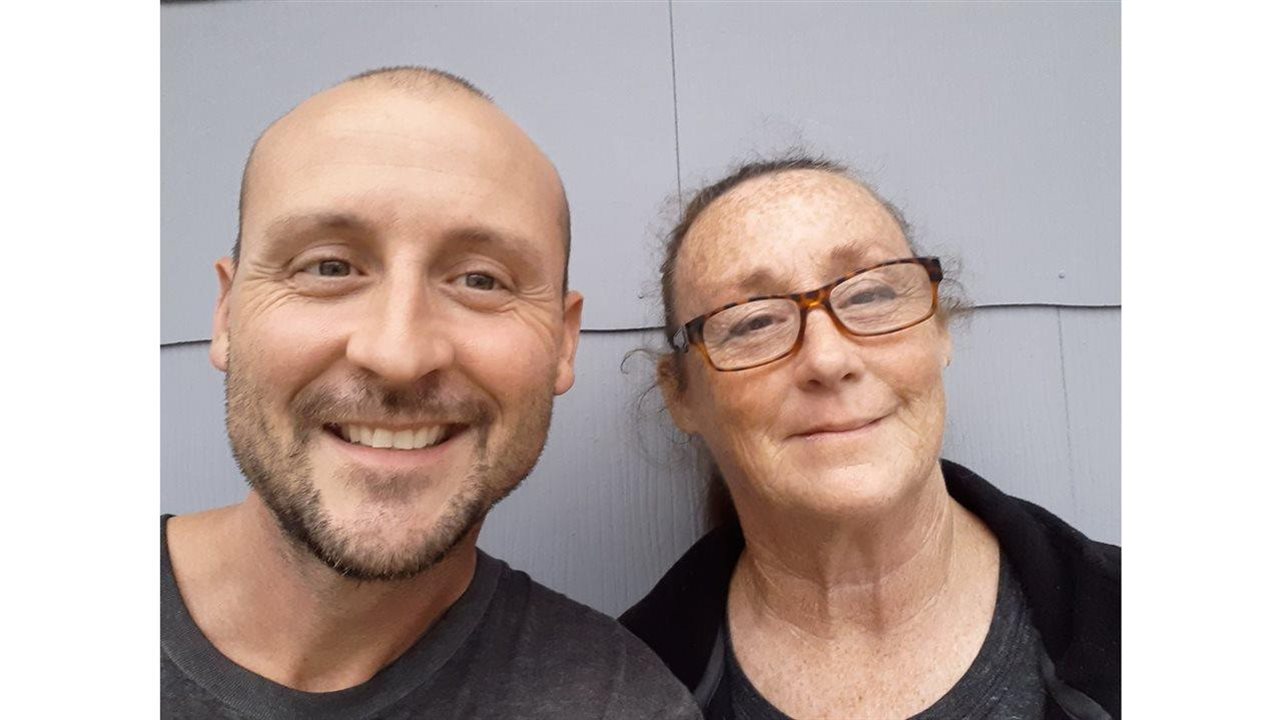
(BPT) – A mystery illness. Decades of unexplained pain and fatigue. A mother’s boundless love. This might seem like a description from a movie, but this is reality for Bryan Bosch who credits his mother’s support for helping him finally get answers about the rare disease disrupting many aspects of his life.

A childhood filled with illness

“Ever since I was little, I was always sick,” said Bryan. His childhood was plagued by illnesses, including a prolonged battle with a highly contagious infection and spending time in and out of hospitals searching for an explanation for Bryan’s poor health. For several years, doctors believed hyperthyroidism was the cause. In the meantime, Bryan struggled with things that his peers took for granted, having trouble holding objects and suffering from extreme tiredness.

“My mom is the first person who noticed something was not right,” said Bryan. “I started dropping stuff, and she said, ‘That’s not normal.’” Faced with these mysterious symptoms and desperate to get answers, Bryan’s mom knew she would have to take charge and advocate on behalf of her son to get him the care he needed. She started by watching him closely and writing down everything she noticed, including how his symptoms and behaviors changed.

The next decade was an incredibly difficult one for Bryan and his mom, as Bryan’s health continued to decline. He suffered from extreme pain and tiredness and experienced a range of symptoms that impacted his ability to study, work or fully live life. For some time, Bryan was unable to work because of his severe fatigue and chronic pain. His right eye drooped and he experienced double vision that prevented him from driving. He struggled with basic functions like chewing, swallowing and even breathing properly.

Throughout this time, Bryan was incorrectly diagnosed with a range of diseases that doctors believed might explain his symptoms. First, doctors thought he had multiple sclerosis (MS). Then he was told he had fibromyalgia. Next, he was diagnosed with ALS, also called Lou Gehrig’s disease, and was told to make end-of-life preparations.

“I was told I had ALS, but I didn’t believe it. It just didn’t make sense. My mom encouraged me to keep going back. She said I needed a new opinion. She would encourage me to [go back to] my specialists and primary doctor. She knew there was something missing,” he said.

Through this difficult period, Bryan’s mother was a constant source of support, assistance and courage, no matter how challenging his health became. With Bryan unable to drive himself, his mother took responsibility for getting him to his appointments. Once there, she helped him explain his symptoms and self-advocate to his health care team.

Thanks to the perseverance of his mom, after seeing seven different neurologists over a decade, Bryan finally got the answers he so urgently needed when he was correctly diagnosed with generalized myasthenia gravis (gMG).

“My mom knows me better than I know myself,” said Bryan. “I am so lucky to have her.”

What is generalized myasthenia gravis (gMG)?

Generalized myasthenia gravis (gMG) is a rare, chronic autoimmune disorder characterized by loss of muscle function and muscle weakness. The disease affects approximately 90,000 adults in the U.S., most commonly beginning for women before the age of 40 and for men after the age of 60.

Myasthenia gravis often begins with weakness in the muscles that control movement of the eyes and the eyelids, with droopy eyelids and double vision. These are some of the earliest symptoms patients experience, along with slurred speech and lack of balance. The disease often progresses into gMG, a more severe and generalized form. At this point, the muscle weakness may spread to the rest of the body and can cause more severe symptoms, including impaired swallowing, choking, extreme fatigue and respiratory failure.

Over three decades, Alexion has spearheaded pioneering research demonstrating the role of the complement system in certain rare diseases, including gMG, leading to innovative treatment advances. The complement system is a part of the immune system and is essential to the body’s defense against infection. But when the system is thrown out of balance, a dangerous, uncontrolled series of reactions occurs, where cells and tissues are attacked, resulting in harmful inflammation and the destruction of healthy cells. In gMG, the complement system can inappropriately cause the immune system to attack the neuromuscular junction (NMJ), a connection point between nerve cells and the muscles they control. Clinical studies conducted by Alexion in patients with gMG have shown that inhibiting the complement system can prevent the body’s attack on the NMJ, reducing damage and helping prevent the breakdown in communication between the brain and muscles.

Bryan’s message for others

No matter the ups and downs of his personal health journey, there was one steadfast positive factor for Bryan: his incredible mom. November is National Family Caregivers Month, a time to recognize and honor the important role caregivers play in helping loved ones manage their health. Being a caregiver can be challenging in many ways, including mentally, physically and financially. But their dedication changes lives, and they deserve the utmost gratitude and appreciation.

Correctly diagnosed at age 35, Bryan is grateful to finally have answers for what he’s been experiencing — and he encourages others in similar situations to keep searching for an accurate diagnosis and lean on their loved ones for support.

“My mom continues to help me and make me a better person,” said Bryan. “She’s pushed me to become more social and I’ve joined my local gMG association to help out. Making connections has helped me in so many ways. My mom is amazing, and I don’t know what I’d do without her.”

Brought to you by Alexion Pharmaceuticals, Inc.

Duffy’s CAD Comeback: How One Patient Got Back to Where She Belonged After a Rare Blood Disorder Diagnosis

2022-11-17T08:01:00

(BPT) – Article is sponsored and developed by Sanofi

Navigating a rare blood disorder is not easy, but for those with cold agglutinin disease (CAD), there is hope to take back control. Hear about Duffy’s comeback from CAD. The information conveyed in this article is not medical advice.

Throughout her entire life, Duffy has remained very active. Whether it was participating in half marathons, volunteering at her local hospital, or baking for her grandchildren, Duffy was always on the move. One day in November 2017, she began walking up a flight of stairs and started to feel breathless – this is when she knew there was something seriously wrong.

Charting Unknown Territory

Based on her blood tests, her physician thought she may have lymphoma or liver cancer and immediately ordered a battery of tests to try and diagnose the problem. Duffy was concerned and afraid. “I thought doctors had all the answers, so it frightened me that we were in the unknown,” she said.

While waiting for blood test results and hopefully answers, Duffy and her family went on vacation to Utah, where the altitude was 11,000 feet above sea level. To her surprise, she was so cold, and couldn’t breathe and was gasping for air, which was terrifying to her.

Understanding Cold Agglutinin Disease (CAD)

Shortly after that trip, she was diagnosed with cold agglutinin disease (CAD), a rare autoimmune disease in which the body attacks and destroys its own red blood cells (the destruction of red blood cells is called hemolysis).1,2 Initially, Duffy’s reaction to her diagnosis was one of deep fear. At the time there was little information about this condition available online. She quickly learned that in addition to fatigue and irregular heartbeat, CAD can also cause other symptoms including weakness, shortness of breath, light-headedness, chest pain, and a bluish color or discomfort in the hands and feet.3,4

Given that CAD is a rare disorder,1 sometimes hematologists and other physicians may not be aware of this disease and how to treat it. After finding a hematologist who specialized in treating people with CAD, Duffy learned about ENJAYMO® (sutimlimab-jome), a breakthrough treatment that has been proven to decrease the need for red blood cell transfusion due to hemolysis in adults with CAD.5

The doctor told Duffy that the most common side effects of ENJAYMO are respiratory tract infection, viral infection, diarrhea, indigestion, cough, joint pain, joint inflammation (arthritis), and swelling of the lower legs, ankles, and feet.5 The doctor also explained that she would need at least two hours of monitoring after her first infusion and then at least one hour for subsequent treatments, and that vaccinations against infections caused by certain types of bacteria may be needed before beginning treatment.5

At first, Duffy was hesitant to begin the treatment, but after discussing options with her doctor and family members, she realized that for her, the benefits outweighed the cost by trying ENJAYMO. It seemed to her like a viable option that showed real promise. ENJAYMO works by targeting C1s, a component of the first protein in the classical complement pathway, where Duffy’s immune system was going haywire from this disease, and it has shown improvement in hemoglobin levels in clinical trials for some people living with CAD.5 Duffy and her doctor filled out an enrollment form to be connected to ENJAYMO Patient Solutions, to access education and support for patients. Her case manager helped her navigate the necessary insurance approvals so she could start taking ENJAYMO.

ENJAYMO’s Role in a CAD Comeback

The CARDINAL clinical study evaluated the safety and efficacy of ENJAYMO in 24 patients with CAD with a history of transfusion during the 6 months prior to starting the study. 54% of the patients taking ENJAYMO (13/24) met all three of the following criteria: increases in levels of hemoglobin (the protein in red blood cells that carries oxygen) from the start of the study (an increase of ≥ 2 g/dL or hemoglobin ≥ 12 g/dL at treatment assessment, from a baseline hemoglobin level of 8.6g/dL), did not receive transfusions from Week 5 until the end of the 6-month study (Average transfusions at baseline: 2 within the last 6 months; 2 within the last 12 months), and had no additional treatment for CAD beyond what was permitted in the study from Week 5 until the end of the study. Of the 54% of patients who met all three criteria, looking at each criteria separately, 63% of patients (15/24) had increases in hemoglobin levels from the start of the study (an increase of ≥ 2 g/dL or hemoglobin ≥ 12 g/dL at treatment assessment), 71% (17/24) did not receive transfusions from Week 5 until the end of the 6-month study, and 92% (22/24) had no additional treatment for CAD beyond what was permitted in the study. Patient experiences on ENJAYMO may vary so please talk to your doctor when making treatment decisions. To learn more about ENJAYMO and clinical trial data results, please visit ENJAYMO.com.

Charting Duffy’s CAD Comeback

Duffy considers the day she made the decision to begin ENJAYMO as one of great celebration and the beginning of her comeback from CAD. She started receiving ENJAYMO infusions at her doctor’s office, and now Duffy is able to receive infusions at home from a visiting nurse to make her treatment more convenient.

With ongoing ENJAYMO treatment every two weeks, she is now able to continue being active with her hemolysis better managed.5 Since starting ENJAYMO, Duffy’s hemoglobin numbers increased within a few weeks,5 which has positively impacted her anemia. She can focus more on her family, volunteering, and hobbies she had previously paused due to her diagnosis. She is now an advocate for the CAD patient community and encourages others to be their own advocates when it comes to managing CAD.

INDICATION

ENJAYMO is a prescription medicine used to decrease the need for red blood cell transfusion due to the breakdown of red blood cells (hemolysis) in adults with cold agglutinin disease (CAD).

It is not known if ENJAYMO is safe and effective in children.

IMPORTANT SAFETY INFORMATION

Do not receive ENJAYMO if you are allergic to sutimlimab-jome or any of the ingredients in ENJAYMO.

ENJAYMO can cause serious side effects, including:

  • Serious Infections: ENJAYMO is a prescription medicine that affects a part of your immune system. ENJAYMO can lower the ability of your immune system to fight infections. People who take ENJAYMO may have an increased risk of getting infections caused by certain kinds of bacteria such as Neisseria meningitides, Streptococcus pneumoniae, and Haemophilus influenzae. These infections may be serious or life-threatening. Some infections may quickly become life-threatening or cause death if not recognized and treated early.
    • You need to receive vaccinations against infections caused by certain kinds of bacteria at least 2 weeks before your first dose of ENJAYMO. You may need to have additional vaccinations during treatment
    • If your healthcare provider decides that urgent treatment with ENJAYMO is needed, you should receive vaccinations as soon as possible.
    • Vaccinations may reduce the risk of these infections, but do not prevent all infections. Call your healthcare provider or get medical help right away if you get any new signs and symptoms of an infection, including:
      • fever
      • severe headache with stiff
        neck or back
      • pain during urination or urinating
        more often than usual
      • cough or difficulty breathing
      • flu-like symptoms
      • pain, redness or
        swelling of the skin
  • Infusion-related reactions: Treatment with ENJAYMO may cause infusion-related reactions, including allergic reactions that may be serious or life-threatening. Your healthcare provider may slow down or stop your ENJAYMO infusion if you have an infusion-related reaction, and will treat your symptoms if needed. Tell your healthcare provider right away if you develop symptoms during your ENJAYMO infusion that may mean you are having an infusion-related reaction, including:
    • shortness of breath
    • rapid heartbeat
    • nausea
    • flushing
    • headache
  • Risk of autoimmune disease: ENJAYMO may increase your risk for developing an autoimmune disease such as systemic lupus erythematosus (SLE). Tell your healthcare provider and get medical help if you develop any symptoms of SLE, including:
    • joint pain or swelling
    • rash on the cheeks and nose
    • unexplained fever
  • If you have CAD and you stop receiving ENJAYMO, your healthcare provider should monitor you closely for return of your symptoms after you stop ENJAYMO. Stopping ENJAYMO may cause the breakdown of your red blood cells due to CAD to return. Symptoms or problems that can happen due to red blood cell breakdown include:
    • tiredness
    • shortness of breath
    • rapid heart rate
    • blood in your urine or dark urine

The most common side effects of ENJAYMO include:

  • respiratory tract infection
  • viral infection
  • diarrhea
  • indigestion
  • cough
  • joint pain
  • joint inflammation (arthritis)
  • swelling of the lower legs, ankles, and feet

These are not all the possible side effects of ENJAYMO. Call your doctor for medical advice about side effects.

Before receiving ENJAYMO, tell your healthcare provider about all of your medical conditions, including if you:

  • have a fever or infection, including a history of human immunodeficiency virus (HIV), hepatitis B, or hepatitis C.
  • have an autoimmune disease such as systemic lupus erythematosus (SLE), also known as lupus.
  • are pregnant or plan to become pregnant. It is not known if ENJAYMO will harm your unborn baby.
  • are breastfeeding or plan to breastfeed. It is not known if ENJAYMO passes into your breast milk.

Tell your healthcare provider about all the medicines you take, including prescription and over-the-counter medicines, vitamins, and herbal supplements.

Please see Full Prescribing Information, including Medication Guide.

References

  1. Collie J C. Cold agglutinin disease. Practice Essentials, Pathophysiology, Etiology. Medscape. February 7, 2022. Accessed September 20, 2022. https://emedicine.medscape.com/article/135327-overview
  2. Mullins M, Jiang X, Bylsma LC, et al. Cold agglutinin disease burden: a longitudinal analysis of anemia, medications, transfusions, and health care utilization. Blood Adv. 2017;1(13):839-848. Published 2017 May 19. doi:10.1182/bloodadvances.2017004390
  3. Badireddy M, Baradhi KM. Chronic Anemia. StatPearls. StatPearls Publishing; 2022.
  4. Das S, Maiti A. Acrocyanosis: an overview. Indian J Dermatol. 2013;58(6):417-420. doi:10.4103/0019-5154.119946
  5. Enjamyo (sutimlimab-jome) [package insert]. Sanofi; 2022.

MAT-US-2207482-v1.0-10/2022

© 2022 Genzyme Corporation. All rights reserved.

ENJAYMO and Sanofi are trademarks of Sanofi or an affiliate.

Cough won’t go away? Smart tech app can help you keep track of a persistent cough

2022-11-16T08:01:00

(BPT) – Did you know coughing is one of the most common reasons to visit a doctor? For those who have a persistent cough, including the estimated 12 million adults in the U.S. who live with chronic cough (a cough lasting longer than eight weeks), it can be difficult to explain to your health care provider how often you cough and how it may affect your daily life. Fortunately, there is an app powered by artificial intelligence (AI) to help people monitor their cough trends.

Merck has partnered with Hyfe, the global leader in AI-powered cough detection, to launch CoughTracker as part of The Cough Chronicles, an educational resource for people living with chronic cough sponsored by Merck in collaboration with the American Lung Association, the Asthma and Allergy Foundation of America and the Allergy & Asthma Network.

CoughTracker is a free, easy-to-use, healthy living app that can help track and visualize the number of times you cough over a certain time period. When used daily, it can provide you with details about your cough patterns and help uncover triggers of your cough that you might not have noticed before. You can use this information to talk with your health care provider about how often you cough or how it’s affecting your life.

“We often hear from people with a persistent cough that it can be challenging to manage their condition on their own. We are excited that CoughTracker may help provide information about one’s cough frequency and facilitate a conversation between patients and their health care providers,” said Bev Stewart, National Senior Director of Health Promotions at the American Lung Association.

Using CoughTracker is easy. You can choose when the app listens for your cough, capturing the sound of each cough and allowing you to review them. CoughTracker identifies the sounds that might be coughs. These sounds are then analyzed and once confirmed as coughs through AI technology, they are recorded on your own dashboard. You can see how many times you cough and when your cough is occurring.

When the app is running, every time there is a cough-like sound the app records a very short sample — only half a second to determine if the sound is a cough. You can pause or stop CoughTracker from recording your cough at any time. CoughTracker also allows you to set a reminder to turn the app on at certain times of the day, like at your usual bedtime, so you can track your cough while sleeping.

If you have a persistent cough, download CoughTracker by visiting TheCoughChronicles.com, so you can start collecting more information about your cough. CoughTracker, powered by Hyfe with funding and support by Merck & Co., Inc., should not be used to diagnose or treat any health conditions.