How cutting-edge RNA-based gene expression testing can help tailor treatments and improve outcomes for women with early-stage breast cancer

2022-10-31T17:17:00

(BPT) – One of the best tools available to personalize treatments to help improve outcomes for women with breast cancer is gene expression profiling. The ability to determine highly specific information about an individual tumor by analyzing how the genes express themselves differently provides an opportunity to identify the right treatment for the right patient at the right time. Gene expression profiling gives unprecedented levels of information to help a woman and her doctor make the most informed decision about her treatment plan.

However, certain genomic tests have blind spots that can lead to undertreatment. A recent publication has shown a 21-gene assay to be less accurate in providing information for Black women, a group at higher risk than most. According to the Breast Cancer Research Foundation, while breast cancer incidence rates among Black and white women are similar, their mortality rates are markedly different — 41% higher for Black women. And among women under 50, this disparity is even greater: the mortality rate of young Black women from breast cancer is double that of young white women.

Disparities in cancer care for Black women are found in all aspects of a patient’s experience — including access and representation in clinical trials, treatment, care center access and testing. While there are many complex socioeconomic factors that contribute to these racial disparities, differences in biology could play an important role. Black women are disproportionally affected by more aggressive subtypes of cancer, according to the Breast Cancer Research Foundation. They often can benefit from more aggressive treatments or targeted therapies, so it is critical Black women and their providers have the addition of biological insights into the tumor when making treatment decisions.

Genomic insights should be accurate for everyone

Fortunately, there are gene expression tests that have more consistent results in Black women than others on the market. One of them, the MammaPrint® test, analyzes 70 of the most important genes associated with the risk of distant metastasis — in other words, the risk the cancer will spread to distant sites. With results typically available in six days or less, MammaPrint enables quicker, more comprehensive biological insights into the tumor to enable informed decisions on pre- and post-operative treatments which can easily be ordered on a biopsy or surgical sample. It is critical healthcare providers and their patients make correct treatment decisions at the time of diagnosis so they have the best chance of cure. If the best treatment for that unique tumor isn’t selected, and the patient develops metastatic disease, it then becomes an incurable disease which will shorten the life of that woman.

It is so important to integrate all relevant information on that individual woman’s breast cancer, including genomic information into the biology of her tumor, when selecting the appropriate therapy to maximize cure while maintaining quality of life. The hardest dilemma for providers is finding the right balance between treatments aimed at maximizing cure, with the least toxic options to achieve that cure. In a recent landmark trial, nearly half of the women that appeared to have high-risk tumors based on conventional clinical assessments were actually found to have a MammaPrint Low Risk result, and were able to safely forgo chemotherapy in favor of other less toxic treatment options without compromising their chances for survival.

Another innovative test, BluePrint®, that can be ordered with MammaPrint, examines 80 genes to identify the molecular subtype of an individual tumor. The tumor is then accurately classified as one of three subtypes, revealing valuable information about its behavior, what drives its growth, long-term prognosis, and response to therapy. When the test is ordered on the biopsy tissue, results are typically ready in time for a patient’s pre-operative consultation, so the care team has the right insights for the right treatment at the right time. In a recent study, 22% of patients were further classified from their original subtype based on clinical or pathological factors into a molecular subtype — identifying an opportunity to tailor appropriate treatments to that patient’s specific molecular profile – which they otherwise would not have known — and predict likelihood of treatment response.

“Having detailed information about the biology of a woman’s cancer quickly helps pinpoint the most effective and timely treatment, and by ordering MammaPrint and BluePrint, a physician will be more confident in selecting the treatment option best suited for her individual tumor, no matter her race,” said acclaimed breast surgeon Dr. Princess Thomas Williams from the Breast Care Specialists of Carolina. “These tests provide the most specific information we can currently get to help women of all backgrounds receive the best possible health outcomes, and it’s important to remember not all genomic tests are the same. Using the most comprehensive one can ensure the results are consistent regardless of race and ethnicity so you can rely on the insights when making critical treatment decisions.”

Because the MammaPrint and BluePrint tests analyze a total of 150 genes in the tumor — more than any other RNA gene expression test — they are able to capture the diversity of pathways driving tumor metastasis and tumor growth. In fact, the BluePrint test is the only test capable of identifying the hormone-receptor-positive cancer tumors that will actually clinically behave like triple negative breast cancers which are some of the aggressive tumors necessitating more aggressive therapy to ensure strong outcomes. Studies have shown Black women had more than double the chance of having that higher risk ER+/Basal type of tumor than white women. Only BluePrint can identify these higher risk Black women who otherwise could have been undertreated had they not had their gene expression profile.

The need for more diverse clinical testing

Beyond the immediate need to ensure each woman with breast cancer has the information she needs to make timely decisions about treatment with her care team, there is also a need for genomic information that is representative of and effective for diverse patient groups. Black women comprise only 1-3% of clinical trial participants, despite being seven times more likely to die as result of breast cancer than white women.

It’s important to shine a light on these disparities, and more progress needs to be made to improve outcomes for Black women with breast cancer. It’s vital to recruit more Black women to participate in clinical trials so they are represented in the data being used to guide care. Improvements can start just days after diagnosis by giving Black women access to the best gene expression profiling of their tumor that they can rely on for their specific cancer.

To learn more and access resources on the right genomic test for you, visit agendia.com.

The daily impact of Parkinson’s disease through the lens of a care partner

2022-10-28T06:01:00

(BPT) – Kim Pfleeger was ready. Clad in gym clothes, she leaned against the wall outside the locker room, eager to return to the basketball court. Her dad, Randy, would be out any second, and they’d finally settle who really was the best free-throw shooter in the family — or maybe they would just play a friendly game of one-on-one and enjoy each other’s company like usual.

Any moment now, Randy would emerge from the locker room, and it would be game on. But Kim waited. And waited.

Nearly an hour passed before her father emerged.

“It was very frightening and scary,” Kim said. She found out later that her dad, who had early-onset Parkinson’s disease, experienced a freezing episode in the locker room, unable to move for a half hour. Kim said this marked a turning point for her as a care partner in her father’s journey with the neurodegenerative disorder. “That’s when I really realized he couldn’t overcome some of the symptoms he was experiencing. There were some he could work through but some he couldn’t.”

Every day was different

Randy was diagnosed with Parkinson’s disease when Kim was in high school. She said it was hard for her to understand his shocking diagnosis and how it would impact him since he was such an active person.

As the disease progressed, Randy was forced to rely more heavily on his family. He retired from his job as a trial attorney and went from running to riding his bike to cross-country skiing to swimming, adjusting to stay active for as long as possible. He didn’t want to stay home and watch TV — he was a doer, a talker and a jokester who craved company.

Kim, a Ph.D. and senior scientific director of Neuroscience Development at AbbVie, a research-based global biopharmaceutical company, said she remembers every day being different. Days that Randy rallied were followed by days that seemed especially tough. But Kim said he was never bitter, always looking for solutions and separating himself from the disorder, saying, “It’s the disease, not me.”

When the disease progressed to the point where Randy couldn’t physically care for himself, Kim said her stepmom became his primary care partner. She devoted her time to helping him day and night. “She had to deal with a lot which took a mental and physical toll. I’ll be forever grateful for the care she gave my father,” Kim said.

The weight of advanced Parkinson’s disease

Research shows that more than half of caregivers for people with advanced Parkinson’s disease report moderate to severe burden of disease and an impact on their quality of life and overall health.

Dr. Jill Farmer, DO, MPH, assistant professor of neurology, and director, Parkinson’s Disease and Movement Disorder Program, Global Neuroscience Institute, says caring for people with advanced Parkinson’s can result in significant mental and physical strain. “From practical matters like medication administration to assisting with hygiene routines, to being their loved ones’ advocates, care partners take on many responsibilities that increase as the disease progresses,” Farmer said. “It’s important for care partners to take care of themselves and their needs – it is not selfish, it is essential. Finding a network of support and methods to reduce stress are vital to caring for yourself and your loved one. It’s critical they have reassurance that it’s hard and completely normal to get frustrated and sad. Realizing they are not alone and sharing experiences helps normalize an abnormal situation. These connections can be made through support groups, therapy, or being honest with family and friends.”

Staying positive

When Randy found out that the company Kim works for is actively involved in Parkinson’s disease research, he was thrilled. “He was so proud of me working for AbbVie and that we were investigating therapies for people [like him],” Kim said.

Despite Randy’s difficult journey and its impact on him and his family, Kim said he always maintained a positive attitude. He would get frustrated at his symptoms, but he didn’t let that stop him from making the most of every day. As he progressed further, eventually developing dementia, Kim said there were still “really great” moments when he was cognizant and engaging with others. She could see him in those moments — her dad was still there, still joking, even if he had changed.

If you, or someone you know, needs help in identifying changes in PD symptoms and could benefit from tips on how to discuss these changes with a healthcare provider, visit MyPD-Care.com.

Sponsored by AbbVie

Eat more intuitively by trying these 7 bean-based recipes

2022-10-27T09:01:00

(BPT) – At its core, intuitive eating is a philosophy that encourages you to get in touch with your body and become aware of your hunger cues, according to Healthline. This approach to eating doesn’t give you a laundry list of foods that you should or should not eat. If you have avoided eating certain foods such as beans, due to diets like paleo and keto, you can take this approach as an opportunity to integrate them into your meals. Intuitive eating promotes a healthy attitude toward food without the restrictions of traditional diets.

Beans are an easy-to-use, inexpensive plant-based protein. For example, one serving of S&W Beans provides 6-7 grams of protein, which is about the same amount found in one egg or 1 ounce of meat or fish. Beans are also packed with fiber and supply several important vitamins and minerals like folate, thiamine, potassium, magnesium and iron.

If you want to eat more intuitively, or simply change up a boring meal, check out these seven recipes featuring S&W Beans.

1. Bean and Avocado Toasts

Made with S&W Jacob’s Cattle Beans, this delicious dish is perfect for a light breakfast or a fun appetizer for gatherings. These bite-sized toasted treats take just 15 minutes, combining beans, avocado and tomatoes for a fresh and filling meal.

2. Butternut Squash Cannellini Soup

As the weather starts to cool, try cooking this butternut squash and cannellini bean soup for a comforting and tasty meal. S&W Cannellini Beans are perfect for soups because of their tender and creamy texture. Paired with the nutty and slightly sweet butternut squash and topped with bacon, this soup is sure to be a crowd pleaser.

3. Yellow Eye Bean Cobb Style Salad

Featuring “tiger-eye” S&W Yellow Eye Beans, this salad is perfect as a side or as its own meal. Packed with eggs, bacon and beans, you’ll get plenty of protein from this dish. Also, the leafy romaine or baby lettuce, cherries and yellow eye beans have plenty of fiber to keep you feeling full longer.

4. Snickerdoodle Hummus

Hummus doesn’t have to be a savory side. Pureeing S&W Garbanzos with almond butter, cinnamon applesauce, sugar, cinnamon and vanilla yields a sweet and spiced dip for apple slices and cookies. Try making this yummy snack to indulge in after some fun fall activities.

5. Chicken Rice Bowls

Chicken Rice Bowls are an easy, delicious, customizable meal for lunch or dinner. While you’re cooking the rice and warming up the rotisserie chicken and S&W Pinquito Beans, chop tomatoes, avocado and cilantro. For additional toppings, add green onion, sour cream, salsa or shredded cheese. Once you have all the toppings laid out, everyone can make their own chicken rice bowl combination.

6. Mashed Garbanzo Beans

Tired of mashed potatoes? The next time you make salmon, pork, chicken or turkey, whip up some mashed S&W Garbanzos for a flavorful side dish. Garlic, cumin, paprika and red pepper flakes add a subtle kick to tantalize your taste buds. If you want to switch it up, you can substitute garbanzo beans with white beans.

7. Black Bean Spinach Pizza

You probably haven’t considered putting beans on a pizza, but it’s an easy and interesting way to add protein to a vegetarian pizza. By mixing mashed S&W Black Beans with onion, garlic, cumin, chili powder, salsa and hot sauce, you’ll have created a spicy sauce for your pizza. Topped with spinach, cilantro and cheese, this tasty combo will have you adding beans to all your homemade pizzas.

Using these seven recipes, you’ll find out just how delicious and versatile beans can be. To learn more about the different types of beans you can add to your next dish, visit Swbeans.com or the S&W Beans Amazon store.

How to learn more about gene therapy for adults with Hunter syndrome

2022-10-27T08:53:00

(BPT) – When someone has a genetic disease, the disease is lifelong. Many rare diseases are caused by a single gene not functioning correctly, and approximately 90% do not have any available treatment. Of those that do, most treatments are chronically administered, meaning a person must take the medicine on a set schedule for the remainder of their life, and such treatments are often only able to treat some of the symptoms.

However, in the past few decades, research into gene therapies has increased, and genetic medicines now have the potential to address, or correct, the non-working gene with a single administration.

Gene therapy and MPS II (Hunter syndrome)

Gene therapy is designed to deliver a functional copy of a gene into a person’s cells where there is a missing or non-working gene that is causing a disease. The goal of gene therapy is for the functional copy of the gene to begin working as it should, which is to act as an “instruction manual” for the cell to create a specific protein.

A unique characteristic of gene therapy is that it is designed to be given to a patient just one time and to have long-term effects. There are FDA-approved gene therapies that are being used to treat patients with rare genetic disorders and many more that are currently being developed and tested in human clinical trials. One disease that could potentially be addressed with a gene therapy approach is mucopolysaccharidosis type II (MPS II), also known as Hunter syndrome, a lysosomal storage disorder that occurs in 1 in 100,000 to 1 in 170,000 males.

In Hunter syndrome, the IDS gene is missing or non-functional, and the body is unable to produce the protein needed to break down large sugar molecules or cellular waste, called glycosaminoglycans (GAGs). The accumulation of GAGs in patients with Hunter syndrome causes multiple symptoms, such as joint stiffness, carpal tunnel syndrome, sleep apnea and loss of hearing. Severe Hunter syndrome results in progressive debilitation and decline in intellectual function. Currently, there are no available treatments targeting the genetic cause of Hunter syndrome.

juMPStart: A clinical trial for adults with Hunter syndrome

A clinical trial called juMPStart is evaluating an investigational gene therapy for adults with Hunter syndrome. It is designed to be given to the patient through a single intravenous (I.V.) administration, with follow-up appointments with a physician to monitor the patient’s health.

The juMPStart trial is enrolling adults with Hunter syndrome at clinical sites throughout the U.S. and Canada. Participation in this clinical trial may include enzyme replacement therapy (ERT) discontinuation. Candidates for juMPStart include Hunter syndrome patients who:

  • Are male between the ages of 18-45 years
  • Have a confirmed diagnosis of Hunter syndrome
  • Are currently receiving ERT as treatment for Hunter syndrome

There are additional requirements to participate, which a doctor can explain. Does this sound like something you or someone you know would be interested in? If so, talk to your doctor, take this short questionnaire to see if you are a candidate for juMPStart or consider sharing the information.

New clinical trial evaluates gene editing therapy for adults with PKU

2022-10-27T08:53:00

(BPT) – When someone has a genetic disease, it is lifelong and can have a daily impact on the person’s and their loved ones’ lives. Some rare diseases are genetic metabolic disorders, which require intense dietary management that adds significant daily burden and does not get easier with age.

However, in the past few decades, research into gene editing has increased, and this type of genetic medicine has the potential to permanently correct a person’s DNA with a single administration, which could possibly eliminate the day-to-day toll of a genetic disease.

Gene editing and phenylketonuria (PKU)

Gene editing is a potential therapy for genetic diseases, which occur when a person’s own gene has a variant that disrupts the normal function of the enzyme made from this gene. Gene editing is a technique in which a working copy of a gene is integrated into a person’s DNA in an effort to override the effect of the disease-causing gene, with the goal of preventing or potentially curing certain genetic diseases.

A unique characteristic of gene editing is that it is designed to be given to a patient just one time but to have long-term effects. One disease that could potentially be addressed with a gene editing approach is PKU, a rare, genetic metabolic disorder that affects nearly 16,500 people in the U.S. Each year ~300 newborns are diagnosed with this rare disease.

PKU is caused by variants in the PAH gene and results in a non-functioning phenylalanine hydroxylase (PAH) enzyme. This enzyme is responsible for the metabolism of phenylalanine, or Phe, an amino acid that a person gets exclusively from diet. If left untreated, toxic levels of Phe can accumulate in the blood. Currently, there are no treatment options that target the underlying genetic cause of PKU, and the vast majority of patients are required to follow a life-long, difficult diet that is incredibly low in protein and includes medical foods.

pheEDIT: A clinical trial for adults with PKU

A clinical trial called pheEDIT is evaluating an investigational gene editing therapy for adults with PKU. It is designed to be given to the patient through a single intravenous (I.V.) administration with follow-up appointments with a physician to monitor the patient’s health.

The pheEDIT trial is enrolling adults with PKU at clinical sites throughout the U.S. Candidates for pheEDIT include PKU patients who:

  • Have uncontrolled classical PKU disease due to PAH deficiency
  • Are aged 18 to 55 years old
  • Are willing and able to maintain a stable Phe-restricted diet
  • Are willing to commit to required study visits and tests for the duration of the trial

There are additional requirements to participate, which a doctor can explain. Does this sound like something you or someone you know would be interested in? If so, talk to your doctor, take this short questionnaire to see if you are a candidate for pheEDIT or consider sharing the information.

The Healthcare Heroes You May Not Have Heard Of

2022-10-27T10:01:00

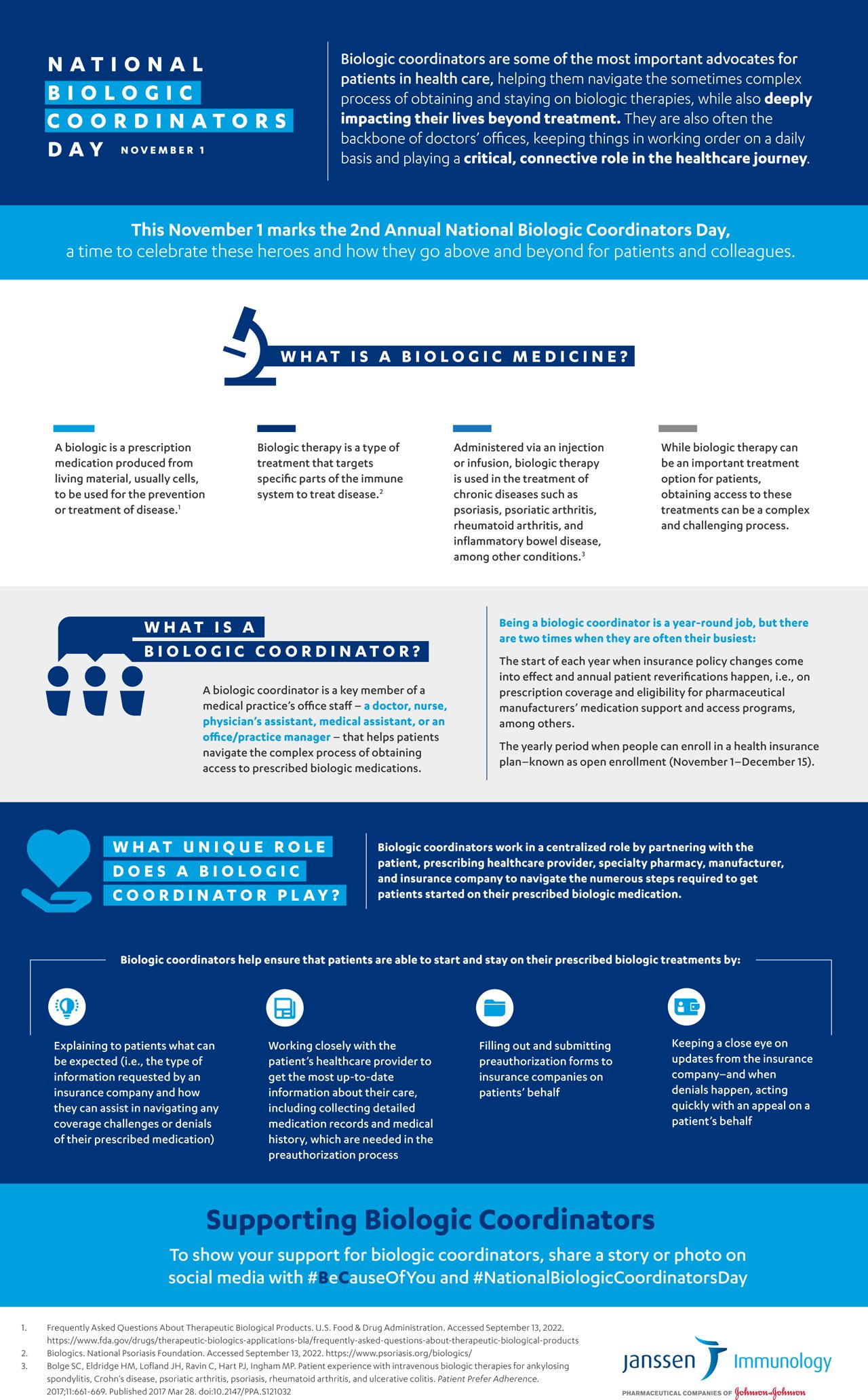
(BPT) – It’s no secret there’s been a spotlight on the vital work of healthcare heroes in recent years. From social media shout-outs and yard signs to daily claps and cheers, the impact of healthcare workers like nurses and doctors is recognized daily. But there are other heroes working behind the scenes to improve patients’ lives who you likely haven’t heard of. Biologic coordinators have an immeasurable impact on a patient’s life from the onset of their treatment journey and beyond treatment — yet too often, their work goes unrecognized. Care for those with immune-mediated diseases would not be possible without the incredible work of biologic coordinators. Read on to learn more about these unsung heroes and the important role they play.

What Is a Biologic Coordinator?

A biologic coordinator is a key member of a medical practice’s office staff and could be anyone, including an office administrator, physician’s assistant, nurse practitioner, or a medical assistant. They are instrumental in helping patients receive the treatment they need. Biologic coordinators can work in various healthcare roles and partner with prescribing healthcare providers, specialty pharmacies, insurance companies, and manufacturers to help their patients navigate the steps to get their prescribed biologic medication. Some biologic coordinators may not even know they are biologic coordinators!

Supporting Patients at Every Step of the Treatment Journey

While biologic therapy can be an important treatment option for patients, obtaining access to these treatments can be challenging and patients often need help navigating the process. Biologic coordinators play a multifaceted role in supporting a patient, from the moment a doctor writes a prescription, until the medicine reaches the patient, and beyond. Biologic coordinators often assist in the navigation of information requested by insurance companies, including helping to fill out and submit preauthorization forms to insurance companies on behalf of patients. Additionally, they help patients work through any coverage challenges or denials of prescribed medication, filing appeals to insurance companies on the patient’s behalf. They also work closely with the patient’s healthcare provider to get the most up-to-date information about their care, including medical records and medical history.

Support Beyond Treatment

Biologic coordinators care deeply about their patients beyond treatment. Their key role as a connection point between the patient and others allows them to know their patients on a personal level and advocate for them. Often, this deeper understanding can uncover worries about personal finances, employment, or relationships. This bond is unlike any other, and truly shows the role biologic coordinators play in improving the lives of their patients, not by a sense of obligation, but because they truly love to make a difference in people’s lives.

Advancing Care for Patients Takes a Team

Janssen established the annual National Biologic Coordinators Day last year as part of a commitment to relentlessly advance care for those with immune-mediated diseases, recognizing this can’t be done alone. The community at large continues to be inspired by the connectivity and compassion of these unsung heroes and for the individuals they work tirelessly to support. Biologic coordinators often work behind the scenes and have a deep impact on a patient’s life beyond treatment, which is why Janssen is shining a light on the crucial role they play in the healthcare journey and encourages other organizations and individuals to join in celebrating these heroes.

5 Tips to Boost Immunity This Cold & Flu Season, According to a Registered Dietitian

2022-10-20T09:29:00

(BPT) – It’s finally fall — a favorite season for so many. The leaves are changing color, the pumpkins are on the front steps, and the weather is cooling down. Unfortunately, that also means cold and flu season is here — and experts are predicting it to be a rough one.

While we tend to be more aware of our immune system during the fall and winter months when it’s put to the test, taking preventive measures to ensure your immune system is resilient all year round is just as, if not more, important. Making conscious choices around foods and healthy daily habits that support overall well-being is the best way to make immune health an everyday priority.

With studies showing a majority of consumers (65%) are more conscious of their immunity this year than previous years, Registered Dietitian Kelly Springer is sharing simple but effective strategies to implement that help build your body’s defenses as we enter cold and flu season:

Incorporate Manuka Honey Into Your Daily Routine

Manuka honey is as delicious as it is powerful. Different from traditional honey, it is a nourishing, multitasking superfood chock full of nutritional elements that the human body needs — including trace amounts of enzymes, amino acids, B Vitamins, C Vitamins, minerals and antioxidants. These are beneficial to the immune system, empower everyday wellness, aid in better digestion and provide a natural source for a daily energy boost. However, not all Manuka honey is created equal. This fall, when you start building your arsenal of immune-boosting, therapeutic remedies, consider adding a raw and authentic Manuka honey, like Wedderspoon, to that list. Wedderspoon’s Manuka Honey is fully traceable from hive to home and is the most pure and powerful form I’ve found — free of any antibiotics, glyphosates and pesticides.

I keep it on hand year-round since it’s great for so many different things, but I always stock up this time of year and begin incorporating it into my and my family’s daily routine early to help strengthen the body’s natural defenses and stave off sniffles or scratchy throats before they can start. You can add it to a warm bowl of oatmeal in the morning or cup of tea at night, use it to make your own throat-soothing cough syrup and so much more. I also never leave the house without Wedderspoon’s Manuka Honey Immunity Lozenges. They’re delicious, soothe your throat and provide a quick, on-the-go wellness boost of Vitamin C, Zinc and Epicor® — a postbiotic that supports a healthy gut microbiome and is proven to boost your immunity in two hours.

Improve Immune Function Through Exercise and Vitamin D

I can’t think of a better way to soak up the last few rays of the sunshine season than getting outside for a quick and easy workout. Recent studies indicate that moderate intensity exercise can actually cut down on the number of colds a person gets because it increases your white blood cells, which help fight infection. Beyond that, regular exercise and Vitamin D helps moderate inflammation in the body and reduces stress, which helps keep your body’s defenses in good shape. It doesn’t have to be an intense workout — try getting outside for a 20- to 30-minute walk with a friend, biking a few times a week or doing a simple workout in your backyard.

Rethink What’s on Your Plate

My fall and winter menus always include a few key ingredients known for their immune-bolstering properties — Greek yogurt, oranges, wild salmon, herbal echinacea and dark chocolate. Greek yogurt contains probiotics that are known to fight illnesses, and oranges are always a fantastic pick-me-up as they are packed full of vitamin C. Salmon is rich in omega-3 fatty acids, which help reduce inflammation, making it one of the best proteins to eat when you’re sick. Echinacea and unsweetened dark chocolate have long been used to shorten the duration of colds to help you bounce back quicker. I love finding unique ways to incorporate these ingredients into dishes for my family — they all add delicious flavor, nutrients and vitamins that the body needs this time of year.

Practice Mindfulness and Meditation

Chronic stress can take its toll on the body, including releasing cortisol, which suppresses the immune system and can leave you much more susceptible to catching a cold or the flu. Fall is the perfect time to reset, relax and dedicate some time to yourself. Try a meditation app to aid in sleep and relaxation. By using guided meditation solutions to reach deep stages of mindfulness, you can release stress and improve awareness and decision making.

Take a Holistic Approach to Healing

Holistic treatments like red light therapy and lymphatic drainage massages are great ways to give your body a jump start along the healing process, should you come down with a cold or the flu. Red light therapy energizes the entire body from the cellular level, improves blood flow to bring necessary nutrients to the cells and stimulates the lymphatic system, which is one of the key components of a strong immune system. Similarly, lymphatic drainage massages help improve circulation of the lymphatic system by filtering out the toxins in your body to alleviate any swelling or blockages, particularly in the face and neck, that may result from being sick. You can find lots of great DIY tutorials for proper techniques to help yourself or a loved one recover from what’s ailing you with a fun at-home spa day.

During the cold weather season, it can feel like colds, flus and other illnesses are constantly making the rounds within families, classrooms and workplaces. It’s never too early to start building your body’s natural defenses to maintain peak health. Incorporating these simple but effective strategies this cold and flu season will help keep you feeling your best all season long.

Weight loss surgery can lead to diabetes remission

2022-10-21T09:01:00

(BPT) – For the more than 643 million people worldwide with type 2 diabetes, the disease’s health-related issues can be serious, deadly, and costly. Diet and exercise can help control diabetes. But a recent study shows that the remission of type 2 diabetes is achieved more effectively and with longer-lasting results with bariatric surgery, rather than through medications and lifestyle changes.

Reversing a diagnosis of life-altering diabetes is empowering. April Ammons of Florida (a patient of bariatric surgeon Michael Baptista, M.D. of Jacksonville) was diagnosed with type 2 diabetes on her 40th birthday. She progressed from oral diabetes medication to an insulin pump combined with oral medications and insulin injections. But today, she says she has been released from “diabetic prison” thanks to the 110 pounds she lost after having an adjustable gastric band (AGB) surgically placed.

“The band made it possible for me to discontinue use of the insulin pump, and as the weight came off, the diabetic medications decreased,” says April. “I would never dream that I would be free of the horrible effects of diabetes — pain when walking, sleeping with a CPAP machine, depression, overall exhaustion. My A1C was once in the 15s and is now in the 7s. To say my doctor is thrilled is an understatement.”

Backed by 25 years of clinical evidence, the FDA-approved Lap-Band® system features an AGB placed around the upper stomach to help limit food intake and promote a feeling of fullness. It involves a short, outpatient procedure and brings power over hunger and more control because of its adjustability over weight loss than other bariatric surgery options. On average, patients kept off 60% of their excess body weight after five years of having the minimally invasive Lap-Band surgery1.

Lap-Band can be a powerful option for those with diabetes. In fact, of people with diabetes who had a Lap-Band placed, 73% reported remission of type 2 diabetes due to weight loss after two years2.

The Lap-Band system is for those with a body mass index (BMI) of at least 40 kg/m2 or a BMI of at least 30 kg/m2 with one or more obesity-related comorbid conditions, like diabetes. The band can be tightened or loosened as a patient’s body or physical needs change over time, helping to provide sustainable weight loss over the long term. Regular adjustments by a surgeon help continue weight loss. Think about it like having to tighten your belt as the weight comes off.

April, who had her Lap-Band surgery in 2021, now takes line dancing, stretching, and yoga classes at a gym. She’s enjoying going to the beach and traveling again.

“For me, my new life began after the 45-minute procedure to place the band and a couple of days of recuperation,” says April. “I’m in awe of the changes I have experienced since my surgery, and I finally feel like I am an active participant in my life again. I encourage any diabetic battling weight issues to talk to your surgeon about the procedure.”

Visit Lap-Band.com to find a Lap-Band surgeon near you.

Actual patient. The views and opinions expressed here are patient’s own. Patients’ experience and results may vary.

Important Safety Information

Patients’ results and experiences may vary. The LAP-BAND® System is indicated for weight reduction for patients with obesity, with a Body Mass Index (BMI) of at least 40 kg/m2 or a BMI of at least 30 kg/m2 with one or more obesity-related comorbid conditions. It is indicated for use only in adult patients who have failed more conservative weight-reduction alternatives. This surgery requires significant changes in eating habits. This system is contraindicated in non-adult patients (patients under 18 years of age) with inflammatory diseases of the gastrointestinal tract, severe cardiopulmonary diseases, esophageal or gastric varices, portal hypertension, or who currently are or may be pregnant. Placement of the system is major surgery and, therefore, death can occur. Most common related adverse events include: band slippage, pouch dilatation, stoma obstruction, gastroesophageal reflux, esophageal dilation, cholelithiasis, incisional infection, abdominal pain, gastroenteritis, or nausea and vomiting.

For full safety information: https://www.lapband.com/safety/. CAUTION: Rx only

1 Ray James, Ray Shahla. Surgery for Obesity and Related Diseases. Safety, efficacy, and durability of laparoscopic adjustable gastric banding in a single surgeon U.S. community practice

2 Dixon, John et al. JAMA Vol 299 No 3 Jan 2008 Adjustable Gastric Banding and Conventional Therapy for Type 2 Diabetes: A Randomized Controlled Trial

Mitsubishi Tanabe Pharma America Celebrates Nearly 2,000 ALS Patients Treated with RADICAVA ORS (edaravone)

2022-10-18T11:37:01

(BPT) – Nearly 2,000 U.S. HCPs Have Prescribed RADICAVA® (edaravone) and RADICAVA ORS Since the Products Became Available in August 2017 and June 2022

RADICAVA and RADICAVA ORS Have Been Used to Treat 8,000 Patients with Over 1.1 Million Days of Therapy

Mitsubishi Tanabe Pharma America, Inc. (MTPA) today announced that nearly 2,000 people with amyotrophic lateral sclerosis (ALS) have received RADICAVA ORS® (edaravone).1 Since RADICAVA® (edaravone) and RADICAVA ORS became available in the U.S. in August 2017 and June 2022, respectively, nearly 2,000 U.S. healthcare providers (HCPs) have prescribed the therapies to one or more of their patients.2

RADICAVA ORS is an oral formulation that offers the same efficacy as RADICAVA, an intravenous (IV) treatment that was shown in a pivotal trial to help slow the loss of physical function in ALS.3,4 RADICAVA and RADICAVA ORS have been used to treat 8,000 patients in the U.S. with over 1.1 million days of therapy.5

“Our driving focus at MTPA is to ensure we’re making a meaningful difference in the lives of people living with ALS, and this milestone exemplifies our commitment to this goal,” said Atsushi Fujimoto, President, MTPA. “We are pleased by the amount of ALS patients that have received RADICAVA ORS over the past few months, including new patients as well as those who have switched from RADICAVA, and we look forward to seeing this number rise as more patients gain access to this new oral treatment option.”

“ALS affects patients in varying ways, which means their treatment needs are continuously evolving,” said Terry Heiman-Patterson, M.D., Professor, Neurology, Lewis Katz School of Medicine at Temple University, Director, Temple MDA/ALS Center of Hope. “RADICAVA ORS offers patients the flexibility of an alternate delivery option, and I am eager to continue to see this medication reach more people in the coming years.”

In clinical trials, the most common adverse reactions (≥10%) reported in RADICAVA-treated patients were contusion (15%), gait disturbance (13%), and headache (10%).3 In an open-label study, fatigue was also observed in 7.6% of patients receiving RADICAVA ORS.3 RADICAVA and RADICAVA ORS are contraindicated in patients with a history of hypersensitivity to edaravone or any of the inactive ingredients. See Important Safety Information below.

RADICAVA ORS is approved as a 5 mL dose that can be taken orally or via feeding tube, providing a portable and flexible administration option to ALS patients, with no infusion required. With appropriate instruction from a HCP, RADICAVA ORS may take only a few minutes to administer on treatment days.3 RADICAVA ORS should be taken in the morning after overnight fasting for eight hours.3 To learn more about RADICAVA ORS, visit RADICAVA.com.

As a part of MTPA’s commitment to helping people with ALS access RADICAVA and RADICAVA ORS, MTPA created the JourneyMate Support Program™, which provides educational resources to help patients and caregivers on their ALS treatment journey.

The JourneyMate Support Program™ helps to give patients understanding, answers, and resources to supplement what their doctor provides. Experienced program team members are trained to address patient educational needs and provide them with personalized answers and resources for living with ALS. For more information, call 1-866-684-7737 or visit RADICAVA.com/journeymate.

An estimated 5,000-6,000 Americans are diagnosed each year with ALS, a neurodegenerative disease that currently has no cure and can progress rapidly, as well as lead to muscle weakness and eventual loss of function.6-8 The majority of ALS patients succumb to the disease within two to five years of receiving a diagnosis, but progression of the disease can vary significantly.7,8

About RADICAVA® (edaravone) and RADICAVA ORS® (edaravone)
The U.S. Food and Drug Administration (FDA) approved RADICAVA® (edaravone) on May 5, 2017, and the oral formulation RADICAVA ORS® (edaravone) on May 12, 2022, for the treatment of amyotrophic lateral sclerosis (ALS). RADICAVA is administered in 28-day cycles by IV infusion. It takes 60 minutes to receive each 60 mg dose. For the initial cycle, the treatment is infused daily for 14 consecutive days, followed by a two-week drug-free period. All cycles thereafter are infused daily for 10 days within a 14-day period, followed by a two-week drug-free period. RADICAVA ORS is taken daily for 14 consecutive days followed by a 14-day drug-free period for the initial treatment cycle. For subsequent treatment cycles, RADICAVA ORS is taken for 10 days within a 14-day period followed by a 14-day drug-free period. RADICAVA ORS should be taken in the morning after overnight fasting. Patients should not eat or drink (except water) within one hour after taking RADICAVA ORS.3

Edaravone was discovered and developed for ALS by Mitsubishi Tanabe Pharma Corporation (MTPC) and Mitsubishi Tanabe Pharma Development America, Inc. (MTDA), commercialized in the U.S. by Mitsubishi Tanabe Pharma America, Inc. (MTPA). The MTPC group companies began researching ALS in 2001 through an iterative clinical platform over a 13-year period. In 2015, RADICAVA was approved for the treatment of ALS in Japan and South Korea. Marketing authorizations were subsequently granted in Canada (October 2018), Switzerland (January 2019), China (July 2019), Indonesia (July 2020), Thailand (April 2021) and Malaysia (December 2021).To date, in the U.S., RADICAVA and RADICAVA ORS have been used to treat over 8,000 patients, with over 1.1 million days of therapy, and have been prescribed by nearly 2,000 HCPs.1,2

IMPORTANT SAFETY INFORMATION

Hypersensitivity Reactions
RADICAVA (edaravone) and RADICAVA ORS (edaravone) are contraindicated in patients with a history of hypersensitivity to edaravone or any of the inactive ingredients of this product. Hypersensitivity reactions (redness, wheals, and erythema multiforme) and cases of anaphylaxis (urticaria, decreased blood pressure, and dyspnea) have occurred with RADICAVA.

Patients should be monitored carefully for hypersensitivity reactions. If hypersensitivity reactions occur, discontinue RADICAVA or RADICAVA ORS, treat per standard of care, and monitor until the condition resolves.

Sulfite Allergic Reactions
RADICAVA and RADICAVA ORS contain sodium bisulfite, a sulfite that may cause allergic-type reactions, including anaphylactic symptoms and life-threatening or less severe asthmatic episodes in susceptible people. The overall prevalence of sulfite sensitivity in the general population is unknown but occurs more frequently in asthmatic people.

Adverse Reactions
The most common adverse reactions (≥10%) reported in RADICAVA-treated patients were contusion (15%), gait disturbance (13%), and headache (10%). In an open label study, fatigue was also observed in 7.6% of patients receiving RADICAVA ORS.

Pregnancy
Based on animal data, RADICAVA and RADICAVA ORS may cause fetal harm.

To report suspected adverse reactions or product complaints, contact Mitsubishi Tanabe Pharma America, Inc., at 1-888-292-0058. You may also report suspected adverse reactions to the FDA at 1-800-FDA-1088 or www.fda.gov/medwatch.

INDICATION
RADICAVA and RADICAVA ORS are indicated for the treatment of amyotrophic lateral sclerosis (ALS).

For more information, including full Prescribing Information, please visit www.RADICAVA.com.

About JourneyMate Support Program™
The JourneyMate Support Program™ offers educational support and resources for patients who are considering or have already been prescribed an MTPA product. An ALS Clinical Educator is an educational resource for patients who have been prescribed a Mitsubishi Tanabe Pharma America, Inc. (MTPA) product. An ALS Clinical Educator is provided by MTPA and VMS and is not affiliated with or provided by a doctor. An ALS Clinical Educator does not provide medical advice. The program does not provide medical advice and does not take the place of a patient’s doctor. All questions about a condition, diagnosis, or treatment should be referred to the patient’s doctor. If a patient has a medical emergency, they should call 911. Adverse events or product complaints should be reported by calling 1-888-292-0058.

About Mitsubishi Tanabe Pharma America, Inc.
Based in Jersey City, N.J., Mitsubishi Tanabe Pharma America, Inc. (MTPA) is a wholly-owned subsidiary of Mitsubishi Tanabe Pharma Corporation’s (MTPC) 100 percent owned U.S. holding company, Mitsubishi Tanabe Pharma Holdings America, Inc. It was established by MTPC to commercialize approved pharmaceutical products in North America. For more information, please visit www.mt-pharma-america.com or follow us on Twitter, Facebook and LinkedIn.

About Mitsubishi Tanabe Pharma Development America, Inc.
The U.S. headquarters of Mitsubishi Tanabe Pharma Development America, Inc. (MTDA) is located in Jersey City, New Jersey. MTDA is a wholly-owned subsidiary of Mitsubishi Tanabe Pharma Corporation’s 100 percent-owned U.S. holding company, Mitsubishi Tanabe Pharma Holdings America, Inc. For more information, please visit https://mt-pharma-development-america.com/.

About Mitsubishi Tanabe Pharma Corporation
Mitsubishi Tanabe Pharma Corporation (MTPC), the pharma arm of the Mitsubishi Chemical Group, is one of the oldest pharmaceutical companies in the world, founded in 1678, and focusing on ethical pharmaceuticals. MTPC is headquartered in Doshomachi, Osaka, the birthplace of Japan’s pharmaceutical industry. The Mitsubishi Chemical Group has positioned health care as its strategic focus in its management policy, “Forging the future”. MTPC sets the MISSION of “Creating hope for all facing illness”. To that end, MTPC is prioritizing work on “precision medicine” to provide drugs with high treatment satisfaction by identifying patient populations with high potential for efficacy and safety, focusing on the disease areas of central nervous system and immuno-inflammation. In addition, MTPC is working to develop “around the pill solutions” to address specific patient concerns based on therapeutic medicine, including prevention of diseases, pre-symptomatic disease care, prevention of aggravation and prognosis. For more information, go to https://www.mt-pharma.co.jp/e/.

Media inquiries:
Media_MTPA@mt-pharma-us.com


1 Data on file. Mitsubishi Tanabe Pharma America, Inc.
2 Data on file. Mitsubishi Tanabe Pharma America, Inc.
3 RADICAVA and RADICAVA ORS Prescribing Information. Jersey City, NJ: Mitsubishi Tanabe Pharma America, Inc.; 2022.
4 Edaravone (MCI-186) ALS 19 Study Group. Safety and efficacy of edaravone in well defined patients with amyotrophic lateral sclerosis: a randomised, double-blind, placebo-controlled trial. Lancet Neurol. 2017;16(7):505-512.
5 Data on file. Mitsubishi Tanabe Pharma America, Inc.
6 Marin B, Boumediene F, Logroscino G, et al. (2016). Variation in worldwide incidence of amyotrophic lateral sclerosis: a metaanalysis. Int J Epidemiol, 00:1-18.
7 ALS Association. Facts You Should Know About ALS. http://web.alsa.org/site/PageServer?pagename=ALSA_Facts. Accessed July 2022.
8 Amyotrophic Lateral Sclerosis (ALS) Fact Sheet. National Institute of Neurological Disorders and Stroke, National Institutes of Health, June 2013, https://www.ninds.nih.gov/Disorders/Patient-Caregiver-Education/Fact-Sheets/Amyotrophic-Lateral-Sclerosis-ALS-Fact-Sheet. Accessed July 2022.

Taking Charge of a Cancer Diagnosis With Biomarker Testing

2022-10-14T15:51:00

(BPT) – David was in his thirties and living a healthy life when doctors discovered a cancerous mass in his neck. He began treatment immediately, unsure about the journey ahead, and after enduring several therapies that left him feeling worse, his thyroid cancer was still spreading. Luckily, through a support group, David’s wife Kathleen discovered that he could have his tumor tested to see if it had a specific genetic alteration.

This kind of test is known as biomarker testing, which may identify genetic “drivers” that are causing cancer to grow and spread, and can help patients and their doctors make more informed treatment decisions. As David experienced, a cancer diagnosis can lead to emotional distress stemming from the unknowns around what comes next. Fortunately, medical advancements like comprehensive biomarker testing can potentially unlock information to help address some of these uncertainties and provide a roadmap for next steps.

Comprehensive biomarker testing is no longer just an option, it is a critical step to guide many patients’ treatment. Results from comprehensive biomarker tests can help doctors determine which treatments or clinical trials may be most appropriate. They can also help determine which therapies may or may not be effective based on the biomarker. Identifying these “drivers” is an important step in informing a treatment plan, especially for patients like David, who may be at a critical moment in their journey.

“We encourage the patients we support to discuss biomarker testing with their physicians as soon as possible after diagnosis,” says Aliye Bricker, M.D., founder of RETpositive, a patient advocacy group for people whose cancers are driven by an abnormal RET gene. “Awareness of — and access to — timely and comprehensive biomarker testing is critical for the patient journey and can provide key information that may ultimately impact their treatment options and outcomes.”

Unfortunately, many people with advanced cancer still don’t receive biomarker testing. In fact, according to the American Cancer Society, only 39% of people with cancer who responded to a recent survey reported having biomarker testing completed.1

Here are some key facts about biomarker testing that can help determine if it may be beneficial:

Biomarkers are found in a variety of cancers.
Biomarkers can be found in common cancers like breast and colorectal cancer, as well as rarer tumor types. Of the 1 million people worldwide diagnosed with adenocarcinoma, the most common lung cancer, approximately half have biomarkers that can be acted upon with a targeted therapy.2 For this reason, anyone diagnosed with any type of advanced cancer should talk to their doctor about whether biomarker testing might be helpful.

Biomarker testing can reveal many different biomarkers.
Comprehensive biomarker testing can check for recommended biomarkers based on clinical guidelines to help healthcare professionals understand more about a person’s specific type of cancer. It’s important to note that not everyone who gets tested will have tumors with an identifiable biomarker that can be targeted with a treatment. Comprehensive biomarker results are also critical to match patients with clinical trials — whether as their first course of treatment, or when other options aren’t working.

The techniques used in biomarker testing are evolving.
A healthcare professional can conduct a biopsy to remove tissue from a tumor for testing, which is the most common method. Tests can now also identify a wide range of cancer biomarkers at once instead of one at a time. In lung cancer, a less invasive biomarker test called a “liquid biopsy” may be used to identify genetic alterations through blood.

The importance of biomarker testing before starting treatment.
Biomarker testing is the only way to identify if a person could potentially benefit from certain treatments, so it is critical to talk about it with a care team as soon as they learn they have advanced cancer. Depending on the location of the tumor and type of test, biomarker testing can be done at a doctor’s office, hospital or testing facility. Results from biomarker tests take about two weeks to come back; it’s important for a patient to talk with his or her doctor about waiting for this information so it can help inform their treatment decision.

In David’s situation, his cancer was positive for RET.
David was eligible to join a clinical trial for GAVRETO®, also known as pralsetinib, developed specifically to target his RET+ cancer. People with certain cancers identified with RET alterations may consider this treatment option, which is now approved by the U.S. Food and Drug Administration (FDA) for the treatment of RET-positive metastatic non-small cell lung cancer and advanced thyroid cancer.

For more information about biomarker testing, please visit https://www.biomarkertesting.com.

What is GAVRETO® (pralsetinib)?

  • GAVRETO is a prescription medicine used to treat certain cancers caused by abnormal rearranged during transfection (RET) genes in
    • adults with non-small cell lung cancer (NSCLC) that has spread
    • adults and children 12 years of age and older with advanced medullary thyroid cancer (MTC) or MTC that has spread who require a medicine by mouth or injection (systemic therapy)
    • adults and children 12 years of age and older with advanced thyroid cancer or thyroid cancer that has spread who require a medicine by mouth or injection (systemic therapy) and who have received radioactive iodine and it did not work or is no longer working

It is not known if GAVRETO is safe and effective in children younger than 12 years of age.

A patient’s healthcare provider will perform a test to make sure that GAVRETO is right for them.

GAVRETO was approved based on the percentage of patients whose tumor size shrank or disappeared after treatment and how long that response lasted. There are ongoing studies to confirm the benefit of GAVRETO.

IMPORTANT SAFETY INFORMATION

GAVRETO may cause serious side effects, including:

Lung Problems: GAVRETO may cause severe or life-threatening inflammation of the lungs during treatment, that can lead to death. Tell your healthcare provider right away if you have any new or worsening symptoms, including shortness of breath, cough, or fever.

High blood pressure (hypertension): High blood pressure is common with GAVRETO and may sometimes be severe. You should check your blood pressure regularly during treatment with GAVRETO. Tell your healthcare provider if you have increased blood pressure readings or get any symptoms of high blood pressure, including confusion, dizziness, headaches, chest pain or shortness of breath.

Liver problems: Liver problems (increased liver function blood test results) can happen during treatment with GAVRETO and may sometimes be serious. Your healthcare provider will do blood tests before and during treatment with GAVRETO to check you for liver problems. Tell your healthcare provider right away if you get any signs or symptoms of liver problem during treatment, including yellowing of your skin or the white part of your eyes (jaundice), loss of appetite, nausea or vomiting, dark “tea-colored” urine, pain on the upper right side of your stomach area, sleepiness, bleeding or bruising.

Bleeding problems: GAVRETO can cause bleeding which can be serious and cause death. Tell your healthcare provider if you have any signs or symptoms of bleeding during treatment, including vomiting blood or if your vomit looks like coffee-grounds, unusual vaginal bleeding, nose bleeds that happen often, pink or brown urine, drowsiness or difficulty being awakened, red or black (looks like tar) stools, confusion, coughing up blood or blood clots, headache, unusual bleeding or bruising of your skin, change in speech, or menstrual bleeding that is heavier than normal.

Tumor lysis syndrome (TLS): TLS is caused by a fast breakdown of cancer cells. TLS can cause patients to have kidney failure and the need for dialysis treatment, an abnormal heartbeat, and may sometimes lead to hospitalization. A healthcare provider may do blood tests to check patients for TLS. Patients should stay well hydrated during treatment with GAVRETO. Patients should call their healthcare provider or get emergency medical help right away if they develop any of these symptoms during treatment with GAVRETO: nausea, shortness of breath, vomiting, muscle cramps, weakness, seizures or swelling.

Risk of wound healing problems: Wounds may not heal properly during treatment with GAVRETO. Patients should tell their healthcare provider if they plan to have any surgery before or during treatment with GAVRETO. Patients should not take GAVRETO for at least 5 days before surgery. A healthcare provider should tell patients when they may start taking GAVRETO again after surgery.

Before taking GAVRETO, patients should tell their healthcare provider about all of their medical conditions, including if they:

  • have lung or breathing problems other than lung cancer
  • have high blood pressure
  • have bleeding problems
  • plan to have surgery
  • are pregnant or plan to become pregnant. GAVRETO can harm an unborn baby.

Females who are able to become pregnant:

    • A healthcare provider will do a pregnancy test before patients start GAVRETO.
    • Should use an effective form of non-hormonal birth control (contraception) during treatment with GAVRETO and for 2 weeks after the final dose of GAVRETO.
    • Birth control methods that contain hormones (such as birth control pills, injections or transdermal system patches) may not work as well during treatment with GAVRETO.
    • Patients should talk to their healthcare provider about birth control methods that may be right for them during this time.
    • Patients should tell their healthcare provider right away if they become pregnant or think they might be pregnant during treatment with GAVRETO.

Males with female partners who are able to become pregnant should use effective birth control (contraception) during treatment and for 1 week after their final dose of GAVRETO.

  • are breastfeeding or plan to breastfeed. It is not known if GAVRETO passes into breast milk. Patients should not breastfeed during treatment and for 1 week after their last dose of GAVRETO.

Patients should tell their healthcare provider about all the medicines they take, including prescription and over-the-counter medicines, vitamins, and herbal supplements. GAVRETO may affect the way other medicines work, and other medicines may affect how GAVRETO works.

The most common side effects of GAVRETO include: constipation, decreased levels of phosphate in the blood, high blood pressure, decreased levels of calcium in the blood, tiredness, decreased levels of body salt (sodium) in the blood, muscle and joint pain, diarrhea, abnormal liver function blood tests, and decreased white blood cell, red blood cell, and platelet counts.

GAVRETO may affect fertility in males and females, which may affect a patient’s ability to have children. Patients should talk to their healthcare provider if this is a concern for them.

These are not all of the possible side effects of Gavreto. Patients should call their doctor for medical advice about side effects. Patients are encouraged to report side effects to the FDA. Visit FDA MedWatch or call 1-800-FDA-1088.

Please see the full Prescribing Information and Patient Information for Gavreto.

This content was developed by Blueprint Medicines Corporation and Genentech, Inc.

References:

  1. American Cancer Society: Cancer Action Network. (2020, September). Survivor Views: Biomarker Testing. American Cancer Society.
  2. Kris, M. G. et al (2014). Using Multiplexed Assays of Oncogenic Drivers in Lung Cancers to Select Targeted Drugs. JAMA, 311(19). https://doi.org/10.1001/jama.2014.3741.

M-US-00014101v(1.0)