Is your pain caused by nerve damage?

2022-08-29T06:01:00

(BPT) – “The pain was so bad. It felt like a bolt of lightning,” said David Murphy, a 50-year-old gunshot-wound survivor. Only, David wasn’t describing the pain he felt when the bullet entered his leg during the burglary of his home — he was talking about the pain he felt months later.

The gunshot severed David’s sciatic nerve, not only impairing his ability to walk, but leaving him in excruciating pain — long after his wound had healed. He was unable to sit or stand comfortably, and the pain was often so severe that he couldn’t get out of bed. It dominated every aspect of his life.

Unfortunately, the pain David faced is common; what’s rare is finding a solution. Nearly 20 million Americans experience nerve pain like David’s, but many never find relief. Fortunately, David was referred to an orthopedic surgeon specializing in nerve repair, Dr. Gregory Kolovich, who was able to help.

“When David was injured, the damage to his sciatic nerve led to the formation of a neuroma, which was causing his pain. A neuroma is like a wrecking ball of scar tissue that often occurs when a nerve experiences trauma. Neuromas disrupt normal nerve function, resulting in the communication of pain signals to the brain,” said Dr. Kolovich. “But we can resolve the pain by surgically repairing the nerve.”

During surgery, Dr. Kolovich removed David’s painful neuroma and scar tissue and repaired the resulting nerve gap. “Fixing the nerve and reconnecting it gave the nerve something to do — a purpose — and that resolved the issue,” added Dr. Kolovich. Fortunately, David has been able to return to his normal, daily activities and is living pain-free.

Traumatic injuries, like gunshot wounds, severe cuts, compression or blunt trauma, aren’t the only causes of nerve damage and associated pain. Surgeries and amputations can inadvertently result in nerve damage and pain, too, occurring most often in procedures, such as laparoscopy, tumor resection, wrist or knee arthroscopy, mastectomy, and total hip or total knee arthroplasty. In fact, 10% to 40% of patients experience chronic pain caused by injured nerves after surgery; this is known as surgically induced neuropathic pain.

Following an amputation, stump pain associated with nerve damage is reported by more than 80% of amputees. Symptoms of a neuroma may include sensitivity to touch, residual limb pain or burning pain.

Many types of accidents, from cooking mishaps to car wrecks, result in nerve damage, as well. But up to 91% of nerve injuries can be missed in the ER, and these injuries may lead to chronic pain, even after the original wound has healed.

Nerve pain can affect any area of the body but most commonly occurs in the arms, hands, legs and feet. It feels different from other pain. Some people feel tingling or numbness; others describe it as electrical shocks, sharp spasms, “pins and needles,” or a burning sensation. The pain can be intermittent or unrelenting.

If you’ve been living with chronic pain, you may feel like you’ve exhausted your options. Like many people, you might manage your symptoms with pain medications or other treatments and feel temporary relief. But what if there could be a permanent solution?

With advancements in the field of microsurgery, injured nerves can be surgically repaired to potentially resolve the cause of the pain and restore nerve function, offering the chance to live pain-free again.

Not enough people know about the devastating effects of nerve damage — or that there are ways to reverse it. There are millions of people unnecessarily suffering who could be helped. People’s lives shouldn’t be defined by pain.

Could surgical nerve repair be right for you? Take a short online nerve pain assessment and find out if you’re a candidate at rethink-pain.com/#survey.

4 Ways that Iceland Is Spearheading the Future of Sustainable Design

2022-08-29T08:01:00

(BPT) – Research indicates that most Americans are willing to pay equivalent or extra for more sustainable products, including clothing and furniture. With fast fashion and mass production still dominant, Iceland is leading the charge for more sustainable alternatives.

Iceland’s design scene is relatively new, helmed by creatives who are reimagining existing norms for everything from fashion to interior design. These companies and creators are developing forward-looking solutions to reduce their carbon footprints and address the global call to action to generate more sustainable products amid efforts to mitigate climate change.

Here are four ways that Iceland is paving the way to make design more eco-friendly.

1. Zero Waste Philosophy

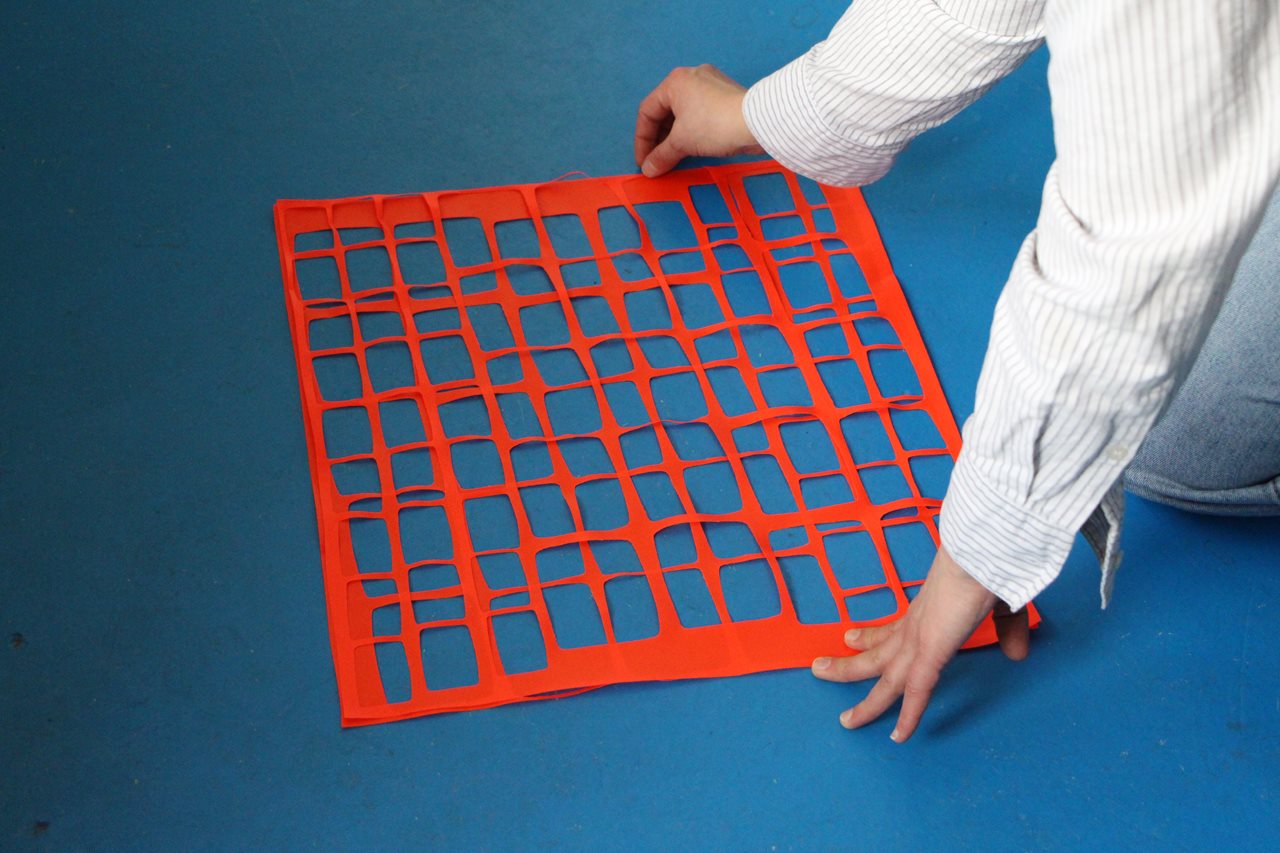
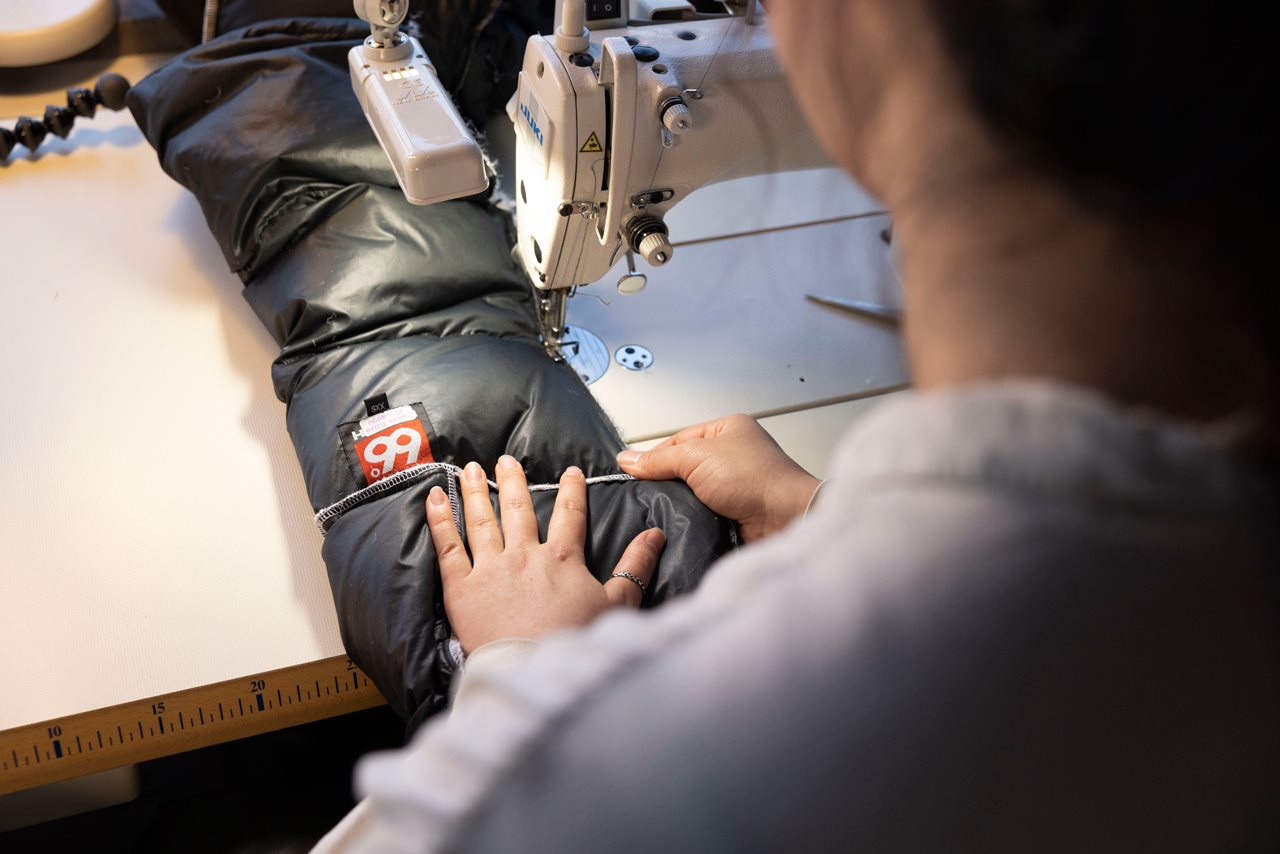
Iceland is a country known for its breathtaking nature, ranging from stunning volcanoes and glacier-cut fjords to black sand beaches and lush valleys. Icelandic people take pride in their connection to the natural world which inspires Icelandic designers to recognize the urgent need to limit carbon footprints in their designs to help preserve resources like air, water, and soil. Designers are finding ways to reduce waste and repurpose production byproducts like trash from manufacturing to give them new life. Flétta’s collaboration with 66°North, exhibited at DesignMarch festival in Reykjavík, aims to give previously used waste materials and objects new life by upcycling and recycling them into elegant garments and functional handbags.

Fashion that can be worn year-round can reduce waste from seasonal trends, so Spaksmannspjarir creates multi-functional clothing designed to span different seasons and settings.

2. Transparency and Self-Sufficiency

As an island nation about the size of Kentucky, Iceland has less area to dispose of waste than many larger, landlocked countries like the United States. Imports come with a high carbon cost. Creating home-grown products makes tracing carbon footprint easy. 66°North and B Corp™, a company dedicated to exploring Iceland’s natural environment, creates carbon neutral products with traceable and transparent local supply chains. Farmers Market utilizes Iceland’s abundant wool supply to create natural fabrics that can be turned into clothing items like knit sweaters and winter coats.

3. Quality over Quantity

Reducing design waste demands high-quality products with longevity, eliminating the need for frequent replacements common with fast fashion. As part of interior lifestyle brand FOLK’s environmentally-conscious philosophy, creating functional interior design products that are made of long-lasting materials can make the home more eco-friendly. Rather than turning to mass production, AS WE GROW executes “slow fashion,” utilizing only eco-friendly raw materials like Alpaca wool designed to give and grow with the children that wear the products. While excess inventory can create excess waste as trends come and go, BAHNS only releases garments based on direct consumer demand and also ensures all products are functional, high quality and timeless.

4. Charting A New Path

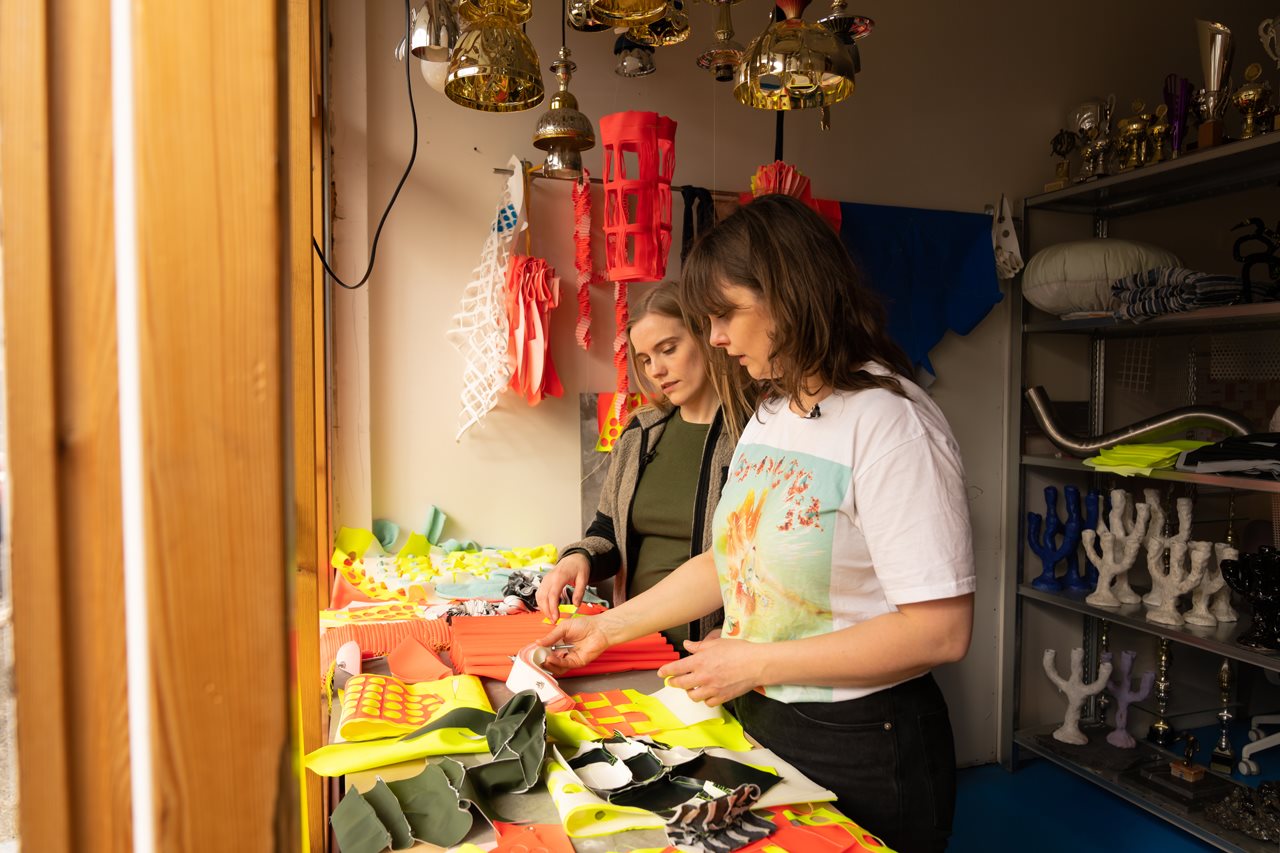
One major differentiator in Iceland’s design scene is its openness to experimentation. To achieve the goal of complete sustainability, designers are aware they may need to challenge norms and turn to ideas not seen before. The project Sleeve asks the question — what if furniture was made of clothes? Rather than keeping those industries separate, Sleeve utilizes garments and fabrics also used for clothing to create bold, stunning and unique furniture pieces. Designer Valdis asks the question — what if garments were made of liquid? This seldom-used clothing material is not only eye-catching and innovative but can also be measured in exact amounts. This eliminates harmful byproducts of the manufacturing process like excess fabric from cutting and sewing.

Iceland’s forward-thinking, eco-friendly and fresh design scene stands out as an example of what’s possible when people seek to incorporate more sustainable practices and products into their daily lives. Whether you’re a shop owner looking to lower your company’s carbon footprint, a designer eager for new ideas, or a consumer in search of small ways to make more sustainable choices when you shop for clothes or decorate your home, you can look to Iceland for inspiration. Learn more from Inspired by Iceland and Iceland Design and Architecture.

Super Bowl Champ Ryan Harris on impact organ donation has had on his family

2022-08-18T08:17:00

(BPT) – By Ryan Harris, Super Bowl 50 Champion

Professional athletes are often celebrated as “heroes.” I witnessed this during my time playing for the Denver Broncos and other teams. But during the month of August, which is National Multiethnic Donor Awareness Month, I’d like to talk about some true heroes: organ, eye and tissue donors.

My father is the recipient of a donated kidney, thanks to the choice made by his heroic living donor.

My father has been a lifelong inspiration, supporting my dreams of being a professional athlete and Super Bowl champion — and he would not be here today if not for the generous gift of organ donation. This incredible act has profoundly impacted my entire family, and I am truly grateful.

I’ve been so inspired by seeing the impact that our donor hero had on my father, that I have become a passionate advocate for organ, eye and tissue donation. Right now, across Colorado and Wyoming, nearly 1,500 people are waiting for a transplant. Of those waiting, 50% are from multicultural communities, a percentage that is even higher nationally.

Multicultural populations are among those with the greatest need of lifesaving transplants yet sign up to become donors and donate at lower rates. A disproportionate percentage of people on the transplant waiting list are people of color because of the higher incidence of disease that leads to end-stage organ failure, such as diabetes and hypertension. While donated organs are not matched according to race or ethnicity, transplant matches made within ethnic groups can be more compatible. This is one of the reasons why it’s so important for more people of color to register their decision to be organ, eye and tissue donors after death.

National Multiethnic Donor Awareness Month aims to honor the lives of those that have given the gift of life while raising awareness of the need for more people of Colorado to consider donation. In sharing the impact that a living donor has had on my father, and my family, I am hopeful that I can help inspire others.

One donor can save up to eight lives through organ donation and save or heal more than 75 through eye and tissue donation. Anyone can register to be an organ, eye and tissue donor, regardless of age, race, medical history, religion or income. Even those with chronic conditions, such as hepatitis and diabetes, can register to give the gift of life at any age.

Colorado and Wyoming residents can sign up to become an organ, eye and tissue donor anytime at DonateLifeColorado.org or DonateLifeWyoming.org.

Set Your Sights on Better Vision with the Latest in Eye Tech

2022-07-28T13:17:00

(BPT) – We optimize everything — sleep, exercise, nutrition — why not our vision? You may not even realize how much clearer, brighter and more vibrant the world can be until you visit your eye doctor. Whether you already wear glasses or contact lenses or are simply far overdue for an eye exam, it’s time to take stock of what’s right in front of your eyes.

As many of us spend more time in front of screens, eye health and associated concerns are rising in importance. Physicians like Luis Rojas, O.D., co-founder of DeNovo Eye, are increasingly emphasizing the need for regular eye exams to improve your overall quality of life. “Our industry has made great advancements over the past few years to where we now understand the daily life of a patient is variable focused. We can shed insight on health issues affecting the patient while offering cutting-edge eye technology.”

When listening to her patients mention their problems with fatigue, dry eyes or headaches, Patricia Poma-Nowinski, O.D., owner of Birmingham Vision Care, tells her patients they don’t have to live like this anymore. The answer may be contact lenses — and gone are the days when they weren’t for everyone.

“Contact lenses are constantly being improved to better our patients’ lives. You don’t have to suffer anymore. So talk to your eye doctor because contact lenses can offer so many solutions. No matter your symptoms, talking to your doctor will help you find the right contact lenses for your lifestyle.”

Seeing an eye doctor is about more than just picking the right contact lens for your needs or getting your prescription right. Eye doctors can identify early warning signs of more than 270 systemic and chronic diseases including diabetes, high blood pressure, autoimmune diseases and cancers. Below are some need-to-know tips and reminders for making eye visits a mainstay in your personal healthcare plan.

Get the most out of your visit to the eye doctor

After you’ve made your appointment (and kudos for taking this important first step), it’s imperative that you properly prepare for your eye exam. Dr. Poma-Nowinski recommends preparing to share your concerns ahead of time. “During the exam, I try to get a sense of the patient’s lifestyle to not only get to know my patients but also it helps me to pinpoint specific areas I should focus on or even help with product recommendations.”

Before your exam, take a minute to run through the following checklist:

  1. Be prepared to discuss your lifestyle — exercise, working conditions, medications you take.
  2. Create a list of health concerns you may have like constant headaches, blurry vision or dry eyes.
  3. Be ready to ask your doctor about options for improving your vision and how contact lenses can help.
  4. Think about post care — ask your doctor how you can prioritize eye health when you get home.

Are contact lenses for you?

Many don’t realize how much contact lenses have evolved in the last decade. Whether you need multifocal lenses, have astigmatism or even light sensitivity, contact lenses can make a major impact on your vision quality. Dr. Rojas stresses the impact that contact lenses, like ACUVUE® products, have made for patients. “With the technological advancements in contact lenses, things have changed even just in the past five years so we can offer relief and lifestyle ease for our patients.”

The field is growing. ACUVUE®, for example, has pioneered improvements in supporting those with astigmatism, an imperfection in the curvature of the eye’s surface which causes blurry vision, and others who didn’t previously have the option to request contact lenses. After the age of 40 you may find that it is time for bifocals or “readers” — but with multifocal contact lenses, glasses aren’t necessary. The field continues to evolve and soon people with eye allergies or people seeking relief from staring at digital screens all day will have contact lenses made just for them.

Whatever lens type you need, consider daily disposables to maximize comfort and minimize potential exposure to contaminants. This way you can have a fresh, clean lens in your eye every morning!

The right time to schedule your eye exam

So, when should you get an eye exam? Lifestyle changes have a serious impact on our eye health. “Lack of sleep, more stress, or eye strain can actually impact your prescription,” says Dr. Rojas. Which is why receiving your eye exam once a year is the standard and so critical.

And parents, don’t forget your kids! The American Optometric Association (AOA) recommends that children between the ages of 3 and 5 should have a thorough, in-person optometric eye examination. Seeing an eye doctor at a young age can possibly catch a disease that is affecting millions of children around the world. Myopia, sometimes called ‘nearsightedness,’ is a chronic and progressive disease that poses the biggest eye health threat of the 21st Century. Contacts are now available, like ACUVUE® Abiliti Therapeutic Lenses for Myopia Management, to specifically combat these issues.

Visiting your eye doctor regularly is the first step to set your sights on better vision and access the latest in eye tech. Find an eye care professional near you by visiting ACUVUE.com.

The Mind-Body Connection: Migraine and Mental Health

2022-08-10T10:01:00

(BPT) – When migraine strikes, it can mean days of excruciating head pain combined with nausea, vomiting, and sensitivity to light and sound for those affected. The World Health Organization considers migraine to be one of the top 10 most disabling illnesses, affecting a significant number of people — nearly 40 million in the U.S. alone. In addition to pain and suffering, migraine can also cause anxiety and stress for more than 90 percent of people who cannot work or function normally during an attack. In fact, mental health conditions like depression and anxiety are the most common secondary health conditions affecting those with migraine. Clinical studies show that depression is almost twice as common and anxiety disorders are two to five times more prevalent in people with migraine than in those without migraine.1

New Survey Supports Link

The 2022 Migraine and Mental Health Connection Survey was conducted by the American Migraine Foundation with support from Biohaven Pharmaceuticals to better understand migraine, its impact on mental health and how people with migraine (PwM) and their healthcare professionals (HCPs) view the relationship between migraine and mental health. The survey, which included 1,100 PwM and 302 healthcare professionals (HCPs), including neurologists, headache specialists and primary care physicians, found that both PwM and HCPs agree that those who are better able to successfully manage their stress and mental health conditions are also better able to manage migraine. Likewise, almost all PwM and HCPs believe the unpredictable and disabling nature of migraine attacks often create worry and anxiety that can make managing migraine more difficult and further impact mental health.

Judy Ho, Ph.D., triple board-certified clinical and forensic neuropsychologist and former co-host of The Doctors, notes, “Many of my patients feel hopeless and powerless because of migraine. For some, talking about something stressful or anticipating a stressful event can trigger a migraine attack. I educate them about the important connection between the body and the mind and encourage them to do what’s needed to manage both their migraine symptoms and their mental health symptoms, as they often influence one another.”

Conversations Around Migraine and Mental Health

The survey found interesting differences in perspectives between PwM and physicians. The majority of PwM recognize the importance of talking with their physician about mental health but feel worried to bring it up and wish their doctors would initiate the conversation. Less than half of physicians surveyed were aware of this concern. They also appear to underestimate the prevalence of depression and anxiety disorders in PwM. Although more than half of the PwM surveyed had a mental health diagnosis, physicians estimated these conditions occurred in less than one-third of their patients with migraine.

An important step in bridging the gap and improving outcomes is initiating more in-depth conversations between patients and their doctors. The majority of both PwM and HCPs agree that mental health benefits from improved migraine control and that those who are better able to manage their stress and mental health conditions are also better able to manage migraine. Further, PwM want their doctors to factor in mental health as a priority when treating them. The majority of both groups agree that migraine management needs to be customized to each patient’s individual needs.

“Closing the gaps in communication between healthcare professionals and their patients can help improve migraine and mental health management,” said Larry Newman, M.D., professor of neurology at NYU Grossman School of Medicine and chair of AMF. “I hope that the findings of this survey encourage HCPs and people with migraine to feel empowered to speak out about their pain and to have deeper, more meaningful conversations about migraine and mental health.”

For more information on migraine and its impact on mental health, visit www.americanmigrainefoundation.org.

This survey was funded by Biohaven Pharmaceutical Holding Company Ltd.

US-UNB-2200032 07/19/2022

  1. Migraine Buddy. 2020 mental health x migraine survey: what we know. https://migrainebuddy.com/mental-health-migraine-survey-2020/ Accessed Sep. 8, 2021.

A Breast Cancer Diagnosis at Age 36 Inspired this Survivor to Support Others, Advance Research

2022-08-04T10:53:00

(BPT) – Sponsored by G1 Therapeutics, Inc.

Diagnosed with triple-negative breast cancer? You Have Options

Regina Jones has twice heard the life-changing words, “It’s cancer.” The first time was in 2005 when her mother was diagnosed with small cell lung cancer, a disease which claimed her life, and the second time was when Regina was planning her own wedding in 2011.

“The way I learned I had breast cancer was after attending an event led by a survivor who was telling us how important mammograms were,” said Jones, now a married mom of six-year-old twins. “She said, ‘None of you are listening.’ I told her that I was listening, and that I was going to schedule a mammogram even though I was only 36 years old.”

After the initial shock of her breast cancer diagnosis had subsided, Regina and her fiancé — now her husband — set out to decide how best to treat it. They quickly learned the importance of researching and evaluating all of their options: they got a second opinion, found the right doctor, asked a lot of questions and considered participating in a clinical trial.

When Current Treatments Aren’t Right for You – Clinical Trials Offer Choices

Clinical trials are research studies that evaluate the efficacy, safety and side effects of investigational medicines or existing ones to determine if they are safe and effective in treating additional medical conditions. And while they aren’t without risk, clinical trials may offer access to investigational therapies that are not yet on the market. Regina and her husband learned about cancer clinical trials while she was receiving treatment at UNC Lineberger Cancer Center, where the doctors, residents, interns, and nurses talked about research on a regular basis. Without clinical trials, new treatments cannot get approved by the FDA for patient use.

“If more people, and people of color, knew of the importance of clinical research, we could advance new therapies more quickly,” Jones said. “There’s a reason why doctors evaluate drugs in certain age groups, ethnicities and in women versus men; because doctors need to understand in which groups the drug works or works best. There may be some side effects from new drugs, but evaluating them in clinical trials helps us, as patients, find new treatments that could save and improve our lives.”

Breast Cancer Clinical Trials Near You

If you or a loved one have been diagnosed with triple negative breast-cancer, you may be a good fit for one of three clinical trials evaluating an investigational drug for its ability to extend survival and/or its ability to help protect bone marrow against the damaging side effects of chemotherapy. The drug is currently approved for a different oncology indication and is now being evaluated in patients with triple negative breast-cancer. There are more options out there than you might think. A clinical trial — if you’re eligible to participate — might just be one of them.

7 first-aid kit must-haves for the home — and dorm room

2022-08-03T15:01:00

(BPT) – As your family switches over to fall mode, or you send your son or daughter off to college, it’s a good idea to make sure you’re prepared for the little cuts, scrapes and burns that can happen along the way. One vital step is to create complete first-aid kits for your home, your car(s) — and for your college student to keep in their dorm room. If you already have a first-aid kit, periodically take inventory to ensure you have enough of those essential supplies for coping with life’s minor injuries.

First, make sure you have large enough waterproof containers for your first-aid kits that are both lightweight and durable — and that everyone in your household knows where to find your home kit when it’s needed.

The inside lid of the box is also a good place to post:

  • Your family doctor’s contact information.
  • The nearest urgent care facility.
  • Poison control number (1-800-222-1222) or online at www.poison.org.
  • The Ask Alocane Chat URL: The Ask Alocane Chat will be live for extended hours through September 6, Monday through Sunday from 9 a.m. – 9 p.m. (CST) and the website has useful information year-round. People with serious burn emergencies should always dial 911.

“We aim to provide immediate peace of mind with our live chat service,” said Anne Brolly, senior vice president of product development and marketing at Quest Products, Inc., makers of Alocane. “Oftentimes, a minor burn doesn’t feel small and is quite painful, so a little extra guidance goes a long way.”

How to stock your first-aid kit

To fill (or replenish) your first-aid kits, here are essential items to have on hand to treat minor injuries or burns. It’s also always important to read the labels on your products ahead of time to be aware of their age use requirements before you face a minor emergency:

1. Alcohol-free cleansing wipes — These are handy to clean a minor scratch or wound immediately, and will help decrease the chance of infection. To avoid the sting, wipes must be alcohol-free. Always use them to remove dirt or particles from the affected area before applying a bandage. It may also be helpful to include disposable gloves to minimize the spread of infection.

2. Antiseptic spray or cream — For open wounds or scratches, keep a trusted antiseptic on hand as your first line of defense against infection. Use on a clean wound as directed before applying a bandage. One handy option is Alocane Maximum Strength First Aid Antiseptic Spray.

3. Variety pack of adhesive bandages — Having various sizes will help you cover small- to medium-size wounds easily. Also include a roll of sterile dressing and gauze to cover larger areas when needed. For minor burns, consider adding Alocane Emergency Burn Pads infused with Alocane and 4% Lidocaine to your shopping list.

4. Small scissors — When working with rolls of bandages or gauze, you will be happy you added scissors to your first-aid kit. Depending on the wound’s location, you also may need to cut away clothing that gets in the way of dressing the wound properly.

5. Eyewash and pads — Including eyewash in your kit can make it easier to flush unwanted contaminants from an eye while simultaneously cleaning the area. After washing, you may want to cover the eye with sterile eye pads to protect it before seeking medical attention.

6. Tweezers — These can be used to remove splinters, bee stingers or small debris from wounds.

7. Alocane® Maximum Strength Emergency Burn Gel or Spray — Burns happen, so be prepared by having Alocane® Maximum Strength Emergency Burn Gel and/or Alocane Emergency Burn Spray in your first-aid kit to help prevent any minor burn from worsening. For concerns about any burns, call the Alocane Ask Alocane Chat at Alocane.com/AskAlocane.

With these first-aid items on hand and easy to locate, you and your family will feel much more prepared for any of the minor scrapes, cuts and burns that can happen as part of daily life.

The American Cowboy and How the Spirit of the West Affects Organ Donation

2022-08-02T08:01:00

(BPT) – Long before organ and tissue donation and transplantation were medically possible, there existed the idea of the “Spirit of the West.” While this expression has no definitive definition, there is a meaning behind the expression that those who live in the western part of the United States have come to understand and embody. The American Cowboy embodied the “Spirit of the West.”

It’s that idea of venturing into unknown territory to open up areas of thought, research or development. That sense of adventure and an understanding that we need to rely on our neighbors to assist us in accomplishing our goals. Hike a mountain trail, walk through a neighborhood, community or sporting event and along the way, you will find other like-minded individuals who personify the “Spirit of the West” with a friendly smile in Colorado and Wyoming.

The Spirit of the West Connection to Organ and Tissue Donation

This spirit is not only alive in our outdoor activities, it also thrives within the organ and tissue donation communities throughout Colorado and Wyoming. The generosity of individuals in our communities keeps this spirit of the west alive even after their deaths. Colorado and Wyoming residents continue to lead the country with some of the highest donor designation rates by registering their decision to be organ, eye and tissue donors after death. This rate is consistently high from year to year and exceeds the national rate, proving that the “Spirit of the West” is alive and contributes to saving hundreds of lives each year.

Show your Spirit of the West – How You Can Help

Are you like the American Cowboy or Cowgirl? Do you have the “Spirit of the West”? Check your driver license or state ID for the designating heart symbol. It’s not too late to earn a heart on your license too! Say Yes to organ, eye and tissue donation by signing up online at Donate Life Colorado, Donate Life Wyoming or at your local driver license or driver services office.

Embracing life after an aggressive brain cancer diagnosis

2022-08-14T23:01:00

(BPT) – Gill Doyle is a self-proclaimed numbers guy. He loves statistics, research, and anything that can be quantified with a number. When he was diagnosed with a fast-growing and aggressive brain tumor called glioblastoma multiforme (GBM), it was devastating. Not only would his life change, but the way he preferred to think and process the world around him would also shift.

“When you’ve got a serious brain cancer diagnosis, an interest in compiling a thorough set of data can be very challenging. That’s where my faith and perseverance come in,” said Doyle.

Since college, Doyle worked in sales in the pharmaceutical industry. In addition to his career, he was focused on his four children and fitness. However, one summer when he started getting headache after headache, he knew something was wrong.

“I’d been dealing with a string of increasingly painful headaches that week. I had been chalking them up to sinus pressure headaches from fall allergies. On day four of my headaches, the pain became severe. As I made my way to the bathroom that afternoon, I thought back to when I’d broken my arm a few years earlier. This pain was much worse than that! I knew something was horribly wrong and I went to the ER,” recalled Doyle.

He was sent immediately to get a CT scan of his head where he learned a mass bigger than the size of a golf ball was pressing on his brain. Then he received an MRI for further analysis and the physician saw markers of grade 4 brain cancer — a glioblastoma — and said they should operate quickly.

“At that point, my mind was racing. At home, I read that GBM is the most aggressive form of brain cancer. Those were numbers I did not like at all,” he said.

After doing his own research, he remembered during his pharmaceutical work, hearing about a wearable device called Optune that is noninvasive and delivers treatment directly to the tumor.

“I had surgery a week after they found the mass, and the surgeons were able to remove most of it. My healthcare team and I later discussed solutions to control any further development of the tumor, and that’s when my doctor talked to me about Optune,” said Doyle. “I worked with a dedicated device support team to help me identify resources as well as provide support.”

Doyle learned that Optune is an FDA-approved treatment for GBM and works by delivering low-intensity, wave-like electric fields via adhesive patches called transducer arrays, placed on a patient’s body. These fields, known as Tumor Treating Fields or TTFields, leave patients’ healthy cells mostly unaffected, and slow and sometimes stop cancer cells from dividing. Some cancer cells are even destroyed completely.

With permission from his doctor, Doyle can still enjoy all the things he loves to do including playing golf, traveling, and staying active. He brings his Optune device with him, as Optune is small and light, weighing just 2.7 pounds and designed with convenience in mind.

“Using Optune helps me concentrate on the blessings in my life: fitness, holidays, and time with loved ones,” he said.

Gill is an Optune patient and patient ambassador. Patient images reflect the health status of the patients at the time each photo or video was taken.

Learn more about a treatment option for GBM at: Optune.com

Important Safety Information

What is Optune® approved to treat?

Optune is a wearable, portable, FDA-approved device indicated to treat a type of brain cancer called glioblastoma multiforme (GBM) in adult patients 22 years of age or older.

Newly diagnosed GBM

If you have newly diagnosed GBM, Optune is used together with a chemotherapy called temozolomide (TMZ) if:

  • Your cancer is confirmed by your healthcare professional AND
  • You have had surgery to remove as much of the tumor as possible

Recurrent GBM

If your tumor has come back, Optune can be used alone as an alternative to standard medical therapy if:

  • You have tried surgery and radiation and they did not work or are no longer working AND
  • You have tried chemotherapy and your GBM has been confirmed by your healthcare professional

Who should not use Optune?

Optune is not for everyone. Talk to your doctor if you have:

  • An implanted medical device (programmable shunt), skull defect (missing bone with no replacement), or bullet fragment. Optune has not been tested in people with implanted electronic devices, which may cause the devices not to work properly, and Optune has not been tested in people with skull defects or bullet fragments, which may cause Optune not to work properly
  • A known sensitivity to conductive hydrogels (the gel on the arrays placed on the scalp like the ones used on EKGs). When Optune comes into contact with the skin, it may cause more redness and itching or may rarely cause a life-threatening allergic reaction

Do not use Optune if you are pregnant or are planning to become pregnant. It is not known if Optune is safe or effective during pregnancy.

What should I know before using Optune?

Optune should only be used after receiving training from qualified personnel, such as your doctor, a nurse, or other medical staff who have completed a training course given by Novocure®, the maker of Optune.

  • Do not use any parts that did not come with the Optune Treatment Kit sent to you by Novocure or given to you by your doctor
  • Do not get the device or transducer arrays wet
  • If you have an underlying serious skin condition on the scalp, discuss with your doctor whether this may prevent or temporarily interfere with Optune treatment

What are the possible side effects of Optune?

Most common side effects of Optune when used together with chemotherapy (temozolomide, or TMZ) were low blood platelet count, nausea, constipation, vomiting, tiredness, scalp irritation from the device, headache, seizure, and depression. The most common side effects when using Optune alone were scalp irritation (redness and itchiness) and headache. Other side effects were malaise, muscle twitching, fall and skin ulcers. Talk to your doctor if you have any of these side effects or questions.

Please visit Optune.com/Safety for the Optune Instructions For Use (IFU) for complete information regarding the device’s indications, contraindications, warnings, and precautions.