How to protect the simple joys in life – like coffee time

2021-09-24T05:01:00

(BPT) – Americans might not agree on whether hot coffee or iced coffee is better (although a new study1 suggests that hot coffee remains superior), but they can agree on what makes them happy. Happiness can often be found in the small, simple moments that fill our everyday lives. Moments like enjoying the company of friends and family, stopping to smell your favorite fall-scented candle and savoring that first sip of coffee in the morning. Unfortunately, for so many people living with tooth sensitivity, pain often gets in the way of enjoying these small moments.

The survey of 2,000 people conducted by OnePoll on behalf of Sensodyne revealed just how important these small moments of joy really are. Fifty-four percent of respondents said they have adapted their plans or behavior due to tooth sensitivity, and 41% even said that they had to give up a favorite food or drink due to tooth sensitivity — like their morning cup of coffee. Findings also indicated 42% of respondents increased their coffee intake over the last year, likely due to the challenging year and the difficulty of finding those much-needed small, joyful moments.

This National Coffee Day, don’t suffer through these painful moments — conquer them. Your hot cup of joe doesn’t need to come at the price of your joy. Even if you’re still sipping on iced coffee as the months get colder, those jarring and painful twinges of tooth sensitivity don’t have to stay, too.

Where does that twinge come from?

The source of pain you may sometimes feel when trying to enjoy your hot cup of java (or something cold, like iced coffee or tea) may be due to tooth sensitivity. If you have sensitive teeth, everyday foods and drinks can bring an unexpected twinge. The twinge you feel is typically characterized as a short and sharp pain in your teeth.

When tooth enamel wears away, it exposes the soft, inner layer of tooth called dentin, which houses thousands of microscopic channels that run toward the center of the tooth — where the nerves live. Certain triggers — like hot coffee and drinks — can travel through these channels and stimulate the nerve, causing tooth sensitivity, ruining a joyful moment instantly.

How can you protect your teeth from tooth sensitivity?

Defending your teeth against those unpleasant twinges can be as simple as switching to a daily sensitivity toothpaste like Sensodyne Repair and Protect with Deep Repair. Twice daily brushing with the number-one dentist recommended toothpaste brand for sensitive teeth is an easy way to continue enjoying the foods and drinks you love — hot and cold — without experiencing that unpleasant sensitivity.

Sensodyne Repair and Protect with Deep Repair is scientifically proven to go deep within dentin tubules†** and provides clinically significant sensitivity relief with twice daily brushing3, and also offers everyday cavity protection. This toothpaste contains the scientifically proven ingredient stannous fluoride, which builds a repairing layer*2 over the sensitive areas of your teeth, helping to protect you from tooth sensitivity pain3*, and allowing you to regain those small moments of joy with a hot cup of joe.

Life’s too short to miss out on the things you love due to painful twinges caused by tooth sensitivity — so don’t! If you’re looking to enjoy your coffee or a hot cappuccino with friends and family this National Coffee Day, start brushing twice daily with Sensodyne Repair and Protect with Deep Repair to enjoy your hot or iced cup of coffee — pain-free.

1 This online survey of 2,000 U.S. Americans was commissioned by Sensodyne and conducted by market research company OnePoll, in accordance with the Market Research Society’s code of conduct. Data was collected between June 15, 2021, and June 18, 2021. All participants are paid an amount depending on the length and complexity of the survey. This survey was overseen and edited by OnePoll, who are members of the MRS and have corporate membership to ESOMAR and AAPOR.

2 In vitro report number G7322/014; GSK data on file, 2020.

3 Parkinson et al; Am J Dent; 2015; 28 (4): 190-196.

* With twice daily brushing.

** As shown in an in vitro study.

Sensodyne Repair & Protect is intended for relief of occasional dentin hypersensitivity that occurs when sensitive teeth are exposed to hot or cold substances. It contains stannous fluoride, a well-established, effective tooth desensitizer with remineralization properties. There is general scientific consensus that occluding exposed dentin effectively relieves the occasional pain of dentin hypersensitivity.

New option offers improved postoperative pain management while reducing the need for opioids

2021-09-22T07:01:00

(BPT) – Ahead of surgery, it is normal to have a running list of questions. Those questions likely include learning more about the surgical procedure, the possible complications, and the pain following surgery. When you begin this conversation with your surgical team, it is important to learn more about your options to manage the pain following surgery and make a game plan as this is a critical piece of your recovery. Medical professionals have various ways to treat pain and help you remain as comfortable as possible as your body heals after surgery, but some of these options, such as opioids (OxyContin, Percocet, Percodan), come with risks, which may result in unpleasant side effects and even addiction.

September is Pain Awareness Month and an important time to better understand different options for treating post-surgical pain safely and effectively. Poorly controlled pain can have negative outcomes and delay patient recovery. Opioid medication is a common way to treat pain after surgery, however, opioids often lead to adverse reactions, ranging from potentially severe adverse events to the risk of long-term use, misuse, and addiction. ZYNRELEF™ (bupivacaine and meloxicam) is a new non-opioid alternative for postoperative pain relief that also enables less reliance on or even eliminates the need for opioids after surgery.

Understanding post-surgical pain

Discomfort can vary depending on many factors, including the type of surgery, but you can typically expect pain after a surgery due to the production of an inflammatory response to incisions at the surgical site. This inflammation intensifies pain signals and increases the acidity in the tissues in the surgical wound.1-3 The first 72 hours after surgery are typically the most painful. Inflammation peaks around 24 hours postoperatively and remains relatively high through the first 72 hours.4-6

A surgeon will often inject a local anesthetic at the incision site to help block pain.7 Because tissue acidity decreases the ability of most local anesthetics to penetrate nerve cells and block pain signals, efficacy is often limited beyond 12-24 hours.1-3With severe pain often lasting through 72 hours, this leaves a gap in postoperative pain management where health care providers often rely on opioids.1,5,8

Risks of opioid use

Recent data from the Centers for Disease Control and Prevention (CDC) show that the deadly opioid epidemic is getting worse with more than 92,000 Americans dying of drug overdoses in 2020, which is an almost 30 percent increase from 2019.9

More than 50 million surgical procedures happen annually in the United States10 and 67% of patients filled an opioid prescription between 30 days before through 14 days after surgery.11 Opioids can be an effective method for managing pain, but they can cause an increased number of opioid-related adverse events such as constipation, breathing problems, nausea, and vomiting. They can also lead to longer term impacts such as chronic postsurgical pain, persistent opioid use, and opioid use disorder. Even just a 7-day course of opioids can increase the risk for addiction by more than two times versus a one-day course.12 It is important to prevent the overreliance on opioids in the postoperative setting as it can have unintended downstream consequences for patients, communities, and the nation’s ongoing epidemic.

Ask about alternatives

If you or a loved one has an upcoming surgery, ask your doctor about options for managing pain and alternatives to opioids, including the new extended-release dual-acting local anesthetic, ZYNRELEF.

ZYNRELEF is the first and only extended-release dual-acting local anesthetic approved by the FDA for use in adults to reduce pain for up to three days after removal of bunions, groin hernia repair and total knee replacement.13 ZYNRELEF is applied directly to the impacted tissue by a doctor during surgery and has been clinically shown to better manage pain including severe pain than standard-of-care bupivacaine over 72 hours and to significantly reduce opioid use in many patients following surgery.13-15

Like all medications, there are side effects, in this case, ZYNRELEF contains a low dose of the NSAID (non-steroidal anti-inflammatory drug) meloxicam, a type of medicine which:13

  • can increase the risk of a heart attack or stroke that can lead to death. This risk increases with higher doses and longer use of an NSAID.
  • cannot be used during heart bypass surgery.
  • can increase the risk of gastrointestinal bleeding, ulcers, and tears.

In clinical trials, 51% of hernia repair patients and 29% of bunionectomy patients required no opioids through 72 hours post-surgery with ZYNRELEF alone.14-15 Of ZYNRELEF patients who required no opioids through 72 hours, more than 90% remained opioid-free through day 10 and more than 80% remained opioid-free through day 28 recovery.14-15 Additional data in a real-world setting following hernia repair surgery in the HOPE Project: Part 1, showed that ZYNRELEF in combination with scheduled over-the-counter pain medicines, such as acetaminophen and ibuprofen, resulted in opioid-free recovery for the majority of patients.16 Ninety-five percent of patients were opioid-free at discharge and remained opioid-free through day 15 recovery.16 Additionally, 91 percent of patients received no opioid discharge prescription; among these patients, none called back to request one.16

Understanding what to expect after a surgery is important. Discuss the best methods for managing surgical pain for you and ask your healthcare provider about non-opioid alternatives. Please find the full prescribing information including boxed warning at ZYNRELEF.com

Important Safety Information

ZYNRELEF contains an NSAID (non-steroidal anti-inflammatory drug), a type of medicine which:

  • can increase the risk of a heart attack or stroke that can lead to death. This risk increases with higher doses and longer use of an NSAID.
  • cannot be used during heart bypass surgery.
  • can increase the risk of gastrointestinal bleeding, ulcers, and tears.

ZYNRELEF should also not be used:

  • if you are allergic to any components of ZYNRELEF, aspirin or other NSAIDs (such as ibuprofen or naproxen), or have had an asthma attack, hives, or other allergic reaction after taking any of these medicines.
  • as a paracervical block, during childbirth.

The most common side effects of ZYNRELEF are constipation, vomiting, and headache.

The medicines in ZYNRELEF (a local anesthetic and an NSAID) can affect the nervous and cardiovascular system; may cause liver or kidney problems; may reduce the effects of some blood pressure medicines; should be avoided if you have severe heart failure; may cause a rare blood disorder, or life-threatening skin or allergic reactions; may harm your unborn baby if received at 20 weeks of pregnancy or later; and may cause low red blood cells (anemia).

Tell your healthcare provider about all your medical conditions and about all the medicines you take including prescription or over-the-counter medicines, vitamins, or herbal supplements to discuss if ZYNRELEF is right for you.

Talk to your healthcare provider for medical advice about side effects. Report side effects to Heron at 1-844-437-6611 or to FDA at 1-800-FDA-1088 or www.fda.gov/medwatch.

The information provided here is not comprehensive. Please see full Prescribing Information, including Boxed Warning.

References:

  1. Kim et al. The role of liposomal bupivacaine in reduction of postoperative pain after transforaminal lumbar interbody fusion: a clinical study. World Neurosurg. 2016;91:460-467. doi:10.1016/j. wneu.2016.04.058.
  2. Becker DE, Reed KL. Essentials of local anesthetic pharmacology. Anesth Prog. 2006;53(3):98-109. doi:10.2344/0003-3006(2006)53[98:EOLAP]2.0.CO;2.
  3. Hargreaves et al. Local anesthetic failure in endodontics: mechanisms and management. Endod Topics. 2002;1(1):26-39. doi:10.1034/j.1601-1546.2002.10103.x.
  4. Svensson et al. Assessment of pain experiences after elective surgery. J Pain Symptom Manage. 2000;20(3):193-201.doi:10.1016/S0885-3924(00)00174-3.
  5. Enoch S, Leaper DJ. Basic science of wound healing. Surgery (Oxford). 2008;26(2):31-37. doi:10.1016/j.mpsur.2007.11.005.
  6. Woolf CJ. Pain: moving from symptom control toward mechanism-specific pharmacologic management. Ann Intern Med. 2004;140(6):441-451. doi:10.7326/0003-4819-140-8-200404200-00010.
  7. Golf M et al. A phase 3, randomized, placebo-controlled trial of DepoFoam® bupivacaine (extended-release bupivacaine local analgesic) in bunionectomy. Adv Therapy. 2011;28(9):776-788. doi:10.1007/s12325-011-0052-y
  8. Ali et al. Doubtful effect of continuous intraarticular analgesia after total knee arthroplasty: a randomized, double-blind study of 200 patients. Acta Orthop. 2015;86(3):373-377. doi:10.3109/17453674.2014.991629
  9. Ahmad FB, Rossen LM, Sutton P. Provisional drug overdose death counts. National Center for Health Statistics. 2021.
  10. Brummett CM, Waljee JF, Goesling J, et al. New Persistent Opioid Use After Minor and Major Surgical Procedures in US Adults. JAMA Surg. 2017;152(6):e170504. doi:10.1001/jamasurg.2017.0504.
  11. Santosa KB, Hu HM, Brummett CM, et al. New Persistent Opioid Use Among Older Patients Following Surgery: A Medicare Claims Analysis. Surgery. 2020;167(4):732-742. doi:10.1016/j.surg.2019.04.016.
  12. Shah A, Hayes CJ, Martin BC. Characteristics of Initial Prescription Episodes and Likelihood of Long-Term Opioid Use — United States, 2006–2015. MMWR Morb Mortal Wkly Rep. 2017;66:265-269. doi:10.15585/mmwr.mm6610a1.
  13. ZYNRELEF [Package Insert]. San Diego, CA: Heron Therapeutics Inc.; 2021.
  14. Viscusi E, Gimbel JS, Pollack RA, Hu J, Lee G-C. HTX-011 reduced pain intensity and opioid consumption versus bupivacaine HCl in bunionectomy: phase III results from the randomized EPOCH 1 study. Reg Anesth Pain Med. 2019;44(7):700-706. doi:10.1136/rapm-2019-100531.
  15. Viscusi E, Minkowitz H, Winkle P, Ramamoorthy S, Hu J, Singla N. HTX-011 reduced pain intensity and opioid consumption versus bupivacaine HCl in herniorrhaphy: results from the phase 3 EPOCH 2 study. Hernia. 2019;23(6):1071-1080. doi:10.1007/s10029-019-02023-6.
  16. Fanikos J, Minkowitz H, Reinhorn M, Quart B. HTX-011 as the foundation of a non-opioid, multimodal analgesic regimen reduces the need for opioids following herniorrhaphy in a real-world study. Poster presented at: American Society of Health-System Pharmacists 2019 Midyear Clinical Meeting & Exhibition; December 9, 2019; Las Vegas, NV.

09/2021 PP-HTX011-0607

Ready-to-Use Glucagon Provides Reassurance in Managing Diabetes

2021-09-21T04:01:00

(BPT) – Jolting awake in the middle of the night to the screeching sound of your child’s low blood sugar alert alarm. Feeling the onset of blurry vision during a road trip with the closest exit miles away. That stubborn low blood sugar that won’t raise no matter how many gummy bears are eaten.

These are scary, yet very real everyday scenarios for people with Type 1 or Type 2 diabetes on insulin.

The Insulin and Glucagon Cycle

For anyone with diabetes who takes insulin, keeping blood sugar in range can be an ongoing challenge. Without taking enough insulin, blood sugar could skyrocket after a meal. On the flip side, blood sugar could plummet because they took too much insulin, missed a meal, worked out extra hard, felt increased stress or anxiety — or many other reasons.

Experiencing Very Low Blood Sugar

Most everyone — even people without a diabetes diagnosis — has experienced low blood sugar symptoms at some point, feeling a fast heartbeat, shakiness, dizziness or sweating. Low blood sugar, or hypoglycemia, can often be raised by eating a sugary snack or drink (15 grams of carbohydrates.)

For people with diabetes, there are times when blood sugar levels continue to drop, even after consuming sugary food. Very low blood sugar is a serious complication of diabetes treatment. This may cause someone to have a hard time thinking straight or controlling their body, get very tired, refuse to eat, pass out or even have a seizure. This is a situation that requires immediate attention.

Treating a Very Low Blood Sugar Emergency with Ready-to-Use Glucagon

Gvoke HypoPen® (glucagon injection) is a ready-to-use glucagon autoinjector with simple 2-step administration for treating very low blood sugar. It allows parents, spouses, co-workers, teachers and others to administer glucagon with confidence in stressful situations. In certain circumstances, you can even give Gvoke® to yourself. Having the right tools available can bring peace of mind to individual diabetes management, like when home alone and feeling nervous about the possibility of passing out.

Gvoke can be used to treat very low blood sugar in adults and kids ages 2 and older. It even comes in two premeasured doses for adults and kids.

Severe hypoglycemia is a life-threatening condition so being prepared is critical. Here are a few tips to remember:

  • Glucagon is as essential to diabetes management as insulin or a continuous glucose monitor (CGM). Be your own advocate — ask your health care provider for a ready-to-use glucagon prescription.
  • Know the signs and symptoms of very low blood sugar, what to do and carry the right tools with you at all times.
  • Plan for success in case you are unable to help yourself in a very low blood sugar emergency. Get in the habit of telling others where you keep your ready-to-use glucagon, how to use it, and what your low blood sugar signs are.
  • Whether you care for yourself or someone else, diabetes can be an overwhelming condition. You are never alone! Ask for the help and support you need. Connect with diabetes advocacy organizations for information, resources and community.

Blood sugar levels can be unpredictable and sometimes go severely low. Ready-to-use glucagon like Gvoke HypoPen can help turn a potential crisis into a more manageable situation. Talk to your doctor about adding Gvoke HypoPen to your diabetes toolkit or visit GvokeGlucagon.com to learn more.

INDICATION AND SAFETY SUMMARY
GVOKE is a prescription medicine used to treat very low blood sugar (severe hypoglycemia) in adults and kids with diabetes ages 2 years and above. It is not known if GVOKE is safe and effective in children under 2 years of age.

WARNINGS

Do not use GVOKE if:

  • you have a tumor in the gland on top of your kidneys (adrenal gland), called a pheochromocytoma.
  • you have a tumor in your pancreas, called either an insulinoma or a glucagonoma.
  • you are allergic to glucagon or any other inactive ingredient in GVOKE.

GVOKE MAY CAUSE SERIOUS SIDE EFFECTS, INCLUDING:

High blood pressure. GVOKE can cause high blood pressure in certain people with tumors in their adrenal glands.

Low blood sugar. GVOKE can cause low blood sugar in certain people with tumors in their pancreas.

Serious skin rash. GVOKE can cause a serious skin rash in certain people with a tumor in their pancreas called a glucagonoma.

Serious allergic reaction. Call your doctor or get medical help right away if you have a serious allergic reaction including:

  • rash
  • difficulty breathing
  • low blood pressure

COMMON SIDE EFFECTS

The most common side effects of GVOKE include:

  • nausea
  • vomiting
  • swelling at the injection site
  • headache

These are not all the possible side effects of GVOKE. For more information, ask your doctor.
Call your doctor for medical advice about side effects. You are encouraged to report side effects of prescription drugs to the FDA. Visit www.fda.gov/medwatch, or call 1-800-FDA-1088.

BEFORE USING

Before using GVOKE, tell your doctor about all your medical conditions, including if you:

  • have a tumor in your pancreas
  • have not had food or water for a long time (prolonged fasting or starvation)

Tell your doctor about all the medicines you take, including prescription and over-the-counter medicines, vitamins, and herbal supplements.

HOW TO USE

  • Read the detailed Instructions For Use that come with GVOKE.
  • Make sure your caregiver knows where you keep your GVOKE and how to use GVOKE correctly before you need their help.
  • Your doctor will tell you how and when to use GVOKE.
  • GVOKE contains only 1 dose of medicine and cannot be reused.
  • After administering GVOKE, the caregiver should call for emergency medical help right away.
  • If the person does not respond after 15 minutes, another dose may be given.
  • Tell your doctor each time you use GVOKE.
  • Store GVOKE at temperatures between 68°F and 77°F. Do not keep it in the refrigerator or let it freeze.
  • Keep GVOKE in the foil pouch until you are ready to use it.

Keep GVOKE and all medicines out of the reach of children.

For more information, call 1-877-937-4737 or go to www.GvokeGlucagon.com.

Please see the Important Facts about Gvoke.

US-GVKHP-21-00144

5 quick DIY bathroom updates that make a big difference

2021-09-21T00:01:00

(BPT) – Whether you’re keeping up with ever-changing trends or your space simply needs a refresh, updating your bathroom can be time consuming and expensive — but it doesn’t have to be. With just a few minor tweaks, you can add style and function to your space without a total overhaul.

So if you don’t have the budget or the time for a bathroom renovation, don’t give up hope. It’s completely possible to refresh the look of your space with minimal effort. Simply use what you already have and start embellishing.

Here are a few quick and easy ideas you can do in less than a weekend’s time:

1. Upgrade your shower

Take your shower from standard to luxurious. Switching your shower head is an easy upgrade that doesn’t require any plumbing. Newer shower head options have multiple functions that adjust to work for everyone — from little ones to pets.

2. Change your toilet seat

Simply swapping out the smaller features in your bathroom can make all the difference. You can have fun with your choices and add a lot of personality to the space.

“Changing your toilet seat is an easy way to upgrade the feel of your bathroom,” says Jill Seidner, owner of Jill Seidner Interior Design in Los Angeles. “Benton seats are easy to install, making for a simple weekend DIY project that gives your bathroom a fresh look.”

Mixing metals can help add interest, and the matte black hinges of the seat act as an anchor to balance brighter finish tones like gold or silver and complement brushed nickel.

3. Designate a plant shelf

In a small, humid space like a bathroom, many houseplants can thrive. Try potting aloe, azaleas or ferns to create your own mini arboretum. The greenery adds a natural pop of color and contributes a relaxing ambiance to your space.

4. Change the mood with wall color

Never underestimate the power of a fresh coat of paint. For a spa-like space, try a light neutral shade, or go for bold style with a bright accent wall. Look for an anti-mildew paint for less maintenance over time and use a low sheen to keep imperfection at a minimum.

If you’re feeling even more adventurous, opt for a bold printed wallpaper for an upscale look at an affordable price. Try temporary peel-and-stick wallpaper and you’ll be able to easily switch out your walls over time.

5. Accessorize with style

A bathroom refresh doesn’t have to require tools and labor. Simply adding new window treatments, refreshing linens, rugs and shower curtains will brighten the space. Spruce up your shelves with candles, decorative books, cute knickknacks and more.

Upgrading your bathroom space doesn’t have to be an all-or-nothing endeavor. Try any of these quick DIY projects to suit your style and increase the wow factor in your bathroom space.

Understanding TK2d – A rare genetic mitochondrial disorder [Infographic]

2021-09-20T15:47:01

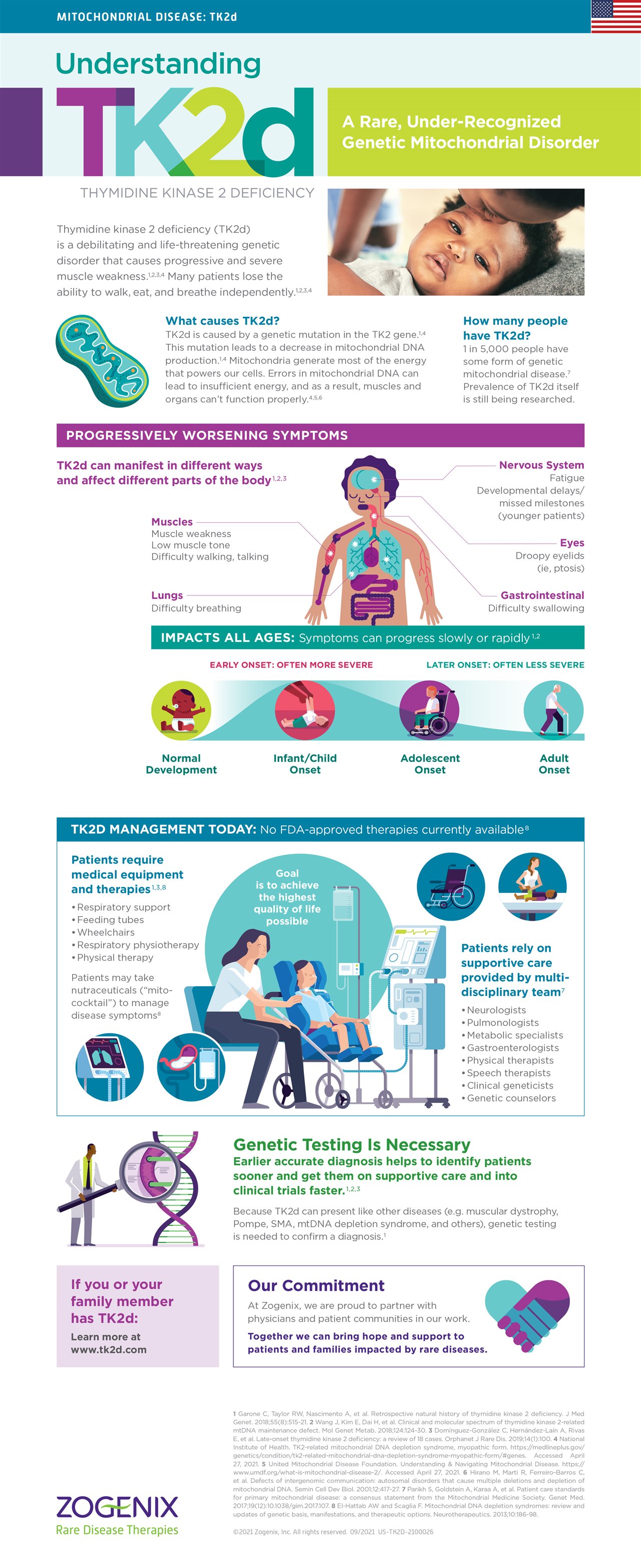
(BPT) – The third week of September is Mito Awareness Week, a time to recognize mitochondrial diseases. Mitochondrial diseases affect the mitochondria, the structures of the cells that are responsible for making energy. When the mitochondria are not working properly, the body does not have enough energy to carry out its normal functions. This can lead to a variety of health problems that can present at any age and vary in severity. One in 5,000 people have some form of genetic mitochondrial disease. Thymidine kinase 2 deficiency (TK2d) is a debilitating and life-threatening mitochondrial disease that causes progressive and severe muscle weakness.

What Worked for Me: Musician Amber Woodhouse’s Journey with Crohn’s Disease

2021-09-20T08:01:00

(BPT) – When Amber Woodhouse was first diagnosed with moderate to severe Crohn’s disease – an inflammatory bowel disease (IBD) – her whole life came into perspective. “As a child, I would have days where I would wake up before school and could not stop vomiting,” Amber says. “But back then, I thought I just had food poisoning. Even if I tried to take a step, I felt a shooting pain all the way to my stomach – it was awful, and I just kept hoping it would go away.”

Unfortunately, despite Amber’s desire for her illness to subside, it didn’t. In fact, she continued to experience symptoms well into adulthood. On a number of occasions, she recalls strategically waiting for guitar solos as an opportunity to run to the restroom. Amber offers, “In my mind, I said ‘OK, when the guitar comes up, I’m going to get off stage, I’m going to throw up and then I’m going to pull it together.’ The show must go on right?”

It wasn’t until Amber’s performance at Bonnaroo Music & Arts Festival – which she attributes as a high point in her career – that she really understood how serious the symptoms had become. “Less than 12 hours after my performance, I was back in the hospital,” Amber explains.

Stories like Amber’s aren’t uncommon. In fact, Crohn’s disease is estimated to impact as many as 780,000 Americans.[i] However, it’s the stigma that Amber feels most strongly about overcoming, underscoring that having a community of doctors and patients by her side allowed her to embrace her disease.

“People often look at social media as a detriment to mental health, but it actually helped me to find a community. I searched Crohn’s disease hashtags and found other influencers who were willing to build my confidence.” Amber also notes that having a care team behind her who understood her disease was critical to ensuring that she was getting the proper care. Particularly as a woman of color, Amber emphasizes one piece of advice for patients suffering with Crohn’s disease: “Stay knowledgeable and be your biggest advocate.”

Amber tried a couple of treatments that didn’t work for her. After talking with her doctor about the risks and benefits, Amber started taking HUMIRA® (adalimumab). HUMIRA is a prescription medicine used for the treatment of moderate to severe Crohn’s disease in adults and children 6 years of age and older.[ii] Now, Amber is considered to be in remission, “I just feel so empowered because I’m on a treatment plan that has reduced my symptoms, allowing me to do many of the things I want to do. I’m overjoyed,” she says.

For more information about a treatment option, visit HUMIRA.com. HUMIRA is a biologic that blocks a source of inflammation that may be contributing to symptoms of Crohn’s disease. HUMIRA is not right for everyone. Only your doctor can decide if HUMIRA is right for you. Individual results may vary.

Please click for Full Prescribing information including Medication Guide.

USE

HUMIRA is a prescription medicine used to treat moderate to severe Crohn’s disease (CD) in adults and children 6 years of age and older.

Important Safety Information About HUMIRA® (adalimumab)

What is the most important information I should know about HUMIRA?

You should discuss the potential benefits and risks of HUMIRA with your doctor. HUMIRA is a TNF blocker medicine that can lower the ability of your immune system to fight infections. You should not start taking HUMIRA if you have any kind of infection unless your doctor says it is okay.

  • Serious infections have happened in people taking HUMIRA. These serious infections include tuberculosis (TB) and infections caused by viruses, fungi, or bacteria that have spread throughout the body. Some people have died from these infections. Your doctor should test you for TB before starting HUMIRA, and check you closely for signs and symptoms of TB during treatment with HUMIRA, even if your TB test was negative. If your doctor feels you are at risk, you may be treated with medicine for TB.
  • Cancer. For children and adults taking TNF blockers, including HUMIRA, the chance of getting lymphoma or other cancers may increase. There have been cases of unusual cancers in children, teenagers, and young adults using TNF blockers. Some people have developed a rare type of cancer called hepatosplenic T-cell lymphoma. This type of cancer often results in death. If using TNF blockers including HUMIRA, your chance of getting two types of skin cancer (basal cell and squamous cell) may increase. These types are generally not life-threatening if treated; tell your doctor if you have a bump or open sore that doesn’t heal.

What should I tell my doctor BEFORE starting HUMIRA?

Tell your doctor about all of your health conditions, including if you:

  • Have an infection, are being treated for infection, or have symptoms of an infection
  • Get a lot of infections or infections that keep coming back
  • Have diabetes
  • Have TB or have been in close contact with someone with TB, or were born in, lived in, or traveled where there is more risk for getting TB
  • Live or have lived in an area (such as the Ohio and Mississippi River valleys) where there is an increased risk for getting certain kinds of fungal infections, such as histoplasmosis, coccidioidomycosis, or blastomycosis. These infections may happen or become more severe if you use HUMIRA. Ask your doctor if you are unsure if you have lived in these areas

Have or have had hepatitis B • Are scheduled for major surgery • Have or have had cancer • Have numbness or tingling or a nervous system disease such as multiple sclerosis or Guillain-Barré syndrome • Have or had heart failure • Have recently received or are scheduled to receive a vaccine. HUMIRA patients may receive vaccines, except for live vaccines. Children should be brought up to date on all vaccines before starting HUMIRA • Are allergic to rubber, latex, or any HUMIRA ingredients • Are pregnant, planning to become pregnant, breastfeeding, or planning to breastfeed • Have a baby and you were using HUMIRA during your pregnancy. Tell your baby’s doctor before your baby receives any vaccines

Also tell your doctor about all the medicines you take. You should not take HUMIRA with ORENCIA® (abatacept), KINERET® (anakinra), REMICADE® (infliximab), ENBREL® (etanercept), CIMZIA® (certolizumab pegol), or SIMPONI® (golimumab). Tell your doctor if you have ever used RITUXAN® (rituximab), IMURAN® (azathioprine), or PURINETHOL® (mercaptopurine, 6-MP).

What should I watch for AFTER starting HUMIRA?

HUMIRA can cause serious side effects, including:

  • Serious infections. These include TB and infections caused by viruses, fungi, or bacteria. Symptoms related to TB include a cough, low-grade fever, weight loss, or loss of body fat and muscle.
  • Hepatitis B infection in carriers of the virus. Symptoms include muscle aches, feeling very tired, dark urine, skin or eyes that look yellow, little or no appetite, vomiting, clay-colored bowel movements, fever, chills, stomach discomfort, and skin rash.
  • Allergic reactions. Symptoms of a serious allergic reaction include hives, trouble breathing, and swelling of your face, eyes, lips, or mouth.
  • Nervous system problems. Signs and symptoms include numbness or tingling, problems with your vision, weakness in your arms or legs, and dizziness.
  • Blood problems (decreased blood cells that help fight infections or stop bleeding). Symptoms include a fever that does not go away, bruising or bleeding very easily, or looking very pale.
  • Heart failure (new or worsening). Symptoms include shortness of breath, swelling of your ankles or feet, and sudden weight gain.
  • Immune reactions including a lupus-like syndrome. Symptoms include chest discomfort or pain that does not go away, shortness of breath, joint pain, or rash on your cheeks or arms that gets worse in the sun.
  • Liver problems. Symptoms include feeling very tired, skin or eyes that look yellow, poor appetite or vomiting, and pain on the right side of your stomach (abdomen). These problems can lead to liver failure and death.
  • Psoriasis (new or worsening). Symptoms include red scaly patches or raised bumps that are filled with pus.

Call your doctor or get medical care right away if you develop any of the above symptoms.

Common side effects of HUMIRA include injection site reactions (pain, redness, rash, swelling, itching, or bruising), upper respiratory infections (sinus infections), headaches, rash, and nausea. These are not all of the possible side effects with HUMIRA. Tell your doctor if you have any side effect that bothers you or that does not go away.

Remember, tell your doctor right away if you have an infection or symptoms of an infection, including:

  • Fever, sweats, or chills
  • Muscle aches
  • Cough
  • Shortness of breath
  • Blood in phlegm
  • Weight loss
  • Warm, red, or painful skin or sores on your body
  • Diarrhea or stomach pain
  • Burning when you urinate
  • Urinating more often than normal
  • Feeling very tired

HUMIRA is given by injection under the skin.

This is the most important information to know about HUMIRA. For more information, talk to your health care provider.

Please click here for the Full Prescribing Information and Medication Guide.

You are encouraged to report negative side effects of prescription drugs to the FDA. Visit http://www.fda.gov/medwatch or call 1-800-FDA-1088.

If you are having difficulty paying for your medicine, AbbVie may be able to help. Visit AbbVie.com/myAbbVieAssist to learn more.

Sponsored by AbbVie


[i] The Facts About Inflammatory Bowel Diseases. Crohn’s and Colitis Foundation of America. https://www.crohnscolitisfoundation.org/sites/default/files/2019-02/Updated%20IBD%20Factbook.pdf.

[ii] HUMIRA Injection [package insert]. North Chicago, IL: AbbVie Inc.

5 tips for caring for a loved one with Alzheimer’s

2021-09-15T06:01:00

(BPT) – Caring for a loved one with Alzheimer’s can be rewarding, but has its challenges. Early diagnosis, having open communication and doing some simple activities can significantly help in caring for a loved one with Alzheimer’s. Fortunately, there are also resources and assistance to help caregivers and their loved ones not only cope but find moments of genuine joy.

Here are ways to help your loved one cope with Alzheimer’s or dementia.

1. Seek early diagnosis

New research shows that the brain starts to change years before you may see severe symptoms. While an Alzheimer’s diagnosis is extraordinarily difficult for everyone involved, early diagnosis can make a significant impact on quality of life, giving patients and families the opportunity to plan and find an appropriate level of care.

Common symptoms to watch for:

  • Forgetting recently learned information
  • Trouble completing ordinary tasks
  • Disengaging from work, hobbies or socializing
  • Difficulty following a conversation
  • Using the wrong words for everyday things

If you see these signs in your loved one, make an appointment with their healthcare provider.

2. Open a dialogue about Alzheimer’s

Starting a conversation about Alzheimer’s with a loved one is daunting. For seniors, it can trigger fear, anxiety, or grief. Adult children may understandably delay this conversation, which can make things worse. Once the senior already has impaired judgment or memory loss, it may be too late for rational conversation. Approach the topic — and your loved one — with sensitivity. Having the conversation allows them to express their feelings and concerns and to participate in important decisions. You can also reassure your loved one that you’ll provide ongoing support.

Including others in the discussion helps, such as family members, a trusted friend, clergy, social worker, or healthcare professional. Support groups for those in the early stages of Alzheimer’s can also be helpful. Visit www.Alz.org to find a virtual support group or location near you.

3. Seek help when you need it

Don’t be afraid to ask for help. Locating Alzheimer’s care for a loved one is as simple as finding your local Comfort Keepers office. Comfort Keepers is a national network of trained caregivers who are passionate about caring for seniors in their own homes. Comfort Keepers caregivers are trained in dementia and Alzheimer’s care, so they understand the challenges of these conditions. They can calm seniors during times of confusion, agitation, or anxiety using a variety of techniques. This ensures all seniors are being cared for with techniques designed to keep them comfortable, active, happy and safe — enhancing their quality of life and elevating the human spirit.

4. Learn techniques for Alzheimer’s and dementia care

Providing a calm environment and predictable routine can help your loved one cope with the confusion, agitation and anxiety. Lifestyle Gerontologist, author and spokesperson for Comfort Keepers Alexis Abramson, Ph.D., offers suggestions for helping seniors:

  • Plan regular activities and exercise. Persons with Alzheimer’s or dementia will be less agitated if they’re involved in activities that interest them. Activities do not have to be strenuous to be beneficial.
  • Focus on nutrition. Alzheimer’s may affect a person’s sense of taste and smell, plus the ability to feel hunger or fullness. Serve meals in a quiet, comfortable place, free of distractions. Offer easy-to-eat finger foods, plus calorie-dense foods like peanut butter, dried fruit, high-protein drinks and food bars.
  • Stay calm when they’re agitated. Reassure your loved one you’re there to help. Distract them with a pleasing activity, such as listening to music or looking at photos.

“Exercise can result in feelings of joy and lead to improved physical and emotional health for seniors,” added Abramson. “Plan outdoor activities when possible, and include both mental and physical stimulation. Make sure activities align with their interests, and keep it fun!”

5. Don’t delay important decisions

Take care of financial, legal and long-term care planning issues as soon as possible. “Try to involve your loved one in decision-making, if they are still capable of providing input, and consider their wishes related to future care and end-of-life issues,” said Abramson.

With a positive attitude, patience — and help when you need it — you can provide much-needed care and support for your loved one.

Learn more about at-home memory care at ComfortKeepers.com.

A game changer: Non-invasive prostate cancer treatment gives men new option in their fight

2021-09-14T14:45:00

(BPT) – For men looking to treat prostate cancer while continuing to live a full, busy life, a new option is now available, even though the key is still early detection.

Routine PSA (prostate-specific antigen) tests are strongly recommended in men between the ages of 55 and 69 with recent research showing that deaths from prostate cancer have decreased by 30% since the PSA test became commonly available.

So what happens if doctors do find something? Up until now, men diagnosed with prostate cancer had two basic options: surgery or radiation. Now comes a groundbreaking third option called the TULSA procedure. This procedure doesn’t make a single incision and is for use in men with prostate cancer that has not spread beyond the prostate. This option is also available for elderly men and individuals previously treated with radiation, but where the cancer reoccurred.

Dr. Edward Steiner, Chairman of Imaging and a WellSpan Health interventional radiologist, performs the TULSA (short for transurethral ultrasound ablation) procedure using a robotic-guided instrument to obliterate the tumor and cancer-damaged prostate with MRI imaging.

“I’m tremendously excited. I think this is one of the most significant innovations in the care for prostate cancer in the last 30 years,” Steiner said. “This is going to be a mainstay option in the treatment of prostate cancer.”

Nearly 3 million men in the United States are prostate cancer survivors, but often the side effects and complications that come from surgery or radiation treatments can impact quality of life. Erectile dysfunction and incontinence are most common, but they are both greatly reduced with the TULSA procedure because it is not as invasive. Some patients can be discharged on the day of procedure. For others it’s an overnight stay and then home with a catheter for two weeks but they can return to work in just a few days.

WellSpan York Hospital is just one of a handful of sites in the country where the procedure is currently performed, with Dr. Steiner joining peers at Stanford and Yale, among others.

Steiner said medicine requires cutting-edge innovations and services to be able to offer aggressive, ground-breaking procedures such as TULSA-PRO. For prostate cancer, that includes advanced MRI imaging, something Steiner calls “man-o-grams” for men.

Prostate cancer is the most common cancer in American men, except for skin cancers, according to the American Cancer Society. The chance of getting prostate cancer increases as a man gets older. Most prostate cancers are found in men over the age of 65. Black men are more likely to develop prostate cancer than men of other races.

“It’s critical men be proactive in their prostate cancer screenings,” said Steiner. “We now have better ways than ever to treat it, but it’s every man’s responsibility to stay on top of it and September being prostate cancer awareness month is an important reminder of that.”

To learn more, visit www.WellSpan.org.

Time to Get Back on the Books [Infographic]

2021-09-14T10:07:01

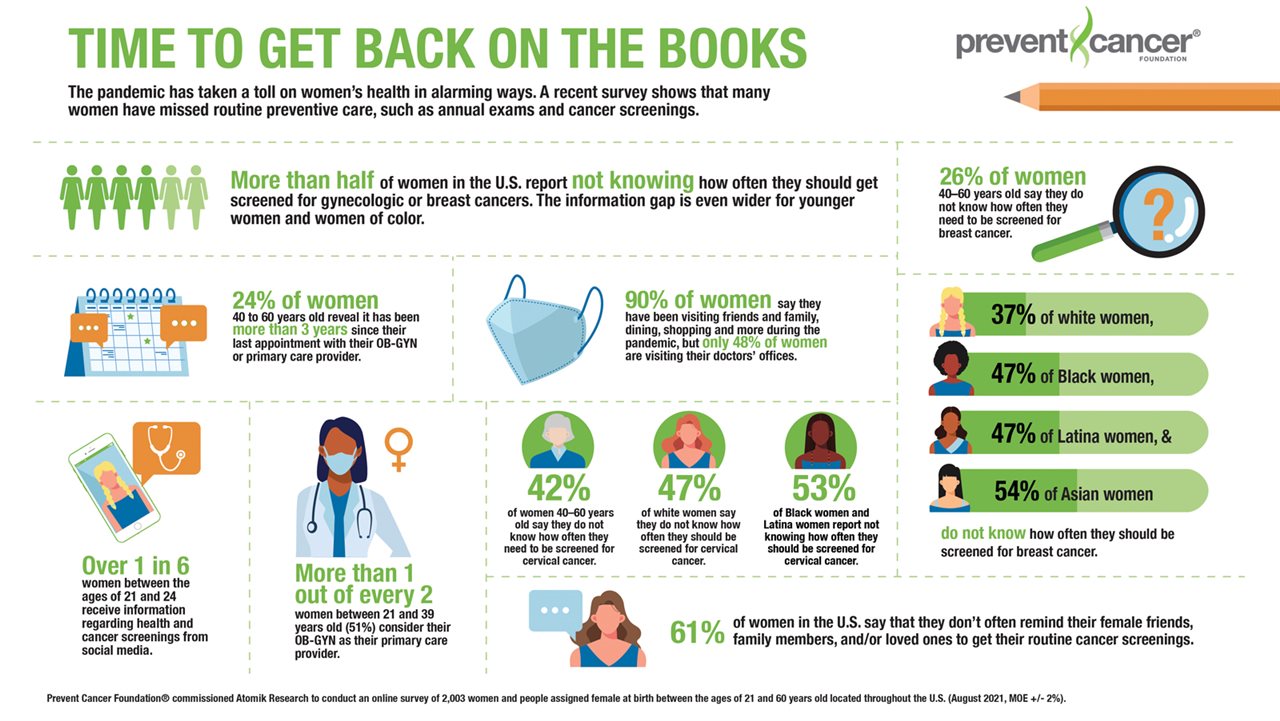
(BPT) – September, 2021 – A new survey from Prevent Cancer Foundation® reveals that ninety percent (90%) of women engaged in normal activities, such as visiting friends, dining out and shopping, when local pandemic restrictions were lifted, but only forty-eight (48%) visited their doctors’ offices.

Annual doctor visits can play a critical role in detecting cancer early before physical signs or symptoms appear. The earlier cancer is found, the better the odds for successful treatment.