Before lowering the thermostat, check the attic

2023-08-04T07:01:00

(BPT) – You’ve probably heard it said that what goes up, must come down. When it comes to the summer season, higher temperatures can prompt homeowners to turn down the setting on their home’s thermostat.

While lowering the thermostat may help take the heat off inside a home, this action may not get to the bottom of a comfort issue — especially if the problem resides in the attic. Issues in a home’s attic can lead to warmer temperatures in other parts of the home, potentially leading to another source of discomfort — higher energy bills.

Why insulation matters in the summer season

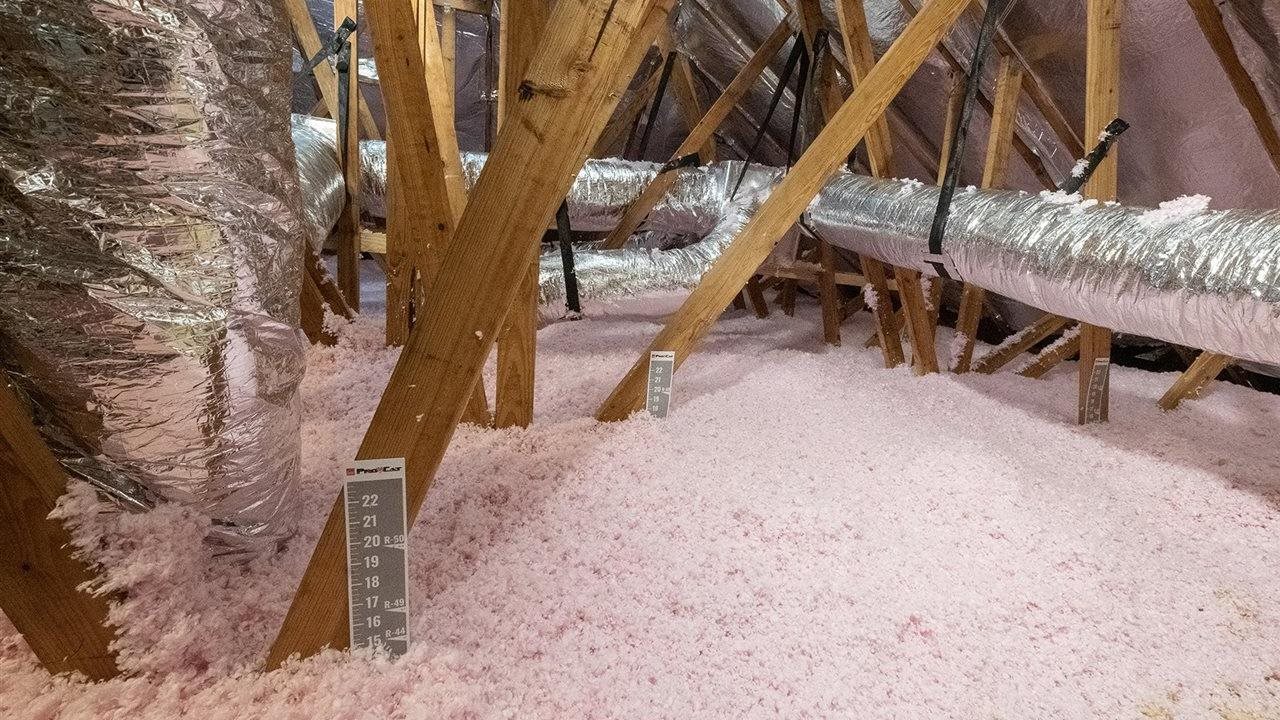
In both summer and winter, adequate levels of attic insulation are necessary to help regulate the temperature inside a home. As temperatures rise inside the attic, warm air will seek to escape into cooler air-conditioned parts of the home. Installing an adequate level of attic insulation can help defend against heat transferring from the attic into conditioned parts of the home. Attic insulation works to reduce heat transfer and helps keep the air-conditioned part of a home cool.

How much of a difference can attic insulation make when it comes to managing heat transfer? Every home is different and variables such as the size and design of the home and local energy rates will influence energy. The difference that attic insulation makes may be seen in lower energy bills and overall comfort throughout the home.

An attic inspection conducted by an Owens Corning AirCare® Certified Professional will measure a home’s insulation level and provide a recommendation on the appropriate amount of insulation to install. An AirCare® Certified Professional will take measurements and snap photos of insulation levels in the attic and then calculate the amount of insulation needed to achieve U.S. Department of Energy recommended insulation levels.

Ductwork’s influence on comfort and costs

Inadequate insulation is just one attic issue that can reduce comfort. The ducts inside the attic that transport air to each room of a home can also present problems. Holes and leaks in attic ductwork or poor connections can allow cooled air to escape into the attic before it ever reaches the intended room. When air exits ducts in the attic, the result is diminished comfort and wasted energy as the system works harder to replace the lost air. The additional workload can potentially shorten the life of the air conditioning equipment or result in service calls to inspect a properly operating cooling unit.

Inconsistent temperatures in different parts of the home may be a sign of a problem with leaky attic ducts. As the flow of air throughout a home is interrupted due to leaks or improperly sized ducts, the conditioned air may not travel to the air registers in each room. Thus, one room may consistently be chilly while another room feels too warm. An Owens Corning Certified AirCare® Professional can evaluate a home’s attic ductwork to uncover leaks and suggest strategies for properly sizing and sealing the ducts.

Dust levels and ductwork issues

Beyond reducing thermal comfort, improperly sized or faulty ductwork can also allow particulates in attic air to be blown into a home’s living space. “Any noticeable increase in dust levels may be a sign of a problem with attic ductwork,” says Tom Casey, Chief Visionary Officer of Griffin Service and an Owens Corning AirCare® Professional.

Of course, proper maintenance of a home’s HVAC equipment is essential to supporting its optimal performance and longevity. Air filters should be cleaned or changed regularly and equipment should be serviced as directed by the manufacturer.

As temperatures soar, utility bills can rise as well. Before simply turning down the thermostat and potentially increasing your energy bill, think about the “whole home” and how addressing issues in the attic can bring a more holistic approach to energy efficiency and comfort.

A crowd-pleasing recipe and 4 tips every host should know

2023-07-27T12:03:00

(BPT) – If you’re a home chef, you know how fun and fulfilling it is to host friends and family. However, entertaining a large group can also be challenging and a bit stressful.

To help you elevate your entertaining prowess, Nick Ritchie — Signature Kitchen Suite’s executive chef — has offered the following delicious recipe and four tips every home chef should know.

1. Prepare multipurpose batches of food

Chef Ritchie suggests cooking multipurpose batches of food like pesto, hummus ratatouille, caponata and baba ganoush, which pair well with grilled chicken, fish and meat. You can prepare and store a sizable batch of recipes up to a week ahead.

Check out this addicting parmesan dip recipe courtesy of Chef Ritchie that is sure to be a crowd-pleaser. You can serve it as a topping for fresh bread, crostini or bruschetta, toss it with pasta, spoon it over fresh sliced tomatoes, add to a salad, dollop it on steak or chicken breast, and use it as a pizza base. The possibilities are endless!

Chef Nick’s Parmesan Dip

Prep time: 10-15 minutes

Yield: 2.5 cups

Ingredients

  • 8 ounces Parmesan cheese, broken into 1-inch chunks
  • 8 ounces Asiago cheese, broken into 1-inch chunks
  • 1 tablespoon chopped garlic
  • 1 tablespoon freshly ground black pepper
  • 2 tablespoons chopped parsley
  • 2 tablespoons chopped basil
  • 2 tablespoons thinly sliced scallions
  • 1 tablespoon pepper flakes
  • 1-1/2 cups extra-virgin olive oil

Directions

1. Place the cheese chunks in the bowl of a food processor. Pulse for about 10 seconds to break the cheese into small granules. (Use a rubber spatula to scrape down and recombine between every couple of pulses.)

2. Add the remaining ingredients except olive oil and pulse briefly.

3. Using a spatula, remove all to a mixing bowl. Fold the olive oil into the blended ingredients and mix well by hand.

4. Transfer the dip to a sealed container and refrigerate for up to two weeks. Bring to room temperature before serving.

2. Sous vide to save time

Don’t let the fancy name fool you. The sous vide cooking method, which has been used by world-renowned chefs for years, is just as easy for home cooks. “Sous vide” (pronounced “sue-veed”) is French for “under vacuum,” and it’s an innovative cooking technique known for achieving the perfect temperature every time. Food is vacuum sealed, then submerged in water and slow-cooked at a constant precise temperature until it is perfectly cooked.

Sous vide has become the go-to method in the world’s best restaurants for years and for good reason. It brings food to the precise temperature chefs look for and delivers perfect doneness, edge-to-edge, every time with little effort.

Let’s say you’ve prepared a bone-in ribeye using the sous vide method. As you cut into your steak, you’ll notice something right away. The doneness you were hoping for goes all the way through your steak, without that gray-to-pink gradient and thin band of desired doneness that you get when simply grilling steaks.

Even better, you can use sous vide to do a “reverse sear.” Sous vide will ensure your steak is cooked to the desired temperature. Then, you can put it on the hot grill for that tasty, smoky char only outdoor cooking can give you.

Baby back ribs are another popular staple that can be prepared using the sous vide method. With the perfect fall-off-the-bone doneness from the sous vide, a nice smokey finish from the grill and a brush of barbecue sauce, you’ll have all-day ribs without the all-day work.

You can even make batches of sous vide cocktails and mocktails for a large group, so you don’t spend your whole event mixing drinks. Chef Ritchie recommends popular libations like limoncello, an old fashioned and cherry gin.

3. Embrace technology

Technology is your friend here, so use it! Cooking and kitchen appliances can help you save time, elevate your cooking and simplify preparing and storing dishes for entertaining and everyday cooking. To make recipes shine, Ritchie advises at-home chefs to upgrade the tools and equipment — especially appliances and other must-haves they use every day. He recommends today’s ultra-versatile appliances, like those from Signature Kitchen Suite, which feature multiple modalities — from steam and gas to induction and even industry-first sous vide built right into the cooktop — to deliver elevated creations and make your cooking experience easier and more successful, day after day.

Learn more about these and other options to enhance your home cooking at SignatureKitchenSuite.com.

4. Take it easy on yourself

Keep it simple. Serve your dishes buffet or family style on platters for an easier setup and cleanup.

If you plan to dine outdoors, pick up rustic or picnic-style butcher paper as a disposable tablecloth. Opt for eco-friendly, compostable plates and utensils that are attractive so you can skip washing dishes after your guests have gone home.

Impress your guests and enjoy your dinner party or get-together that those in attendance won’t soon forget. Using these four tips, you’ll be ready to host any event this season and beyond.

Protect your home from El Niño’s summer weather

2023-07-20T11:01:00

(BPT) – The arrival of El Niño weather conditions from the Pacific has made the summer of 2023 one of the hottest on record. Hotter conditions don’t just make it uncomfortable for you; it also takes its toll on your home. This extreme heat can lead to significant damage and costly repairs.

“Scorching temperatures can cause your home’s structure to expand and contract, putting stress on the physical building,” said Bonnie Lee, Vice President of Property Claims at Mercury Insurance. “Homeowners can protect their property by performing routine inspections of their home, even during the summer months, to identify any problems and take appropriate measures to address them.”

Hot weather has a major impact on your roof. Roofs are particularly vulnerable to heat damage because of their constant exposure to the elements. Under persistent exposure to high temperatures, roofing materials can warp and crack, leading to leakages. Heat also tends to dry out caulking and may weaken the structural integrity of roofing components. Homes with attics may also experience extra heat because airflow is typically stagnant in this area, which can increase the temperature in the home.

During the summer, check on your roof’s insulation. Insulation prevents excessive heat from penetrating indoors, reducing the workload on your roof as well as the wear and tear on your heating and air conditioning system. Make sure to also examine ceilings and walls for water stains or spots that could indicate a leak from your roof. Schedule a routine roof inspection and attend to any small repairs that may be needed before the rainier weather sets in.

“Catching and fixing minor issues before they escalate into major problems can prolong the lifespan of your roof so it remains resilient against all kinds of weather,” said Lee.

Dry soil affects your foundation. The dehydrating effects of heat from the hotter months can cause structural damage to the foundation of your home. The foundation relies on the surrounding soil as a consistent support system. As the ground heats up and moisture evaporates, the soil can separate from the home which can lead to instability.

Large trees close to the home can compromise the ground around your foundation, as they draw moisture through their roots and quickly dry out the dirt. If you have large trees near the perimeter of your home, make sure they are getting adequate moisture so they don’t drain all the water from the surrounding soil. Consider using a timed sprinkler system to keep the grounds around your home hydrated.

Protect pipes from extreme heat. It may come as a surprise, but water leaks in your home tend to occur more frequently when temperatures rise. Heat can cause pipes to expand, leading to leaks and bursts. In fact, July is known to be one of the busiest months for homeowners’ claims related to water damage, especially those caused by blocked HVAC drains. Water damage accounts for nearly half of all homeowners’ claims.

Check the caulking and sealing around your pipes and look for any cracks or tears in appliance hosing regularly. Damaged pipes and hoses can cause significant water damage, making it important to replace them at the first sign of compromise.

Water leak detection devices are an excellent tool for identifying various types of leaks, even the ones that are hidden from sight. Professionally installed water pressure sensors that monitor water flow, for example, can send a notification to a homeowner’s smartphone to let them know of a potential issue. Insurance companies like Mercury will often provide a discount for homes that implement water leak detection devices.

Safeguard areas around windows and doors. Prolonged exposure to heat can cause caulking around windows and doors to dry out and crack, compromising their energy efficiency and making them vulnerable to air and water leaks. If you notice dry or cracked caulking, remove as much of it as possible and reseal. Weather stripping installed in these areas will help to keep hot air from entering the home and cool air from escaping.

“To protect your home from the extreme heat, conduct routine maintenance before, during and after the summer season to help avoid costly repairs,” said Lee. “A little preventive maintenance can go a long way in avoiding heat-related damage to your home.”

Busting AC myths: Experts say skip these tricks and try these 5 steps to beat the heat instead

2023-07-19T09:01:00

(BPT) – You want your home to be comfortable, especially as summer temperatures soar. However, there is much misinformation on the internet and in social posts that claim to offer tricks that help reduce the heat in your home, but that, in reality, can cause lasting harm to your home’s HVAC system.

HVAC stands for heating, ventilation, and air conditioning. It’s like the heart of your home, pumping conditioned air where you need it to feel comfortable indoors. Damaging this system can leave you without AC during the dog days of summer, not to mention that fixes can be costly.

Eric Weiss, expert tech trainer at Trane Residential, busts some of these potentially dangerous myths and shares tips to help you safely stay cool this summer by making choices that are better for your HVAC system and for your own home comfort.

Myth: Spray the outdoor unit with water

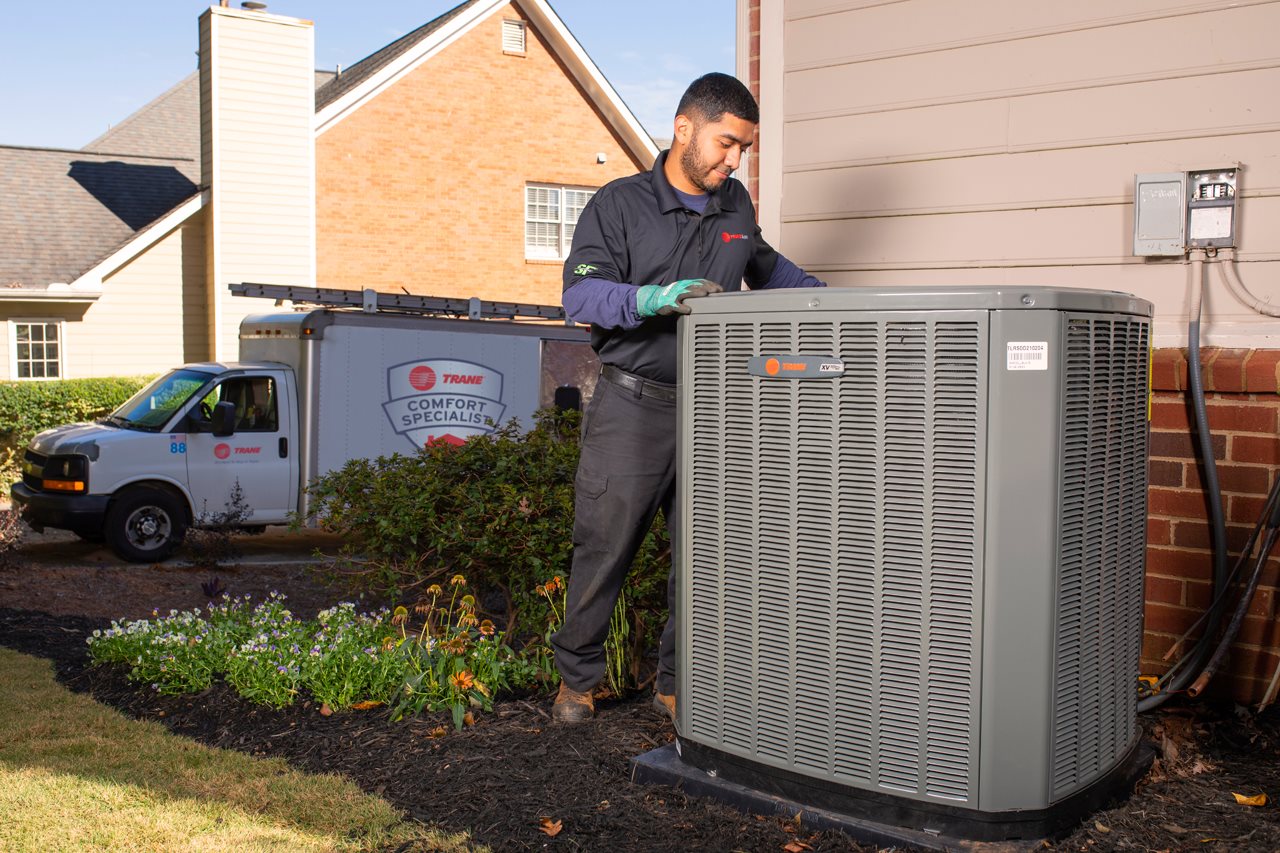
Fact: One hack making the rounds is spraying the outside unit with a hose for a quick burst of cool air inside. However, this only works temporarily; worse, long-term water exposure can damage the fan and coils. A better choice is having a local maintenance professional proactively clean the system twice a year, ensuring the cooling charge is correct, the coils are clean, and the filter is changed.

Myth: Put an umbrella over the unit

Fact: Ambient temperature is the same outside, in a specific location, whether shaded or not. The shade makes the temperature feel 10-15 degrees cooler than it actually is because you are out of direct sunlight. Therefore, adding shade does not help the unit run better by supplying cooler air. In fact, it may inhibit circulation and trap hot air around the unit, making it work harder to cool your home.

Instead, the DOE recommends ensuring no nearby objects block airflow from your outdoor unit. You can achieve this by keeping the area surrounding your AC clean and debris-free. A good rule of thumb is not to let plants or other wildlife grow within a 2-foot radius of your unit. Plants, trees, or weeds growing too close to your AC could interfere with its functionality. Additionally, if you see things like leaf buildup or animal nests around your unit, you should remove them so they don’t get caught in blades or coils.

Myth: Turn the temperature down for quicker cooling

Fact: Your air conditioning unit works just as hard whether you lower it 3 degrees or 30 degrees — getting to the temperature you want is just a matter of time. A properly sized AC system that maximizes your energy savings may not have enough capacity to drop your indoor temperature by several degrees in the peak summer afternoons or evenings. Reaching a new set point takes time. Use a smart thermostat like the ComfortLinkII XL824 thermostat to help save money by setting schedules and being able to adjust your home temperature remotely.

Myth: Regular vacuuming keeps HVAC air filters clean

Fact: While vacuuming does help collect and remove dirt and grime from the home, it’s still important to change the air filter in your HVAC system at least seasonally (every 30-90 days should do the trick). These filters collect dust and even small particulates you can’t see in the air. Over time they get dirty, restricting airflow, making your HVAC system work harder, and reducing its efficiency in cooling your home.

Myth: Run your AC unit until it dies

Fact: Replacing an air conditioner might be more expensive up front, but running your unit past its expiration date will be less efficient and could cost you money in the long run on repairs. Start saving money on your energy bills sooner by replacing your old unit before it quits on you. One to consider is the XV20i Variable Speed Heat Pump with Trane Link that continuously adjusts its speed to deliver a consistent flow of cool, comfortable air for ultimate comfort and efficiency.

Becoming an iconic and beloved brand

2023-07-18T11:21:00

(BPT) – By Kim Hyo-eun, vice president of the Global Marketing Center at LG Electronics

Until now, as a leader in the consumer electronics industry, LG has grown into an innovative and trustworthy brand with a focus on products such as TVs, refrigerators and washing machines. LG has always deeply understood the lives of its customers and, based on this insight, solidified its position as one of the most beloved brands thanks to innovative products boasting reliable quality. However, in our pursuit to take the brand to the next height and transform it into a global iconic brand, we recognized the need to go beyond products and services and effectively communicate our core brand values to customers. This has led us to embark on the brand reinvention journey.

What’s more, as we live in a world of constant change where consumers’ lifestyles are shifting, diversifying and evolving at an increasingly rapid pace, companies have to strive harder to understand the needs and wants of their customers, and that requires a willingness to change and a passion for innovation.

An organization that has always embraced change, LG recently introduced its reinvented brand strategy to build a stronger, consistent brand image and better convey its commitment to providing a message of ‘Life’s Good.’ As the first step toward strengthening its brand identity, the company undertook a rigorous process to redefine its values and philosophy. After clearly defining three core values of ‘Uncompromising Customer Experience,’ ‘Human-centered Innovation’ and ‘Warmth to Power a Smile,’ the company set about reinterpreting and reinvigorating the LG brand, creating new visual assets that mark a new era in its history. The result of this reinvention is a younger and more dynamic visual identity that resonates more deeply with consumers across all generations and backgrounds.

To be successful in today’s market, a company must be able to connect with consumers at an emotional level. With its reinvented brand identity, LG is already fostering a deep connection with customers, showing that compassion and humanity are as much a part of ‘LG-ness’ as the technological and design innovation that the company has long been known for.

The look of LG’s iconic Life’s Good slogan has also been revamped and refreshed to better communicate the brand’s firm belief that life is good. A custom typography — inspired by various LG products’ form factors — makes the company’s well-known slogan more distinctive and unique, while the period at the end conveys LG’s confidence and sincerity in its mission to make people’s lives better through innovation.

A prime example of the ‘reinvent’ is how LG’s instantly recognizable brand symbol has been brought to life. In digital environments, the iconic LG symbol, designed as a smiling face using the letter ‘l’ and ‘g,’ can now perform eight different actions, including greeting, nodding, spinning and winking. Known as LG’s “face of the future,” the digital logo symbolizes the company’s legacy while also strengthening its bond with today’s consumers.

And, to highlight the brand’s bold and youthful nature, LG has introduced a vibrant new shade of red that will be used across all platforms — physical and digital. The new, energetic “active red,” complemented by LG’s traditional “heritage” red and a deep black, represents a passion for innovation and the boldness to deliver exceptional customer value. By incorporating these dynamic colors, LG aims to express its passion for pushing boundaries and creating meaningful experiences for its customers and attracting younger generations. This approach allows LG to emanate a youthful, dynamic, vibrant, confident and innovative image that aligns with the company’s diverse businesses, products and services.

In addition to introducing its brand reinvent to the world, LG has been sharing its updated brand and visual identity with its own employees, bringing together personnel from all levels and departments to experience first-hand what the new changes mean. LG firmly believes that its employees are the best brand ambassadors. By ensuring they understand the brand’s value and vision and incorporate it into their daily task, the company can more effectively deliver a message of ‘Life’s Good’ to customers.

Aligned with this, the company launched its first Life’s Good event for its employees in South Korea on June 12. With Life’s Good trucks reflecting the new visual identity touring LG Electronics’ business sites in Korea, the company handed out branded coffee cans and provided a chance to win various branded goods during lunch time, enabling everyone to take the time to discover the new changes to the brand. The event garnered overwhelmingly positive and enthusiastic feedback from executives and employees, who expressed their excitement about the brand reinvention. They also shared that the event enabled them to better understand and visualize the reinvented brand.

We are hopeful that LG’s brand reinvent will serve as a starting point for the innovation of new customer experiences that can provide value and benefits for real customers, enabling them to feel that ‘life’s good’ and fully enjoy each precious moment of their lives.

LG acknowledges that there will be moments when people may struggle to resonate with the Life’s Good slogan and message. However, the intention is not to present an unrealistic picture of unwavering hope and positivity. Instead, it serves as a declaration of what life has the potential to be and should strive to be. It also acts as a reminder that even in challenging times, life remains incredibly precious and invaluable. In this context, the Life’s Good slogan embodies the lifestyles that LG aims for and aligns with our commitment to assisting customers in achieving a better life through our products and services.

At LG, we are driven by the desire to make consumers’ lives better than they are now. With this spirit and our unshakable belief that Life’s Good, we will endlessly take on challenges and never stop innovating. LG is a company where people work tirelessly to discover the needs of consumers — needs that they themselves aren’t even aware of — and find smart, practical solutions that deliver convenience, joy and connection.

LG’s new brand identity is infused with the collective effort and enthusiasm of the entire company. It reflects an unwavering determination to make every single day better than the last and showcases the company’s aspiration to become a globally iconic and beloved brand.

Going green: How to make your home more environmentally friendly

2023-07-12T11:01:00

(BPT) – Most recent data shows that in the past five years, 85% of people have shifted their behavior to be more eco-conscious and have started thinking sustainably when making purchases*. For many, the home is a natural place to start incorporating environmentally friendly products and practices.

“From utilizing green building products to incorporating high-efficiency technology, implementing more eco-friendly practices and products at home is a steppingstone towards living a more sustainable lifestyle,” said Judd Larned, President of Culligan Water. “Start with your water. Making eco-friendly choices on how you consume and treat your home’s water can have a big impact.”

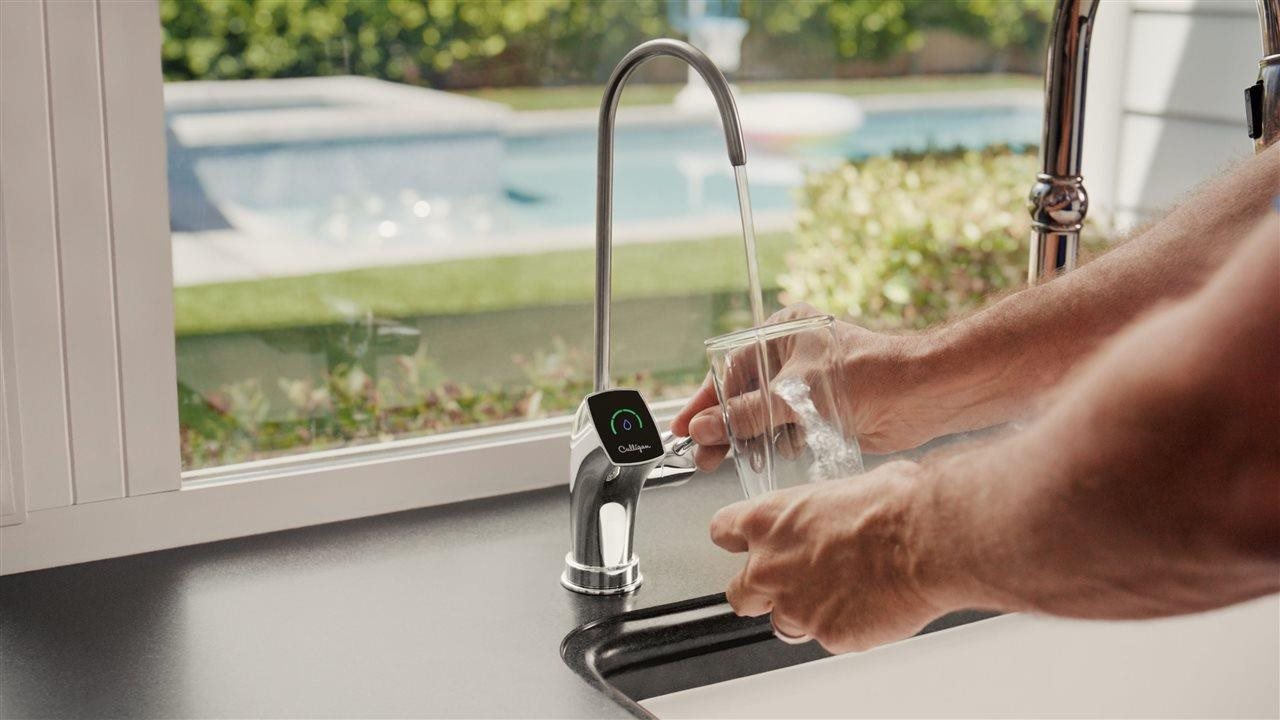
Drinking water from your home tap is a great way to help the environment. Every year, overuse of single-use plastic bottles contributes to pollution, yet many people prefer the taste and quality of bottled water over the tap water in their home. By installing a water treatment solution, such as a reverse osmosis system, homeowners can get cleaner, filtered water directly from the tap and reduce their use of single-serve bottled water. The Culligan Aquasential® Smart Reverse Osmosis Drinking Water System offers 12 different filter options and is certified for the reduction of 59 contaminants which include 15 emerging contaminants including lead, arsenic, pharmaceuticals, volatile organic compounds (VOCs) and PFOA/PFOS.

For a greener solution to traditional water softening, a high-efficiency water softener, like the Aquasential Smart High Efficiency Water Softener, is designed to minimize water and salt usage while effectively softening the water. By selecting a high-efficiency softener, you can reduce water and salt usage. Both the RO and softener also offer a smart device app that gives users intuitive control over each system with water alerts, maintenance needs and tools that track water usage and consumption at your fingertips. You’ll have real-time data to help manage water usage in your home.

Going beyond your water, here are additional tips for creating a more environmentally friendly home:

  • Choose green décor. A simple way to go green with your home is to choose environmentally friendly décor. While natural stones and marbles are on trend, their use is costly to the environment. Instead, homeowners can use man-made materials that mimic the look of natural materials. Using composite materials made from recycled content or natural materials that are sustainably sourced for décor, cabinets, fixtures and countertops is a great way to get the latest trends in home décor without negatively impacting the environment.
  • Opt for energy-efficient appliances. When purchasing new appliances, opt for those with high energy-efficiency ratings. Energy-efficient appliances are designed to accomplish the same tasks with less power, which reduces the need for additional power plants and decreases the extraction of natural resources such as coal, natural gas and oil. By conserving these resources, we can preserve ecosystems, protect habitats and minimize the environmental damage caused by their extraction. On appliances such as refrigerators, dishwashers and laundry machines, look for ENERGY STAR certified products, which meet strict energy-saving standards.
  • Use smart technology to conserve energy. Today, smart home technology is available to help homeowners control and track their energy usage, resulting in improved conservation as well as lower utility bills on the home front. Smart thermostats and lighting, as well as home automation systems, allow you to optimize heating and cooling or create energy-saving routines and schedules whether you’re home or away. Use energy monitoring systems to track usage patterns, identify energy-hungry appliances and provide insights on how to optimize energy efficiency.
  • Recycle. Recycling is one of the most simple and well-known ways to go green at home as it conserves resources, reduces landfill waste and minimizes the environmental impact of manufacturing new products. Set up a recycling system in your home to separate recyclable materials from general waste. Identify local recycling centers or programs that accept different types of recyclables and ensure proper disposal. Consider going beyond traditional efforts by buying products made from recycled material or from companies dedicated to sustainability.

By implementing these tips, homeowners can contribute to a more sustainable future while creating a healthier and more cost-effective living environment. For more information on in-home water treatment solutions, visit www.culligan.com.

*According to an October 2021 Global Sustainability survey conducted by Simon-Kucher & Partners.

How to make your home work for you through the years

2023-07-12T07:01:01

(BPT) – Courtesy of Peerless® Faucet

“Aging in place” (aka independent living) is the phenomena of older adults remaining in their homes as they age, rather than relocating or moving into an institutional setting. In fact, about 75% of 50+-year-olds would like to stay in their current homes or communities for as long as possible, compared to about half of 18 to 49-year-olds, according to AARP. With age, lifestyle needs change and if staying in your home is important to you, you may have concerns about getting around your home or getting simple tasks done, including personal care. Whether you’re a future caregiver or a care recipient, find suggestions below that can help with some of these worries along with easy ideas to ensure you have a functional home.

Plan ahead

As you prepare to make this big life step, take the time to sit down and think about the types of help you, a partner or a care recipient may need. Everyone’s situation is different, so it’s important to take the necessary steps now to avoid future issues.

One way to plan ahead is to talk to a doctor. Oftentimes, there may be medical conditions that could affect or complicate the way one ages in place or even hinder mobility around the house. If you’re a caregiver, it can prove helpful to be proactive. While these may be daunting conversations, it’s important to have them with a doctor and discuss best practices for living in your home long-term.

Another way to plan ahead is to create an at-home checklist of simple design updates that’ll allow a safe, independent living experience. The easiest way to identify what to change is to walk around the house and take note of anything that could pose a challenge in the near future. Consider door levers over doorknobs, light switches with a rocker panel versus a toggle switch, or even awning-style windows to make them easier to open and close. Making subtle changes like these can have long-term impacts on your comfortability and ability to stay put.

Tap resources available to you

If one is already having trouble moving around the house, it may be time to outsource assistance. Some people avoid electric scooters or chairs due to the hefty price tag, but what many don’t realize is that some at-home electronic aids are covered by Medicare. Other available resources you can contact if in need of home modifications or low-cost assistive devices include Administration for Community Living, The National Rehabilitation Information Center and AARP.

If you wish to revamp your space with stylish home furnishings that allow for aging in place, having a consultation with an experienced local home designer, or Certified Aging in Place Specialist (CAPS), is your best bet! These professionals are trained in meeting the needs of older adults by assisting with aging-in-place home renovations. Whether you need pocket doors to help with mobility between rooms, wider hallways for wheelchairs, or even a single-story house plan with a complete second suite, these designers can help update a home to adapt to a family — instead of a family adapting to a new home. Resources you can contact for this include Accessible Living, Paul Schumacher Homes and even Care.com.

ADA-compliant and stylish installations

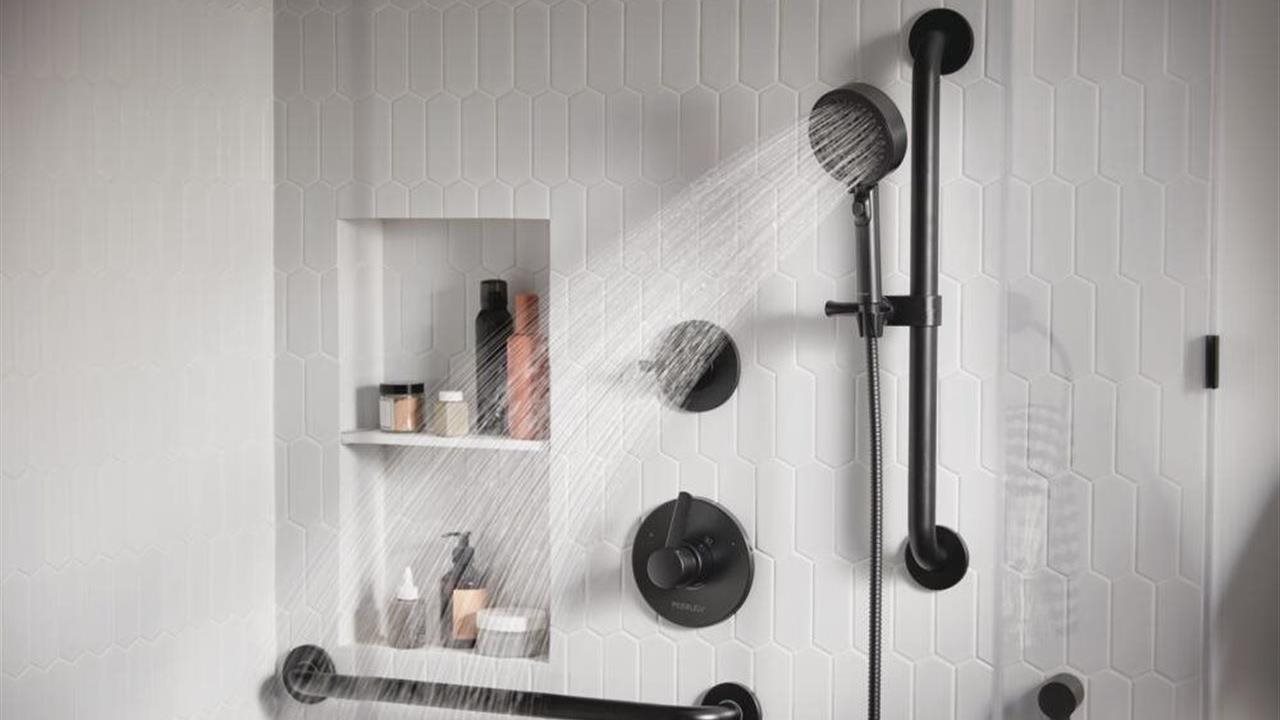
Aging-in-place updates don’t always have to look and feel dull. You can make simple tweaks to make any space look presentable and elegant. An easy place to start implementing these tweaks is in the bathroom! Remodel your bath space the easy, affordable way and fit it with the all-new Precept® ADA Tub & Shower with Hand Shower by Peerless®. Designed for all, this sleek and modern shower trim kit assures everyone has a safe, comfortable showering experience. It also comes in three different finishes (Chrome, Matte Black and Brushed Nickel) to fit almost any bath space and design. Its 5-inch tub spout, handle operations, hand shower, hose and 24-inch grab bar are all ADA-compliant to help you create an accessible space without compromising design or functionality. You can also pair this trim kit with the brand-new accessories within the Precept® Bath Collection for a coordinated, unified look.

Other easy home aging-in-place modifications could be eliminating hard-to-reach areas like high or low cabinets. Instead, opt for darker hued drawers right under your countertop; this way they’re more accessible and can easily match almost any kitchen décor. Need additional aging-in-place thoughtful kitchen inspiration? Introduce a mobile, adjustable kitchen island with lots of storage to avoid excess meal prepping and standing time.

If aging in place is the path forward, it’s important to realize there’s more to it than just staying put. Like every stage in life, it’s important to ensure that plans are thought through, even for the future. When thinking through ways to create a safer and age-friendly home environment, take advantage of resources available to you and prioritize updating rooms you utilize the most. Focus on the basics and create a well-coordinated and accessible space with fixtures that don’t compromise on aesthetics or functionality.

Efficiency and comfort combined: Unveiling the advantages of radiant heating systems

2023-07-10T05:01:00

(BPT) – If you are one of the millions of homeowners who locked in an ultra-low, fixed-rate mortgage before last year’s surge, you’re likely staying put in your home and thinking about updates to your existing space. With ample benefits and retrofit options, radiant floor heating is worth serious consideration.

Radiant heat is gaining big interest due to its ability to improve the health, comfort and functionality of a home. Adding radiant heat to specific areas, such as master bathrooms or basements, or even throughout an entire home, is a smart way to improve indoor environmental quality (IEQ) and enjoy energy efficiency.

Plus, hydronic radiant heating systems that circulate warm water through pipes under the floors are particularly ideal in retrofitting homes with boilers that supply hot water to radiators and baseboard heaters, providing a solution that is more affordable with lower operational costs.

How radiant supports IEQ

Better air quality — Hydronic radiant heating circulates warm water through pipes in the floors as opposed to air being pushed through ductwork via fans, which circulates dust, pollen, dirt, viruses and other allergens around a home.

Superior comfort — Radiant heat keeps comfort near the floor where people are located. Plus, radiant systems work in zones, so individual spaces can offer customized comfort with separate thermostats. With traditional forced-air heat, the hot air rises to the ceiling and typically there is only one thermostat that controls the entire home.

Reduced odors — With forced-air systems, burning airborne particles and circulation of other odors (like from the kitchen or bathrooms) add to unpleasant smells throughout a home. Radiant offers a clean, consistent comfort that doesn’t circulate offensive smells.

Peace and quiet — In a radiant system, circulators quietly move water through pipes. There are no noisy fans or booming furnaces turning on and off. Plus, there is no ductwork expanding and contracting when hot air rushes through the system.

Energy efficiency — Water has the capacity to transport energy 3,500 times greater than air, making it ultra-efficient. Plus, radiant systems work well with renewable energy sources such as geothermal and solar. State and federal tax incentives for renewable energy and energy-efficient technologies can help lower costs.

Radiant innovations

If you’re interested in adding radiant heat to your home, new innovations are making it easier to add radiant heating in a home renovation or remodel.

Wireless controls

Wireless radiant controls have been around for more than a decade. However, wireless controls that can manage multiple zones for both radiant and air-side systems are new to the North American market.

Smatrix Pulse features this new technology, offering wireless control of radiant heating and cooling along with forced-air heating and cooling in multiple zones. It also allows connectivity to smart home assistants for voice-activated control along with remote control via an app, which can be downloaded from Google Play or the Apple App Store.

Lightweight foam panels

A newly launched XPS foam panel is making it even faster and easier to install radiant heating in existing homes. Xpress Trak is a single-panel system that features XPS foam at its core, which is covered with a thin sheet of aluminum for exceptional heat-transfer capabilities.

The natural moisture resistance of the panels eliminates the need to caulk edges or panel grooves, and they don’t require insulation in the joist space below the subfloor, which speeds installations and lowers costs. Plus, the panels feature a low, 5/8-inch profile to minimize construction in remodel projects.

Design technology

While not new, LoopCAD radiant design software programs are continuing to be updated with innovative technologies. If you are doing the radiant installation yourself, make sure you have the right design before beginning the install. If you are having a radiant professional do your installation, make sure they are using up-to-date product and system information.

If you plan to stay in your home and are looking to make worthwhile upgrades with numerous benefits while increasing your property value, radiant heat systems are a smart option. Learn more at Uponor.com.

7 Coastal Cues for Your Home

2023-06-30T14:33:00

(BPT) – Are you yearning to get back to the sun and sand? If you’re drawn to the seaside style of coastal design, why not bring the look to your own home? The keys to achieving a beachy vibe include incorporating a light palette, strong lines, and natural materials, like cypress. Here are seven ideas to transform your house from just another on the block to a staycation dream home with coastal flair.

Grand Entrances

First impressions matter, so go grand in your entryway and make a bold design statement. Tongue-and-groove pecky cypress can create a striking ceiling treatment with unique texture. Framing the area in cypress boards with a contrasting finish can add depth and dimension, while hiding recessed lighting and defining the space.

Cozy Spaces

Beach homes are made to bring people together and open concept floorplans do just that. Vaulted ceilings and open shelving — crafted from a beautiful wood like cypress — can add even more openness to a great room filled with cozy seating options. And custom built-ins and cabinetry — utilizing the same material — not only tie multiple spaces together, they also provide storage solutions to keep clutter out of site and out of mind.

Dreamy Kitchens

When it comes to coastal kitchens, choosing a limited material palette and finishes will keep the heart of your home looking clean and fresh. Real American Hardwood® cabinetry will offer lasting value and durability. And selecting a species like cypress will add subtle style, along with character and beauty to be cherished for generations to come.

Bold Beams

Architectural details, such as exposed beams, are a popular design trend that can add function and style to any room. Pairing cypress beams with a pecky cypress ceiling and cabinetry can provide a dramatic setting for a gathering spot, like a home bar.

Fabulous Feature Wall

Open and airy spaces with abundant daylighting are staples in beach house design. With expansive windows and less wall space, installing cypress millwork to create a feature wall can evoke nautical charm — and double as a work of art. Take advantage of the wood’s natural beauty and elevate its grain pattern with a stain that enhances the room’s décor.

Serene Sleeping Quarters

For families with multiple kids, the words “calm” and “peaceful” may seem like an unattainable luxury. That doesn’t mean you can’t create a serene bedroom that sleeps two or more! Bringing in materials and details used in other spaces, like cypress millwork, will provide continuity from room to room. See, calm and peaceful, even if there’s occasional chaos.

Waves of Color

Crisp white walls with a pop of color are a classic coastal look. And while painting a wall with a tranquil turquoise or breezy blue is often a go-to, why not choose to celebrate the natural hues of real wood? Adding a patterned cypress accent wall, finished with a rich stain, can provide intriguing color with aesthetic warmth.

For more inspiring coastal cues to add a beachy vibe to your home, visit www.CypressInfo.org.

Love DIY furniture projects? Turn your passion into a profitable side hustle

2023-06-27T23:01:00

(BPT) – Rising inflation and worries of an impending recession have Americans seeking side hustles and casual entrepreneurship to unlock extra cash and boost their incomes.

A recent consumer study found that one-third of respondents have a second job. One in six said they earn supplemental income through other means like commissions and selling goods. And while Gen Z is the most likely to have a side hustle, Gen X and millennials are also making ends meet with side income.

However, soothing financial woes isn’t the only reason consumers are adopting side hustles. According to data from McKinsey & Company, nearly a quarter of survey respondents do so because they enjoy the work and appreciate the autonomy and flexibility side hustles offer. Side hustles can also help consumers turn a passion or hobby into a form of income or help them start their own businesses.

While there are plenty of possible side gigs — such as rideshares, grocery and food delivery, pet-sitting and home rentals, just to name a few — it’s important to follow consumer demands to ensure an extra gig is worth your time. The secondhand market is rapidly growing in today’s environment, creating more opportunities for side hustlers to earn extra cash. Additionally, services like PayPal make it easy for you to accept payments while offering protection for you and your buyers.

How to use consumer spending trends to your advantage

Inflation is changing the way people work and shop. Consumers are searching for the best discounts to buy needed items and buying secondhand or resale items to save money. According to ThredUp’s 2023 Resale Report, 93% of U.S. shoppers have or are open to buying secondhand items. While inflation is a primary motivator, many consumers are shopping for used products because it makes them feel good and because it’s sustainable. Many consumers are also on the hunt for nostalgia – from vintage fashion to retro home décor. Whatever the reason, the secondhand market is booming, and side hustlers would do well to pay attention.

You’ve probably seen plenty of resale sites that offer secondhand clothing and electronic goods, but one trend you can jump on to bring in extra income is upcycling furniture. The New York Times reported that furniture listings on Facebook Marketplace were up 40% year-over-year in spring 2022 and that the number of followers following #furnitureflip on Instagram grew 29% in the same period.

“Flipping furniture is a fun and lucrative way to earn some extra cash,” said Charlotte Smith, designer, DIYer and blogger. “Check your garage or ask your family, friends and neighbors for furniture cluttering their garage and attics. These items can be easily restored or updated to attract design-conscious shoppers.”

If you’re interested in getting a slice of the side hustle pie and have a passion for DIY projects, check out Smith’s tips for reselling these six furniture items.

1. Dressers

Dressers are a great addition to any room, especially if you have limited closet space. Find a midcentury dresser with sleek, clean lines that — with a little time, love and care — will be ready to go to a new home.

According to Smith, sometimes all an old dresser needs is paint removal, sanding and reoiling to bring it back to life and get it ready for resale. Changing legs or hardware is another simple solution for flipping these popular pieces. If wood is damaged, try using a wood filler to patch defects and then choose a classic neutral paint color that will fit in with the midcentury vibe. Suggested resale: $250+.

2. Side tables

Side tables can be used in living rooms and other common areas as a decorative accent piece and as an extra surface for drinks, lamps and books. You can easily turn an old side table into an elegant luxury dupe by gluing textured wallpaper to the drawers before finishing the tables with a coat of black or gray paint.

Smith suggests adding a pop of color to the insides of drawers or shelves for a fun update. You can create a graphic mod pattern by adding flexible molding as another unique way to upcycle your piece. Suggested resale: $100+ for a pair.

3. Nightstands

Nightstands are a popular piece of bedroom furniture you can upcycle at a profit. You can easily restore dated solid wood nightstands with a new stain or fresh coat of paint. Swapping in new hardware adds a modern finish to this piece.

As a value add, Smith recommends updating nightstands with modern touches like embedded charging stations or LED light strips. Details like gold leaf or wood appliqués can also change the look of a nightstand to update it for resale. Suggested resale: $75+ per nightstand.

4. Bookcases

For book lovers, bookcases are a must. Adding colorful wallpaper to the inside backboard of an old, tired bookcase can help your piece stand out on resale sites.

Another easy way to add new life to a bookcase is to paint it. Make impactful updates by adding ombre shelves, vertical color blocks or painting a contrasting color on the front edge of a bookshelf.

Smith suggests adding decorative trim to the front of shelves or removing existing trim work with a jigsaw can also change the aesthetic of a simple bookcase. Suggested resale: $150+ per bookcase.

5. Coffee tables

Whether you need a place to put up your feet or hold your drinks, remote or reading material, a coffee table is one of the most functional living room furniture pieces homeowners need. Make your coffee table stand out to buyers by marrying fashion and function.

A high gloss white or black paint coat will always update a coffee table. For a different but fresh update, try sanding the table down to raw wood for a modern farmhouse look.

Once you’ve finished upcycling a piece, don’t forget to style it for a photo. Smith recommends arranging the coffee table in a clean, bright space with a few chic items on top, perfect for an eye-grabbing resale photo. Suggested resale: $100+.

6. Outdoor furniture

Outdoor spaces like patios, decks and gardens need furniture too! If you have old metal patio chairs cluttering your garage or yard, you can easily sand and repaint them to bring a pop of color to a backyard setup for summer.

Smith suggests scrubbing off the rust with a wire brush and spray painting with rust-preventing spray paint. With just a little bit of elbow grease, you can bring tired patio furniture back to life just in time to resell it for the warmer months ahead. Suggested resale: $300+ for a set of patio furniture.

Get secure, safe payment

When selling secondhand goods, make the process simple and safe for you and your customers. Consider accepting payments through PayPal as a secure, easy and flexible way to get paid for your passion projects.

With PayPal, you can ‘pay it safe’ and protect transactions with 24/7 fraud monitoring and data encryption. The platform also offers Seller Protection and Chargeback Protection for eligible purchases, which helps protect against fraudulent buyers, so you can focus on the important aspects of your business. Best of all, you can manage and track business transactions in one place, helping you stay organized for tax season. Don’t sleep on the secondhand side hustle. Learn more about how PayPal can help you start and manage your side jobs.

Disclaimer: This article shall not be considered financial advice. If needed, please reach out to a financial advisor,