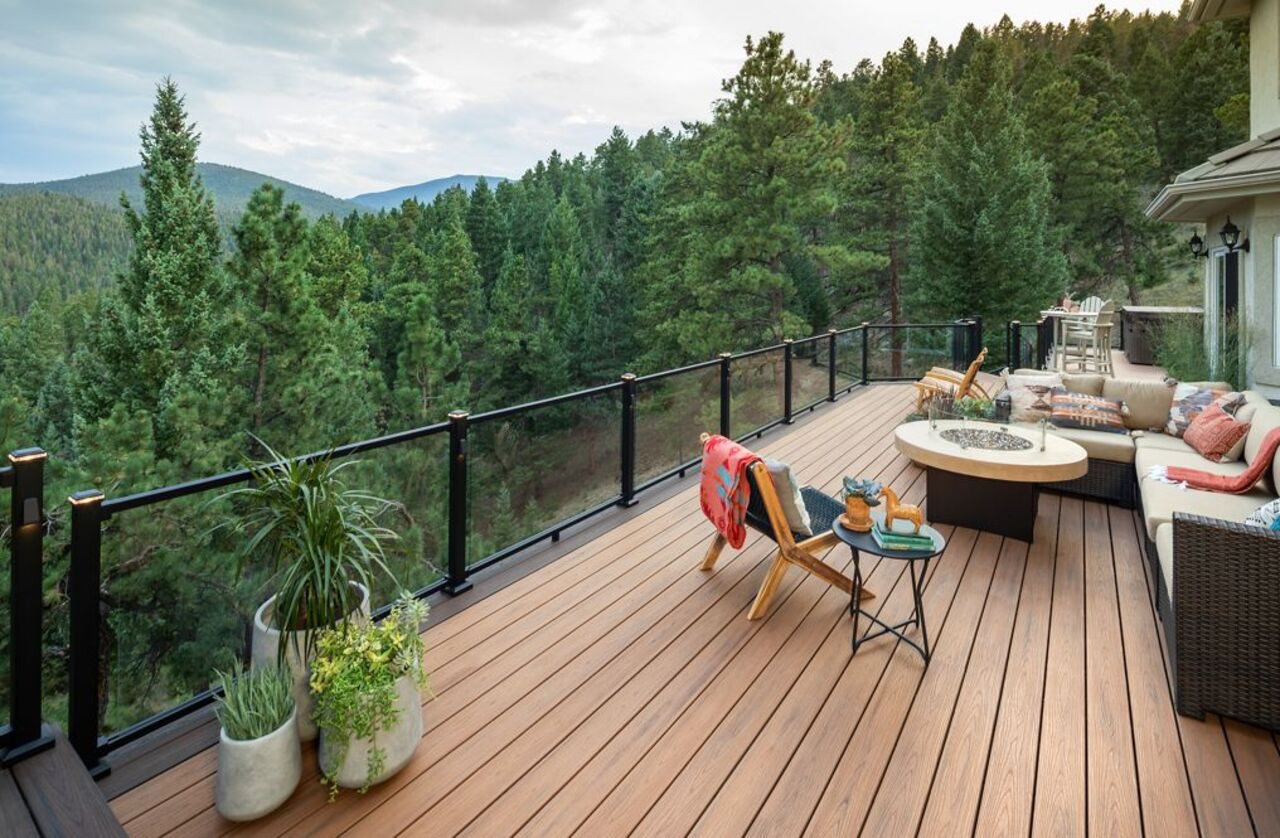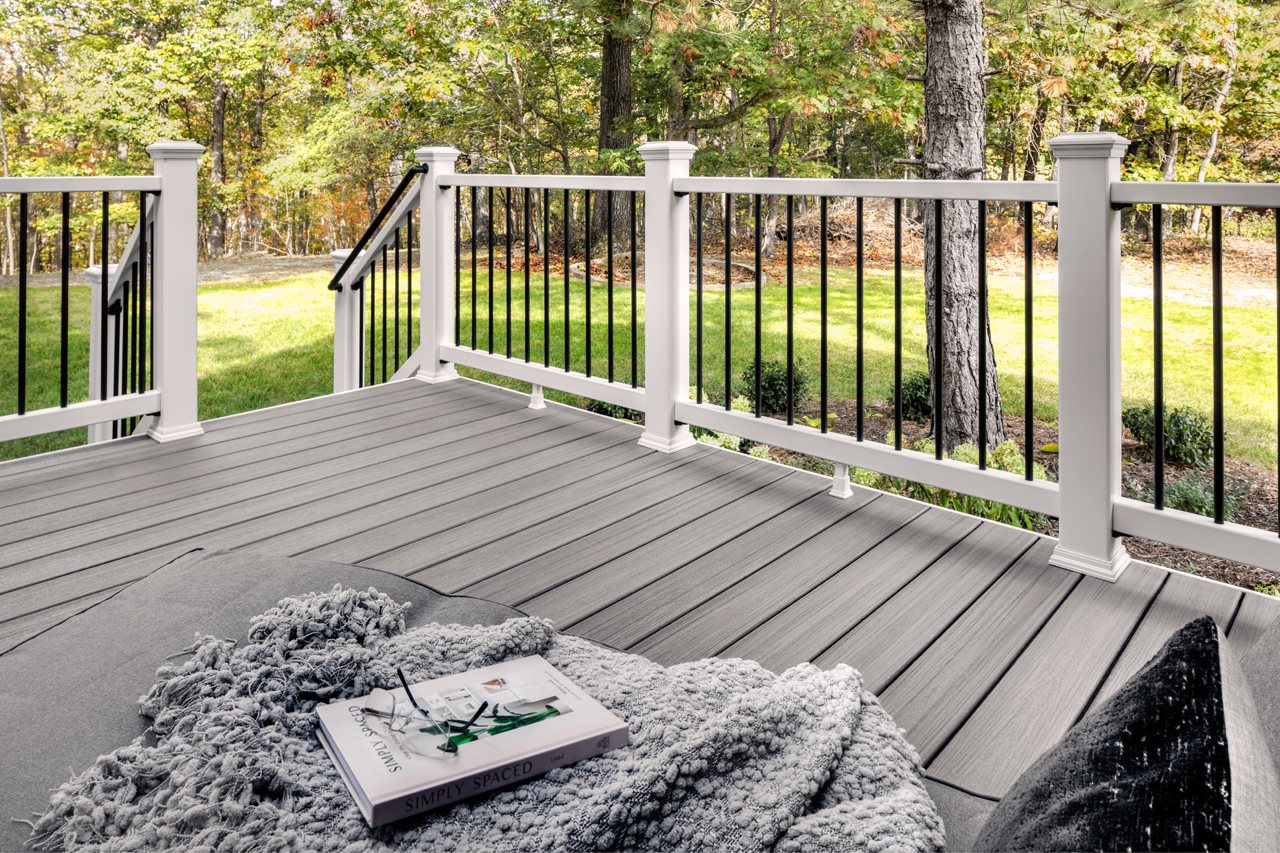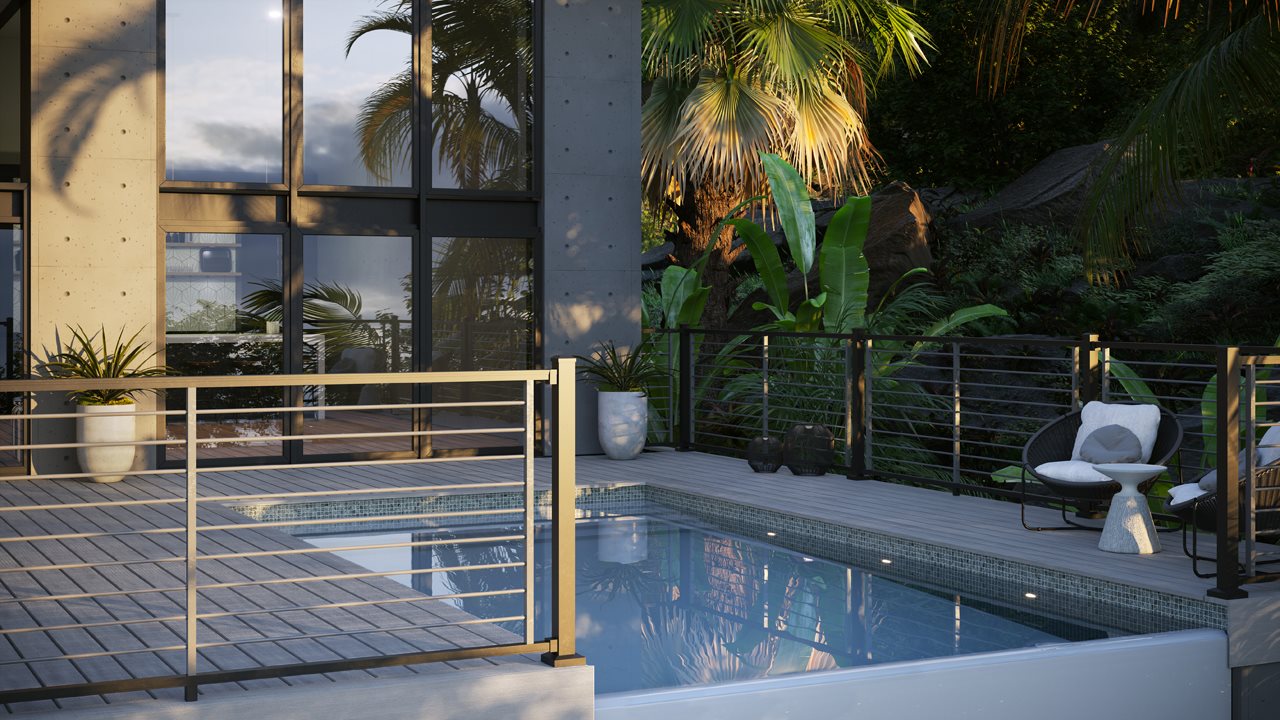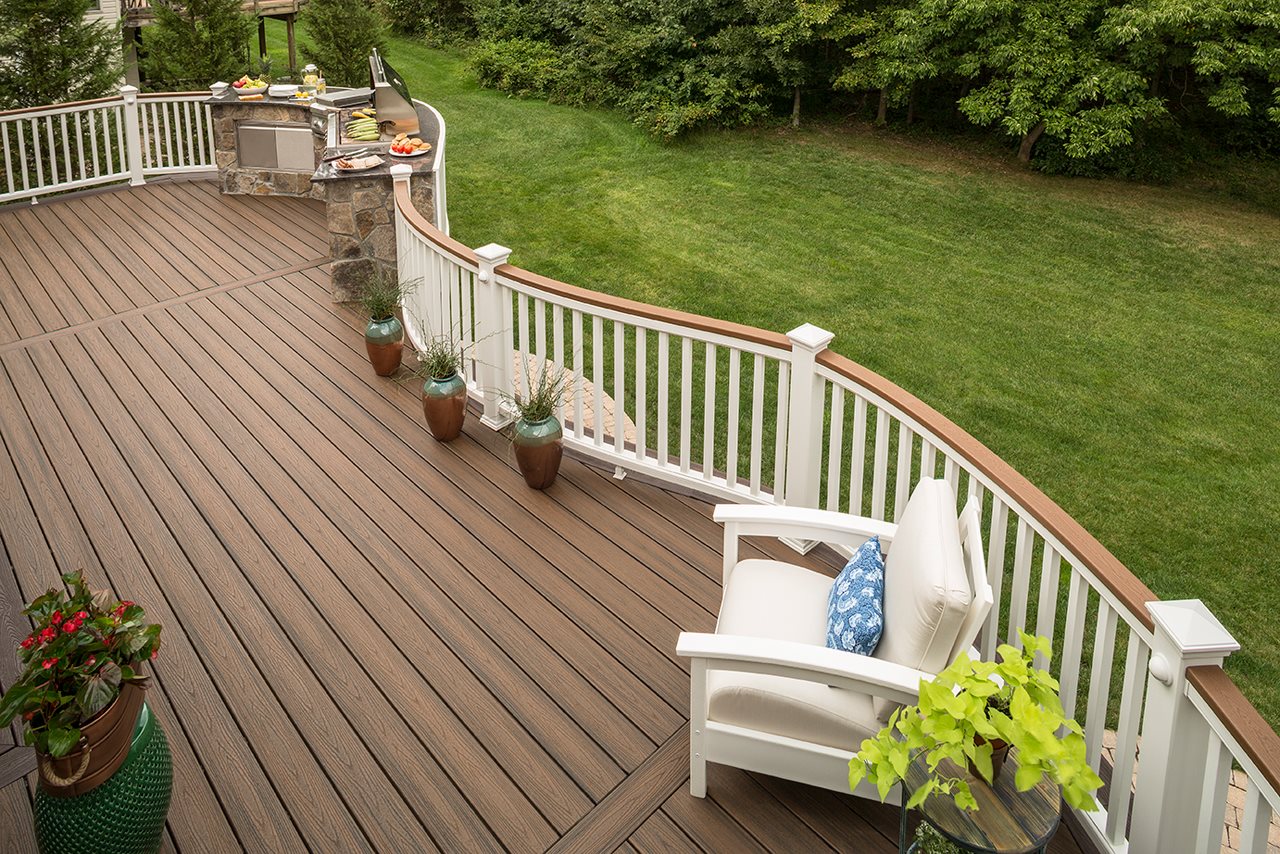
Top 5 ways to elevate your patio

2023-05-31T01:01:00

(BPT) – Just in time for warmer weather, step outside and imagine your ideal outdoor space. Create an area that complements your lifestyle and encourages you to spend more time outdoors. Now is the perfect opportunity to make your dreams a reality — all you need is the right design plan for you.

“Interest in outdoor living is at an all-time high,” says Joe Raboine, vice president of design at Belgard Outdoor Living. “The ideal outdoor space means different things to different people, so it’s important for homeowners and contractors to work hand in hand to create and build their vision.”

Here are tips to help you imagine your space.

1. Focus on functionality

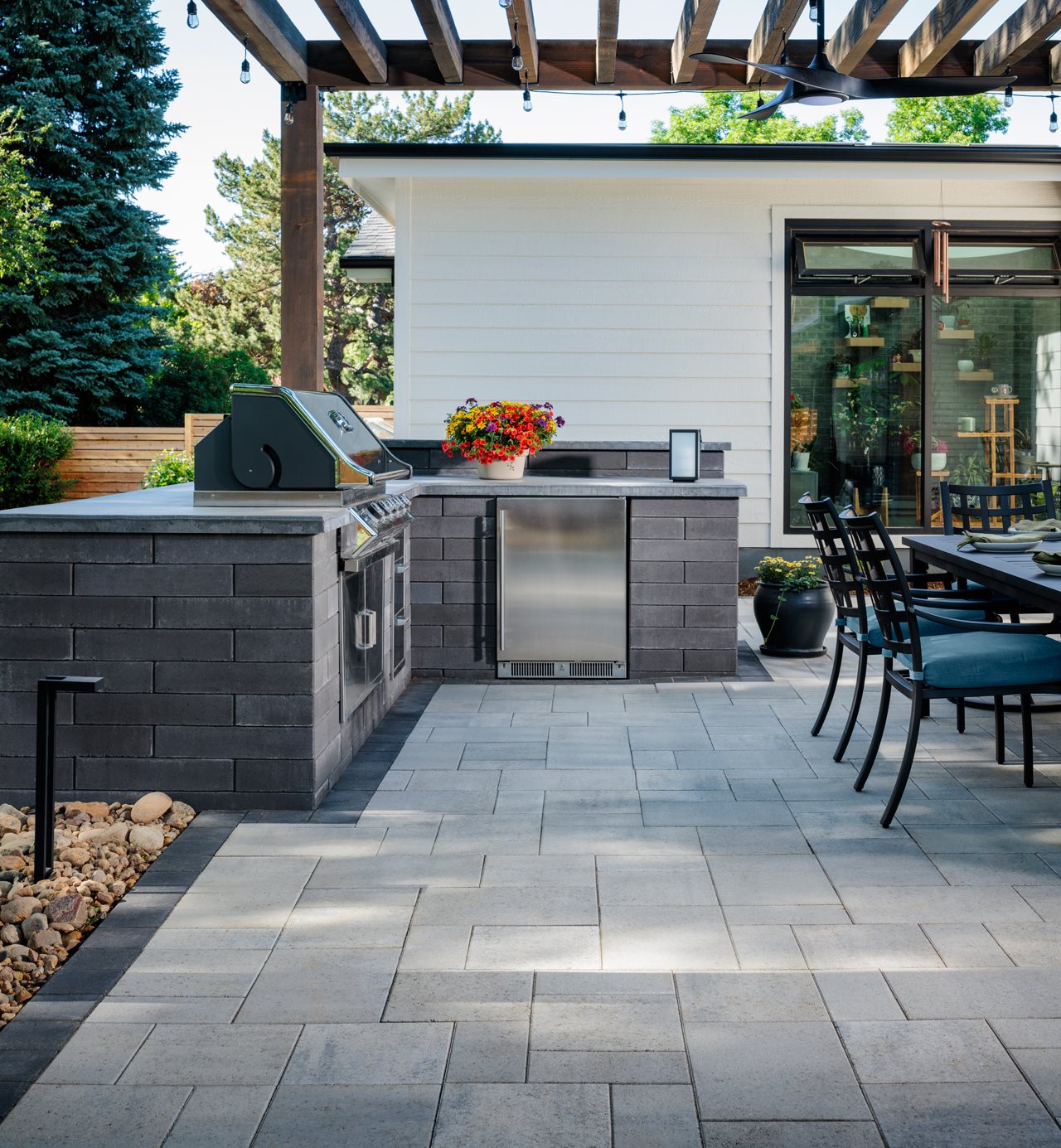
Imagine how you want to use your outdoor area. Do you need shade during the day when you’re entertaining or reading outside? Install a shade sail or pergola with curtains to block out the sun. Dream of hosting large gatherings? Add built-in seating that also functions as storage, or planters to double as seats. Want to use your space at night? Think about lighting and insect deterrent. Imagine creating culinary delights? Consider equipment you want — a grill, pizza oven or full kitchen setup. To separate areas for multiple uses, consider modular systems arranged for ideal functionality.

Need help envisioning your new, improved patio? Visit Rooms.Belgard.com to start designing your dream yard based on your needs, style and vision, or browse their gallery of completed rooms.

“Belgard Rooms offers a new approach to outdoor living, focusing on templated designs and how shape, color and texture work together to make the design process easier,” says Raboine. “Once you narrow your selection, not only will the contractor understand your style and budget, but they can choose to flip the room to our Belgard Design Studio to have a semi-custom plan made tailored to their needs.”

2. Use your outdoor space year-round

Maximize your patio by extending the time you can enjoy being outdoors. Consider adding a fire pit, since everyone loves sitting around a fire to roast marshmallows, share stories and spend time with family and friends. Pergolas can add warmth when coupled with sturdy outdoor drapes.

“Don’t let the end of summer keep you indoors,” Raboine adds. “A thoughtful design can increase the use of your patio even during cooler months.”

3. Spruce up your design

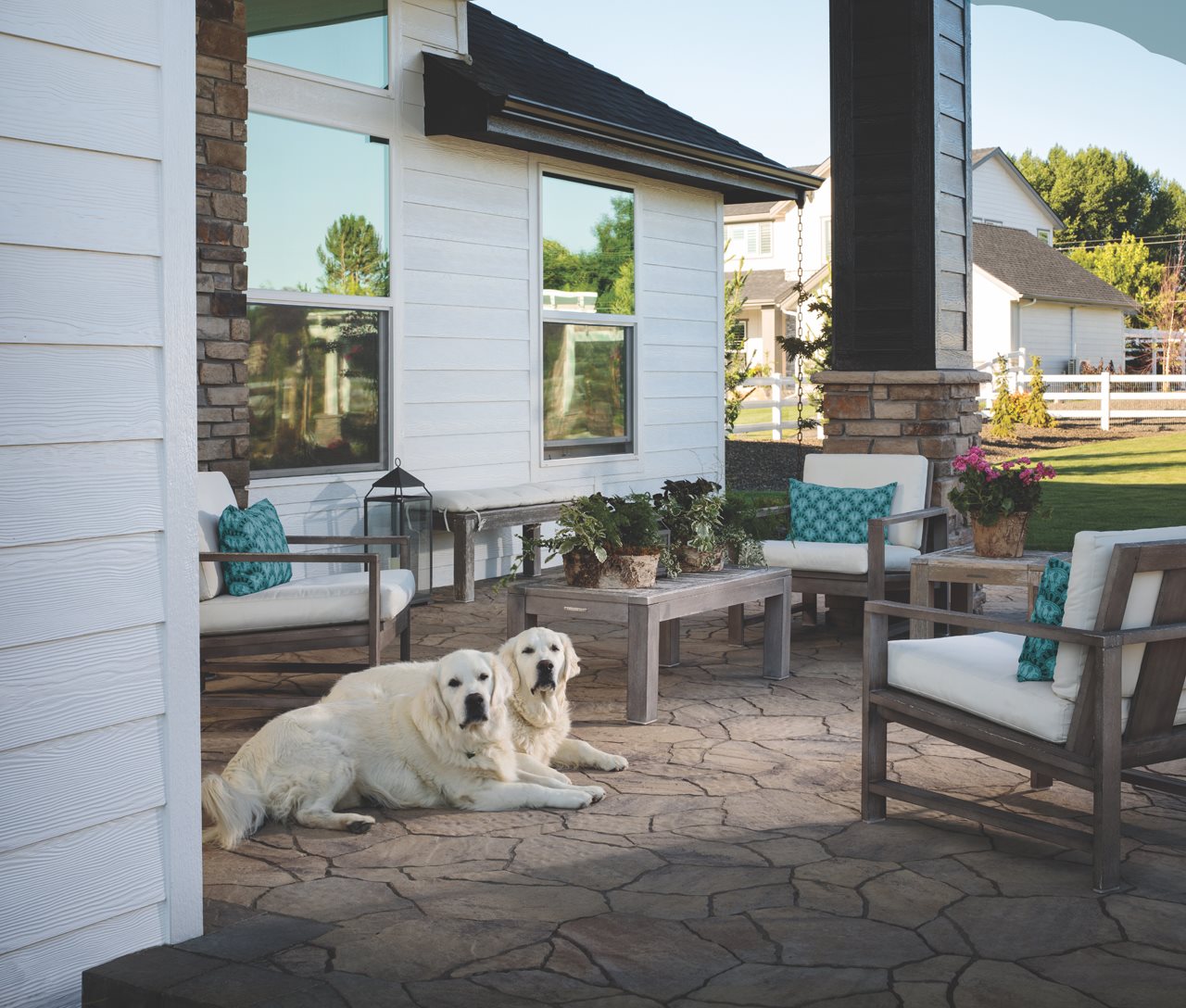
Making outdoor areas as attractive as they are functional is easier than you think, especially if you play with colors and patterns. Replace older pieces of furniture and invest in an outdoor sectional, love seat or chairs designed to handle the elements. Dress your outdoor room as you would an indoor room, giving it a cozy vibe with pillows, greenery and string lights. Get creative with outdoor flooring by creating visually pleasing patterns, color and textured surfaces with patio pavers.

4. Try mixed materials

Hardscapes are a popular choice, as they include an array of options including interlocking pavers, permeable pavers and porcelain pavers. Concrete pavers come in a wide variety of styles, helping you find one to fit your home’s aesthetic. Permeable pavers are installed with layers of varying-sized stone or aggregate that filter and direct storm water to underground aquifers, mimicking the way natural land absorbs water. Porcelain pavers create a contemporary outdoor look with significant functionality and durability. Each type offers different benefits, allowing you to select the right materials for your home, at different price points.

Add elements like wood, stone, metals, plants and fabrics in your design to create visual and textural interest.

5. Create an oasis

Stepping outside, you should feel you’ve entered a mini paradise. Privacy screens can divide spaces and create seclusion, whether made from wood, vinyl lattice, pre-made panels or fabric screen. Beyond visual privacy, try creating audio privacy, too. Any size water feature can soften background noise, from a fountain to a waterfall.

“Water features are a creative way to dampen sound from neighbors and create a cozy environment for conversations,” adds Raboine. “Water sounds are also pleasing and create a relaxing experience.”

Visualize the possibilities using technology

To pinpoint your vision, try Belgard Rooms augmented reality (AR) feature. Currently, 35 AR Rooms can be viewed on any device and “glued” into your outdoor space, allowing you to spin, move, scale and walk through templated outdoor rooms. This helps streamline the discovery and selection process for outdoor projects with contractors.

“Homeowners enjoy the interactive experience of pairing hardscaping products with their home’s style,” said Raboine. “This technology gets homeowners closer to seeing and trying out different outdoor living plans, simplifying the design process.”

Visit Belgard.com to get started.

5 ways homeowners can prepare for summer pests

2023-05-31T07:01:00

(BPT) – As we quickly approach warmer months, homeowners are getting ready for their summertime favorites, including spending more time outdoors and entertaining for backyard barbecues. However, they should be on guard from uninvited house guests: pests.

Pests, like spiders and ants, are often considered to be just a nuisance, but some can pose a threat to your property. According to Groundworks, spiders, carpenter ants and cockroaches are among the biggest pest threats homeowners face.

While pests can find their way into homes year-round, some seasons are worse than others. According to research from the University of Washington, outside of the tropics, insects reproduce at higher rates in warmer weather, so you’ll see more bugs during spring and summer.

Don’t wait for pest problems to crop up at your home and ruin the summertime fun. Follow these five steps to protect your home and family from pests.

1. Seal up entry points

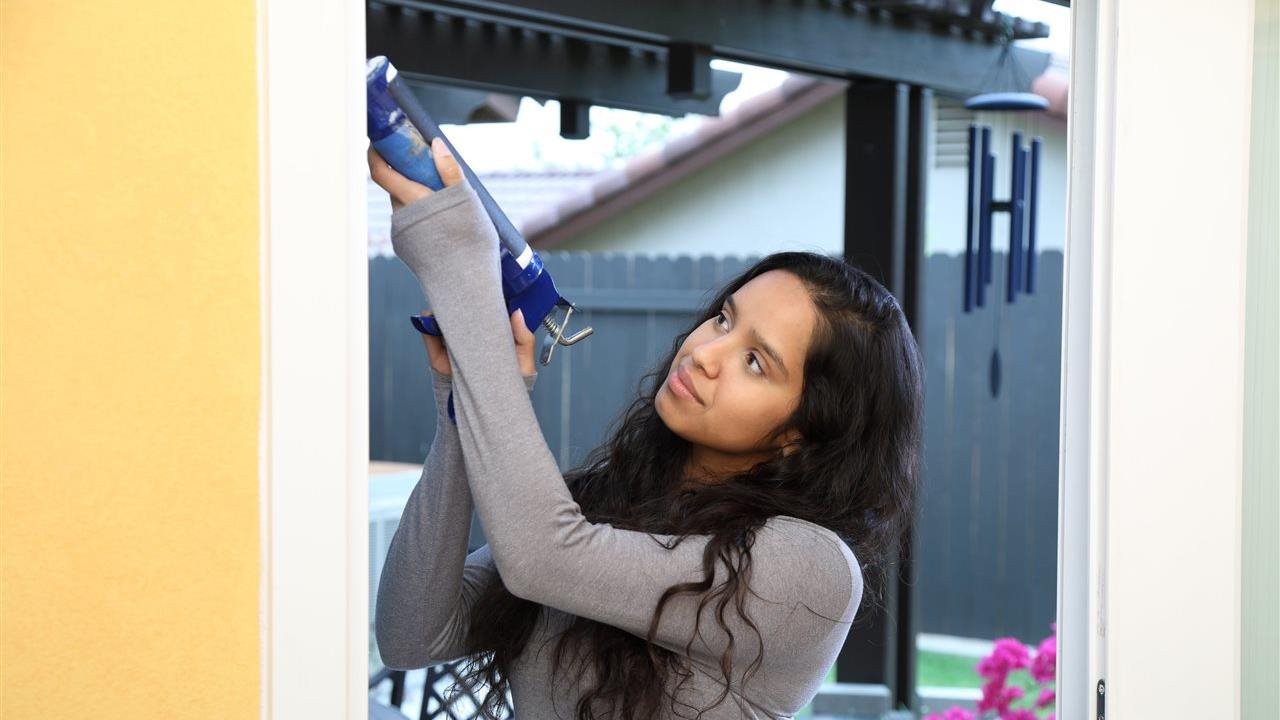
Pests like ants, spiders and cockroaches are small and crafty, and are able to enter your home through tiny cracks, gaps and holes. Make it harder for bugs to get in by sealing up entry points with caulk or weather stripping in your home’s walls, doors and windows. Don’t forget to inspect areas where pipes and wires enter your home and seal any entry points you find.

2. Take a proactive approach to pest control

Before you have a major summertime pest problem on your hands, take a proactive approach by having a line-up of products at the ready like insecticides, traps and repellents.

There are a variety of pest control products available depending on your specific pest needs. For example, Raid Essentials offers a complete line of products to target specific insects with plant-based ingredients. Whether you’re dealing with ants, roaches, house flies, mosquitoes or spiders, you can rest assured that you’re using products from a brand backed by over 65 years of insect research. Remember to read the label and follow instructions for best results.

3. Emphasize tidying up

Keeping your home clean is a simple but effective pest preventative. Pests are attracted to food, water and shelter, so it’s critical to keep your home extra clean and tidy in the warmer weather to prevent becoming an attractive sanctuary for bugs.

The kitchen attracts a wide variety of insects, and open or improperly stored food can quickly turn the kitchen into a breeding ground for bugs. Make sure your food is stored tightly in sealed containers or purchase small packages that can be used in a shorter period of time. Keep your kitchen and dining room free of crumbs and spills by regularly vacuuming floors and wiping down counters and tables.

4. Maintain your yard

Outdoors in their own territory, pests can breed undeterred, creating more unwanted visitors that can invade your home. Maintain your yard so it doesn’t become a bug haven. Make sure to remove any piles of debris or yard waste where pests can hide and thrive away from prying eyes.

Trees and bushes that touch your home create bridges for ants, spiders, flies and other pests to enter. Make sure to trim overgrown bushes and trees regularly.

5. Eliminate standing water

Mosquitoes lay eggs in pooled water, so make sure to eliminate any sources of standing water. Inspect your home and fix leaky faucets, drains and pipes. In areas of the home that are always damp, like your basement, run a dehumidifier.

Don’t forget to check your yard to make sure gutters flow smoothly and aren’t blocked by leaves and waste. If needed, extend downspouts farther from your home to improve drainage. Make sure empty pots, grill covers, tires and other items that can collect water are emptied regularly.

Don’t let pests keep you from enjoying your home during the warmer months. Using these five tips, you can take active steps to help prevent and eliminate pests so you can enjoy the weather without worry.

Savor and save: 5 benefits of growing your own produce

2023-05-30T16:01:00

(BPT) – If you appreciate the taste and experience of fresh produce, it may be time to consider cultivating your own home garden. Whether you have a spacious backyard or a small balcony, you can grow your own fruits and vegetables and enjoy unparalleled taste, texture and freshness without driving to the grocery store.

Ferry-Morse — one of the largest U.S. gardening brands — wants to set home gardeners up for success by highlighting the top five benefits of growing your own fruits and vegetables.

1. Freshness that can’t be beat

Produce can’t get fresher than what you grow and pick in your own backyard! Grocery store produce is chosen for its hardiness because it has to endure long journeys and handling before it reaches the store, where it may sit on display for days. On the other hand, when you grow your own fruits, vegetables and herbs, you control the harvest, so you can pick them at the peak ripeness and enjoy that fresh-off-the-vine taste.

2. Nutritious and delicious

Homegrown fruits and vegetables are also more nutritious than their store-bought counterparts. That’s because crops begin to deteriorate as soon as they’re picked. The farther it needs to travel, the more nutritional content is lost. At home, you can harvest your fresh ingredients as needed, ensuring your meal is made with the crispest and most nutritious produce possible.

3. Boosted taste and flavor

If you did a side-by-side taste test of a homegrown tomato compared to a store-bought one, chances are you’ll notice the one from your backyard tastes better and is more flavorful. You’ll enjoy a bolder flavor when fruit and vegetables are allowed to fully ripen on the vine. Homegrown produce allows you to experience a crop’s true essence and provides a culinary experience that is sure to delight your senses.

4. A feast that won’t empty your wallet

By growing your own, you’ll save quite a bit of money. While there are initial expenses when setting up your garden for the first time, according to Better Homes & Gardens, the average home garden yields $677 worth of produce. Once you set up a garden, you’ll have the necessary tools to nurture it season after season, creating a self-sustaining food cycle.

Making the initial investment in live plants and seeds will benefit you in the long run, as you won’t have to spend your dollars on store-bought produce that can rise in cost throughout the seasons. To get started, find a reputable brand like Ferry-Morse that delivers live baby Plantlings directly from their nursery to your door. For first-time gardeners, check out their Garden Starter Kits, which include 12 baby plants to get your garden going. There are over 40 kits to choose from, covering a wide range of culinary and floral themes to fit your taste and lifestyle preferences.

5. Connect with nature and reap the rewards

Gardening is a fantastic stress reliever that allows you to connect with nature and discover the joy of maintaining your own little patch of Eden. You can escape from the hustle and bustle of daily life, get your hands dirty and watch your plants grow into robust crops. Take in the soothing sights, sounds and scents of your home garden and reap the benefits.

Planting and nurturing a garden is easier than you think and offers so many benefits to your palate, wallet and well-being. So grab your gardening gloves and spade and start your journey to a rewarding and nurturing harvest.

Try a homegrown meal for yourself

One of the many joys of summer is fresh, sweet corn on the cob, and growing it yourself makes it even more enjoyable! While always delicious steamed or boiled, cooking your homegrown corn on the grill can give it a charred flavor that will complement your favorite barbecued meals.

For an easy recipe, start by prepping basil butter by adding chopped basil, garlic and a bit of sea salt to your butter in a food processor, pulsing to combine. Lightly brush your corn with olive oil and sprinkle salt to taste, placing the corn on your grill once it’s hot. Rotate your corn using tongs every couple of minutes until the kernels are blistered and bright yellow. Once your corn is ready, spread a generous amount of your basil butter on each piece and enjoy!

Visit FerryMorse.com for everything you need to get started, plus tips and resources to help you enjoy your garden more than ever this year.

Worried about hurricane season? Here’s how to protect your backyard pool

2023-05-25T07:01:00

(BPT) – If you live in hurricane-affected areas of the country, and you own a pool, it’s important to know how to best protect your pool investment. Taking a few simple steps before a hurricane hits can leave the pool in better shape after the storm passes, and may help you avoid the worst of the damage. While learning how to prepare your pool for a hurricane, take some time to review the steps you should take afterward, so you can enjoy your pool once again.

Preparing for a hurricane

Don’t just guess what might help your pool during a storm. These tips come from the experts at Leslie’s, who help homeowners care for their pools in any weather.

  • Don’t lower the water level: Elevated water tables caused by rain and flooding can pop a pool out of the ground. Keeping it full weighs it down.
  • Protect equipment: Turn off power and cover electrical components in tightly sealed, waterproof plastic. If flooding is expected, disconnect ground-level electrical items, such as the pump, and temporarily store them somewhere elevated and dry.
  • Prepare the area: Remove or secure loose items that could blow away or fall into the pool (chairs, tables, pool toys, etc.). Although tempting, don’t put furniture or other large objects into the pool. This can cause staining and damage to pool surfaces after the storm passes.
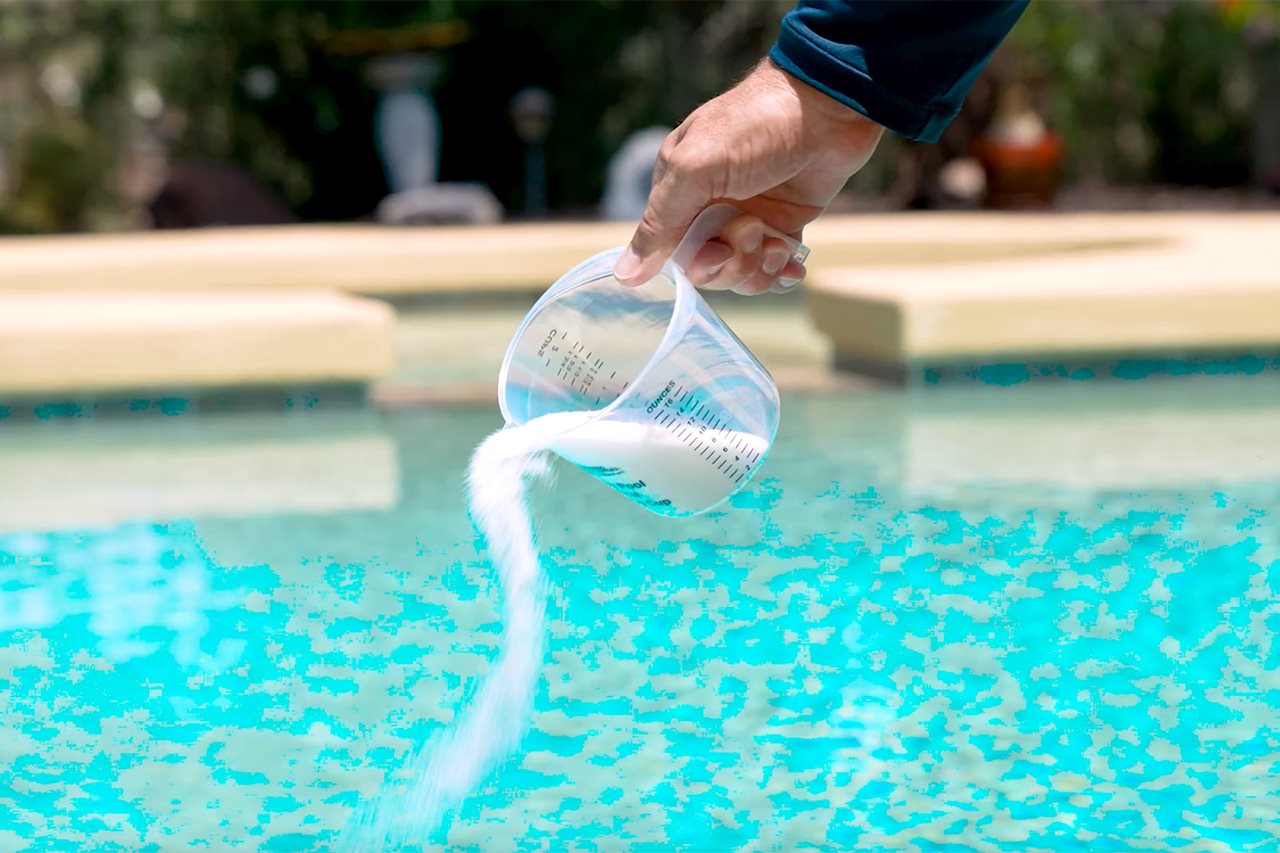
  • Add chlorine: Superchlorinating your pool before a storm can help fight off contaminants introduced into the water, and will come in handy if you’re without power for a few days.
  • Keep the pool uncovered: During a hurricane, large debris and high winds can easily ruin your pool cover. You’ll likely get debris into your pool, regardless of whether it’s covered or not — so protect your cover by leaving it off the pool.

Cleaning up after a hurricane

When the storm has passed and you have the “all clear” to return home and resume normal activities, follow these steps to get your pool safe to enjoy with your family once again.

Don’t completely drain the pool: Again, elevated water tables following a severe storm event may cause damage to an inground pool. If necessary, you can lower the water level to its normal position (halfway up the skimmer) with the help of a submersible pump or by backwashing the filter (once you get the equipment up and running).

In most cases, it’s possible to clean up what you have, and the following tips will help you get your sparkling pool back. On the other hand, if you’re dealing with ocean contamination or a situation where the water is not recoverable, always consult with a pool service professional first to avoid permanently damaging the pool structure.

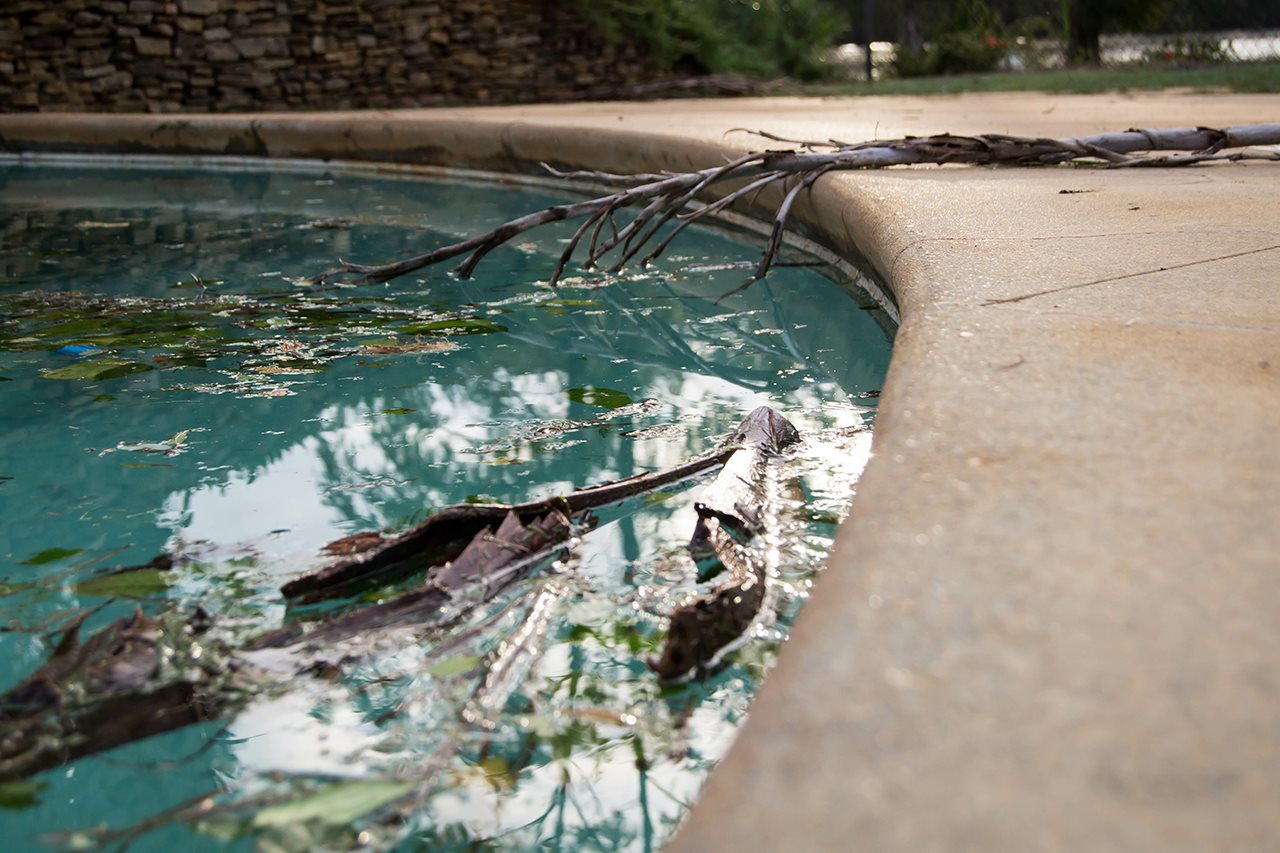
Remove leaves and large debris: Use a skimmer net or leaf rake to scoop out as much debris as possible. Clean out the pump strainer and skimmer baskets.

Restore power to equipment: Reconnect equipment, remove waterproofing measures, and inspect all equipment for signs of impact or water damage. If your equipment is dry and appears to be in good condition, you can restore the power when it’s safe to do so. If not, seek the advice of a pool service professional.

Circulation and filtration: If you’re able to run the pump and filter system, run it 24/7 until the water turns clear again. If the water is especially dirty, you may need to clean the filter a few times since it may quickly fill with debris.

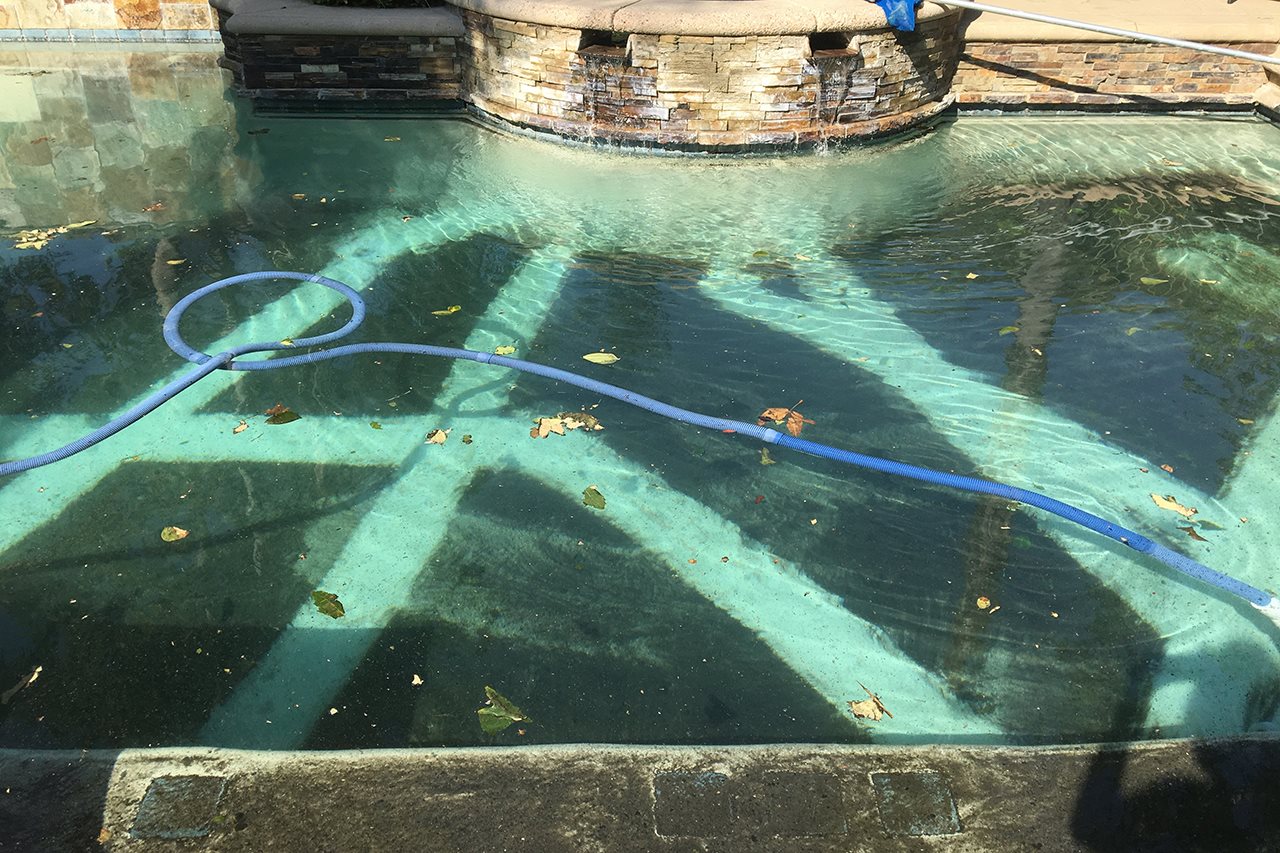
  • While the pump is running, brush and vacuum the walls and floor. You may need to do this a few times, depending on the pool’s condition. An automatic pool cleaner can help.
  • Balance and shock the pool. As soon as you’re able to use the pump, add chlorine to the water to keep contaminants under control. Balancing the water first is ideal, but may not be feasible for extremely soiled pools. In these cases, add the chlorine first, then balance later. Most local pool stores offer professional water testing to help you gauge the status of your water chemistry. Leslie’s offers free in-store AccuBlue® water tests, which precisely measure 10 water chemistry factors and provide step-by-step recommendations for recovering your post-storm pool water.
  • Use enzymes and clarifiers to help clear up the water faster. Severe storms can bring lots of microscopic debris into the water and make it cloudy. Use enzymes and clarifiers to help clear up the water faster.

Following these steps before and after a hurricane should help you keep your pool in good shape — or at least help restore water conditions quickly — so you can get back to your normal routine.

How to clean soot and ash from your pool after a wildfire

2023-05-18T07:01:00

(BPT) – If your region faces the risk of wildfires during the hot, dry summer months, you may already have an emergency plan in place. But once the danger has passed, there is a list of things you need to do to help get your home and your daily routine back to normal. If you’re a pool owner, you’ll want to spend some time cleaning up your pool as soon as possible. This helps avoid the long-term issues caused by soot and ash in the pool.

Soot and ash can cause staining problems for your liner, as well as poor water quality in your pool. The faster you can remove it, the less chance you’ll have of dealing with permanent pool discoloration.

Leslie’s has some quick tips to help you restore your pool after a fire.

1. Clear out surface debris

First, use a skimmer net to remove as much ash and debris as possible while it’s still suspended at the water surface. Here’s a pro tip: cover the net with an old T-shirt, pillowcase or other cloth to help you trap finer particles in the net.

2. Circulate and filter the water

After you’ve removed as much surface debris as you can, you’ll want to get to work on cleaning the water. Make sure the water level is about halfway up the mouth of the skimmer before running your equipment. Clean out the pump strainer and skimmer baskets, then run the pump 24/7 until the water is clear again. During the process, clean or backwash your filter as needed according to manufacturer recommendations. For large amounts of soot and ash in the water, you may need to clean the filter more frequently. If you’re having issues getting the pool water to clear up, try adding a clarifier to help your filter work more effectively.

3. Remove settled debris

To help prevent staining, remove any debris that may have settled to the bottom of the pool. Vigorously brush the walls, steps and floor of the pool to loosen debris. Then, manually vacuum the pool or use an automatic pool cleaner to remove settled debris. For large amounts of settled ash, you may want to vacuum first, then brush, then vacuum again to avoid stirring up all the fine soot while brushing.

4. Restore your pool water balance

After your pool has been thoroughly cleaned, the next step is to balance your pool’s water. First, test the water to make sure it’s balanced. Soot and ash can have a major impact on water chemistry — especially the pH. To get the most accurate water test results, bring a water sample to your local pool store for professional testing. Leslie’s offers free in-store AccuBlue® water testing, which precisely measures 10 different aspects of water chemistry and provides detailed recommendations on how to get your water back on track. Shock the pool once the water is balanced, then check to make sure your chlorine dispenser is full.

5. Address staining

For any lingering stains and discoloration you may see on your pool walls or floor, try a chemical stain and scale remover or a stain eraser designed for your pool type. For extreme staining and damage, you may need to consider an acid wash for your plaster or concrete pool, or you may want to replace your pool’s vinyl liner.

What to do if you have no electricity

If you don’t yet have working electricity at your home to run your pump and filter, first remove as much debris as possible from the pool using manual cleaning tools like a skimmer net. Then, shock the pool and use a pool brush to agitate the water — this will help to distribute the chlorine throughout your pool. This will help keep the water sanitized until your electricity is back up and running. Avoid balancing the water until you’re able to use the pool pump to help circulate and distribute the chemicals.

Once the fire has passed and you’re ready to start restoring your pool, the experts at Leslie’s can help you get your pool clean, safe and swim-ready once again. For more tips and information on pool recovery, check out their resource center at LesliesPool.com.

5 reasons to turn your long-distance move into a national parks adventure

2023-05-17T08:01:00

(BPT) – A lot goes into planning and preparing for a long-distance move. And while relief comes once your boxes are on the truck, you may have one final push to drive cross-country to your new address.

Because you may otherwise arrive before your belongings, why not embrace the time — and road ahead — by turning your relocation into a national parks adventure?

Sure, it’s tempting to put the pedal to the metal when you move cross-country — but don’t. You will not regret a few stops — or even a detour — along the way. It’s on the open road and amid the great outdoors where some of the best memories are made.

United Van Lines is here to share the amenities and natural resources available to help you settle into your new neighborhood with interactive, downloadable and shareable national park guides.

Still need convincing? Check out the top five reasons you should turn your long-distance move into a national parks adventure:

1. To prepare your body and mind

Granting access to some of the country’s most breathtaking, pristine and remote landscapes, national parks are remarkably beautiful places to reflect, get grounded and prepare your body and mind for the next chapter in life.

No matter where your move takes you, nature’s bounty can help you clear your head and be at peace.

2. To stretch your legs

Antsy kids? Antsy pets? Antsier, crabbier grownups? Truth be told, a long-distance road trip can be as fun as it is taxing. You know what helps? Keeping the “Are we there yet?” at bay.

With interpretive centers, miles upon miles of hiking trails, incredible wildlife sightings and so much more, walks, strolls and hikes through national parks are an ideal way to relax restless legs. And the breathtaking landscapes? They’re just icing on the cake.

3. As a backdrop for postcard-worthy picnics

Just like you need to stretch your legs, you also need to eat. Rather than pull over at drab rest stops, why not picnic at a national park? Whether it’s a scenic pull-off or a proper pavilion, national parks are filled with pitch-perfect mealtime panoramas. Just remember to pack snacks and sandwiches of your own since options within park boundaries are slim to none.

4. To explore America’s backyard

When you make a cross-country move, you travel through “America’s backyard.” You may find yourself meandering through villages, crisscrossing rivers and intersecting everything from mountain passes to dense forests and flower-stippled meadows where the jaw-dropping beauty of the United States unfolds.

Look at your long-distance move not only as an adventure, but also as a unique opportunity to explore new and tucked-away destinations of incalculable worth.

5. To help you settle in

Once the boxes are unpacked and your furniture is positioned just so, you may be ready to get out and explore your surroundings. If you live near any of these natural wonders, lucky you! Otherwise, they may afford a quick weekend trip or inspire a getaway down the line. Whatever the circumstance, United Van Lines’ national park guides are here to spark your imagination and sense of exploration.

Looking for more ways to streamline and simplify your long-distance move? Visit the United Van Lines blog for expert tips and tricks.

This budget-friendly innovation lets you add a bathroom anywhere

2023-05-16T08:01:00

(BPT) – After years of home improvement enthusiasm, homeowners are approaching renovations differently. Inflation means projects cost more, but rather than shelving their home improvement dreams, homeowners are being strategic by choosing renovations that are budget-friendly with a focus on functional spaces, like the bathroom.

Case in point: Nearly 28% of American homeowners plan to spend “significantly” less compared to last year, according to a survey by Today’s Homeowner. However, the vast majority of homeowners — 90% — said they were planning to tackle at least one home renovation project this year.

With budgets top of mind, many people may think a new bathroom is off the table. While traditional bathroom additions and remodels can be costly due to things like demolition and complex plumbing configurations, above-floor technology is making bathroom updates more accessible and affordable than ever.

Above-floor macerating systems

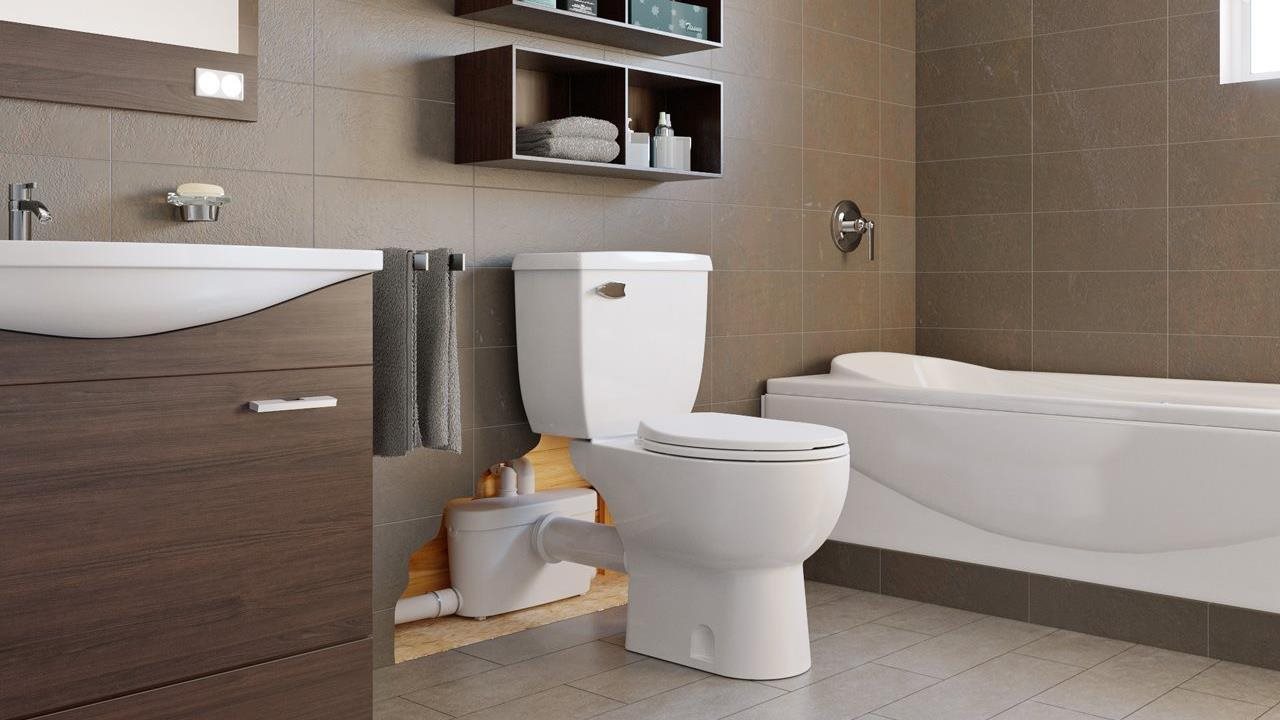
You can cut costs considerably by using an up-flushing, macerating system from Saniflo. This technology operates above the floor, so you can install a bathroom virtually anywhere. You are no longer limited to spaces with existing below-floor plumbing or having to rip up flooring or demo concrete to install new plumbing.

How does this work? Saniflo’s compact upflush systems efficiently process and pump waste away to the nearest drain line or sewer system. This is ideal for spaces that do not have below-floor plumbing or where someone has previously told you a bathroom addition would be impossible, including basements, attics, garages, storage closets, pool houses and much more.

Saniflo offers different options depending on your needs. For half baths — meaning a bathroom with a toilet and sink, no shower or tub — the Saniaccess 2 is ideal. For full baths with a toilet, shower and tub, the Saniaccess 3 is the best choice. Learn more at Saniflo.com.

Saniflo’s above-floor plumbing macerating pump systems are a great option when you want to add or update a bathroom but don’t want to spend a lot of money or do a lot of demolition. To save even more money, consider these three additional ways to keep your home bathroom project low-cost.

Improve versus expand: Want a bigger space? Knocking down walls is messy, intensive work. If you want to expand the space, consider replacing a hinged door with a pocket door. A recessed medicine cabinet and bowed shower curtain can improve functionality while making spaces feel larger.

Lighten and brighten: A fresh coat of paint in a new hue is one of the easiest and most affordable ways to update a space. To further update the look, consider cleaning or repairing any white elements, such as scrubbing grout, redoing caulk and painting the ceiling. Fresh white details make everything look new.

Fix rather than replace: Instead of buying new, consider how you can repair and update existing features. For example, new bathroom vanities are costly, so what if you resurfaced or painted your current one and then updated the hardware with modern handles and drawer pulls? Another option is to shop secondhand to save and refresh bathroom fixtures yourself.

No one likes inflation but it doesn’t mean you have to put home improvement projects on hold. By looking for creative solutions that save time and money, you’ll be surprised just how much you can do while staying on budget.

How to clean your pool after a major storm

2023-05-11T17:19:00

(BPT) – After any kind of severe storm, cleaning up your swimming pool may seem daunting. Between the tree branches and leaves, random debris, and generally dirty water in your pool after the stormy weather has passed, it’s hard to know where to start. Fortunately, the experts at Leslie’s have some easy-to-follow tips and advice to help you get your pool back in great shape, so your family can enjoy it once again.

1. Manage the water level

Your pool’s water needs to be about halfway up the skimmer. After a heavy rainfall, it’s likely that excess water has overfilled your pool. If necessary, you can lower the water level with the help of a submersible pump or by backwashing your sand or D.E. filter until the level is where it’s supposed to be.

2. Clean out the pool

Once your water level is back to normal, you can start tackling the clean-up process.

  • Remove leaves and large debris. Use the skimmer net and/or leaf rake to scoop out as much debris from the water as possible.
  • Clean out the pump strainer and skimmer baskets. Large debris can block water flow.
  • Brush and vacuum the pool walls and floor. You may need to do this a few times, depending on the condition of your pool. An automatic pool cleaner can help you get the job done more quickly.
  • Check the equipment to make sure there is no visible water damage or compromised parts before starting your pool equipment up again. Don’t use equipment that’s been submerged in flood waters; instead, consult a pool service professional first.
  • Run the circulation and filtration system. If you’re able to run the pump and filter system, make sure to run it continuously for at least 12–24 hours — or until the water turns clear again. If the water is especially dirty, you may need to clean the filter during the process, since it may fill quickly with debris.

3. Test, balance and shock your pool’s water

Healthy water starts with proper balance and sanitization. Remember to never mix chemicals, and always read and follow all product label instructions. Keep the pump running on high speed when adding any pool chemicals to your water.

  • Balance and shock the pool. As soon as you’re able to use the pump, add chlorine to the water to shock it and keep contaminants under control. Balancing the water first is ideal, but that may not be feasible for extremely soiled pools. In these cases, add the chlorine first, then balance the water later.
  • Use a phosphate remover to eliminate phosphates, which is a food source for algae. After a rainstorm, phosphates in your pool will likely be elevated. You can also use an algaecide to help protect your pool from algae growth once the storm is over.
  • Also use enzymes and clarifiers. Because severe storms can bring lots of microscopic debris into the water, your pool may appear cloudy at first. These chemicals will help your chlorine and filter work most efficiently, which will clear the water faster.

If you’re unsure how to test your pool, or if you’re looking for something more accurate than an at-home test kit, you can use Leslie’s free in-store AccuBlue® water testing service to help determine the next steps in recovering your clean and healthy pool.

Need help getting started? Visit your nearest Leslie’s to talk to an expert. If you suspect equipment damage, they can help with at-home services. You can also find the supplies and equipment you need at LesliesPool.com, along with helpful information and resources.

Access-Friendly Sliding Doors Create Pathways to Easier Living

2023-05-11T06:23:00

(BPT) – As aging in place and multi-generational households continue trending, integrating universal design into homes has become essential. Improvements, such as wider doorways for accessibility, can enrich life quality for people of all ages and abilities. Those desiring to live at home during their later years can benefit from easy-to-navigate doorways with sliding doors that accommodate mobility aids, including wheelchairs and walkers. Extended families can also enjoy wider doorways for smooth sailing of kids’ strollers, wheelchairs for elderly or disabled family members, and more.

Expertly engineered in the USA since 1958, Johnson Hardware’s sliding door hardware lets you maximize usable space where needed, from bathrooms to high foot-traffic areas. Compared to swinging doors, which present obstacles, sliding doors free up to 14 square feet of floor space for easier travel of mobility aids through doorways, more turnaround space, and extra areas for household items.

Wall-mounted sliding doors make it a breeze for everyone to navigate their home. 200WM Wall Mount Sliding Door Hardware frees up floor space and offers smooth-gliding door operation even with repeated use. The heavy-duty hardware set includes everything you need, including adjustable, detachable door hangers for easy door installation and removal (doors not included). An experienced handyman can complete the installation in about an hour.

Give existing nooks in your home new purpose by upgrading the kitchen with 200BP Bypass Pocket Door Hardware for added privacy. Whether the breakfast nook becomes your kids’ homework space or your home office, functional sliding doors let you easily close off the space when needed.

To ensure unobstructed floor surfaces, the company provides Trackless Door Guides for its sliding bypass and multi-pass pocket door series. Without floor tracks, people using mobility aids can pass through doorways without a hitch.

The 2610FBSC Soft-Close Wall Mount (Barn Door) Sliding Door Hardware (shown above) and 1500SC Series Soft-Close Pocket Door Frame Kit (shown below) make it simple to create handicapped accessible openings throughout home interiors. The universal design-inspired soft-close feature quietly slides doors open and shut with a fingertip touch. Door speed slows gradually, preventing pinching and slamming.

Pocket doors conveniently slide into the wall, while swinging doors require forward and backward movements alongside them, tricky with a wheelchair or walker.

The versatile, commercial-grade 2060SC Series Heavy-Duty Soft-Close Pocket Door Frame Kit (includes 2066 Series Soft-Close feature) is a good choice to install nearly any type of door weighing up to 330 lbs. in homes, condos, barndominiums and commercial applications.

Johnson’s durable pocket door hardware exceeds the Americans with Disabilities Act (ADA) accessibility standard for door width. The ADA requires a minimum clear width of 32” from door face to opposite stop, but Johnson’s hardware accommodates up to 60” for greater accessibility.

For more information, visit www.johnsonhardware.com, or call 574-293-5664. Follow the company on Twitter: @JohnsonHrdware, Instagram: johnsonhardware, Pinterest: https://www.pinterest.com/johnsonhardware/?etslf=11197&eq=johnson%20hardware, and Facebook: www.facebook.com/johnsonhardware1958.

Ready to get back to barbecue? Tips for choosing your next favorite grill

2023-05-11T06:05:00

(BPT) – There’s nothing like sunshine, a warm breeze and the smell of delicious food on the grill. If you’ve been anticipating getting back to grilling, wait no longer! According to the Hearth, Patio & Barbecue Association, May 27 is National Back to Barbecue Day — the perfect opportunity to celebrate everything you love about outdoor cooking. If you already have a grill, this is a great time to upgrade, so you can cook more dishes for bigger get-togethers, or to try a different kind of grill, letting you experiment with new techniques like using a smoker.

What kind of grill is best for you? It depends on your space, what you like to cook and how you like to prepare it. First, ask yourself the following questions:

How much time do you want to spend cooking? If you’ve got a busy schedule, you may prefer the convenience of gas or electric grills. However, if you love spending time perfecting the perfect outdoor meal, you may enjoy a charcoal grill, smoker or kamado grill.

How much space do you have? Do you host frequent large gatherings? Go big on your barbecue size to optimize these special occasions. For a big backyard, a larger grill with a kitchen island can create a focal point for entertaining. But a premium portable or compact grill is your best option if you live in a condo or apartment, or for a cabin or other vacation destination with limited space.

What do you love to cook? Many grills offer extra features for particular foods. Think rotisseries if you love roasted chicken, or side burners for soups and stews. Crave the ‘za? Consider a grill with ample space for pizza stones.

To help you discover your next favorite grill, here are the features of five major grill types to consider when making your choice.

Gas: If you want convenience and faster meal prep, a gas grill may be right for you. As with your kitchen stove, your food can be ready to cook in 10 minutes — and it’s easy to regulate cooking temperatures.

Charcoal: If you love being hands-on with the nuances of outdoor grilling, a charcoal grill may be the choice for you. Some say charcoal provides the best flavor experience. You can use your charcoal grill for classic low and slow cooking — and high heat searing.

Pellet: This a great option for people seeking optimal flavor. With available pellets in hickory, mesquite and oak, you can enjoy a truly flavorful cooking experience.

Electric: If simplicity appeals to you most, an electric grill may be your best bet. Designed to produce constant heat and operate without an open flame — without charcoal or propane — they’re especially suited for apartment or condo dwellers.

Kamado: For people who love cooking all styles and who keep grilling year-round, Kamado Grills’ excellent insulation works perfectly for both grilling and smoking. They’re very versatile, use wood and charcoal, and can also roast or bake.

Few products come in as wide an array of price ranges as grills, so almost anyone who wants a grill can find one that’s within their budget. But remember — a more premium grill offers many more features to enjoy and tends to last longer, providing a stronger return on your investment.

Ready to get out there and cook? Get back to barbecue with this delicious recipe for Grilled Chicken Fajitas from food writer Brad Prose, founder of Chiles and Smoke. All you need is two pounds of chicken wings, Mexican seasonings like chili powder, chipotle powder, ginger and limes for a tasty marinade (4-12 hours), then you can wow your friends and family by grilling or smoking these flavorful wings.

Explore recipes and plenty of grilling inspiration at WhyIGrill.org — or find your new grill by locating a retailer near you at HPBA.org/Resources/Store-Locator.