6 tips to keep your home’s basement protected from water damage this spring

2023-03-30T08:01:00

(BPT) – Springtime’s melting snow or heavy rain can cause sump pump problems and sewer backups for homes with basements or crawl spaces. Damage from either can be costly, because sewer backup and sump overflow are excluded from standard homeowners insurance policies. Fortunately, most home insurers do make this coverage available by endorsement.

“Independent insurance agents sell this coverage to about 85% of all homes written with Acuity,” said Bob Hertel, director of personal lines product development at Acuity Insurance. “Many homes written with other insurers do not include an endorsement to cover losses caused by sewer backup or sump overflow.”

Many municipal sewer systems are outdated, and flooded streets can quickly cause severe water damage to basement walls, flooring, furniture and other personal property. Sump pump maintenance is often ignored until water overflows into the basement. Standing water isn’t just difficult to handle, it can be costly too. Over the past five years, Acuity Insurance’s average claim payment for sewer backup is $6,787 and sump pump coverage claims average over $7,630.

Consider these tips to help protect your home from sump pump problems and sewer backups this spring:

  • Buy a special endorsement that includes coverage for sump overflow and sewer backup. This endorsement will cover your home and personal property in the event of water damage from a sewer backup or sump overflow.
  • Test your sump pump at least once each year. A simple and effective way to test your sump pump is by pouring water into the sump pit. If the pump does not run, it needs cleaning, repair or replacement. If it requires maintenance, consider assistance from a licensed plumber.
  • Replace your pump. Sump pumps typically should be replaced every five to 10 years. Preventive maintenance is key to your system’s longevity. If you don’t stay on top of it, you might not notice that your pump needs to be replaced until you need it most.
  • Consider purchasing a battery backup sump pump and an alarm system. A backup battery or generator will ensure your pump does not fail in the event of a power outage. Sump pump alarms are designed to alert you when your sump pit is at risk of overflowing. Many types of alarms are available, with prices ranging from about $12 up to several hundred dollars for an advanced Wi-Fi system that sends warnings to your smartphone.
  • Consider the value of your basement. Hertel notes that Acuity Insurance’s most common endorsement limit is $5,000, but this is probably not enough for a finished basement. Most companies offer limits up to $25,000 or more. To determine an appropriate limit, consider what it would cost to replace water damaged walls, floors, furniture and other basement-kept personal property.
  • Ensure the sump pump discharge pipe discharges water far enough away from your house. If the sump pump discharges water too close to your house, the water will seep right back in and cause unnecessary wear on your pump. Ensure the sump water is discharged downhill and far enough away from your house for adequate draining.

“Preventing water from backing up into your home is an important task,” Hertel said. “Make sure your home is protected by taking preventive maintenance steps. Even with the best maintenance, some water backup losses cannot be avoided. Contact your independent agent to ensure you have appropriate coverage and limits in case something goes wrong.”

Natural inspiration: 5 ways to maximize the goodness of gardening

2023-03-24T08:01:00

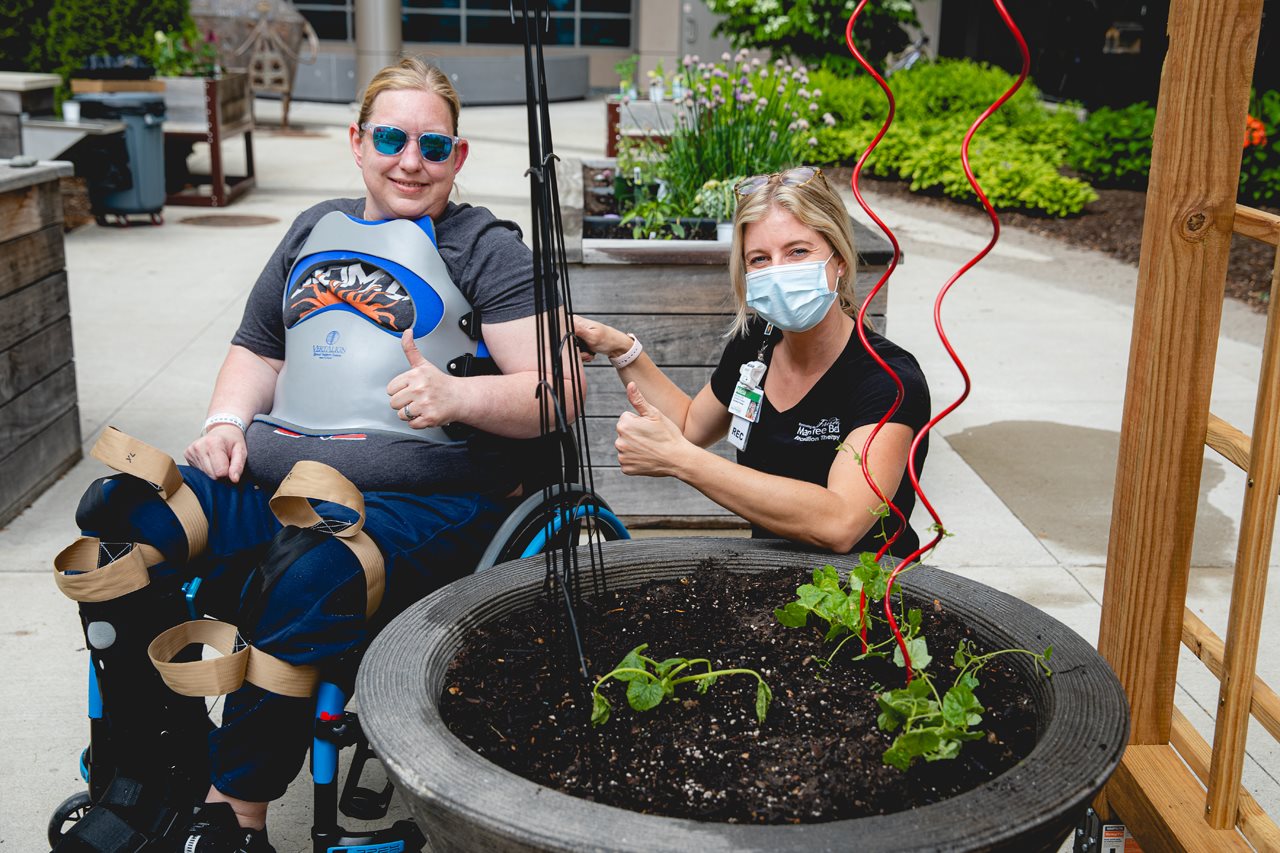
(BPT) – Did you know gardening can have a significant, positive impact on people’s lives? During the pandemic, 18 million new gardeners turned to their outdoor spaces to relieve the stress and anxiety caused by isolation. In addition to the calming effect that working in and visiting gardens can have on mental and physical health, gardening also teaches valuable life skills. For example, at a community garden in Detroit, homeless women and mothers gained confidence and self-reliance by learning how to grow their own vegetables.

Here are five vital ways gardening can enhance your well-being, along with just a few examples of how they’ve changed many lives for the better.

1. Boost your physical health

Working in your garden is a great way to be more active. According to the CDC, gardening is the second favorite physical activity of older adults (behind walking), providing moderate physical activity which may help reduce stress, lower your blood pressure and maintain a healthier weight — all factors that can reduce your risk of heart disease, among other benefits. Being outdoors helps you obtain vitamin D from sunshine, boosting your mood and contributing to your body’s ability to absorb calcium, which is crucial for bone health, according to the National Institutes for Health. Physical therapy in a garden setting is a proven technique for faster recovery times. As an added bonus, you can grow vegetables and fruits for a more nutrient-rich diet.

2. Make social connections

At a vocational therapeutic garden in Chicago, one young man with autism relearned how to communicate verbally after years of being unable to use his voice. This helped him socially, as well as enabling him to get and keep a job. To create your own social connections, try joining (or volunteering at) a gardening club, working in a community garden or chatting with a neighbor while you’re working in your yard.

3. Stimulate your brain

Gardening keeps your brain active. Planning your garden, researching plants and methods to help them thrive all increase your scientific knowledge. Learning how plants grow, understanding their life cycle and their impact on pollinators are all vital for appreciating what the earth needs — and how everyone can contribute. At a prison in Texas, they’ve reduced the recidivism rate from 35% to 4% thanks to the job training skills parolees learned during a one-year horticulture training program that enabled the parolees to get and keep jobs after release.

4. Grow your mood

The Japanese concept of “forest bathing” means immersing yourself in the natural world. Japan made this part of their national health program due to research showing the many health benefits of being in nature. The therapeutic benefits of gardens are widely appreciated, which is why you see therapeutic gardens at hospitals, rehabilitation centers, hospices and other facilities. Research reveals that those who spend time outdoors may experience better recovery, less anxiety or depression and reduced reliance on pain medication. Children in a homeless center in Dallas were given the opportunity to work in gardens, leading to a marked reduction in their aggressive tendencies caused by the uncertainty in their lives.

5. Elevate your experience

For many, spending quiet time in nature also helps foster a feeling of connection with all living things. Gardens have long been a feature of spiritual retreats and sanctuaries. If you want to experience calm and tranquility, gardens provide uplifting, serene environments that can help you attain that sense of inner peace.

Create your ideal garden

Knowing what an impact gardens and gardening has on people’s lives, you may be inspired to create your own, or to reimagine your existing garden. Want to enhance your physical well-being? Grow healthy food, or expand your garden to provide more opportunities for exercise. Looking for connections? Join a garden group or invite friends to garden with you. Aiming to stimulate your brain? Research what grows best in your region or learn about new plants. Interested in boosting your mood? Plant colorful flowers that make you smile and create spaces to relax and enjoy nature. Want to feel uplifted? Create a sanctuary with space for practicing yoga or meditation.

With a little planning, work and time, you can make the most of your garden this season, and you’ll be reaping the benefits for years to come. Learn more about the goodness of gardening at NationalGardenBureau.org.

Outdoor Living Trends in 2023

2023-03-21T09:31:06

(BPT) – According to leading real estate website Zillow, a functional outdoor space is the most sought-after amenity among today’s homebuyers. For homeowners looking to make the most of their outdoor spaces this year, following are six trends expected to shape backyards in 2023:

1. Light Neutrals

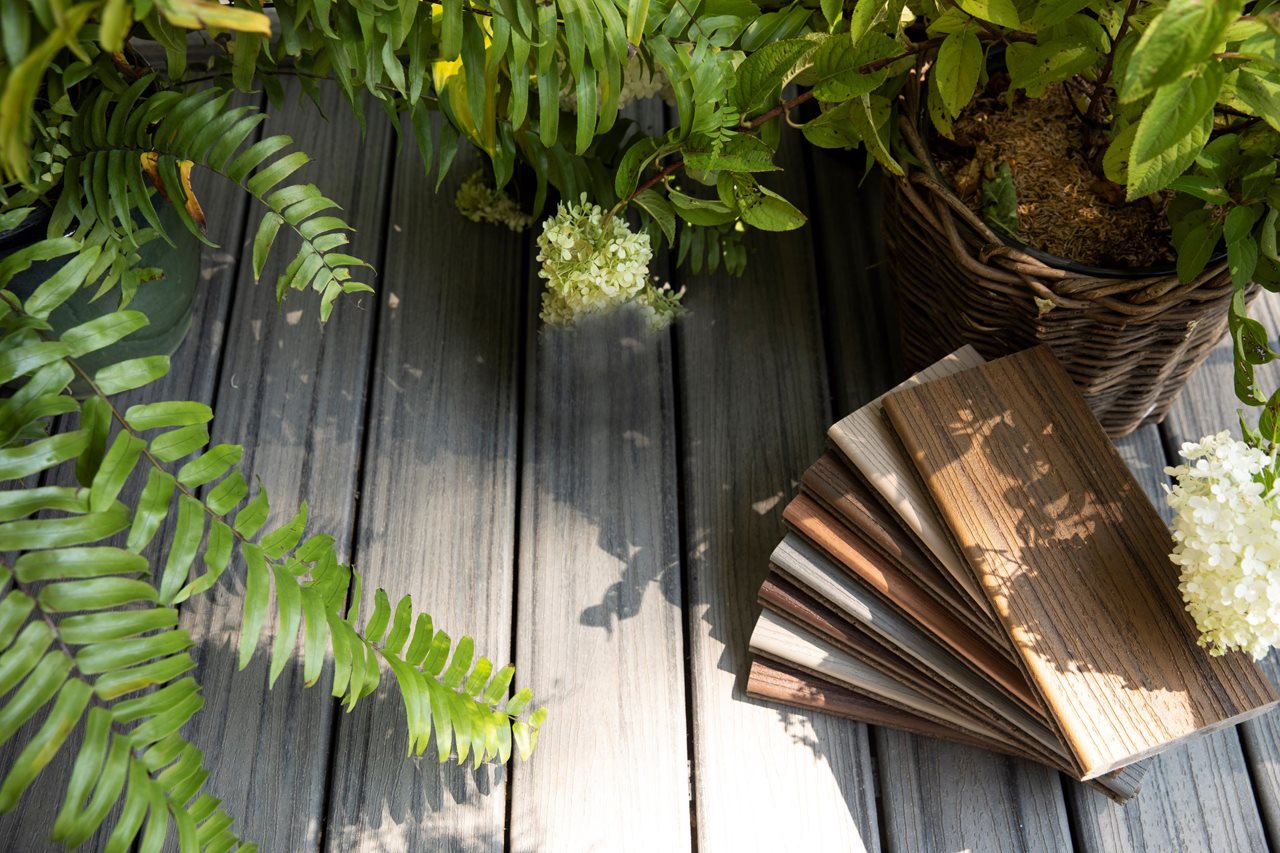
Light, neutral hues are permeating home design inside and out due to their ability to create a sense of calm and serenity. Providing the perfect foundation for an on-trend outdoor space is Trex Transcend® Lineage. This low-maintenance composite decking delivers an elevated aesthetic with heat-mitigating technology to reflect the sun and keep boards cooler underfoot.

2. Mixed Materials

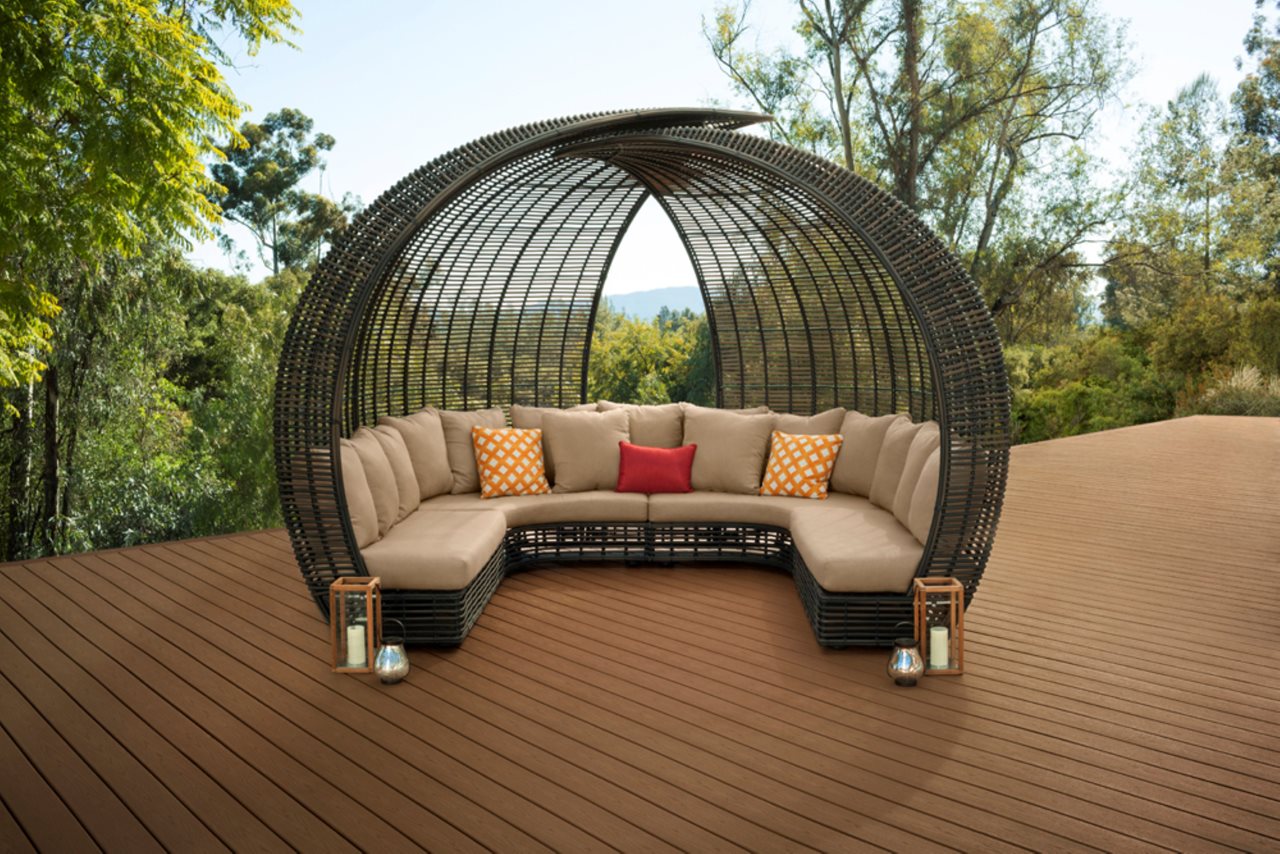
Gone are the days of matchy-matchy monotony. Today’s homeowners are embracing eclectic design schemes with lots of visual interest created by juxtaposing materials like concrete and composite, wicker and aluminum, copper and stone — as well as mixing colors and patterns for added personality and visual intrigue.

3. Sustainable Selections

Sustainability is no longer a “nice to have” but a meaningful requirement among increasingly eco-conscious consumers. Made from 95% recycled materials, Trex® composite decking is an eco-friendly choice that outperforms and outlasts natural wood.

4. Stylish Seclusion

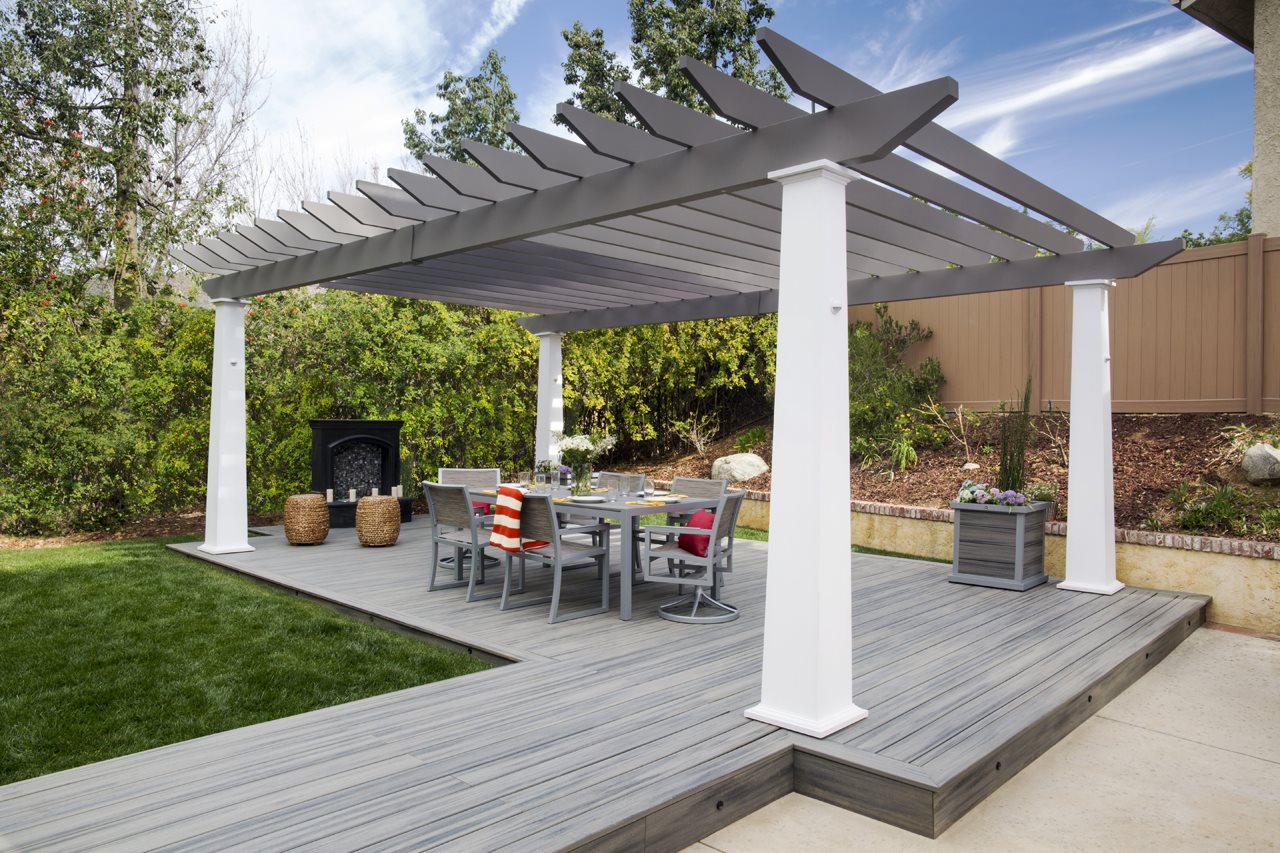
More than a quarter of all Zillow listings highlight privacy as a selling point. This penchant for stylish seclusion is driving demand for fencing, pergolas, privacy panels and lattice, which create a sense of sanctuary with products that are visually appealing, durable and easy to maintain.

5. Mood Lighting

Rising inflation will have homeowners looking for small investments that make a big impact. From candles and string lights to fire features and deck lighting, a little illumination can completely change the look and feel of an outdoor space without breaking the bank.

6. Added Function and Value

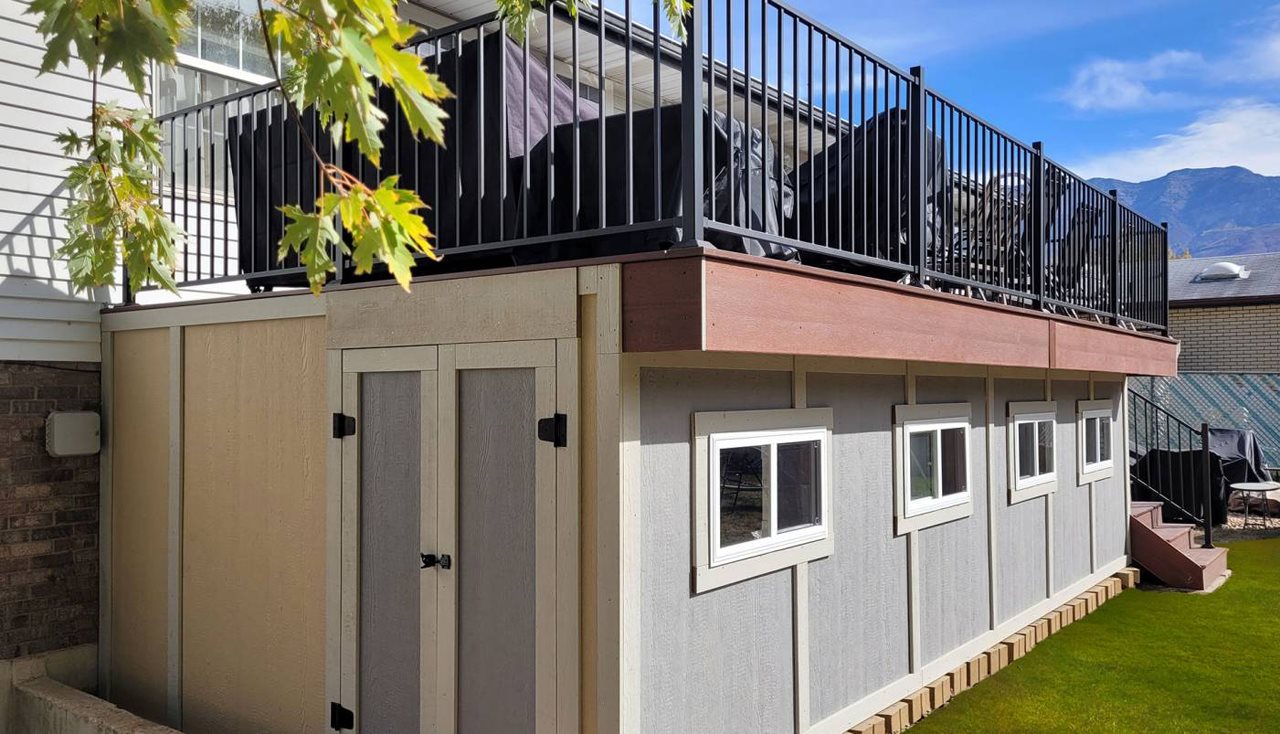
Make the most of your outdoor space by optimizing the area beneath the deck. With an under-deck drainage system, this space can be used for storage or as a bonus living area. RainEscape® is an innovative system that accommodates electrical and gas lines to power ceiling fans, lighting, appliances and entertainment components, allowing homeowners to achieve the finished look and function of an interior room.

More outdoor living ideas, tips and inspiration can be found at Trex.com.

5 ways to increase peace of mind about your home when you travel

2023-03-21T07:01:00

(BPT) – Americans are eager to travel, but also feel nervous about leaving their homes unattended. As the spring and summer travel season heats up, many people are planning trips, but that doesn’t mean leaving home for an extended time is easy. According to a 2023 trend report from SimpliSafe, a fourth of respondents are very or extremely concerned about home break-ins while traveling and that number increases to 41% when looking at Gen Z specifically.

These concerns have led more people to seek solutions that secure their homes before traveling to gain peace of mind and in turn, better enjoy their vacations. In fact, 83% of respondents listed peace of mind as a primary reason for buying a home security system and 49% of respondents explained that they use their home security system to check on their investments — such as expensive appliances, sentimental heirlooms and important documents — while away from home.

In addition to home security, travel nerves can be tempered through preparation and automation to enhance peace of mind before hitting the road. To help ease your travel worries, follow these five proactive and simple steps to better secure your home while away.

1. Alert neighbors about your trip — but not on social media

While it’s a great idea to let neighbors know you’ll be away so they can watch for suspicious activity around your home, don’t broadcast your upcoming vacation on social media. It’s not recommended to let the world know when your house will be unoccupied.

2. Invest in a home security system

The SimpliSafe Trend Report report found that 65% of respondents and 69% of parents say a home security system would put their minds at ease while traveling. To help secure your home, consider installing home security products such as entry, motion and glassbreak sensors, and indoor and outdoor cameras to protect against unexpected visitors. It’s also worth considering environmental sensors such as water sensors and smoke detectors to safeguard your home from burst pipes, electrical fires or other home hazards. Remember, securing your home is not just about preventing break-ins. In your basement, water damage or burst pipes can be equally catastrophic. Investing in the appropriate sensors will help detect and prevent potentially costly damages.

Even better, by using 24/7 professional security monitoring, like SimpliSafe, you’ll know you’ll get help when it’s needed, day or night.

3. Don’t hide keys outside

While it may seem like a harmless solution for letting in house sitters, pet sitters or cleaning services to your home while away, hiding a key outdoors is not secure. Give a spare to a trusted neighbor or friend, or consider using a Smart Lock so that each family member or friend has a unique PIN for entry. This way, you can provide safe access to people who are taking care of your property or pets while you’re gone, while also having visibility into who’s coming and going.

4. Stop mail delivery

It’s also recommended to have the postal service stop mail delivery during your trip, so piled-up mail doesn’t alert a would-be intruder that you’re away. You can do this online by creating a USPS account and making a “Hold Mail” request, or by visiting your local post office. You should also stop newspaper delivery if you use that service. Alternatively, you could also ask a neighbor, relative or pet sitter to bring in mail and newspapers for you.

5. Move vehicles into your garage

If you are leaving a vehicle at home, you’ll want to make sure it is protected as well. If you have a garage, move all vehicles into the garage before heading out. Using an outdoor camera will provide an added layer of protection as well as visibility outside your home. For homeowners without a garage, make sure your vehicle is locked and position an outdoor camera to face your driveway.

Follow these steps so you can relax and enjoy your hard-earned vacation.

For the best security at the best price, SimpliSafe can give you and your family peace of mind whether you’re home or away with 24/7 professional security monitoring there to help if you’re in trouble. When it is time to come home, SimpliSafe found that 85% of respondents are happy to return after a trip and can focus on unpacking rather than worrying! To learn more, visit SimpliSafe.com.

New Outdoor Living Trends for 2023

2023-03-20T08:15:00

(BPT) – According to leading real estate website Zillow, a functional outdoor space is the most sought-after amenity among today’s homebuyers. For homeowners looking to make the most of their outdoor spaces this year, following are six trends expected to shape backyards in 2023:

1. Light Neutrals

Light, neutral hues are permeating home design inside and out due to their ability to create a sense of calm and serenity. Providing the perfect foundation for an on-trend outdoor space is Trex Transcend® Lineage. This low-maintenance composite decking delivers an elevated aesthetic with heat-mitigating technology to reflect the sun and keep boards cooler underfoot.

2. Mixed Materials

Gone are the days of matchy-matchy monotony. Today’s homeowners are embracing eclectic design schemes with lots of visual interest created by juxtaposing materials like concrete and composite, wicker and aluminum, copper and stone — as well as mixing colors and patterns for added personality and visual intrigue.

3. Sustainable Selections

Sustainability is no longer a “nice to have” but a meaningful requirement among increasingly eco-conscious consumers. Made from 95% recycled materials, Trex® composite decking is an eco-friendly choice that outperforms and outlasts natural wood.

4. Stylish Seclusion

More than a quarter of all Zillow listings highlight privacy as a selling point. This penchant for stylish seclusion is driving demand for fencing, pergolas, privacy panels and lattice, which create a sense of sanctuary with products that are visually appealing, durable and easy to maintain.

5. Mood Lighting

Rising inflation will have homeowners looking for small investments that make a big impact. From candles and string lights to fire features and deck lighting, a little illumination can completely change the look and feel of an outdoor space without breaking the bank.

6. Added Function and Value

Make the most of your outdoor space by optimizing the area beneath the deck. With an under-deck drainage system, this space can be used for storage or as a bonus living area. RainEscape® is an innovative system that accommodates electrical and gas lines to power ceiling fans, lighting, appliances and entertainment components, allowing homeowners to achieve the finished look and function of an interior room.

More outdoor living ideas, tips and inspiration can be found at Trex.com.

The average U.S. home equity is $300K: How to protect your biggest investment

2023-03-16T14:31:00

(BPT) – Your home is likely the biggest purchase you’ll make in your lifetime, and your most important investment. Current home prices remain strong, and this helps boost the average amount of equity per U.S. homeowner. CoreLogic’s Q4 Homeowner Equity Insights show the majority of homeowners have seen their equity increase by a total of $1 trillion since late 2021. Home equity is the primary driver of household wealth — but also one asset most people forget to provide complete protection for. Are you protecting your most important investment?

You probably already protect important belongings such as your vehicle with auto insurance, and have homeowner’s insurance for your property. However, there’s one crucial area homeowners overlook that could be the difference between calling your home an investment or a source of severe financial loss: your home’s title.

Most homeowners have good intentions to protect their property, but home title fraud is an area often overlooked. You may be automatically protected against major destructive events like natural disasters and theft via your homeowner’s insurance, but this does not cover home title fraud.

Many homeowners don’t realize the vulnerability that exists with the home title recording system in the U.S. The fact is, anyone can present a fake deed with a fake notary stamp, pay a small fee and, if all the spaces are filled in correctly, the county recorder’s office must accept it. Homeowners can be completely unaware of this until the lender tries to foreclose on the home.

This ease of filing and online access to detailed property records has created a new wave of cyber-crime called home title theft.

Whether your house is worth $200K or $2M, it’s imperative to understand all the ways you can protect it. The first step is determining how much equity you have in your home. To calculate your home’s equity, subtract your current mortgage balance from your home’s market value. If that number is $50,000 or more, you should have an equity protection plan in place.

Why should you go beyond home title insurance?

One common misconception is that home title insurance will cover any issues that occur after you purchase your home. Most policies protect against past history up to the day you close on your property, but they do not cover future events. In addition to home title insurance, your bank, your homeowner’s insurance and legal trust also do not protect against home title fraud.

Protecting your home’s title is a two-step process: home title insurance for until the sale is completed, and then home title monitoring identity theft prevention services for any conveyances made after closing.

To help protect your home’s title, Home Title Lock monitors the title of your property 24/7. When new documents are recorded that could affect your property value or ownership, you’ll be alerted in real-time. If potential fraud does occur, you’re not alone, as a team of experts are there to help you navigate the situation. The company also provides a free home title history report with initial sign-up, which allows you to see past activity on your property and learn if you’re already a victim of home title fraud.

Where there’s a will there’s a way

Another crucial step to protect your investment and ensure that your home will be in the right hands to help your legacy securely live on is careful estate planning, including preparing a will. This is one step that many people put off, especially when they are younger, assuming that it isn’t very likely it will be needed soon. However, the future is impossible to predict, so it’s vital to protect your family by taking this step as soon as possible. Creating an estate plan provides many benefits: It helps transfer assets with ease, and ensures that your beneficiaries receive what you intended, protecting your family’s future.

With these steps, you can have peace of mind that your biggest investment — your home — is better protected.

5 easy ways to refresh your bathroom for spring

2023-03-16T12:01:00

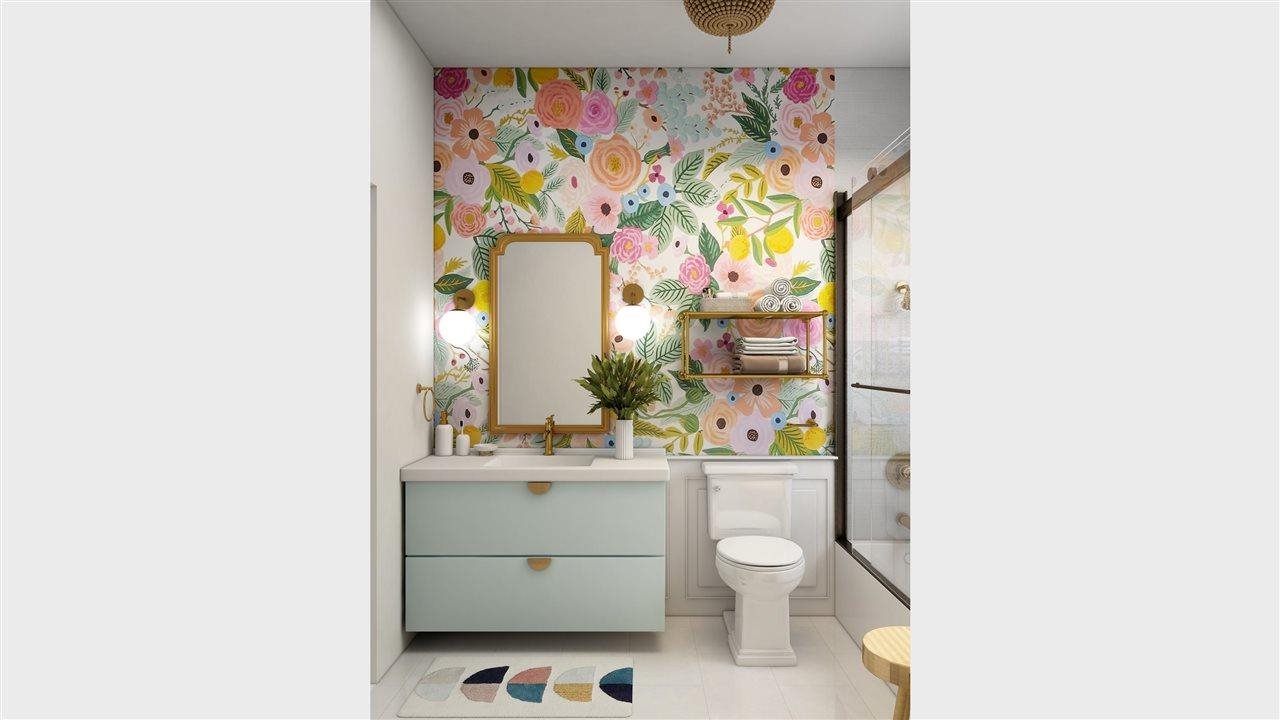
(BPT) – There’s nothing like the warmer temperatures, blooming flowers and longer, brighter days to inspire you to take a fresh look at your home, and the ideal place to get started is in one of your most-used spaces: the bathroom. Spring is the perfect time to refresh your bathroom, so why not go beyond a thorough cleaning to make the room feel brand new? Fresh, seasonal colors give the room an upgraded look, and products like a new toilet seat let you continue that spring-fresh feeling all season.

Here are simple ideas to help you get started on revamping your bathroom this spring.

1. Invite more color: Start with swapping out some of the simple elements in your bathroom, taking the opportunity to brighten the space with fresh new colorful towels, bathmats and even a new shower curtain. Choose light, appealing colors and/or patterns based on natural elements that will bring more of a springtime feeling into your home.

2. Decorate thoughtfully: Consider adding some easy decorative accents, like glass jars filled with cotton swabs, small soaps or garden flowers. A little goes a long way, so choose just a few of these accents to help give the room a sense of spa-like elegance, without making it seem overly busy or cluttered.

3. Think attractive storage solutions: Include smart and visually appealing storage options such as a few pretty baskets on shelves for holding extra guest towels, for example. Baskets are also really useful for keeping that extra clutter off of your countertops, and you can easily organize them by categories like toiletries, washcloths and makeup.

4. Upgrade your seat: Spring cleaning for your bathroom isn’t complete without a new toilet seat. The Mayfair by Bemis Affinity is an attractive plastic seat that installs easily and is designed for a precise fit, so it never moves after you install it. The seat also features quiet closing to avoid unpleasant slamming. Best yet, the hinges are designed to let you easily remove the seat for thorough cleaning — and when you’re finished cleaning, you simply place the seat back on the toilet and close the hinge caps. The durable plastic seat wipes clean effortlessly for that final touch on a fresh, spring bathroom feel.

Visit ToiletSeats.com for more options to help you find the perfect seat from Bemis Manufacturing Company.

5. Refresh your windows: After giving your bathroom windows a thorough cleaning inside and out, consider updating how they look overall with new window treatments. One terrific on-trend idea is to install roller blinds or Roman shades in lighter colors. If you opt for blinds or shades made from thin-enough fabric, they will still provide much-needed privacy while also letting in some natural light — helping the whole room feel lighter and brighter.

Ready to get started on refreshing your bathroom? These are all ideas you can easily DIY — no plumber or designer required! — that will make a big difference for the look and feel of your bathroom, right away. Then you can relax and enjoy your room all season long.

Local Broker Marketplaces Make Home Fantasies Realities

2023-03-14T09:01:00

(BPT) – Enjoy browsing popular home listing sites for your dream home? You can thank local MLS broker marketplaces.

Local MLS broker marketplaces are the unsung heroes that make your home search possible by offering verified, up-to-date home listings in hundreds of markets across the country. They create the largest, most efficient and convenient markets that ensure equity, transparency and market-driven pricing for home buyers and sellers.

This infographic offers a glimpse behind the scenes at what makes your home fantasies a reality. To learn more about how Local MLS broker marketplaces benefit you, visit competition.realtor.

5 DIY bathroom repairs that will save you money in the long run

2023-03-10T08:47:00

(BPT) – If you’re a homeowner, you learn that when something goes wrong involving water, it’s going to cost you. Water damage, mold or mildew — and wasted water — means more expenses, especially the longer it continues. Sometimes you need a plumber to help address the issue, but there are repairs you can take care of yourself.

Here are common household repairs you can handle, with the right supplies and a little know-how.

1. Redo bathtub caulk

If that black stuff on the caulk around the tub just won’t come off, there’s just too much mold or mildew. Not only is this unsightly, but it will keep spreading, and may indicate water is seeping beneath the caulk. Your best bet is to recaulk the entire tub.

Remove old caulk using a putty knife and/or chemical caulk remover. A plastic putty knife can help reduce the risk of damage to the tub. After peeling the caulk away, make sure to remove all the old caulk. Use mineral spirits or rubbing alcohol on a rag to remove residue and clean thoroughly. Let dry before caulking.

Painter’s tape helps keep caulk off the rest of the tub or tiles. Follow the instructions on the caulking gun to apply caulk, using your finger to smooth into the seam. Remove painter’s tape before the caulk dries, and don’t shower for several hours after caulking, following your product’s instructions.

2. Swap out your showerhead

If your showerhead malfunctions or you want an upgrade, this is a simple fix. One necessary product for this task — or to fix a leaky faucet — is thread sealant. This will help ensure you won’t have future leaks. Thread sealant tape like Hercules Megatape is easy to use and comes in several colors, widths, thicknesses and densities. Using gray color tape will match the finish of the fixture so it looks better.

Wrap thread sealant tape clockwise several revolutions around to fully cover the threads. Clockwise is the same direction you’ll be screwing on the showerhead, so applying the tape in the same direction prevents the new showerhead from catching the end of tape and unraveling it. Watch this short video showing the process.

3. Replace a faucet aerator

If your sink faucet squirts oddly or the water runs unevenly, the aerator may need replacing. The aerator screws on the end of the faucet to introduce air into the water stream. Unscrew the aerator counterclockwise. If the screen is clogged, tap or rinse to clear debris, and replace. If there’s nothing clogging the screen, simply purchase a new faucet aerator at any hardware or home improvement store. It’s easy to screw a new one on the end of your faucet, clockwise.

4. Stop a running toilet

If your toilet keeps running, you’ll be paying for excess water on your next utility bill. Most often the flapper at the bottom of the toilet tank is old and worn, or your tank ball (float valve) is broken. Purchase a new float valve assembly at your local hardware or home improvement store. To replace, turn off water to the toilet and flush to remove water from the tank. Unhook the chain at the tank lever arm and remove the old flapper. Clean the area under the flapper with a sponge before installing the new one.

Install the new assembly following the instructions on your product. Turn the water back on to fill the tank, ensuring the flapper seals well and doesn’t let water leak into the bowl. Adjust the chain or strap if needed: If it’s too tight, the flapper won’t seal properly, causing water to leak. Too loose, it will cause the flapper to drop too soon, not allowing the bowl to flush correctly. Flush a few times after the tank has filled to make sure it’s working correctly.

5. Repair a broken toilet flange

If you notice your toilet rocking or shifting (the whole toilet, not the seat), spot leaking near the toilet base, water on the floor, and/or unpleasant smells, you could have a damaged toilet flange. You may even see water damage on the ceiling of the room below. The toilet flange is the part that helps secure your toilet to the floor, and it can easily be repaired with an Oatey Fix-it Repair Ring. This makes it possible to repair broken, cracked or worn-out toilet mounting flanges without having to replace the entire flange. It’s compatible with all flange and toilet installations as well as flooring types (including concrete), and has 10 mounting holes and 4 slotted mounting tabs for a range of installation options. Learn how to install a Fix-It Repair Ring by watching this short video.

A plumbing problem, while bothersome, doesn’t have to mean even more expenses like costly repair bills. Visit Oatey.com for these and other DIY repair products.

Don’t skip these 4 important spring home maintenance steps

2023-03-09T06:01:00

(BPT) – Maintenance is an important part of home ownership, but many people delay tasks, thinking a few weeks or even months won’t do any harm. However, putting off home maintenance is risky because small issues that are simple to fix now can quickly lead to complex problems that are expensive to fix later.

Spring is the ideal time to give your home a once-over both inside and out to flag any issues and create a maintenance to-do list. According to the experts at State Farm, here are some top spring maintenance tasks to help protect your home:

Roof and gutters

Your roof provides fundamental protection of your home from the elements in all seasons. Inspect your roof at least once annually for damage, discoloration, loss of granules and missing, worn or curling shingles. If you have the skills, you can do this yourself, or, call a qualified contractor who can come and do an inspection.

Some additional things to keep in mind, especially during rainy spring months: Gutters and downspouts should be safely attached, clear of leaves and other debris, and have no leaks. Position downspouts to direct water away from the home so it doesn’t impact the foundation. Also, check that flashing is secure — the thin, metal material that’s around windows, vents and chimneys to direct water away.

HVAC systems

HVAC stands for your home’s heating, ventilation and air conditioning systems. These systems work together to keep your home comfortable throughout the seasons. Regular maintenance helps keep them working well today and extends their life in the future while also saving on energy costs.

Start by setting a reminder every few months to replace filters. Dirty filters can block airflow and make the HVAC system work harder, decreasing efficiency and increasing energy costs. Then, schedule a spring maintenance check with a local HVAC professional. Pros will often check the thermostat, clean or replace filters, lubricate moving parts, check refrigerant levels, inspect the condenser and coils, and investigate unusual noises.

Garage spaces

Garages can quickly become cluttered and certain items pose risks, such as fuel that can start a fire or items that can be attractive to pests. Embrace spring by planning a day to clean out the garage so it is organized and safe.

If you store any fuel in the garage, use dedicated, leak-proof containers out of the reach of children and pets, and away from potential sources of fire ignition such as water heaters or power tools. Be smart about paint and home-improvement chemicals, too. A shed away from your home may be a better storage spot for combustible items.
Many people also store furniture, clothing and food in their garage, but these are all tempting to insects and rodents. Clothing and furniture can also soak up dust and fumes that destroy their integrity, even if pests don’t. As for food, it’s just too risky to store any in the garage. Even nonperishables like canned goods can spoil due to temperature fluctuations in garage spaces, so opt to store extra food elsewhere.

Smoke detectors

Get in the habit of checking your smoke alarms on a regular basis, such as at the start of every season. Do this by hitting the test button on each device. If you don’t already have them, make sure a smoke detector is located in every bedroom and living space. This small investment and maintenance step can help save lives.
Additionally, don’t wait until the alarms chirp at you to tell you batteries are low. Once a year, replace all the batteries in all the alarms to give you peace of mind that these critical devices are set up to work well in an emergency.

If you need assistance with any of these spring home maintenance tasks, consider hiring a qualified, insured contractor in your area. Reach out to your local State Farm agent for a list of trustworthy professionals who can help.