4 smart ways to spend your tax refund while adding value to your home

2023-03-08T00:01:00

(BPT) – If you’re expecting a tax refund this year, now is the perfect time to strategize how to use it. Why not maximize your refund by investing it in your home? There are a variety of renovation projects at different price points worth considering that can add value to your home.

Here are a few ideas to get you started.

1. Think curb appeal

A top recommendation from real estate agents is to view your home as a potential buyer might. What improvements can you make to the exterior that would attract a prospective buyer, giving the impression your home is well cared for?

  • Landscaping Just clearing overgrowth can enhance how your home looks, but also consider consulting an expert for improving your yard.
  • Replacing your garage door Especially with a 2- to 3-car garage, this is a highly visible feature of your home that gets a lot of wear and tear.
  • Upgrading doors and/or windows — They create the first impression your home gives visitors (and neighbors), and replacing them enhances not just your home’s appearance, but also energy efficiency and security.
  • Repainting/re-siding your home — Refreshing the exterior gives your home an immediate facelift. Can’t afford to redo the entire exterior? Touching up trouble spots or repainting trim also makes an impact.

These improvements can boost potential resale value and your sense of pride in your house, for however long you call it home.

2. Install an extra full bath

Creating another full bathroom is not only great for improving the functionality of your home, but will definitely appeal to future buyers. According to Houzz, installing an additional full bathroom, like an en suite or guest bathroom, is one of the top five renovation projects to consider in terms of return on investment.

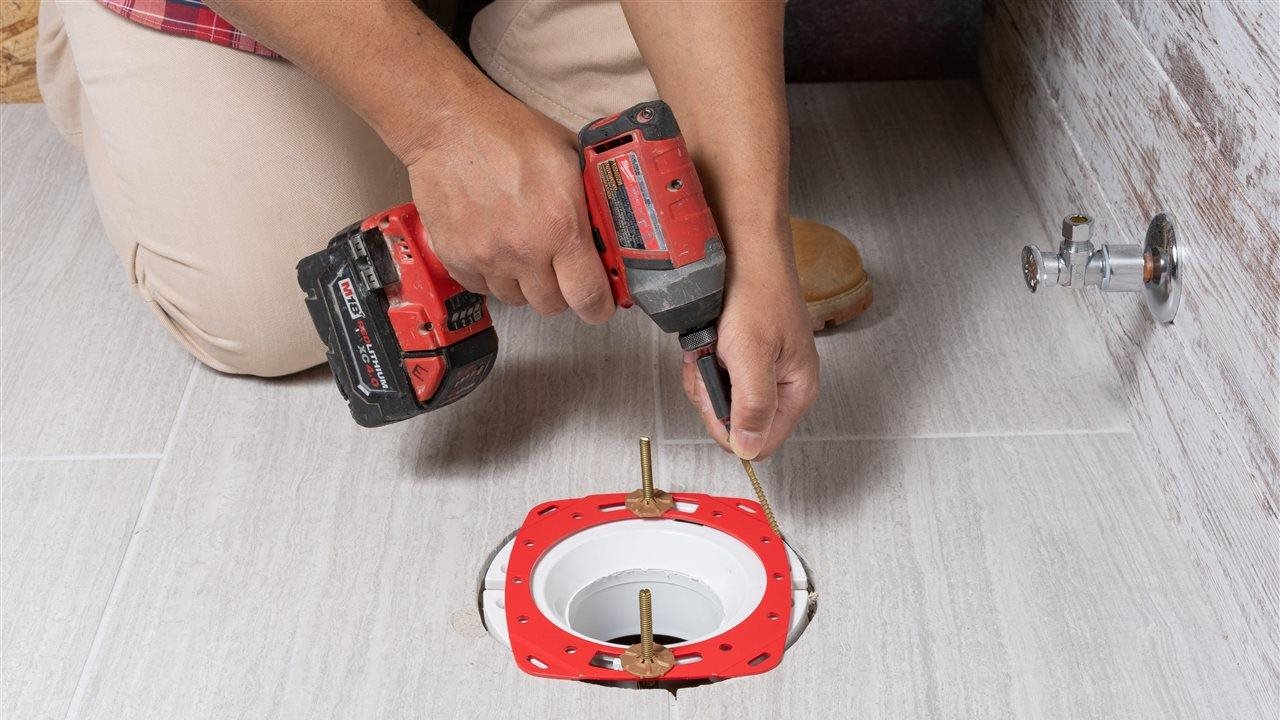
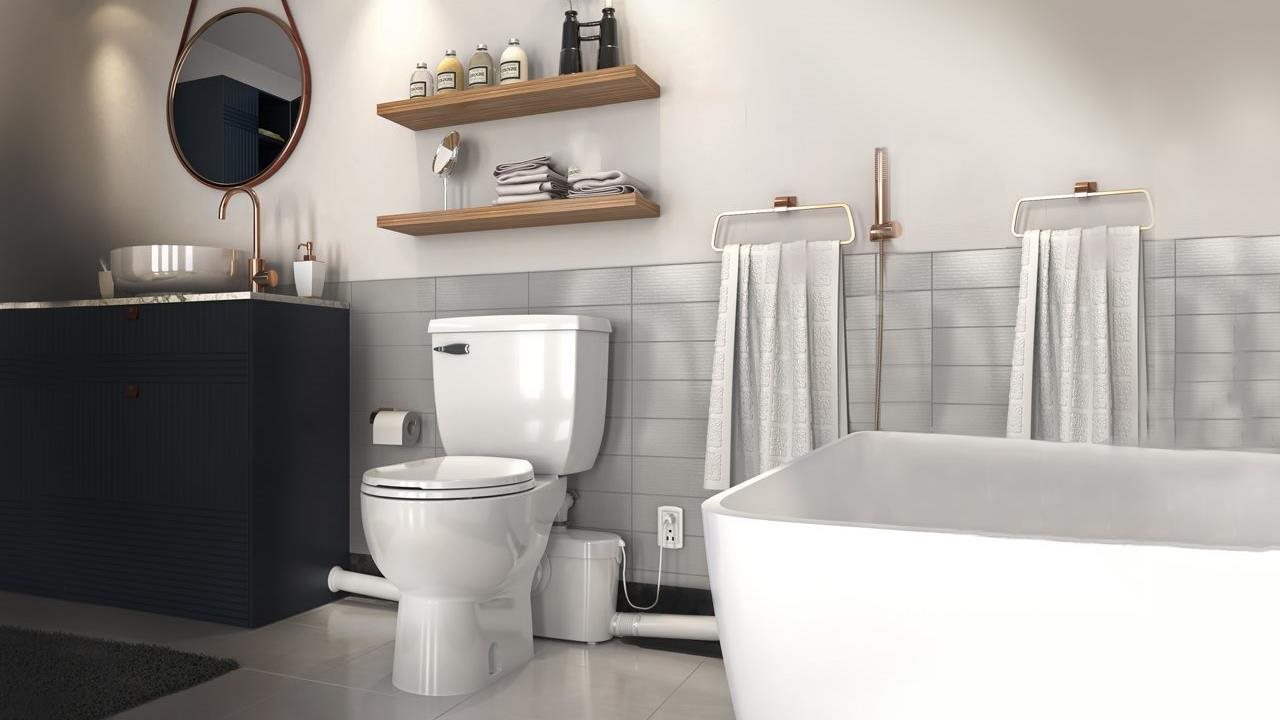
While adding a full bath in some parts of your home may be very costly due to the plumbing configuration, you can cut costs considerably using an up-flushing, macerating toilet — like the Saniaccess 3 from Saniflo — which can be installed virtually anywhere. The plumbing used for this toilet operates above the floor, so there’s no need for the mess and expense involved in digging through flooring, especially concrete floors typically found in basements.

Saniflo’s above-floor technology makes it possible to add a bathroom even if you were once told you couldn’t add a toilet due to the lack of a drain line. These upflush toilets simplify toilet installation by pumping waste away to the nearest drain line and/or sewer system. Watch this short video to learn more about Saniflo’s bathroom solution.

3. Add a half bath

Don’t have sufficient space (or budget) to create a full bath? A half bath also enhances the value, convenience and functionality of your home. Similar to the Saniaccess 3, you can install a Sanicompact tankless toilet for your half bath, reducing the cost, hassle and time needed for renovation. Whether you have an attic room, basement area, storage closet or outdoor space (like a poolside changing room), a Sanicompact toilet can provide this convenience for family and guests anywhere you want, without having to worry about the typical headaches adding or moving plumbing can create. There’s no need for major construction to add garage or basement installations, toilets for elderly family members and many other practical applications that can’t be added through conventional methods.

Both the Saniaccess 3 and Sanicompact toilets provide quiet, efficient functionality that is economical and environmentally friendly, using far less water than a traditional plumbing system. Check out this video to see how you can use this year’s refund to add a bathroom.

4. Upgrade your kitchen

Depending on your budget (and refund), upgrading your kitchen is always a smart move. According to Homelight, you can do a minor remodel of a 200-square-foot kitchen for approximately $21,000 and recover about 77.6% of that cost at resale. Don’t want to spend $20,000? No worries. Even minor upgrades — like replacing outdated faucets or cabinet hardware, refacing or painting cabinets and/or adding a new backsplash can improve the appearance of your kitchen while helping raise your home’s value.

Before you get your tax refund, plan to maximize it by spending it on your largest investment — your home.

Design Trend Report 2023

2023-02-22T08:01:00

(BPT) – “Style and design surround us — impacting how we feel, the personality of a room, or the energy of a space,” said Laura Grill, director of product design for Daltile. “As a fashion-driven brand, Daltile has just released its Daltile Trend Report 2023 to help homeowners, designers and architects create fresh, breathtaking spaces.”

Elevate Life

Positivity has become one of the most effective antidotes to counteract the pessimism of the last two years and the trend of Elevate Life embodies a bold positivity. Elevate Life celebrates with mood-boosting colors; tactile fabrics; bold patterns; oversized proportions; visuals that are playful, quirky, silly; and objects embedded with positive memories.

The colors of Elevate Life embody the desire for fun, surprise, humor and engagement by unleashing vibrant hues such as bright oranges, yellows, greens, blues and fuchsia. These bright colors are partnering with psychedelic patterns and round shapes, bringing back the vibrant ’60s and ’70s mood. Such Avant-Basic design broadcasts loud retro vibes through unconventional shapes (think curvy, wavy, elliptical), bold geometric forms, sculptural silhouettes and magic eye prints. The energy and optimism of the ’80s is also back via the New Maximalist aesthetic blending bold patterns, oversized proportions, multicolor effects, color blocks, boucle and velvet fabrics, floral motifs and the iconic Barbiecore.

Tender Living

Care and compassion find their voice through the Tender Living mindset that reclaims care to the fullest: care for self, others and the planet. Tender Living fosters well-being, cocooning, inclusivity and regeneration — expressing itself through Biophilic Design, multi-sensorial interaction, natural colors, sustainable practices, the beauty of imperfection and neutral Scandinavian style.

Tender Living’s color scheme supports us physically and mentally, stimulating mindfulness. Its palette includes variations of off-white, smooth grays and beiges, colors inspired by nature’s rare beauty and slow crafts: green from deep forest to sage tones, sky and darker blues, burnet brown (think eggshells). Tender Living finishes and materials celebrate nature and stimulate our senses through organic and wavy shapes combined with fluted surfaces. This aesthetic also embraces imperfection, highlighting untreated surfaces such as exposed cement, kintsugi finishing and texturized ceramics. Interiors combine Scandinavian Minimalism with Biophilic Design — creating an Organic Modern style. A key hallmark of Tender Living is connecting with nature, both indoors and outdoors.

Essential Luxury

The notion of luxury has been changing, refreshing the traditional indicators of splendor. The trend of Essential Luxury is about enjoying moments of indulgence in a new way — blending beauty with heritage and pop culture; crafts with high-end technology and sustainability; multi-cultural inspiration with Art Deco and Gothic references.

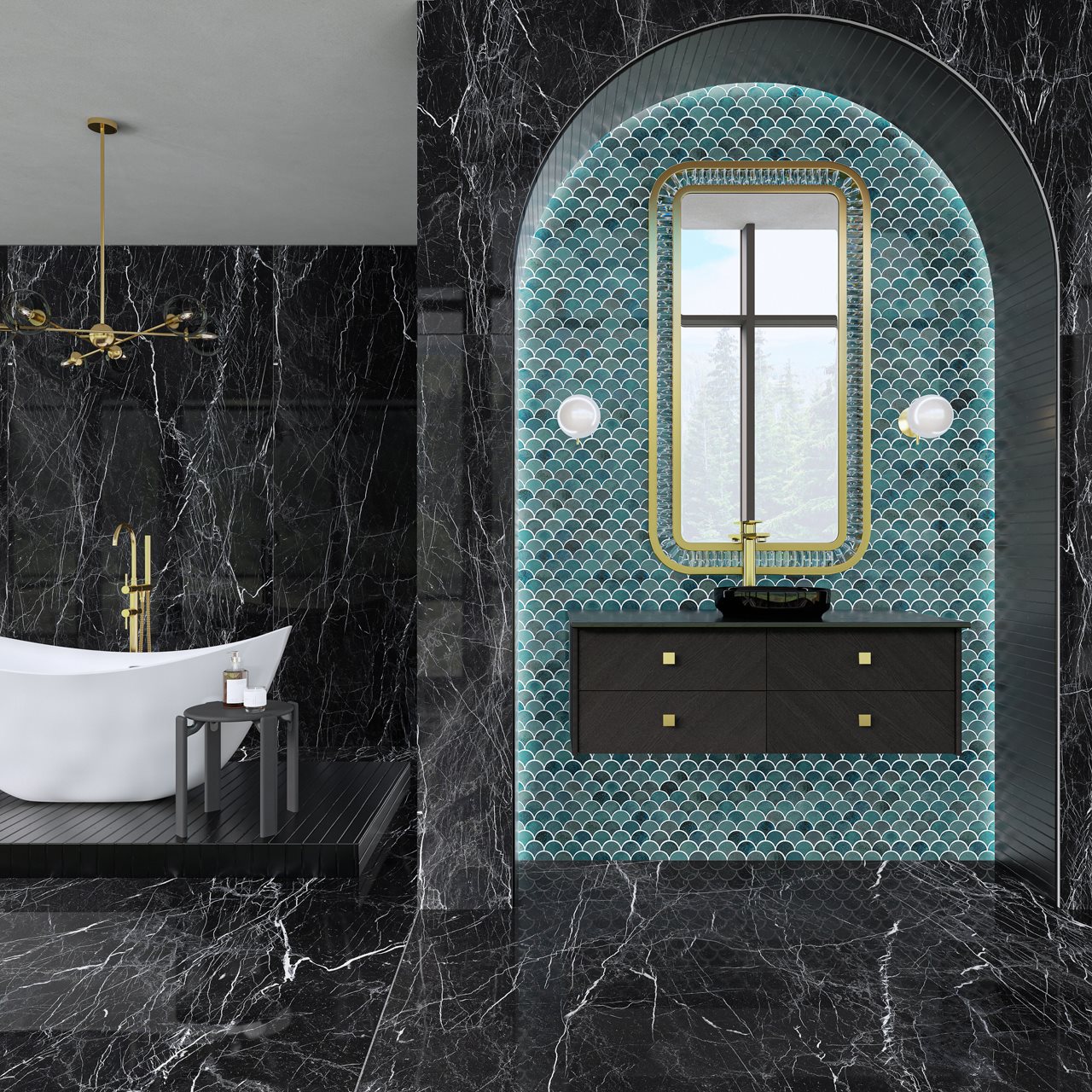
Essential Luxury finishes and materials celebrate uniqueness, giving life to lavish and multi-ethnic spaces by combining precious stones, colorful marbles, and onyx with velvet, lacquered wood and golden finishes. Forms and shapes draw inspiration mainly from the design of ancient civilizations, incorporating some Art Deco. Essential Luxury colors communicate richness and sophistication. Its color scheme explores dark shades and includes hues from Gothic style, black marble, precious red and green stones, and dark brown from prestigious wood. As for patterns, Essential Luxury focuses on exotic marble looks blended with animal print and tribal themes to create lavish and cozy interiors.

Dreamscape

The new interior design trend of Dreamscape is influenced by the desire to escape the demands, disappointments and pressures of the physical world while finding relaxation, fulfillment and many times a new identity in the digital world. The rise of gaming, virtual reality, phygital interactions, and the metaverse developed in us a familiarity with digital visuals which have over time created an actual affinity for those types of aesthetics, because they can bring a sense of calm and escape. As with all trends, color is the foundation of interior design falling under this umbrella. Blues, purples, greens, metallics and black make up the Dreamscape palette. Mixed with these dreamy colors, are geometric shapes, magic eye reverberations, ethereal lighting and flowing movements. Metallic touches, slick finishes and precision designs are hallmarks of this interior design trend that generously embraces the stereotypical look of science fiction and futuristic ambience.

Seize The Day

The trend of Seize The Day embodies the mindset of living in the moment while making space for nostalgia and comforting memories. It is about rediscovering traditional craftsmanship techniques and materials. The color palette of Seize The Day is very earthy, focused on beiges, creams, light browns and a fabulous terra-cotta. Finishes and materials celebrate the beauty of desert dry touch and raw materials such as crude clay but with attention to comfort. There is also an emphasis on cords such as macramé, glazed tiles made from natural materials such as volcanic lava, and plenty of handcraft finishing. Forms and shapes draw inspiration from styles such as Modern Mediterranean and Southwestern Boho. They give life to tactile and comforting interiors by combining organic shapes, irregular and imperfect forms, and plenty of arches. Patterns also draw inspiration from dry and cracked earth and uneven natural surfaces.

Click here to view Daltile’s Trend Report 2023

5 off-the-wall uses for retaining walls

2023-02-21T11:39:00

(BPT) – Segmental retaining wall (SRW) systems make attractive walls, but they also are used to build many beautiful and functional outdoor features for homeowners and professionals alike. As the most versatile resource in a professional landscaper’s tool box, SRWs can also be used by do-it-yourself landscapers with a little know-how. Whether you need to transition a slope, shore up soil or create beautiful hardscaped features, one retaining wall system — the VERSA-LOK retaining wall system — can do it all.

YouTube creator and construction pro Stanley “Dirt Monkey” Genadek calls VERSA-LOK the “gold standard” of retaining walls. “VERSA-LOK’s solid, pinned units are superior to hollow, lipped blocks that require fill and might trap water,” says Genadek, who owns a landscaping and excavating company in Mendota Heights, Minn. “It’s the one block that can do it all. VERSA-LOK is the gold standard in SRWs as far as I’m concerned.”

Says Scott Arnold, manager of Villa Landscapes, a design and install landscaping firm in St. Paul/Minneapolis: “Retaining walls are most often employed to address grade changes in the landscape and to retain soil. But as the ‘Legos’ of landscaping tools, retaining wall units can be used to create many beautiful and functional features such as outdoor kitchens, fireplaces and seating.”

Seating

From creating seat walls to stadium seats, retaining walls are for sitting. One popular application is a freestanding seat wall around a patio or fire pit. Retaining walls are perfect to set into hillsides such as amphitheater seating, where they retain soil while offering a place to sit. Other options include stadium seating, replacing cold, noisy and more expensive aluminum bleachers as well as a couch or bench designed with SRWs.

Functional features

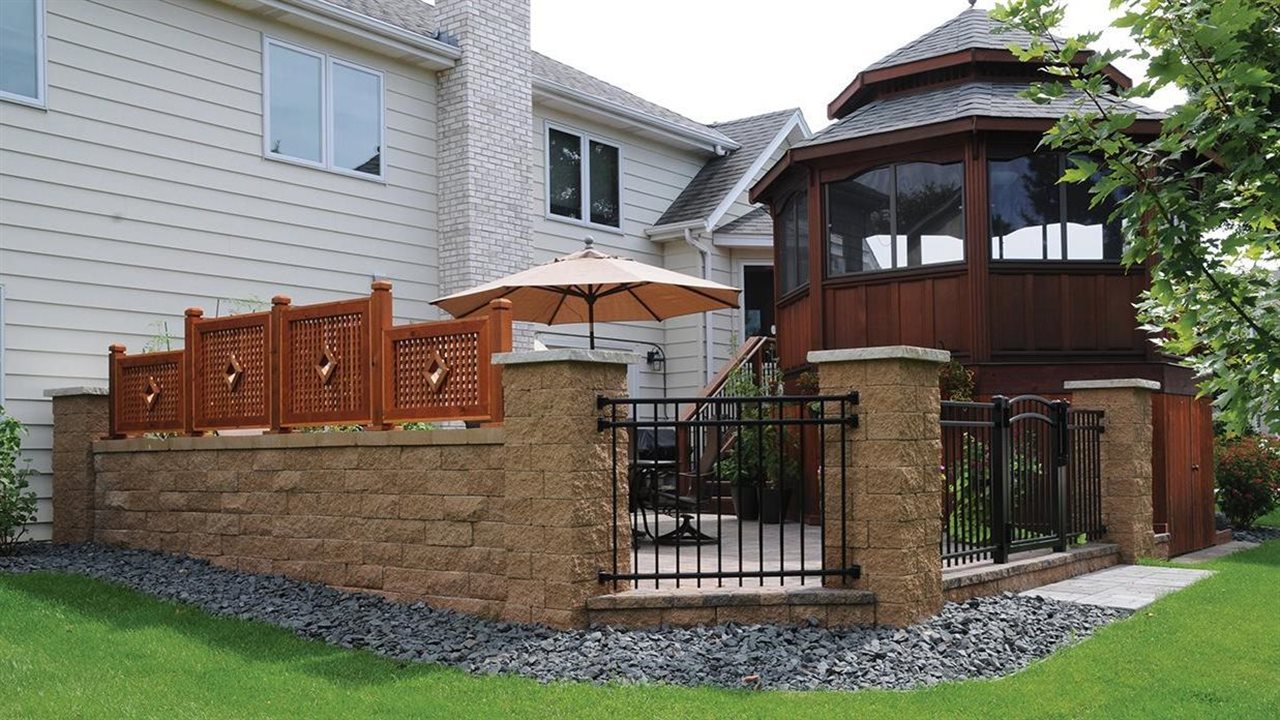
Retaining wall units can make beautiful tiered gardens, raised garden beds, planters, tree rings plus fire and water features. One common application is a raised patio, where retaining wall units serve as a foundation for a paver patio surrounded by freestanding walls in place of a wood deck. Creative homeowners and installers have used retaining wall units for lighted column posts, waterfalls, hot tub platforms or mailbox columns.

Steps/stairs

Going up and down a slope is easier with solid stair foundations created from retaining wall units. From stairs out the back patio to steps for access within a hardscape design such as a multi-level patio, retaining wall units are a safe support for stair treads and pavers.

Fencing

Keep people moving the right way with freestanding walls used as fencing or partitions. A parapet wall is a back-to-back wall that serves as a barrier for vehicles and pedestrians. Stepped-down freestanding walls are used alongside ramps for easy access. Custom columns designed with lighting and fencing with timbers or rail posts can serve as a fence solution.

Signage

Both residential and commercial signage can be created with retaining wall units. Stately columns with house numbers at the end of a driveway, a hardscaped entrance sign to a community development or a mailbox pillar are features easily created with retaining wall units. Monument signs can be built as freestanding walls, with channel letters, a signboard or neon mounted on the surface.

The endless design options afforded by retaining wall systems are limited only by the imagination. With a variety of colors and textures, retaining walls can do it all, beautifully. If you can design it, you can build it with VERSA-LOK.

Winter Weather Ready checklist offers key homeowner tips

2023-01-17T08:05:00

(BPT) – Did you know? Snow is easiest to clear when it’s fresh. A creaking sound may be a sign of snow load damage to your home. A garage may not provide enough ventilation to run a generator.

As we near the coldest part of winter, the Insurance Institute for Business & Home Safety (IBHS) is providing a free, easy-to-follow Winter Weather Ready checklist to guide cold weather prep and help ensure important steps aren’t overlooked before and after a severe winter weather event.

“After years of persistent drought, many homes in California and the Pacific Northwest may not be prepared for the significant precipitation, whether it be heavy, wet snow or torrential rainfall, that could cause a cascade of damage,” said Dr. Ian Giammanco, lead research meteorologist at IBHS, a nonprofit scientific research organization. “Our Winter Weather Ready guidance provides information to not only assess your exposure, but also actionable steps to reduce your risk of damage that can be expensive and inconvenient to repair and disrupt life.”

While the specific threats facing a home vary regionally, no area is immune from potential weather hazards. These actions can help homeowners be Winter Weather Ready:

Before a winter weather event:

  • Clear debris from gutters and downspouts so water flows away from the home and reduces the risk of leaks.
  • Trim branches to avoid damage to the roof, siding, and windows.
  • Seal cracks and leaks around windows and doors.
  • Test smoke and carbon monoxide detectors.
  • Ensure you have plenty of fuel for generators and snow removal equipment.

Last-minute winter weather prep:

  • Purchase deicing products for front steps and walkways.
  • Shut off water and drain exterior sprinklers.
  • Stay informed with a reliable source for severe weather information such as the National Weather Service (NWS).
  • Follow guidance from local authorities and enable weather alerts on a mobile device.

After a storm:

  • Watch for signs of snow load damage, such as creaking sounds, a sagging roof, cracks in the ceiling or walls, water stains, and doors or windows that no longer open and close correctly.
  • Check water flow by turning on faucets; if pipes are frozen, shut off the water supply and contact a plumber.
  • Shovel or use a snowblower to clear steps, sidewalks, and driveways as soon as it is safe to do so, as fresh snow is easiest to remove.
  • Operate generators in well-ventilated areas and never leave them unattended.
  • If the home is damaged, document losses and keep receipts electronically so you can access them from anywhere using cloud storage.

“As we move into the core winter months, checklists can help homeowners prioritize actions and reduce severe weather impact,” added Giammanco. “The good news is many of these steps are affordable do-it-yourself projects.”

For more ways to prevent damage from winter weather, see IBHS’s full Winter Weather Ready guide and checklist for residential properties, available on DisasterSafety.org.

5 Home Fix-Ups that Can Be Tackled with Super Glue

2023-02-15T14:01:01

(BPT) – According to Hippo, more than half of homeowners (59%) had something go unexpectedly wrong in their home last year. While some repairs are larger or more serious that require contracting a professional, having the right tools on hand can help homeowners easily make smaller fixes on their own. Super glue is an often-overlooked tool that can affordably accomplish quick fixes to woodwork, furniture, décor, tools and more.

Here are five ways super glue can help tackle quick fixes needed both inside and outside your home.

Wood Repairs

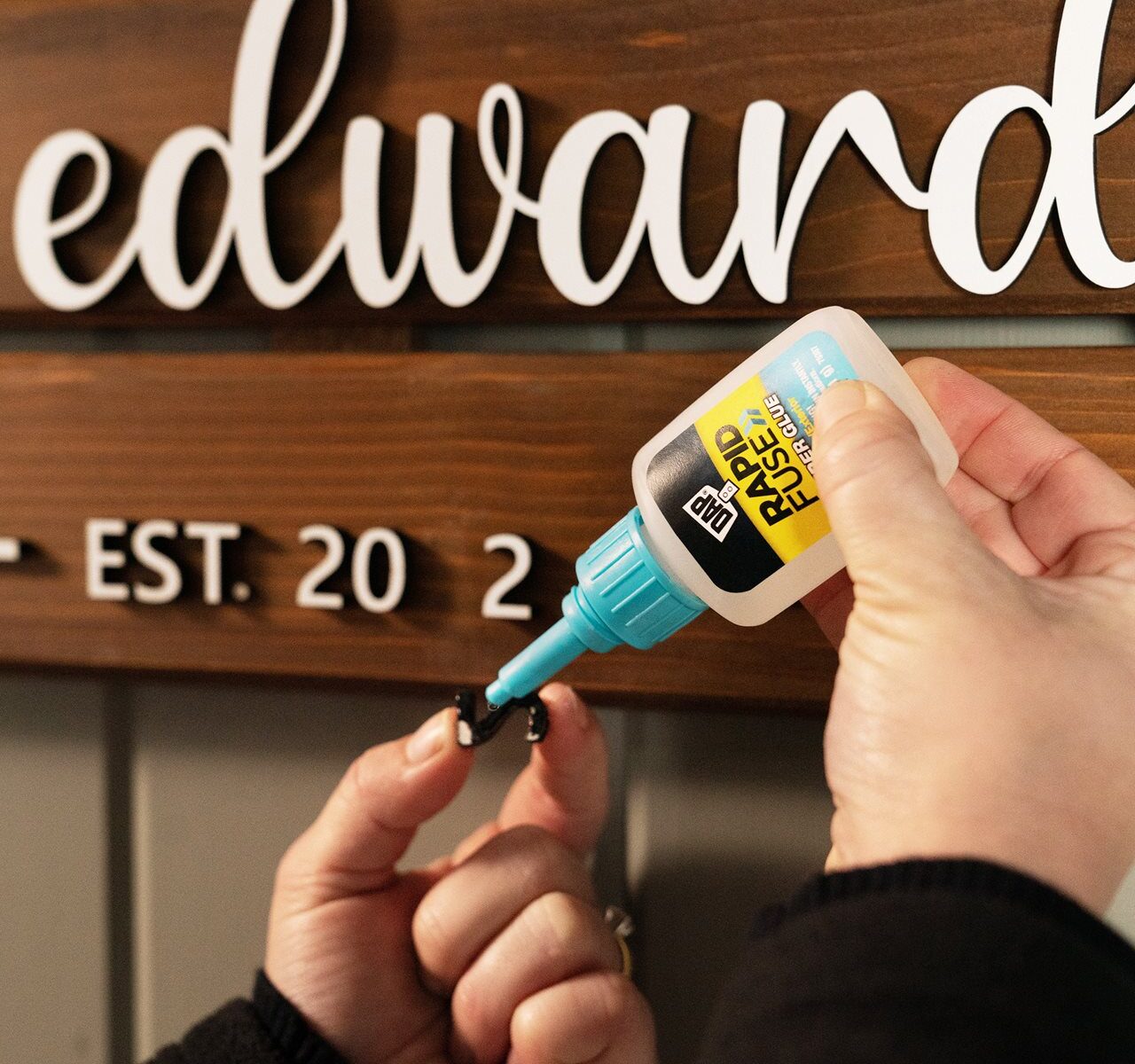
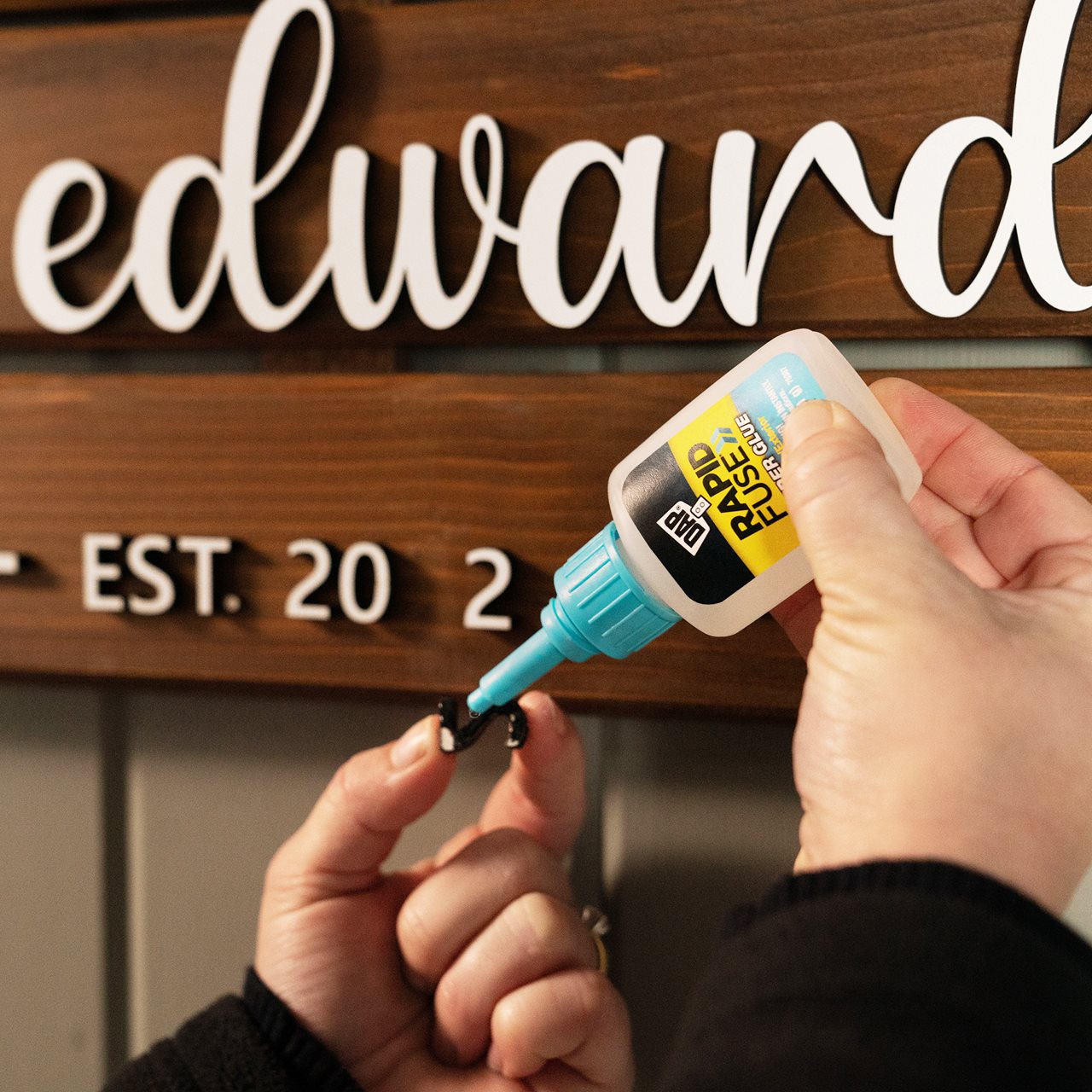
Over time the cabinets, doors and furniture we use every day can suffer wear and tear. Whether there’s a broken piece of molding on your kitchen cabinets, the spindles of your kitchen chair need to be reattached or the wood by your door frame is splintering, super glue provides a quick and affordable fix. With these high-use items, you’ll want to select a super glue that offers durability like DAP RapidFuse Super Glue. The adhesive creates a bond that won’t get brittle over time for two times better durability than regular adhesives, and it works on most common household materials, making it a great adhesive to have on hand for quick home fixes.

Décor Damage

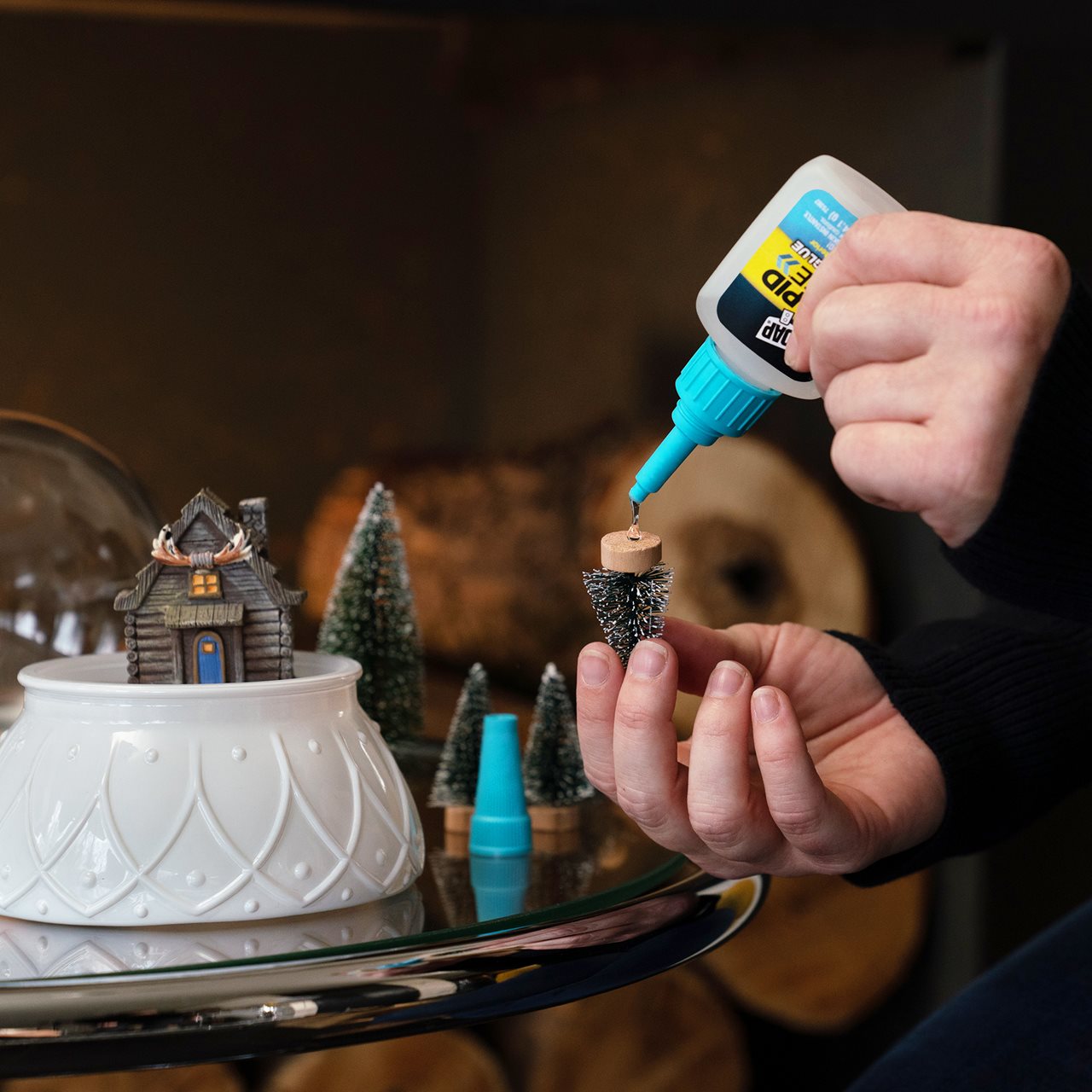
Super glue can be the perfect remedy for damaged décor. Broken picture frames, vases and small decorations that get bumped off a countertop, table or wall can quickly be glued back together with just a drop or two of super glue, resulting in a second life for your broken décor. You can avoid messy repairs with a super glue that cures and bonds quickly. RapidFuse Super Glue has a fast-setting formula that sets in only 30 seconds and creates a cured bond in just 4 hours, with no expanding foam, no dripping glue and no mess.

Tool Tune-Ups

A broken handle on a hand tool often renders it useless. The next time your handle slides off or becomes loose, try using a bit of super glue to make the tool as good as new. For screwdrivers, trowels, brooms, yard rakes and sheers, place some glue around the end of the tool and slide the handle back in place. Use a fast-setting super glue and you’ll be back to your project in no time.

Top it Off

Protect wood floors and doors from scratches and nicks by super gluing felt pads to the bottom of kitchen chairs and adhering the rubber caps on door springs. These protective finishes are small but will help prevent wood damage and costly repairs. Super glue can also be used to top off stair banisters with wooden button plugs. This will provide a more polished and stylized look.

Backyard Fixes

Super glue can also be the perfect repair tool for many outdoor projects. For example, it’s useful for deck and lawn decorations that get damaged like fountains, flowerpots and lamps. It can also help mend outdoor furniture, doghouses and birdhouses that need sprucing up. Just be sure to select an adhesive that can withstand the elements. RapidFuse Super Glue is water resistant and can be used both indoors and outdoors.

For more products and tips to fix up your home, visit DAP.com.

3 things every homeowner should do at the start of spring

2023-02-13T14:01:00

(BPT) – Spring is the perfect season for home improvement as it presents many opportunities for first-time homebuyers and experienced homeowners to be more thorough when it comes to maintenance. As the weather warms up, you’ll find plenty of indoor and outdoor projects that can improve the functionality of your home and boost its curb appeal while also avoiding unpleasant surprises.

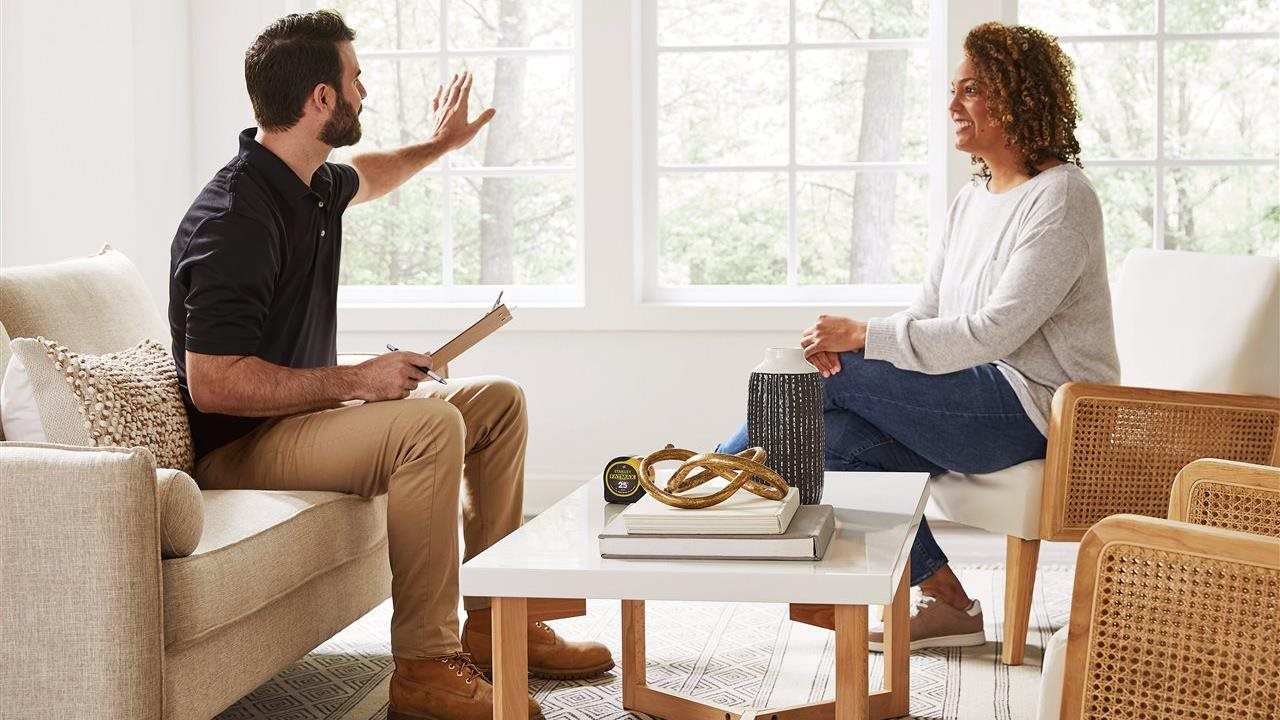
“Many homeowners perform spring cleaning tasks to freshen up and declutter their homes, but it’s also crucial to tackle important maintenance tasks,” said Viviane Essex, merchant at The Home Depot. “For most people, their home is their biggest investment. The Home Depot’s Home Services can help homeowners with routine repairs and installation projects that provide comfort, safety and most importantly, peace of mind.”

Don’t know where to start? The Home Depot’s Home Services has provided a helpful spring maintenance checklist. Here are three items you can check off your to-do list to make sure your home’s internal systems and external features run smoothly.

1. Schedule seasonal maintenance on your HVAC system

Your heating, ventilation and air conditioning (HVAC) system is crucial to keeping your home cozy in the winter and cool during the summer. Most systems have a lifetime of 10 to 20 years, and efficiency can drastically decrease as your equipment gets older.

If your HVAC system is working harder and not performing as well as it should, it may be time to replace it. Book a consultation with a certified professional who can inspect your existing system, make recommendations and give you an estimate for a new system. Not only will it help improve your home’s air quality, but it will also keep your family comfortable all season long.

2. Maintain, repair or replace your water heater

Water is used throughout your entire home, from showering and bathing to cooking and watering your lawn. To ensure you are using quality water, you’ll need to inspect, replace and repair your water heater.

Make sure to check “inspecting your water heater” off your spring cleaning list. Keep an eye out for any water buildup around your water heater, water-quality issues or small plastic pieces from your fixtures that can affect your water supply.

Also, look out for changes in water temperature or temperature duration, a broken pilot light, noise in your unit or pipes, or the smell of gas around your water heater. If you notice any of these signs, your water heater may be failing and need to be repaired or replaced.

3. Spruce up the outside of your home

The exterior of your home is just as important to inspect and repair as the interior. Your windows are an especially visible part of your home that need careful attention.

During winter, you may feel drafts or frequently see condensation on your windows. As the seasons change, you may notice cracking or peeling around window exteriors. These are signs that it may be time to replace your windows.

This spring, book a window replacement. Windows should be inspected by a licensed professional every 20-25 years to see if they need to be replaced. No matter what windows you choose, a new high-quality window with thick, insulated glass is more energy efficient than older single-pane windows. Best of all, new windows can also improve your home’s appearance.

Another external item to inspect this spring is your garage door. You may not think your garage door needs regular maintenance, but just like a car, it needs regular tune-ups. Small issues can quickly turn expensive down the line. Also, some garage door problems can pose a safety hazard and cause serious injury.

Depending on the age and condition of your garage door, it may be time to replace it. Replacing your garage door can improve the look of your home and increase its market value.

Finally, consider installing a new fence around your property. Fences provide privacy and security. They can help keep children and pets safe inside your yard, while also keeping out unwanted animals and trespassers. This decorative element also provides protection around an outdoor space, like a pool or garden.

For all your indoor and outdoor spring-cleaning projects, you can find help at The Home Depot’s Home Services. Their installers can help you choose the material and style that best fits your property and needs.

All certified service providers are local, licensed, insured and background checked. To learn more and book appointments to spruce up your home this spring, visit HomeDepot.com/Services.

Why landscaping stone is your best choice for sustainability, low maintenance and beauty

2023-02-11T05:15:00

(BPT) – If you’ve ever struggled to maintain a beautiful garden or wondered if there were better alternatives to standard mulch options, it may be time to consider upgrading your yard by using landscaping stone instead. There are many options available, and landscaping stone provides a very low maintenance, highly sustainable, and attractive alternative to help you create your ideal garden.

Here are some of the ways landscaping stone can enhance and improve your yard.

Make maintenance easier

Most traditional types of mulch will only last three months to a year, as they may either blow or wash away (creating a mess in your yard), and then quickly decay, degrade or decompose — so you have to replenish the supply of mulch time and time again to keep weeds under control. It’s also difficult to keep mulched garden beds free from dead leaves and debris throughout the year, while using landscaping stone allows you to simply blow unwanted leaves or debris away with a leaf blower.

While requiring a bit of an increased investment up front, Pavestone Pea, Pond or River Pebbles are more cost effective over time because they are much longer lasting than typical varieties of mulch, making them ideal for gardens, pathways, ponds and many other applications around your yard. They’re also an easy option wherever you need ground cover to help keep weeds at bay, providing an attractive bed to showcase — and protect — your most treasured decorative plants, flowers, and shrubs. You also avoid the concern of importing termites into your yard when compared to options like untreated wood-based ground coverings. Finally, in drier climate conditions, rocks are also an ideal choice as they’re not flammable.

Discover the sustainability benefits

Especially if your lawn or garden experiences drainage issues, landscaping stones of different sizes can help control water flow and facilitate water runoff. For example, you can mix and match three different sizes — such as Pavestone’s Pea, Pond or River Pebbles — as an effective mulch alternative. They are the perfect solution to help control and maintain your landscaping grading.

In addition, Pavestone’s landscaping rocks require far less transport, as they are locally sourced from regional rivers and lakes. They are easy to spread wherever you need them, helping to control soil erosion and retain moisture.

Enjoy the beauty of landscaping stone

While clearly practical, landscaping stone provides unique beauty for any project. You’ll see a wide variety of earth tones in landscaping stone from Pavestone that will add nuanced color to your garden beds. They come in a variety of shades of tan, brown and gray, depending on the area of the country where they were derived. Alternatively, another option to consider is Pavestone’s Premium White Marble Chips. These beautifully shiny white stones provide high color contrast for maximum visual effect in your garden beds, or they can be used solely as a top layer on a bed Pebbles to create your desired look.

Whatever colors you choose, you can be assured that Pavestone landscaping stones will be resistant to fading, and that they will beautify and provide definition to enhance the appearance of your landscaping beds as the perfect backdrop for your yard for years to come.

You can find Pavestone Pea, Pond and River Pebbles and Marble Chips at your favorite home improvement store, or visit Pavestone to learn more.

5 tips to make working from home more comfortable

2023-02-08T12:09:00

(BPT) – As many Americans have traded their work commute for a home office, interest has focused on creating more comfortable remote workspaces. Ergonomic furniture, acoustic soundboards and high-speed broadband technology are a few investments designed to make working at home more comfortable. But an overlooked opportunity for improving comfort exists in every room: a home’s air.

Temperature, humidity and particulates in indoor air can all threaten comfort. And given that the average person spends 90% of their life indoors, the quality of a home’s air isn’t regulated to working hours. Following are five ways to support a higher level of comfort in every season.

1. Get your ducts in order. While today’s HVAC systems are highly efficient, even the most advanced heating or cooling technology will not deliver its full value if attic ductwork is compromised. EnergyStar reports that an average home loses up to 30% of the air that moves through its duct system due to leaks, holes and poorly connected ducts.1 Tom Casey, chief visionary officer with Griffin Service and a frequent presenter at HVAC industry events, says ductwork can be the ultimate indoor air quality accessory. “You won’t address the weakest link in a home’s HVAC system if particles from attic ductwork are simply filtered and blown out from the attic ducts through the registers again,” he says. “You’ve got to tackle the root cause.”

2. Assure adequate attic insulation. More than 90% of homes are under-insulated, falling short of current DOE guidelines for energy efficiency.2 Attic insulation provides an effective resistance to the flow of heat from warm into cool parts of a home. Adequate levels of insulation can help keep hot attic air from infiltrating the conditioned area of a home in summer; and restrict heated air from entering the attic in winter.

3. Practice good HVAC hygiene. Change your furnace filter according to the manufacturer’s directions and visually inspect your filter monthly. If the furnace filter is covered with dust, changing the filter is a good idea even if it has not reached the end of its anticipated lifespan. Not only will this support home comfort, changing the furnace filter regularly will result in less wear and tear on HVAC equipment.

4. Look for warning signs. Debris around a register or increased dust in the home can indicate an HVAC problem. Similarly, higher energy bills are a sign that air may be escaping due to holes in a home’s ductwork. Mentioning these issues during routine service visits can help trouble-shoot issues that threaten comfort and energy efficiency.

5. Go “whole house.” The Owens Corning Air Care™ Contractor program supports a “whole house” approach that goes beyond equipment to support a high-performing indoor environment. Owens Corning® Air Care™ contractors are equipped with the training and tools to evaluate an attic duct system’s integrity and the overall efficiency of the duct system.

References

1 Source: EnergyStar. www.energystar.gov/campaign/heating_cooling/duct_sealing

2 U.S. Environmental Protection Agency (2018, July 16) Indoor Air Quality. Retrieved February 21, 2019 from www.epa.gov/report-environment/indoor-air-quality.

© 2022 Owens Corning. All Rights Reserved.

Dreaming of spring? Check out National Garden Bureau’s 2023 Green Thumb Award Winners

2023-01-09T07:01:00

(BPT) – Do the cold winter months have you dreaming of flowers blooming and digging in warm soil? Get ready for spring with National Garden Bureau’s (NGB) newest Green Thumb Award Winners for your garden. NGB, the 102-year-old nonprofit organization that promotes and inspires gardeners, recognizes the most innovative plants and helpful gardening products to assist and encourage gardeners everywhere.

Here are this year’s Green Thumb Award winners in six different categories:

1. Flowering shrub

Rose Eau De Parfum™ Bubbly: This rose delivers big fragrant blooms with a high petal count, offering the classic rose look with disease resistance provided by modern breeding. Bubbly features champagne-colored blooms that form lovely buds which slowly unfurl to their full glory. Their lush foliage makes these excellent shrubs to grace any garden with blooms from early spring until the first frost. This rose is hardy to USDA Zone 5 and grows 3-4 feet tall.

2. Perennial

Astilbe Dark Side of the Moon: A new instant classic for any landscape, Dark Side of the Moon is the only dark-leafed astilbe with purple flowers available for your garden. Its rich, deep chocolate burgundy leaves form an incredibly attractive 18- to 24-inch mound of foliage. Emerging leaves are yellow, with a dark margin and glossy sheen that becomes completely dark as they age. Dark stems hold raspberry buds that burst forth with rosy, purple flowers. The pollinator-friendly astilbe can be grown in beds or containers, and is hardy in USDA Zones 4-9.

3. Annual (a tie resulted in two winners for this category)

Elephant Ear (Colocasia esculenta) Royal Hawaiian® Waikiki: Veteran plant pros and new gardeners alike are talking about the exciting new colors on this colocasia. Royal Hawaiian® Waikiki offers glossy green foliage with flamboyant white and flamingo pink veining, and is bred to be happy in full sun. Disease resistant and compact, its clumping habit — 3 feet tall and wide — is ideal for patio containers, poolside plantings and color-packed garden beds. Waikiki is also a 2023 All-America Selections National Winner, making it a dual award winner!

Starflower Paper Moon: The novelty of this annual is what makes it a 2023 Green Thumb Award winner. Small, pale blue blossoms on wiry stems transform into highly decorative, bronze-colored geometric and globe-shaped seed heads. These plants are grown primarily for their papery seed pods, which are useful for both fresh and dried bouquets. These plants grow 2-3 feet tall and attract many beneficial insects.

4. Edible

Tomato Sun Dipper: Sun Dipper’s unique elongated fruit can easily be held between your fingers for easy use with dips and sauces. No more accidental finger-dips in the ranch sauce! Its orange fleshed fruit looks great on a vegetable platter and tastes even better. They grow well in a sunny area with the support of a trellis or cage, and have great resistance to in-ground diseases, so you’ll harvest trusses of 2-3″ long Sun Dipper tomatoes until the first frost.

5. Houseplant

Tradescantia Pistachio White: A breeding breakthrough allows this all-new Tradescantia to maintain heavy white variegation while still supporting vigorous growth. An excellent selection for small pots as well as hanging baskets, Pistachio White also makes an eye-popping item for combination plantings. You can bring them indoors for fantastic performance as a houseplant in winter months, and it grows to only 12” tall, but can get up to 18-24” wide. For warmer climates, this plant is hardy to Zone 8a when left outdoors.

6. Garden products (a tie resulted in two winners)

TruDrop Flex: This self-watering planter from Crescent Garden provides phenomenal results, helping make successful gardening accessible to everyone. The innovative insert has a 10-year warranty and can be easily removed so you can change the design, change out plants and/or easily maintain your plants. The outer shell serves as a great water reservoir that allows it to go weeks without watering, delivering phenomenal results by watering through the roots, while at the same time saving water and fertilizer usage for a truly sustainable container garden. TruDrop Flex can be used indoors or out.

Dibby XL Dual-Purpose Gardening Tool: No more sowing seeds with pencils, sticks, spoons or chopsticks! The Dibby XL from Spoken Garden helps all gardeners, of any skill level, consistently plant vegetable and flower seeds at the correct depth for germination. This means more plants with less time and less effort. It also makes thinning and transplanting seedlings easier. While other tools are hard to maneuver around tender seedlings, this new tool helps easily transplant and thin seedlings, giving them more room to develop. Made in the USA.

Excited to explore some of these award-winners? Ask about all of these plants and products at your favorite garden retailer or on the NGB website.