Maximalism reinvented

2022-12-15T07:01:00

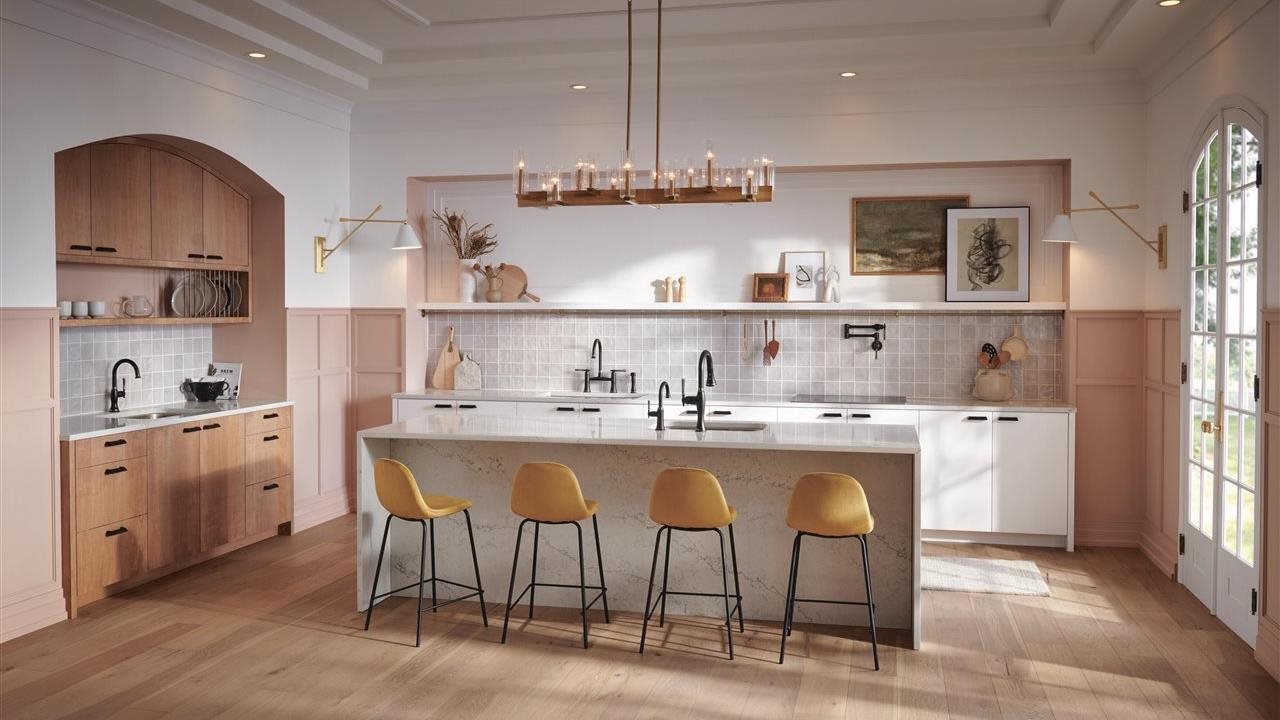
(BPT) – The kitchen is a space that fosters creativity — from the design choices to the art of cooking, it is the heart of the home; a place for people to come together to celebrate and share in abundance. To create a meaningful kitchen, incorporate characteristics of maximalism, such as personal items that showcase individual style and purposeful accent pieces.

Complementing contrasts

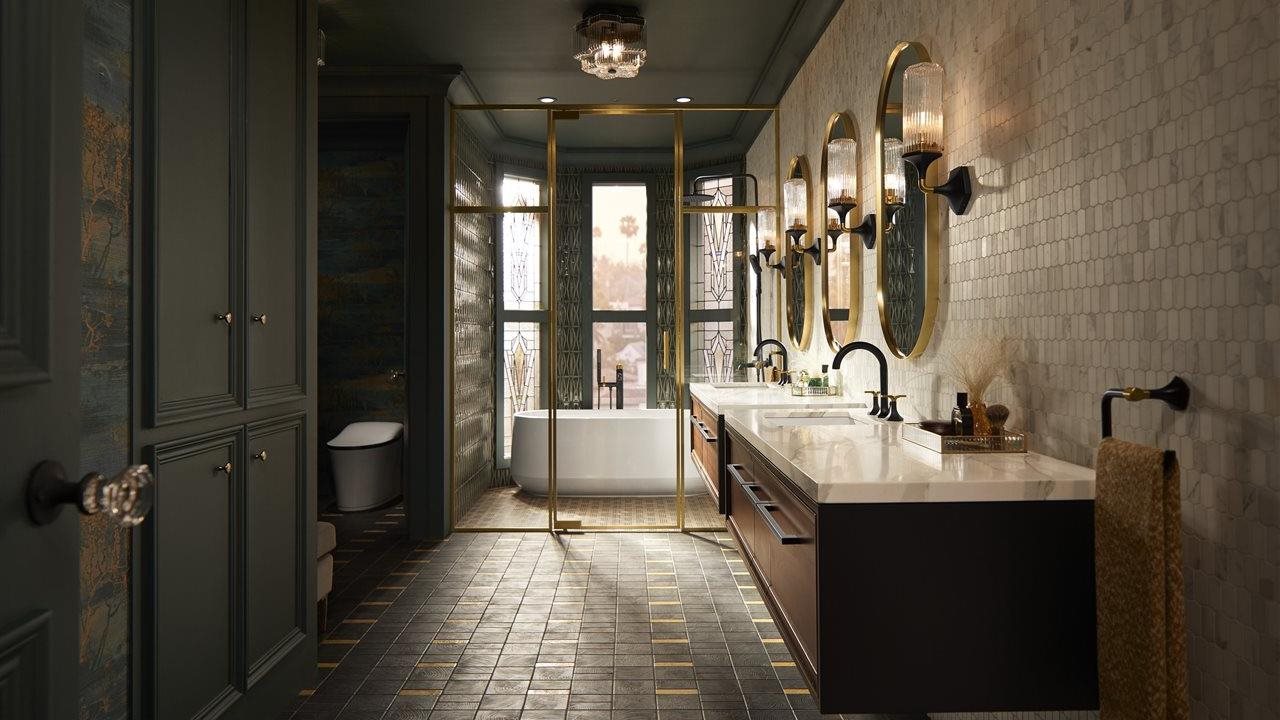
Maximalism has existed throughout time, but personalization and avant-garde touches can take it to the next level. Take a cue from previous eras to inspire home design, and do not be afraid to select and pair seemingly contrasting elements, patterns or mediums within a space. Select fixtures with tone-on-tone split finishes to create a grand statement that elevates the traditional home. Create breathtaking variations by combining artistic flair with eclectic features, such as selecting faucets with unique fluting details. These aesthetic choices bring beauty into a space while enhancing the sensory experience.

The Tulham™ Kitchen Collection by Brizo® reimagines every detail by combining elegant contours with art deco motifs for an inventive blend of traditional and avant-garde, making it a great addition to a maximalist-inspired kitchen. When paired with other elements in the space, such as a vintage light fixture or a modern barstool, these distinct attributes can create an intriguing and layered design that makes the space feel and look unlike any other.

The grandeur of technology

The integration of technology is a great way to elevate the kitchen even further; it can be both functional and innovative. Whether it is used to make the room easier to clean or makes cooking more efficient, technology opens up a world of culinary possibilities. The Tulham™ Pull-Down Kitchen Faucet has both a Touch-Clean® nozzle, to make wiping away mineral deposits simple, and a two-function wand with spray and stream elements to make the faucet as practical as it is lavishly beautiful. Optional SmartTouch® Technology on the Pull-Down and Pull-Down Prep Faucets activates water flow with just a tap, making both clean up and cooking functional without sacrificing style. The Tulham™ Instant Hot Faucet easily coordinates with any aesthetic and can deliver near boiling water, ready at a moment’s notice. From brewing French press coffee to steeping tea, the faucet’s innovative technology elevates even the most ordinary kitchen tasks. With its creative technology and beautiful, artistic details, the Tulham™ Kitchen Collection enhances the art of cooking and brings maximalism to the heart of the home.

How well do you know your home’s HVAC system?

2022-12-14T05:01:00

(BPT) – How well do you know your heating, ventilation, and air conditioning, or HVAC, system? Like any product, you want to keep it in working order, and being HVAC savvy will help you keep this vital equipment working more efficiently regardless of the temperatures outside.

Here are some important aspects of your HVAC system you should know:

The Average Lifespan of HVAC

Generally, with proper maintenance most residential HVAC systems have a typical lifespan between 10 to 20 years. For instance, an increase in dust on surfaces in your home could be a signal to replace the furnace filter, which should be done monthly for optimal performance. Loud noises from the HVAC or inconsistent room temperature can also indicate the need for maintenance or an upgrade.

Although an HVAC may continue to provide comfort during this timeframe, the average homeowner may still seek to replace an HVAC system during this period for a variety of reasons, such as rising energy bills which could also be a signal that the HVAC is not operating as efficiently as newer models.

State-of-the-art HVAC Technology

While most people are familiar with central HVAC systems, some homeowners might not know about “mini-split” systems. A “mini-split” system, typically ductless, both heats and cools. There is an indoor and outdoor unit; the outdoor unit does most of the work while the indoor unit distributes the heating or cooling.

Mini-Split HVAC units with inverter technology, like those from LG Electronics, provide zoned heating or cooling where you need it, all while providing you with an opportunity to reduce your reliance on fossil fuel. This ductless system allows you to select comfort settings for each zone or room in your home and then control the temperature, volume, and direction of airflow, all according to your preference. ENERGY STAR® certified models are available and, in addition to being more eco-friendly than a traditional HVAC system, can help cut your cooling costs by up to 30 percent.

Know the SEER Rating

The Seasonal Energy Efficiency Ratio (SEER) rating of your air conditioner is a measurement of the product’s cooling output in comparison to the total electric energy input. The SEER rating, which can range from 13 to over 30, represents the heat pump cooling and air conditioning efficiency.

You’ll want to know the rating to help you understand the efficiency of your unit when it works at its maximum potential. In general, the higher the rating, the better. For example, your air conditioner should have a SEER rating of at least 14.5 to qualify as an ENERGY STAR product.

Benefits of ENERGY STAR

The gold standard for energy efficiency is ENERGY STAR, a U.S. government-backed program that helps consumers and businesses easily identify products designed and built to meet above-average efficiency standards. Home products, including HVAC systems, which achieve a certain degree of energy efficiency while also meeting usability and convenience requirements, earn the rating. In fact, heating and cooling costs could be cut by up to 20 percent versus traditional HVAC products by using ENERGY STAR certified models.

Keeping your heating, ventilation, and HVAC equipment well-maintained can have a significant effect on your utility bills and will help you catch small issues before they snowball into financial burdens. Replace the air filter regularly, have a maintenance expert evaluate your system twice a year in the spring and fall, and report any concerns to your HVAC provider between planned visits. Ready to make the switch? Consider an LG HVAC unit by contacting a contractor to learn more about upgrading your system or installing a new unit.

5 tips to protect your swimming pool from severe winter weather

2022-12-09T06:01:00

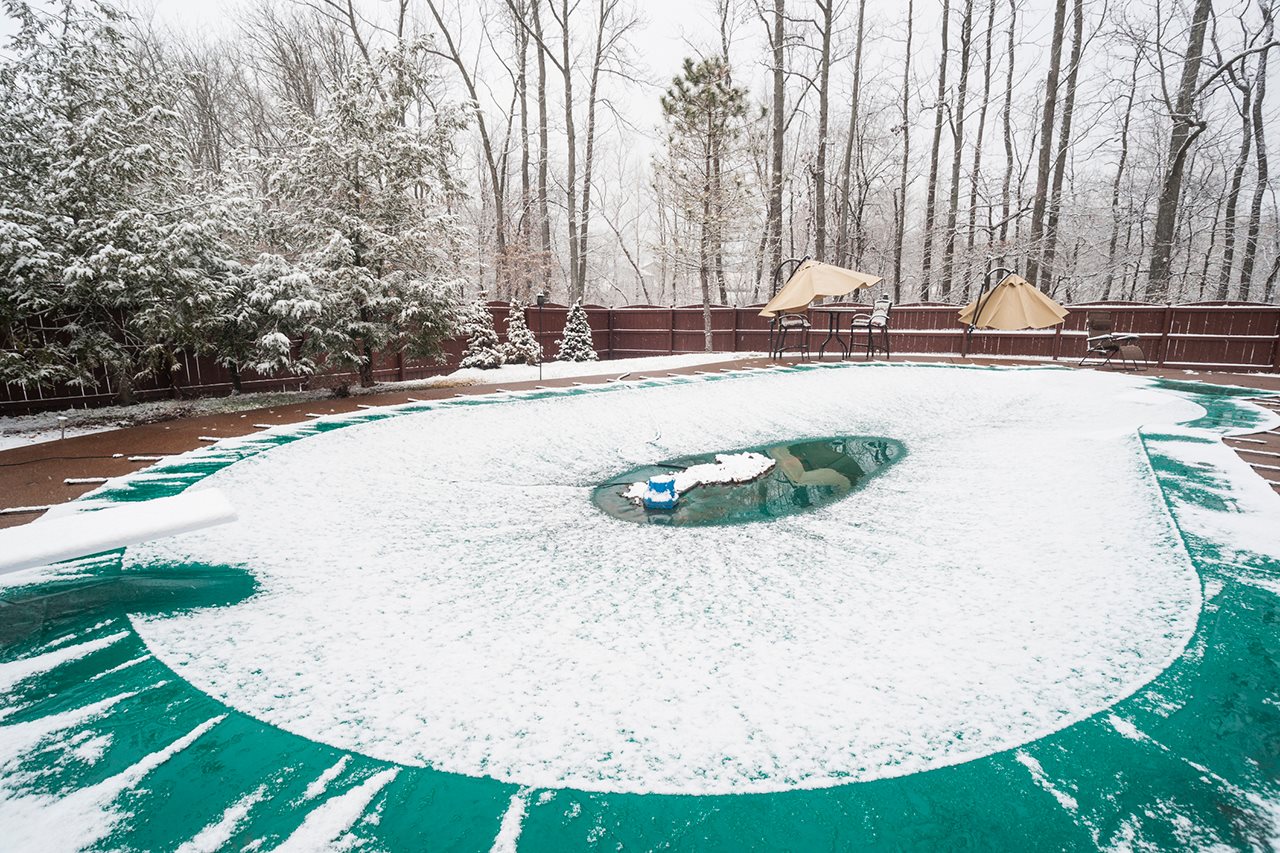
(BPT) – If you have a swimming pool, it may be the last thing on your mind during winter. However, snowy, icy weather or severe temperature drops can bring risks to your pool.

The good news is, you can help protect your pool from winter storms and freezing temperatures with these tips from the experts at Leslie’s.

1. Keep excess snow from weighing down your pool cover

Occasional light snow is nothing to be worried about, but heavy snow can weigh down a cover. Especially when blizzard conditions dump a foot or more of snow at once, it’s cause for concern. Light, fluffy snow can be blown away with a leaf blower. But for wet and heavy snow, try using a soft broom or skimmer net to remove as much extra weight as possible. While removing snow, be careful to never step onto your pool cover — even if you think the water beneath is frozen.

2. Make sure your pool boundaries are well marked

To help avoid accidents and prevent anyone from stepping onto the pool cover, make it easy to spot the boundaries of your pool after a heavy snowfall. Don’t set heavy objects like patio furniture on the deck near the cover, because those items could damage the cover if they fall onto it. Setting lightweight objects, such as rubber or plastic cones or empty buckets, near the corners can help you see where your pool’s boundaries are located.

3. Check for fallen tree limbs after a storm

Fallen tree limbs are common after a heavy snowfall or ice storm. If they land on the pool, remove them as quickly as possible and check for cover damage. A rip or tear in the cover can allow debris to fall through or water to come out, and may even cause the cover to fail under strain. Multiple rips, or damage larger than a dollar bill, should prompt you to get a new cover, though smaller tears can usually be patched.

4. Make sure your cover is secured

In addition to causing fallen limbs, high winds can also damage your pool cover. Keep the cover well secured to prevent wind whip, and be sure that your deck and yard area is free of large, unsecured items, such as patio furniture, which may blow onto the cover.

5. Safeguard against a deep freeze

Unexpected freezing temperatures can happen anytime, anywhere. If you haven’t winterized your pool when frigid weather strikes, be prepared with a backup plan. Water expands as it freezes, which can cause damage to plumbing and pool equipment that’s still filled with water. DO NOT use any type of portable heater, heat lamp or electric blankets to protect the pump and filter — this can damage equipment or even start a fire. For pools with equipment that’s still connected, run the pump on high speed until the danger of freezing temperatures has passed. If your power goes out during freezing temps, you’ll need to act quickly to avoid damage.

Steps for emergency winterization:

  • Turn off the circuit breaker (so equipment doesn’t turn back on when power is restored) and remove all drain plugs from your equipment. Open the air relief valve on the pool filter, too.
  • Remove the top from any valves with water in them and set your multiport valve to “winter” or between any two settings.
  • Protect your tile line against ice expansion by placing air pillows, inflatable pool floats or empty, lightly weighted plastic jugs in your pool. A weighted 5-gallon bucket can also be set on the steps, as long as it breaks the water surface.
  • Avoid skimmer damage by placing an empty, lightly weighted plastic drink bottle (or skimmer guard, if available) into the skimmer.
  • Wrap a towel around the vacuum breaker of your auto-fill mechanism (if applicable) for insulation.

Need help? Leslie’s can provide assistance and resources to help you safely recover your pool after winter weather events, including at-home equipment inspections, winter pool maintenance, repair services and free in-store water testing or troubleshooting. Find your nearest Leslie’s location or visit LesliesPool.com for helpful tips and information.

Home renovation trends for the new year

2022-12-07T11:01:00

(BPT) – In previous years, home remodeling projects were often done with the goal of increasing resale value. Recently, however, homeowners have been staying in their properties longer and are making these projects a priority of functionality as well as a reflection of personal style.

Before homeowners begin thinking about the changes they’d like to make, they need to think about how a renovation may affect their home insurance policy. Their policy may need to be remodeled too.

“A common oversight when redesigning a home is the impact a new kitchen or bathroom remodel might have on their homeowners insurance,” said Bonnie Lee, Mercury Insurance Vice President of Property Claims. “If a renovation project leaves a gap in your existing coverage and is later damaged or destroyed, your insurance policy might not protect the upgrades you’ve made. You need to contact your insurance agent to discuss any renovations you’re considering.”

Two of the most highly used areas of the home are the kitchen and bath, places many people start considering when it comes to renovations. According to BluPeak Credit Union, the average loan for a kitchen remodel is $50,000 while the average loan for a bathroom remodel can cost up to $25,000. Most loans to fund the cost of remodeling the kitchen and bathroom area, including flooring, can total up to $100,000. Home improvement experts are seeing the following as an integration of personal style with form and functionality to these busy areas.

Opening up space – Open concepts throughout the home are still popular when it comes to remodeling the kitchen and bathroom. Giving a room an open feel can be as simple as installing mirrors or additional lighting to removing a non-weight-bearing wall or installing skylights. The idea is to create an environment that allows for a sense of space even though the square footage hasn’t changed.

“I consider the concept of an open kitchen as not only one of functionality, but also as a reflection of the homeowner’s lifestyle,” said interior designer Joy Cho. “When cooking you don’t want to feel isolated, you want to be a part of the interactions happening in your home. Think of the kitchen as more than another room, it’s the home’s heart where everyone gathers.”

According to the National Kitchen and Bath Association (NKBA), homeowners are also looking to open up areas in bathrooms by incorporating more lighting in mirrors, vanities and showers, as well as accent lighting for ambiance. Larger showers or bathing areas with integrated seating are trending with homeowners. These spa-like upgrades can meet future needs as more people consider aging in their home.

Smart home technology – Another trend is in the area of smart home technology. Smart lighting and appliances offer ease and convenience but may also offer homeowners savings in the form or lower utility bills due to the use of energy-efficient technology. And while smart tech is synonymous with clean design and large screens, the look doesn’t always have to be futuristic. Many modern appliances incorporating digital technology still have a standard look and feel. Smart ovens that can be preheated from the touch of an app and give homeowners the ease of meal prep may easily integrate with a current kitchen design.

Sustainable materials and organic design – Today more homeowners are thinking about the impact their remodel or renovation can have to both the outer environment and the one within their home. Many are incorporating natural colors, designs and textures into their renovations by using more organic materials and paints that are practical and functional while sourcing them locally to reduce the carbon footprint created by transport.

Before trying to decide between granite or marble tile, however, consider the things that are behind the wall. Pipes and electrical wiring, for example, may need more attention and upgrading before other installations can begin.

“Make note of the items that need to be updated and that are relied upon on a daily basis before beginning any renovation,” said Lee. “A safety precaution to take when upgrading these areas first is having any wiring or plumbing projects installed by a professional. Secure any necessary permits if required by your community or municipality. A permitted home renovation project may qualify you for a homeowners insurance discount.”

How to breathe new life into your home without a complete renovation

2022-12-07T10:01:00

(BPT) – Do you want a new look for your home in the new year? Perhaps you crave an update but you want to avoid the time and cost commitment of a complete renovation? You may be surprised how a few well-chosen elements can breathe new life into your home.

Interior designers know that strategic updates can revitalize a space without extensive construction. The key is to choose features with designs that speak to you. These items must have provenance and presence to create an atmosphere the moment you enter the room.

Curated design

The preferred design aesthetic of a room is highly personal, but all good design follows certain principles. Take cues from experienced designers who know that by selecting a few well-chosen products, you can create ambience that impacts an entire space. The design of the elements should be memorable and draw the eye without being overwhelming.

For example, the Occasion Lighting Collection from Kohler is a simple yet elegant way to transform any space. This elegant collection of impeccable craft combines sculptural metal frames with light-capturing ribbed glass shades that draw inspiration from the transformative designs of the early 1960s. This is a period of time when interiors were an intercontinental mix of bold color, tapestries, Japanese screens and other treasures to showcase the owner’s travels and interests.

This unique collection is engineered with the same precision as that of fine jewelry making. The interplay between the faceted frames and the sparkling, multi-dimensional display of light as it cascades through the crystal ribbed shades results in forms that are bold yet sensual, with an undeniable presence.

Strategic updates

Lighting is an accessible and high-impact way to transform a room and stay on budget. Whether it’s an eye-catching chandelier, pretty pendants, perfectly placed sconces or functional and fashionable flushmount lighting elements, there’s something for every space.

Beyond lighting, there are other strategies that can help you achieve an updated effect without taking on a renovation. Some other methods designers use to transform a room include thoughtfully selecting pieces such as a beautiful area rug, stunning wall art, graceful mirror or tabletop objet d’art.

You can add sophistication, create visual tension and add dramatic impact through color or sculpted form. Keep in mind, the provenance of the pieces selected can be anything from where each was found or made, the artist behind the design, the materials the piece is made from, or the craft employed to create the piece.

Above all else, it’s important to be selective. An artful form that has meaning or a story behind it elevates and redefines a space, allowing you to achieve a lot of impact without spending a lot of money. Whether curating the family heirlooms of tomorrow or simply giving your home a refresh by purchasing a pivotal piece, products that make a statement can take your interior to a whole new level in design.

The hottest trend in fireplaces? Using them to warm up a kitchen or bathroom

2022-12-07T09:15:00

(BPT) – In the past few years homes have become vital sanctuaries — places where you and your family want to feel comfortable, cozy and serene. Recent shifts in home design are responding to this need, while also reflecting a desire for beauty and luxury. As a result, fireplaces are seriously trending — not just for living rooms or bedrooms, but even kitchens and bathrooms.

Thanks to recent innovations such as beautifully designed, easy-to-install electric fireplaces from SimpliFire, you can add the warmth and charm a fireplace brings to almost any room without undergoing major renovations or having to worry about things like chimneys, piles of wood, screens or gas lines.

The sleek, contemporary features seen in these electric fireplaces add a warm glow and ambient light to any room. You can select features like driftwood log sets and a variety of finishes, plus whatever flame color options and fire bed materials and colors suit your mood and style.

Time-honored luxury with a modern aesthetic

While adding fireplaces to various rooms may be an emerging trend in contemporary home design — and a boon for home values — the idea has a long history, as homes once relied solely on fireplaces for heating every room. Today’s designs, however, offer the drama and visual interest of clean lines and modern style — while also being much more convenient and energy-efficient than traditional wood-burning fireplaces. Another great advantage? You can run your electric fireplace anytime you’d like to enjoy the beauty and ambience it provides, with or without heat, all year round.

The heart of the home

The kitchen is possibly the most crucial room in every home. Because kitchens needed fireplaces for cooking functions in olden days, it seems like a natural fit to add a fireplace here. Today’s kitchens are the heart of the home in more ways than one, especially with open plan home designs allowing plenty of space for the entire family — and guests — to gather around and cook meals together.

What better space to create a warm, cozy and decorative focal point with an electric fireplace? You could even use a 3-sided style such as SimpliFire’s Scion Trinity Fireplace by Heat & Glo to connect a kitchen to dining or living areas, or use two units back-to-back to create a two-sided fireplace between any two rooms.

A personal spa

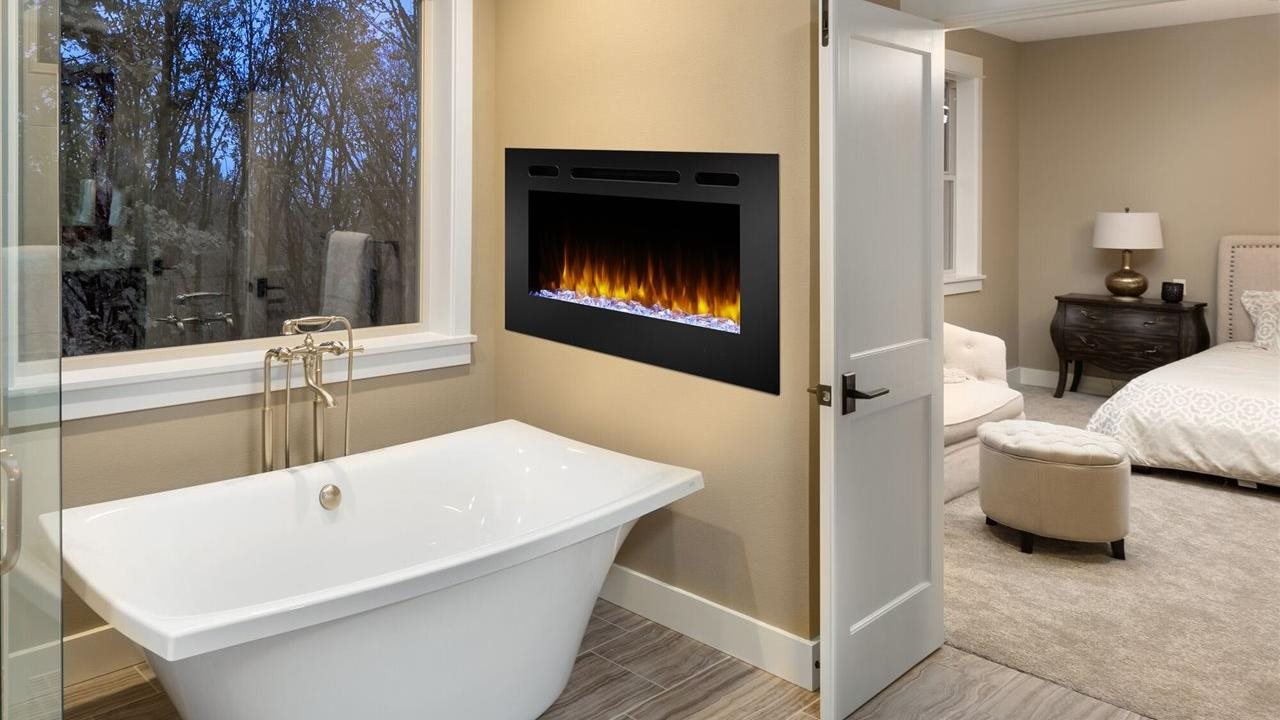
The bathroom has become a sought-after oasis in contemporary homes, inspiring spa-like features from heated floors or towel racks to deluxe standalone tubs that create an aura of comfort and luxury. Adding a bathroom fireplace is one more way to design the ultimate personal retreat. What could be more calming than relaxing in a hot bath by the light of a glowing fireplace?

Fortunately, today’s electric fireplaces make this renovation easier than ever. While a few special safety precautions need to be taken for bathroom applications, following your product instructions and local code restrictions will ensure that your fireplace will be as safe as it is enchanting.

How electric fireplaces work

Electric fireplaces can supply light as well as being able to offer some heat, but the glow and warmth are created without an actual flame. With the press of a button, you can use a remote control to adjust both the “flame” and other effects, including the heat level, thermostat, timer, brightness, ember bed lights and accent lighting. Turn up the heat to take the chill off during wintry days, or turn the heat down and enjoy the fireplace just for its calming ambiance when the weather’s warm.

Installation is easy

Whether you choose to hire a professional or completely DIY it, electrical fireplace installation is remarkably easy. With just a few tools, a well-placed grounded electrical outlet and a revolutionary wall-mount SimpliFire Format electric fireplace, you can bring the comfort of a fireplace to any room in your home in a day.

Interested in making a statement with a new fireplace in your home? Visit heatnglo.com to see all of the beautiful possibilities to warm up the atmosphere in any room.

What you need to know about caring for your pool during winter months

2022-12-02T16:21:00

(BPT) – Whether or not your pool is closed for winter, the cooler months generally bring a period of reduced pool maintenance. However, that doesn’t mean you can forget about it altogether. Keeping up with pool maintenance through the winter can help make reopening in the spring that much easier, and it may also prevent costly damage to your pool.

Here are tips for keeping tabs on your pool during winter, even when it’s closed.

1. Take care of your pool cover

It’s important to keep your pool cover in good condition so you’ll know it’s doing its job.

  • Remove standing water from the cover with a submersible cover pump to keep it from getting weighed down with rainwater or snowmelt after you close your pool. A heavy cover is more likely to fail under the strain and can fall into the pool.
  • Remove leaves and fallen twigs/branches to reduce the chances of murky water entering the pool, whether due to a cover puncture, or when removing the cover at pool opening time.
  • Inspect your pool cover and cover accessories for damage.
    • Winter cover: Look for rips and tears, and repair or replace as needed.
    • Air pillows/water bags: Make sure they’re full and functional, and replace any if damaged.
    • Cover straps: If you own a safety cover, the straps should be tight and in good condition.

2. Check the pool water

Just observing your pool from the outside isn’t enough to make sure your pool will be in great shape come springtime. Keep an eye on water conditions by peeking under the cover once a month or so to inspect the water and catch potential problems early.

  • Check for leaks: Low water levels can cause all sorts of problems in winter, including structural pool damage and a ruined pool cover.
  • Test the water: Check to see how healthy the water is. If your pool is frozen, don’t worry about it. For temperatures below 60ºF, test the water once a month. For temps between 60–70ºF, test every two weeks. Once temperatures are consistently over 70ºF, consider opening the pool.
  • Add chlorine or shock: Keep the water fresh with sanitizer. If a water test shows that Free Available Chlorine levels are above 2.0 ppm, add chlorine-free shock to oxidize the water and keep the chlorine working efficiently. If levels are lower than that, you may want to consider adding pre-dissolved granular chlorine shock or liquid chlorine to get levels back in the range of 2.0–4.0 ppm.
    • Chlorine lasts longer in winter, because algae and bacteria can’t flourish in colder temperatures.
    • If you add any chemicals, it’s important to circulate the water (see next section).

3. Circulate the pool water

Stagnant water is more prone to sanitization issues. To help keep your pool water in good condition while it’s closed, follow these steps to ensure an easier opening next spring.

  • If you add chemicals, circulate the water to distribute them throughout the pool and prevent stains or discoloration on pool surfaces.
  • Run the pump a few hours each day during colder weather if your pool equipment is still operating, such as with a partially closed or non-closed pool.
  • Agitate water with a pool brush, or use a submersible pump and hose, to move water around the pool for a couple hours a month for fully winterized pools.

Need help? Leslie’s can assist with all your winter pool care needs. From free in-store water testing and water quality recommendations, to equipment inspections and installations, to pool care accessories for the season ahead, Leslie’s can help you get the most from your pool year-round. For more information, tips and resources to help keep your pool in great shape, no matter the weather, visit LesliesPool.com or find a store near you.

5 myths about Veteran Affairs loans

2022-11-30T08:01:00

(BPT) – More veterans are taking advantage of an important benefit for service members: A Veterans Affairs (VA) loan. According to data from the Department of Veterans Affairs, more than 1.4 million VA loans were taken out in 2021, a 15.6% increase from the previous year. However, there are still many veterans who are not using this important earned benefit for their service and sacrifice for the country.

VA home loans allow veterans and active-duty service members to obtain home mortgages with more favorable terms than other loans on the market. A VA loan is a mortgage supported by the U.S. Department of Veteran Affairs and serviced by authorized lenders, like loanDepot, one of the nation’s largest non-bank retail mortgage lenders.

Why aren’t more veterans and active-duty service members using this benefit? Many are unaware of how to qualify for a VA loan or its benefits.

Eligibility and benefits

You may be eligible for a VA loan if you are an active duty servicemember with at least 90 days of continuous service, or if you are a veteran who served on active duty and was honorably discharged meeting minimum requirements based on your dates of service. National Guard and Reserve members who meet certain criteria are also eligible.

While there are a number of VA loan options, typical benefits can include:

  • No down payment
  • Competitively low-interest rates
  • No private mortgage insurance
  • Limited closing costs
  • Funding fee waived for disabled veterans
  • Lower credit minimums

“A VA home loan is one of the most powerful tools our nation’s veterans can use to purchase a home and build long-term wealth,” said Patton Gade, loanDepot branch manager and former U.S. Army officer. “Yet, it surprises me just how unknown and misunderstood these loans are among the people who have earned them. With all of the misconceptions out there, it’s important to work with a mortgage professional who specializes in VA loans, so you can better understand and unlock their full potential.”

Even knowing about the advantages of VA loans and that you may be eligible, you may still be unsure about using this earned benefit because of popular misconceptions.

1. Myth: A VA loan can only be accessed once

Many veterans are under the impression that you can only access a VA loan once. However, you can use and reuse the VA benefit again and again. There is no limit to how many times you can use the VA loan program as long as you remain eligible.

2. Myth: You can only have one VA loan at a time

Sometimes you may have to finance multiple properties at once. Under certain conditions, with a VA loan, you may be able to finance multiple homes simultaneously, including your primary home, rental properties and vacation homes.

3. Myth: VA loans are less preferable to sellers because they have a lot of restrictions

A VA loan may take a few days more to close versus a conventional loan, but that doesn’t necessarily make them more restrictive.

VA loans have additional controls in place to protect the veteran and their family; e.g., appraisals have to be completed by a VA-approved appraiser, which may increase the processing time of the loan.

4. Myth: The appraisal process for VA loans is more stringent and difficult than a conventional loan

The appraisal process is similar to a conventional loan. The VA approves and hires local appraisal professionals to ensure a smooth process.

5. Myth: VA loans take forever to close

Working with a lender that specializes in VA loans and understands how they work can prevent issues that may slow the process. They can help to keep everything moving on time so you can get the home of your dreams with minimal delays.

If you’re thinking of taking out a VA loan, be sure to work with a lender who has specific expertise with the product and working with the veteran community, so they are well prepared to help you.

Tips for Hazard-Free Holidays

2022-11-18T15:49:00

(BPT) – The holiday season is just around the corner, which means it’s time to start making memories in the kitchen with your loved ones. Whether you plan on preparing a few family favorites or attempting an entire multi-course meal, it’s important to be mindful of kitchen fire safety. According to the National Fire Protection Association (NFPA), three times the number of home fires occur on Thanksgiving Day than any other day — with Christmas Eve and Christmas Day close behind.

First Alert, now part of Resideo Technologies, Inc., and First Alert brand ambassador Eva Longoria provide these kitchen fire safety tips to help keep you and your loved ones safe this upcoming holiday season:

1. Equip Your Home

The first step in helping to create a safer home is taking the time to ensure you have working smoke alarms throughout your home. According to the NFPA, three out of every five home fire deaths occur in homes without properly working smoke alarms, or no alarms at all.

“We all lead busy lives, but it’s essential that people understand how to protect themselves from the dangers of fire and CO poisoning,” explained Longoria, who has teamed up with First Alert to encourage families to install proper protection, discuss whole home safety and develop their own fire safety plans.

The NFPA recommends that smoke alarms be installed on every level of your home, including the basement, and inside every bedroom. Smoke alarms should be installed high on walls and ceilings and at least 10 feet away from appliances to help minimize false alarms when cooking.

Once alarms are installed, maintenance is key. Testing alarms takes mere moments and is simple as pressing a button and waiting for a beep. You should test alarms regularly and replace alarm batteries at least every six months. To help eliminate late-night battery chirps and battery replacements for a decade, upgrade to First Alert 10-Year Sealed Battery Smoke & Carbon Monoxide Alarms.

2. Keep Cooking Spaces Free of Clutter

With lots of extra helping hands in the kitchen during the holidays, it’s important to ensure that the cooking area is free of any clutter to help avoid any mishaps. Be sure to keep any flammable items — like oven mitts, potholders, plastic or paper bags, and food packaging — away from any kitchen appliance that generates heat. Make a habit of regularly cleaning cooking surfaces to prevent grease buildup since grease is highly flammable and will increase the risk of igniting a fire. It’s also important to be mindful of the clothes you’re wearing. Avoid loose-fitting items and dangling sleeves that could potentially catch fire.

3. Don’t Leave Cooking Unattended

With all the holiday cooking coupled with the extra commotion, multitasking in the kitchen is unavoidable. Although you may be able to multitask, you should never leave food that is frying, cooking or grilling unattended. According to the NFPA, unattended cooking is the number one cause of home fires in the U.S. If you must step away, turn off the stove or ask another adult to keep watch for you. Check on food in the oven frequently and set a timer to remind yourself that the stove or oven is still on. You should also avoid using the stove if you’re under the influence or are feeling tired.

4. Keep Children Away from Stovetops

From scalding liquids to dangling electric cords, there are many dangerous things a child can snatch from the kitchen counter. Maintain a safe cooking environment for little ones by placing hazardous items toward the back of the counter and out of a child’s reach. While the holidays call for all hands on deck in the kitchen, keep children at least three feet away from the stove while in use or cooking to avoid accidental scalds or burns.

Educate your little ones on home fire safety and foster conversations around keeping each other safe in an event of a fire — both during the holidays and year-round.

5. Have a Fire Extinguishing Device on Hand

Since the kitchen is a busy and essential part of the household during the holidays, it’s important to have proper precautions in place. The NFPA reports that ranges and cooktops were involved in 61 percent of kitchen fires, proving the importance of keeping a fire extinguishing device easily accessible to stop fires before they can spread.

For an easy-to-use alternative to a traditional fire extinguisher, have the First Alert EZ Fire Spray within reach. Its lightweight, spray-can design has no pins or levers, making it easy to hold, carry and use. Just point and spray to stop fires fast.

“Ensuring the kitchen is equipped with easy-to-use tools will help keep you one step ahead in fire safety,” said Ashley Gocken, a First Alert safety expert with Resideo Technologies. “The EZ Fire Spray is easy to keep on the kitchen counter or in a nearby cabinet, and its small size also makes it convenient to stash away in key areas throughout the home, like the garage or basement.”

For more tips on protecting the ones you love, visit FirstAlert.com.

Plan ahead for your perfect deck

2022-11-17T07:01:00

(BPT) – A big part of building your dream deck is the planning. In fact, a typical deck project can take six months (or more) from inspiration to installation. To help make your dream a reality, the following are tips for keeping your deck project on track, on trend and on budget.

Visualize the Possibilities – When it comes to your deck’s design, there are countless possibilities — from simple ground-level styles to more elaborate multi-level decks. Ultimately, a deck should be designed around how you plan to use it. In addition to function, consider your views, neighbors, the prevalence of sun or shade, as well as the entrances and exits from the home and into the yard. All these factors will have an impact on your deck’s size and configuration. Once you have a general design in mind, there are great tools available to help bring your visions to life. Trex offers an AR visualizer app that allows users to experiment with different decking shapes, board colors and railing combinations against the backdrop of your own house. There are also hundreds of downloadable deck plans and other resources available online to help guide you through your deck building journey.

Consider Codes and Permits – Consult your state, county or city offices regarding building code requirements and to learn what permits are necessary for building a deck in your area. Factor permitting into your project timeline so that progress is not stalled by waiting for inspections and approvals. If your neighborhood has a homeowner association (HOA), make sure you understand any rules regarding deck size, color, product type or design. And don’t forget to check with your local utilities to locate any underground cables, wires or pipes before construction begins. Your deck builder should be able to help with this, or you can call the North American One-Call Referral system at 888-258-0808 if you plan to DIY.

Be Mindful of Materials – When choosing materials for your deck, think long term. It’s important to choose quality materials that will withstand years of wear and tear from both weather and use. High-performance, wood-alternative composite decking is resistant to fading, staining, scratching and mold. And, unlike wood, it never has to be sanded, stripped or stained, resulting in less maintenance and more time for outdoor enjoyment. High-performance Trex® composite decking is also sustainably made from 95% recycled and reclaimed materials, making it an eco-conscious choice that feels as good as it looks. Sample boards may be ordered online so you can see firsthand how different colors and collections work with your home’s architecture and style.

Budgeting and Beyond – When it comes to budgeting for a new deck, keep in mind that several factors will affect costs, including the size, shape and elevation of the deck, along with labor and the materials you choose. For the latter, you can use an online cost calculator to get a rough estimate for material costs based on the size, substructure and decking products being considered. As for labor, do your research and request multiple quotes to ensure you find the best contractor for your project and budget. Keep in mind that quality deck builders book projects well in advance and often have a waiting list by spring.

With proper planning, it’s possible to make all your outdoor living dreams come true. For more information and inspiration, visit Trex.com/Academy.