Choosing the right wood for your deck project

2018-09-05T09:03:00

(BPT) – The deck is the perfect spot for get-togethers and events. However, if yours needs a facelift or a complete re-do, now is the perfect time of year to complete a new outdoor living space customized to fit your needs. A new wood deck can add value to your home, but be sure to choose the right wood products to build it. Thus, the question becomes: What type of wood do you use? When do you use ground-contact and above-ground, pressure-treated wood?

This article can help you determine what type of wood you need to use and where. Follow this guide from Viance and you’ll be on your way to building the deck of your dreams.

Ground-contact wood

As its name implies, ground-contact wood often forms the foundation of your project and may include the support posts placed in or on the ground, in concrete or in fresh water. Ground-contact should also be used whenever your wood pieces will be installed less than 6 inches off the ground, such as a ground level deck.

Ground contact wood earns this designation because it has been specifically treated to protect against fungal decay and termite attack at and below the ground’s surface. For your deck project, ground-contact, preservative-treated wood should be used for ledger boards, stair stringers and support posts. Other landscaping projects, like garden boxes, landscape walls and anything else that may be built in or on the ground, should use ground-contact, preservative-treated wood.

Above-ground wood

Above-ground wood is the other major designation, and this is the wood type you will use to build most of your deck. You can use above-ground treated wood for locations that are easy to maintain and repair, quick to dry and where ample air flow around the wood is possible. On most decks, this will be your deck boards, guardrails, balusters, joists and beams. Above-ground wood uses fewer preservative chemicals than ground-contact wood, and in newer preservative systems like Ecolife, it provides added benefits that can repel water, minimize cracking and keep boards straighter. Above-ground wood is also the ideal choice for many outdoor projects including arbors, trellises, lattice, decorative posts, trim boards and fence pickets.

If the wood will be more than 6 inches from the ground, above-ground wood is the ideal, and most economical type of treated wood to use.

Finding the right wood for your deck today

No matter the dimensions of your deck, chances are you’ll use a combination of ground-contact and above-ground, pressure-treated wood. Applying the guide above can help you determine which wood type you need for each phase of your project, but questions could still arise. You can find answers at treatedwood.com and learn more about EcoLife and Preserve pressure-treated wood, sold in lumberyards, at 84 Lumber and under the Severe Weather brand.


Going green a smart real estate strategy that adds value

2018-08-31T14:21:00

(BPT) – Are you thinking of selling your house and want to know some of the best ways to boost your home’s value, demand top dollar and potentially inspire a bidding war? Whether you’re selling in a few months or a few years, there is one strategy that gets noticed in real estate markets across the United States: green home improvements.

Green homes can sell faster and for more money than comparable houses without eco-friendly features. Better yet, green homes are increasingly in demand. More than half of people rank green and energy efficiency as top requirements for their next homes, according to the U.S. Green Building Council.

What are some of the most in-demand features that can boost your home’s value now and prepare it for a higher sales price in the future? Here are five improvements to consider to green your home and help it stand out from the competition.

Solar panels: Can you imagine producing enough energy that your local utilities company pays you for the surplus? With solar panels, this is possible. Plus, solar panels are extremely attractive to buyers who like that a system is already in place, and they can simply move in and enjoy the benefits. Plus, there’s a $5,911 resale increase per installed kilowatt, according to the USGBC, which means a 3.1 kilowatt system could improve your home’s resale value by about $18,000.

Smart water-leak detection: Home water leaks waste 1 trillion gallons of water per year, according to the EPA. Fixing detectable leaks is a no-brainer, but what about hidden leaks? Use intelligent-water technology like the Phyn Plus smart water assistant + shutoff, which is installed on the main water line after the meter. This device analyzes your home’s water use 240 times per second to detect tiny changes in water pressure. Not only can you target invisible water leaks and make repairs to reduce your water footprint, but the device also shuts off the water in an emergency, so you (and future homeowners) never have to worry about damage from things like a burst pipe. Learn more at www.phyn.com.

New windows: Heat gain and loss through windows are responsible for 25 to 30 percent of residential heating and cooling energy use, according to the U.S. Energy Department, which recommends looking for the Energy Star label and reviewing ratings from the National Fenestration Rating Council. Homebuyers are sure to like the updated appearance of new windows, plus they’ll appreciate the savings from increased energy efficiency. For a typical home, new Energy Star windows can save $126 to $465 a year when replacing single-pane windows, and $27 to $111 a year when replacing double-pane, clear-glass windows.

Landscaping and treescaping: The right landscaping provides wonderful visual allure to a home, but it can do so much more than that. Strategically planting trees and shrubbery can provide bountiful eco-friendly benefits. During the hot months, shade from trees and other large plants can help keep a home cooler, so your HVAC systems don’t have to work as hard. During cold months, these same plants can serve as windbreaks, cutting those chilly gusts and helping protect your home from heat loss. By adding the right plants to your yard, you’ll add curb appeal and green resale benefits that go beyond beauty.

Smart thermostat: Programmable thermostats are the norm for today’s houses, allowing homeowners to set a schedule and forget it. You can save as much as 10 percent a year on heating and cooling by simply turning your thermostat back 7 to 10 degrees F for 8 hours a day from its normal setting, according to the U.S. Energy Department. Savvy homeowners looking to get the most out of green home improvements during resale should consider a smart thermostat. These types of thermostats go beyond simple programming and are able to analyze home usage trends, make energy-efficient setting suggestions, and can be controlled remotely.

Whether you’re moving soon or will some time in the future, green home improvements boost value now. When it comes time to sell, these updates are sure to capture the attention of the modern homebuyer.


5 tips for buying a home in a competitive market

2018-08-30T15:01:00

(BPT) – Buying a house in a hot market is always a challenge, and if you’re jumping into the fray at the end of the home buying season you might be tempted to think the situation is hopeless. But all is not lost.

In reality, home sales tend to be less seasonal in competitive markets. While it’s true that families with school-age children like to move during the summer, other potential concerns, such as the risk of not attracting buyers to showings in bad weather, or the greater difficulty of making repairs during the winter, are less relevant in a seller’s market. And the underlying factors that lead people to move — such as changes in employment, financial status or family situation — tend to arise fairly regularly throughout the year.

So don’t despair — a new home may still be within your reach. If you want to increase your odds of success, consider these five tips for buying a home in a competitive market.

1. Surround yourself with a good team.

A home purchase is a major investment, so you’ll want to work with a lender whom you trust. Shane Patnoi, vice president and consumer lending manager at Washington Trust Bank, says, “Find a lender who will partner with you to identify the best loan for your circumstances (considering both the immediate and the long-term costs of the various options), who will explain the entire process clearly, and who will be responsive and move quickly when a purchase opportunity comes up.”

Your real estate agent is crucial as well. You don’t want to wait until listings appear online or yard signs go up — you need someone who will hear about new listings immediately and move on your behalf. Good agents know the characteristics of different neighborhoods and can identify up-and-coming areas. They also have a deep understanding of local market conditions and price trends and are able to help craft reasonable and appealing offers.

2. Work with your team to develop a plan of action.

Prioritize the criteria you’re looking for, and talk to your real estate agent about which are must-haves and which are merely nice-to-haves. Agree to make yourself available to view new listings as soon as possible — those homes could disappear if you wait until the weekend. Discuss price strategies, options to sweeten an offer (say, by making a larger earnest money deposit or delaying buyer possession) and ways to make an offer more cash-like (that is, by eliminating as many contingencies as possible), and work with your lender to identify tactics to speed up the closing process.

3. Get pre-qualified.

Before you start your search, you’ll need to know the approximate size of the mortgage you can qualify for. Pre-qualification is an easy first step that will give you a good grasp of how much you can afford. It also allows you to have a formal conversation with your lender to help prioritize your goals and develop a strategy to purchase the right home for you based on your finances.

4. Set aside enough cash for a competitive down payment.

Sellers will see you as a more serious buyer if you’re prepared to make a larger down payment. Keep the money in a high-interest savings account so the funds are liquid and easily accessible, and be ready to provide proof of funds to show the seller that you actually have the down payment and closing costs covered.

5. Prepare for the unexpected.

Keep an open mind and be ready to compromise. You may not find a home that meets all your ideal criteria. You might need to consider living farther out, or taking a bit of a chance on a transitioning neighborhood that’s becoming more desirable. Or you might find a diamond in the rough that needs a makeover but could be a good investment.

It’s easy to panic in a hot market, when all the reasonable options seem to get snatched up immediately, but there will be other houses. Be patient, and be ready to walk away if a property isn’t right for you. Don’t let yourself be pressured into overpaying, or buying a home that needs more serious renovations than you’re realistically prepared to deal with.

If you lay a strong financial foundation, do your research and assemble a strong team to help you, you can find home buying success in a competitive market. For more information and home buying resources, see the Washington Trust Bank Home Loan Center at https://www.watrust.com/personal/borrowing/home-loans/.


New home? 6 steps for preventing pests from moving in

2018-08-29T08:01:01

(BPT) – Moving into a new home is chaotic. You’ve got decorating to do, a neighborhood to explore, and a house to keep in tiptop shape. The last thing you need in the midst of all that commotion is the added headache of household pests like ants, cockroaches or rodents. With a few tips from Terminix, you can keep your move running smoothly and ensure no unexpected pests move in with you.

Look for collecting water

Stagnant or standing water attracts a variety of pests, from nuisance wildlife to mosquitoes. It doesn’t take a lot of water, either — mosquitoes can lay as many as 100 eggs in the cap of a bottle of water. Try to reduce standing water in sources such as pots and tires, and be sure to change out your bird bath at least once a week.

Inspect for openings

Check the exterior of your new house for structural openings under doors, near windows and around utility penetrations. Any openings you find are essentially an open door to rodents and arthropods, such as spiders and millipedes. Reduce the number of pests entering your home by sealing any improper openings.

Be wary of trees and shrubbery

That flowering bush might look beautiful beside your home, but it could harbor countless pests. Note any tree limbs overhanging your roof line and any shrubbery or mulch close to the foundation of your home. These features play host to many different types of pests, and having them touch your house only makes it easier for pests to enter.

Check for moisture issues

Some pests, like termites, cockroaches and carpenter ants, love moisture and are more likely to be found in damp areas of your house. Check your new home for any moisture issues. This could mean anything from a leaky roof to plumbing and seals that should be fixed.

Look for insufficient screening in key areas

While you’re checking for moisture issues, you can also look for insufficient screening around plumbing or drains. Inspect the kitchen, bathrooms and laundry room to ensure all openings are properly covered. Otherwise, you could find your kitchen playing host to pests like silverfish, spiders, ants or cockroaches.

Call in the professionals

Even the most diligent homeowners may still find themselves with a pest problem too big to tackle alone. Pest control professionals such as Terminix’s trained technicians can protect you and your new home from any unwelcome guests.


5 tips to help party guests feel welcome

2018-08-28T07:01:00

(BPT) – At this time of year there is plenty to celebrate, and any celebration is best done with a collection of your closest friends. So, who’s up for a party? You are. Your house is ready, the food is prepped and your guests should be showing up any minute. When they do, you want them to have the best time possible and that starts by making them feel comfortable.

To that end, here are five ways you can make your party guests feel welcome right from the first knock on the door.

* Be there to greet them. As your party gets going no one can blame you for wanting to just put a “come on in” sign on your front door. However, resolving to stay near the door and welcome each of your guests warmly is still a nice touch. Even the biggest sign can’t replace a warm greeting from the hosts.

* Keep your home comfortable. With so many extra people in your home you’ll need the right air conditioner to keep all your guests feeling comfortable. The Champion Momentum Series air conditioner features a Wi-Fi-enabled touch-screen to provide precision comfort and allow you the ability to monitor and control the system from your smartphone, even out by the grill. In addition, its innovative ShadowDrive Sound Reduction system means that your guests will be able to enjoy their conversations without being drowned out by the noise of your air conditioner, ensuring this essential system is seldom heard but always enjoyed.

* Give them a quick tour. This doesn’t have to be comprehensive — and you may have rooms that aren’t show worthy right now — but give your guests a quick tour of every room where the party will be taking place. If your guests see the room on the tour, they’ll be more comfortable mingling in that space during the party without feeling like they are intruding.

* Avoid over cleaning. You want your home to look like a tidy, lived-in home, not a museum, so make it clean but not spick-and-span. A house that is too clean will make guests nervous to move about for fear of dirtying something. And then, once the party is going, keep your in-party cleaning to a minimum. It’s a party after all, and your friends came to see you, not watch you clean.

* Don’t be afraid to make some introductions. If you’re hosting a party where most of the guest list does not know one another, your guests are apt to congregate in small bubbles with the people they do know. To break the cycle, don’t be afraid to step in and make some introductions. Do this early in the party and you won’t have to feel like you need to hover all evening to ensure everyone is having a good time.

Make your next party better for all your guests today

From a personal hello at the door to a quick tour of the house and a few introductions, there are plenty of things you can do to make your guests feel welcome in your home. Create a comfortable environment where they will have a good time and you’ll see your guests jumping to attend each and every one of your future parties.


Fall maintenance tips for a lush green lawn next spring

2018-08-27T09:01:00

(BPT) – The days are getting shorter and the nights are cooling off. The kids are back in school. Yes, fall is in the air, and that means it’s time to start thinking about prepping your lawn for winter.

“Many homeowners see spring as the most critical season for lawn care,” says Bryan Ostlund, executive director of Grass Seed USA, a coalition of American grass seed farmers and turf specialists, “but in reality, at least in the transition and cool zones of the U.S., fall maintenance can have just as much impact — if not more — on the year-round health and appearance of your lawn. Once temperatures are consistently below 60 degrees, your lawn will start storing up nutrients in preparation for winter. That’s when you should start your fall lawn care regimen.”

Following are three proactive measures you can take in the fall to ensure lush green grass come spring.

Reseed thin or bare areas. At the end of a long, hot summer with lots of outdoor activity, it’s not unusual for lawns to show signs of wear. By reseeding after the summer’s heat subsides and before the first winter freeze, you can repair the damage and give your turf an eight- to nine-month jump start on root growth. The longer and stronger the grass’s roots are, the less water your lawn will require during drier months and the more resistant it will be to disease and weeds. A thick lawn also helps reduce erosion, which can be particularly important in regions that experience rainy winter weather.

Before you reseed, mow your lawn and remove the clippings, and then prepare the soil by raking with a straight rake. This will remove dead organic matter and loosen up the top half-inch of soil to improve contact with the seed. Then apply a high-quality seed that is appropriate for your local climate conditions and is resistant to currently prevalent pests. Ask your local extension office (see https://nifa.usda.gov/land-grant-colleges-and-universities-partner-website-directory for a directory) for recommendations of blends that have tested well in your area. You’ll want to use fresh seed, so check the label to confirm that the seed was tested within the past 12 months. After planting, water the reseeded area lightly and regularly to keep it damp until the new grass is established.

Although new warm-season lawns are best planted in the late spring or early summer, if you live in the warm zone you might consider overseeding your warm-season turf with cool-season grass seed in the fall. The cool-season grass will thrive until the warm-season grass turns green again in the spring, ensuring year-round color.

Aerify. Aerifying your lawn combats soil compaction and thatch buildup and enables water, nutrients and oxygen to reach the grass’s roots more easily. You can hire a professional to aerify your turf for you, or you can rent a core aerator that uses hollow tines to pull up small plugs of soil at regular intervals throughout the lawn. If you’re reseeding, aerify right before you apply the new seed.

Apply fertilizer. Cool-season grass should be fertilized in the fall — even if your lawn looks perfectly healthy and has no bare patches — to promote good root development, enhance the storage of energy reserves and extend color retention. Most of the benefits of fertilization will be seen the next spring and summer, with earlier green-up, improved turf density, greater tolerance to spring diseases and reduced weeds.

Note that new grass and established lawns need nitrogen, phosphorus and potassium in different proportions. So if you’re reseeding, apply a starter fertilizer at the time of planting and then follow up with a second application, this time using standard fertilizer, four to eight weeks after germination. Your extension office can help you determine which fertilizers are best for your type of grass and local conditions.

Investing a bit of time and effort in fall maintenance will pay off next year, with greener grass earlier in the spring and a thicker, healthier lawn that is ready to stand up to the rigors of summer wear and tear.


3 reasons fall is a great time for roofing

2018-08-23T17:39:00

(BPT) – Cool breezes and falling leaves are around the corner, and for many parts of the country those telltale signs of fall signal the best possible season for roofing.

So what makes fall a great time for roof repairs or a full replacement?

1. Perfect weather

The same perfectly cool weather that makes fall a favorite time of year for camping and outdoor activities also makes it a great time for roofing — and not just because it’s more comfortable for the roofer. Asphalt shingles, the most popular form of roofing in the U.S., have an optimum temperature for installation. Keep in mind, the perfect roofing weather of fall can mean busy contractors.

2. Spring and summer storms

The warmth and humidity of the spring and summer months are notorious for spawning severe thunderstorms. Hail can fall any time of the year, but is most common in the spring and summer months, reaching a peak in June in several regions. High winds from spring storms can also uproot trees and snap limbs, both of which can fall on the roof.

“We always recommend homeowners hire a professional to examine their roofs, both for their safety, and to protect their roof,” said Stephen McNally, vice president of sales and marketing for TAMKO Building Products, a major manufacturer of asphalt shingles.

3. Winter is coming

Depending on the area of the country, winter can bring subzero temperatures and up to 10 feet of snow. Freeze-thaw cycles, ice dams and damp weather require the roof to be in top shape to defend against these threats during the winter months. Winter can be a difficult time to roof, so leaks that show up during the winter months can take longer to fix.

“Weather is always a concern — as a contractor, I would never tear more off a roof than what could be re-shingled in one day,” said Rick Taylor, a longtime roofing contractor, now working as an industry sales trainer known as Rick the Roofer. “And if there was more than a 50 percent chance of rain that day, I waited to start the project.”

With the optimal temperatures and weather — and the need to prepare for winter — homeowners will find fall to be a great time for roofing. With a skilled labor shortage already pushing project start dates out weeks or months, homeowners should act quickly to schedule their roof project if they want it completed before winter.


An easy way to boost your curb appeal? Container plants!

2018-08-21T13:29:00

(BPT) – Whether you’re buying, selling or currently living in and enjoying your home, you know it’s all about curb appeal. Your home’s first impression is how your slice of the American dream looks from the street, which is a reflection of your style, taste and pride in homeownership. Think of your home not only as a place to create lasting memories with your family, but as a blank canvas that you can customize to reflect who you are. If you feel a little lackluster about your home’s outdoor space — overgrown bushes here, unkempt garden there — you can give your front yard a simple makeover, and it doesn’t have to strain your pocketbook.

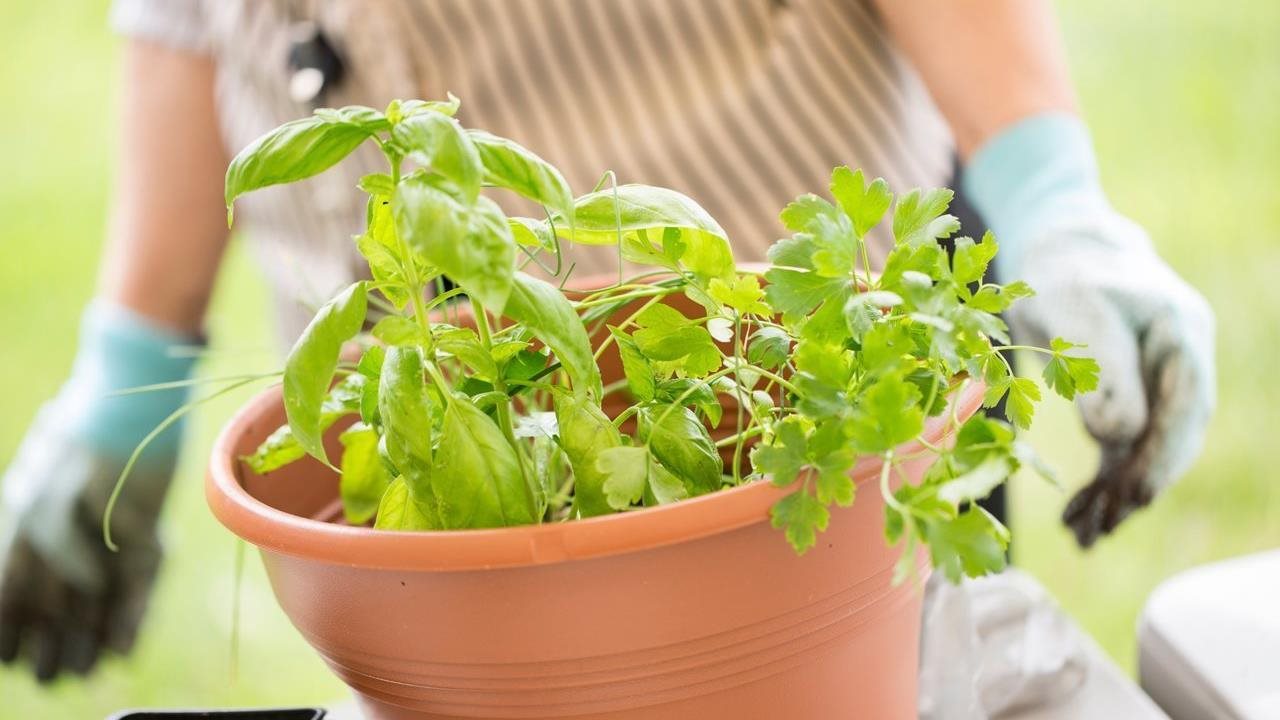
One of the easiest ways to brighten up your home is with flowers, plants and herbs. They’re inexpensive, beautiful, and can add so much color and life to your front porch with very little cost or effort. You don’t have to be a master gardener worrying about soil pH or planting zones. Just head to your local garden store and check out some container gardens, and you’re on your way.

Container gardens are the perfect, easy way to add color, beauty and life to the front of your home, even if you’re new to gardening.

“I like front porch gardening because it’s fun,” says Jason Langston, director of customer experience for Vanderbilt Mortgage and Finance. “My son and I bond over watering the plants in the evening and spending time together outside.”

Some varieties of containers to consider:

* Rail planters. Small planters you can hang directly on your railing are a great way to add flowers to your porch, especially if space is at a premium. Before you buy, measure the width of the railing so you can get the right size planter, and make sure your rail is secure.

* Pot planters. With a variety of shapes, textures, colors and sizes, the sky’s the limit on how you show your style with pot planters. Eyeball your available space before you purchase so you don’t overwhelm your porch or front steps with pots that are too large. Pro tip: add rocks to the bottom for better drainage and a saucer or tray to collect excess water.

* Hanging planters. Another great way to add green to a limited space is to think vertical. You can find a variety of hanging planters that come ready-made with flowers. Add a natural liner like coconut fiber before planting to keep the dirt moisturized. Bonus: no weeds!

So, you’ve got your containers. What do you put in them? Here are some ideas that will brighten up your space in no time:

* Marigolds. The beauty of marigolds for the new gardener is that they’re almost foolproof. These hardy flowers, with colors from orange to mahogany, can stand up to a lot of punishment, from full sun on a hot day to average quality soil. They need six hours of sunlight per day, so they’re perfect for your front steps. Bonus: Marigolds are a natural repellent for many unwanted insects.

* Basil. This versatile herb is one of the easiest herbs to grow and care for. Basil requires plenty of sunlight, so feel free to pop it into the same container as your marigolds. Bonus: Like marigolds, basil is a natural repellent for mosquitoes, and protects other edible plants, like tomatoes.

* Lavender. This beautiful purple flower has a delicate, soothing scent. It’s easy to care for and loves the heat. Plenty of sunlight is a must. It’s the perfect flower for forgetful beginners, because you don’t need to water it very much. Besides brightening up your garden, lavender has myriad uses. Dry it (just place stems on a paper towel and leave them for a few days) and simmer the dried herbs in water with citrus peels for a natural air freshener. Or put dried lavender in a bowl on your nightstand — it has been proven to help with sleep.

* Wave Petunias. Purples, pinks, reds, whites, solids, stripes, dotted — the colors and varieties of petunias are nearly endless, making them a gorgeous addition to your garden. These versatile flowers can take the heat of summer, and they only need a good watering once a week. Another bonus: They’re a natural pesticide and can help repel some beetles, aphids, worms and other pests.

Container gardens are an easy, inexpensive way to boost your home’s curb appeal. All it takes is a trip to your local garden store to begin beautifying your slice of the American dream. When you’re ready to pursue your own American dream, apply online at Vanderbilt Mortgage for a home mortgage and begin shopping for your dream home.

Vanderbilt Mortgage and Finance, Inc., 500 Alcoa Trail Maryville, TN, 865-380-3000, NMLS #1561, (http://nmlsconsumeraccess.org/), AZ Lic. #BK-0902616, Loan made or arranger pursuant to a California Finance Lenders Law license, GA Residential Mortgage (Lic #6911), Illinois Residential Mortgage License, KS Licensed Mortgage Co. (SL.0000720), Licensed by the NH Banking Department, Mississippi Licensed Mortgage Company, MT Lic. #1561, Licensed by PA Dept. of Banking.

Sponsored Ad Content from Vanderbilt Mortgage and Finance, Inc.


6 tips for throwing the best party of the year

2018-08-20T07:01:00

(BPT) – There’s always one magical gathering every year that has everyone talking long after it’s over. It’s about getting people together, enjoying good food, music, and cocktails, and creating memories that will linger long after the last guest goes home.

With a little planning and preparation, you can be the one to throw the best party of the year. You can use your backyard long into the fall and early winter season if you take a page from tailgating’s book. Tailgaters know it’s not as easy as simply moving an indoor dinner party outside. Outdoor parties require some special TLC, especially if the weather is a little on the chilly side. Here are some tips for delighting your guests:

Keep the menu simple, but outstanding

Do casual, easy food, with a few surprises. We’re not talking about fussy chateaubriand here. For a group of, say, 20 people, fire up the grill, appoint a grillmaster or two, and do steaks, fish, chicken, kebabs or ribs. For sides, go with a big plate of veggies like peppers, onions, zucchini, asparagus and tomatoes marinated in balsamic vinegar and grilled to perfection, topped with crumbled goat cheese. A big bowl of fruit and you’re good to go. For larger crowds, you can do heavy hors d’oeuvres or go all out and cater it in. A full Southern barbecue with all the trimmings. Book that hot new Jamaican food truck everyone’s buzzing about. For chillier weather, nothing beats a big pot of chili, an Italian feast or a taco bar.

Set the mood with music

Forget lugging your indoor sound system outside. Use a Bluetooth speaker with stellar sound like the LG PK7 Portable Bluetooth Speaker with Meridian Audio from LG Electronics USA. This highly portable speaker packs a big punch with 24-bit music quality over a Bluetooth wireless connection. You can even make calls on it, too. Bonus: It is splash proof and touts a 22-hour battery life on a full charge, so there’s no need to worry about using it by the pool or plugging in throughout the day. Just fire up your favorite music apps and start your playlist, because with sound like this, your guests will be wondering if Keith Urban is serenading them live.

Let the weather be your guide

If it’s a balmy night you’ve got no worries, but if the temperature is going to dip a bit, make sure you have outdoor heaters and a fire pit or chimenea to keep your guests warm and toasty. There’s nothing cozier on a dark, chilly night than standing in front of a fire with something warm to drink (hot brandy, anyone?).

Make sure to have a ‘plan b’ if Mother Nature gets really upset you didn’t invite her. A little nip in the air is one thing, sleet is another. Watch the weather in the hours before your guests arrive and be ready to mobilize. This could be a party tent, an empty garage where you can move the tables and still watch the rain, or a different venue you have on speed dial.

Have a signature cocktail

It could be a spritzer with lemon and berries, hot cider with a splash of rum, or something a mixologist creates just for you. Complement that with drink stands in various spots in the yard, with wine, beer and other adult and non-alcoholic beverages. But ban the dreary coolers. Get creative! Fill a wheelbarrow with ice and load it with beer and other bottles. Go on a hunt in your garage or basement for inventive vessels to use. Another tip: stock up on more ice than you think you’ll need. That, you can store in a cooler in the garage.

Create atmosphere with lights

Turn your yard into a midsummer (or fall) night’s dream. Candles everywhere. Hint: Use the ones with battery-powered “flames.” They won’t be affected by wind, and there’s no chance they’ll fall over and catch fire. Hang paper lanterns from tree branches and drape holiday lights on fences. Float water lights in the pool for the ultimate party setting. You’ll create a magical wonderland your guests will want to lose themselves in.

Create seating stations

Whether you’re serving a sit-down dinner, having a buffet or simply cocktails and hors d’oeuvres, your guests are going to need places to sit. Depending on how many people you invite, you can rent tables and chairs from a party rental company, use your outdoor furniture or bring the inside out. The idea is to create spaces for people to sit and talk. On chillier nights, make sure heating elements are nearby and strew lap blankets here and there.

Attend to the little details

Bugs: Make sure you have enough citronella candles to ward off mosquitoes. You may also want to set up a basket containing various kinds of bug spray for your guests. Plates and flatware: You don’t want to use your indoor dishes, but paper plates? Please. Not only are they hum-drum, they clog up landfills. Instead, try eco-friendly, disposable partyware. You can find biodegradable paper plates and cutlery, but why not make a statement with disposable plates made of palm or bamboo? They are recyclable, compostable and gorgeous.

Use these tips to throw the magical party everyone will be talking about all year long.


Home sweet home? 6 safety tips when moving with kids

2018-08-20T07:01:00

(BPT) – Moving to a new home can be an exciting undertaking, a fresh start that brings with it the potential for new friends, opportunities and experiences.

For parents of young children, though, the process of adapting to a new home can be stressful. While you may have been proactive about averting safety hazards in your old house, a move to a new one calls for renewed awareness of anything that could potentially harm your kids. Unfortunately, the National Safety Council advises that more than a third of child injuries and deaths happen at home, with household injuries the No. 1 reason children younger than 3 visit emergency rooms.

Fortunately, conscientious parents can do much to avoid such injuries. Consider these tips for keeping your children safe through the moving process and beyond.

  • Be proactive about precautions. Don’t wait until all your belongings are moved in and you’re adding the finishing touches. Instead, evaluate potential safety hazards before the move even begins, buying important tools and fixtures so you can make adjustments early rather than retrofitting. Then, once everything is in place, reevaluate results one more time. “The first step to a safe home … is to look at the world through your baby’s eyes,” writes Laura McHolm in the Huffington Post. “See what looks interesting and what can be reached. And I mean it literally — get down on your hands and knees in your new home and check for small things your baby can choke on.”
  • Switch all your blinds to the cordless variety. Kids and cords don’t mix, and the string-like attachments that adjust old-style blinds and other window coverings are strangulation hazards. If the windows of your new home have corded window coverings, replace them immediately with the cordless varieties available at major U.S. retailers. Look for the Best for Kids(TM) label that certifies window coverings that are best suited for young children, finding more info at Windowcoverings.org.
  • Separate and secure household chemicals. The moving process can be chaotic, and it’s all too easy to lose track of where movers are placing potentially harmful substances such as cleaning products, medicines, vitamins, alcohol, pet food, paint, gasoline and poisonous plants. That’s why you should deliberately pack anything that could hurt your kids into marked boxes that travel with you in your car, separate from the belongings handled by your movers. Upon arrival, keep those boxes apart and sealed until you’re ready to unpack them into locked cabinets.
  • Secure furniture and TVs against tip-overs. As your furniture and heavy electronics are arranged, install safety latches to ensure they can’t inadvertently fall onto young children. Installation will be faster and easier if you label the latches ahead of time.
  • Update locks inside and out. When shopping for locks and deadbolts for your new home, seek the BHMA Certified Secure Home(TM) label that ensures your new products have been tested in all the areas of most importance to you and your family: security, durability and finish.
  • Install baby gates at staircases. Don’t wait; do this as soon as you arrive on moving day. Children will be curious about their new surroundings, but at the same time unfamiliar with potential hazards.

A move to your new home should be a happy time. Make sure you’re keeping it that way by fully protecting your children as you make the transition.