6 Questions You May Have if Your Dog Is Peeing Indoors

2024-10-15T08:01:00

(BPT) – When you find a puddle of pee on your dog’s favorite snooze spot, it’s easy to jump to worry. You might even be asking yourself if she did it to be spiteful. While it’s not uncommon for dogs to urinate inside because of a behavioral problem, it is unlikely she’s misbehaving.1,2 In fact, she could have a medical condition called canine urinary incontinence (UI) due to urethral sphincter hypotonus. Here are some questions you might have, answers to help you narrow down why your dog is having indoor accidents, and what steps you can take next.

1. “What makes this type of incontinence different from other urinary conditions?”
Yellow lab tilting he's head to the side while sitting on the gray couch in the living room.

When a female dog has weak urethral sphincter muscles, this can lead to a lack of bladder control that causes her to involuntarily leak urine. If your dog is suffering from this type of canine UI, finding pee puddles inside would feel out-of-the-blue.

2. “Are some dogs more likely to leak?”

Two adorable labs sitting on the floor in the living room.

Any dog can experience urinary incontinence, but it’s most common in spayed middle-aged female dogs. In fact, up to 20% of spayed female dogs may develop urinary incontinence.3 Midsized and large breeds are also predisposed to it; the most commonly affected are Old English sheepdogs, Doberman pinschers, boxers, German shepherds and Weimeraners.4

3. “How can I be sure this isn’t just my dog acting out?”

Smiling labrador laying on the hardwood floor in the livingroom.

While dogs with behavioral issues may pee when greeting a new person or becoming overexcited, a dog experiencing incontinence is usually well-behaved and housetrained. Often dogs suffering from this type of incontinence don’t even realize they voided their urine and are just as confused as you are.

4. “Are there any signs I should look out for?”

Cute lab catching some z's while napping on his bed in the sun.

Dogs with incontinence drip or leak urine when they sleep, so finding wet spots in their favorite places to relax is a telltale sign. Also, because of the way the urine leaks, you might notice red, irritated skin around the genitals and excessive licking of that area.

5. “This sounds like something I’m dealing with. What should I do?”
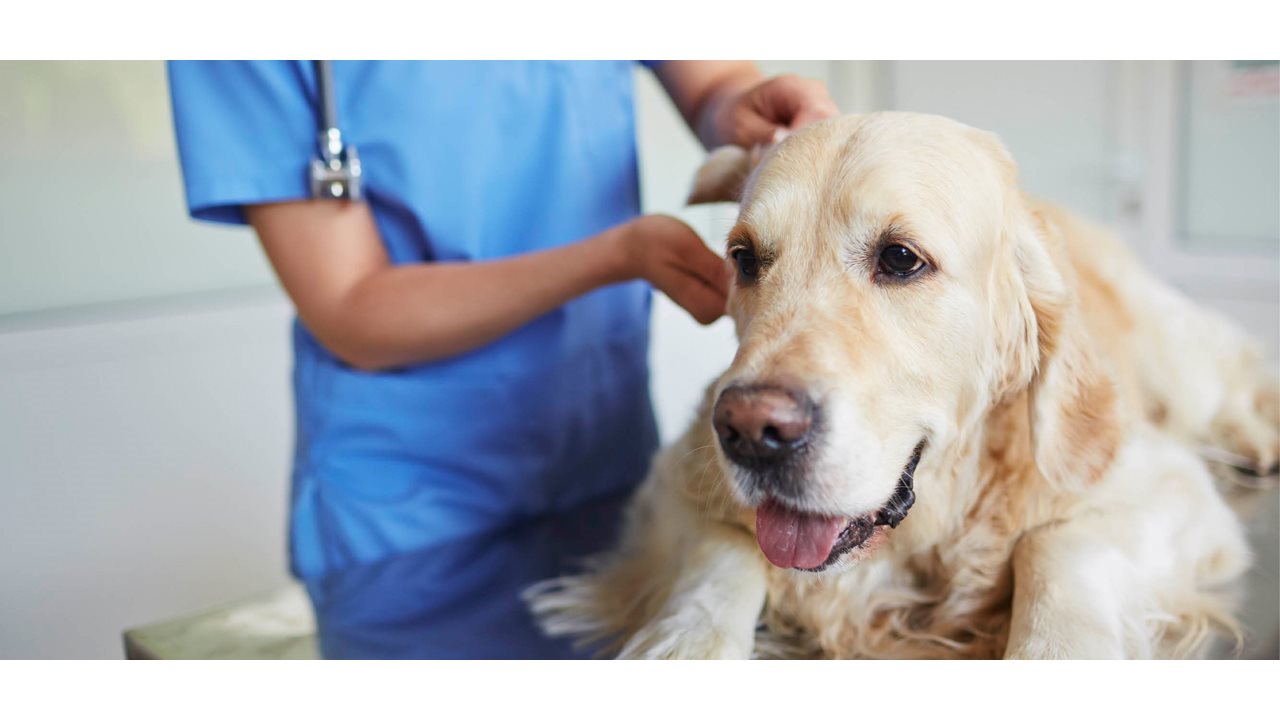
Older yellow labrador getting an exam by a vet.

The best rule of thumb is if something seems off with your dog, call and schedule an appointment with your veterinarian right away. They will be able to start the process of accurately diagnosing your dog and help you figure out the next steps.

6. “I don’t want my dog to suffer from this. Can incontinence be treated?”

Adorable older yellow labrador getting pet by his family.

Don’t worry. Your dog’s condition is treatable. If your dog is diagnosed with urinary incontinence due to urethral sphincter hypotonus, your veterinarian may prescribe PROIN ER™ (phenylpropanolamine hydrochloride extended-release tablets). This flavored, once-a-day tablet can help your dog have better weeks without the leaks. For more information, visit proin-er.com.

No matter the reason, your dog unexpectedly peeing inside is cause for concern. If you’re noticing this unusual behavior, consult your veterinarian and ask if PROIN ER™ is right for your dog.

1 Holt PE. Urinary incontinence in the [female dog] due to sphincter mechanism incompetence: prevalence in referred dogs and retrospective analysis of sixty cases. Journal of Small Animal Practice 1985;26:181–190.

2 Holt PE, Thrusfield MV. Association in [female dogs] between breed, size, neutering and docking, and acquired urinary incontinence due to incompetence of the urethral sphincter mechanism. Vet Rec 1993;133:177–180.

3 Von Goethem B. Schaefers-Okkens A, Kirpensteijn J. Making a rational choice between ovariectomy and ovariohysterectomy in the dog: a discussion of the benefits of either technique. Vet Surg 2006; 35:136-143.

4 Thrusfield MV, Holt PE, Muirhead RH. Acquired urinary incontinence in [female dogs]: its incidence and relationship to neutering practices. J Small Anim Pract. 1998;39:559-566.

IMPORTANT SAFETY INFORMATION: For oral use in dogs only. Not for human use. Keep out of reach of children. If accidentally ingested by humans, contact a physician immediately.

The most commonly reported side effects were vomiting, loss of appetite, diarrhea, excessive salivation, agitation, tiredness, vocalization, confusion, increased water consumption, weight loss, weakness, fever, panting, and reversible changes in skin color (flushing or bright pink). Abnormal gait, seizures or tremors, as well as liver enzyme elevations, kidney failure, blood in urine and urine retention have been reported. In some cases death, including euthanasia has been reported. Sudden death was sometimes preceded by vocalization or collapse.

Instances of dogs chewing through closed vials of PROIN and eating the vial contents have been reported, in some cases resulting in overdose. Keep the product in a secured storage area out of the reach of pets in order to prevent accidental ingestion or overdose, as dogs may willingly consume more than the recommended dosage of PROIN Chewable Tablets or PROIN ER™ tablets. Contact your veterinarian immediately if the dog ingests more tablets than prescribed or if other pets ingest PROIN Chewable Tablets or PROIN ER™ tablets.

PROIN and PROIN ER™ may cause elevated blood pressure and should be used with caution in dogs with pre-existing heart disease, high blood pressure, liver disease, kidney insufficiency, diabetes, glaucoma, and other conditions associated with high blood pressure. Dogs may transition from PROIN Chewable Tablets to PROIN ER™ without a break in administration. However, do not alternate PROIN ER™ with PROIN Chewable Tablets because the effectiveness and safety of interchangeable use have not been evaluated.

The safe use of PROIN and PROIN ER™ in dogs used for breeding purposes, during pregnancy or in lactating female dogs, has not been evaluated. Contact your veterinarian if you notice restlessness or irritability, loss of appetite, the incontinence persists or worsens, or any other unusual signs. See prescribing information for complete details regarding adverse events, warning and precautions or visit prnpharmacal.com.

Six reasons to visit Puerto Rico this holiday season

2024-10-15T06:57:00

(BPT) – Did you know Puerto Rico celebrates one of the longest holiday seasons in the world? The holiday season lasts about 45 days, from Thanksgiving Day through mid-January.

During the holiday season, the Island is alive with colorful decorations, delicious food, authentic music and grand festivals to mark different points of the season.

If you want to have a truly magical holiday experience this year, check out these six reasons why you should consider visiting Puerto Rico this winter.

1. Festivities

Get ready to experience the party that never stops. During the extended holiday season, you can participate in several vibrant festivities, including multiday events. Puerto Ricans begin decorating for the holidays right after Thanksgiving, if not sooner, and leave the décor on display well into January.

You’re probably used to Christmas Day being the most important day of the holiday season, but in Puerto Rico, nothing is more important than Nochebuena, or Christmas Eve. On Nochebuena, family and friends have dinner, exchange gifts, go out on parrandas and maybe even attend a midnight mass.

On Dec. 31, ring in the New Year at a Víspera de Año Nuevo celebration. At midnight, Puerto Ricans celebrate the arrival of the new year with fireworks over an ocean view under the moon and starlight.

Christmas Eve isn’t the only time to exchange gifts. In January, Puerto Ricans celebrate Three Kings Day, which commemorates the Three Wise Men’s visit after Jesus was born. Across the Island, you’ll see parades with people dressed like the Three Wise Men handing out presents to children. Kids also gather grass or hay in shoeboxes and place them under beds for the Three Wise Men’s animals in exchange for presents.

Fiestas de la Calle San Sebastián or SanSe — the largest and most popular festival in Puerto Rico — officially closes the holiday season. The party ends in Old San Juan with a lively street festival with music, dancing, traditional food and artisanal crafts.

2. Food

One of the best ways to explore a culture is through authentic dishes, and there’s no better season to savor authentic Boricua cuisine than the holidays. Get ready to indulge in arroz con gandules (rice with pigeon peas), lechón asado (spit-roasted pork), pasteles (tamal-like patties of green banana and meat) and other flavorful dishes.

No holiday is complete without a signature drink. Eggnog may come to mind, but in Puerto Rico, locals drink coquito. This thick, creamy holiday beverage is made of coconut milk, sweetened condensed milk, evaporated milk, local rum and spices.

3. Music

Merry music and musical traditions are key elements of the holidays in Puerto Rico. Throughout the whole season, you’ll witness parrandas, the Boricua version of caroling. Small groups visit friends and family late at night and wake them with aguinaldos, villancicos and trovas — local folk versions of Christmas songs. As the parranderos visit homes, they’ll sing, eat, drink and spread holiday cheer all over the Island until sunrise.

4. Weather

Ready to escape the cold winter weather? Take advantage of Puerto Rico’s warm weather this holiday season! In Puerto Rico, you can enjoy a sunny festive season, with an average temperature of 70-85 degrees F from November-January.

The warm weather also means you can enjoy outdoor activities like swimming, kayaking, snorkeling and hiking in a temperate, tropical climate. So, shed your layers and trade snow for sand and chilly winds for a gentle ocean breeze.

5. Accessibility

No passport? No problem! American citizens and permanent residents can visit the Island with just a valid ID to enter Puerto Rico.

You won’t have any difficulty finding flights to the Heart and Soul of the Caribbean. There are several short, convenient flights from the U.S. mainland to the heart of Puerto Rico, including direct routes from major cities like New York, Chicago and Dallas.

If you haven’t brushed up on your Spanish, you’re in luck because the two official languages on the Island are English and Spanish. Also, you won’t need to worry about exchanging currency. Puerto Rico uses the U.S. dollar, so you’ll have no problem buying last-minute Christmas gifts and souvenirs.

6. Live Boricua

Boricua — the Puerto Rican identity — is more than just a name. It’s a state of mind. When you Live Boricua, you can immerse yourself in the joy of life that is at the center of Puerto Rico and shared by its people and all who visit. During your holiday trip, embrace the rich traditions, warm hospitality and festive atmosphere of the Island so you can create memories to last a lifetime.

Are you ready to celebrate the holidays the Boricua way? To learn more and plan your holiday trip, visit DiscoverPuertoRico.com/Holidays.

What you should know about mast cell diseases

2024-10-14T10:01:00

(BPT) – Do you often get a skin rash after you are exposed to an allergen or irritant? Do you also develop breathing problems and stomach issues? Bone or muscle pain? You may want to learn about mast cell diseases. While rare, these diseases are increasingly recognized by doctors. Treatments for these chronic conditions are available.

What are mast cell diseases?

Mast cells are white blood cells present throughout your body and help guard your immune system. They identify foreign invaders such as viruses and allergens, then release powerful chemical mediators (including histamines) to repair your body’s tissue after the harmful virus or allergen is contained. This process triggers inflammation and symptoms of an allergic reaction, sometimes in more than one body system.
People with mast cell disease experience an abnormal buildup of mast cells or they have overly active mast cells. In some cases, there is no known trigger. It can lead to symptoms on the skin or in the digestive system or bone marrow. It can also affect other body organs such as the brain, heart and lungs.

Everyone’s symptoms are different. They may include:

Skin: Rashes, swelling, flushing
Stomach: Abdominal pain, nausea, vomiting, diarrhea, heartburn
Brain: Confusion, trouble thinking
Bones: Weak bones/bone pain
Heart: Blood pressure changes, heart racing, fainting
Breathing: Shortness of breath

Mast cell disease can also cause anaphylaxis, a severe or life-threatening allergic reaction. Anaphylaxis occurs from a sudden, rapid release of chemicals from mast cells.

People with mast cell disease may have several triggers causing their symptoms, such as:

  • Heat, cold or temperature changes
  • Certain foods or medicines
  • Alcohol
  • Allergens or irritants
  • Infections
  • Insect stings
  • Skin vibration or friction
  • Stress
  • Exercise
  • Contrast dyes during a medical exam

The two main types of mast cell disease are:

Mastocytosis occurs when there is an abnormal buildup of mast cells in the body. This unchecked growth disrupts tissue. Mast cells transfer throughout several body systems, sometimes rapidly.

  • People with cutaneous mastocytosis mostly have skin symptoms. This is more common in children.
  • People with systemic mastocytosis can have symptoms throughout the whole body and are more at risk for anaphylaxis. The most common type is indolent systemic mastocytosis (ISM). It accounts for up to 90% of adult cases. In ISM, mast cells tend to build up more gradually. Symptoms may start as mild or moderate, but they can worsen over time.

Severe types of mastocytosis are rare, but they can result in organ failure or lead to certain cancers.

Mast cell activation syndrome (MCAS) occurs when overactive mast cells release chemical mediators like histamine too often, with or without a trigger. Symptoms usually affect two or more body systems. People with MCAS are at high risk for anaphylaxis.

A mast cell-related genetic trait called hereditary alpha-tryptasemia (HαT) can affect some people with mast cell disease. People with this trait — about 5% of the population — have high levels of a protein called alpha tryptase. The levels become even more elevated during allergic reactions. People with HαT who also have mastocytosis are at high risk for severe allergic reactions.

How mast cell diseases are diagnosed

Getting an accurate diagnosis can be difficult because mast cell disease symptoms are similar to other conditions. If your symptoms suggest you might have a mast cell disease, consider seeing a specialist. Board-certified allergists can perform tests, such as a skin or bone marrow biopsy or a blood test, to make a correct diagnosis.

Treatment for mast cell diseases

While there’s no cure for mast cell diseases, people can manage their symptoms. A treatment plan typically includes medications and avoiding triggers when possible. Medications that can make mast cells less reactive and block effects of mast cell mediators include:

  • H1 and H2 antihistamines
  • Mast cell stabilizers (cromolyn sodium, ketotifen)
  • Leukotriene inhibitors such as montelukast
  • Aspirin (under doctor’s supervision)
  • Omalizumab, a biologic medication
  • Tyrosine kinase inhibitors for systemic mastocytosis

Tyrosine kinase inhibitors (TKI) prevent proteins from causing a buildup of mast cells. They can also stop or limit histamine release. TKIs are typically prescribed for people with advanced systemic mastocytosis. One — avapritinib — is also prescribed for indolent systemic mastocytosis.

In rare cases, severe mast cell diseases may be treated with chemotherapy. This does not mean a person with mast cell disease has cancer, but they are at increased risk for certain cancers.

People with mast cell disease who develop anaphylaxis should be treated first — and fast — with epinephrine. Some people may need follow-up care at an emergency department or hospital if symptoms persist.

If you feel you might have mast cell disease, consult your doctor. In honor of International Mastocytosis and Mast Cell Disease Awareness Day on Oct. 20, learn more at AllergyAsthmaNetwork.org or TMSForACure.org.

Fall into Seafood During National Seafood Month with 3 Easy Recipes

2024-10-14T07:15:00

(BPT) – October is here, which means fall is in full swing. It’s a time of year when you can enjoy vibrant fall colors, football season and cooler weather that begs for cozy meals at home and warm comfort foods. But did you know that October is also National Seafood Month?

Whether you’re cooking for family and friends or just for yourself, expand your culinary skills by adding seafood to your fall meal plans.

Why Seafood?

According to the Dietary Guidelines for Americans people of all ages should eat seafood at least twice a week. National Seafood Month is an awesome time to appreciate the variety of seafood available, try new flavors and incorporate more seafood into your diet.

Not sure how to start incorporating seafood into your meal plan? SeaPak (America’s #1 Breaded Shrimp) offers three mouthwatering, quick and easy meals perfect to inspire your fall menu.

1. Popcorn Shrimp Flatbread Pizza

Popcorn shrimp is a sure-to-please crowd and kid favorite. Combine that with pizza, and you have a winning combination. This recipe for a crispy and flavorful flatbread pizza features ricotta, mozzarella, olives, arugula, parsley and SeaPak Popcorn Shrimp.

America’s #1-selling Popcorn Shrimp is famous for a reason. With a crispy breading, these easy-to-bake and air fryer-friendly shrimp are perfect for everything from parties to meal planning.

2. One-Pot Creamy Shrimp Scampi

One-pot meals are easy to make, clean up and enjoy. This recipe for a One-Pot Creamy Shrimp Scampi takes five minutes to prepare and 25 minutes to cook. This no-fuss meal will impress your guests, and they’ll never know it took only minutes to prep.

This quick, simple dish uses only seven ingredients: linguine noodles, spinach, half-and-half, parmesan, lemon wedges and shrimp scampi. The result? A velvety flavorful sauce, earthy spinach and buttery delicious shrimp.

3. Sheet Pan Jumbo Shrimp Fajitas

Impress your sweetheart this date night with Sheet Pan Jumbo Shrimp Fajitas. Combine spiced peppers, onions, seasoning and jumbo butterfly shrimp in a foil-lined baking sheet. Once done, you can serve the fajita mixture on steamed or charred flour tortillas and top with cilantro and avocado slices. Best of all? A one-pan meal means cleaning up takes little to no time so you can spend more time with your special someone.

Choose the right seafood products for memorable meals

When choosing seafood for your weekly meal plan, look for SeaPak. They offer versatility in cooking methods, allowing you to bake their products in the oven, sauté on the stovetop or fry in the air fryer.

Each package includes step-by-step, easy-to-follow instructions, so you’ll never have to guess how to prepare your seafood and your meal will cook perfectly every time. You can use SeaPak products in any or all of these seafood recipes this fall.

Looking for a great deal on a seafood dinner? Find your favorite SeaPak products at a store near you by visiting SeaPak.com/Where-To-Buy/.

Make your shower a sanctuary of self-care

2024-10-10T11:01:00

(BPT) – The self-care movement is having a moment. Over the summer we observed Self-Care Month from June 24 to July 24, with the symbolic notion of 24/7 (July 24) self-care being top of mind in our stressful world today, not just during that month, but in every month. The World Health Organization even issued guidelines about its importance.

What is self-care? It’s the process of tending to your physical, spiritual and mental health and wellbeing. It can be about mindfulness and meditation, getting out and walking in nature, eating right, focusing on sleep, nurturing social connections and so much more. It’s the completely personal practice of taking care of yourself, whatever that means to you, and doing whatever helps you recharge and renew.

One way to bring more self-care into your life is to start in the bathroom, which has long been an oasis of solitude, pampering and luxury. Any busy parent can tell you they love their alone time in the bathroom, with a luxurious soak in the tub getting much of that glory. But your shower can be an oasis of pampering, too. Here’s how to turn your shower into an oasis of self-care.

Choose the right shower head. They’re not all created equal. A great shower head can elevate the entire shower experience from ordinary to extraordinary, and the technology has evolved to new heights of self-care. Kohler’s Cinq, a single-function showerhead, features a five-layer Aquifer KDF55 filtration system that delivers less chlorine, chemicals and scale so you can experience that perfect glow for your hair and skin.

Kohler’s new SpaViva Handshower & All-in-One Cleansing Device takes that concept up a notch, and brings self-care to your shower space. It’s an innovative product that combines essential skincare tools with deep clean capability. The two-function handshower offers two spray types, Katalyst Spray that infuses water with more air for a more robust water droplet that retains heat, and the Microbubble Spray that produces tiny bubbles.

The All-in-One Cleansing Device will have you wondering how you ever lived without it. It magnetically docks into the center of the handshower, transforming your showerhead into a multifunction beauty tool. It features four brush heads — Face Brush, Body Brush, Body Massager and Body Scrub — that rotate at a choice of three speeds. It truly is an innovation that turns your shower into a spa. Another plus: It’s a simple retrofit installation that anyone can do.

Set the mood. Create a spa-like atmosphere in your bathroom. Tuck those rubber duckies and other toys away, stow your spouse’s products under the sink and toss any used towels into the laundry basket. Then, dim the lights and break out the candles, your favorite playlist of soothing music and a sprig of eucalyptus or whatever scent you love.

Gather your products. This is the time for pampering, so grab a deep conditioner for your hair, your favorite body wash and other special products.

Practice mindful showering. Focus on the sensations of the warm water, scents, steam and your luxurious products.

Customize the experience. For a truly upscale shower, Kohler’s Anthem+ allows you to control all of your functions digitally. You can control steam and temperature for up to 12 shower outlets from one intuitive interface. Just one great feature: You can preset preferences for up to nine users. So, you can have the shower ready to go just as you like it, and so can your spouse, your teenagers, and any visitors.

With the right tools and a little planning, you can transform your shower from a step-in-step-out dash into a mindful routine of self-care that you can enjoy every morning or whenever the mood strikes.

What You Need to Know About the Updated COVID-19 Vaccine

2024-10-10T14:09:00

(BPT) – COVID-19 remains a public health concern, as we continue to see periodic surges in infections and hospitalizations.1 But while SARS-CoV-2 infections tend to rise during the fall and winter seasons just like the flu, the virus poses a year-round burden and COVID-19 remains a leading cause of hospitalizations from respiratory infections.2,3 As we head into colder months, it’s important to take precautions to protect yourself and your loved ones from infection.

Unfortunately, COVID-19 vaccination rates among adults remain lower than those of influenza, despite higher risk of hospitalization and death.4,5

For some, symptoms of a COVID-19 infection linger for weeks, months, or even years after infection.6 Nearly 20% of American adults and nearly one in four children/adolescents have reported experiencing prolonged COVID-19 symptoms, known as Long COVID.7,8

“As much as we wish we no longer had to think about COVID, it’s still here, so we need to do what we can to protect ourselves and our loved ones,” said James Mansi, Vice President of Medical Affairs, North America at Moderna. “Routine vaccination remains a highly effective way to help protect you against COVID-19, especially when respiratory infections are on the rise during the fall and winter.9 This is especially vital for those most at risk of severe disease.“10

Who is most at risk for COVID-19 complications?

Three in four adults in the U.S. have an underlying health condition which can increase their risk for developing severe COVID-19 symptoms.11 Some factors that can increase a person’s risk of developing severe COVID-19 include:12

  • Being 65 years of age or older
  • Diabetes
  • Obesity
  • Heart conditions
  • Lung disease
  • Having multiple risk factors

“Those at higher risk of severe complications from COVID-19 are also more likely to develop Long COVID, making it even more crucial that they receive their updated vaccine,”6 said Dr. Phillip Levy, Professor in the Department of Emergency Medicine at Wayne State University. “This includes people with chronic medical conditions and anyone 65 or older as eight out of every ten COVID-19 related deaths occur in this age group.”13

Taking the first step to protect yourself and others from COVID-19

Routine vaccination is one of the most effective methods for preventing severe illness and long-term complications following a COVID-19 infection.6 The U.S. Food and Drug Administration (FDA) has recently approved updated COVID-19 vaccines for 2024-2025, targeting the Omicron variant’s KP.2 strain.14 These updated vaccines offer better protection against serious outcomes, including hospitalization and death.14 The Centers for Disease Control and Prevention (CDC) recommends everyone aged six months and older get the updated vaccine this fall and winter.15

The SARS-CoV-2 virus is constantly changing, and immunity from previous vaccinations or infections decreases over time.16,17 The updated vaccines are designed to provide better protection as COVID-19 mutates.17

For those who have recently had COVID-19, the CDC advises waiting three months (90 days) following your recent infection before receiving an updated vaccine.11 For example, if a person had COVID-19 in June of this year, they could wait to get an updated COVID-19 vaccine in September.17

Vaccination helps prevent serious COVID-19 outcomes, which, in turn, can help prevent Long COVID. Long COVID can cause prolonged symptoms including fatigue, exhaustion, and brain fog.6 Those at higher risk for developing severe COVID-19 symptoms, such as older adults and those with underlying health conditions, are also at greater risk for developing Long COVID.6

Encourage your loved ones, particularly those at greater risk, to get their updated COVID-19 vaccine today.

To find a COVID-19 vaccine near you, and for more resources on COVID-19, please visit ForYouAndThem.com.

Content developed by Moderna.

References:

1. https://www.cdc.gov/ncird/whats-new/changing-threat-covid-19.html

2. https://www.cdc.gov/ncird/whats-new/covid-19-can-surge-throughout-the-year.html

3. https://www.cdc.gov/resp-net/dashboard/

4. https://www.cdc.gov/covidvaxview/weekly-dashboard/index.html

5. https://www.cdc.gov/fluvaxview/dashboard/weekly.html

6. https://www.cdc.gov/covid/long-term-effects/index.html

7. https://www.cdc.gov/nchs/covid19/pulse/long-covid.htm

8. https://www.nature.com/articles/s41598-022-13495-5

9. https://www.cdc.gov/respiratory-viruses/prevention/immunizations.html

10. https://www.ncbi.nlm.nih.gov/pmc/articles/PMC7929033/

11. https://www.ncbi.nlm.nih.gov/pmc/articles/PMC7880833/
* In a cohort study of COVID-19 adult cases occurring during the Omicron wave in Quebec, Canada, from December 5, 2021 to January 9, 2022 (n = 245,956).

12. https://www.cdc.gov/covid/hcp/clinical-care/underlying-conditions.html

13. https://www.cdc.gov/covid/risk-factors/

14. https://www.fda.gov/news-events/press-announcements/fda-approves-and-authorizes-updated-mrna-covid-19-vaccines-better-protect-against-currently

15. https://www.cdc.gov/media/releases/2024/s-t0627-vaccine-recommendations.html

16. https://www.cdc.gov/ncird/whats-new/variants-happen.html

17. https://www.cdc.gov/covid/vaccines/stay-up-to-date.html

7 tips to help protect you from financial fraud

2024-10-10T11:01:00

(BPT) – Scammers seem to be getting more and more sophisticated, and older adults are often the target — especially of financial scams. In fact, scams targeting Americans 60 and older resulted in over $3.4 billion in losses in 2023, an 11% jump from the previous year, according to the 2023 FBI Elder Fraud report.

And imposter fraud is on the rise. That email seemingly from your bank or broker, the urgent message from a tech company alerting you to a computer problem, or the notorious grandparents scam saying your grandchild is in trouble and needs money — all are examples of imposter fraud. It’s easy to be taken in, so we all need to be on the alert and aware of how to protect ourselves and our finances.

At Charles Schwab, we’re committed to providing information and resources to help keep older investors — and all investors — safe. So here are seven ideas to help you avoid falling prey to financial fraud.

1. Look out for unsolicited offers

These can come from a text, email or messaging app, as well as on the phone. Don’t rely on caller ID to determine if a call is legitimate. Scammers use tools to make it appear they’re calling from a genuine government or business number. Instead, confirm independently whether a business, utility or government agency is indeed trying to reach you. If you receive a call from a company you do business with and they ask for information, consider hanging up and calling the company directly using the customer service number listed on your invoice, account statement, or the corporate or government website. And be sure to report imposter scams to the company or institution being impersonated.

2. Avoid clicking suspicious links

Don’t click on links or attachments included in unknown or suspicious emails and texts. In an email, hover over links to reveal the website’s URL and see where the link really goes, and double check the sender’s domain name in the email address to ensure it matches what you’d expect to see.

3. Beware of urgency and pressure tactics

Be cautious of communications urging immediate action or pressuring you to invest quickly with promises of guaranteed or unusually high returns. And be wary of investment opportunities based on alleged “insider” or confidential information.

Remember: If it sounds too good to be true, it probably is.

4. Check before giving remote access to your computer

Before giving someone remote access, especially if they proactively contact you saying there’s an issue or suspected fraud, call the phone number listed on your financial institution’s public site to verify you’re speaking with someone from the firm.

If you get an unsolicited call offering to fix a computer problem, hang up immediately. Companies like Apple and Microsoft will not contact you for tech support unless you’ve requested help, and they won’t ask for personal information.

5. Don’t give sensitive information

Is someone asking for credit card details, your Social Security number, or your one-time password? That’s a red flag. Never share sensitive information unless you’re sure you know who you’re dealing with. Be skeptical of anyone requesting that you share your one-time password, as criminals may be requesting your code so they can login and access your money.

6. Don’t send money to someone you don’t know

There are so many easy ways to send money these days. Be extra cautious. Make it a rule to never send money to someone you don’t know, someone you think you may know but aren’t sure, or someone you’ve only met online.

7. Establish a trusted contact at your financial firm

As an added layer of protection to keep your accounts safe, many financial firms ask you to designate a trusted contact in case you can’t be reached. This can be a friend or family member over 18 years old, who you trust and who is likely to know your current situation. If a financial firm suspects fraudulent or unusual activity on your account but can’t reach you, your trusted contact can confirm things like your current contact information, health status and other parties on your account.

Your financial firm may not require you to name a trusted contact, but it’s a good idea as a second line of defense. And be sure to update your trusted contacts regularly.

Whether you’re concerned for yourself or a loved one, share these tips and encourage everyone you know to protect themselves in the face of increasing financial fraud. Want more ideas on how to keep your accounts safe? Visit us at schwab.com/schwabsafe for how-to guides, added tips, and more. We’re committed to your security.

The information provided here is for general informational purposes only and should not be considered an individualized recommendation or personalized investment advice. The investment strategies mentioned here may not be suitable for everyone. Each investor needs to review an investment strategy for his or her own particular situation before making any investment decision.

All expressions of opinion are subject to change without notice in reaction to shifting market conditions. Data contained herein from third-party providers is obtained from what are considered reliable sources. However, its accuracy, completeness or reliability cannot be guaranteed.

Examples provided are for illustrative purposes only and not intended to be reflective of results you can expect to achieve.

1024-V6MP

The ABCs of type 1 diabetes screening and testing: A helpful guide

2024-10-10T07:01:00

(BPT) – Sponsored by Sanofi

As many in the type 1 diabetes community can attest, it can be difficult at first to understand the purpose of screening or the subsequent tests before and following a type 1 diabetes diagnosis, and what the results can mean for you or a loved one.

To help alleviate any uncertainties around which screening or test to take (and why), it’s time to bring it back to basics. Below are the “ABCs” of some of the screenings and tests (e.g., Autoantibody Screening, Blood Glucose Test, and A1C Test) that are currently available for type 1 diabetes, with the goal of empowering people of all ages with the tools and information necessary to advocate for their health when they are speaking to their doctor. It’s important to note that while a blood glucose test and an A1C test are crucial to the diagnosis, monitoring, and management of type 1 diabetes, an autoantibody test is the only test that can confirm your risk of developing the disease.

Autoantibody Screening

Autoantibody screening is a blood test that can detect whether someone is at risk for developing type 1 diabetes. The blood test looks for type 1 diabetes-related autoantibodies, which are proteins that appear in the blood in the early stages of the disease before there are noticeable symptoms, which tend to occur when type 1 diabetes has already progressed to a later stage after weeks, months, or even years.

When it comes to detecting type 1 diabetes early, knowledge is power. As a nurse who lives with type 1 diabetes herself, Grace Cochran could not agree more: “Having insights into whether you are at risk of developing type 1 diabetes is incredibly important. Early information can give you more time to educate yourself and your family about the disease and prepare for what will eventually come,” Cochran shared.

“People may think ‘ignorance is bliss’ when it comes to a future type 1 diabetes diagnosis, but as someone who not only received an unexpected diagnosis that required a hospital stay myself but also as a nurse who cares for people who might be in a similar situation, I can tell you that it’s 100% worth it to get screened,” Cochran continued.

The1Pledge.com has useful information about the importance of early screening and detection and how to start a conversation with your doctor. By the time someone is in the later stage of disease, complications of untreated type 1 diabetes can lead to an emergency room visit and hospital stay, as they did for Cochran, and lifelong insulin dependence begins — which brings up the “B” of the ABCs.

Blood Glucose Test

A blood glucose test not only confirms a type 1 diabetes diagnosis, but also helps people living with type 1 diabetes regularly monitor their disease. Doing so is important, as it gives a person insights into whether their blood glucose or sugar levels are within a normal range. Many factors can impact blood glucose levels, such as food, activity level, stress, illness, and certain medications and dehydration.

“There are a lot of tools these days that can help make routinely monitoring blood glucose levels easier and more convenient,” Cochran said. “For example, a doctor can test a person’s blood glucose levels, and many people living with type 1 diabetes also use devices to self-monitor their blood glucose levels throughout each day because this condition requires 24/7 care and attention. In addition to working with my care team, I’ve learned tips and tricks since I was first diagnosed 17 years ago to manage my glucose levels — but I, of course, still monitor my blood glucose levels multiple times a day, every day.”

Indeed, finding the right care team is incredibly important for people living with type 1 diabetes. For instance, an endocrinologist, a specialist who cares for people with diabetes, can work with someone living with type 1 diabetes and help them maintain normal blood glucose levels. Not only that, but they can also measure how someone is managing their disease over time, leading to the “C.”

A1C Test

An A1C test, which is also referred to as an “estimated average glucose,” can be used to show average blood sugar levels over two to three months. For people with type 1 diabetes, an A1C test can provide an overview of blood glucose management over a set period of time and help them, along with their endocrinologist, understand if any adjustments need to be made in the way they are managing their disease.

ABC Recap

It’s important to understand the role of screening before a type 1 diabetes diagnosis and the tests that are used following a diagnosis to monitor the disease and guide appropriate management. You can learn more about how to get screened early for type 1 diabetes and what to expect after screening by talking to your doctor, enrolling in a research option, or scheduling a telehealth visit through Screening Central.

Sanofi does not provide medical advice, diagnosis, or treatment — information is provided for educational purposes only. Your doctor is the best source of health information. Talk to your doctor if you have any questions about your health or treatment.

Grace Cochran is a paid spokesperson for Sanofi.

5 easy ways to make your bathroom more sustainable

2024-10-10T08:01:00

(BPT) – The entire country has experienced its share of extreme weather lately. Record-breaking heat, torrential rain and drought — you name it, Mother Nature has been doling it out. It has caused many people to start thinking about climate change and what they can do to help, including improving the environmental footprint of their homes. If we all put in a little effort, it really starts to add up, and one place to make simple, impactful changes at home is in the bathroom.

Here are some easy ways to make your bathroom and the planet more sustainable.

Replace your throne with an eco-friendly toilet. Toilets can account for up to a third of water used indoors. And a leaky toilet can waste hundreds of gallons of water a day. Replacing your traditional toilet with a high-efficiency model that has a WaterSense label, like the TOTO Guinevere One-Piece Toilet, can reduce how much water you use per flush. While traditional toilets typically use 1.6 gallons per flush, newer, high-efficiency models typically get the job done with just 1.28 gallons per flush or less. And that savings can really add up!

Nationally, if all old, inefficient toilets were replaced with WaterSense-labeled models, we could save billions of gallons annually. The TOTO Guinevere is an excellent, high-efficiency toilet that conserves water and does not sacrifice performance. TOTO toilets are more effective in one flush than most toilets are with multiple flushes. This is due to cutting-edge technologies like the TORNADO Flushing System and CEFIONTECT ceramic glaze, which reduces waste buildup and keeps the bowl cleaner. As a result, they promote sustainability by saving you a significant amount of water. That’s a true win-win.

Swap out your toilet seat for a bidet seat. TOTO originated the luxury bidet seat with the introduction of the WASHLET. Today, WASHLET bidet seats are taking the country by storm as a way to bring a luxury spa-like experience to your bathroom — with no need for a plumber. To install one, you simply replace your existing toilet seat. The WASHLET takes cleanliness and hygiene to the next level and offers many other benefits.

One of the significant benefits is helping you reduce your environmental footprint by using less toilet paper. The average American household uses 400 rolls of toilet paper each year, while those with bidets use up to 75% less than that on average. According to Scientific American, we could save 15 million trees a year if we reduced TP usage by 75%. Not to mention the water saved. Just one roll of toilet paper takes 37 gallons of water to produce.

The WASHLET by TOTO models also feature the company’s CLEANOVATION technologies, including EWATER+ and PREMIST. EWATER+ uses electrolyzed water to help keep your toilet bowl and bidet wand clean between uses, reducing the need for toxic cleaning chemicals that end up in our watersheds.

Combine a low-flow toilet with a bidet seat. Looking to be even more sustainable? If you’re already buying a new toilet, consider buying a TOTO WASHLET+ model, which combines a TOTO high-performance, low-flow toilet with a WASHLET bidet seat in a stylish and sleek design. A WASHLET+ bidet toilet will allow you to maximize the environmental savings through your bidet toilet.

Low-flow showerheads. According to the EPA, showers account for 17% of all water use in homes. If the average shower takes eight minutes and uses 16 gallons of water per minute (with teenagers, that number is probably much higher!), a family of four is showering away 160 gallons daily. Low-flow showerheads like the TOTO MODERN SHOWERHEAD 1 MODE or RAINWATER ROUND 10″ can slash that number to under two gallons per minute without you even noticing a change in your showering enjoyment. To conserve even more water, don’t forget to use a shower timer to keep yourself honest.

Install low-flow water aerators for your faucets. You can save water at the sink, too; all it takes is one small change. Simply replace the aerator on your faucet (a little attachment that’s inside the end of your faucet) with a low-flow model. How do you know if it’s low flow? Look for the WaterSense label. The difference this can make in reducing your water use is amazing. You can save up to 30% of water usage with just this simple change. You can even take it up a notch by installing an automatic faucet so you won’t accidentally waste water when brushing your teeth or going through your daily routine at the sink.

By making small, easy changes in the bathroom, you can do your part to help the planet and add a little luxury to your routine while you’re at it. For more information about sustainable bathroom fixtures, contact TOTO.

Ketamine and other anesthetics emerge as treatments for depression: Anesthesiologists can help ensure they are used safely

2024-10-09T17:01:00

(BPT) – Ketamine and other anesthetic drugs have emerged as a powerful new tool to rapidly treat depression, especially for people who don’t benefit from traditional therapies. With conversations regarding these drugs circulating in the news and online, anesthesiologists — physicians who are experts in using them to sedate patients during surgery — are shedding light on the latest research and recommendations to ensure they are used safely as a mental health treatment.

More than one in five U.S. adults lives with a mental health illness (57.8 million) and over 21 million Americans had at least one major depressive episode in 2021. Many individuals with depression experience symptom relief with psychotherapy and antidepressants, but for nearly one-third (30%) of patients these therapies are ineffective, known as treatment-resistant depression.

“The current research into these drugs offers hope to people with a common, debilitating and potentially fatal mood disorder,” said Peter Nagele, M.D., an editor at Anesthesiology, the peer-reviewed journal of the American Society of Anesthesiologists (ASA). “With this new use for common anesthetics, we believe it is important to use our knowledge and training, working collaboratively with psychiatrists, to advance patient care and safety. This includes ensuring patients receive this treatment under the supervision of a physician and in an accredited clinic following established safety standards.”

On World Mental Health Day, ASA shares the latest information on the various anesthetics being repurposed, how anesthesiologists and psychiatrists may be able to increase their collaboration, and questions patients should ask.

Anesthetics Being Repurposed for Treatment of Depression

Ketamine’s unique benefits include working in minutes or hours vs. weeks, compared to traditional antidepressants, and its persistent positive effects on mood. Ketamine originally was developed to induce and maintain anesthesia and its antidepressant effects were first identified in 2000. When used to treat depression, it is administered at a low dose intravenously (IV therapy), as a U.S. Food and Drug Administration-approved nasal spray or a combination of both in a series of treatments given over a few days or once a week. After a single treatment, a patient’s symptoms may improve for days or even weeks.

While most studies have focused on ketamine, researchers are also looking into nitrous oxide, more commonly known as laughing gas, and IV propofol, a common anesthetic used during medical procedures, among others. As with ketamine, patients’ depression scores have improved during preliminary trials, and there is evidence nitrous oxide’s effects last beyond the initial treatment.

Further research is needed to fully understand why these drugs are so effective against depression. Scientists believe it may be because they act on different receptors and address imbalances between chemicals in the brain.

How Anesthesiologists and Psychiatrists are Partnering to Help Patients

The authors of a special article recently published in Anesthesiology recommend anesthesiologists take a more active role in the repurposing of anesthetic drugs as antidepressants. They propose developing a subspecialty focused on anesthetic neuropsychiatry that includes physicians and researchers who can serve as liaisons between these two specialties and help collaborate activities including:

  • facilitating joint research training with an emphasis on postgraduate degree programs,
  • sharing in the design of clinical trials,
  • conducting interdisciplinary departmental rounds, and,
  • combining efforts to advance technologies in brain imaging.

What Patients Need to Know

While ketamine and other anesthetics show great promise in treating depression and anxiety for certain patients, they may have side effects and can be dangerous if not used or administered correctly.

ASA encourages patients interested in these drugs to ask the following:

  • Is this treatment right for me? These drugs do not offer a universal cure and patients need to be evaluated and selected carefully by a psychiatrist for these treatments.
  • Where will I receive my treatment? Patients should receive the medications only under medical supervision, such as in an accredited clinic with established safety standards.
  • Who is prescribing my treatment? These drugs need to be prescribed, administered and carefully managed by skilled physicians.

To learn more about anesthesiologists, anesthesia 101, pain management and more, visit: https://madeforthismoment.asahq.org/.